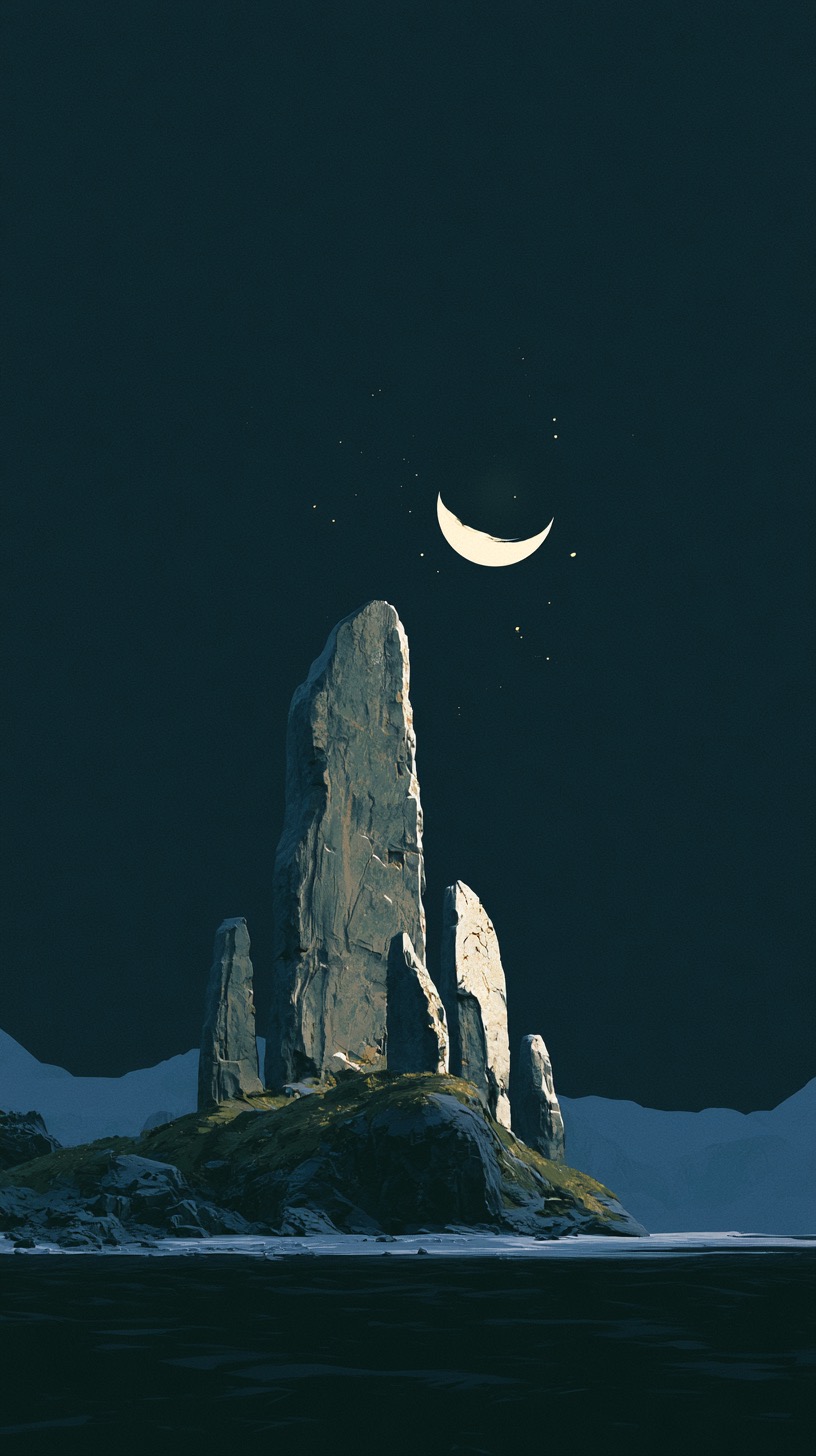
Generations after Adam, something strange starts happening. People start carving statues - not of gods, just of their own righteous dead. One report traces it back to five men worth remembering: Wadd, Suwa', Yaghuth, Ya'uq, Nasr. Just memorials, at first. But their grandchildren find the statues still standing, and start praying to them instead. That's how idolatry enters the world for the first time - not with a declaration, wearing the face of reverence.
The mission
So Allah sends one man to undo it: Nuh.
Not for a year. Not for a decade. The Qur'an gives the number itself: a thousand years minus fifty. Nine hundred fifty years of Nuh calling his people back - night and day, in private and out loud. And for nearly a millennium, their answer doesn't change. They put their fingers in their ears.
The chiefs' entire argument against him was never "you're wrong." It was simpler and pettier than that: only the lowest of us follow you. Not an argument about truth - an argument about who's beneath their notice. Every prophet who comes after Nuh will hear some version of the same line.
The ark
Then Allah commands him to do something nobody around him can make sense of: build a ship. On dry land, nowhere near a sea.
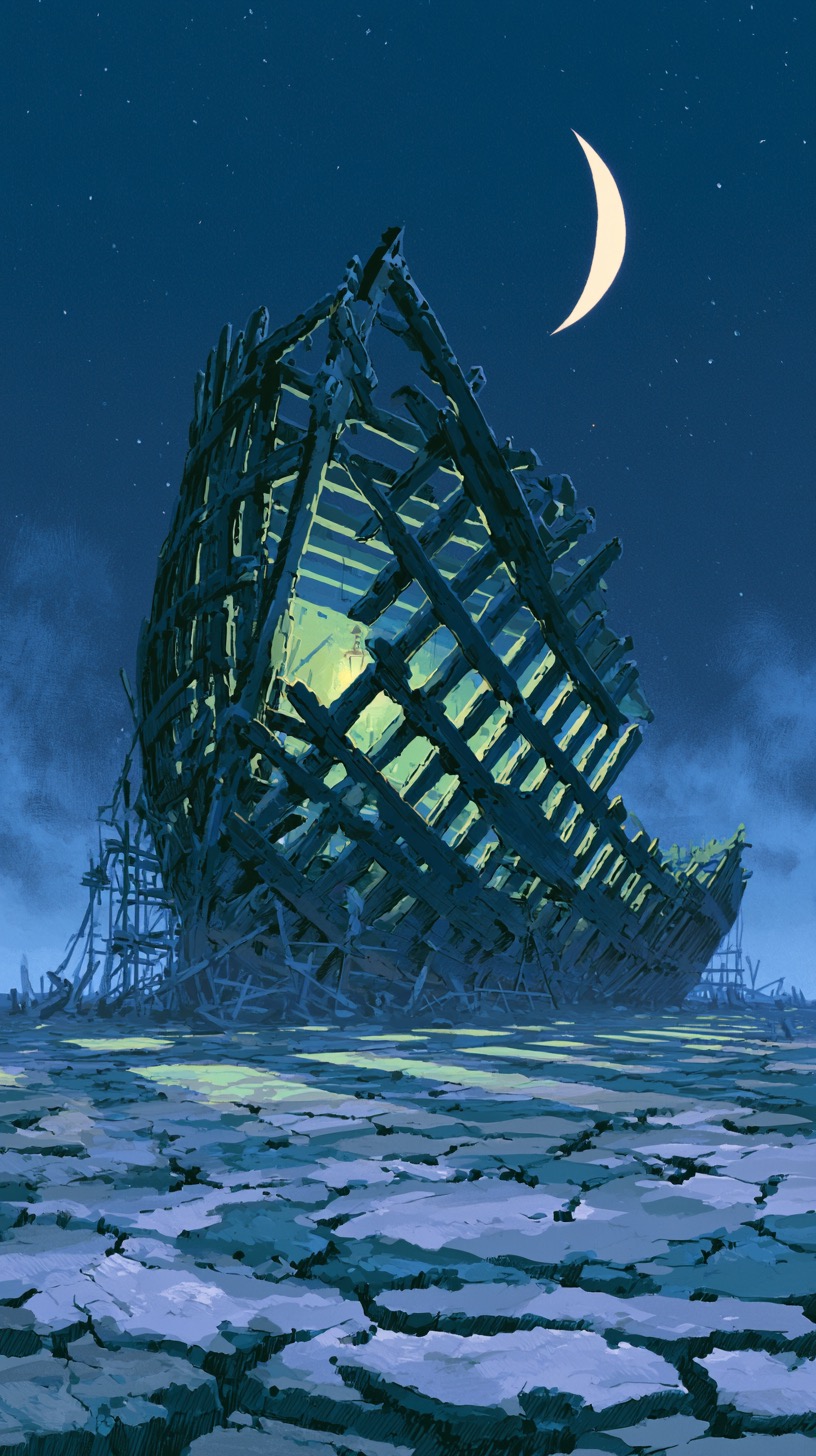
Every chief who walks past makes the same joke. Nuh doesn't argue back or defend himself - he just keeps building.
And he constructed the ship, and whenever an assembly of the eminent of his people passed by him, they ridiculed him. He said, "If you ridicule us, then we will ridicule you just as you ridicule."
Qur'an 11:38, Surah Hud
The flood
After 950 years of being told no, Nuh finally calls on his Lord directly:
So he invoked his Lord, "Indeed, I am overpowered, so help."
Qur'an 54:10, Surah al-Qamar
And the sky answers. Water pours down from above; springs burst open from below. The two waters meet.
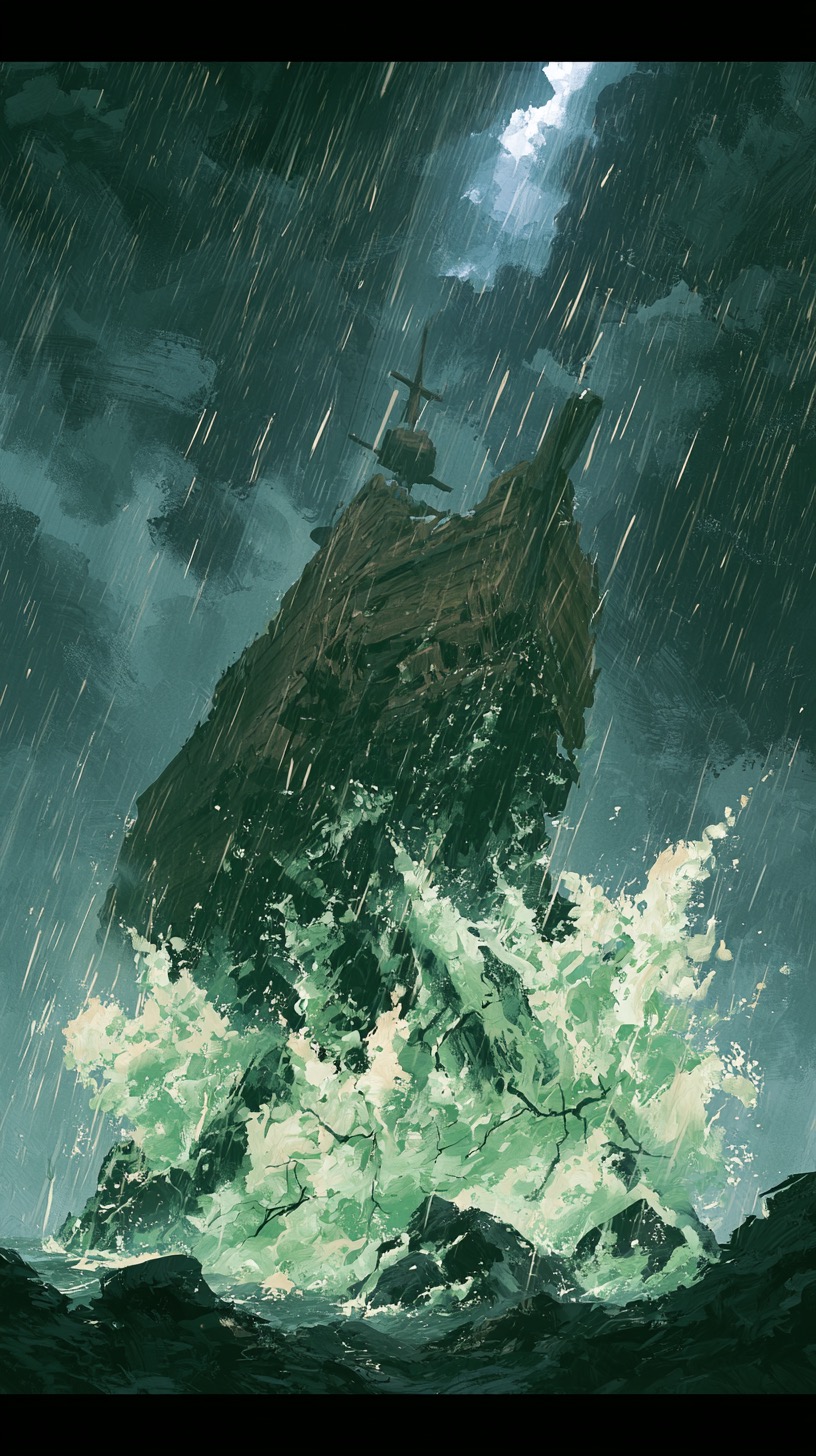
Nuh loads pairs of every kind onto the ark, and the few who believed him - after nearly a thousand years of calling, only a handful.
The son
Then the heaviest moment in the whole story. In the middle of the flood, Nuh sees his own son standing apart, refusing to board. He calls out to him.
There is no protector today from the decree of Allah, except for whom He gives mercy.
Qur'an 11:43, Surah Hud
A wave rises between them. The son is gone.
Nuh, still a father, pleads: his son was of his family - surely Allah's promise of safety extends to him too. The answer he gets back redefines what family even means:
He said, "O Noah, indeed he is not of your family; indeed, he is [one whose] work was other than righteous, so ask Me not for that about which you have no knowledge."
Qur'an 11:46, Surah Hud
Faith isn't inherited. Even a prophet's own son has to choose it for himself.
Al-Judi
And then, two sentences, and it's over.
And it was said, "O earth, swallow your water, and O sky, withhold [your rain]." And the water subsided, and the matter was accomplished, and it [i.e., the ship] came to rest on the [mountain of] Judiyy.
Qur'an 11:44, Surah Hud
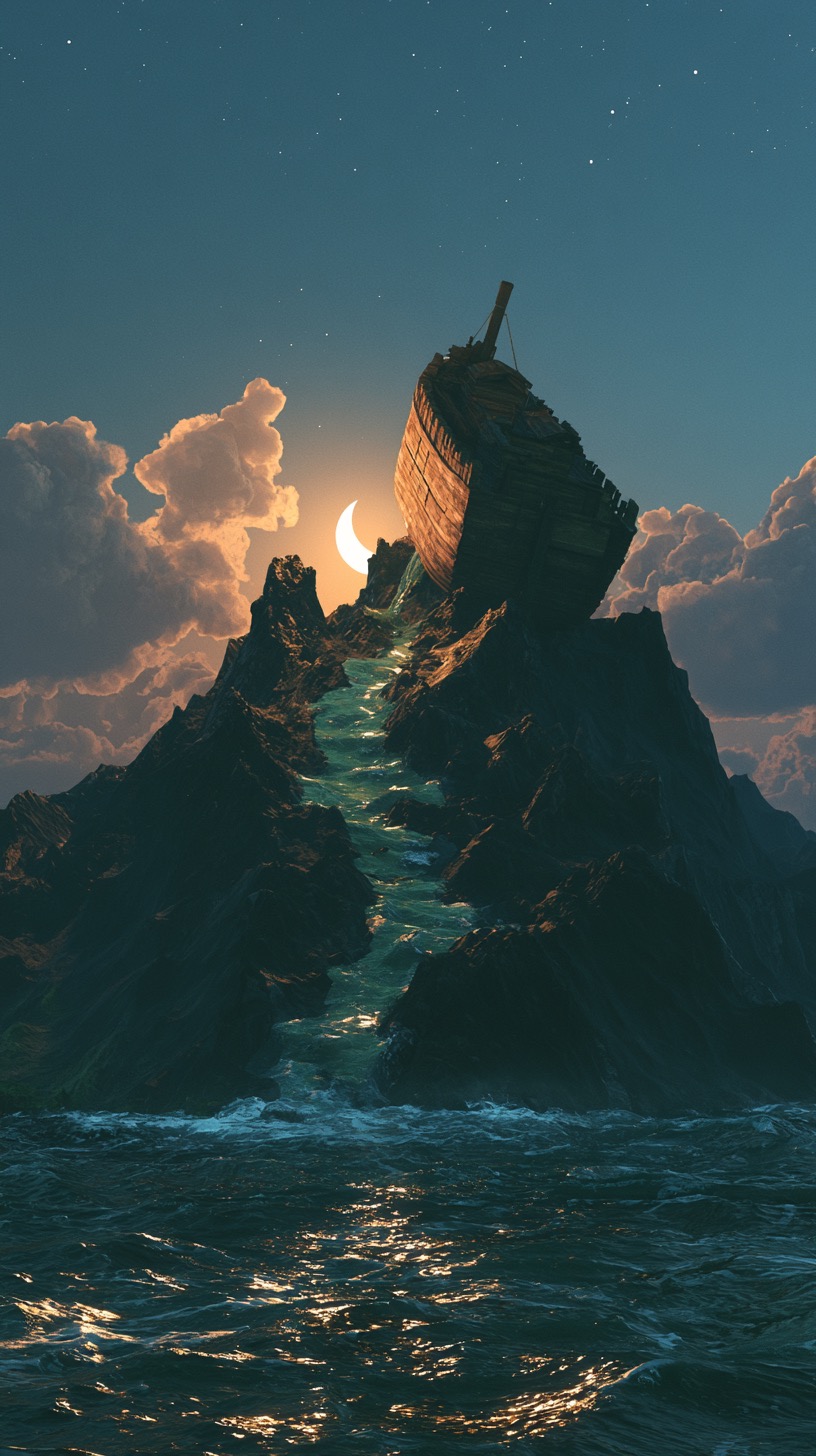
The ark settles on the mountain at first light. The human story starts over from one wooden boat.
The lamp stays lit
That's Nuh: 950 years of being told no, and he never stopped - not because it was working, but because it was true.
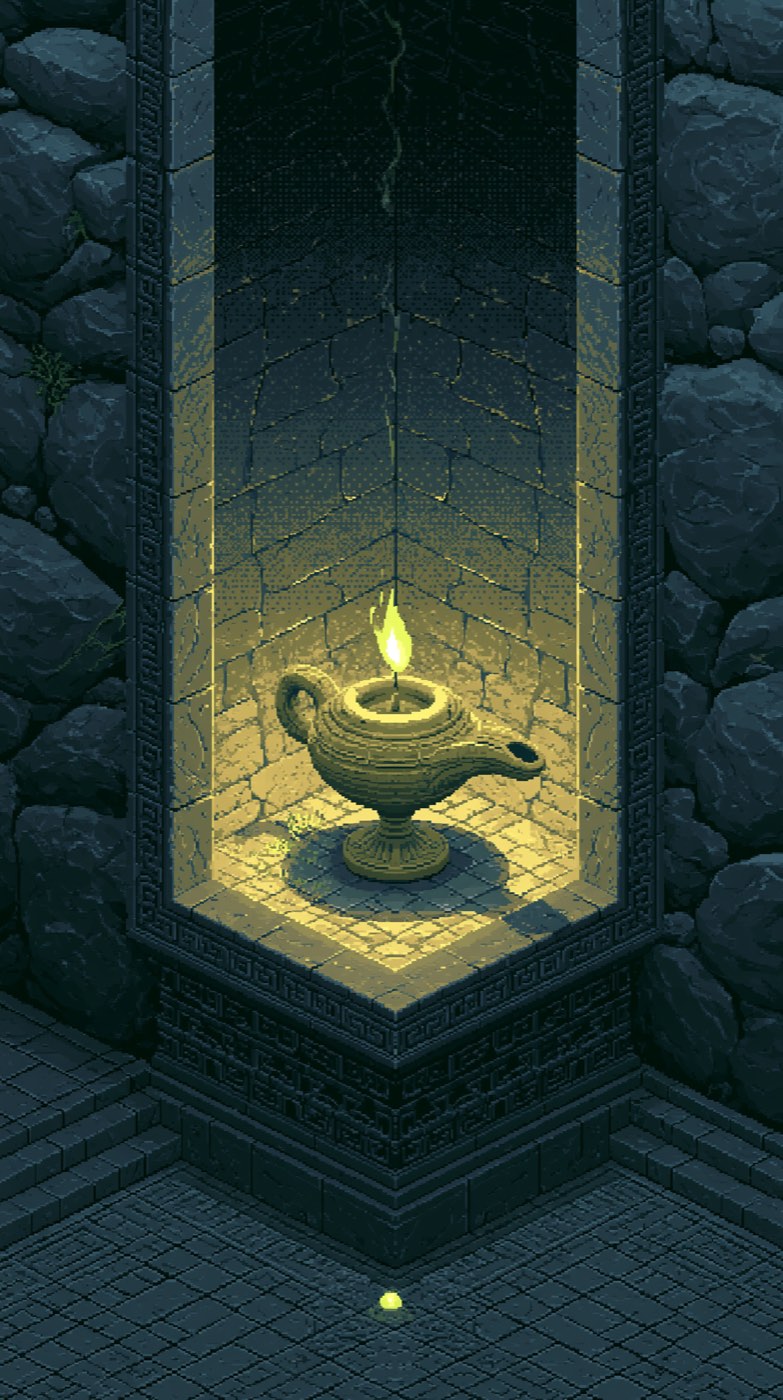
The lamp lit at the end of Adam's story is still the same lamp. It just rode out a flood that erased almost everyone else on earth, and it's still burning.
Next up: a young man walks into a room full of his people's gods, and leaves only the biggest one standing.
Scene art is AI-generated and studio-curated. No depiction of prophets or angels, ever - the places and the objects carry the story. How we build.