Stories of the prophets
موسى
Musa - The Sea
A baby cast into the river in a chest grows up in the house of the man who wanted him dead. Called beside a fire on a mountainside, he goes back to Fir'awn with his brother, leads his people through the sea, and at the meeting of the two seas learns that there is knowledge he cannot reach.
October 28, 2026 · Sourced from the Qur'an
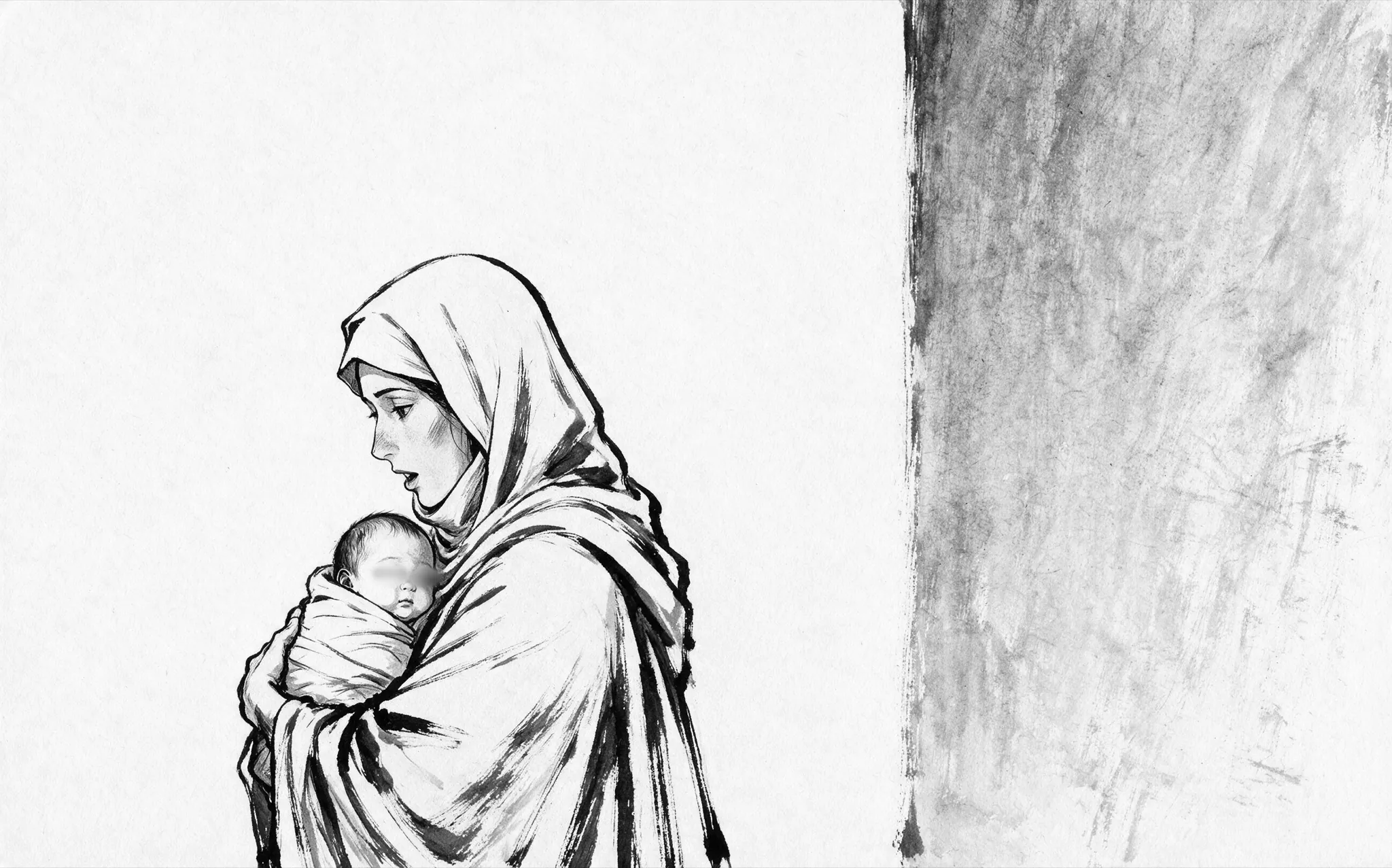
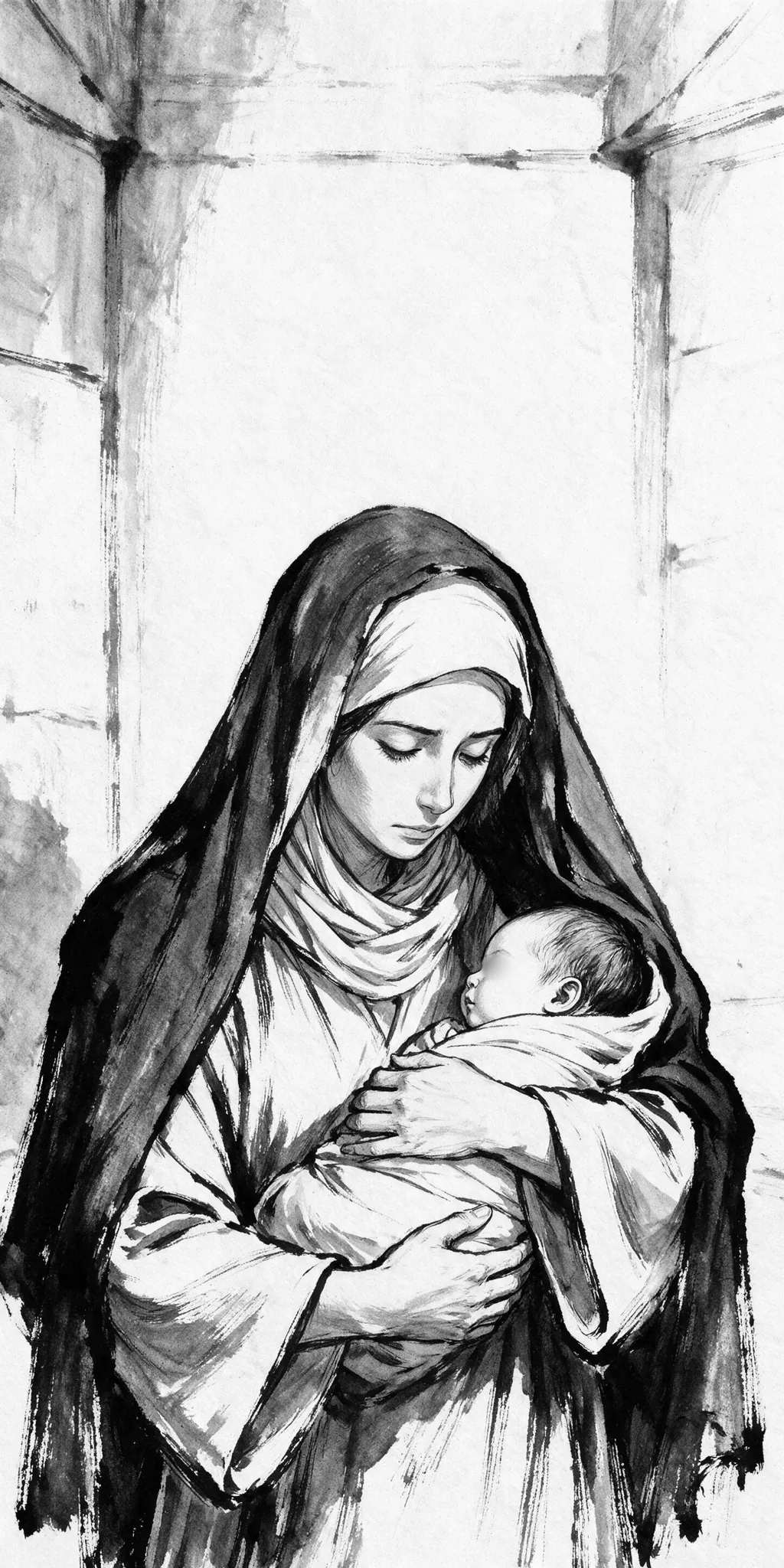
وَأَوْحَيْنَآ إِلَىٰٓ أُمِّ مُوسَىٰٓ أَنْ أَرْضِعِيهِ ۖ فَإِذَا خِفْتِ عَلَيْهِ فَأَلْقِيهِ فِى ٱلْيَمِّ وَلَا تَخَافِى وَلَا تَحْزَنِىٓ ۖ إِنَّا رَآدُّوهُ إِلَيْكِ وَجَاعِلُوهُ مِنَ ٱلْمُرْسَلِينَ
And We inspired to the mother of Moses, "Suckle him; but when you fear for him, cast him into the river and do not fear and do not grieve. Indeed, We will return him to you and will make him [one] of the messengers."
Qur'an 28:7
Saheeh International
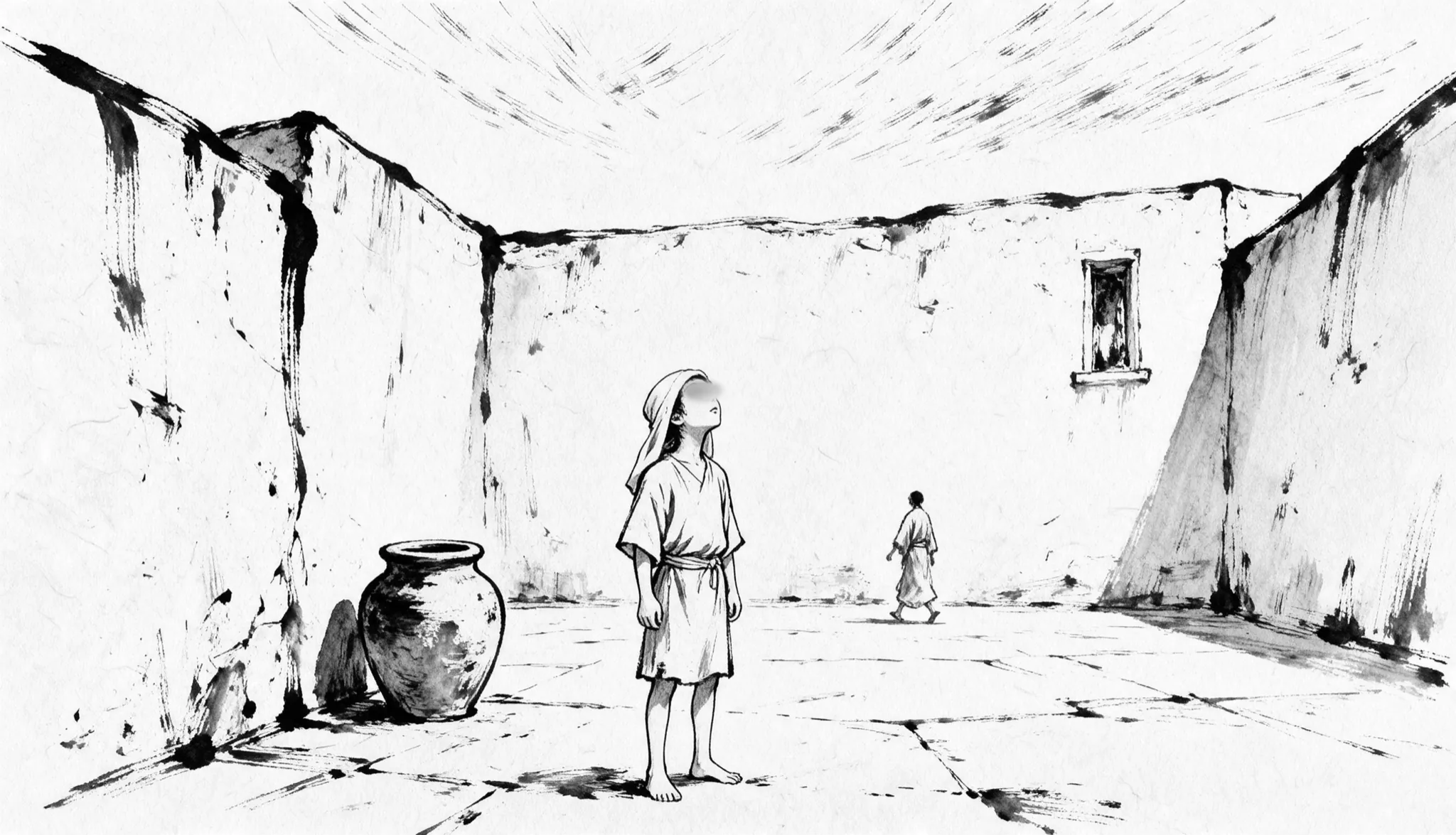
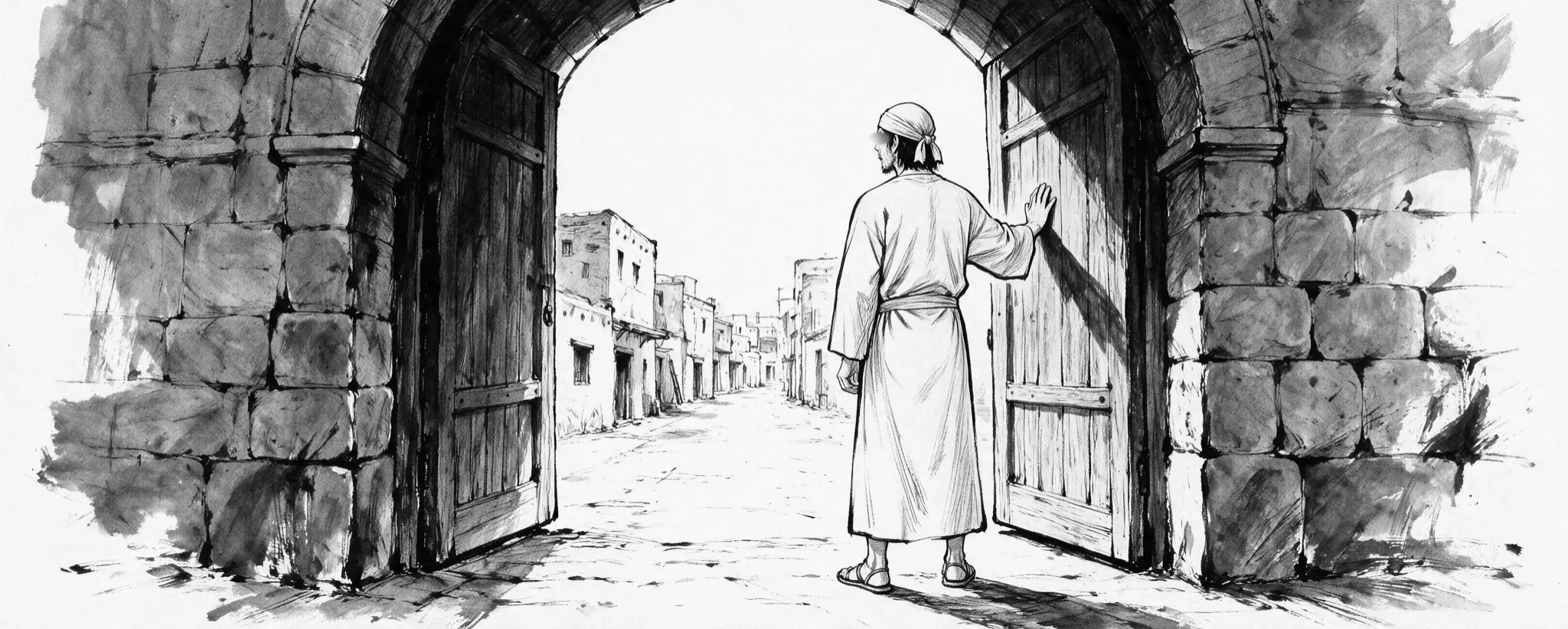
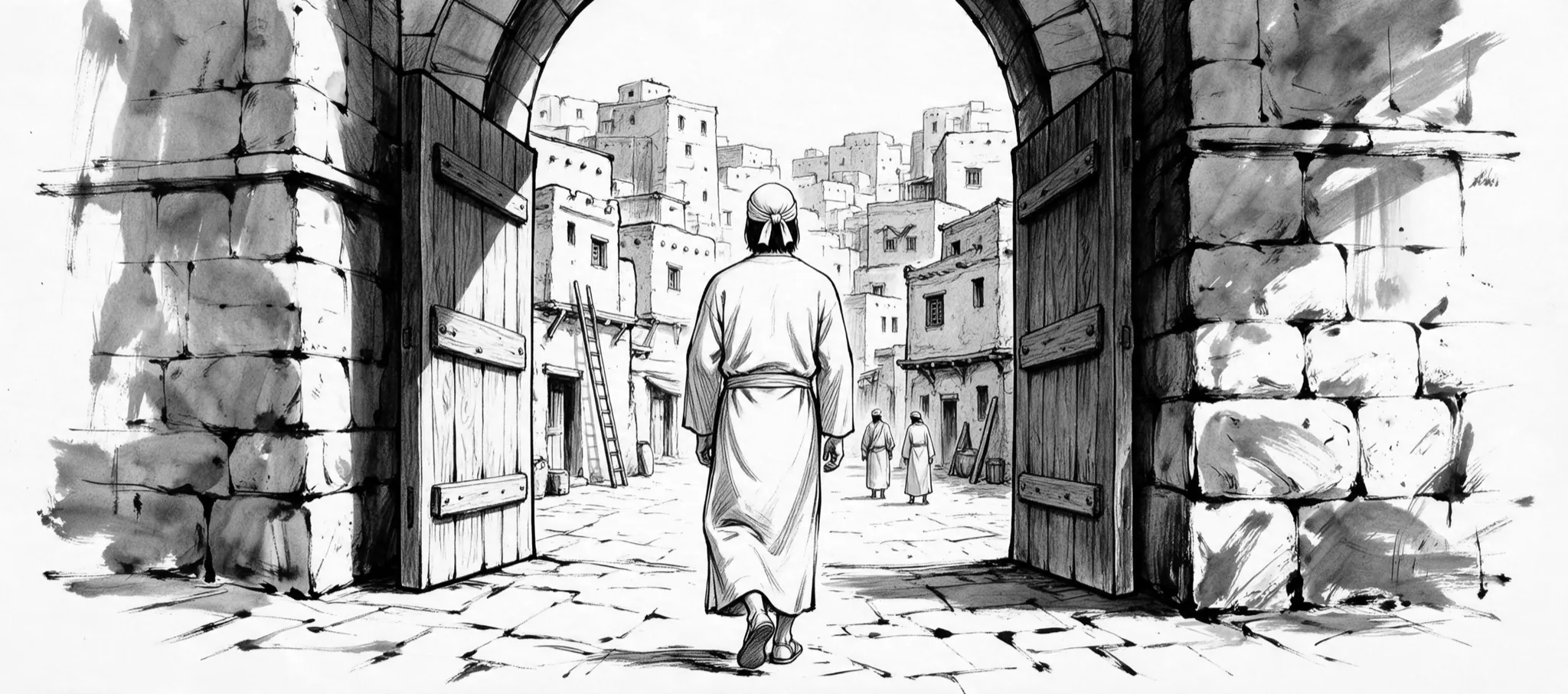
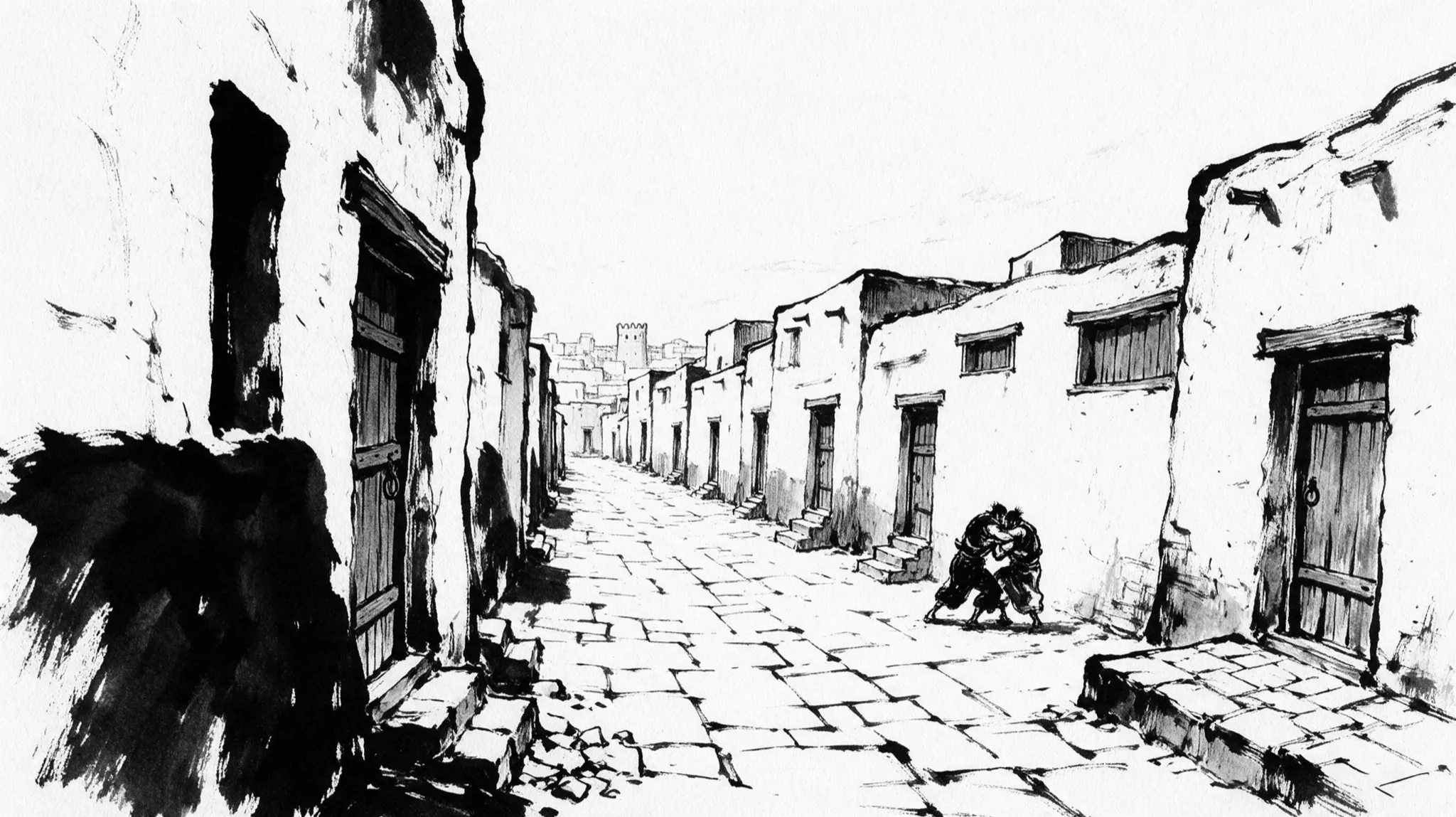
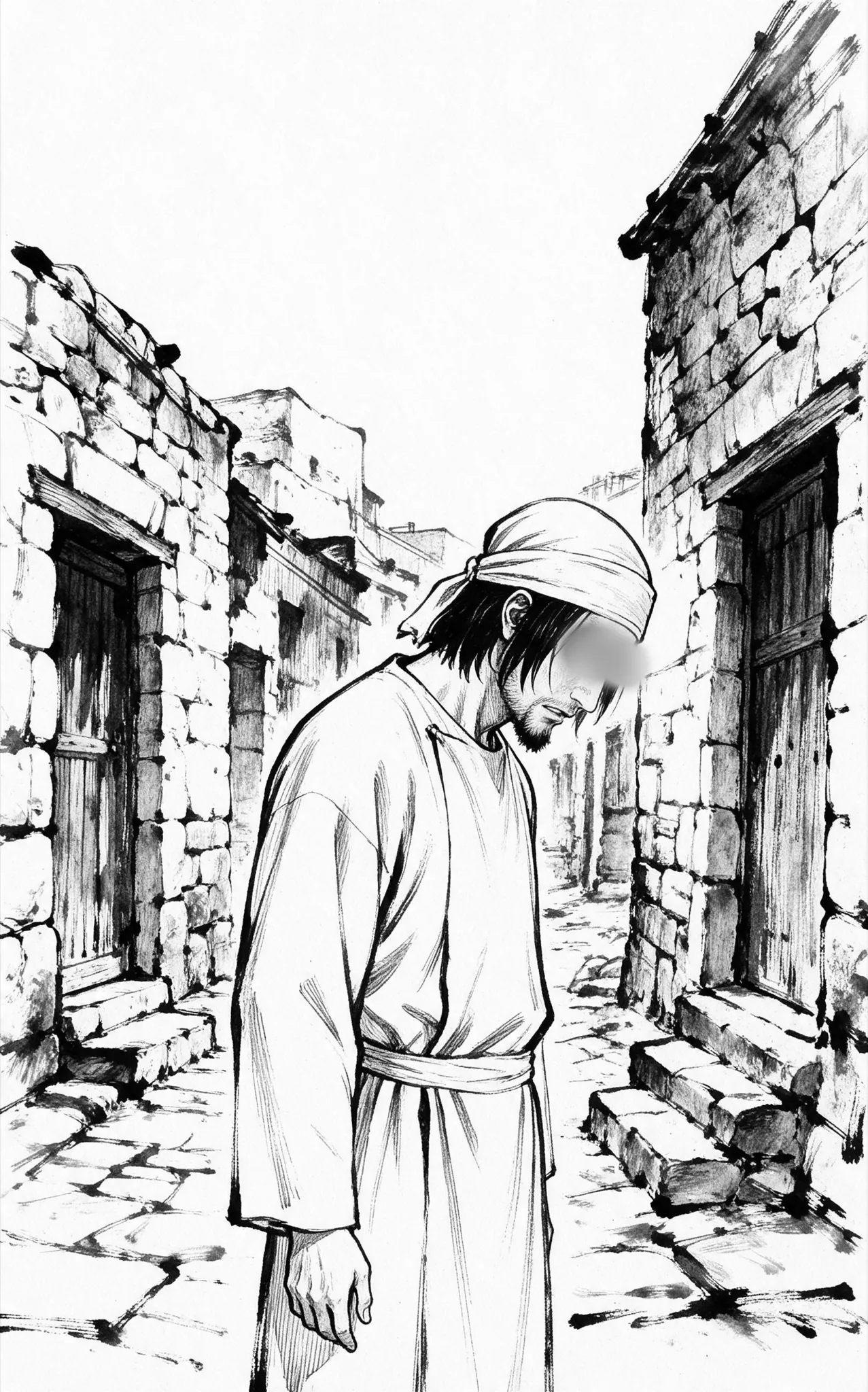
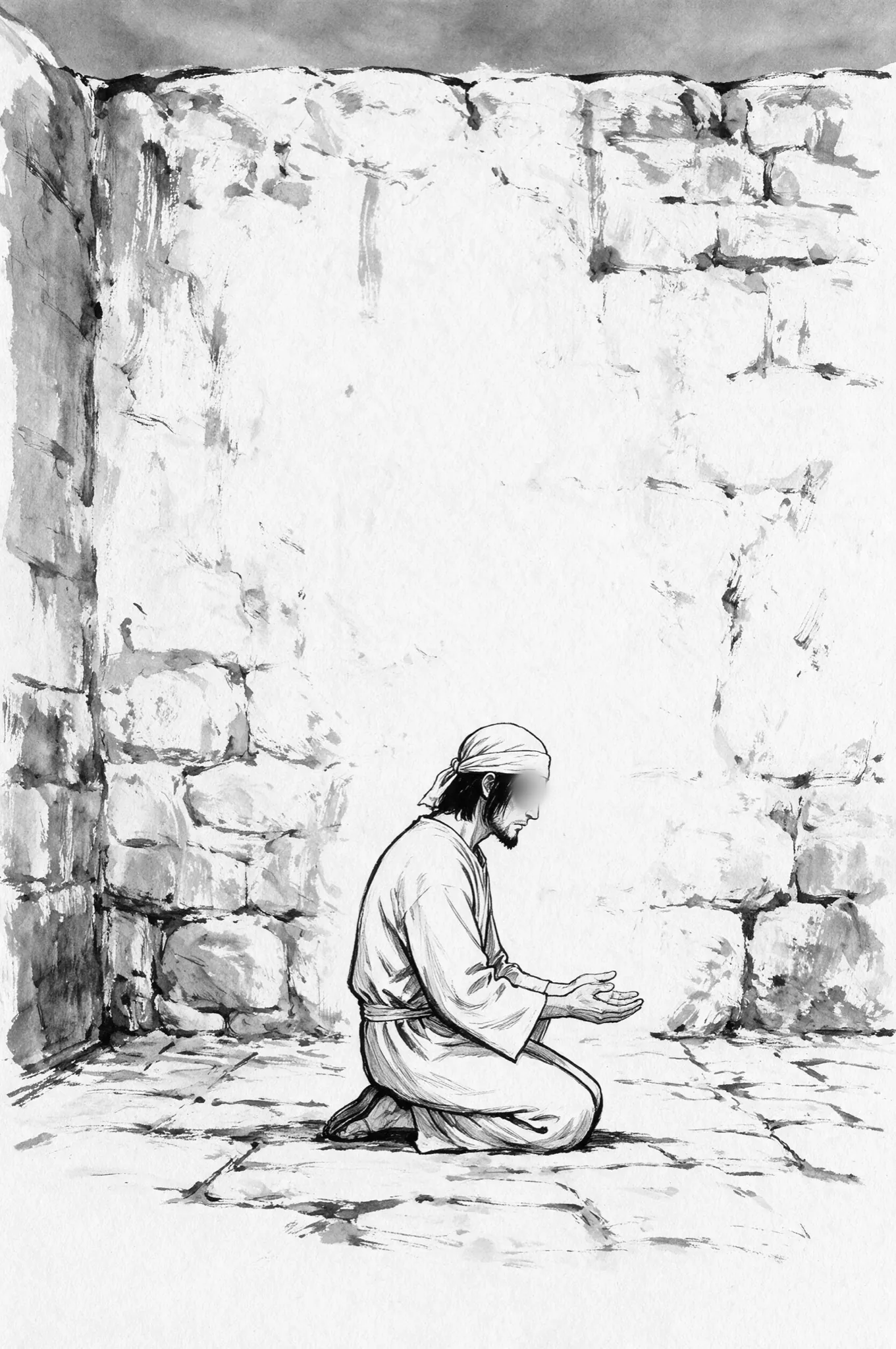
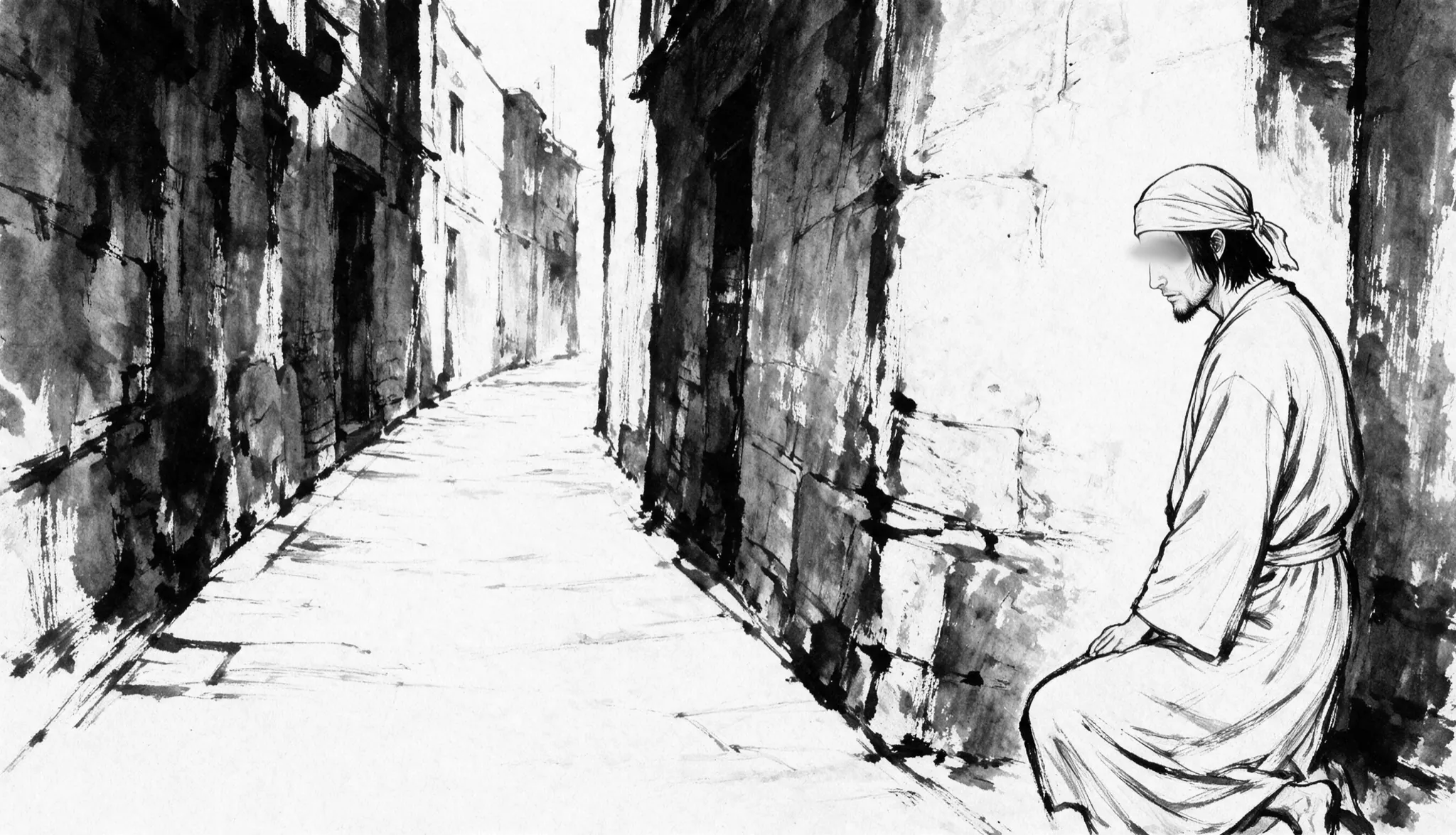

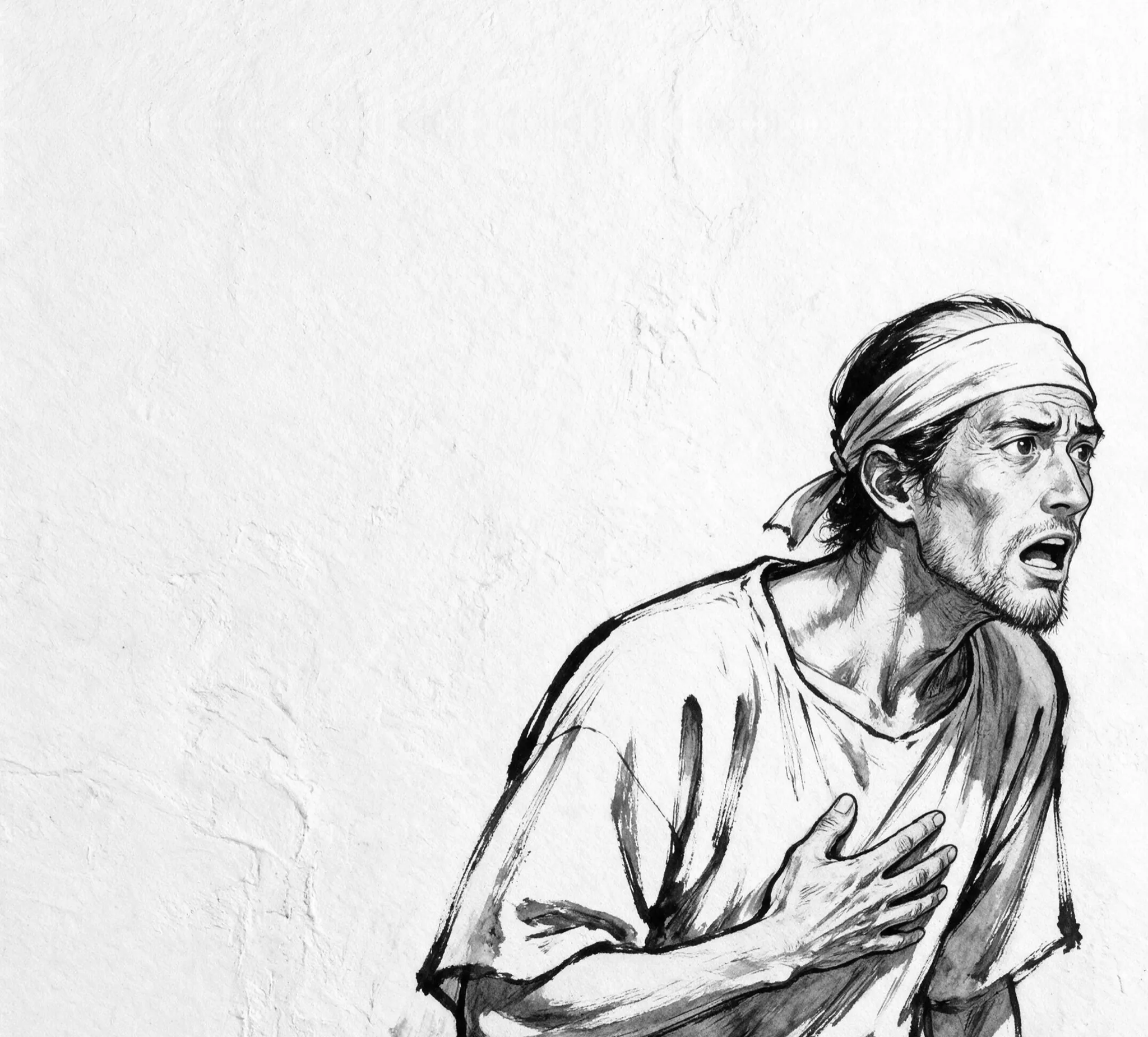
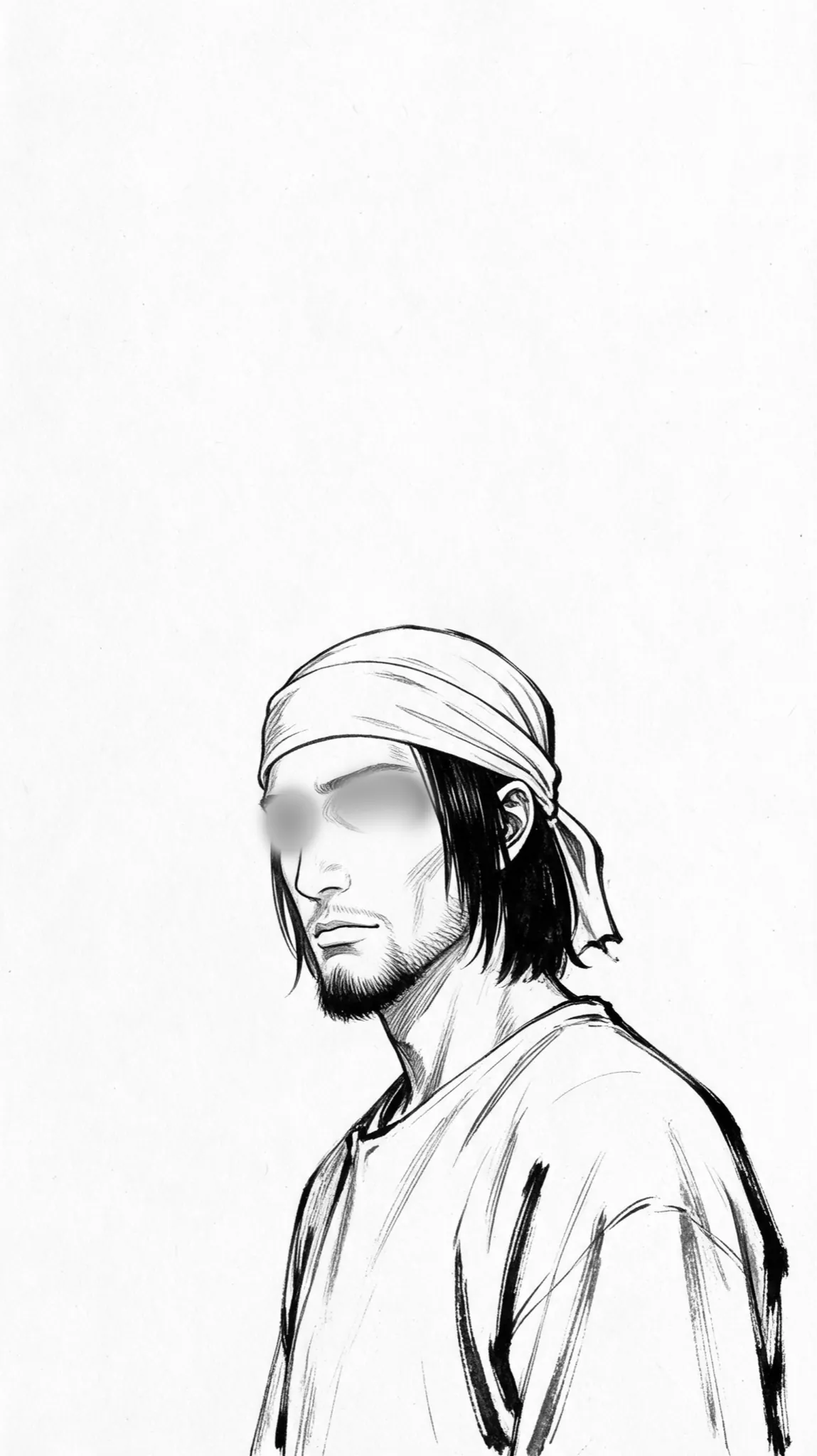
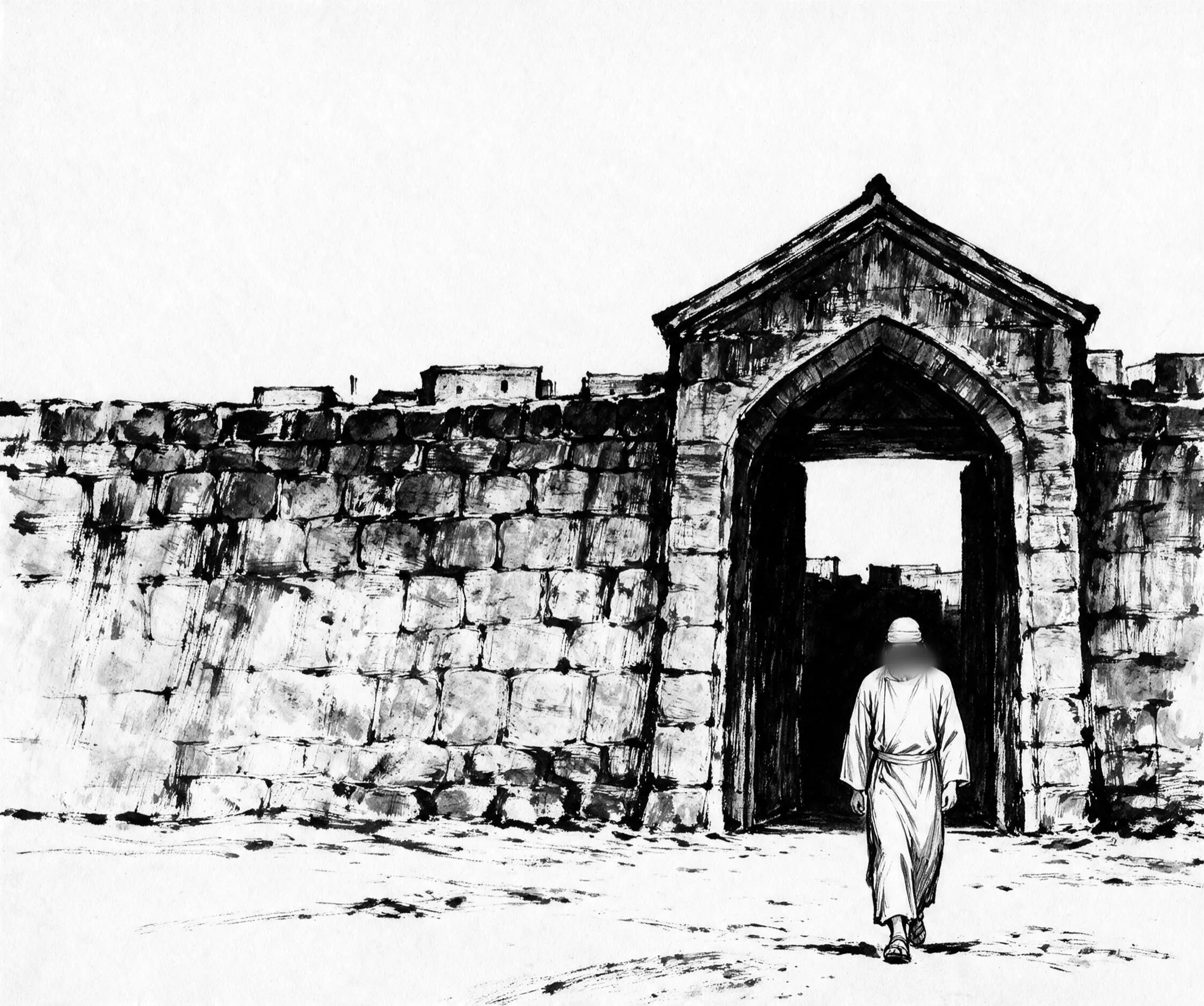
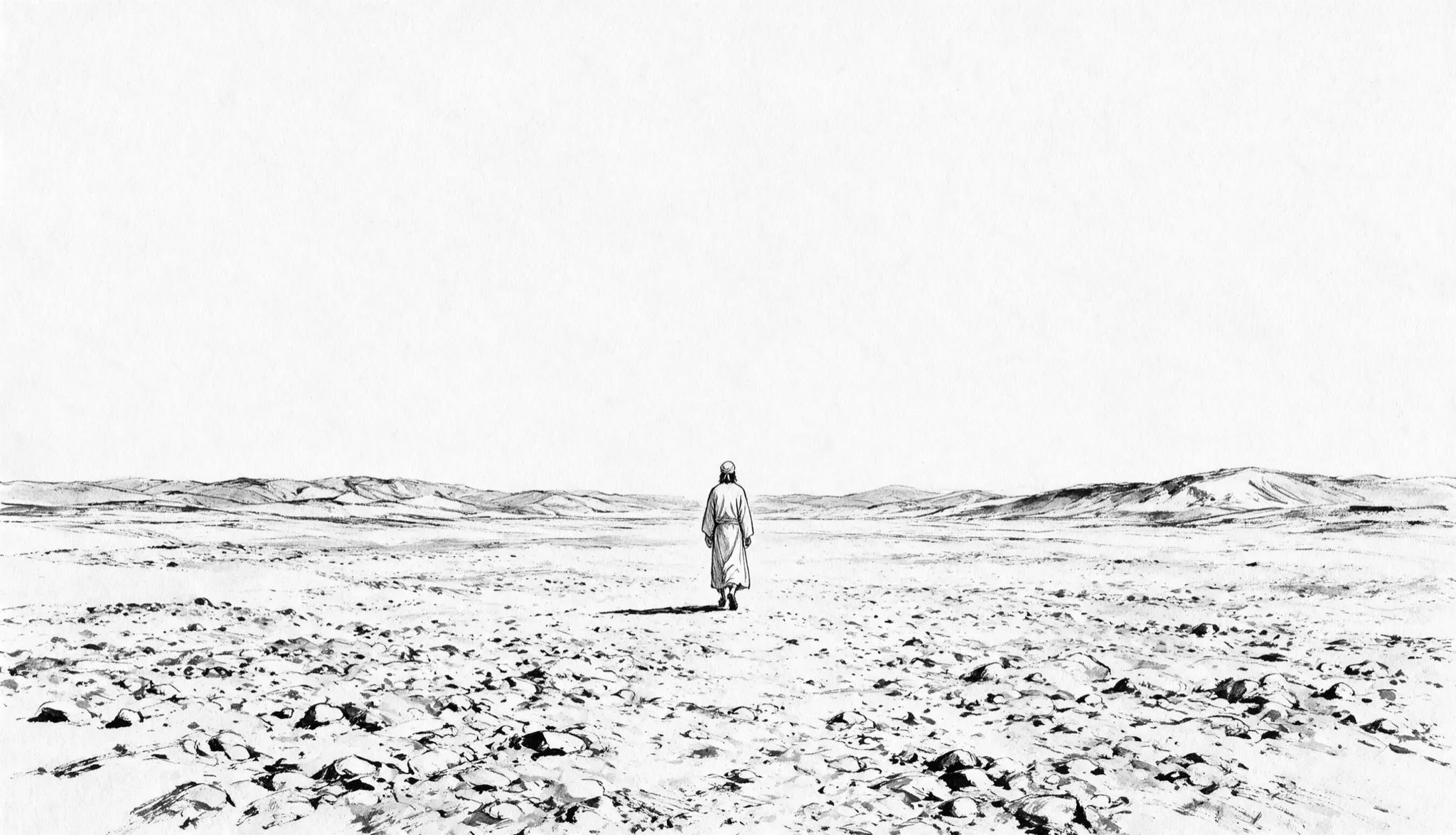
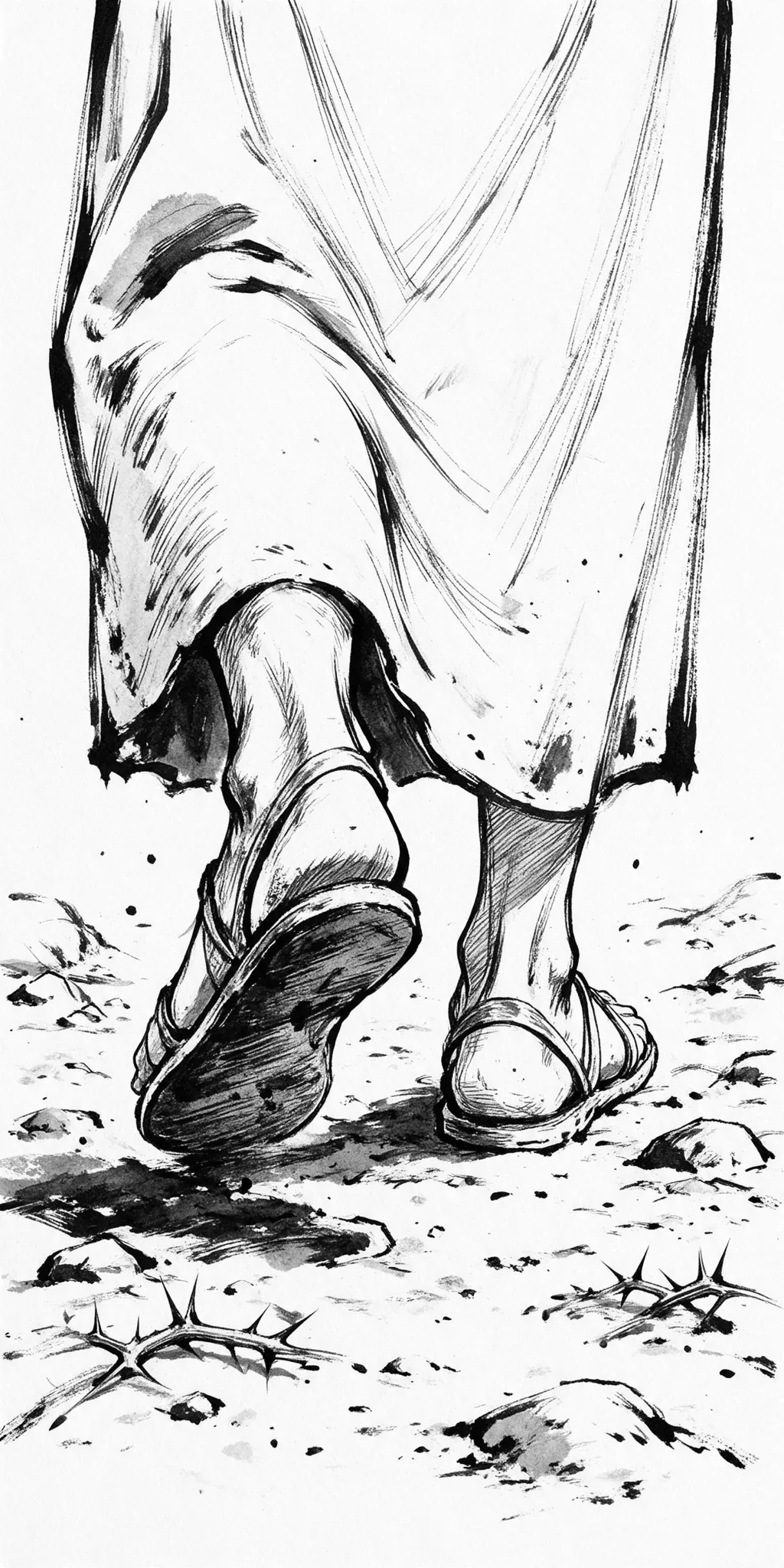
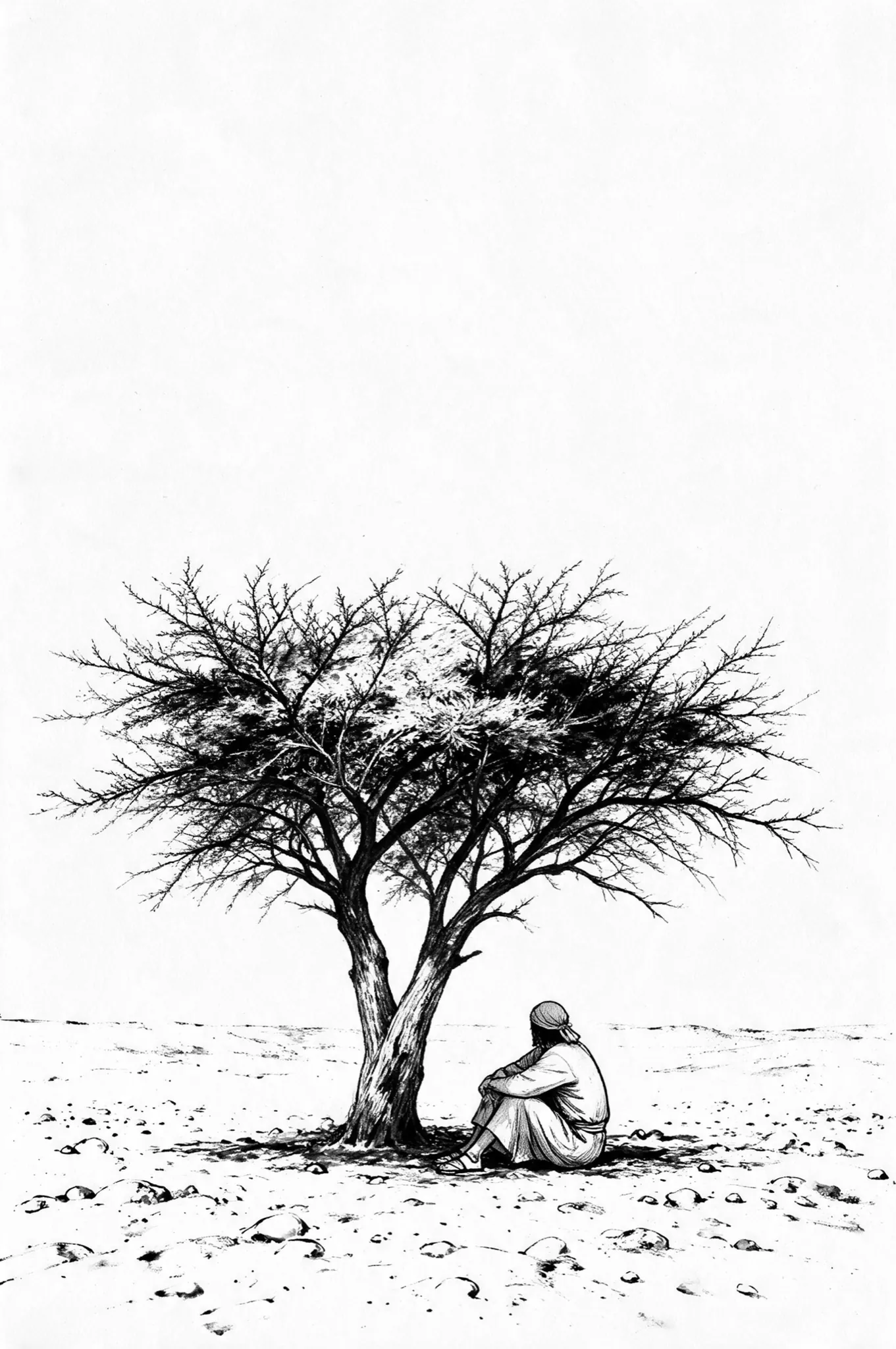
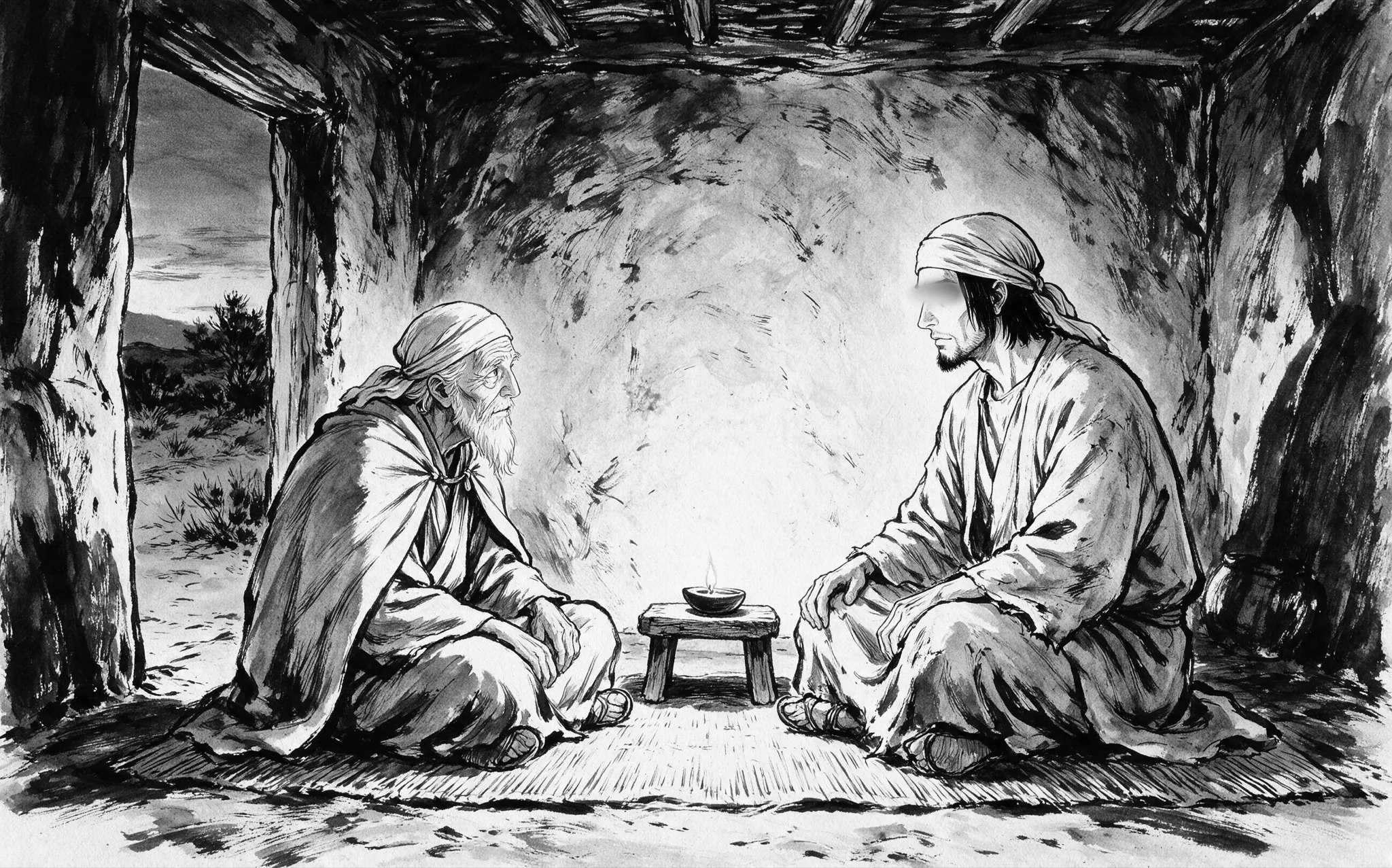
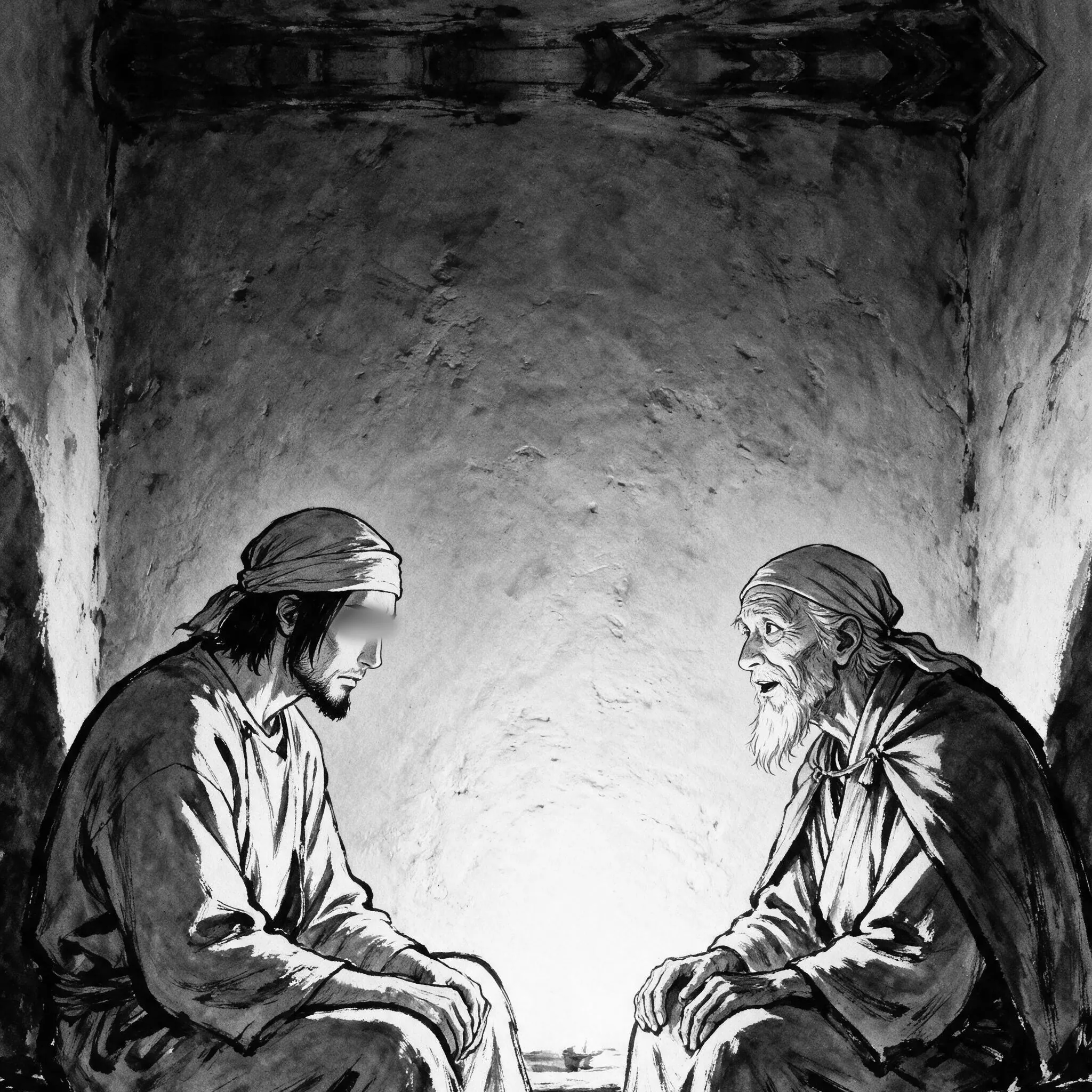
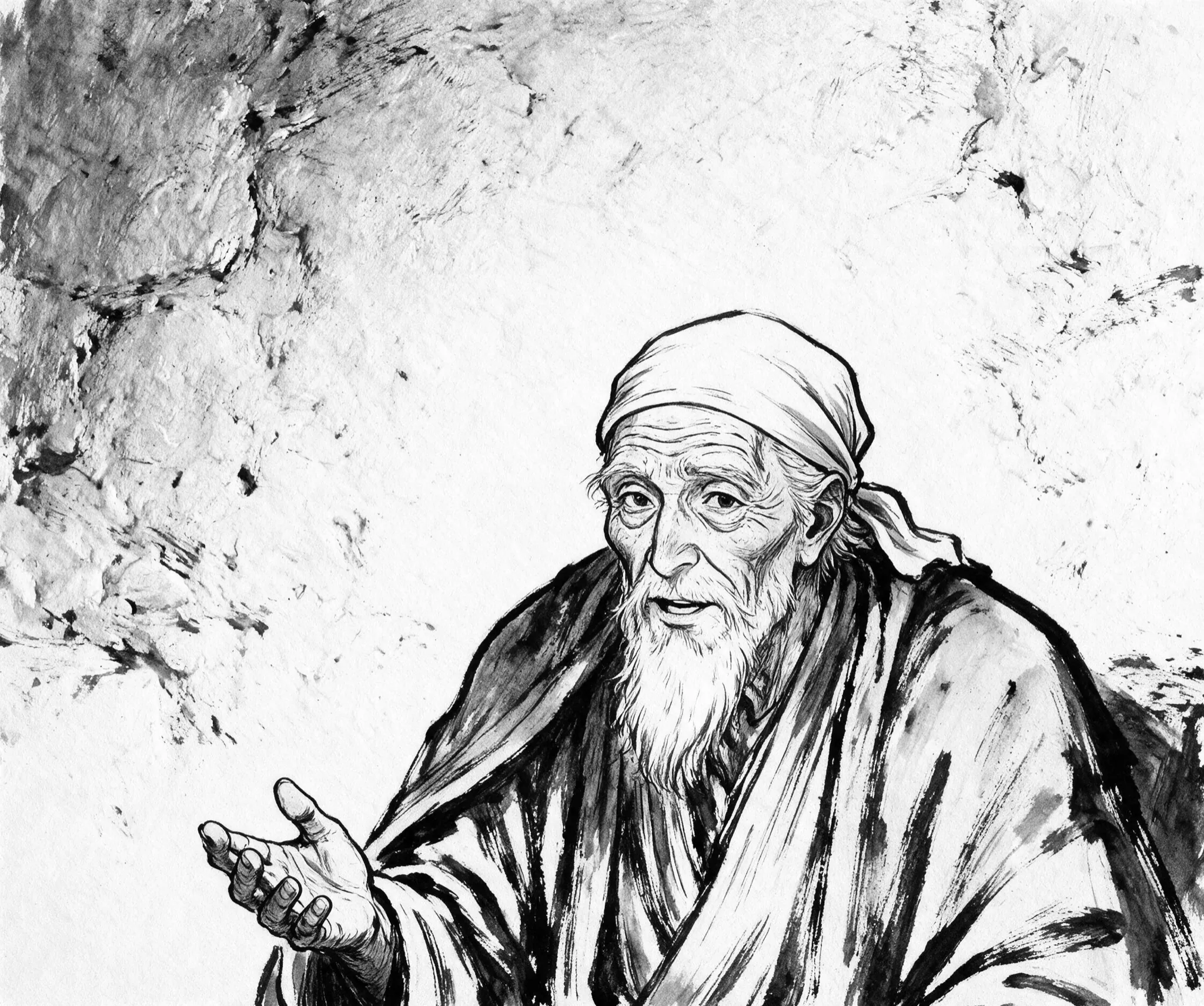
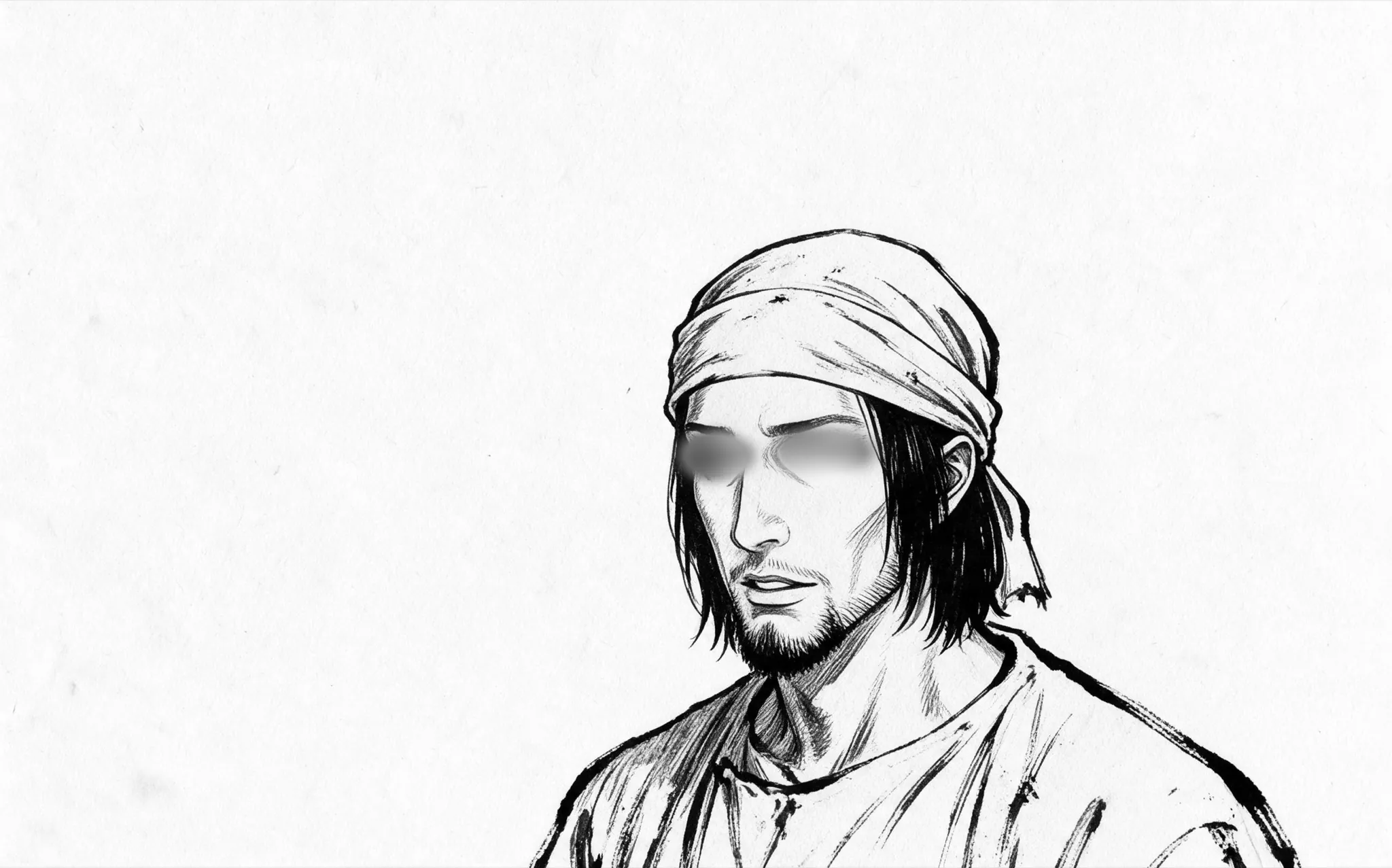
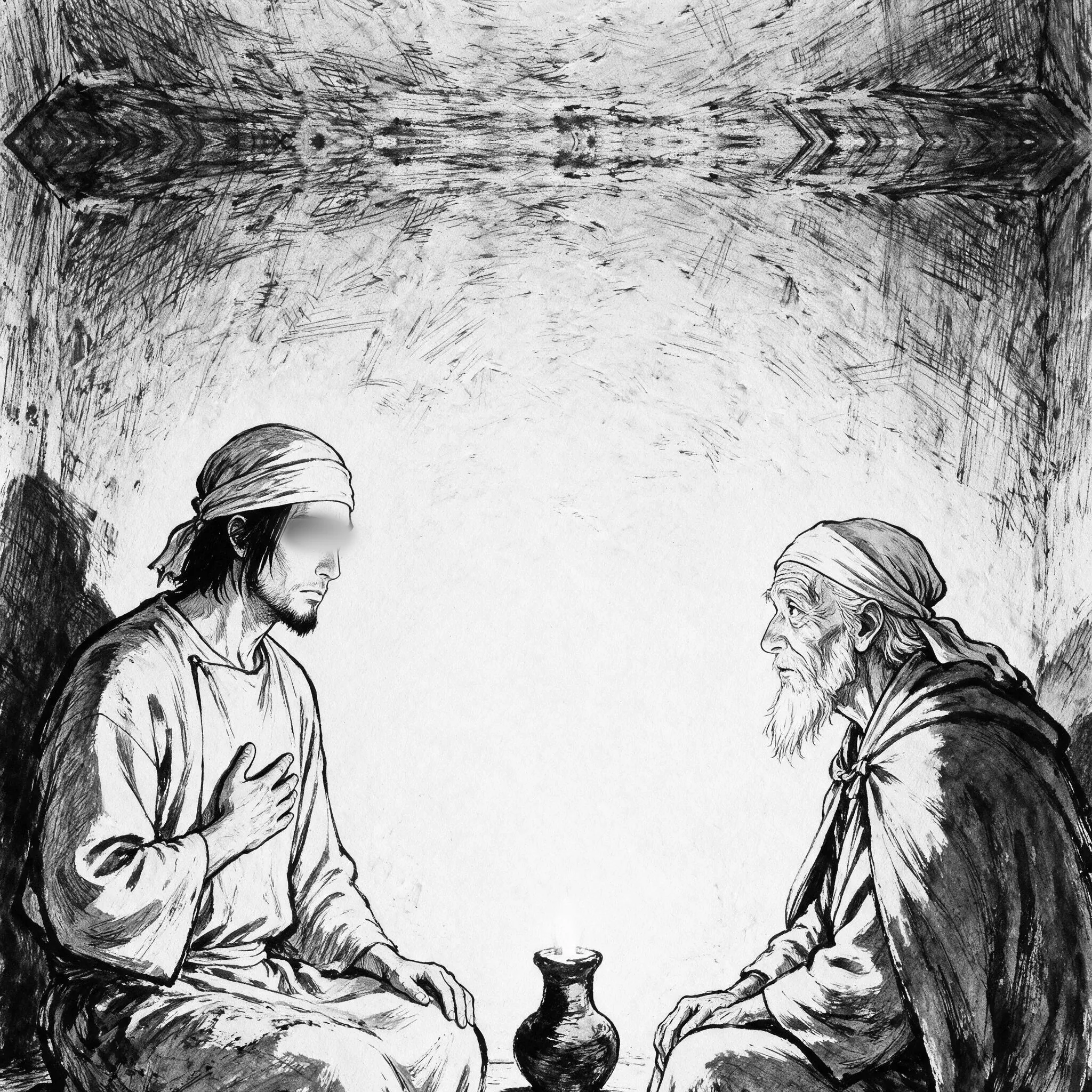
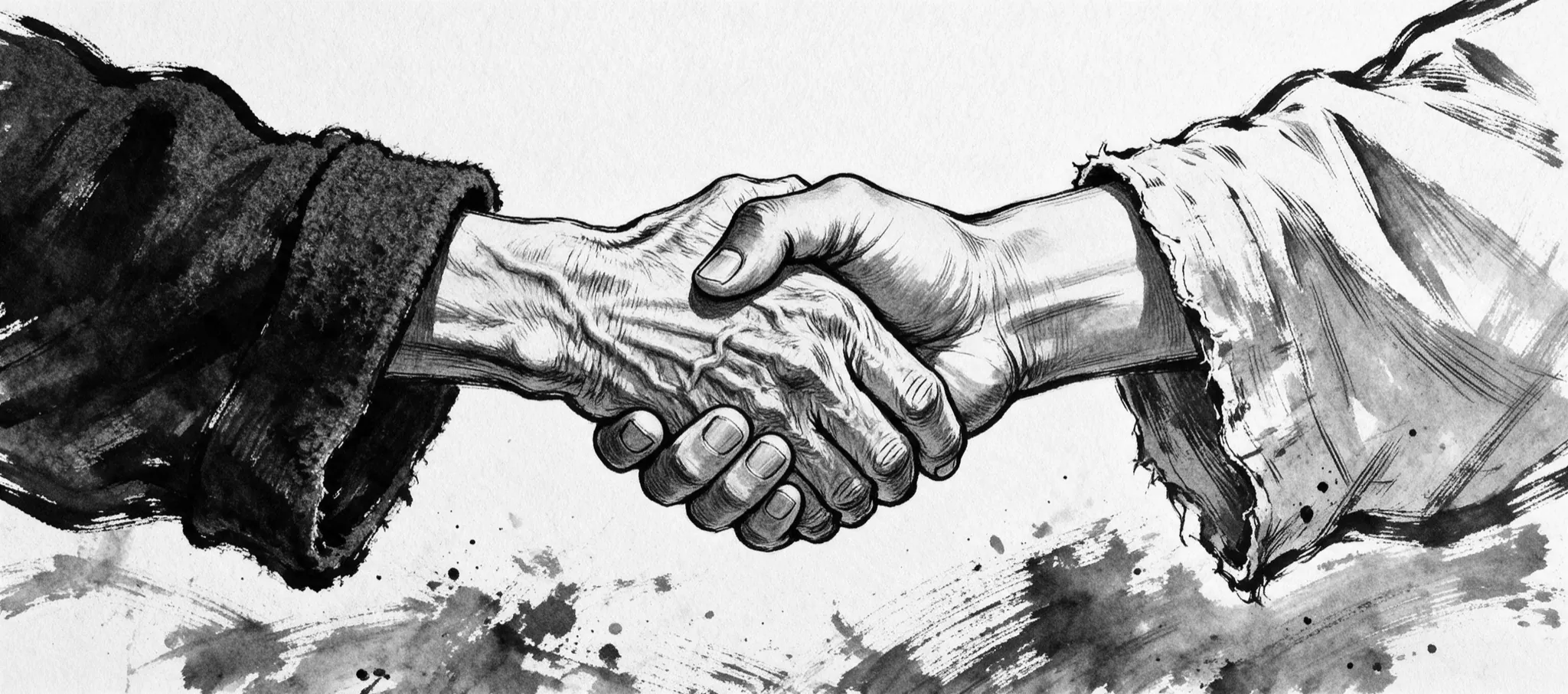
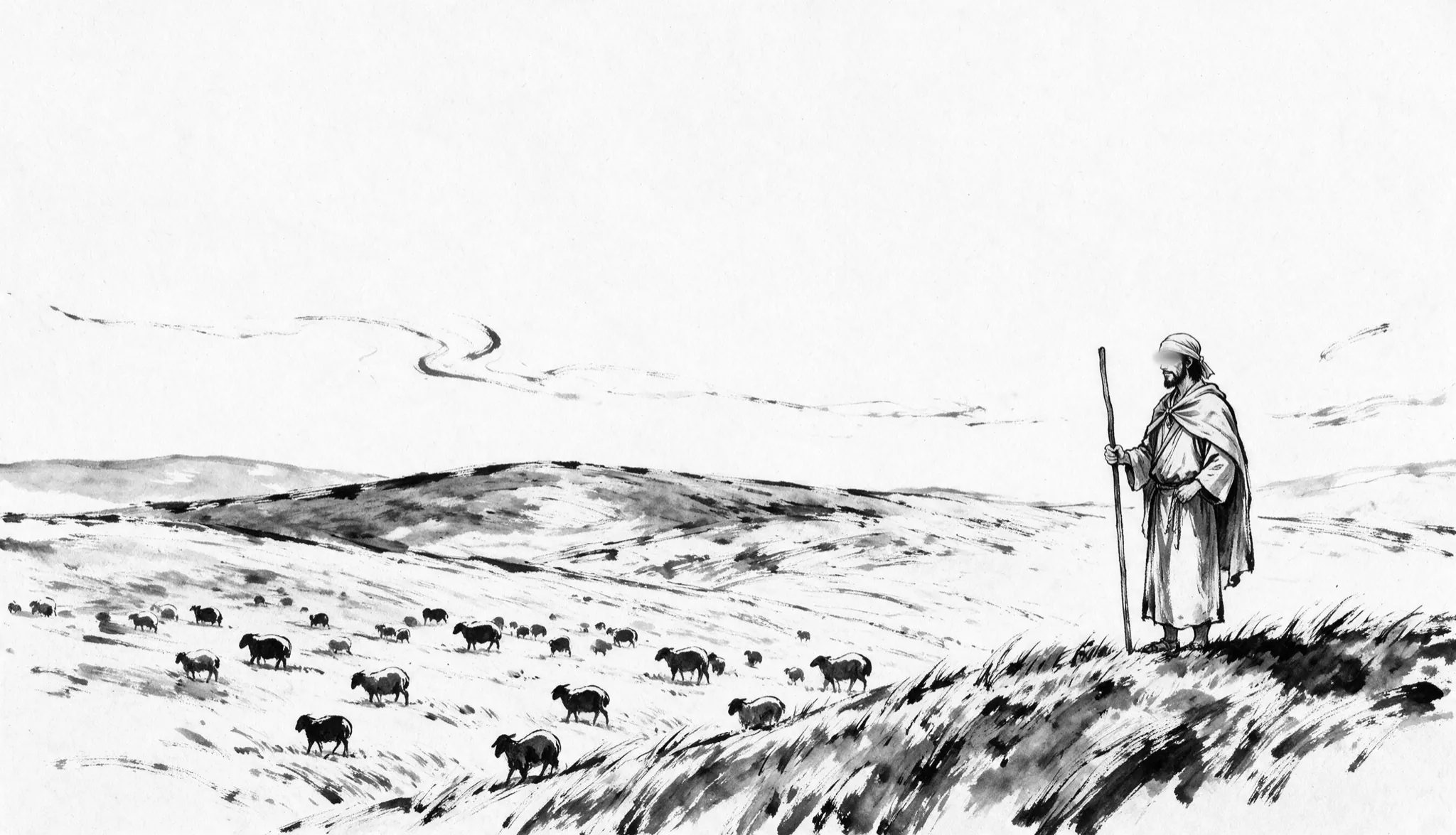
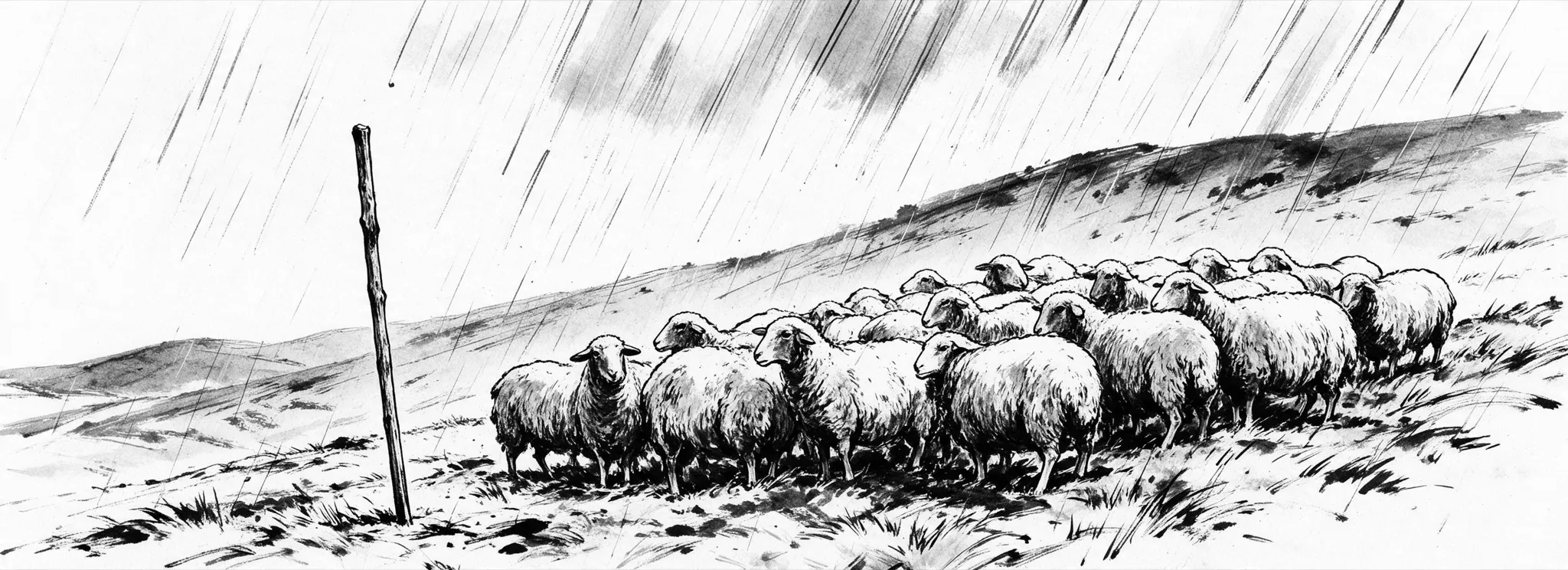
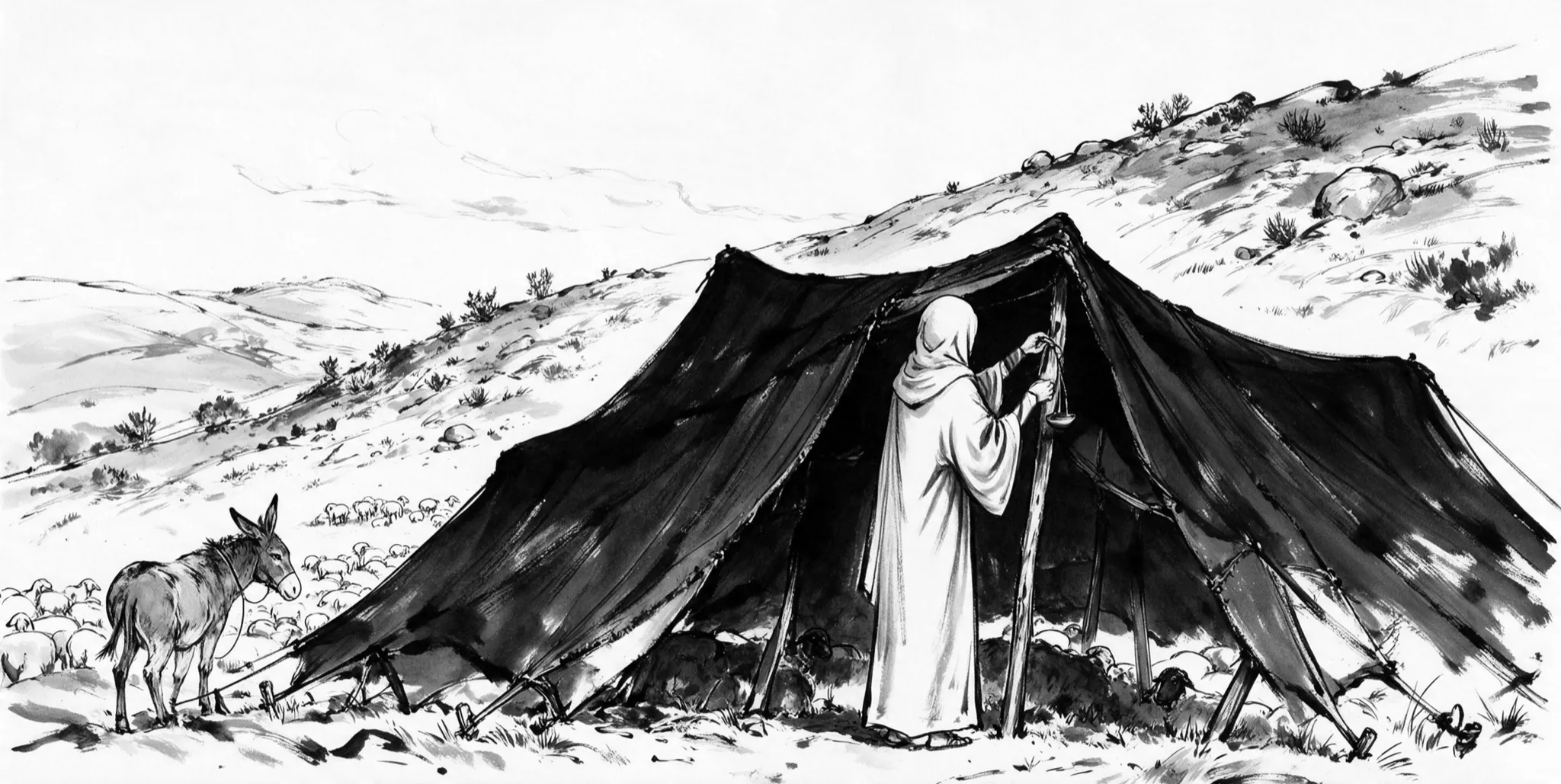
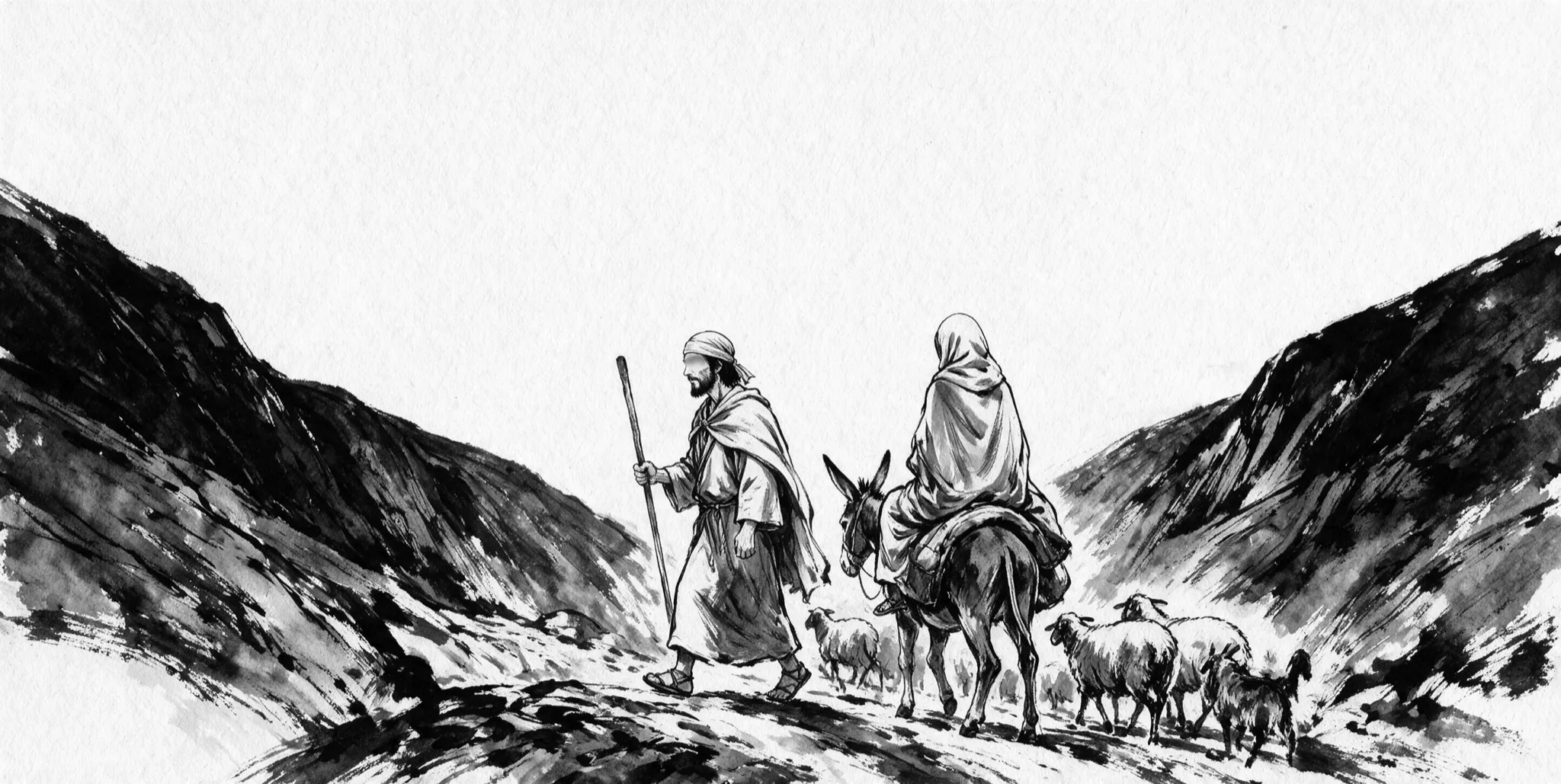
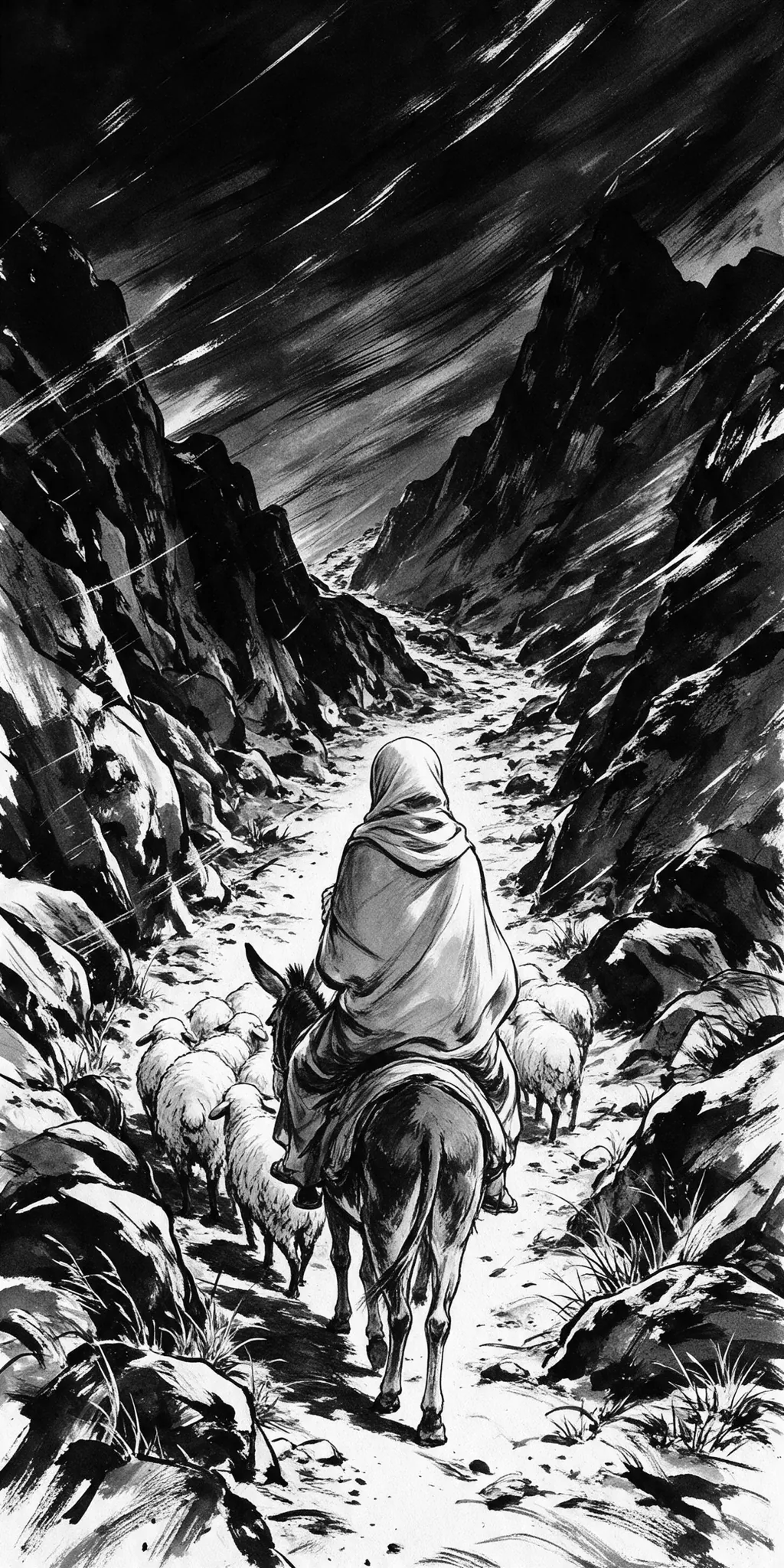
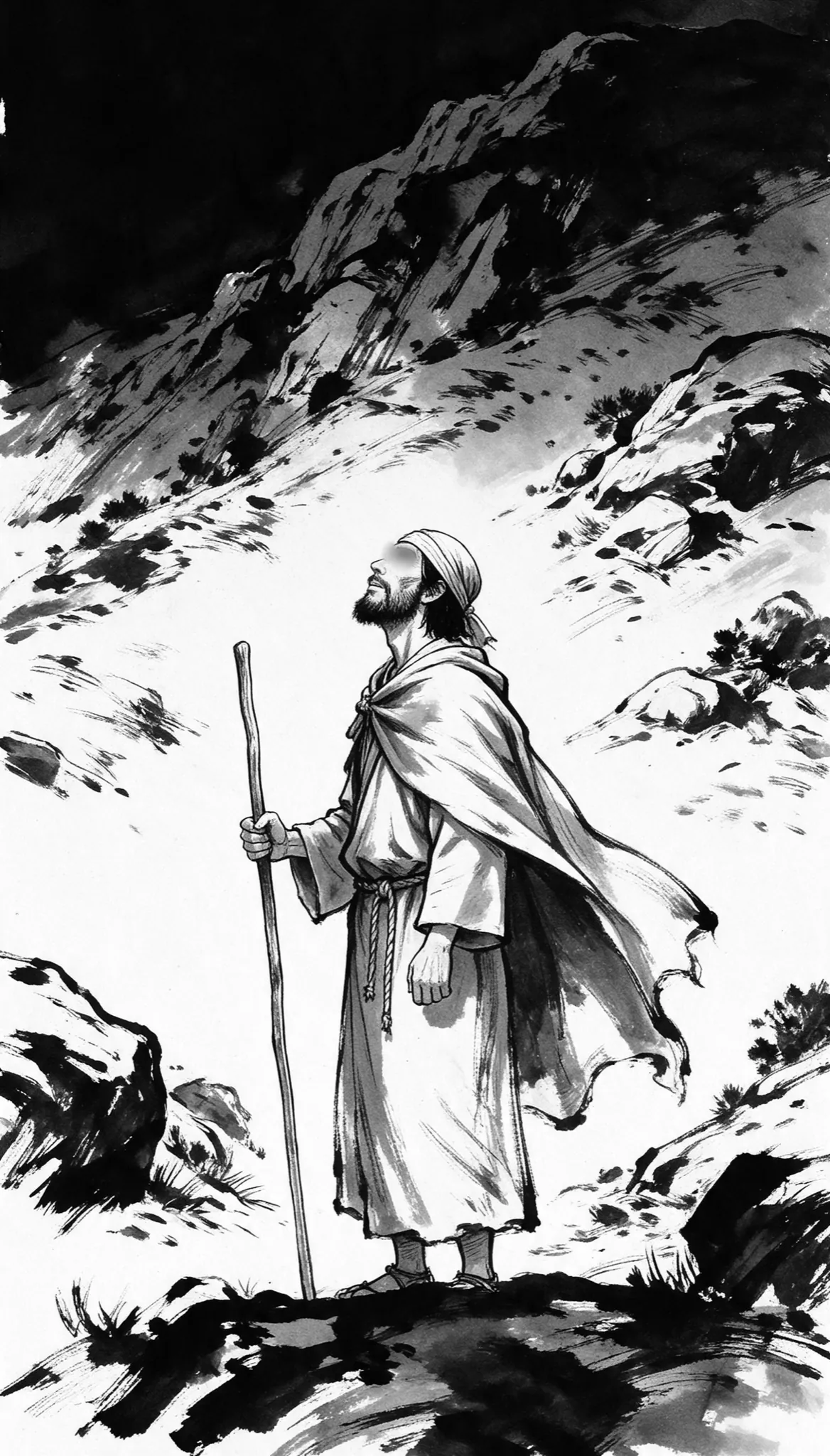
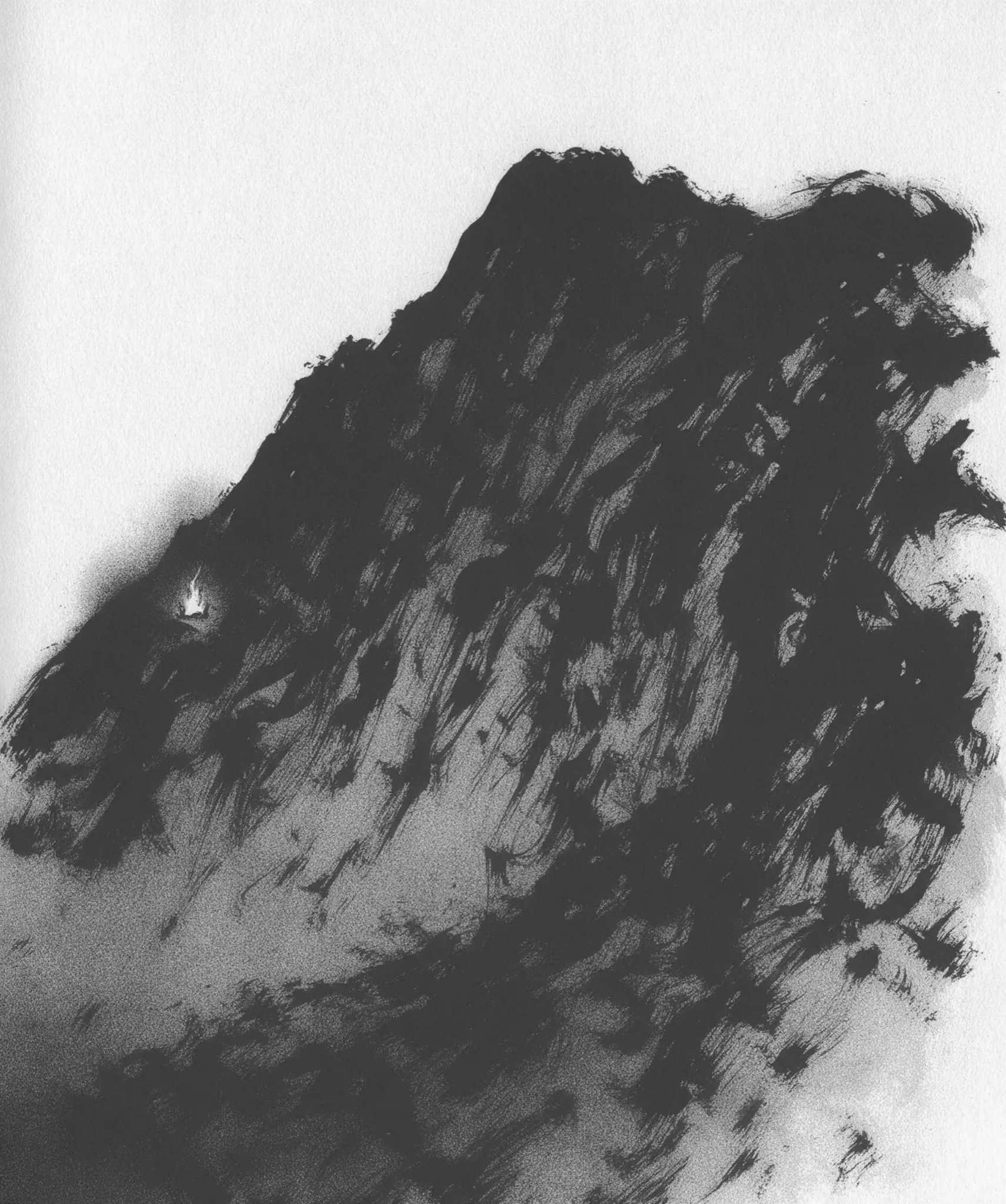
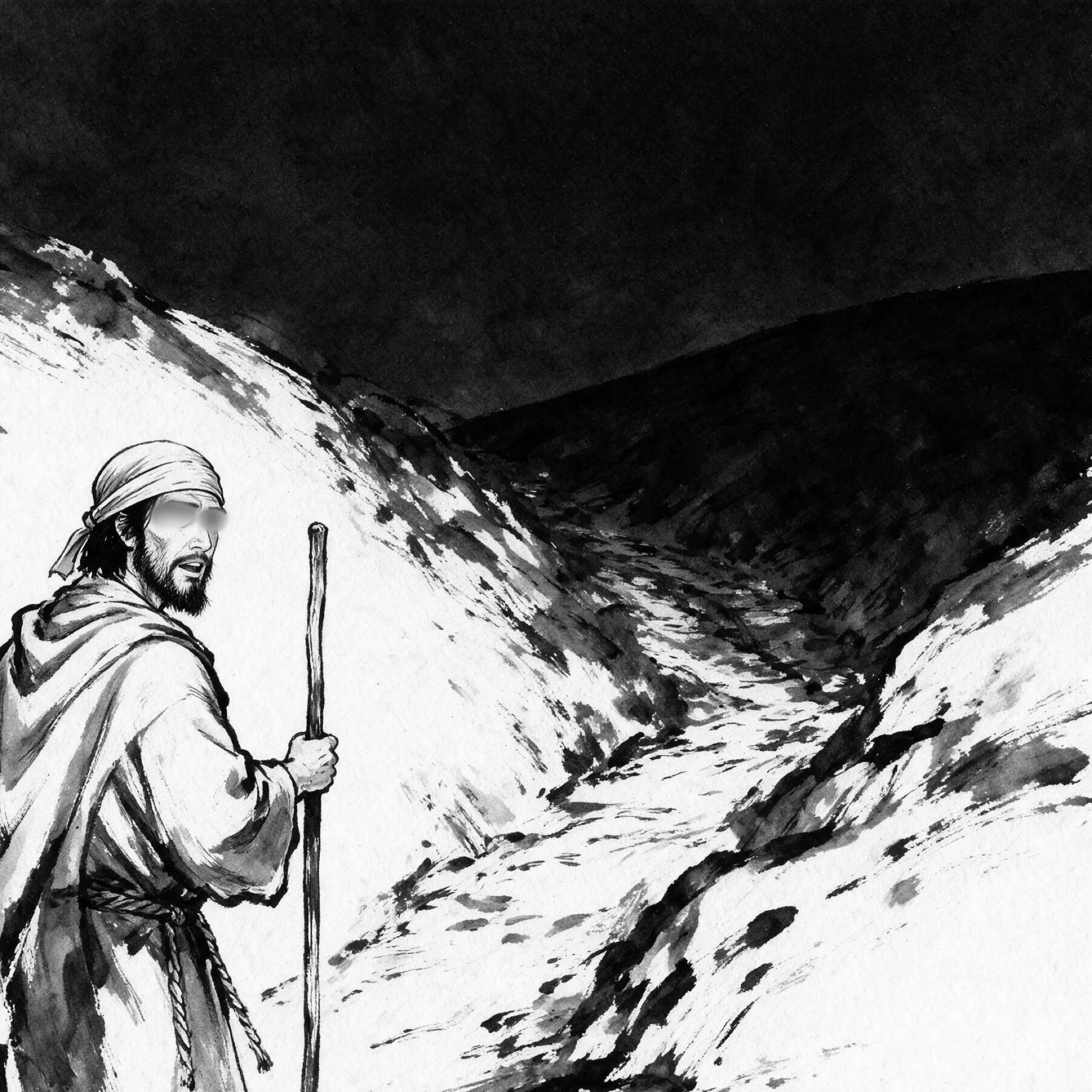
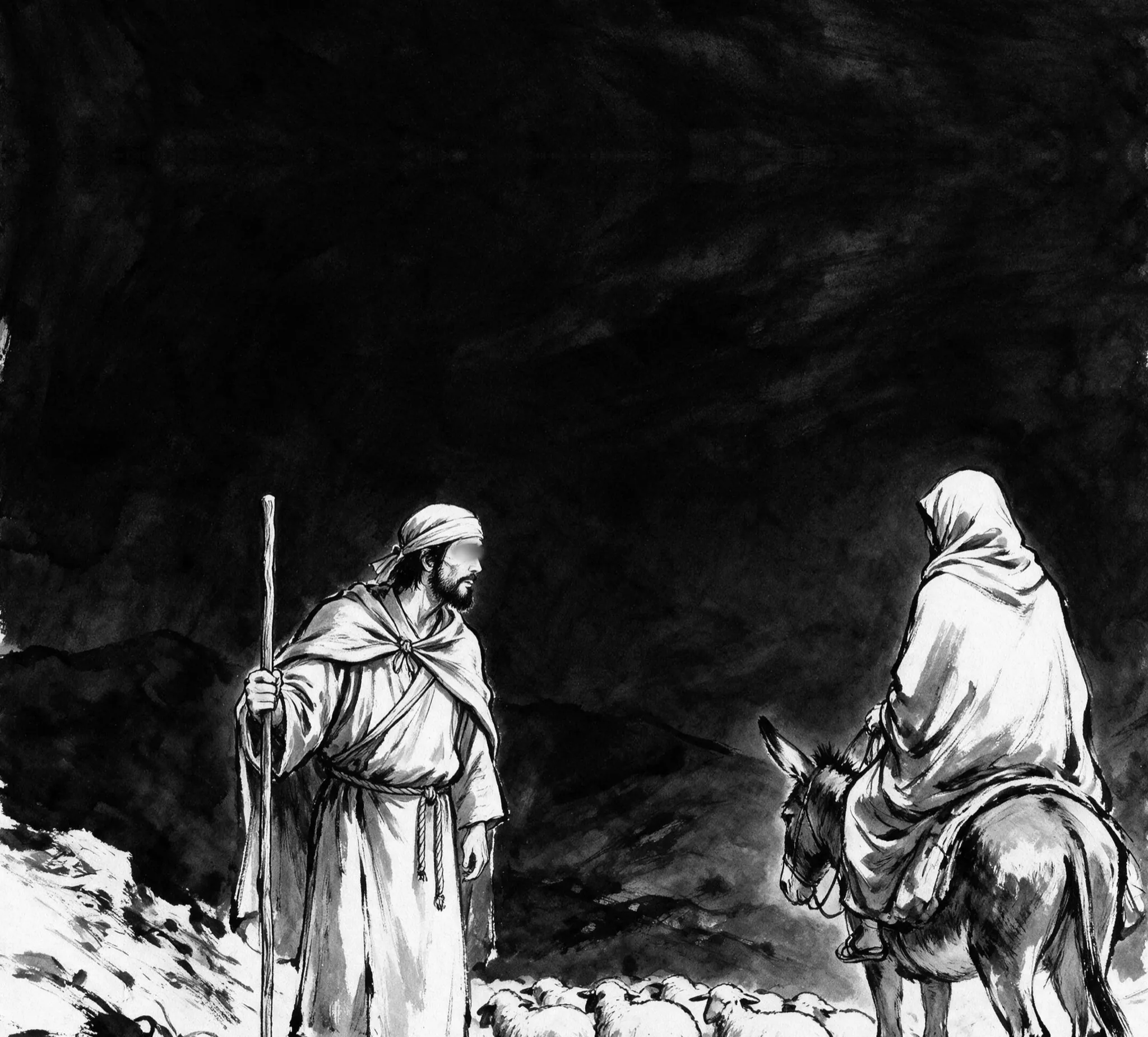
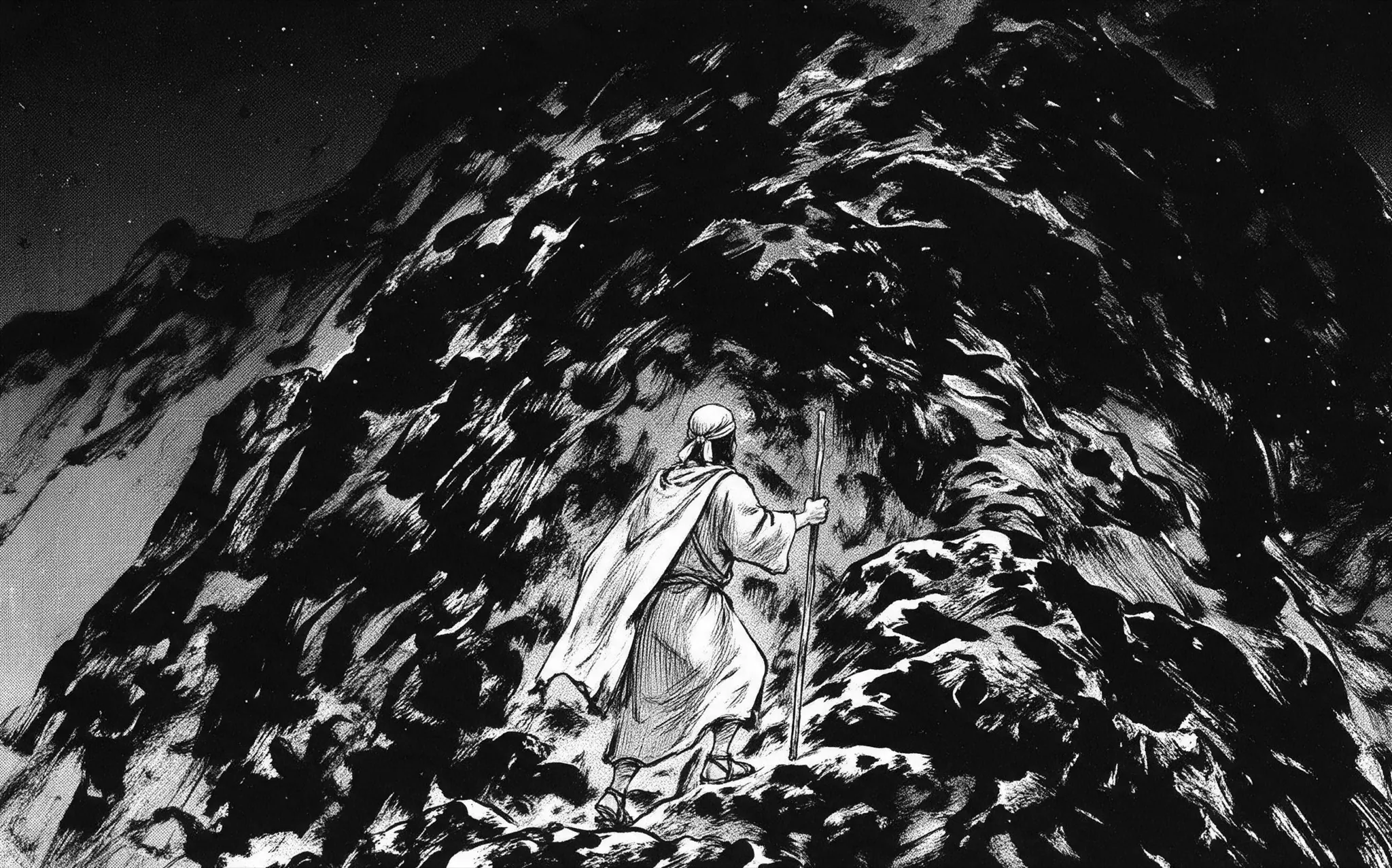
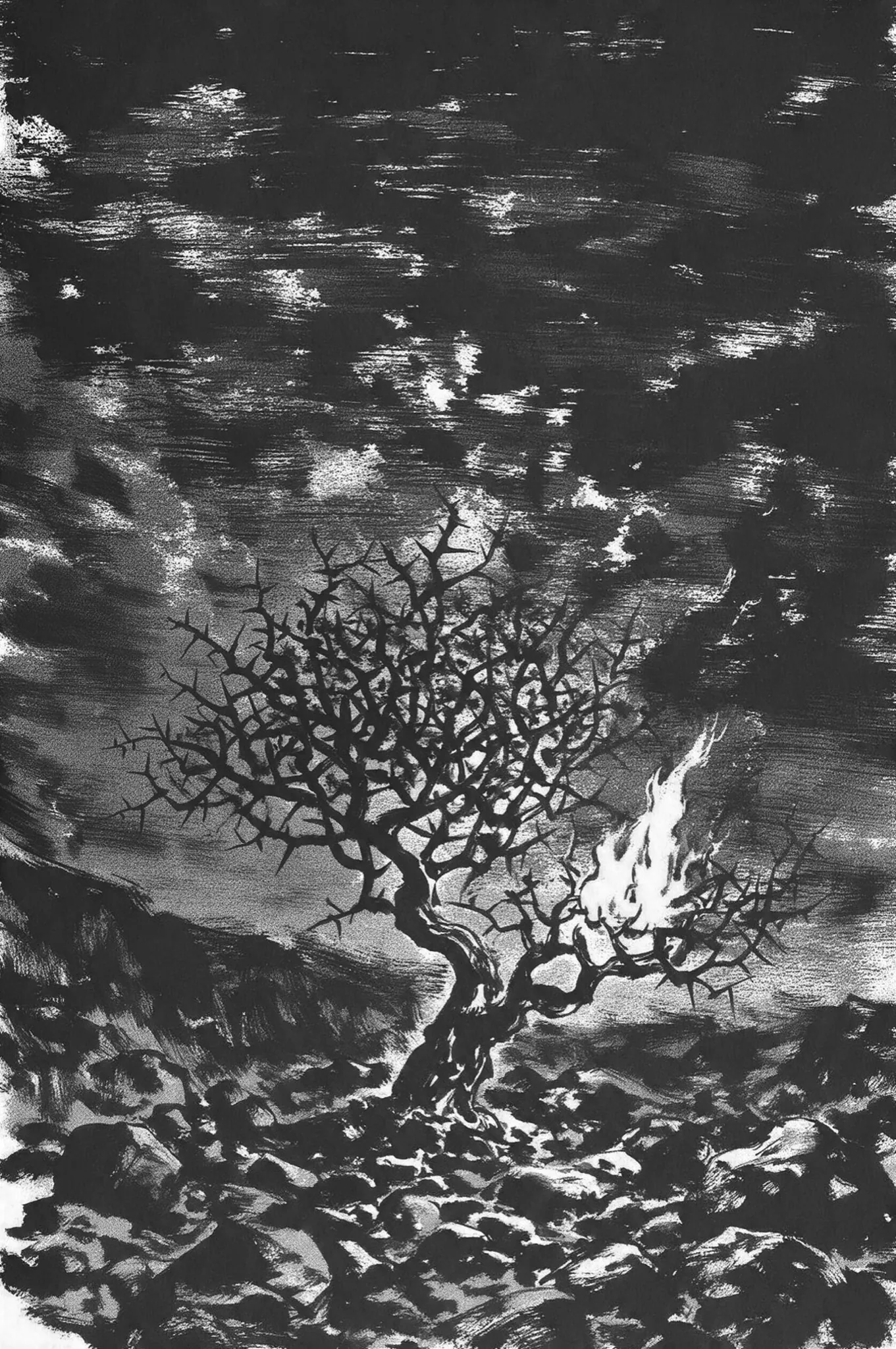
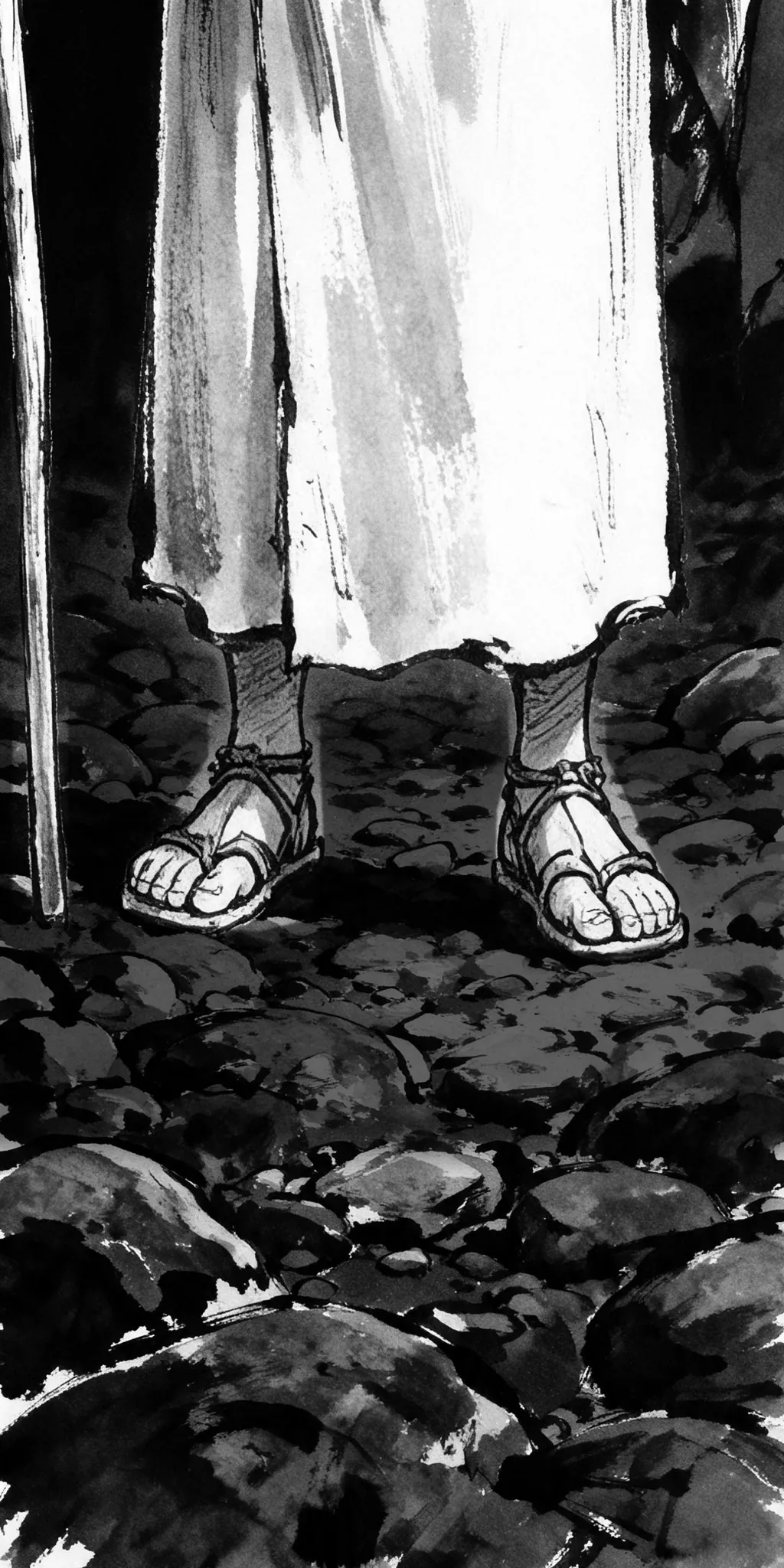
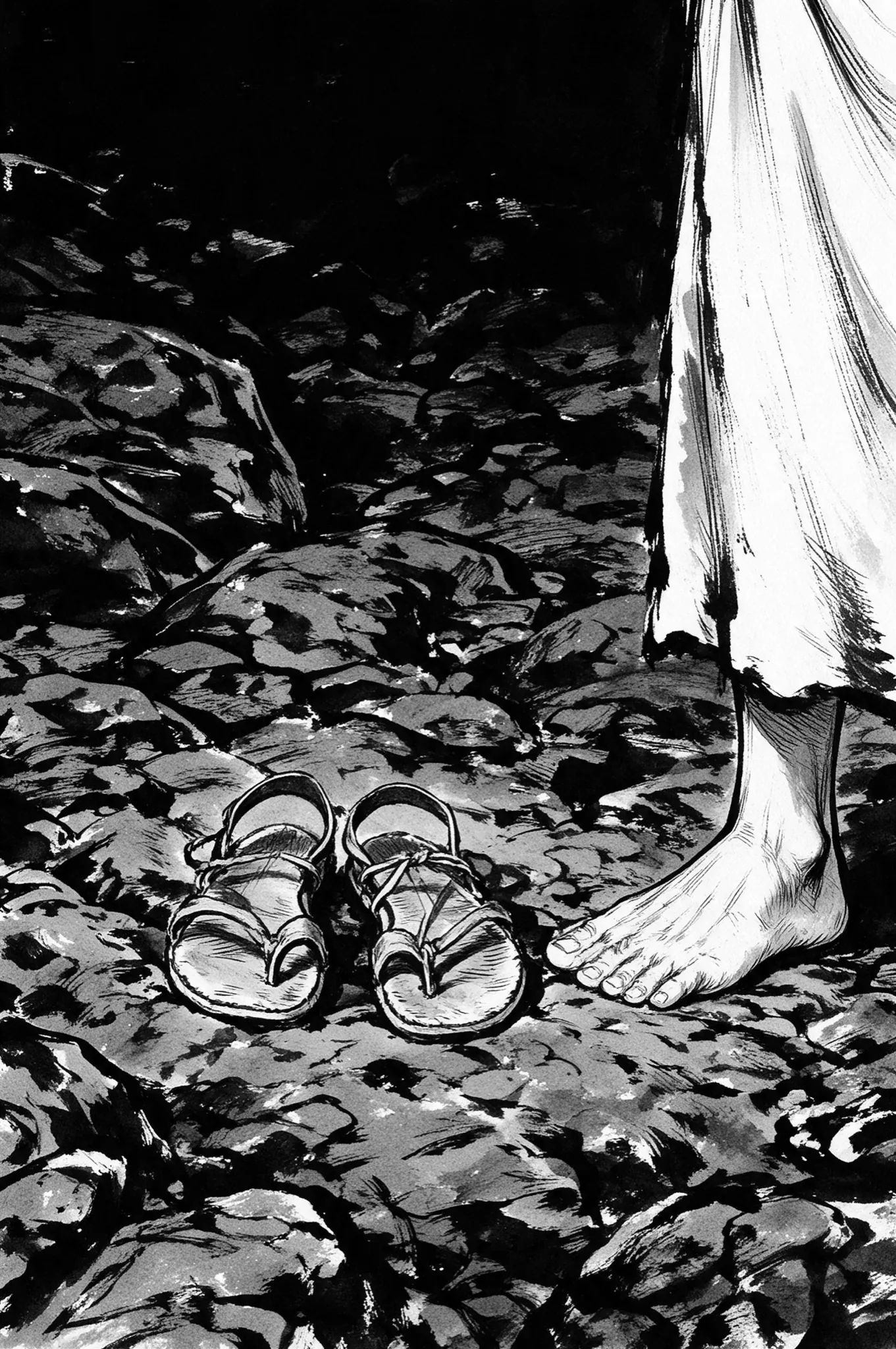
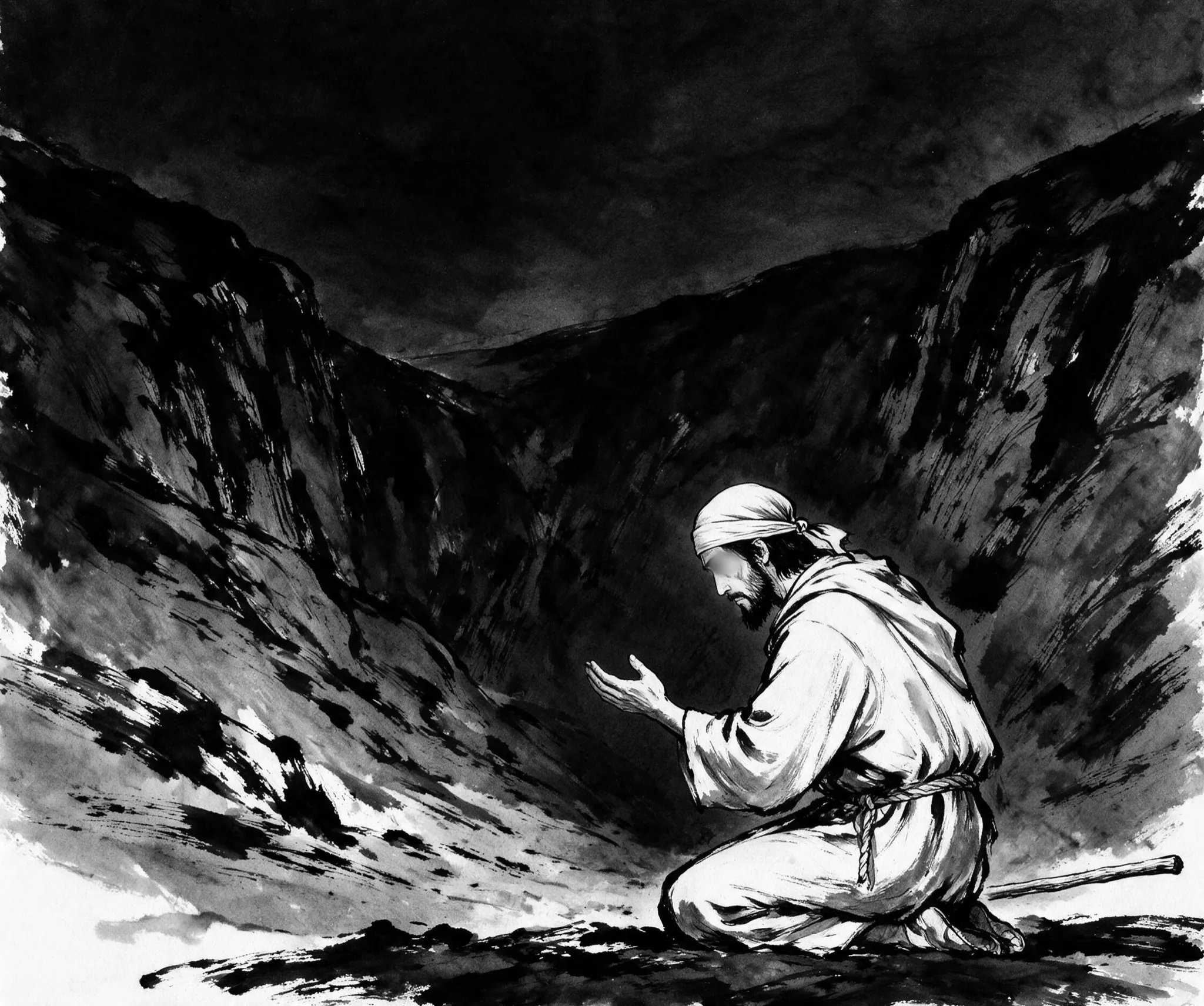
فَلَمَّآ أَتَىٰهَا نُودِىَ يَٰمُوسَىٰٓ إِنِّىٓ أَنَا۠ رَبُّكَ فَٱخْلَعْ نَعْلَيْكَ إِنَّكَ بِٱلْوَادِ ٱلْمُقَدَّسِ طُوًى وَأَنَا ٱخْتَرْتُكَ فَٱسْتَمِعْ لِمَا يُوحَىٰٓ إِنَّنِىٓ أَنَا ٱللَّهُ لَآ إِلَٰهَ إِلَّآ أَنَا۠ فَٱعْبُدْنِى وَأَقِمِ ٱلصَّلَوٰةَ لِذِكْرِىٓ
And when he came to it, he was called, "O Moses, Indeed, I am your Lord, so remove your sandals. Indeed, you are in the blessed valley of Ṭuwā. And I have chosen you, so listen to what is revealed [to you]. Indeed, I am Allāh. There is no deity except Me, so worship Me and establish prayer for My remembrance.
Qur'an 20:11-14
Saheeh International
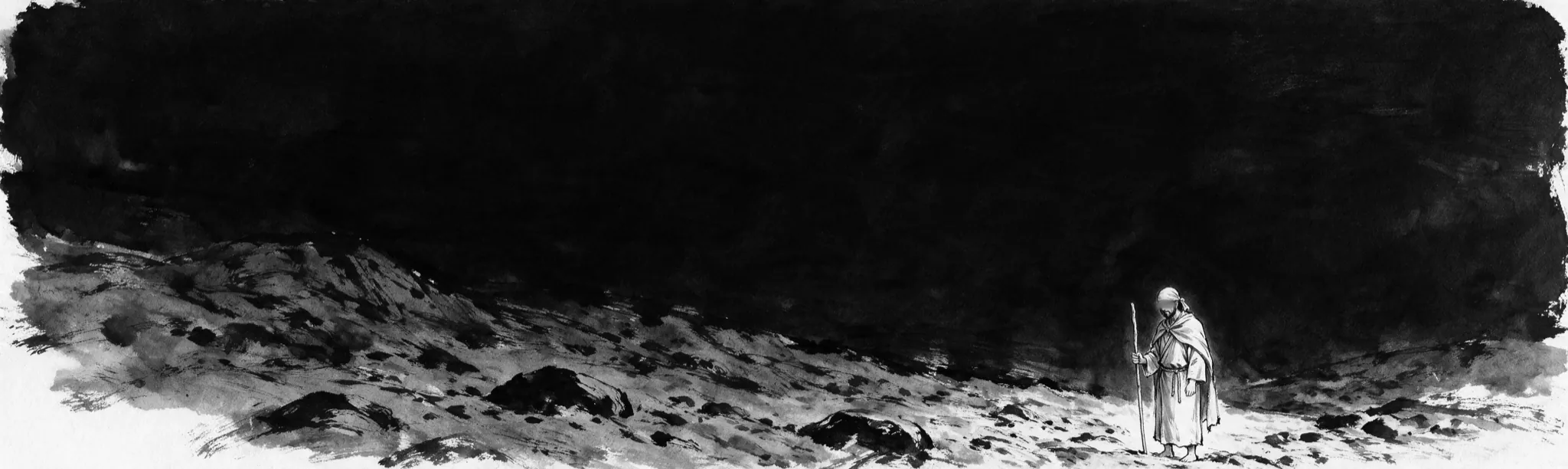
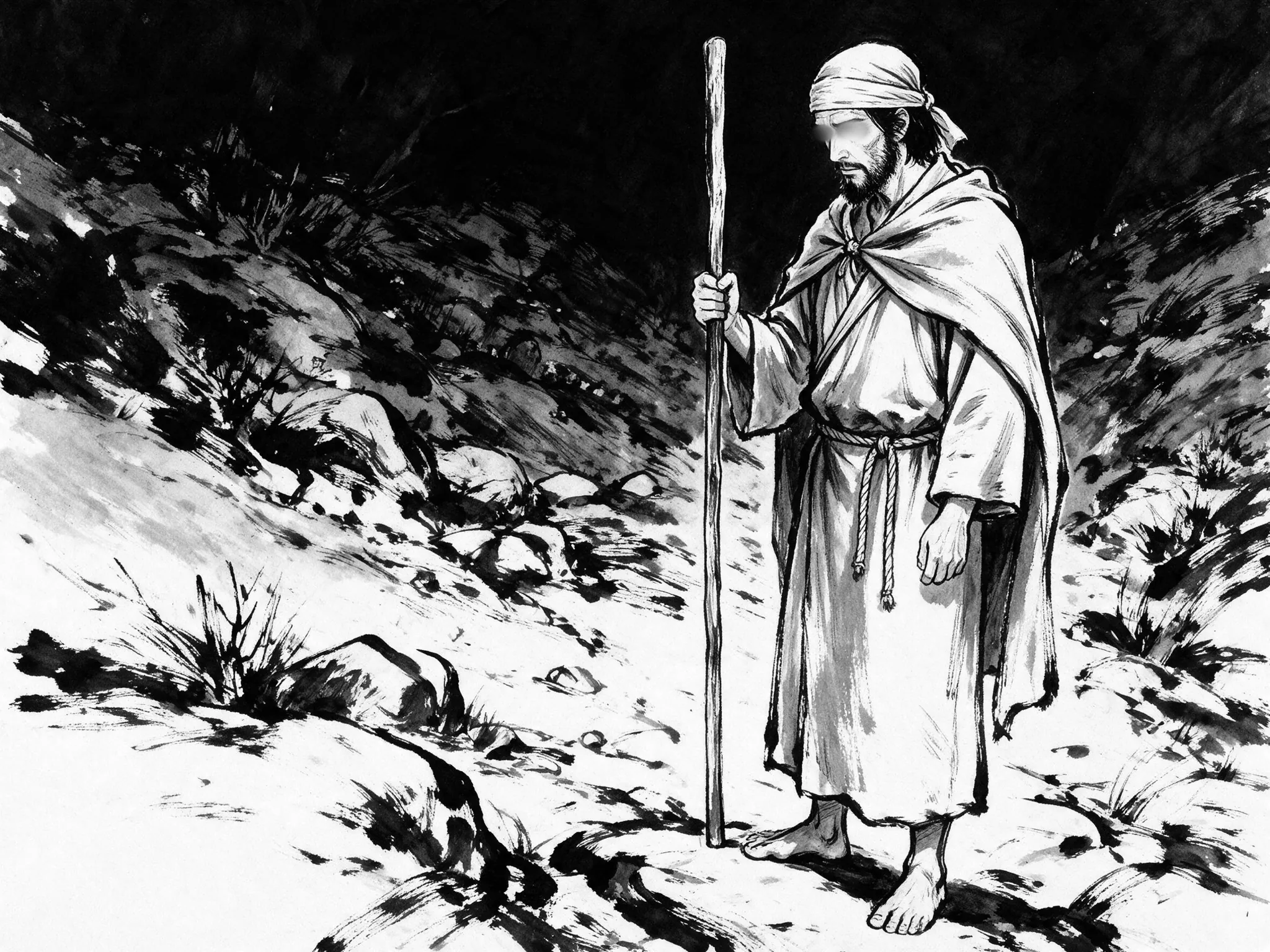
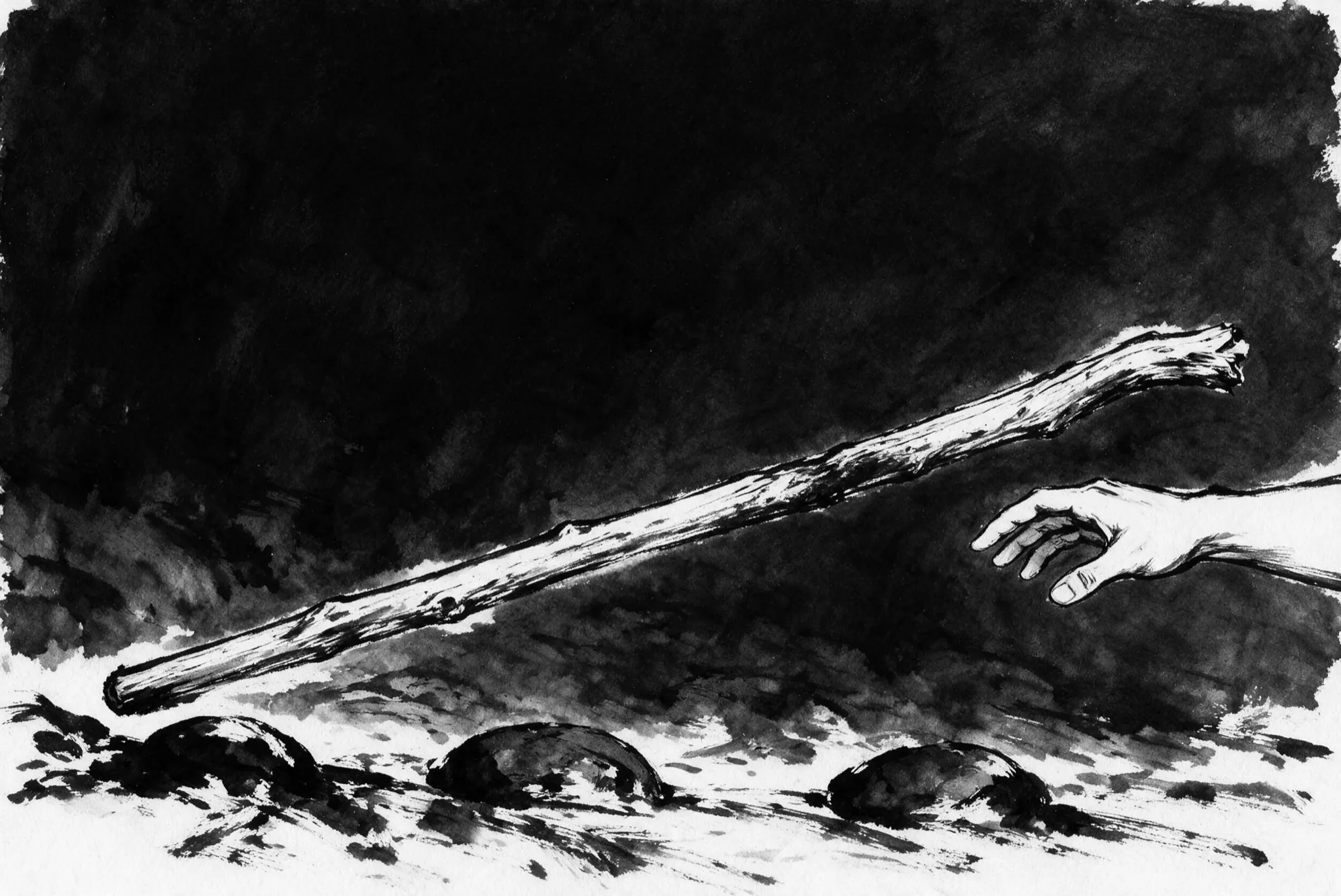
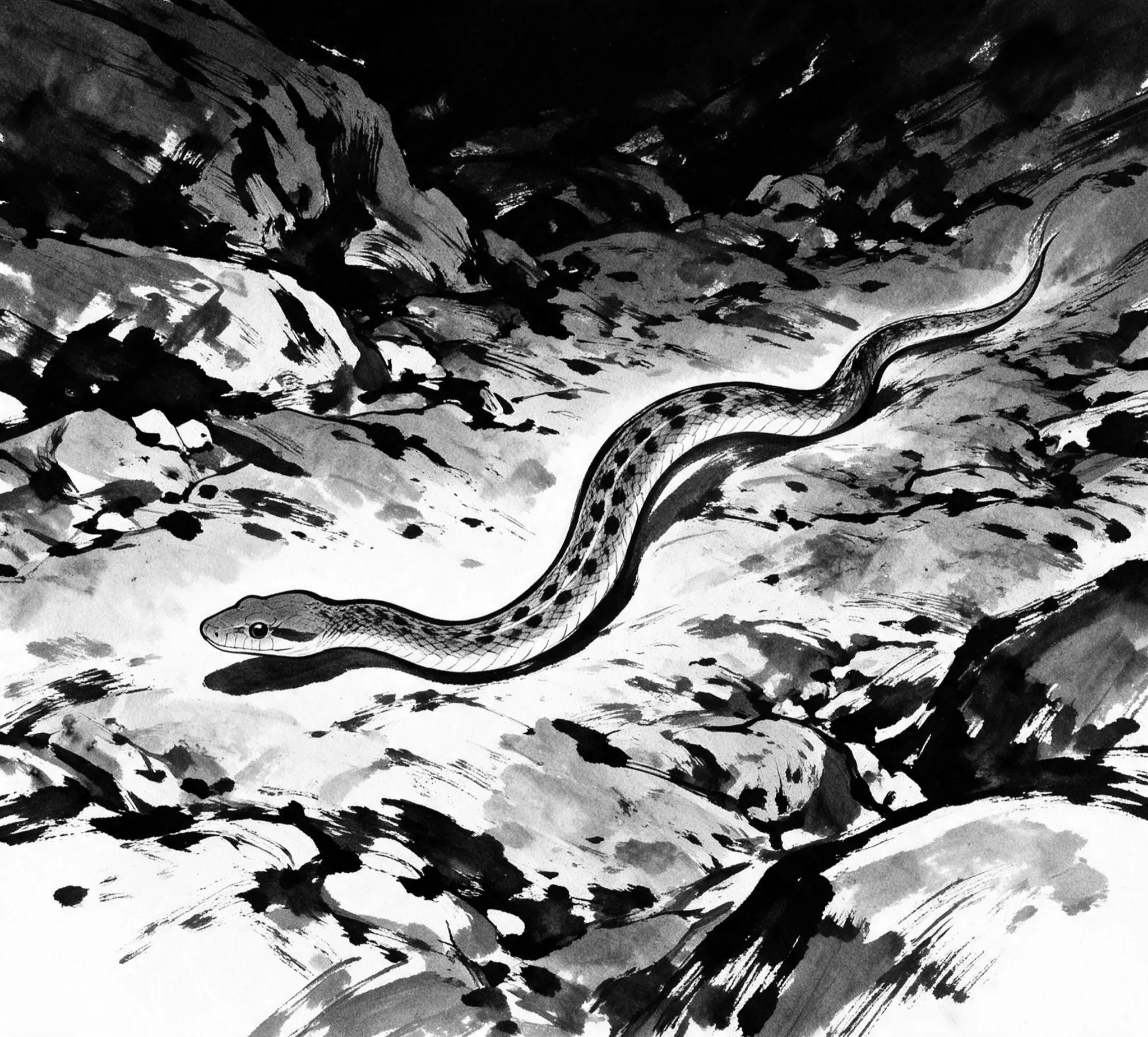
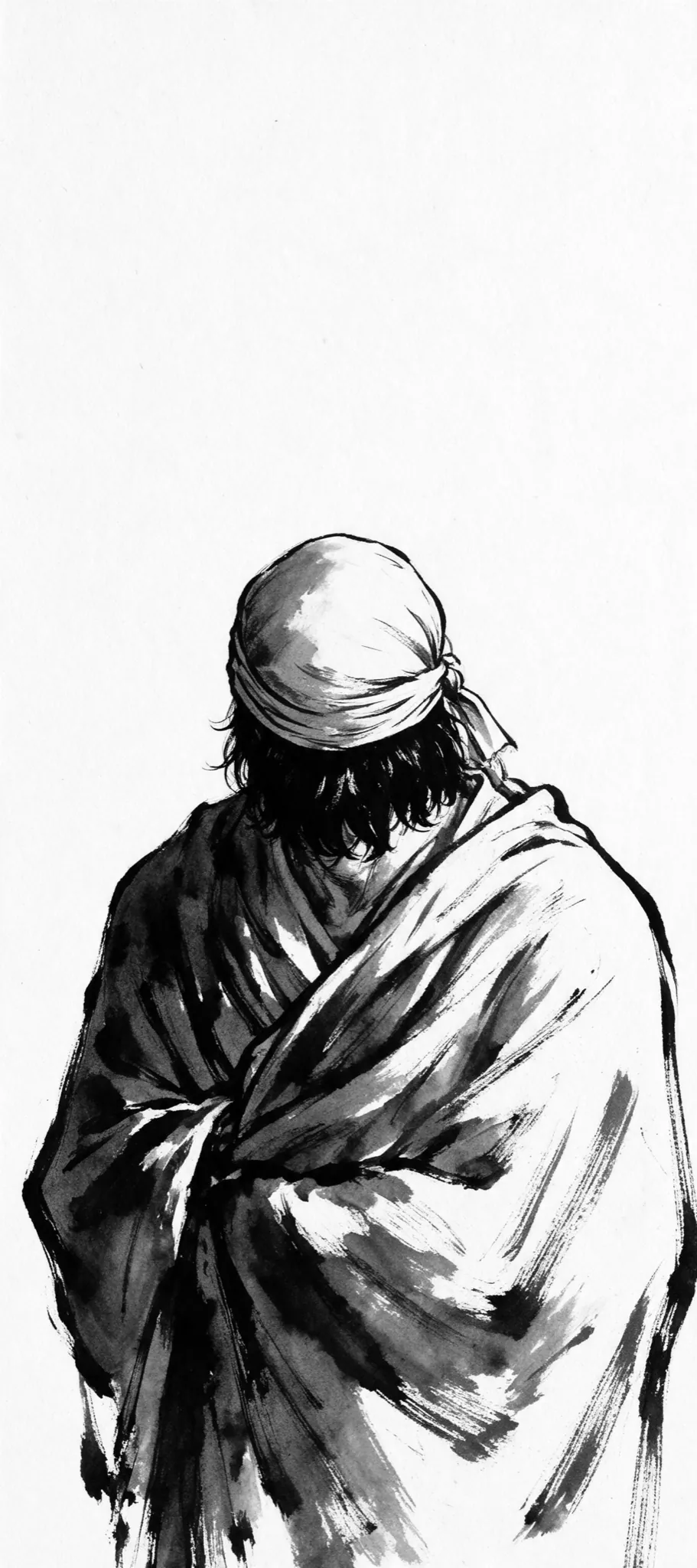
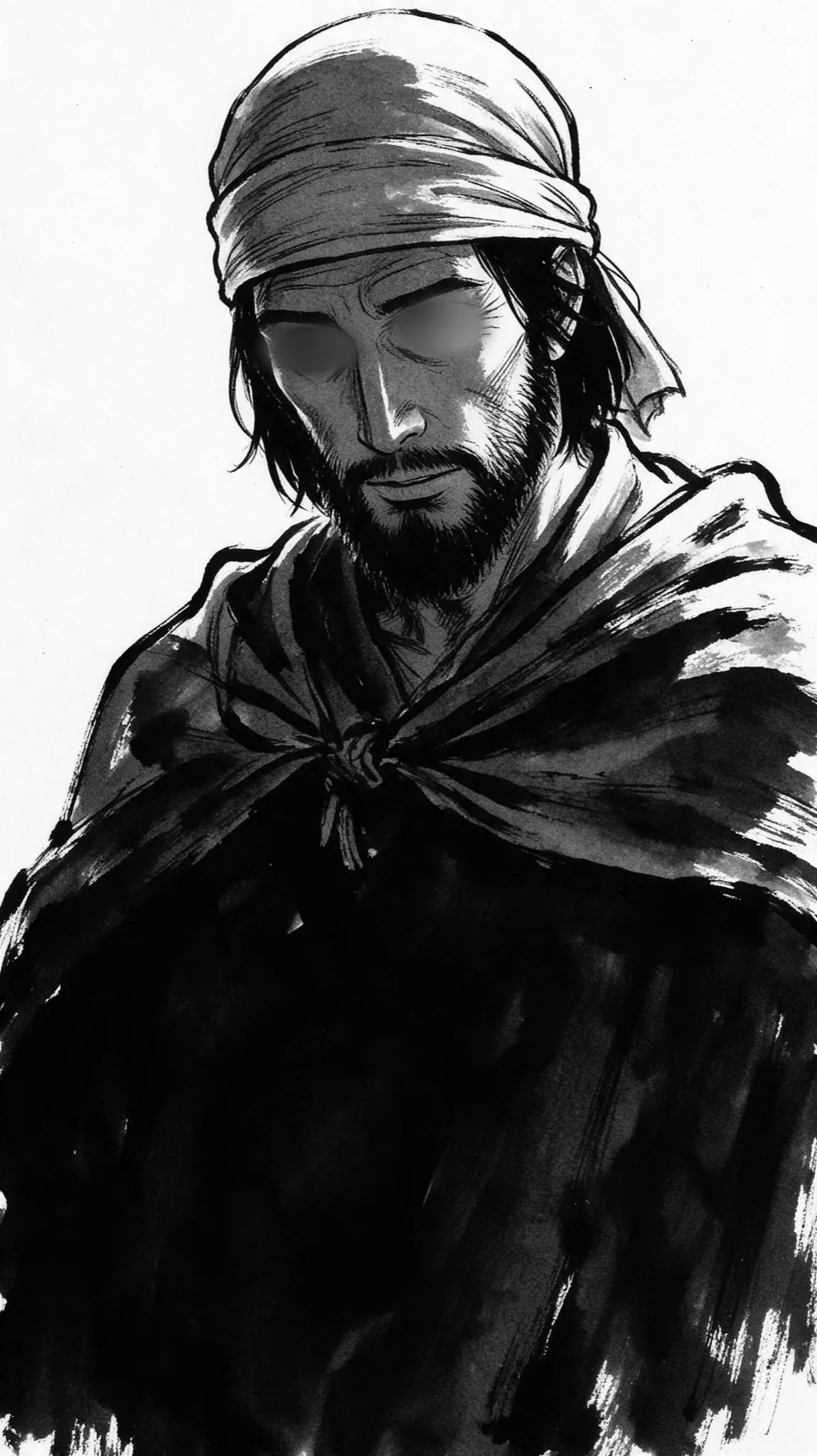
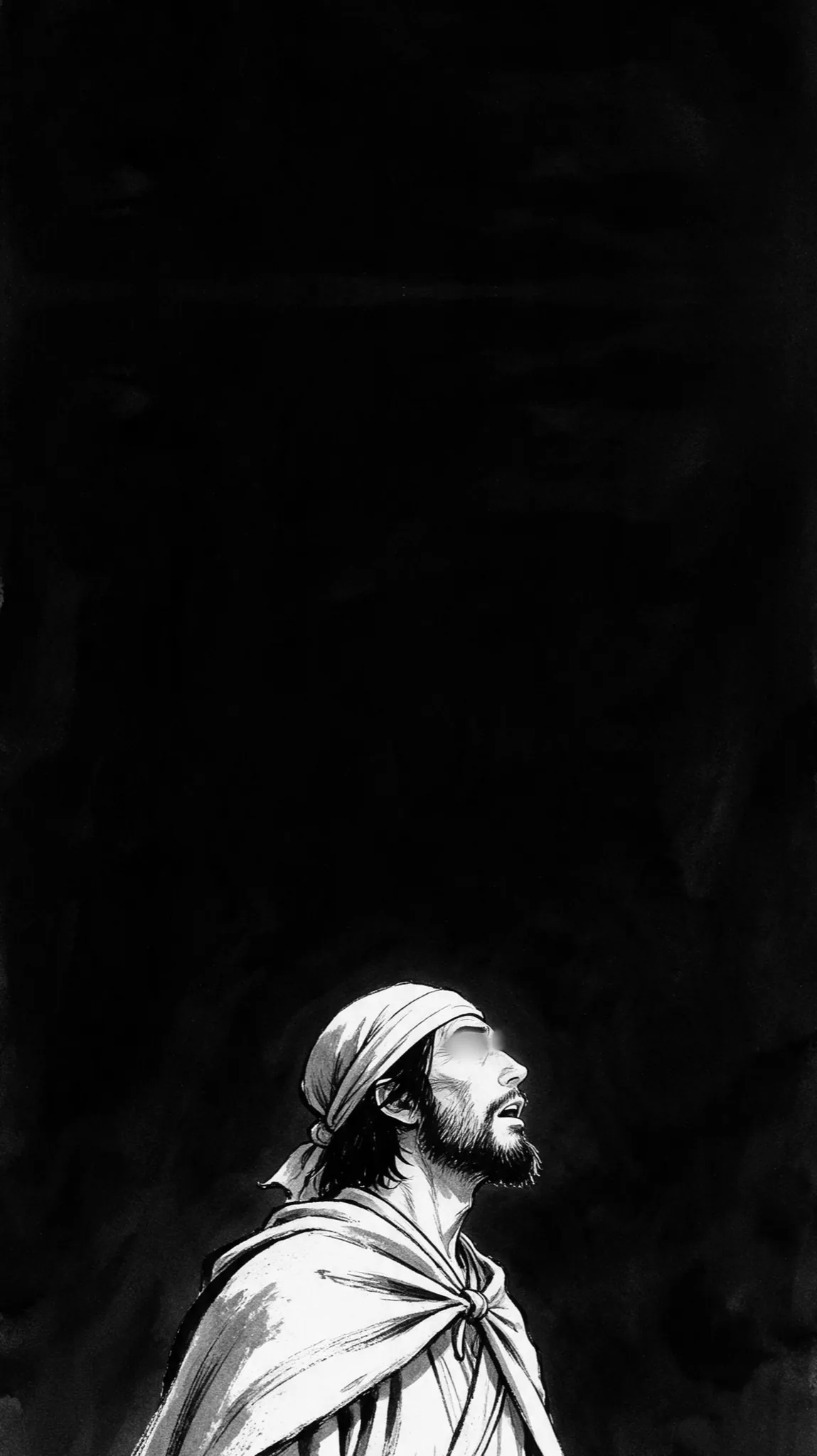
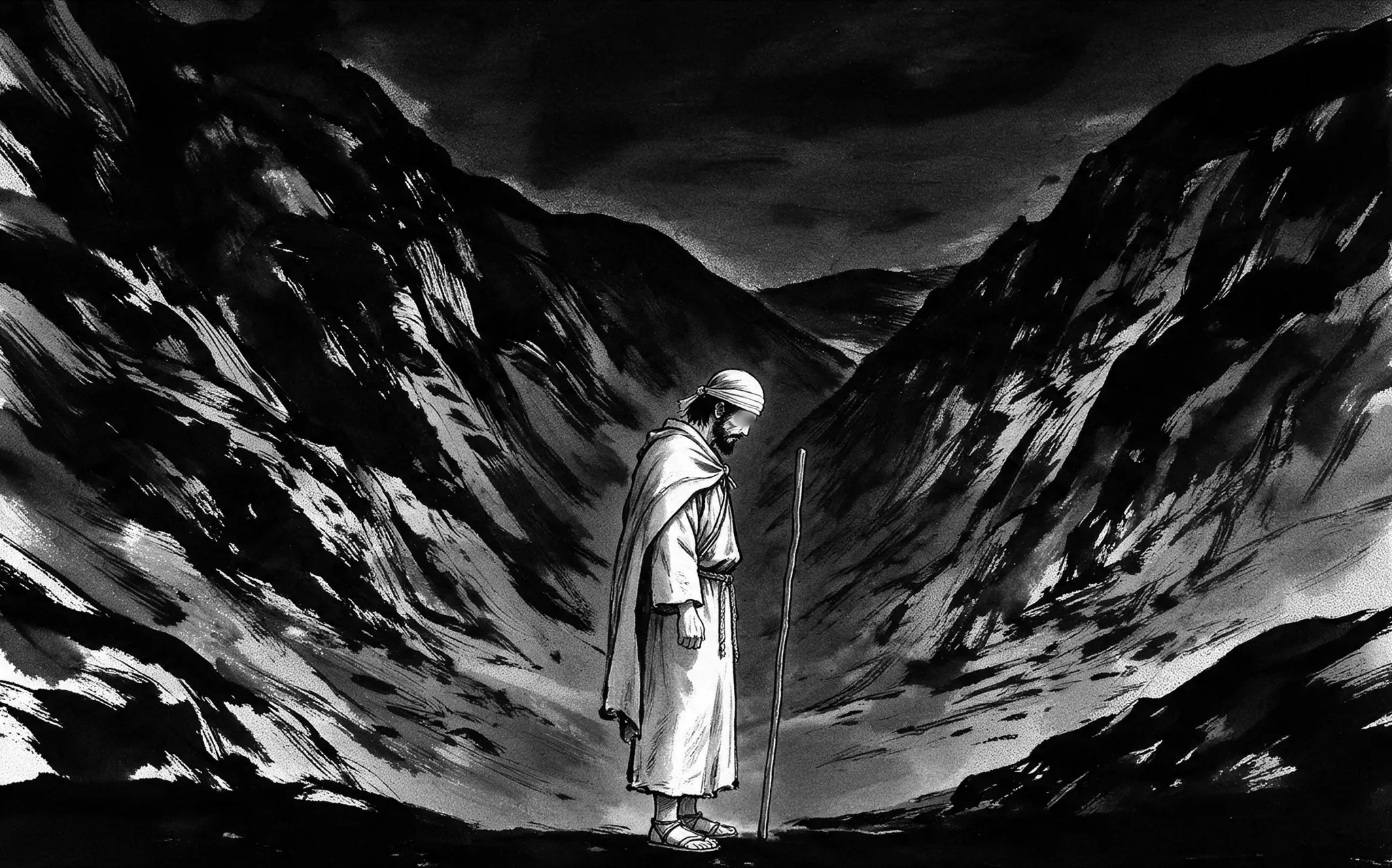
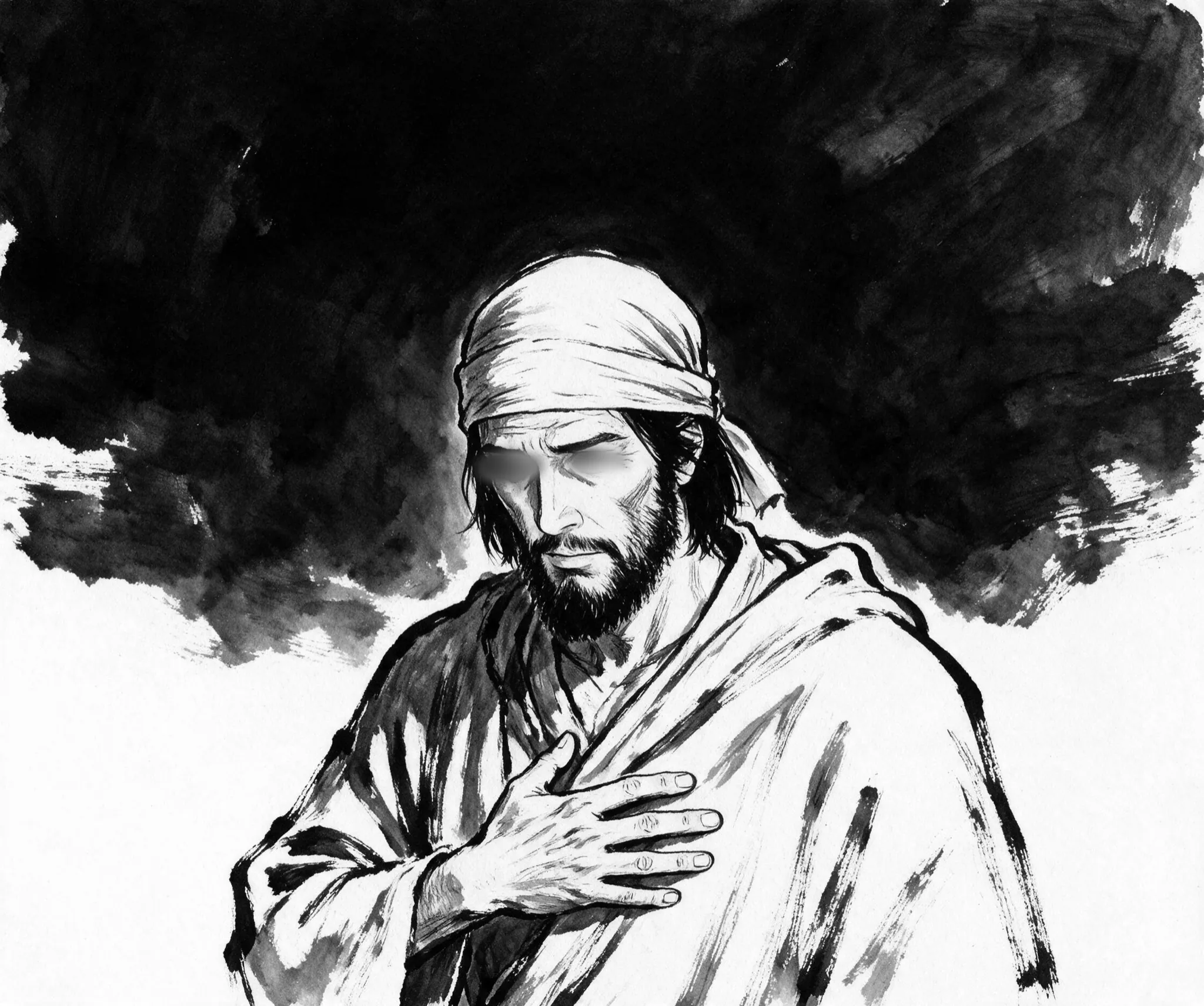
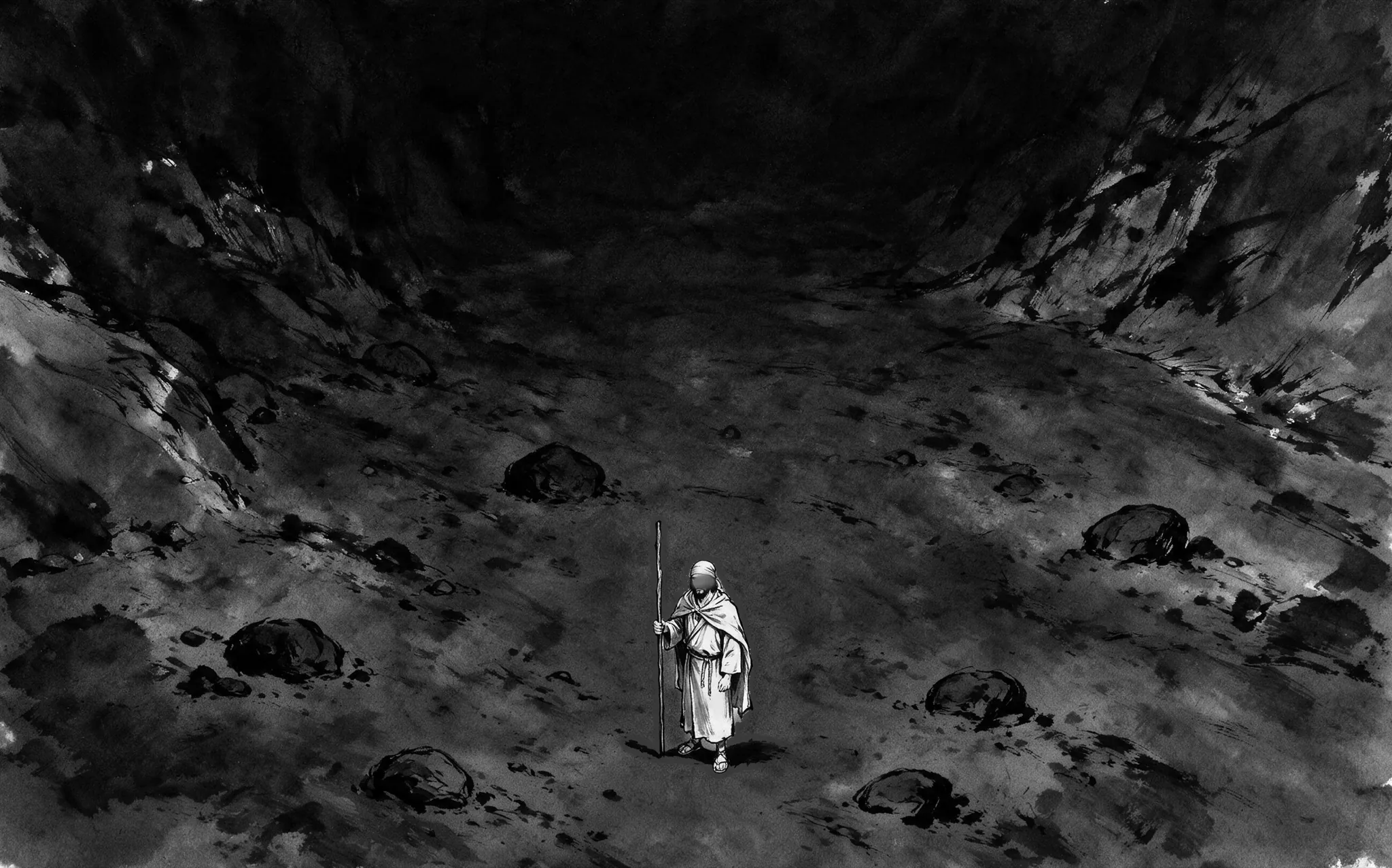
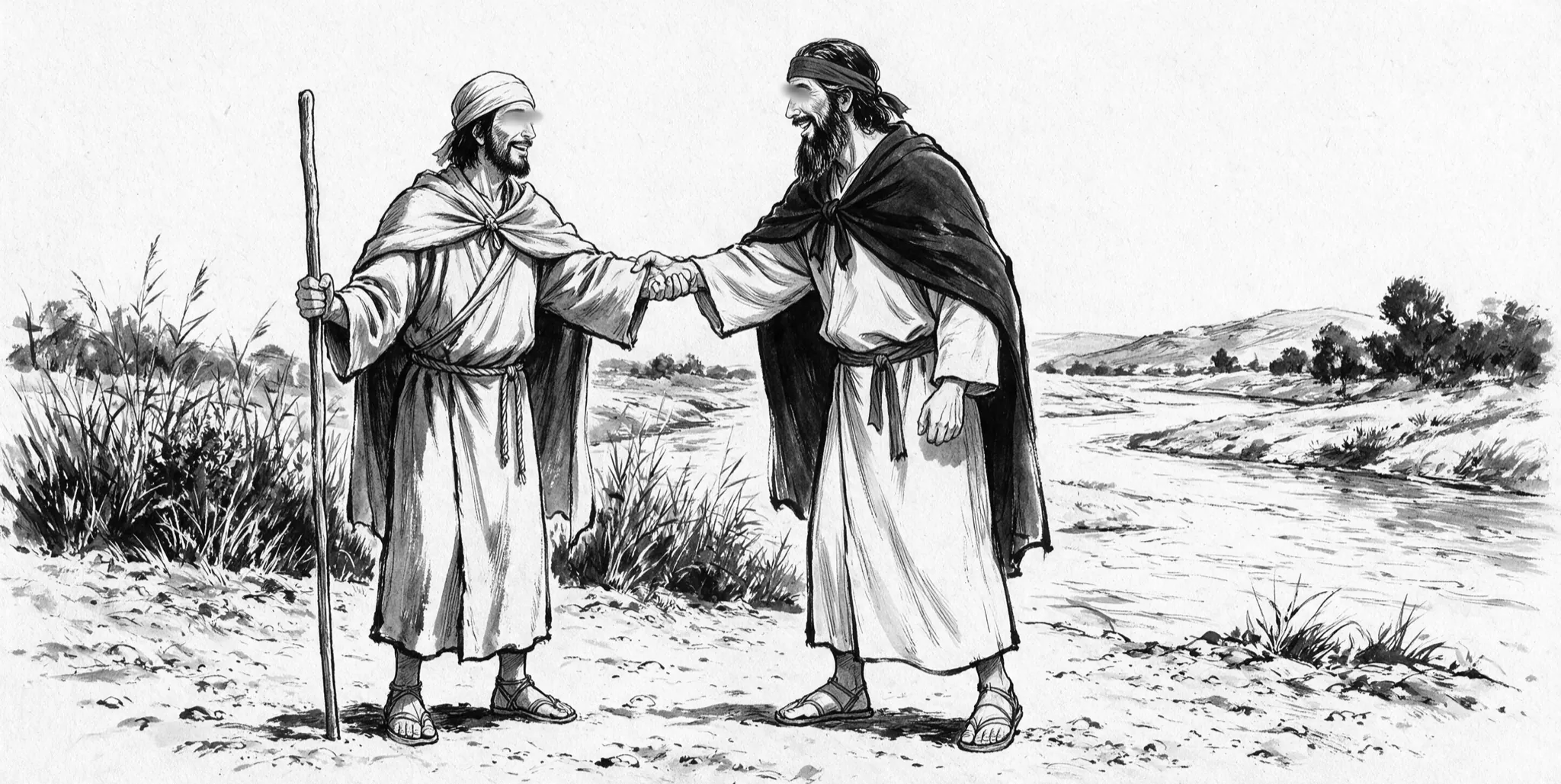
قَالَ لَا تَخَافَآ إِنَّنِى مَعَكُمَآ أَسْمَعُ وَأَرَىٰ
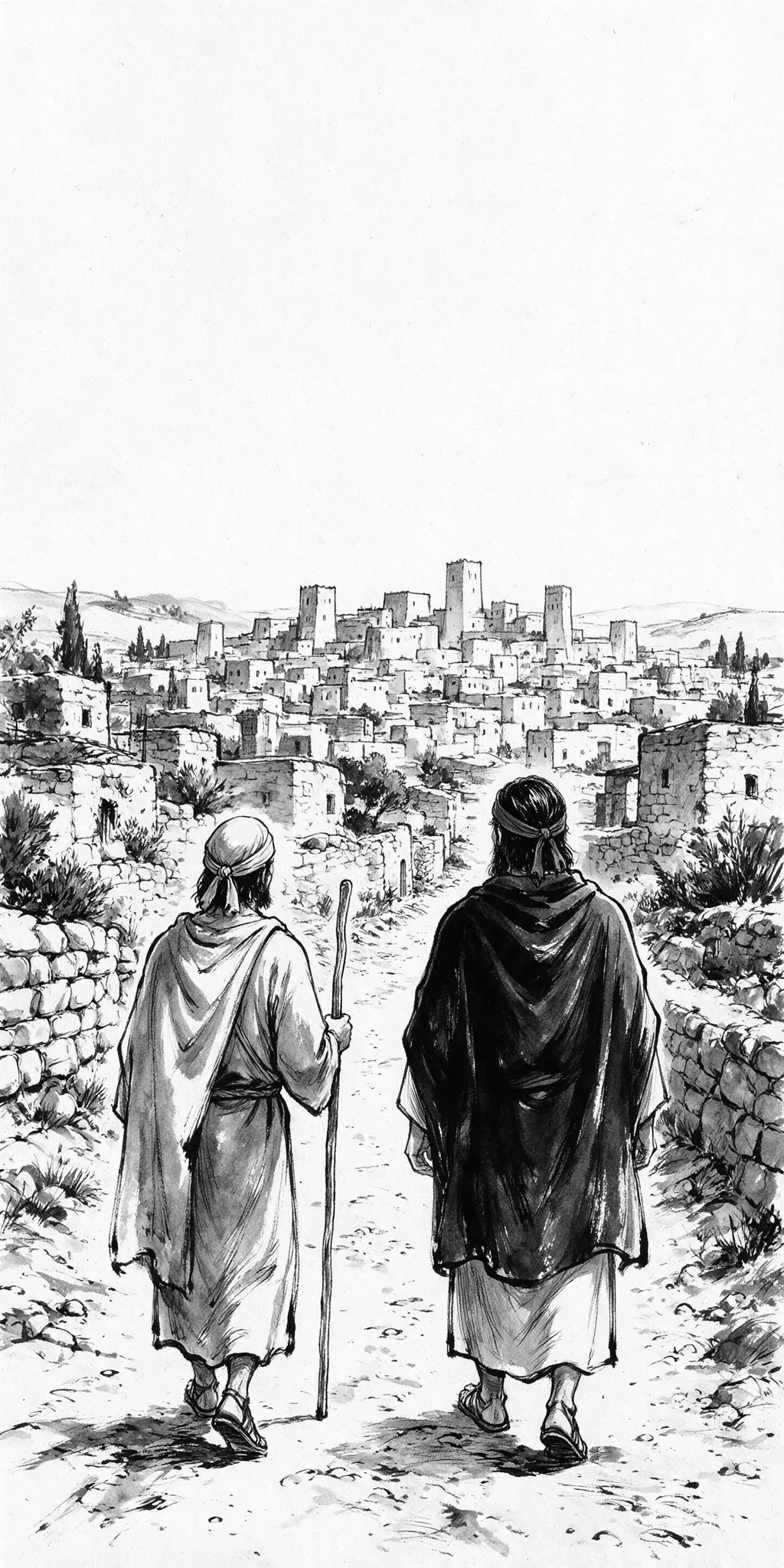
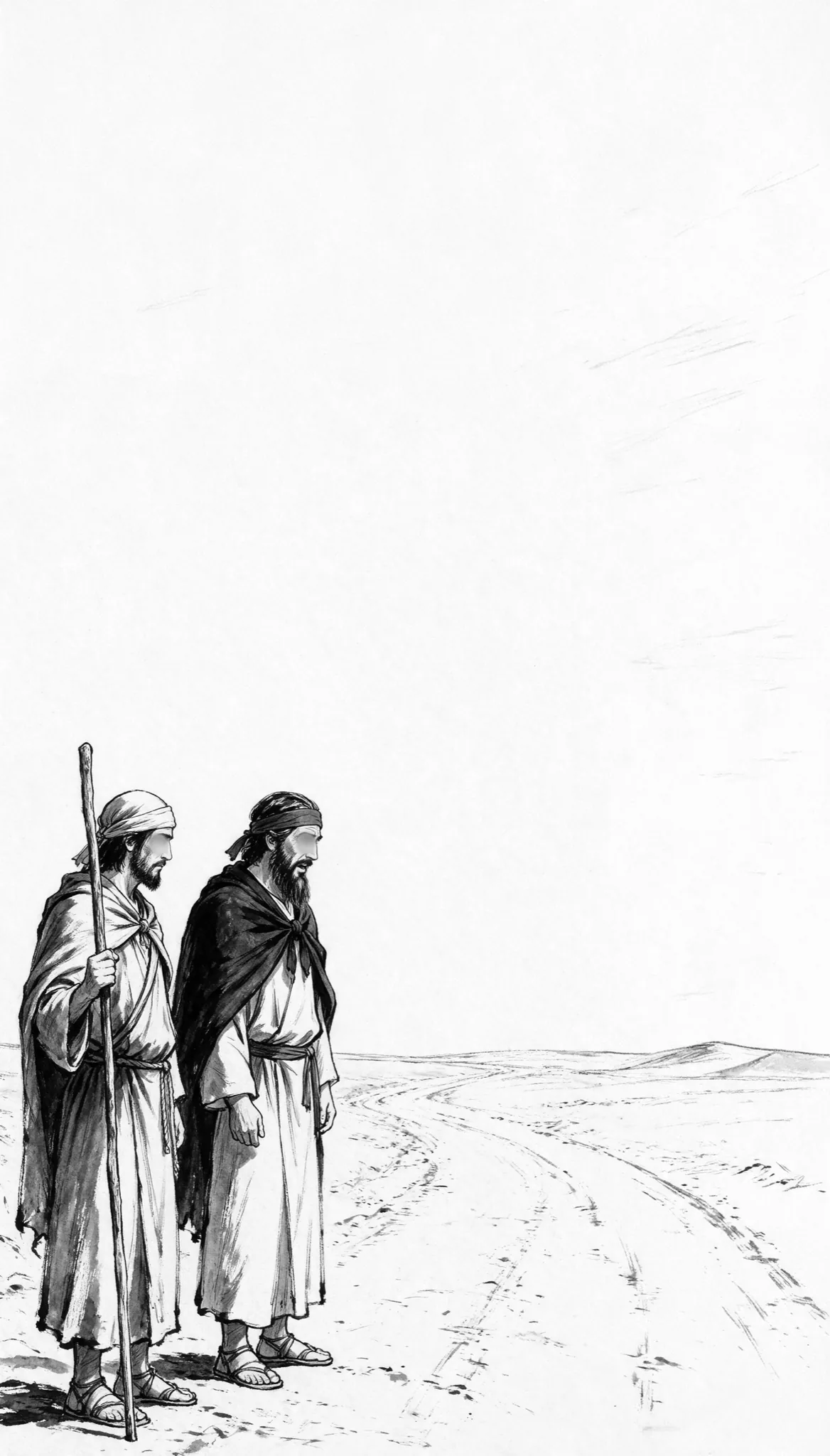
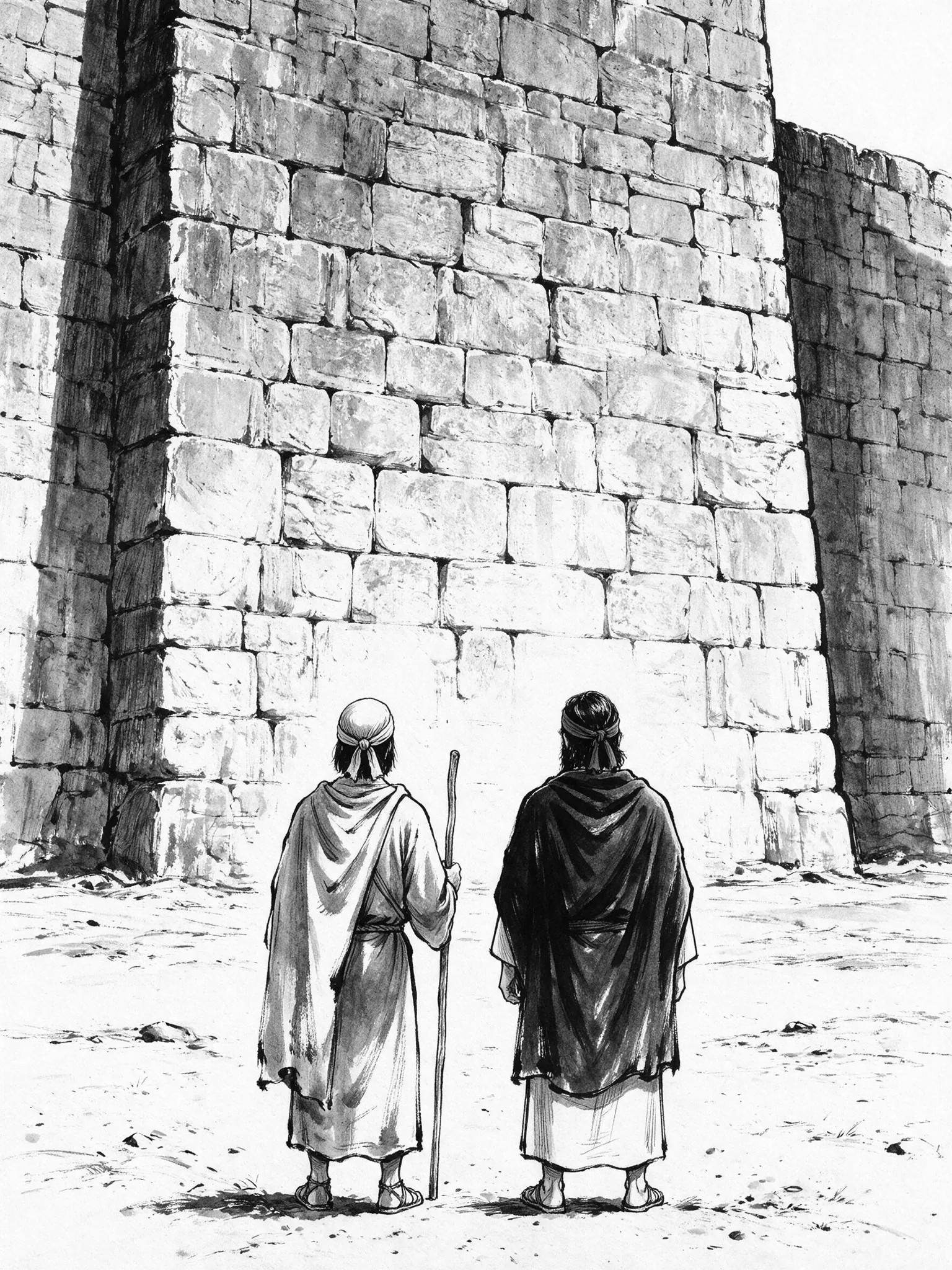
[Allāh] said, "Fear not. Indeed, I am with you both; I hear and I see.
Qur'an 20:46
Saheeh International
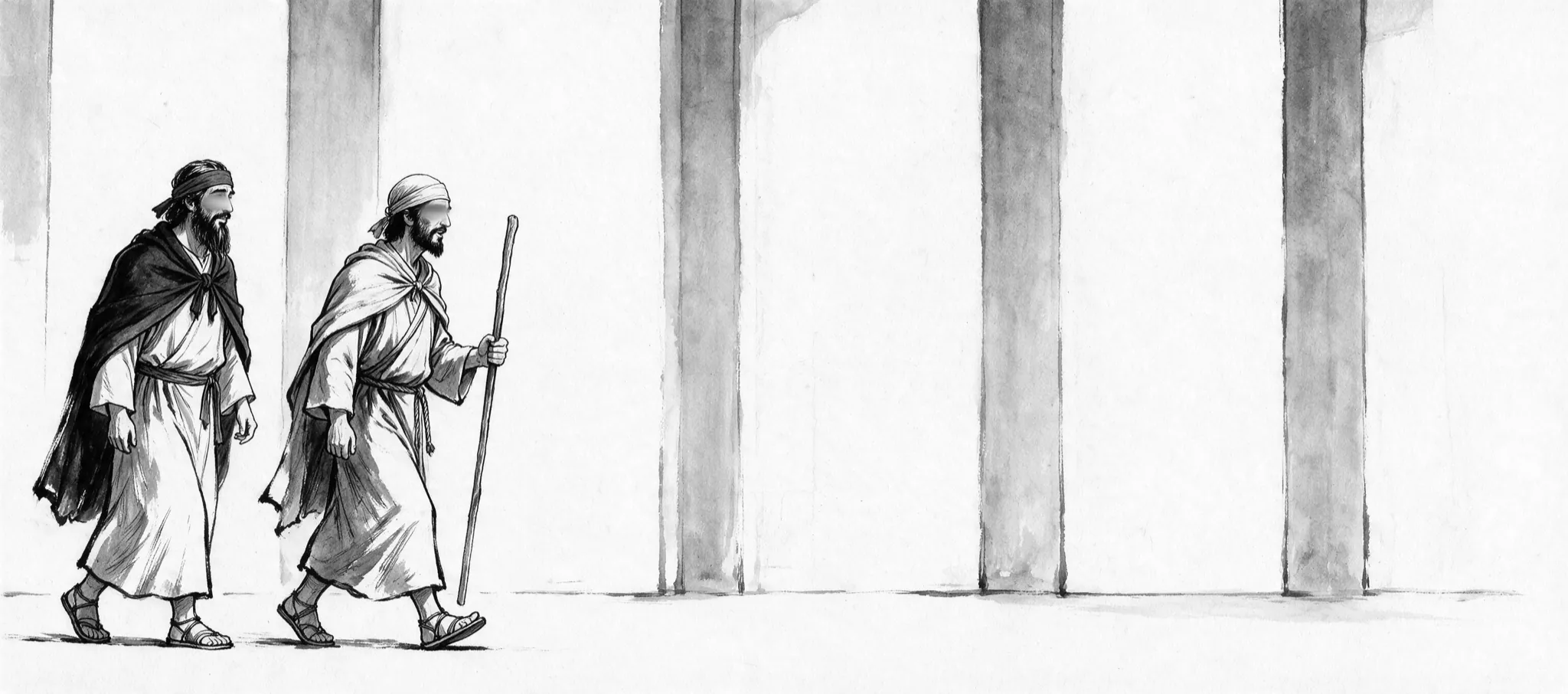
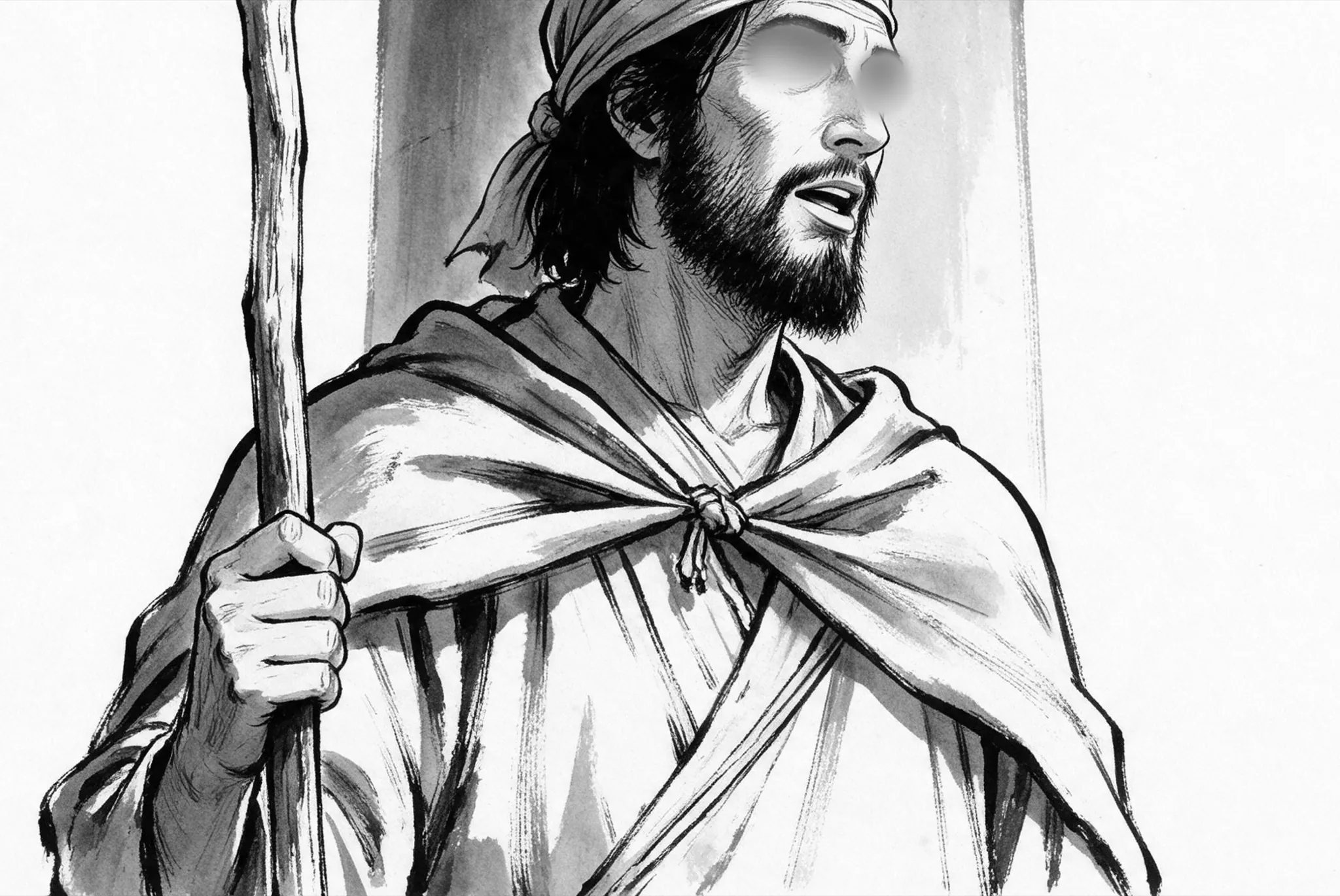
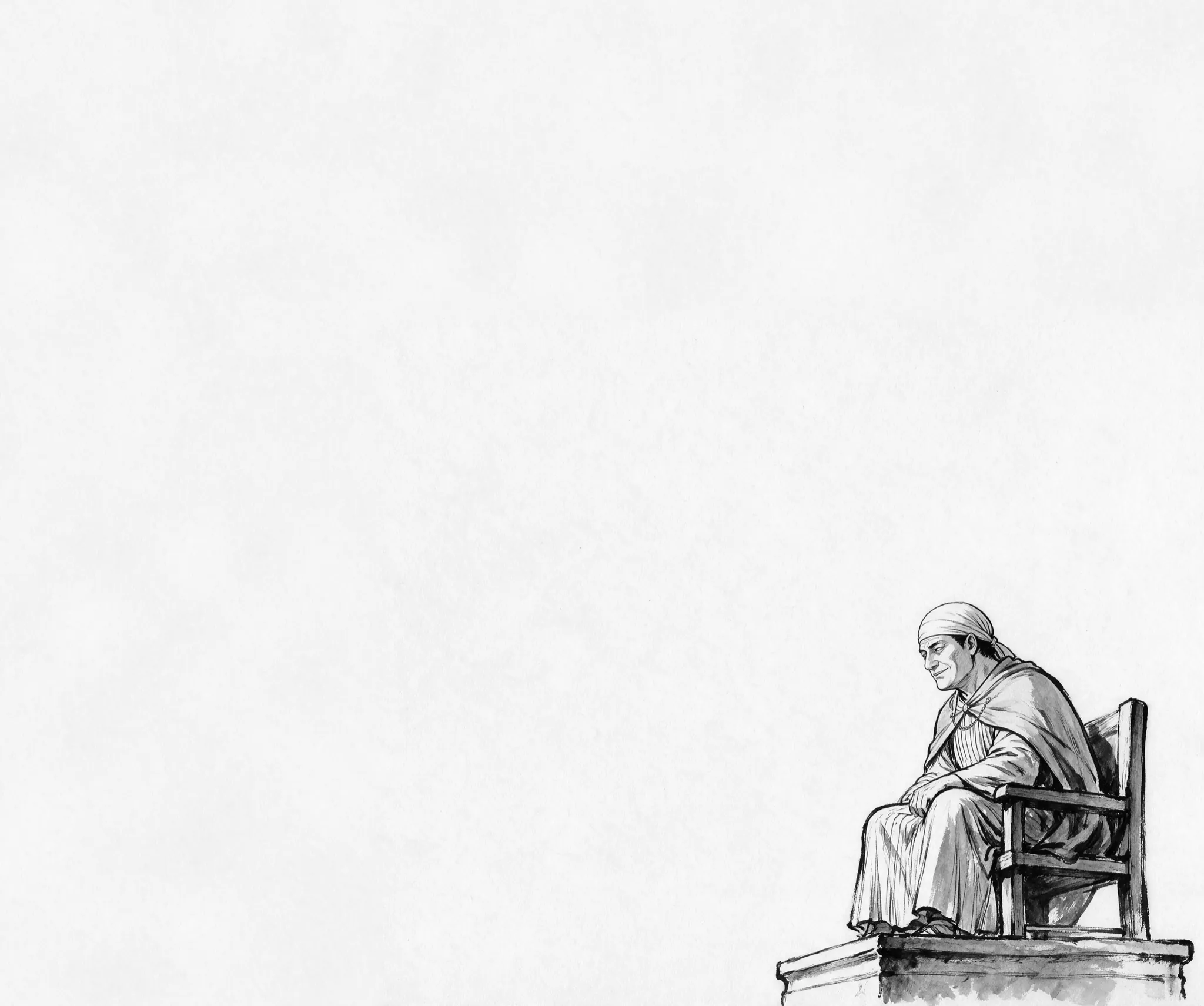
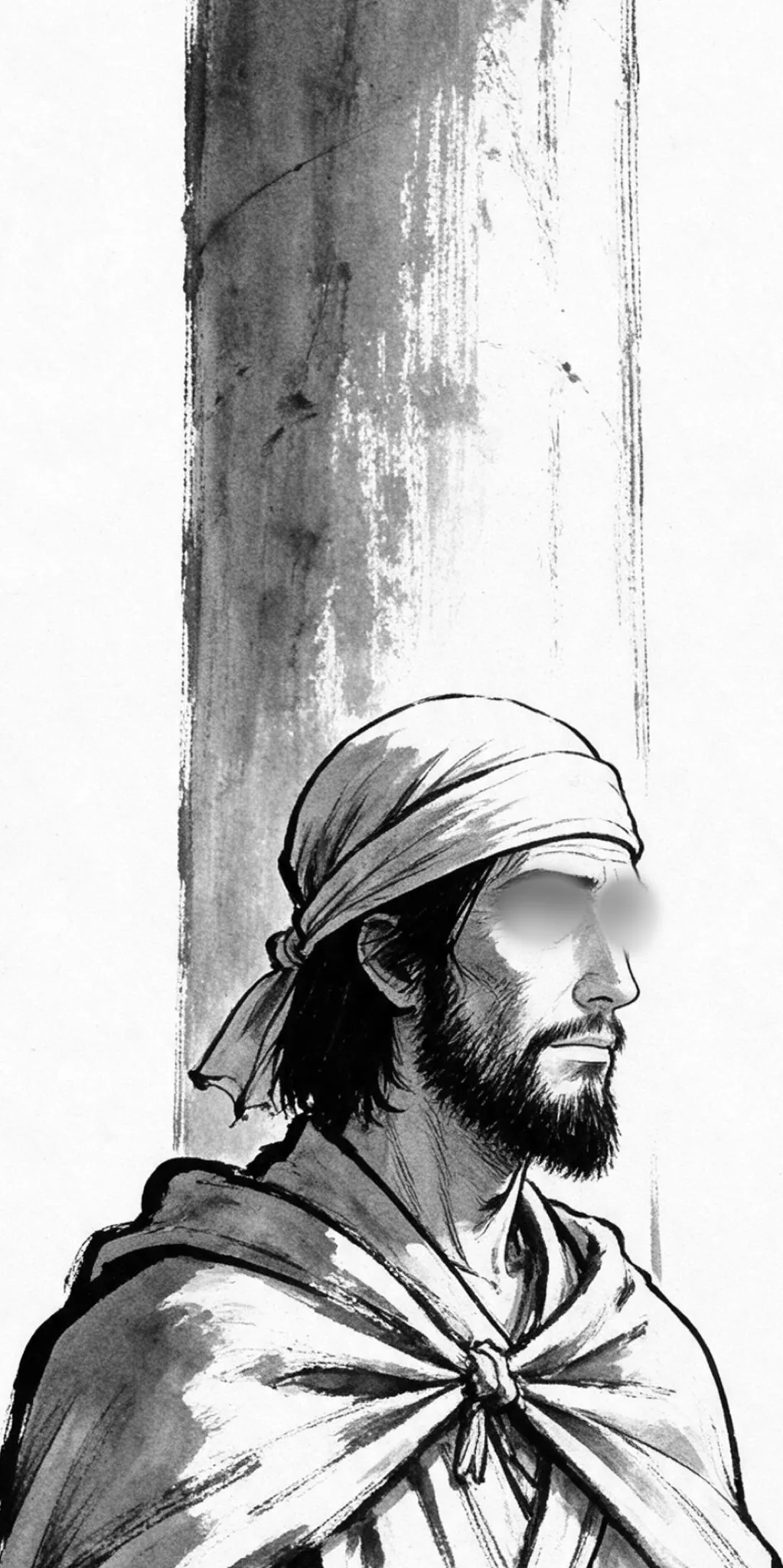
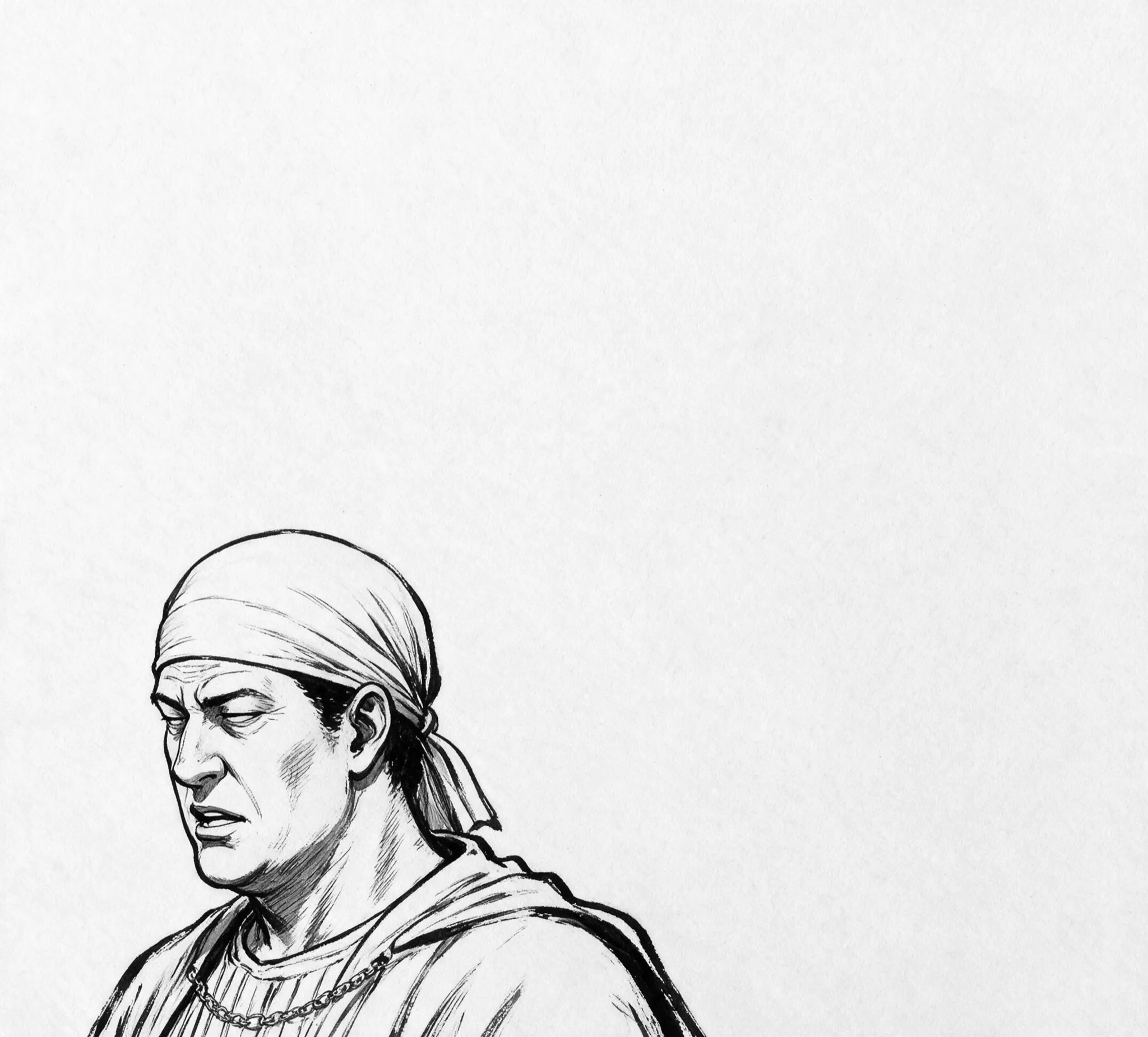
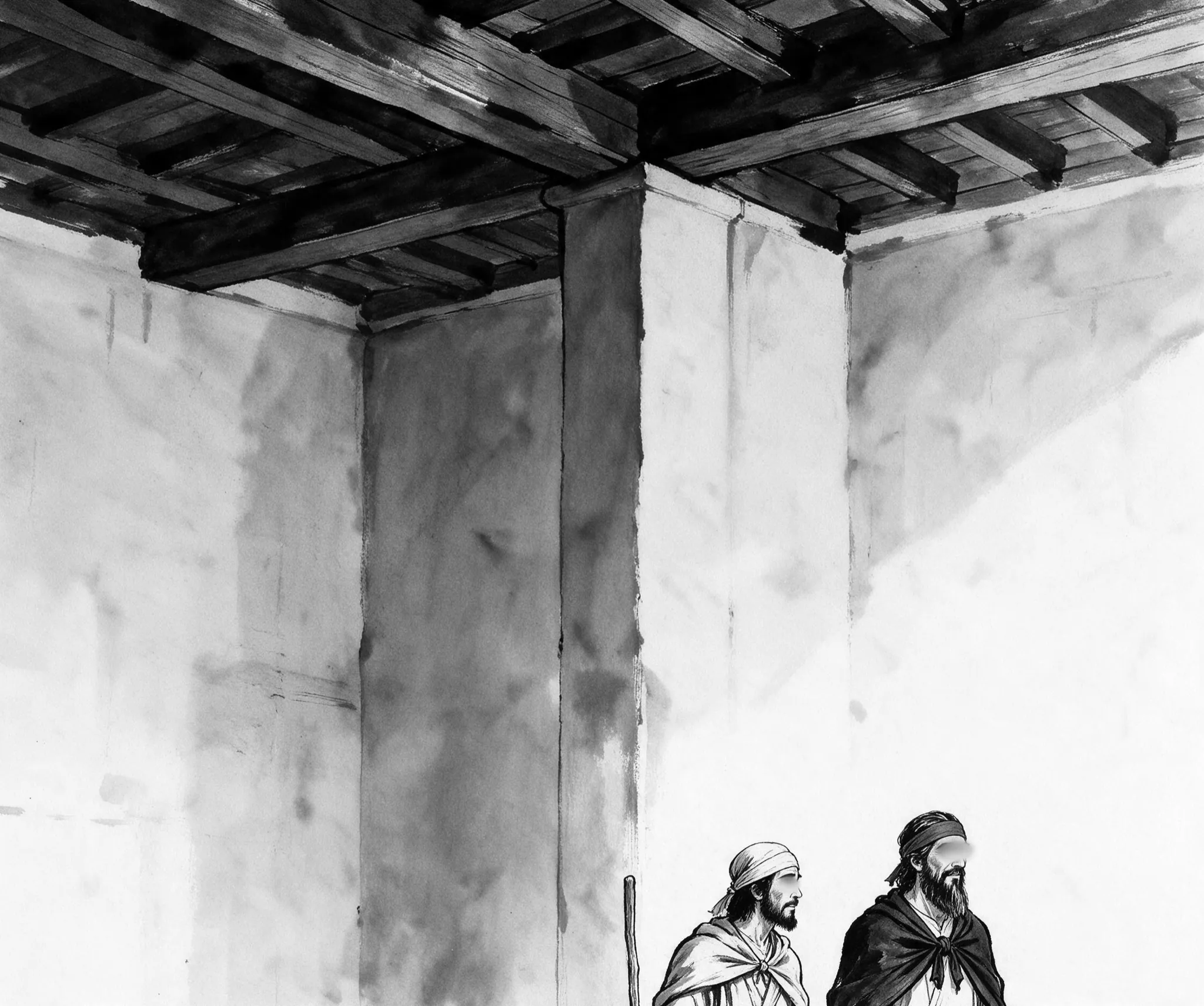
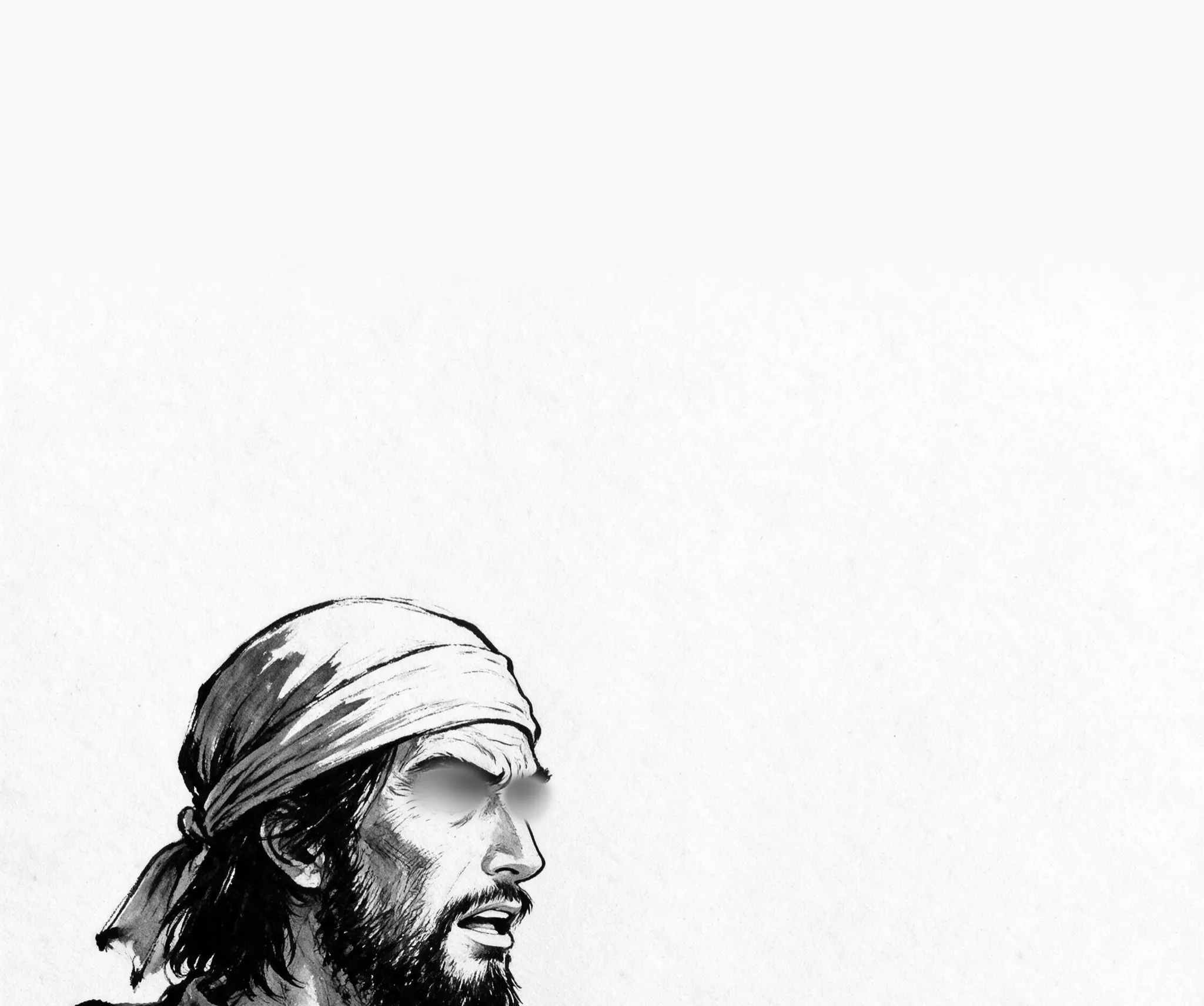
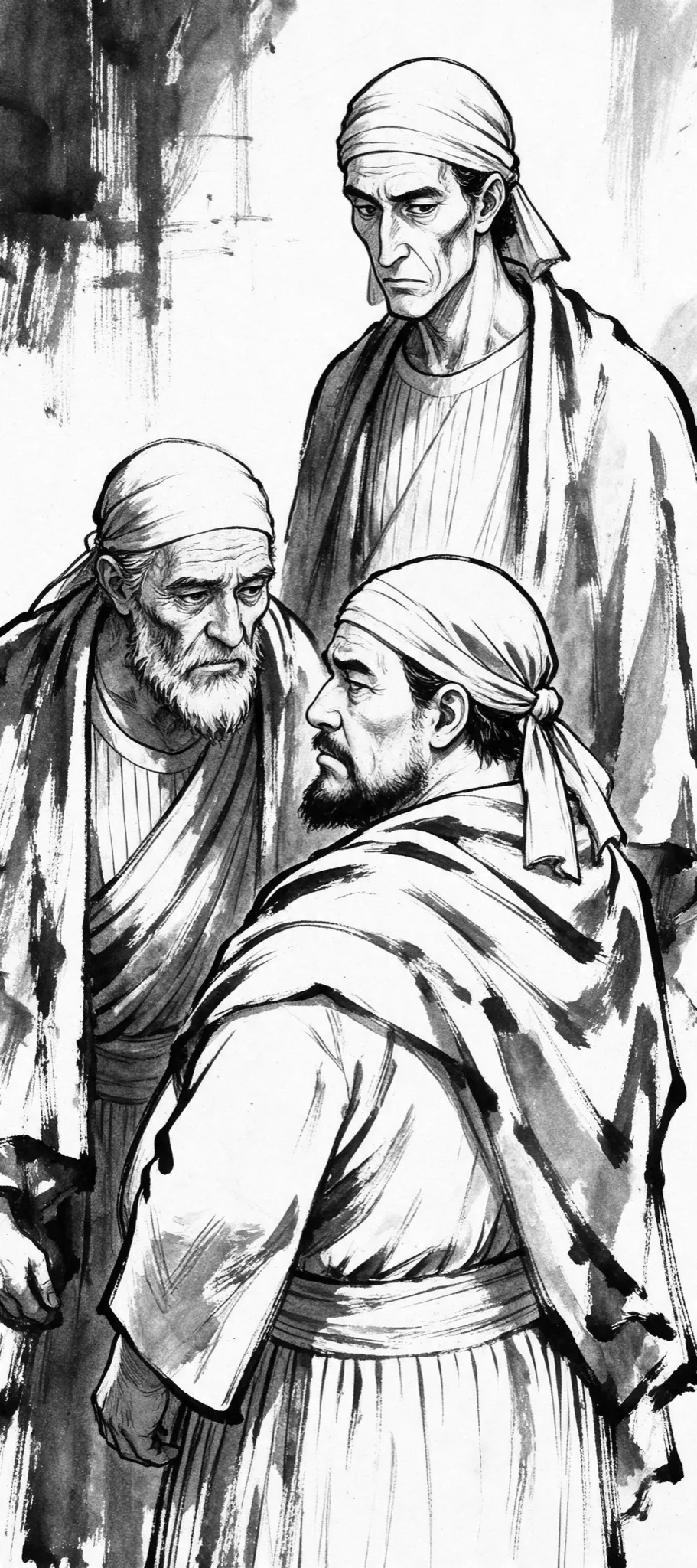
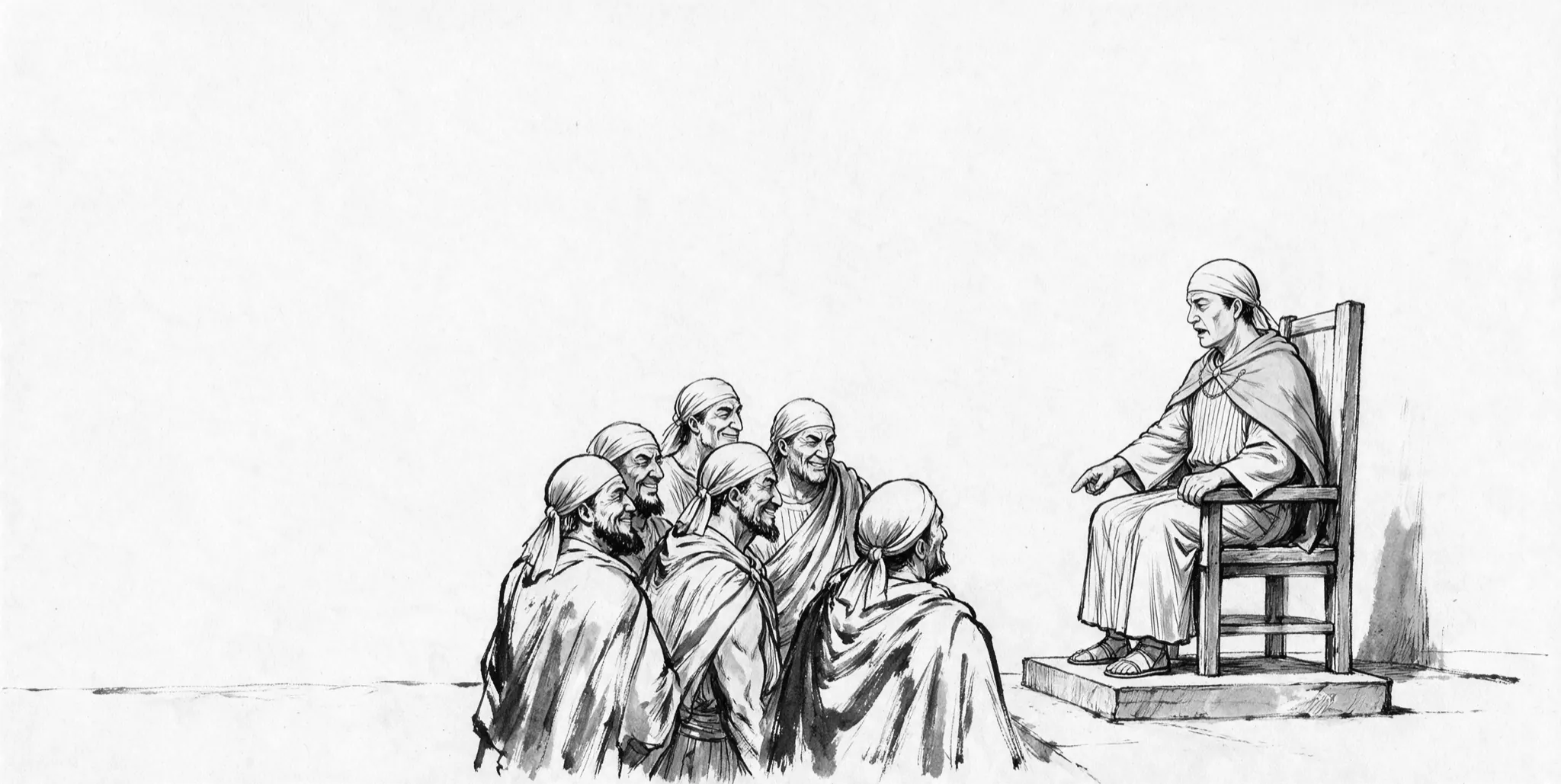
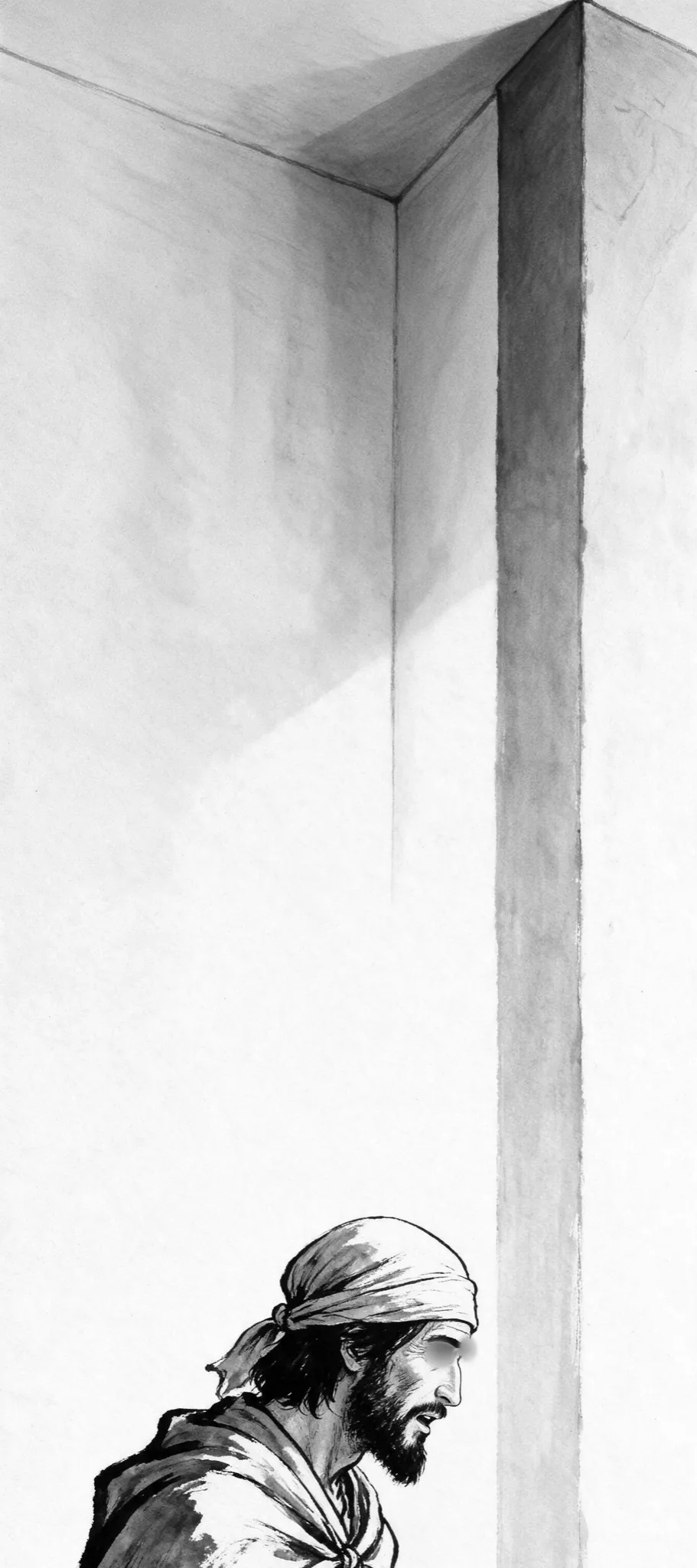
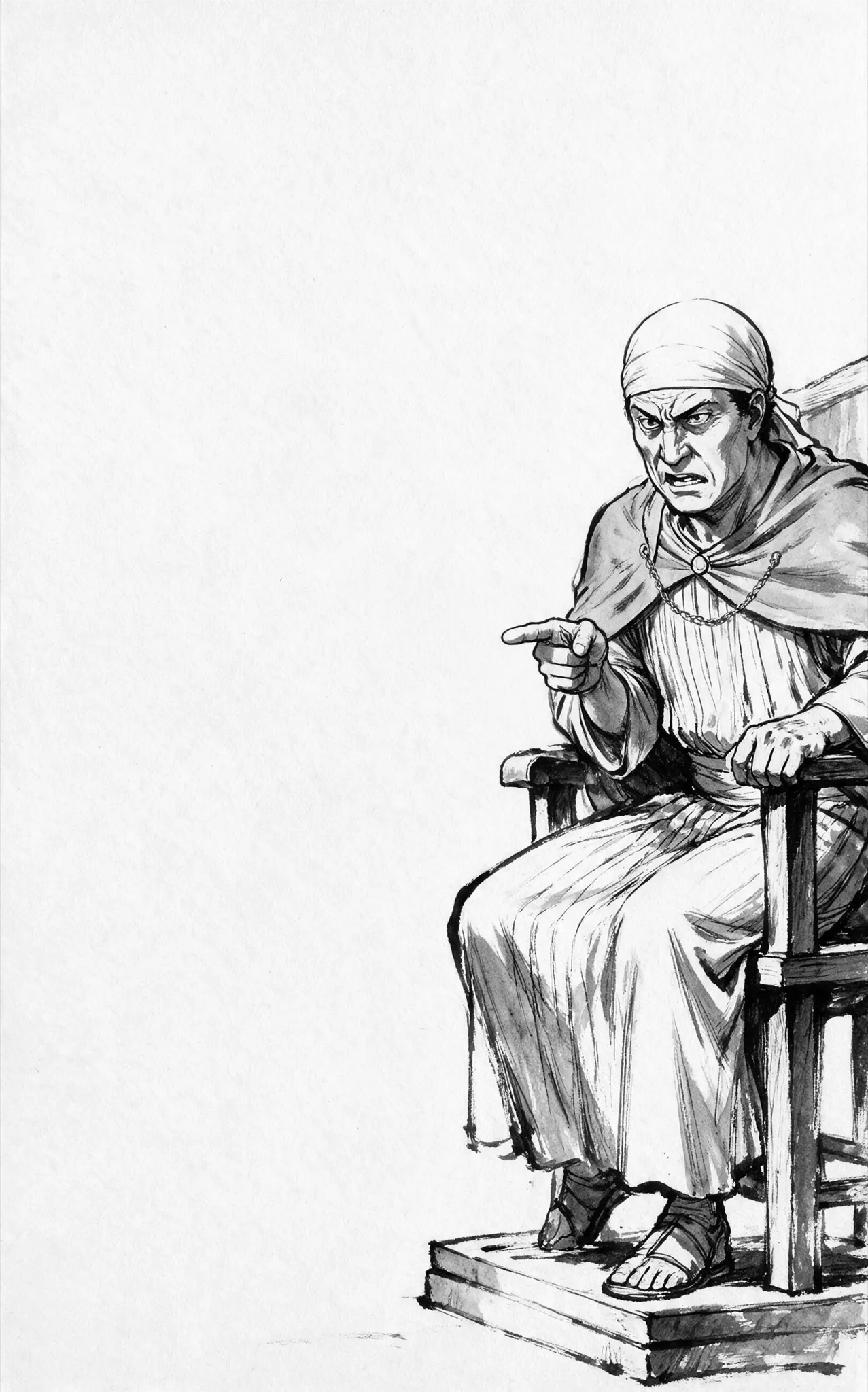
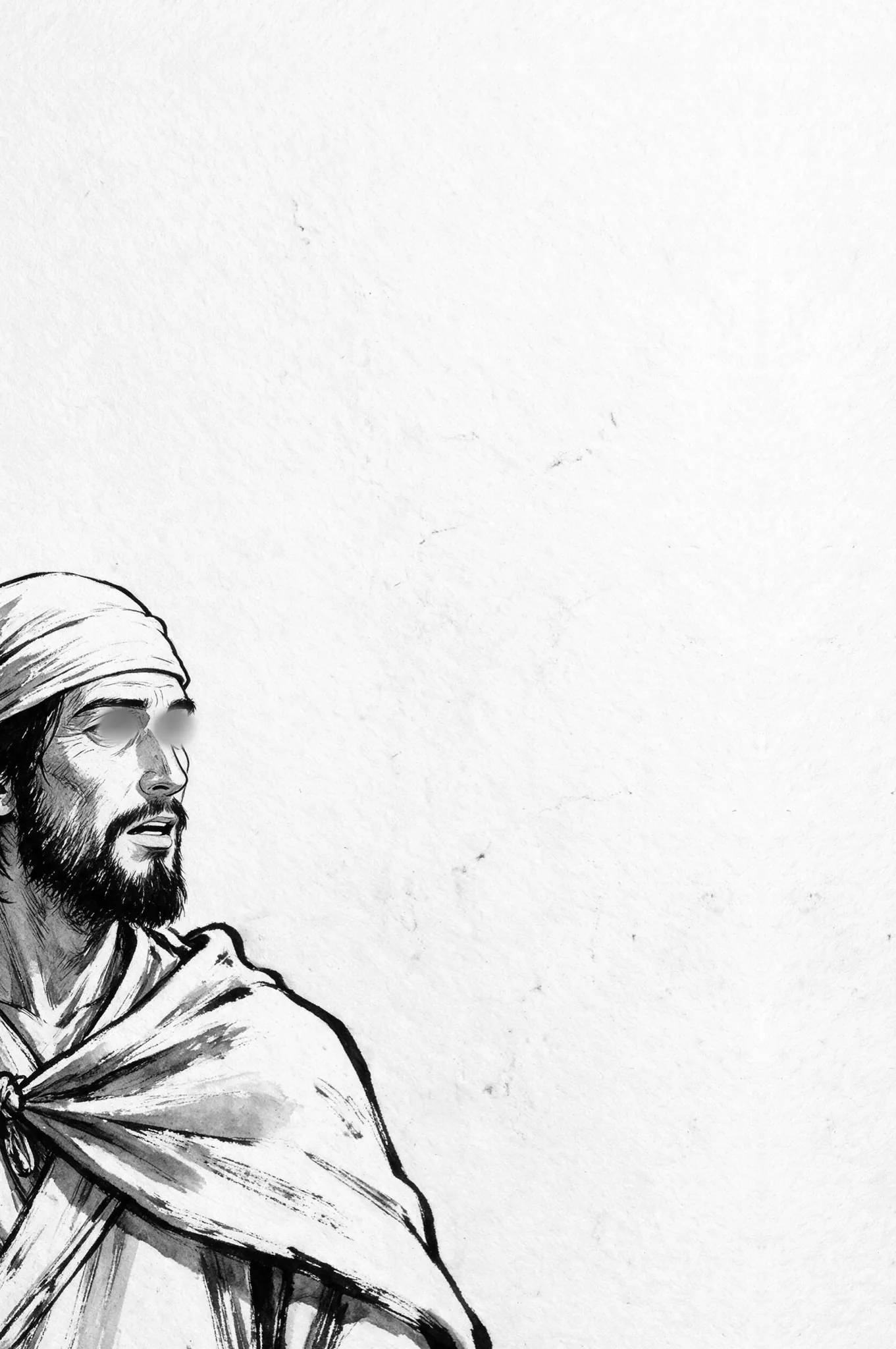
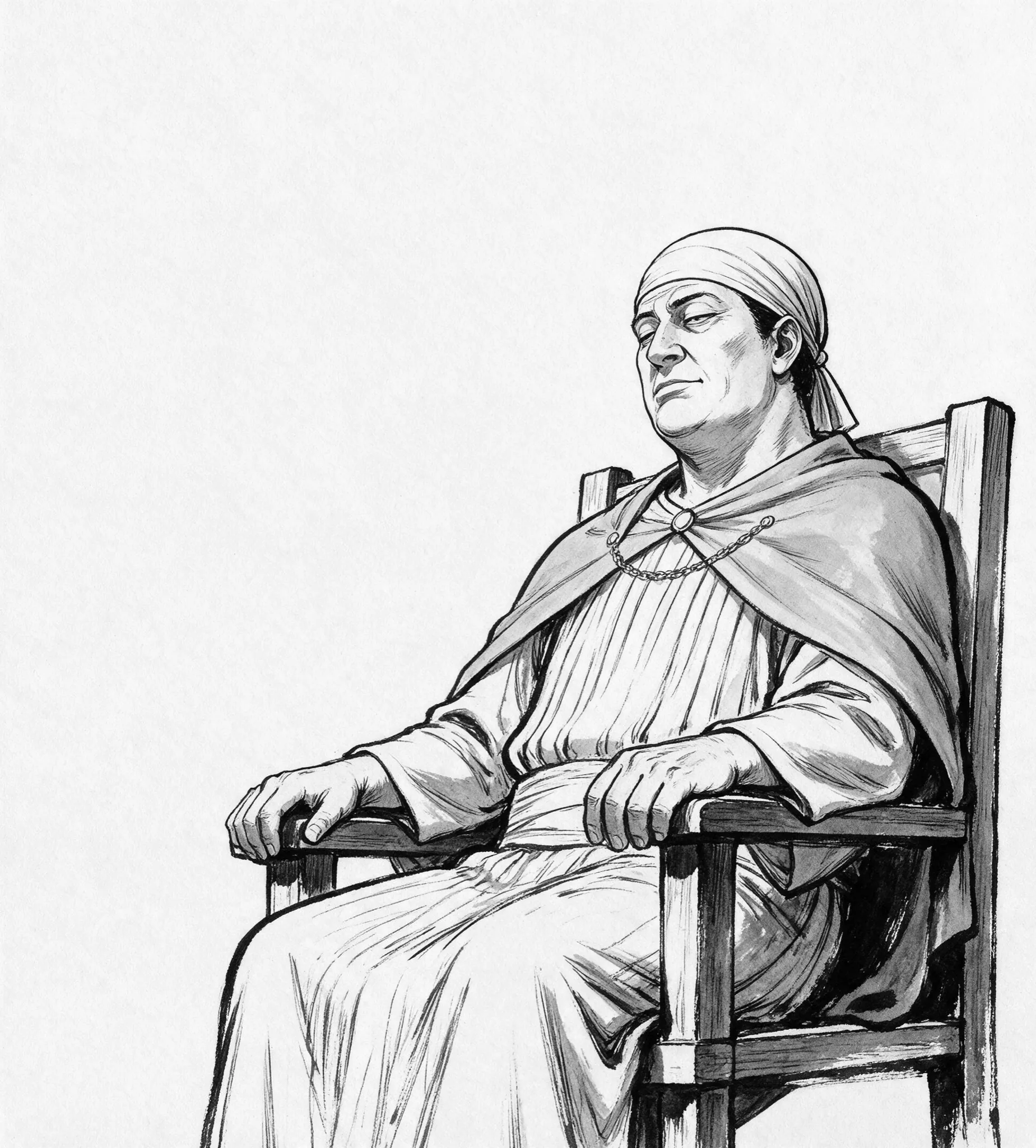
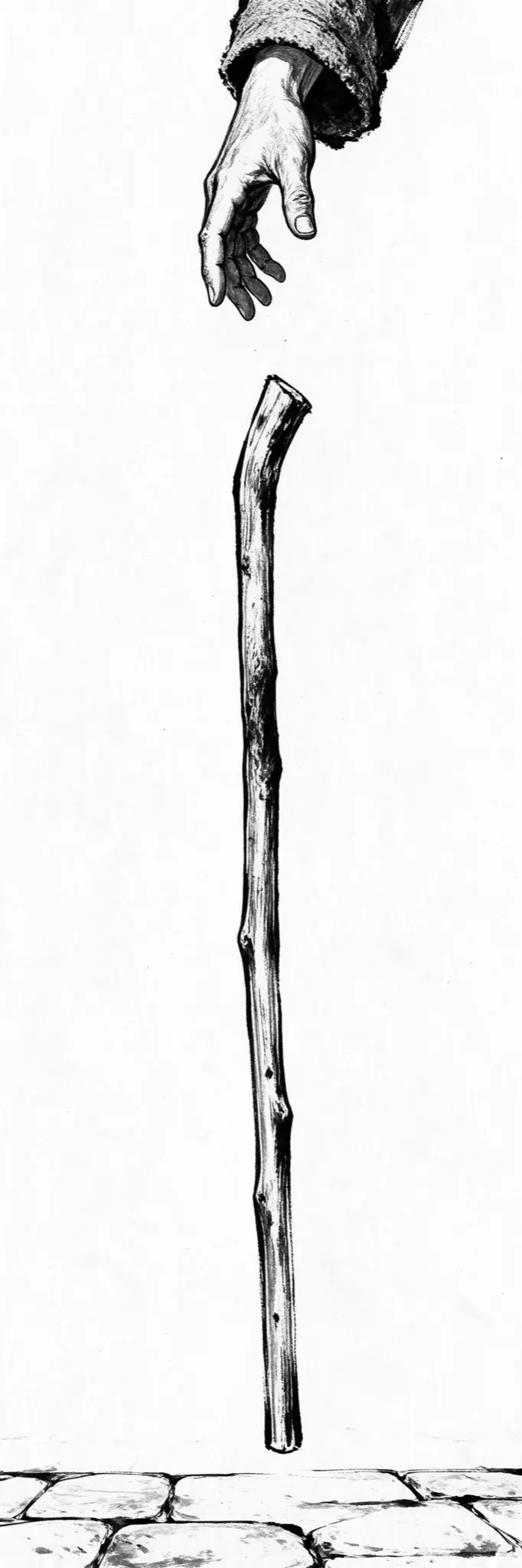
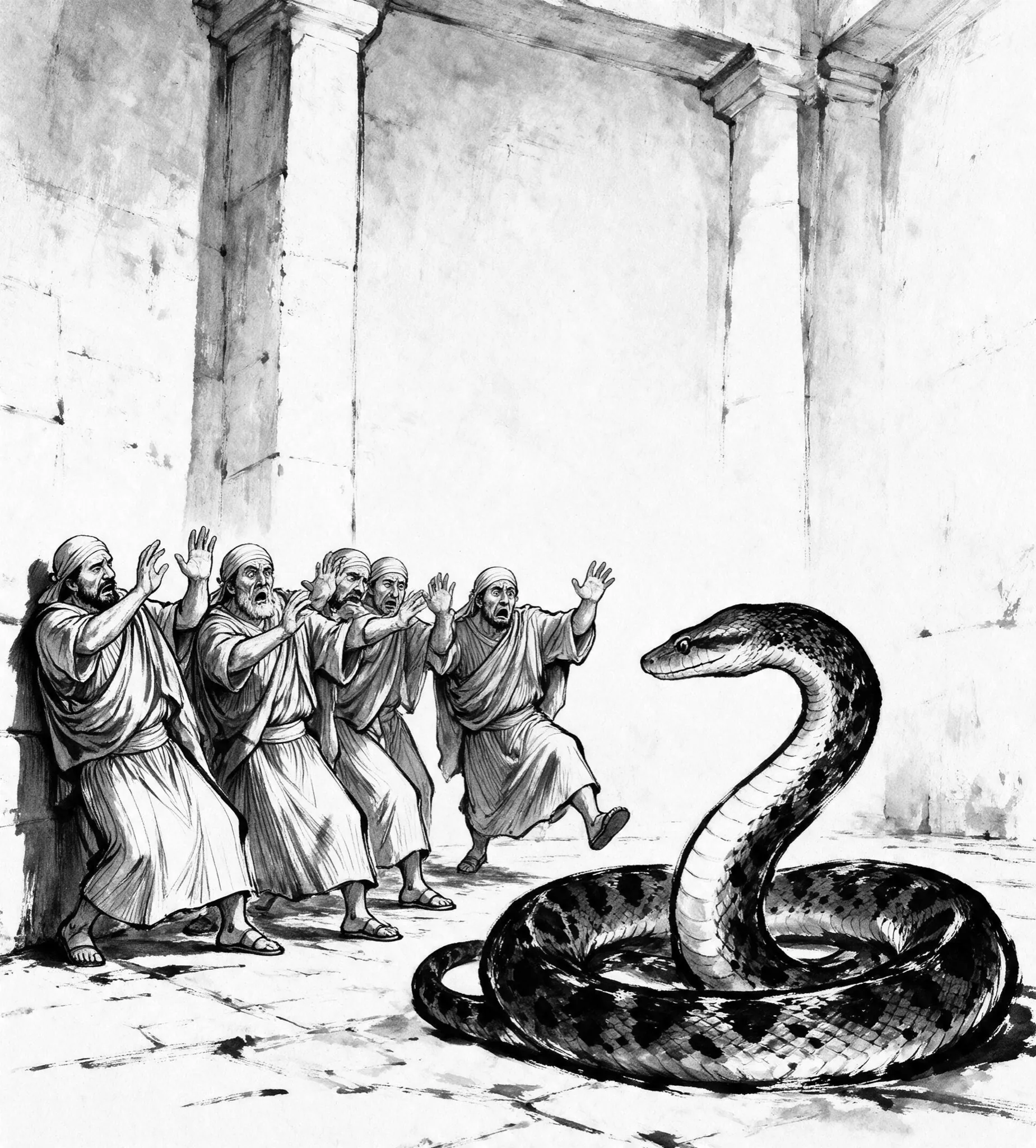
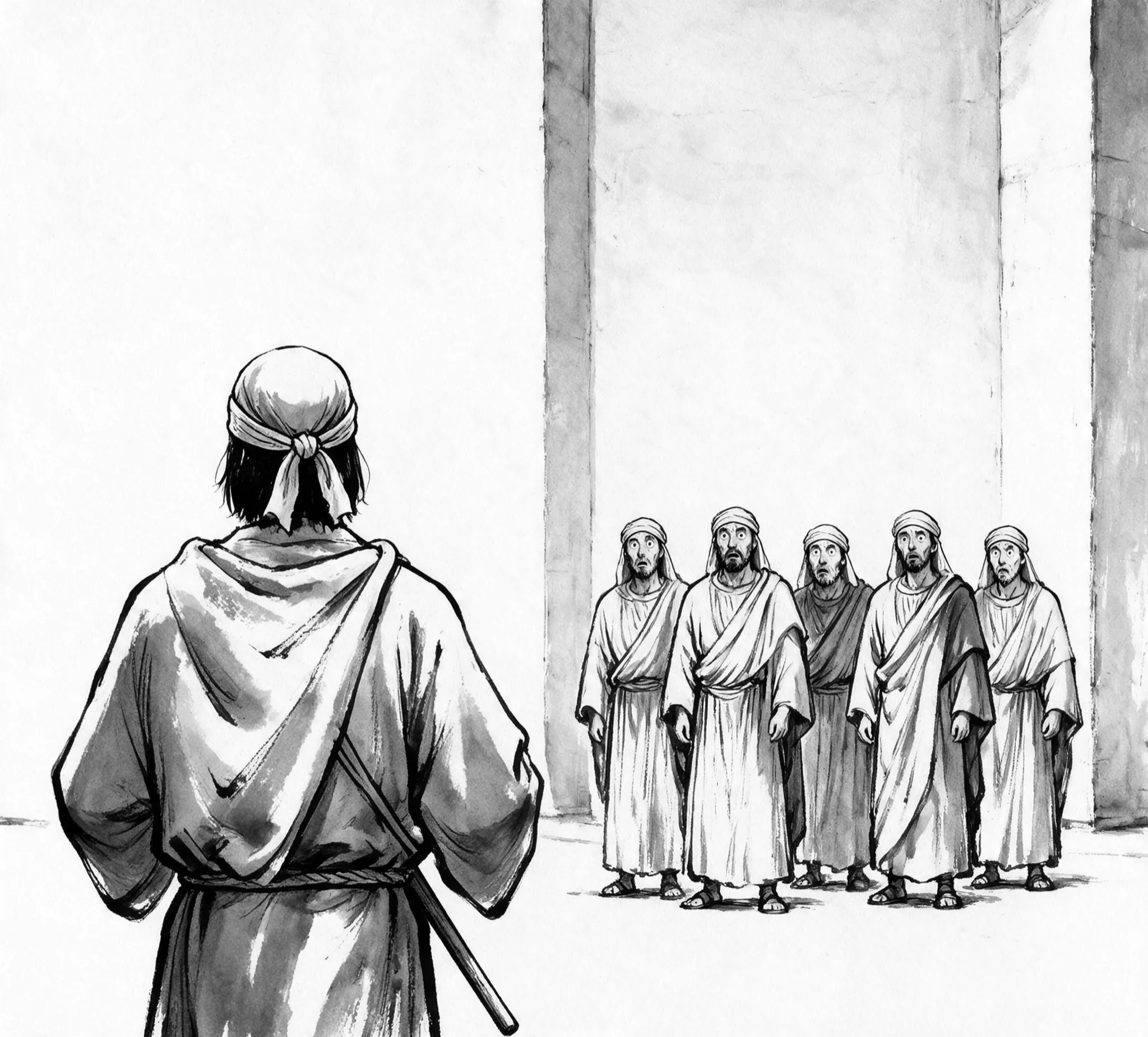
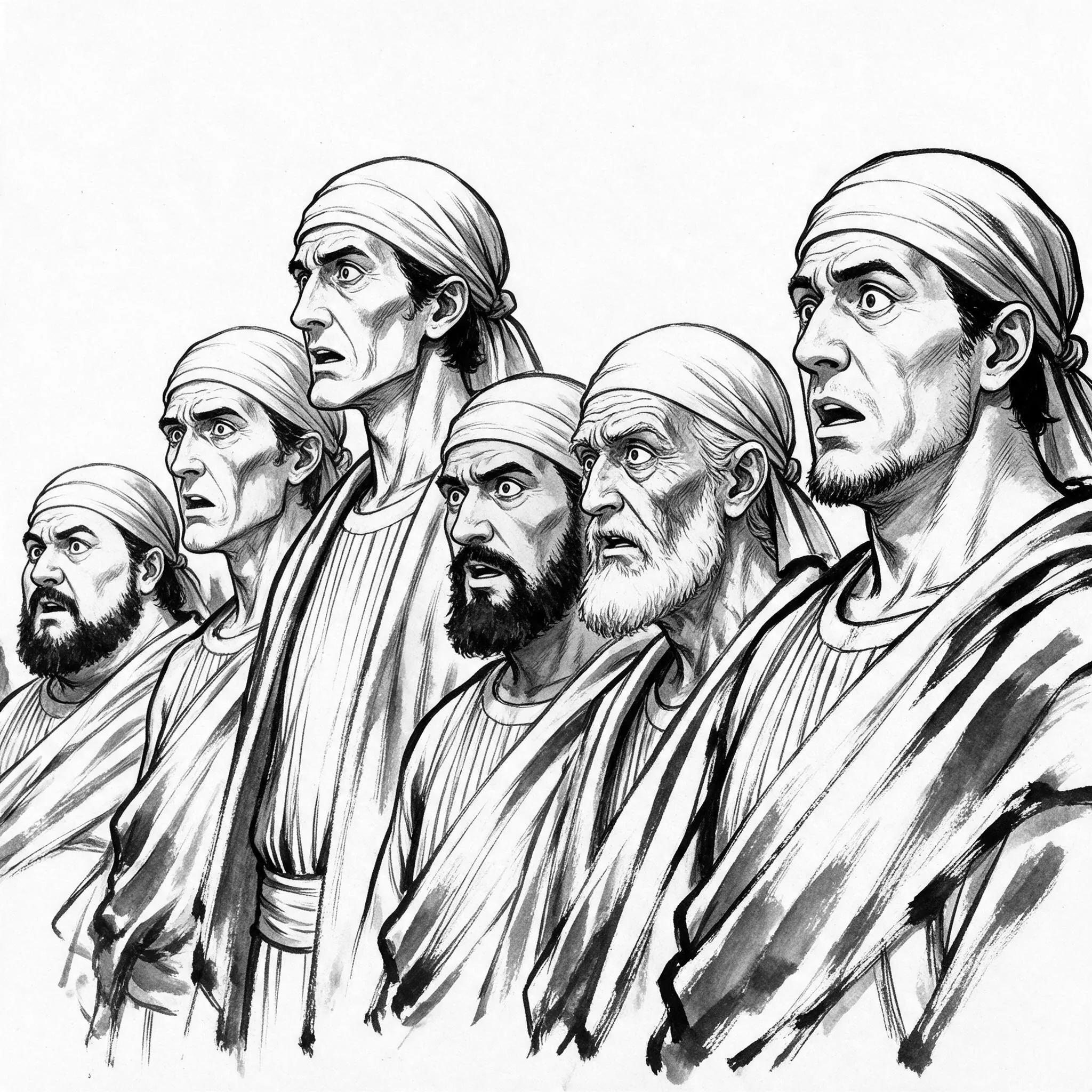
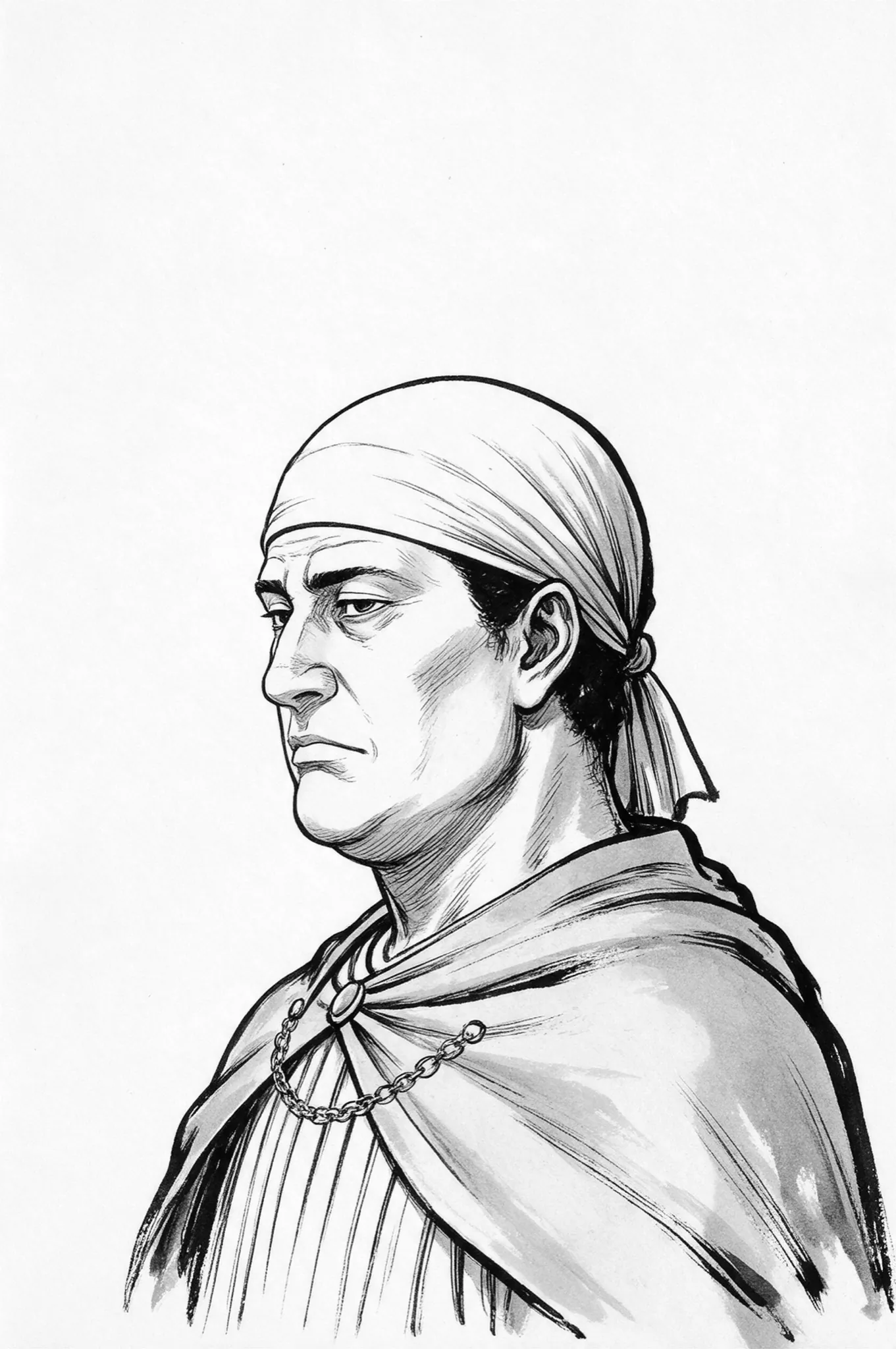
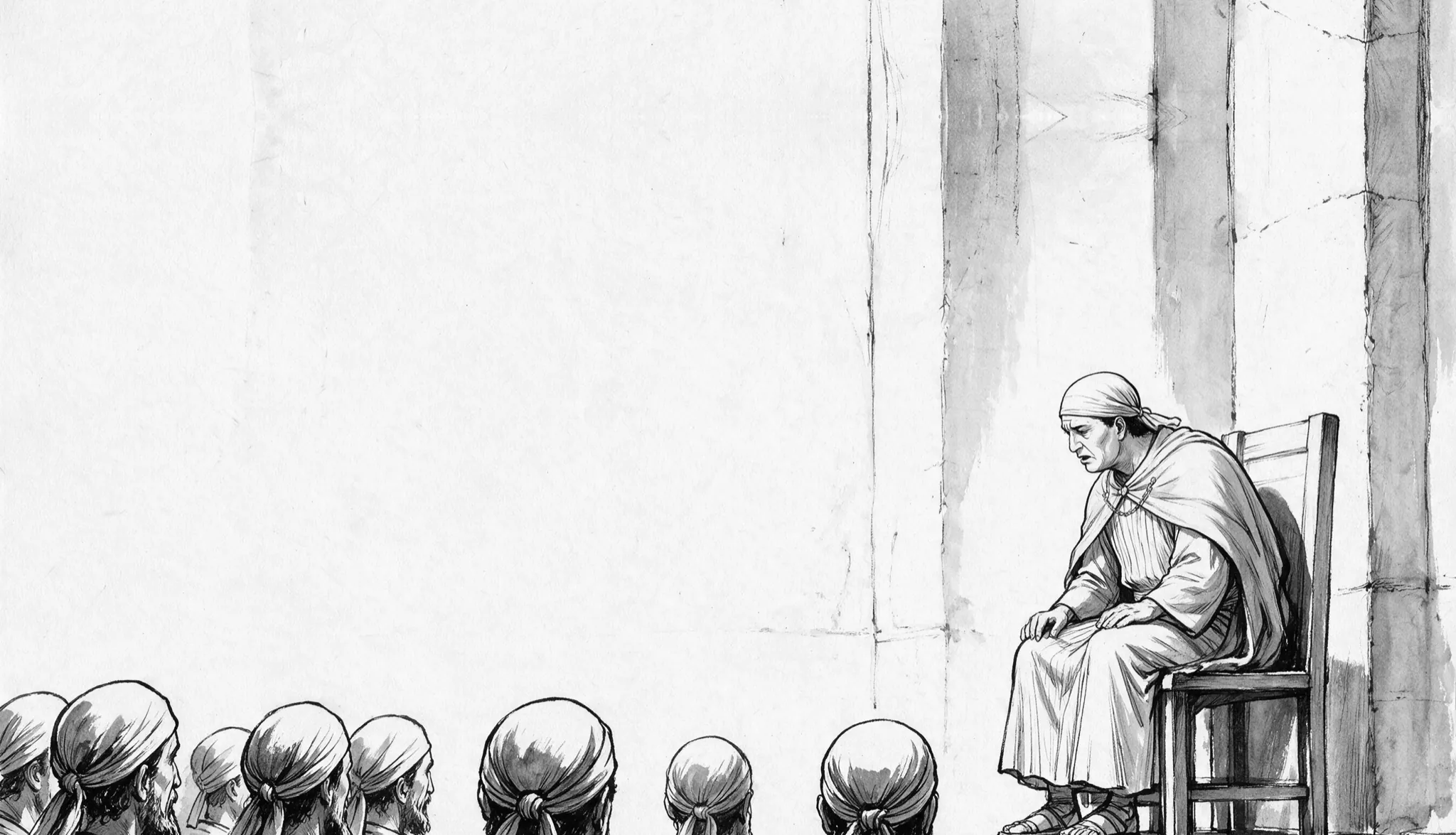


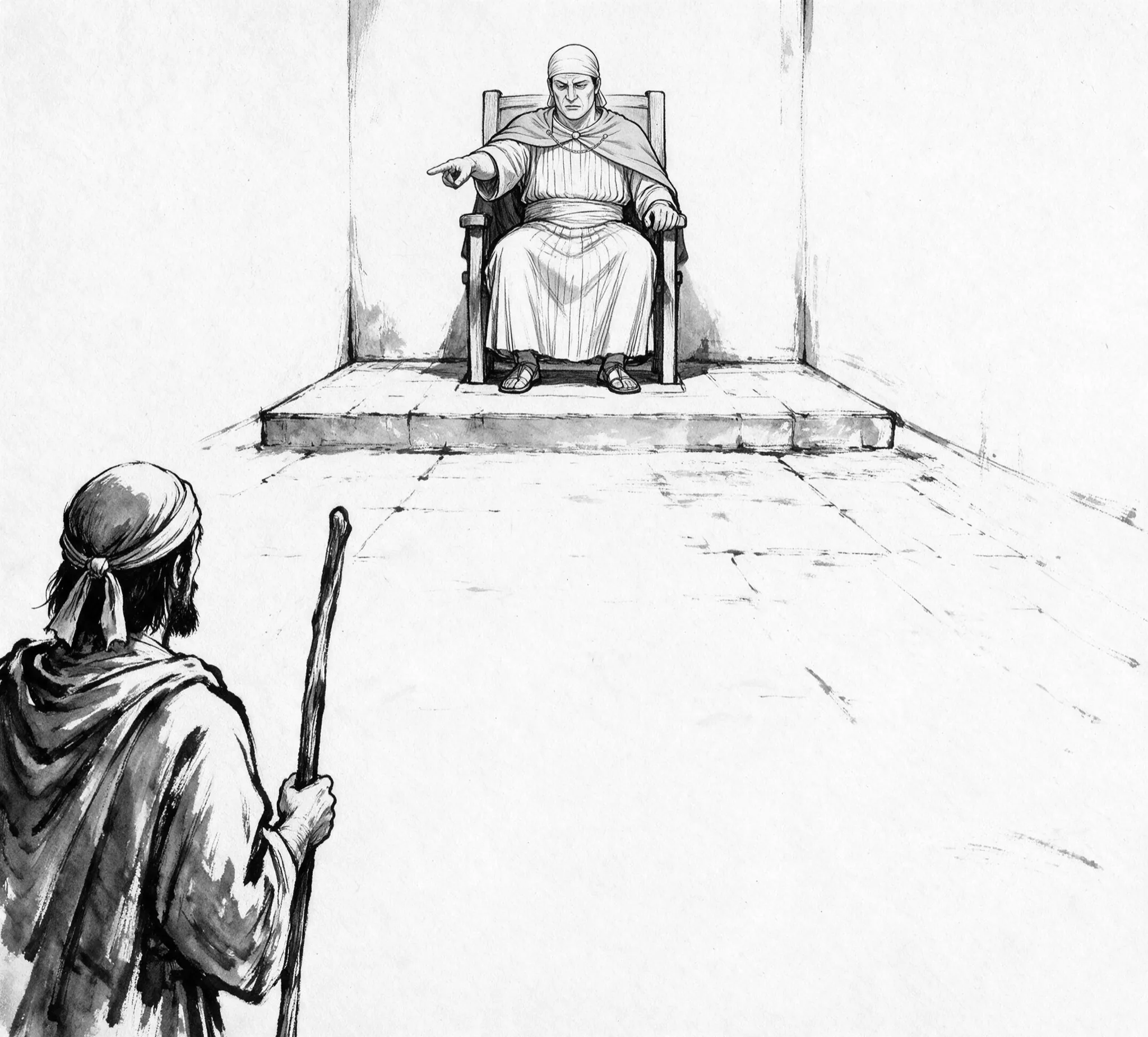
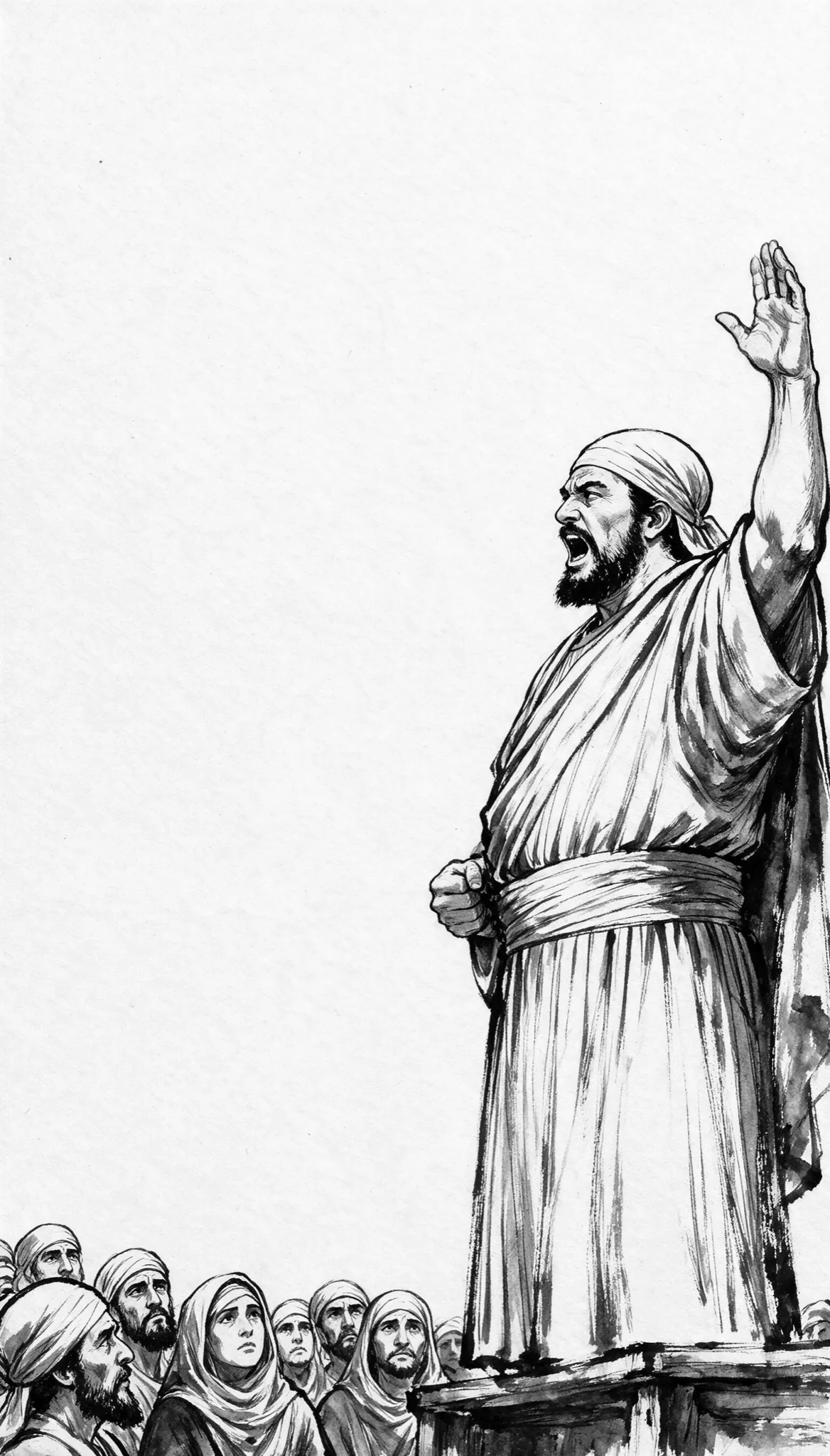
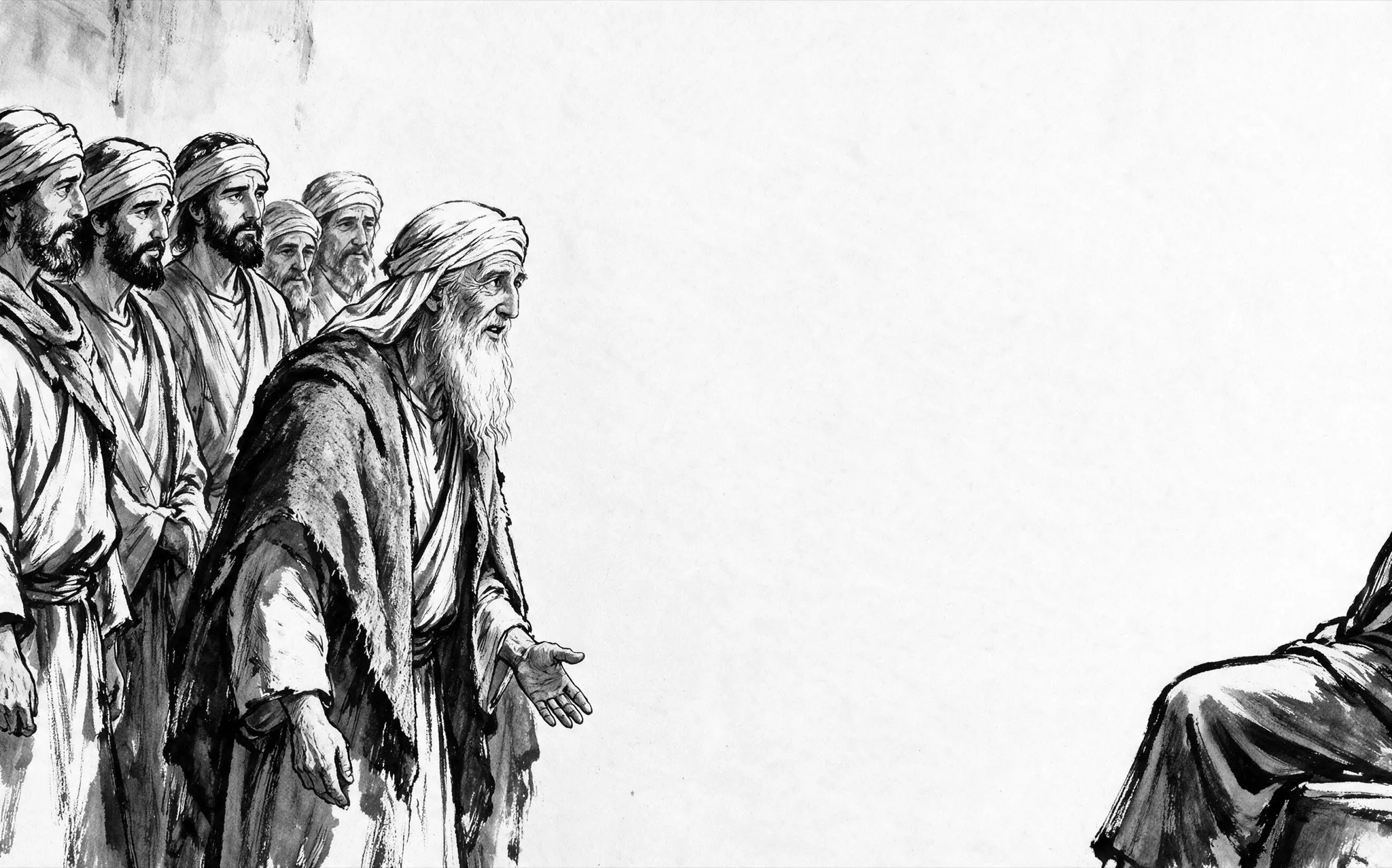
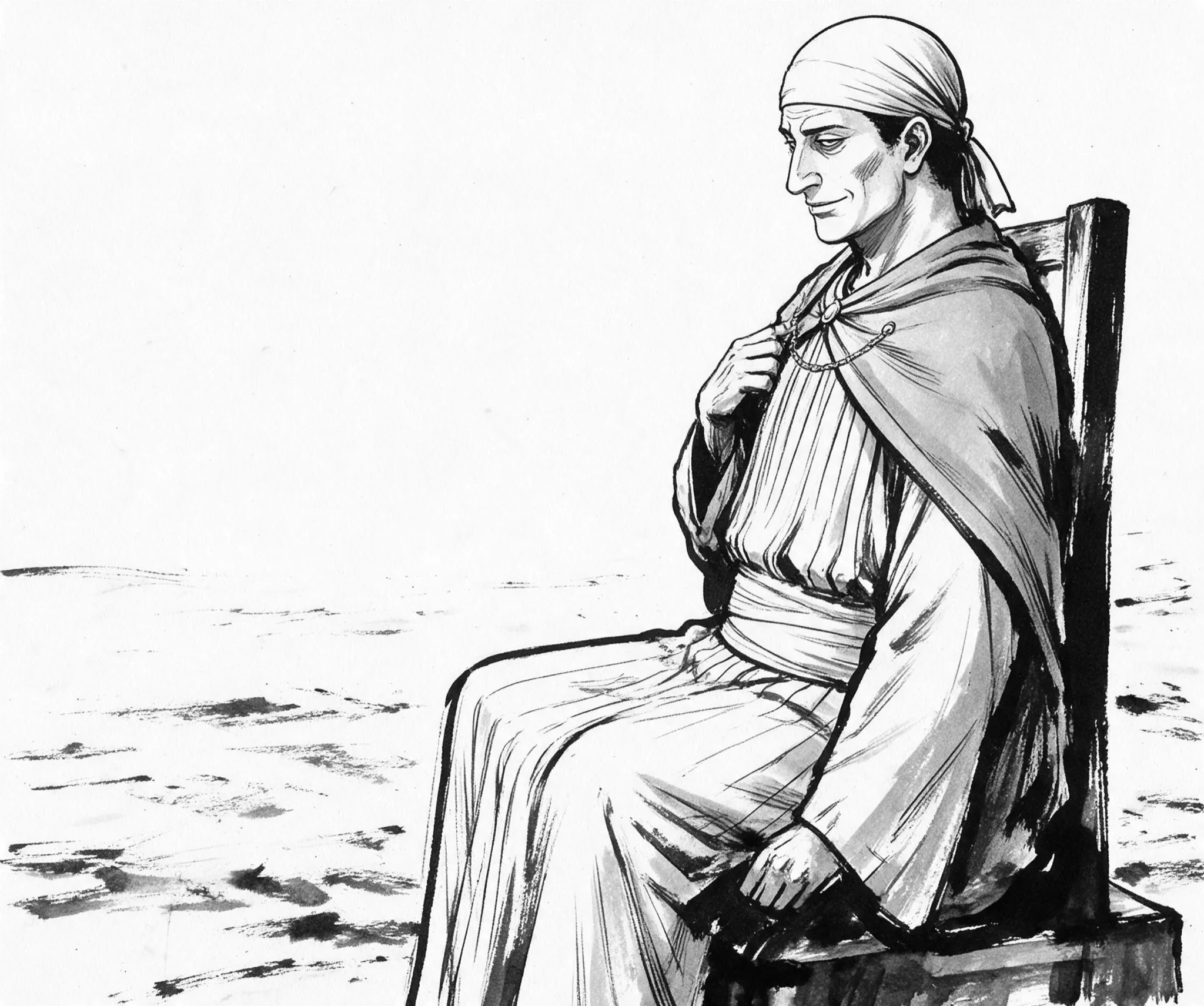
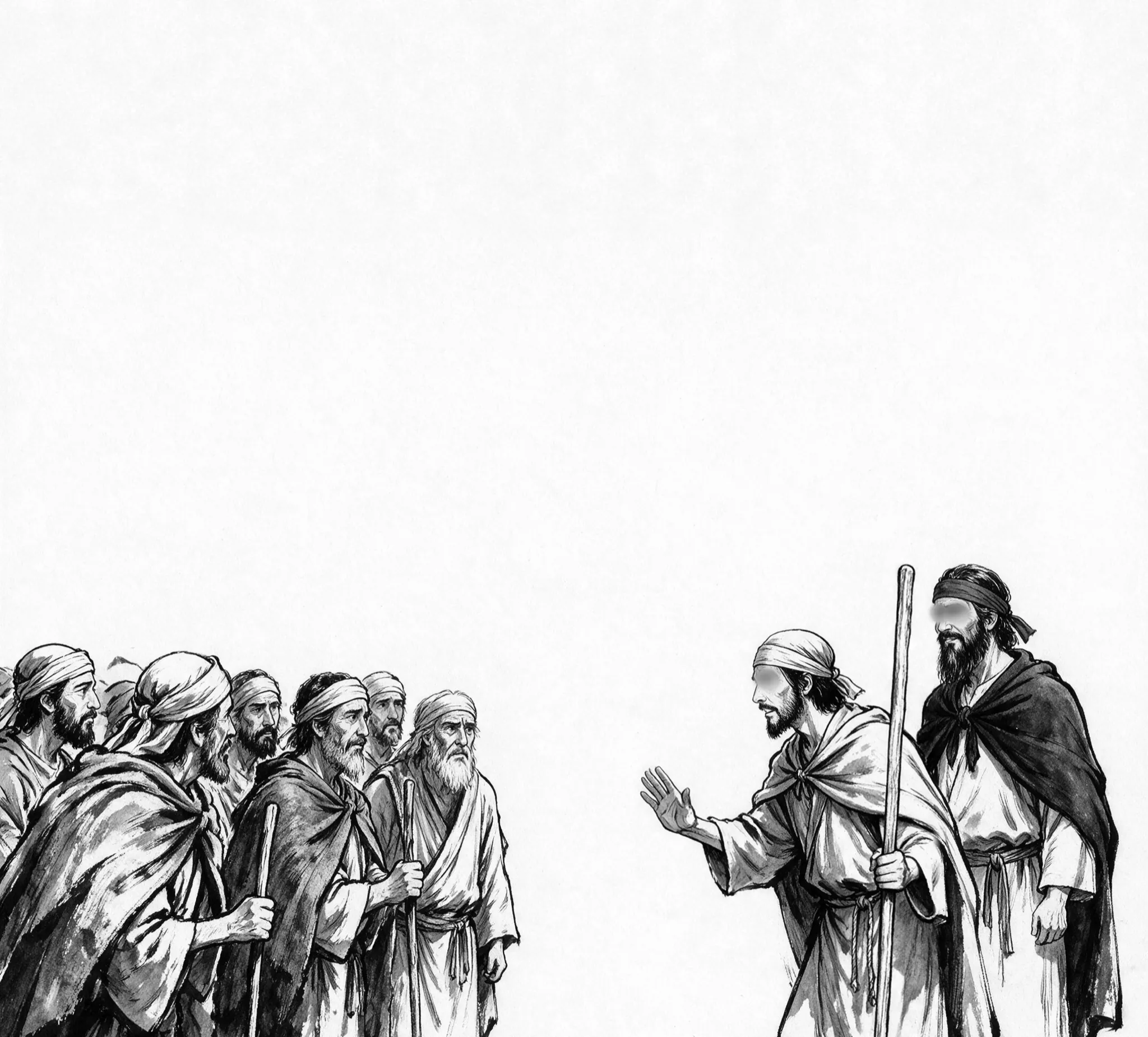
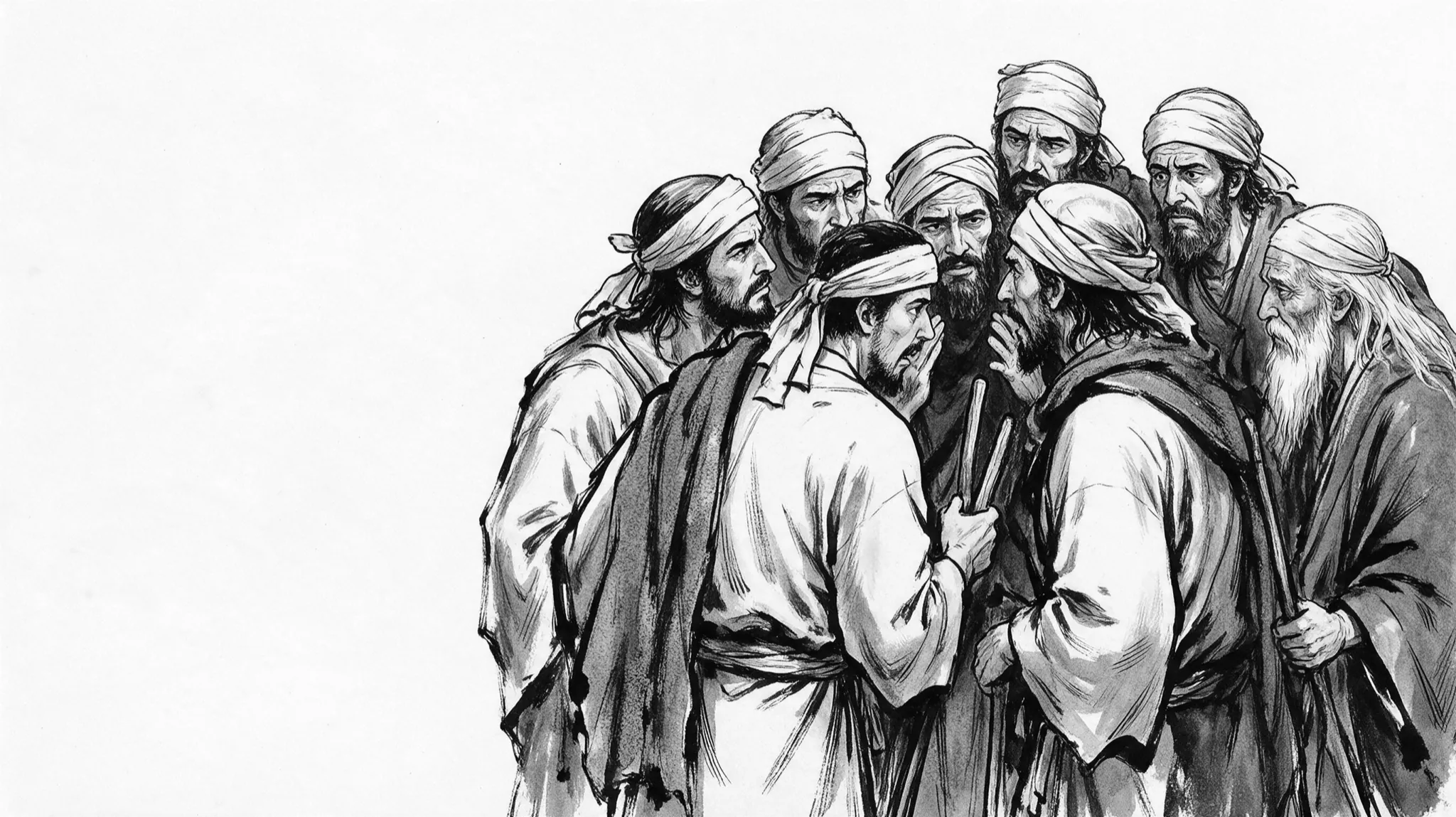
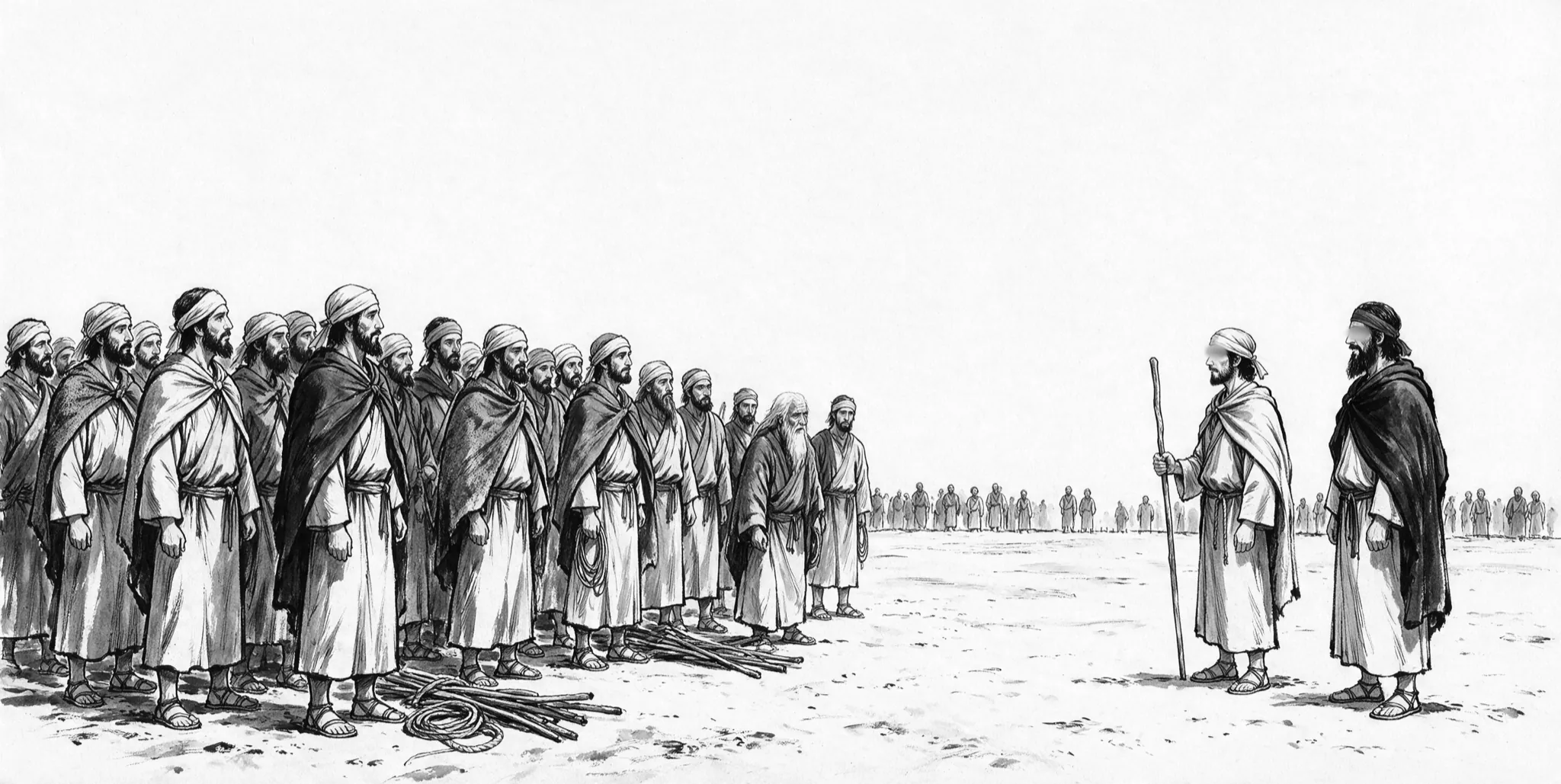

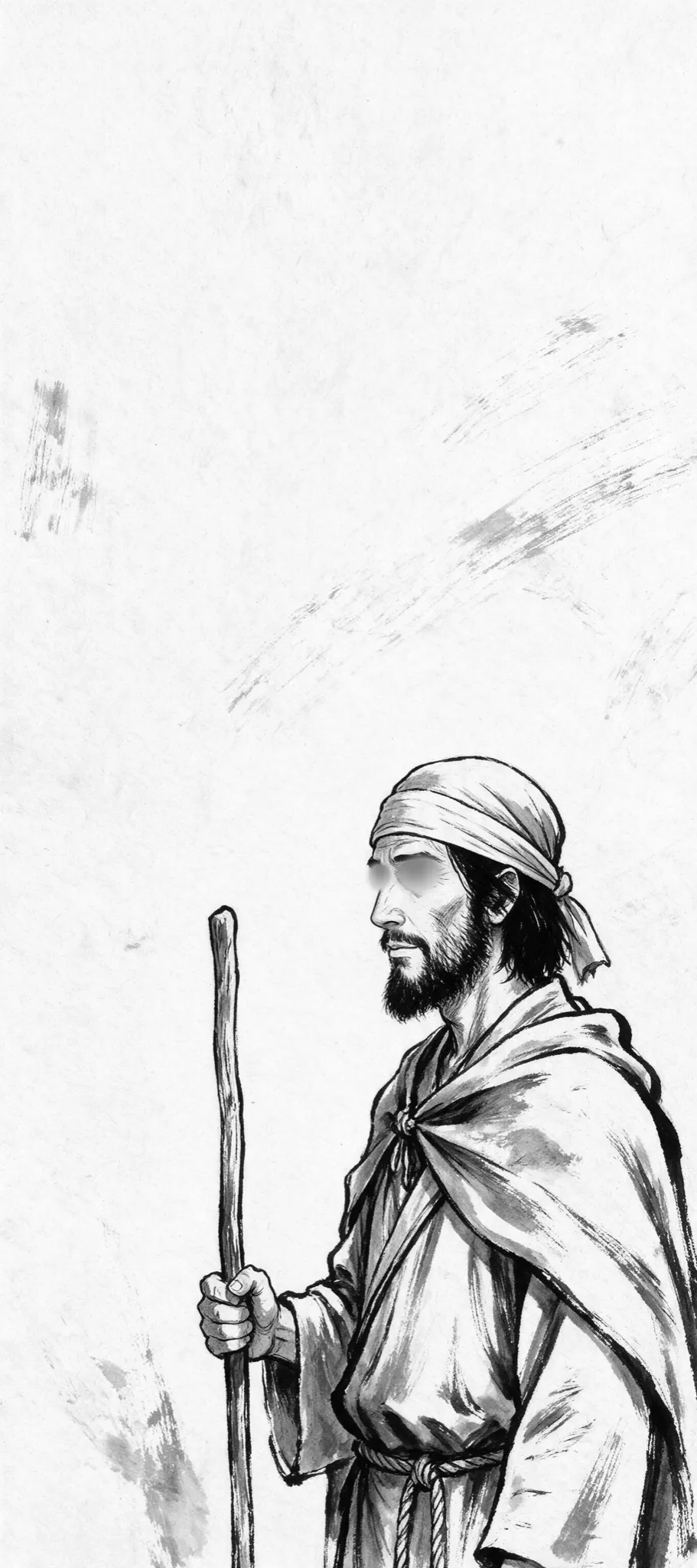
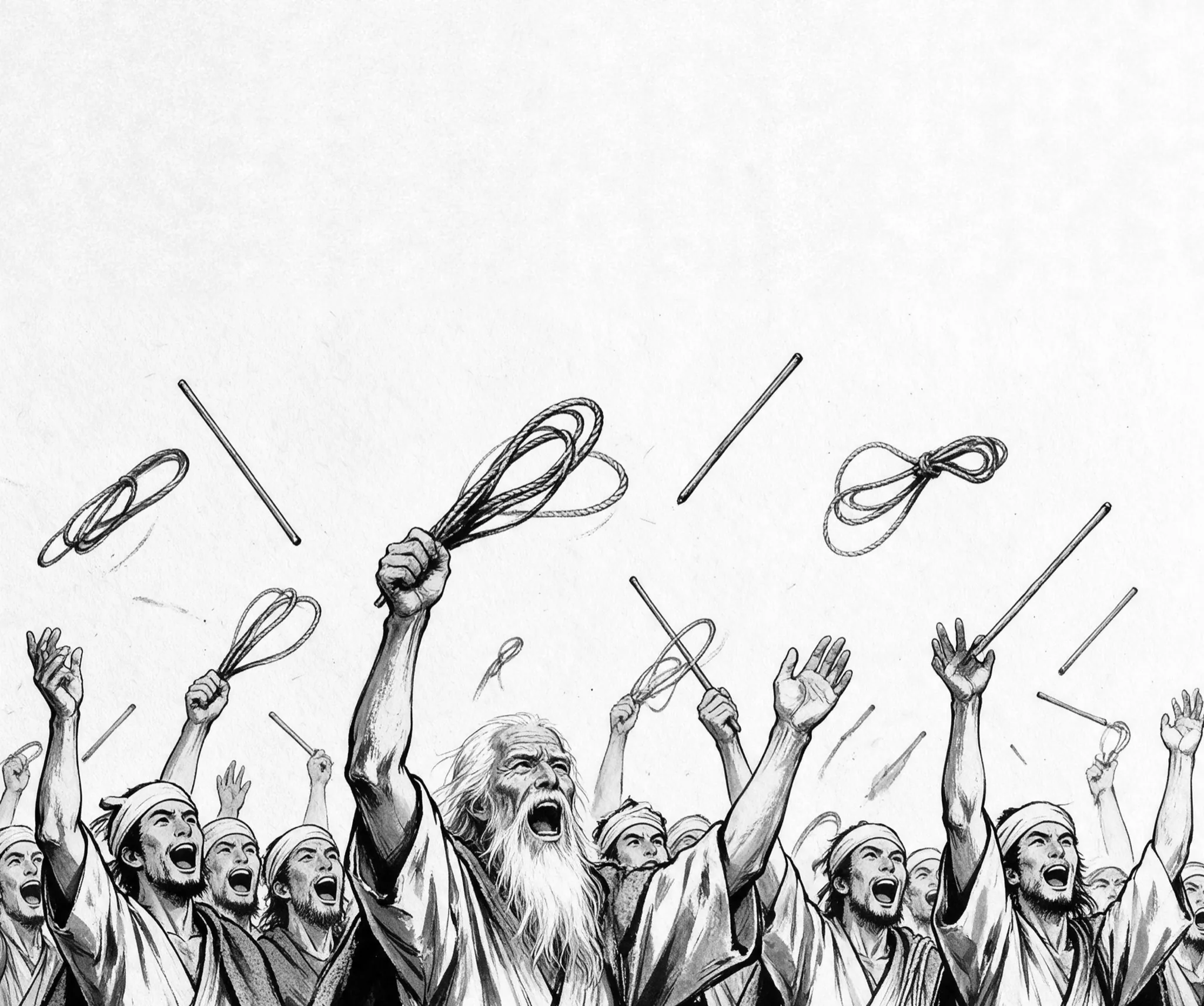
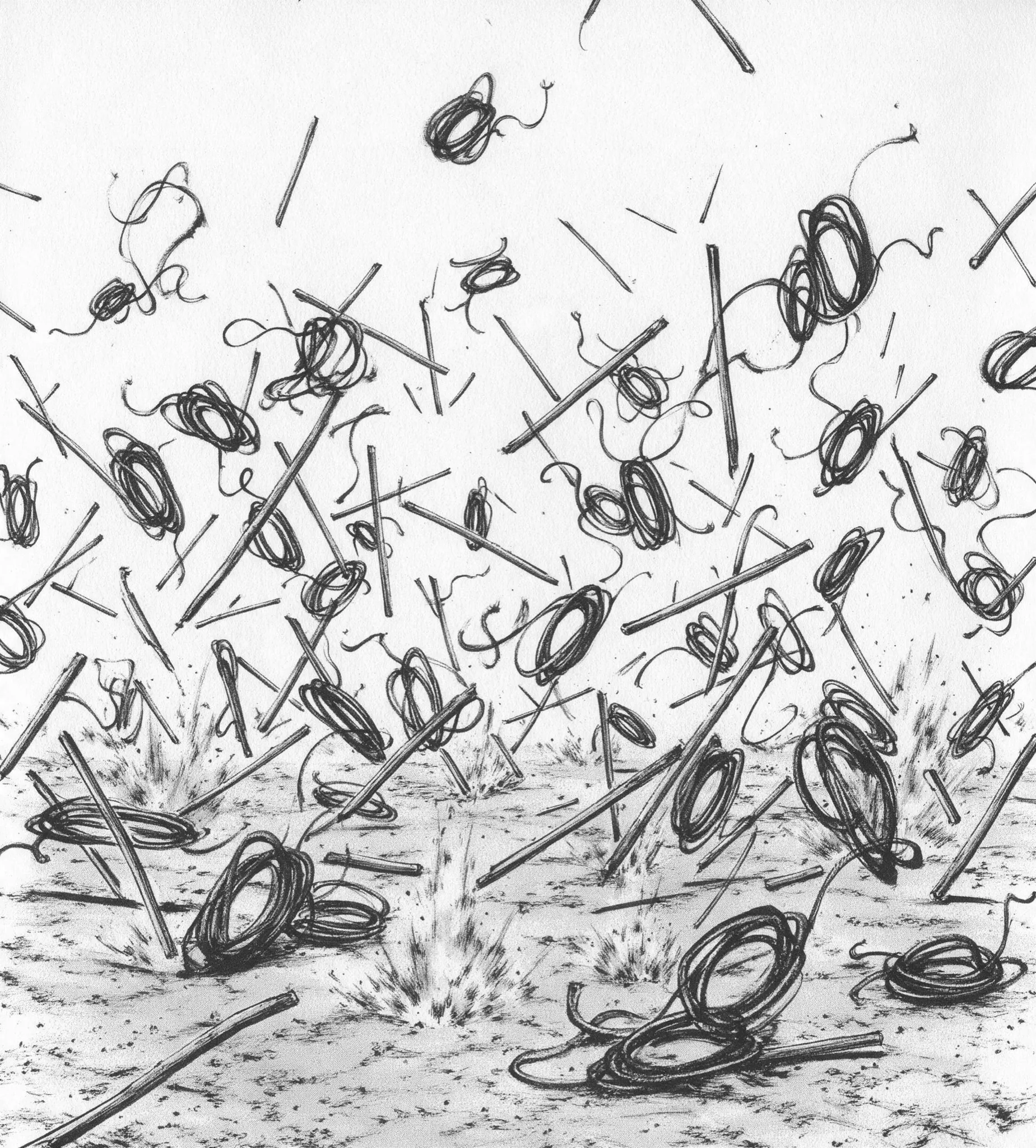
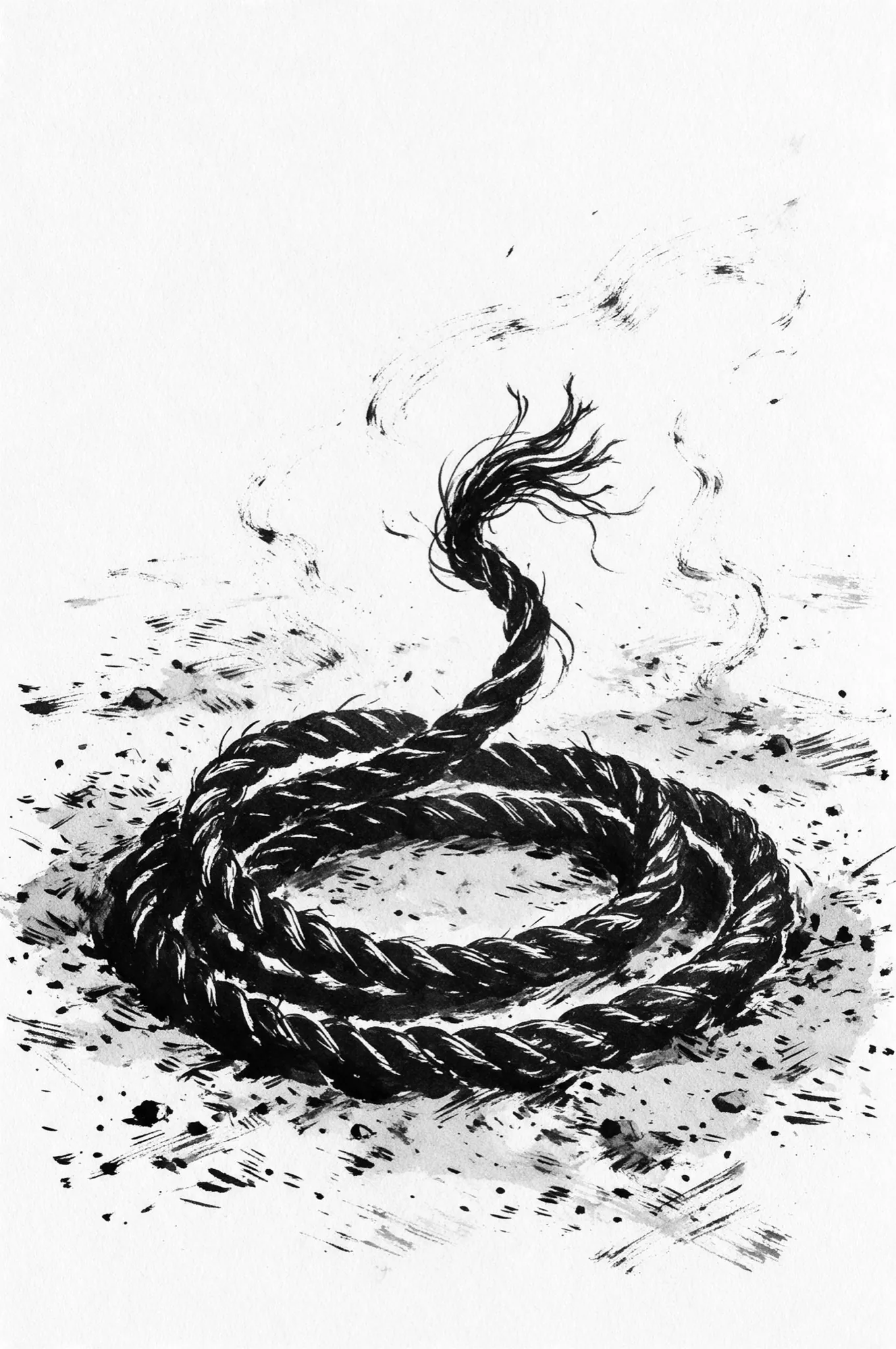
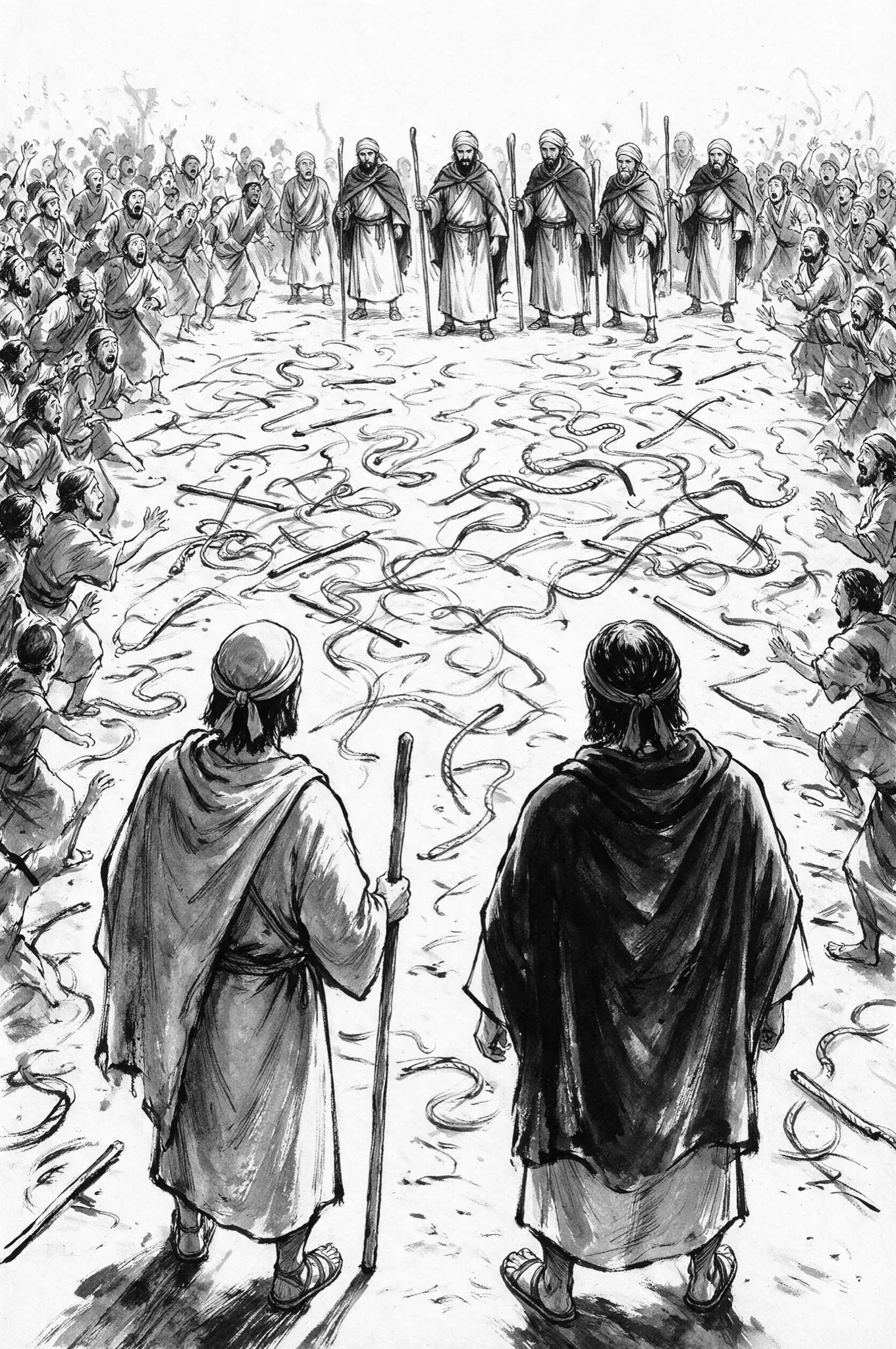
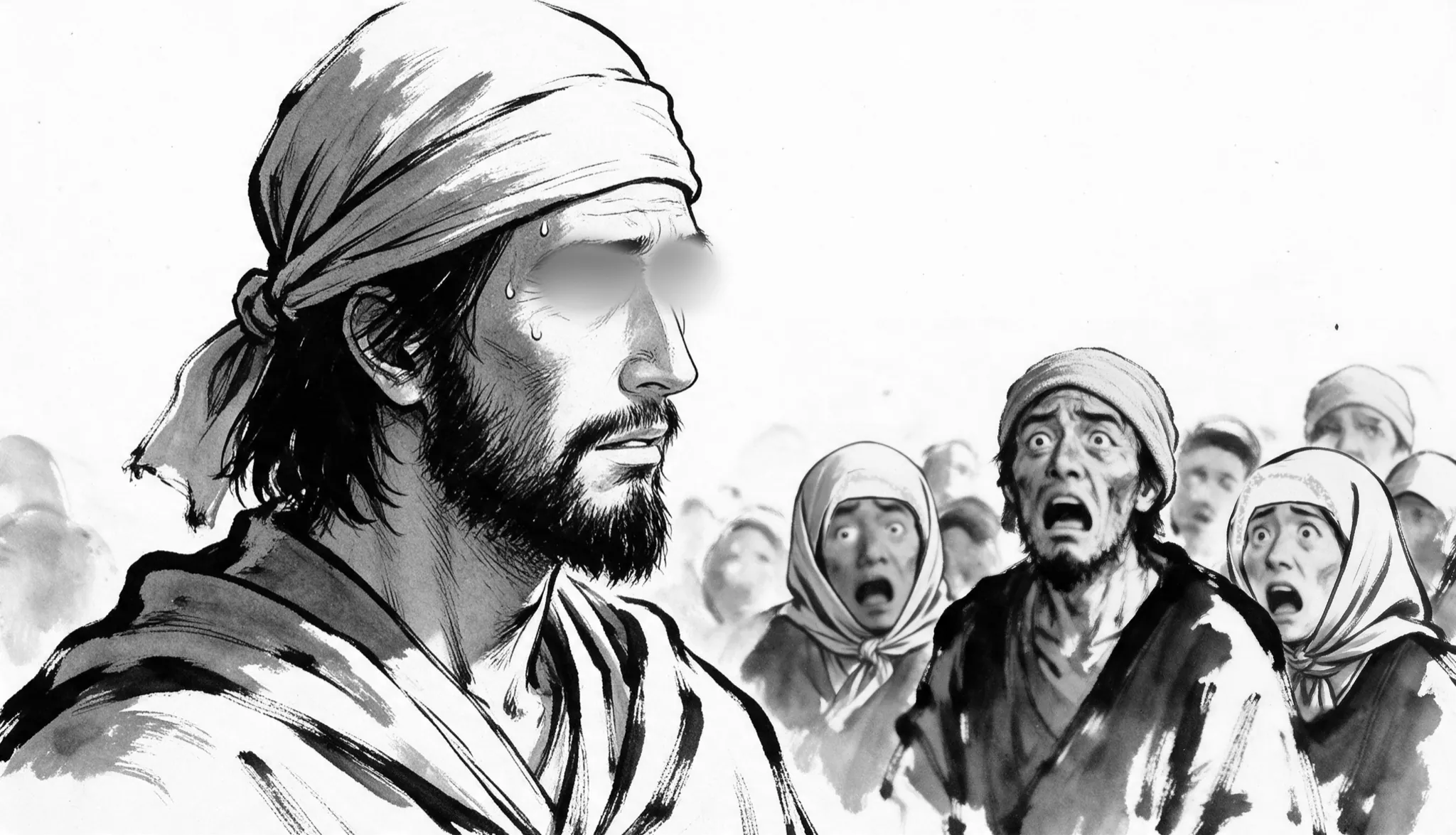
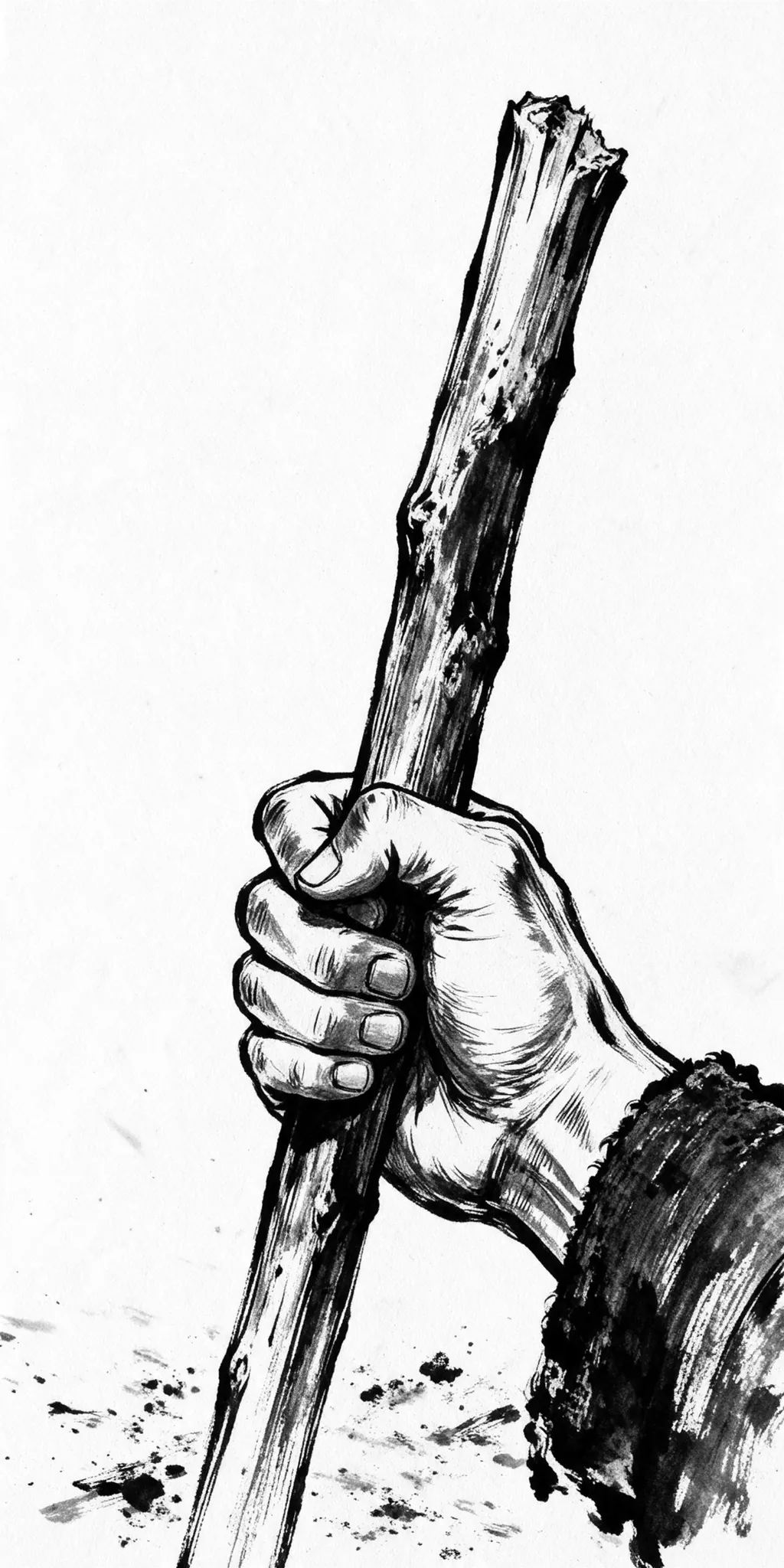
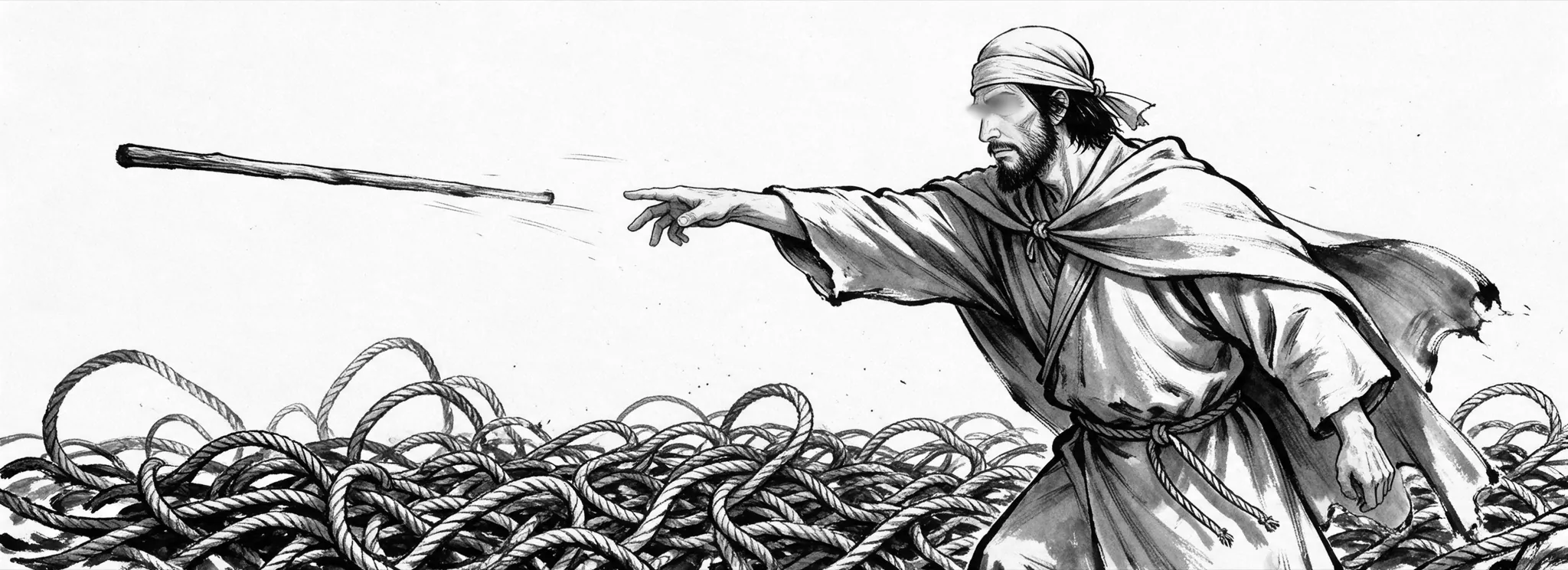
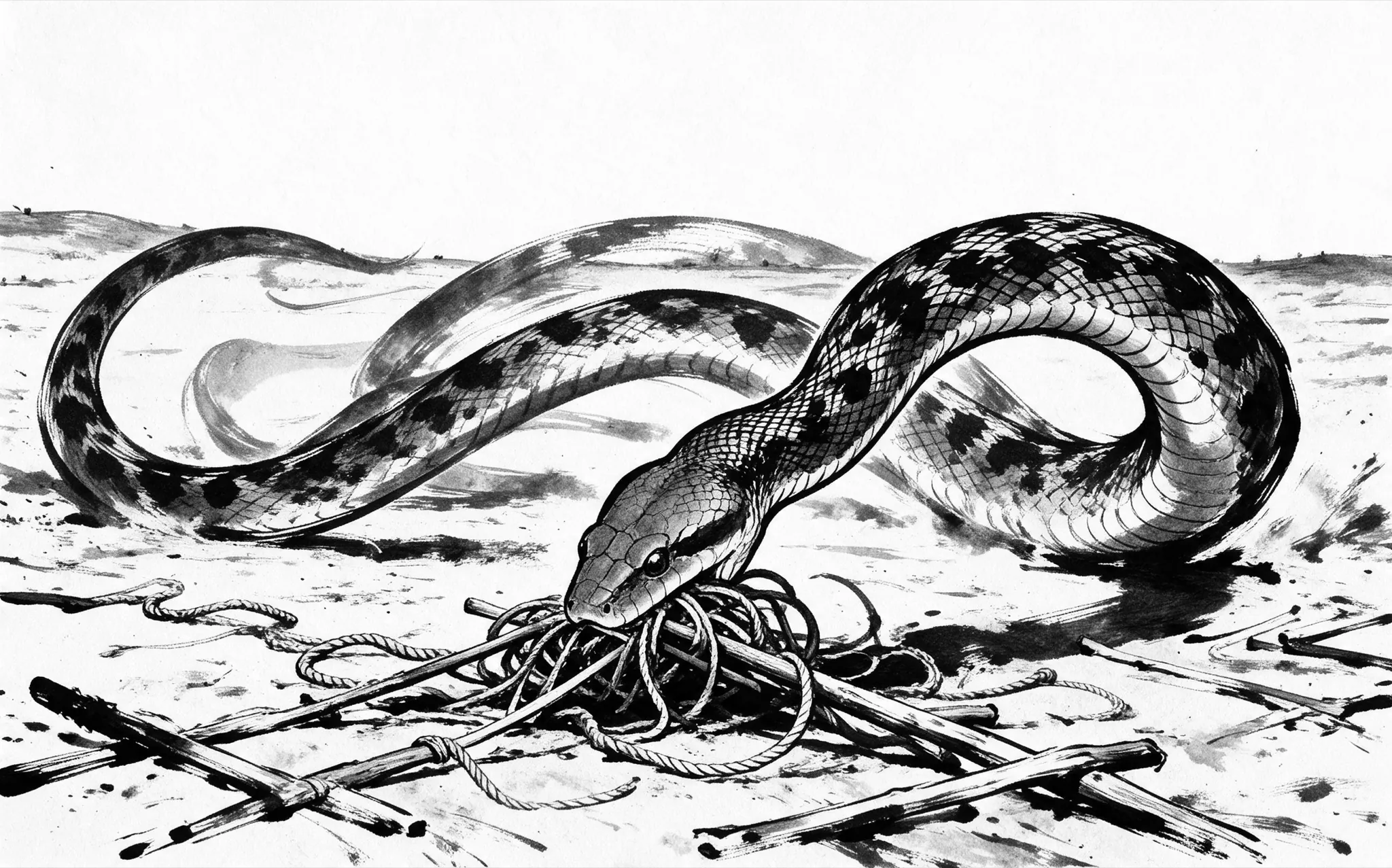
قُلْنَا لَا تَخَفْ إِنَّكَ أَنتَ ٱلْأَعْلَىٰ وَأَلْقِ مَا فِى يَمِينِكَ تَلْقَفْ مَا صَنَعُوٓا۟ إِنَّمَا صَنَعُوا۟ كَيْدُ سَٰحِرٍ وَلَا يُفْلِحُ ٱلسَّاحِرُ حَيْثُ أَتَىٰ
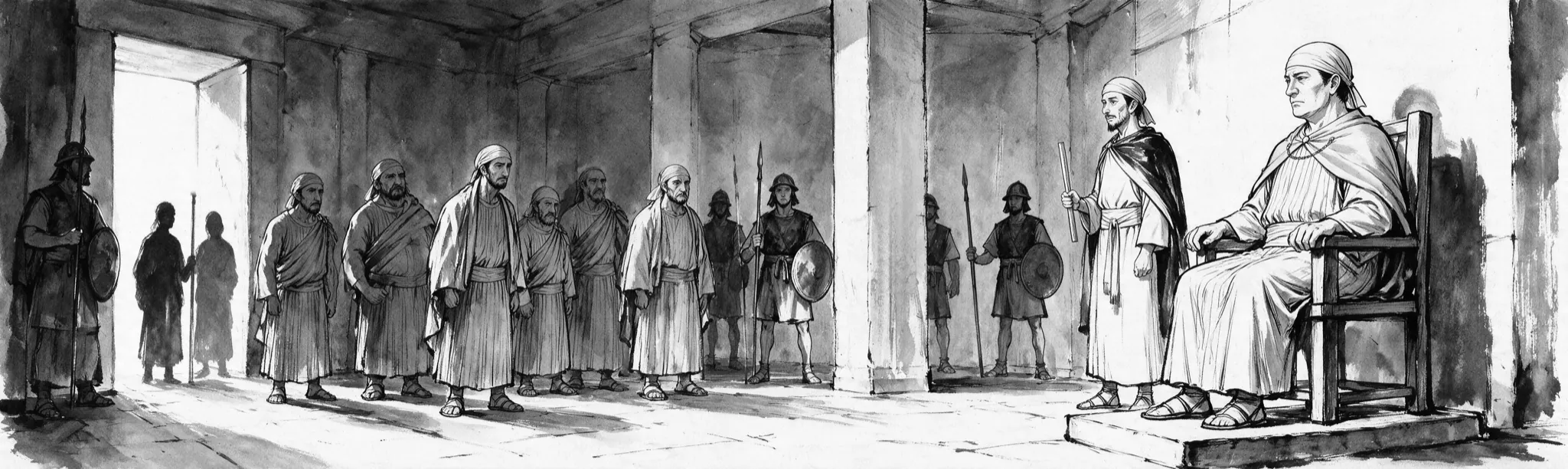
We [i.e., Allāh] said, "Fear not. Indeed, it is you who are superior. And throw what is in your right hand; it will swallow up what they have crafted. What they have crafted is but the trick of a magician, and the magician will not succeed wherever he is."
Qur'an 20:68-69
Saheeh International
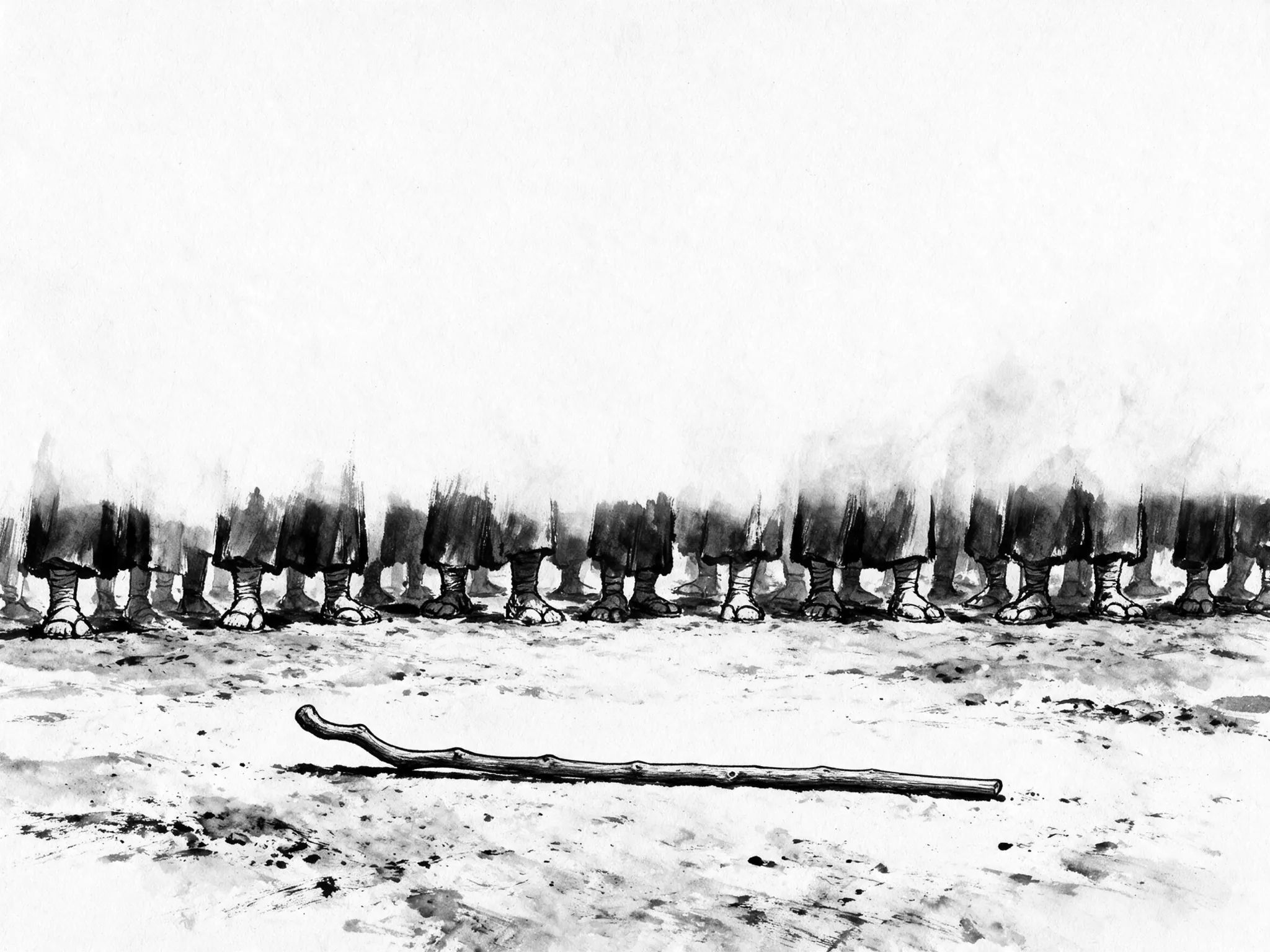
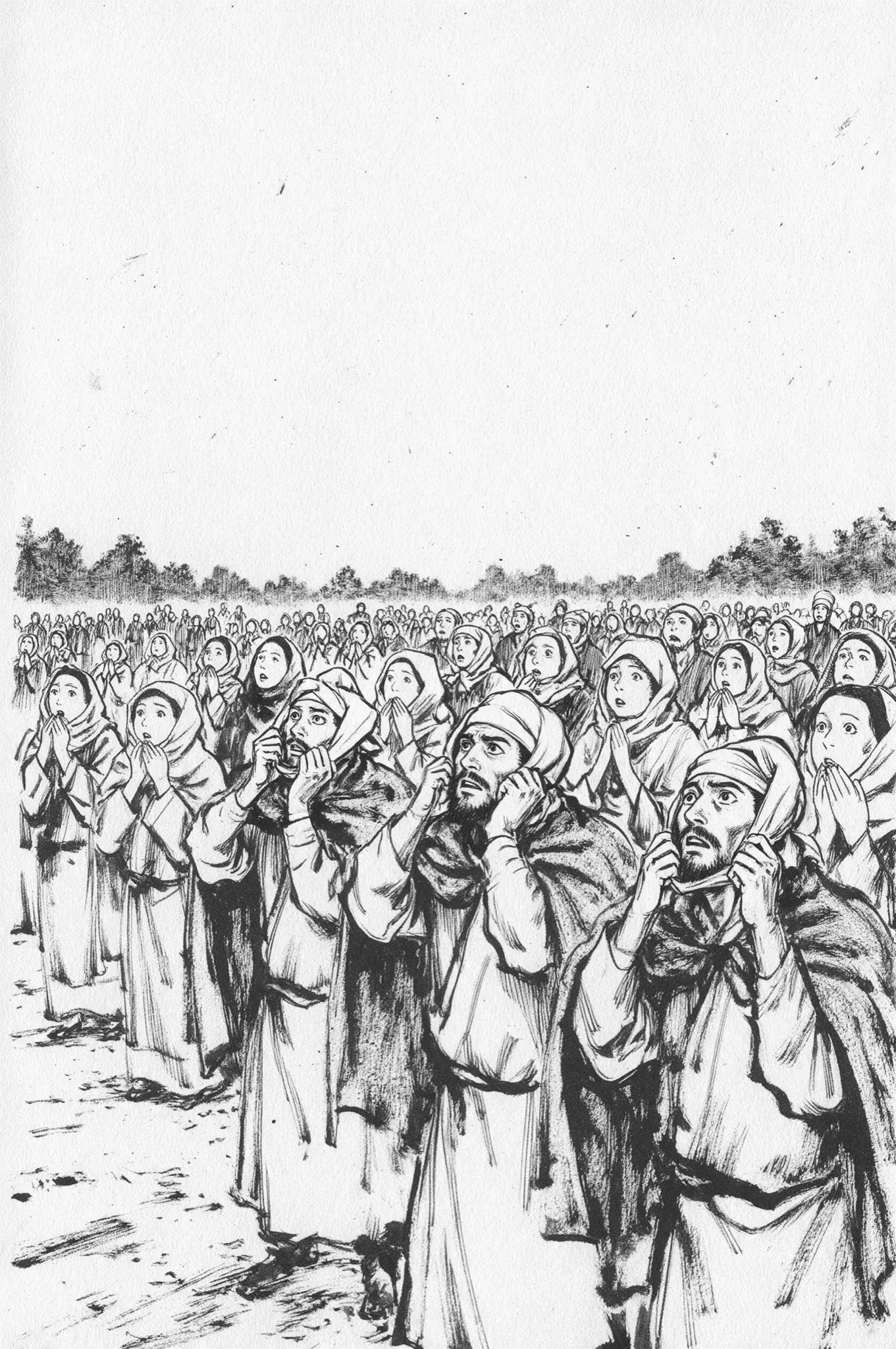
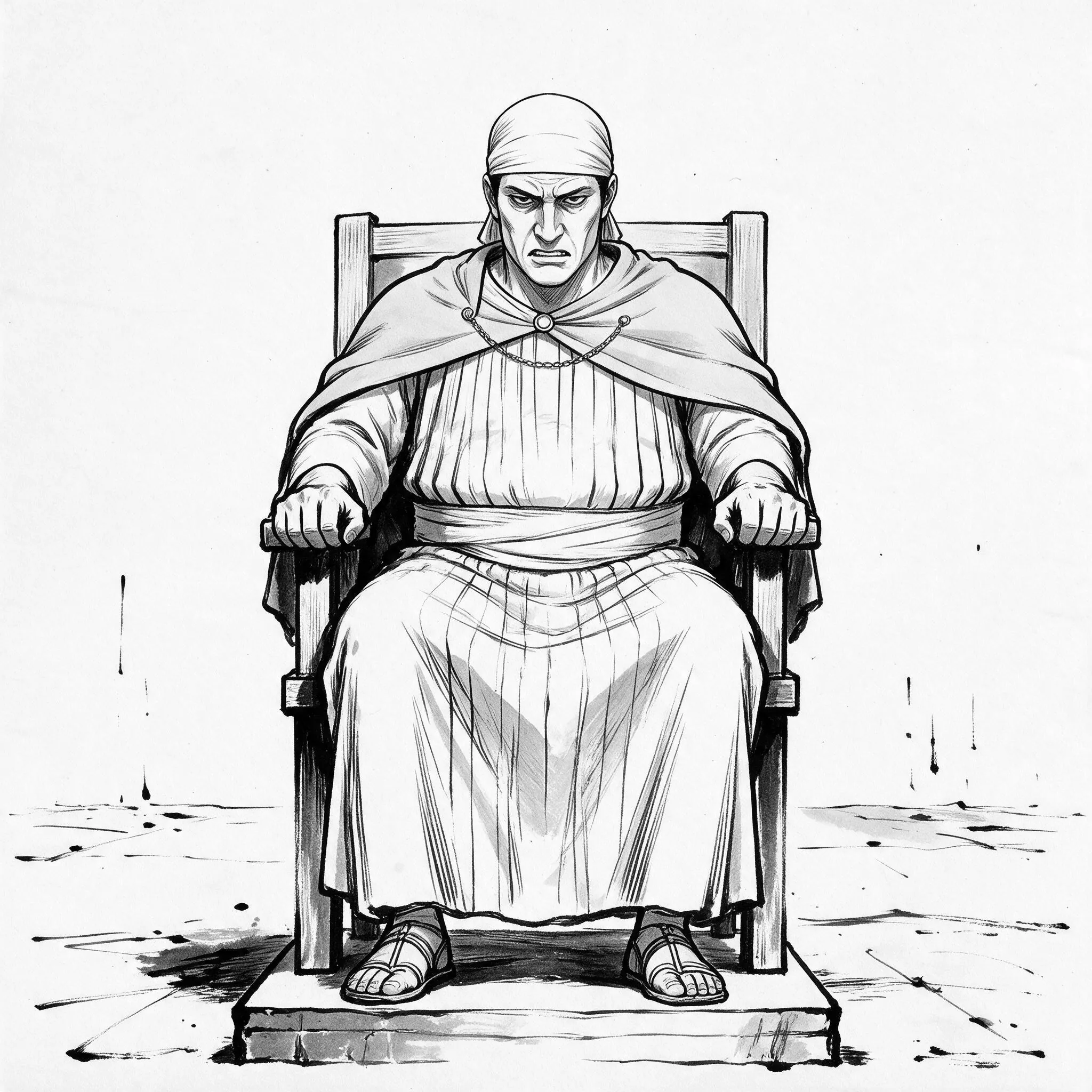
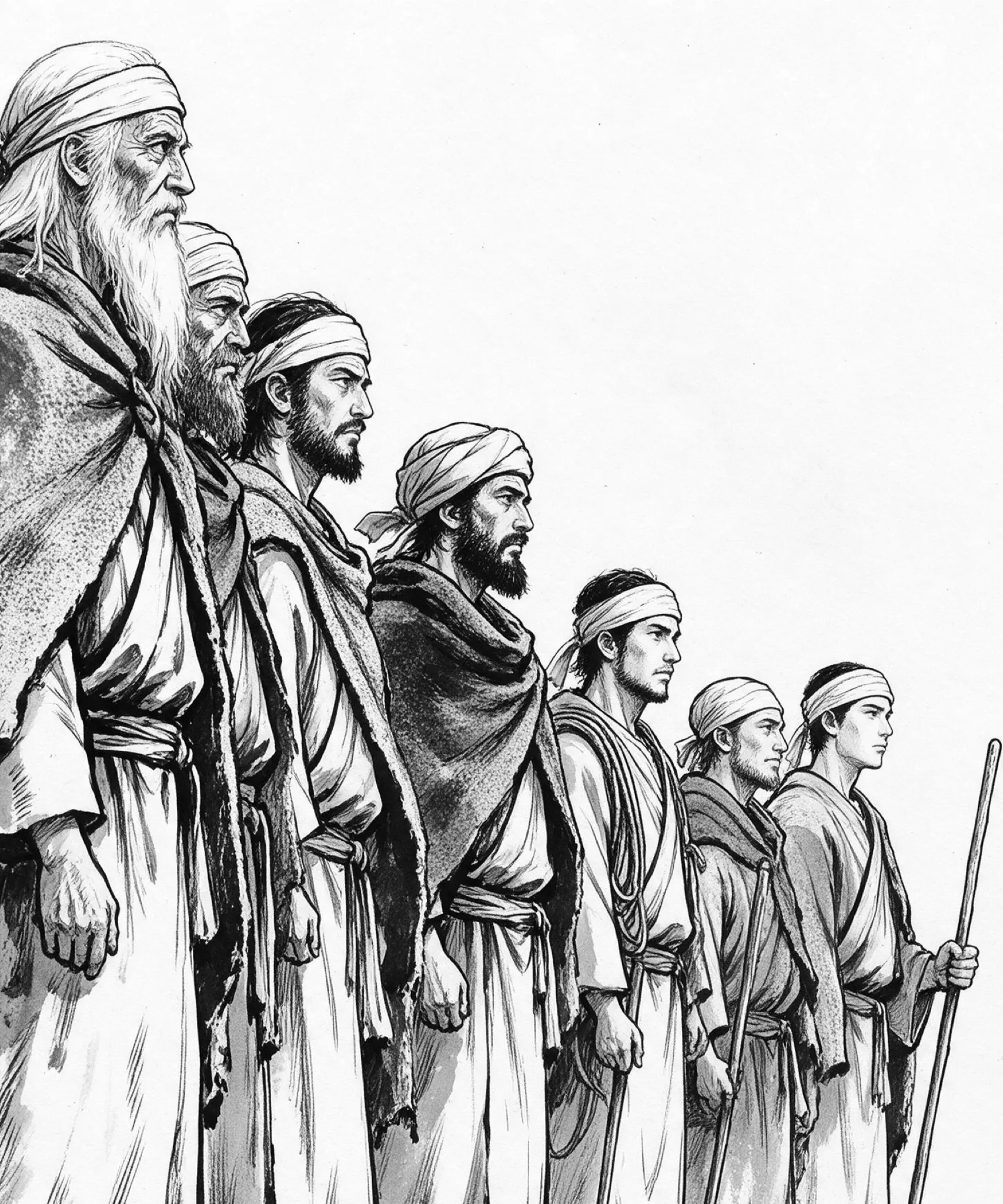
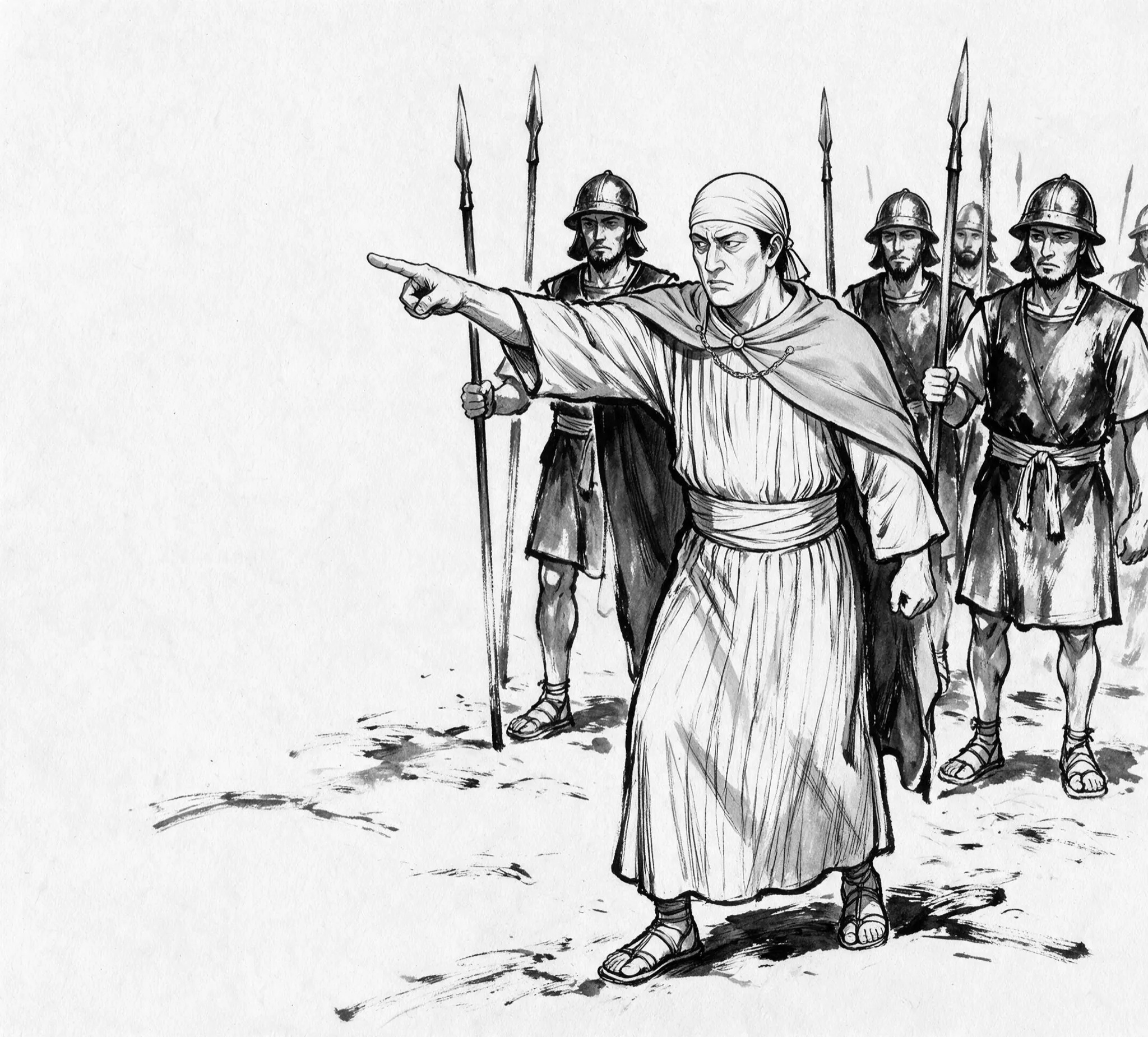
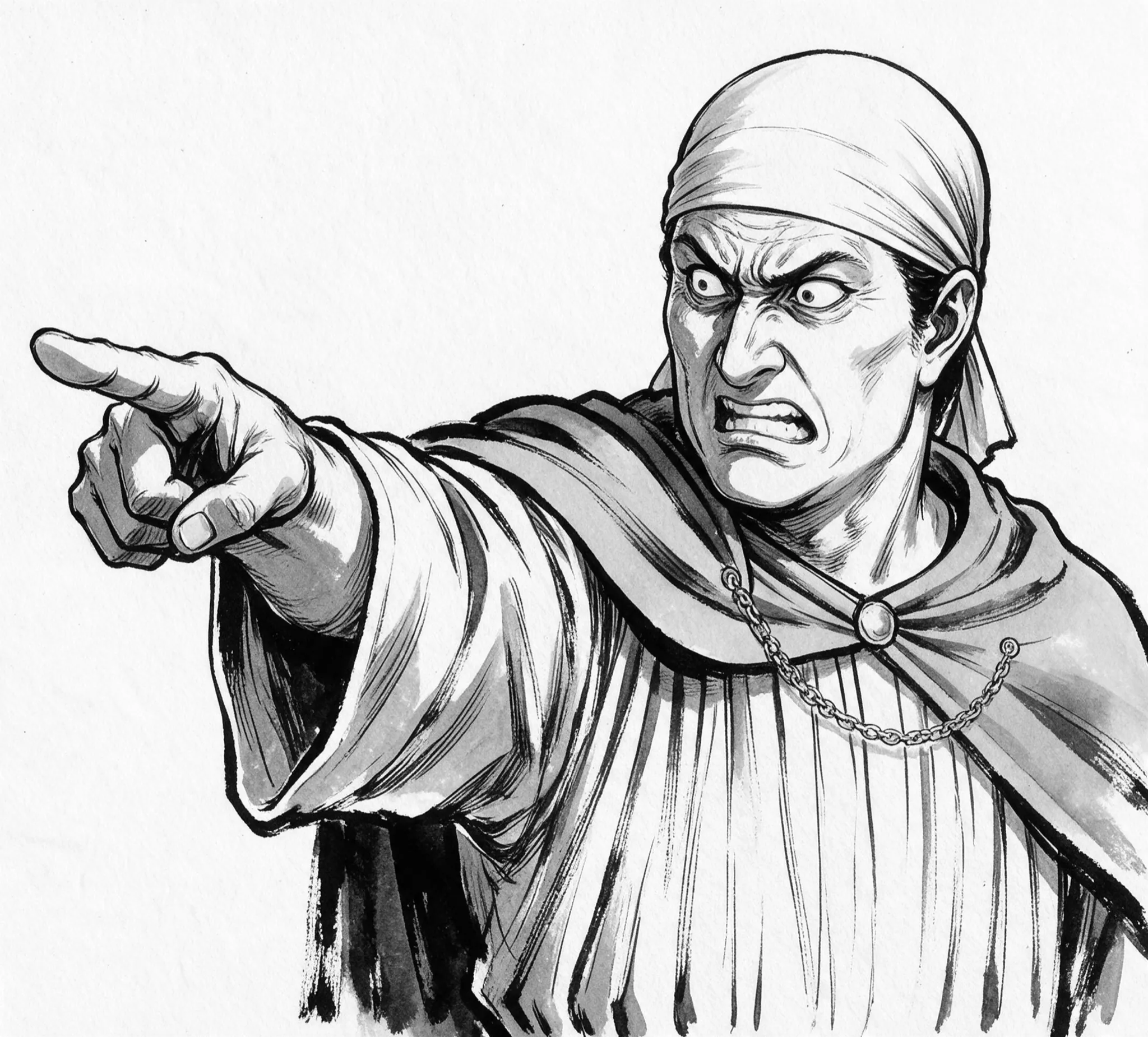
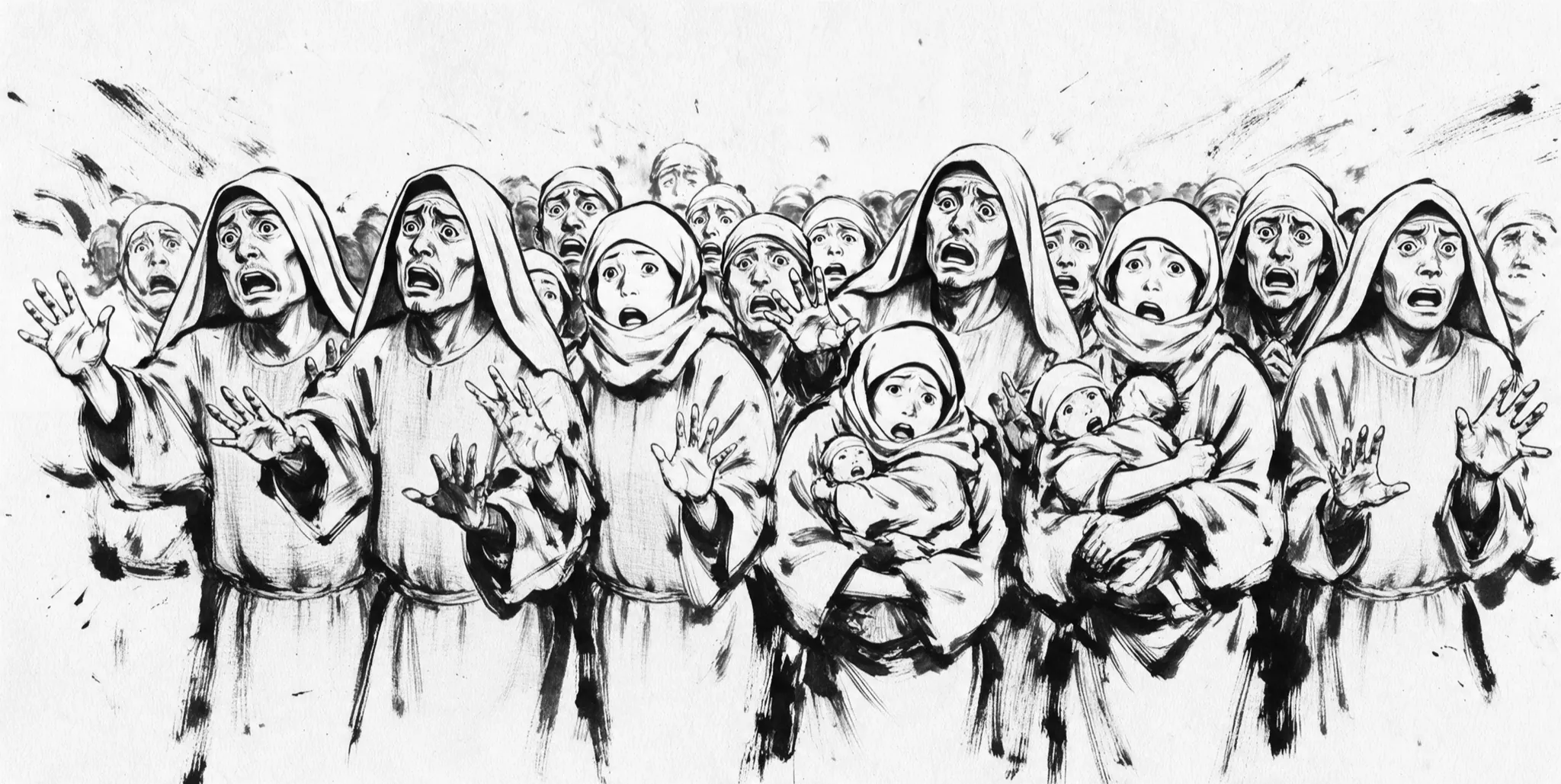
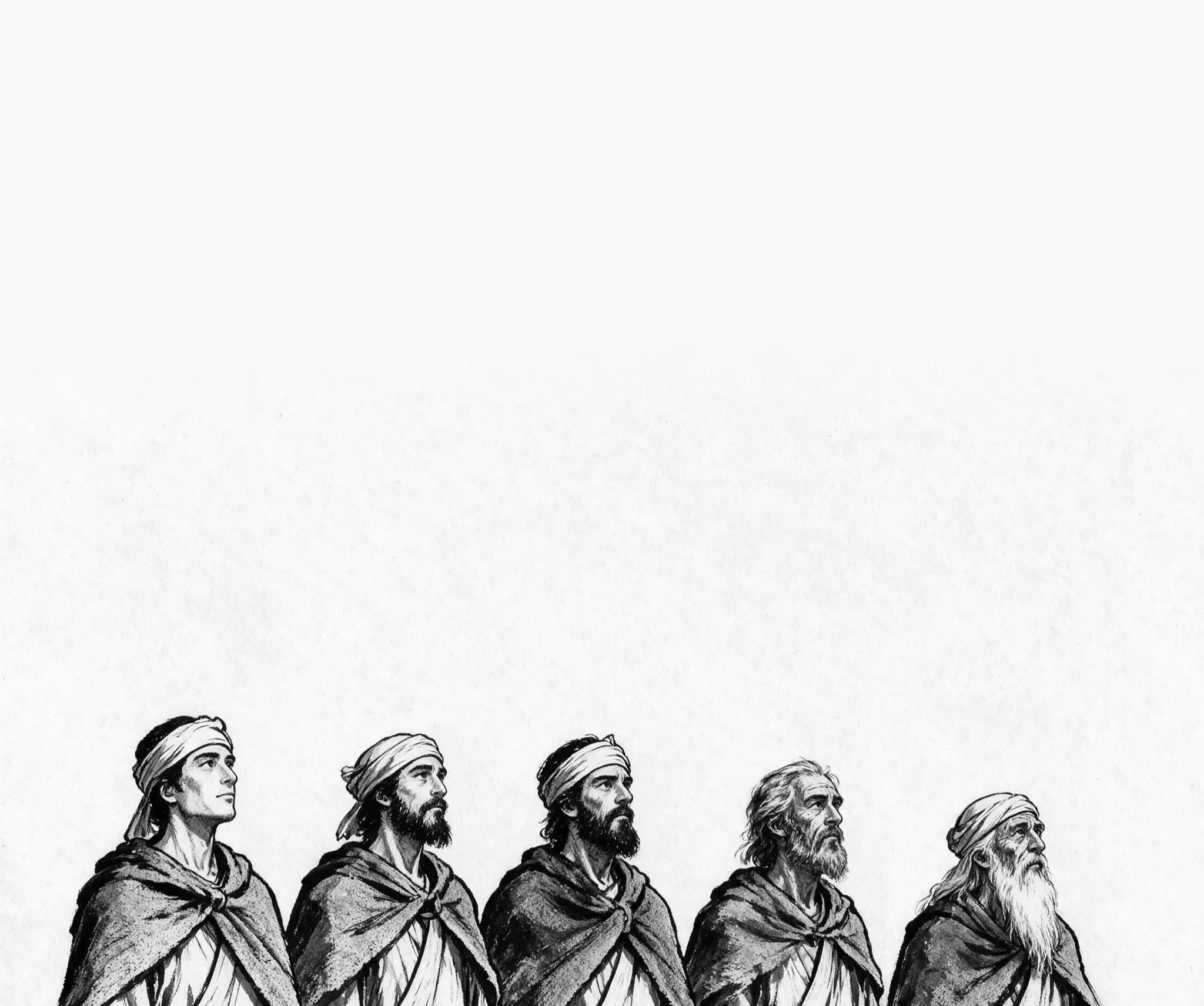
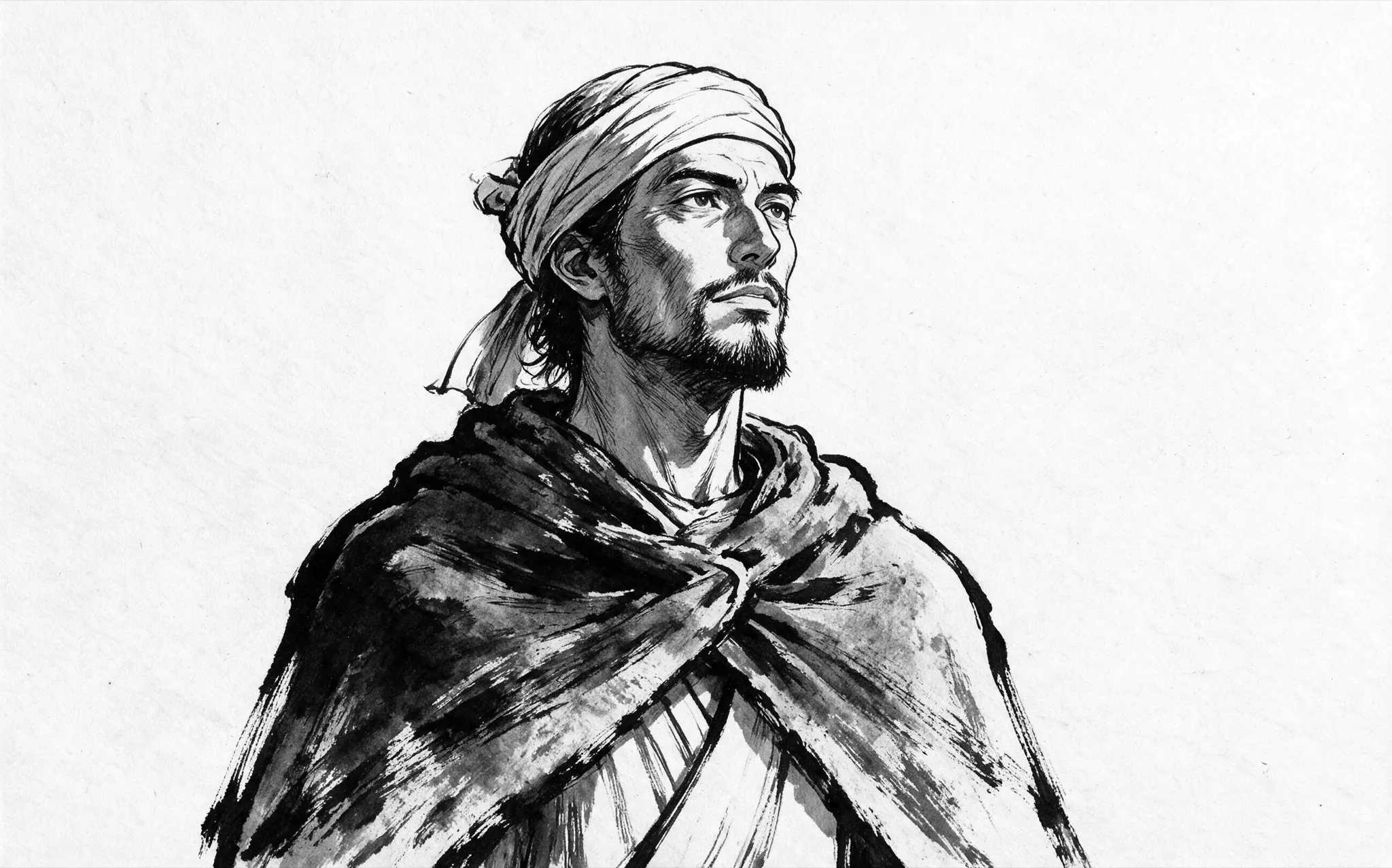


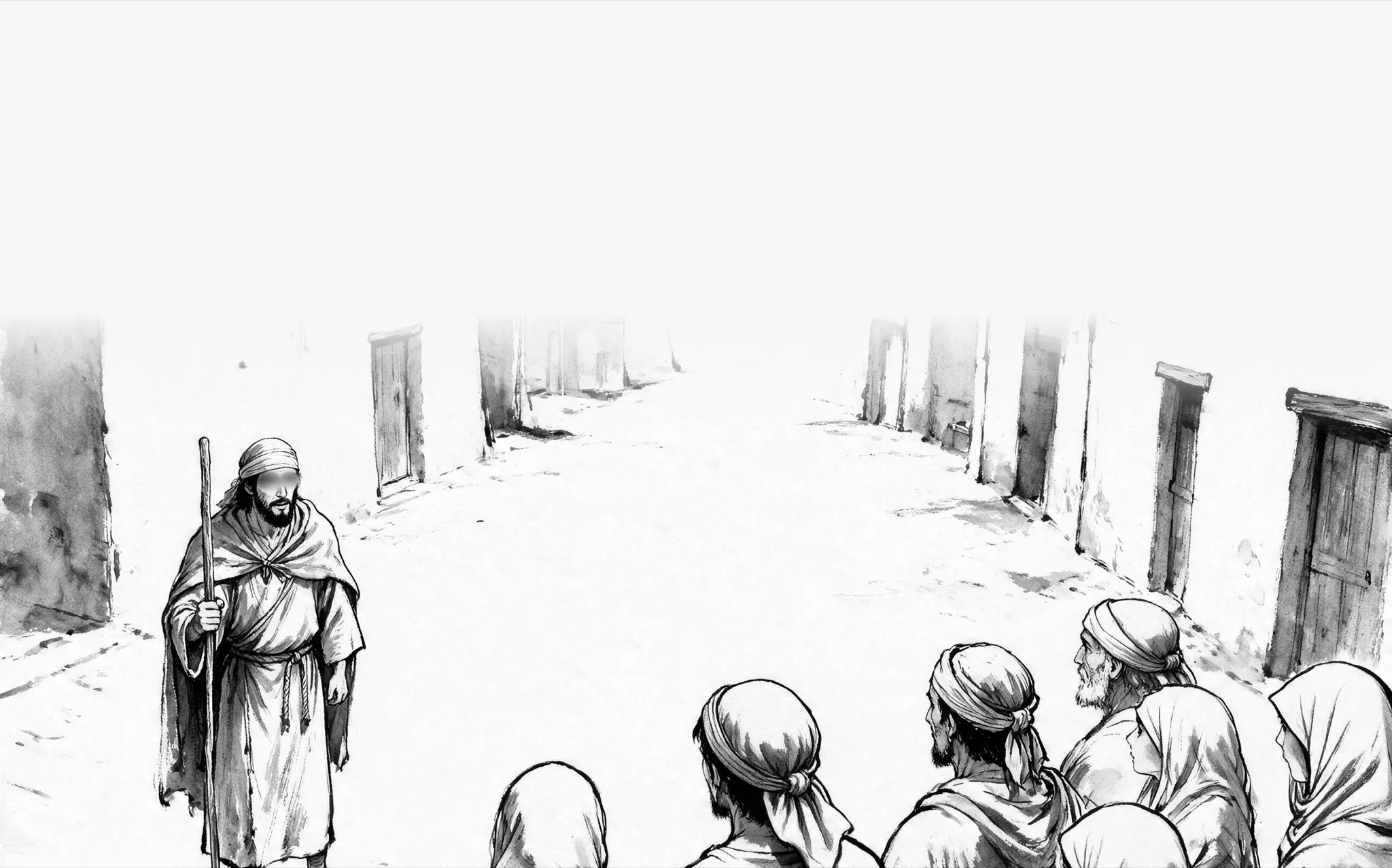
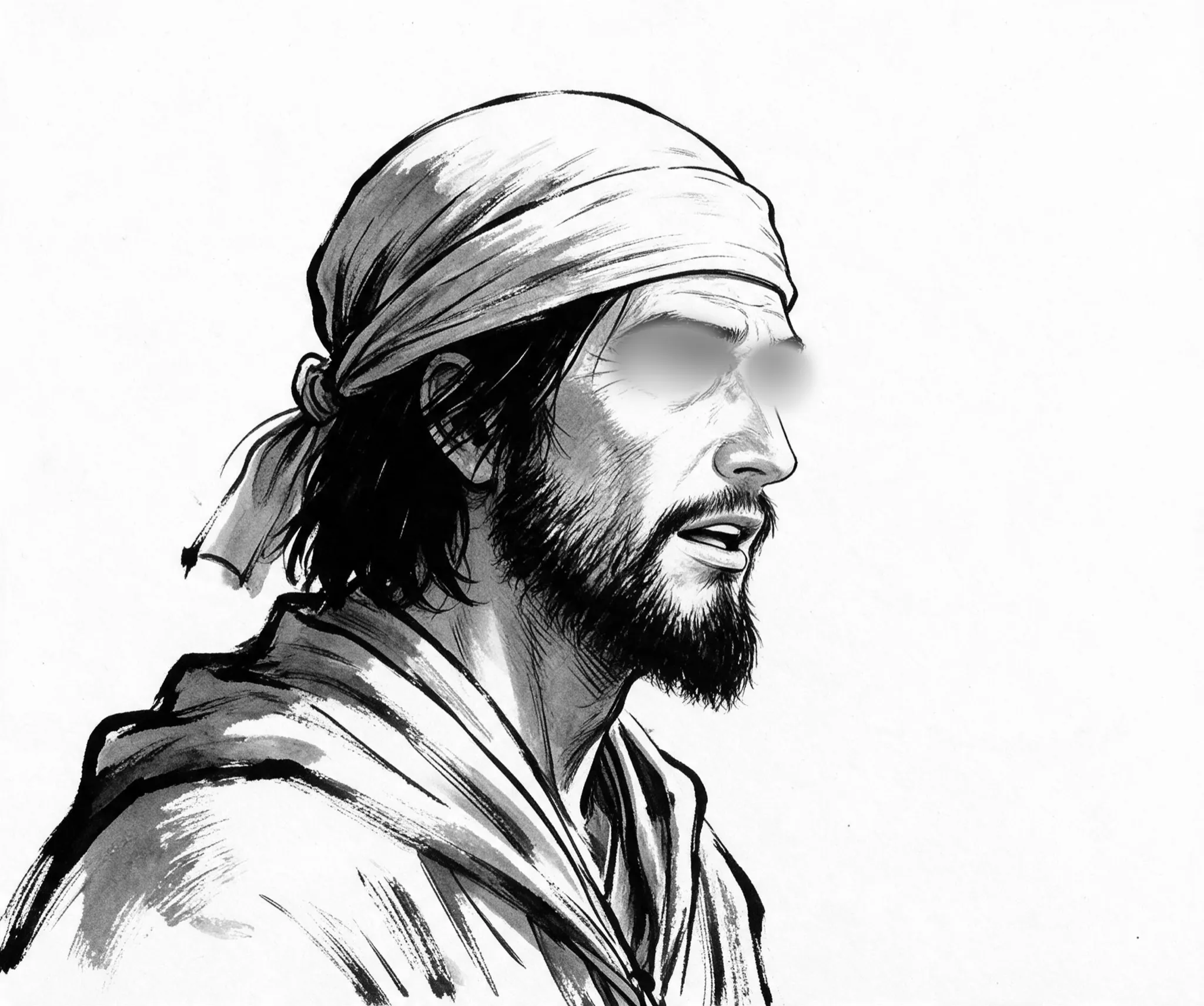
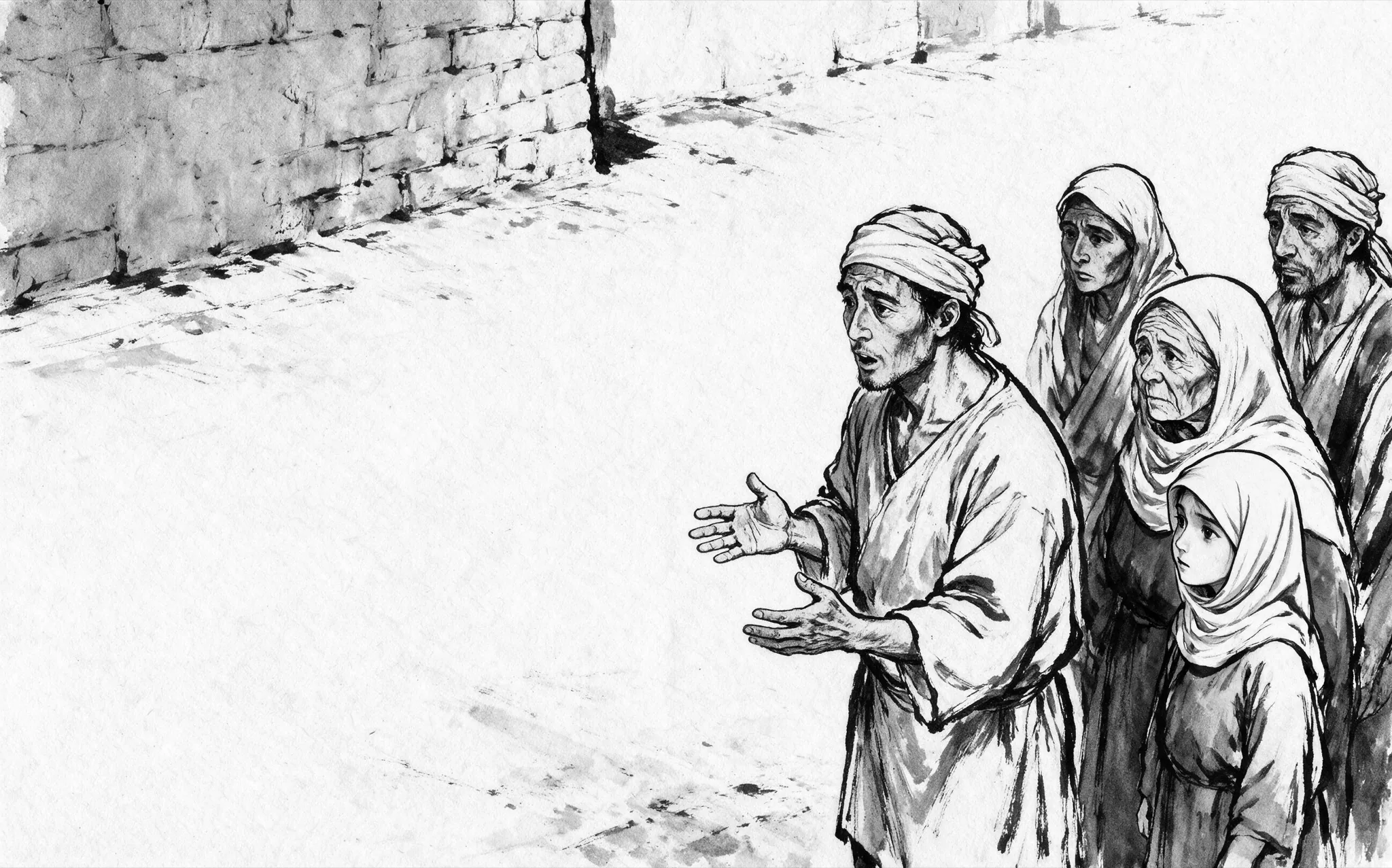
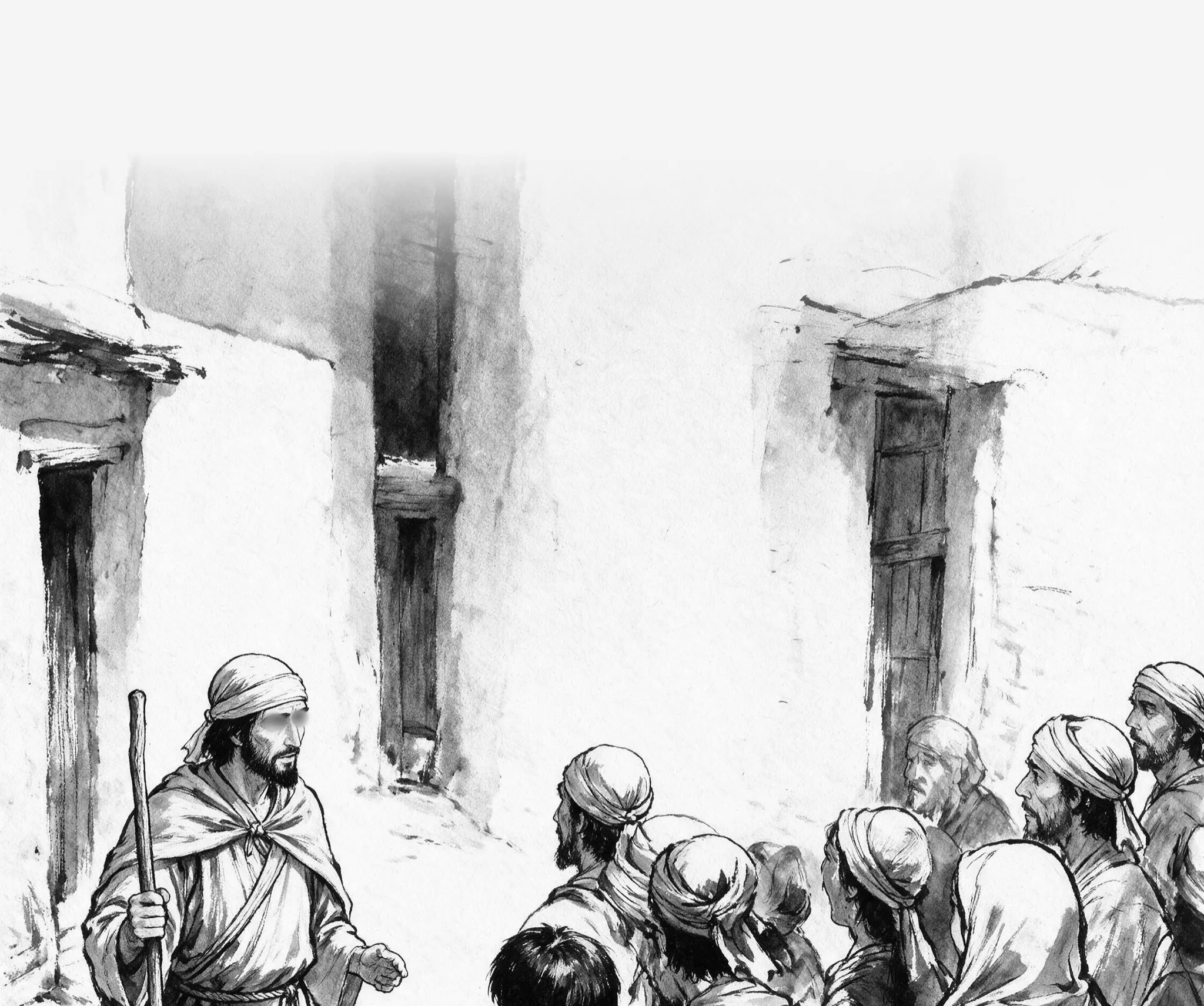
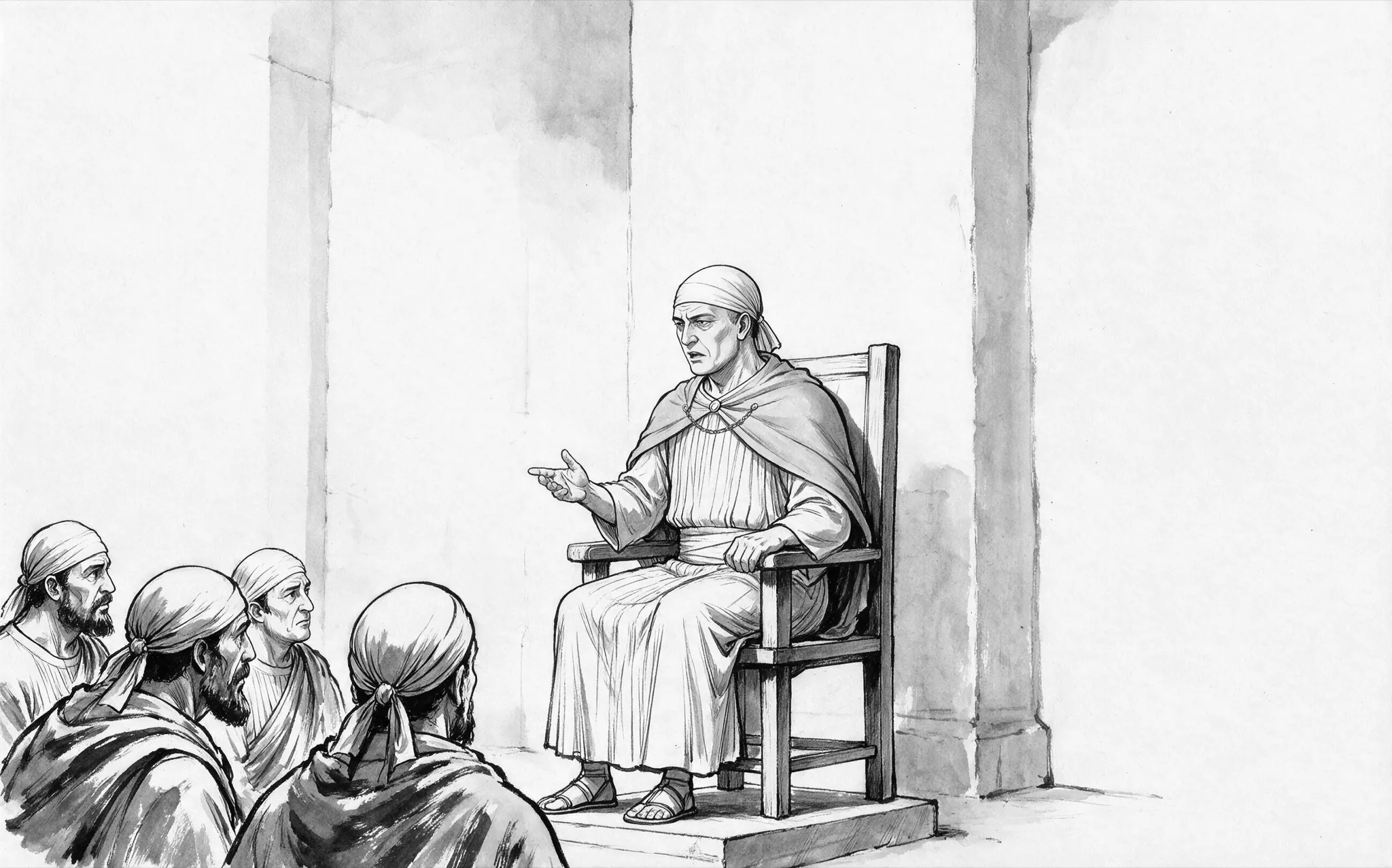
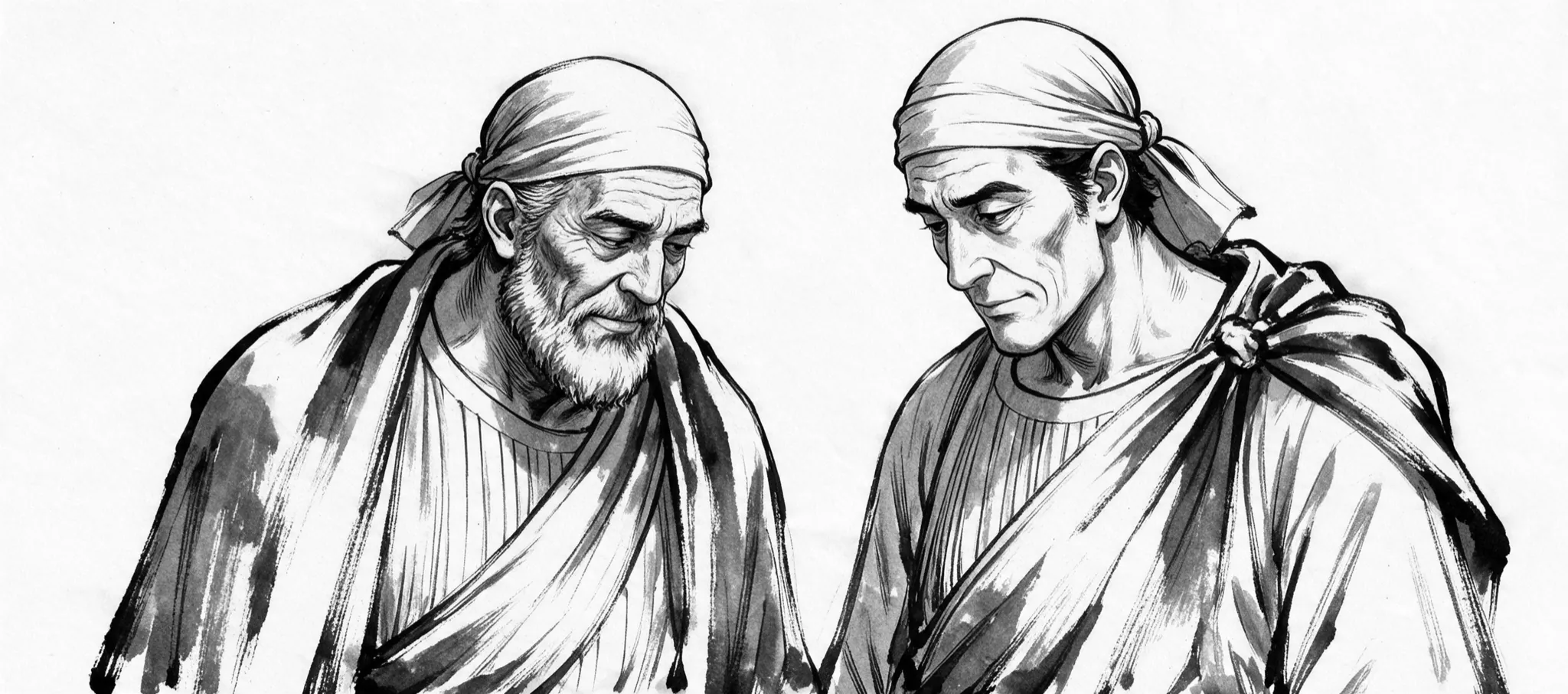
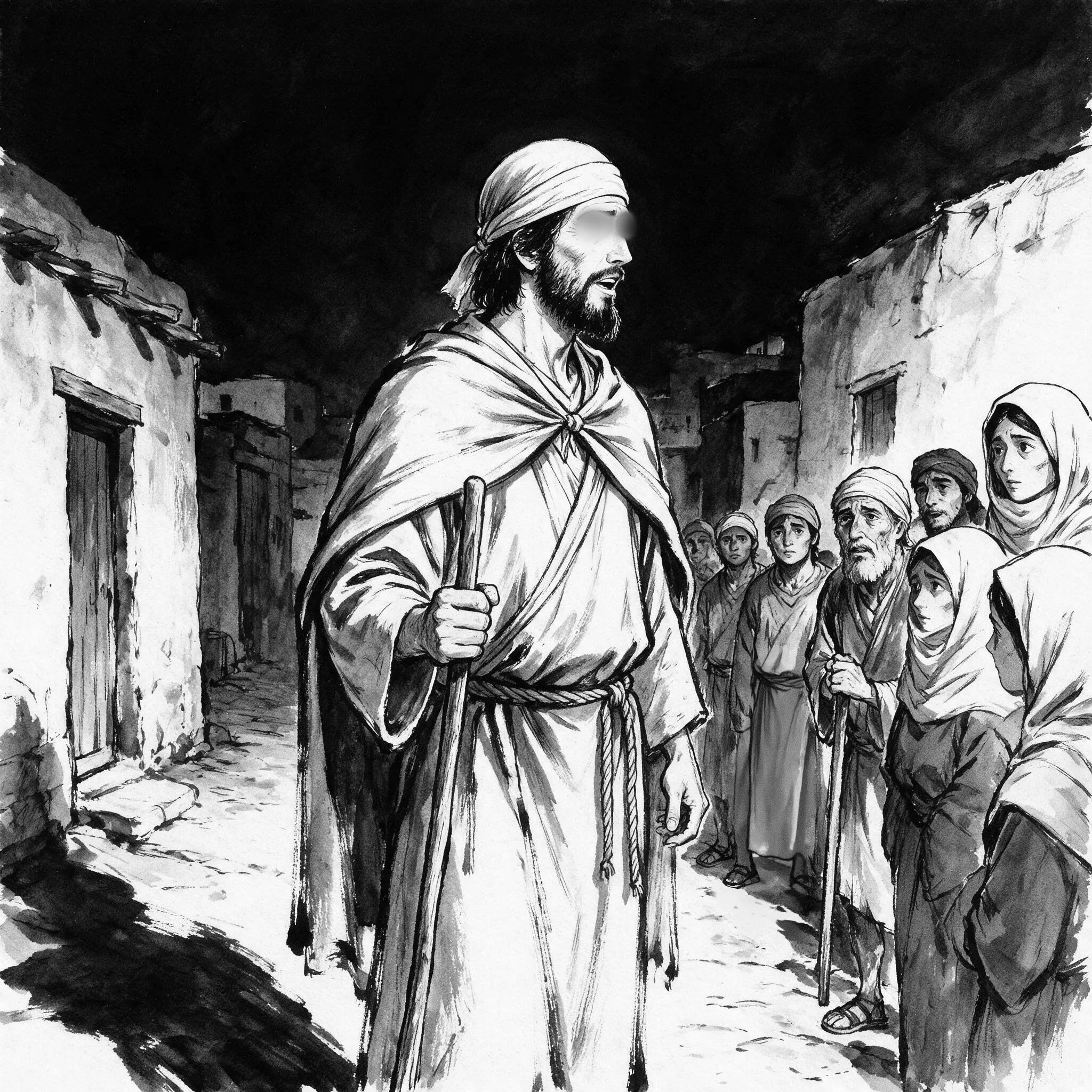
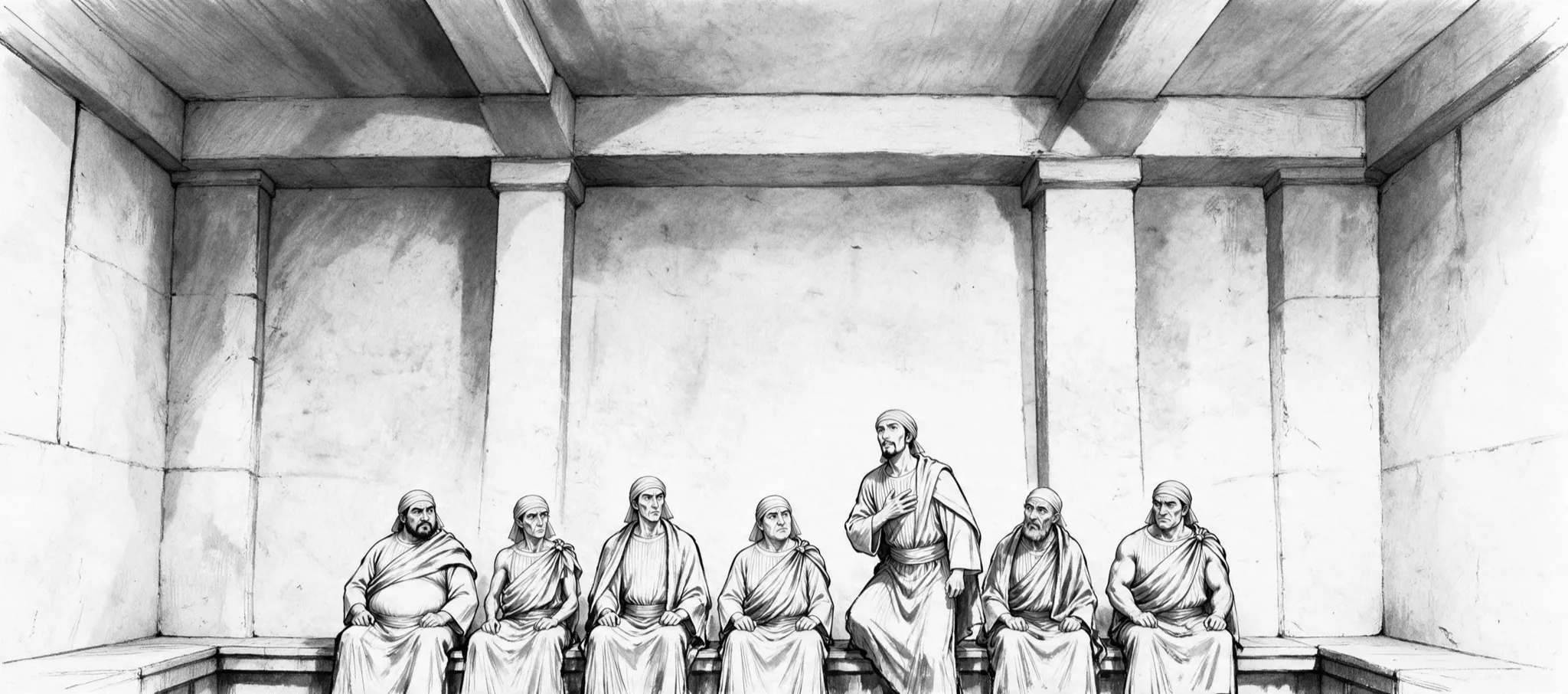
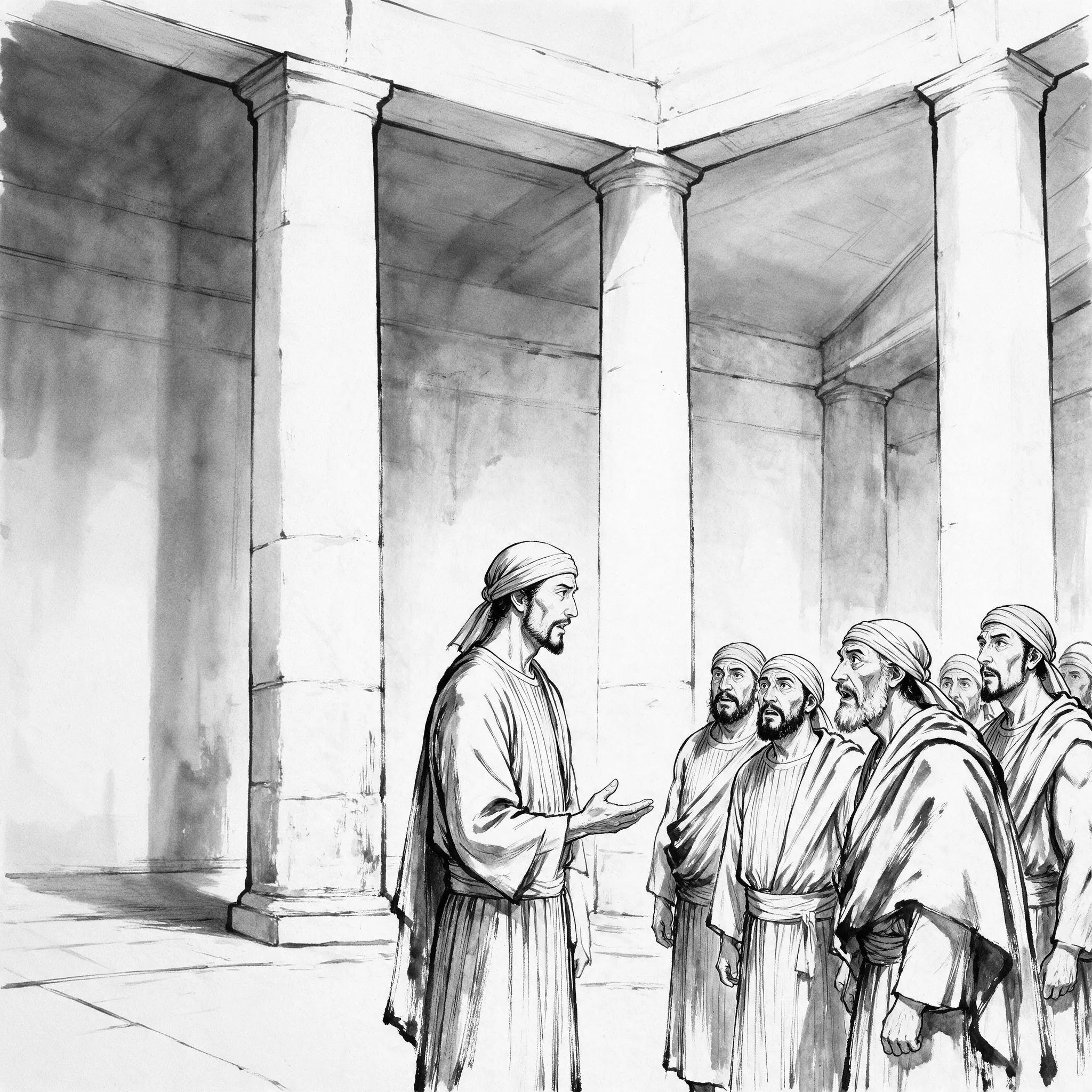
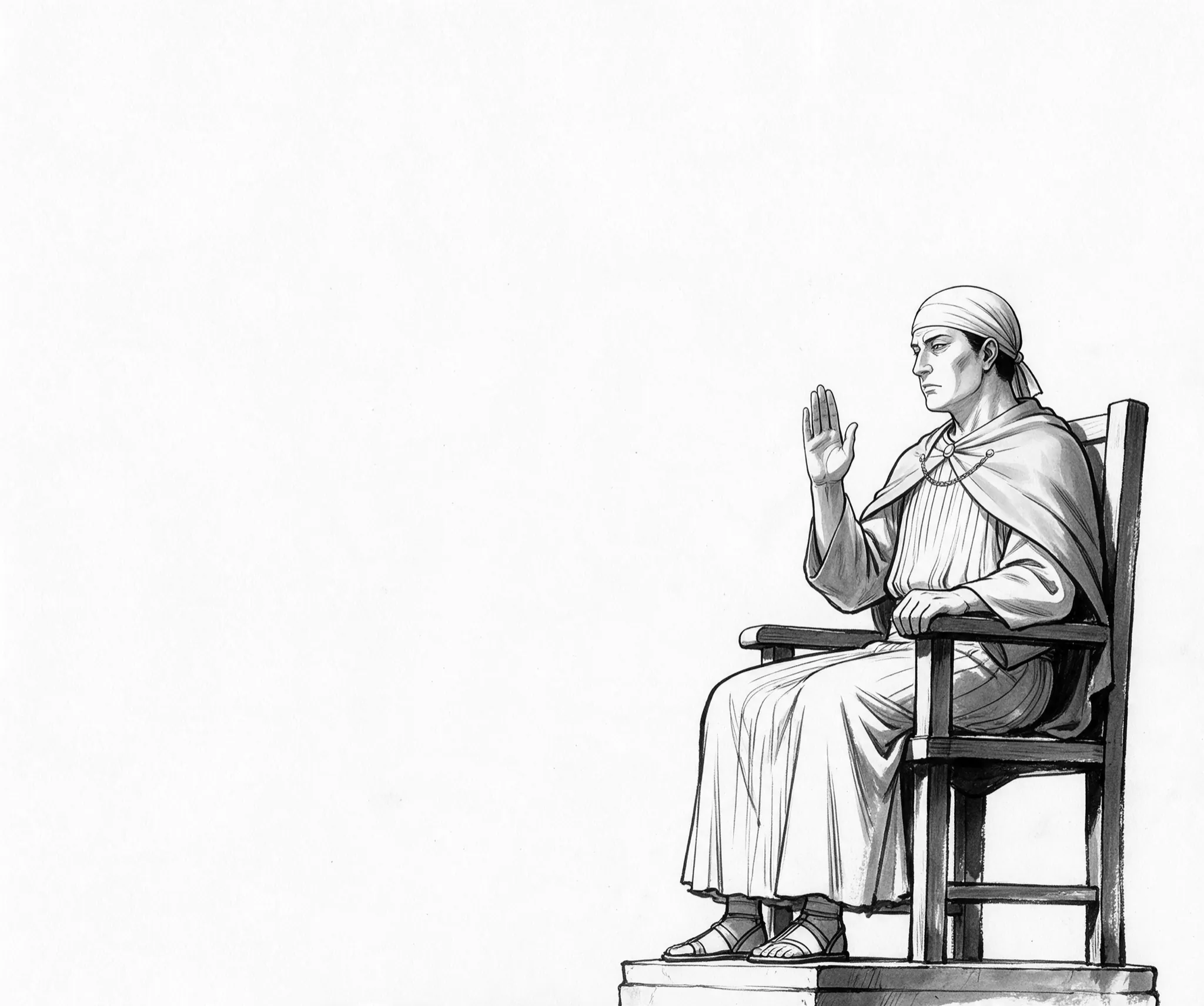
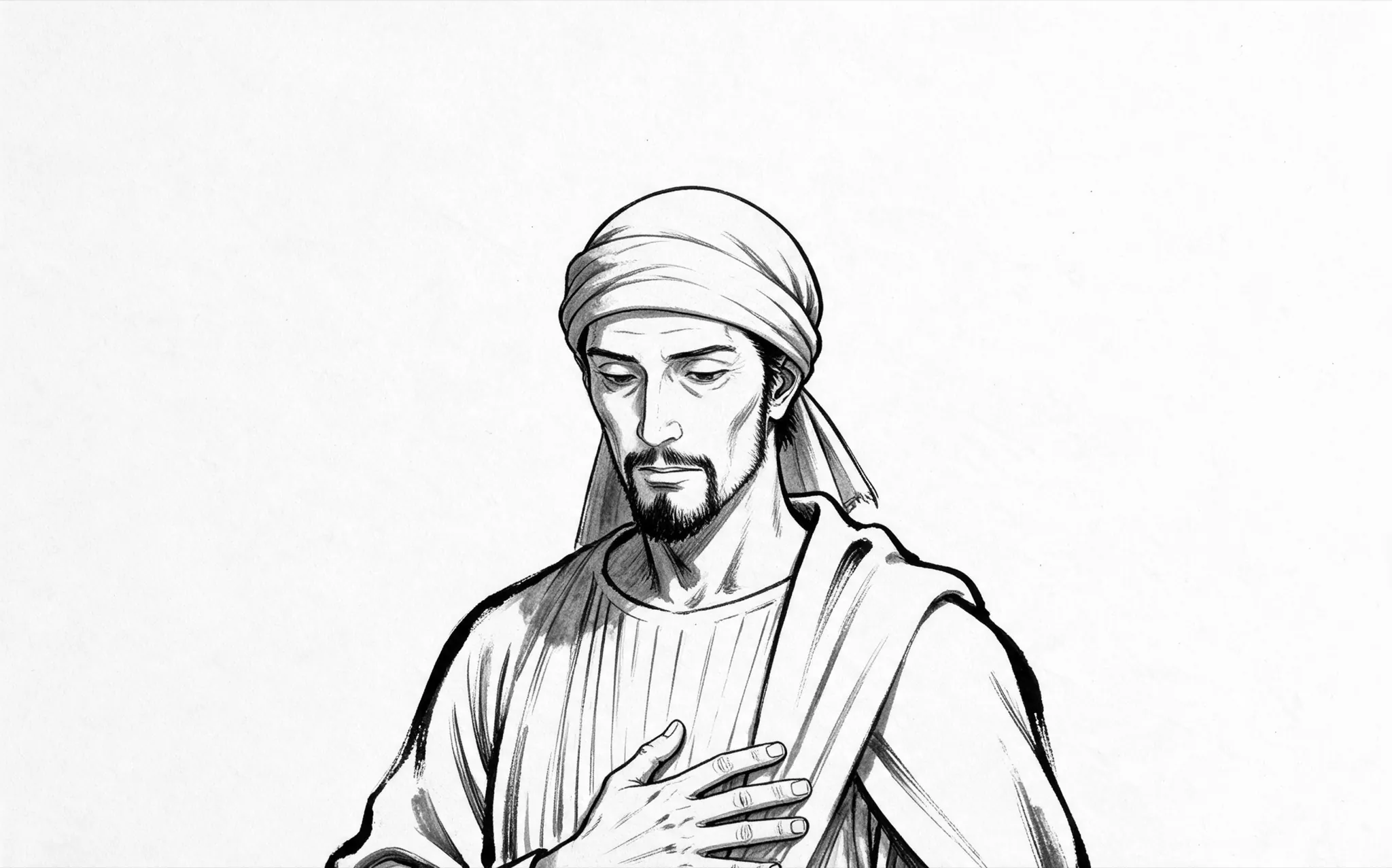
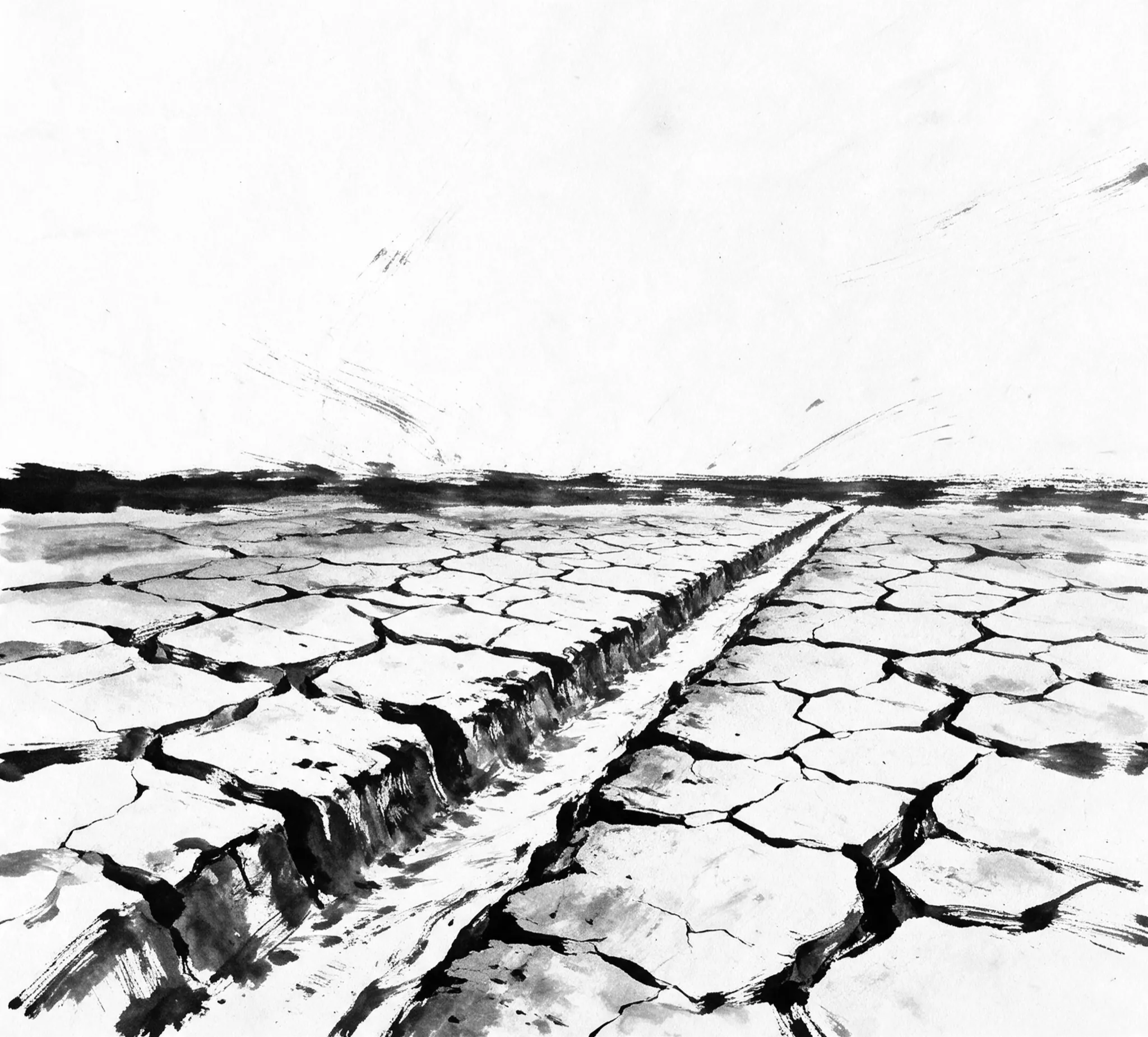
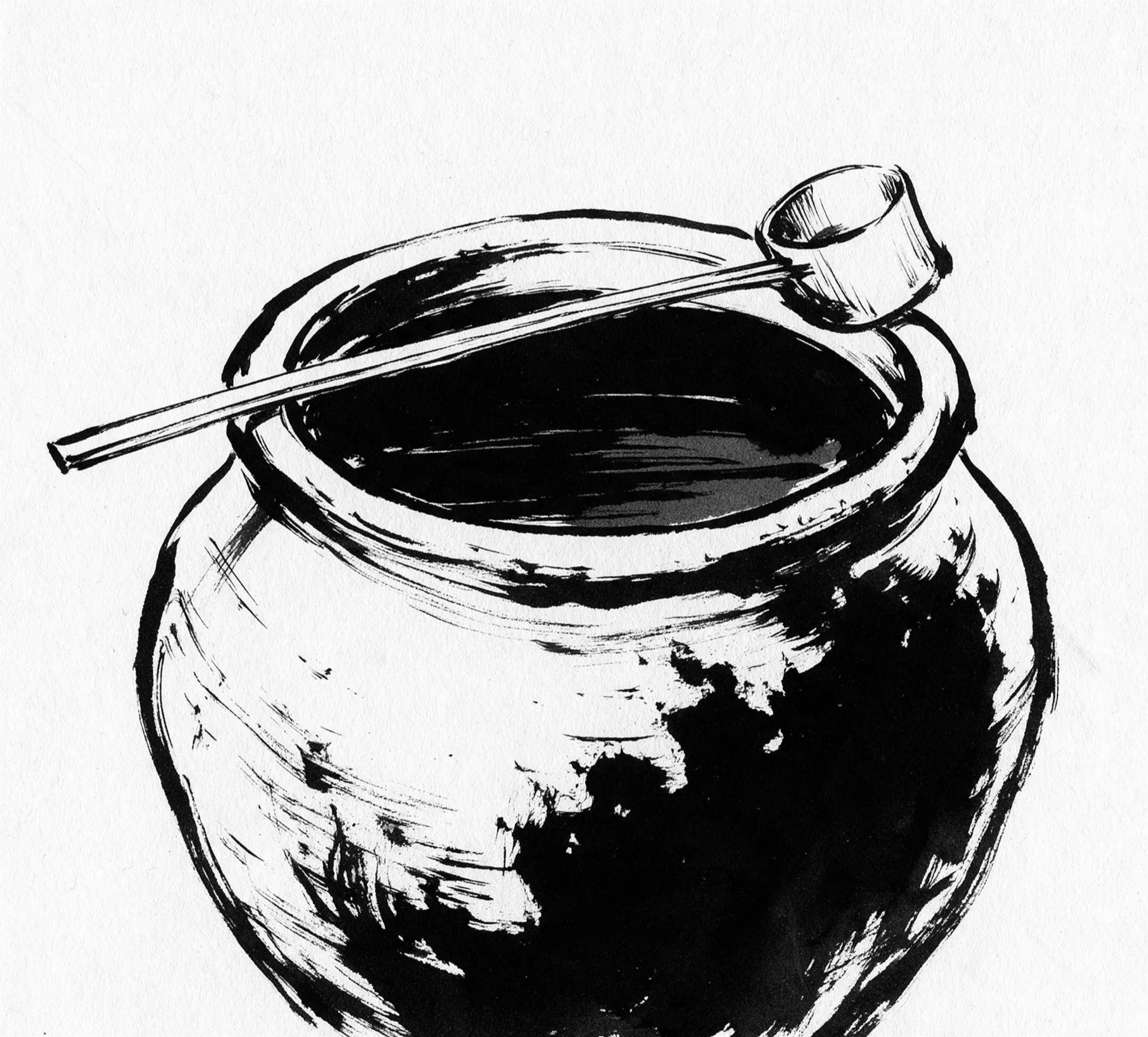
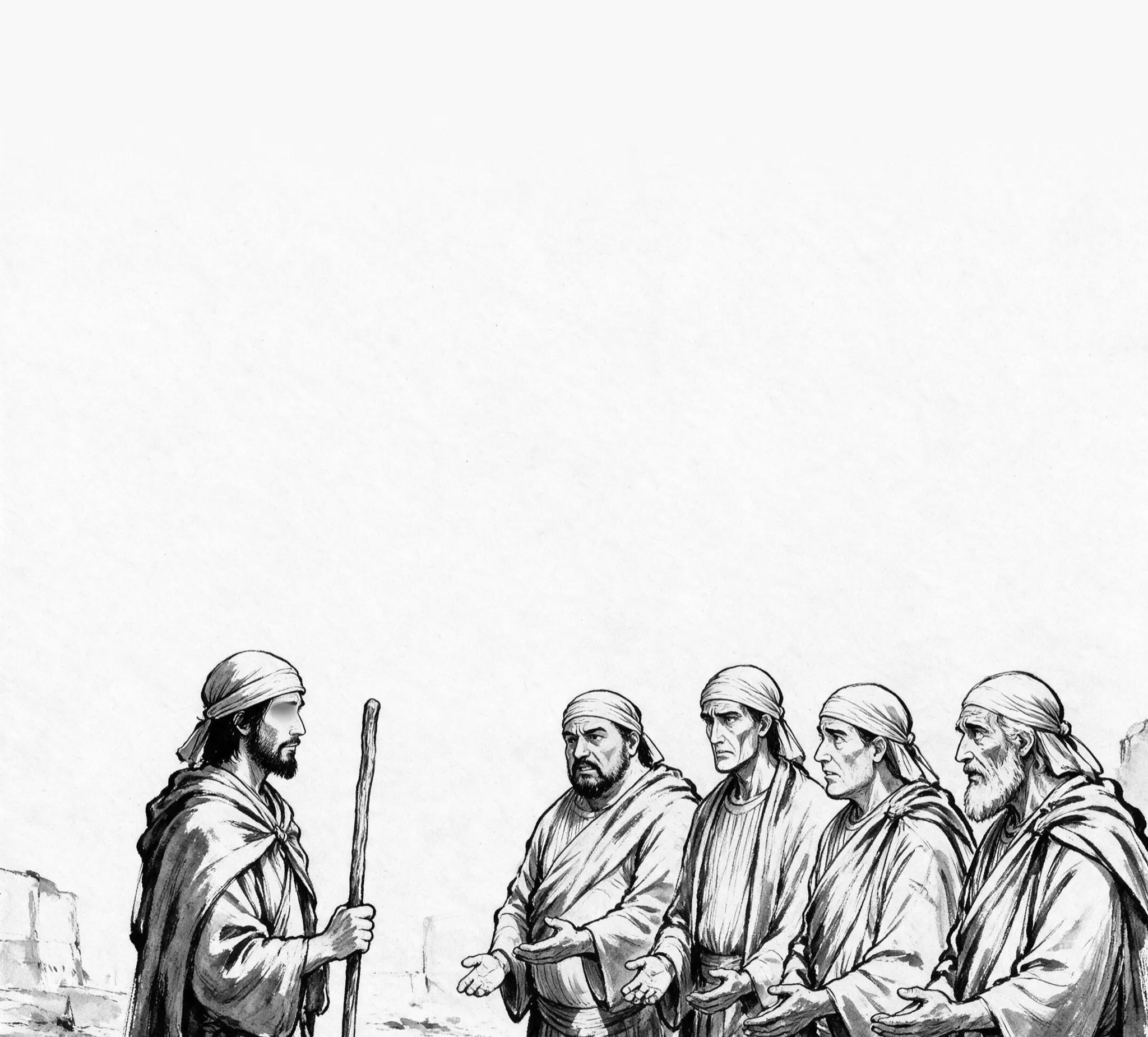
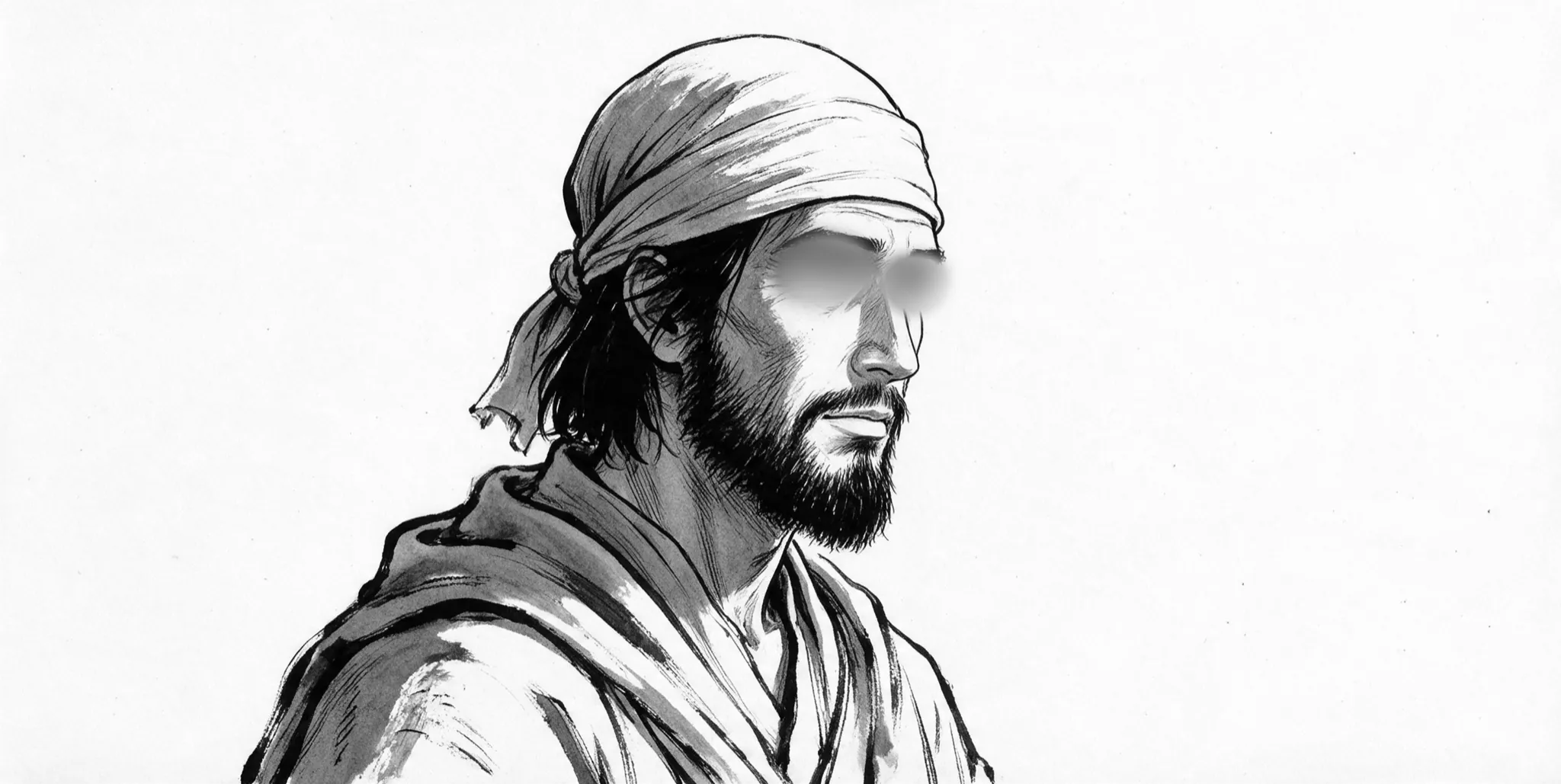
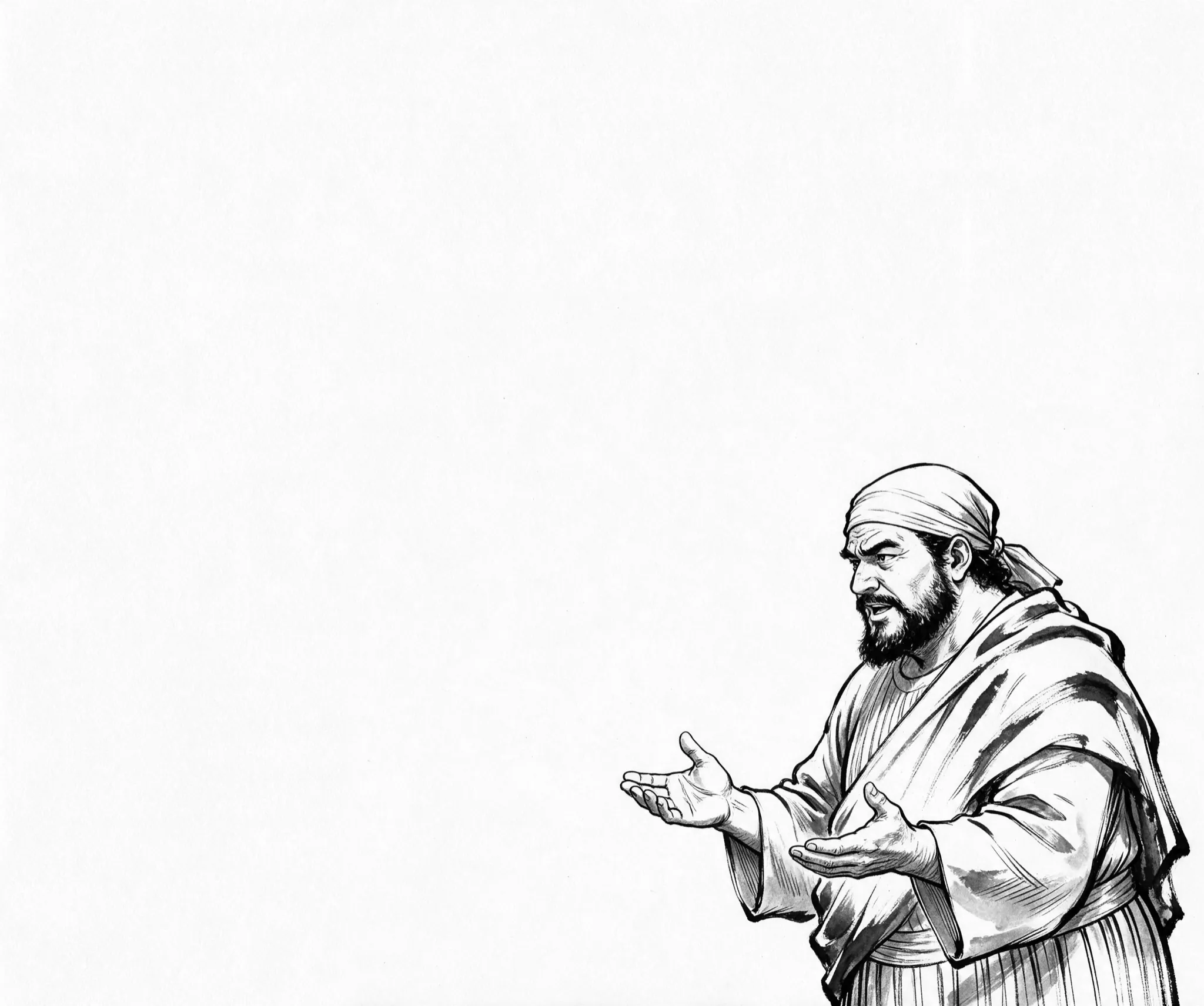
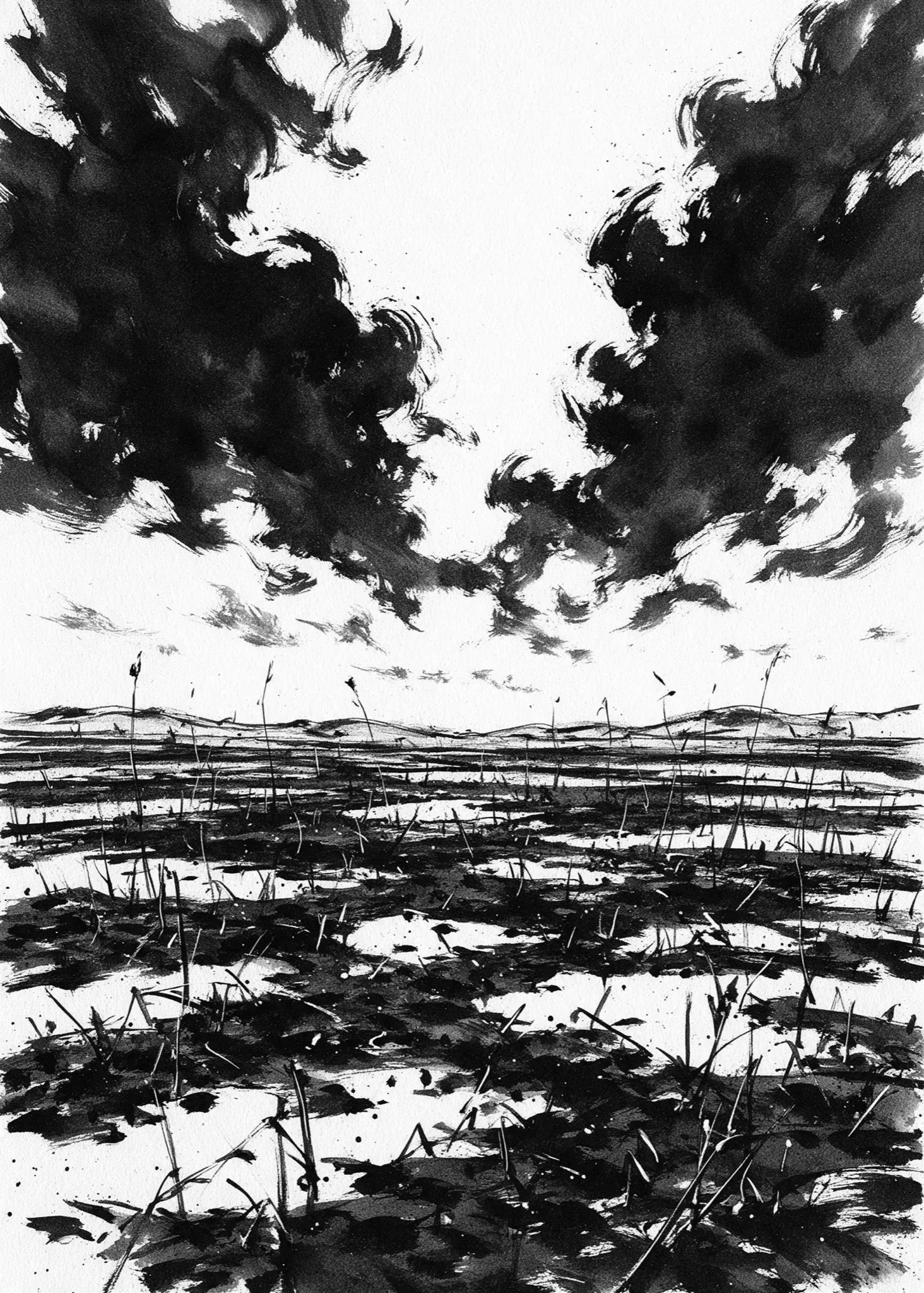
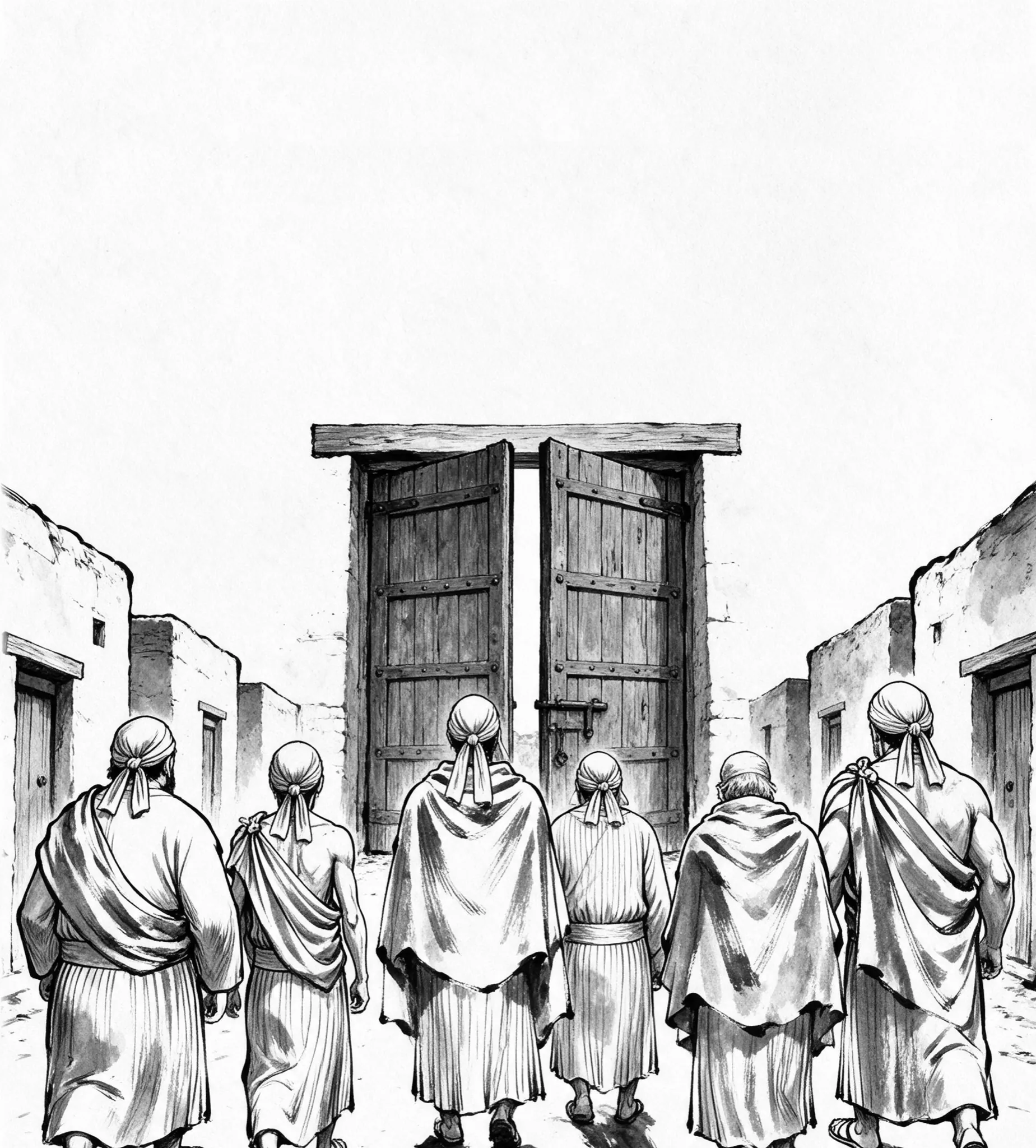
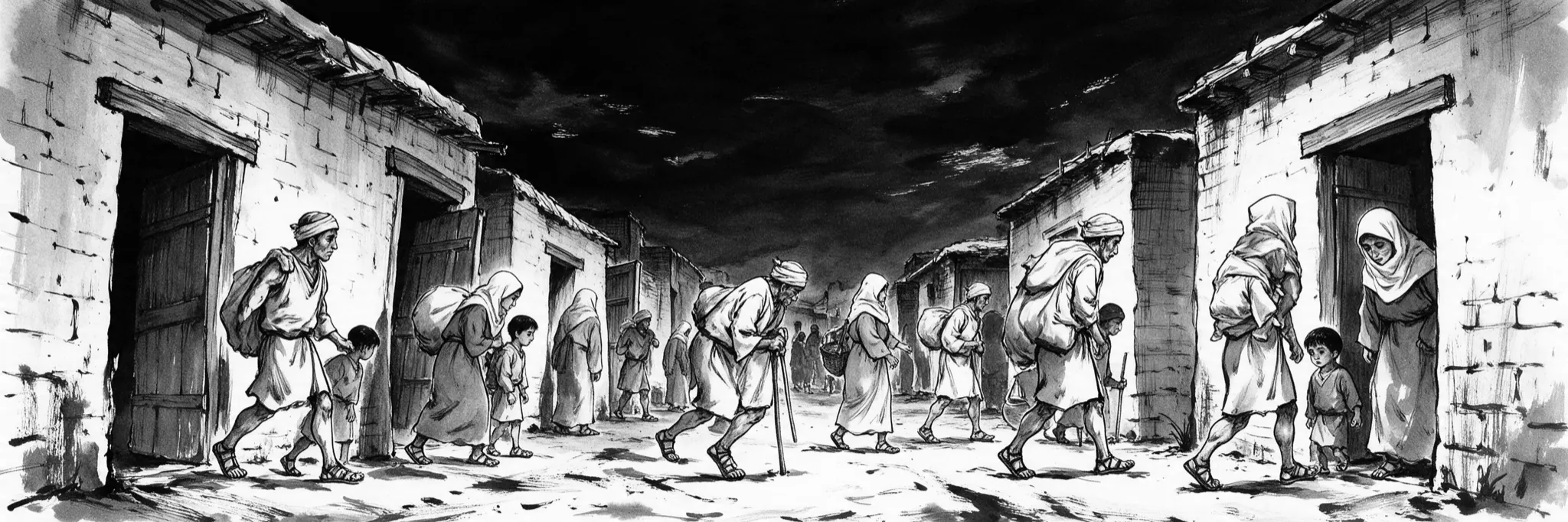
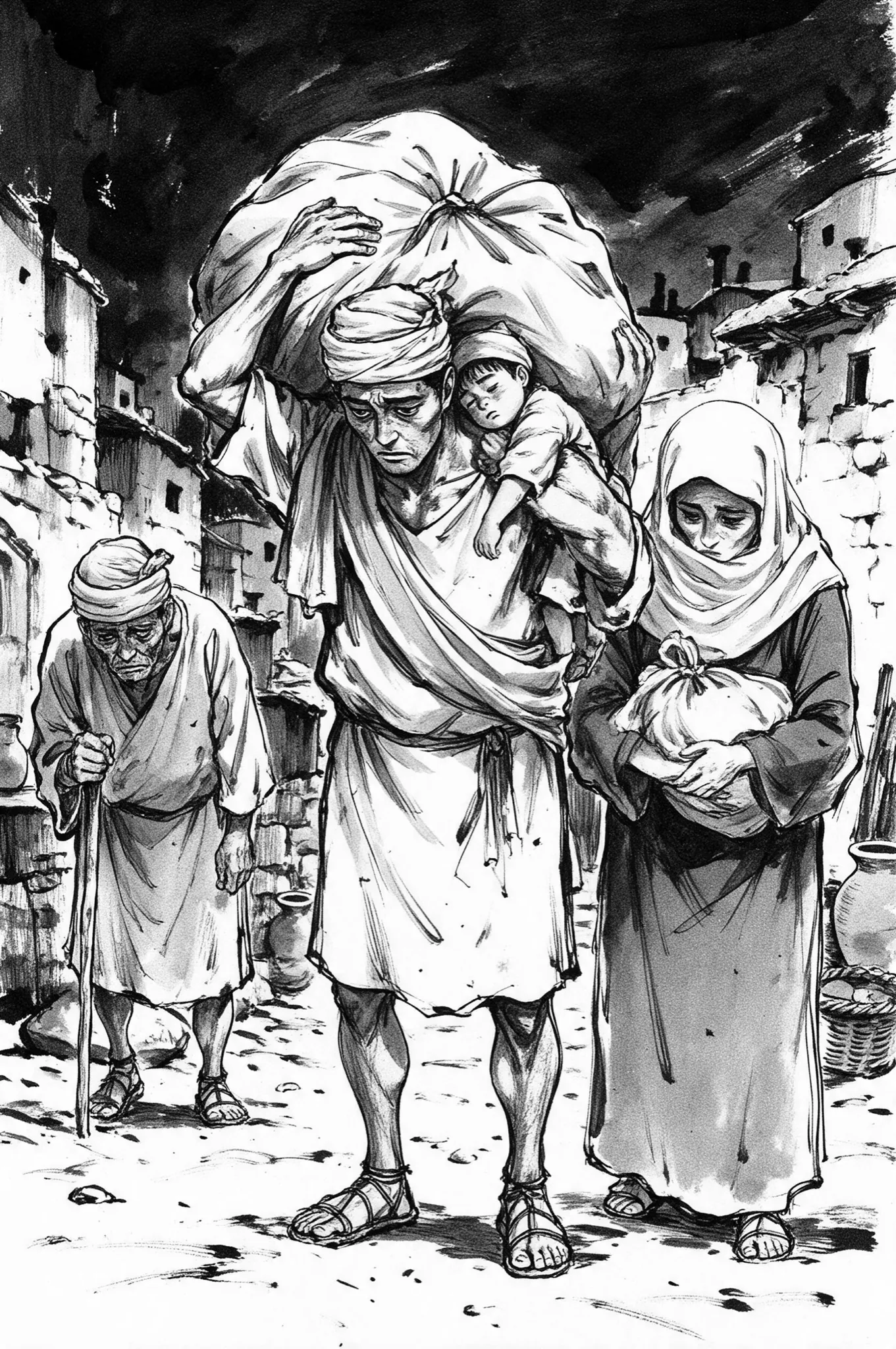
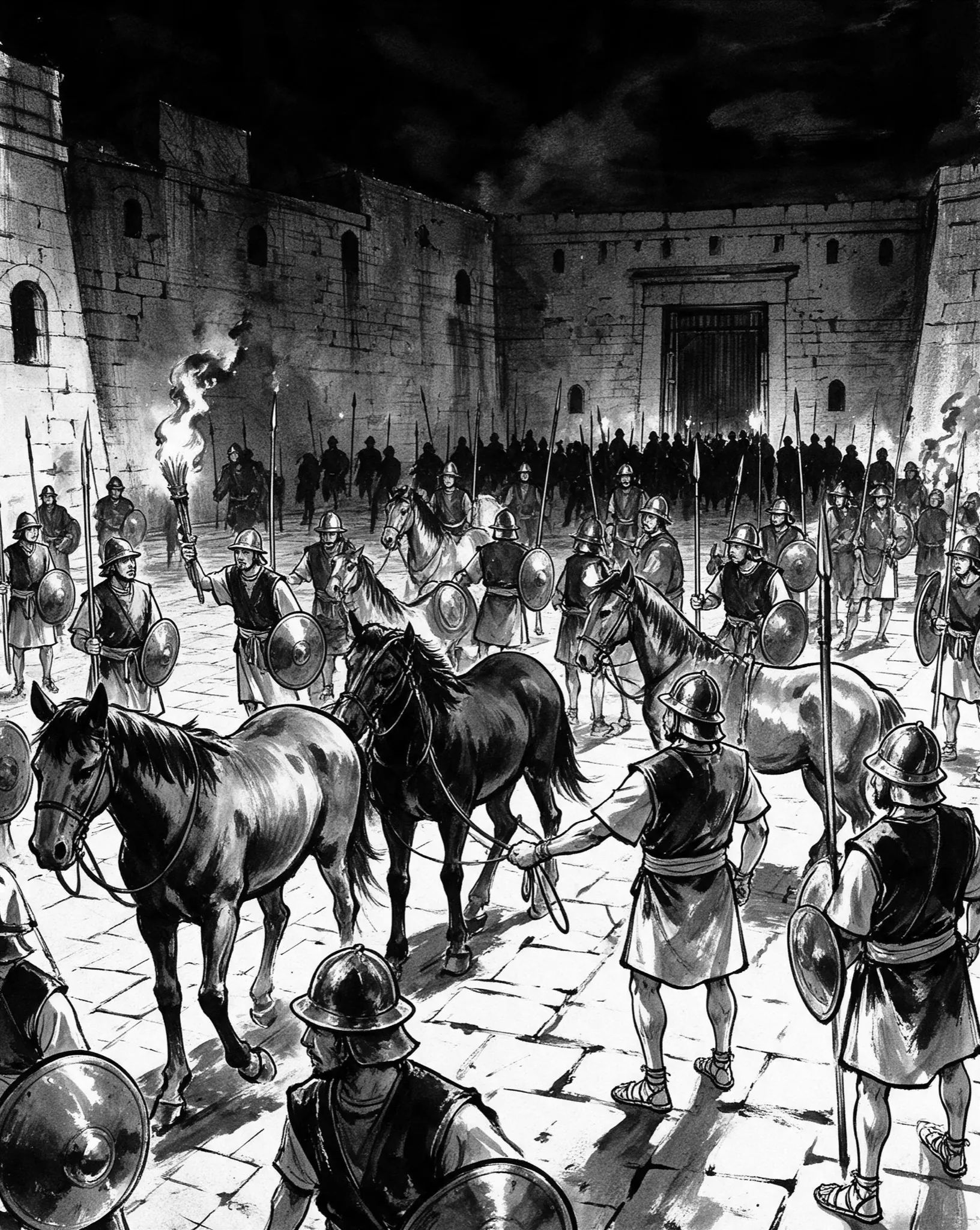
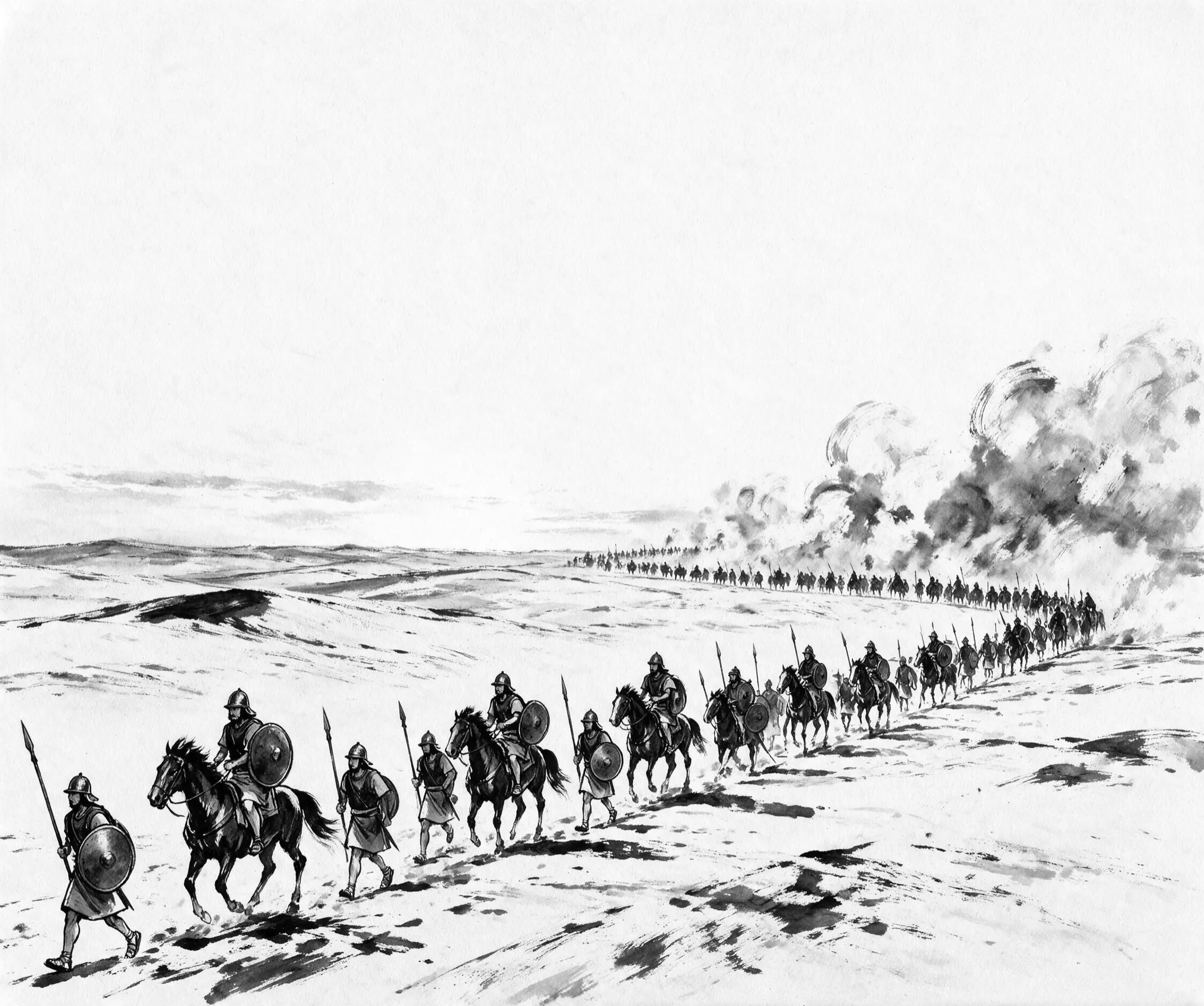
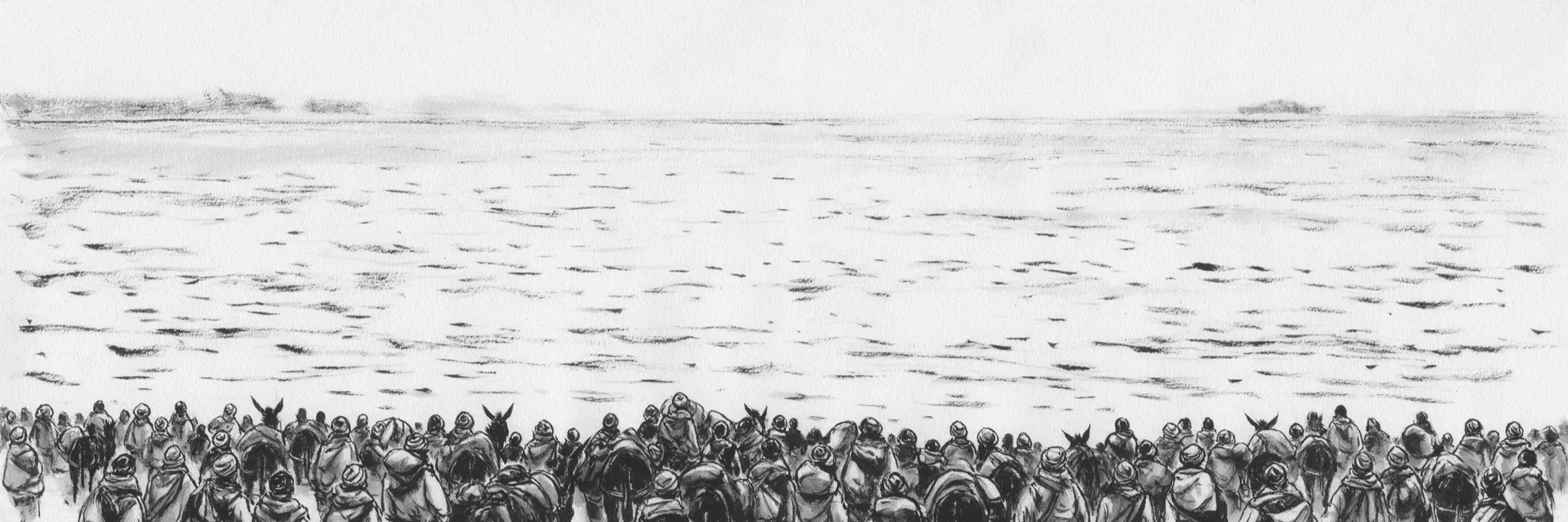
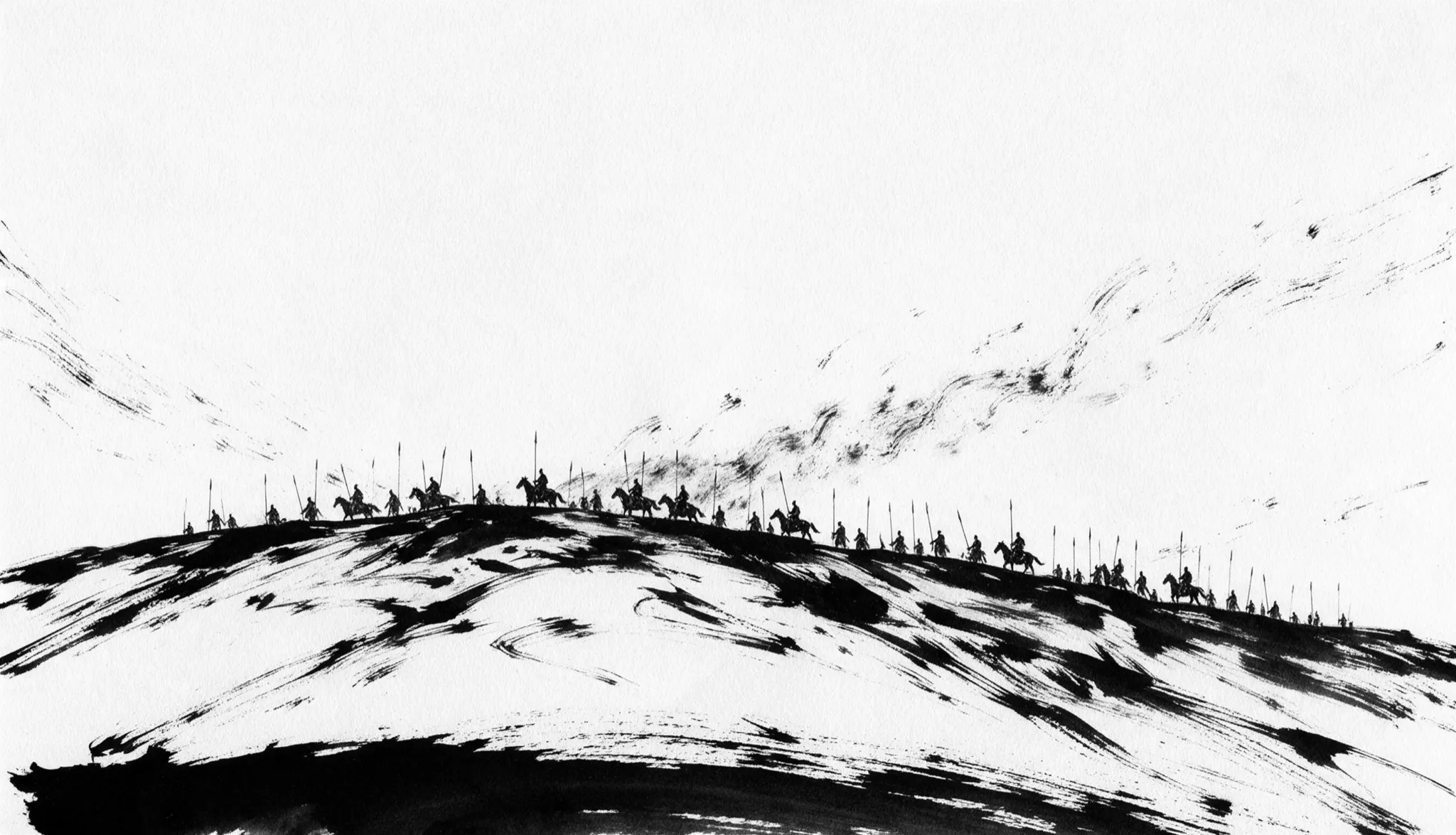
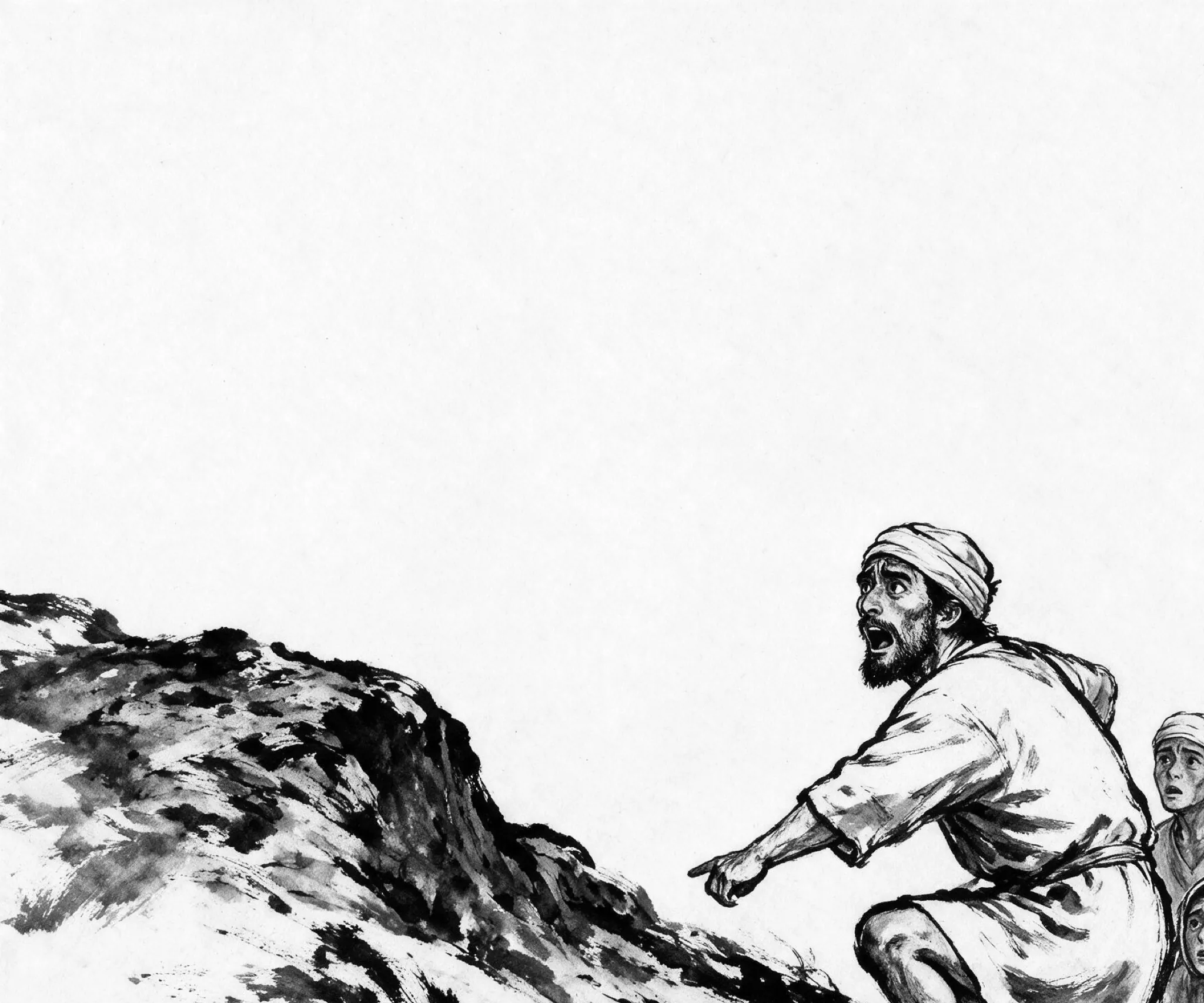
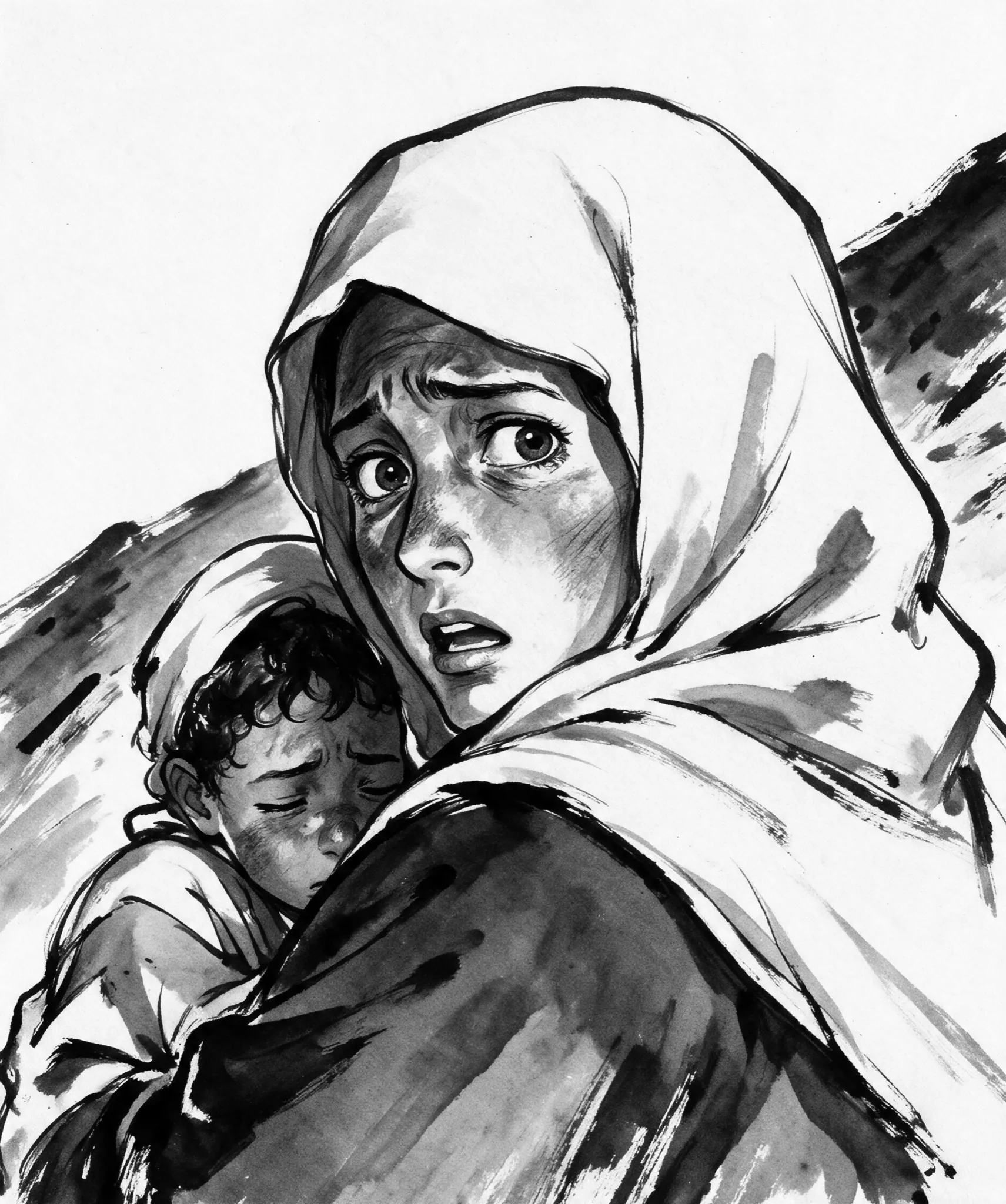
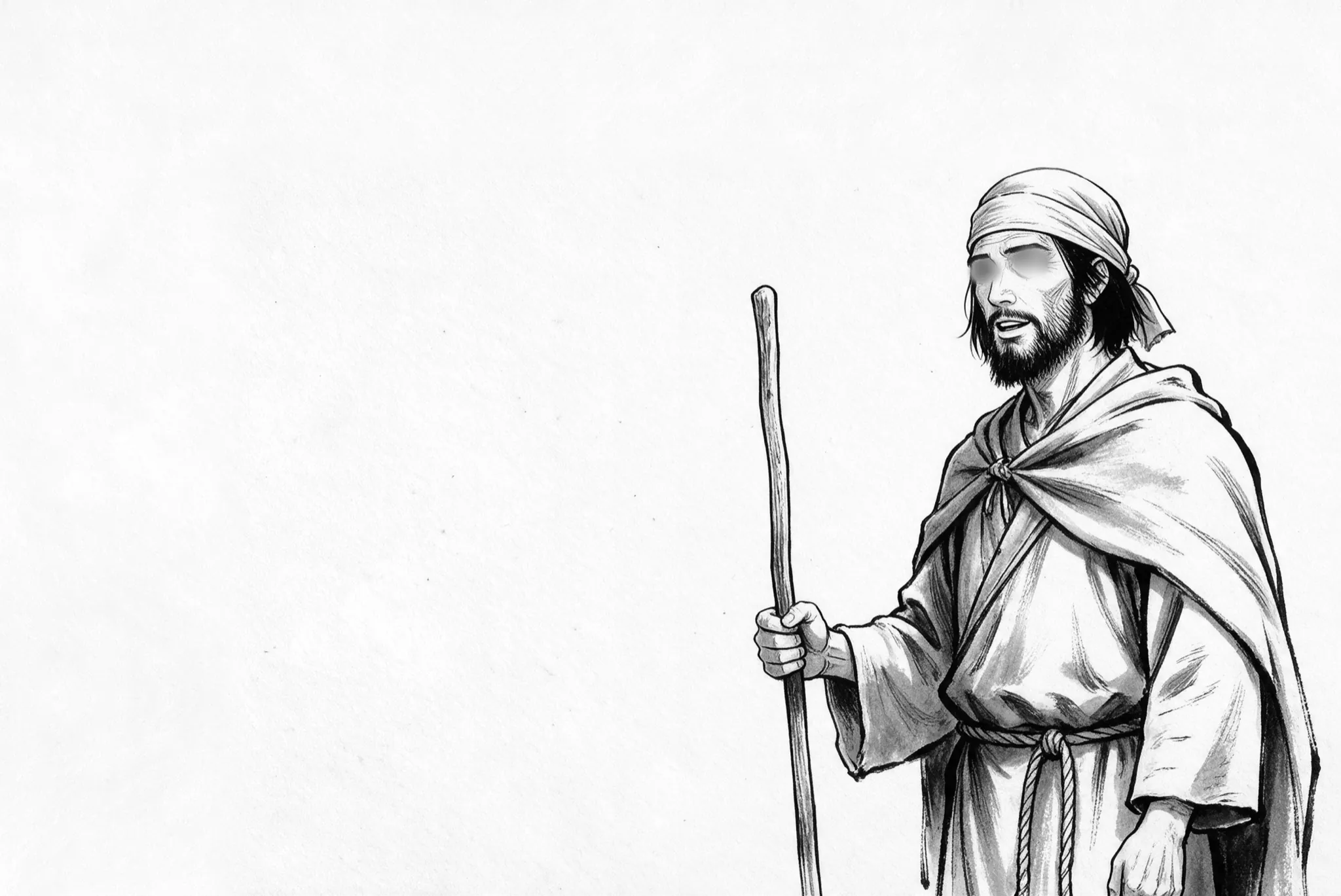
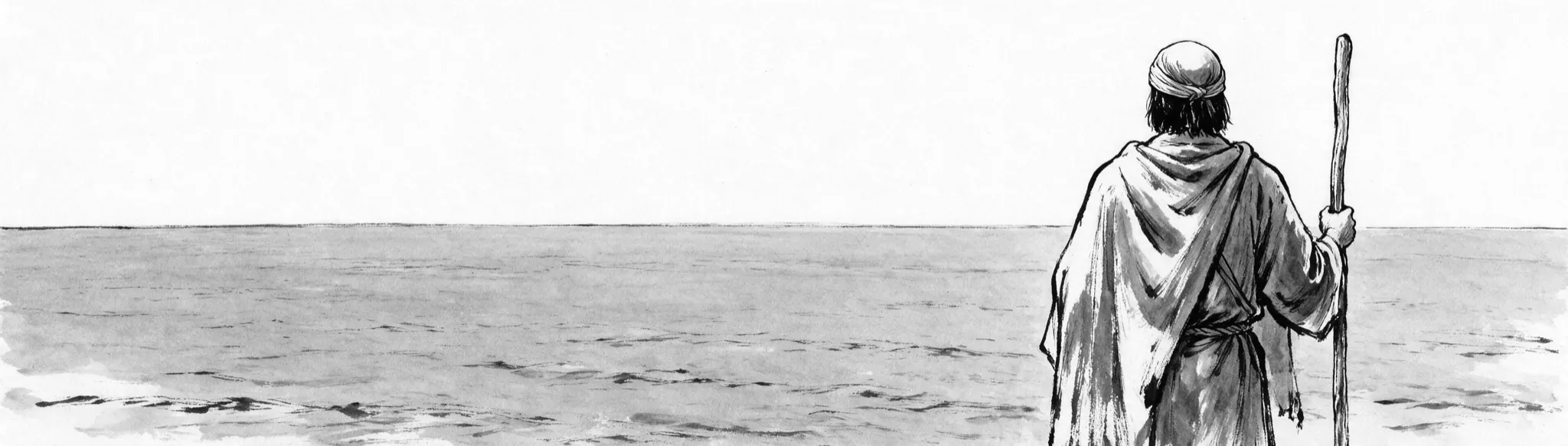
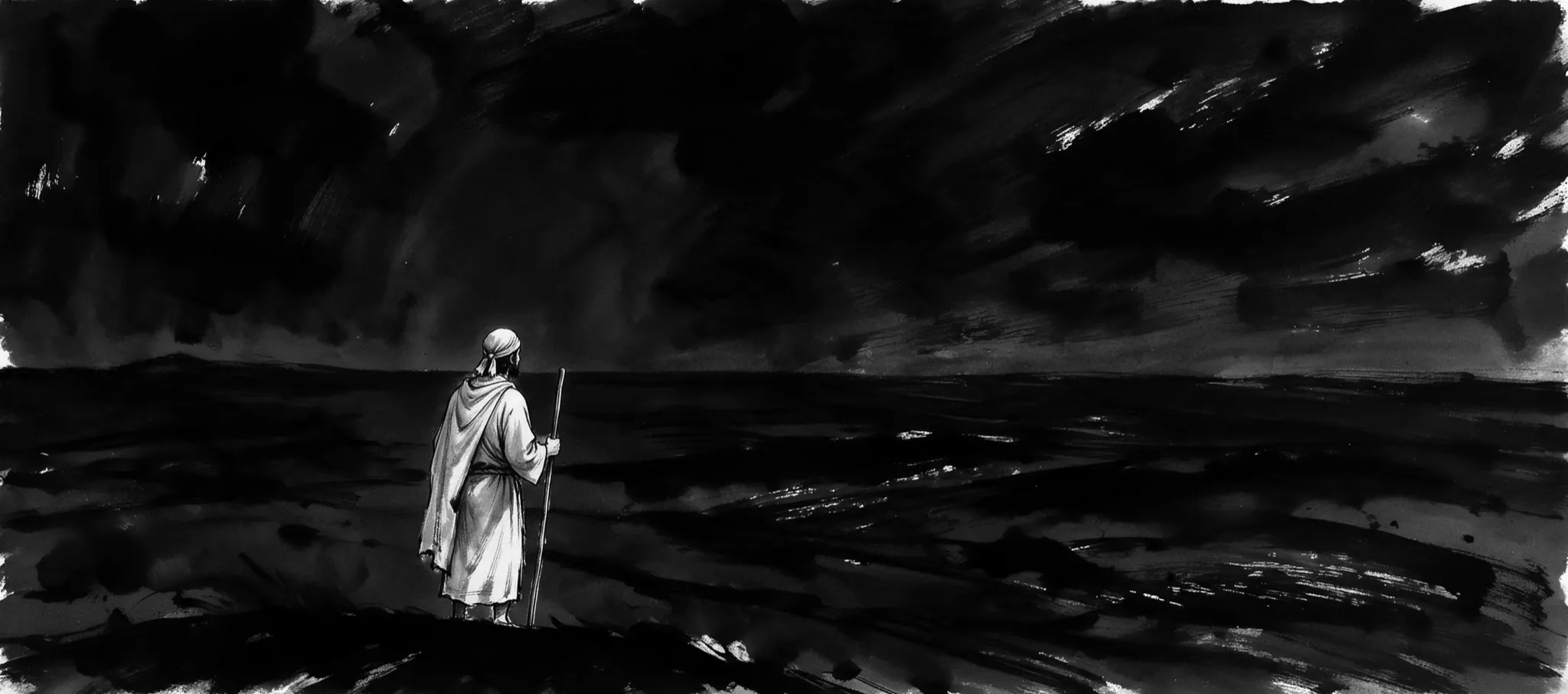
فَأَوْحَيْنَآ إِلَىٰ مُوسَىٰٓ أَنِ ٱضْرِب بِّعَصَاكَ ٱلْبَحْرَ فَٱنفَلَقَ فَكَانَ كُلُّ فِرْقٍ كَٱلطَّوْدِ ٱلْعَظِيمِ
Then We inspired to Moses, "Strike with your staff the sea," and it parted, and each portion was like a great towering mountain.
Qur'an 26:63
Saheeh International
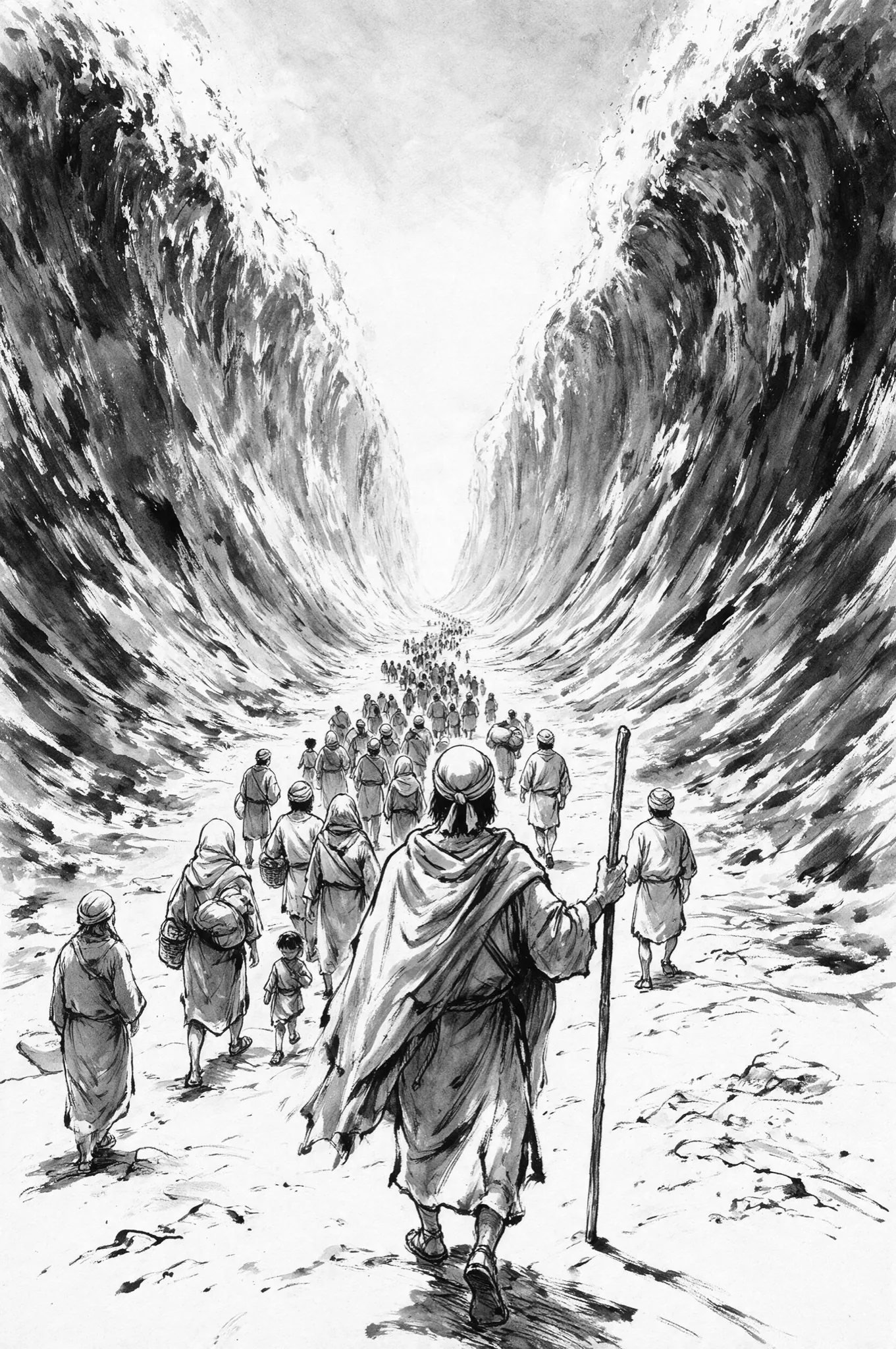
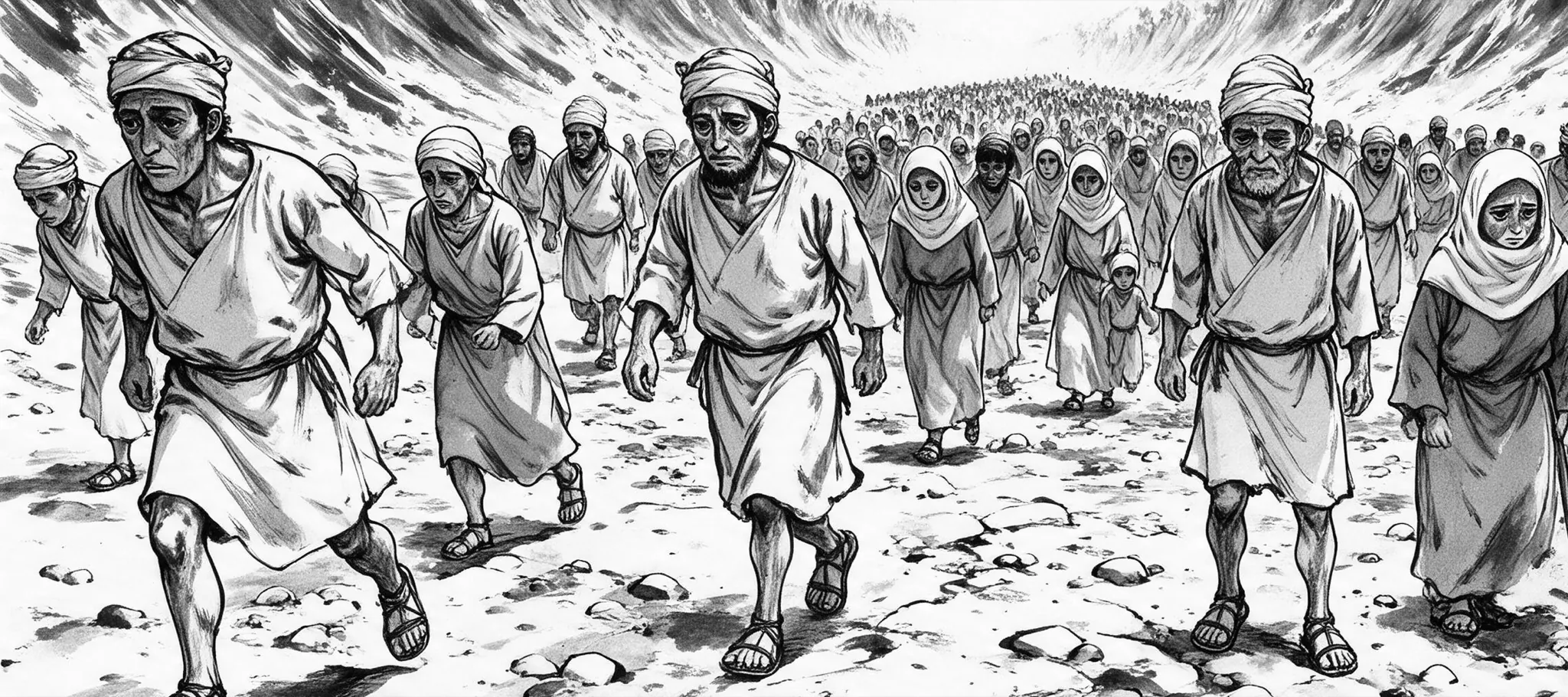
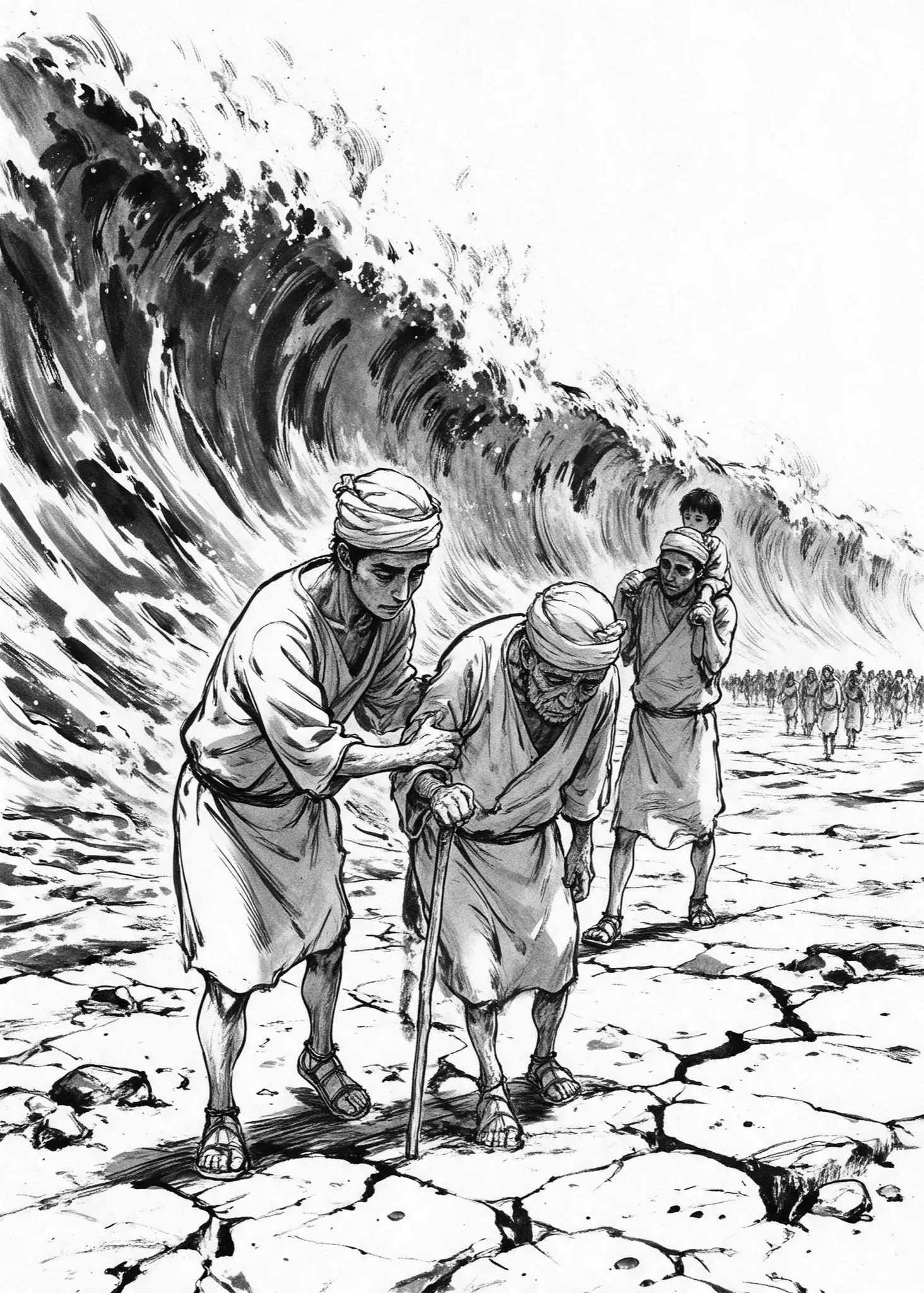
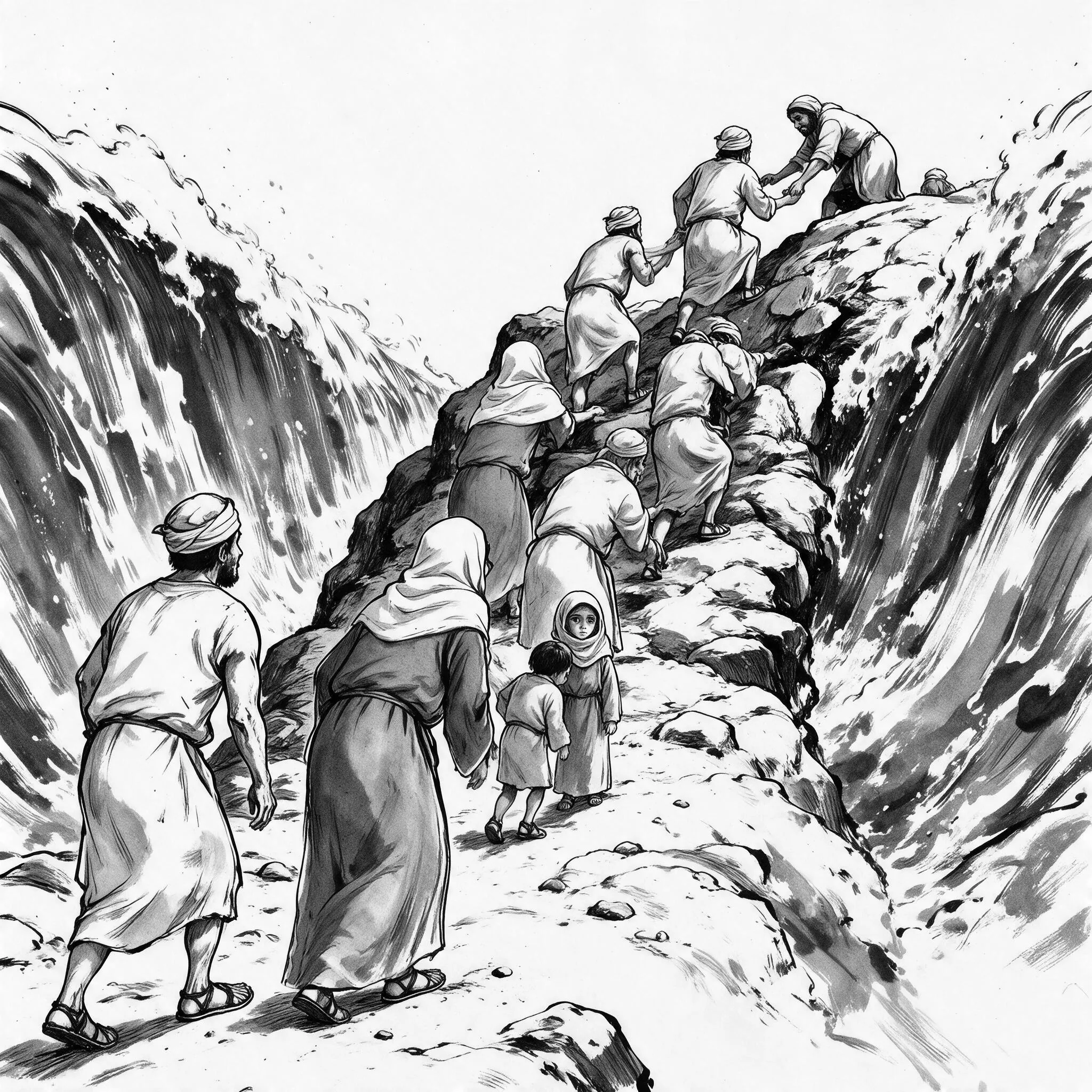
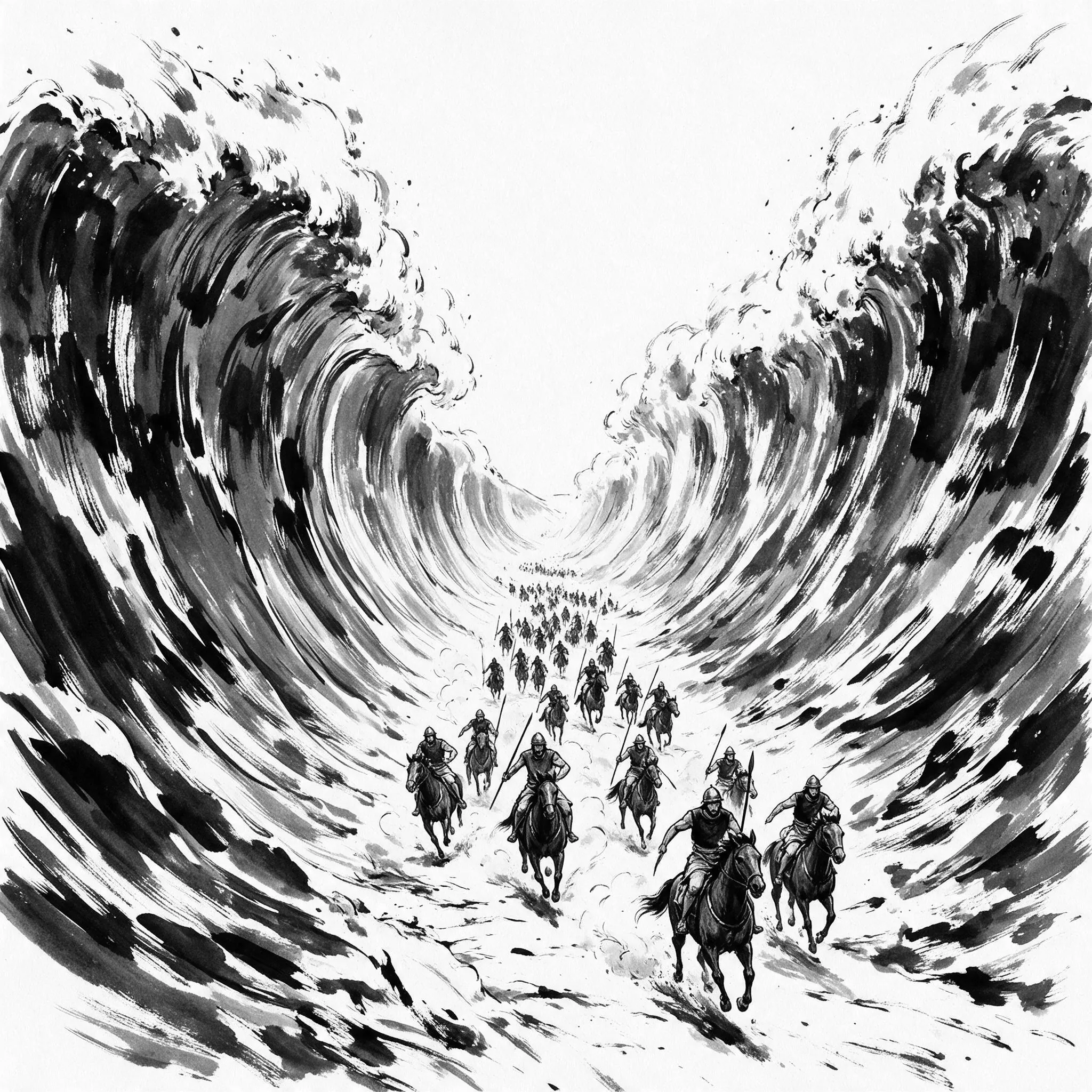
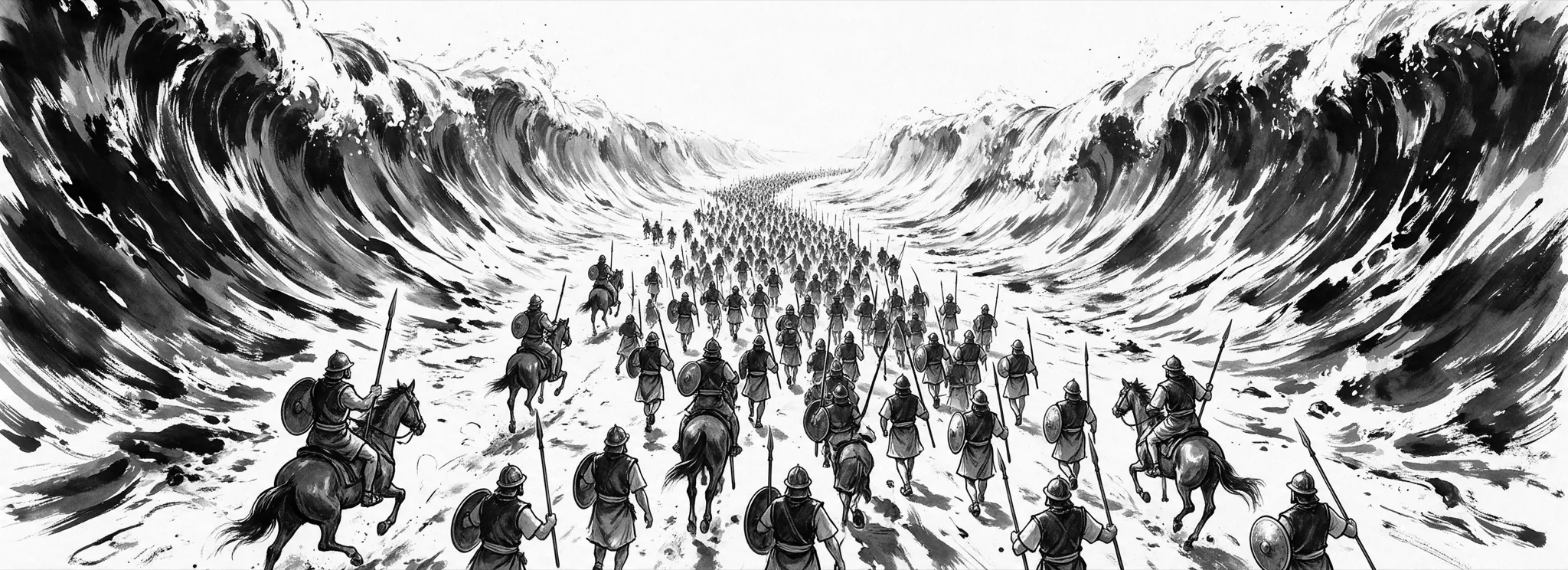
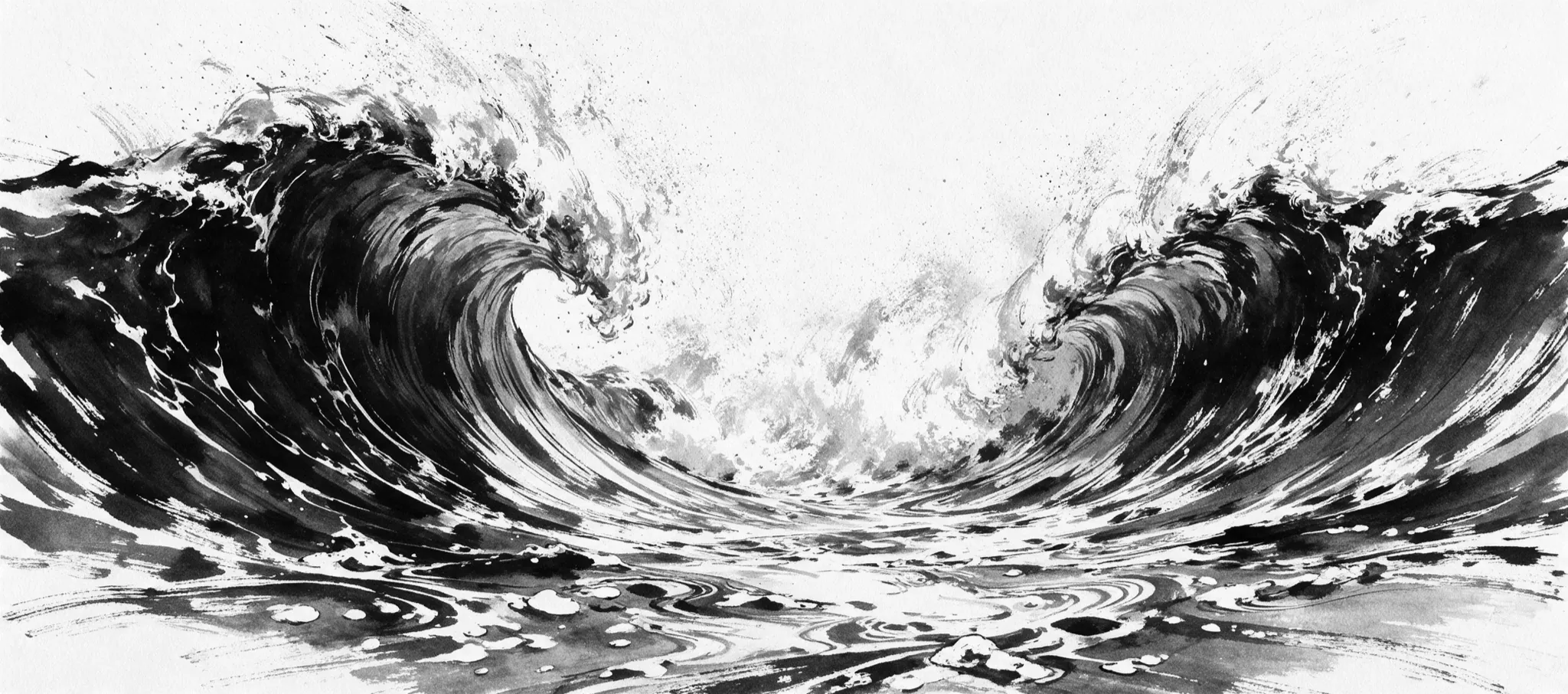
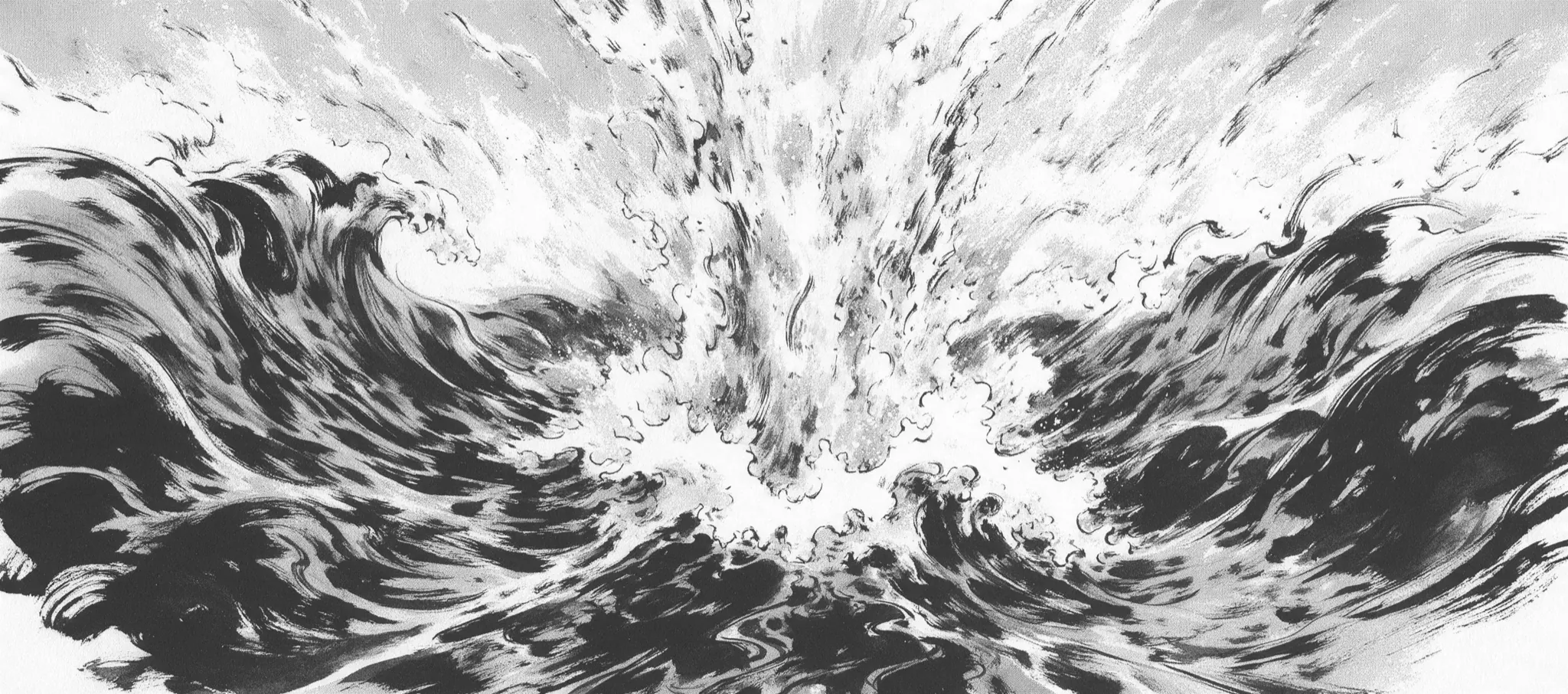
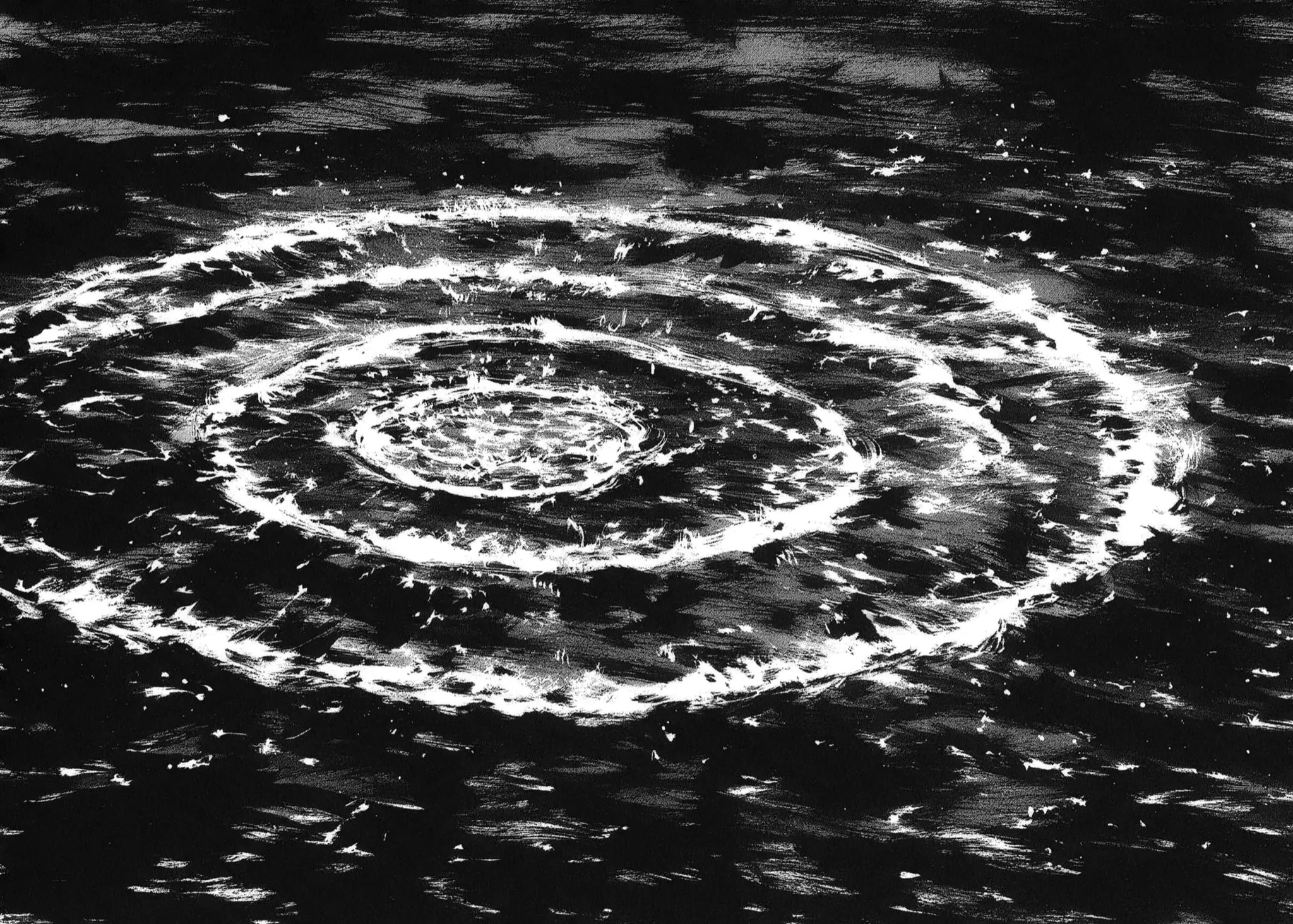
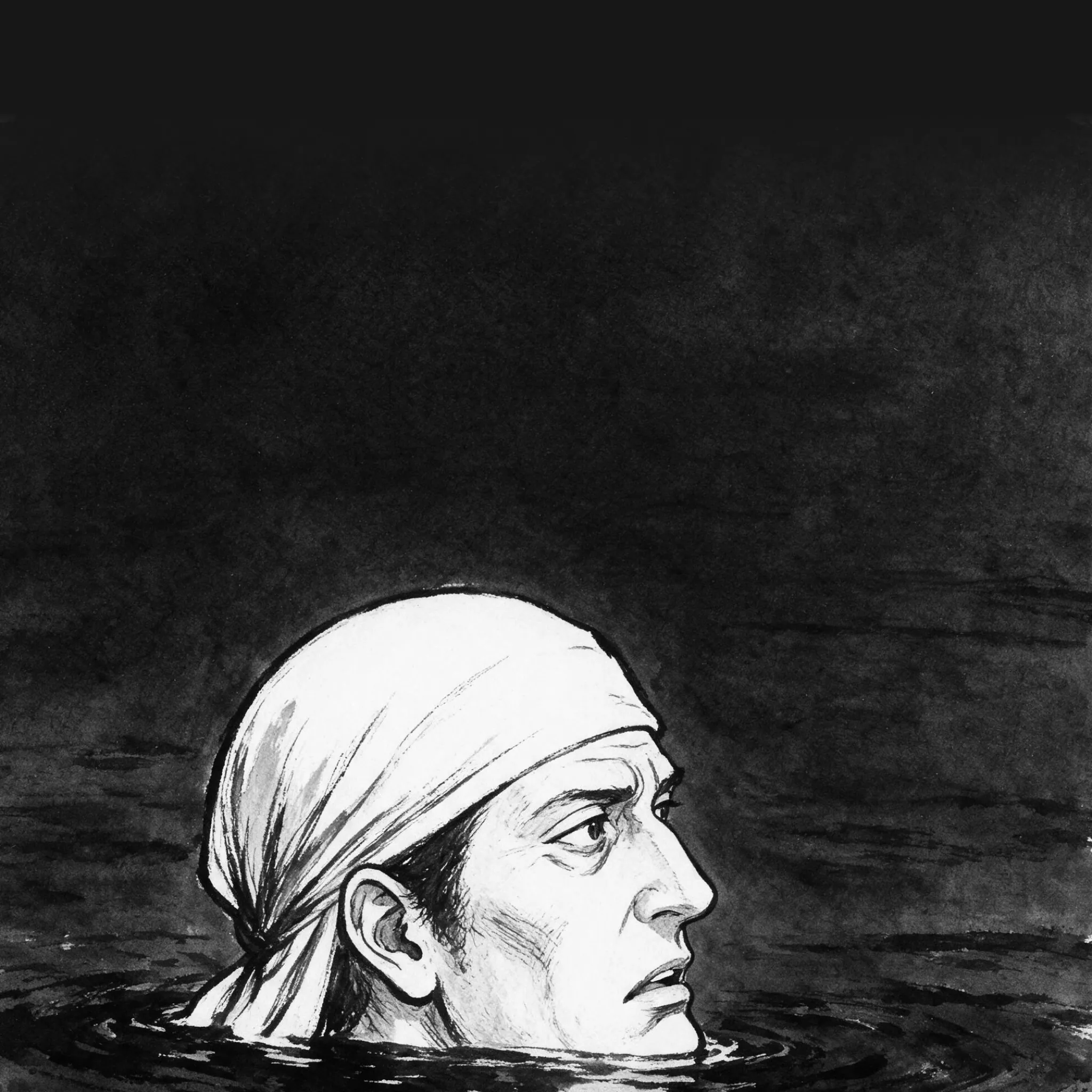
وَجَٰوَزْنَا بِبَنِىٓ إِسْرَٰٓءِيلَ ٱلْبَحْرَ فَأَتْبَعَهُمْ فِرْعَوْنُ وَجُنُودُهُۥ بَغْيًا وَعَدْوًا حَتَّىٰٓ إِذَآ أَدْرَكَهُ ٱلْغَرَقُ قَالَ ءَامَنتُ أَنَّهُۥ لَآ إِلَٰهَ إِلَّا ٱلَّذِىٓ ءَامَنَتْ بِهِۦ بَنُوٓا۟ إِسْرَٰٓءِيلَ وَأَنَا۠ مِنَ ٱلْمُسْلِمِينَ ءَآلْـَٰٔنَ وَقَدْ عَصَيْتَ قَبْلُ وَكُنتَ مِنَ ٱلْمُفْسِدِينَ فَٱلْيَوْمَ نُنَجِّيكَ بِبَدَنِكَ لِتَكُونَ لِمَنْ خَلْفَكَ ءَايَةً وَإِنَّ كَثِيرًا مِّنَ ٱلنَّاسِ عَنْ ءَايَٰتِنَا لَغَٰفِلُونَ
And We took the Children of Israel across the sea, and Pharaoh and his soldiers pursued them in tyranny and enmity until, when drowning overtook him, he said, "I believe that there is no deity except that in whom the Children of Israel believe, and I am of the Muslims." Now? And you had disobeyed [Him] before and were of the corrupters? So today We will save you in body that you may be to those who succeed you a sign. And indeed, many among the people, of Our signs, are heedless.
Qur'an 10:90-92
Saheeh International
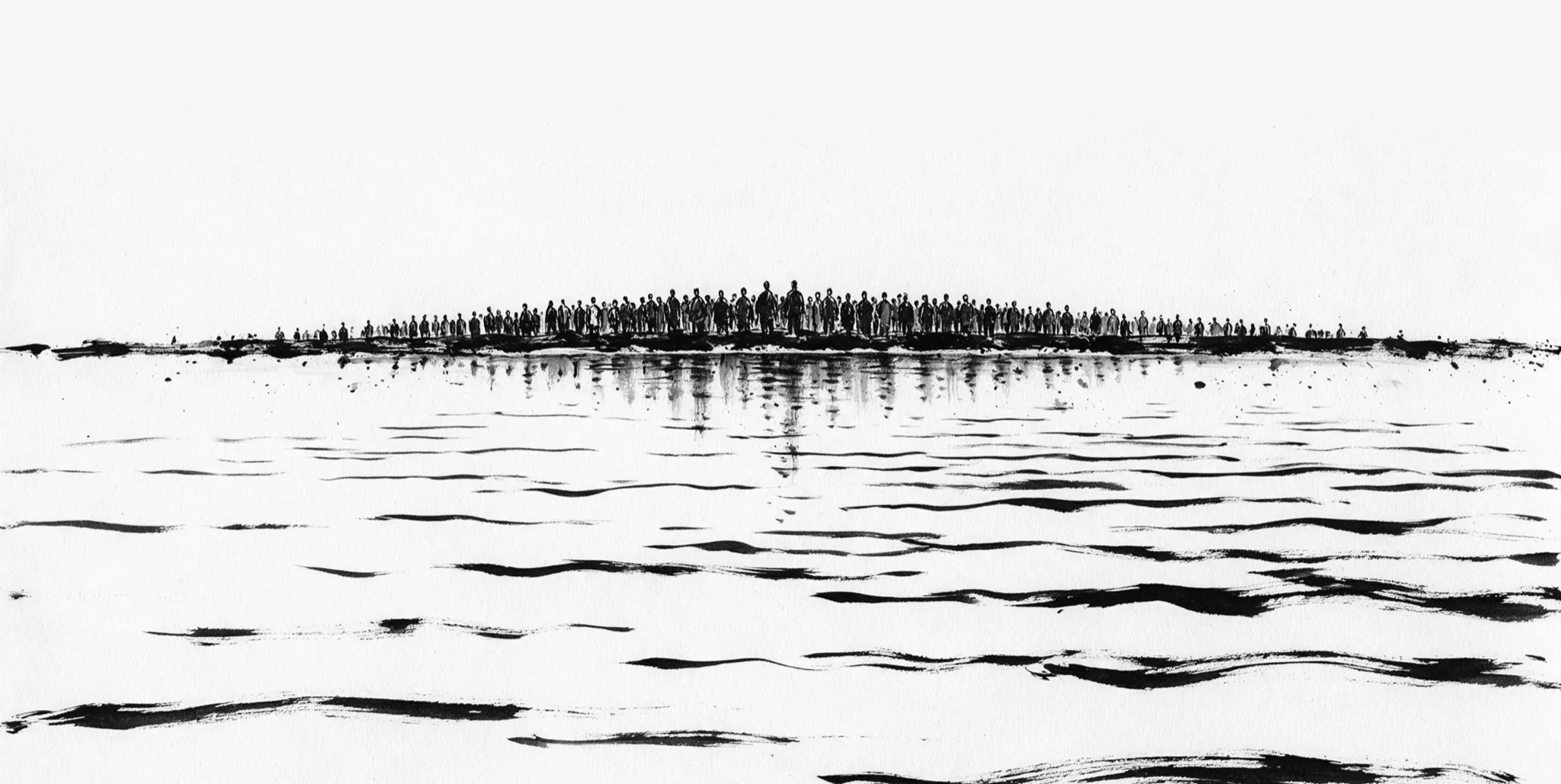
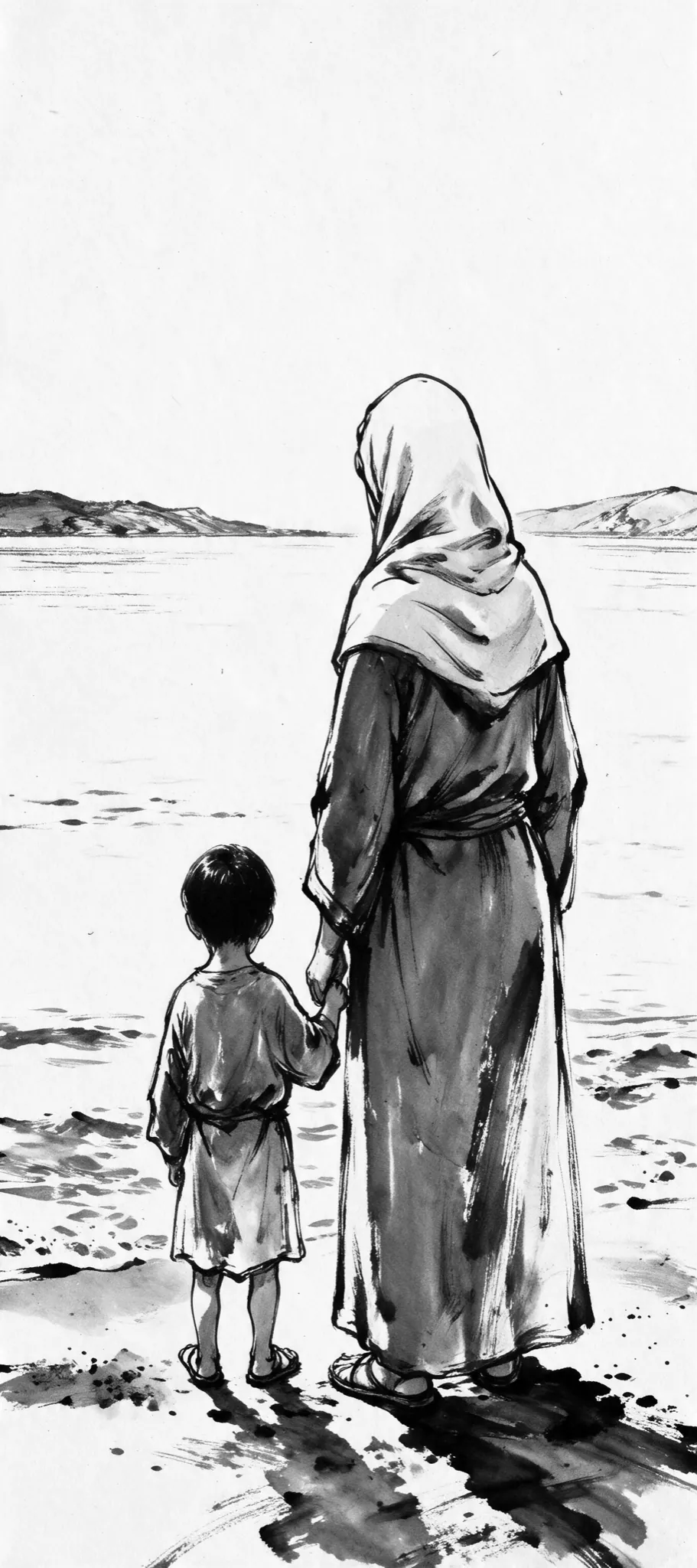
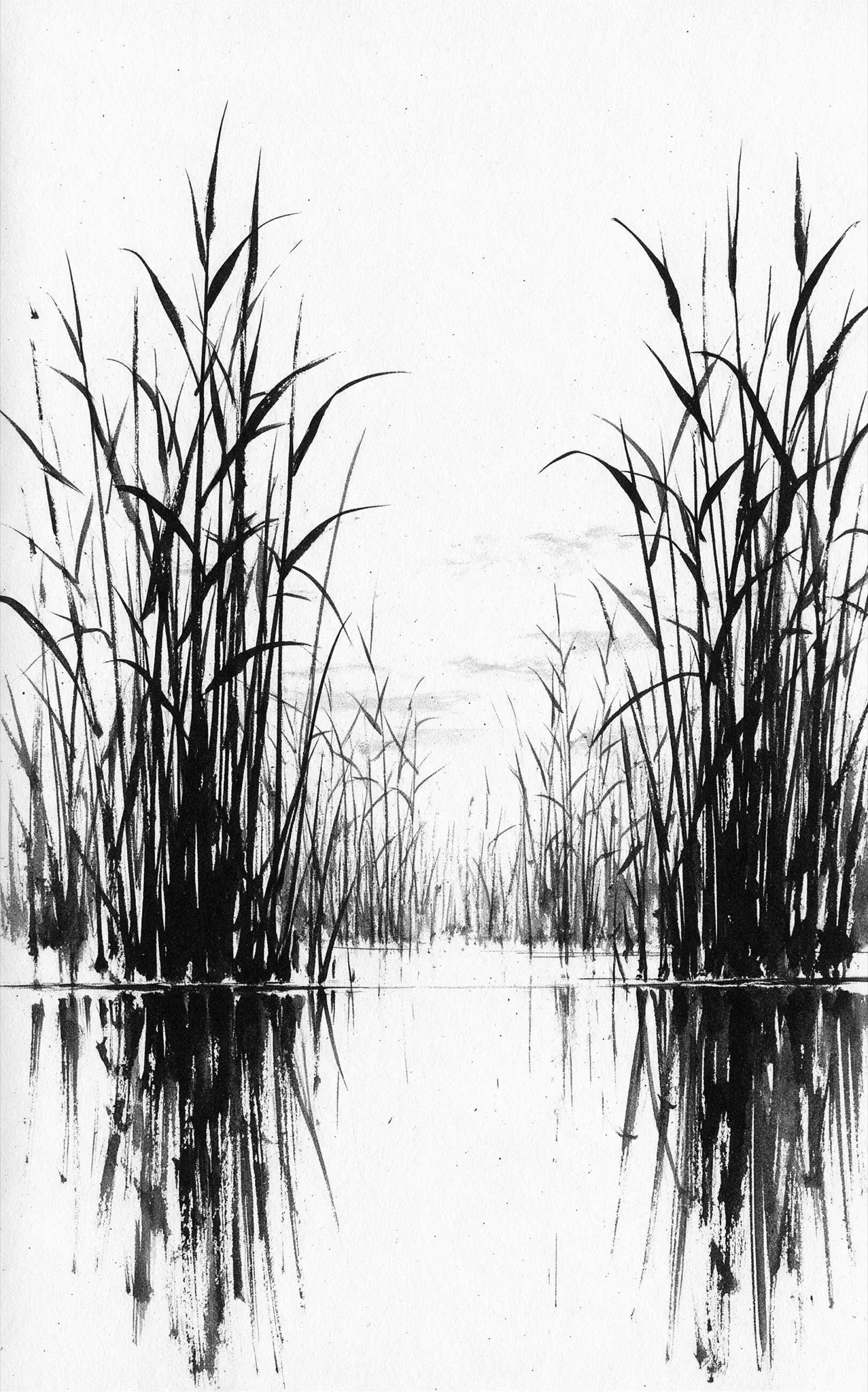
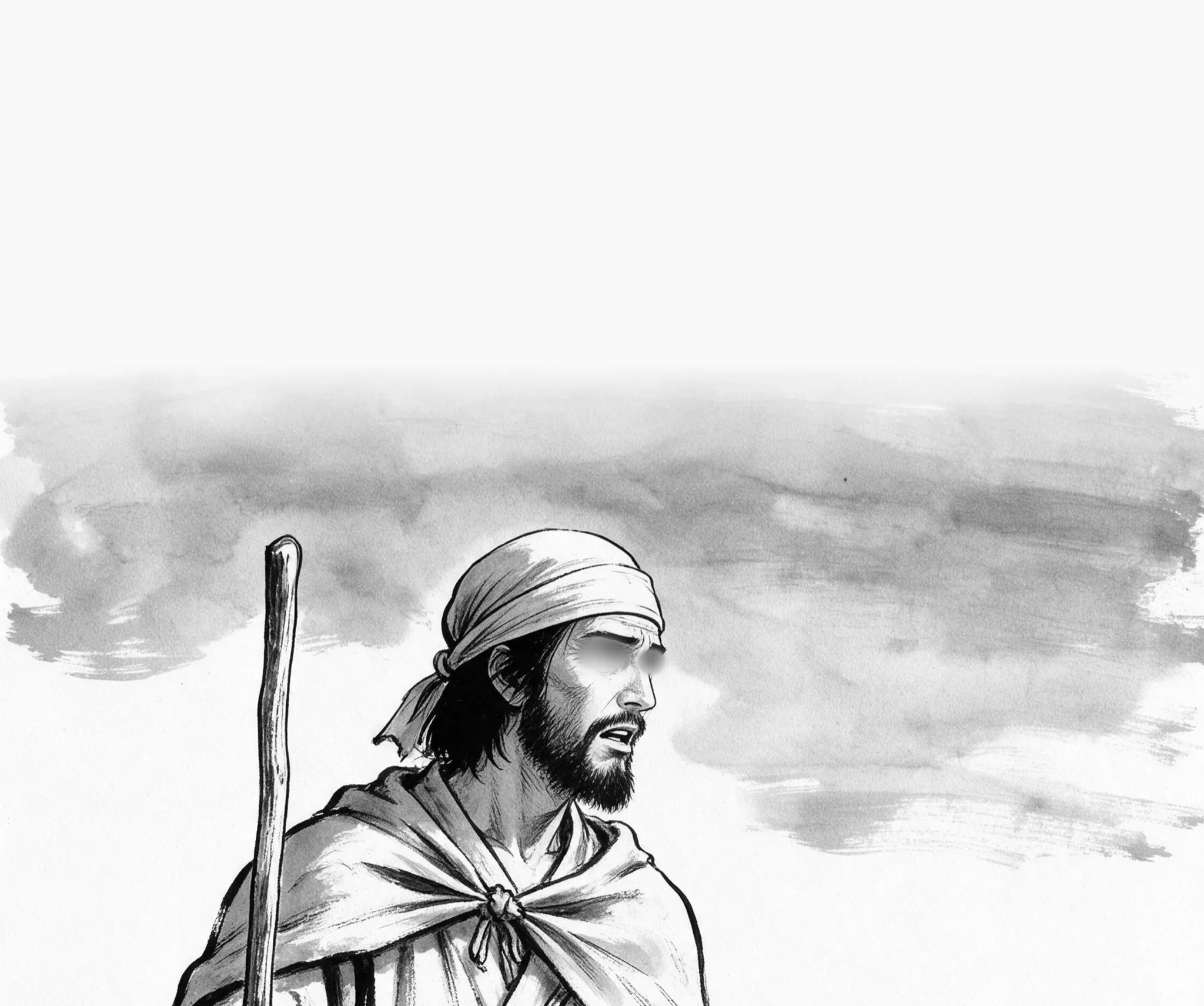
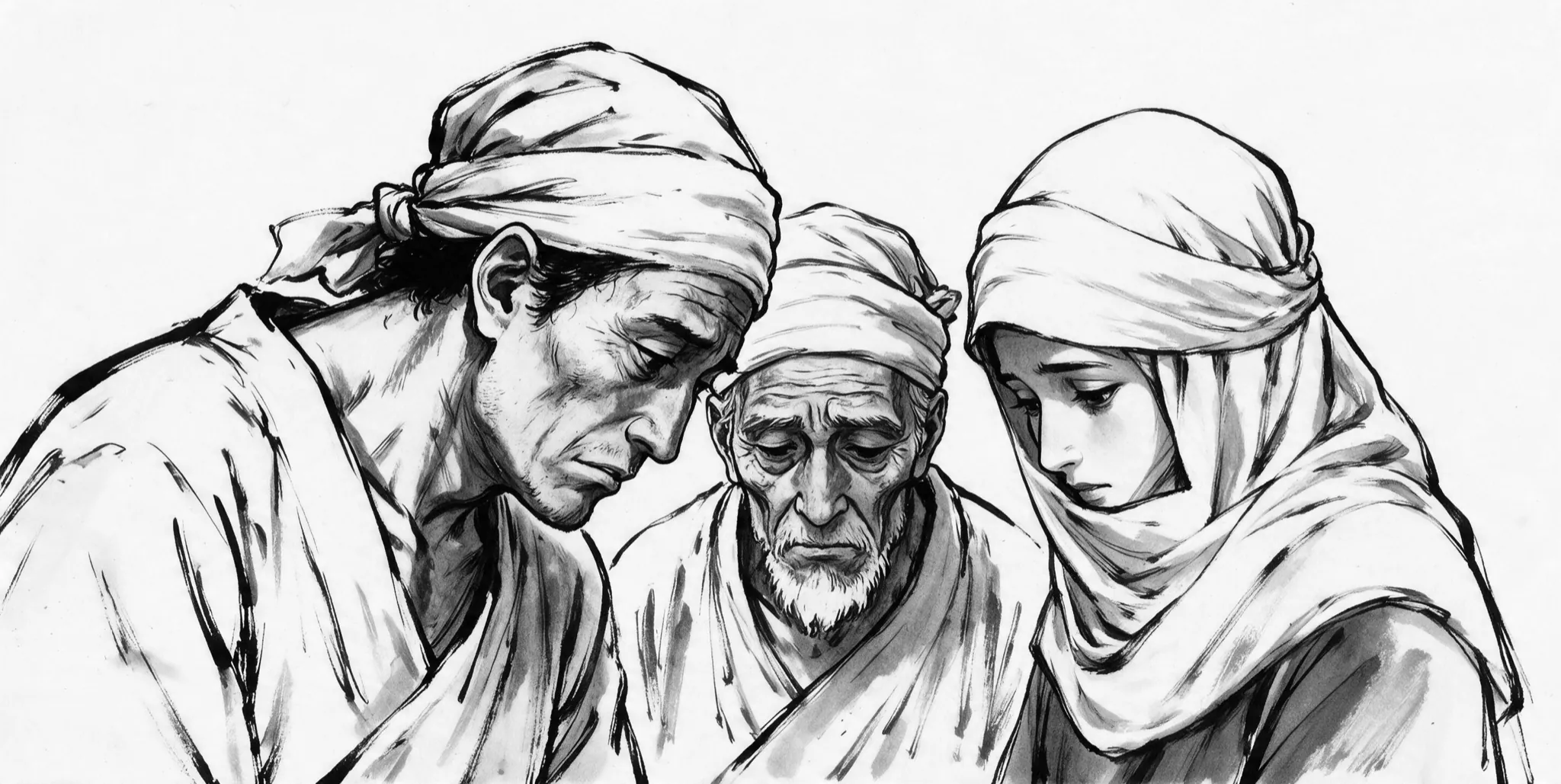
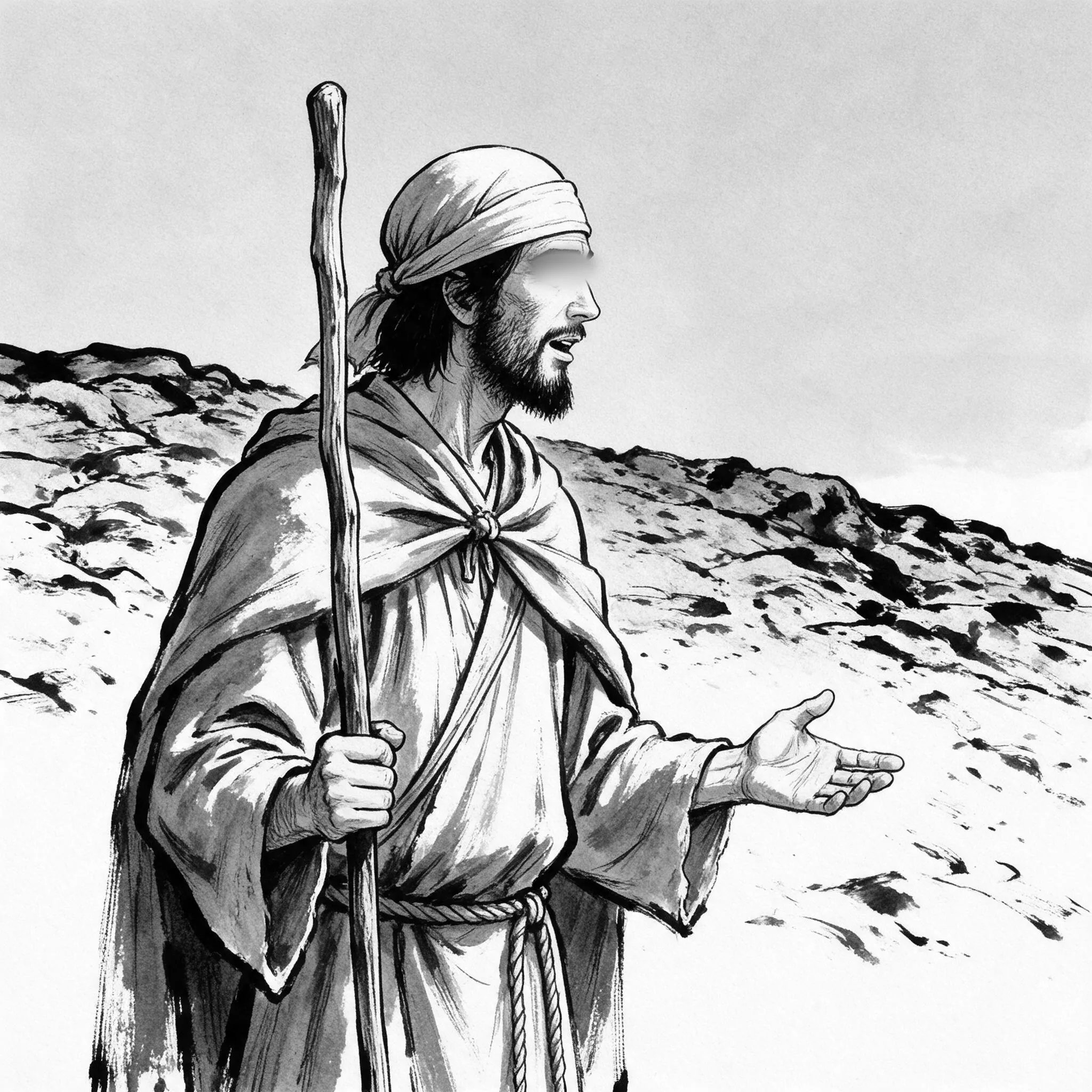
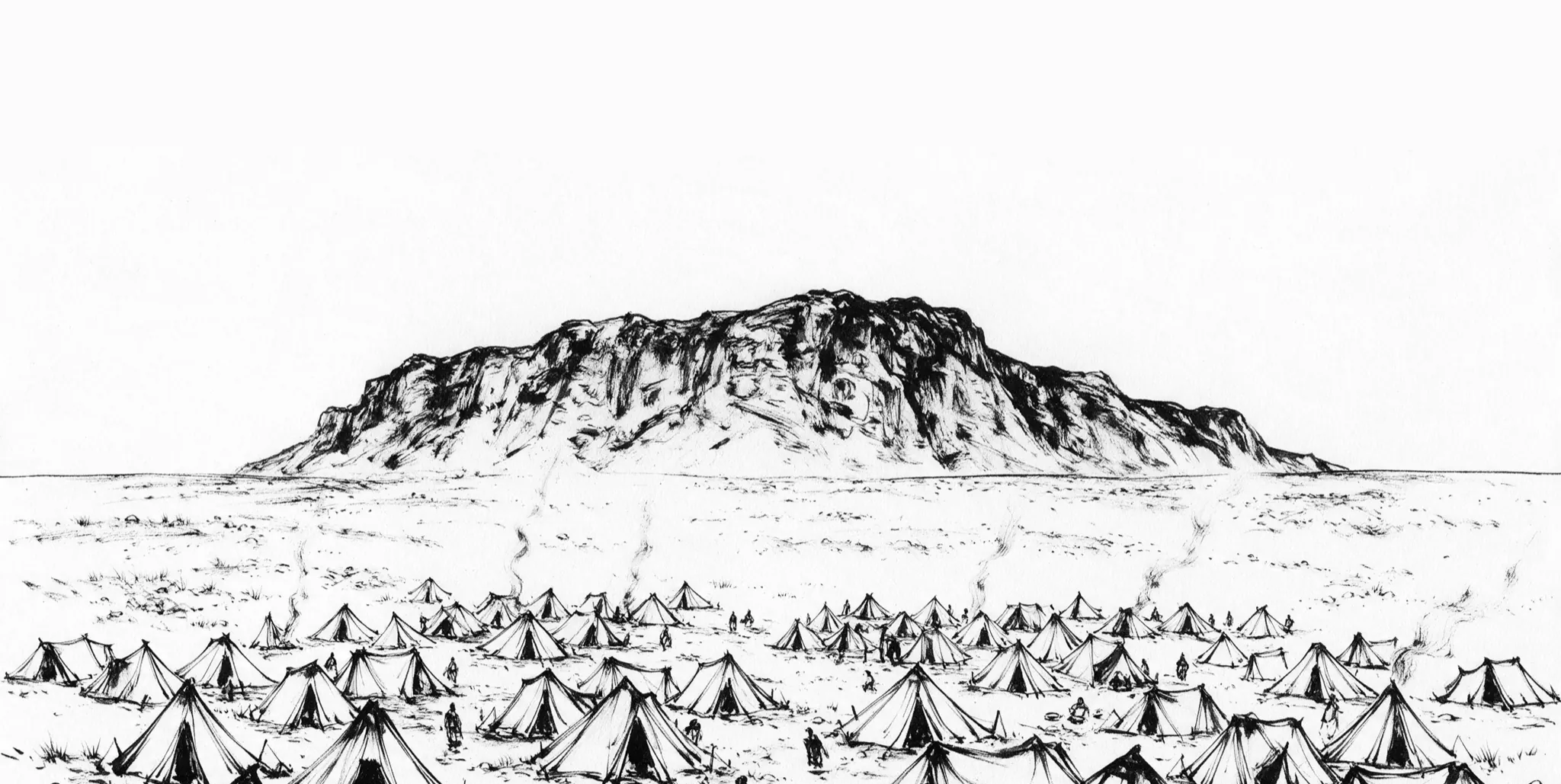
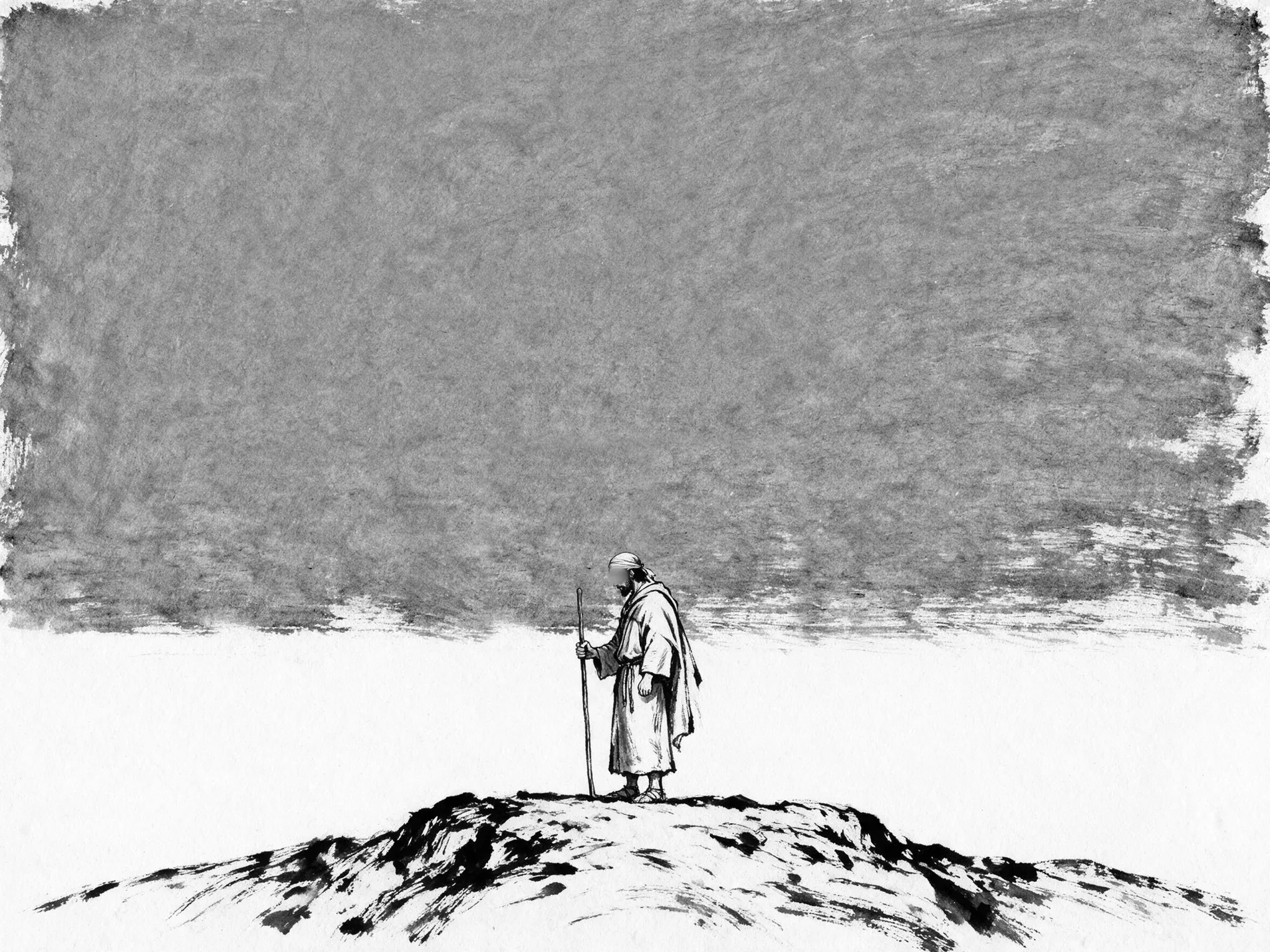
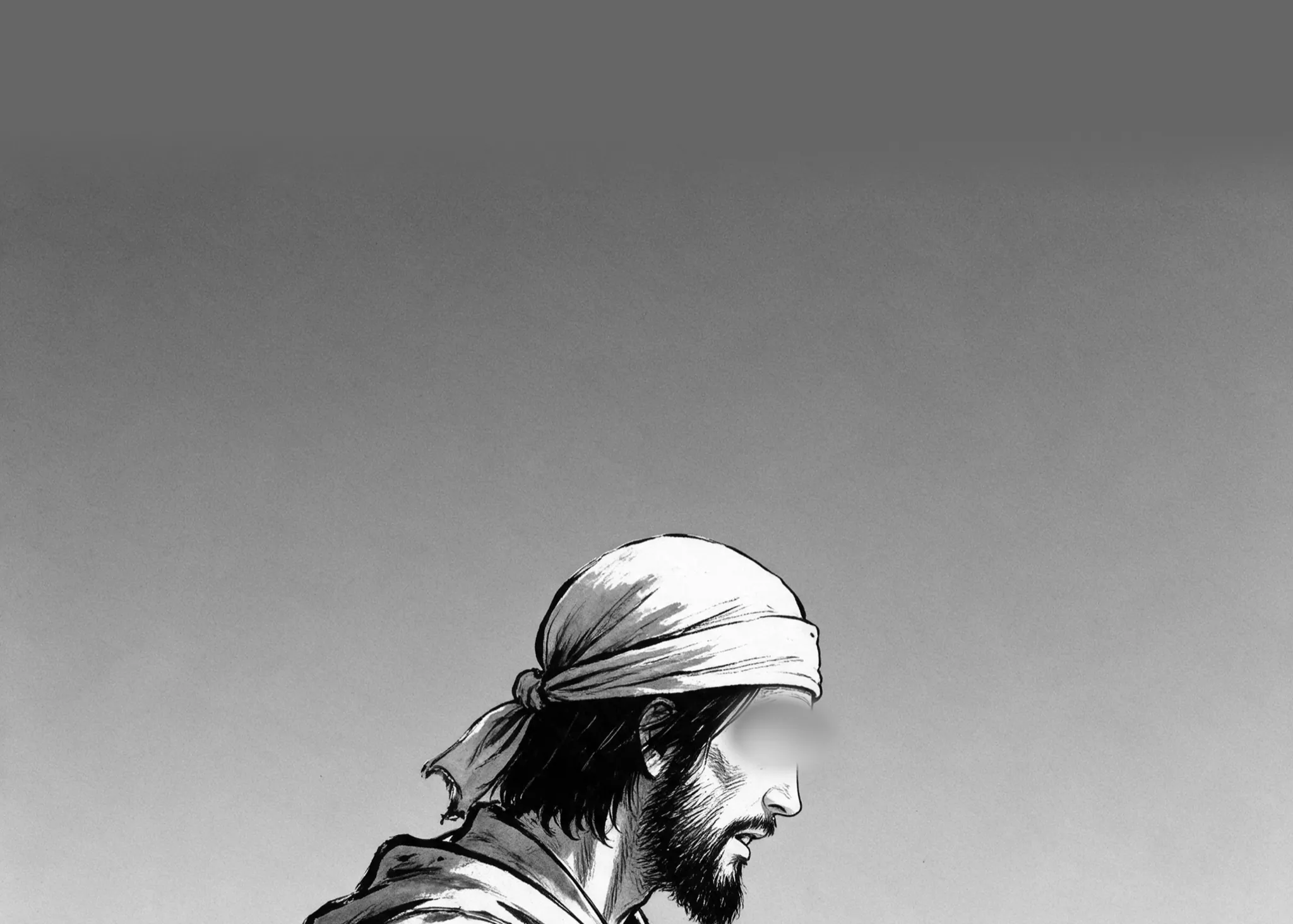
وَلَمَّا جَآءَ مُوسَىٰ لِمِيقَٰتِنَا وَكَلَّمَهُۥ رَبُّهُۥ قَالَ رَبِّ أَرِنِىٓ أَنظُرْ إِلَيْكَ قَالَ لَن تَرَىٰنِى وَلَٰكِنِ ٱنظُرْ إِلَى ٱلْجَبَلِ فَإِنِ ٱسْتَقَرَّ مَكَانَهُۥ فَسَوْفَ تَرَىٰنِى فَلَمَّا تَجَلَّىٰ رَبُّهُۥ لِلْجَبَلِ جَعَلَهُۥ دَكًّا وَخَرَّ مُوسَىٰ صَعِقًا فَلَمَّآ أَفَاقَ قَالَ سُبْحَٰنَكَ تُبْتُ إِلَيْكَ وَأَنَا۠ أَوَّلُ ٱلْمُؤْمِنِينَ
And when Moses arrived at Our appointed time and his Lord spoke to him, he said, "My Lord, show me [Yourself] that I may look at You." [Allāh] said, "You will not see Me, but look at the mountain; if it should remain in place, then you will see Me." But when his Lord appeared to the mountain, He rendered it level, and Moses fell unconscious. And when he awoke, he said, "Exalted are You! I have repented to You, and I am the first [among my people] of the believers."
Qur'an 7:143
Saheeh International
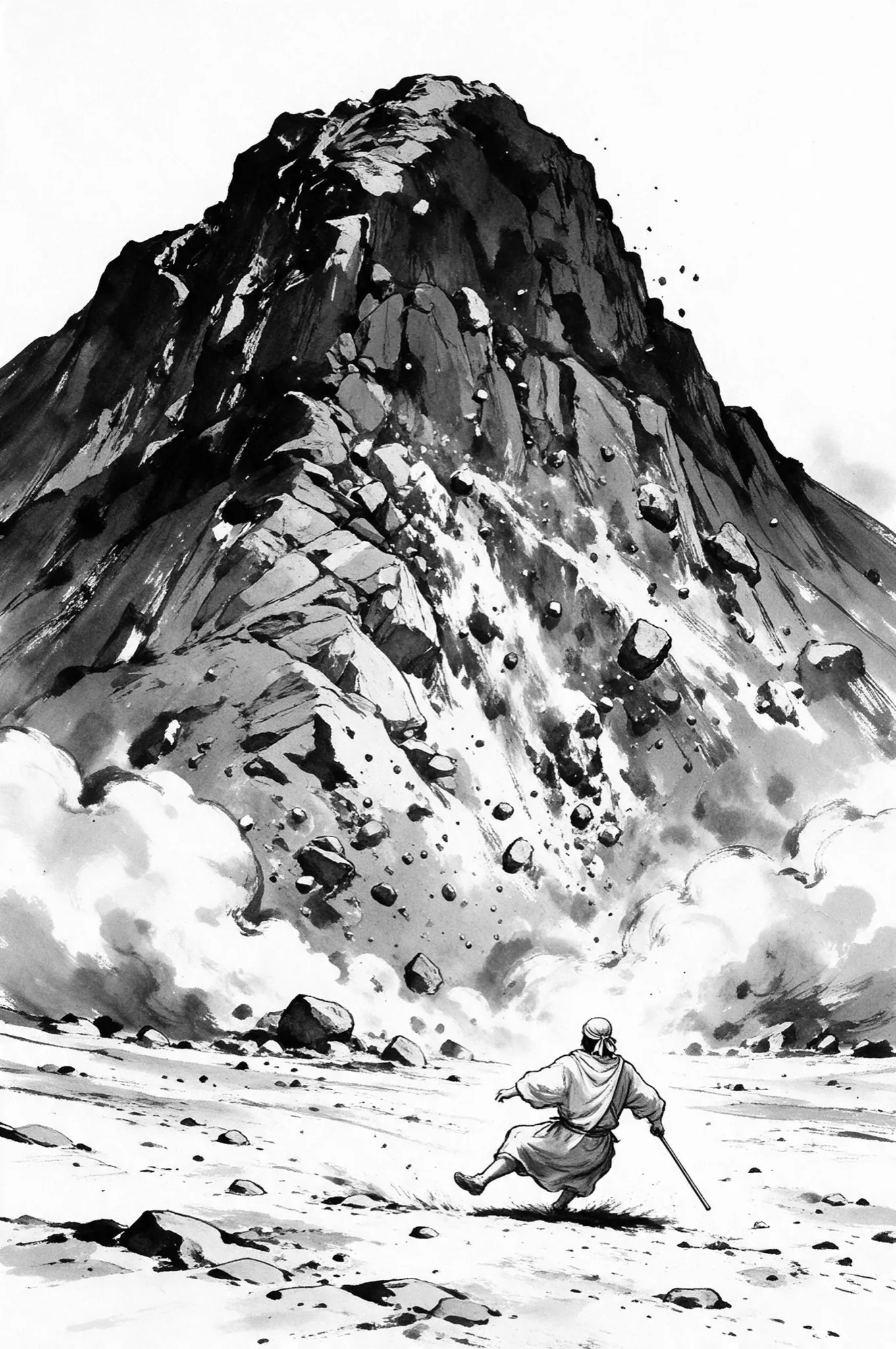
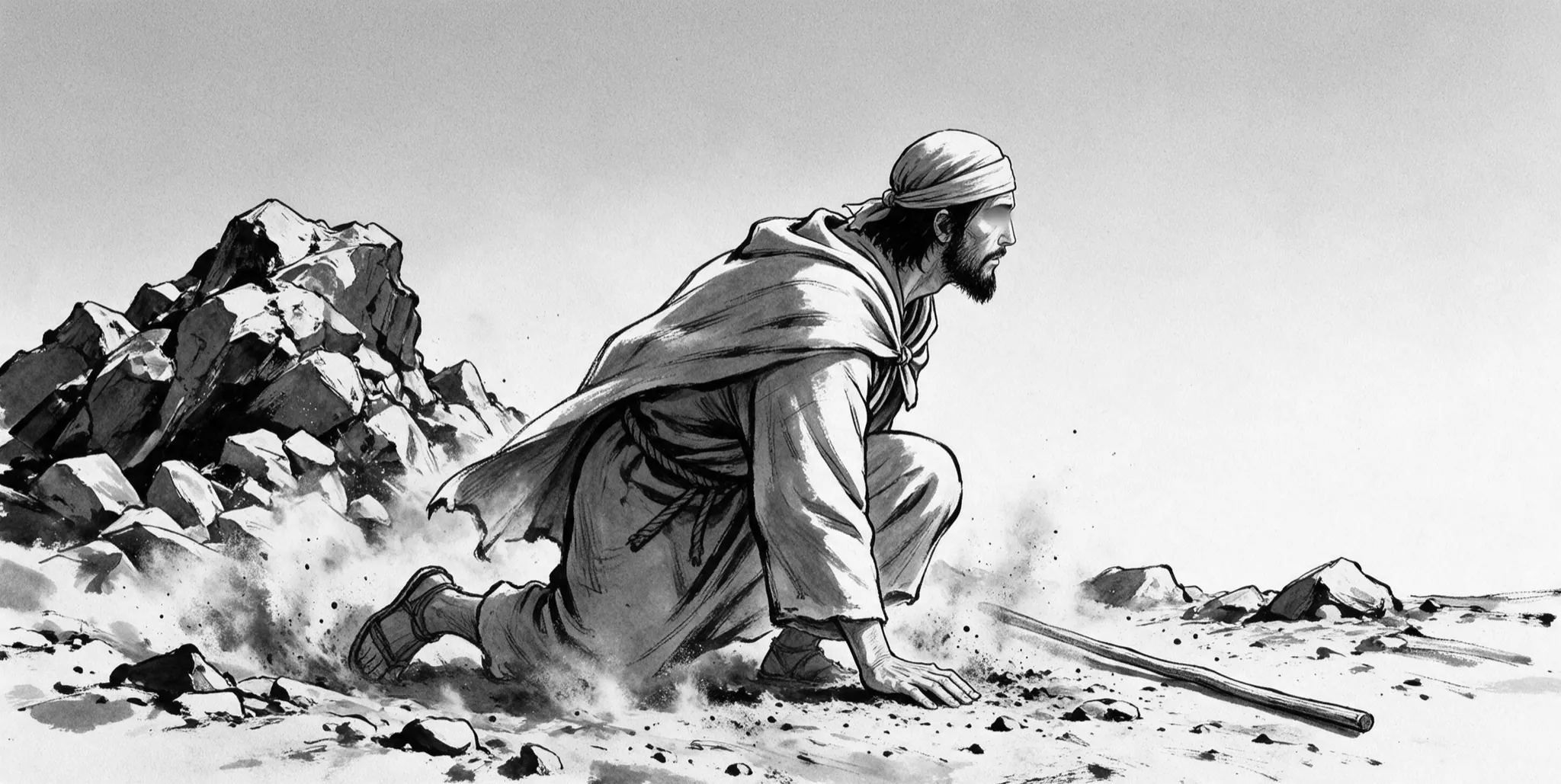
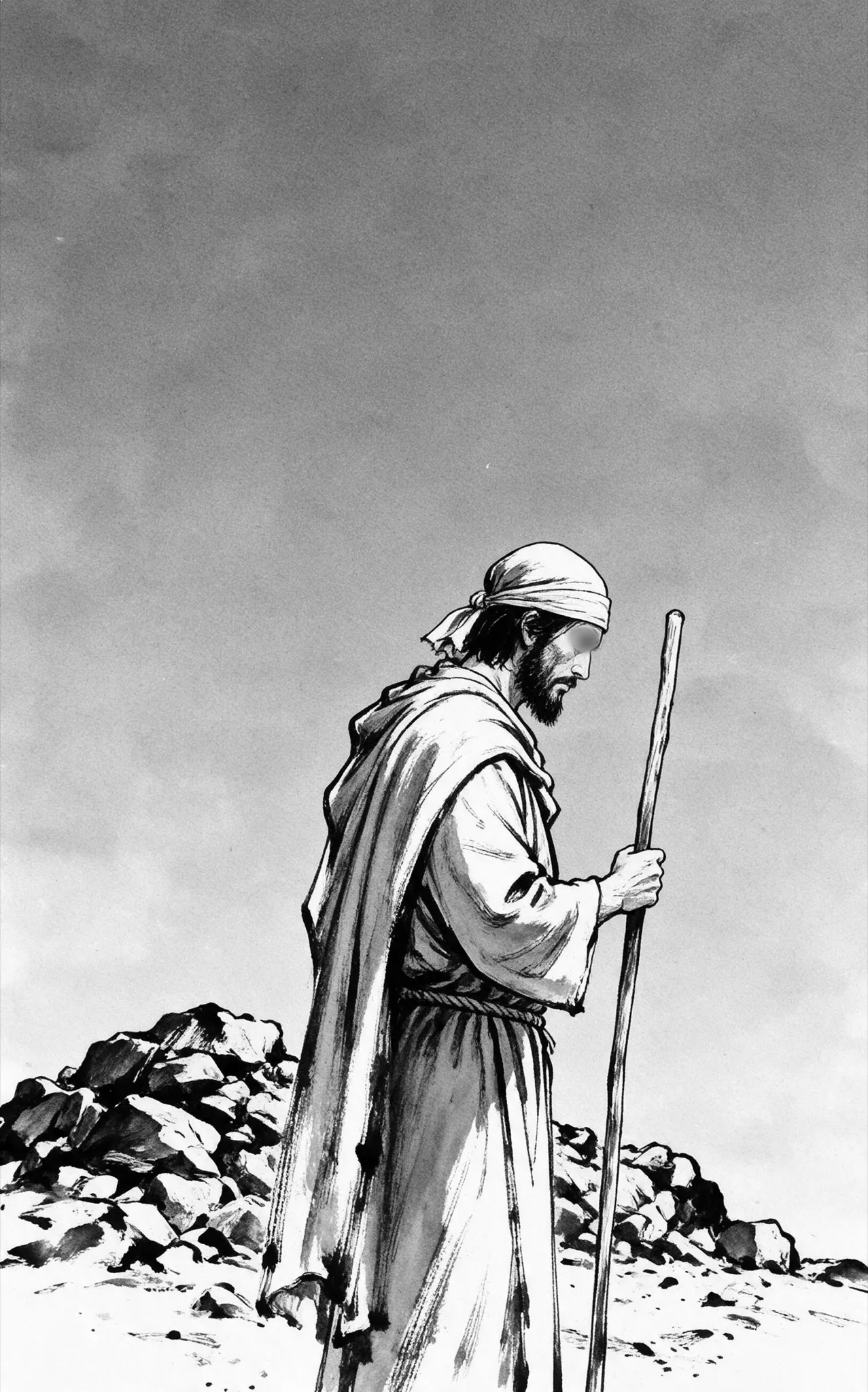
قَالَ يَٰمُوسَىٰٓ إِنِّى ٱصْطَفَيْتُكَ عَلَى ٱلنَّاسِ بِرِسَٰلَٰتِى وَبِكَلَٰمِى فَخُذْ مَآ ءَاتَيْتُكَ وَكُن مِّنَ ٱلشَّٰكِرِينَ وَكَتَبْنَا لَهُۥ فِى ٱلْأَلْوَاحِ مِن كُلِّ شَىْءٍ مَّوْعِظَةً وَتَفْصِيلًا لِّكُلِّ شَىْءٍ فَخُذْهَا بِقُوَّةٍ وَأْمُرْ قَوْمَكَ يَأْخُذُوا۟ بِأَحْسَنِهَا سَأُو۟رِيكُمْ دَارَ ٱلْفَٰسِقِينَ
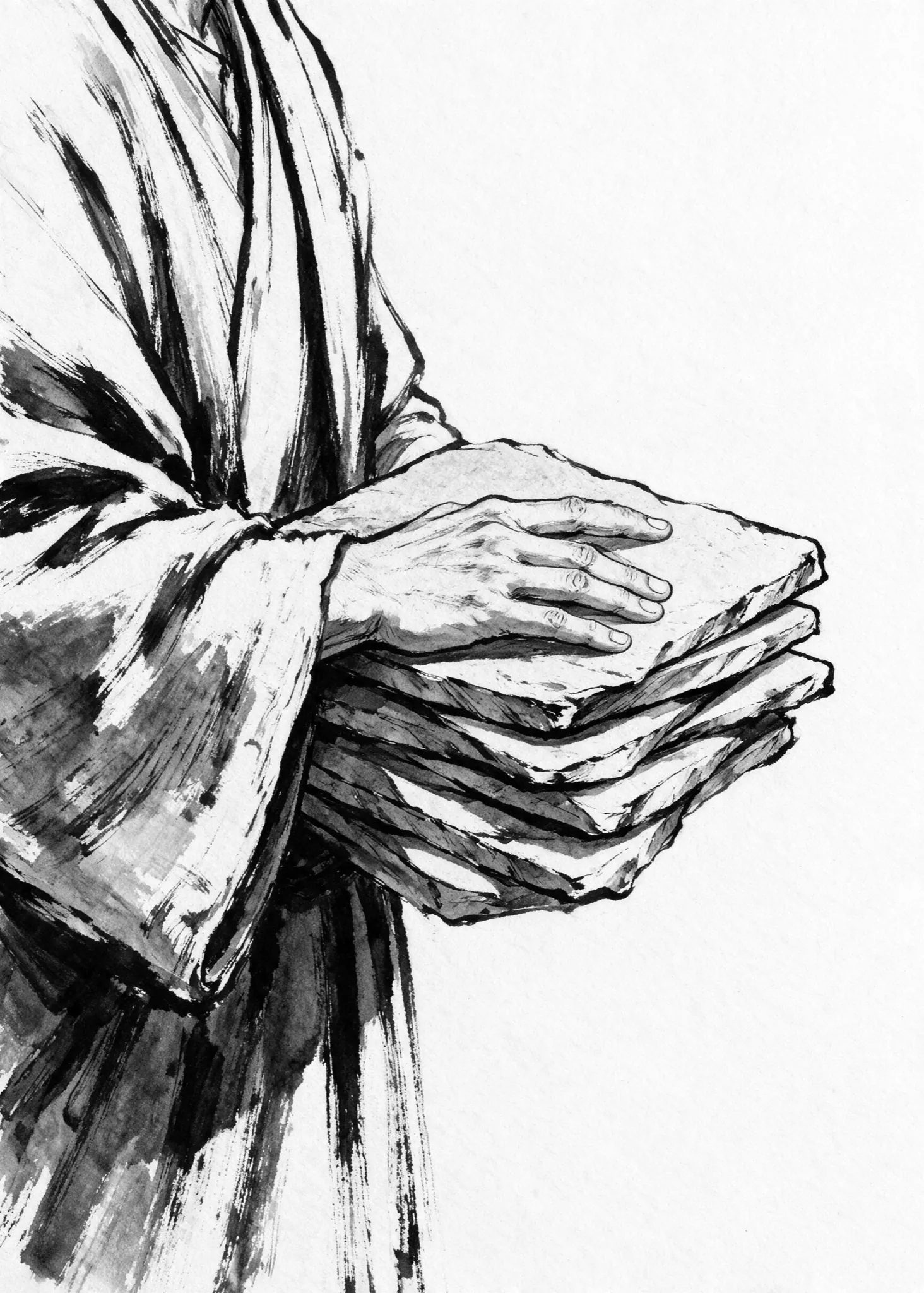
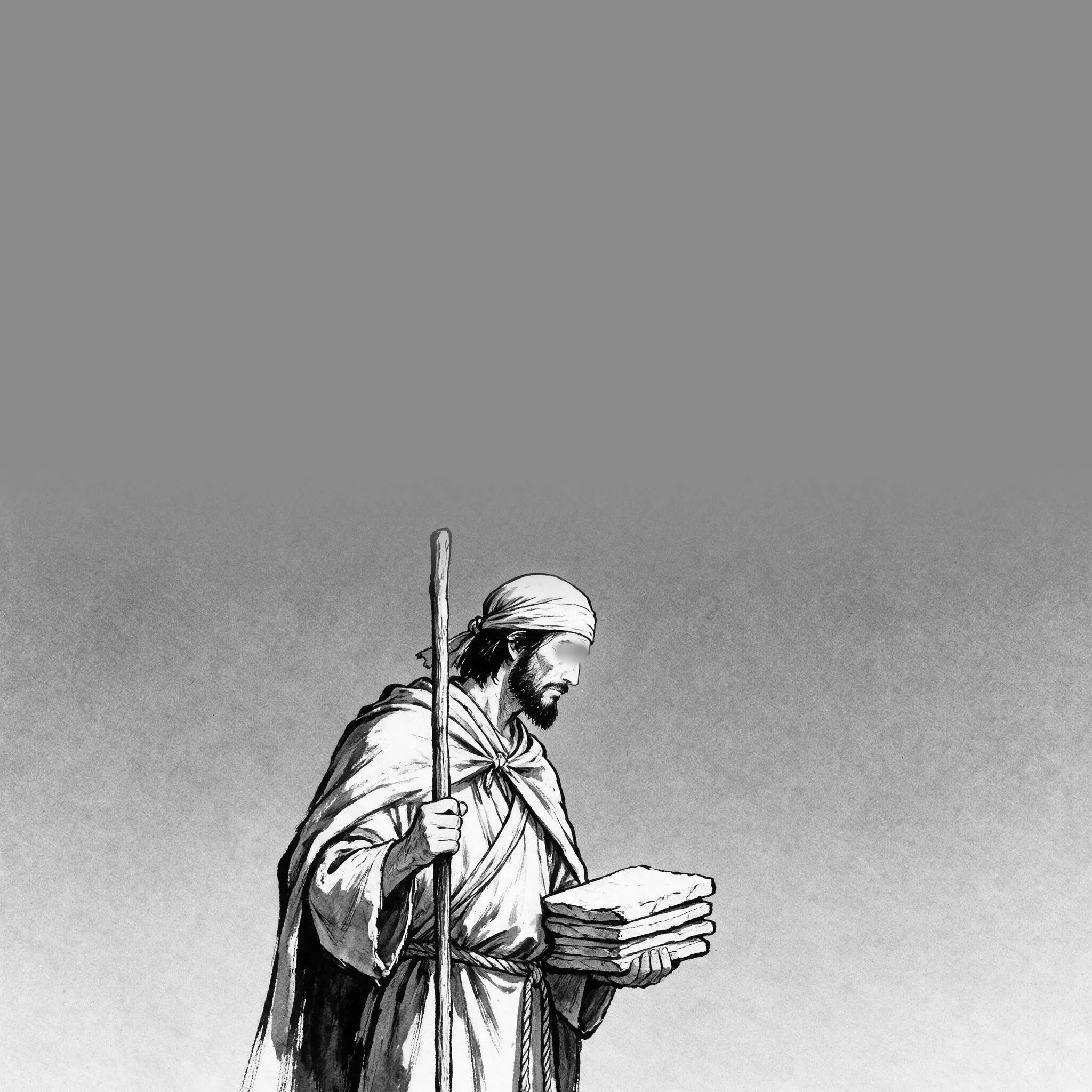
[Allāh] said, "O Moses, I have chosen you over the people with My messages and My words [to you]. So take what I have given you and be among the grateful." And We wrote for him on the tablets [something] of all things - instruction and explanation for all things, [saying], "Take them with determination and order your people to take the best of it. I will show you the home of the defiantly disobedient."
Qur'an 7:144-145
Saheeh International
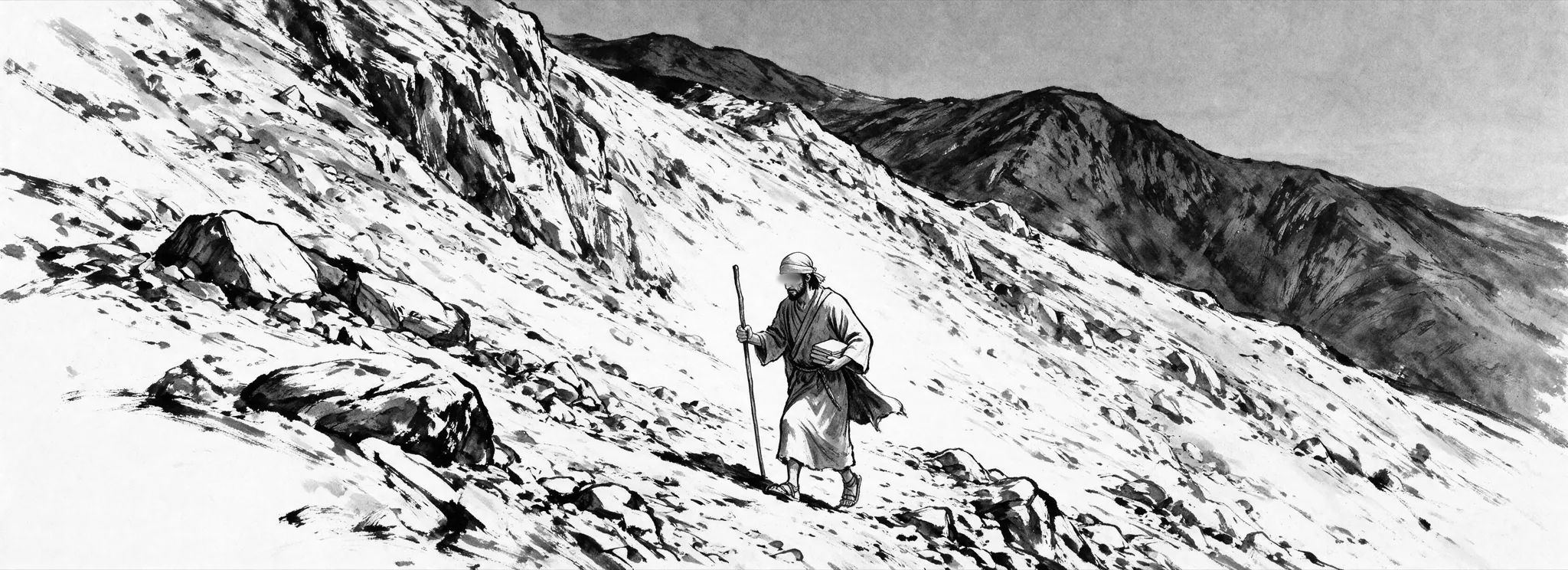
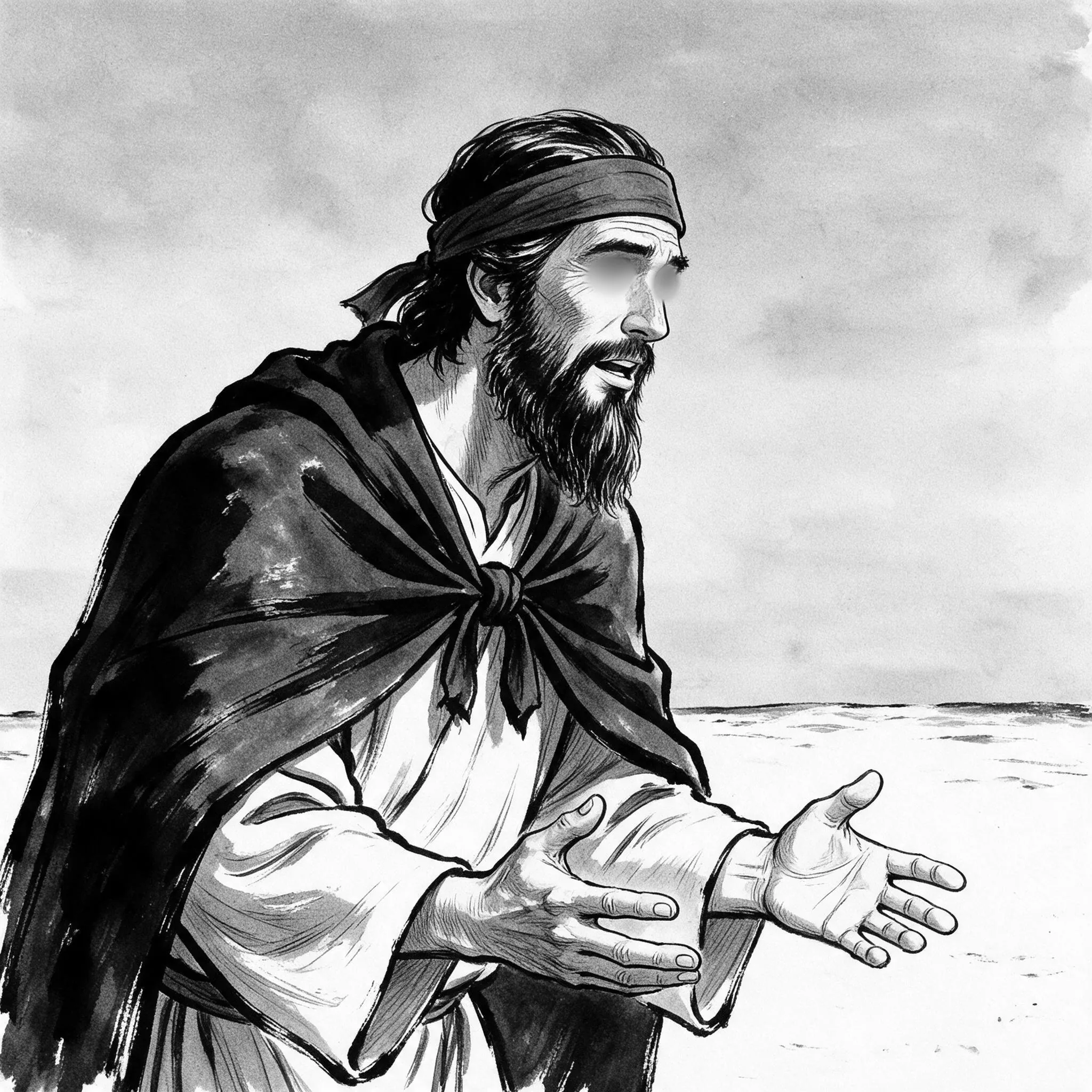
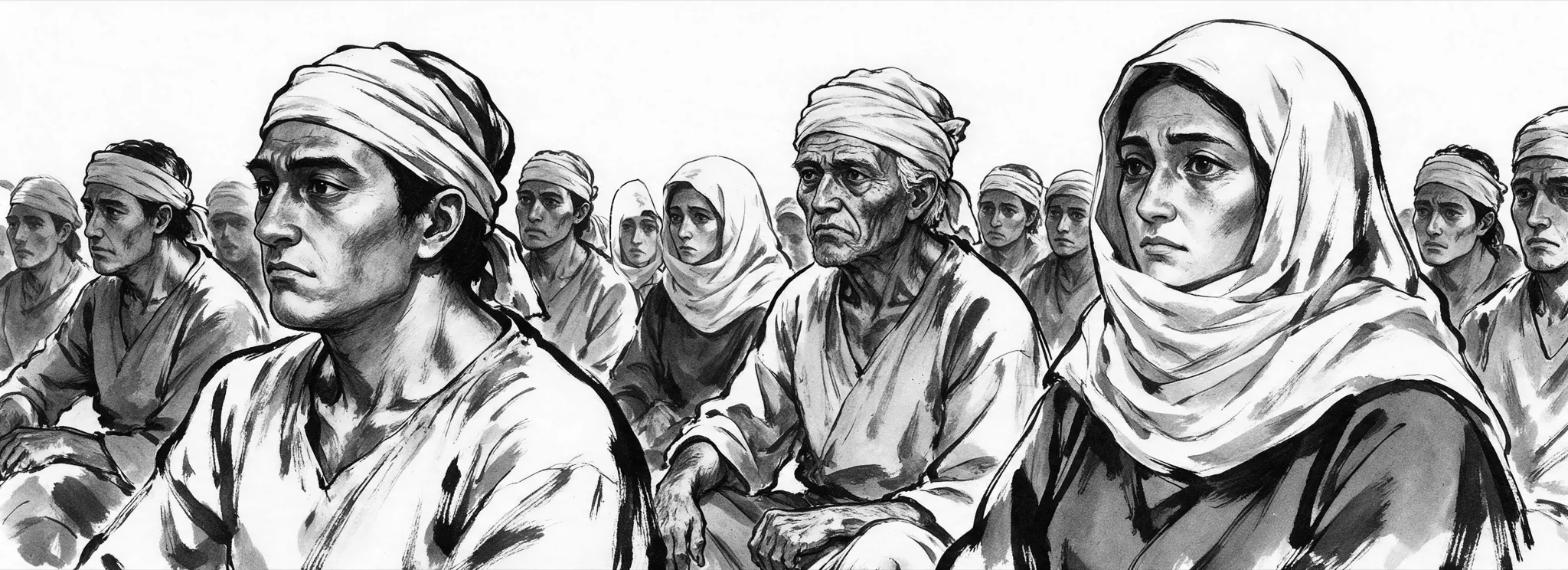
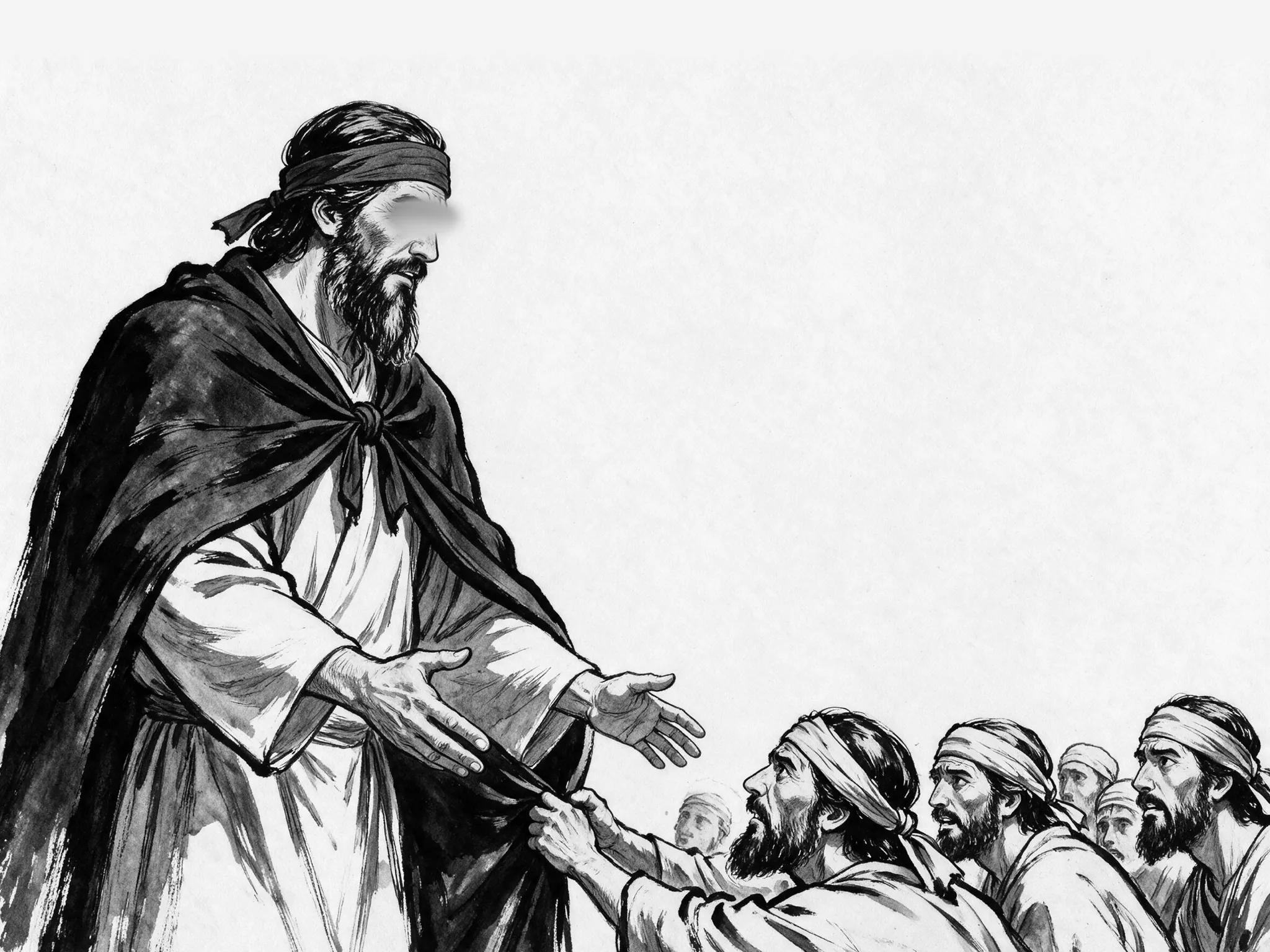
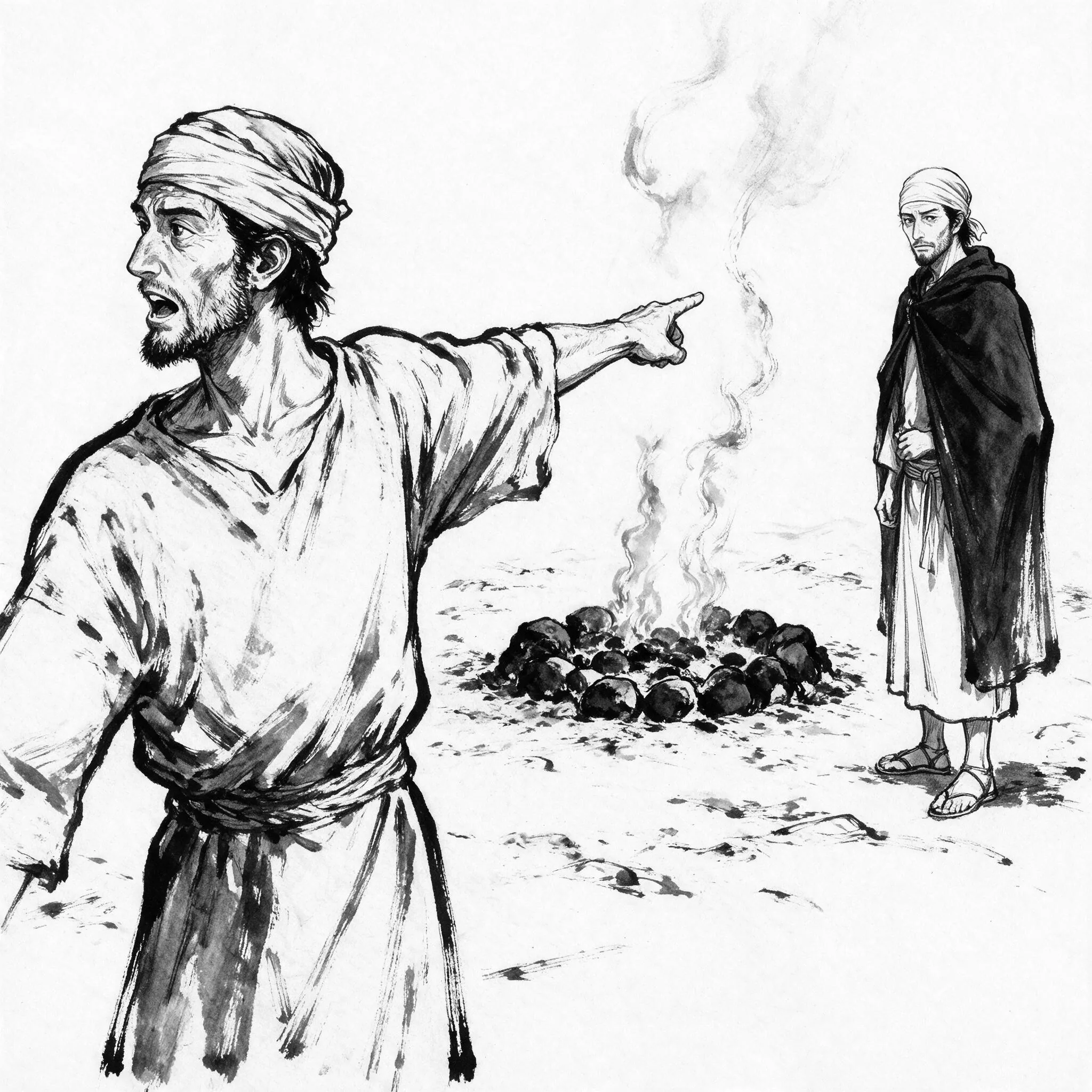
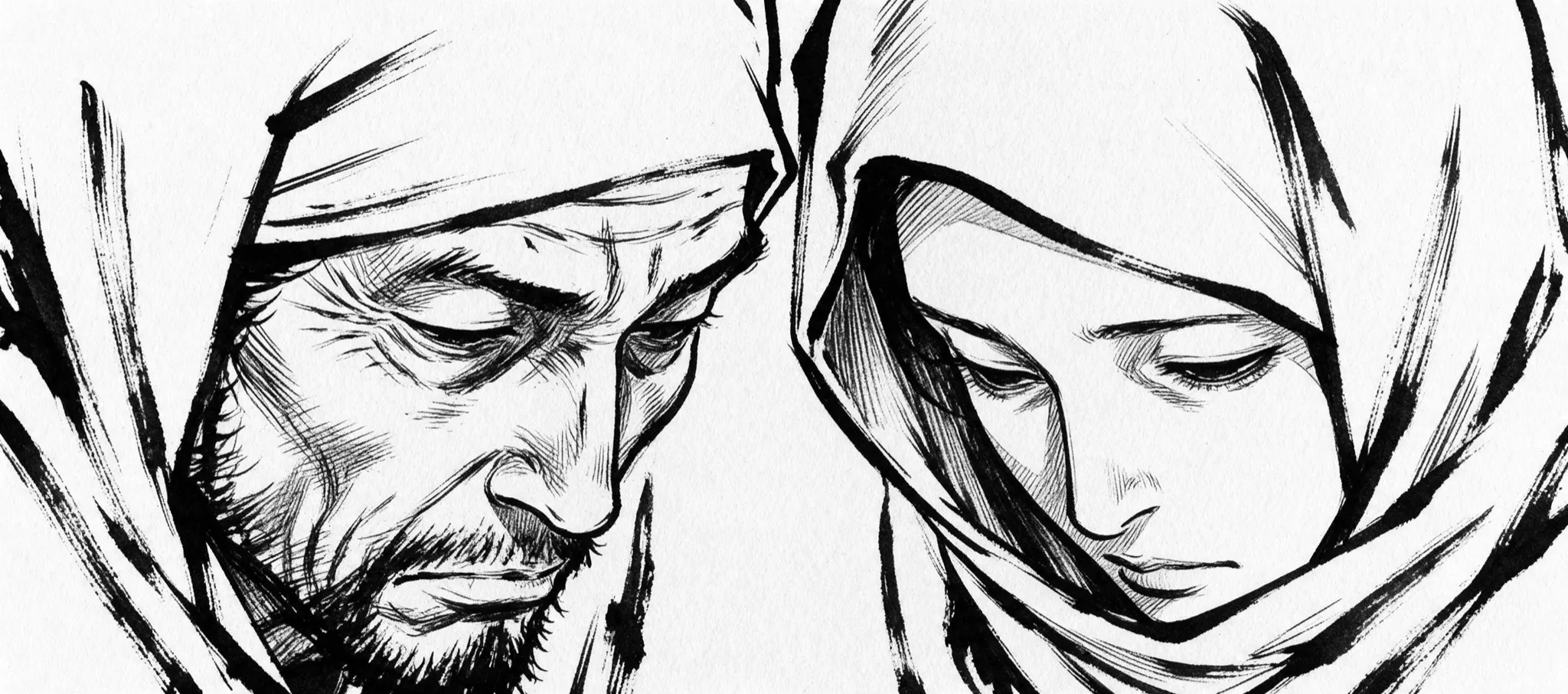
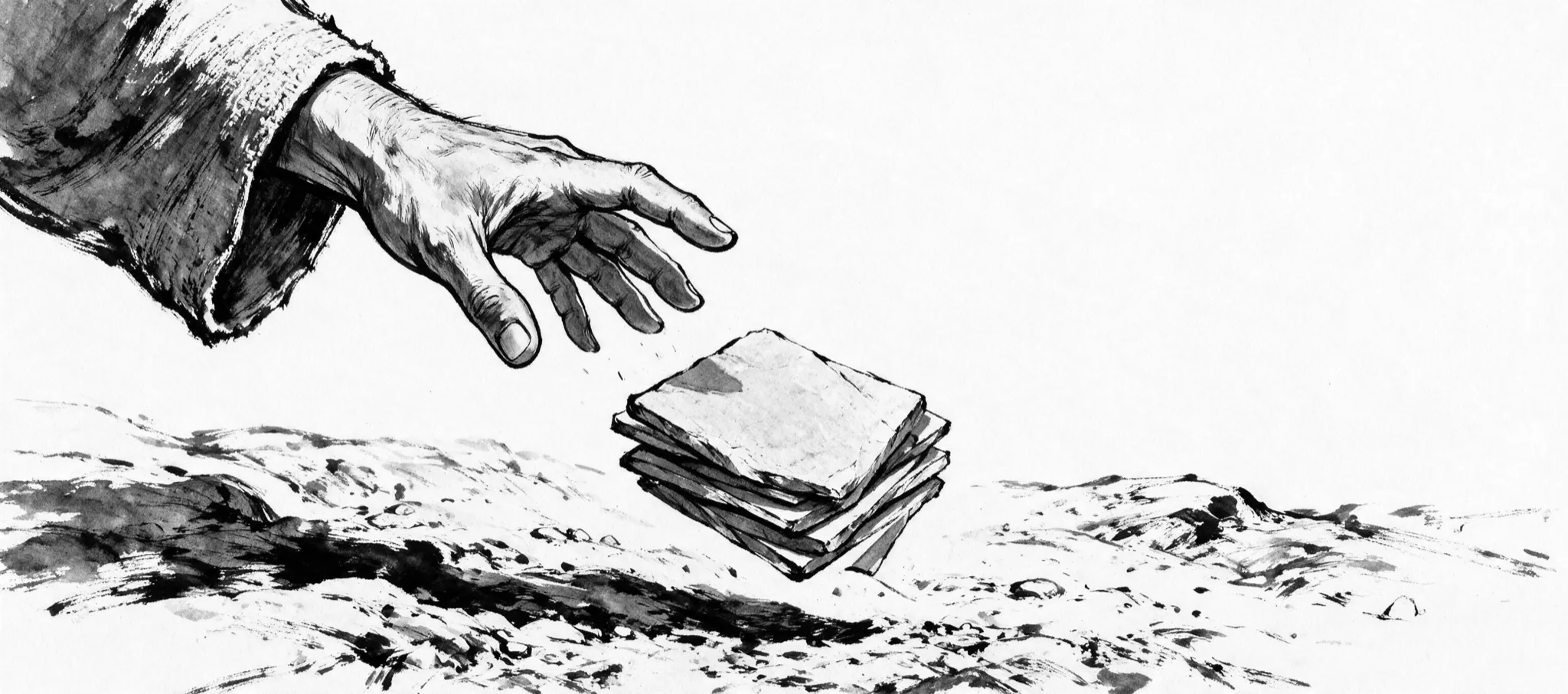
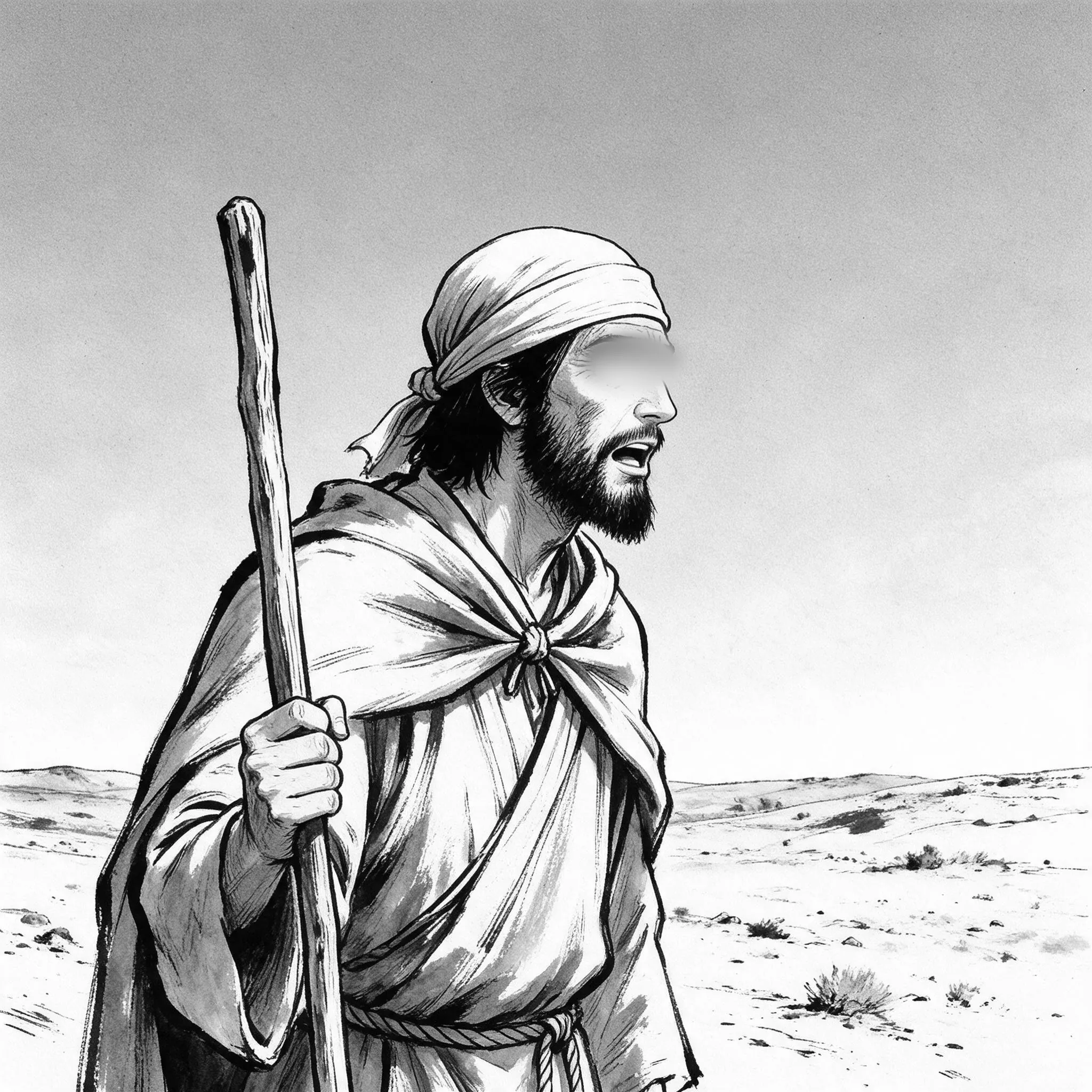
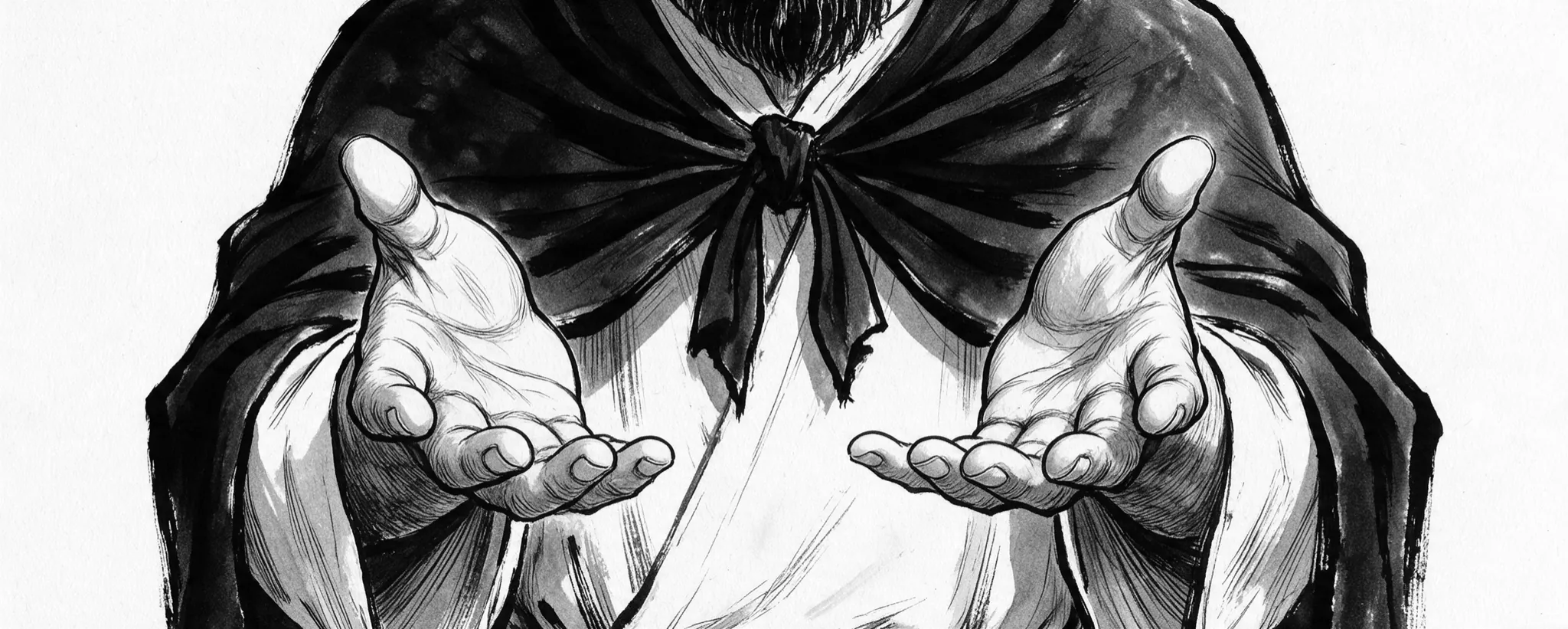
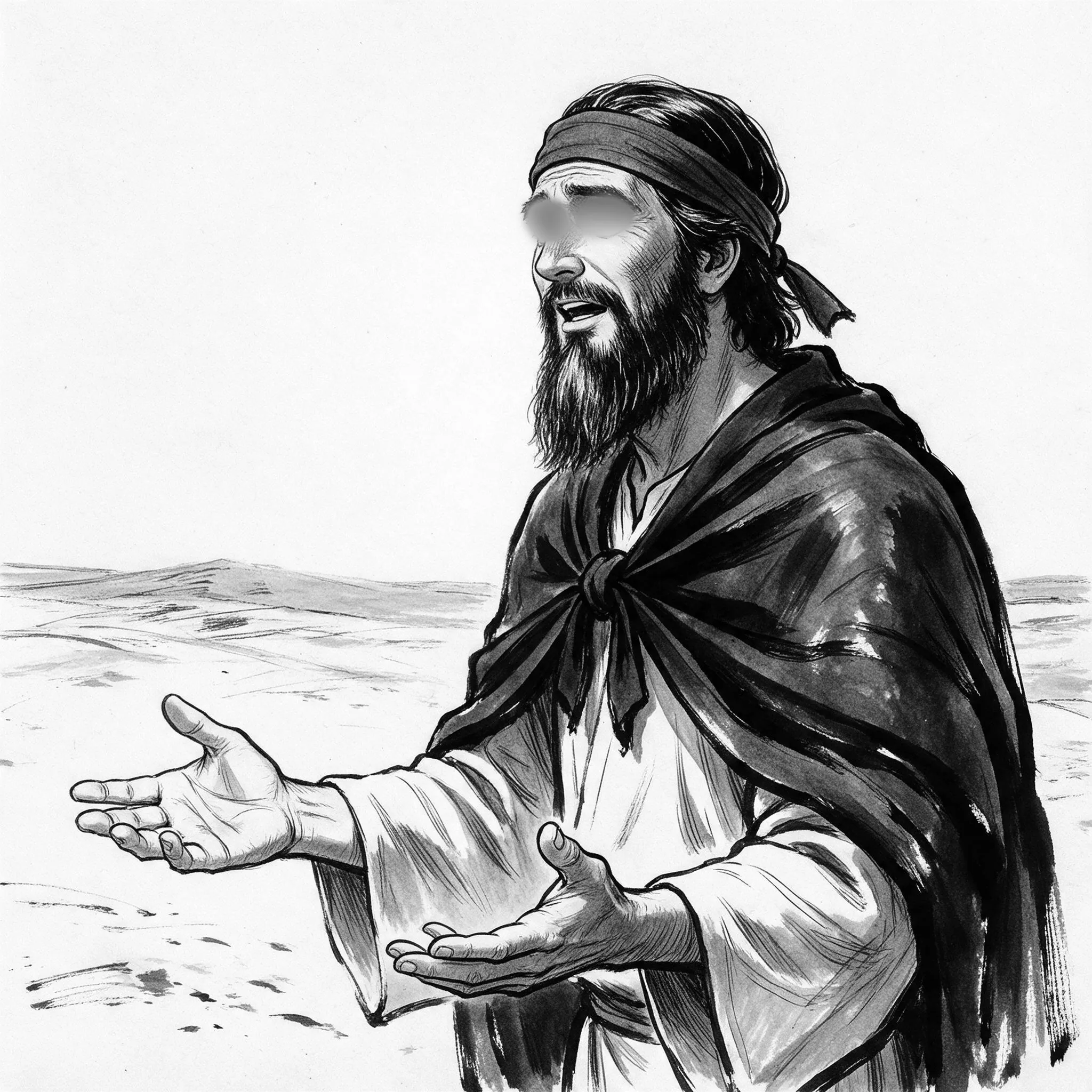
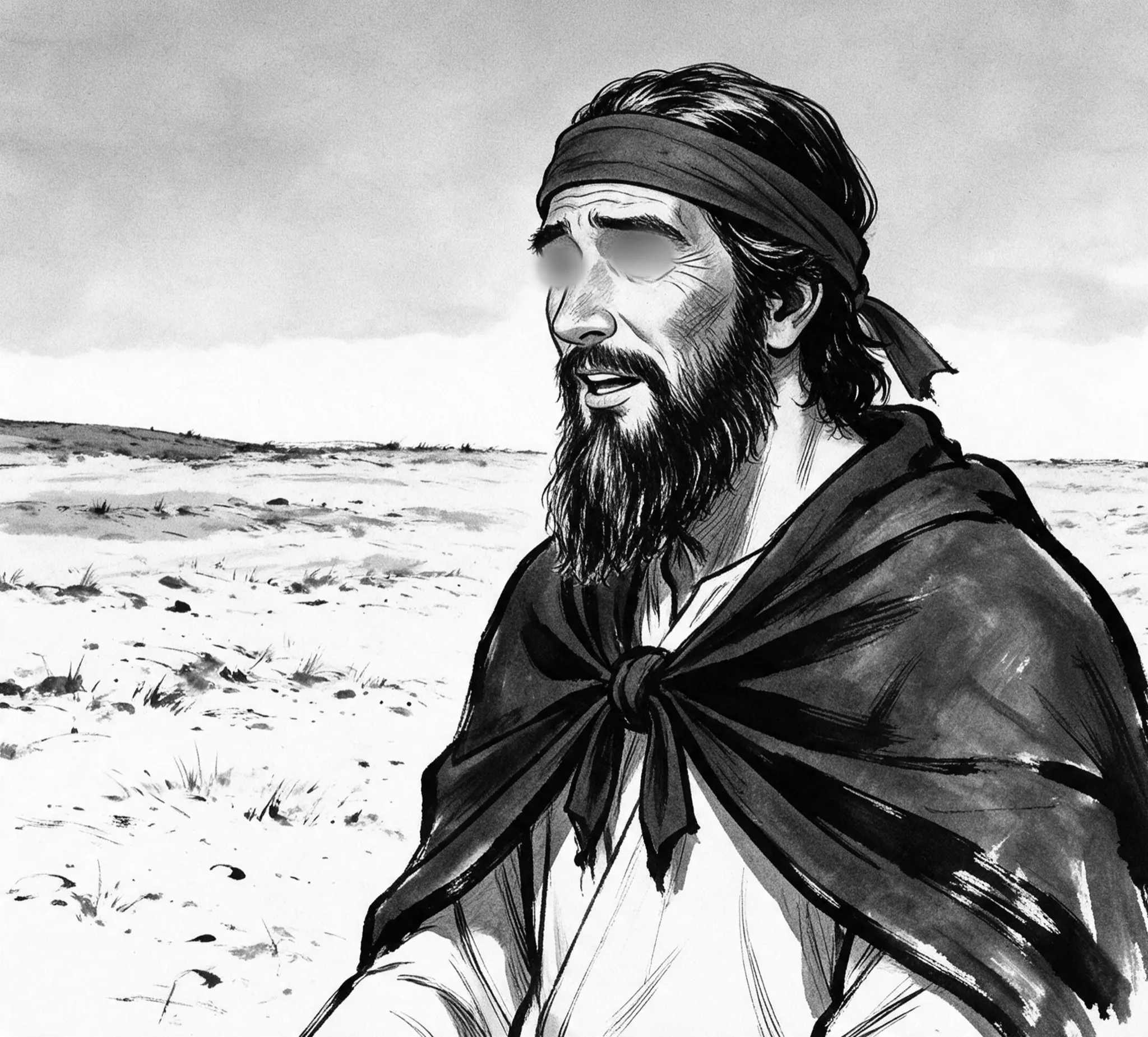
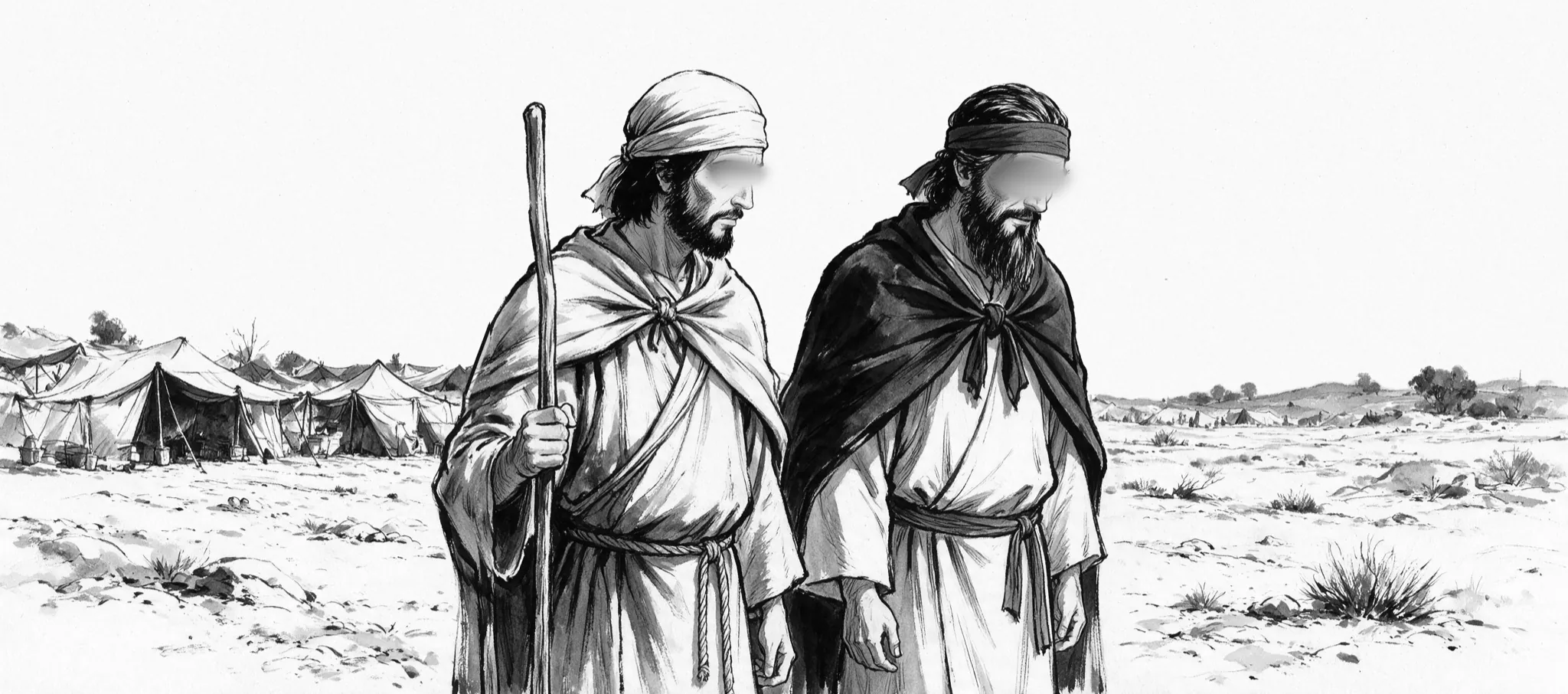
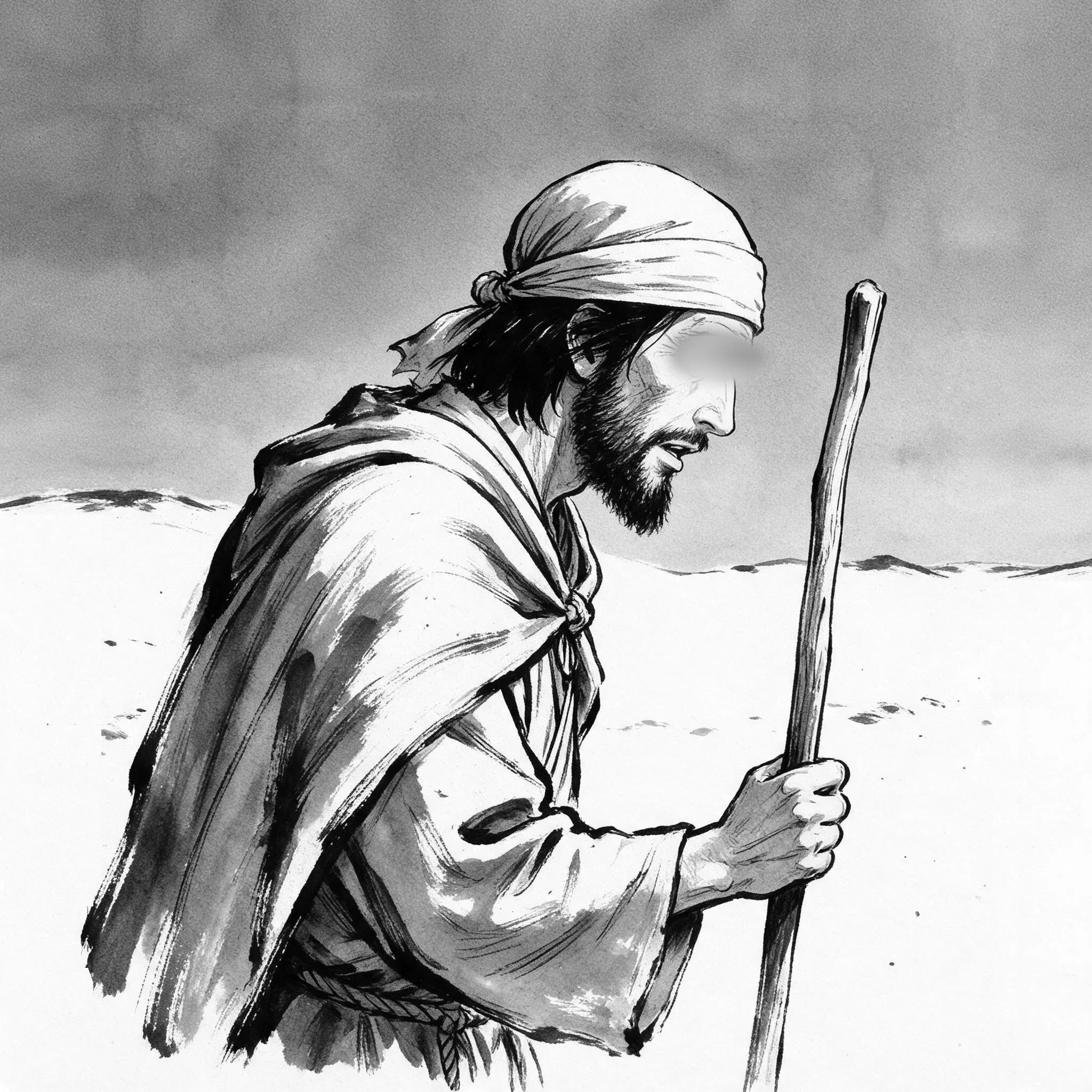
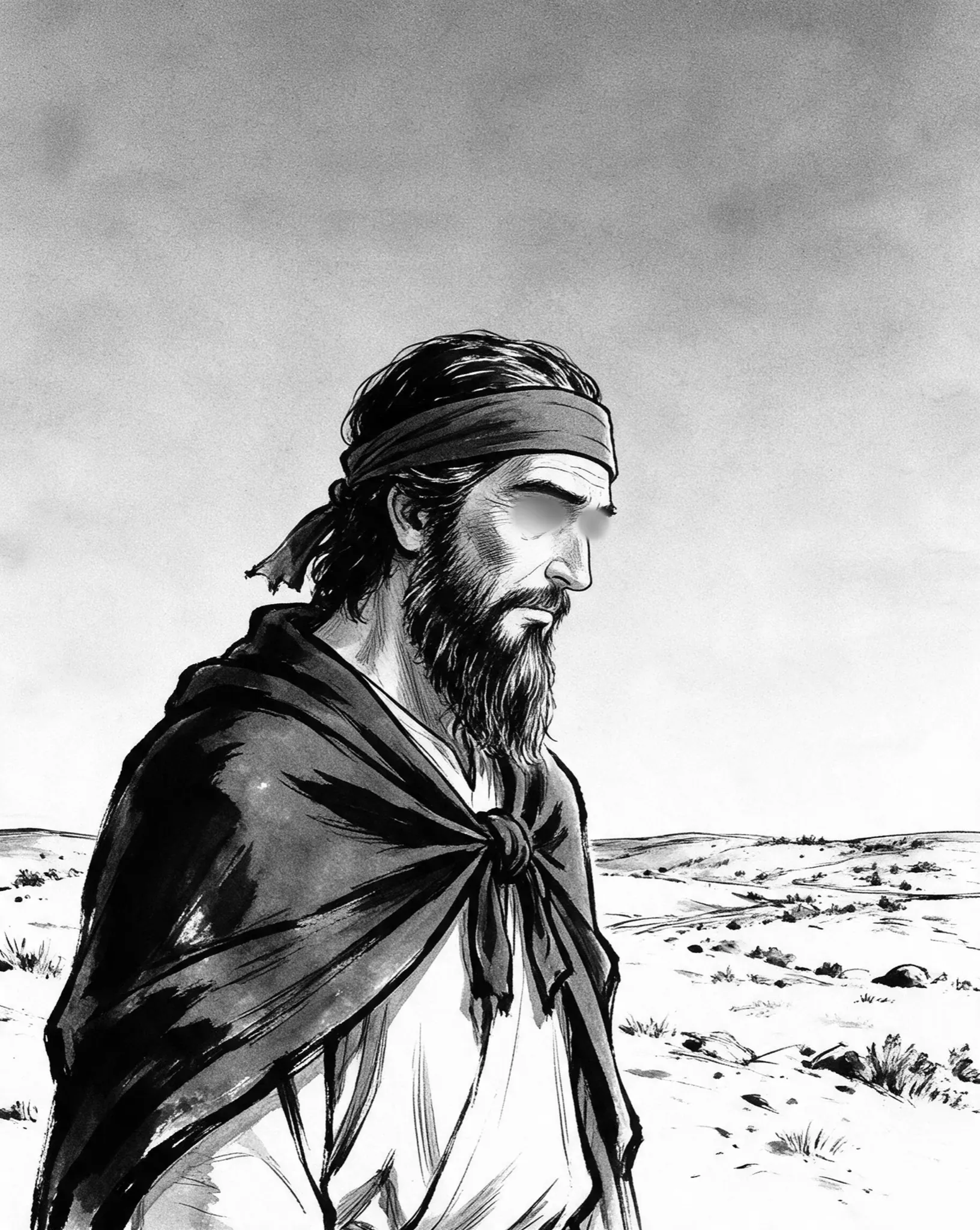
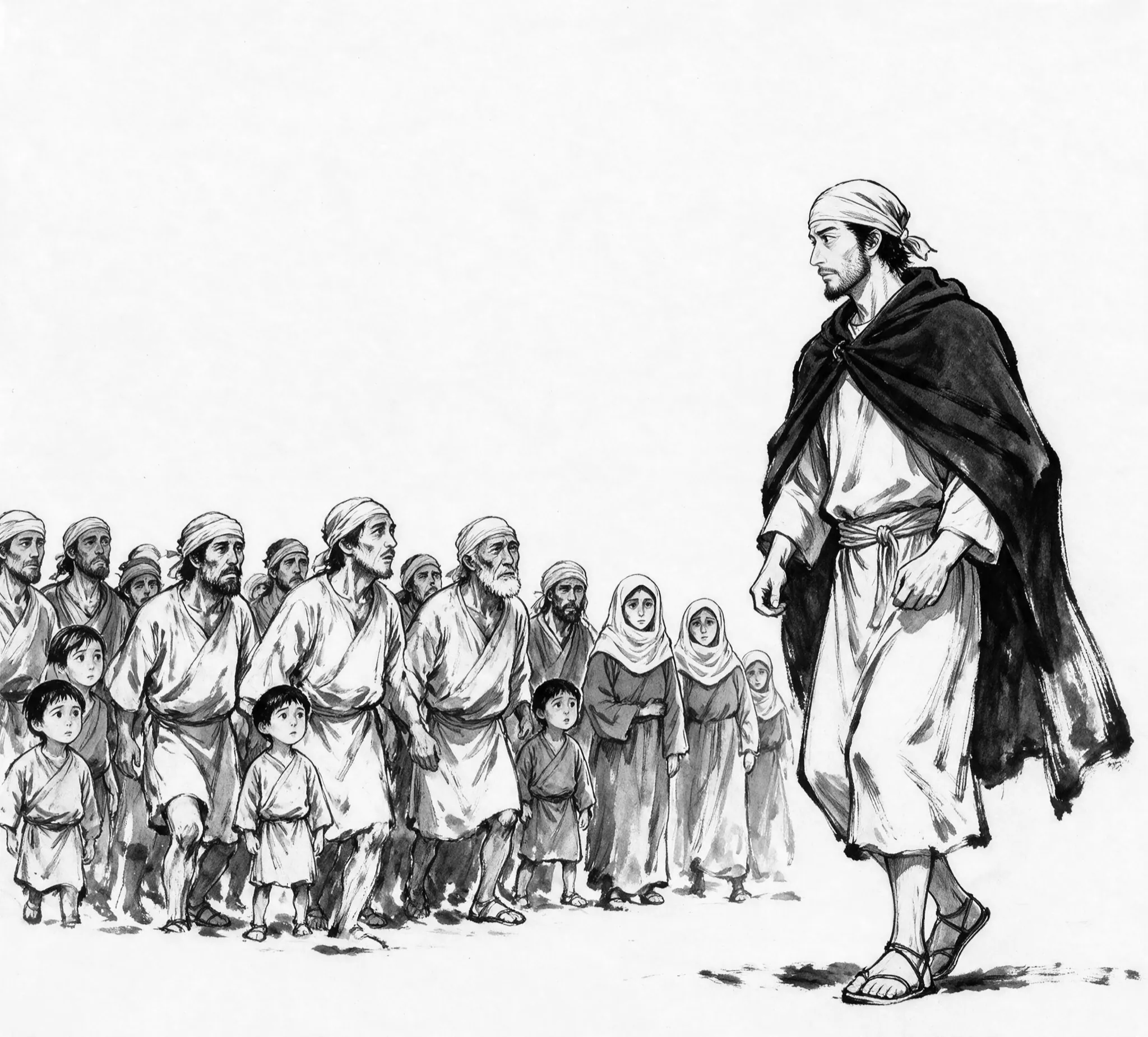
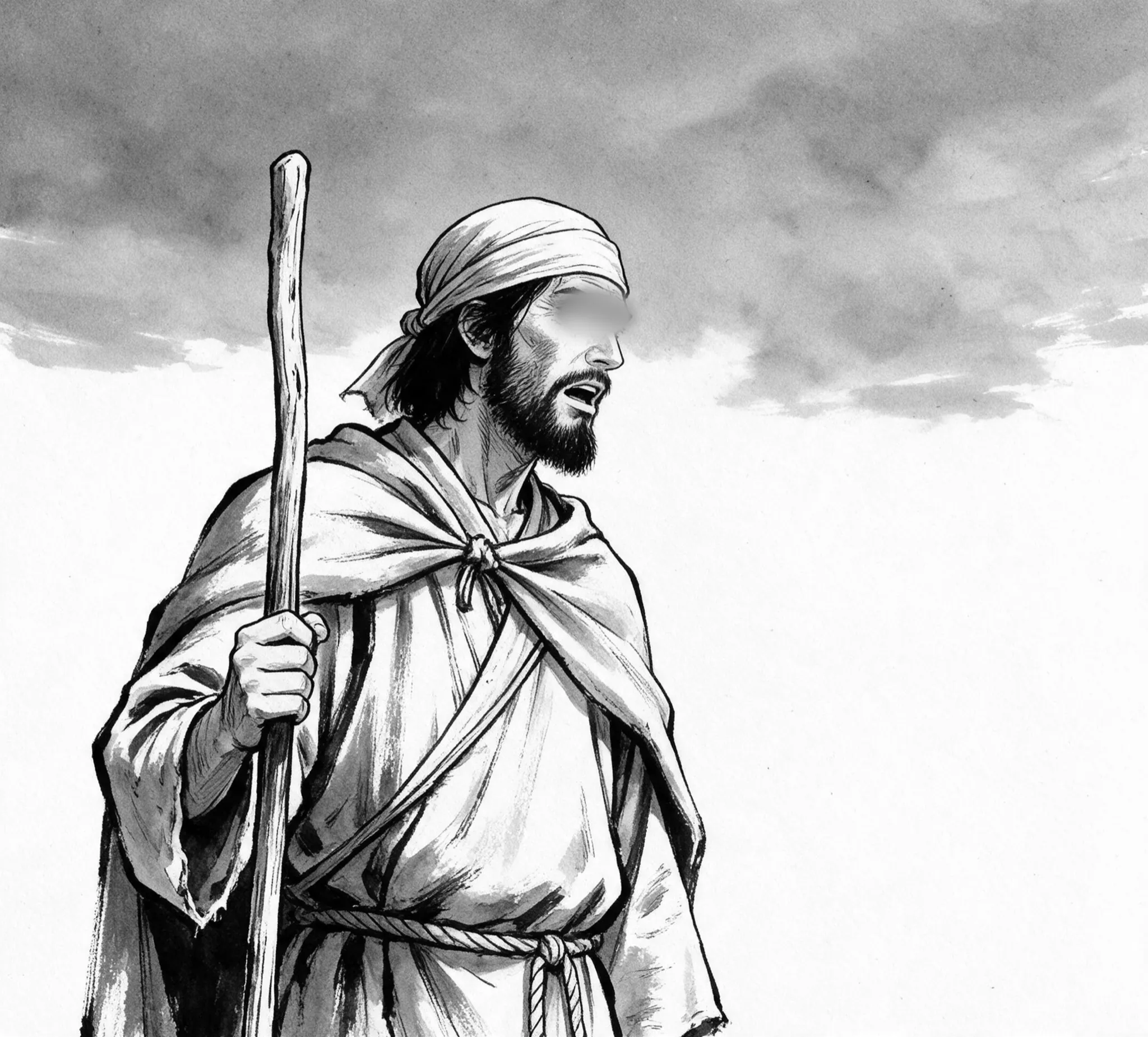

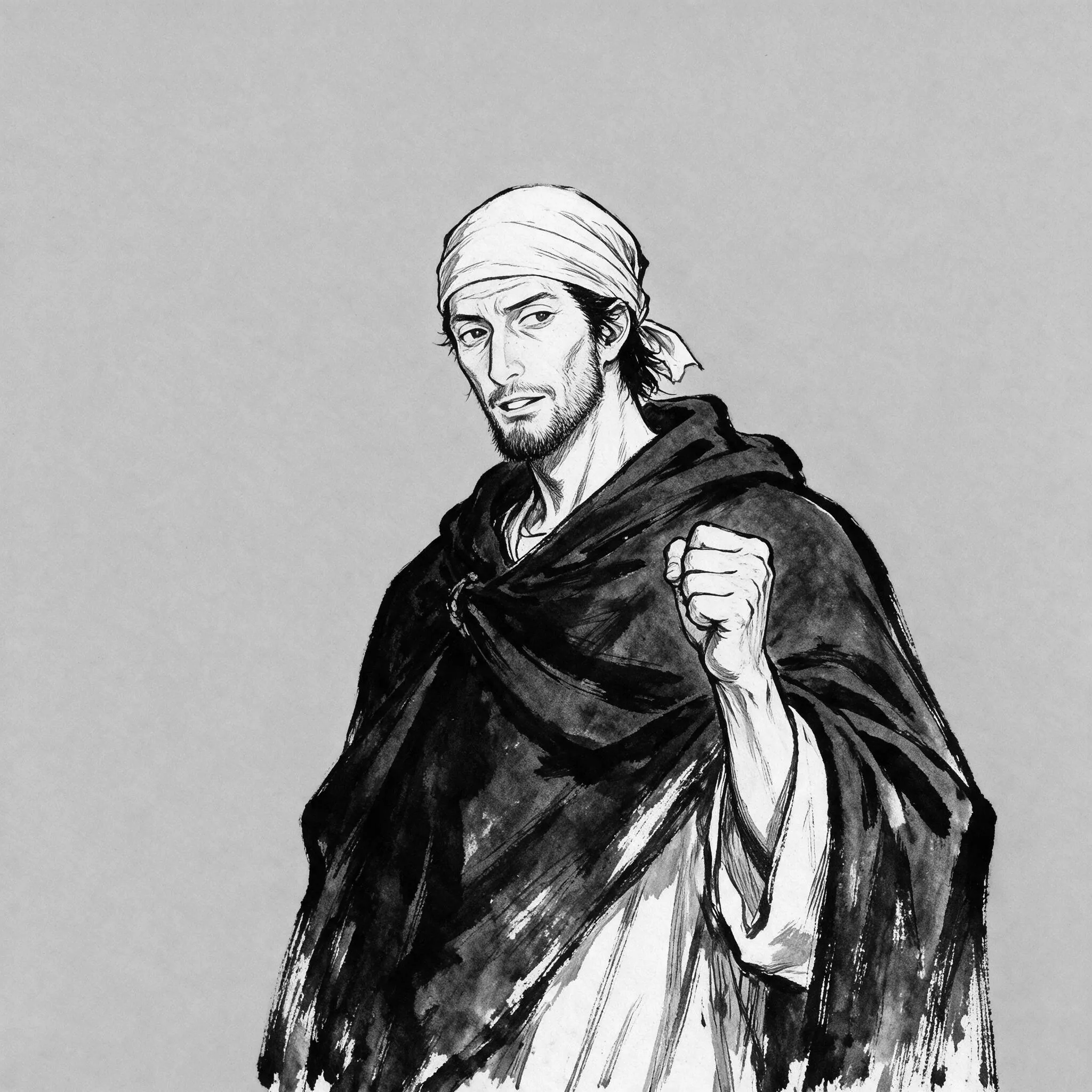
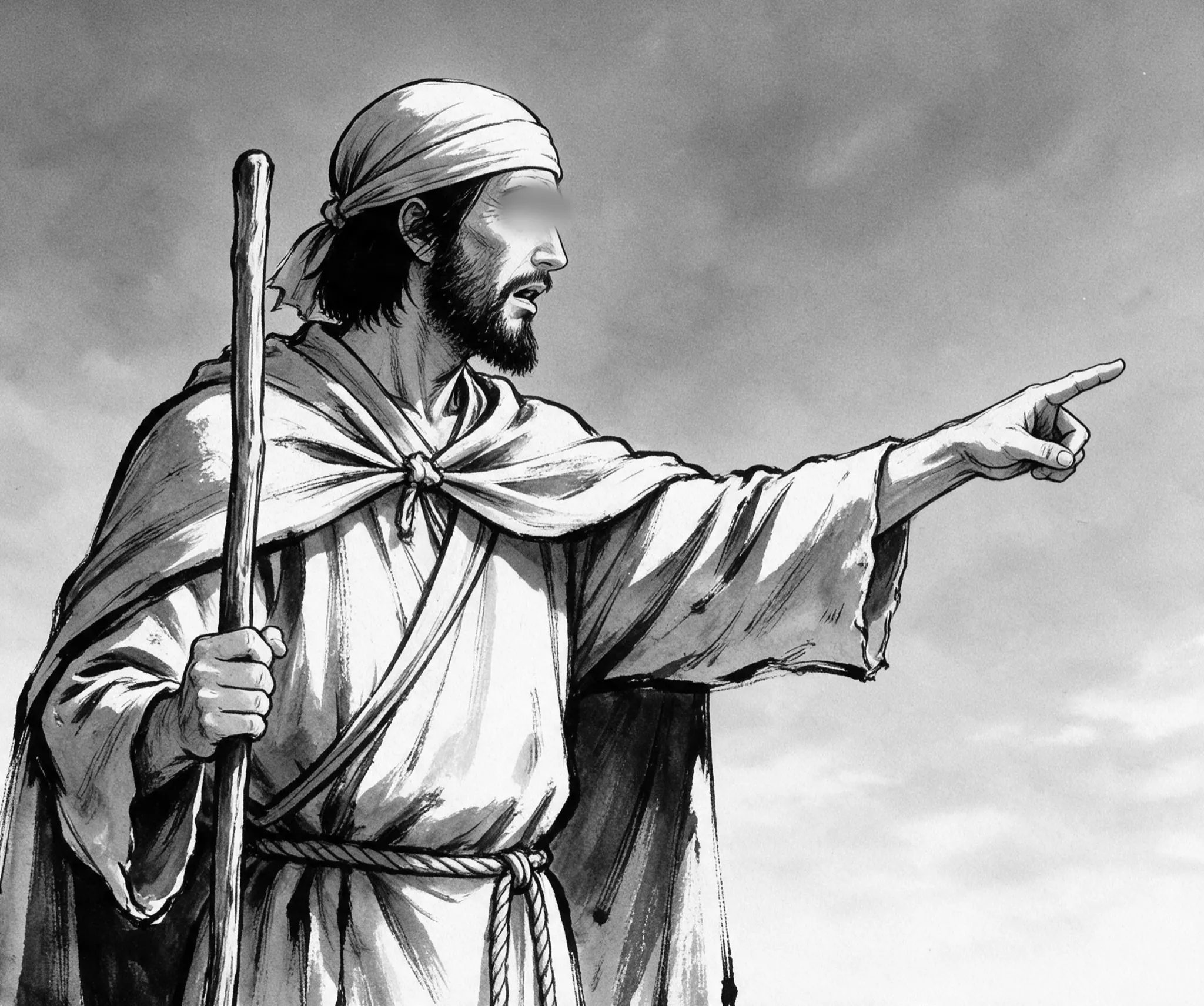
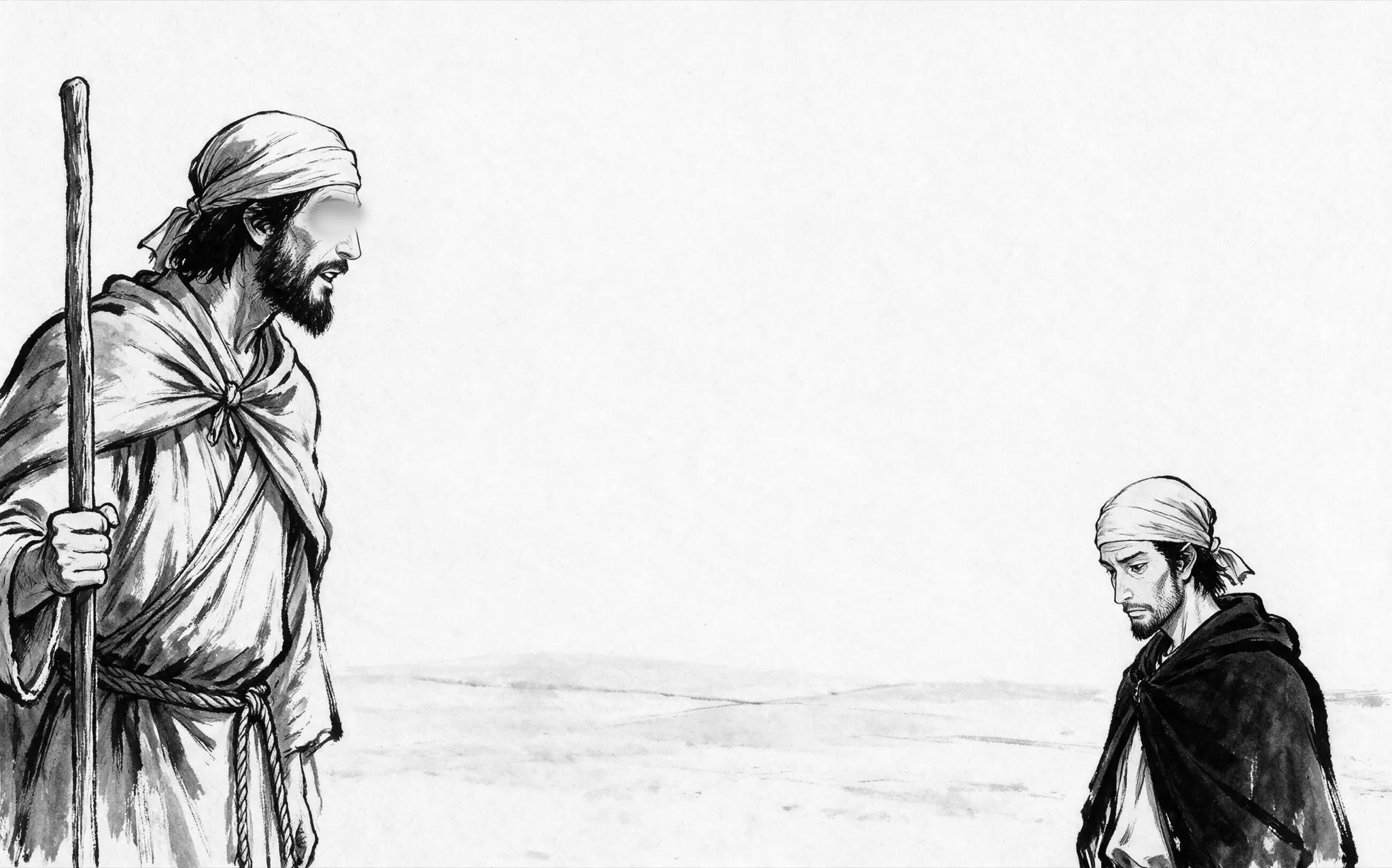
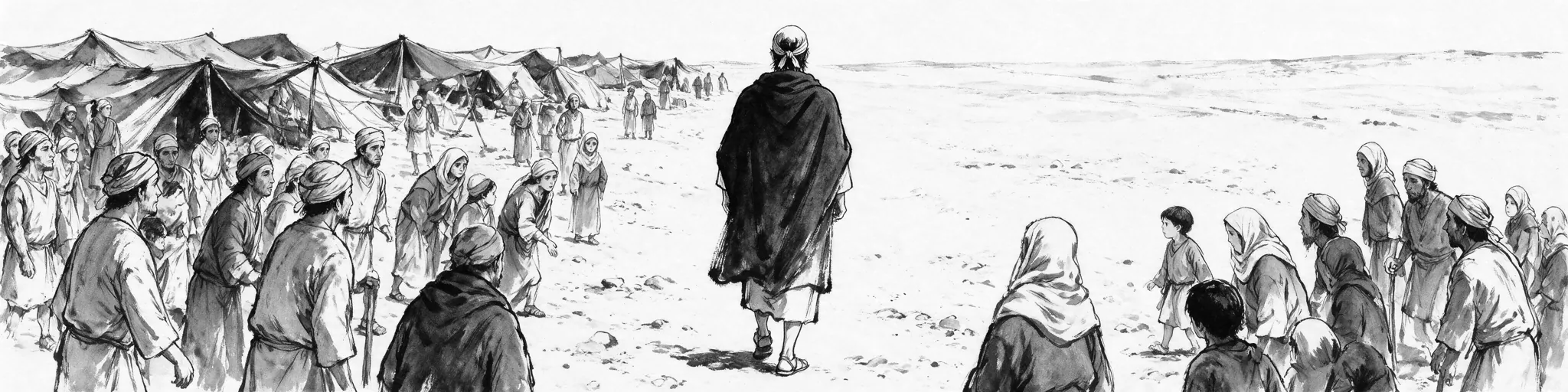
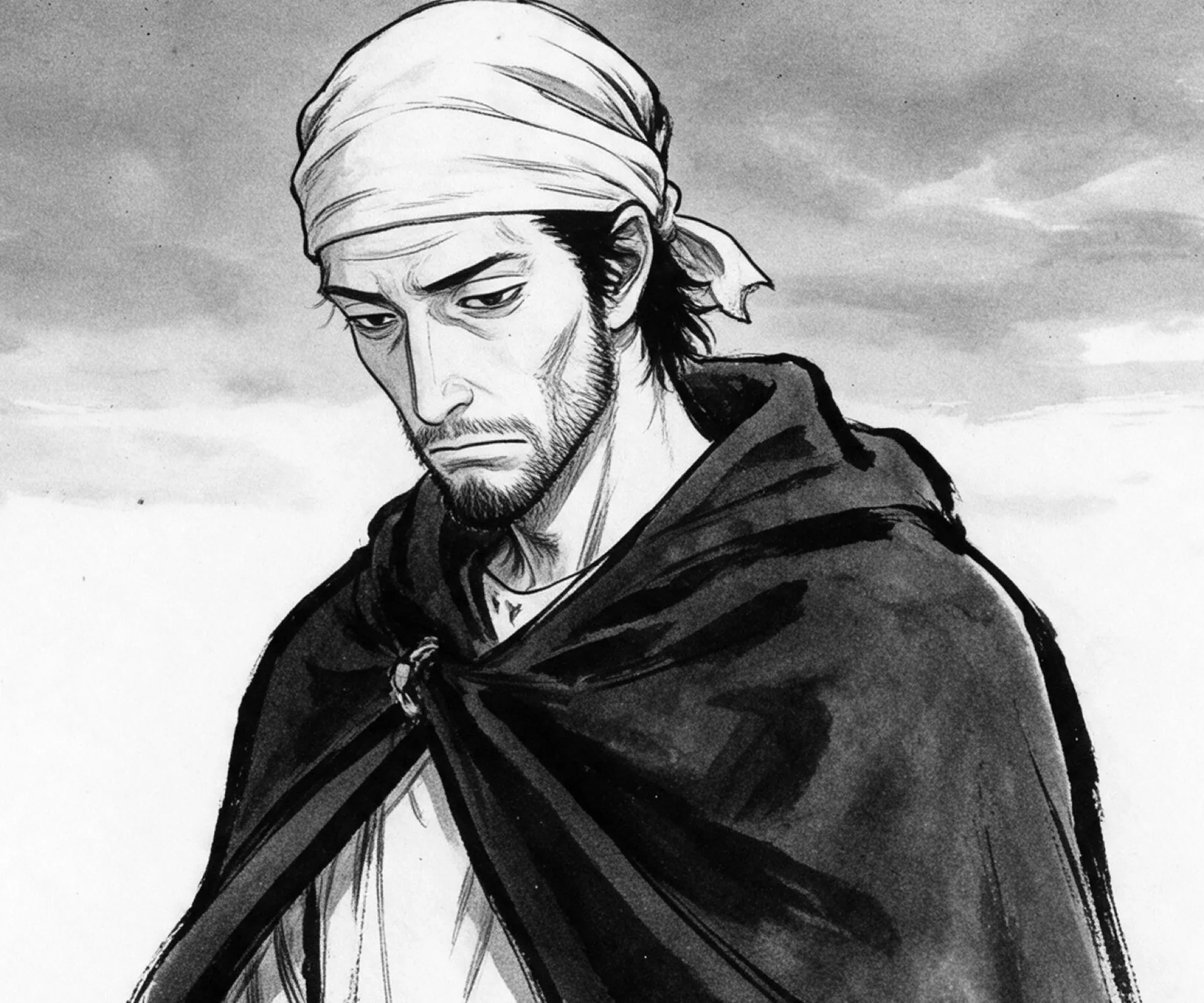
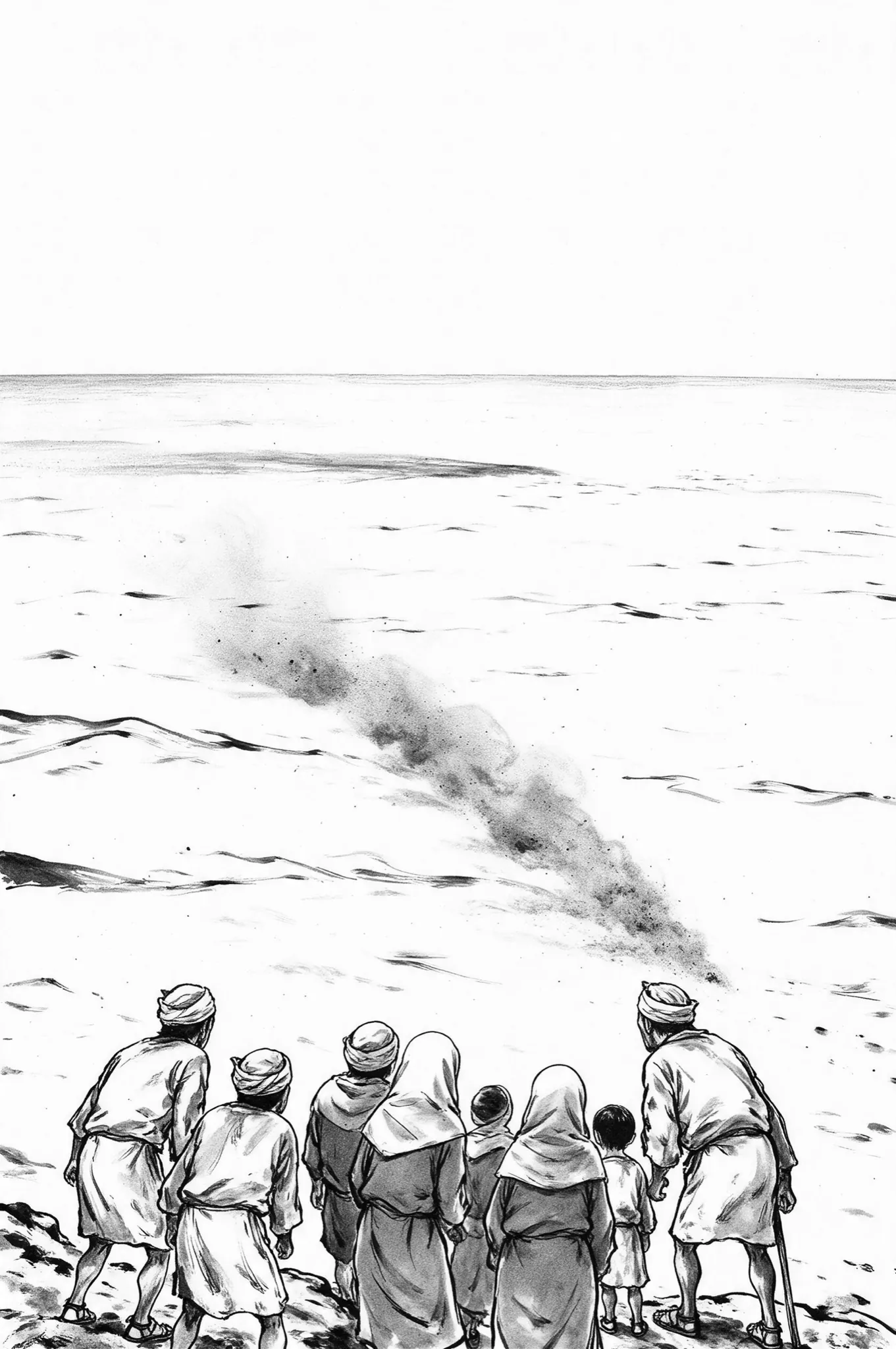
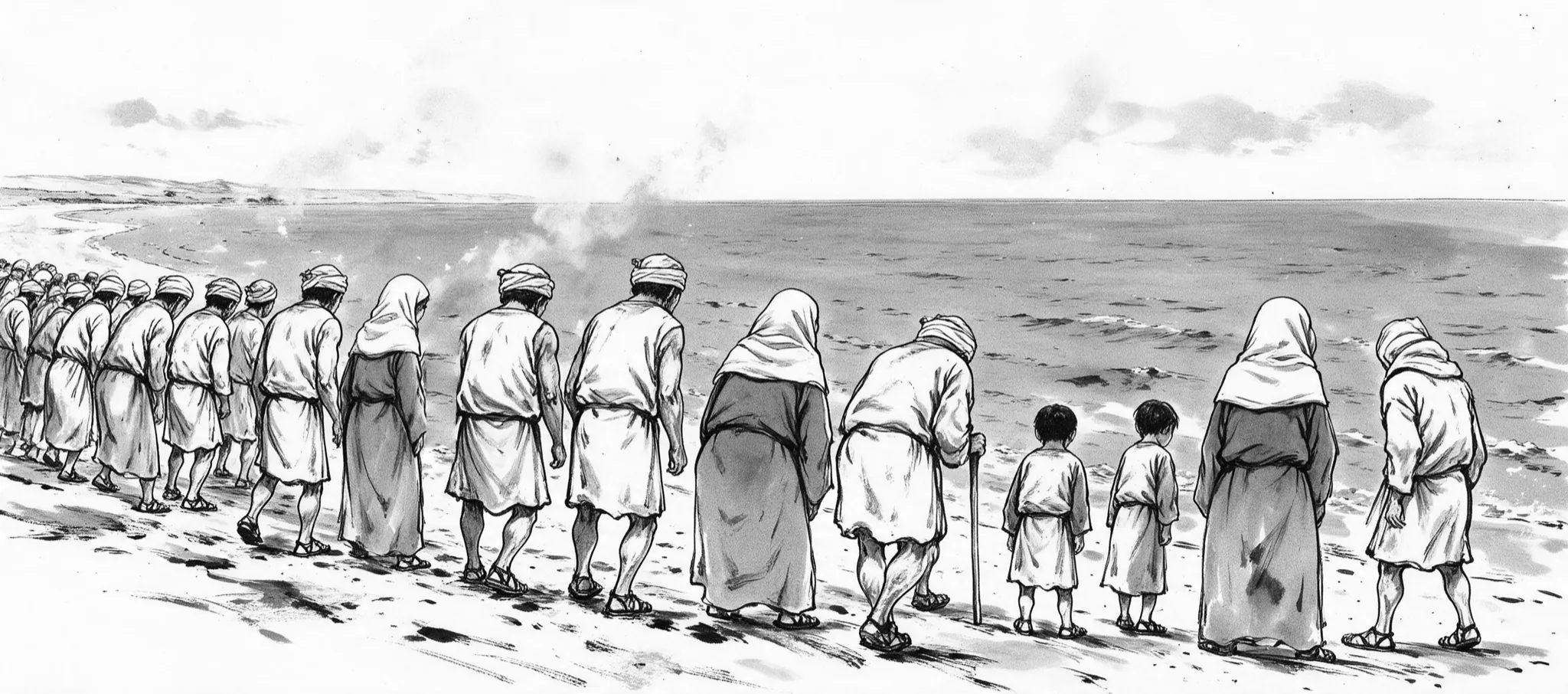
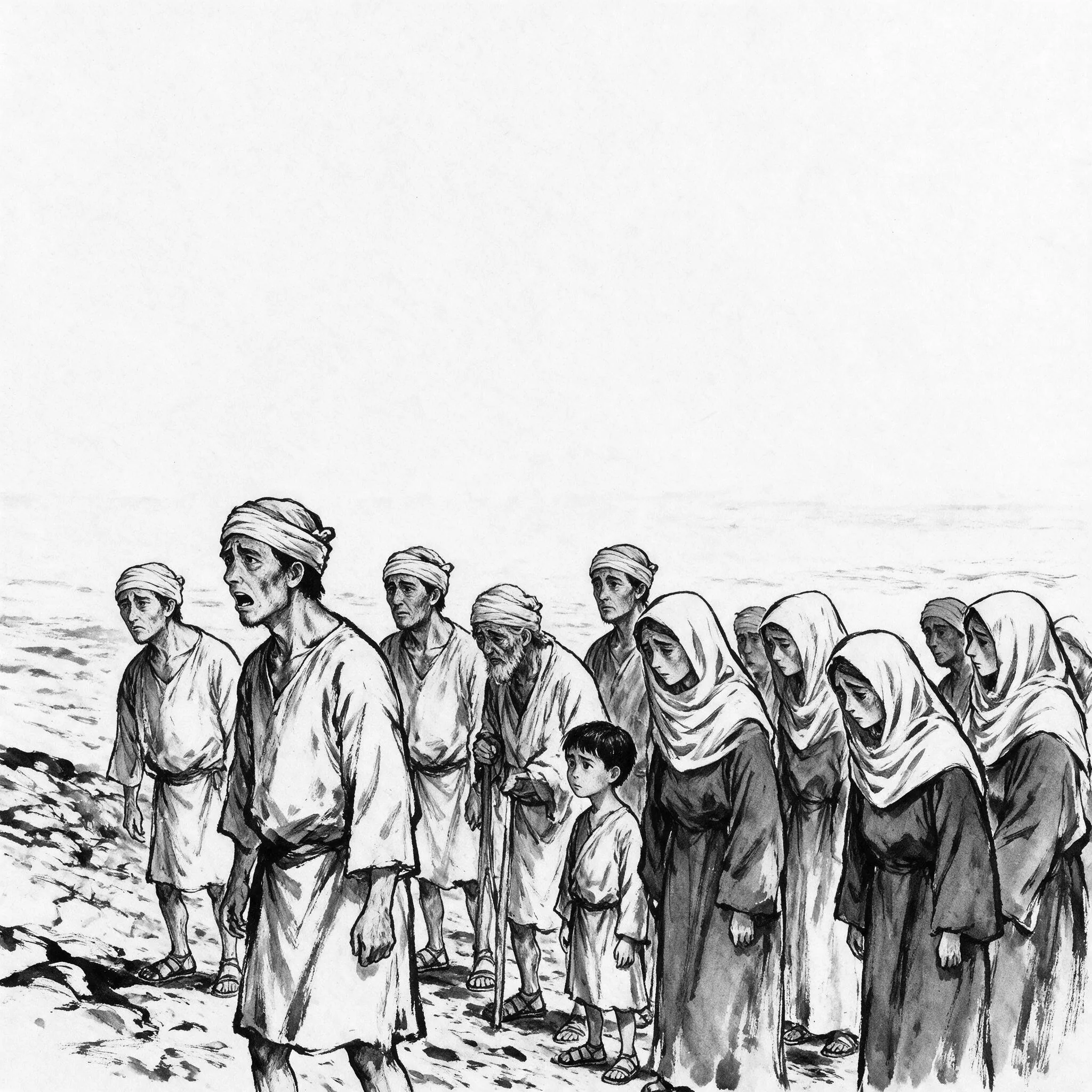
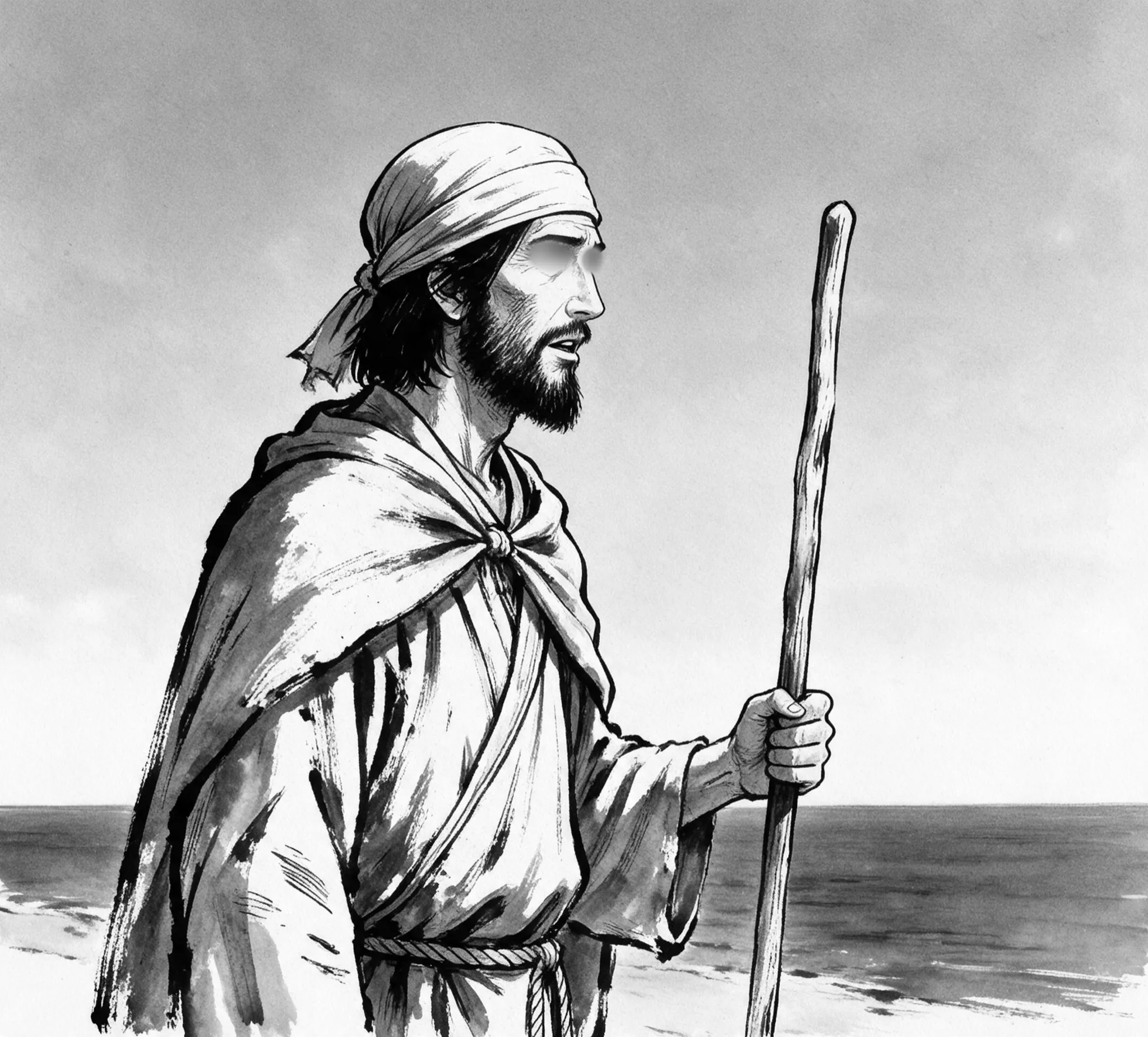
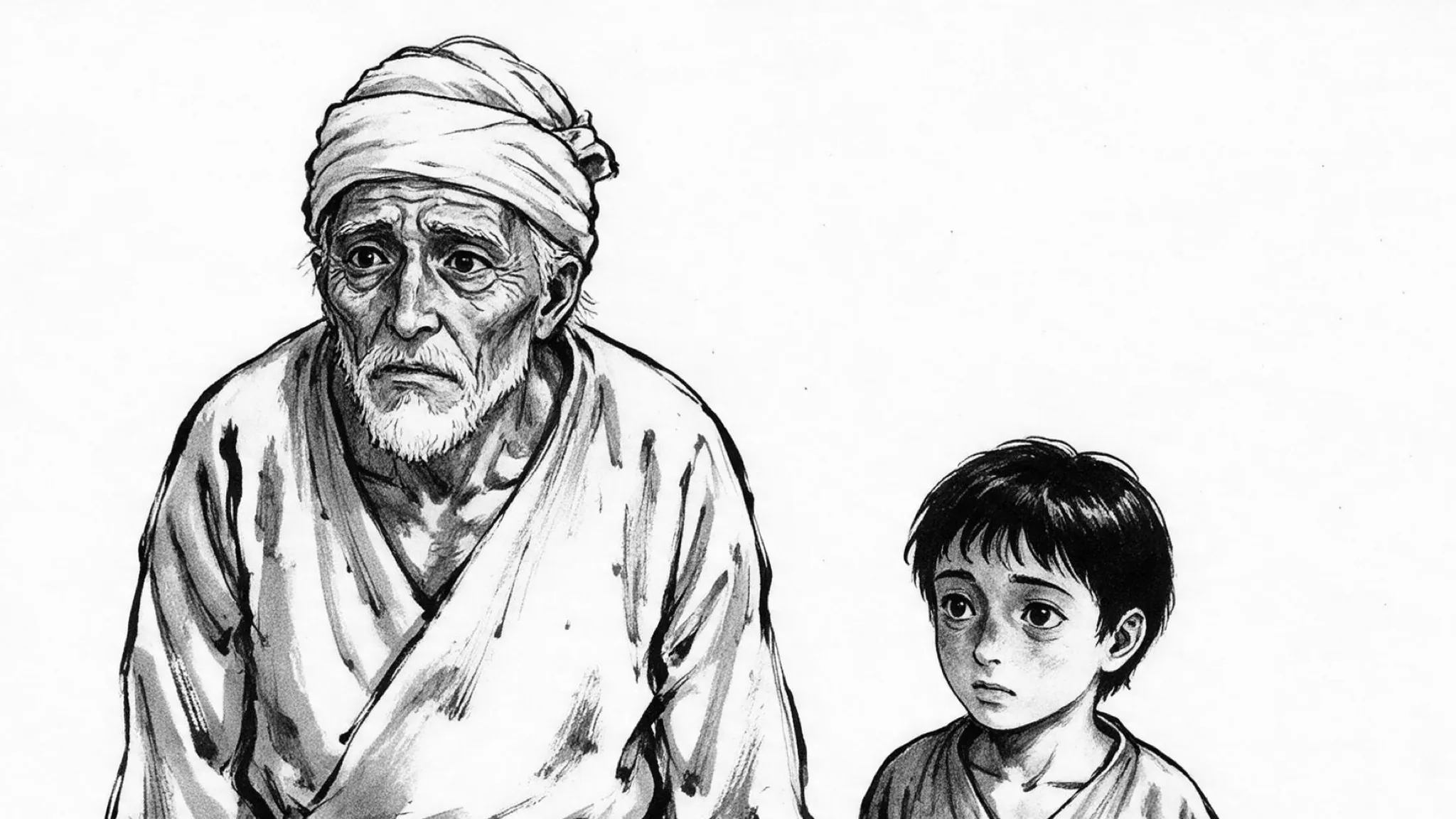
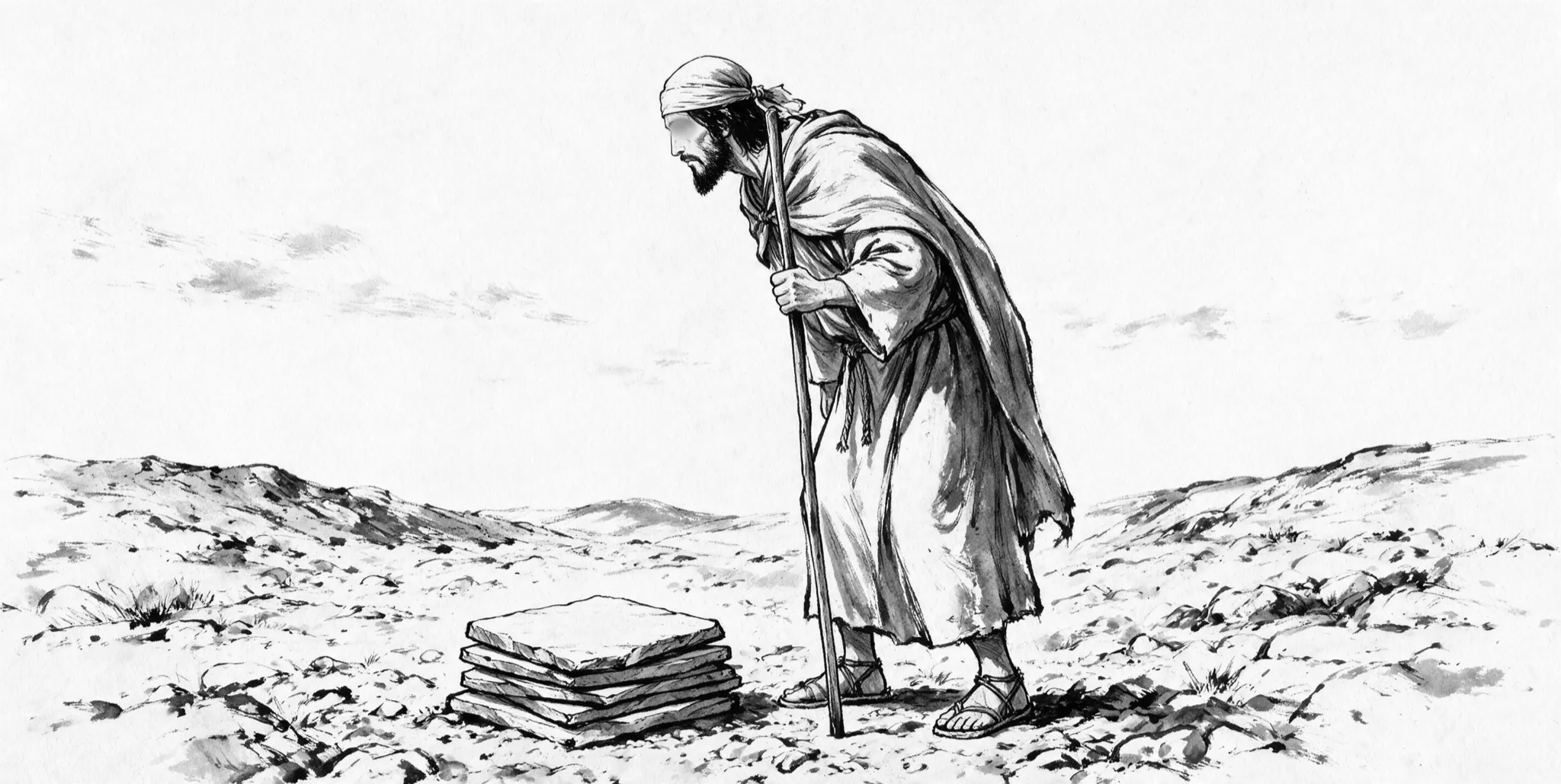
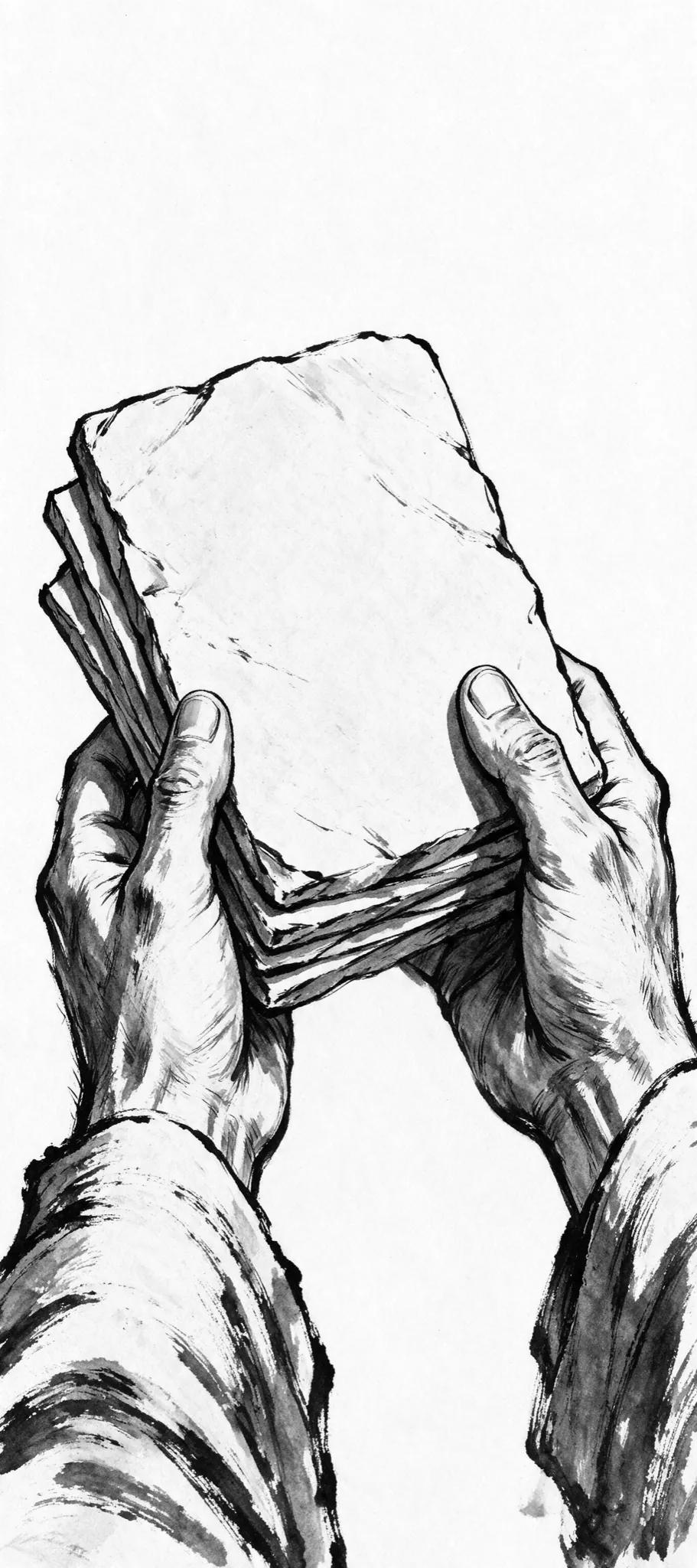
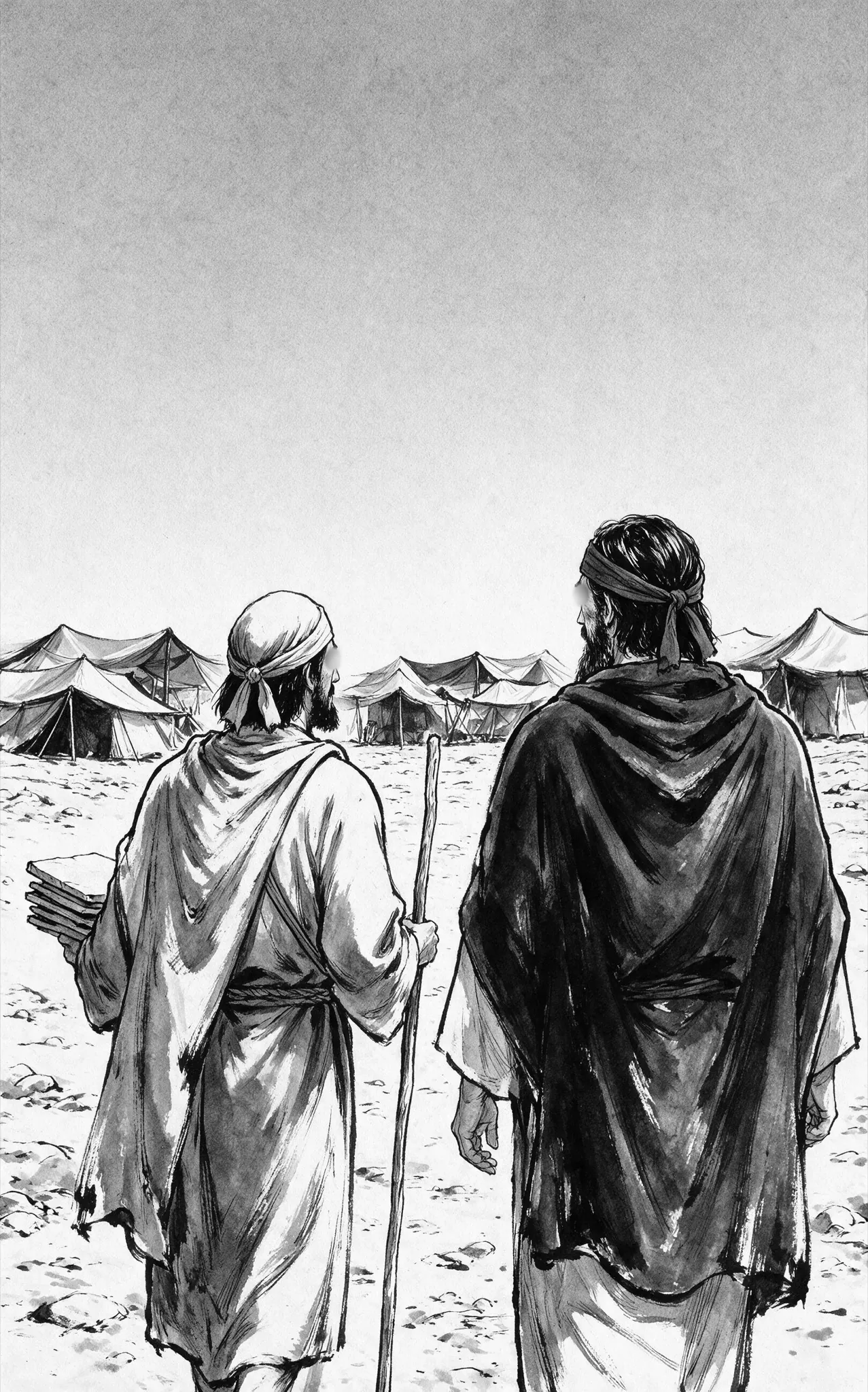
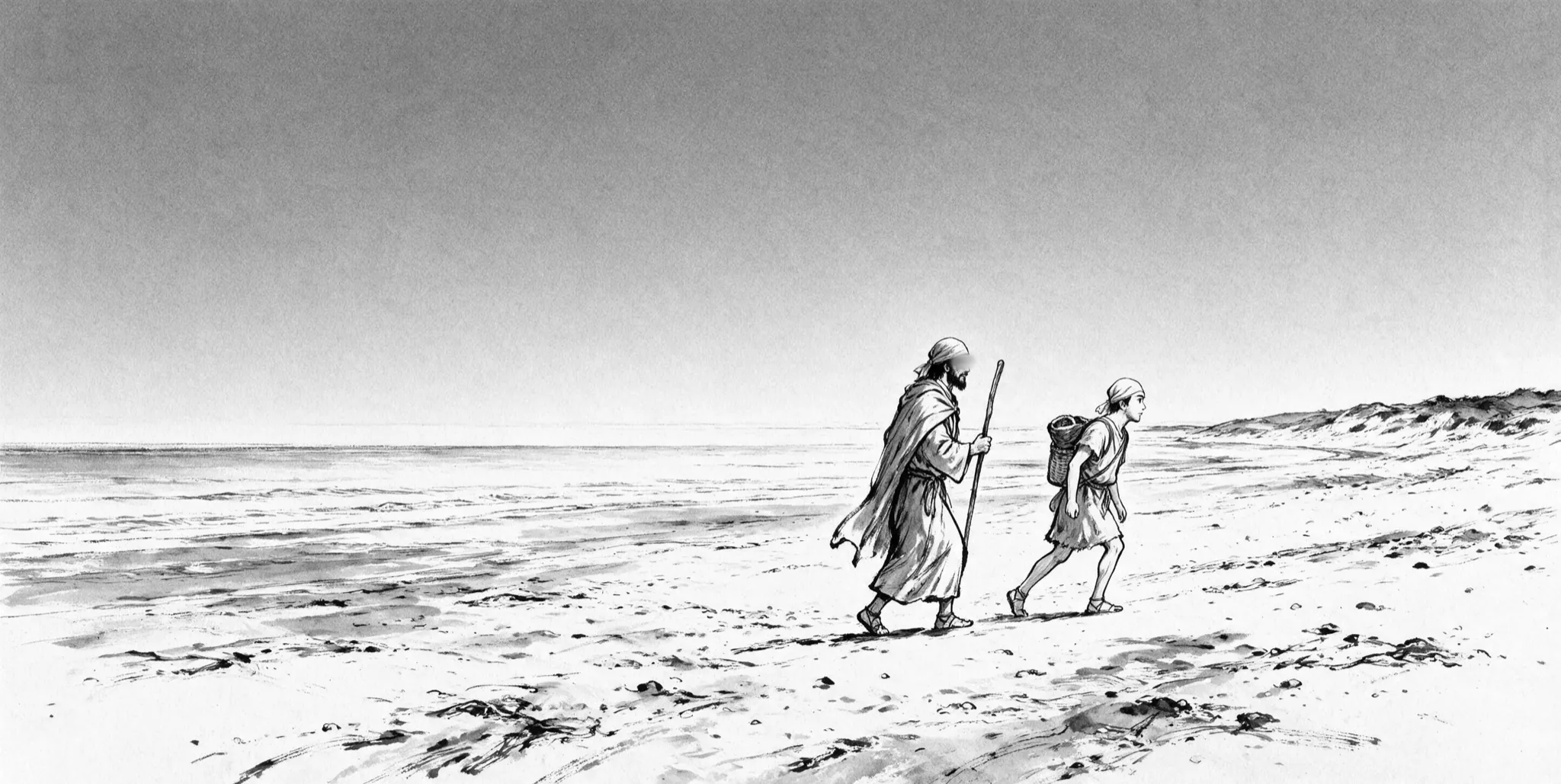
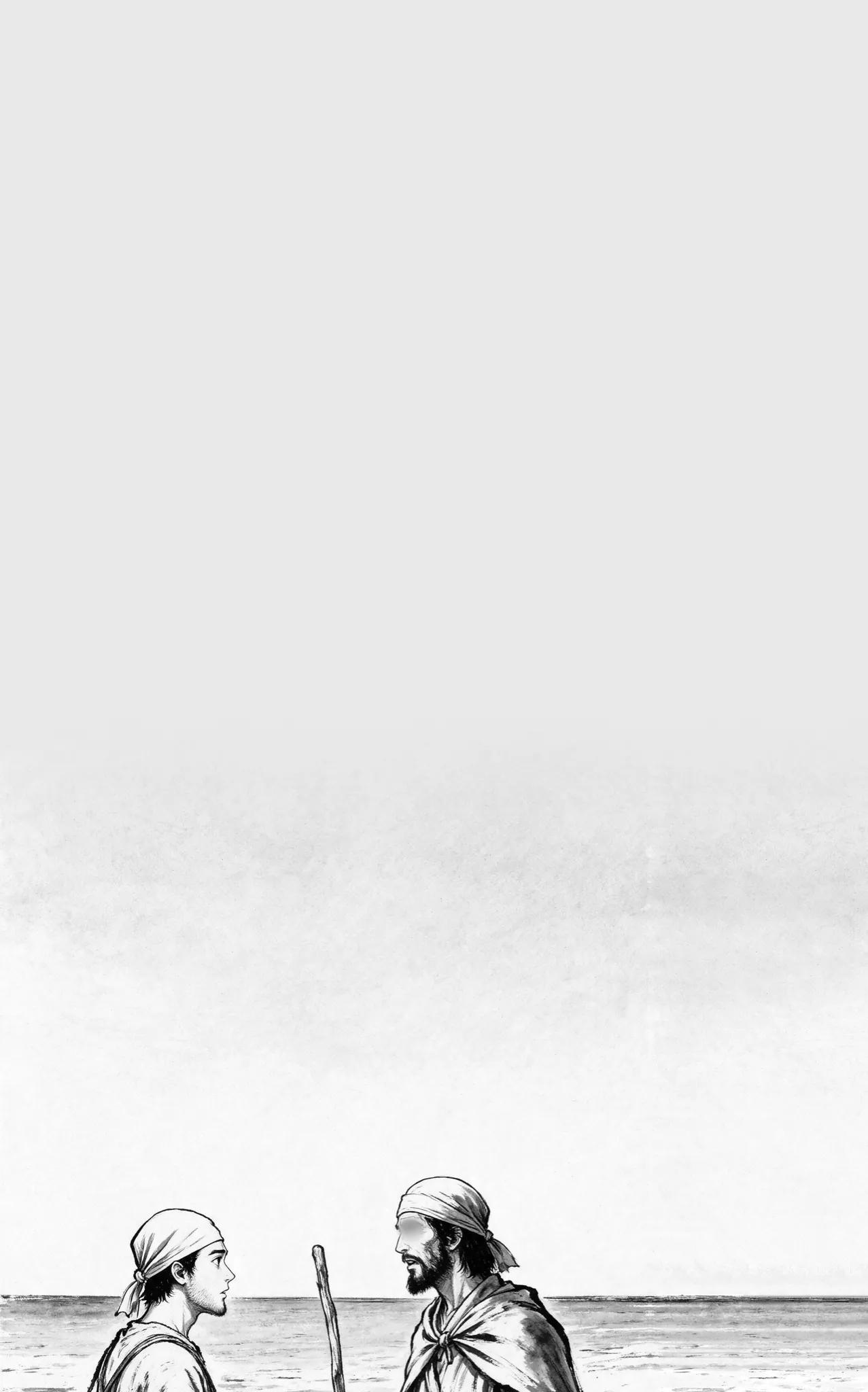
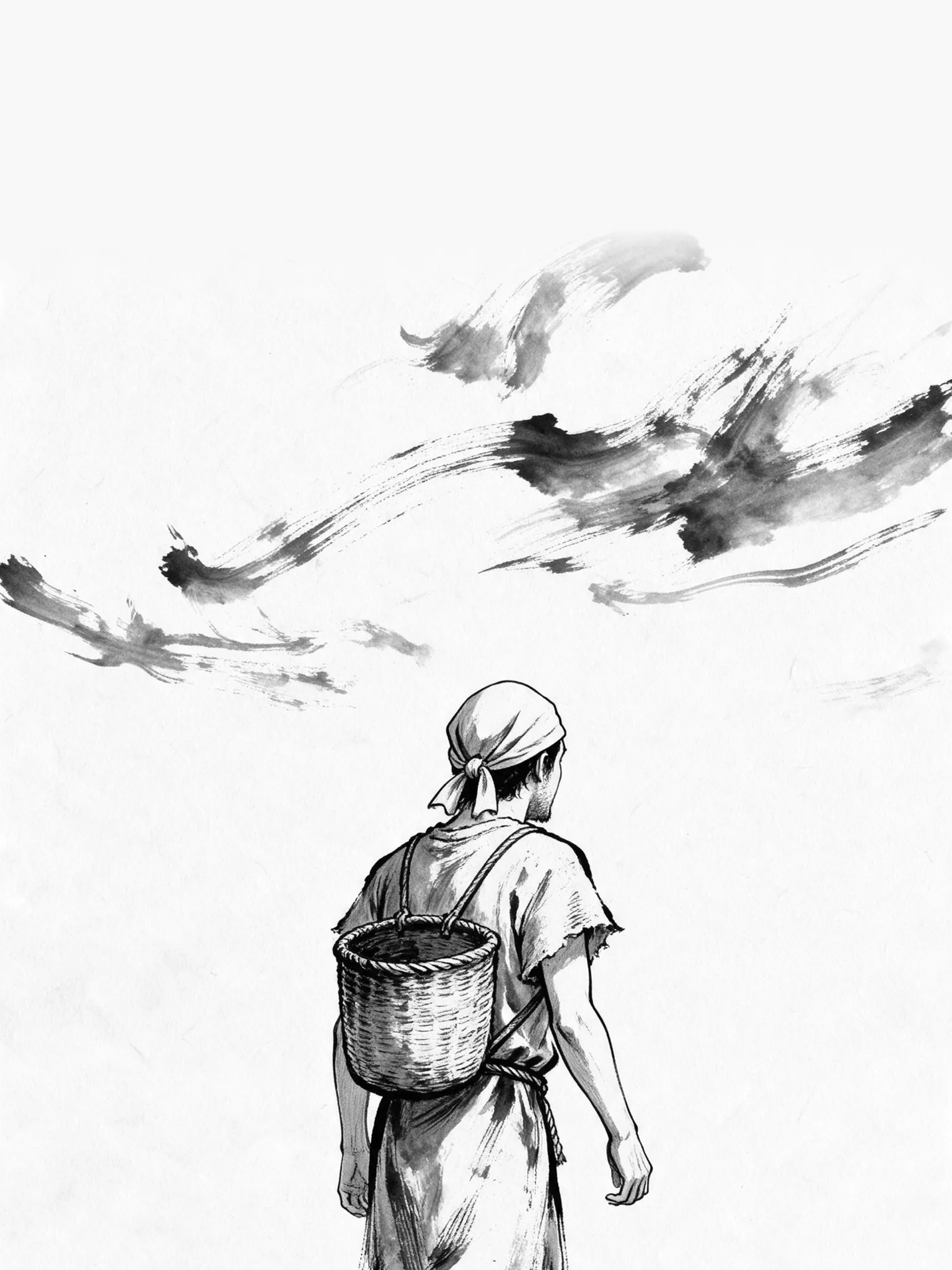
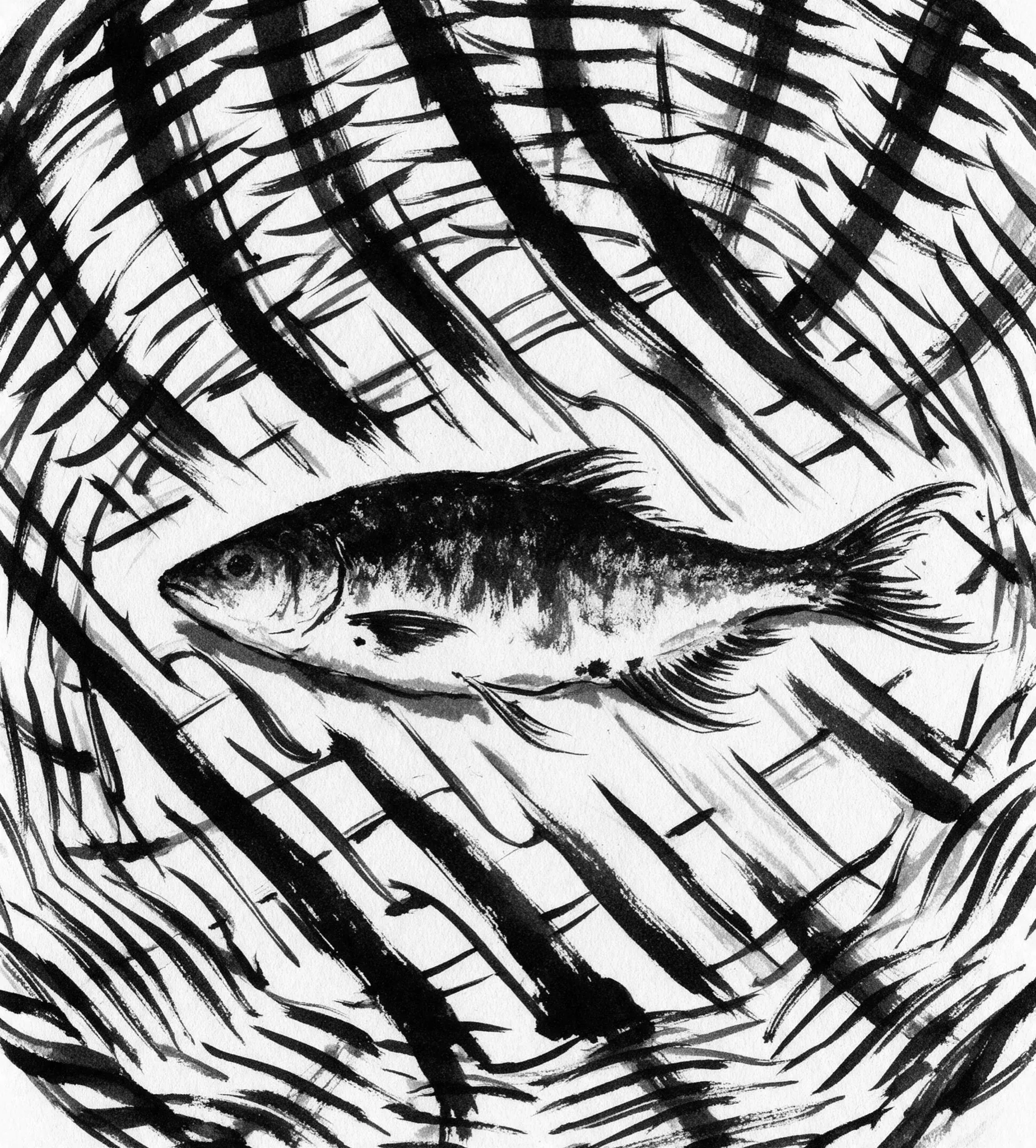
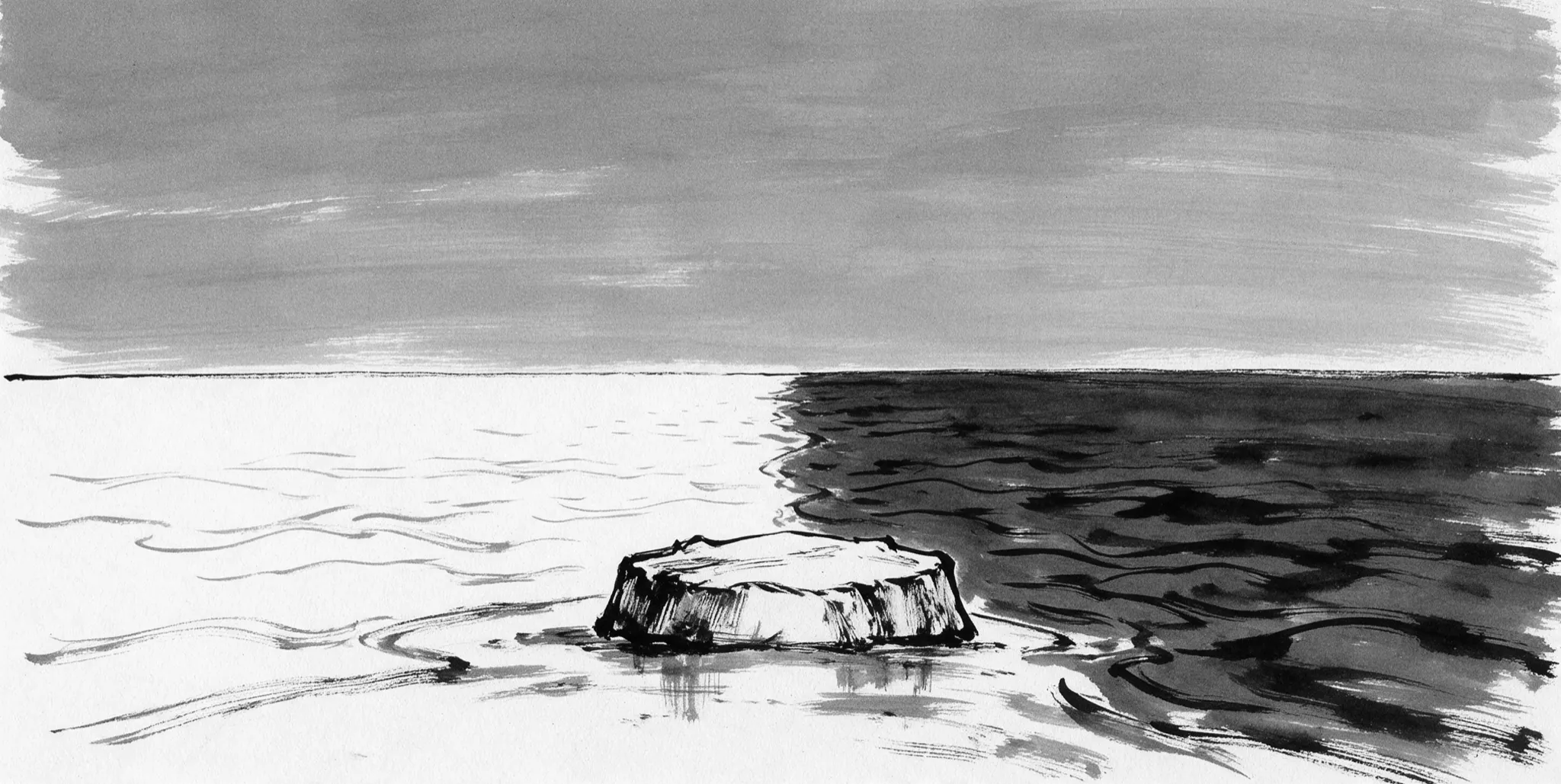
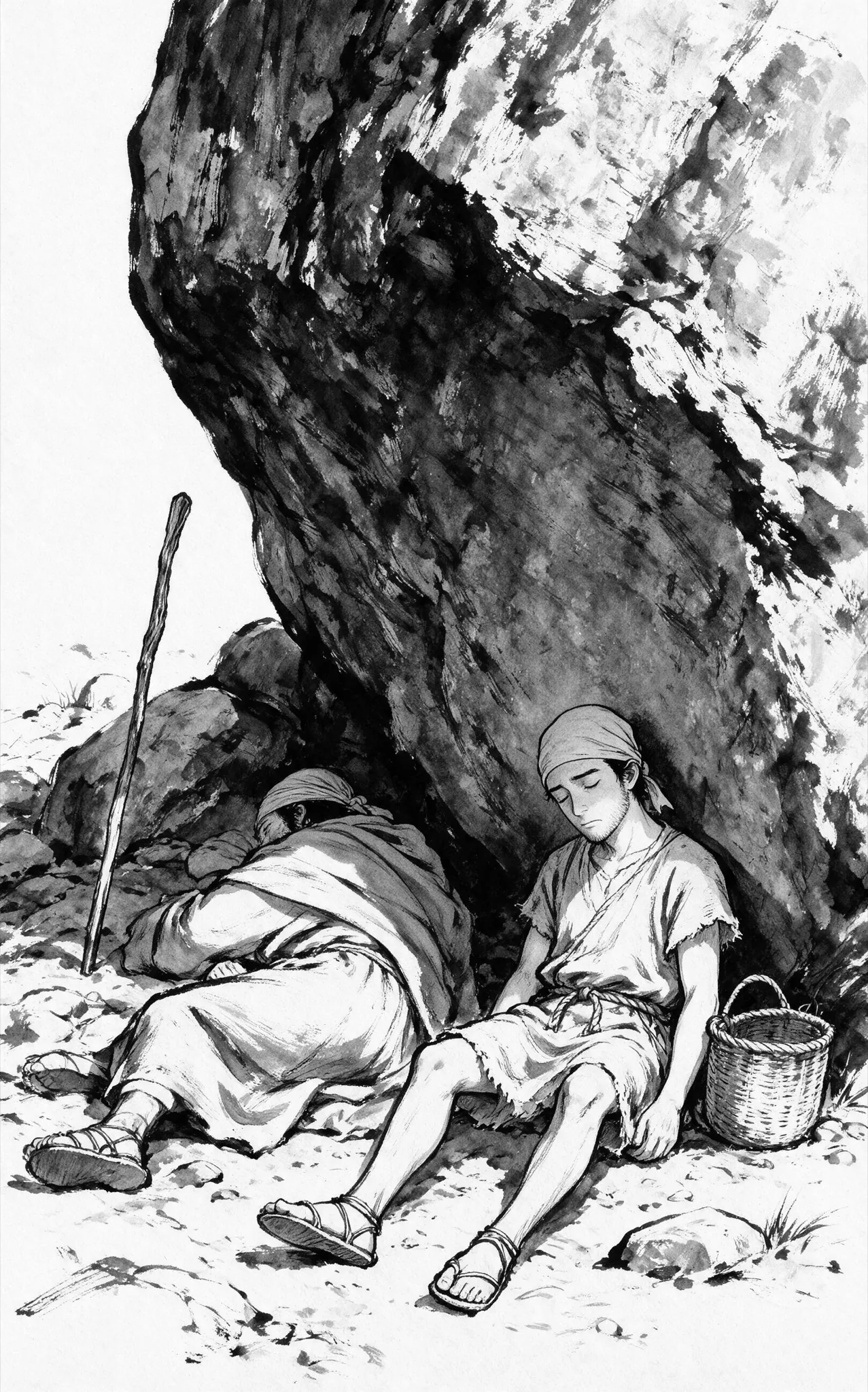
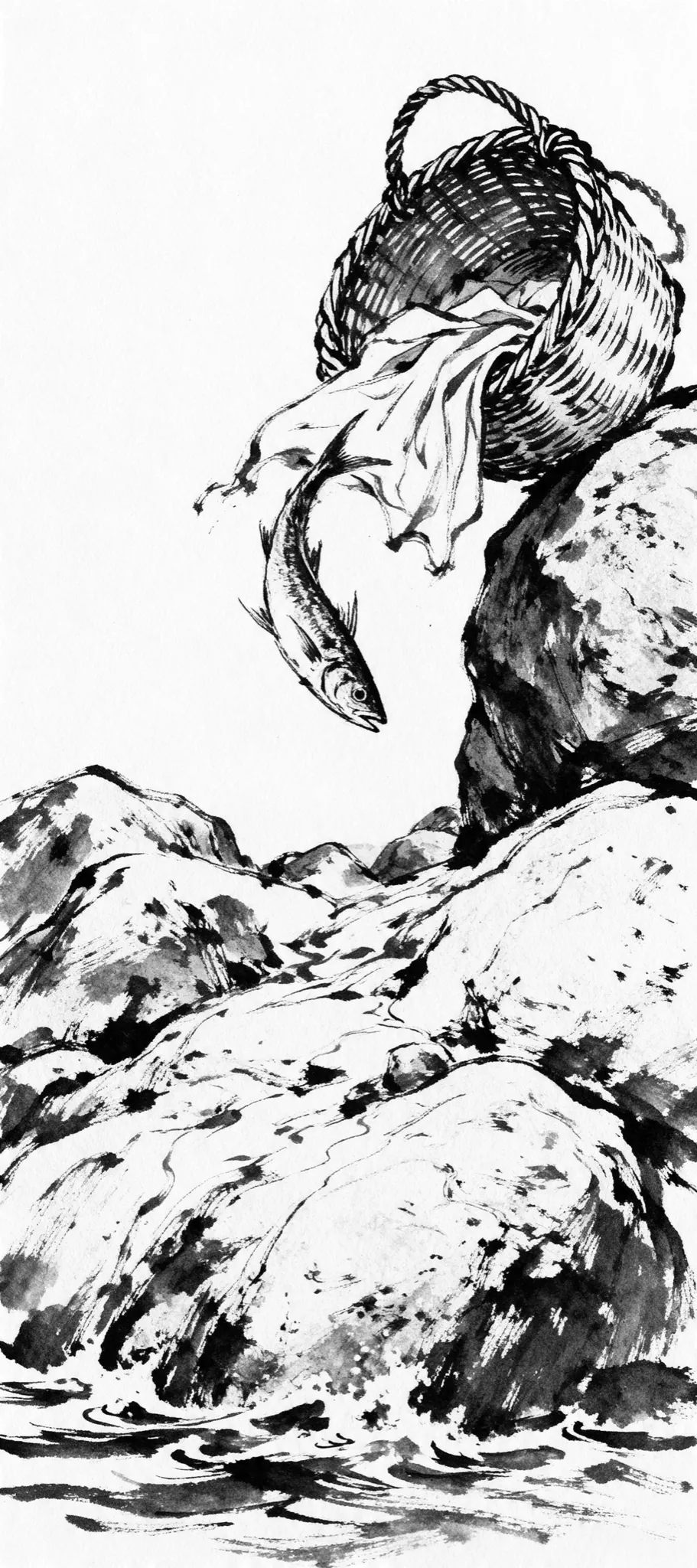
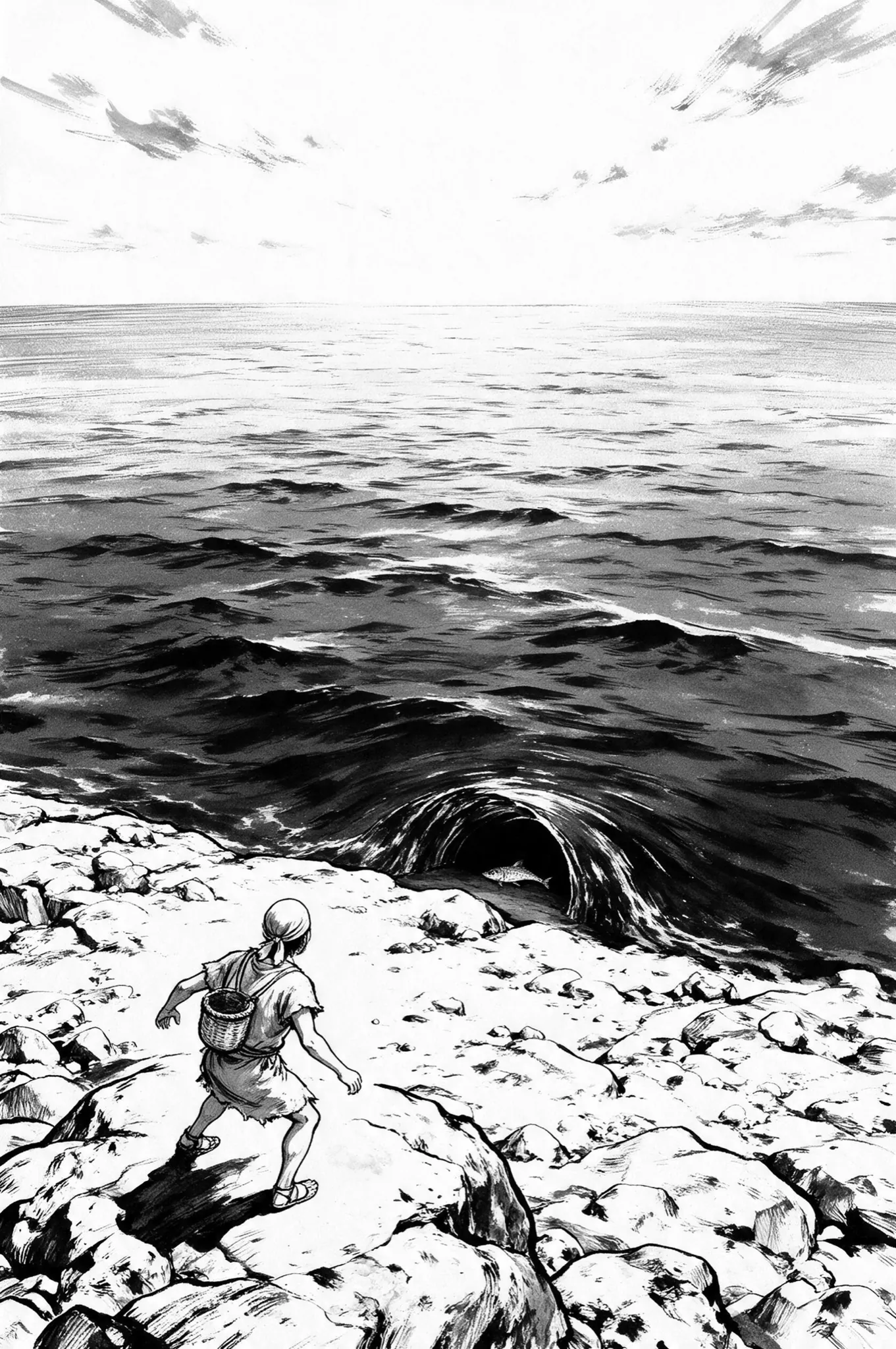
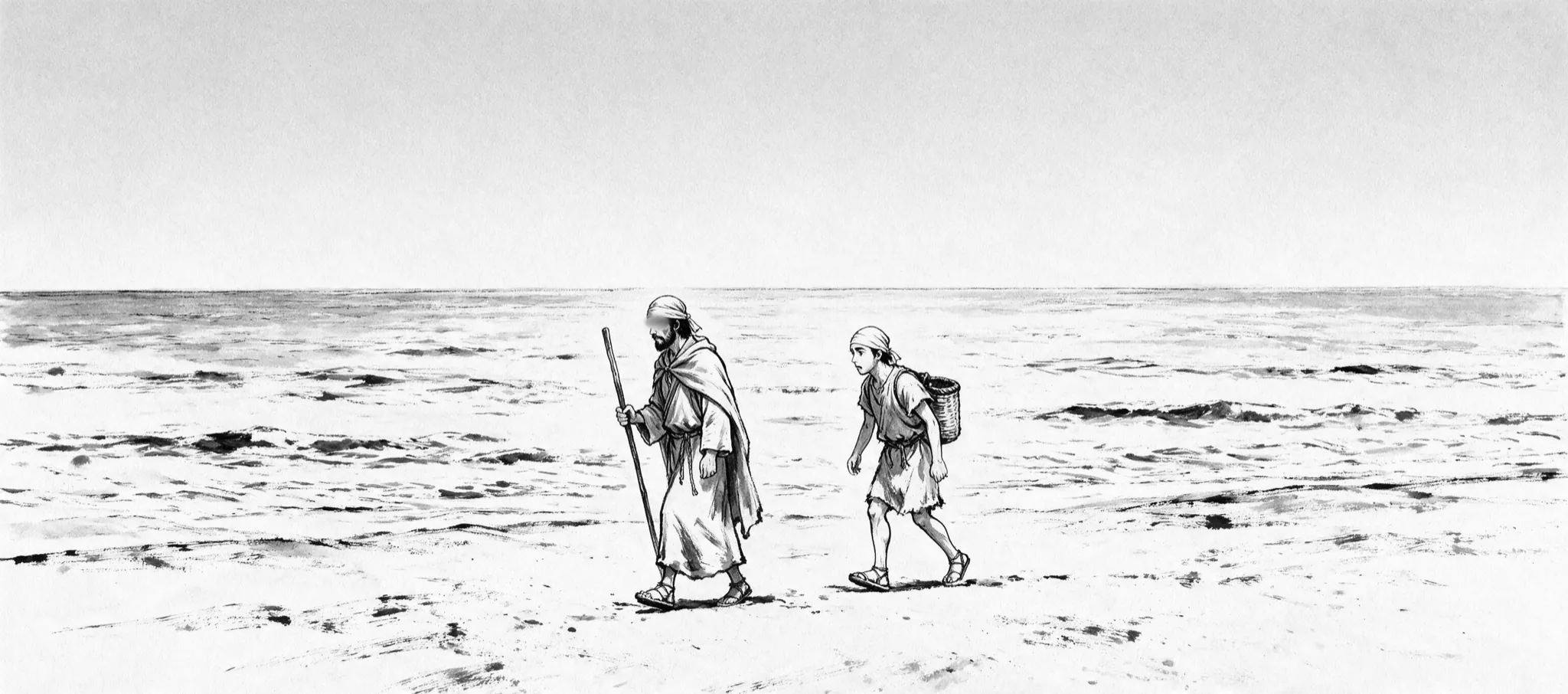
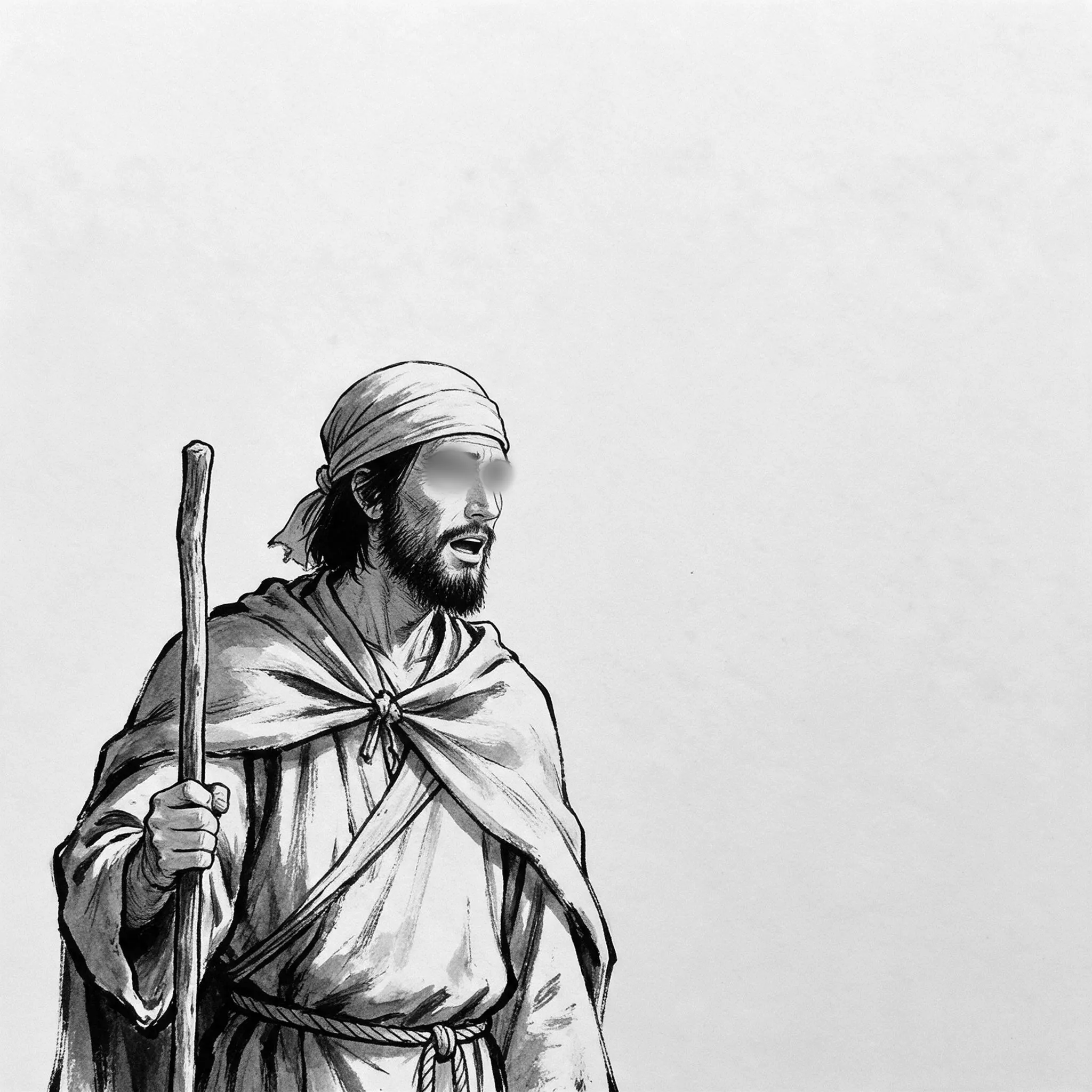
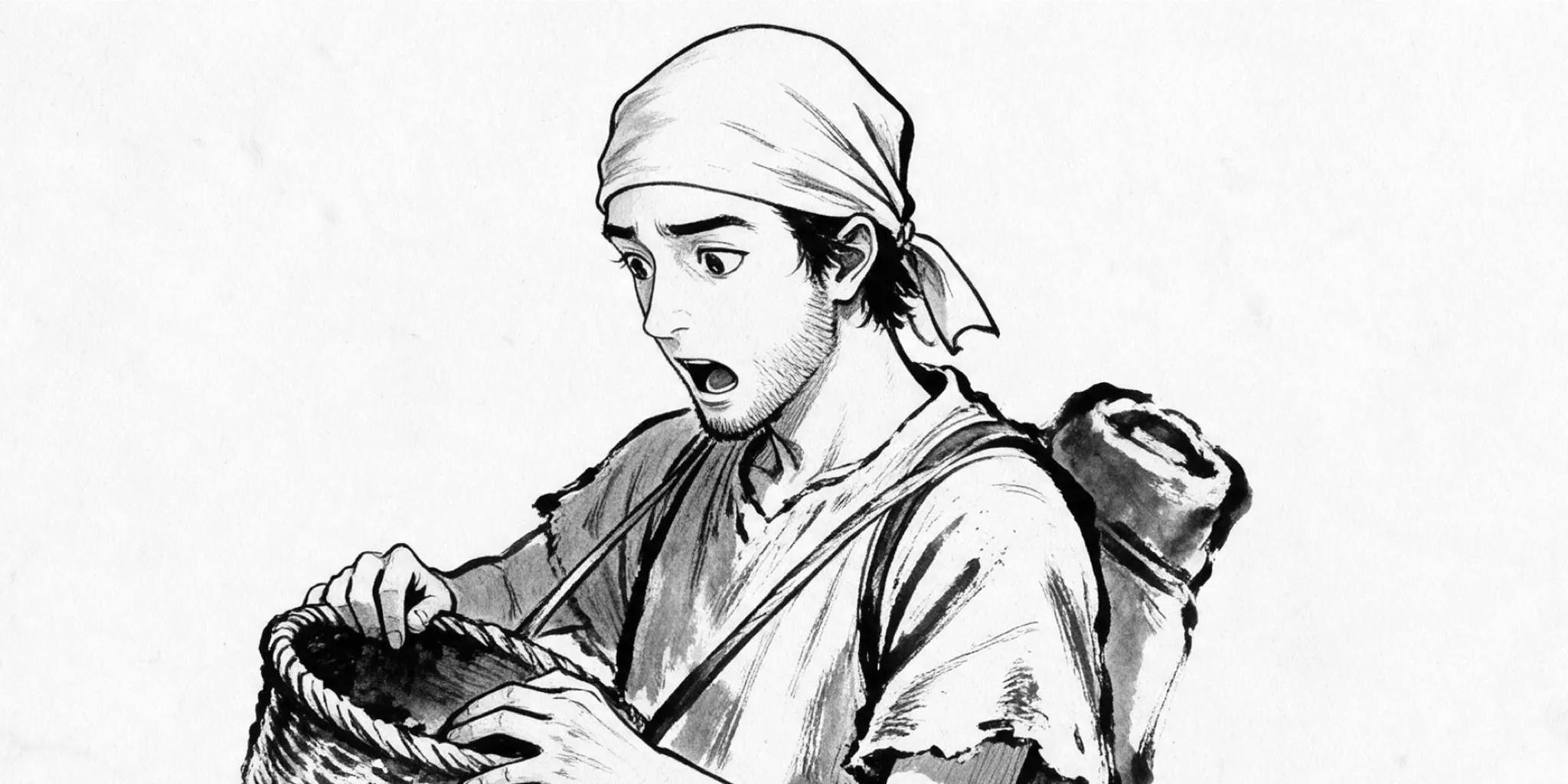
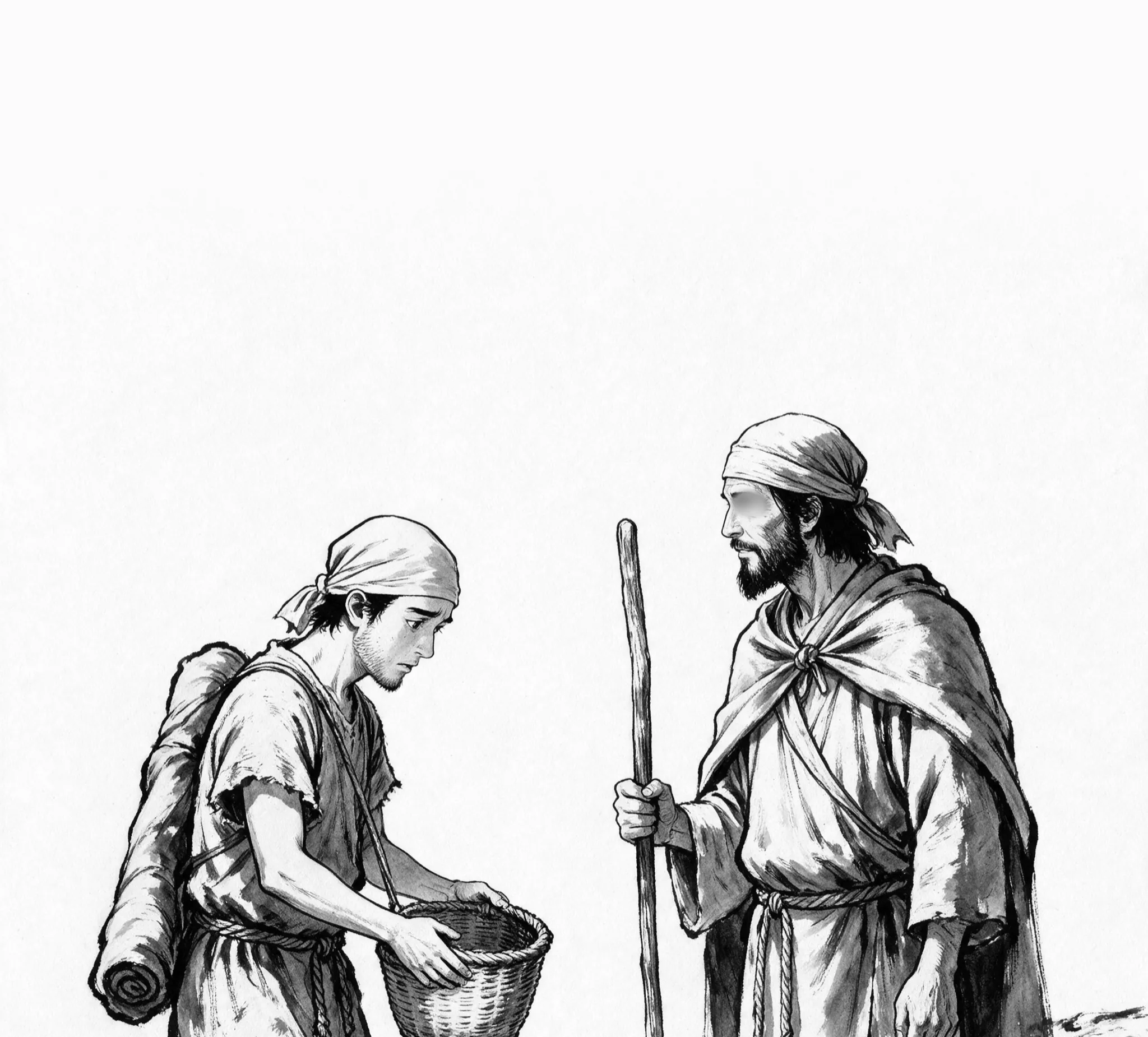
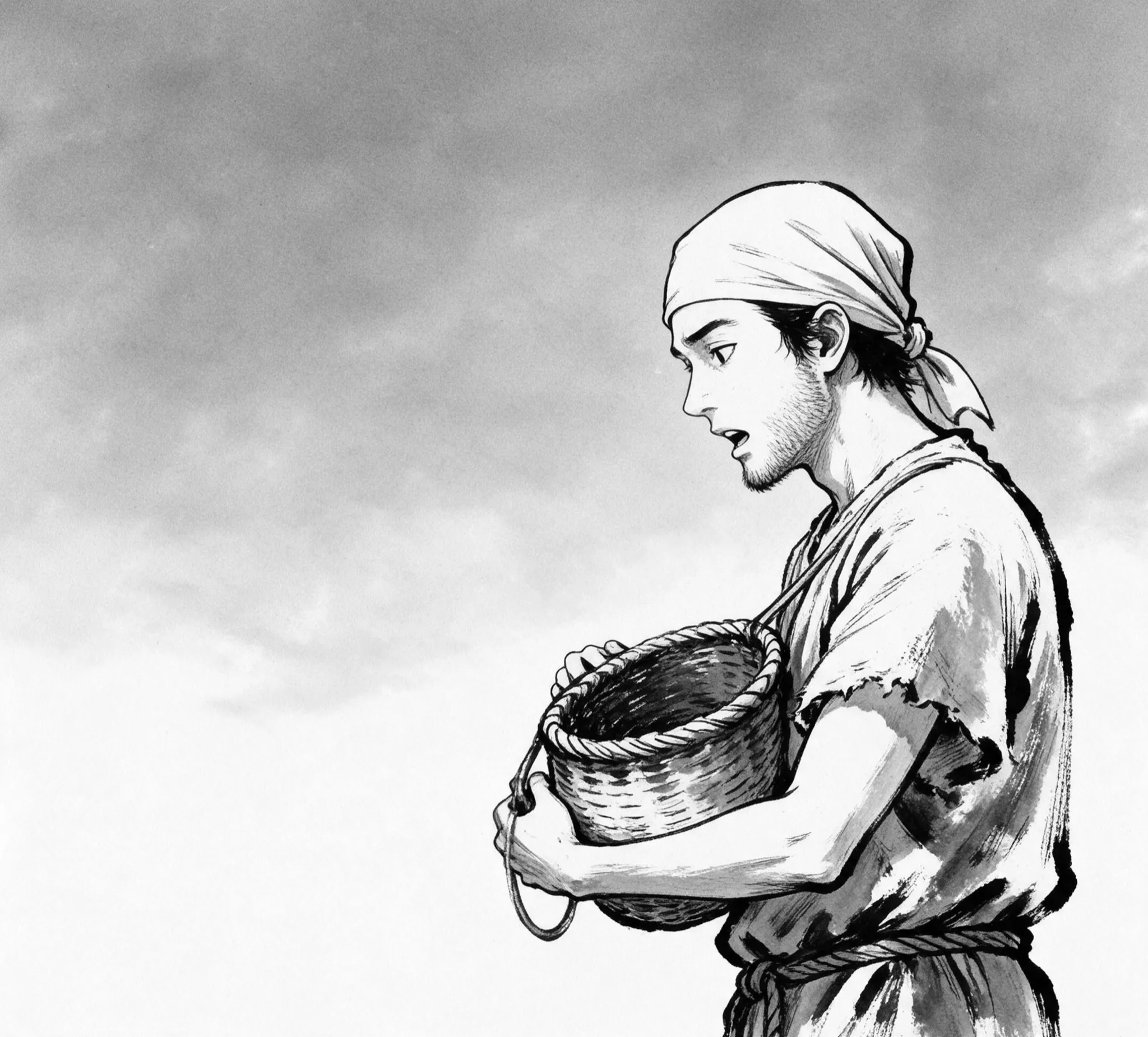
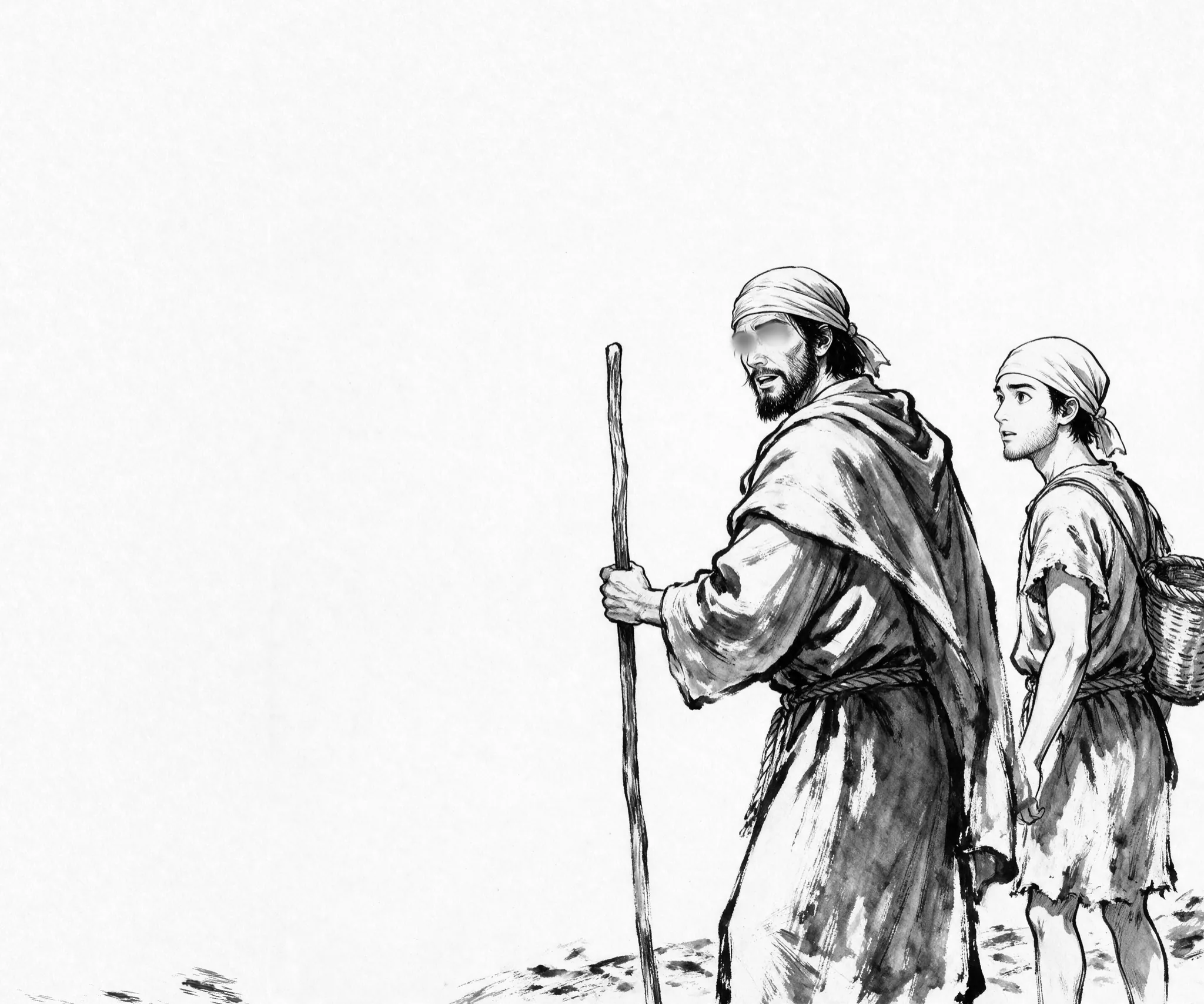
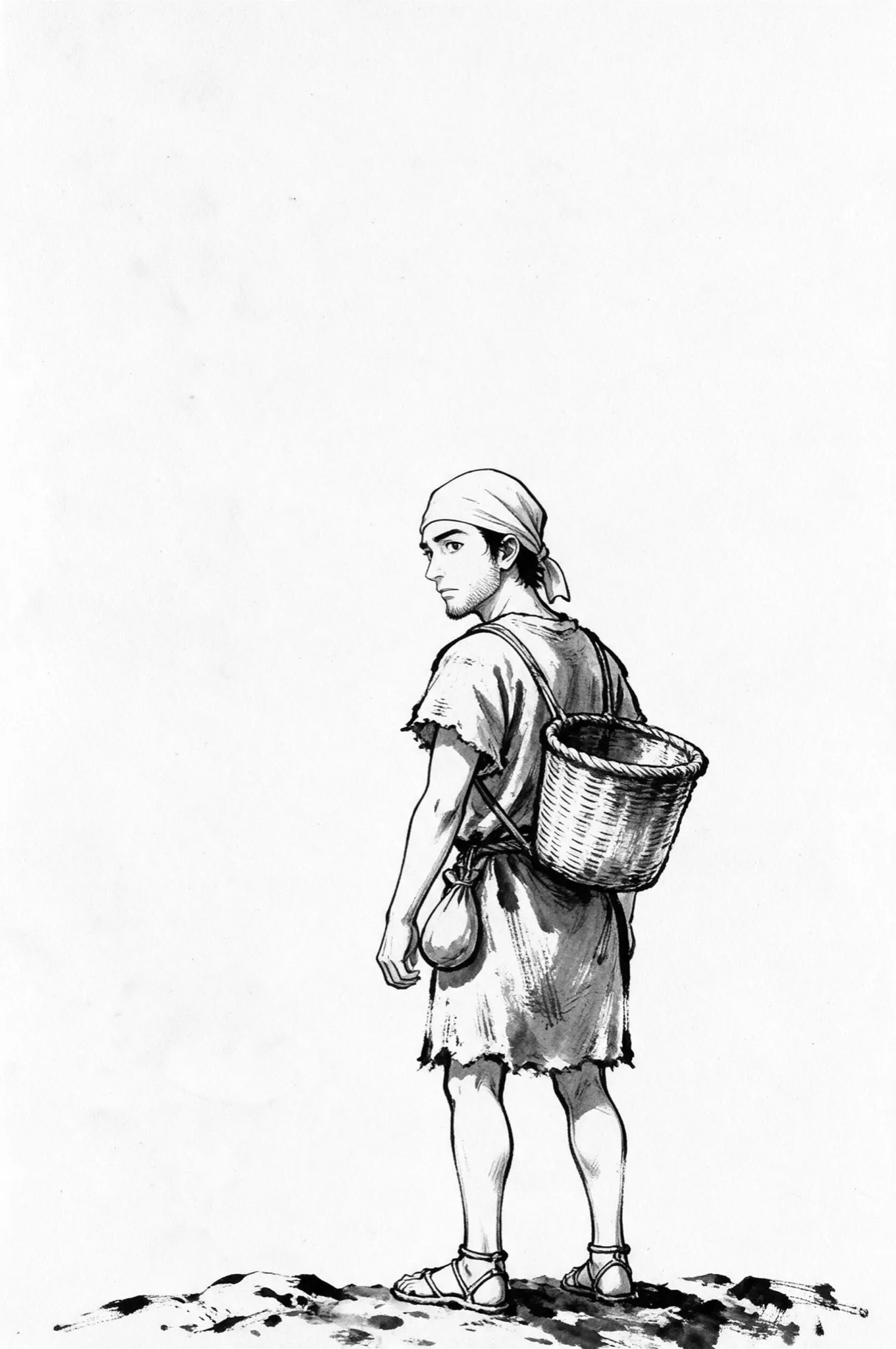
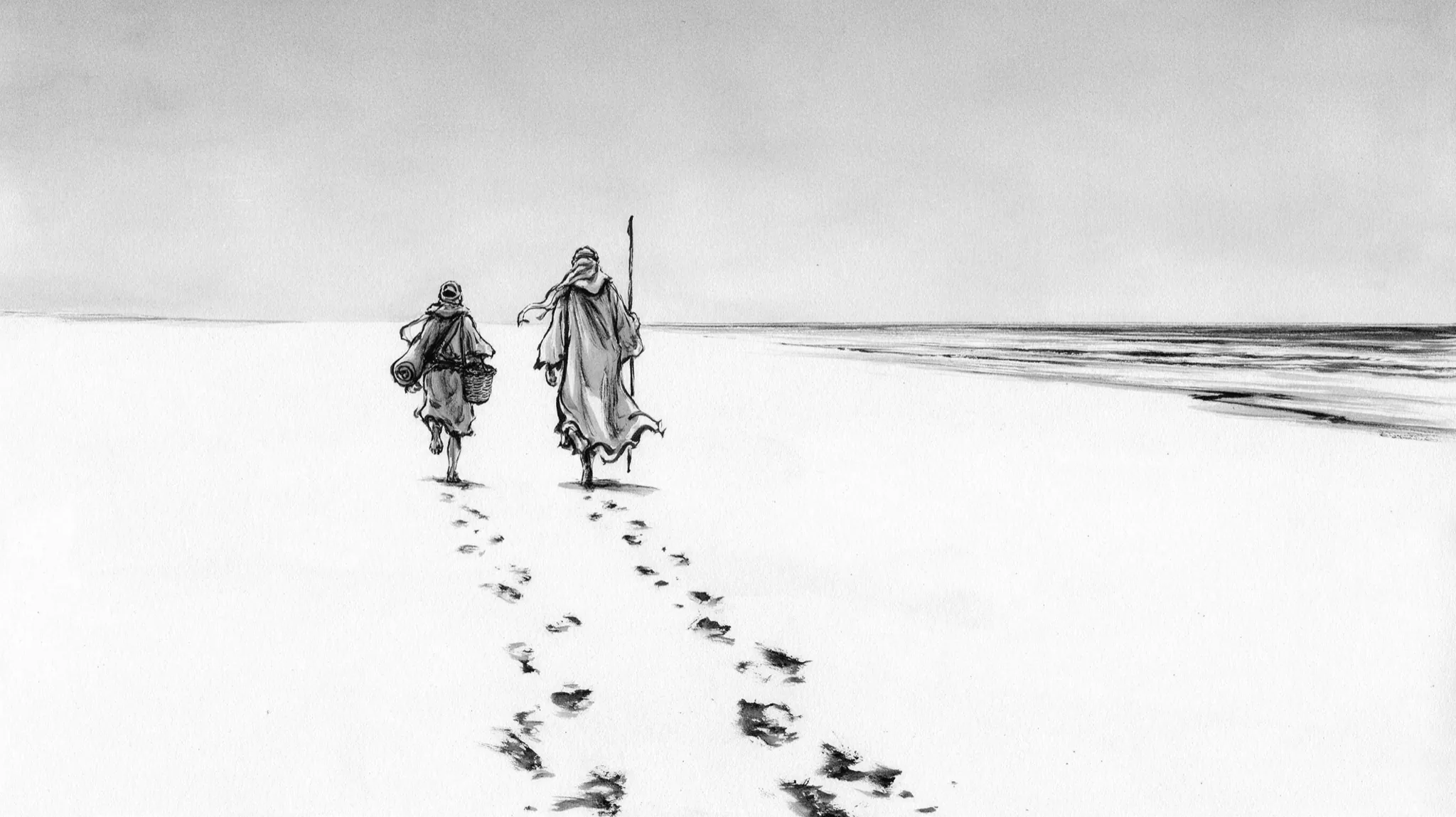
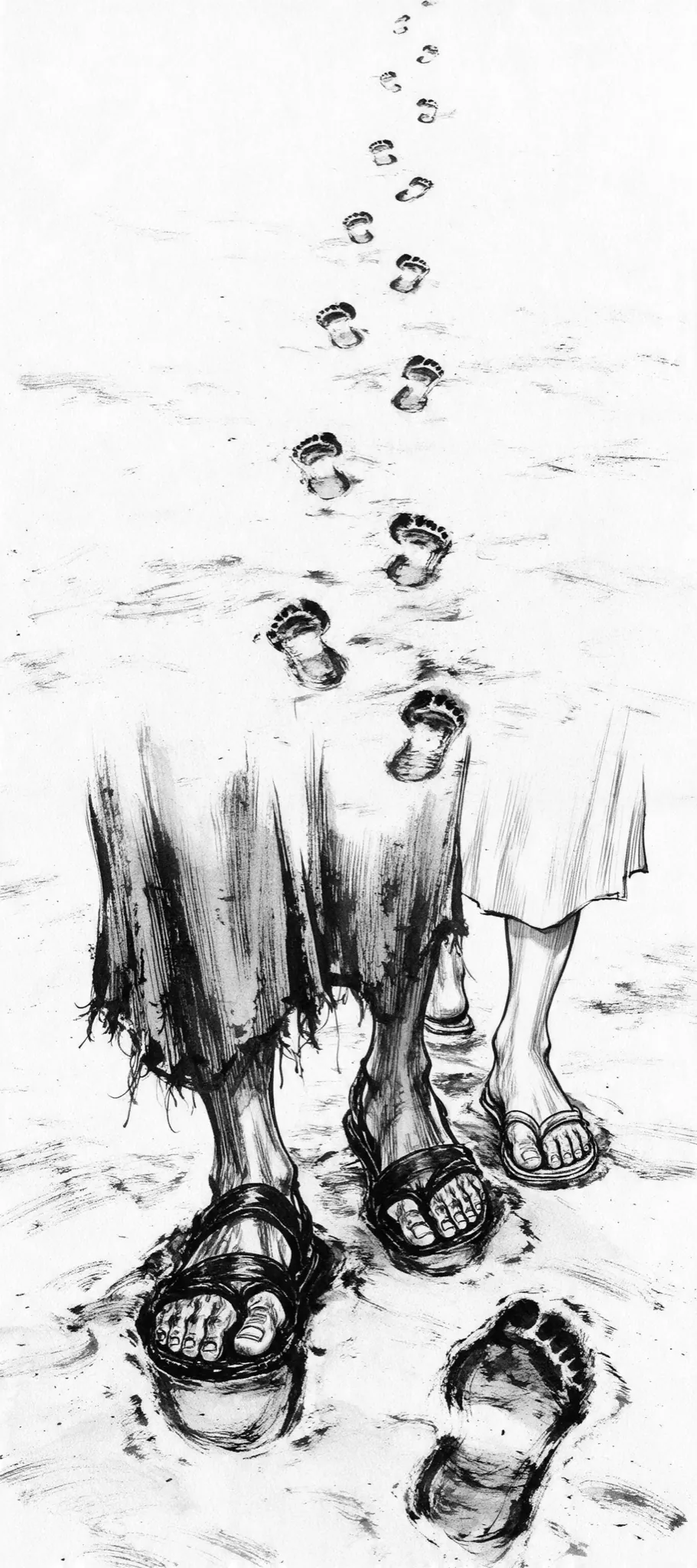
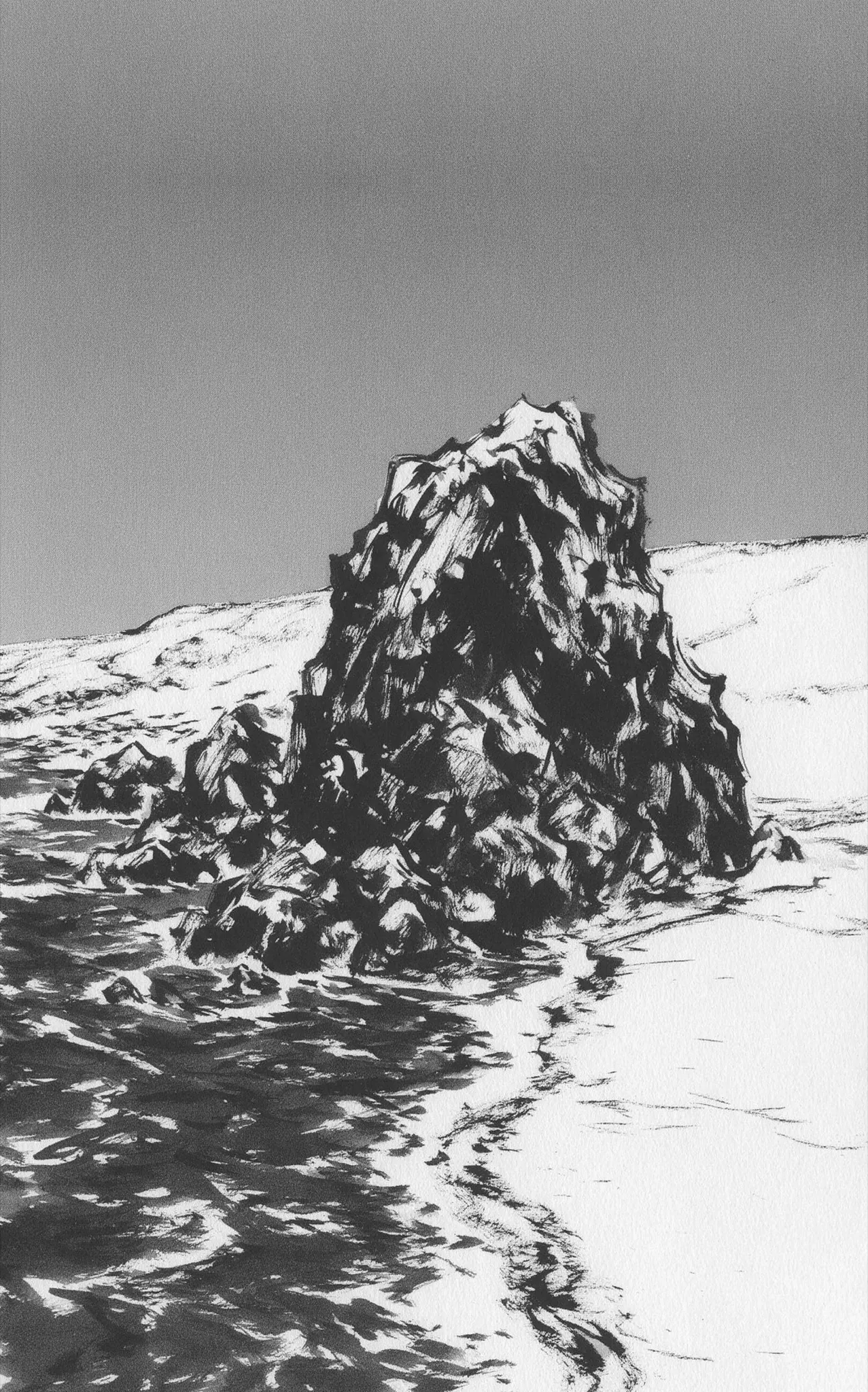
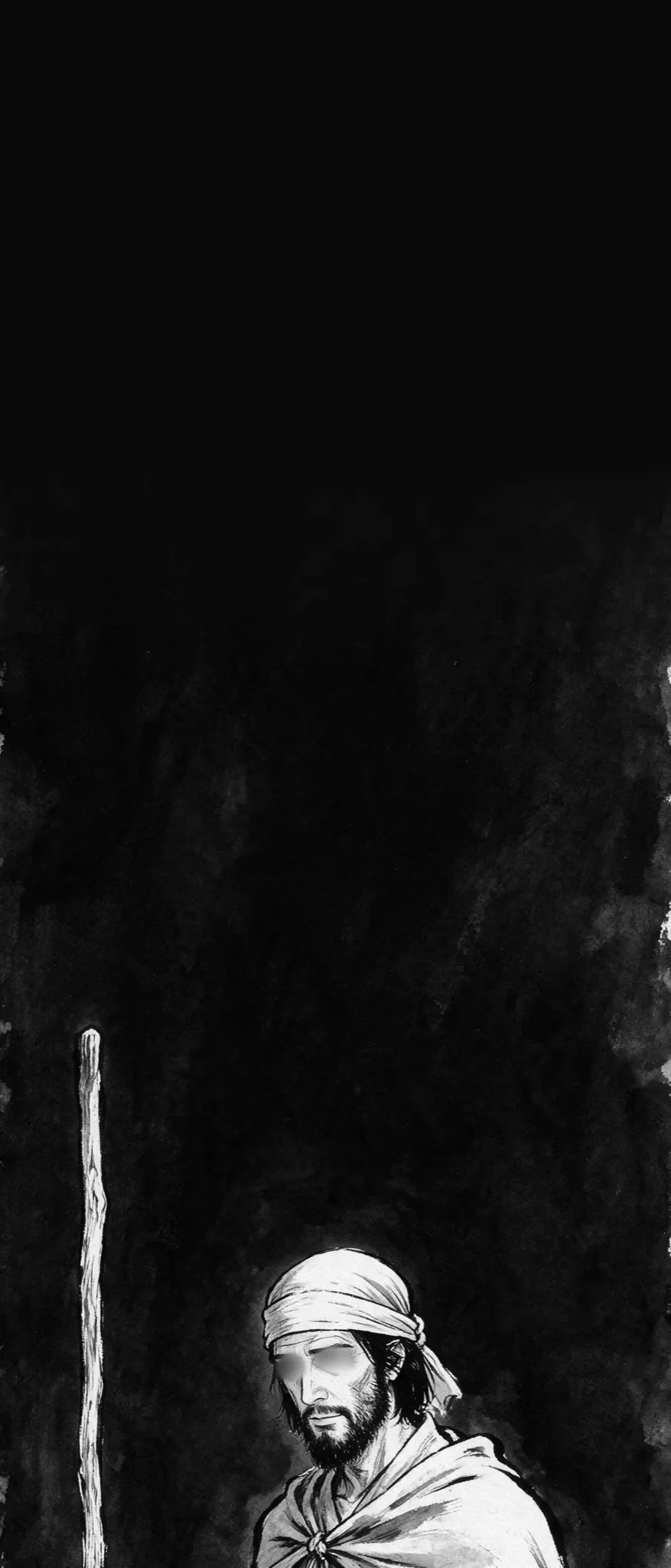
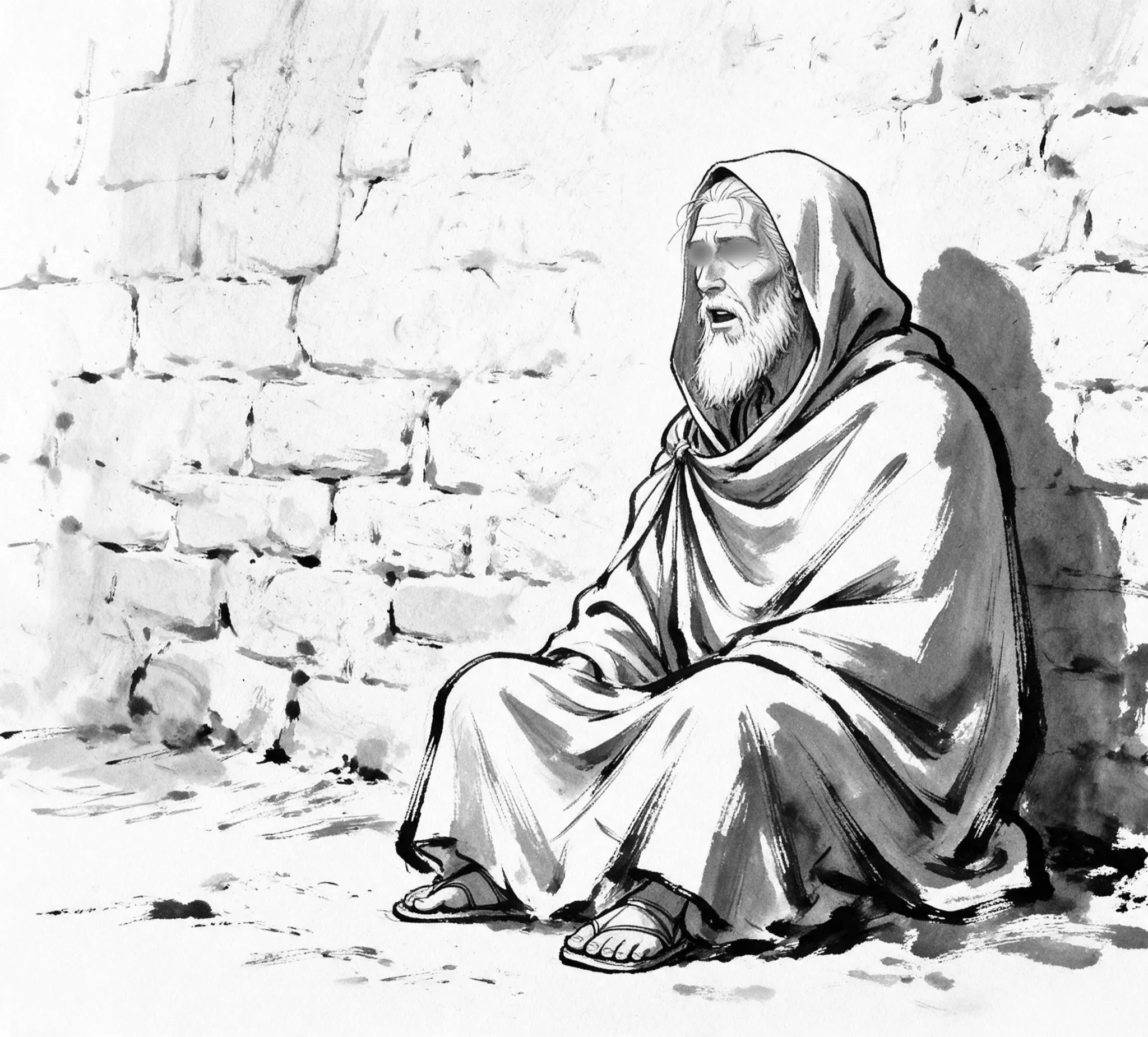
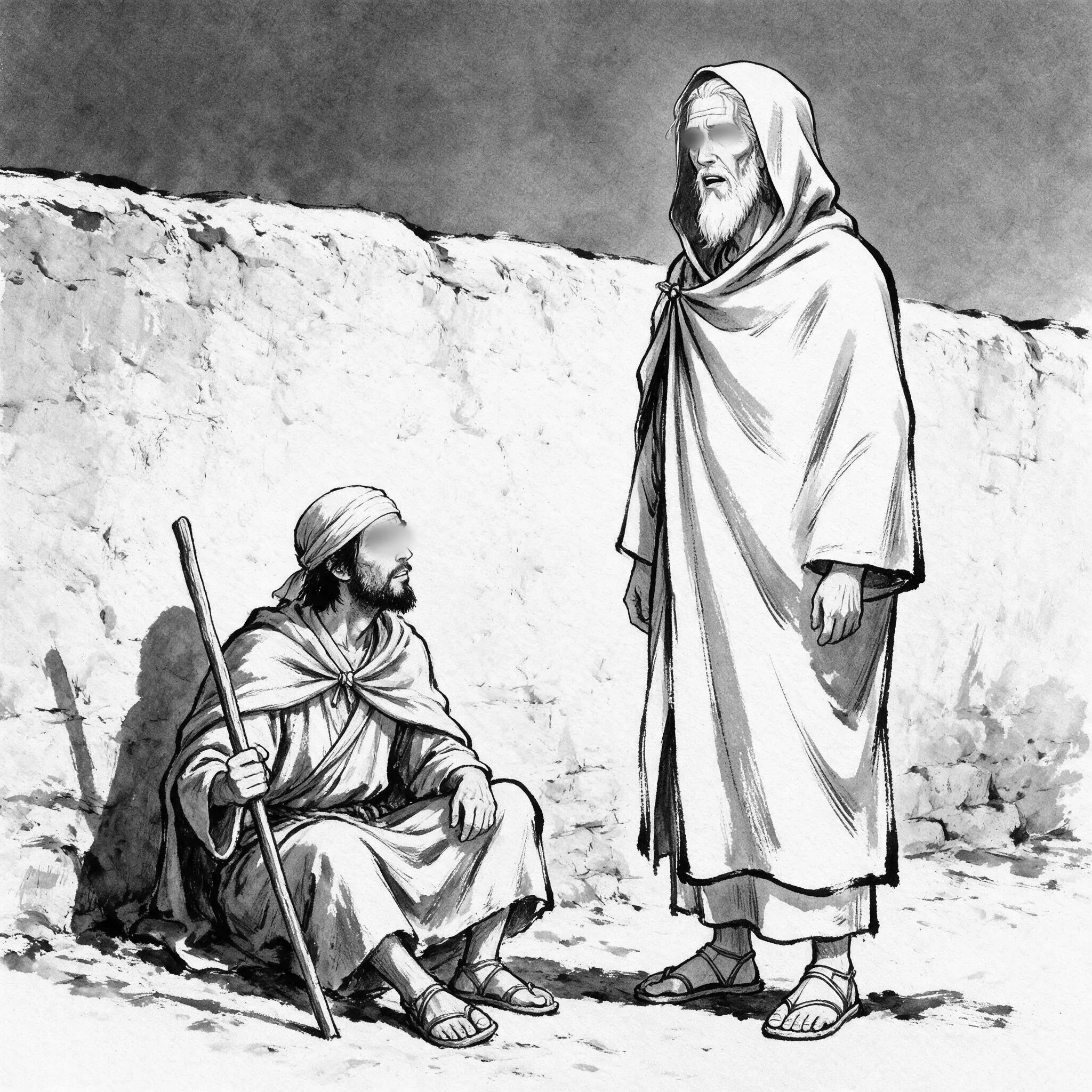
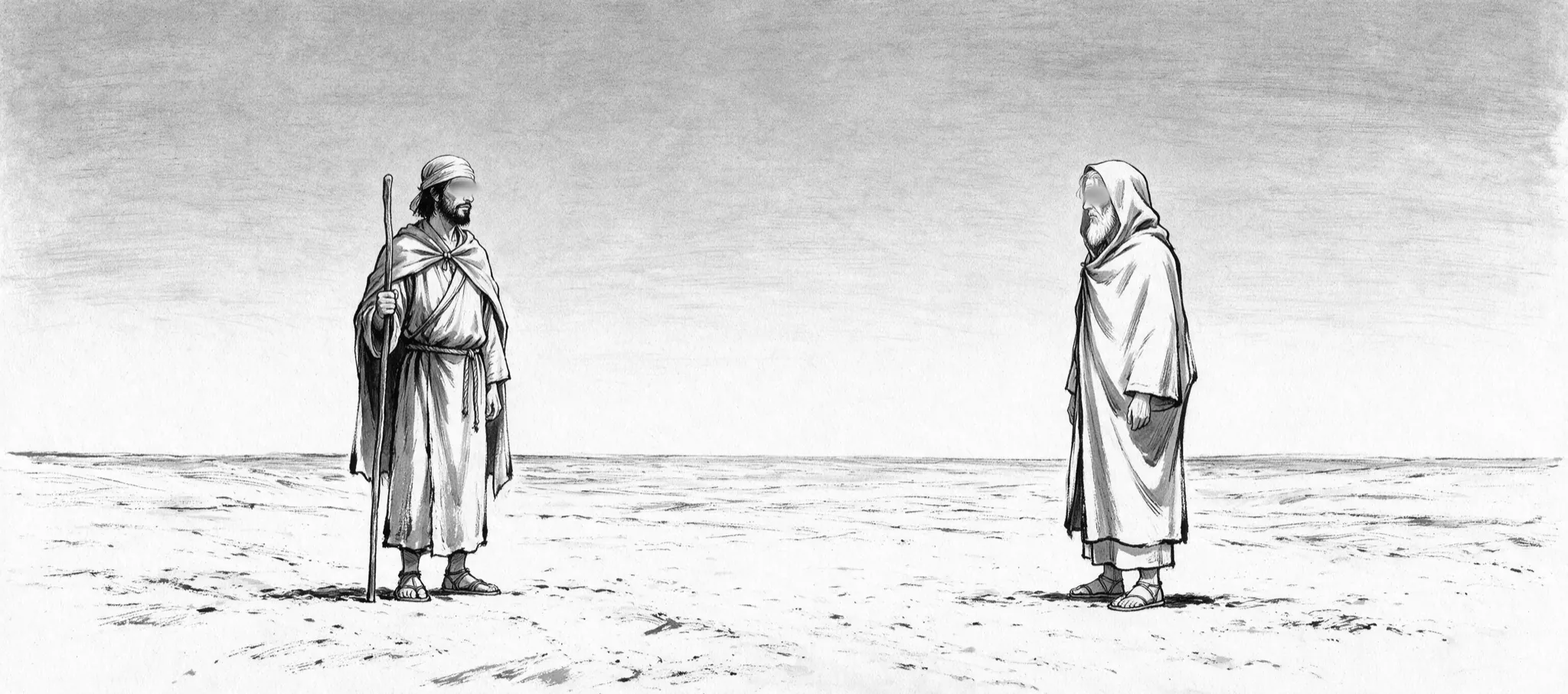
فَوَجَدَا عَبْدًا مِّنْ عِبَادِنَآ ءَاتَيْنَٰهُ رَحْمَةً مِّنْ عِندِنَا وَعَلَّمْنَٰهُ مِن لَّدُنَّا عِلْمًا
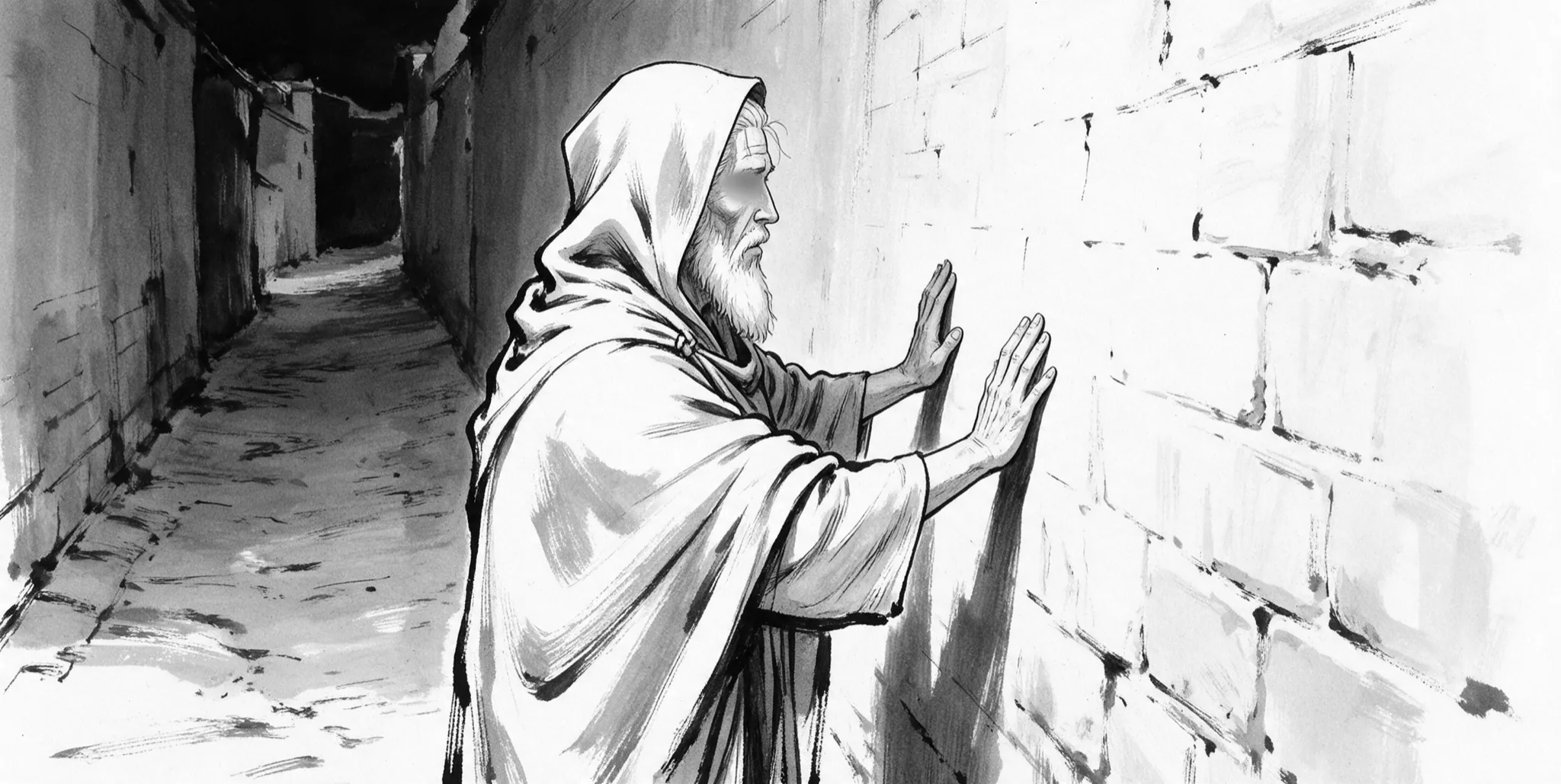
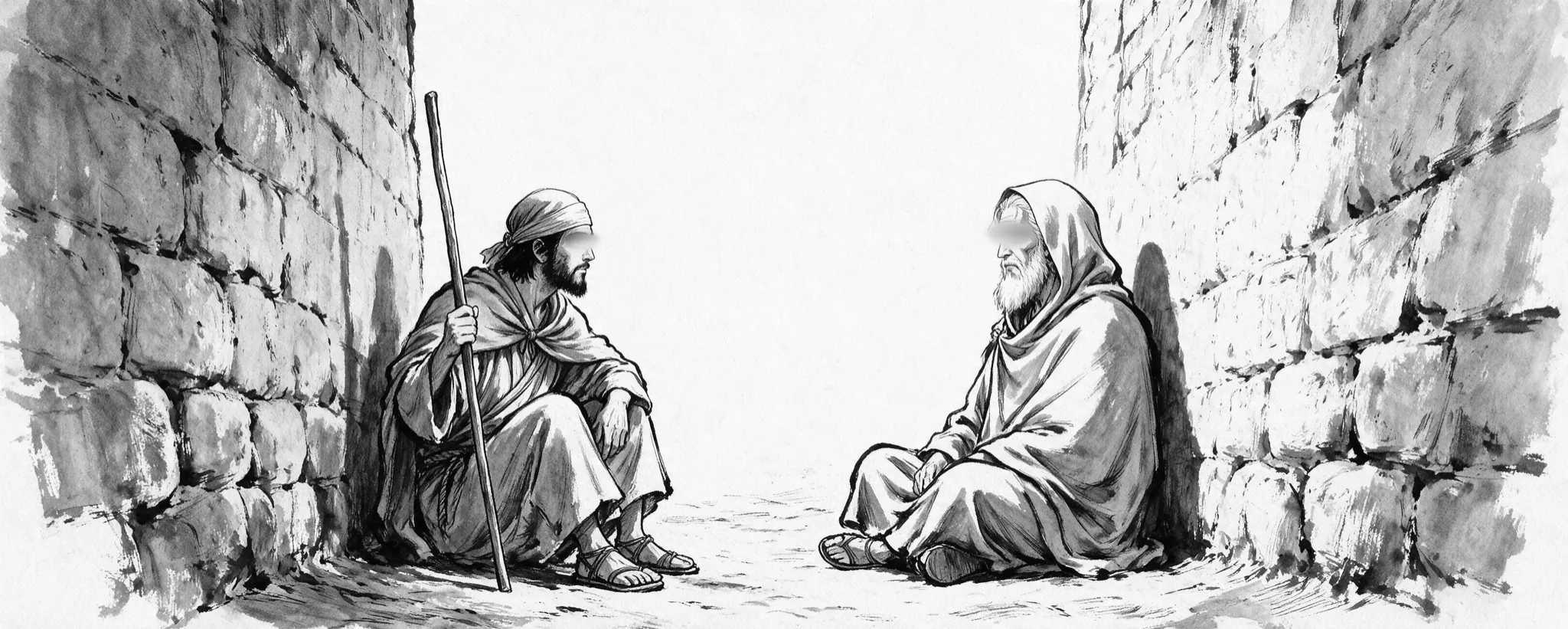
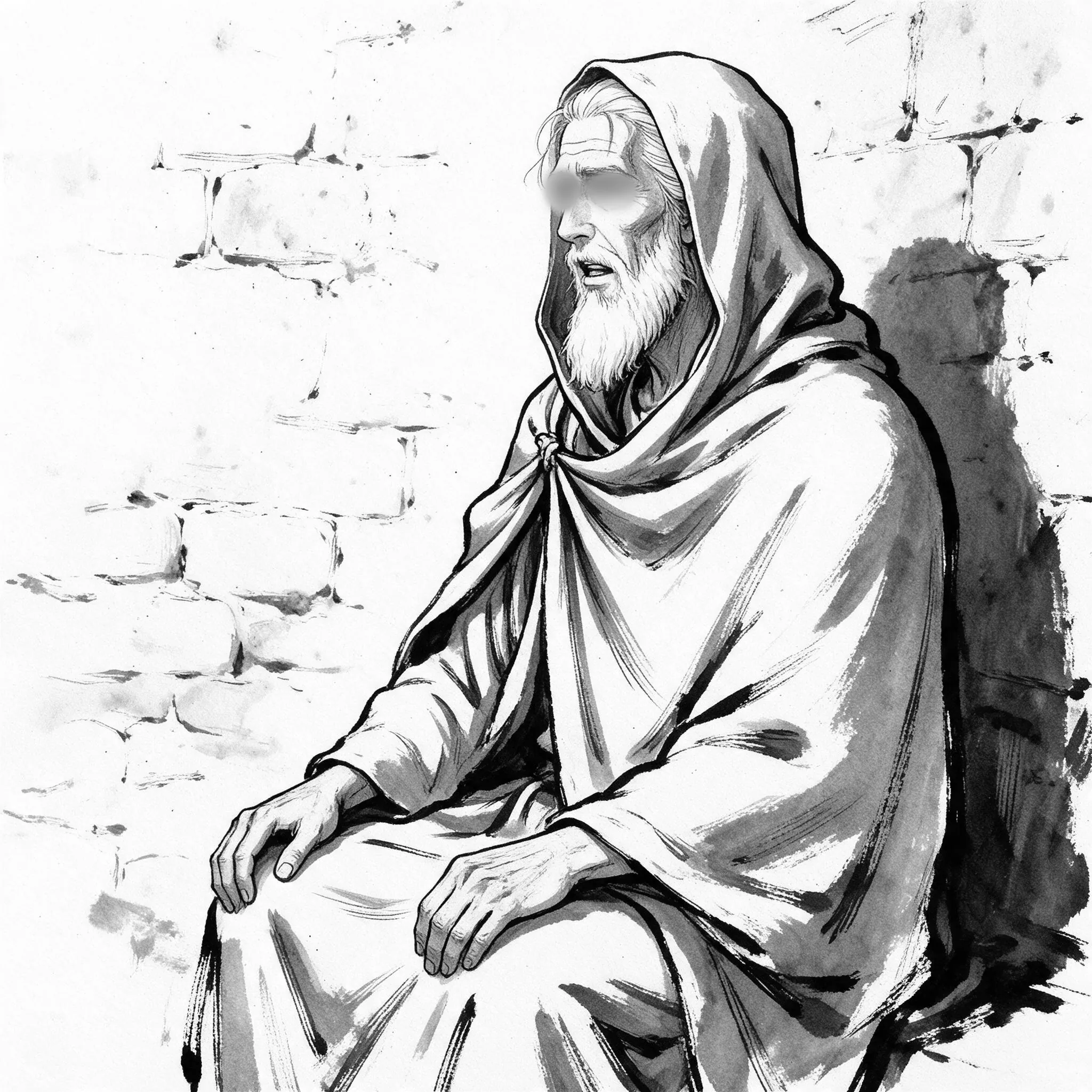
And they found a servant from among Our servants to whom We had given mercy from Us and had taught him from Us a [certain] knowledge.
Qur'an 18:65
Saheeh International

Sources
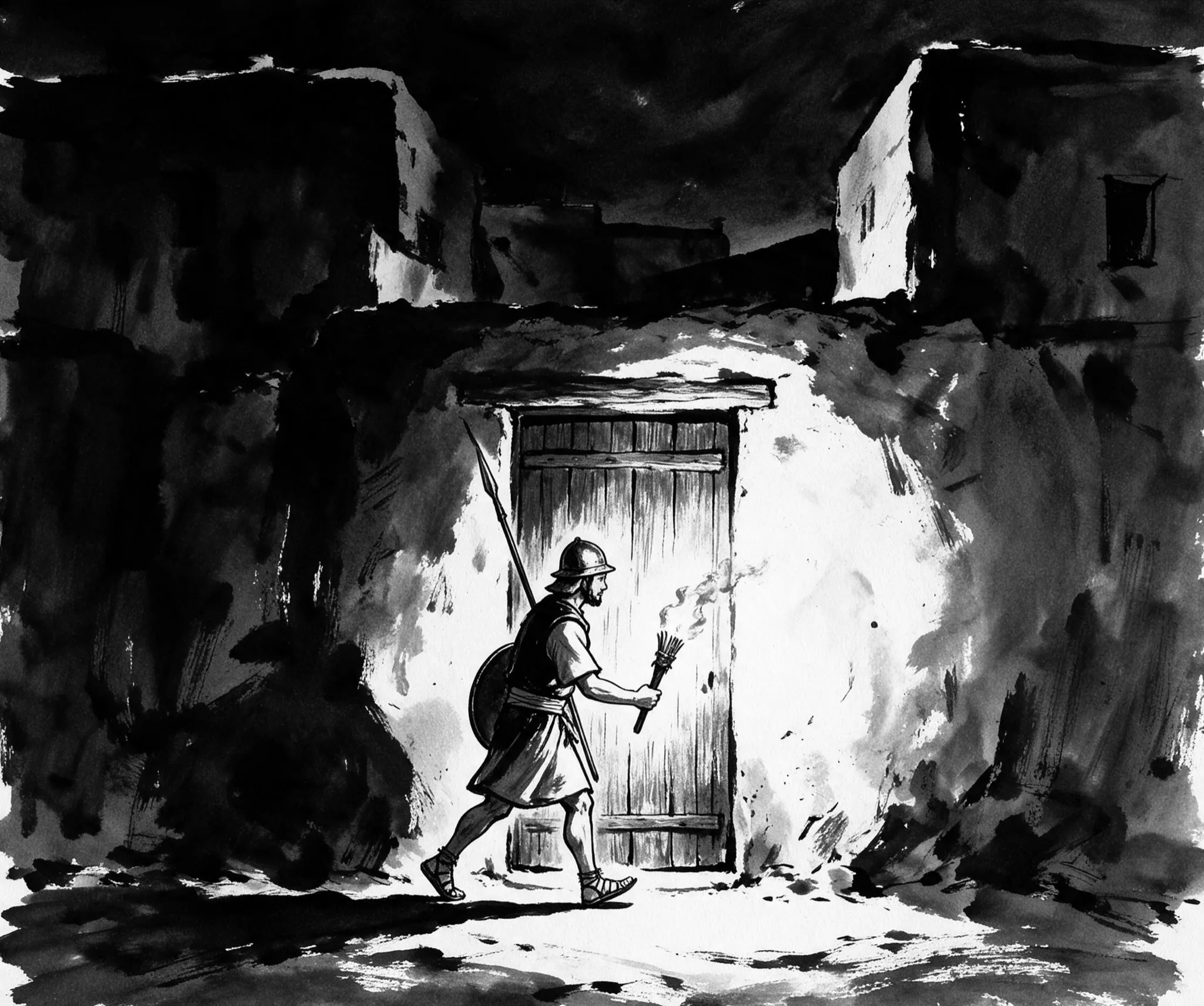
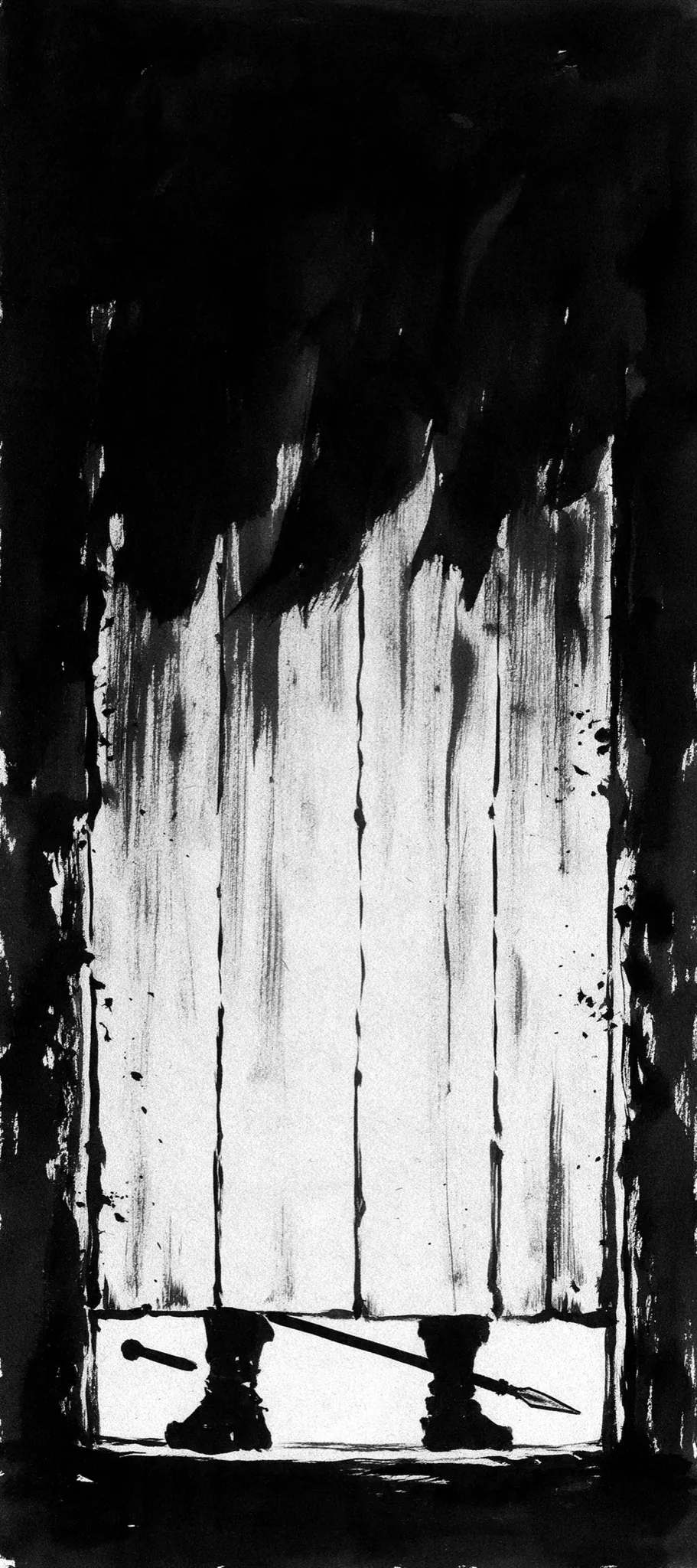
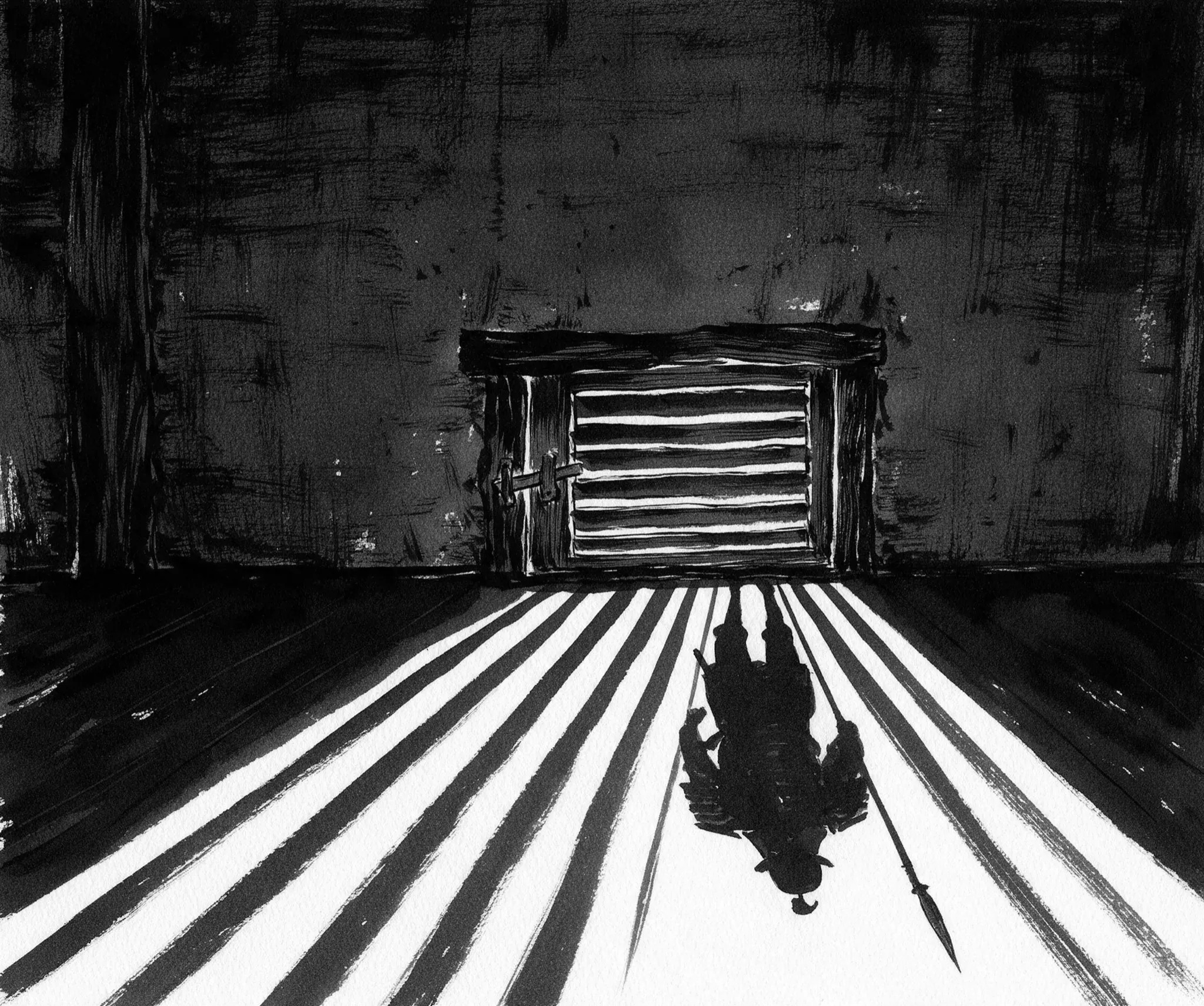
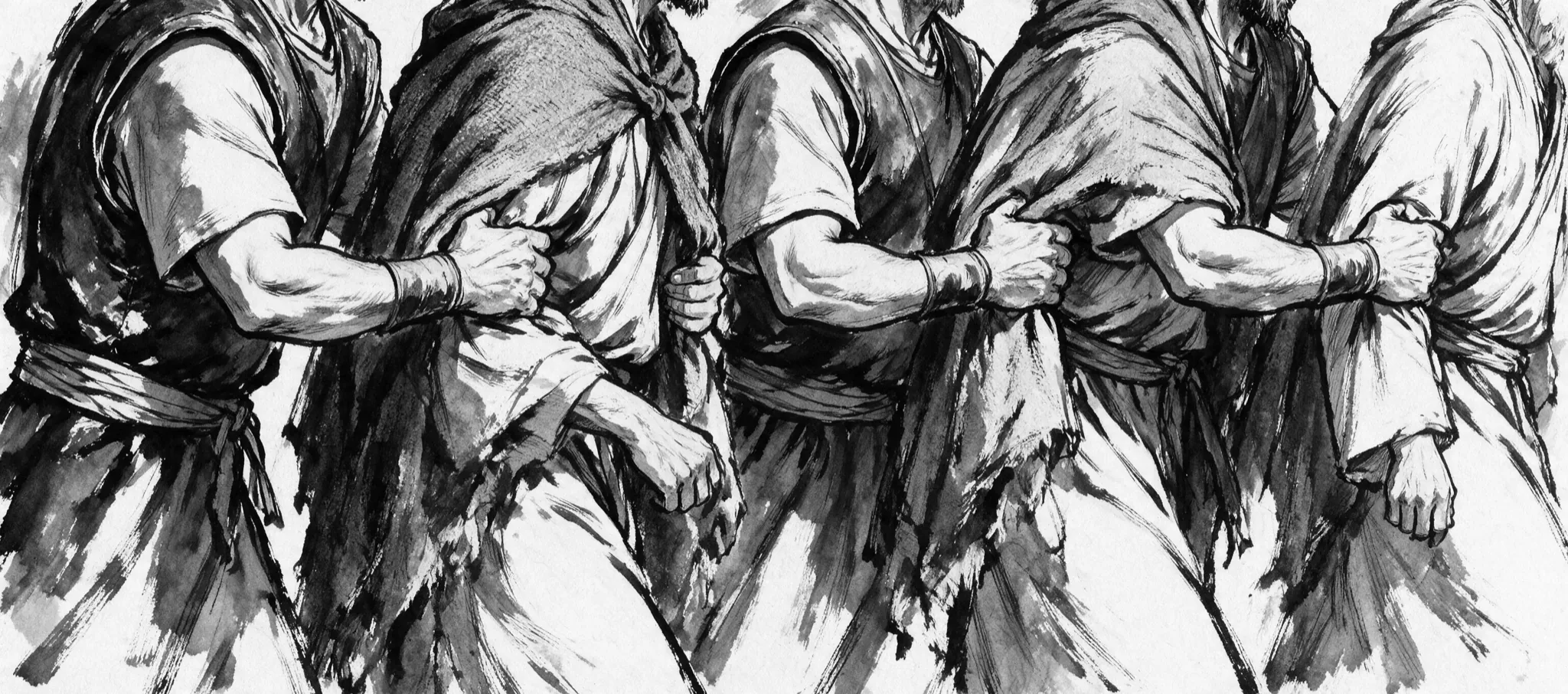
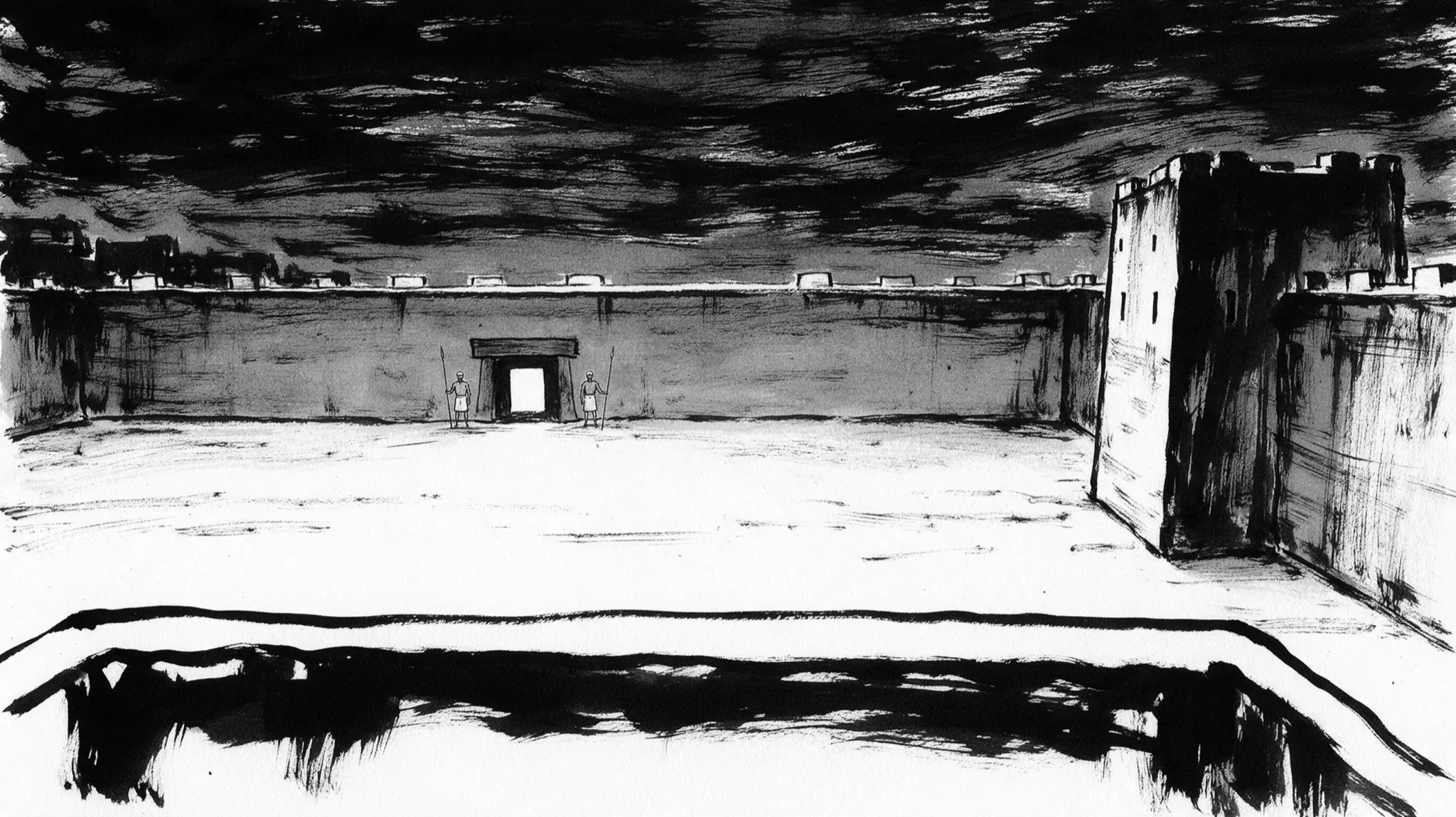
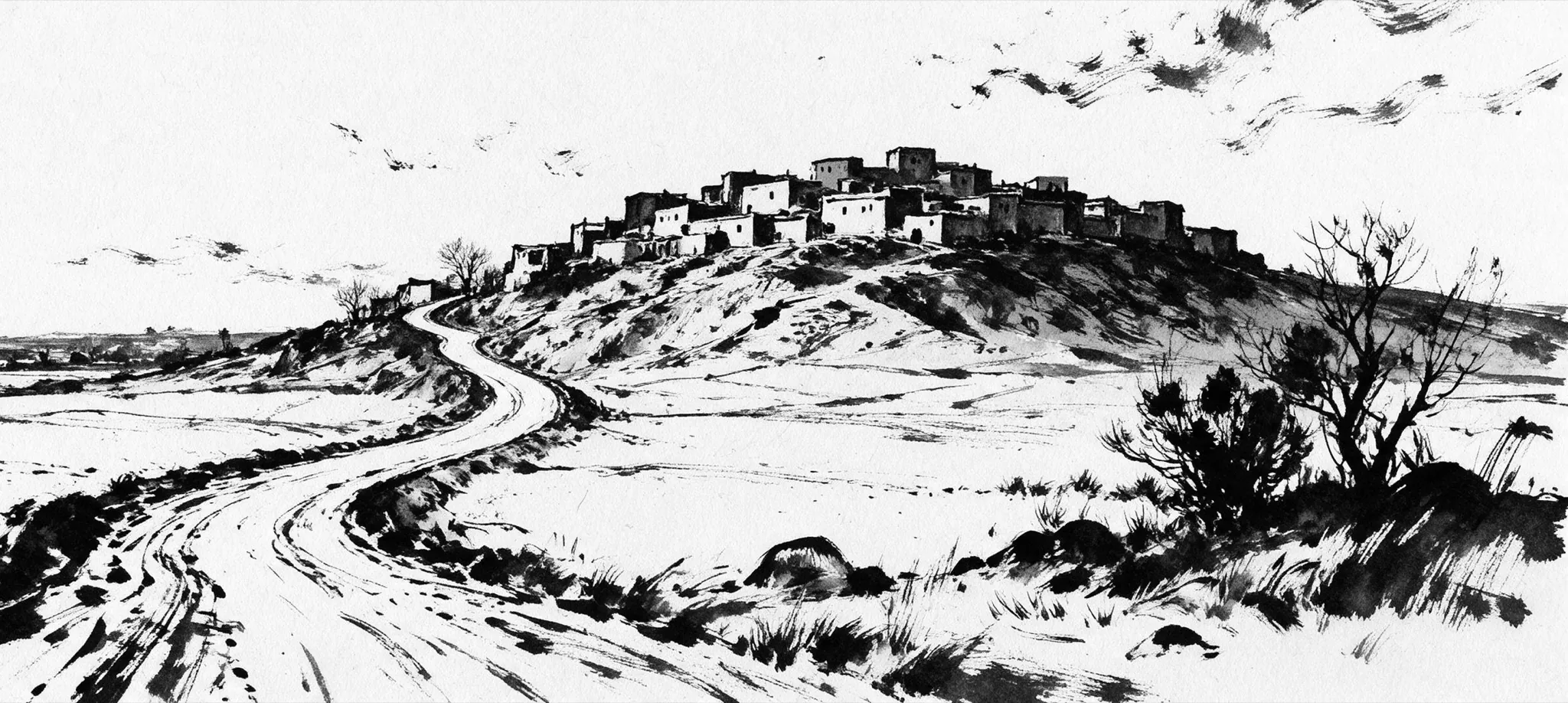
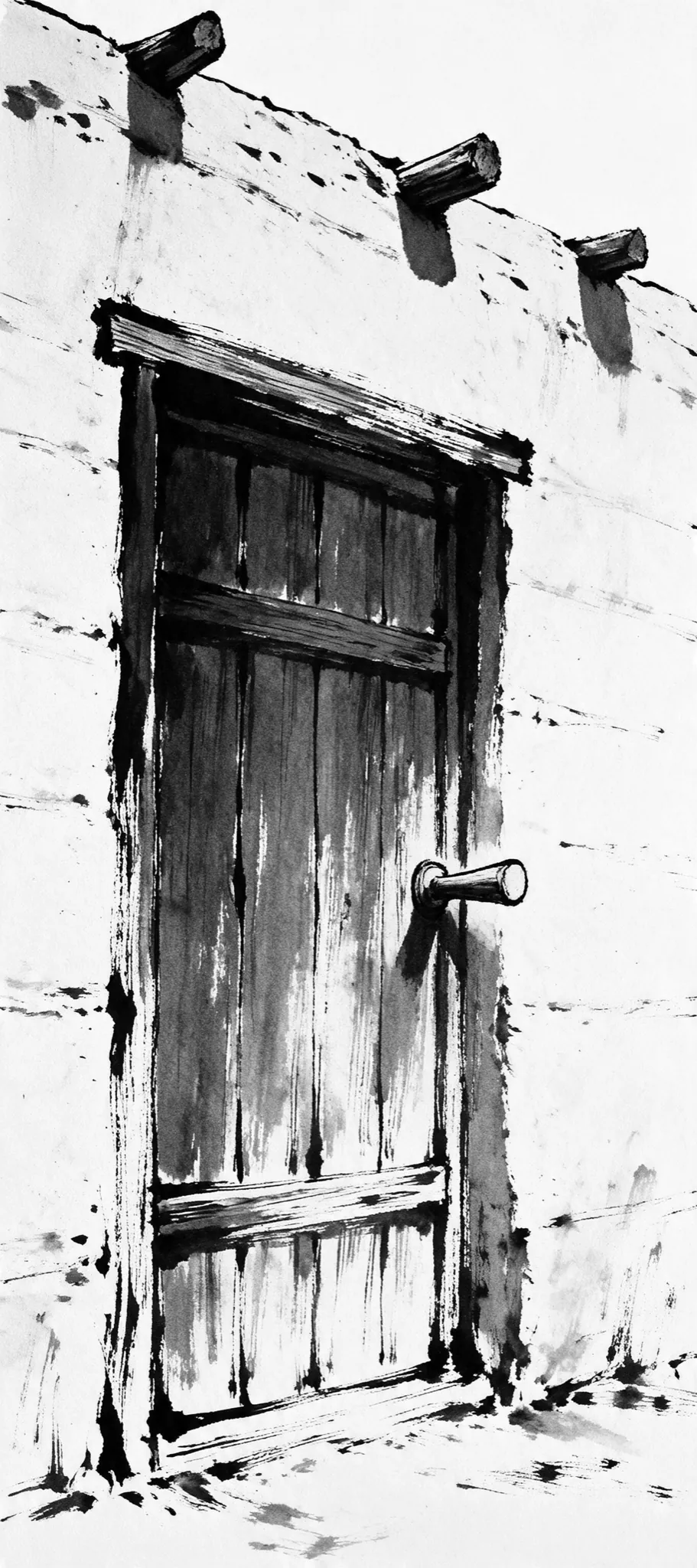
- Qur'an 28:4; 2:49; 14:6; 7:141 - Fir'awn raised himself in the land, split its people into factions, held one group down and slaughtered their sons while keeping their women alive (28:4); 2:49, 14:6 and 7:141 recall the same oppression. It is reported and never drawn: a torch passes a shut door and nothing behind the door is shown
- Qur'an 28:5-6 - Allah willed to favour those held down, to make them leaders and inheritors, and to show Fir'awn, Haman and their soldiers what they feared. The narrator says only THAT He willed it and the ayat are never rendered in a caption.
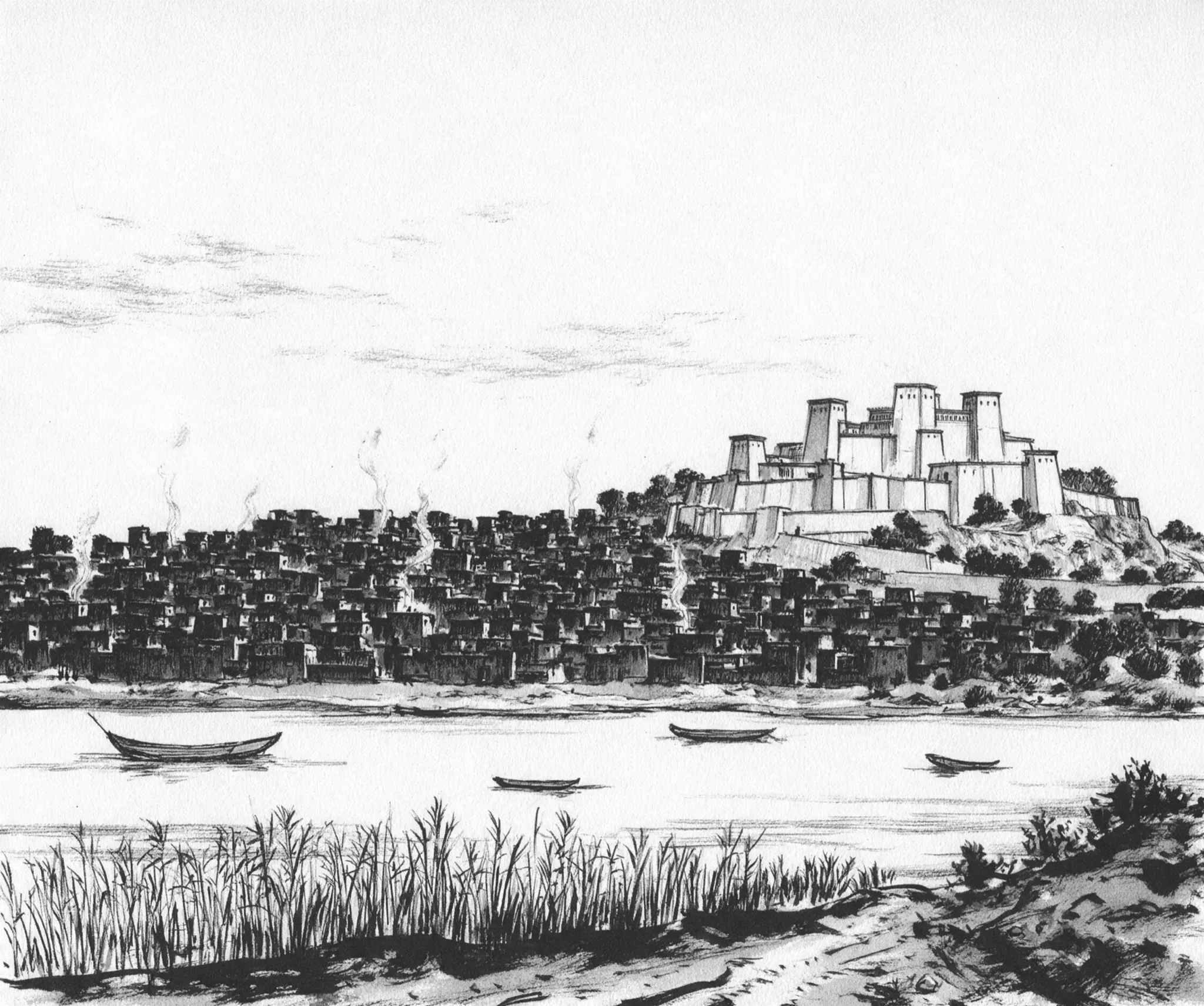
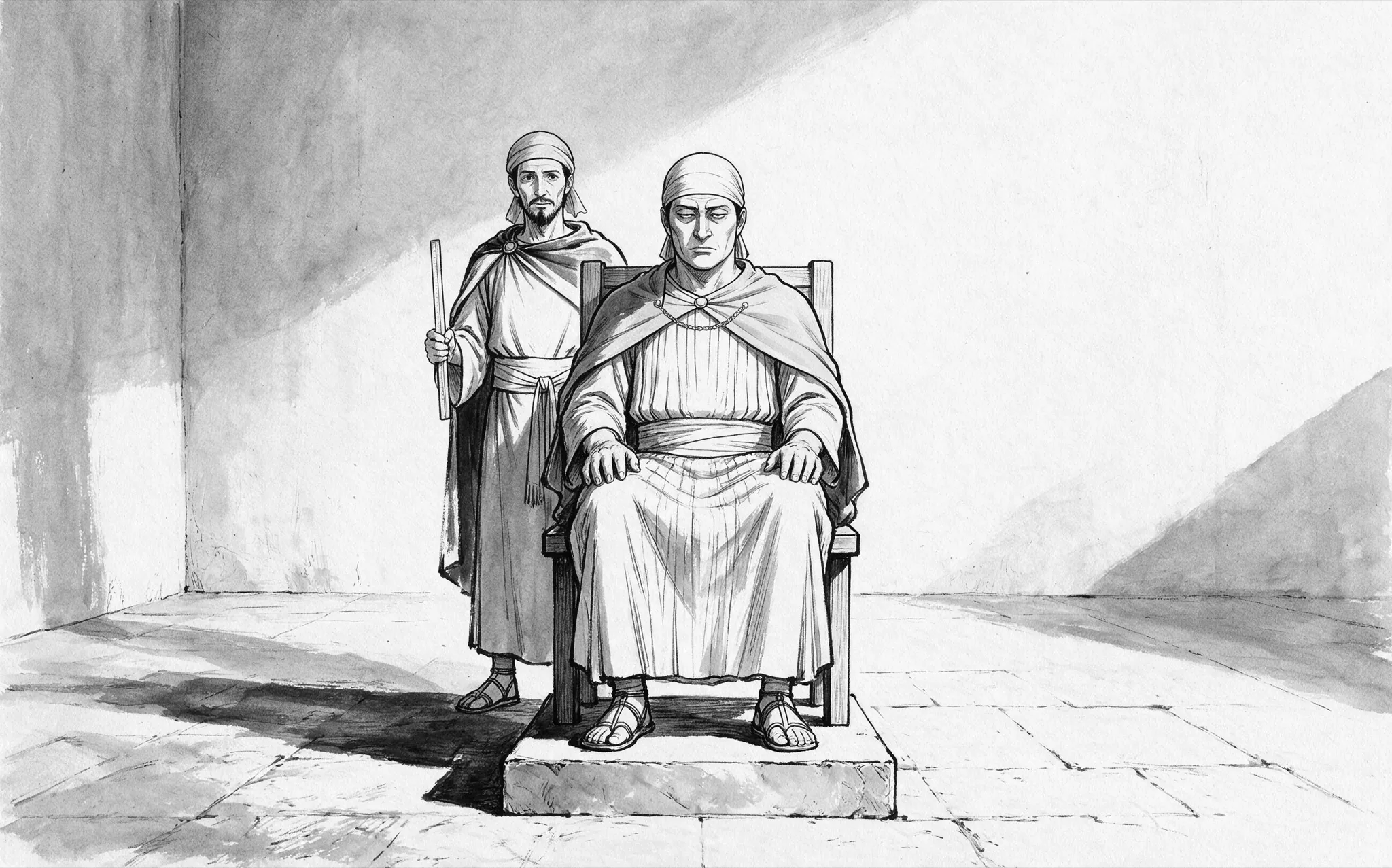
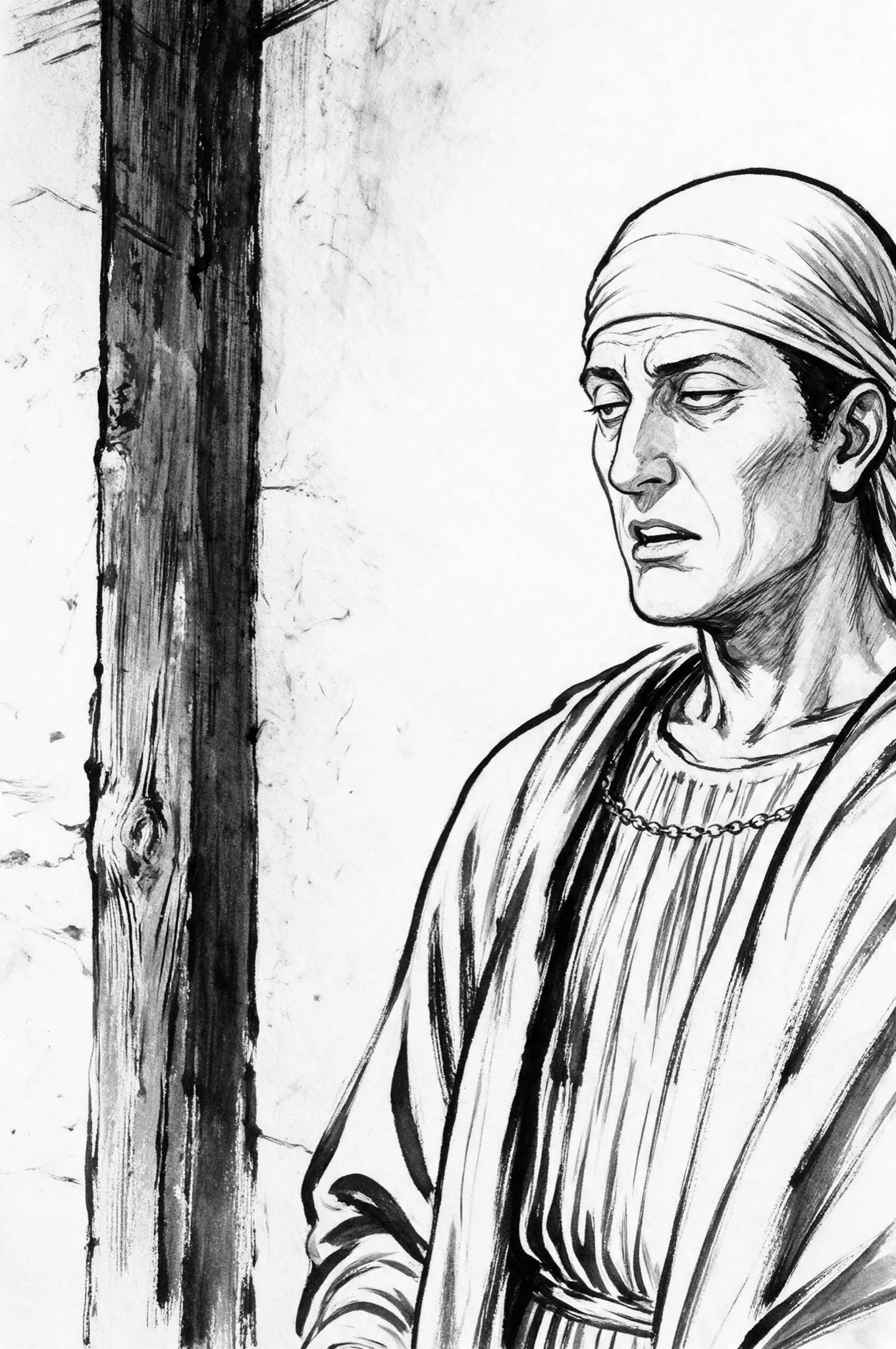
- Qur'an 28:6; 40:24; 43:51; 29:39 - Fir'awn is the Qur'an's name for the ruler of Misr in Musa's time, with Haman and Qarun named beside him; the Qur'an names no dynasty. By studio rule he is identified with no historical pharaoh, in words or in dress: no double crown, striped head-cloth with a cobra, crook and flail or false beard, no sun disc, hieroglyph or monument, and nobody bows to him
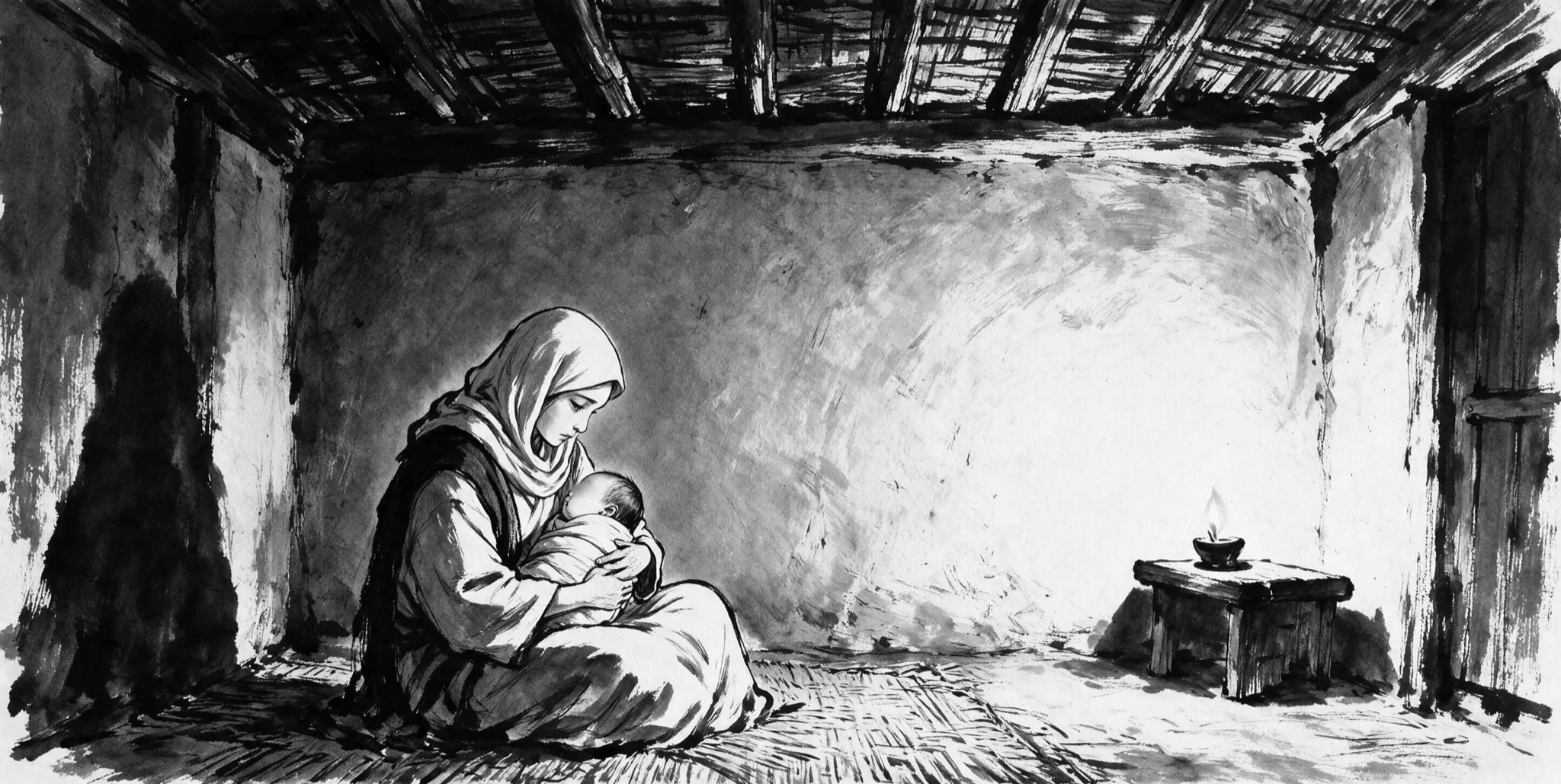
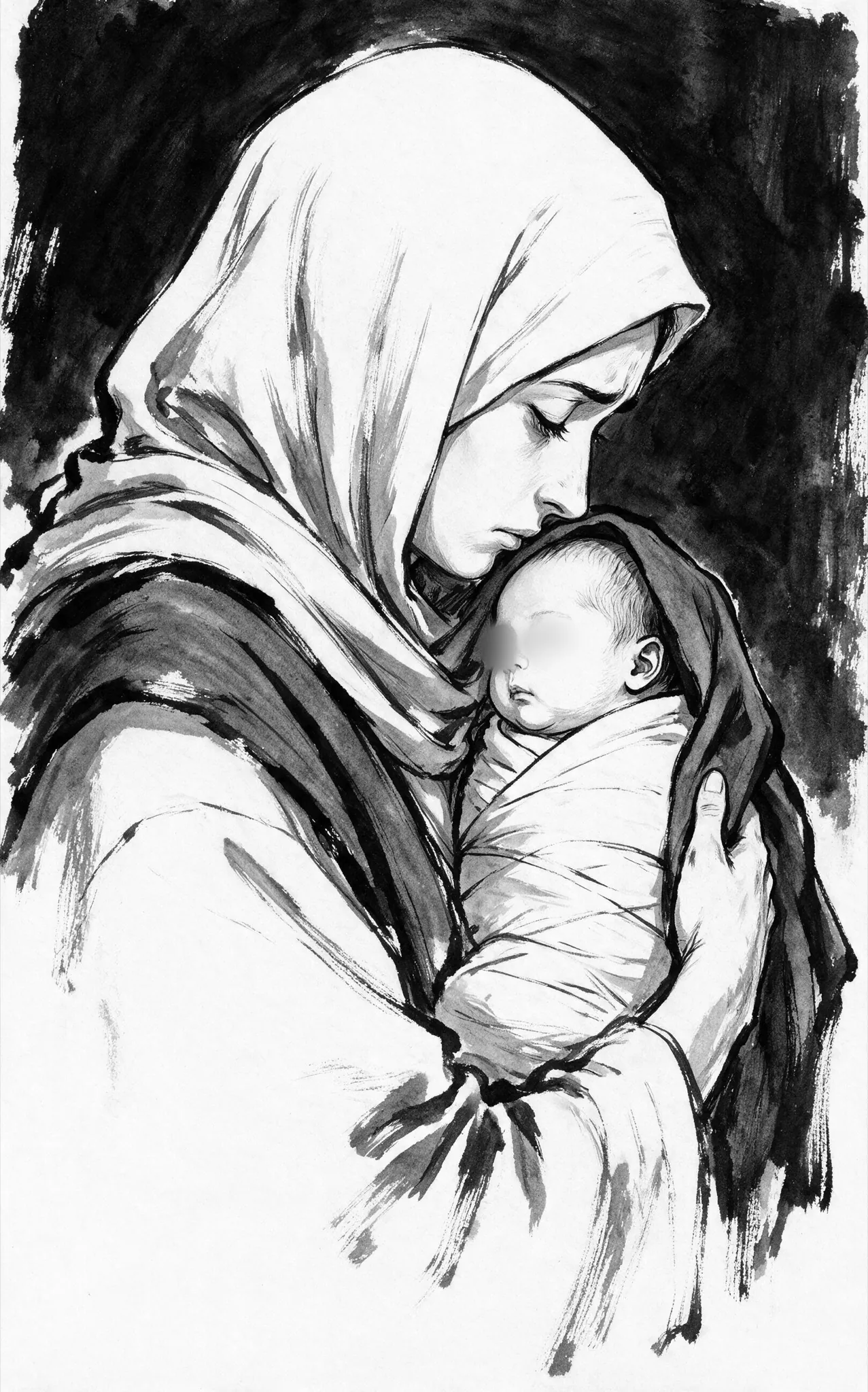
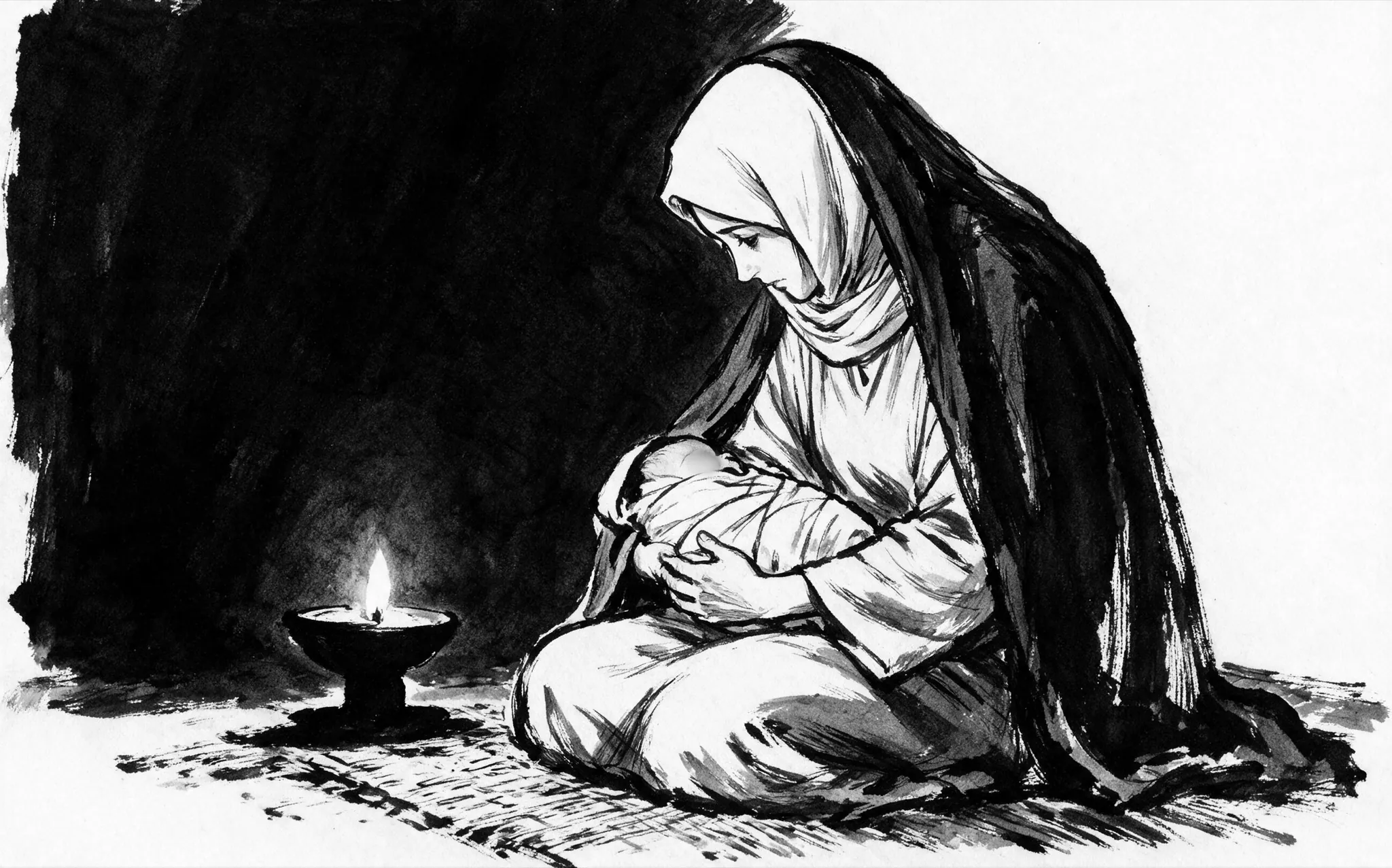
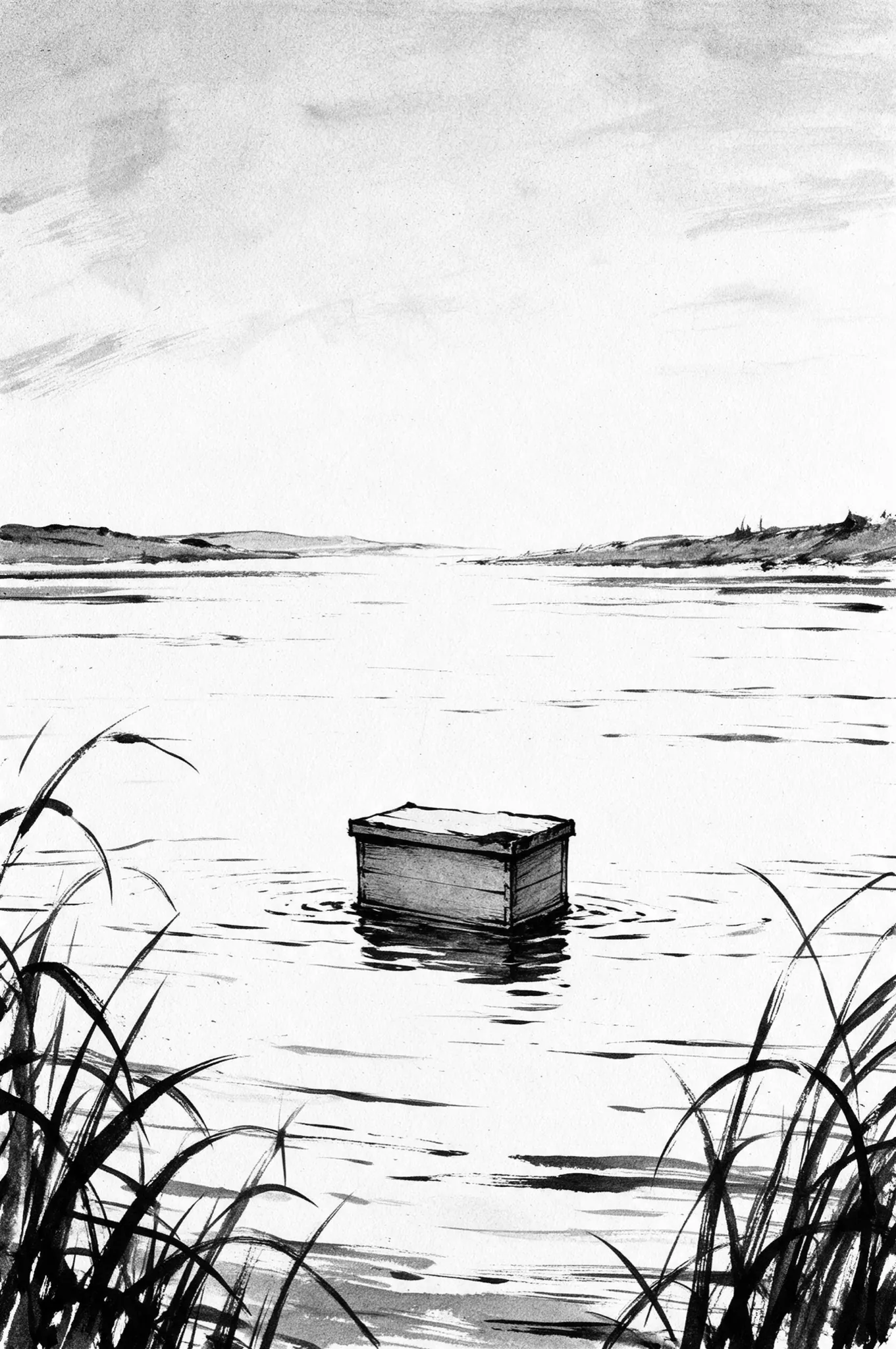
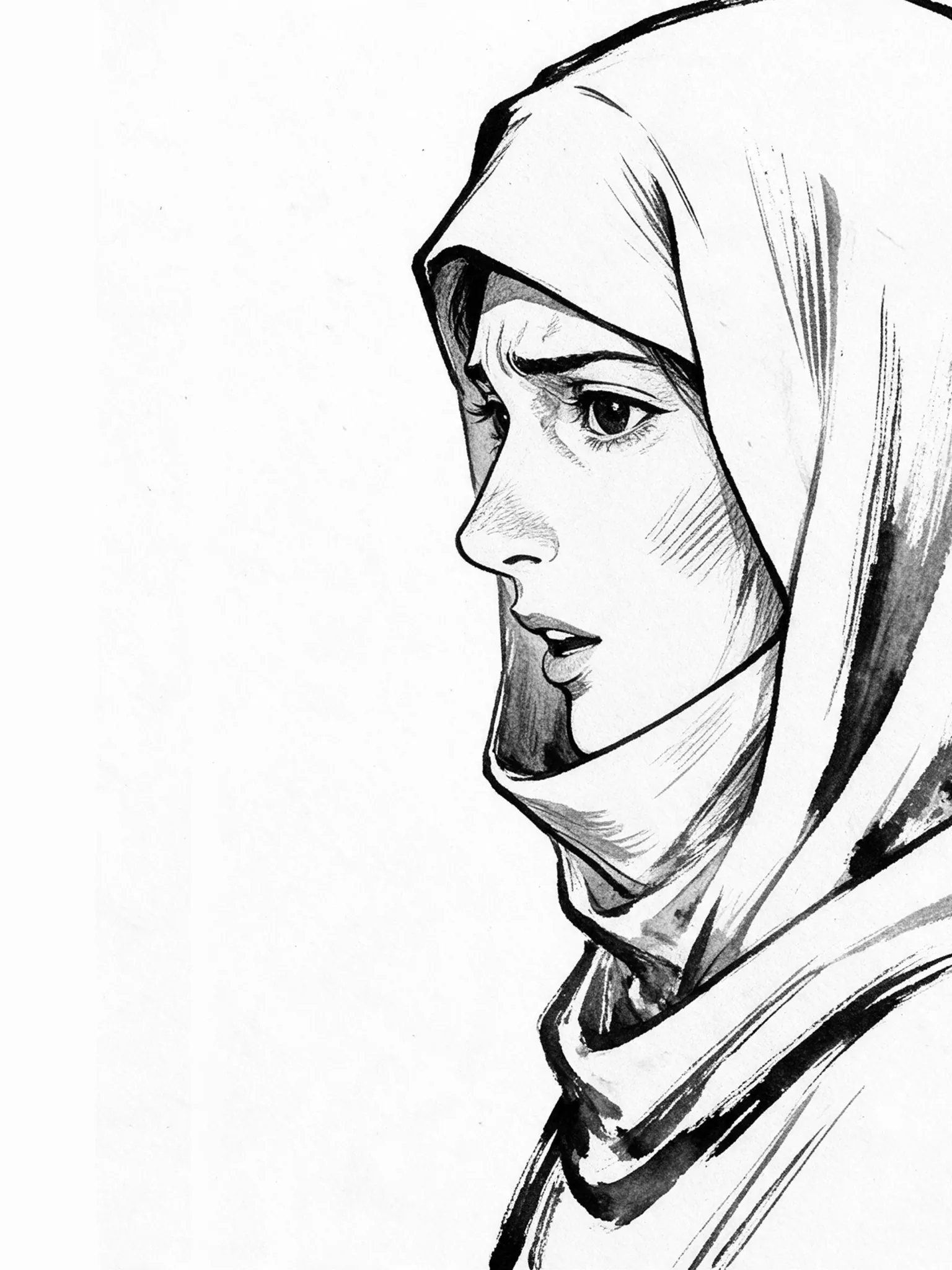
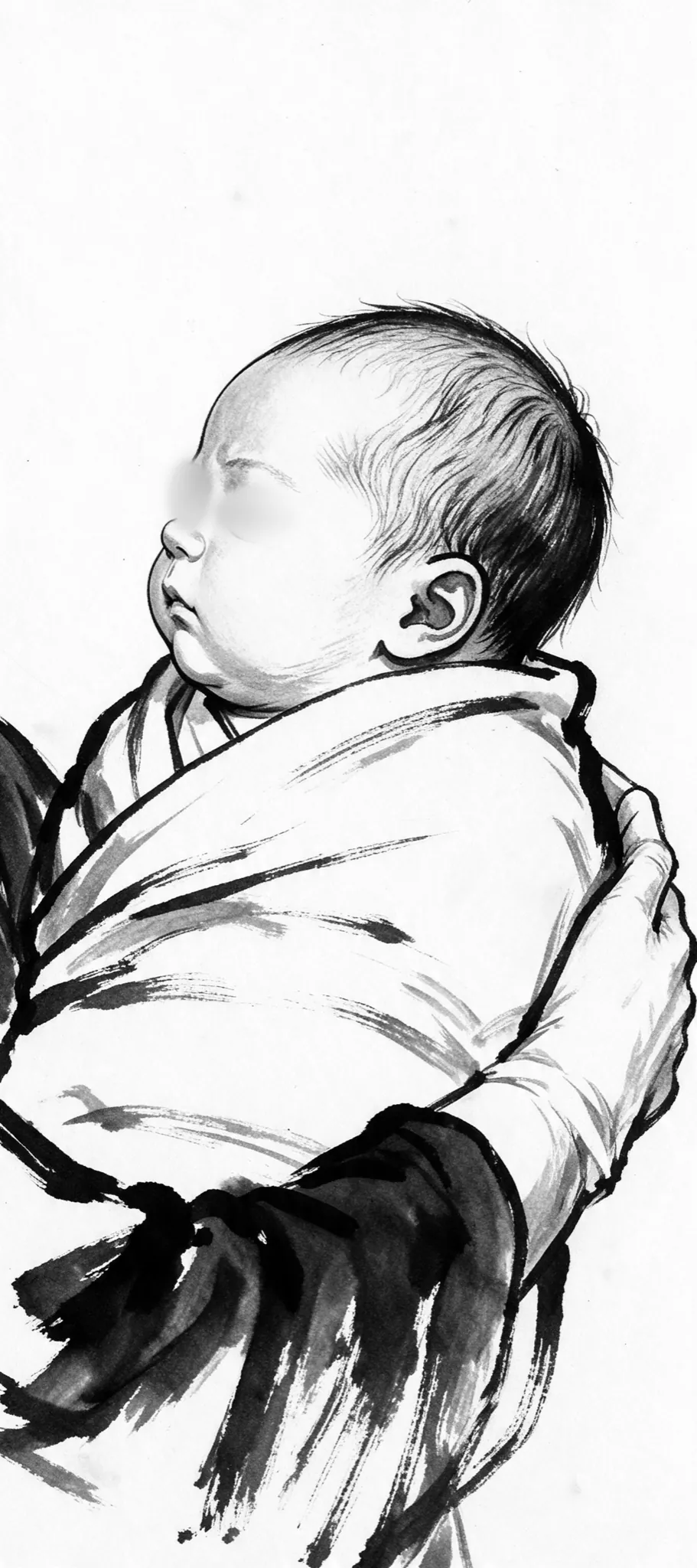
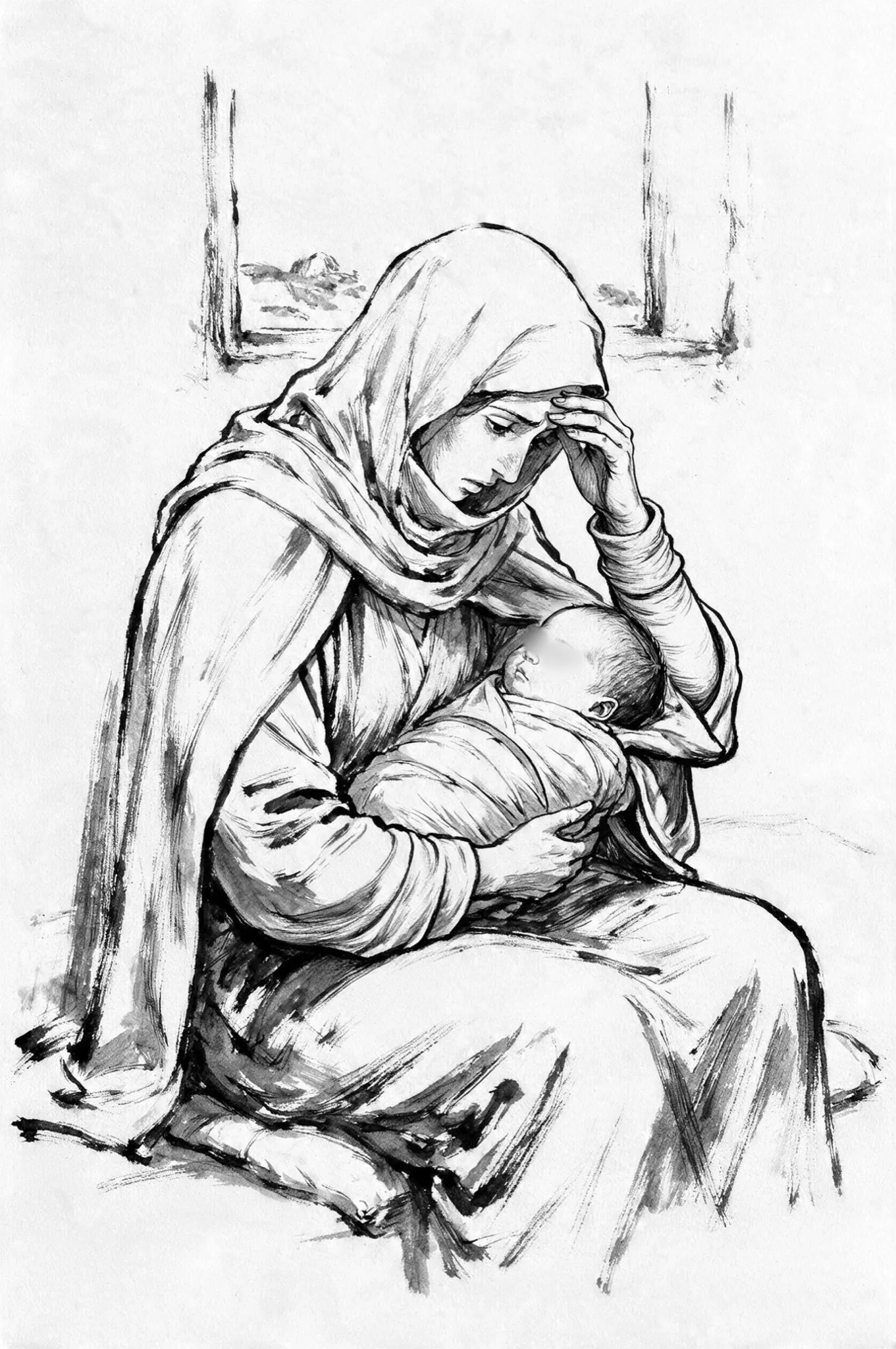
- Qur'an 28:7 - the pause page: Allah inspired Musa's mother to suckle him and, when she feared for him, to cast him into the river, and not to fear or grieve, for He would return him to her and make him one of the messengers. The page before it reports only THAT Allah inspired her, and the ayah is the first place its words appear. Ibn Kathir on 28:7-9 reads this inspiration as one put into her heart and mind, so she is drawn with no sign of prophethood
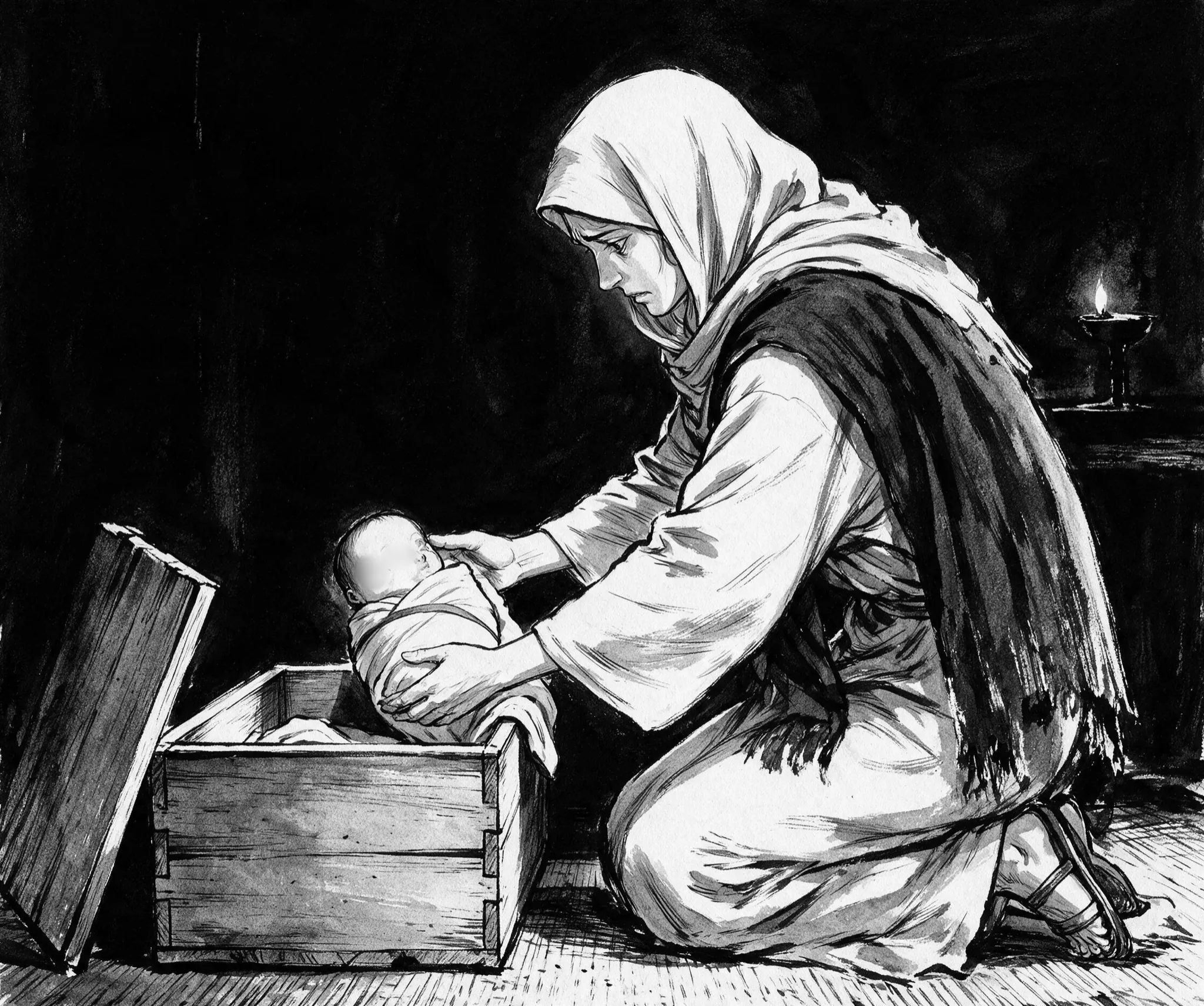
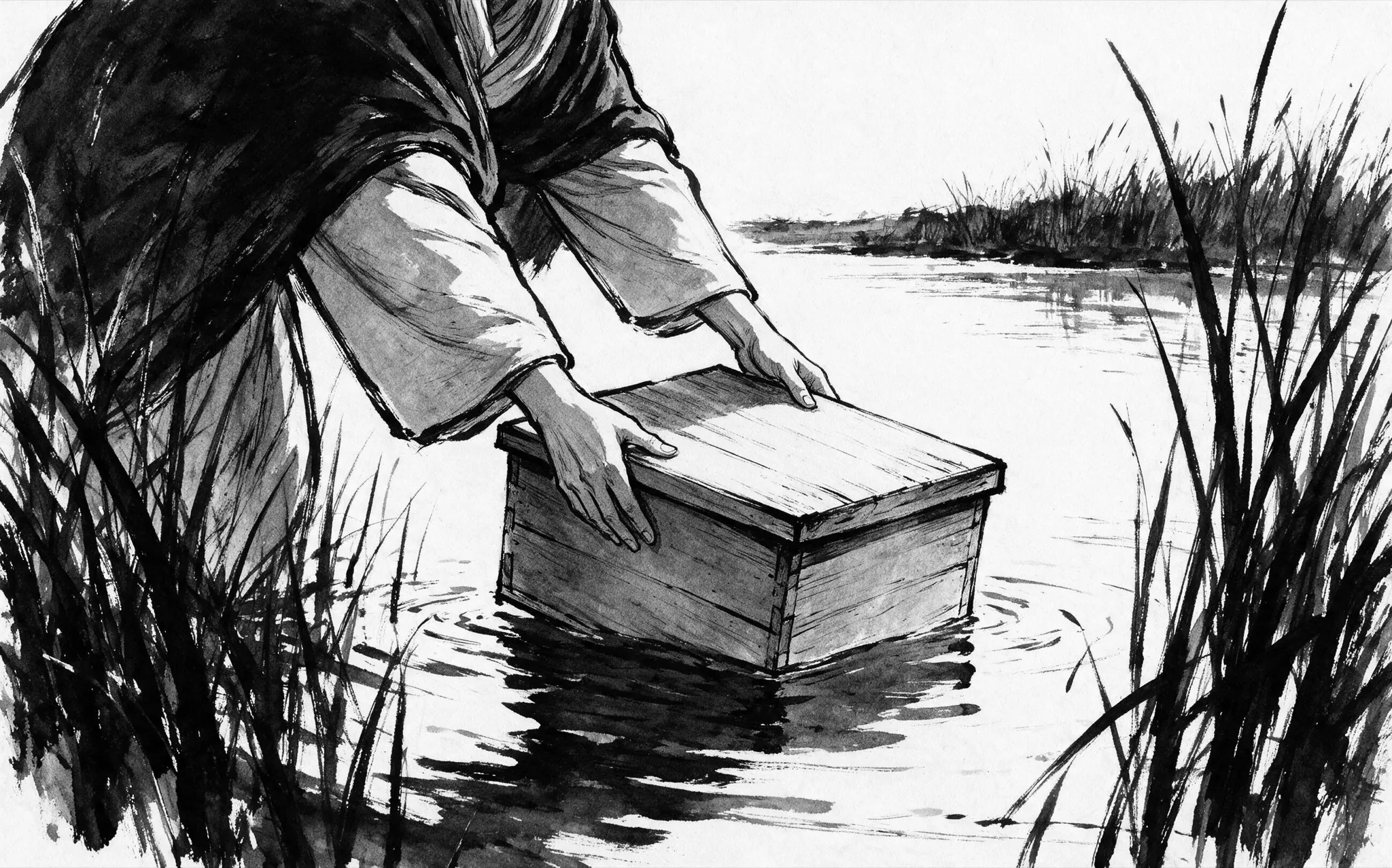
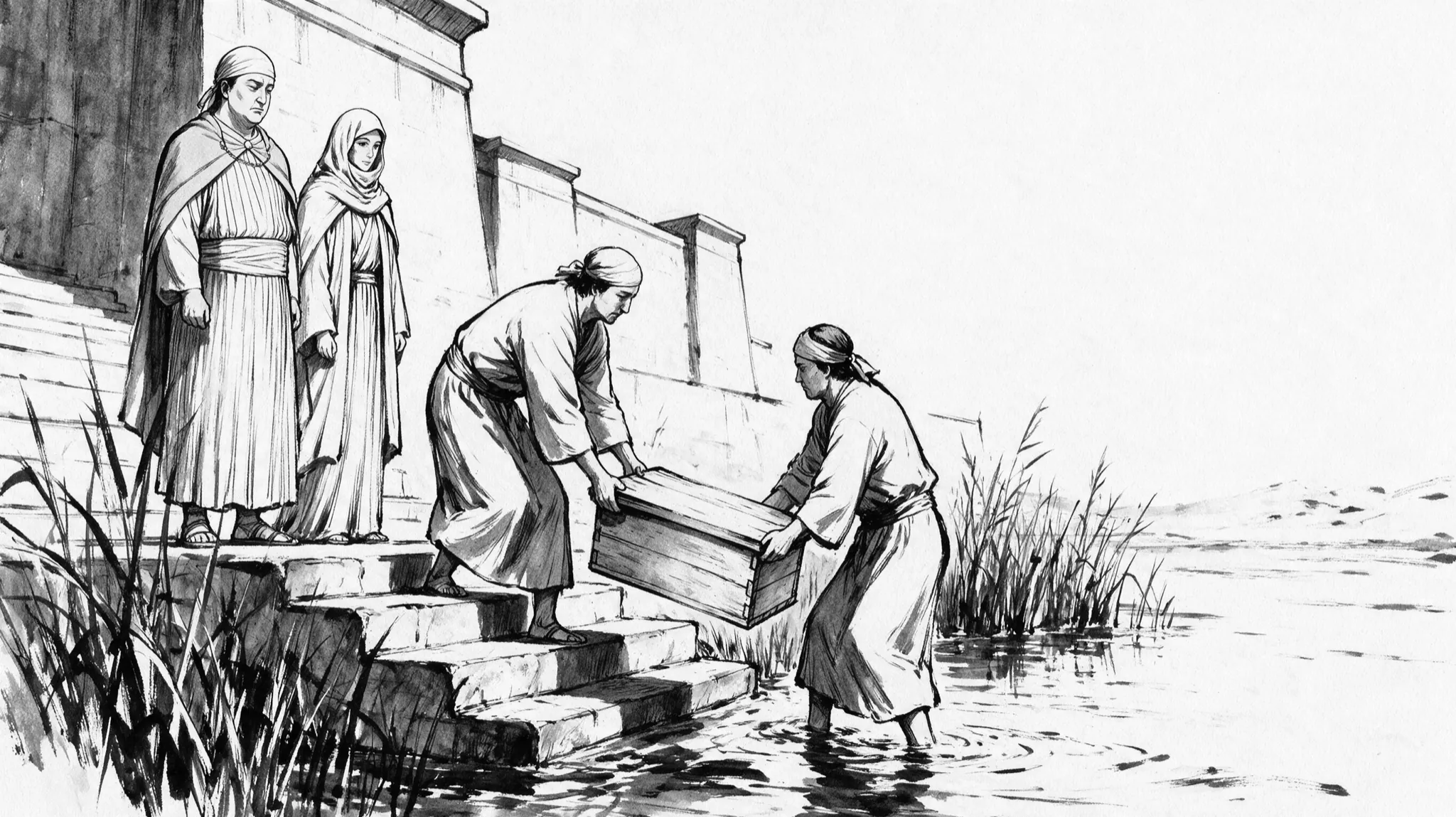
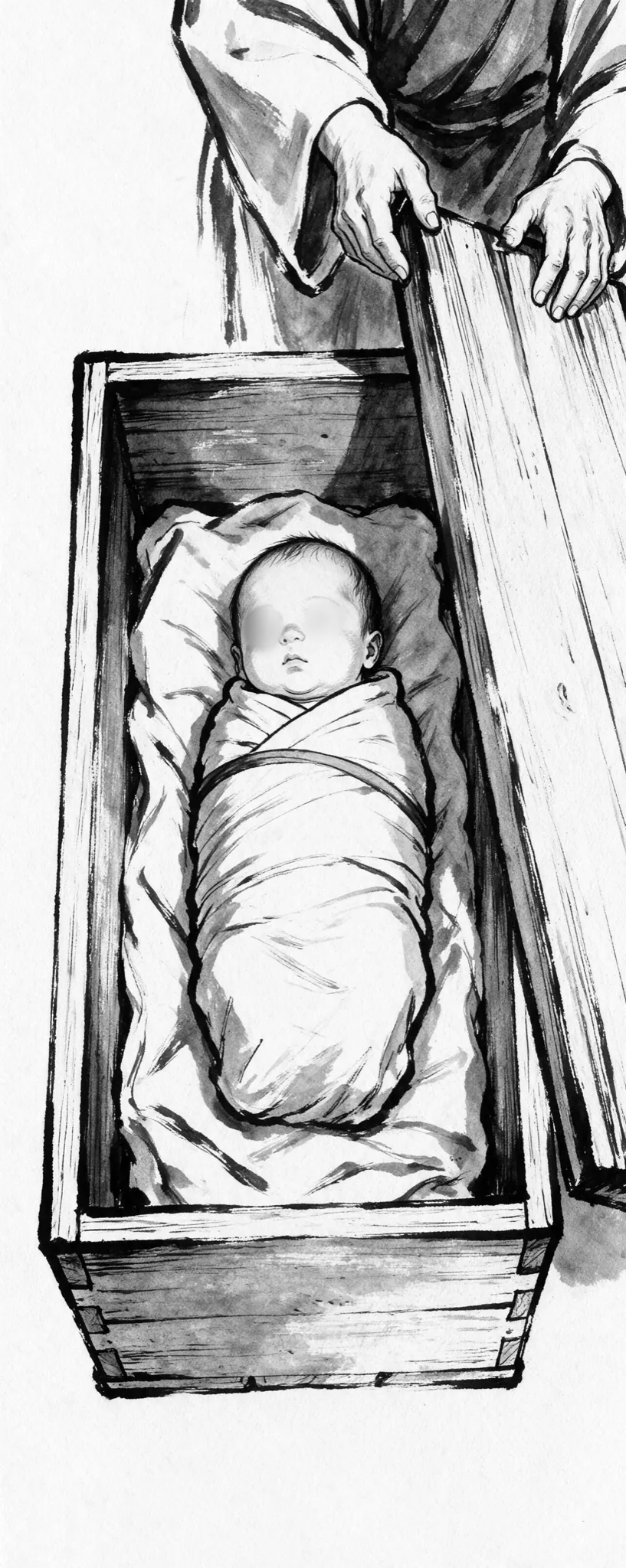
- Qur'an 20:38-39 - the chest and the river: she was inspired to put him in a chest and cast it into the river, which would throw it onto the bank, where one who was an enemy to Allah and to him would take him. The chest is the Qur'an's word (al-tabut) and is drawn as a plain wooden chest the size of a cradle, with a lid; the Qur'an gives no more. A vessel named in brackets in a translation (a wicker basket, a box) is the translator's, not the Qur'an's. The Qur'an uses one word, al-yamm, for the river that carried him (28:7; 20:39) and for the sea in which Fir'awn is drowned (28:40; 20:78; 7:136)
- Qur'an 28:8 - the household of Fir'awn picked him up, to become to them an enemy and a grief. The story tells it by what it shows: servants lift the chest from the water-stair, and the narrator says they took in one who would be their enemy and did not know it
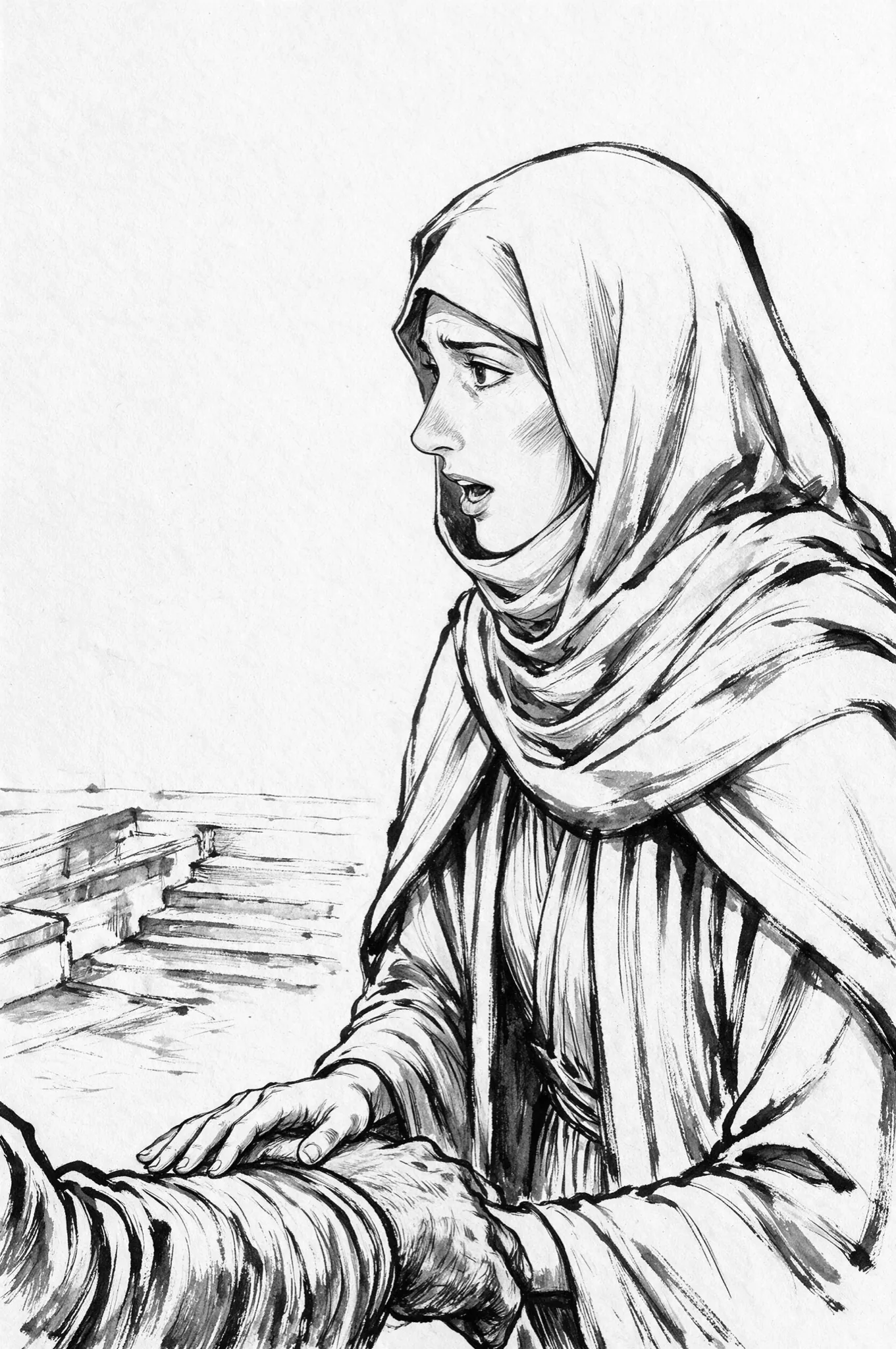
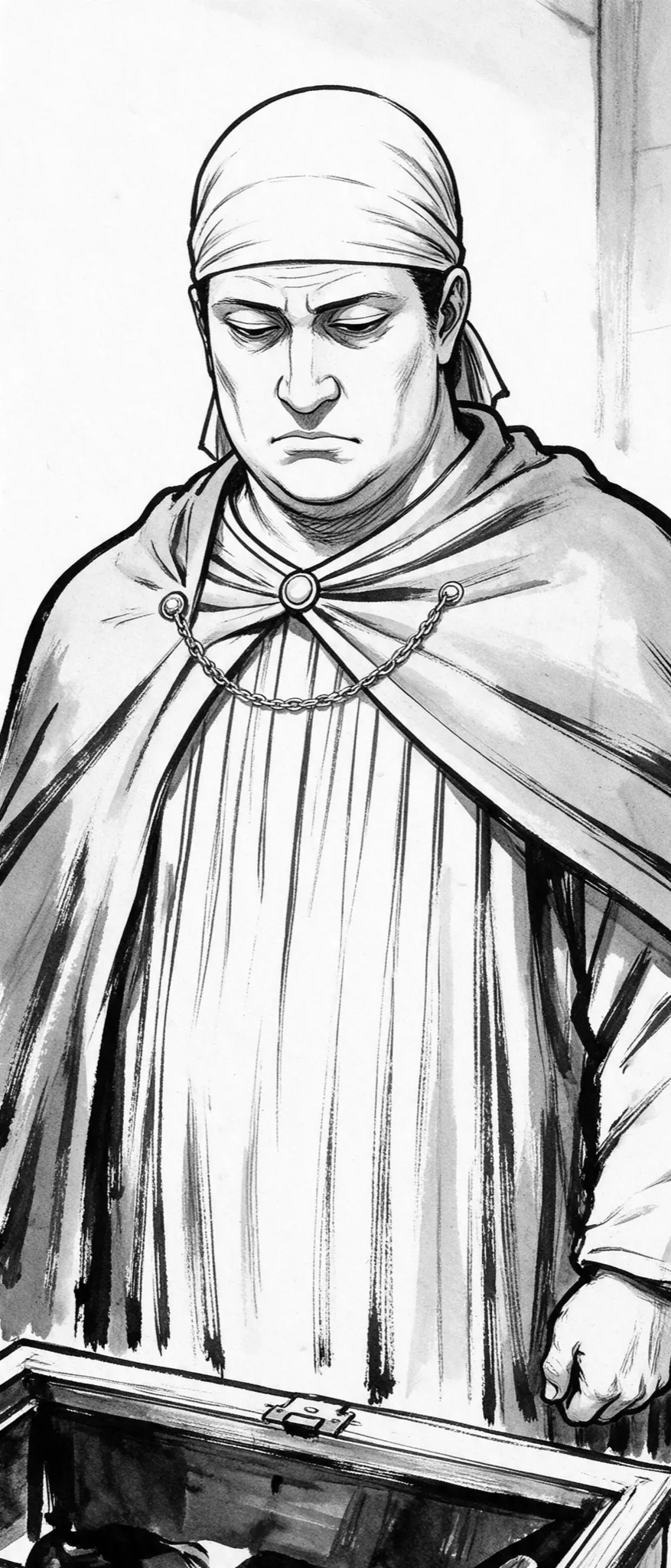
- Qur'an 28:9; Ibn Kathir on 28:7-9 - Fir'awn's wife asked that he not be killed: a comfort of the eye for her and for him; perhaps he would benefit them or they would take him as a son; and they did not perceive. Her words are lettered whole, in three bubbles. The Qur'an does not name her; this codex calls her the wife of Fir'awn. Ibn Kathir relates that Fir'awn feared the child was one of the Children of Israel who would end his kingdom: the threat lives in her plea and no weapon is raised over the child. Fir'awn's silence while she speaks, and his standing over the chest unarmed, are the studio's staging
- Sahih al-Bukhari 3411 (Abu Musa) - the name Asiya for Fir'awn's wife is a sahih hadith's and not the Qur'an's. One caption gives it, once (p188), and nothing else tradition says of her is on the page
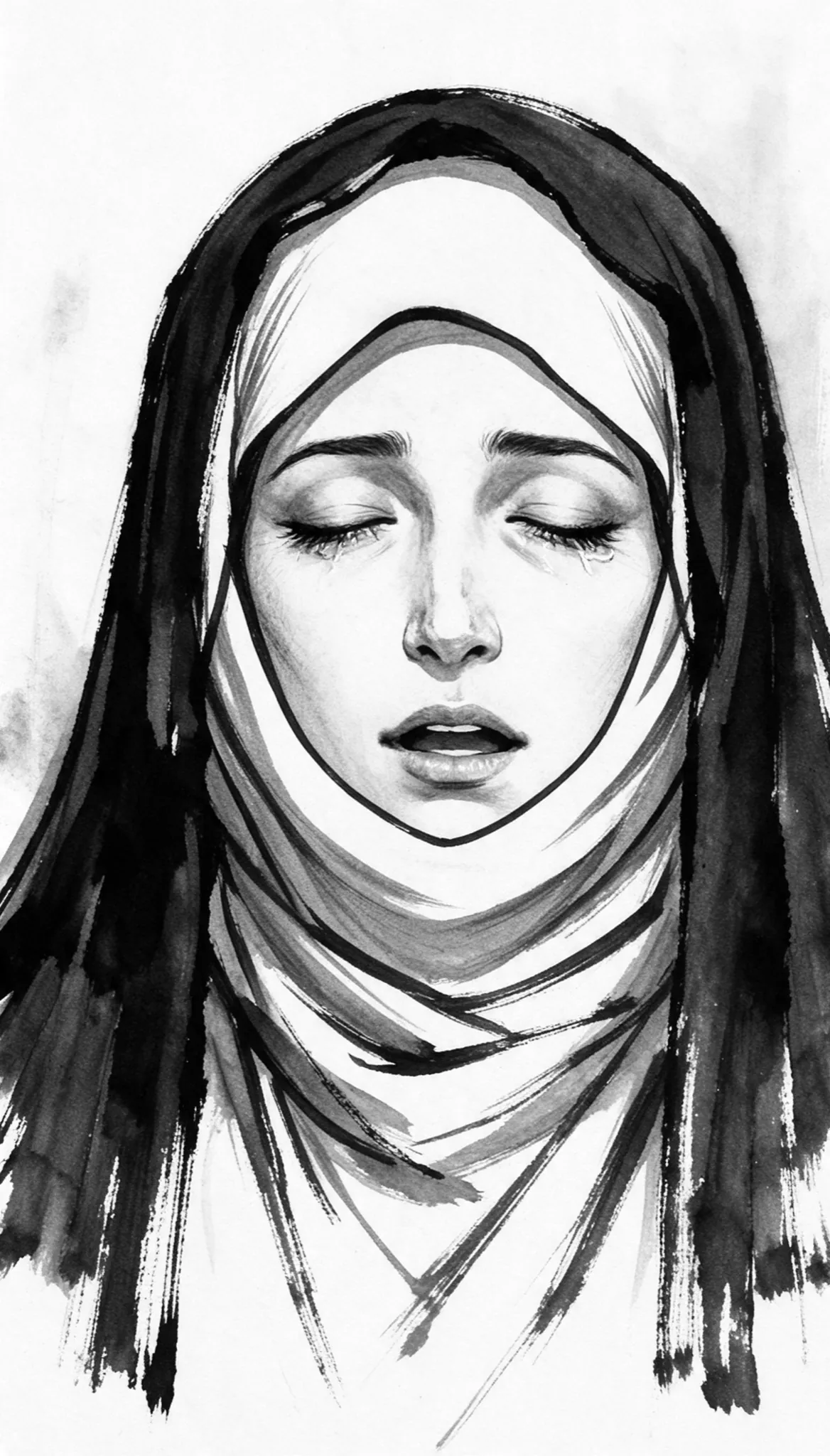
- Qur'an 28:10 - Musa's mother's heart became empty, and she would have disclosed him had Allah not bound her heart. Reported in a caption in the narrator's own words
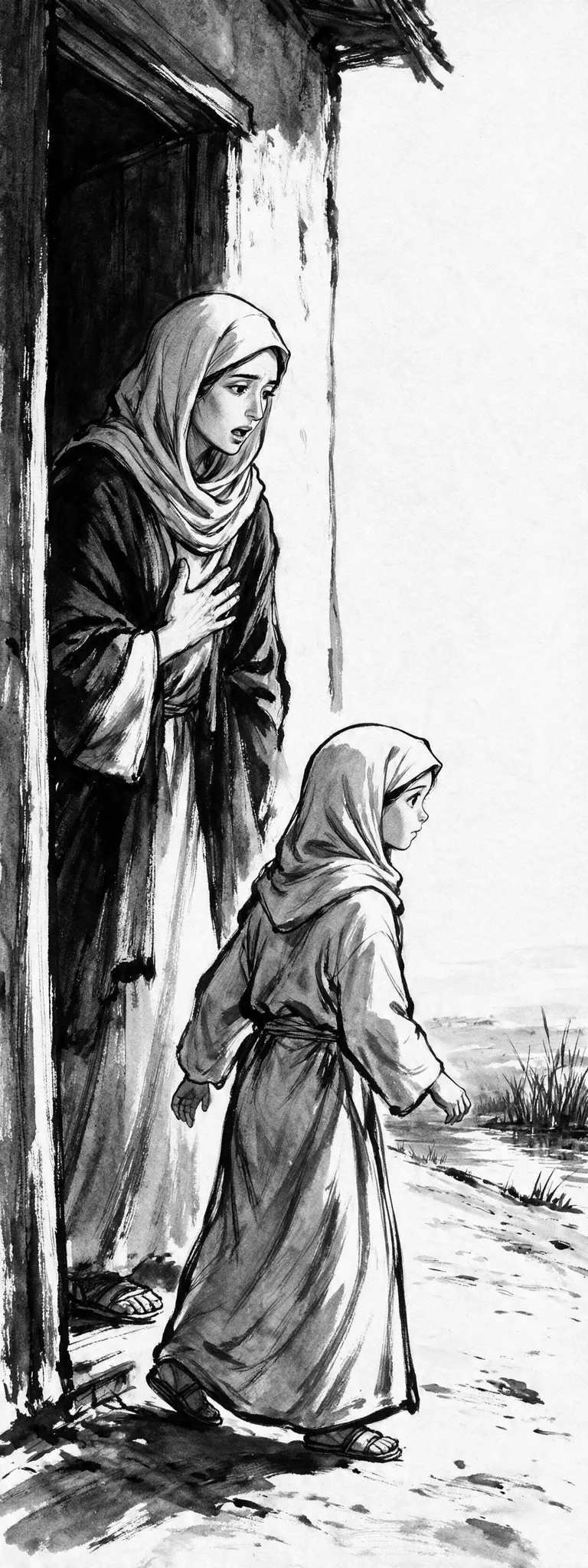
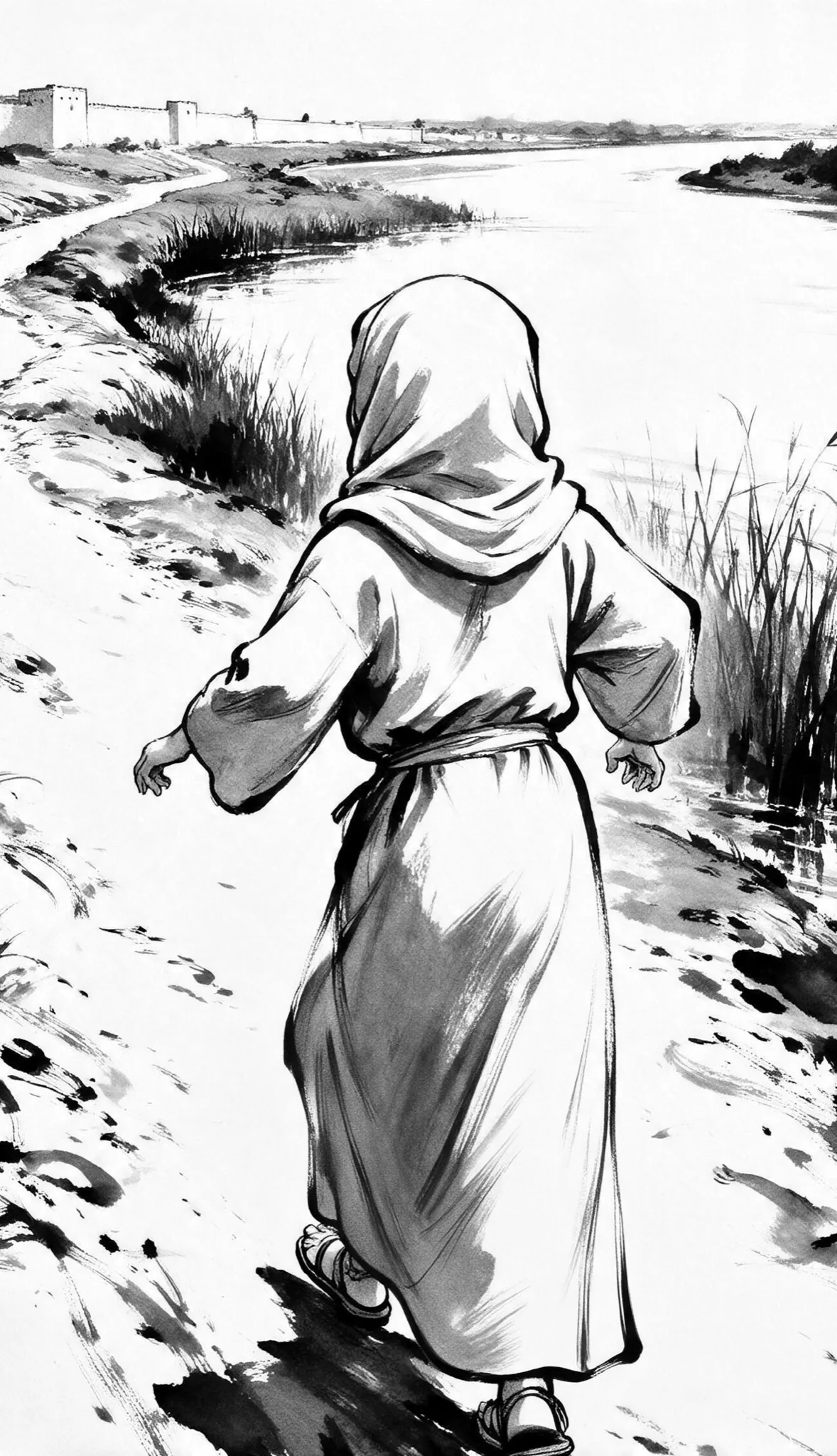
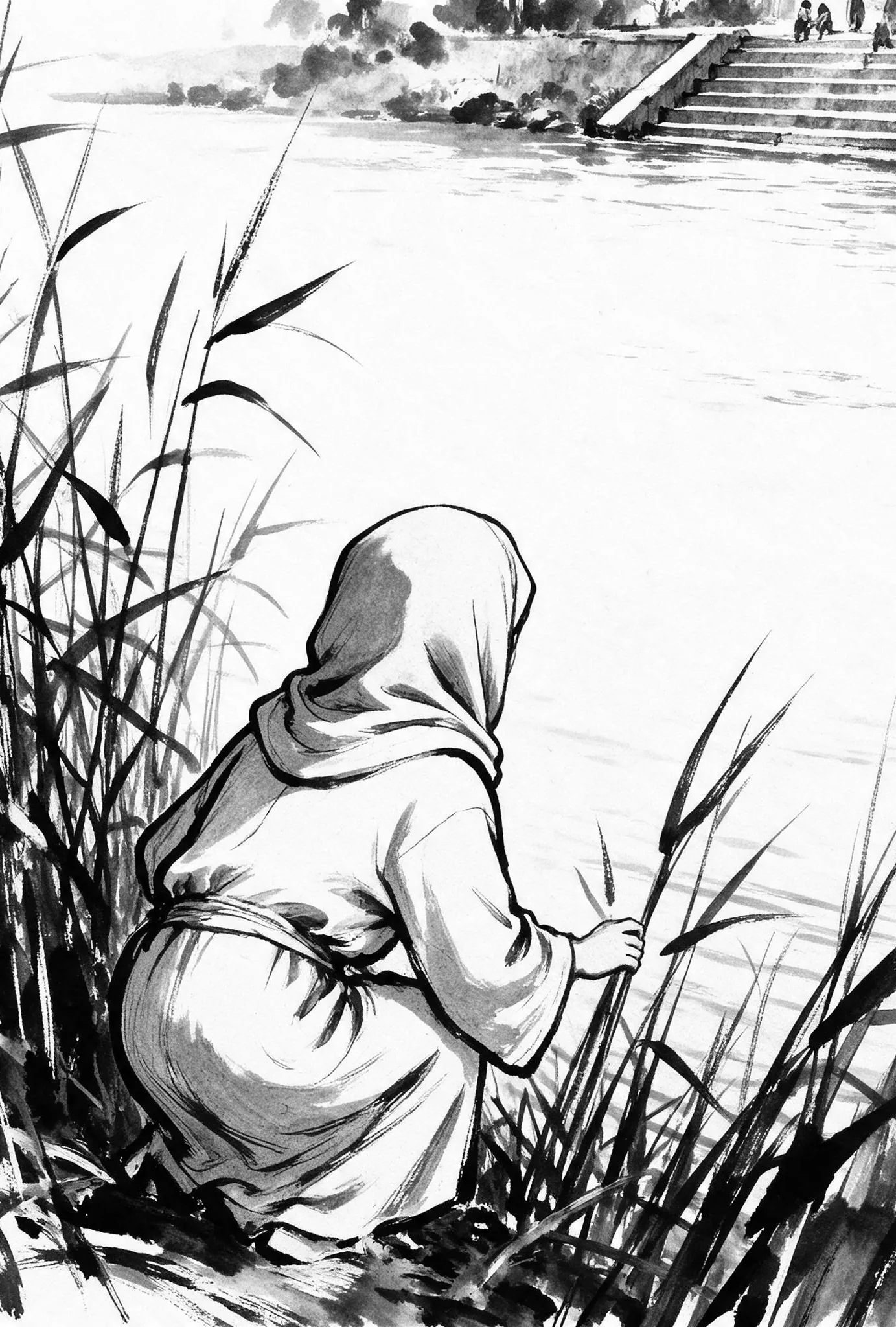
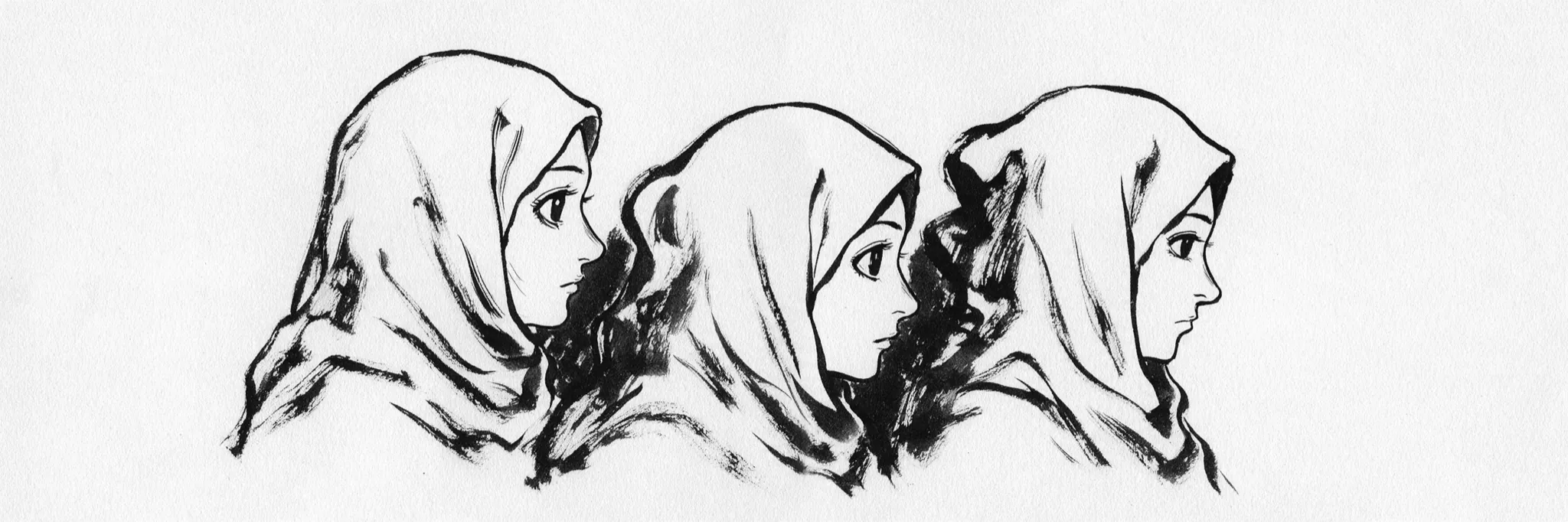
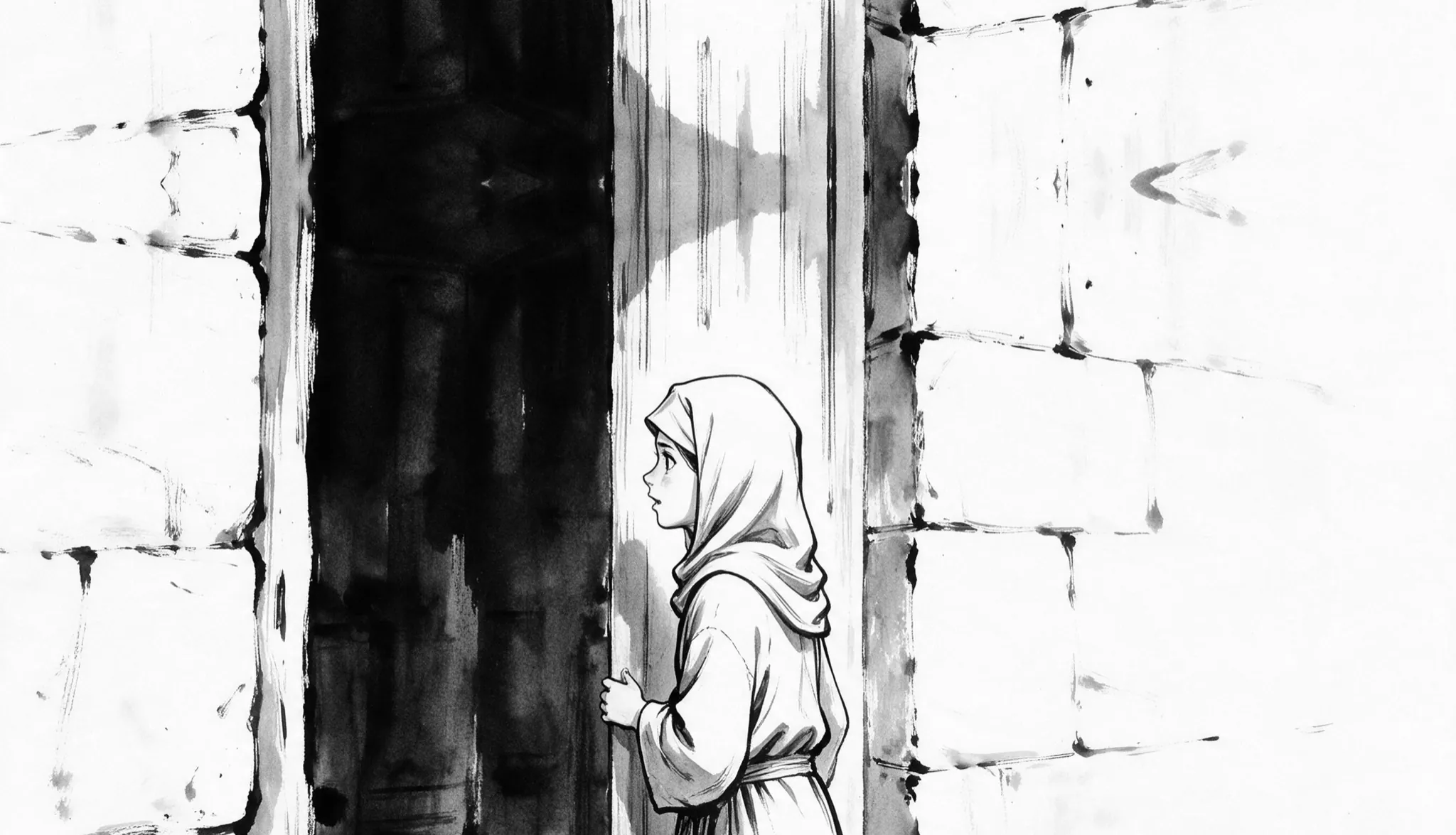
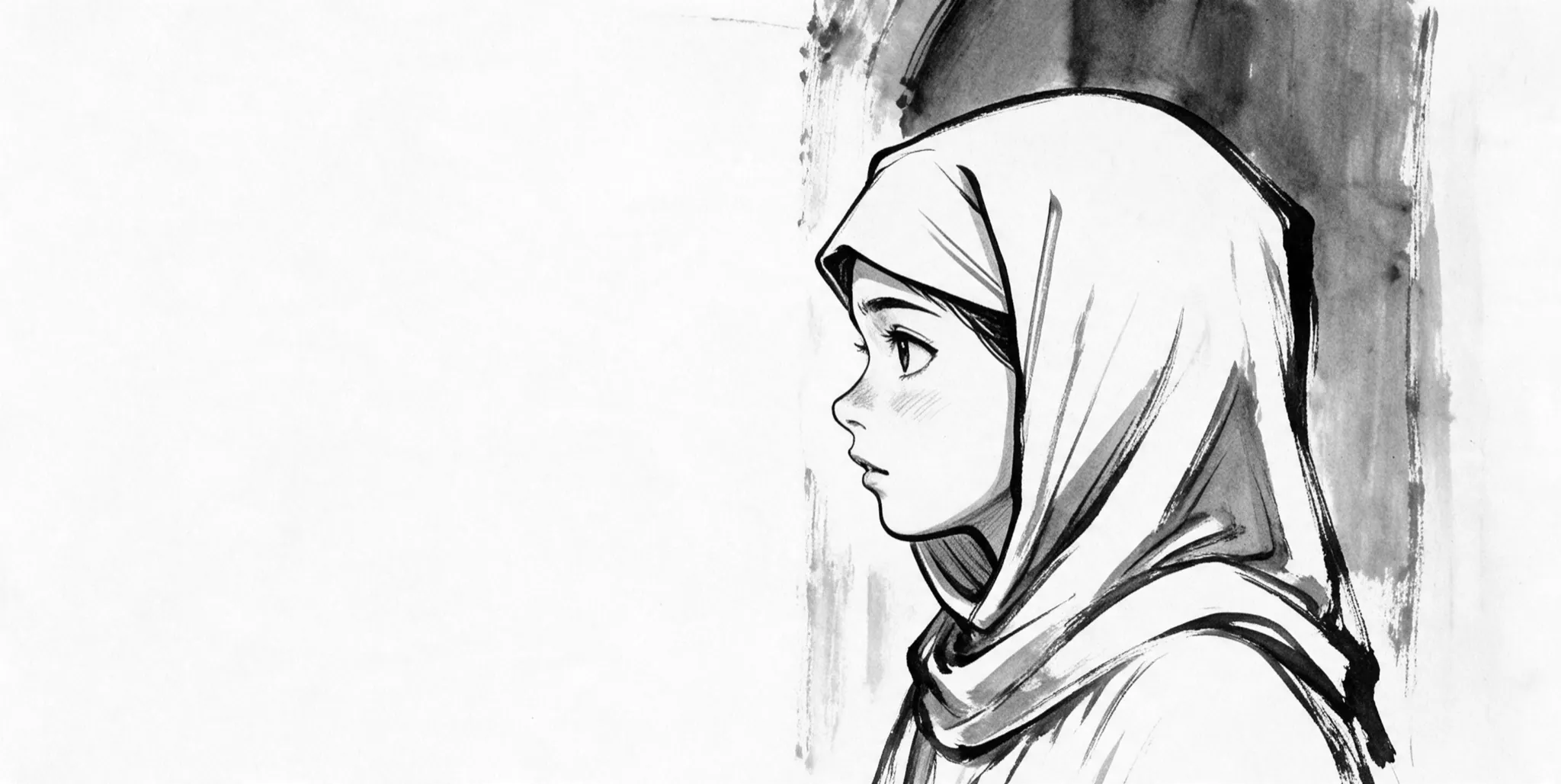
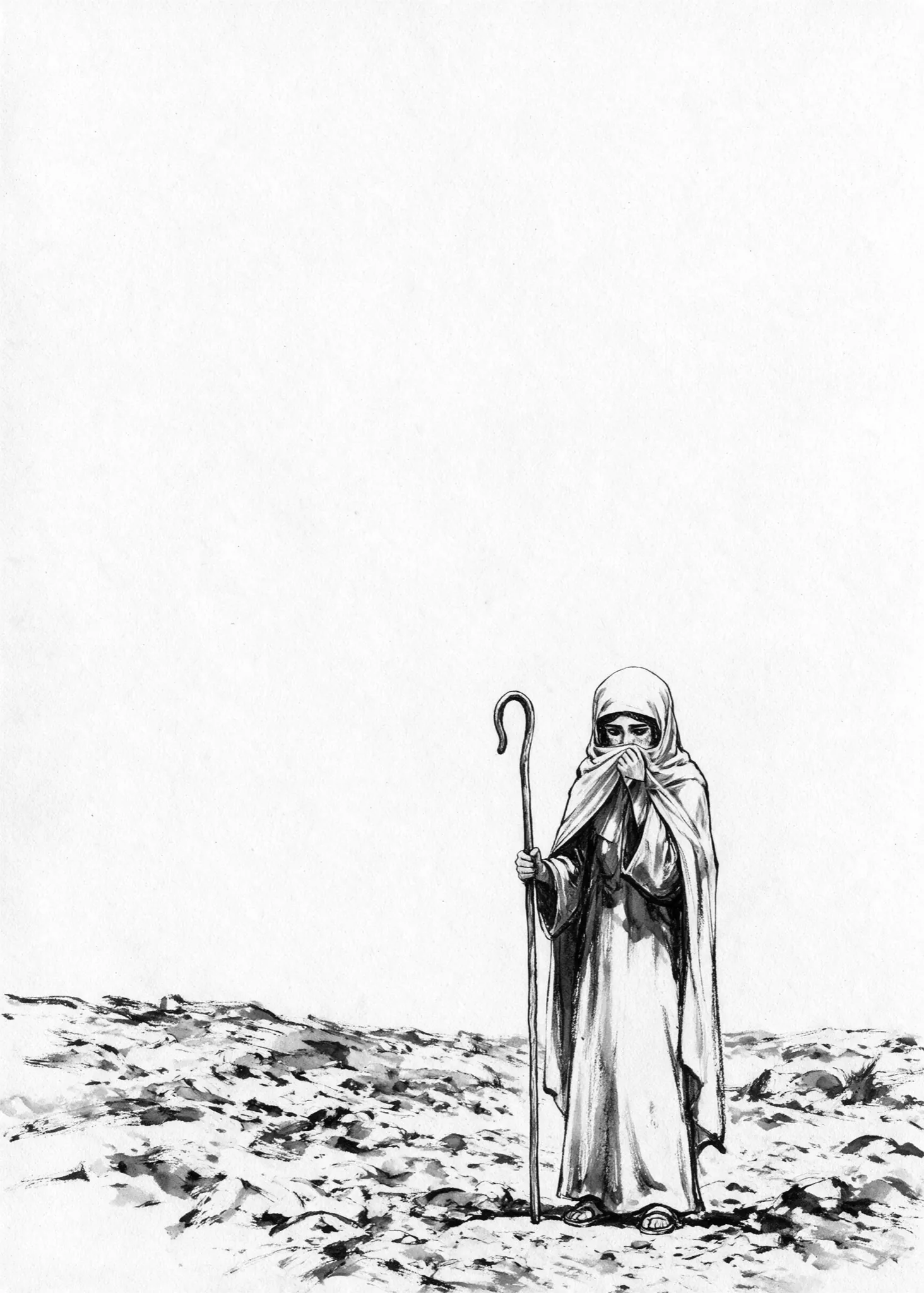
- Qur'an 28:11; 20:40 - she told his sister to follow him, and the girl watched him from a distance while they did not perceive her. The mother's one word is lettered whole. The Qur'an does not name the sister or give her age; a girl of about ten, the river path and the palace wall are the studio's staging
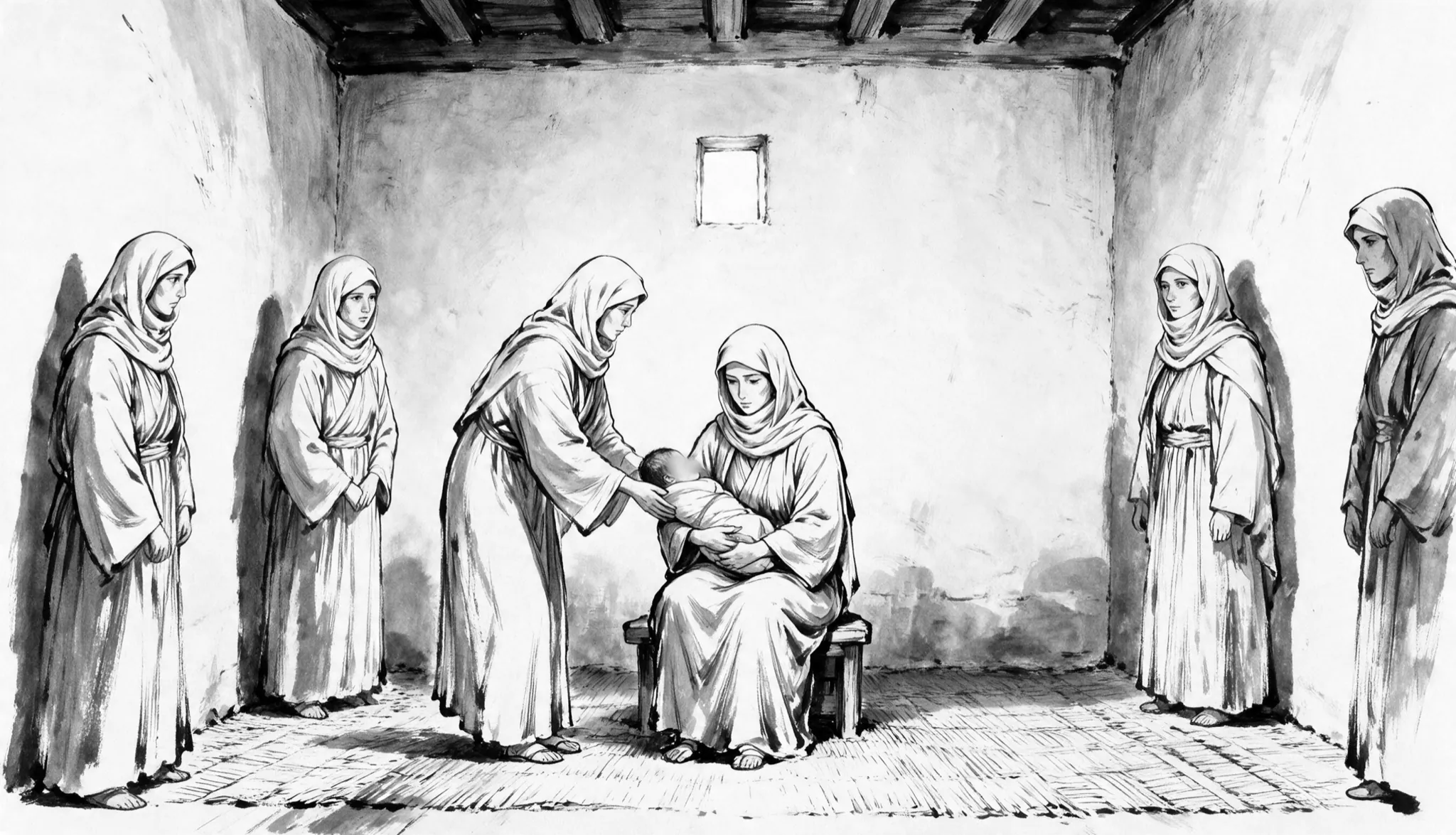
- Qur'an 28:12; 20:40 - Allah had forbidden him every wet nurse beforehand, and his sister offered to direct them to a household who would care for him sincerely. Her words are lettered whole, in three bubbles. The room of women, the refused nurses and the girl at the door are the studio's staging; nursing is never drawn
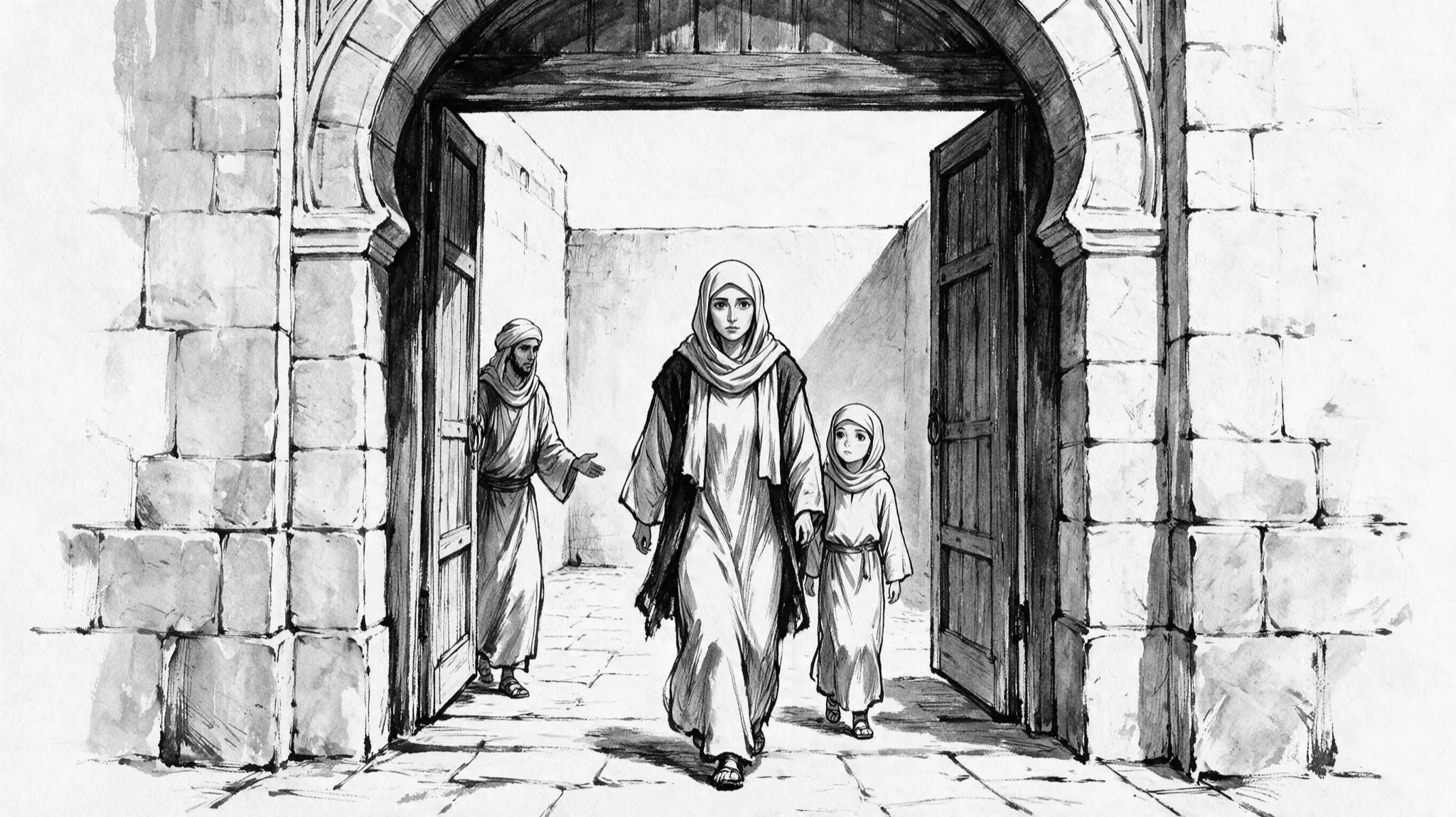
- Qur'an 28:13; 20:40 - he was returned to his mother so that her eyes might be cooled and she not grieve, and so that she would know that Allah's promise is true (28:13); 20:40 recalls it to Musa in Allah's own words, which are not lettered. The story shows the mother led through the palace gate and the child quiet in her arms
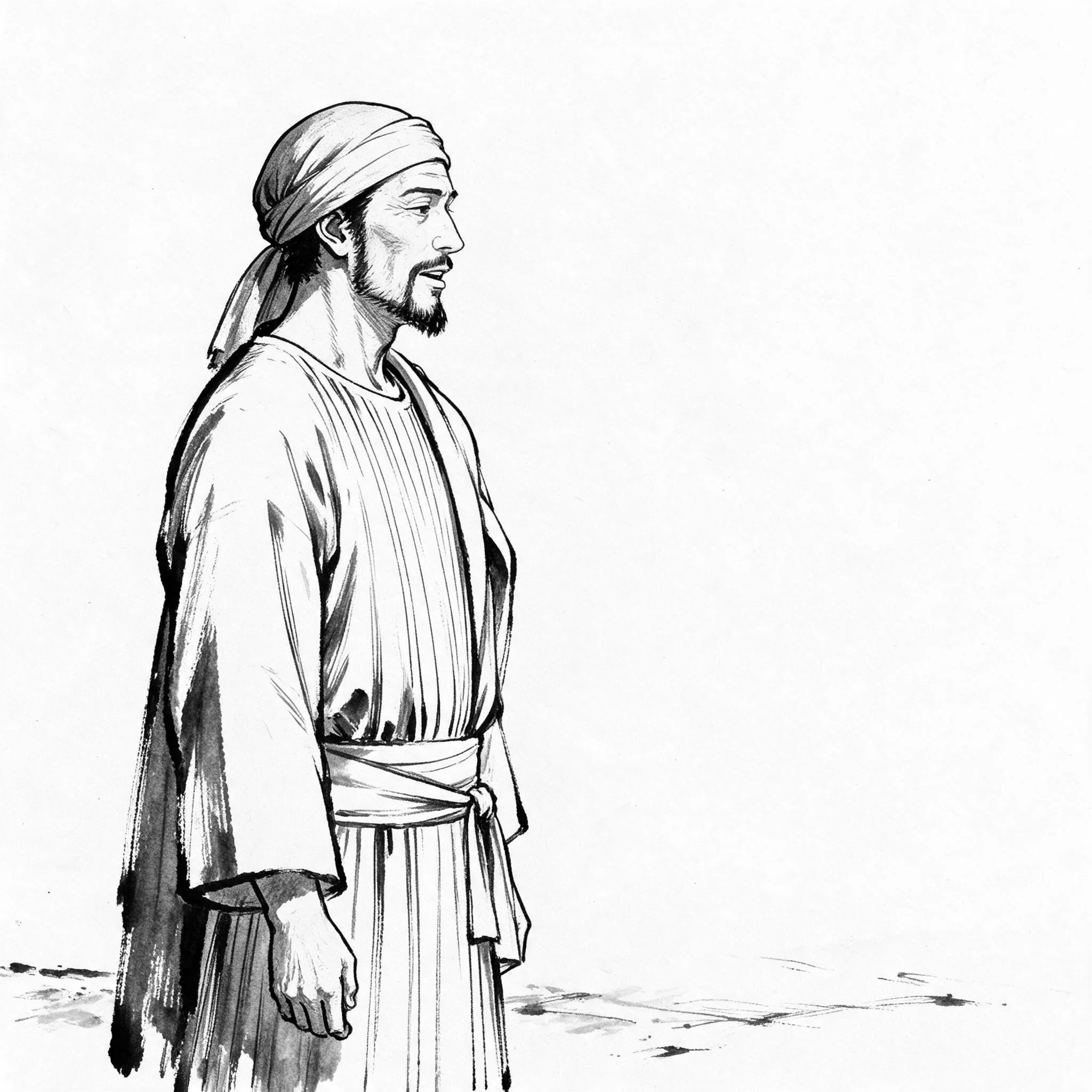
- Qur'an 28:14; 26:18 - he was raised in Fir'awn's house (Fir'awn says it himself in the court, 26:18), and when he reached his full strength and maturity Allah gave him judgement and knowledge (28:14). His age at each step, a boy of about ten, a youth of about seventeen and a man of about thirty, is the studio's staging
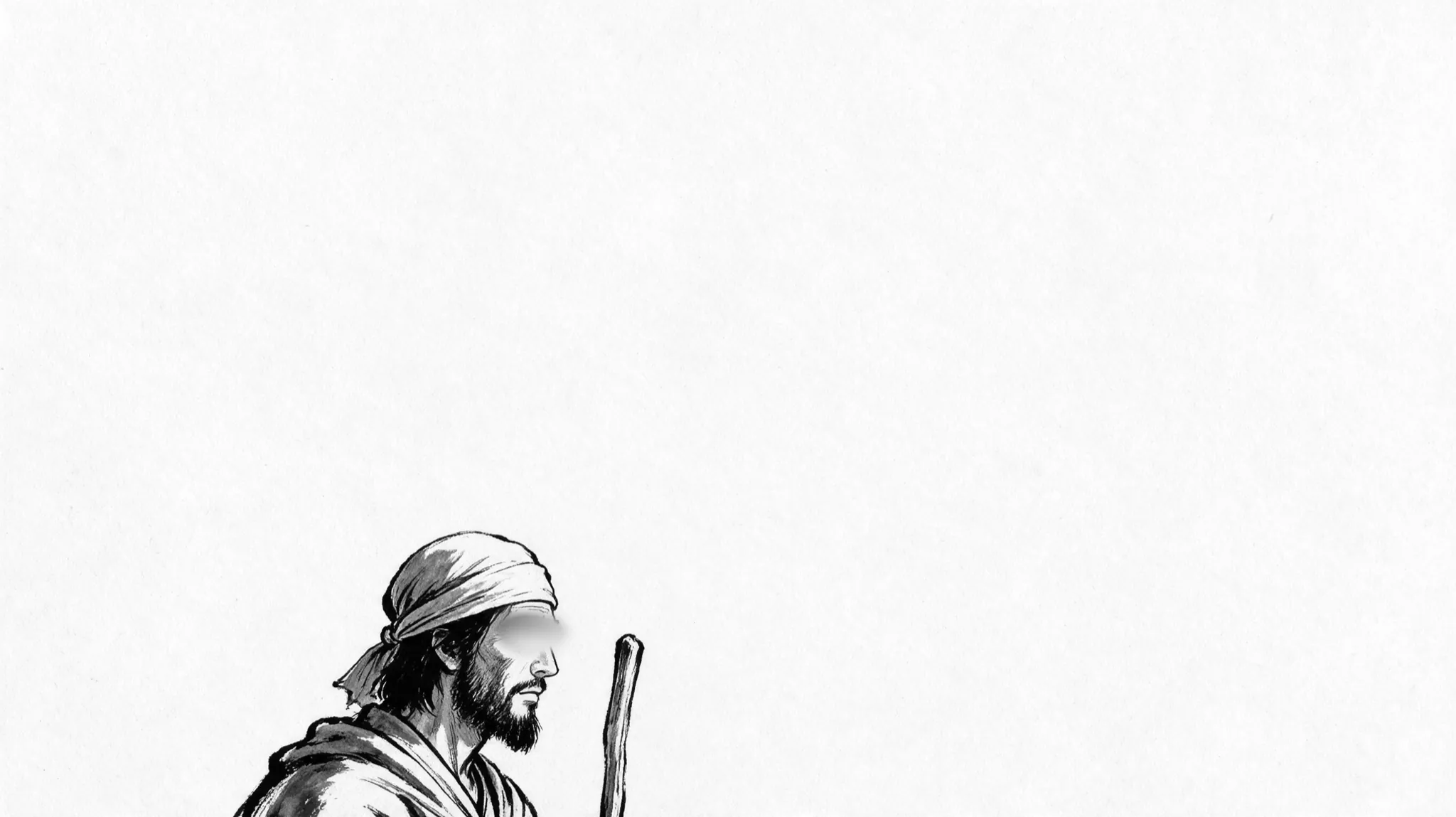
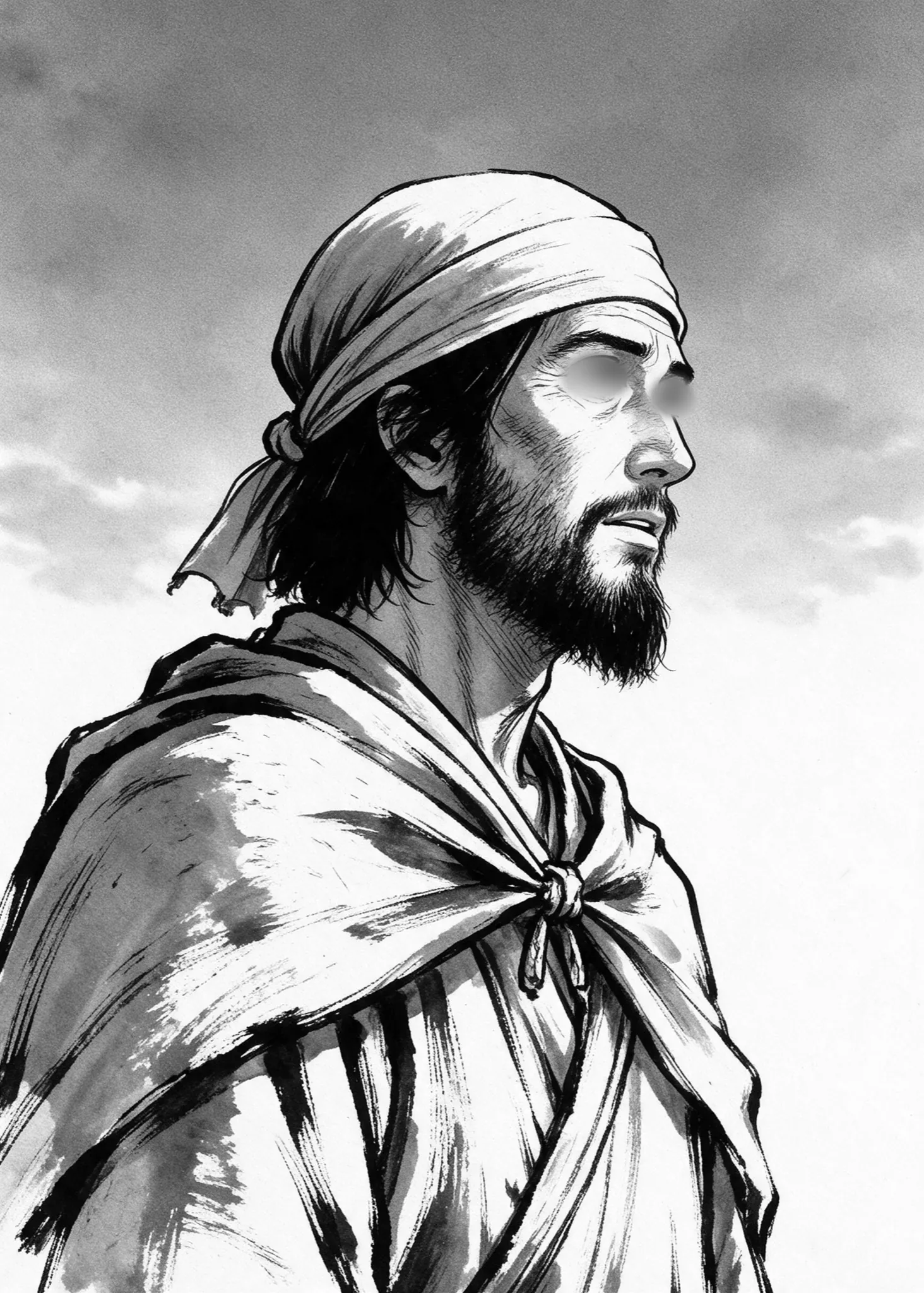
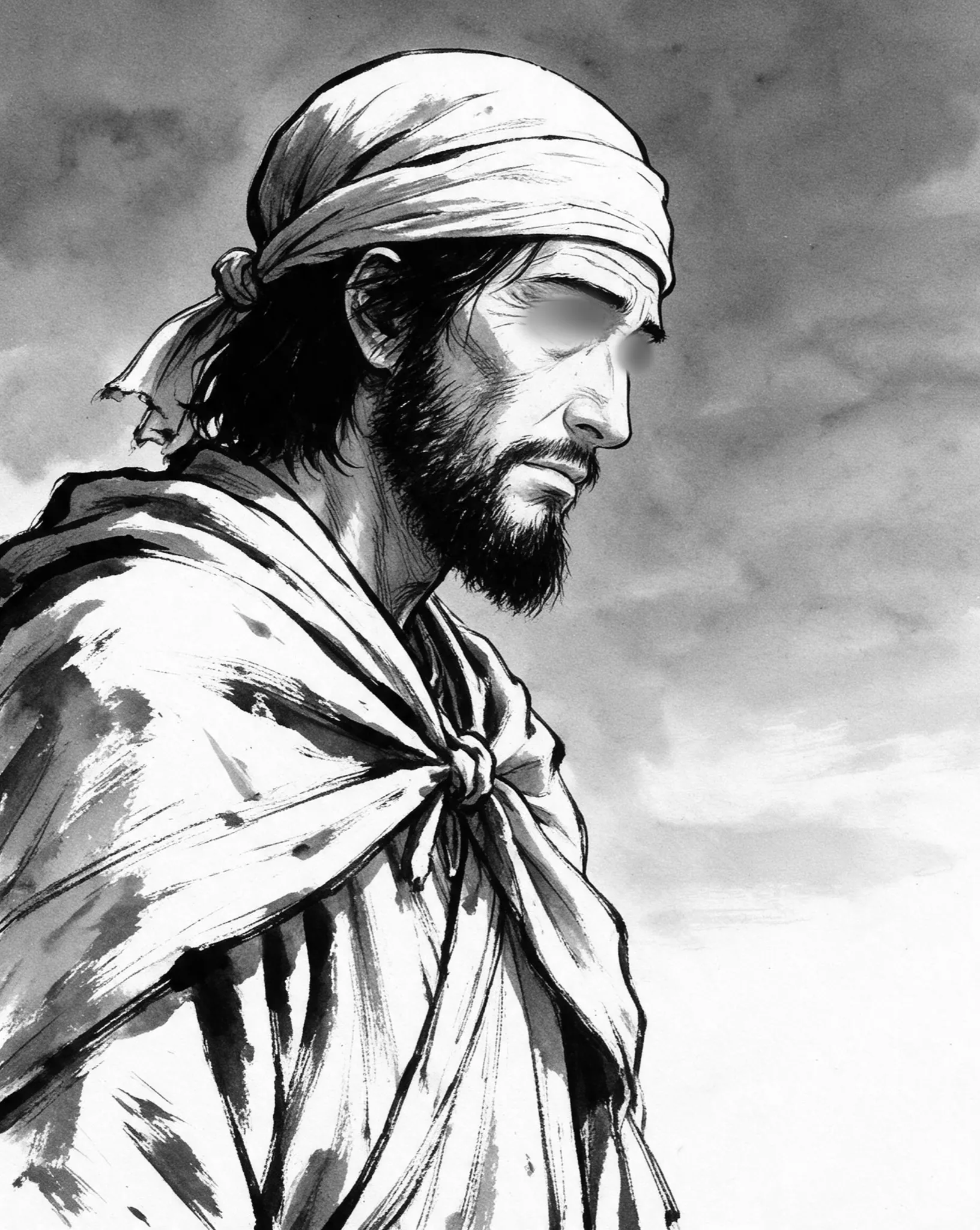
- Sahih al-Bukhari 3394 (Abu Huraira) - Musa is drawn thin, with lank hair, after this hadith
- Qur'an throughout - the Qur'an names Musa, Harun, Fir'awn, Haman, Qarun and al-Samiri; it does not name his mother, his sister, Fir'awn's wife, the servants, the nurses, the overseer, the man of his people, the man who came running, the old man of Madyan, his two daughters, the believer of Fir'awn's family, the sorcerers, Musa's young man or the servant he followed. The one name from tradition on any page is Asiya's (p188), as a sahih hadith gives it; the servant and the young man, whom the hadith names, are named nowhere in this chapter
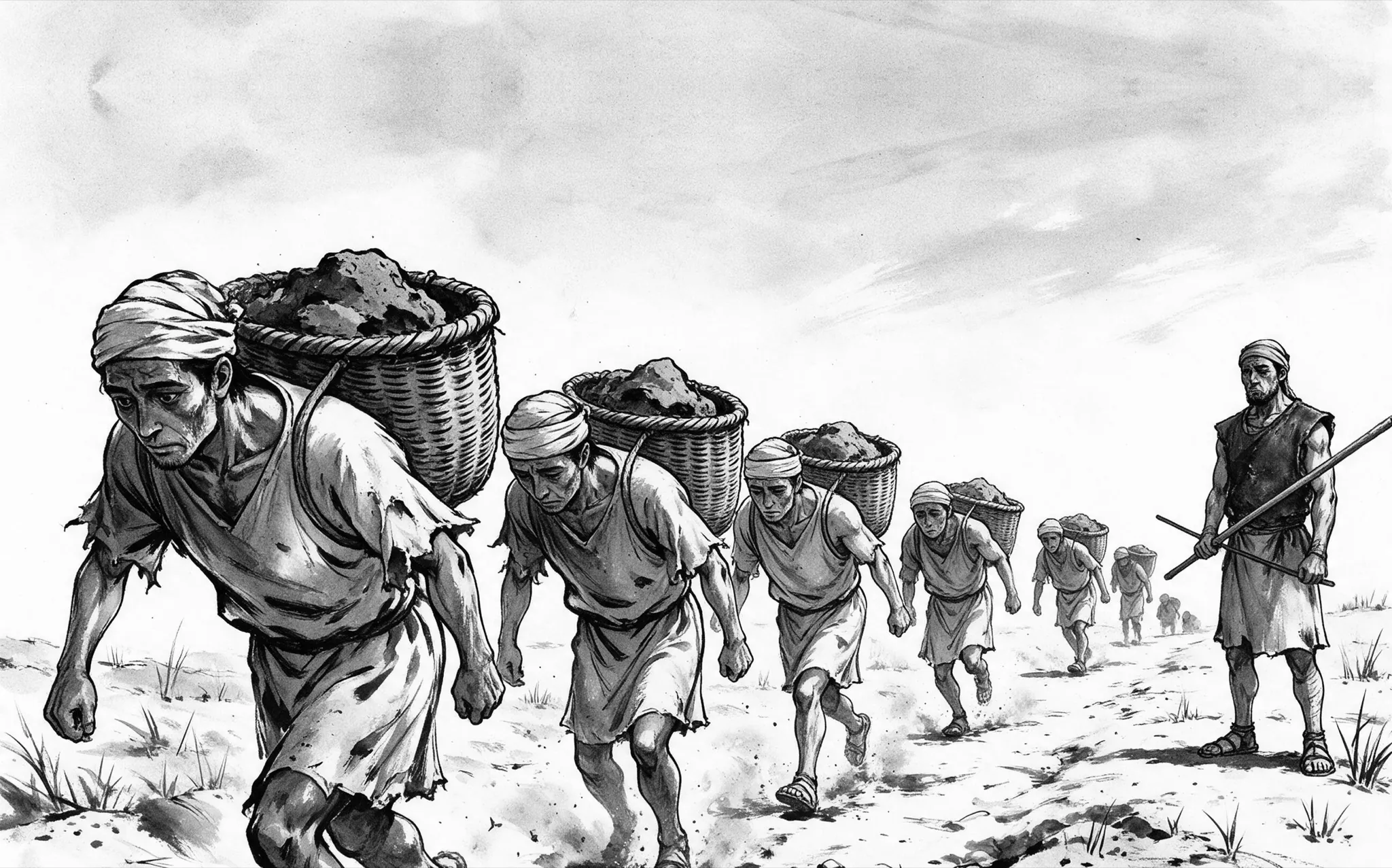
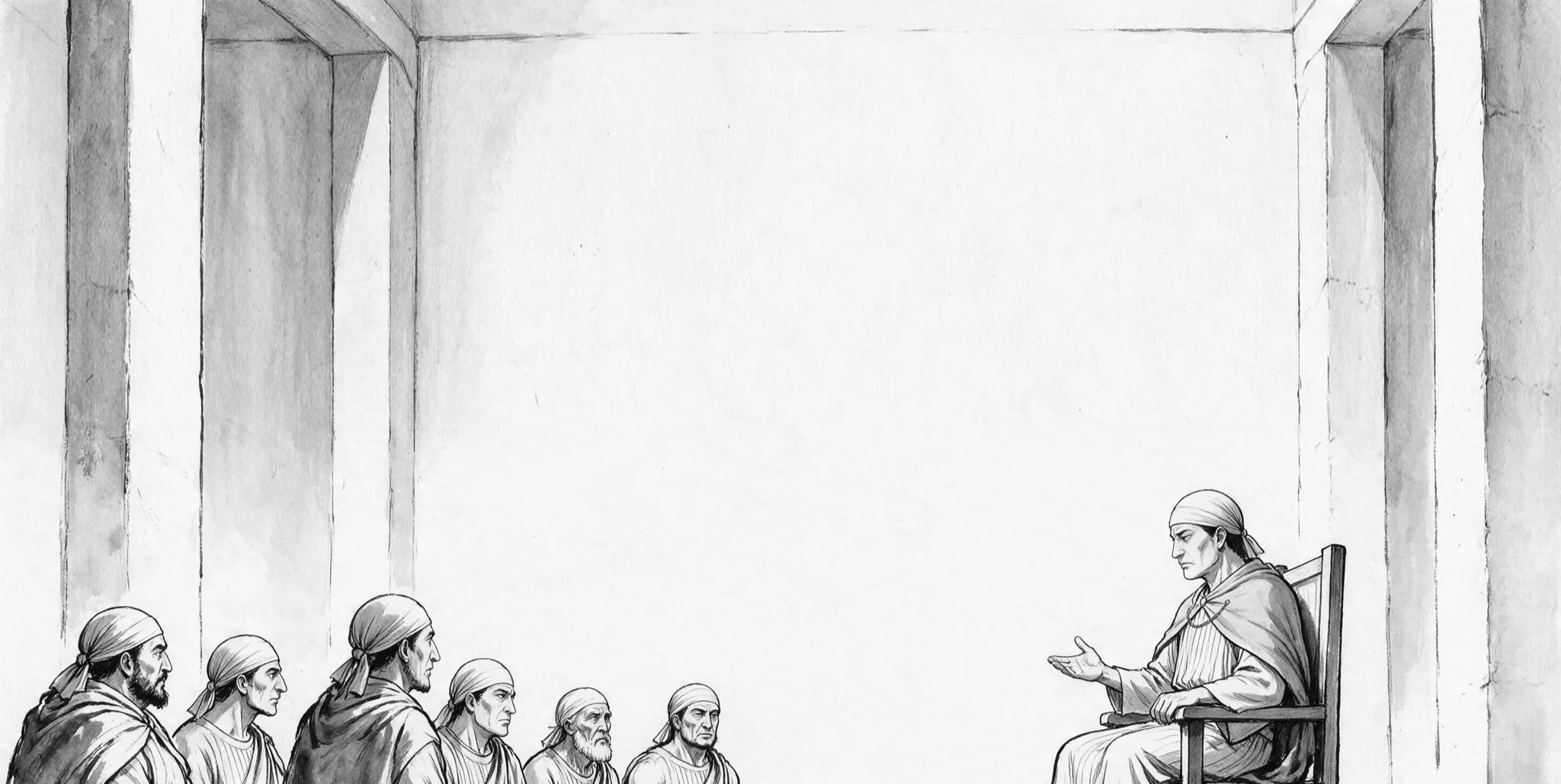
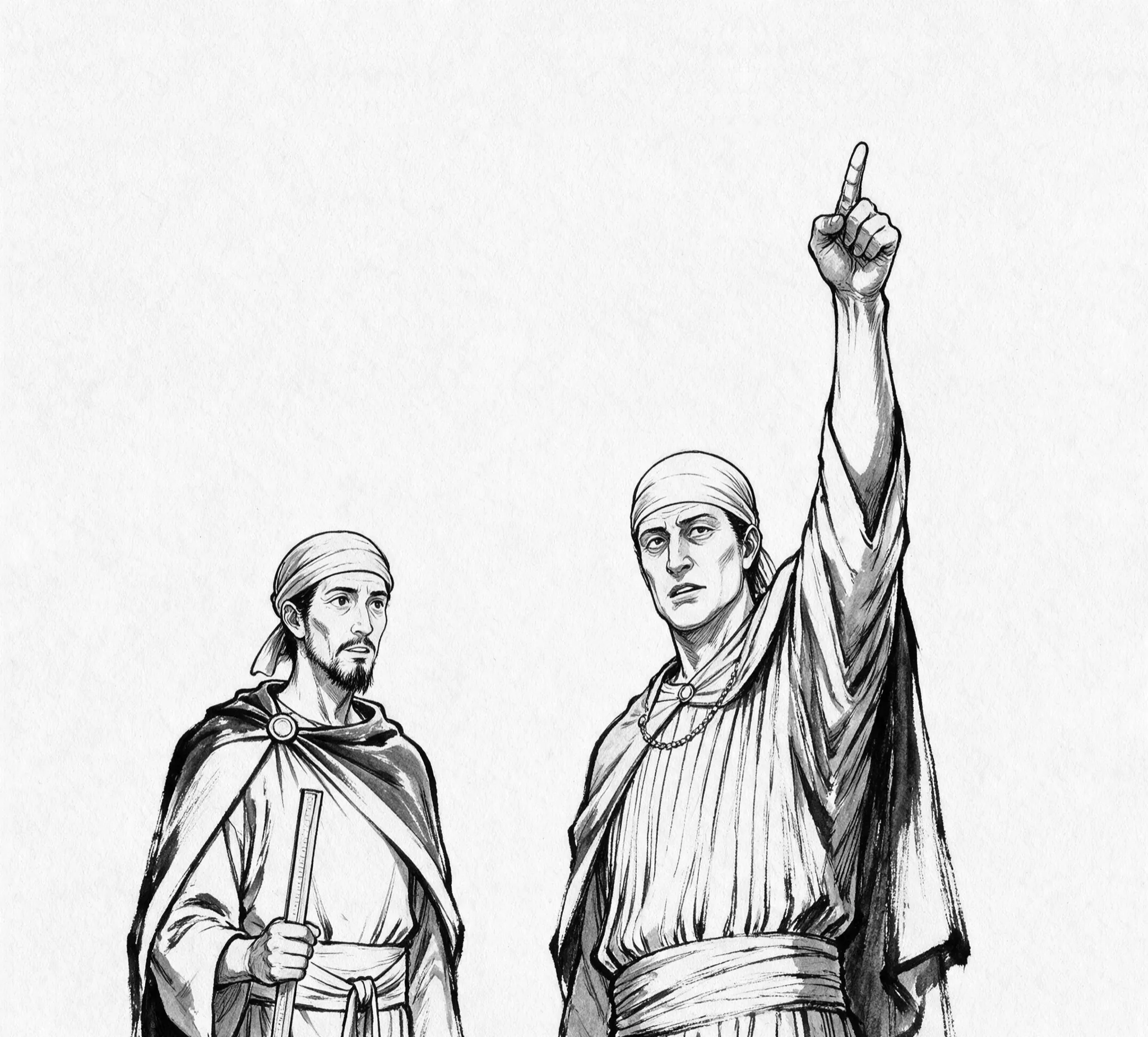
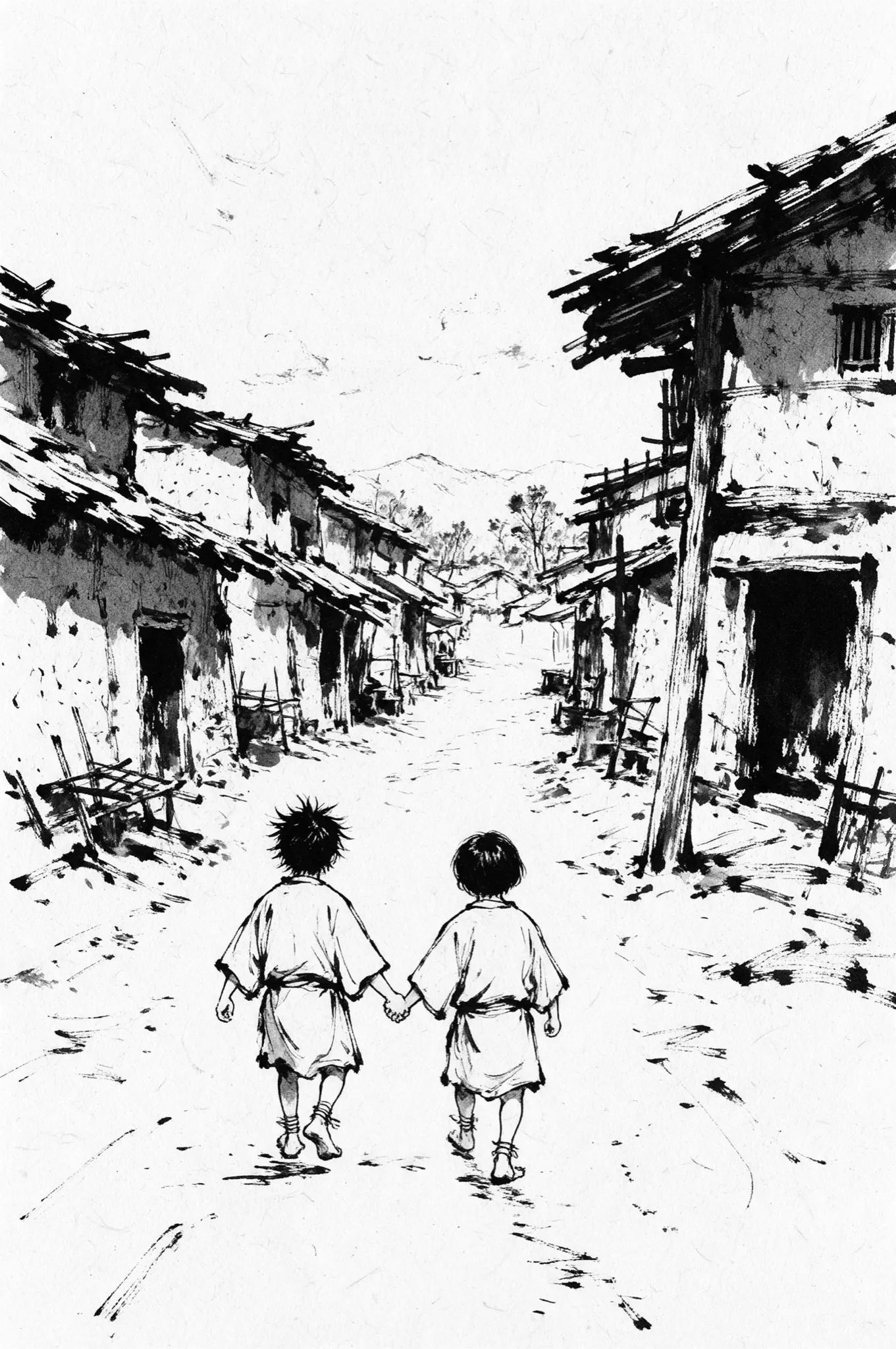
- What the story stages inside the verses is the studio's own: the overseer over the labourers in the low quarter (for the torment of 2:49), the house, the lamp, the torch and the shut door, the size of the chest, the river path and the water-stair, Fir'awn standing over the chest unarmed and silent, the room of women, the palace gate, the reeds along the river, the clay baskets of the labourers, the folded cloth in the chest, the measuring rod in Haman's hand and Musa's three ages
- Qur'an 28:1-3; 20:9 - where the two surahs turn to Musa's story they address the Prophet Muhammad (peace be upon him); that address is not told; the story begins on the land (28:4)
- Recitation on the pause pages: Abdul Rahman al-Sudais, murattal, Hafs from Asim, streamed per ayah from everyayah.com
- Arabic text on the pause pages: the Uthmani text, Hafs from Asim, as quran.com serves it
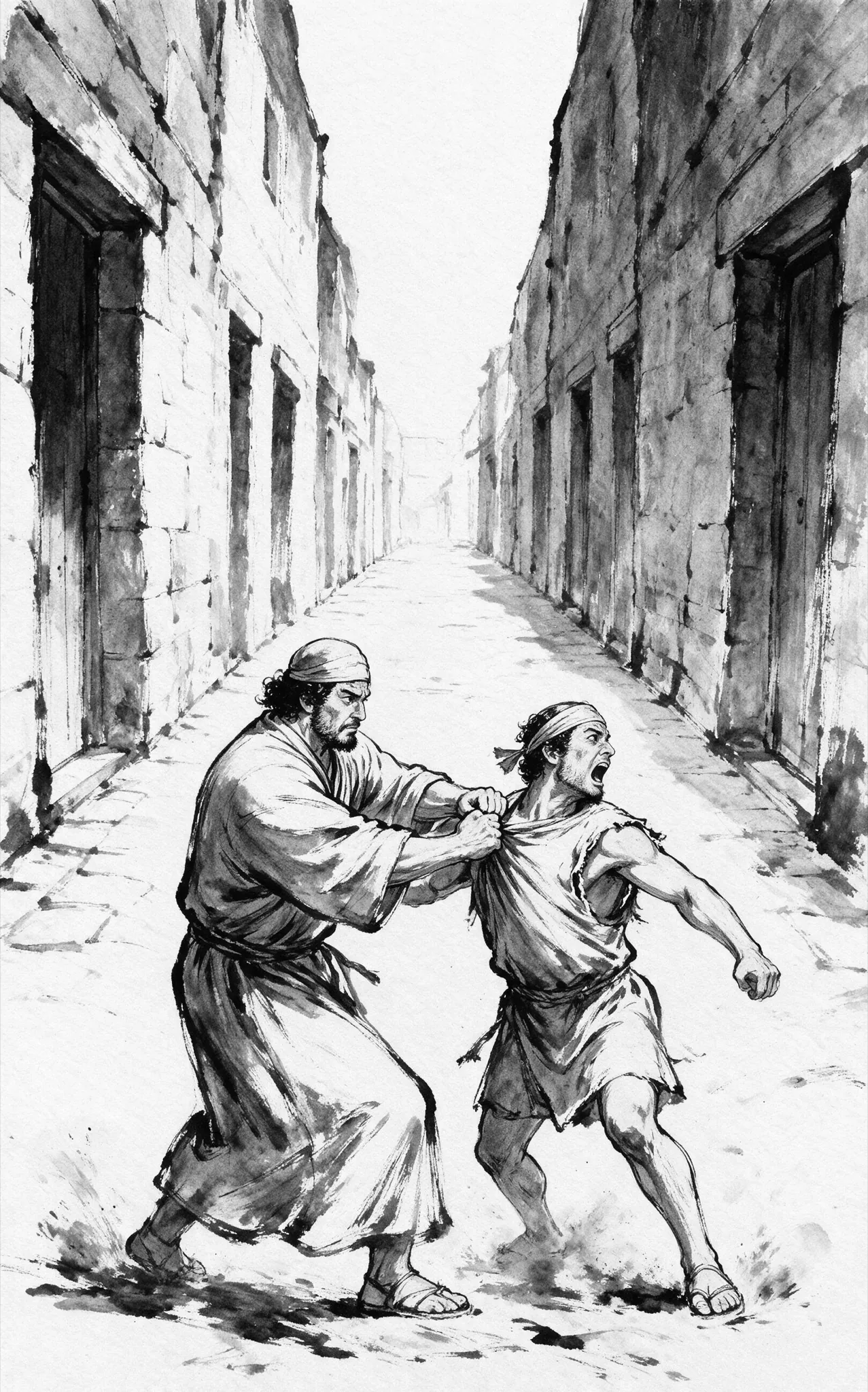
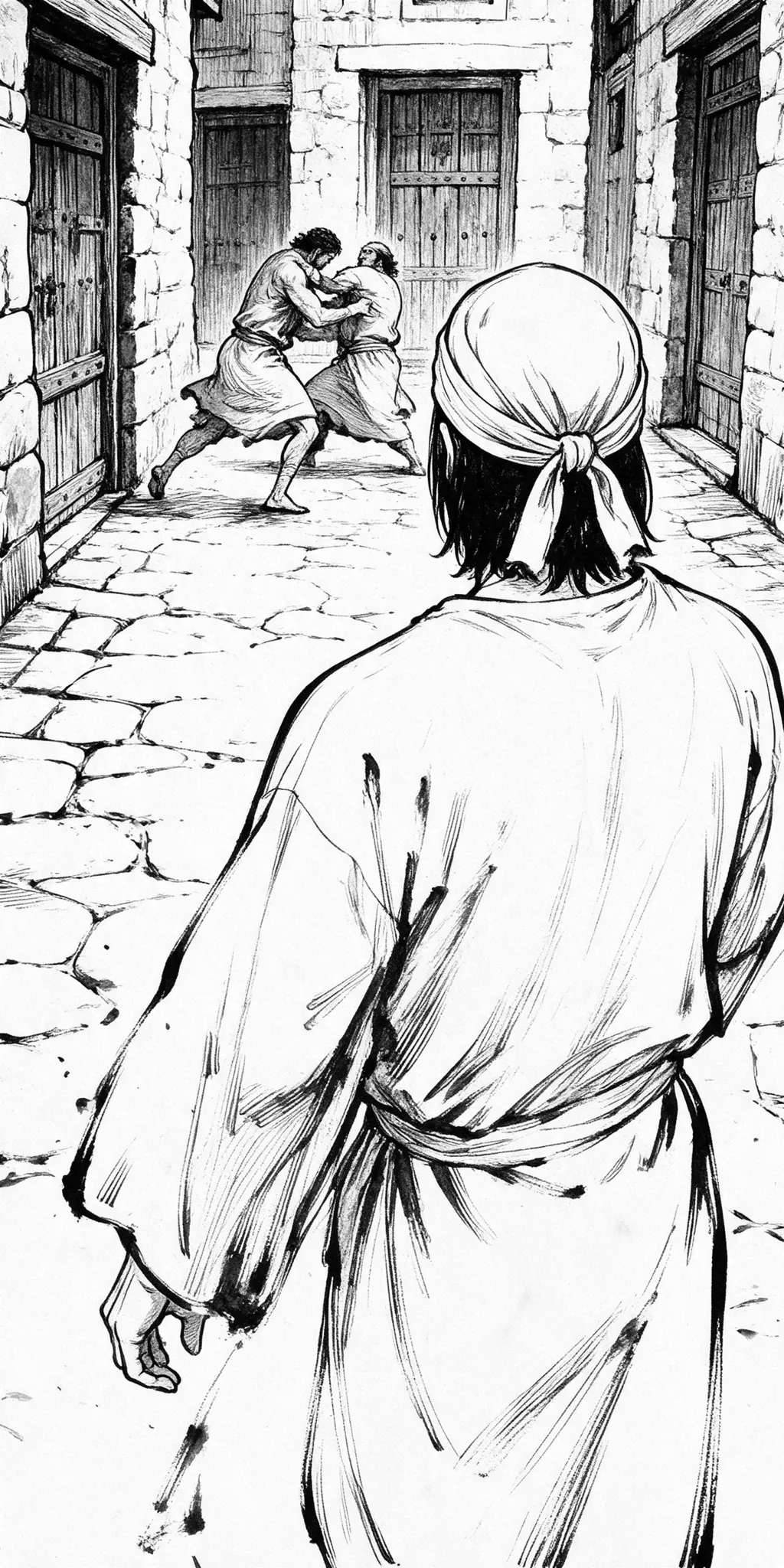
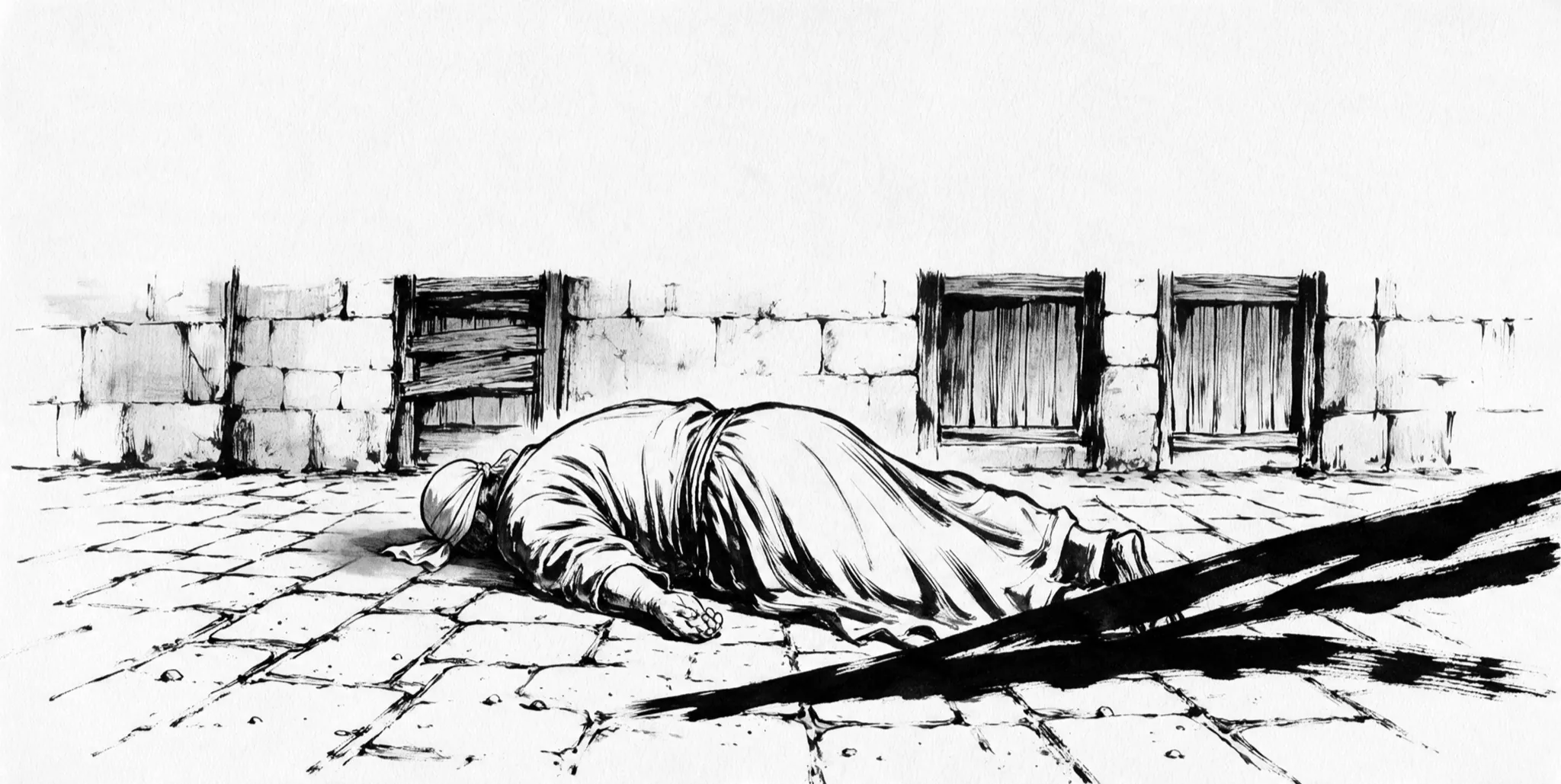
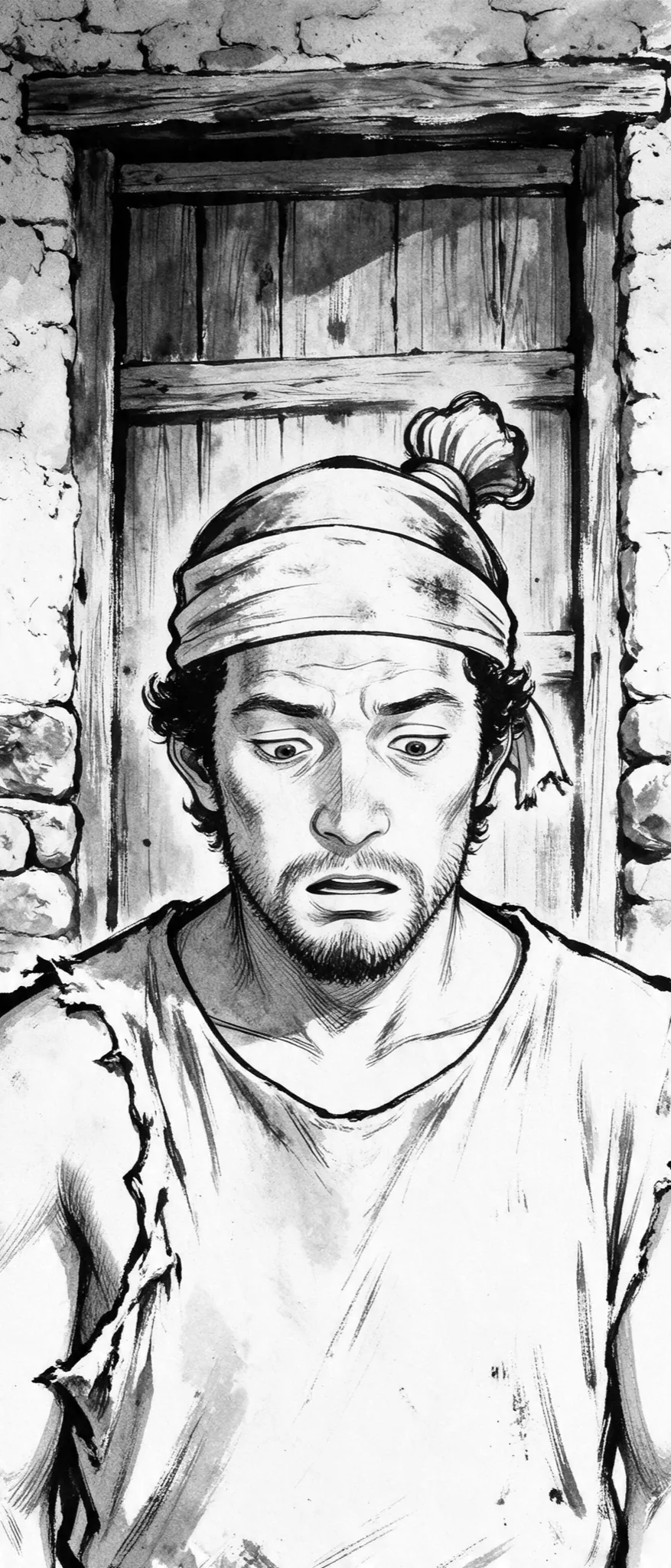
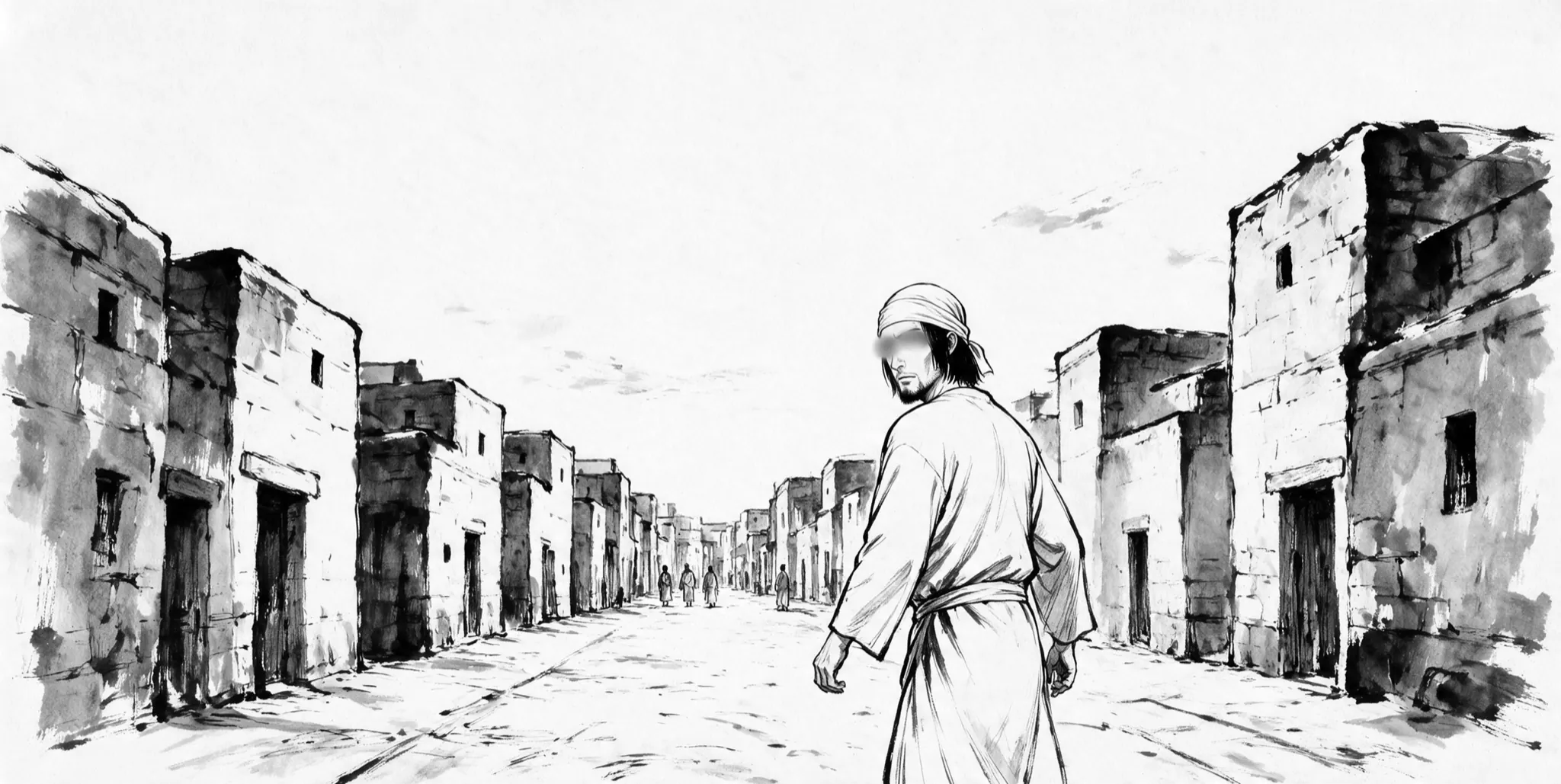
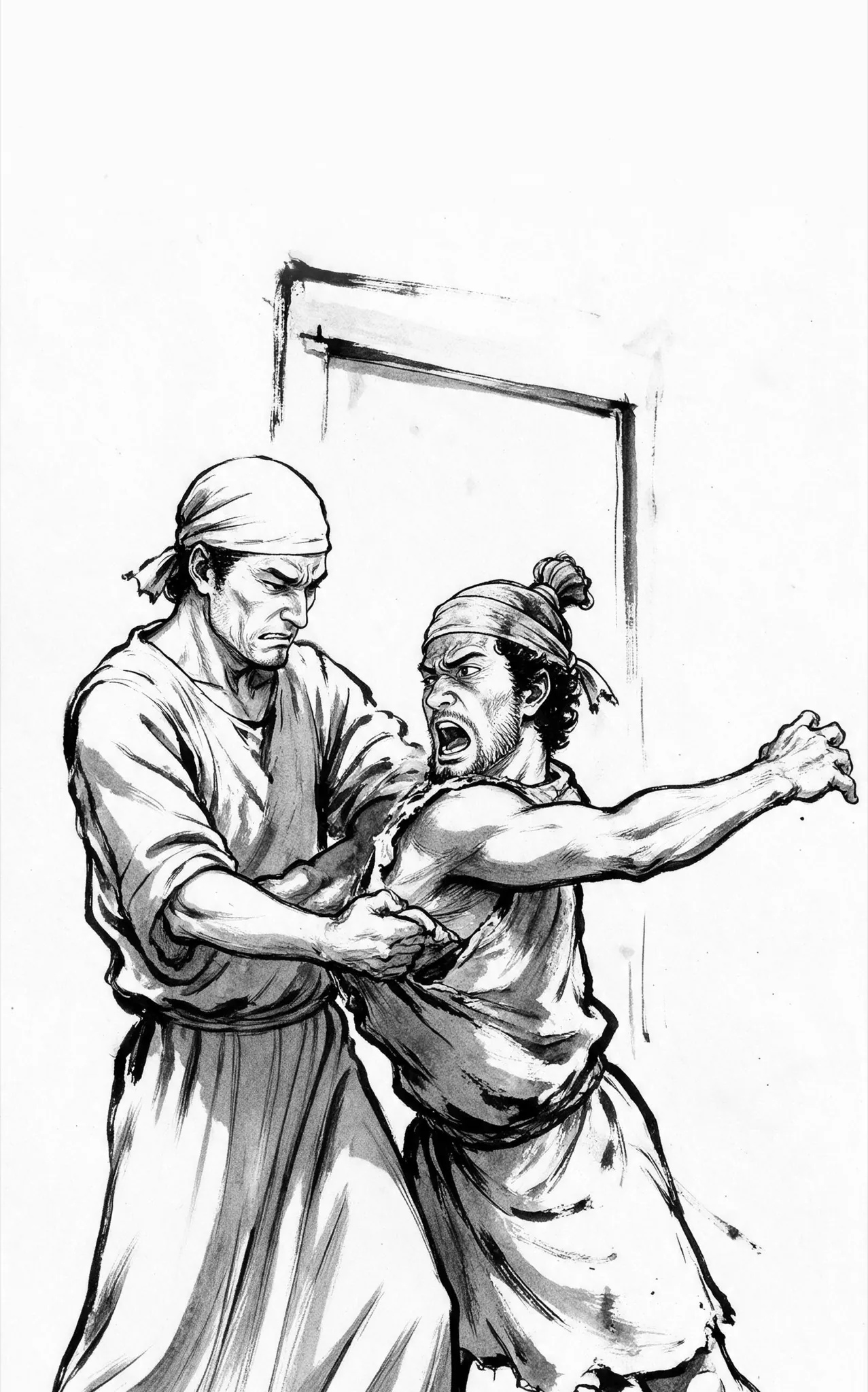
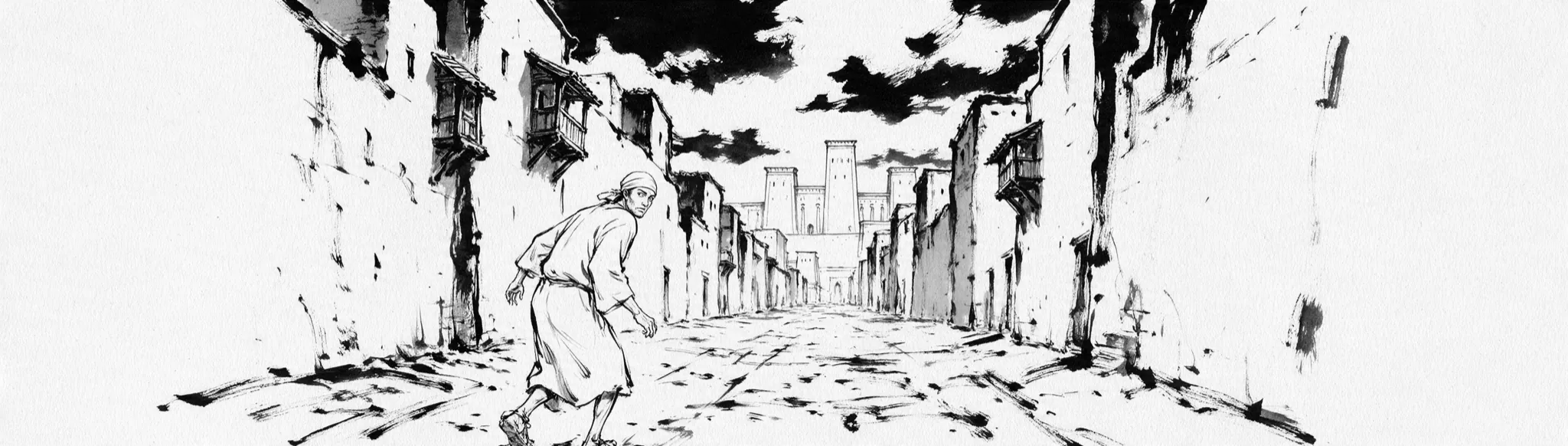
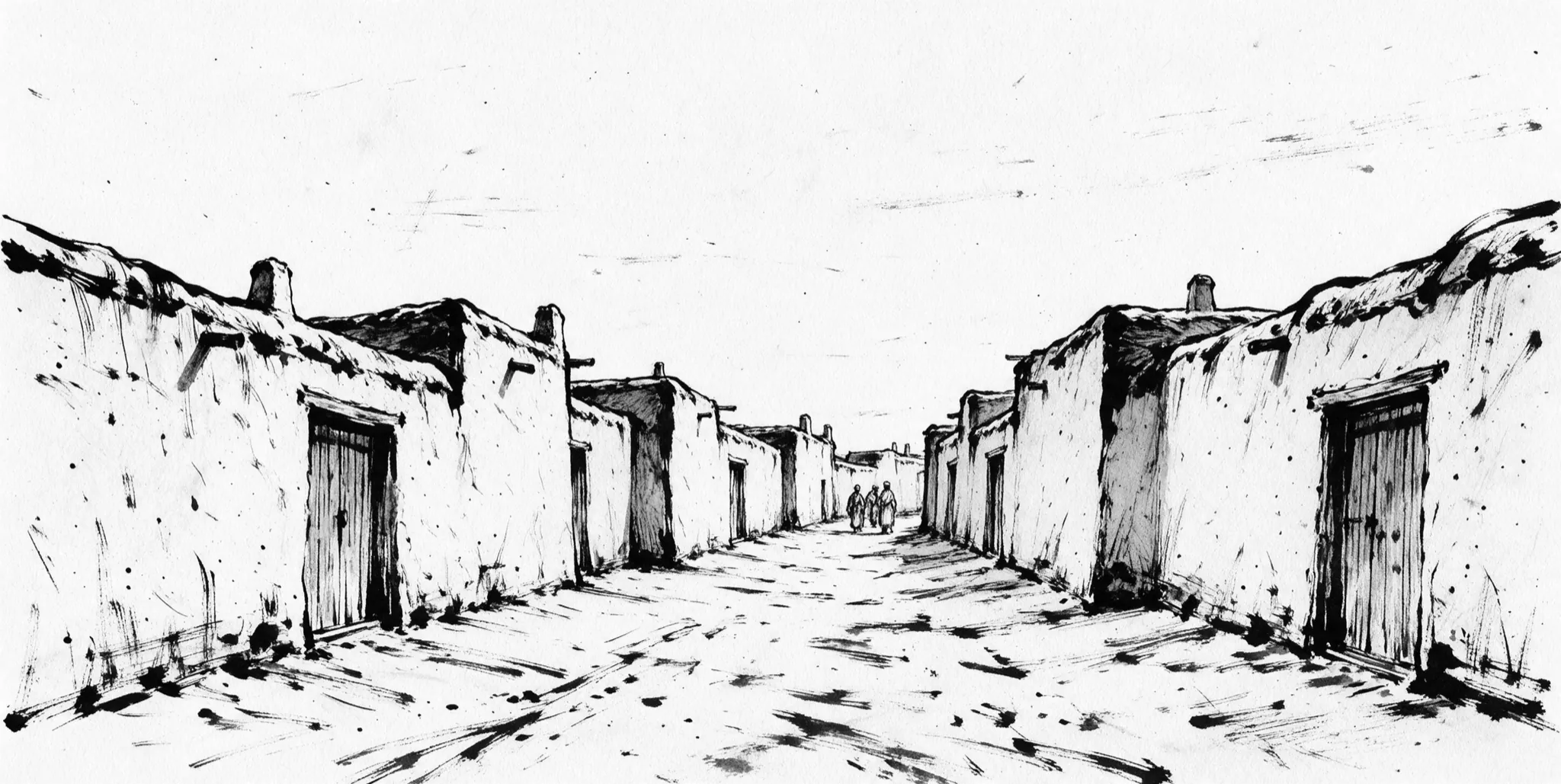
- Qur'an 28:15 - he entered the city at a time its people were unaware and found two men fighting, one of his own people and one of his enemy; the first called to him for help, Musa struck the other, and the man died (p37 to p40). Mujahid in Ibn Kathir on 28:15 - it was one blow of the fist. The blow is not drawn and no caption says how the man fell; the empty street is the studio's staging, since the commentators differ on the hour
- Qur'an 28:15-17 - Musa called the deed the work of Satan, asked his Lord to forgive him for wronging himself, and He forgave him (p42 to p45); 26:20-21 - before Fir'awn he named the deed himself, done while he was 'of those astray' (p128). Ibn Kathir on 26:20, from Ibn Abbas and Abd al-Rahman ibn Zayd ibn Aslam, the view Ibn Jarir favoured - 'astray' means before revelation came to him and before he was made a prophet
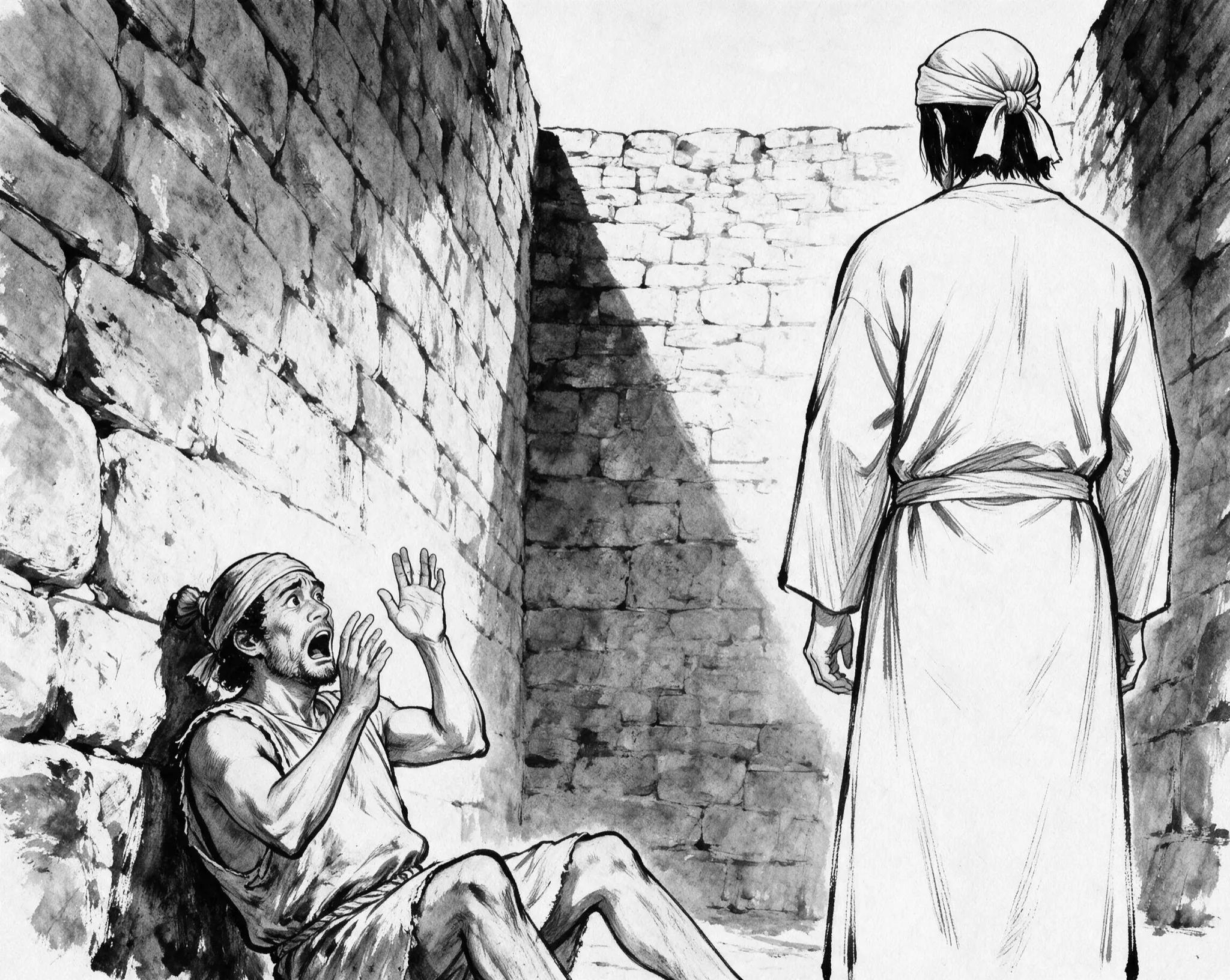
- Qur'an 28:18-19 - the next morning the same man cried out to him again, and as Musa moved to seize the one who was an enemy to them both, a voice cried out about the killing of the day before (p46 to p50). The Qur'an does not name the speaker; that it was the man of his own people, who thought the blow was meant for him, is Ibn Kathir's reading on 28:18-19, and the bubble follows it as the studio's staging
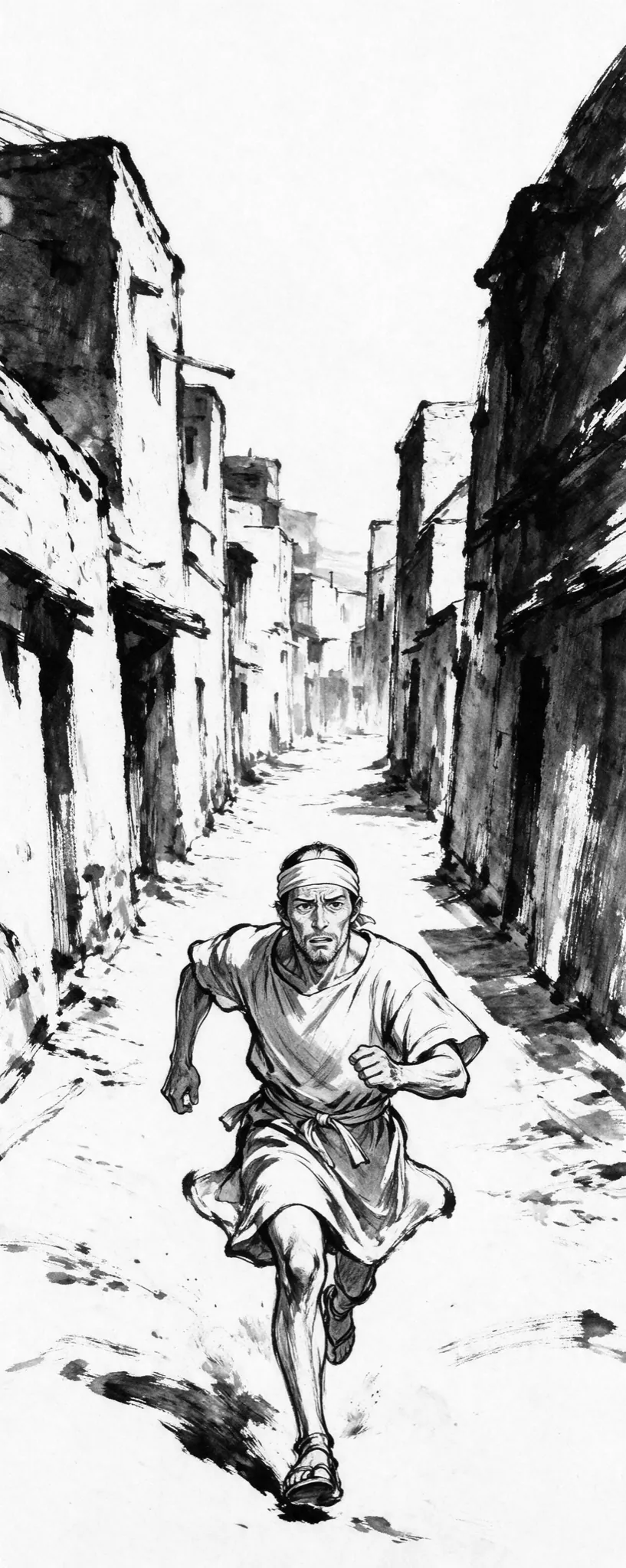
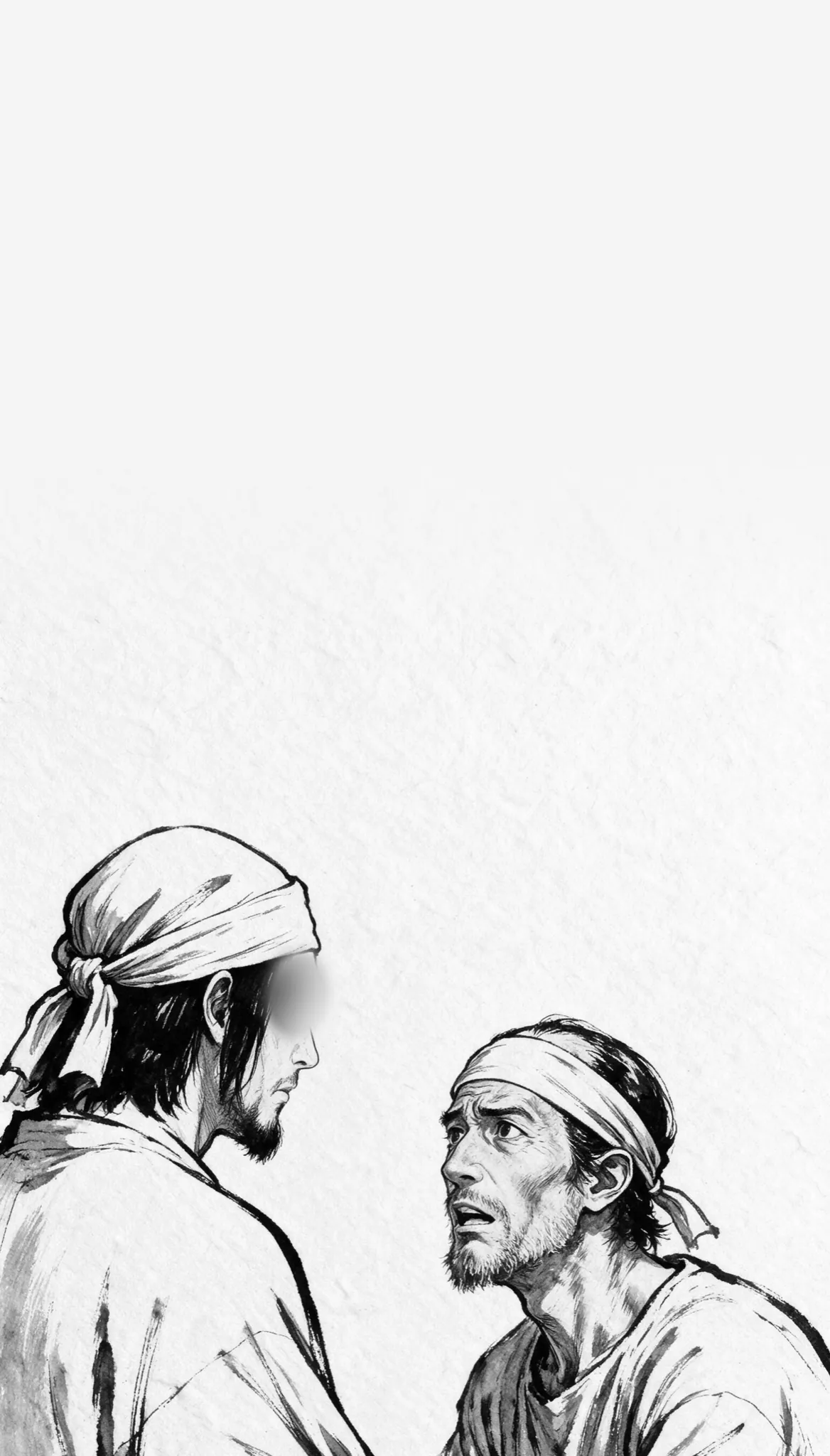
- Qur'an 28:20-21 - a man came running from the farthest end of the city to warn him that the chiefs were conferring to kill him, and Musa left the city, afraid and watchful (p53 to p57). The Qur'an does not name the runner; Ibn Kathir on 40:28 gives Ibn Abbas counting him apart from the believer of Fir'awn's family, so the story keeps them two men
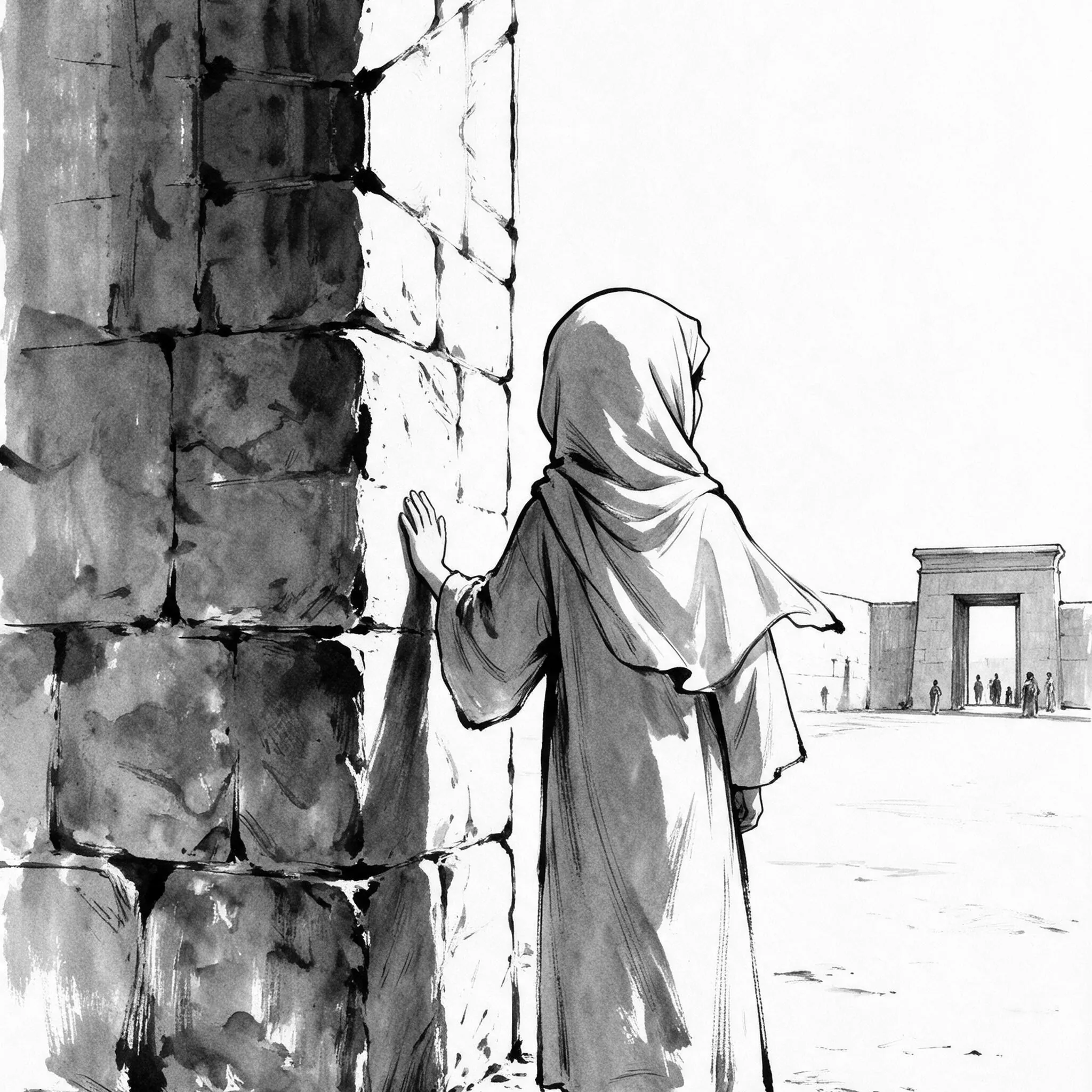
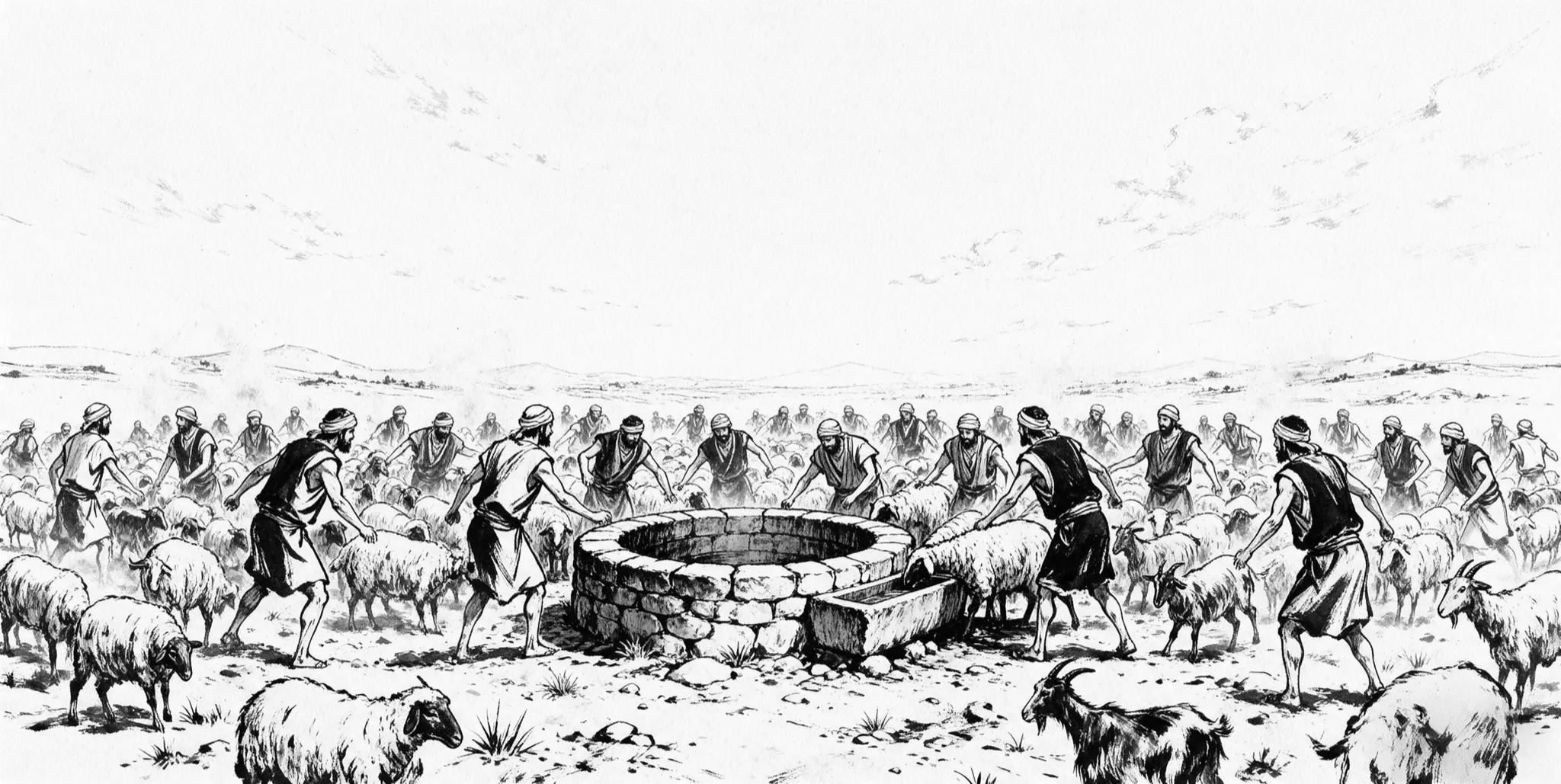
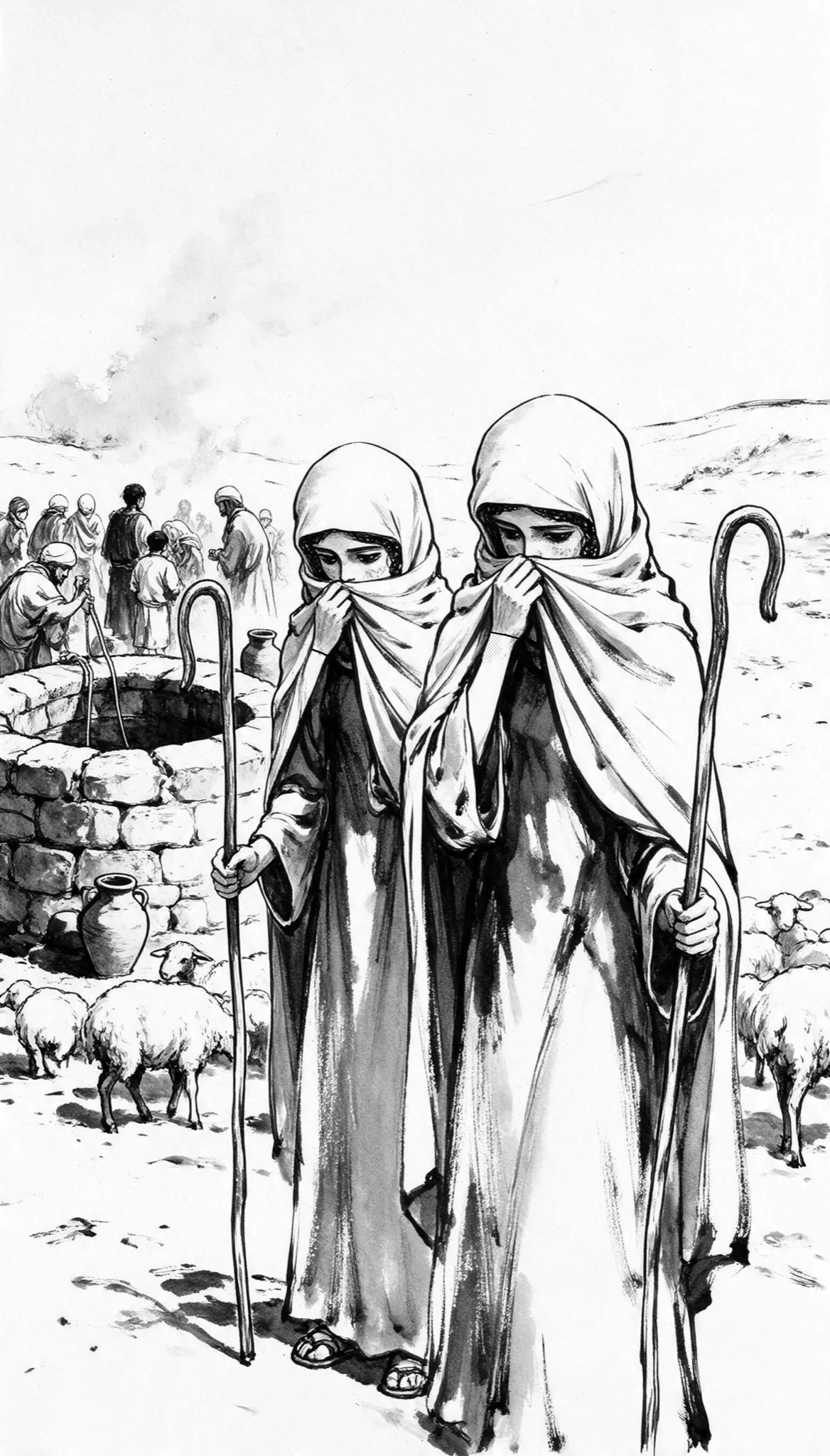
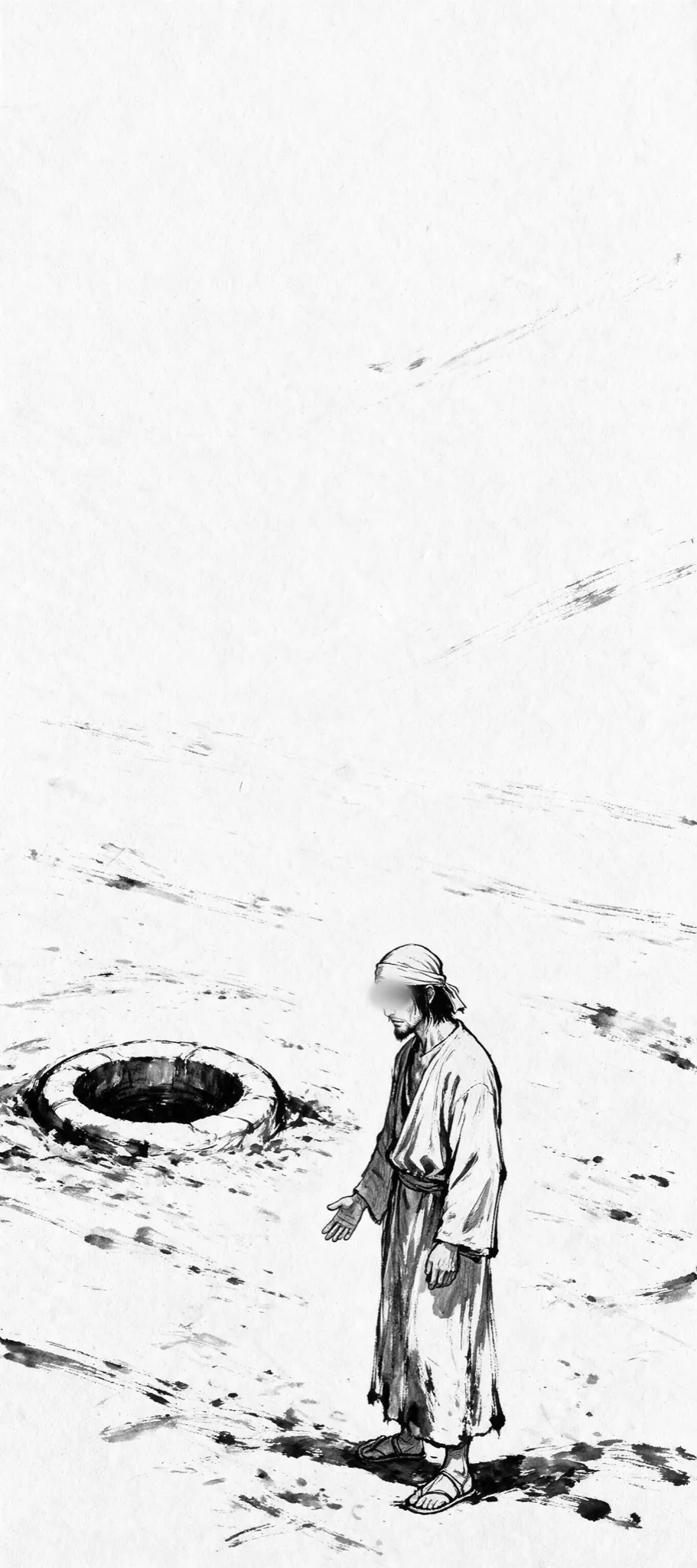
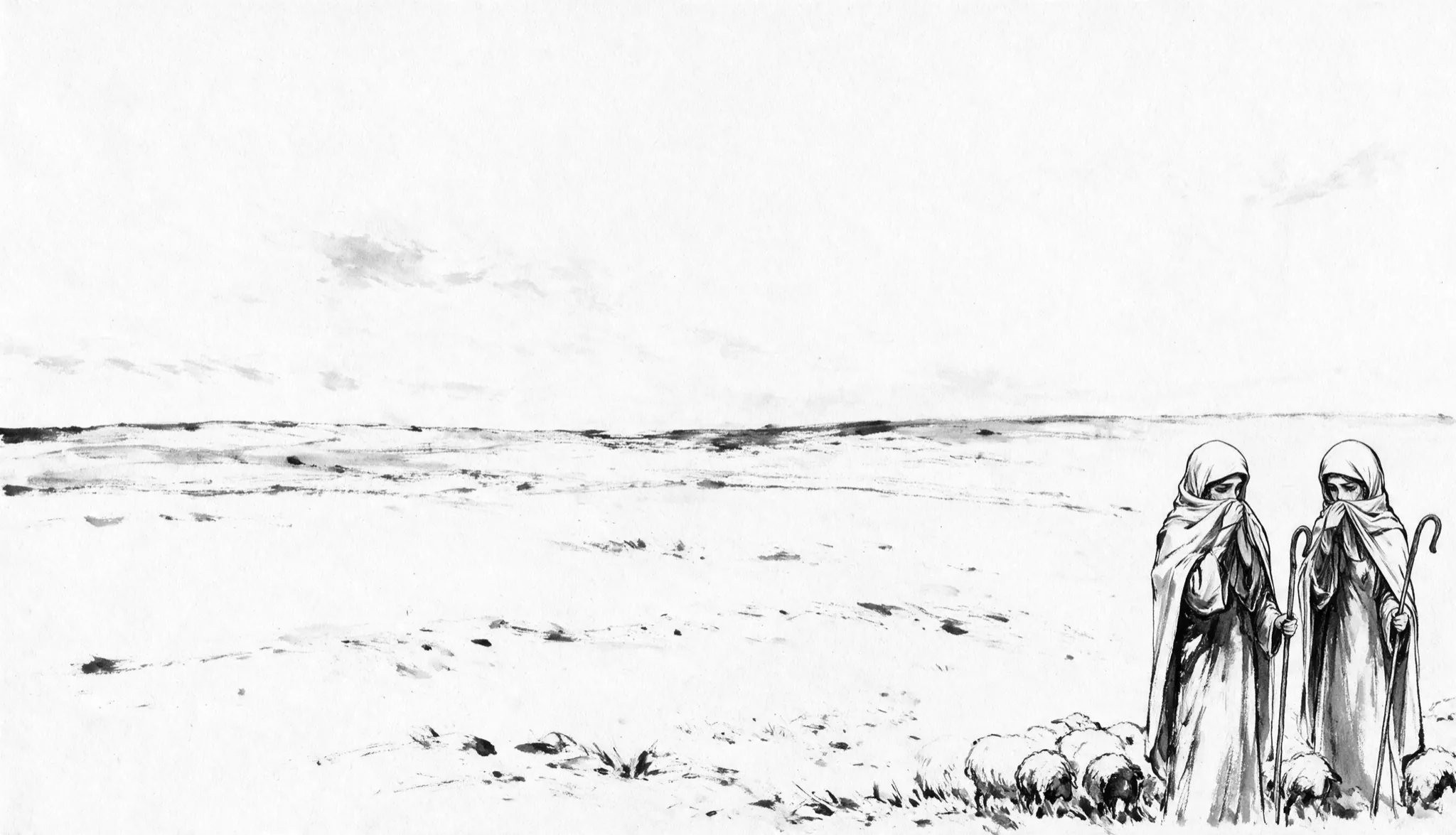
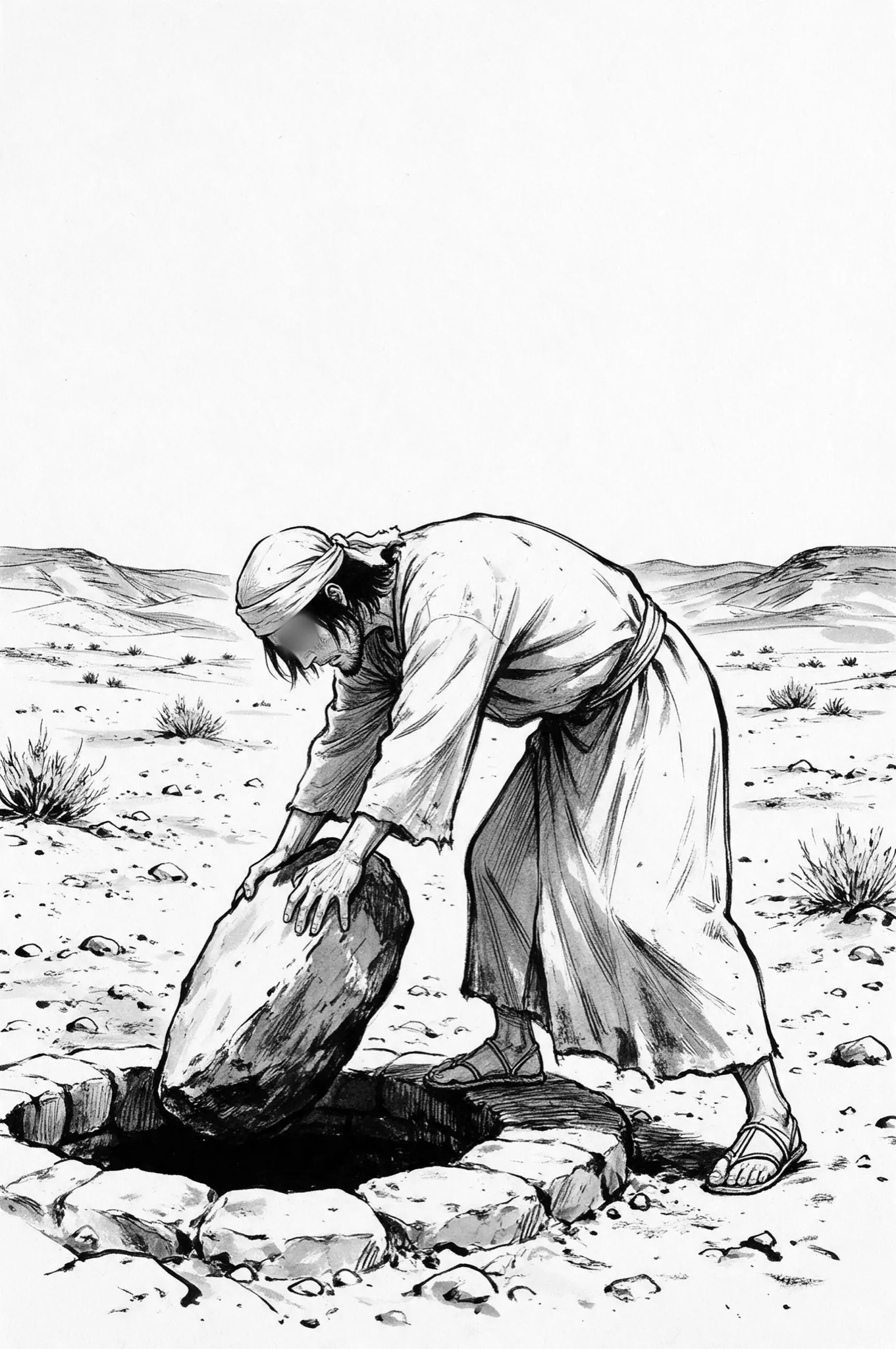
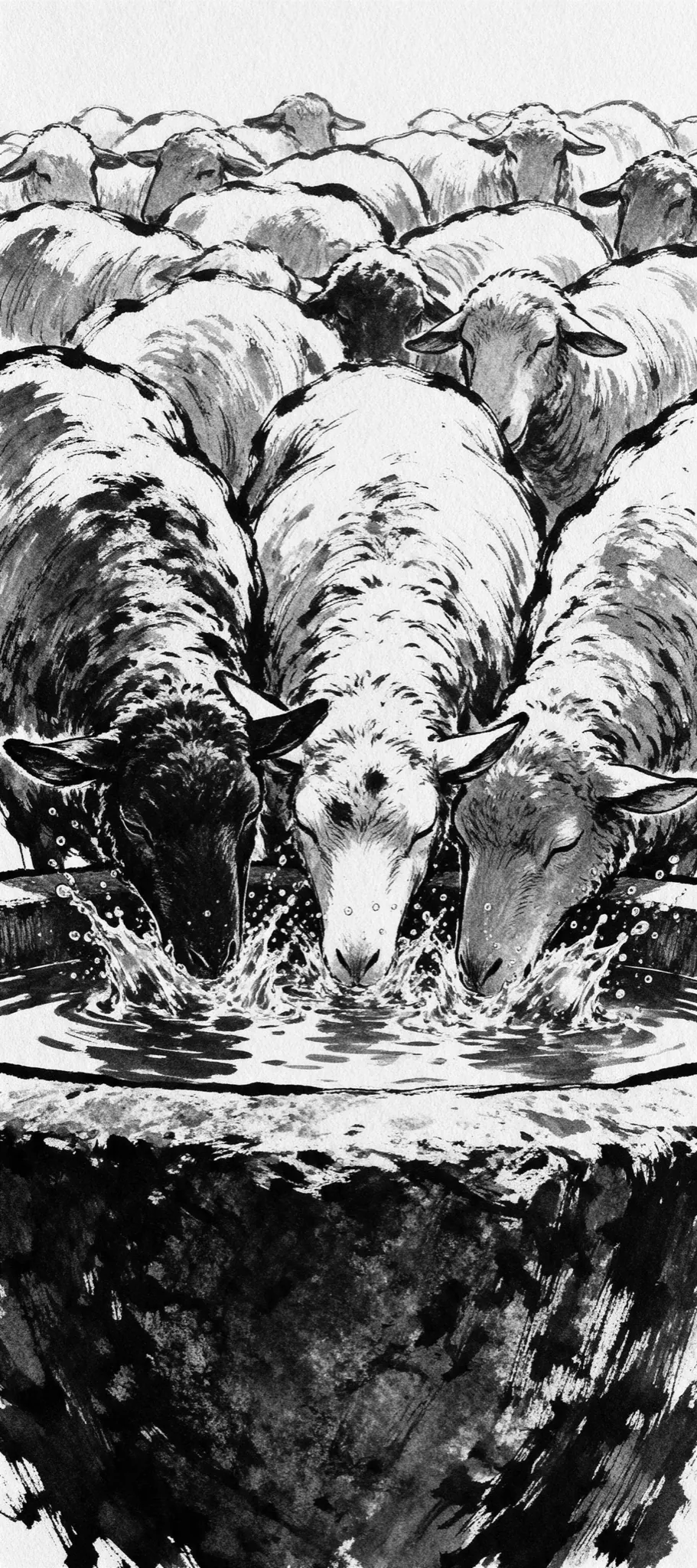
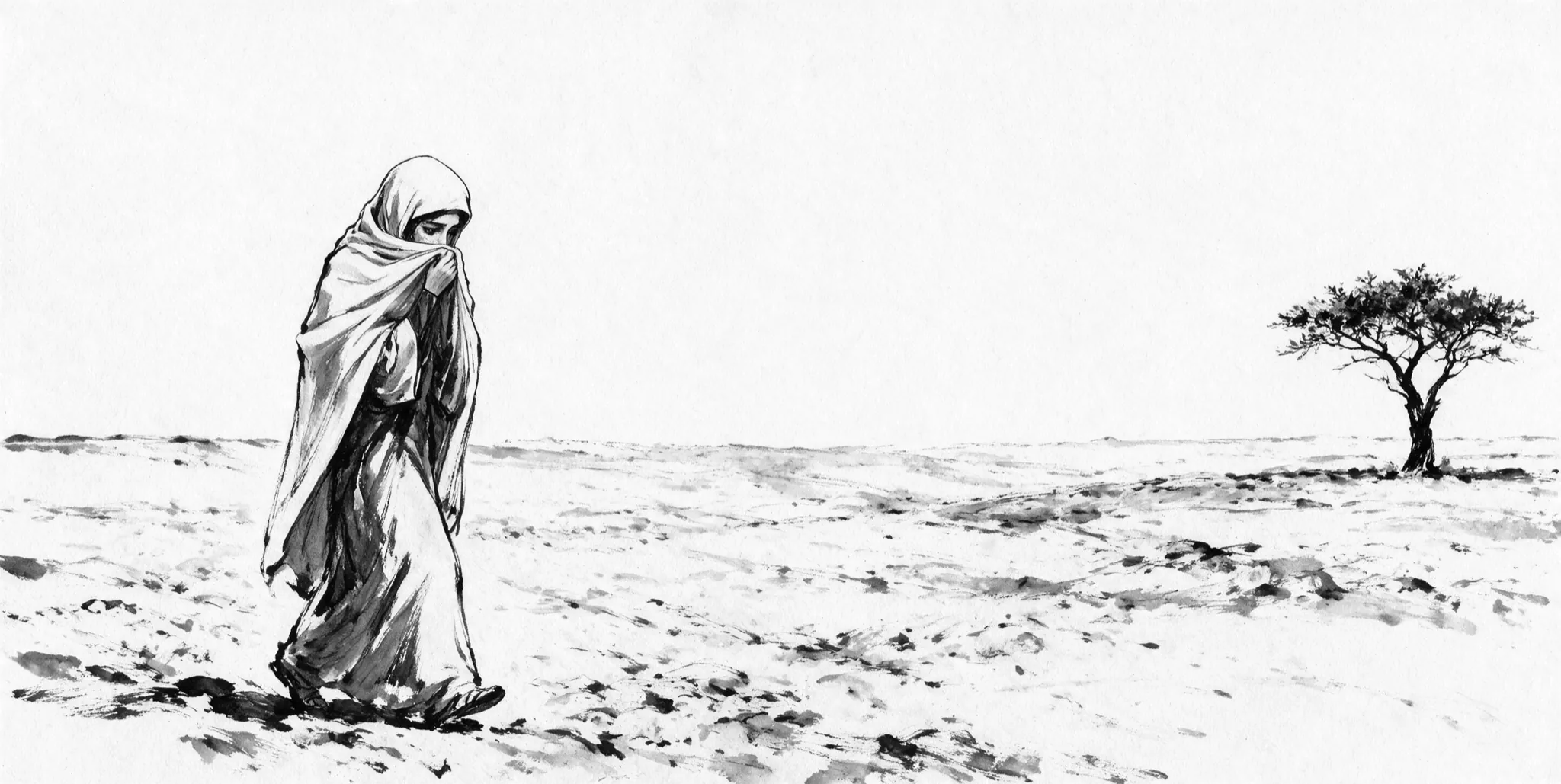
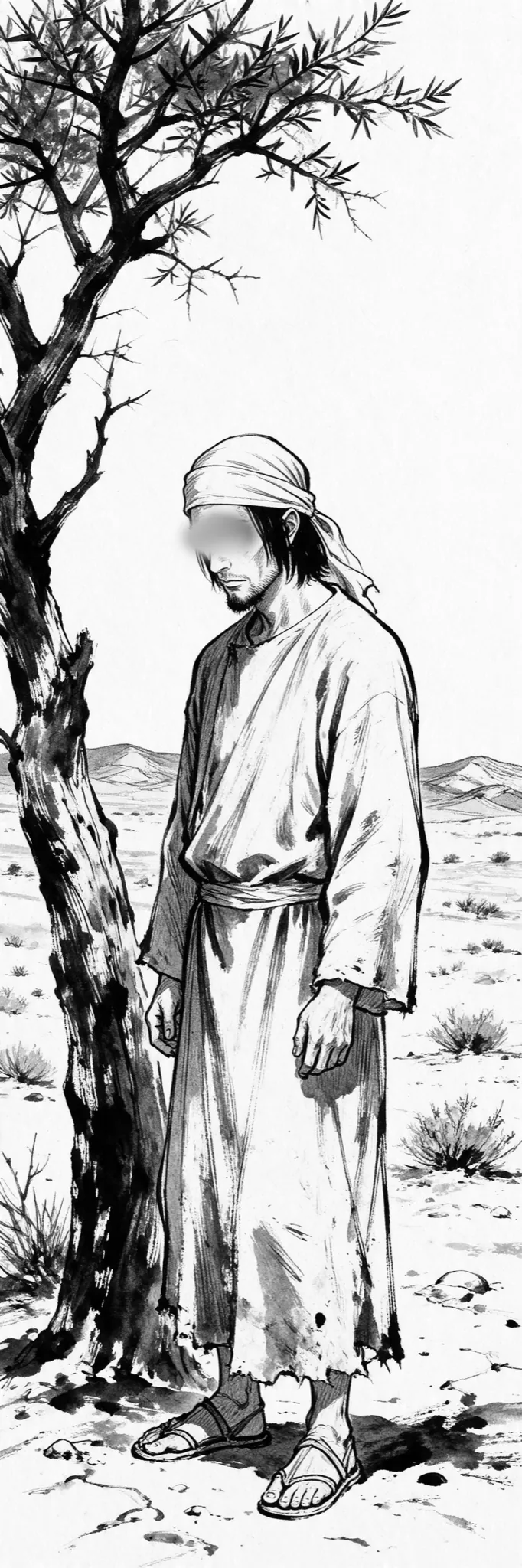
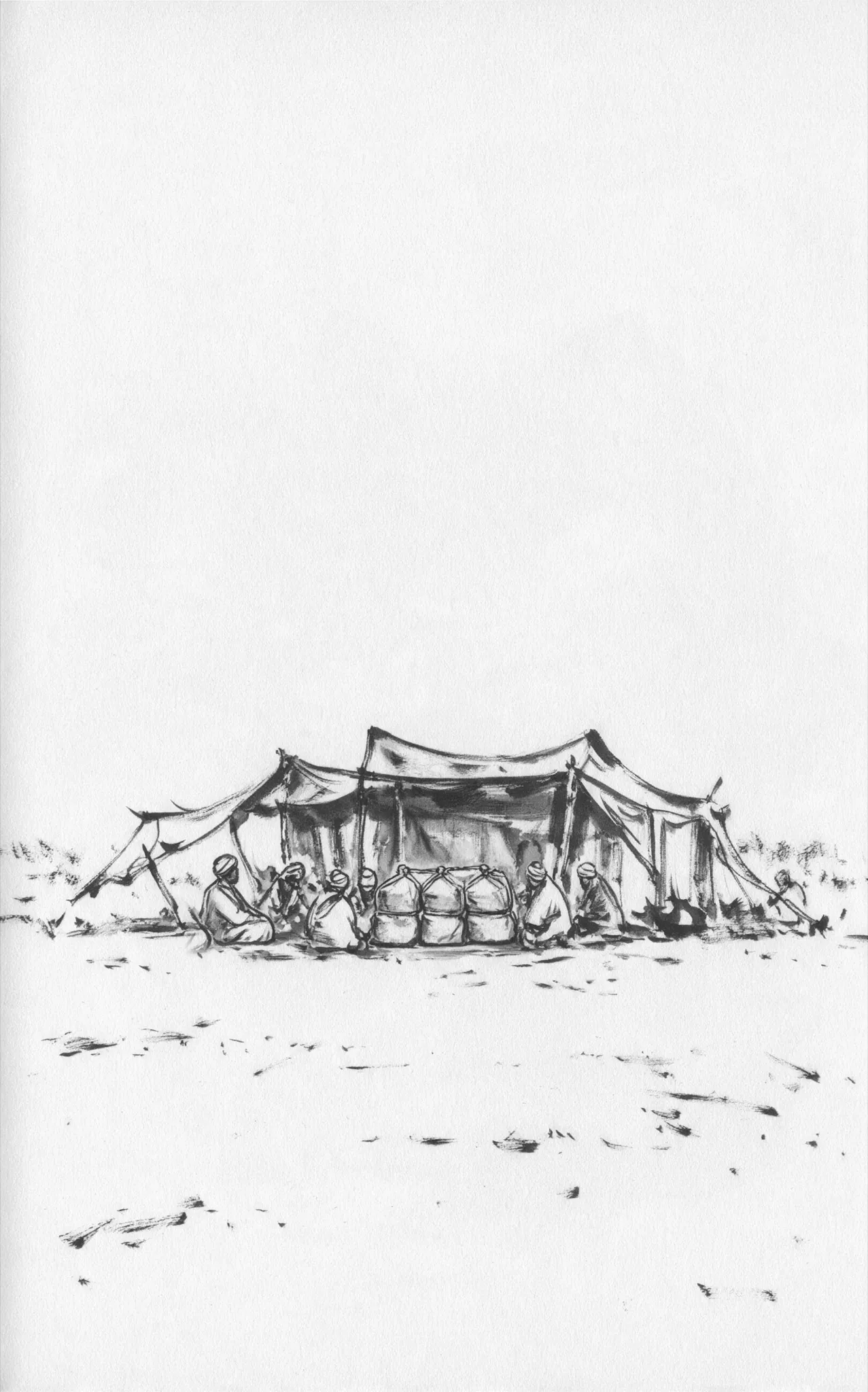
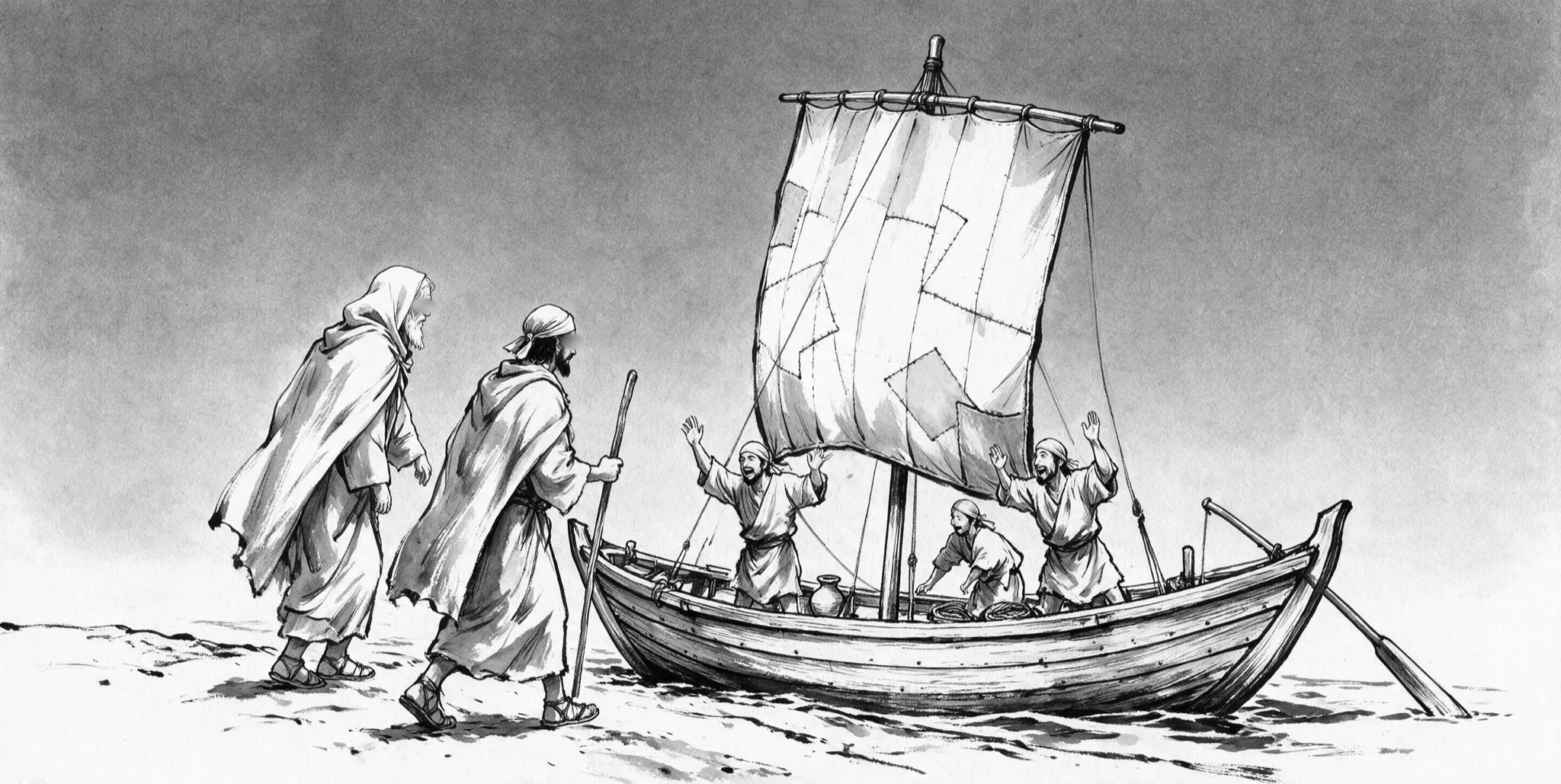
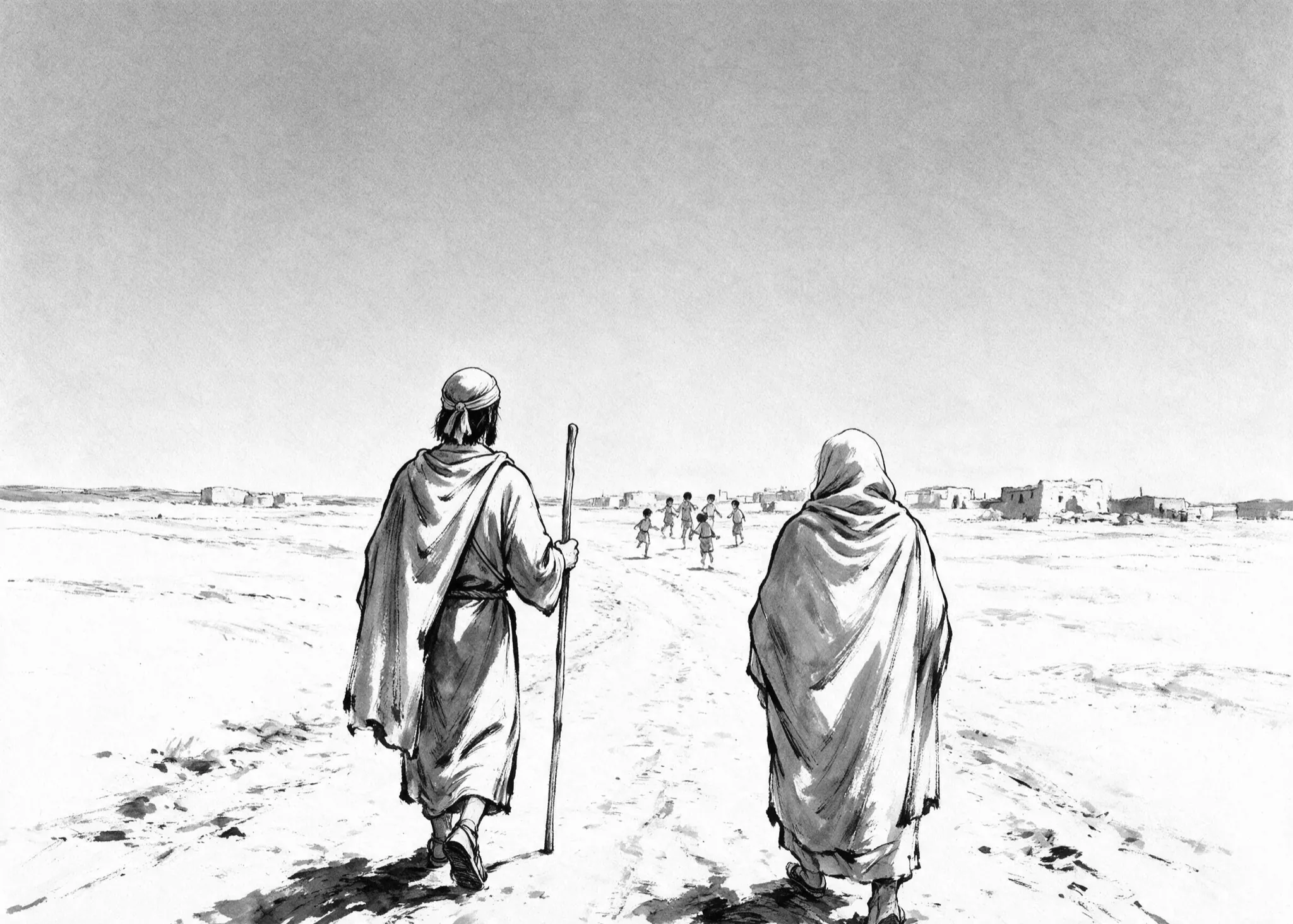
- Qur'an 28:22-24 - he set out toward Madyan; at its water he found a crowd of men watering and two women holding their flocks back, who said they water only when the shepherds leave and their father is a very old man; he watered for them and went back to the shade (p58 to p67). The two answer together, as the Arabic's dual has them. The great stone at the well's mouth and the tree he sat under are from Ibn Kathir's reports on 28:22-28, drawn and never told
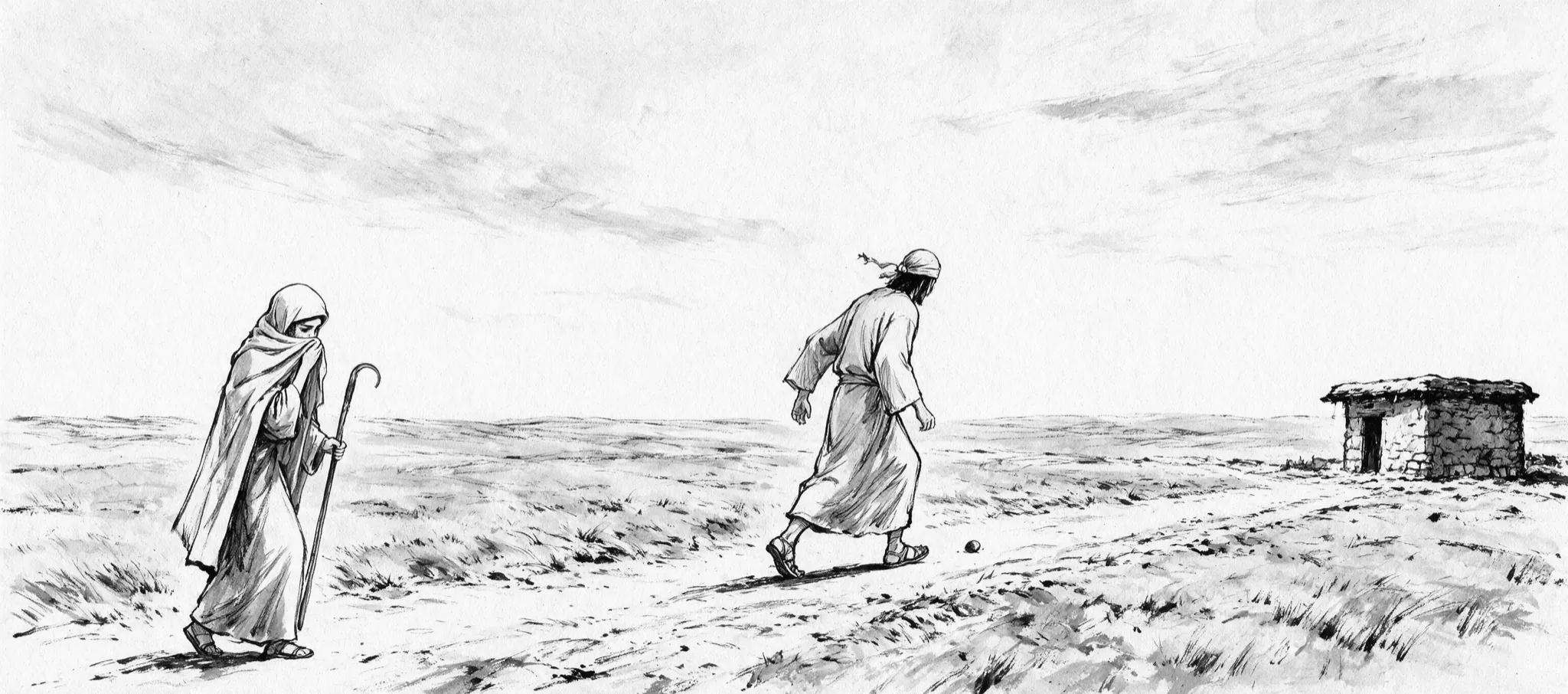
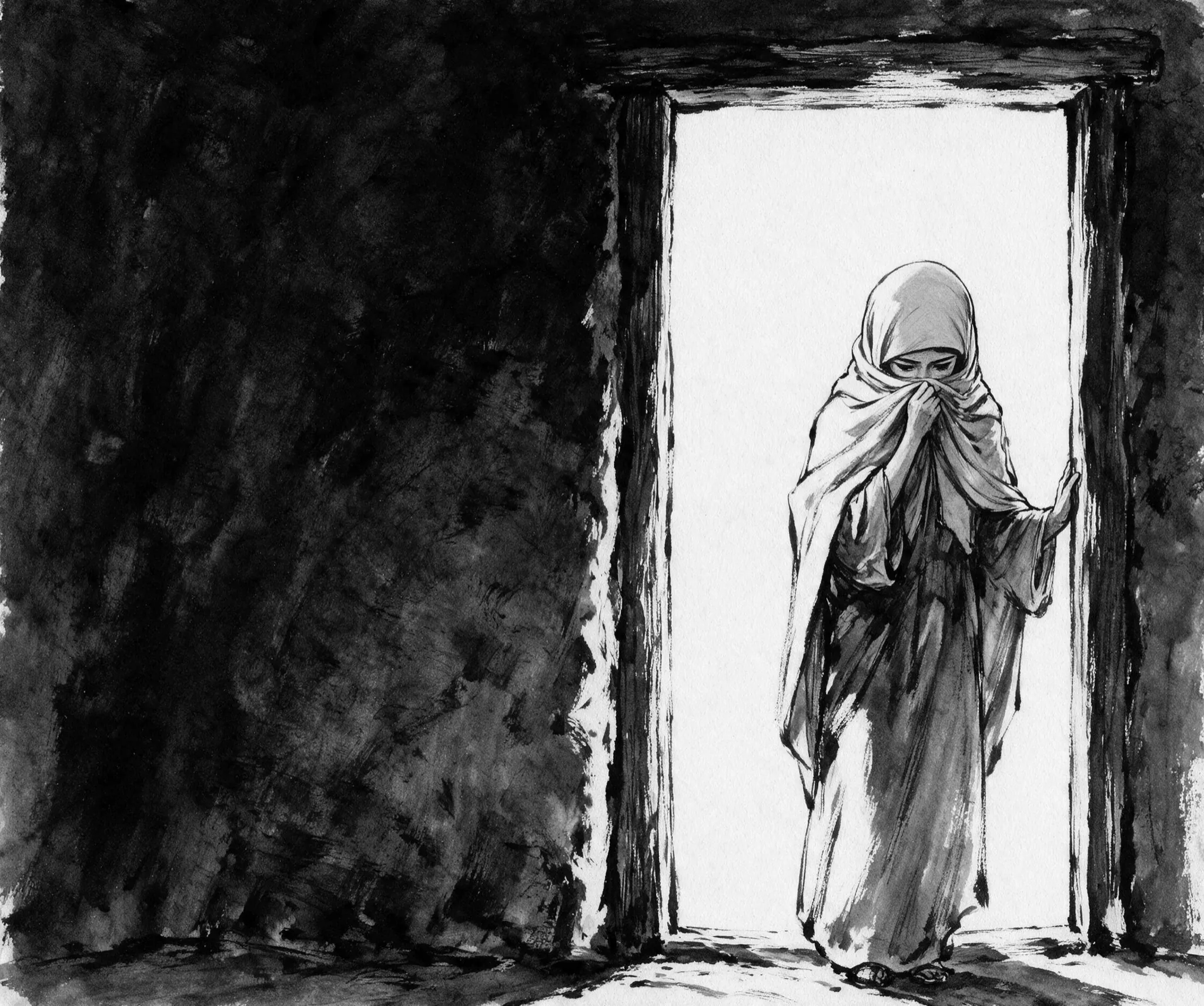
- Qur'an 28:25 - one of the two came to him walking shyly and said that her father invited him, to repay him for the watering (p68 to p70). Umar ibn al-Khattab in Ibn Kathir on 28:25 - she came with her garment held over her face (a sound chain, Ibn Kathir says); Umar, Ibn Abbas and others in Ibn Kathir on 28:26 - on the way Musa asked her to walk behind him and show him the way with a pebble thrown ahead. The two are drawn veiled throughout Madyan, and the distance kept between them is the studio's staging
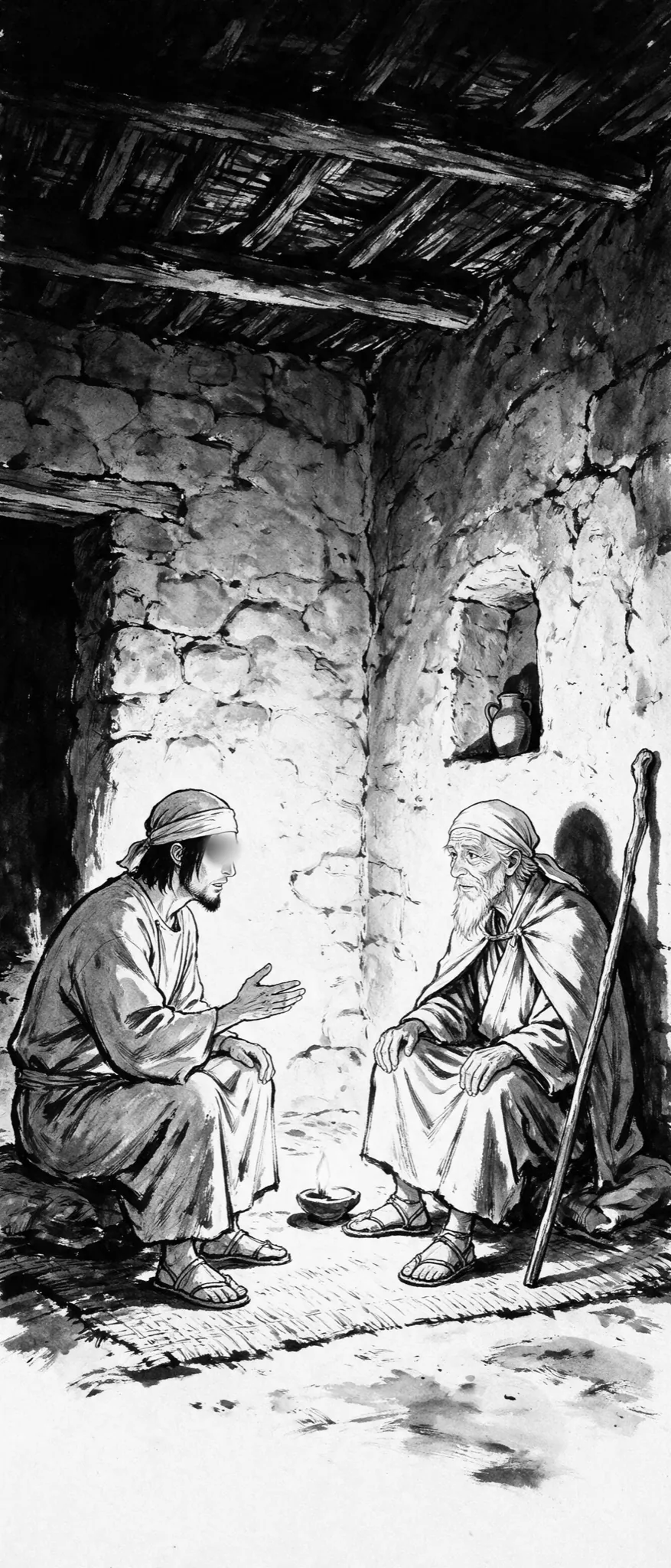
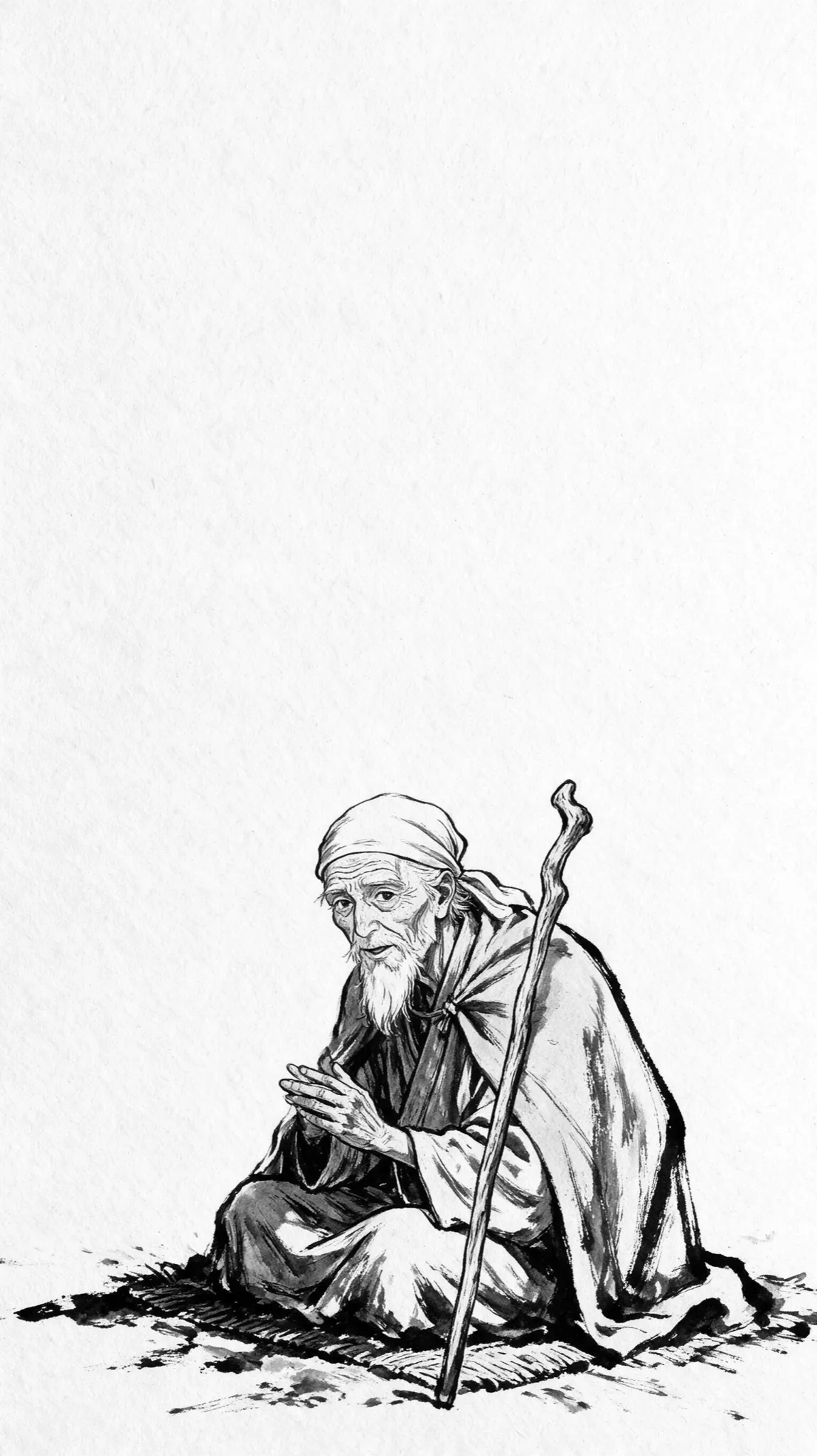
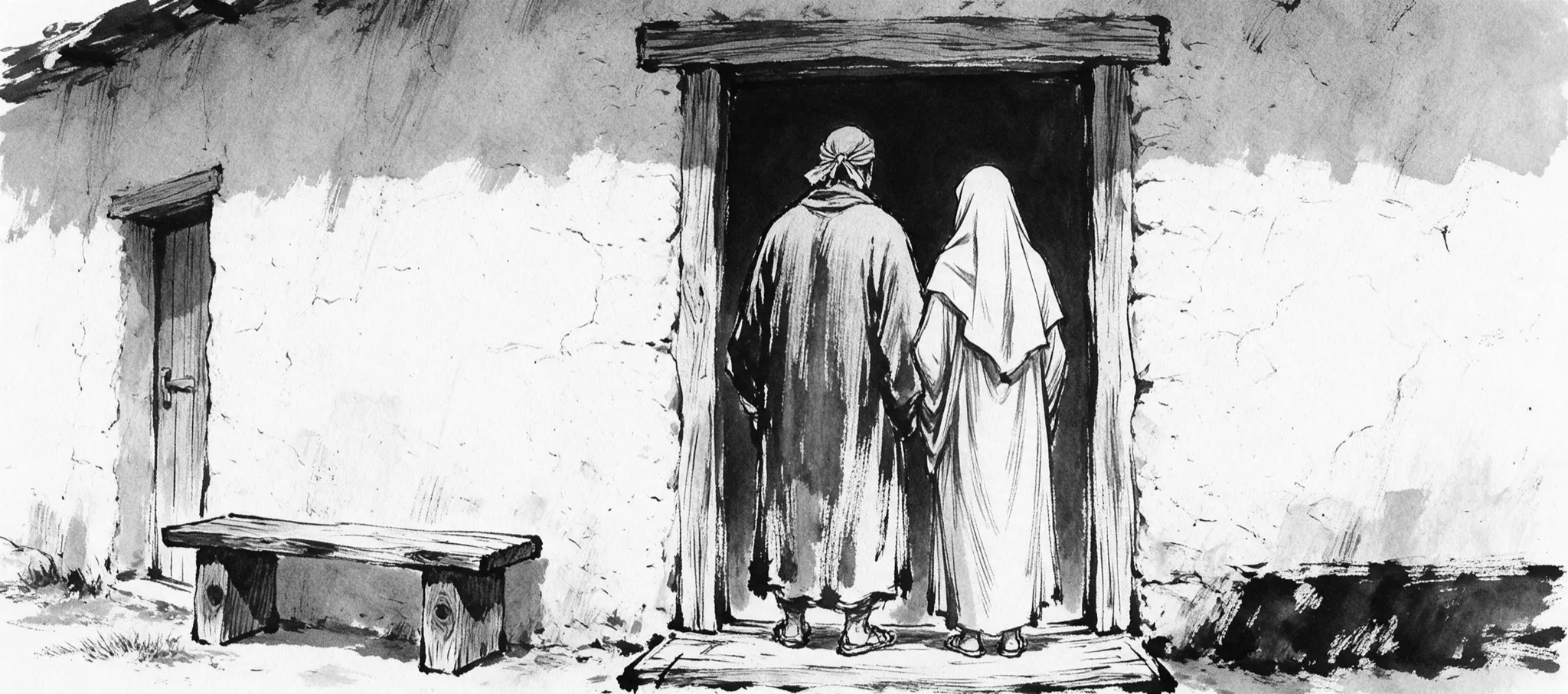
- Qur'an 28:25 - Musa told the old man his story, and the old man told him not to fear, for he had escaped the wrongdoing people (p72, p73). The Qur'an does not name him. The commentators differ on whether he was the prophet Shu'ayb (al-Hasan al-Basri and others), a nephew of Shu'ayb or a believer of Shu'ayb's people, and others hold that Shu'ayb lived long before Musa. He is drawn as a believing man of Madyan, with his face and without a name
- Qur'an 28:26-28 - one of the two asked her father to hire him, for the best to hire is the strong and the trustworthy; the old man offered him one of his two daughters in marriage for eight years' service, or ten as a favour from him, and Musa agreed with Allah as witness (p74 to p81). The Qur'an does not say which daughter he married
- Sahih al-Bukhari 2684 (Sa'id ibn Jubayr, from Ibn Abbas) - Musa completed the longer and better of the two terms (p82)
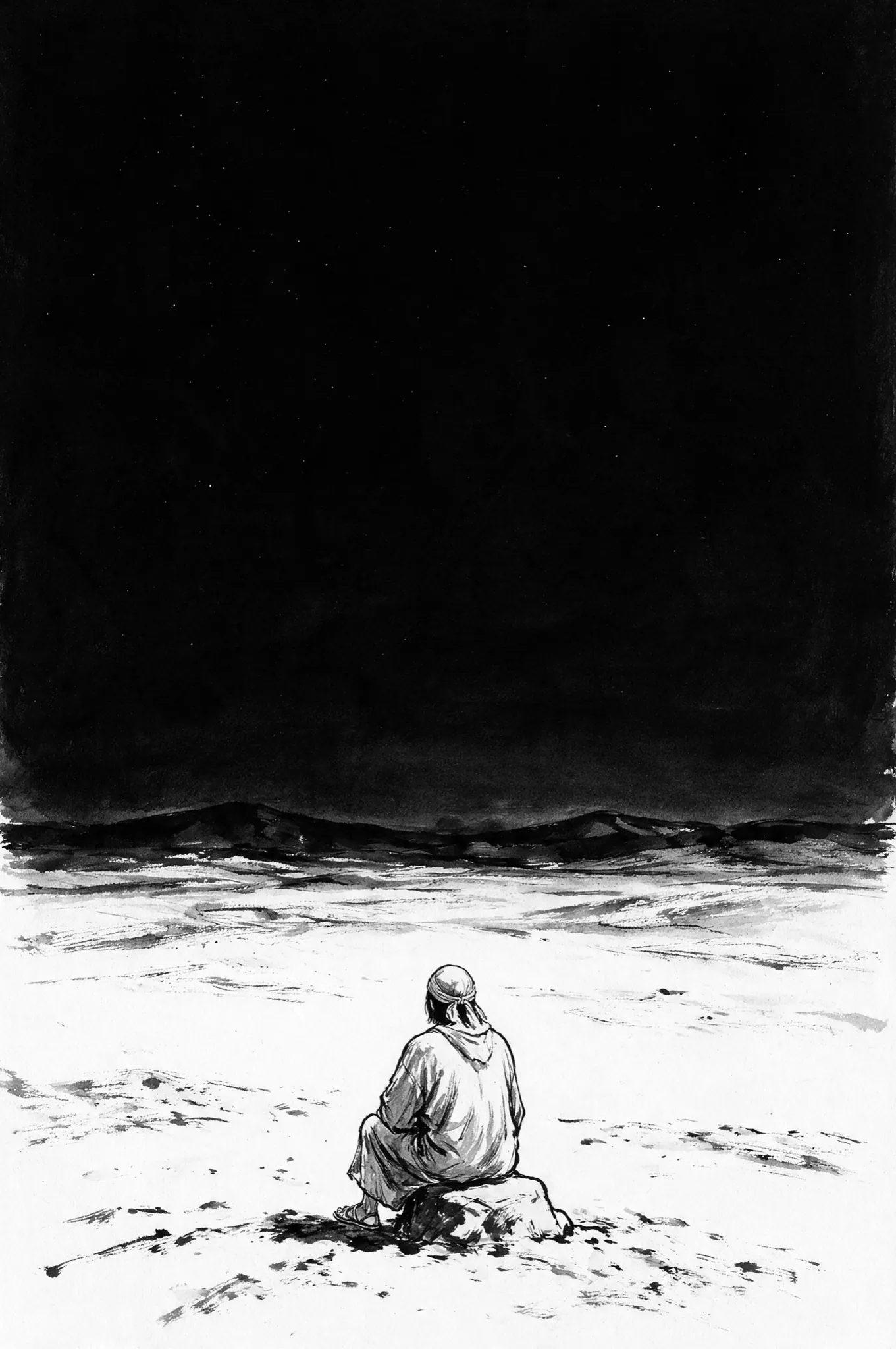
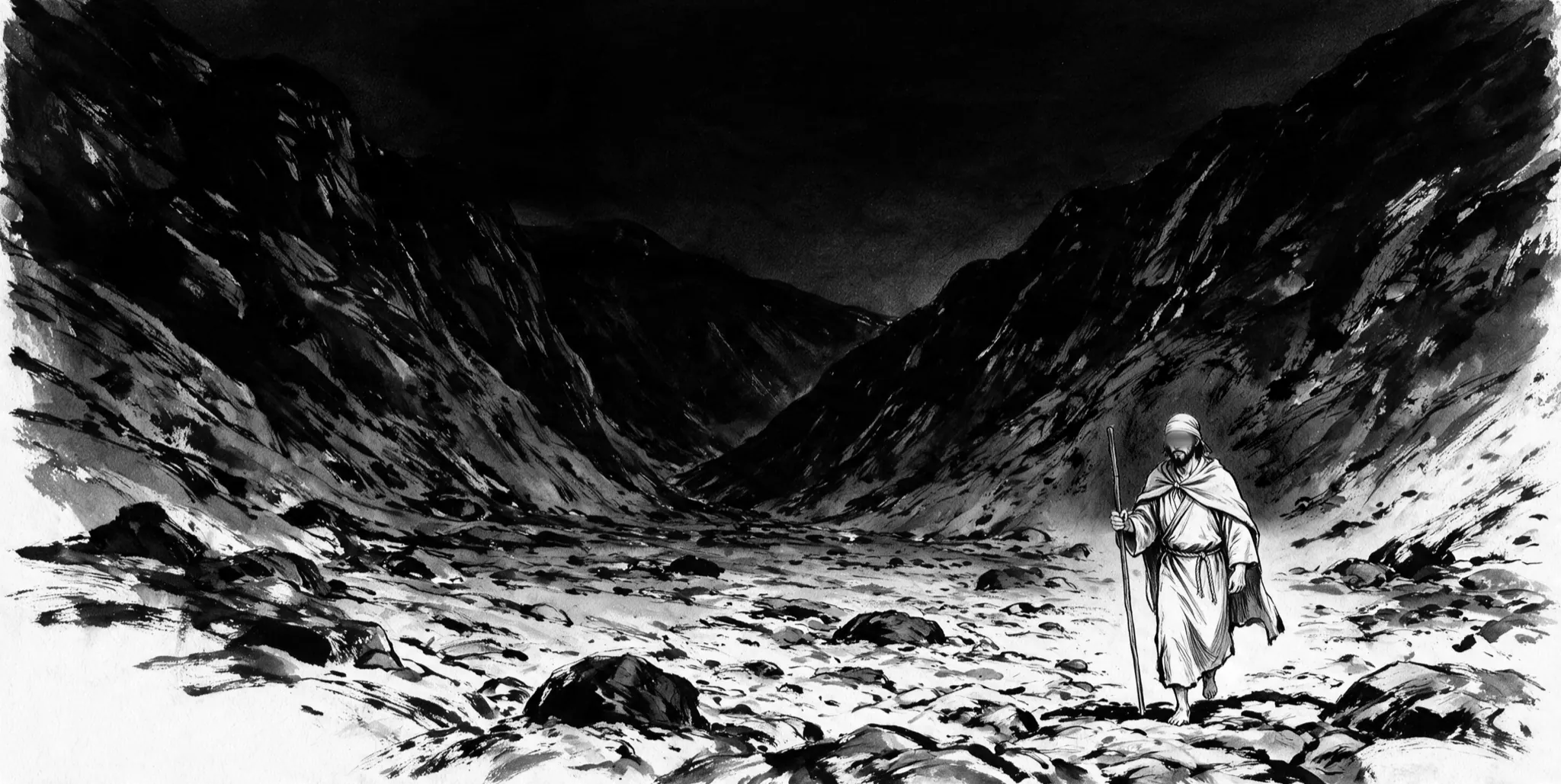
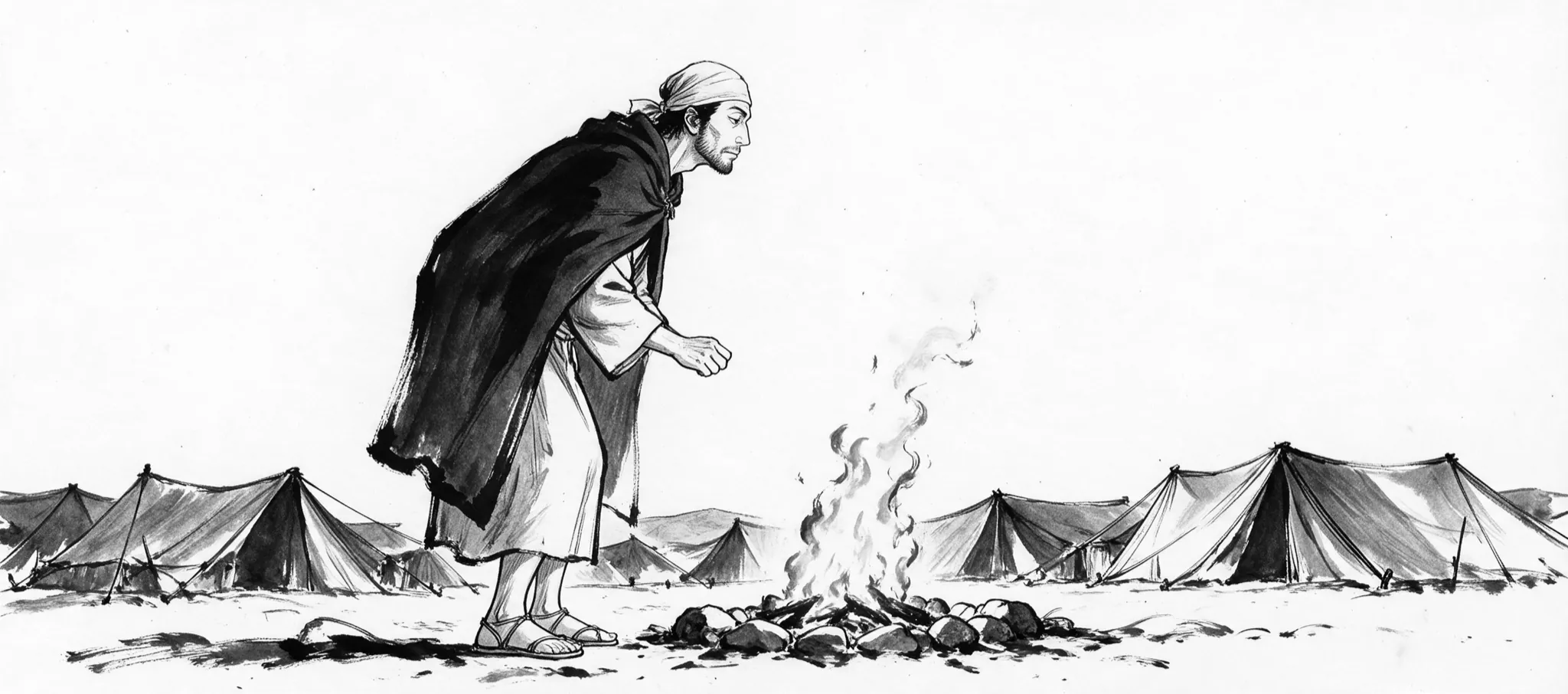
- Qur'an 28:29; 20:10; 27:7 - when he had completed the term he set out with his family, saw a fire on the side of the mount, and told them to stay while he went to it (p86 to p91). Ibn Kathir on 20:10 - a cold, dark night on which he had lost the way. The fire is drawn small and far, caught in a plain tree, with nothing drawn in it
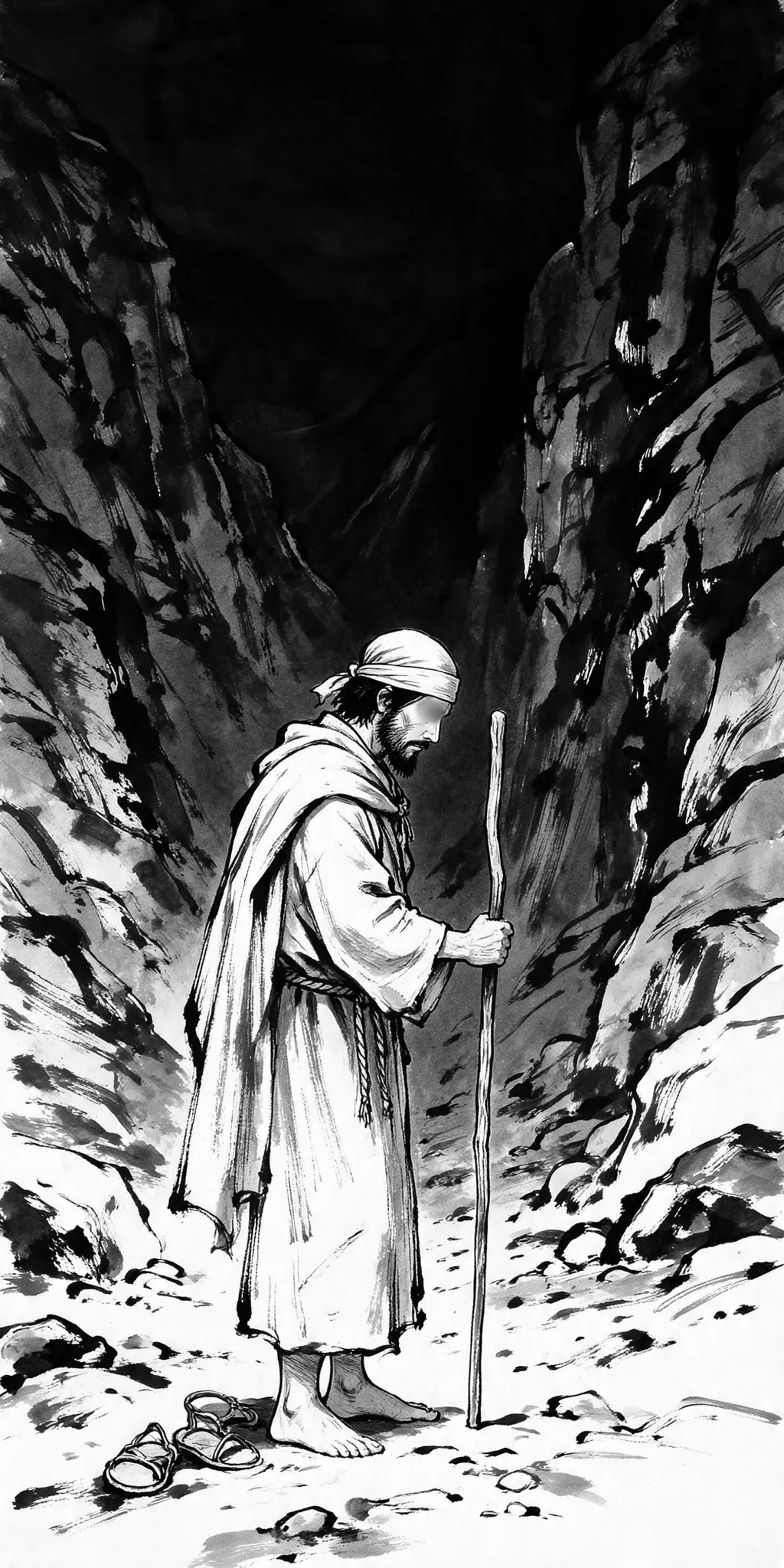
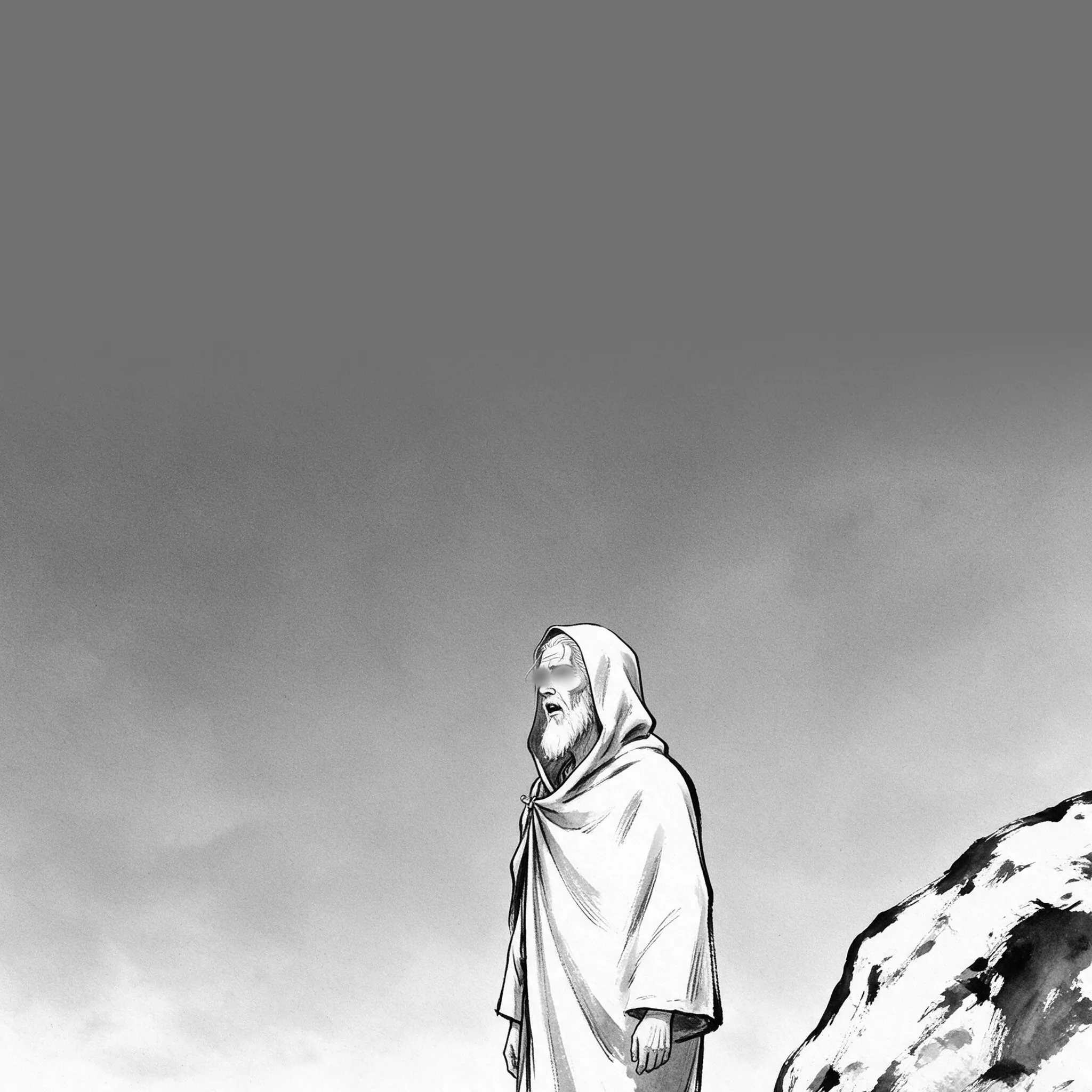
- Qur'an 20:11-14 - the pause page (p95): the call in the sacred valley, Allah's own words, the span and nothing else. The page before it says only that he reached the fire, and p96 says only THAT Allah spoke to Musa (4:164). His bare feet beside his sandals follow 20:12; the reason the sandals were removed, given by Ibn Kathir on 20:12 from several of the Salaf, is not told
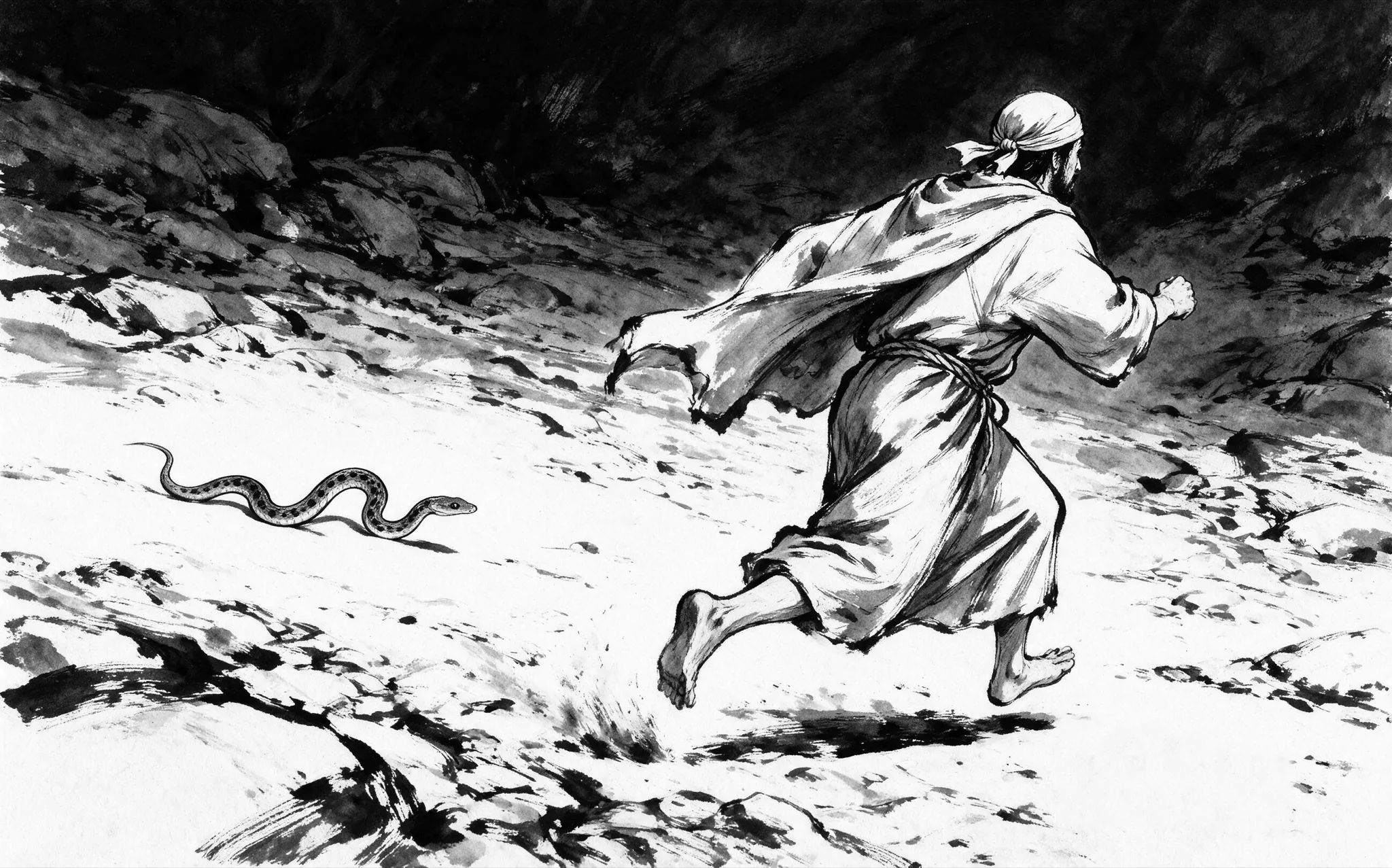
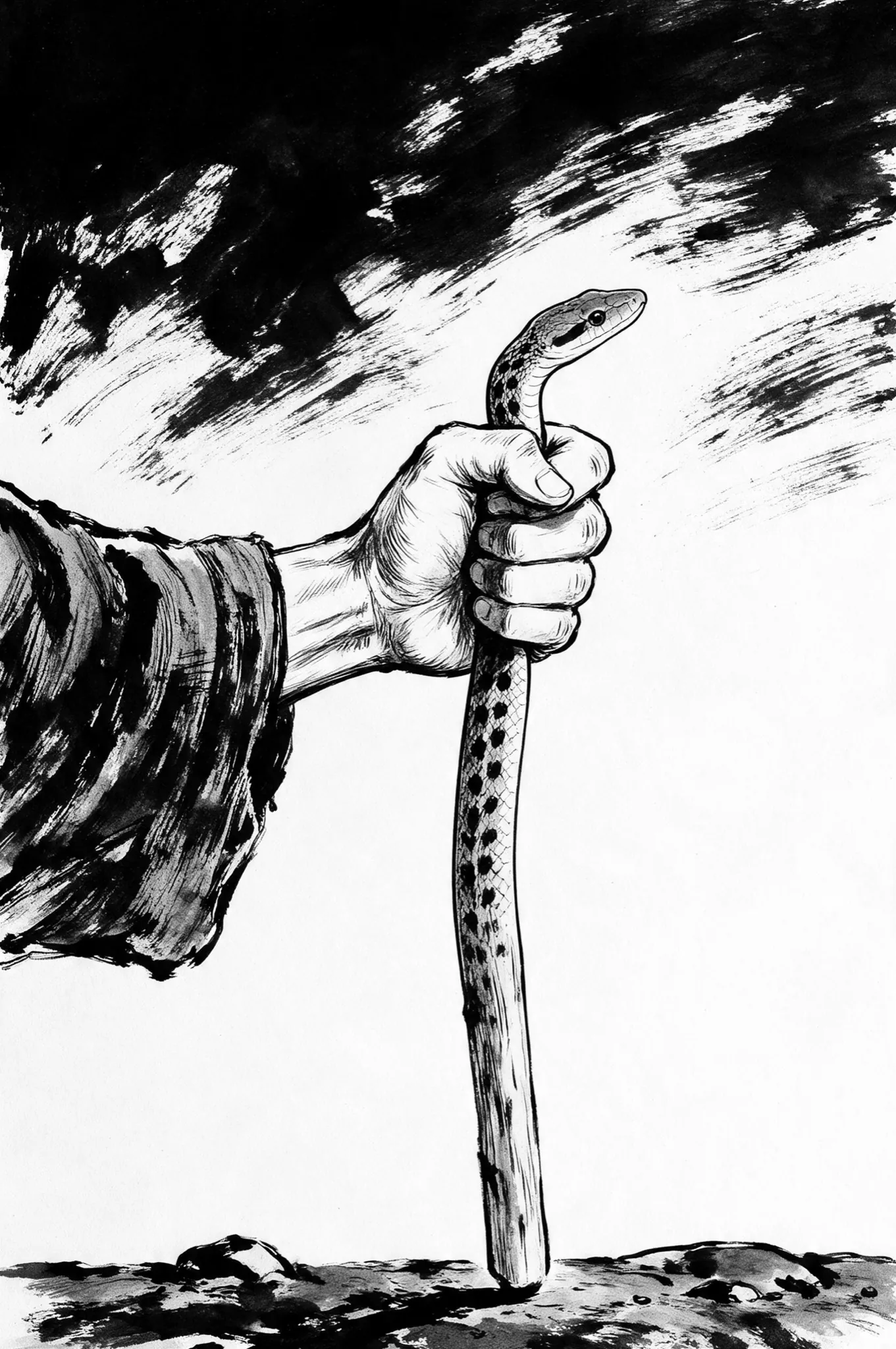
- Qur'an 20:17-22; 28:31-32; 27:10-12 - asked what was in his right hand, Musa named his staff and its uses (p98); told to throw it, he threw it and it was a snake moving swiftly; he turned and fled, was told to take it, and drew out his hand white, without harm (p99 to p106). The questions and the commands are reported in the narrator's words. 27:10 and 28:31 liken its movement to a jann, a small quick snake, so it is drawn as a snake and never as a jinn. The white hand is never in frame (p105, p142)
- Qur'an 20:24-36; 28:33-35 - he was sent to Fir'awn; he asked for an opened breast, an eased task, the knot untied from his tongue and Harun his brother as a minister, for he had killed one of them and Harun was more eloquent; his request was granted (p107 to p115)
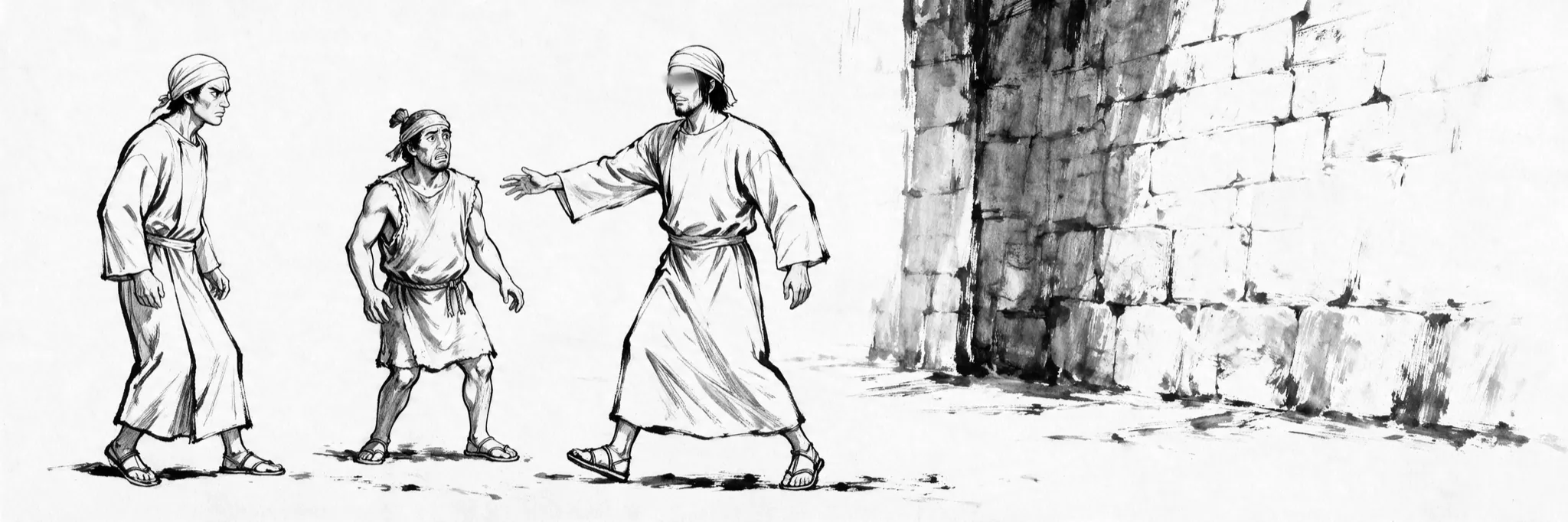
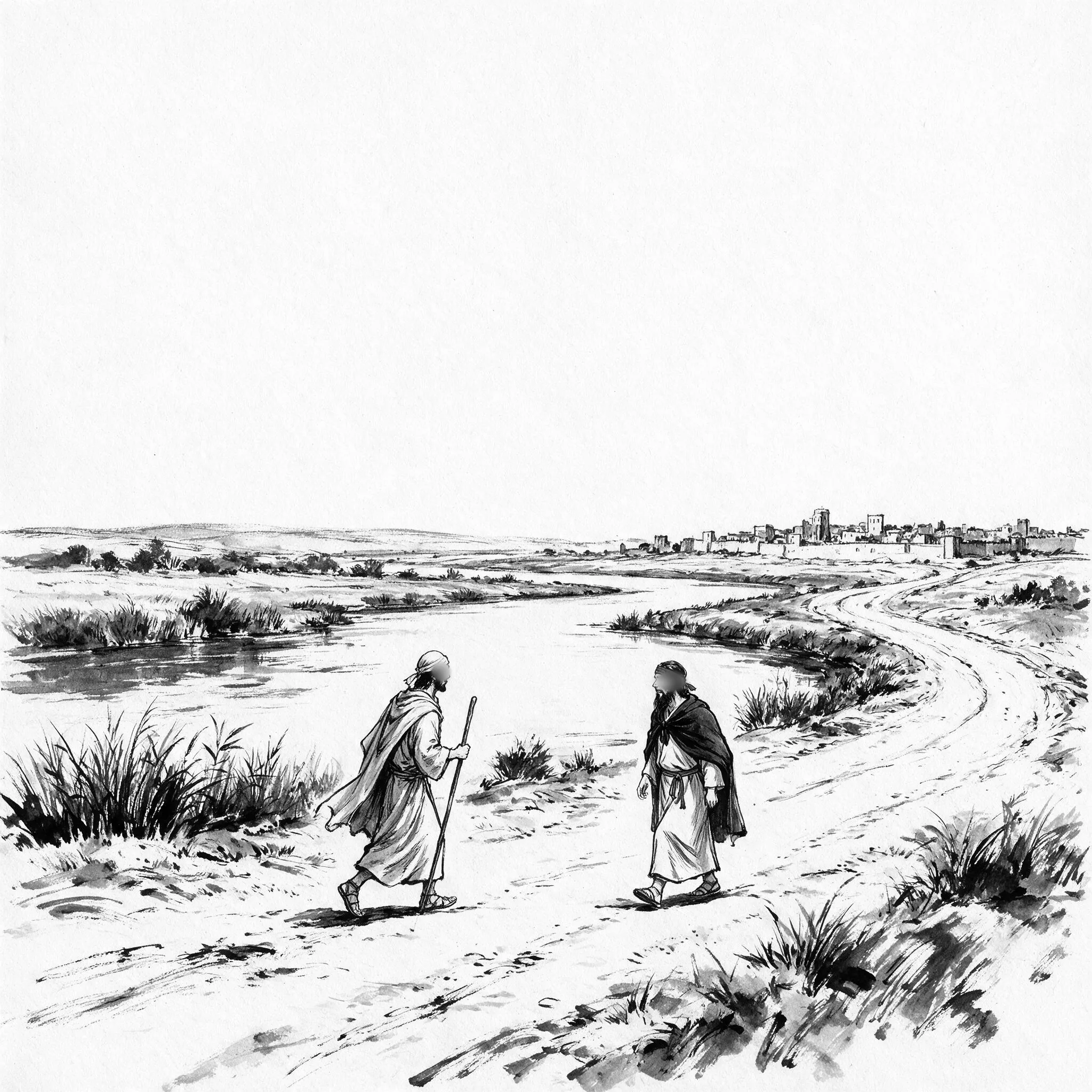
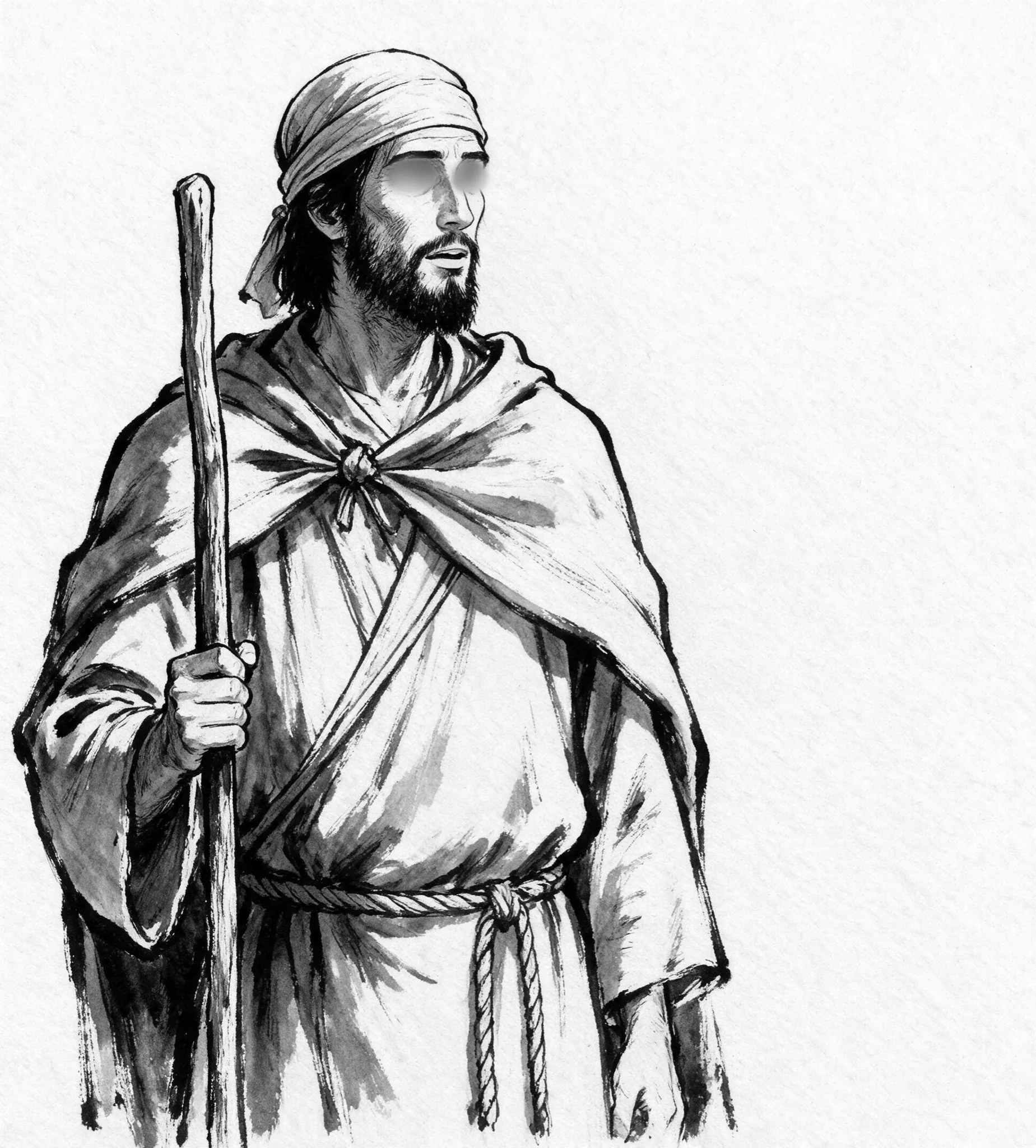
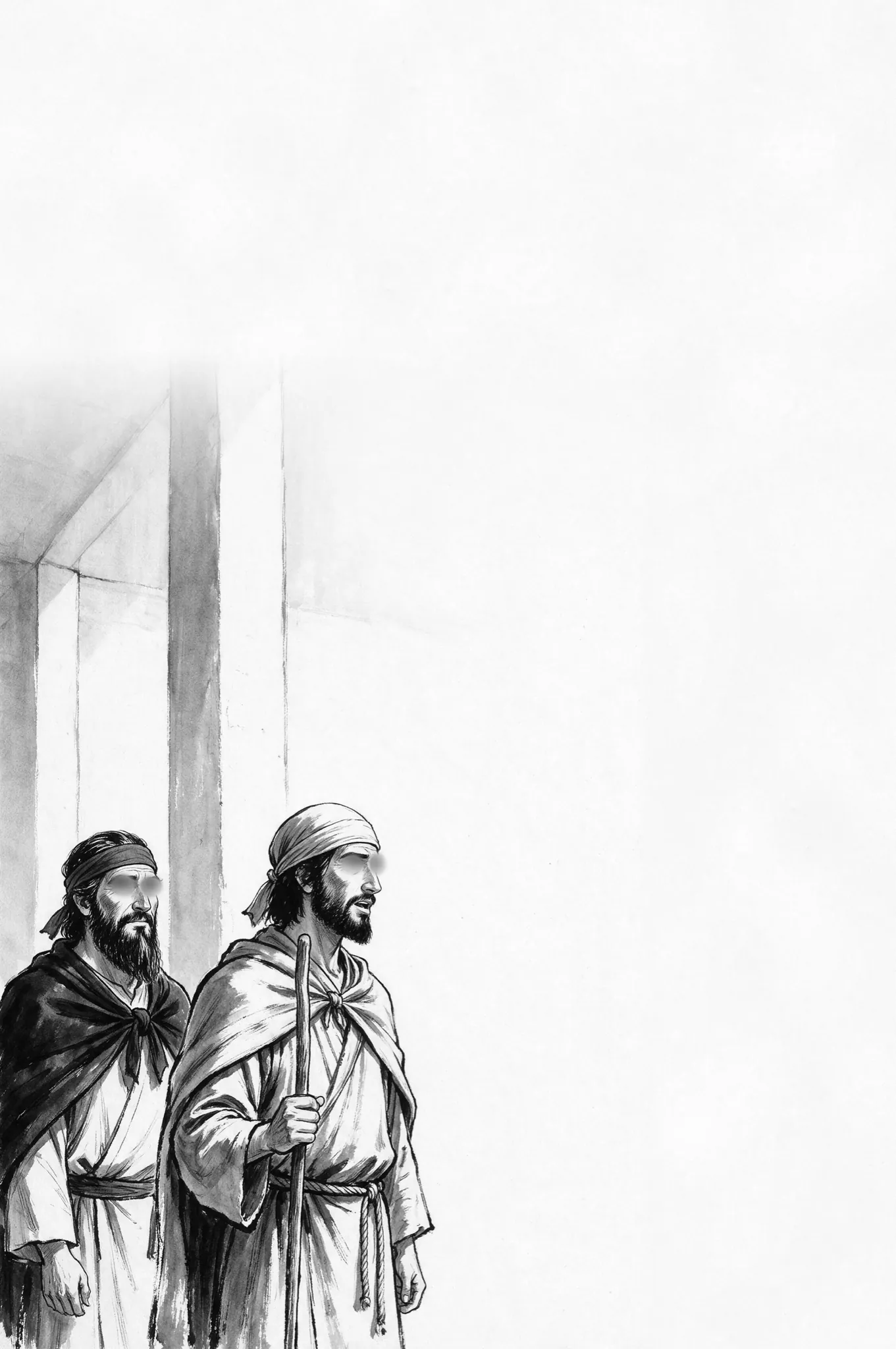
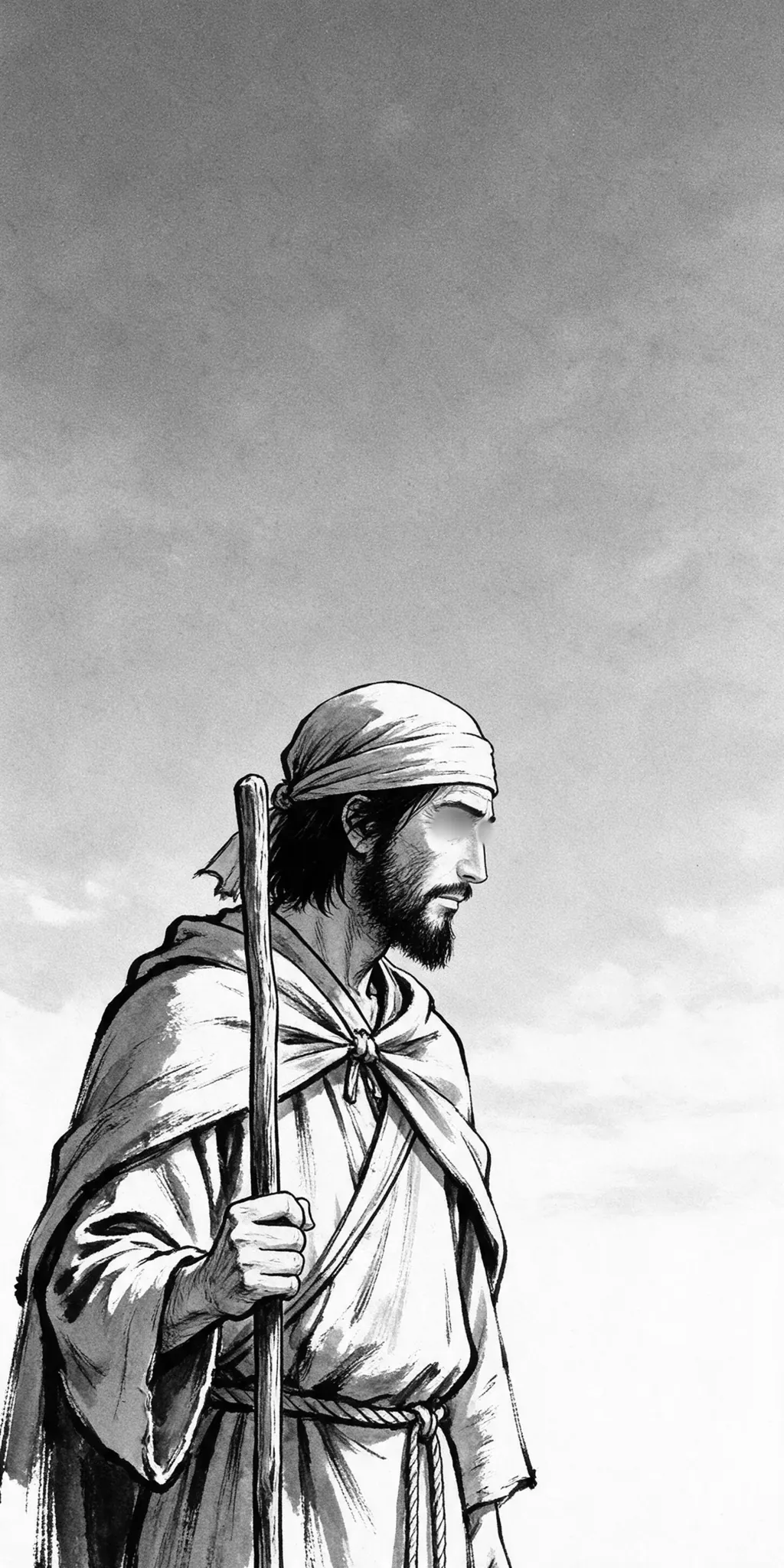
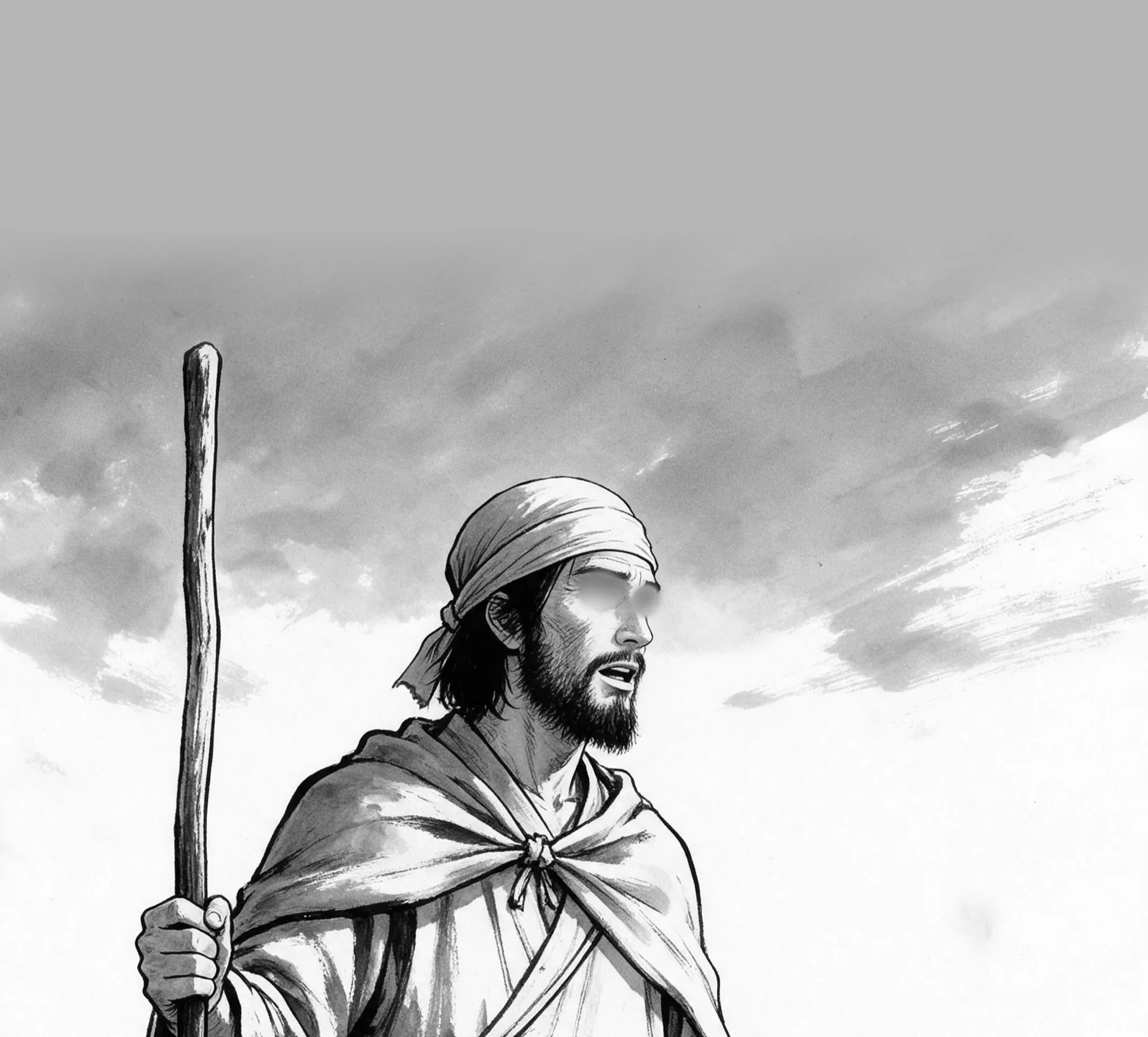
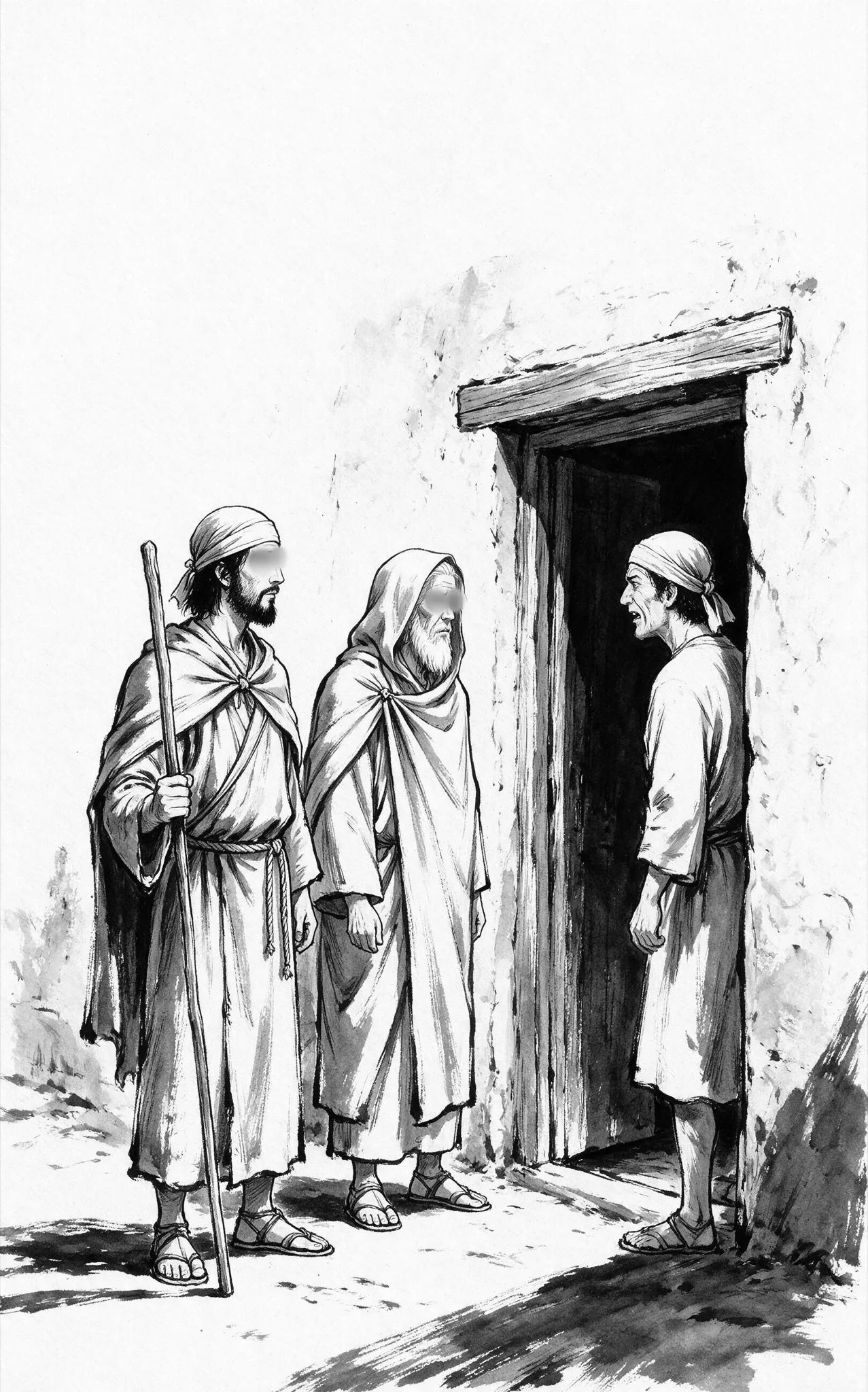
- Qur'an 19:53; 4:163; 6:84 - Harun is a prophet, drawn full-faced and shipped with his eyes smeared like every prophet in the story. Qur'an 20:42-46 - both were sent to Fir'awn and told to speak to him gently; they feared he would hasten against them or transgress (p116 to p119), words the Arabic gives to both of them, so the bubbles hang over the two with no tail to either; 20:46 is the pause page (p120). Where the brothers met is the studio's staging
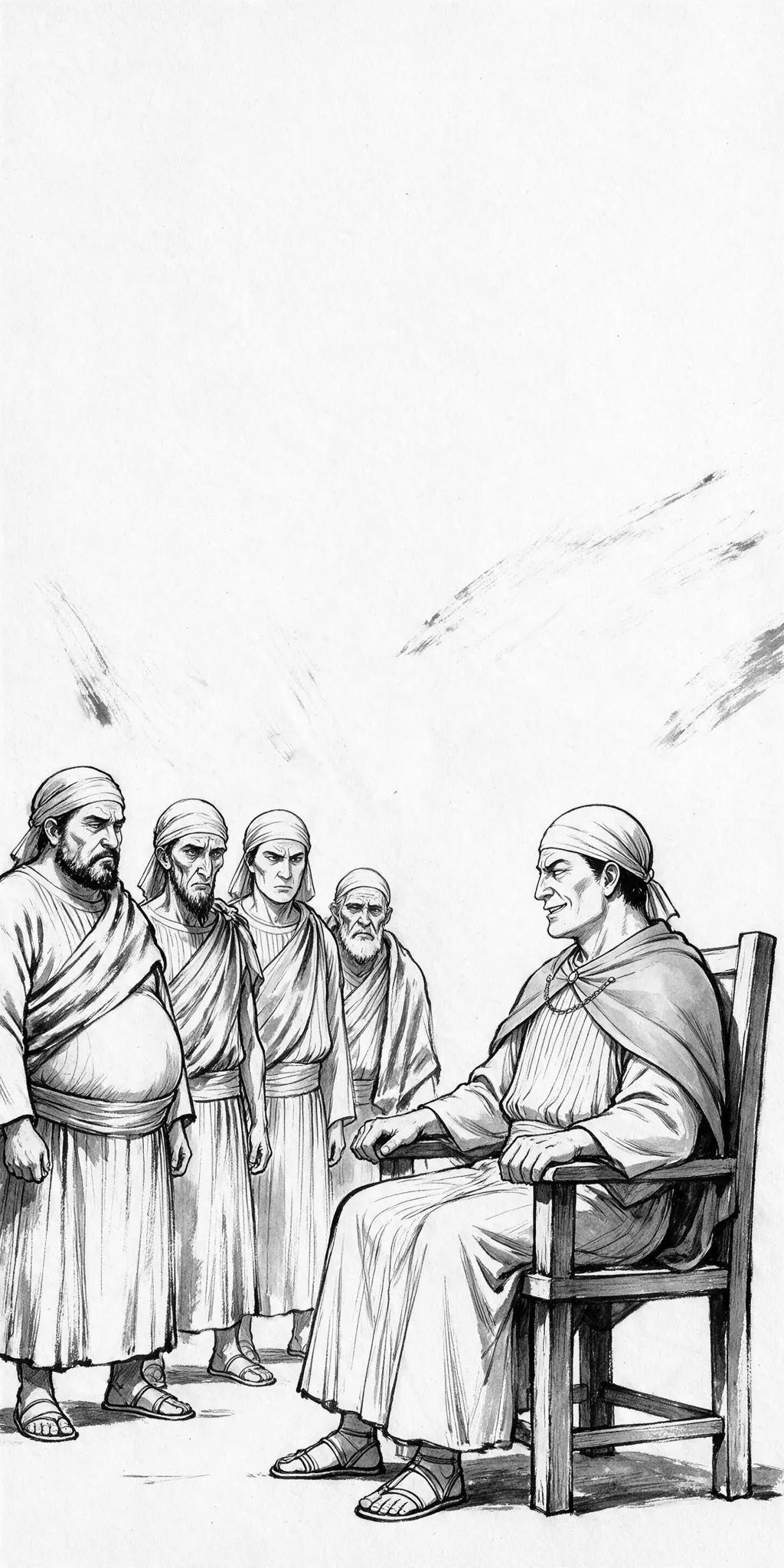
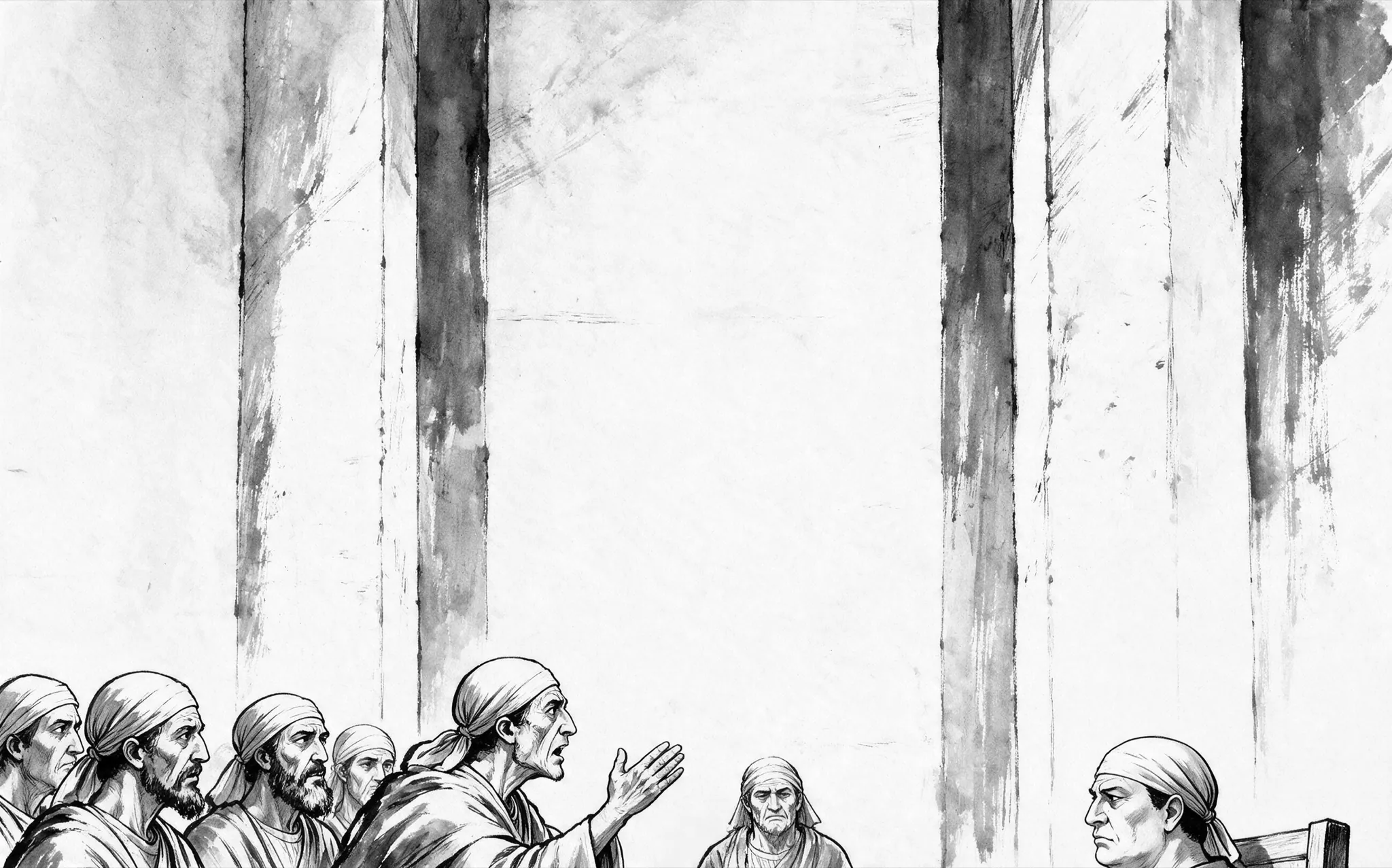
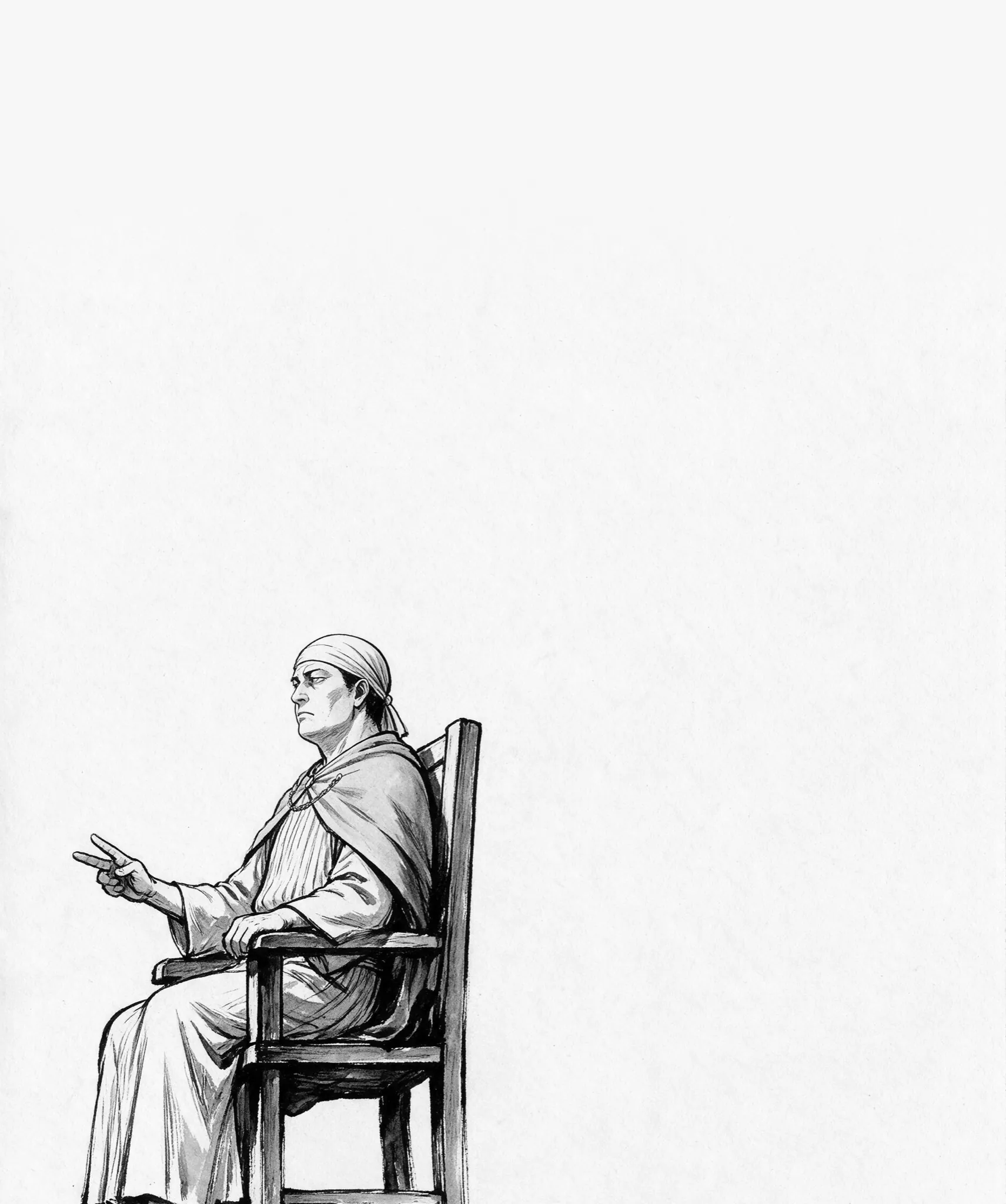
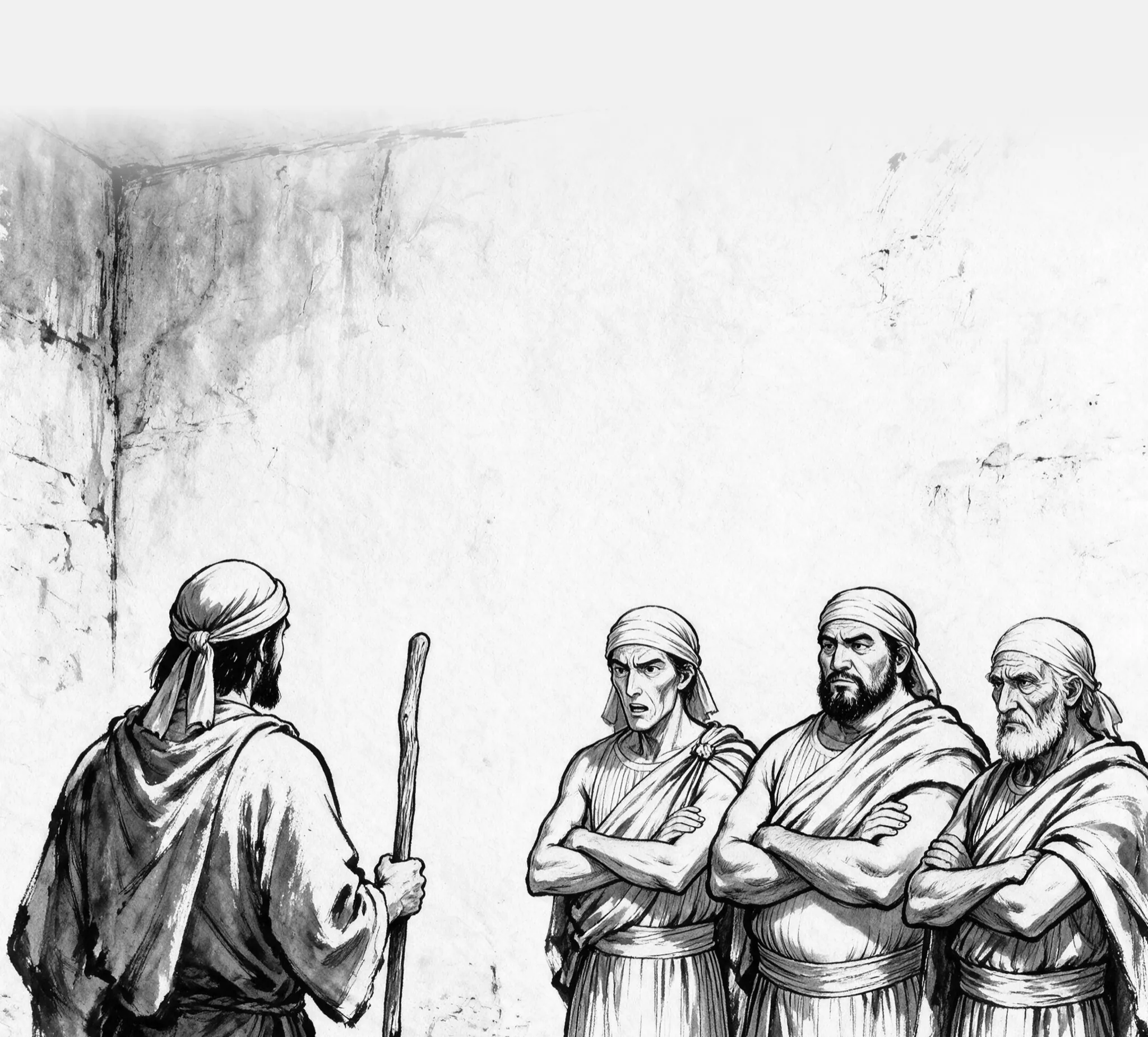
- Qur'an 7:104-105; 26:18-29 - Musa before Fir'awn: a messenger from the Lord of the worlds, so send the Children of Israel with me; Fir'awn's 'did we not raise you among us as a child', Musa's answer, and the exchange on the Lord of the worlds that ends in Fir'awn's threat of prison (p123 to p137)
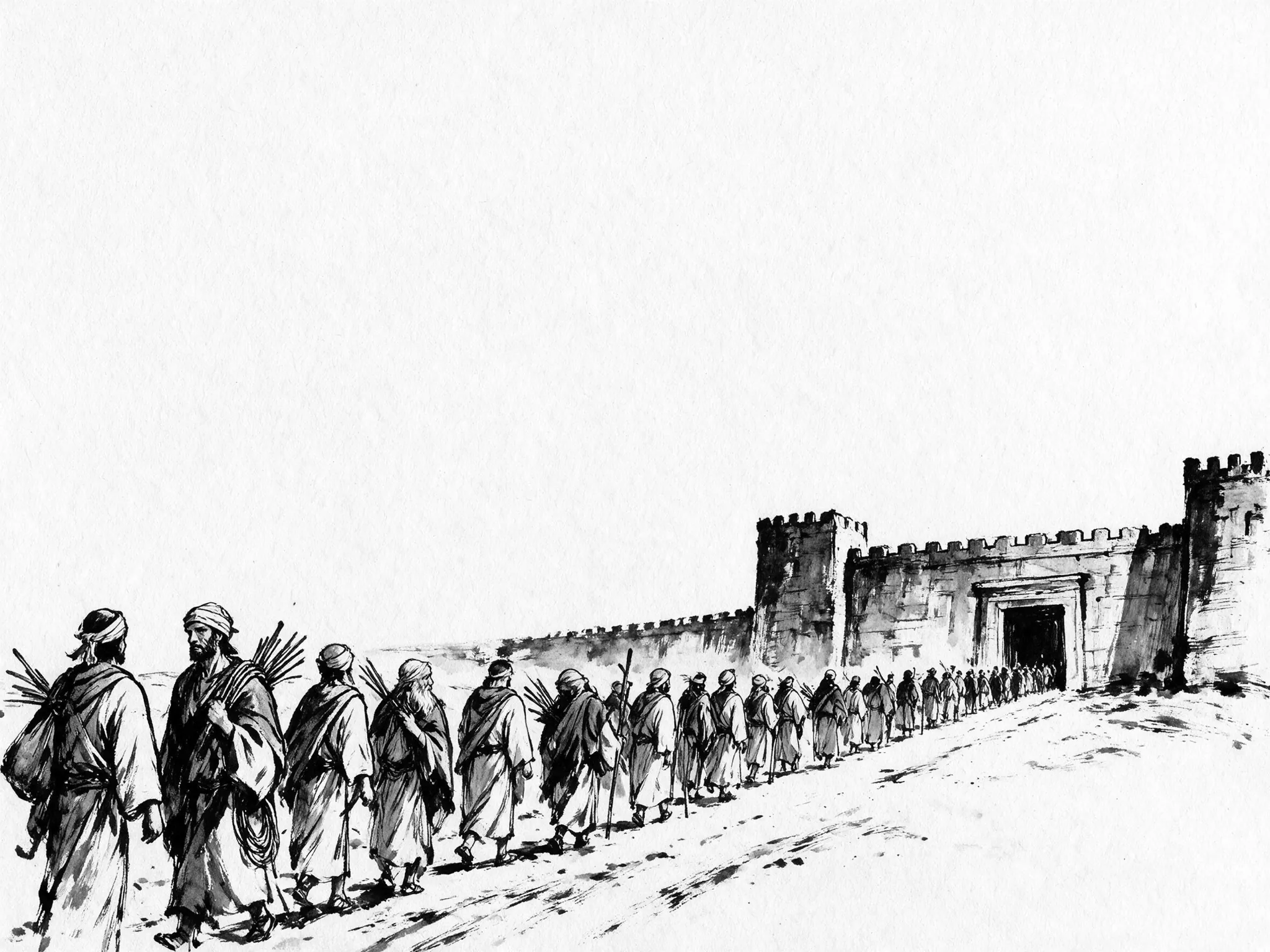
- Qur'an 26:30-37; 7:107-112 - the staff became a serpent, plain to see, and his hand came out white to the onlookers (p141, p142); Fir'awn called him a learned magician, and the chiefs advised him to send gatherers to the cities (p145 to p147). In 7:109-110 the chiefs say the first words; the bubbles follow ash-Shu'ara
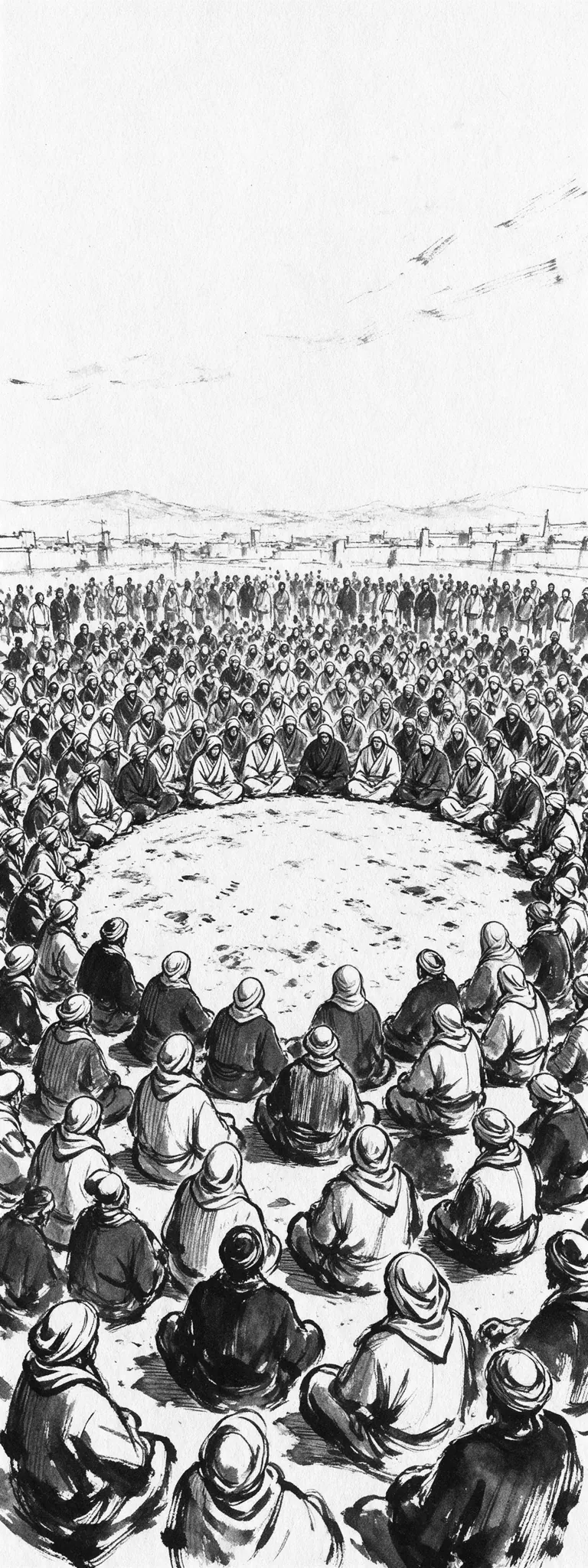
- Qur'an 20:57-59 - Fir'awn demanded a contest at an appointed place, and Musa set it on the day of the festival, with the people gathered at mid-morning (p148, p149). Ibn Kathir on 20:59 gives several views of the day, among them their festival and their market day, and says they do not contradict each other. The festival ground carries no idol, statue, standard or emblem
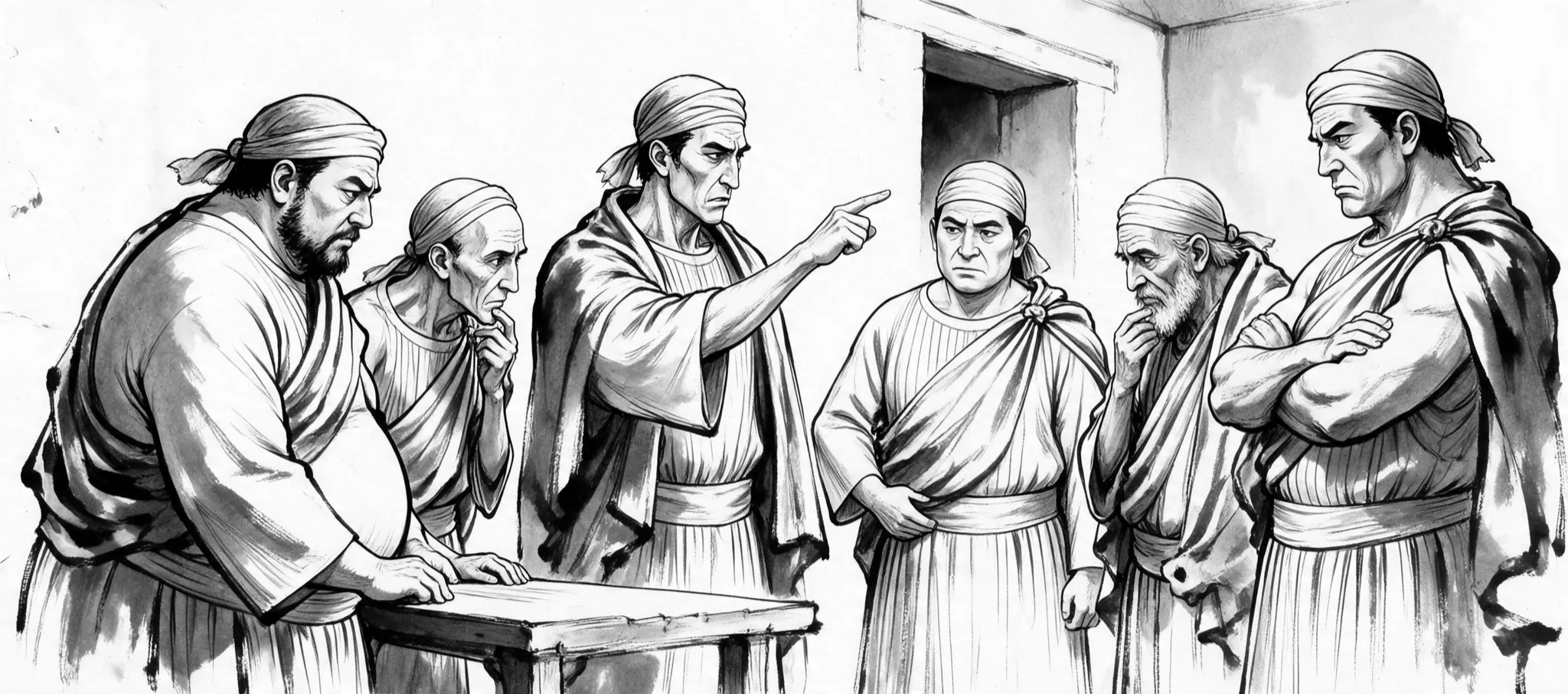
- Qur'an 26:38-42; 7:113-114 - the people were urged to gather, and the sorcerers asked Fir'awn for a reward and were promised nearness (p151 to p155). The Qur'an says only that it was said to the people; that a man of the council calls it is the studio's staging. Ibn Abbas in Ibn Kathir on 20:67-70 counts seventy sorcerers; the reports differ on the number, so none is told and they are drawn as many
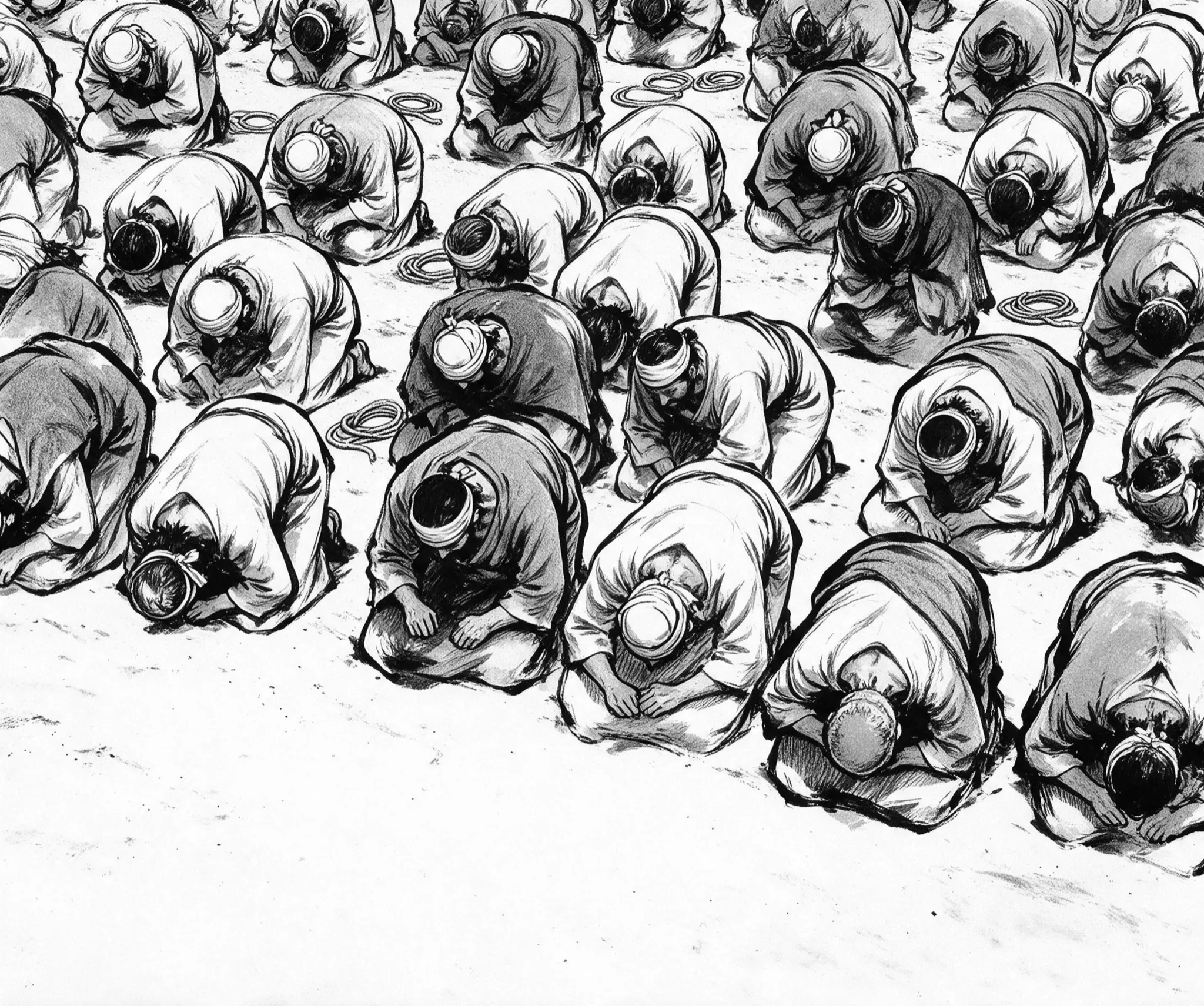
- Qur'an 20:61-66; 26:43-44; 7:115-116 - Musa warned them not to invent a lie against Allah; they disputed among themselves and spoke in secret; they threw their ropes and their staffs by the might of Fir'awn, bewitched the people's eyes and struck them with terror (p156 to p164)
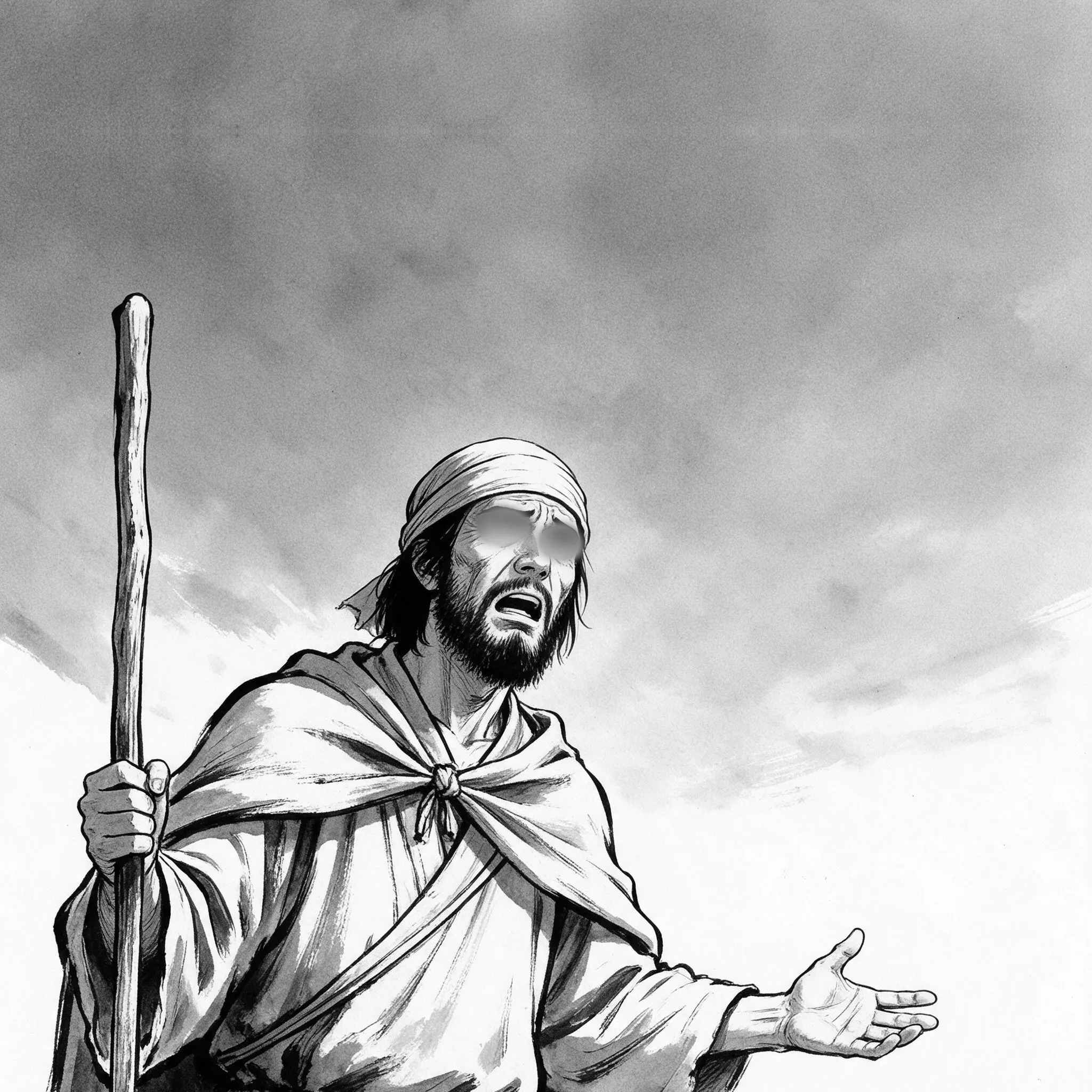
- Qur'an 20:67 - Musa felt fear within himself (p165). Ibn Kathir reads it as fear for the people, that they would be deceived before he could throw; the art shows him watching the crowd and does not assert the reading. 20:68-69 is the pause page (p168), and p167 says only THAT Allah spoke to him
- Qur'an 7:117-119; 26:45 - his staff swallowed what they had faked; the truth stood, and what they had worked came to nothing (p169 to p172)
- Qur'an 26:46-48; 7:120-122; 20:70 - the sorcerers fell down in prostration and said they believed in the Lord of the worlds, the Lord of Musa and Harun (p173, p174). Their own words name the One the prostration is for. They are drawn from above, every forehead toward one edge of the frame, with nobody and nothing before them
- Qur'an 20:71; 7:123-124 - Fir'awn's charge and threat: belief before his leave, Musa their chief who taught them magic, hands and feet cut off on opposite sides, crucifixion on the trunks of palms (p178, p179). It is spoken and nothing of it is drawn. Qur'an 20:72; 26:50; 7:126 - their answer (p181 to p184); the Qur'an gives it to them all, and its division among their voices is the studio's staging
- Ibn Kathir on 7:123-126 - Ibn Abbas, Ubayd ibn Umayr, Qatada and Ibn Jurayj said they began the day as sorcerers and ended it as martyrs. The Qur'an does not say what Fir'awn did to them, and the black page says only that and Ibn Abbas's saying (p186)
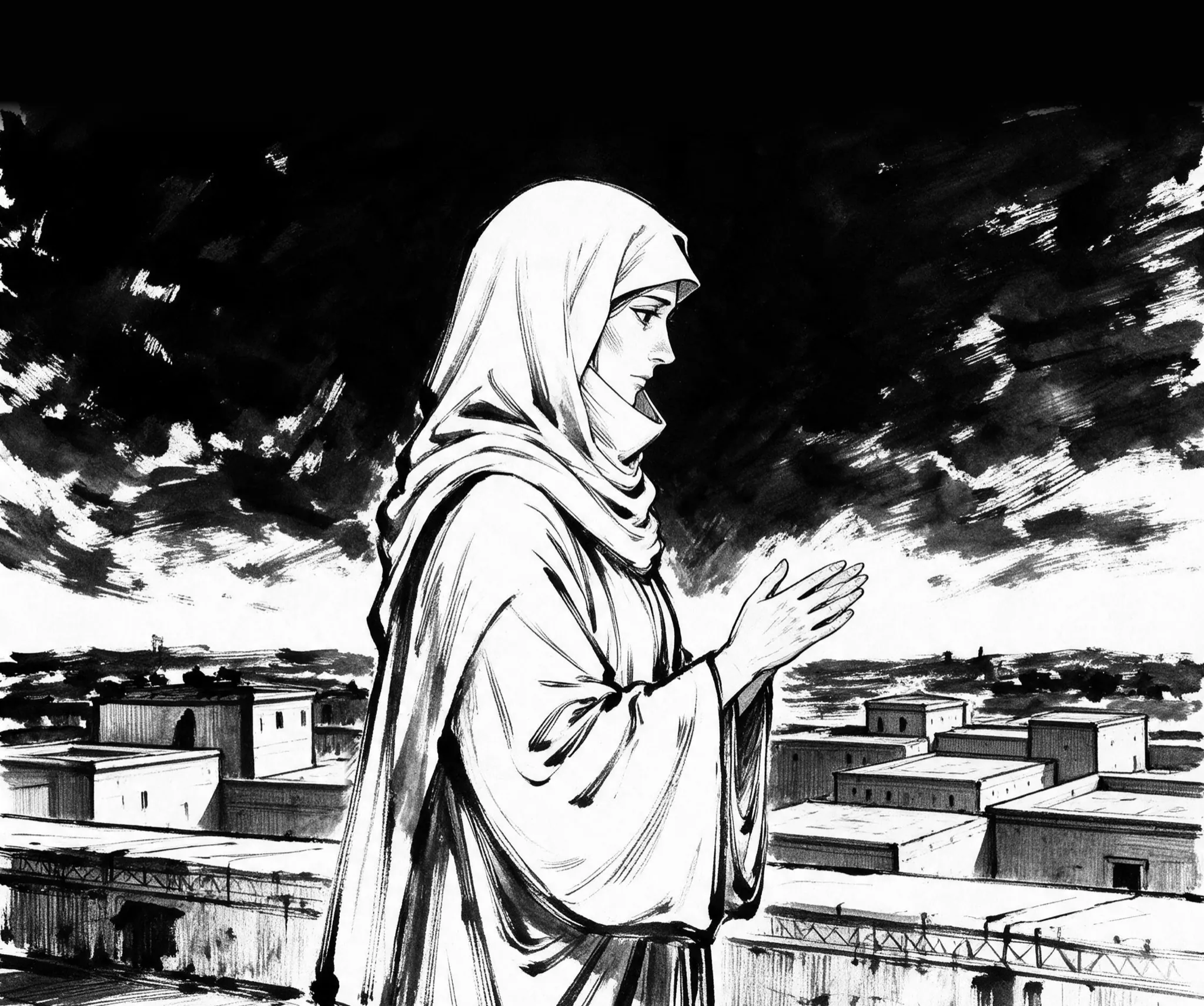
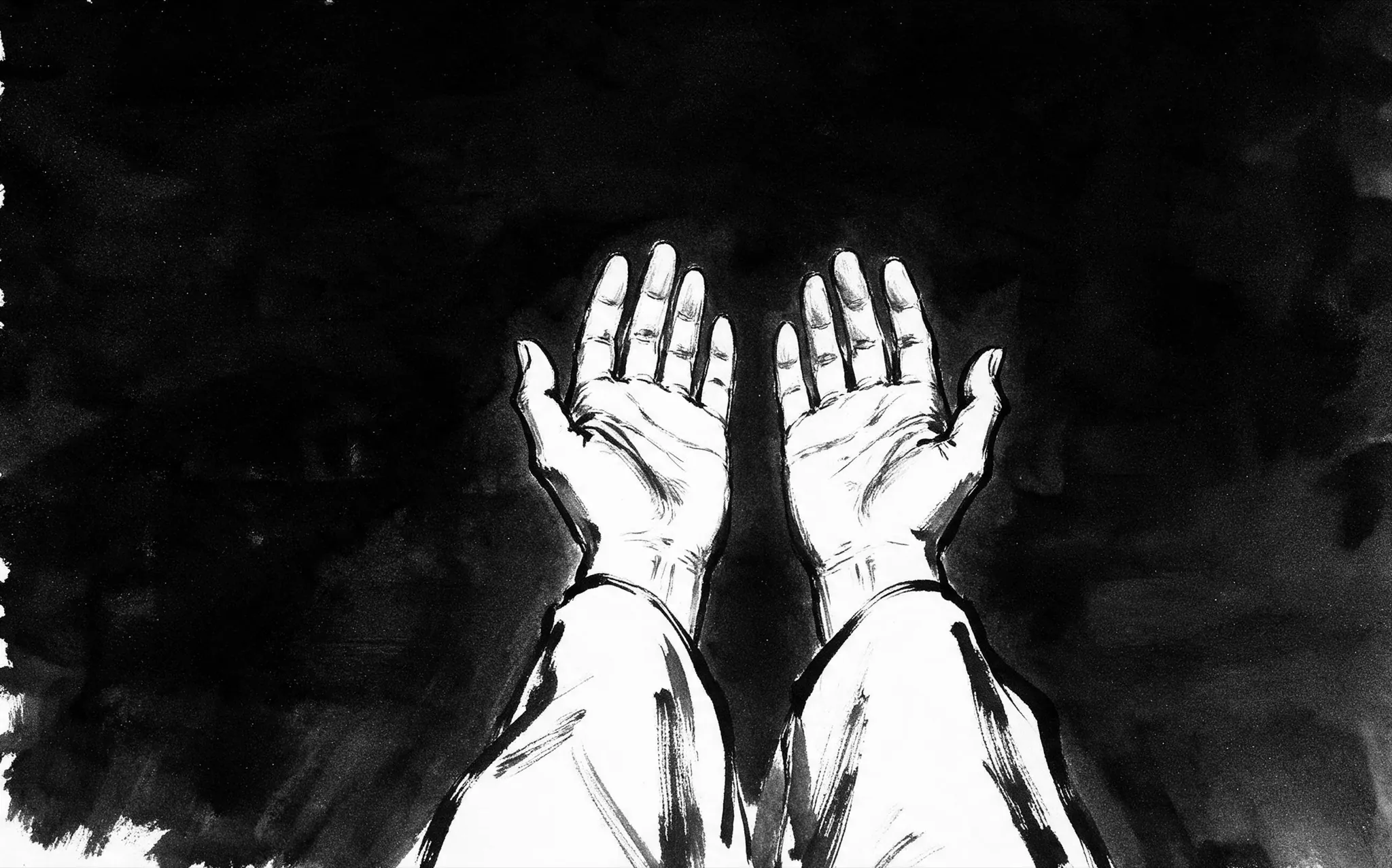
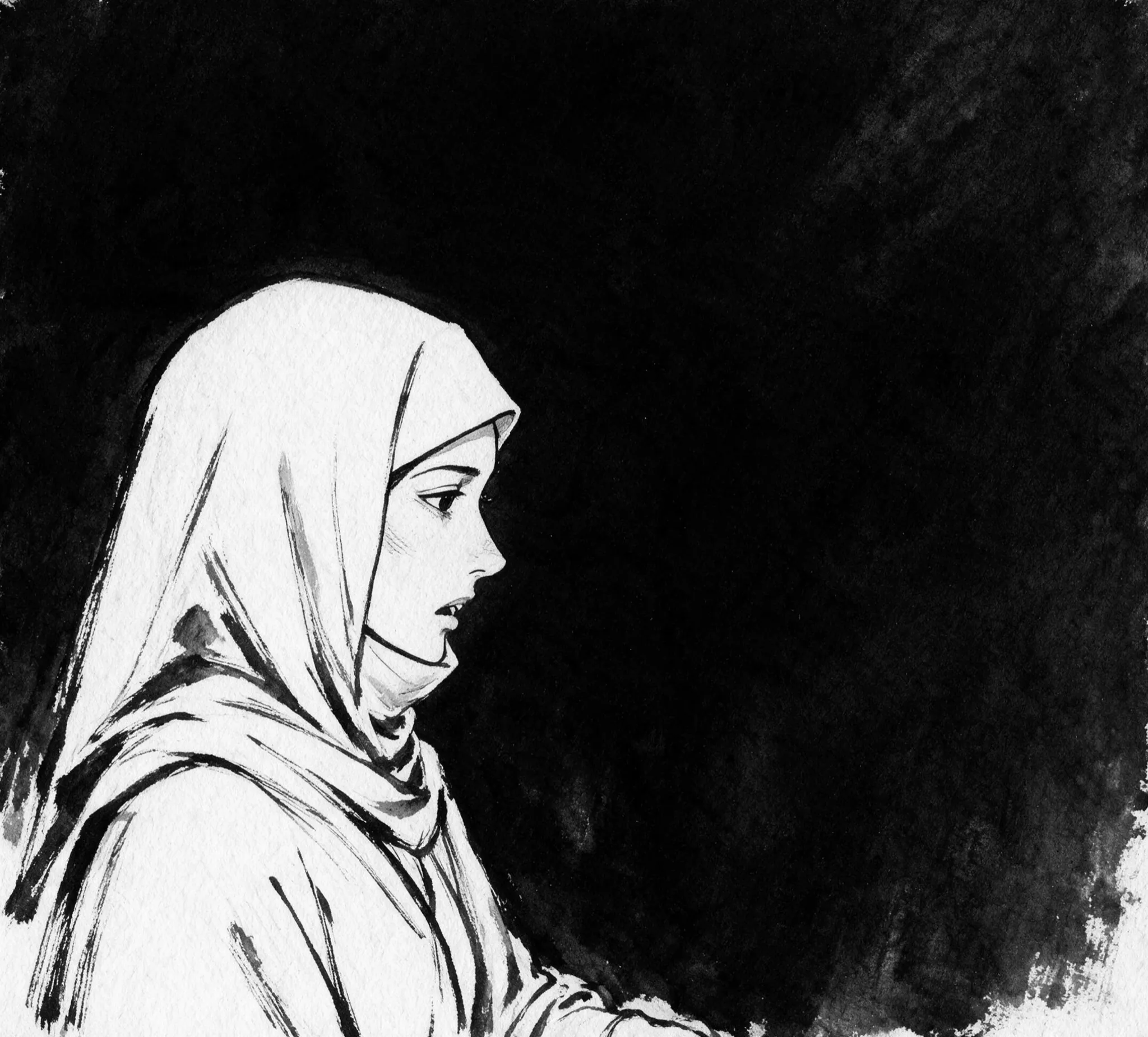
- Qur'an 66:11 - Fir'awn's wife prayed for a house near Allah in Paradise and to be saved from Fir'awn and his deeds and from the wrongdoing people (p188 to p190). Her own words are lettered; the frame of the ayah, which is Allah's, is not. Where her prayer falls in the story is not said; placing it after the sorcerers is the studio's staging, and whatever she suffered for her faith is not told
- Qur'an 7:127 - the chiefs urged Fir'awn against Musa and his people, and he ordered their sons killed and their women kept alive (p192, p193); 40:25 gives the same order. It is spoken and nothing of it is drawn. 7:128-129 - Musa told his people to seek help through Allah and be patient; their complaint, and his hope (p195 to p198)
- Qur'an 40:26-27 - Fir'awn: let me kill Musa; Musa sought refuge in his Lord and theirs from every arrogant one (p199 to p202). That Musa says it in a place apart from the council is the studio's staging
- Qur'an 40:28-29 - a believing man of Fir'awn's family who hid his faith asked whether they would kill a man for saying 'My Lord is Allah', and Fir'awn answered that he showed them only what he saw (p203 to p205). The Qur'an does not name him; Ibn Kathir on 40:28 records that the commentators differ on who he was. Qur'an 40:44-45 - he entrusted his affair to Allah, and Allah protected him from what they plotted (p211)
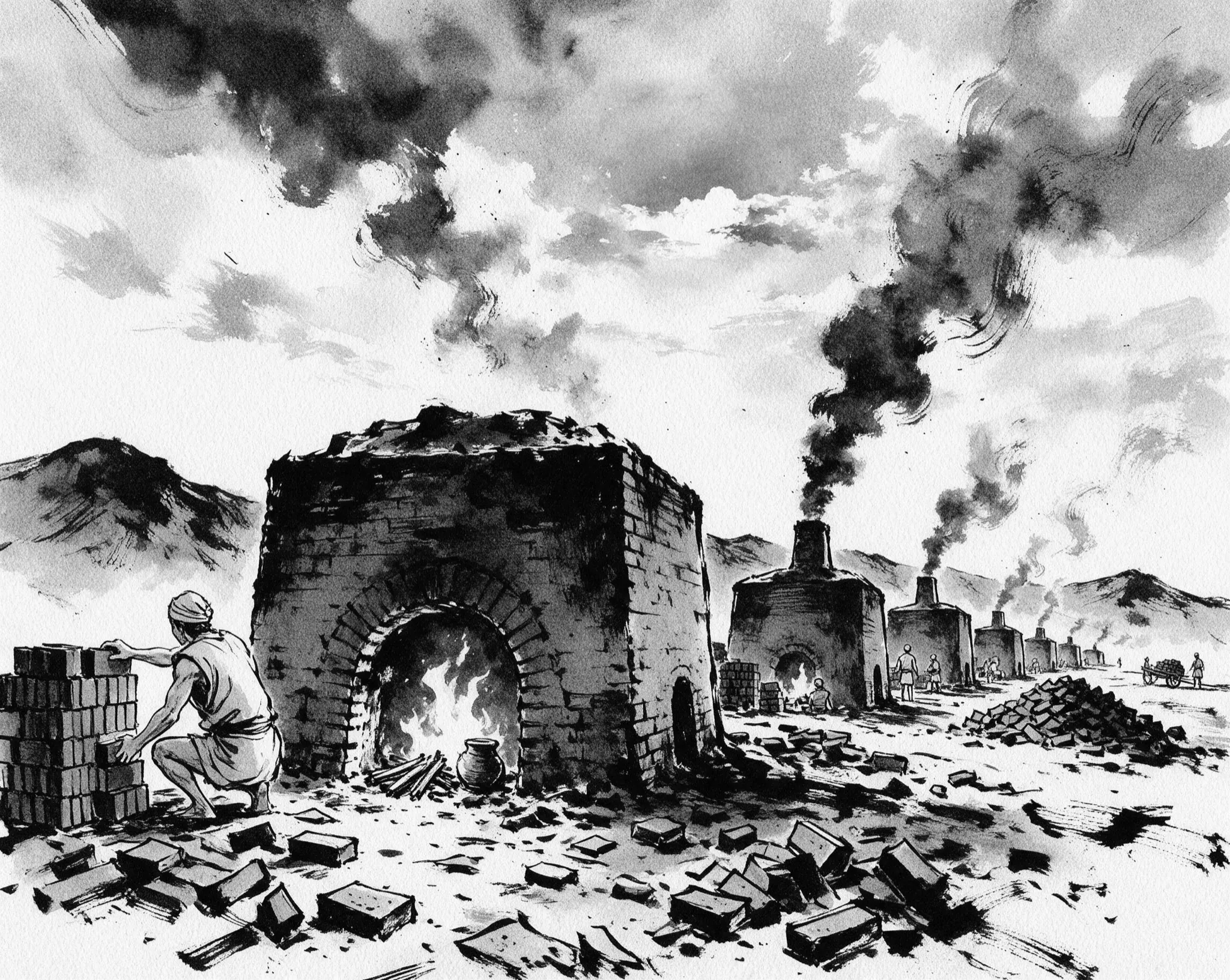
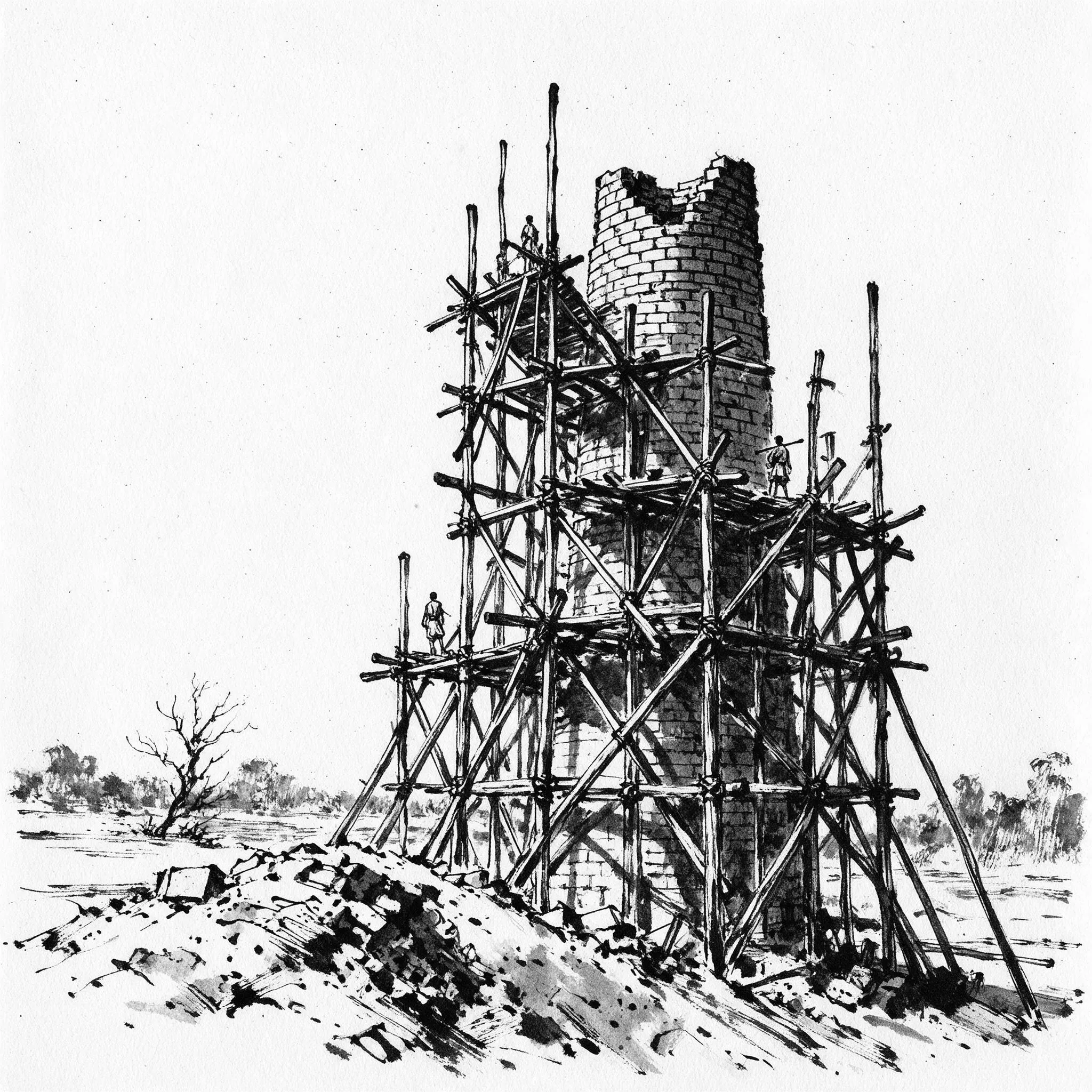
- Qur'an 28:38; 40:36-37 - Fir'awn: I have not known you to have a god other than me; Haman, fire the clay and build me a tower to look at the God of Musa (p207, p208). Whether the tower was finished is not said: the kilns and the scaffold are drawn, never a finished tower
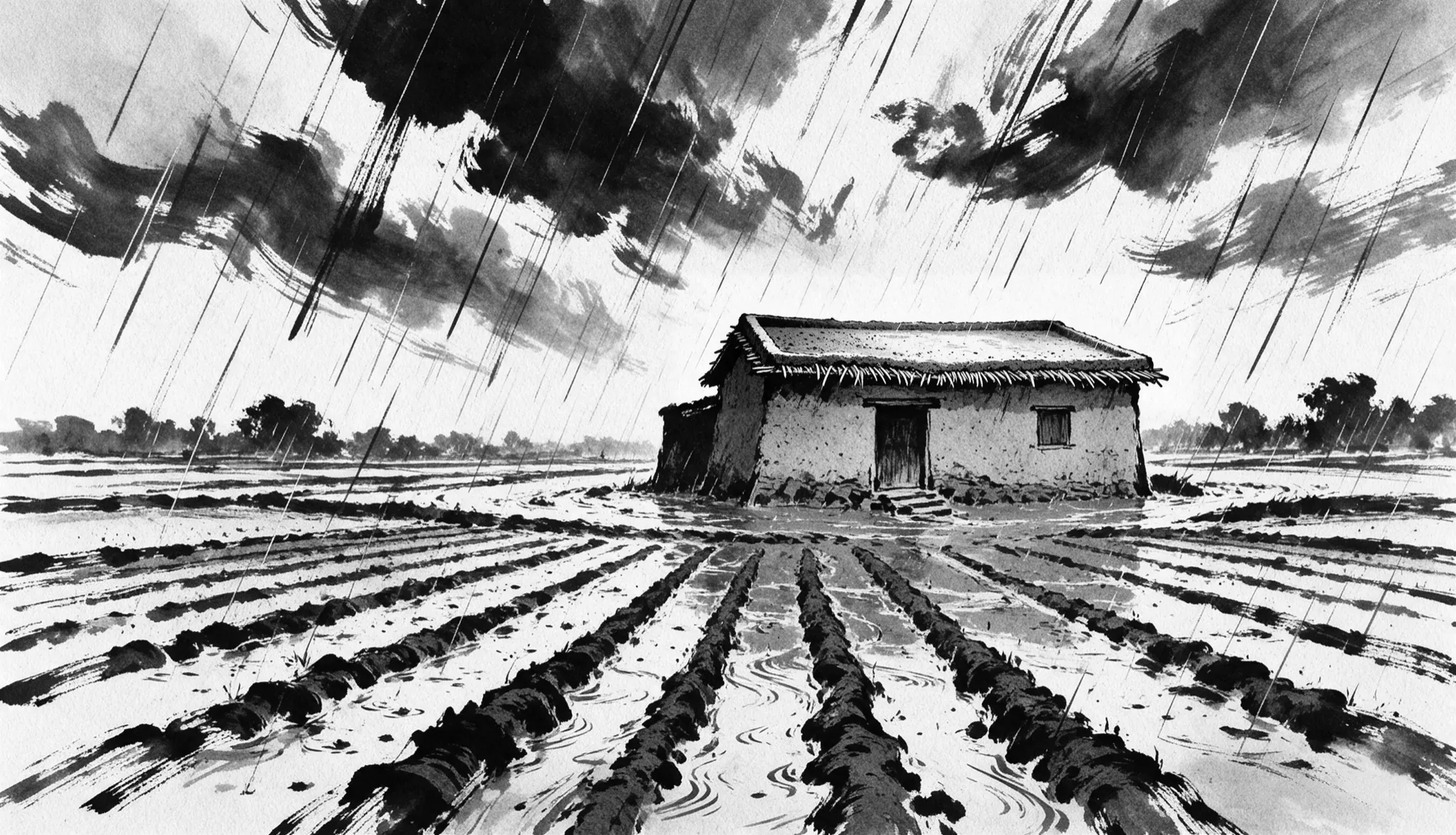
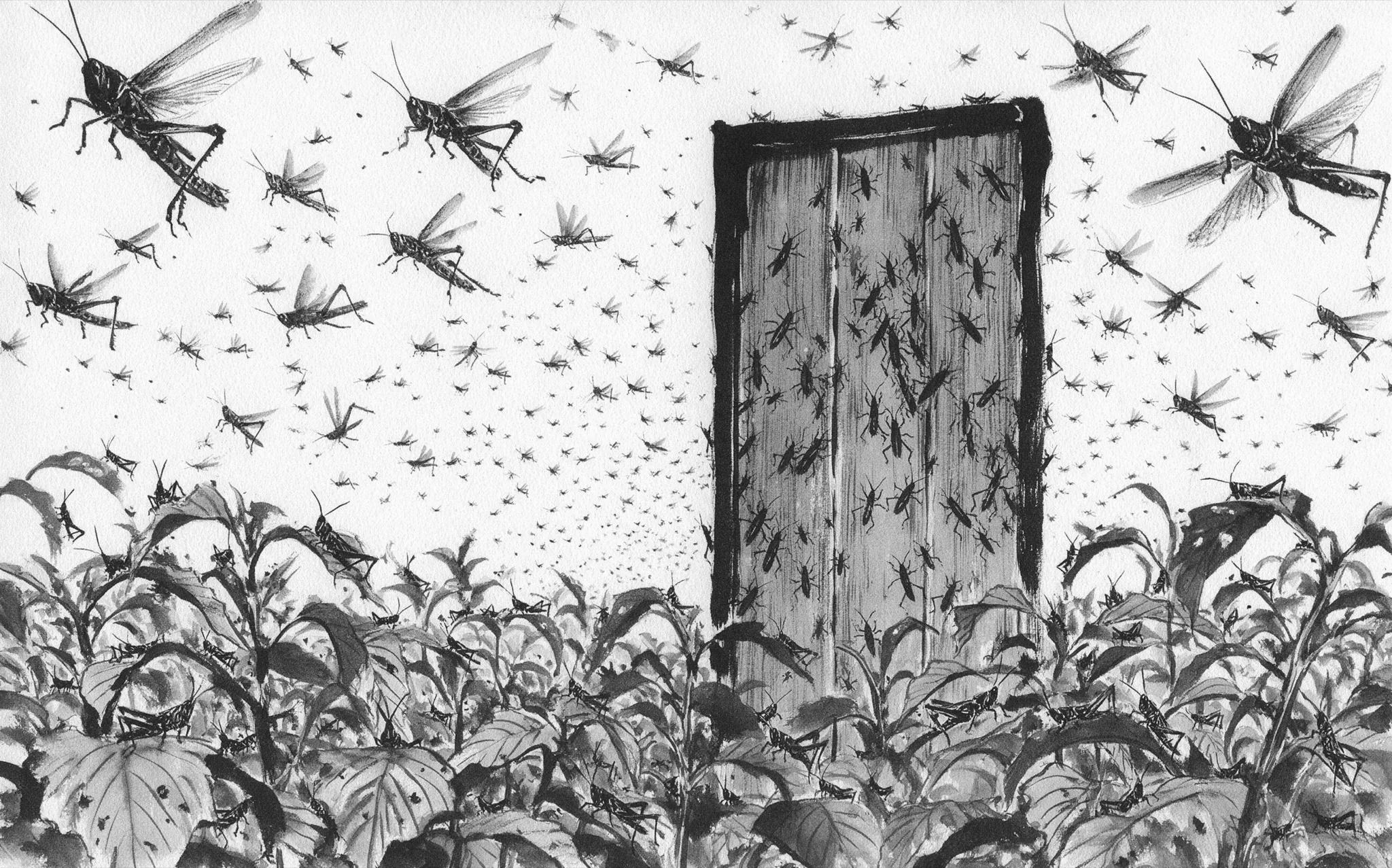
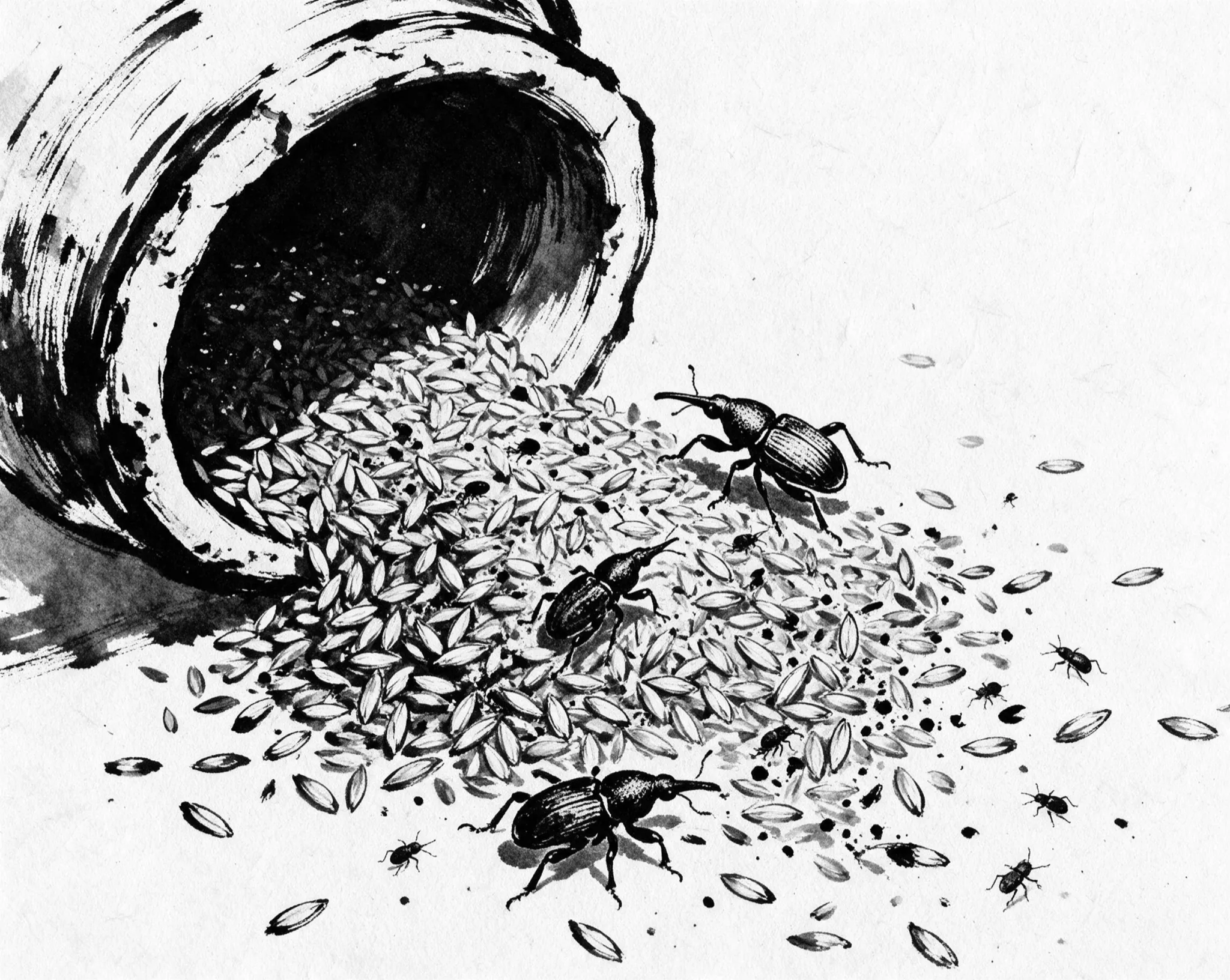
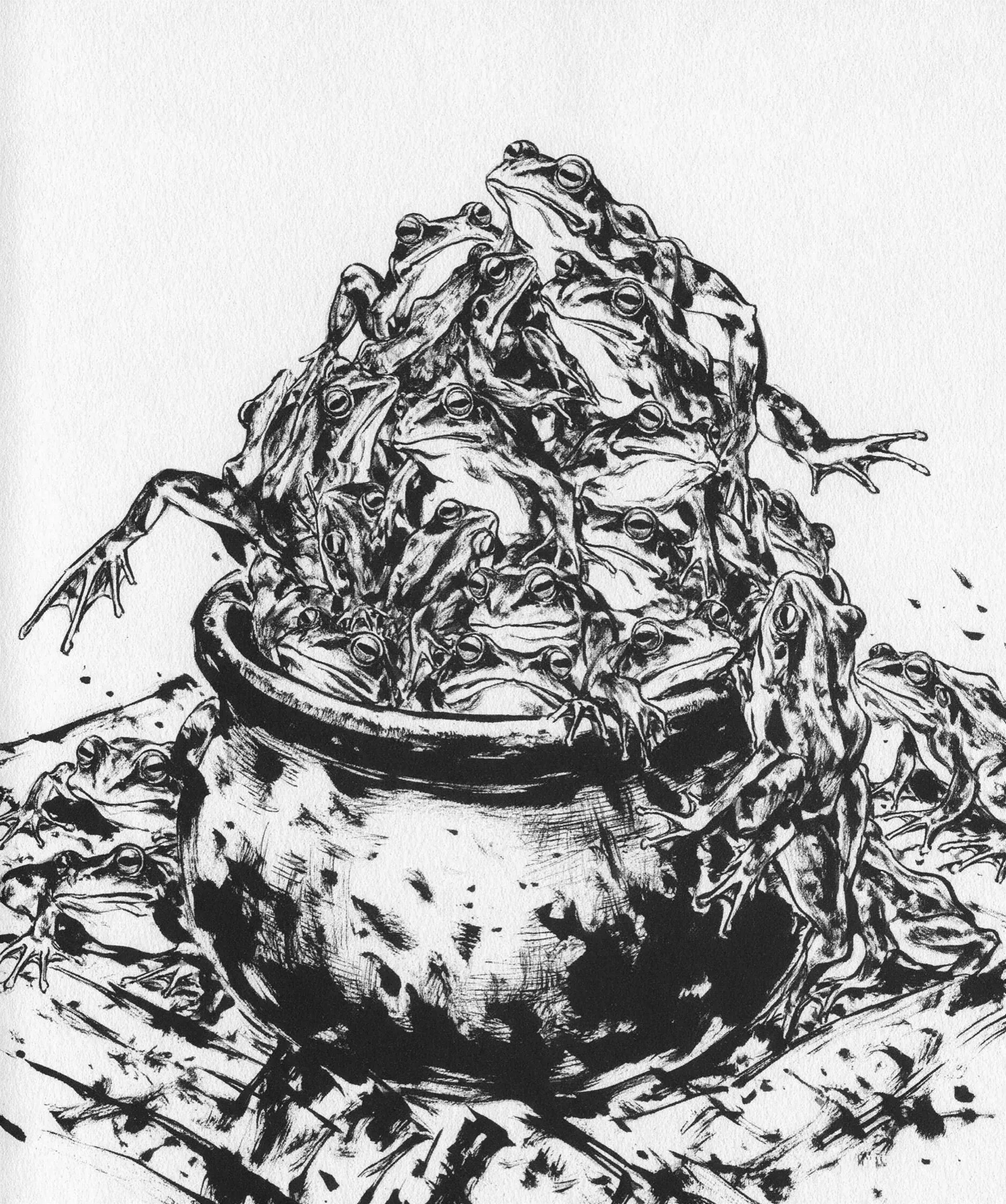
- Qur'an 7:130-135 - Fir'awn's people were seized with years of drought and a shortage of fruit, then the flood, the locusts, the lice, the frogs and the blood; each time they begged Musa to pray it away and promised to believe and to send the Children of Israel with him, and each time it was lifted they broke their word (p212 to p224). How each sign looks is drawn from the commentators' reports and is the studio's staging
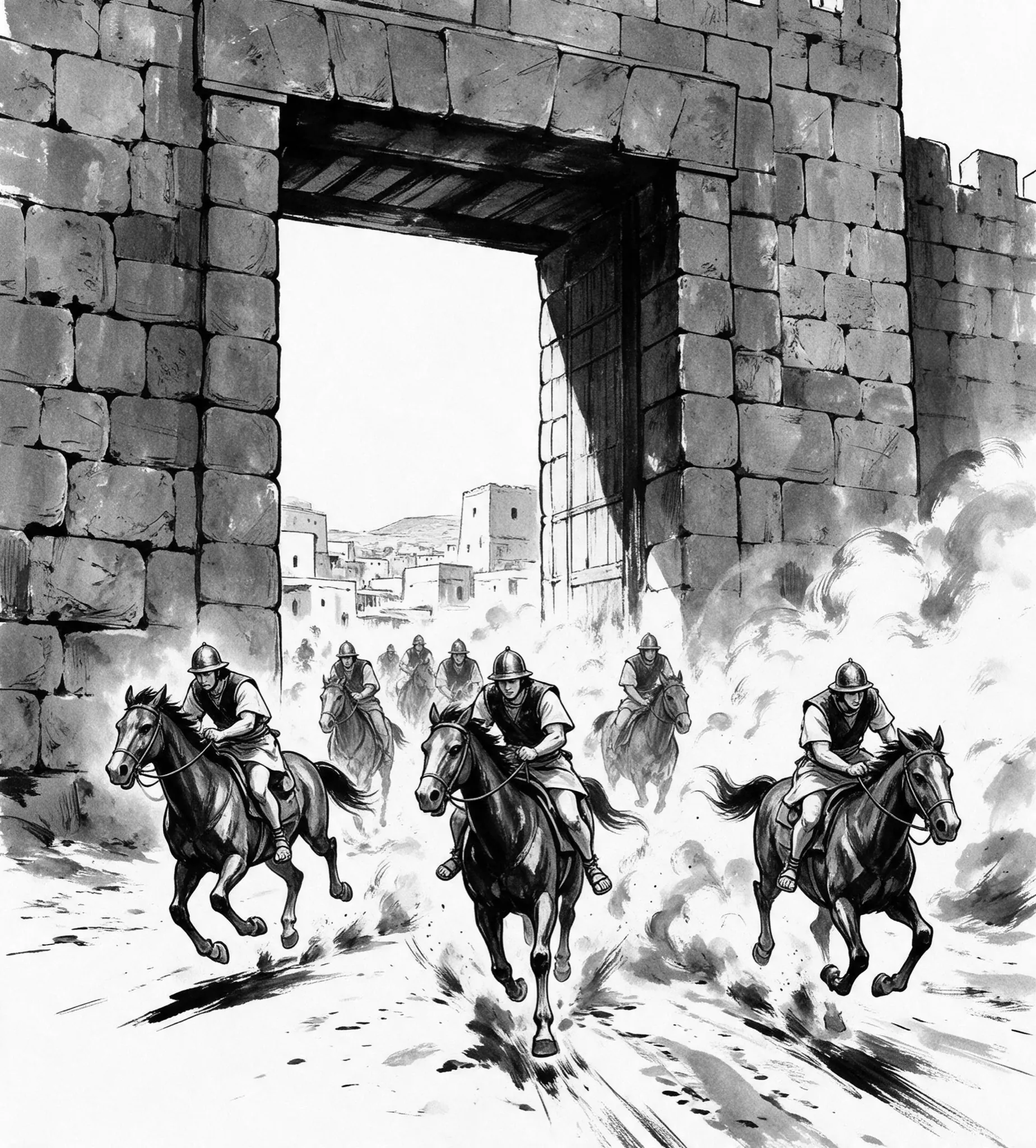
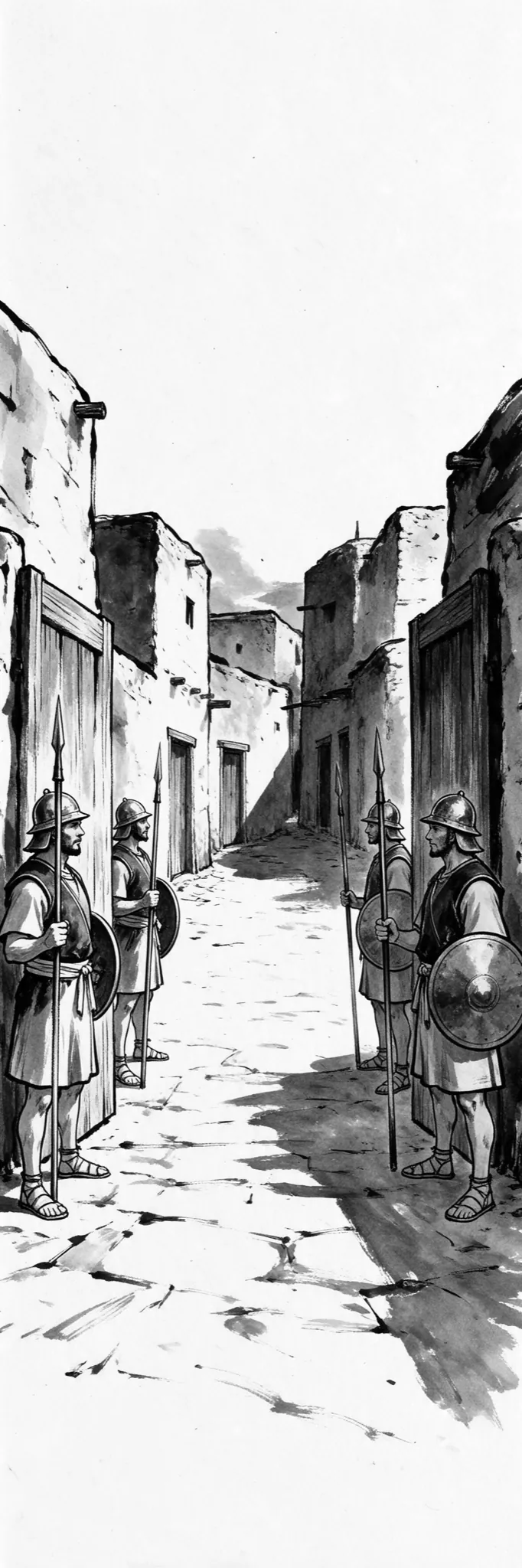
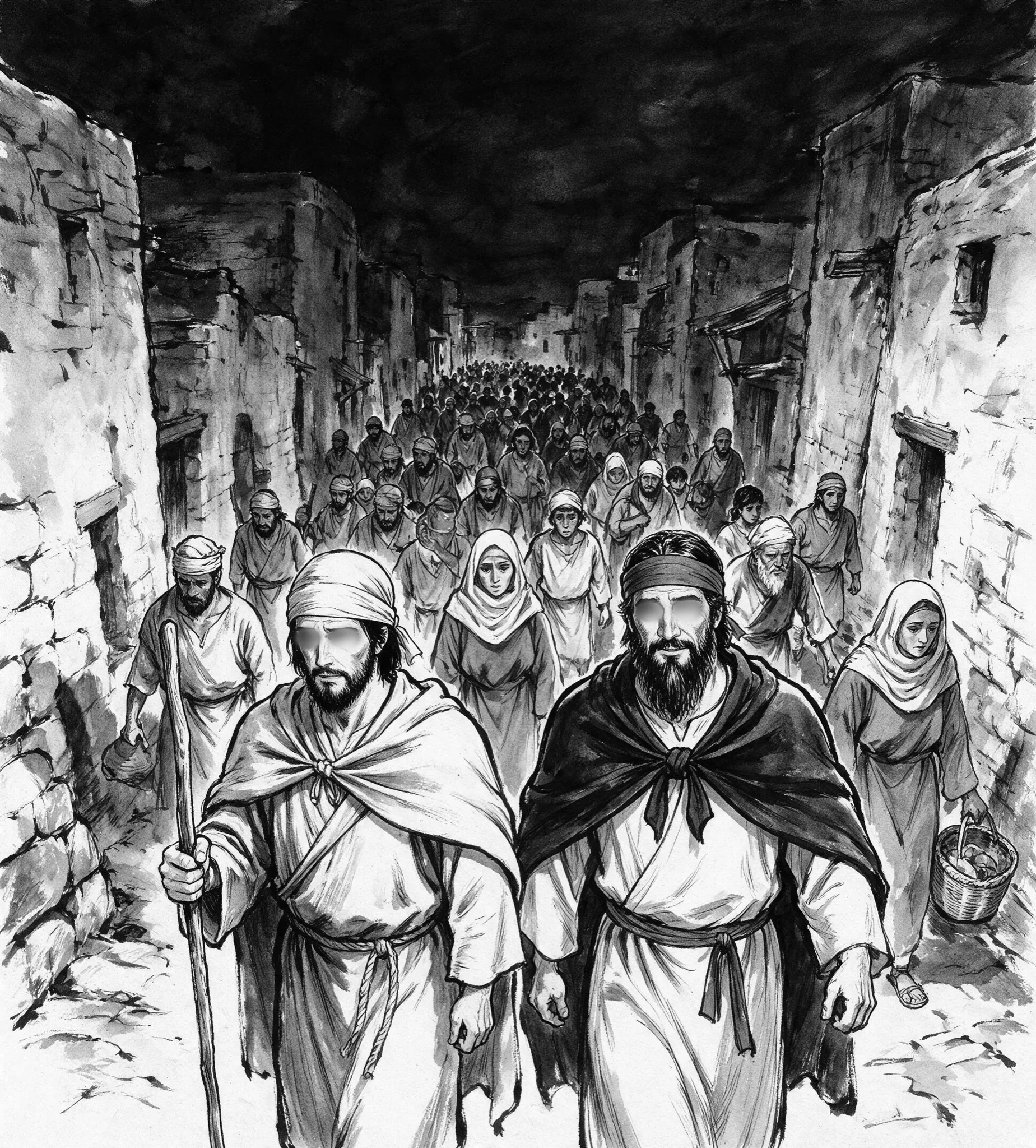
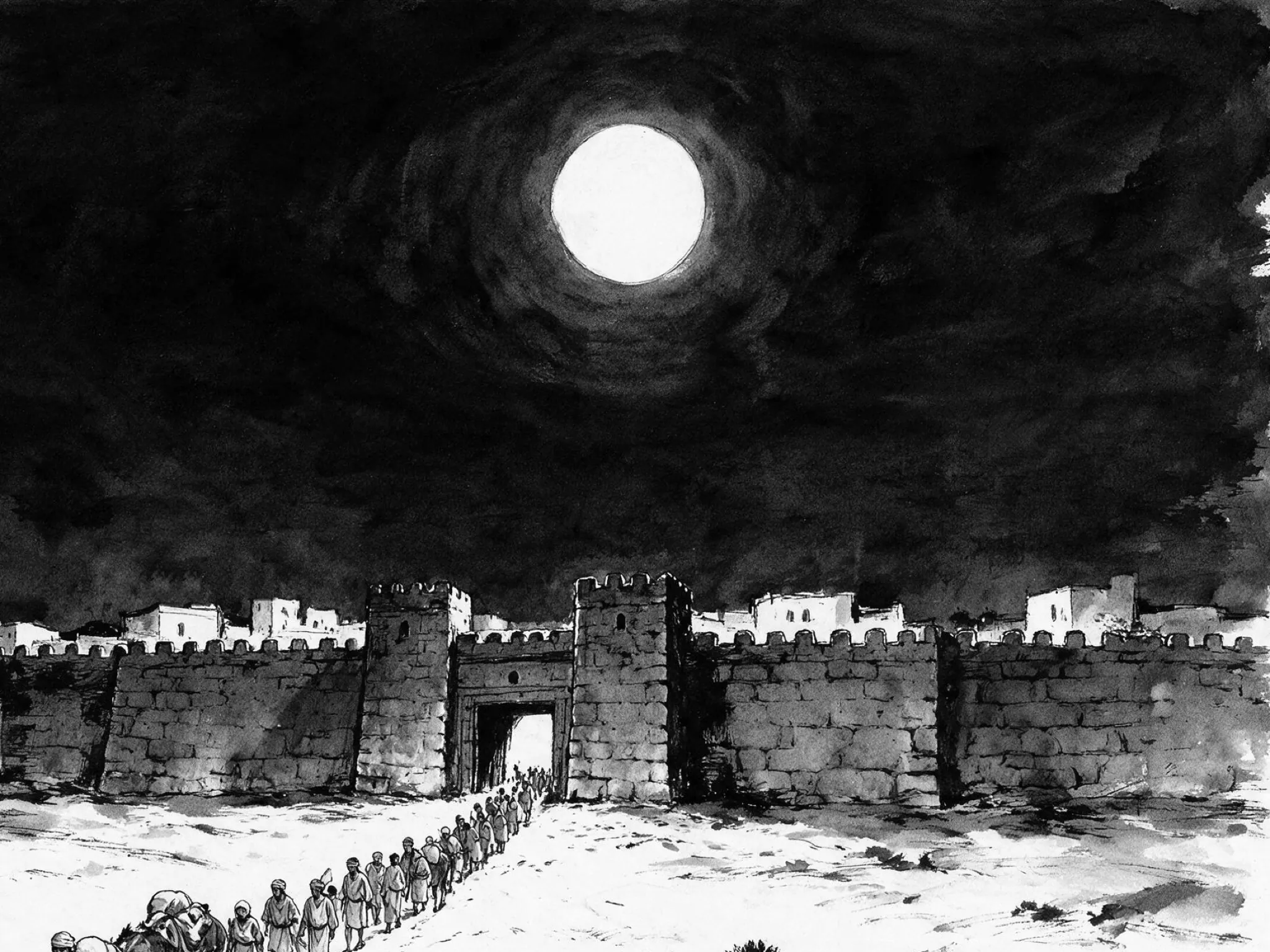
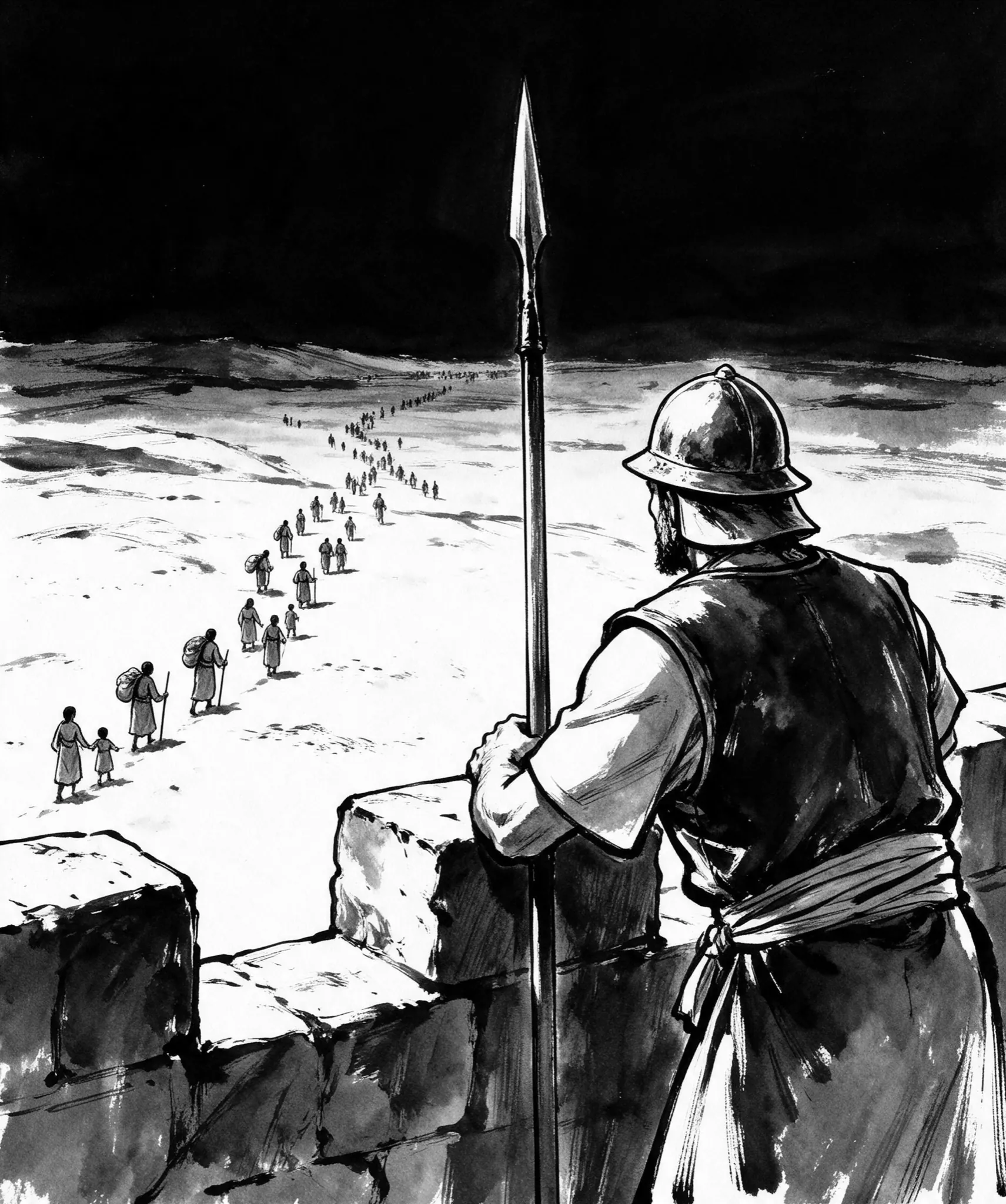
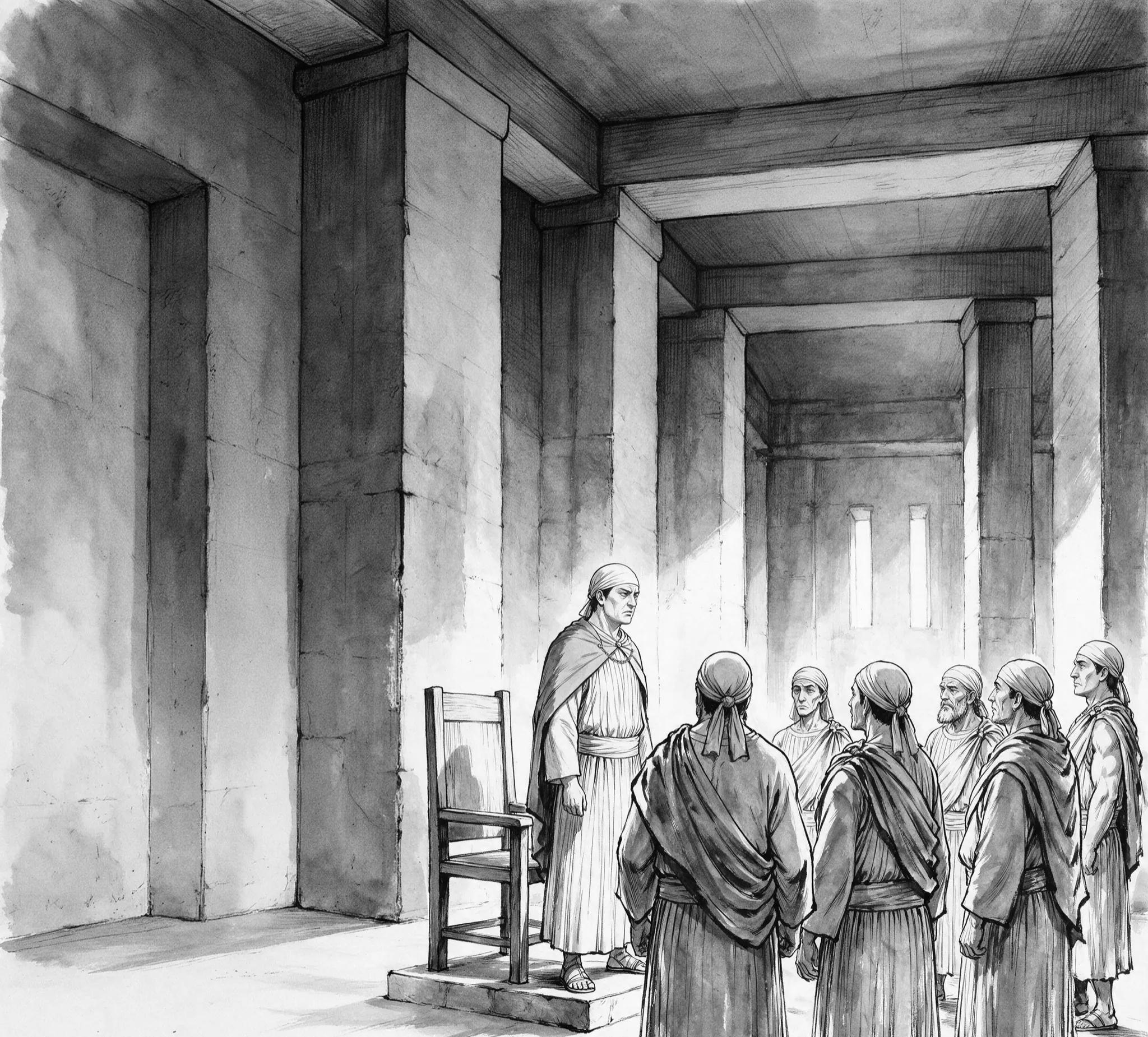
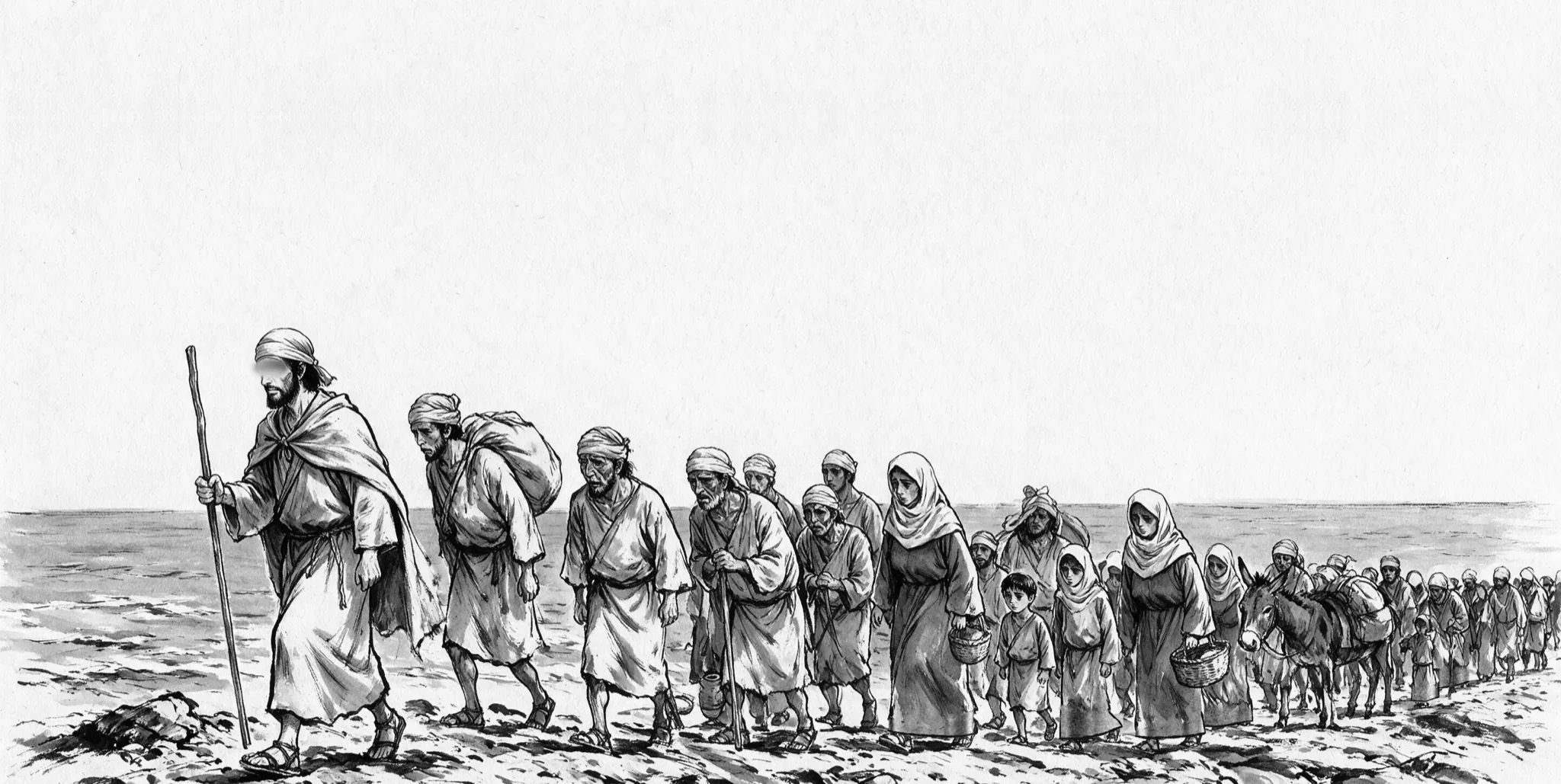
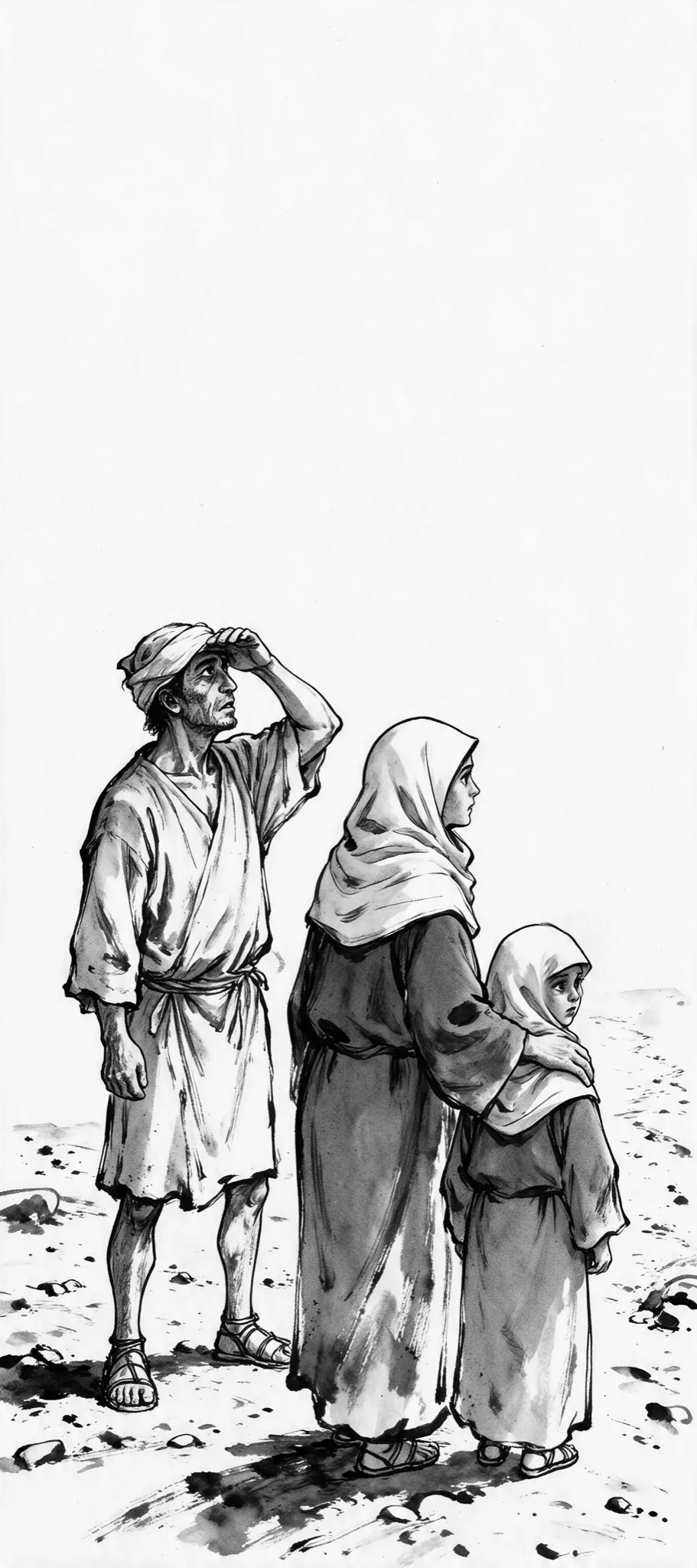
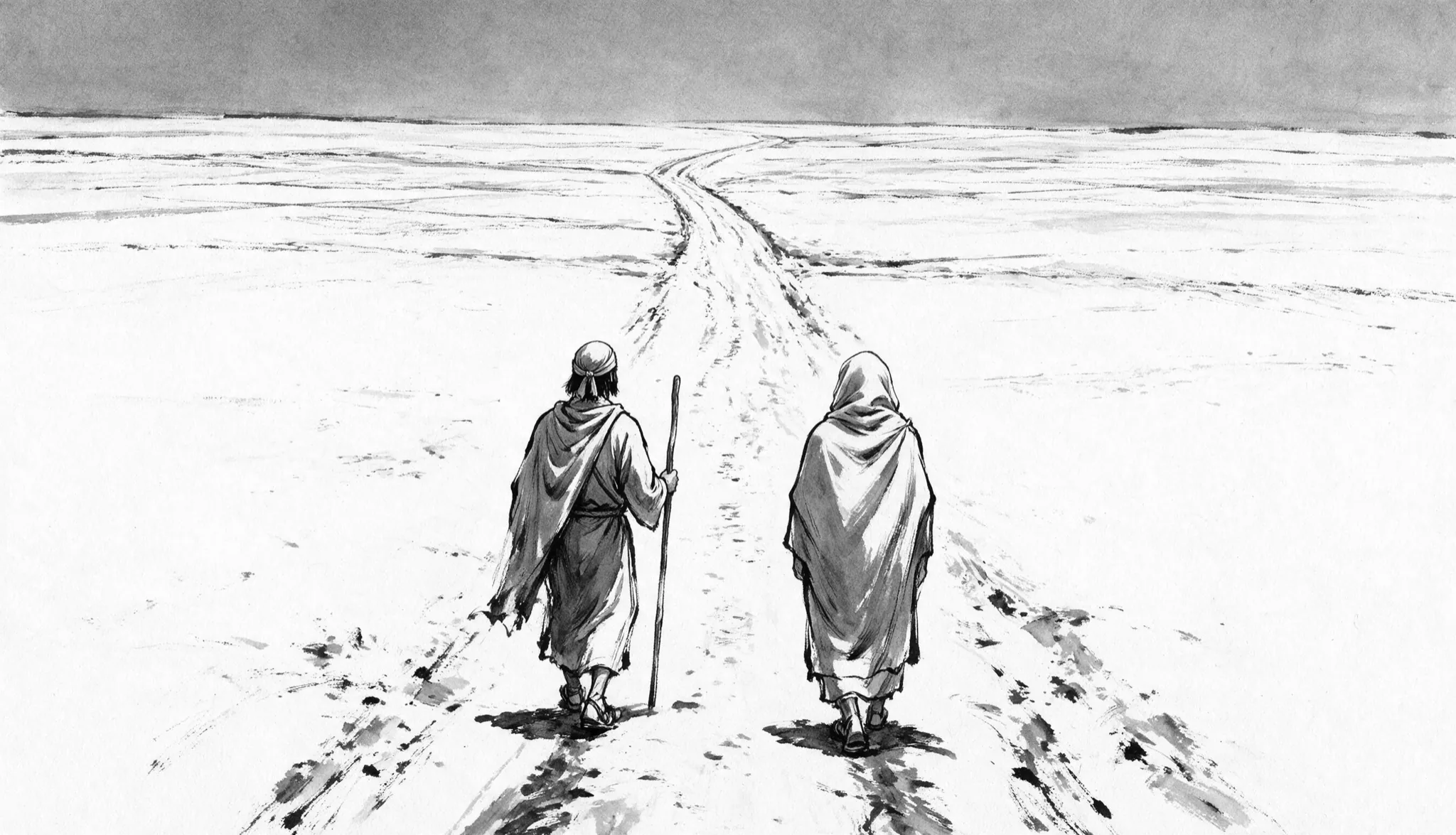
- Qur'an 26:52; 20:77; 44:23 - Musa was told to set out by night with Allah's servants, for they would be pursued (p225 says only that he was told to set out by night); 26:53-60 - Fir'awn sent gatherers through the cities; Allah brought them out of gardens and springs, treasures and an honoured place (p232), and at sunrise they followed (p230 to p233). The words of 26:54-56 are the message Fir'awn sent with his gatherers, and the bubbles give them to him; the order of the night's leaving and the watchman on the wall are the studio's staging
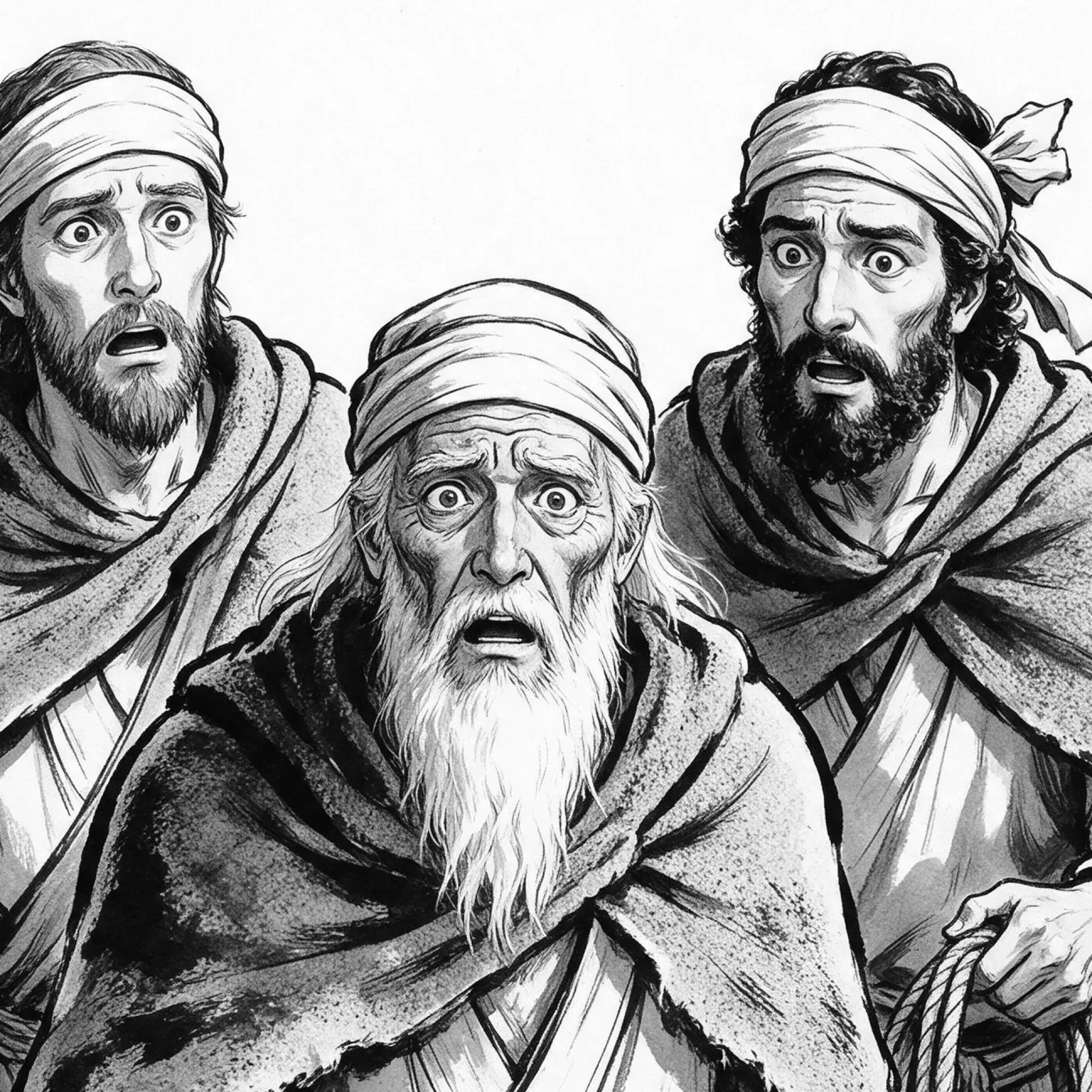
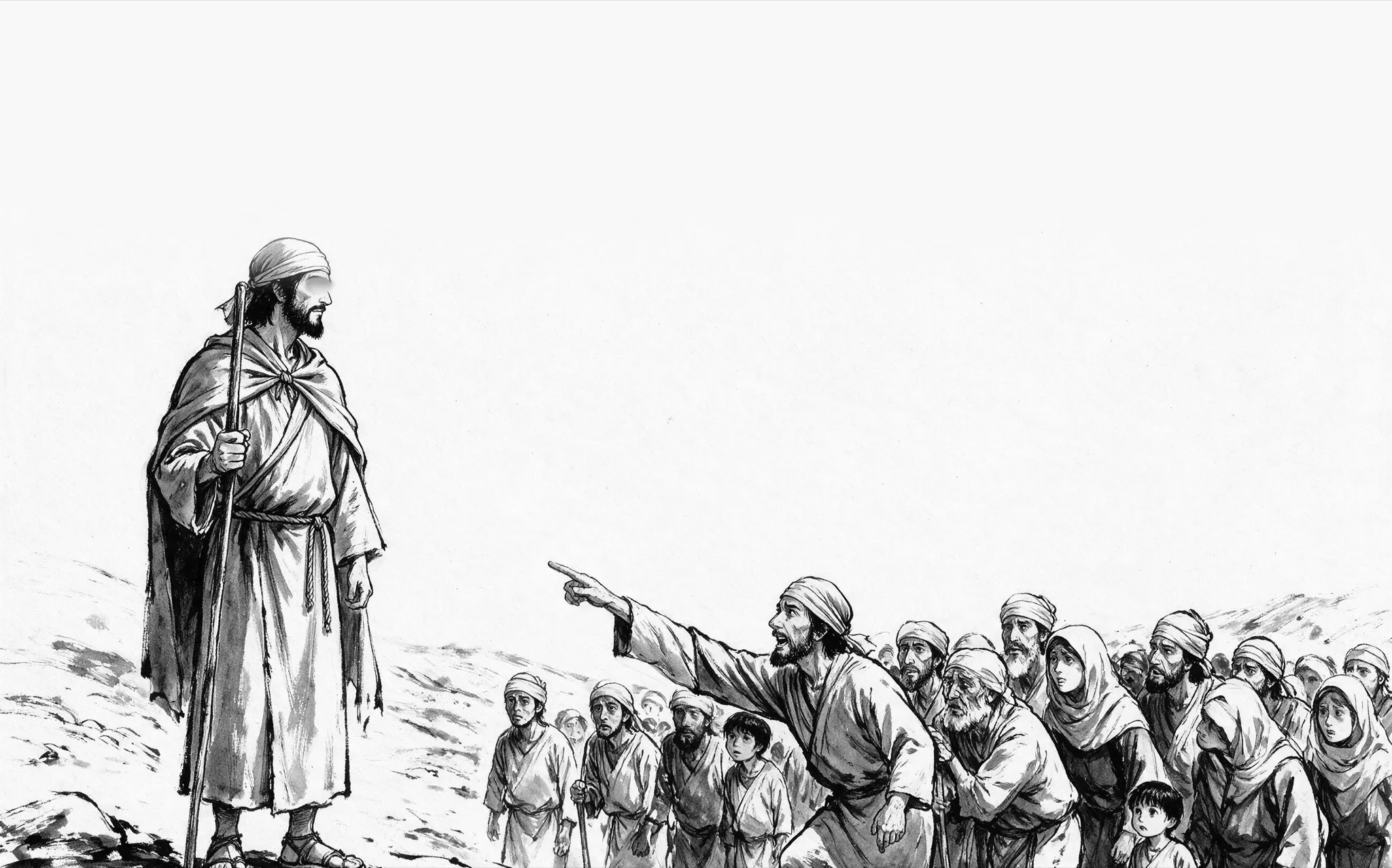
- Qur'an 26:61-62 - when the two hosts saw each other, Musa's companions said they would be overtaken, and Musa said no, his Lord was with him and would guide him (p237, p239). 26:63 is the pause page (p241), and p240 says only THAT Allah inspired him
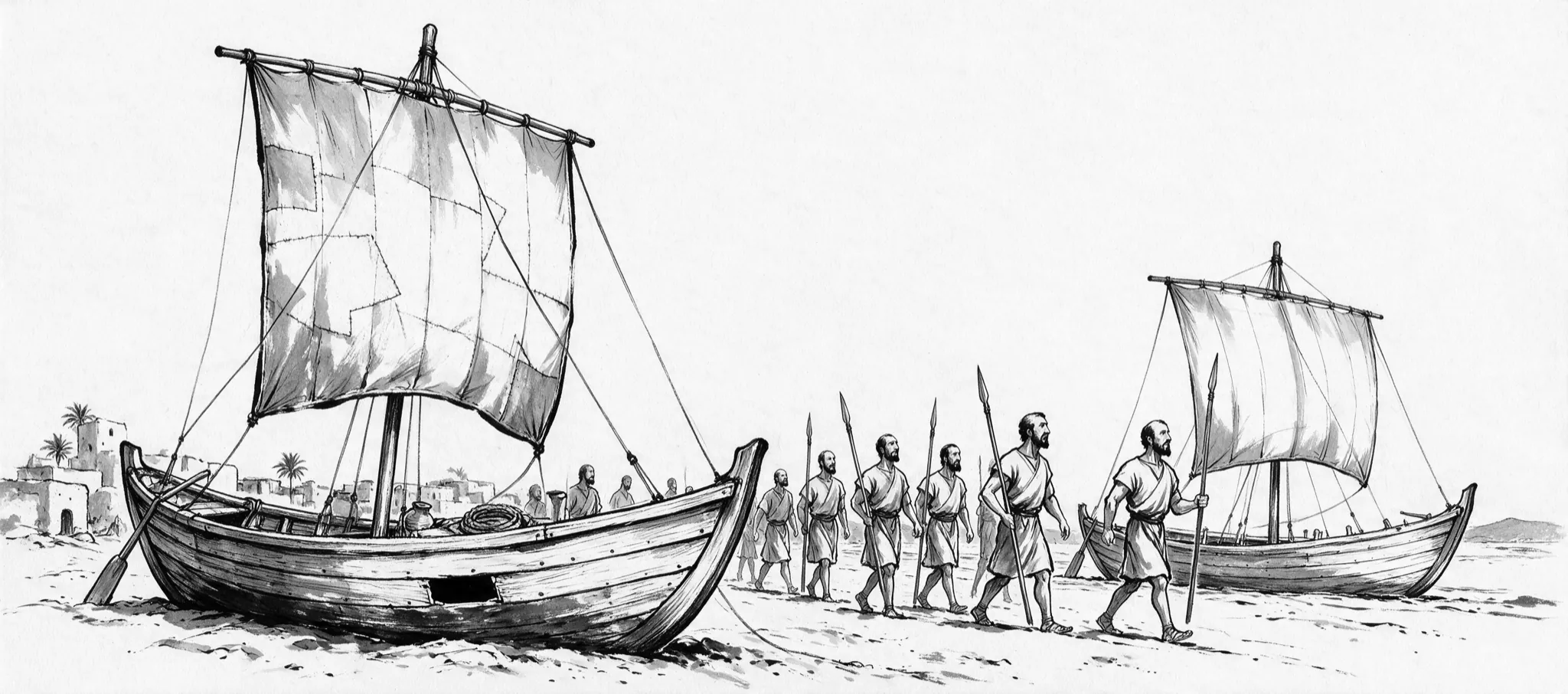
- Qur'an 20:77; 26:64-66; 2:50 - they walked a dry path through the sea, with no fear of being overtaken; Allah saved Musa and all who were with him and drowned the others (p242 to p254). The ayah's word is one path, and one path is drawn
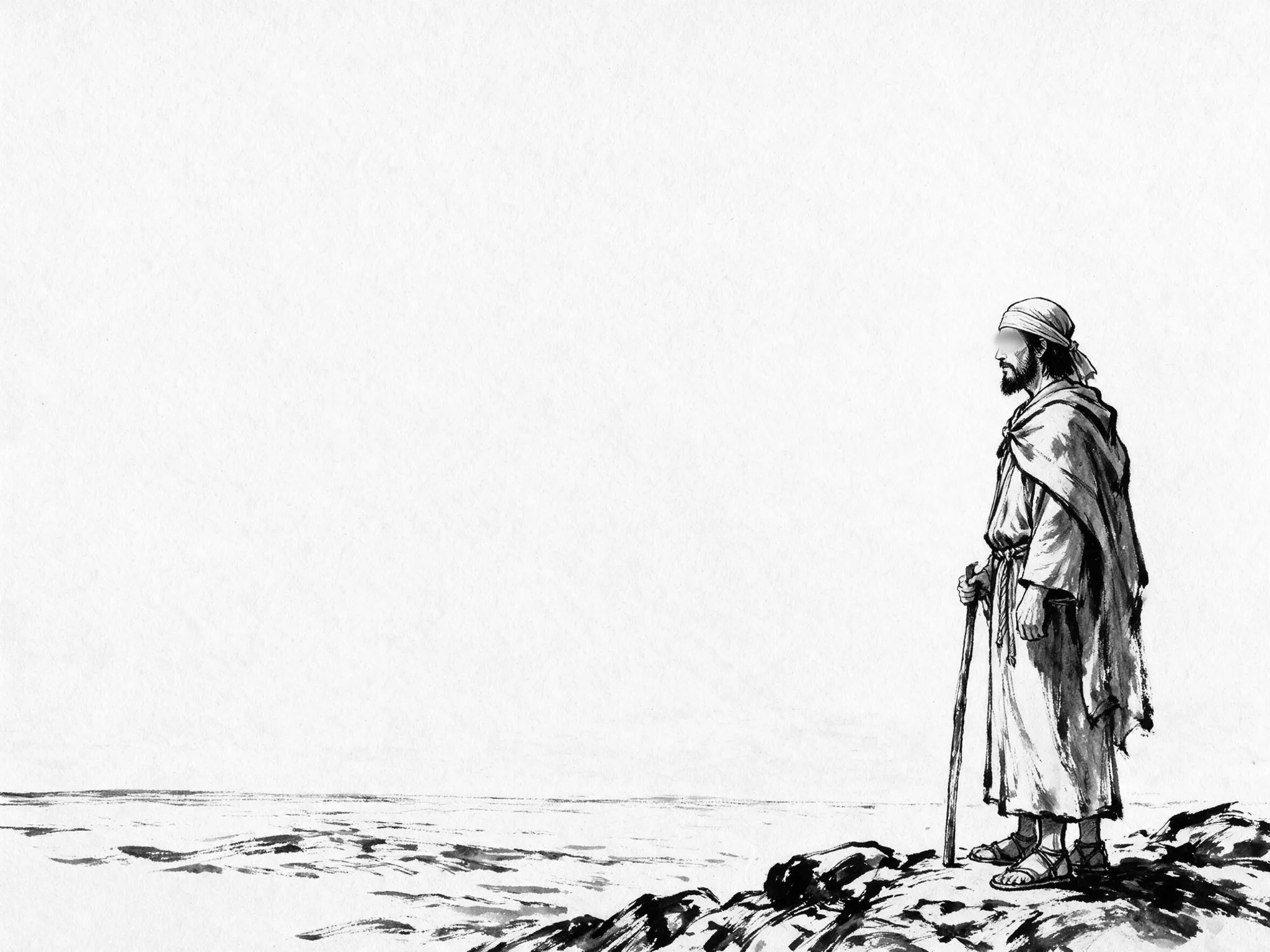
- Qur'an 44:24 - he was told to leave the sea as it was, for they were an army to be drowned (p247). Ibn Kathir on 44:24 - he had wished to strike it shut behind them; the staff is drawn lowered on the far shore
- Qur'an 10:90-92 - the pause page (p253): Fir'awn's words when the drowning overtook him, the answer, and his body saved as a sign. p252 says only THAT he spoke at the last. The drowning is drawn as the sea closing and then his face at its surface, in profile, with no hand or body
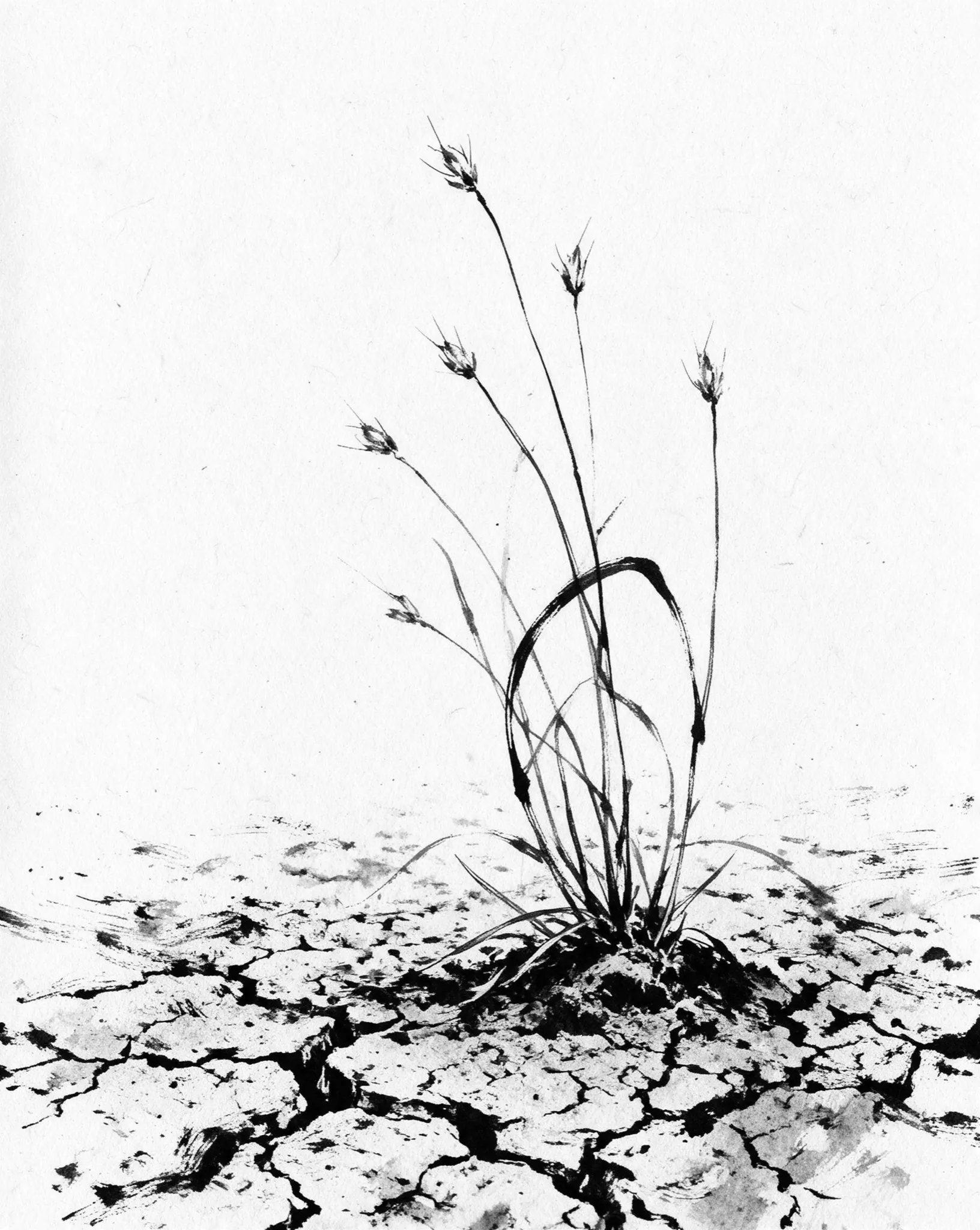
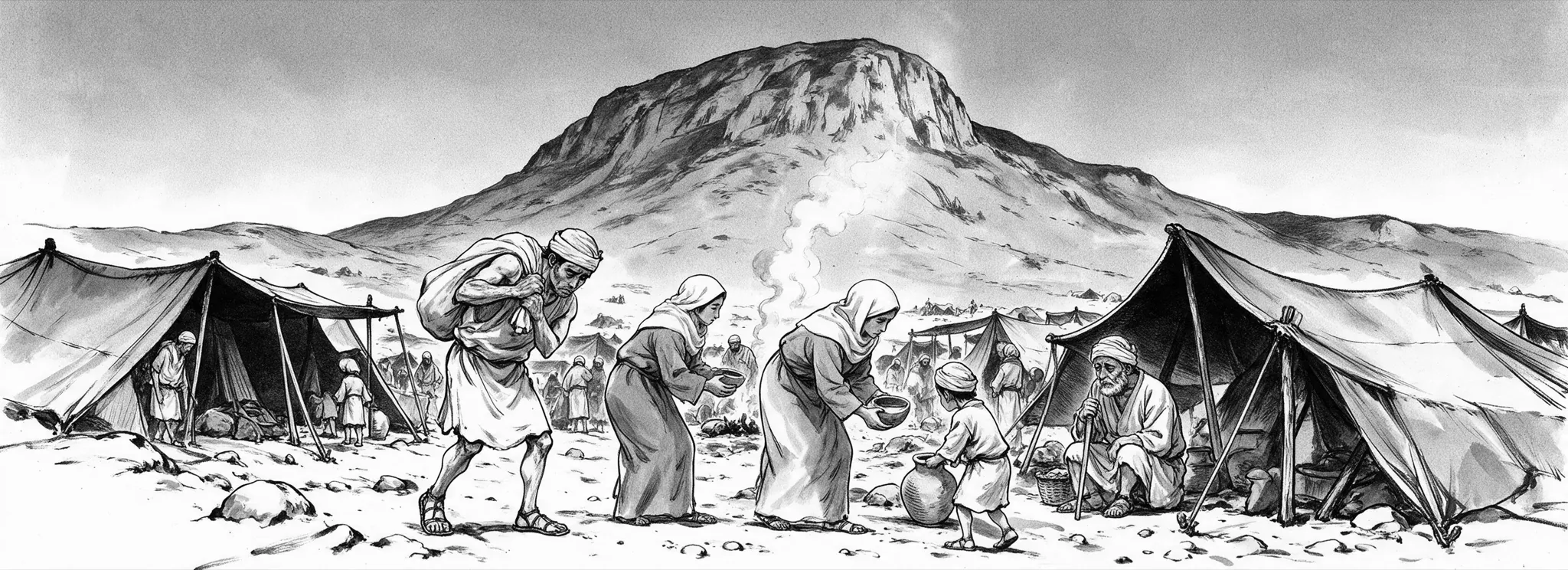
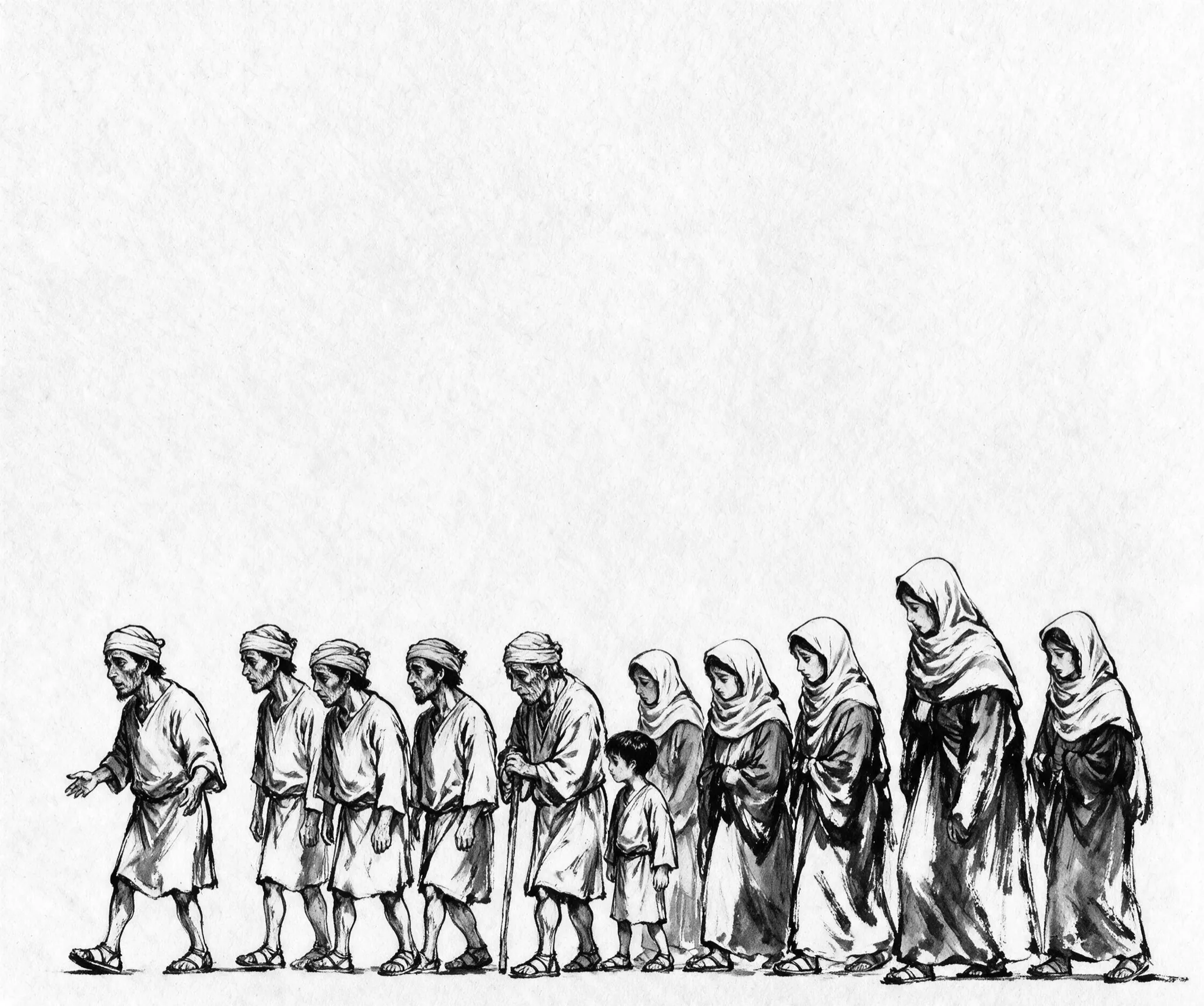
- Qur'an 7:137; 26:59; 44:28 - the people who had been held down inherited the land Allah had blessed, because they had been patient (p256). The commentators differ on which land is meant, and the page does not name it
- Sahih al-Bukhari 3397 (Ibn Abbas) - the Jews of Madinah fasted the day of Ashura and said it was the day Allah saved Musa and drowned Fir'awn's people; the Prophet (peace be upon him) said he was closer to Musa than they, fasted it and ordered it fasted. p256's closing caption names the day as this report remembers it, and no more
- Qur'an 7:105; 7:126; 7:128; 20:58; 20:61; 20:71; 26:24; 26:35; 28:27; 28:38; 40:26; 40:28; 40:44 - these lines are lettered in part, cut at the start or the end of a clause and never inside one, so that each page holds what its panels can carry; what is left out is the same speaker's words
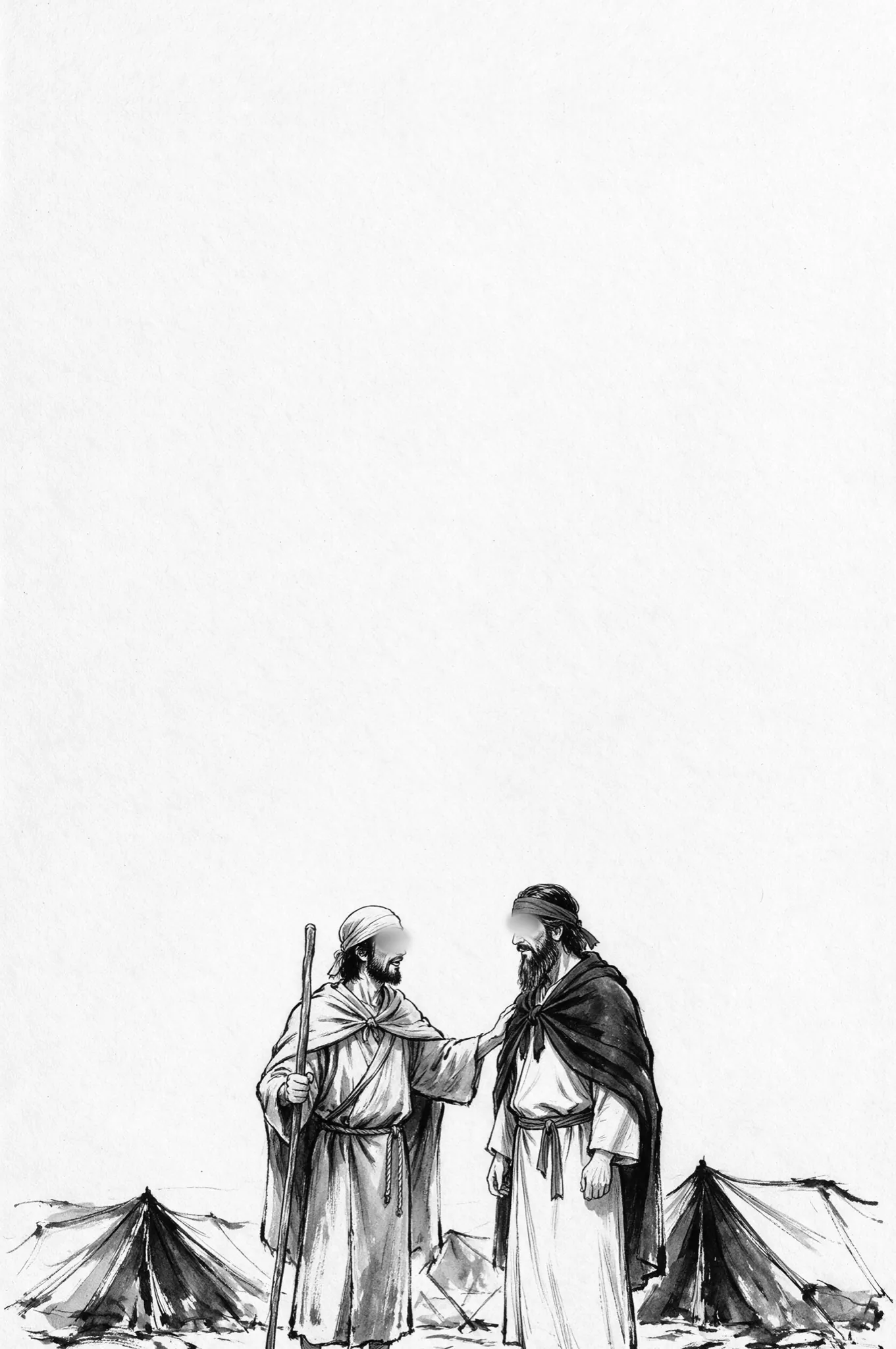
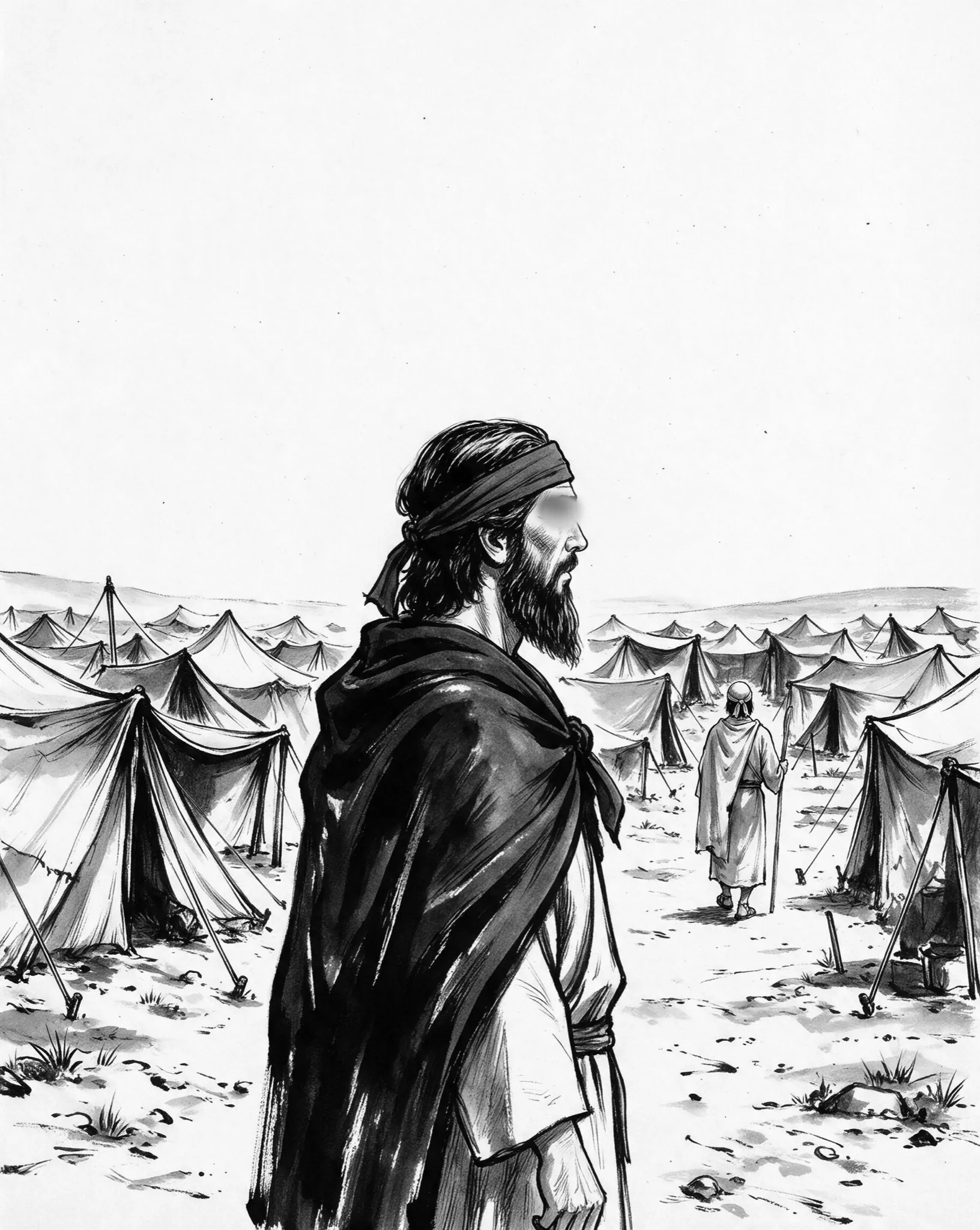
- What Acts II to V stage inside the verses is the studio's own: the empty street, the second man slipping toward the palace, the great stone at the well, the path to the old man's house, his wife at the tent door, the climb alone, the sandals set down, the brothers meeting on the river road, the herald at the festival, Musa's eyes on the crowd, the prostration seen from above, the sorcerers' answer voice by voice, the guards taking them by the arms, Fir'awn's wife on the palace roof, where her prayer falls, Musa's words apart from the council, the kilns and the scaffold, how each sign looks, the night's leaving and the watchman on the wall, who stands where in each crowd, the staff lowered on the far shore and the reeds at the close
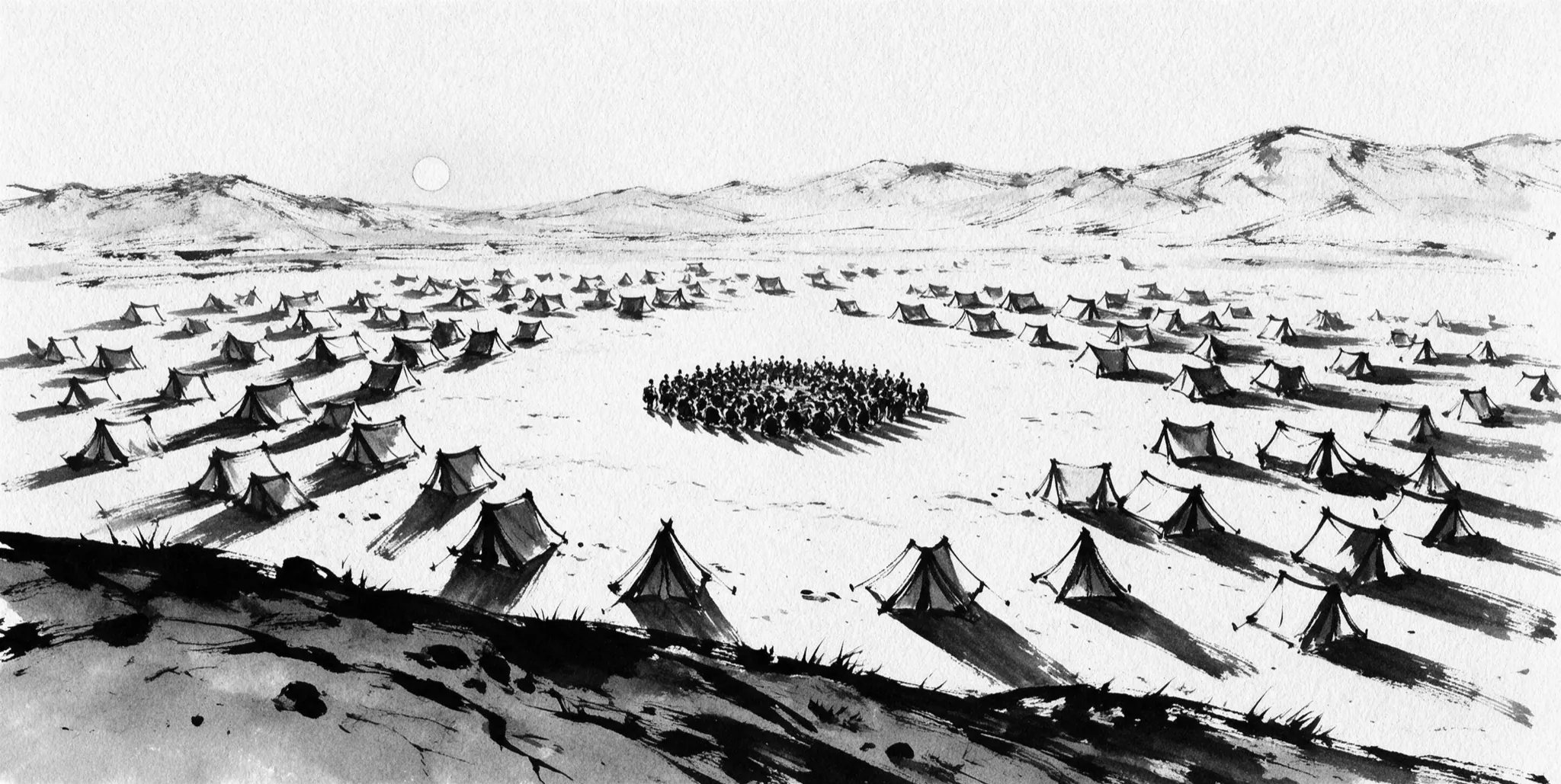
- Qur'an 7:138-140 - past the sea they came upon a people devoted to idols of their own and asked Musa to make them a god like theirs; he called them a people behaving ignorantly, said that what those people were engaged in was destroyed, and asked whether he should seek for them a god other than Allah, who had preferred them over the worlds (p258 to p264). Who that people were and what their idols looked like is not told: the idols are covered shapes far off, and nobody is drawn bowing to them
- Qur'an 7:142 - Musa was given an appointment of thirty nights, completed with ten more to forty, and left Harun in his place among his people, to do right and not follow the way of the corrupters (p265 to p268). The appointment is told in the narrator's words, never in His first person; Ibn Kathir on 7:142 reads the charge to Harun, himself a prophet, as a reminder
- Qur'an 20:83-84 - Musa went on ahead of his people; asked what had made him hasten, he answered that they were close on his tracks and that he had hastened to his Lord, that He be pleased (p269 to p271). The question is Allah's speech: p270 says only THAT he was asked, and his answer is lettered
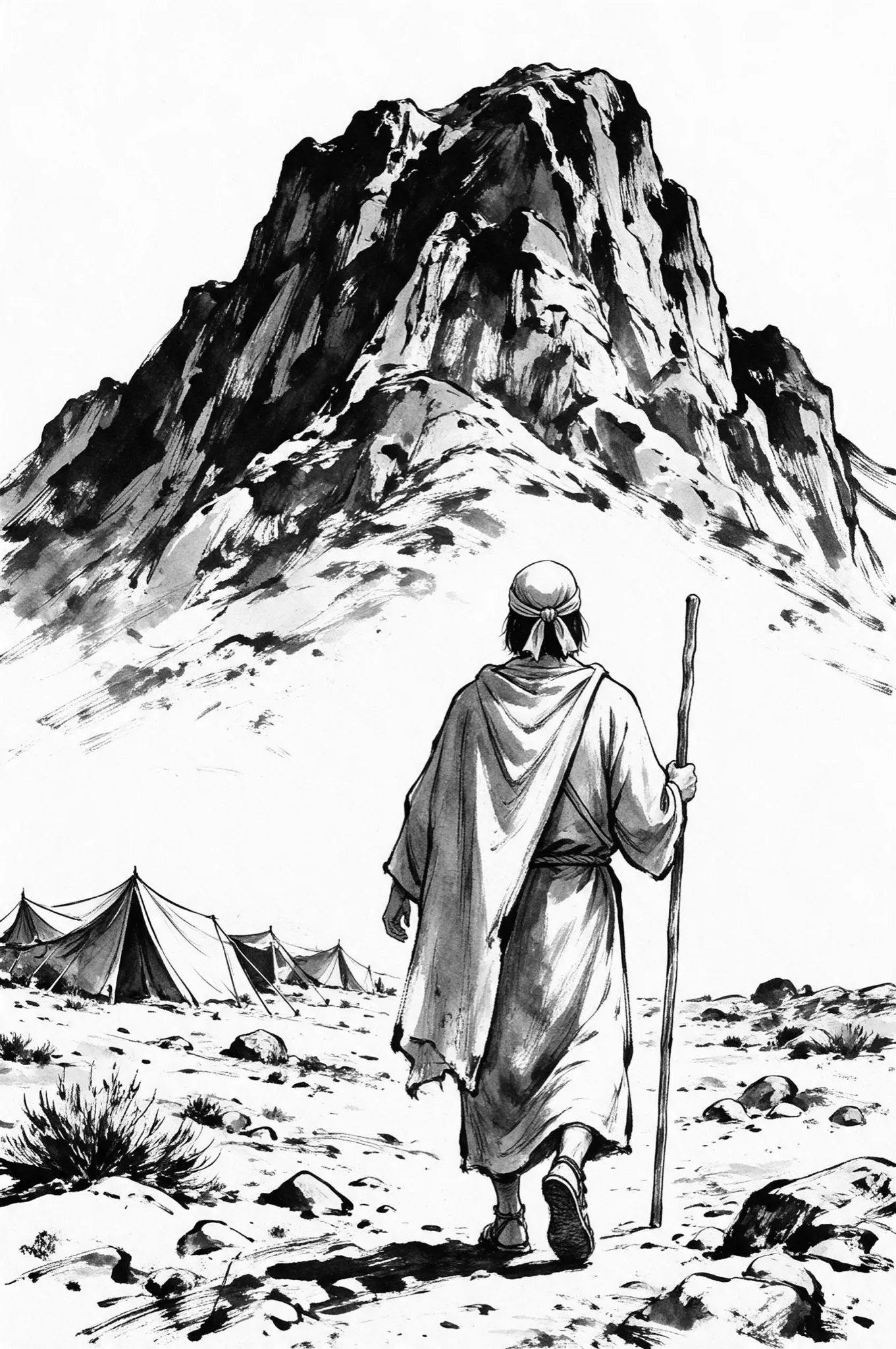
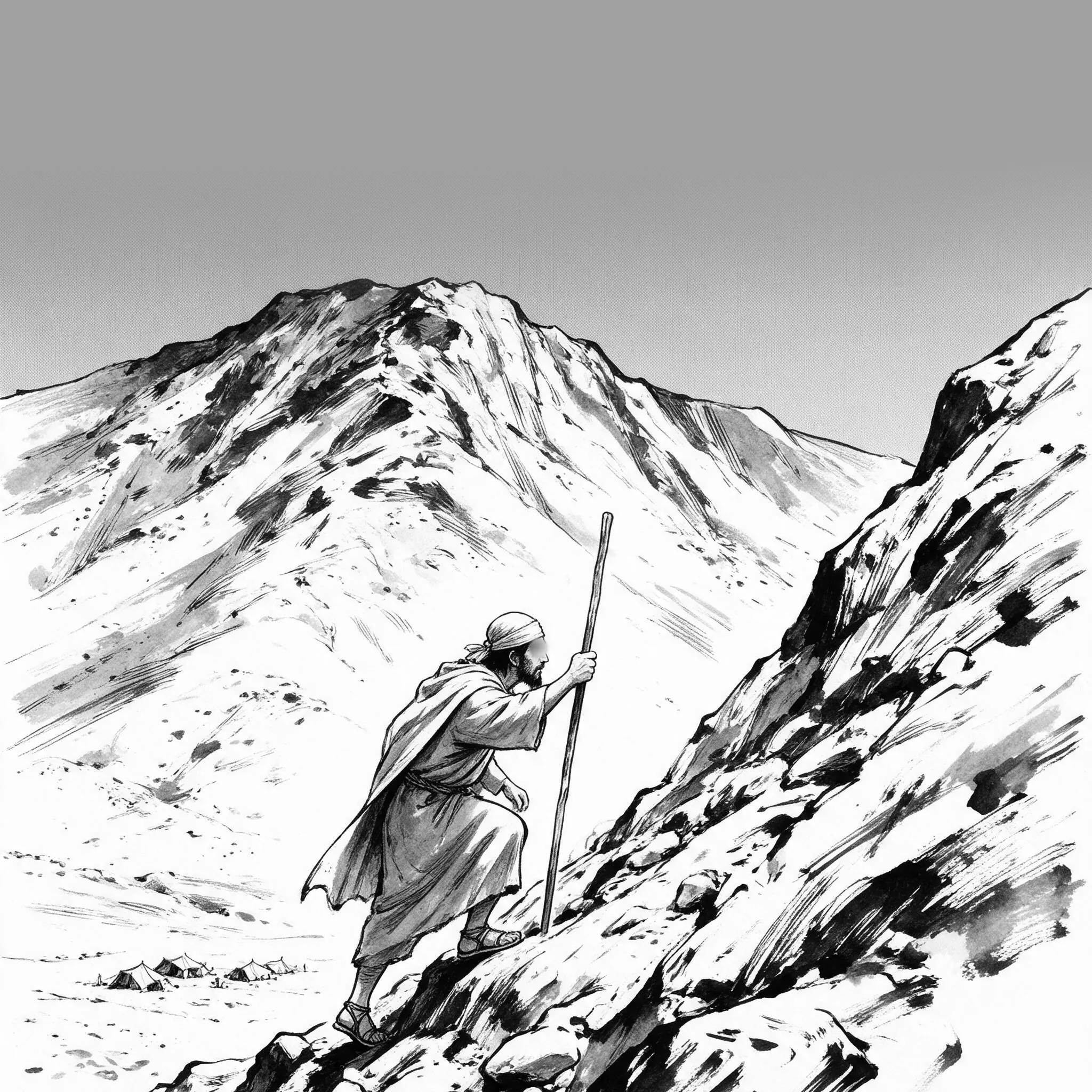
- Qur'an 7:143 - the pause page (p273): the ayah alone, with Musa's request to see his Lord, the answer, the mountain made level, his fall and his words on waking; p272 says only THAT he asked. Nothing on or above the mountain stands for Allah: no light, shape, hand, figure or cloud is drawn. Ibn Kathir on 7:143 - the mountain was levelled to dust. After the ayah the collapse itself is drawn, from far and as consequence only: the mountain falling in on itself to level ground in great dust, with Musa small and far off, falling, his face turned away (p274); then he rises and stands with his back to the heap (p275, p276)
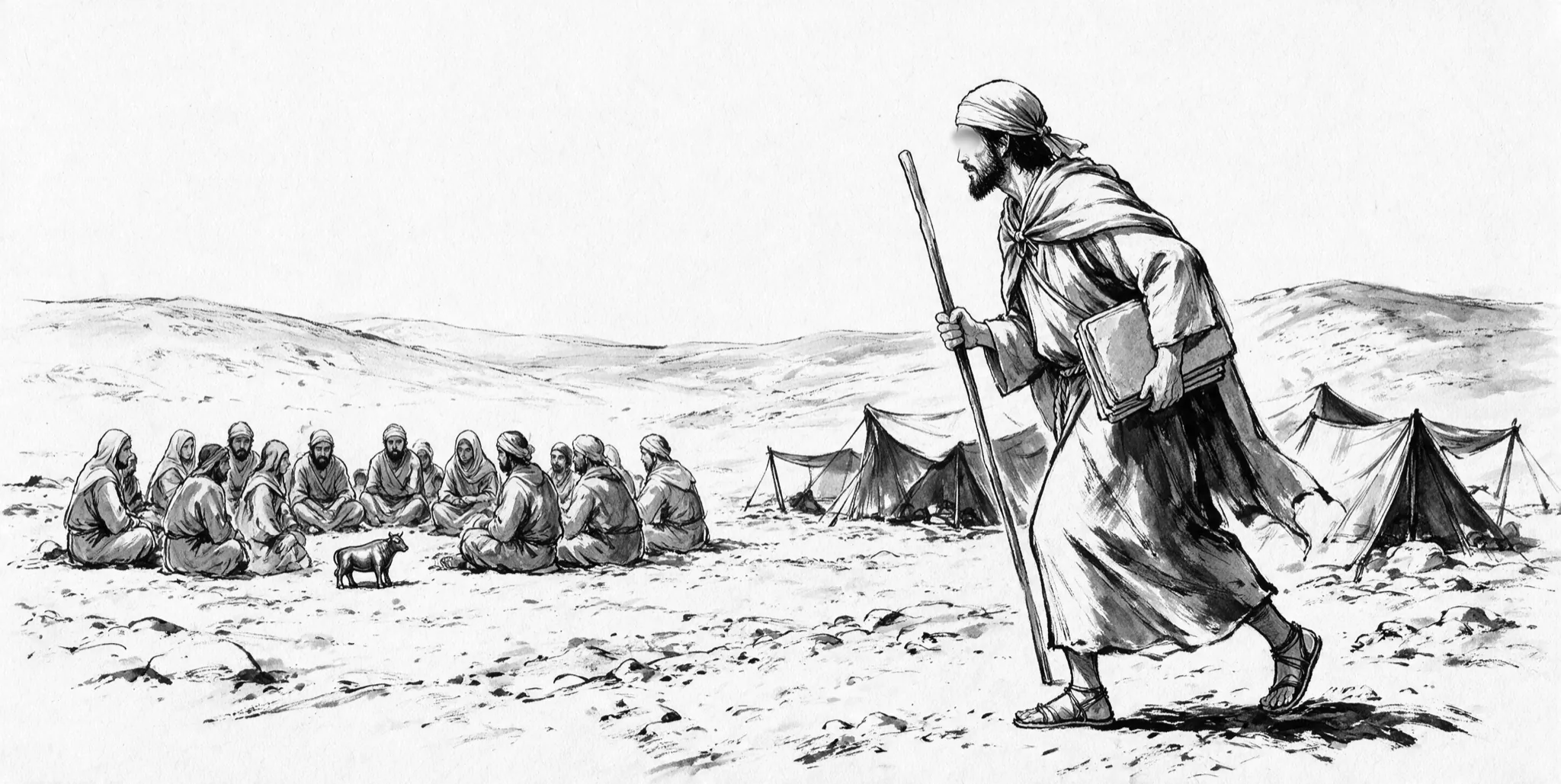
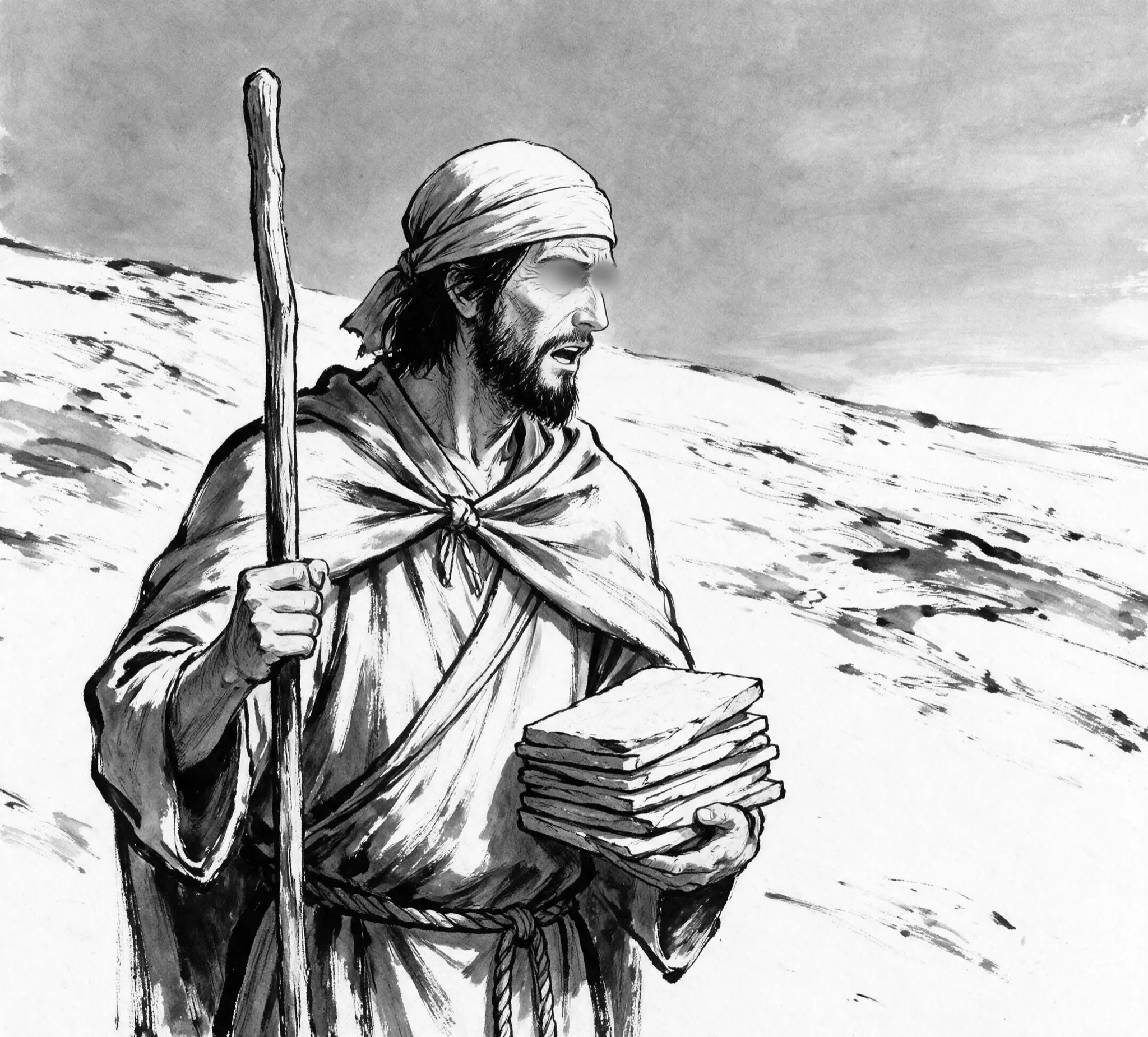
- Qur'an 7:144-145 - the pause page (p278): his choosing, and the Tablets given him; p277 says only THAT his Lord spoke to him again. The Qur'an does not say what the Tablets were made of or how many they were: they are drawn as a few plain stone slabs with no writing and no light (p279, p280)
- Qur'an 20:85 - that his people had been tried after him and al-Samiri had led them astray is Allah's speech to Musa; p281 says only THAT He told him what had become of his people
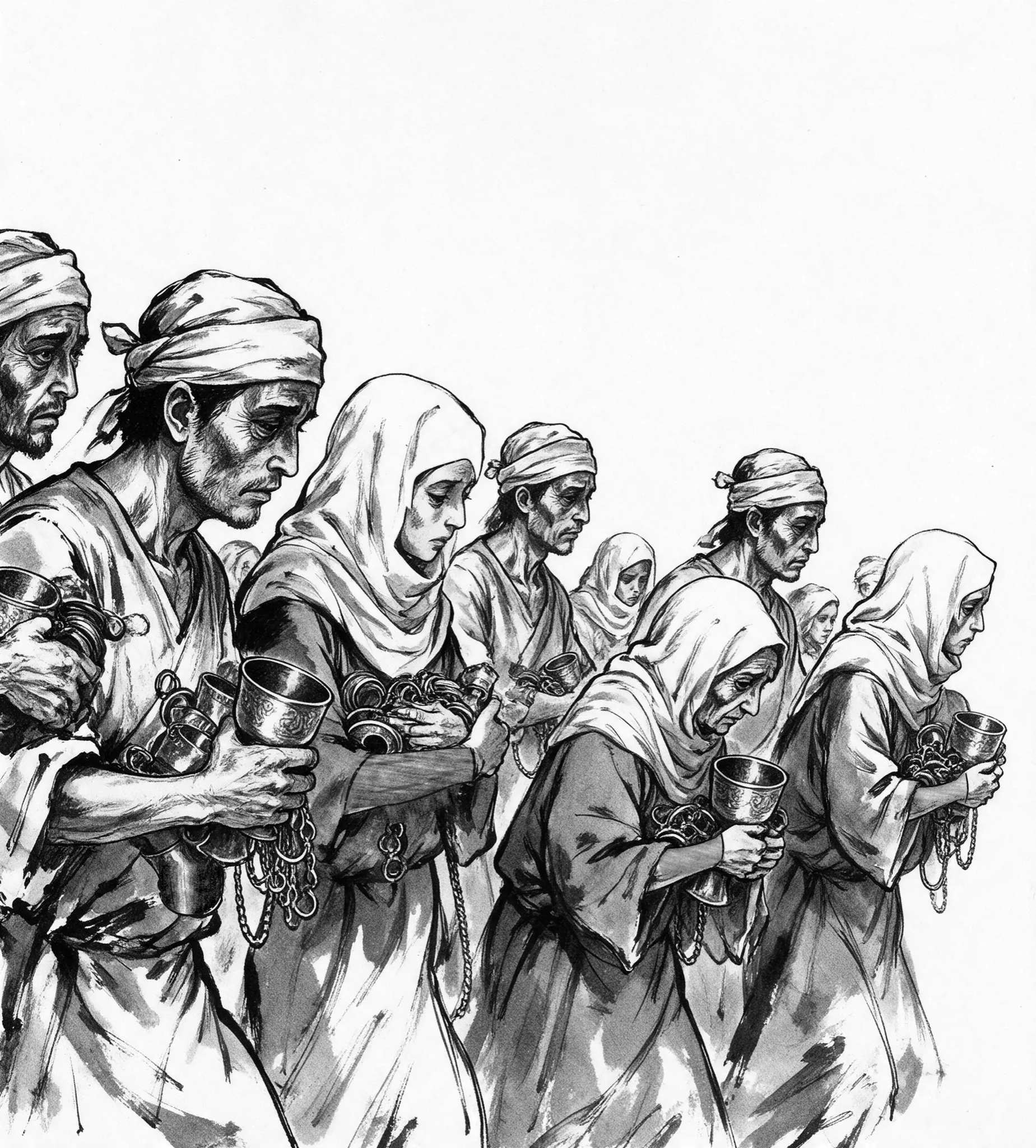
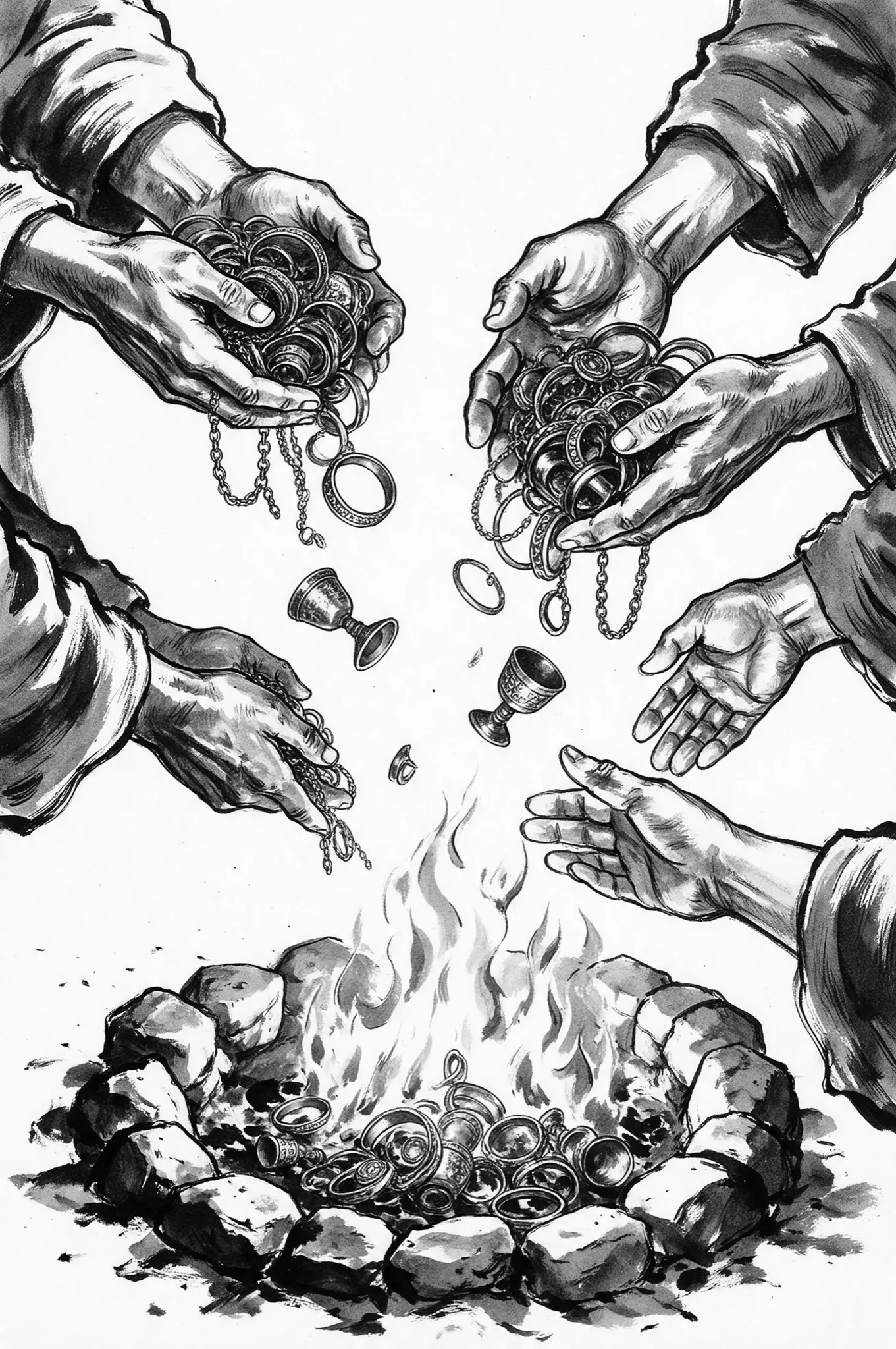
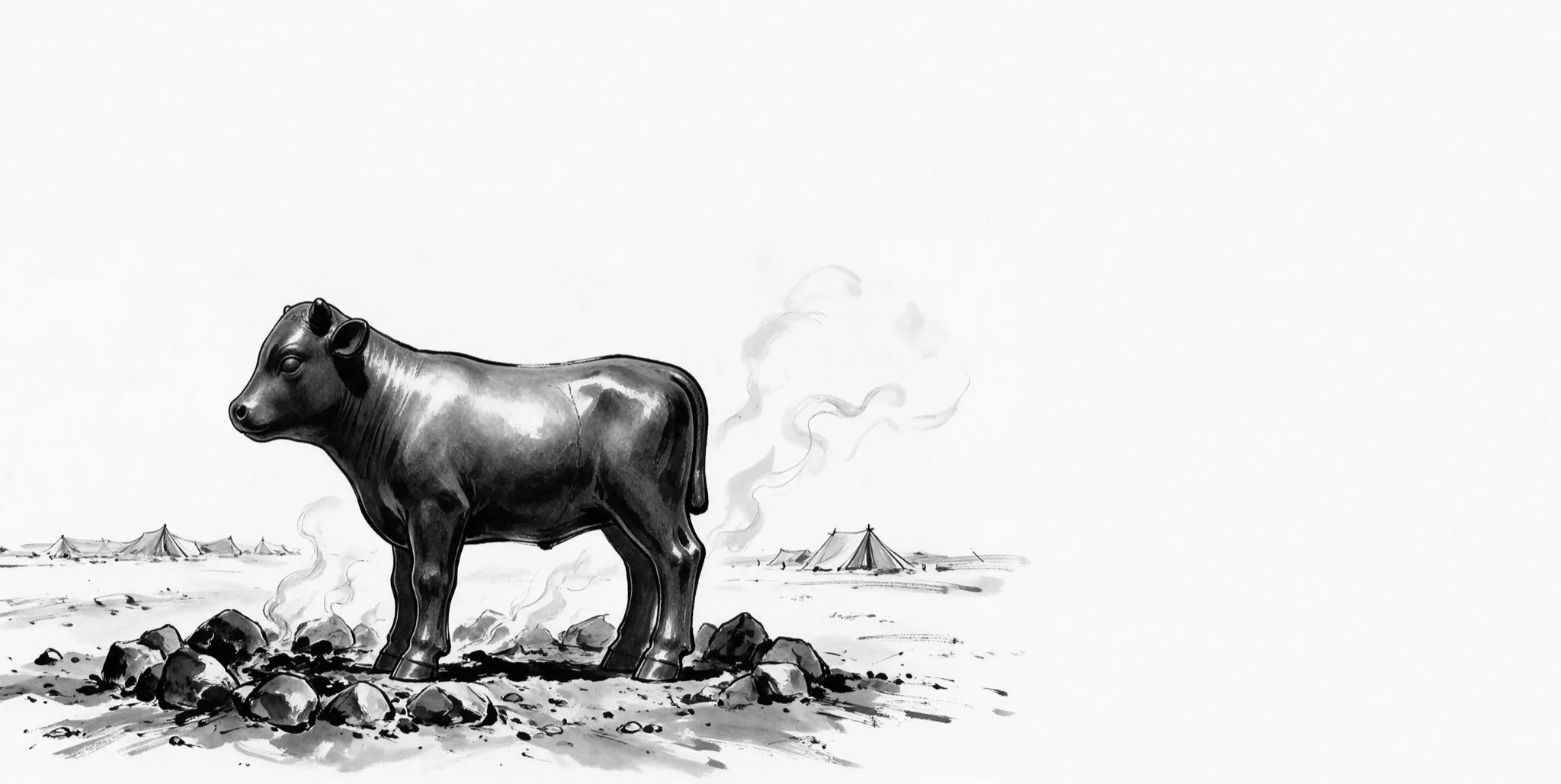
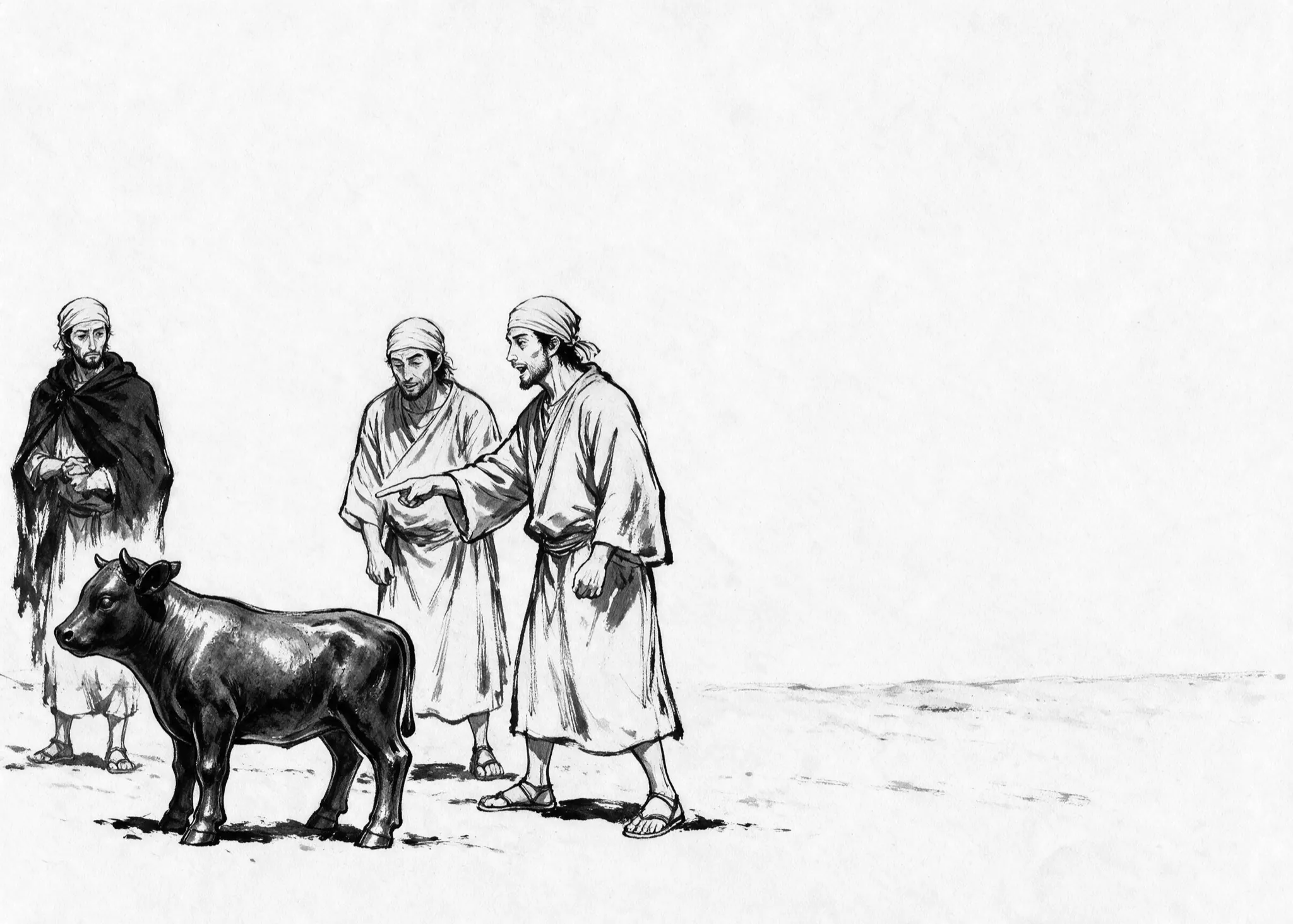
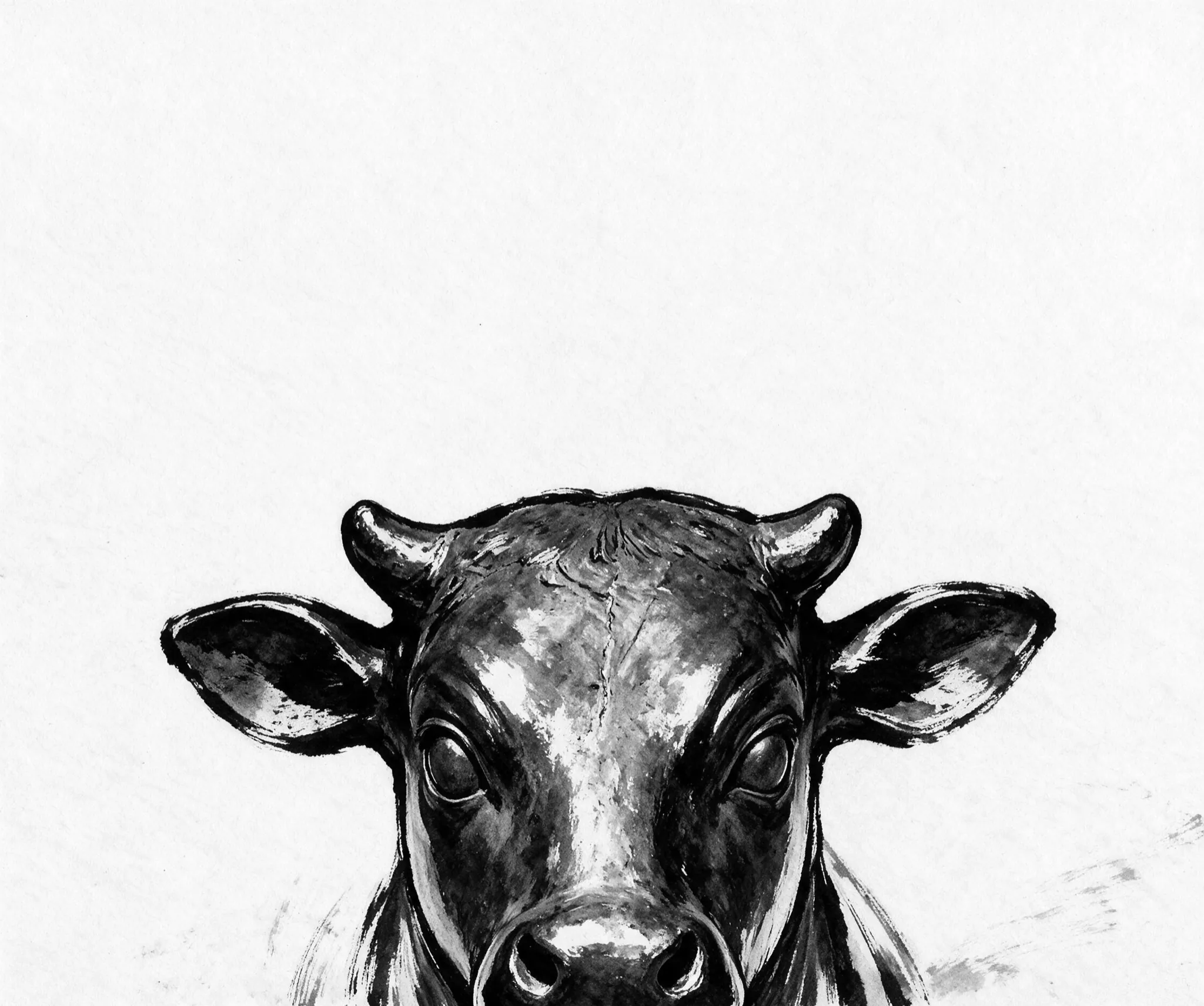
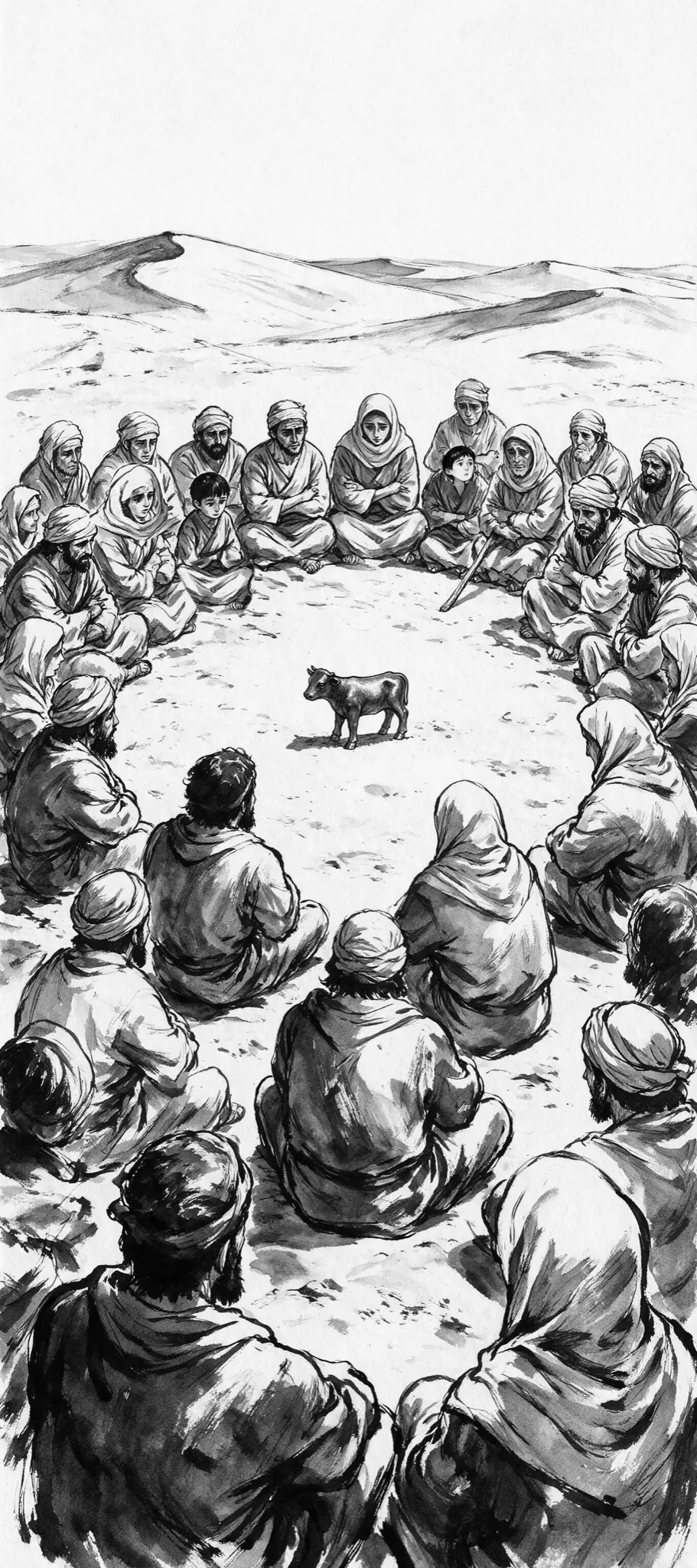
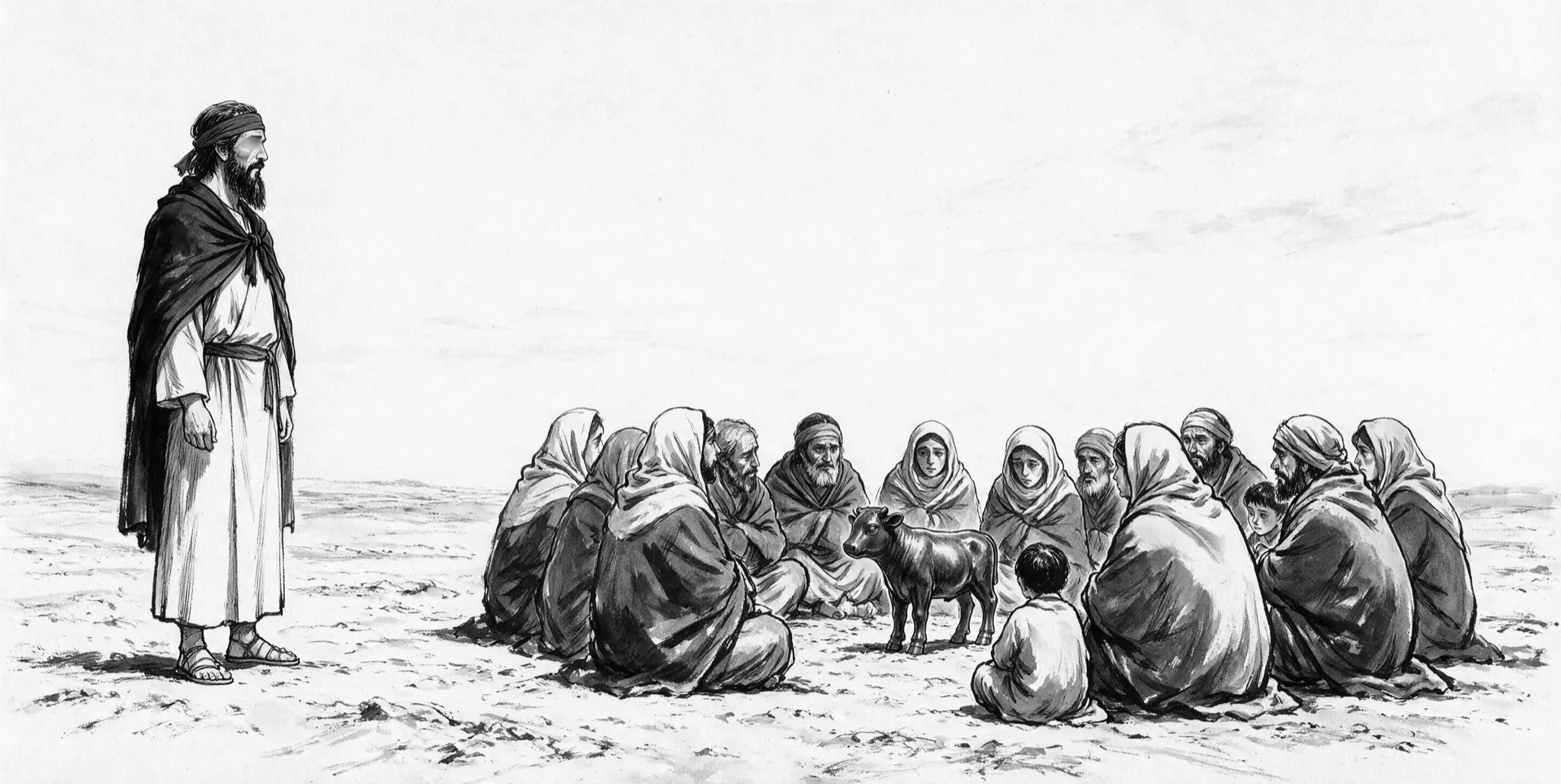
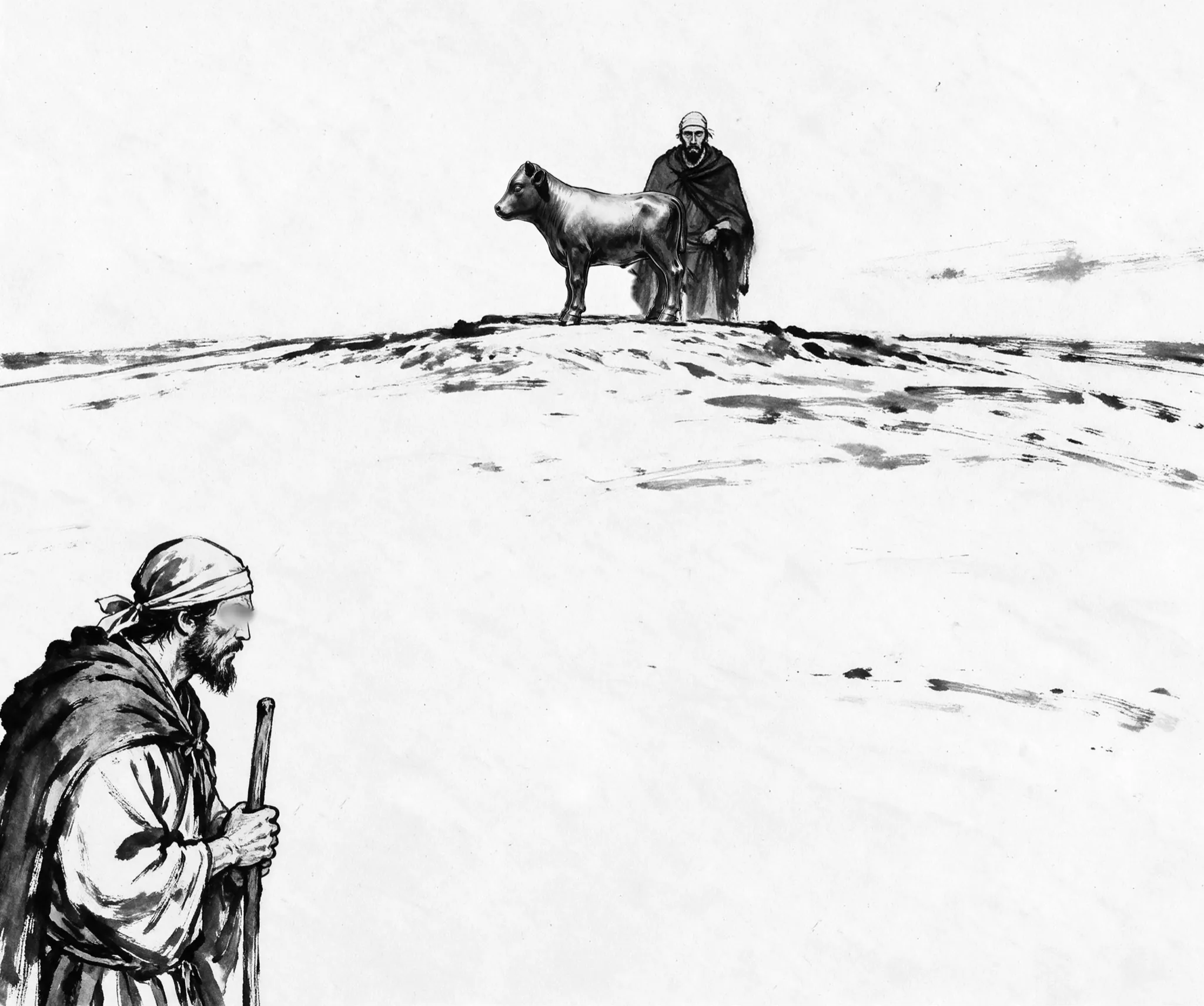
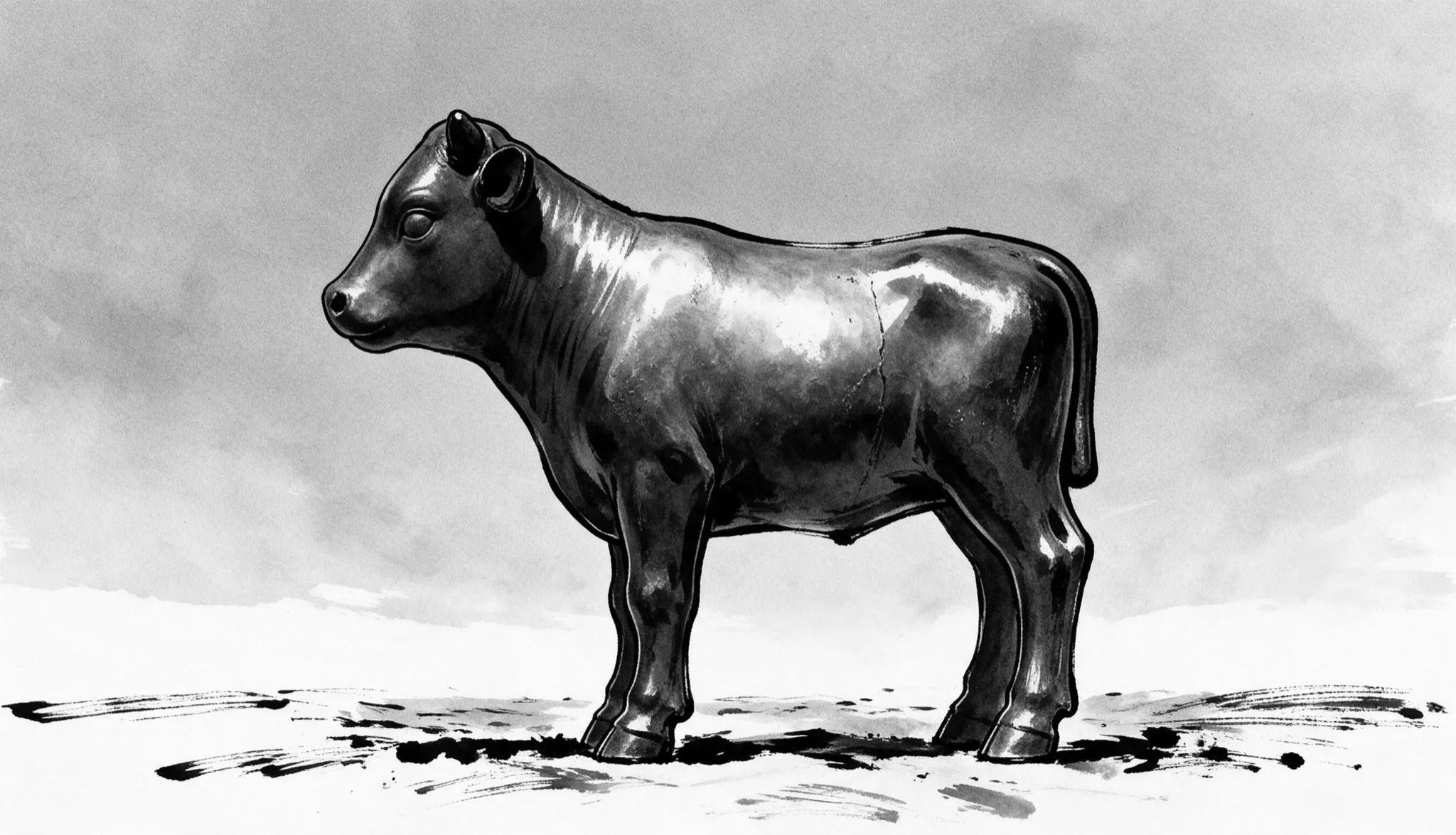
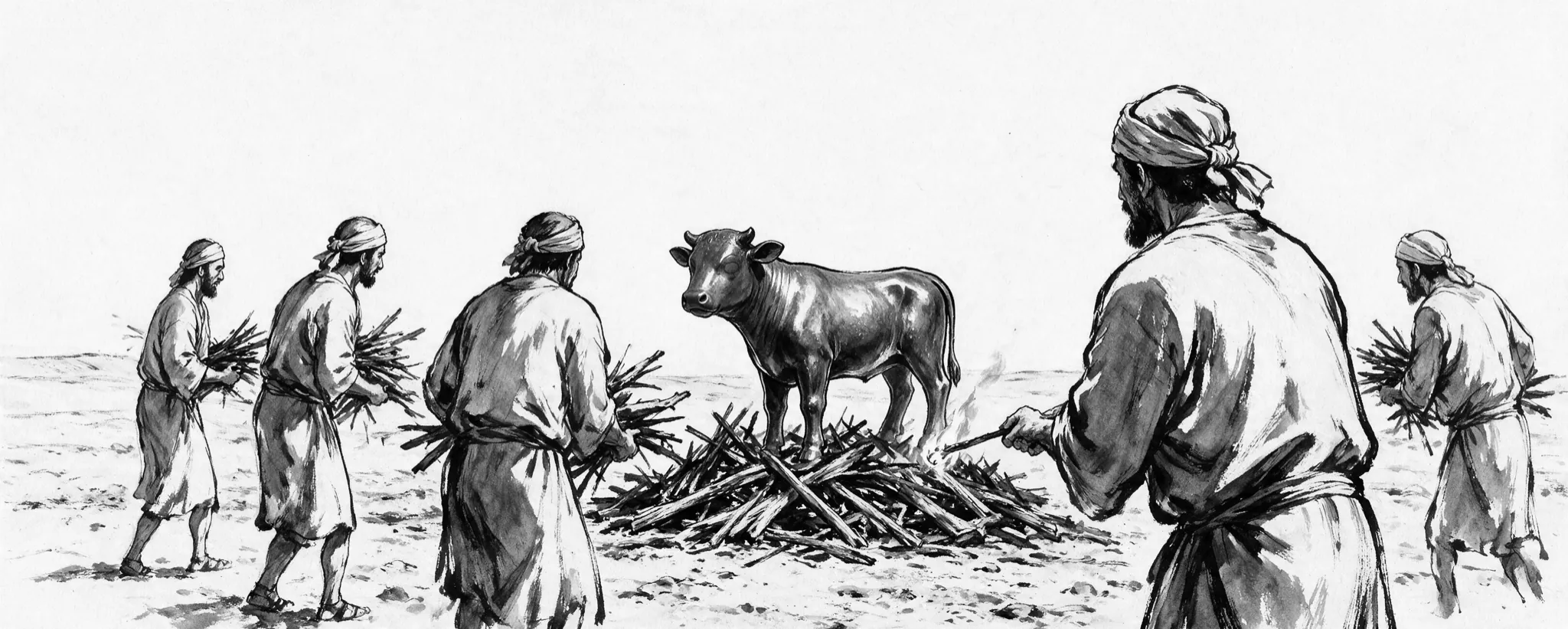
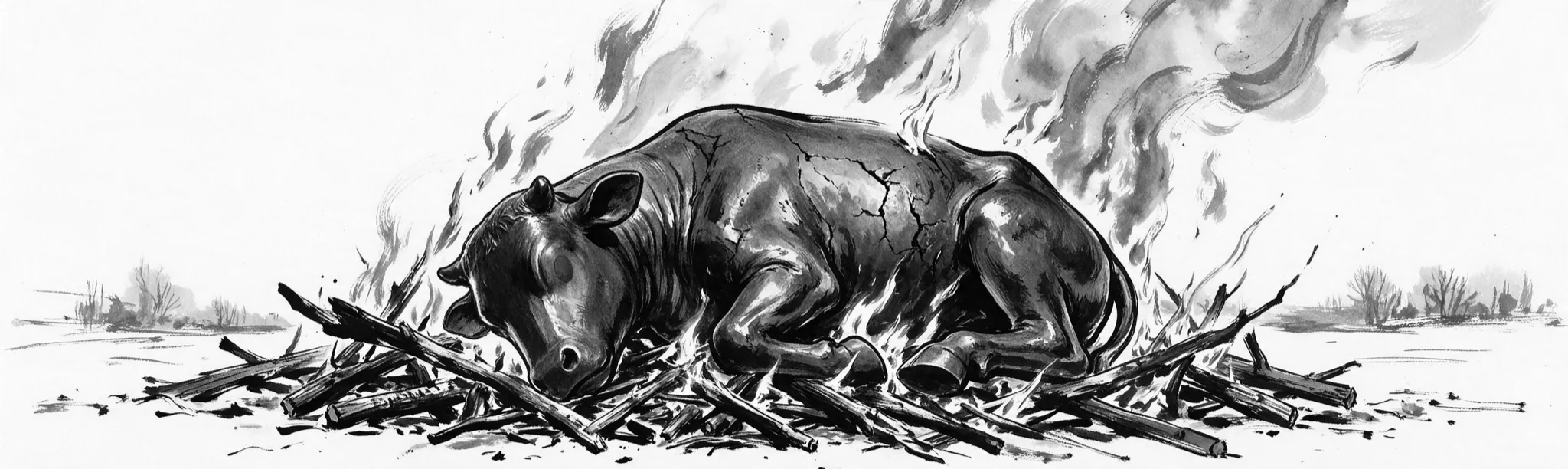
- Qur'an 7:148; 20:87-89 - while Musa was away his people threw the ornaments they carried into a fire, al-Samiri threw likewise, and he brought out for them a calf, a body that lowed, which could not answer them, harm them or help them (p284 to p291). Ibn Kathir on 7:148-149 and 20:83-89 - the ornaments had been borrowed from Fir'awn's people and were thrown into a pit of fire. How it lowed is disputed: it is drawn as metal, never alive, and no sound is lettered. The people are seated round it, seen from behind; nobody bows, kneels or raises hands to it
- Qur'an 20:88 - the bubble stops at 'the god of Moses' (p289). Saheeh International sets 'but he forgot' inside their words; Ibn Kathir on 20:88 gives both readings, their claim that Musa forgot (Ibn Abbas, Mujahid) and Allah's word that al-Samiri forgot, leaving his religion (Ibn Abbas, through Sa'id ibn Jubayr); the clause is not lettered
- Qur'an 20:90-91 - Harun had told them they were only being tried by it, that their Lord is the Most Merciful, and to follow him and obey his order; they said they would stay devoted to it until Musa came back (p292 to p296). In 7:150 Harun says the people overpowered him and almost killed him: drawn as men pressing on him, a hand on his cloak, and no blow
- Qur'an 20:86-87 - Musa came back to his people angry and grieved and reproached them; they said they had not broken their promise to him by their own will, but had been made to carry loads of the people's ornaments and threw them (p297 to p302). Where al-A'raf and Ta-Ha tell one scene, Ta-Ha's words are lettered
- Qur'an 7:150; 20:92-94 - he threw down the Tablets (p303) and asked Harun what had kept him from following him when he saw them go astray; he seized his brother, and Harun asked him, son of his mother, not to seize him by his beard or his head, for he had feared Musa would say he had divided the Children of Israel (p304 to p308). The seizing is not drawn. The Qur'an does not say whether the Tablets broke; Ibn Kathir on 7:154 reports that many commentators held they broke when he threw them and that he gathered them after. Here they lie whole on the ground and are whole when taken up (p332), as the studio's staging
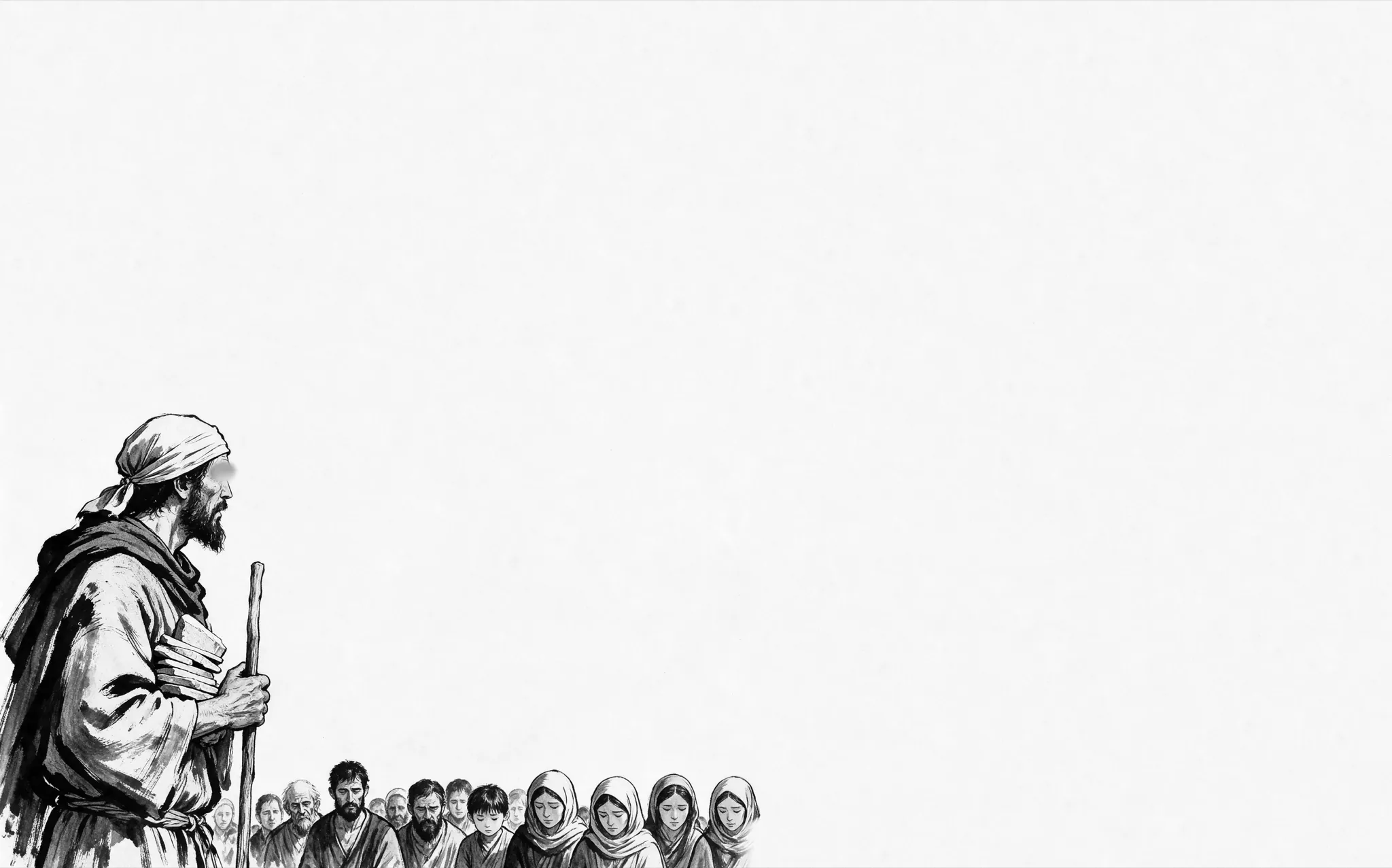
- Qur'an 7:151 - Musa asked his Lord to forgive him and his brother and admit them into His mercy (p309 to p311). Both are drawn side-on, heads bowed, facing open ground, never toward where the calf stood
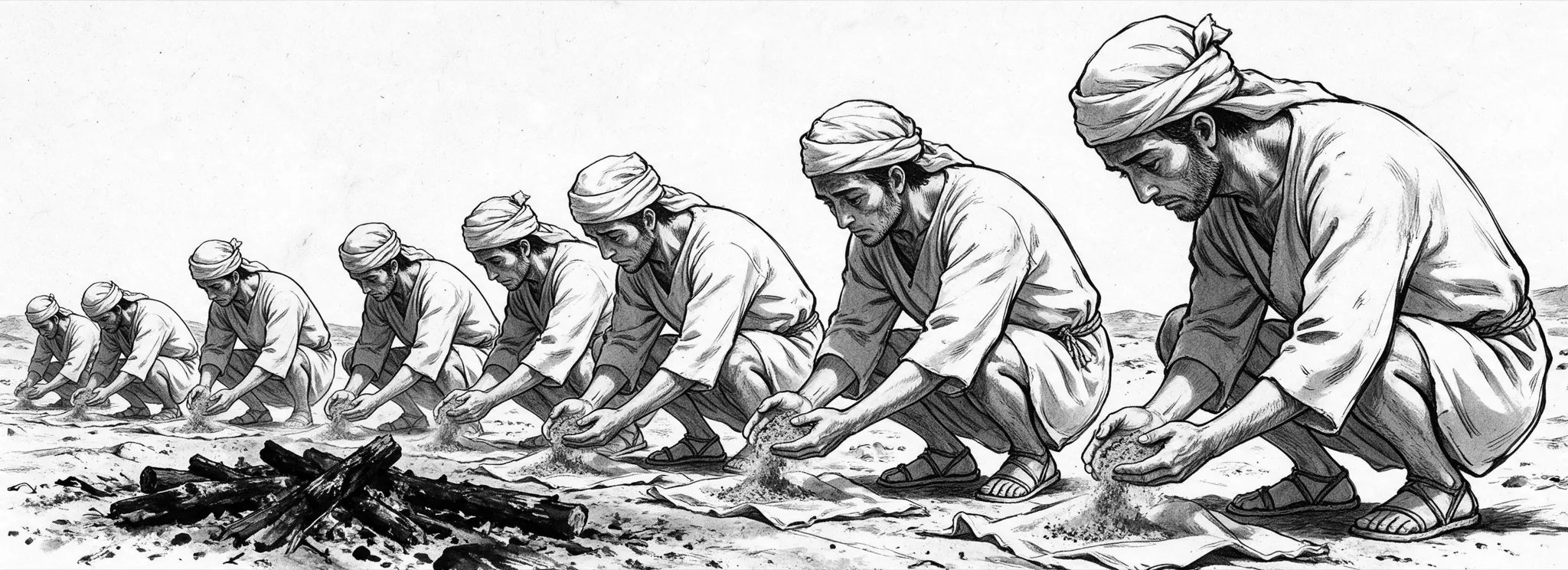
- Qur'an 20:95-97 - Musa asked al-Samiri what his case was; he said he saw what they did not see, took a handful from the track of the messenger and threw it, and so his soul enticed him; Musa told him to go, that all his life he would say 'No contact', and that he had an appointment he would not fail to keep (p312 to p318). Ibn Kathir on 20:95-98 - most commentators say the messenger was Jibril and the handful dust from the track of his horse. It stays al-Samiri's own words: no horse, hoofprint, rider, angel or light is drawn, and nothing leaves his hand. Qatadah, in the same place, reads 'No contact' as a punishment for him and those after him; the people step back as he goes (p318)
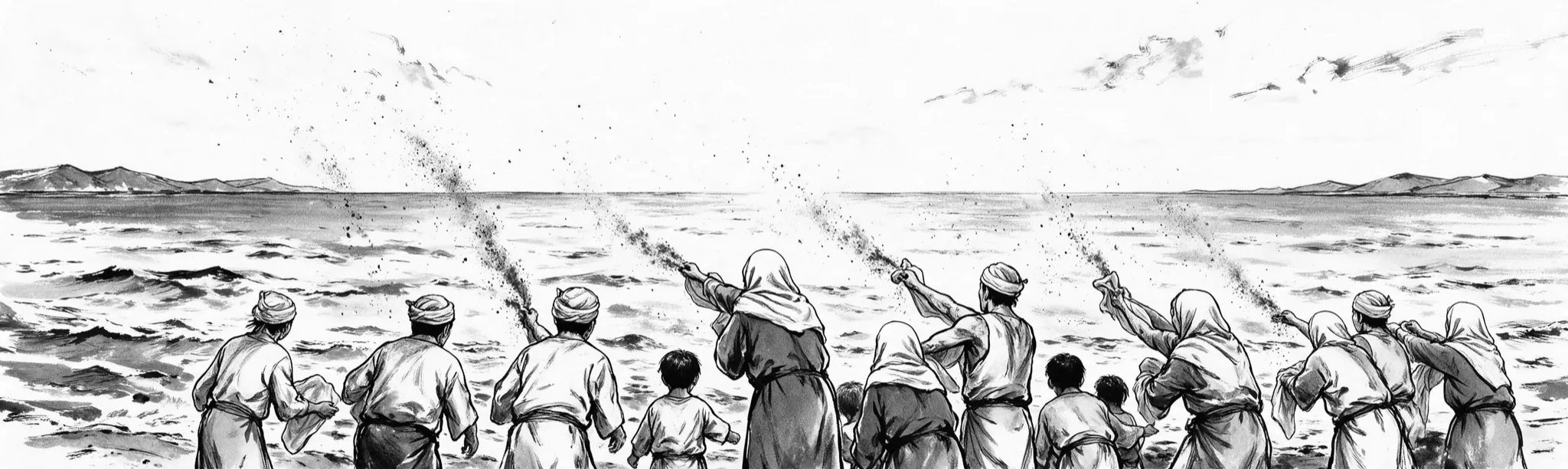
- Qur'an 20:97 - Musa told him to look at his god, to which he had remained devoted: they would burn it and blow it into the sea (p319 to p326). How it was burned and scattered is the studio's staging. The sea is al-yamm, the word of 28:7 and 20:78
- Qur'an 7:149 - the people regretted, saw that they had gone astray, and said that if their Lord did not have mercy on them and forgive them they would be among the losers (p327, p328); the ayah gives no time, and placing it after the burning is the studio's staging. Qur'an 20:98 - their god is only Allah, beside whom there is no god, who encompasses all things in knowledge (p329); Ibn Kathir on 20:95-98 gives it as Musa's word to them
- Qur'an 7:154 - when his anger subsided Musa took up the Tablets, and in their inscription was guidance and mercy for those who fear their Lord (p331 to p333)
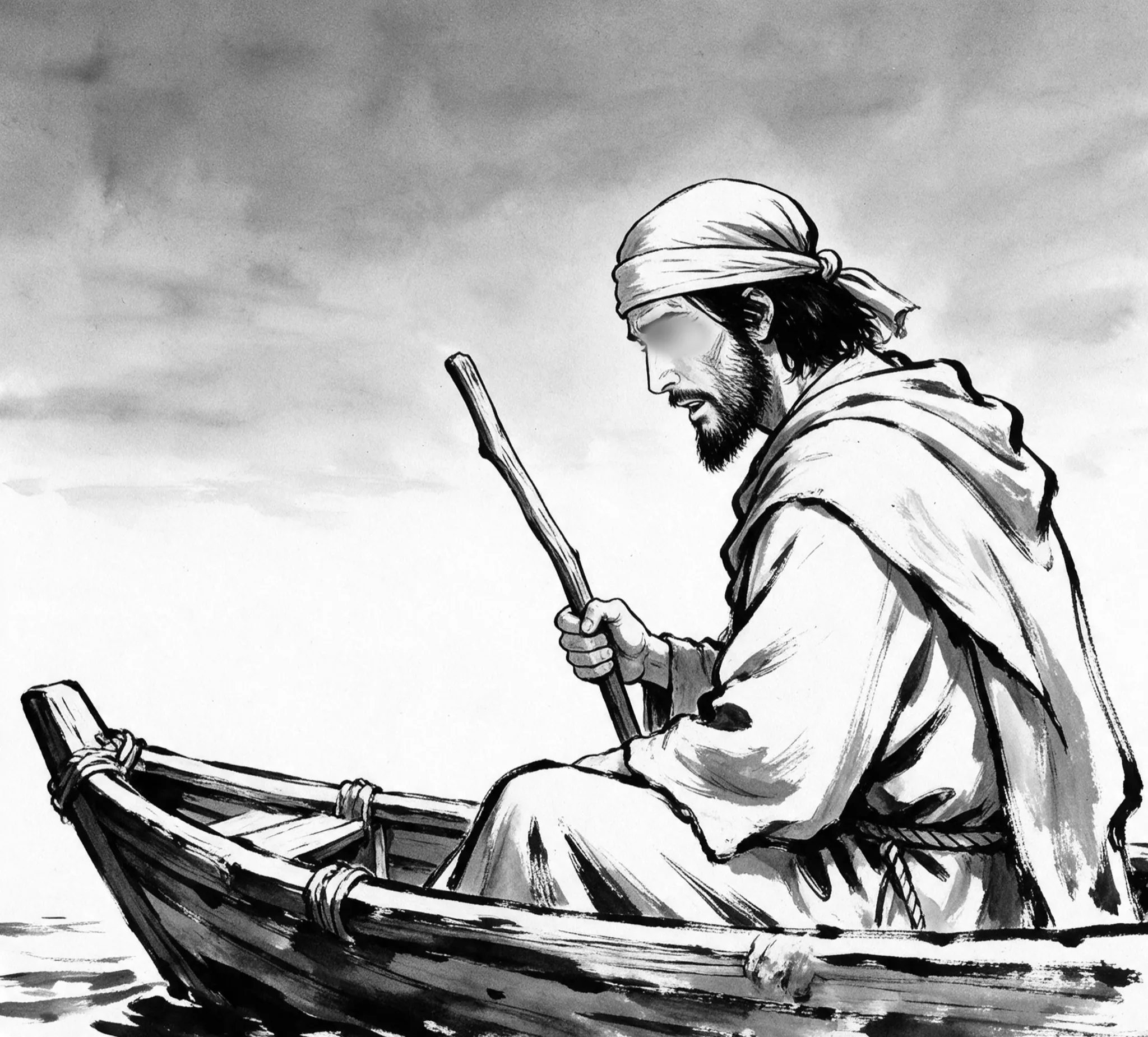
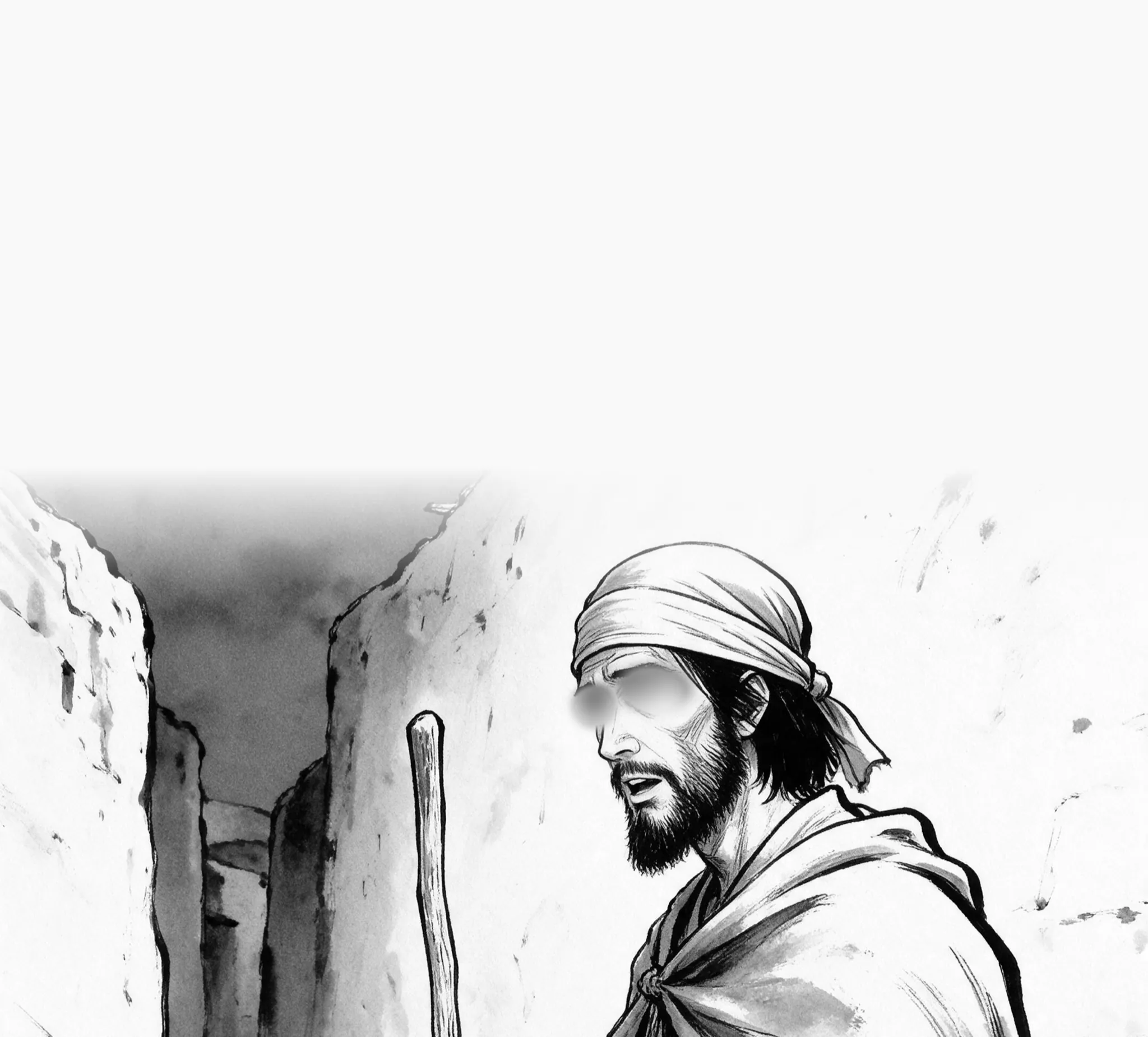
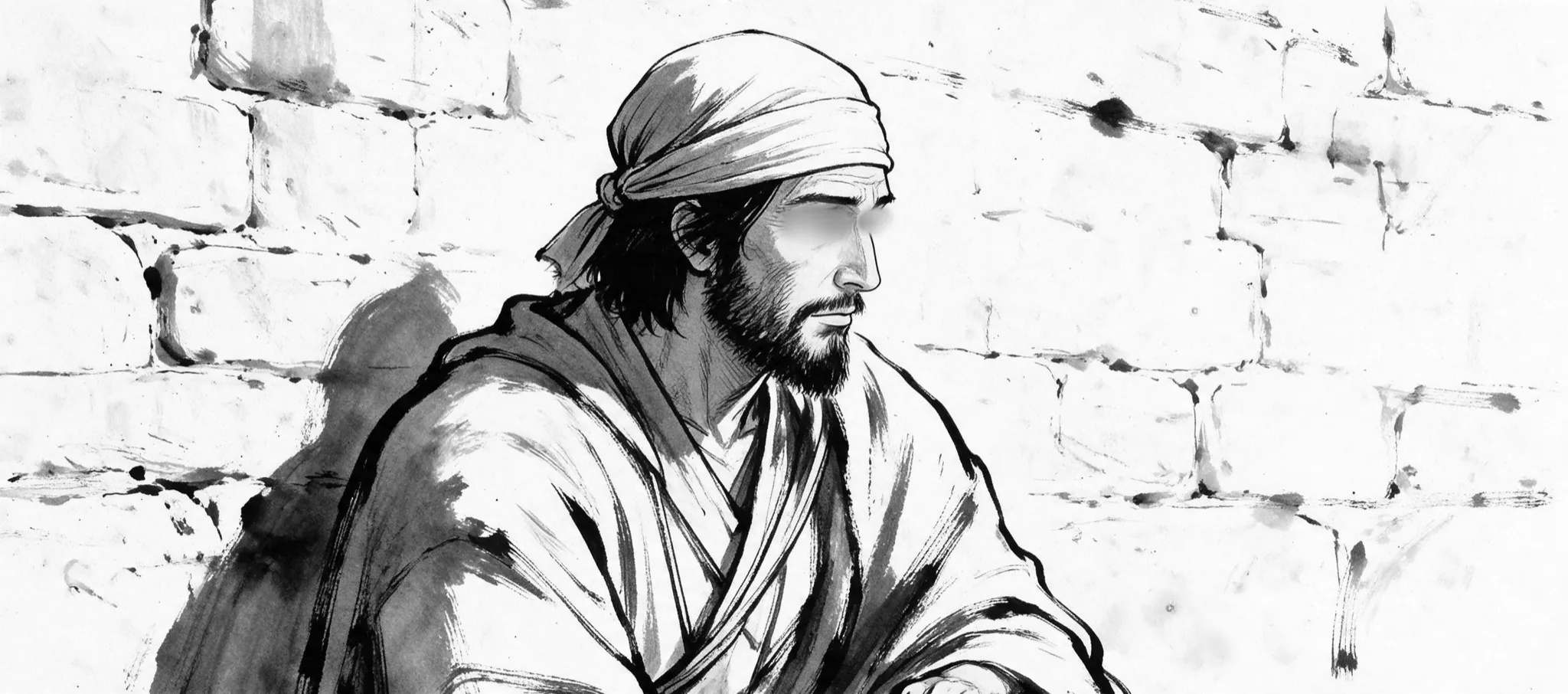
- Sahih al-Bukhari 122 and 3401 (Ubayy ibn Ka'b, through Ibn Abbas) - asked who was the most learned of people, Musa said 'I', and was told of a servant of Allah at the junction of the two seas who knew more than he, whom he would find where he lost a fish. p335 says only that he was told of a man who knew more than he did. The hadith names his young man too; this chapter does not, and draws him full face
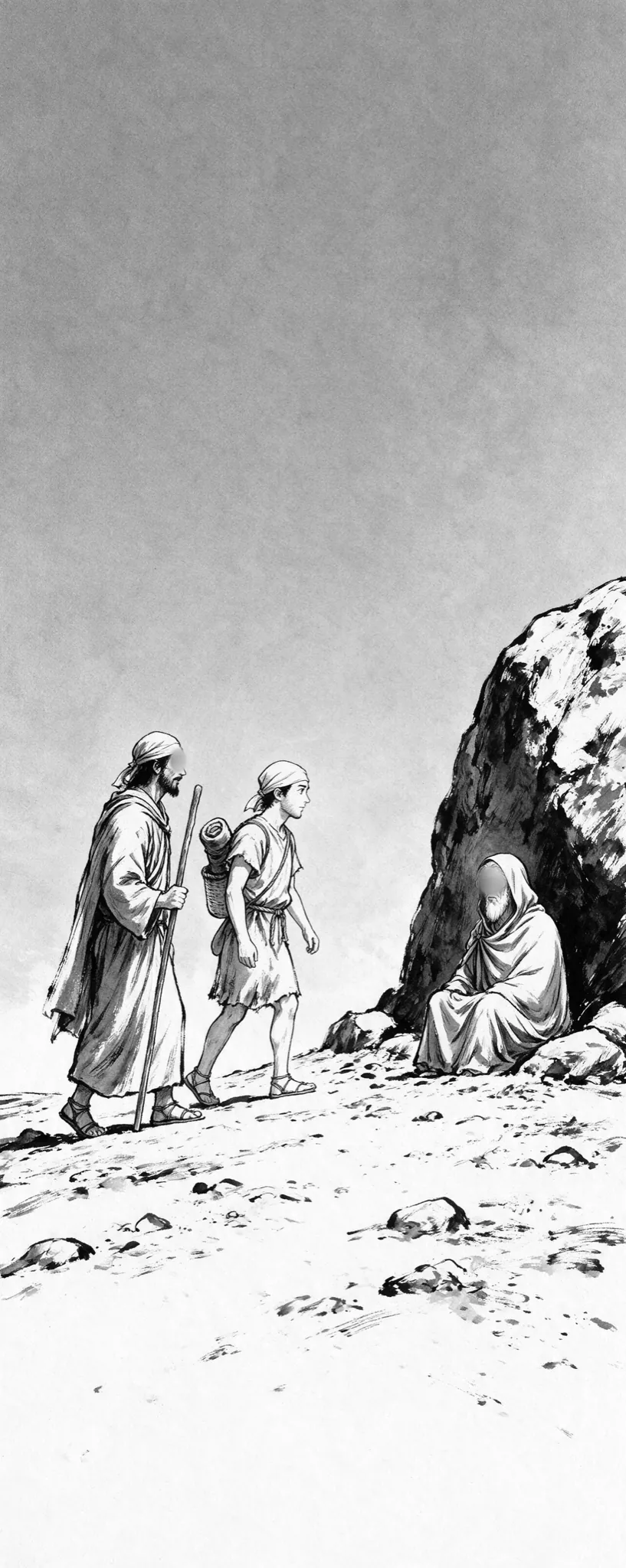
- Qur'an 18:60-64 - Musa told his young man he would not stop until he reached the junction of the two seas or went on for a long time; there they forgot their fish, and it took its way into the sea as through a tunnel; further on, the young man said he had forgotten the fish and only Satan made him forget to mention it; Musa said that was what they were seeking, and they went back on their tracks (p335 to p352). No place is named (Ibn Kathir on 18:60-65); Satan is named and never drawn. Ubayy's hadith in Ibn Kathir on 18:60-65 - they slept at the rock (p340), and the water stood back on either side of the fish's way (p342). Whether the fish was salted and a spring brought it to life is disputed and not told
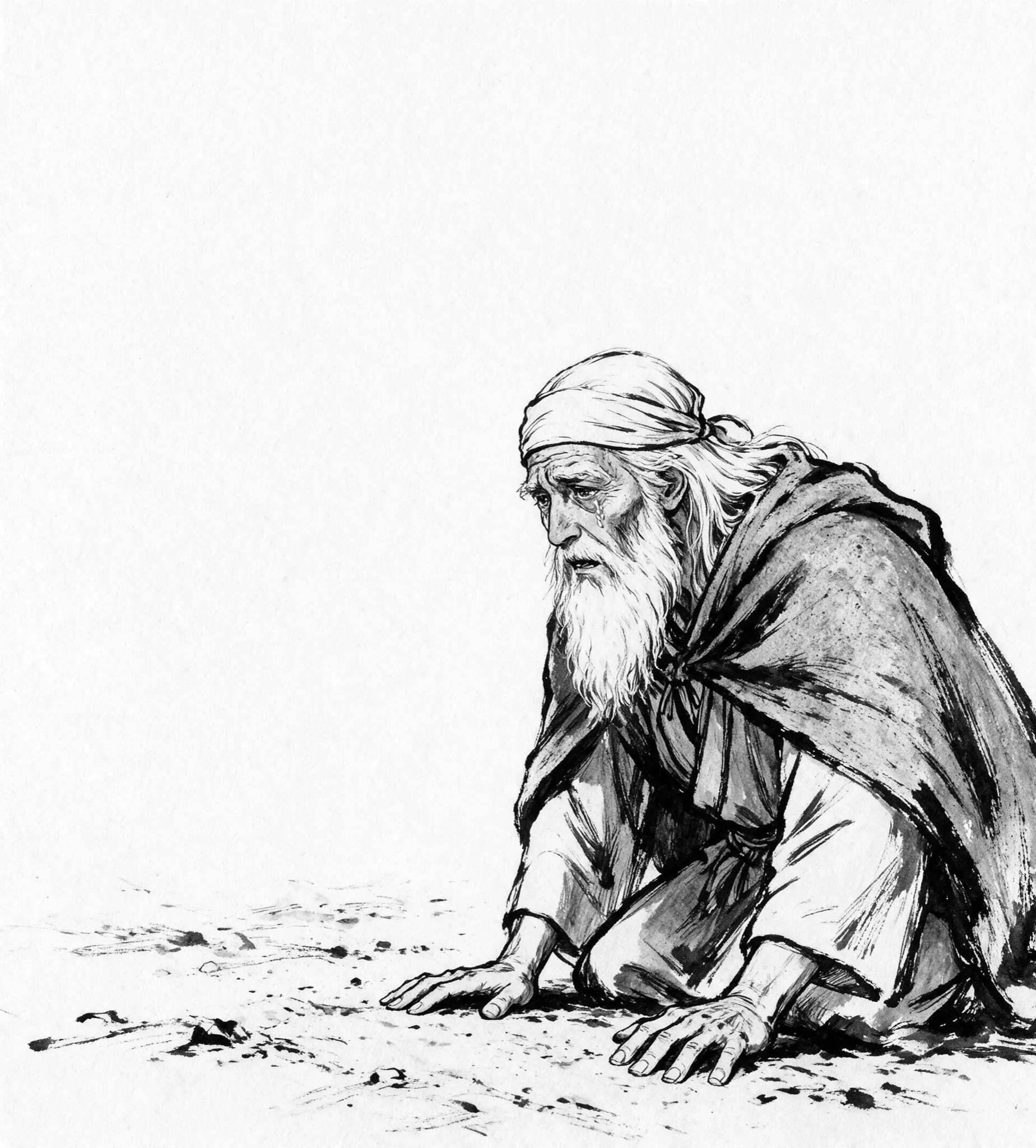
- Qur'an 18:65 - the pause page (p353): the ayah alone, Allah's own words of the servant they found; p352 says only that they went back the way they had come
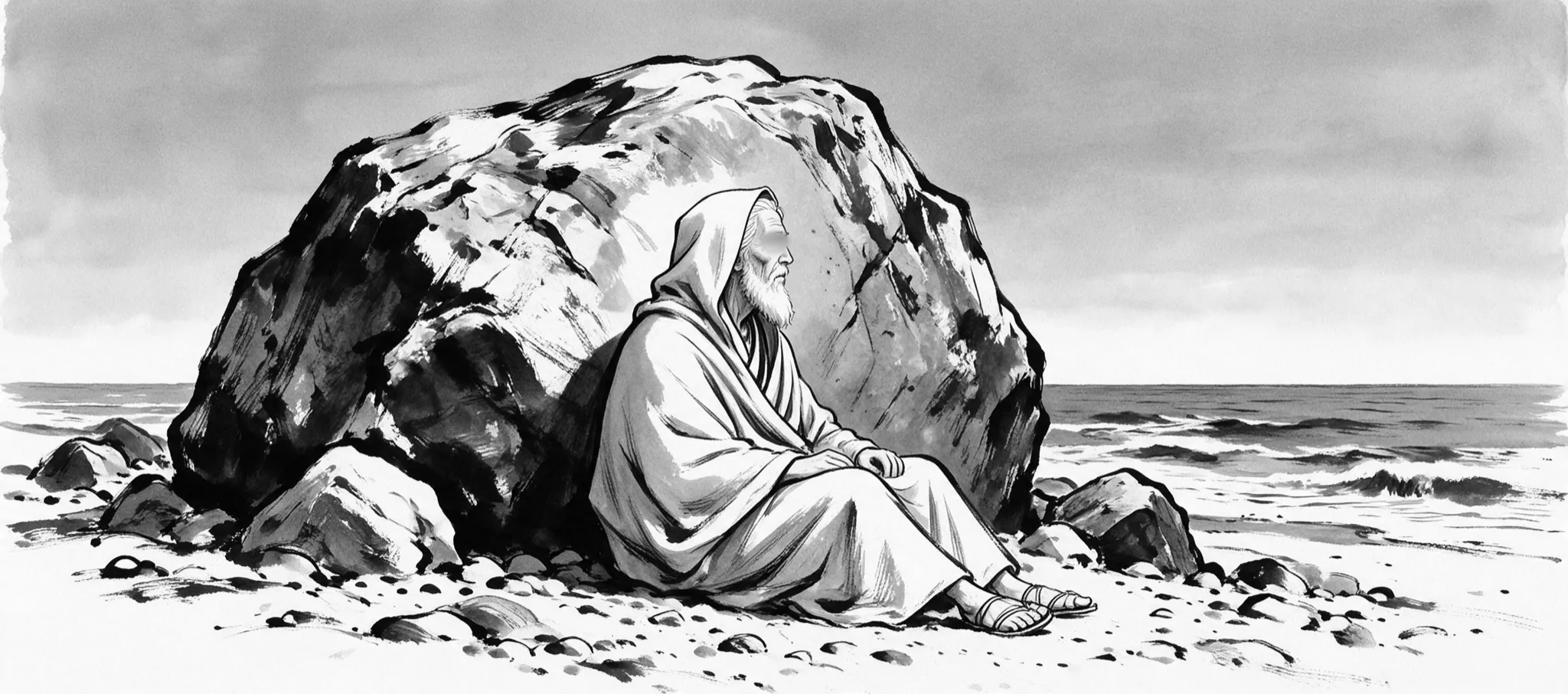
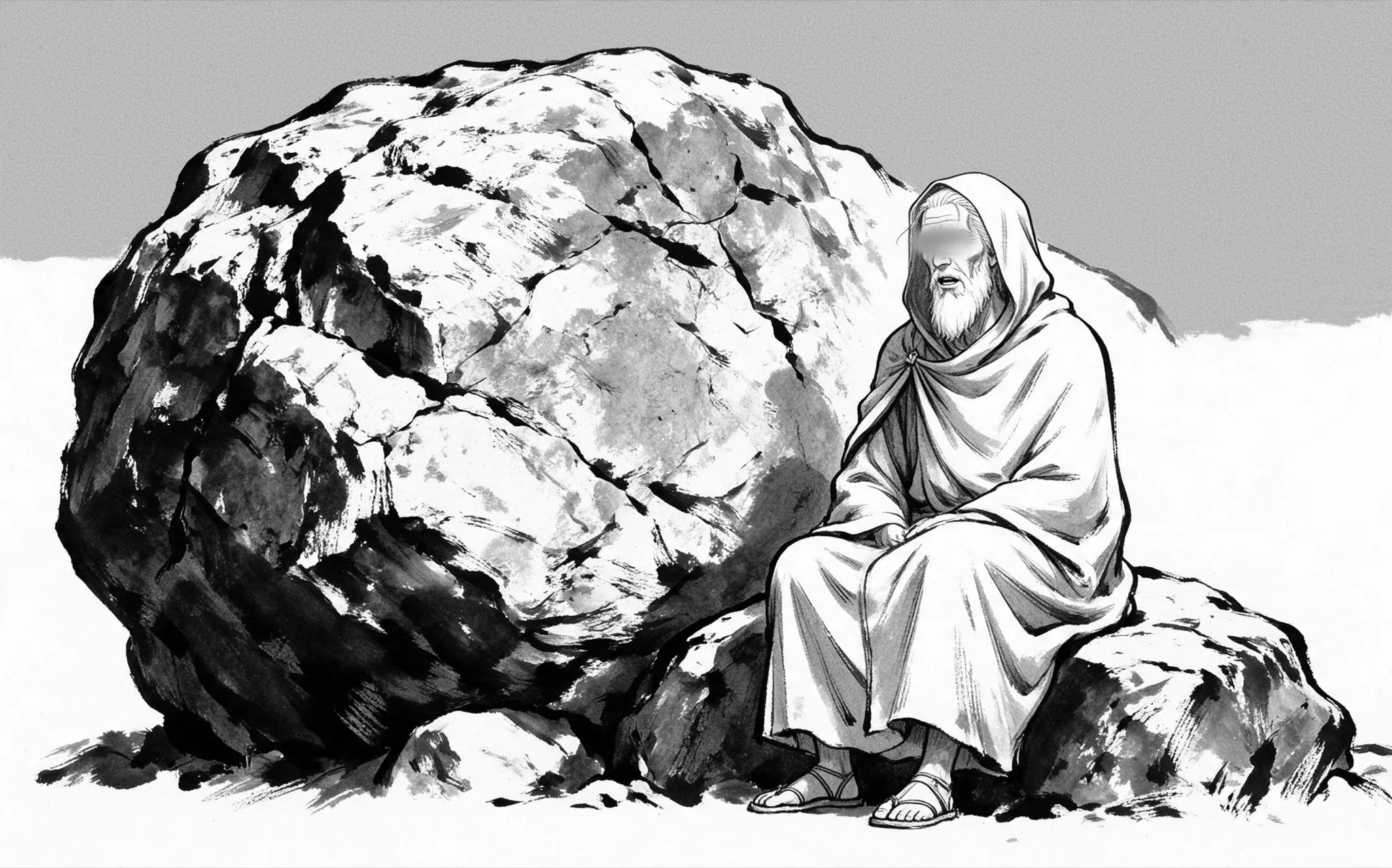
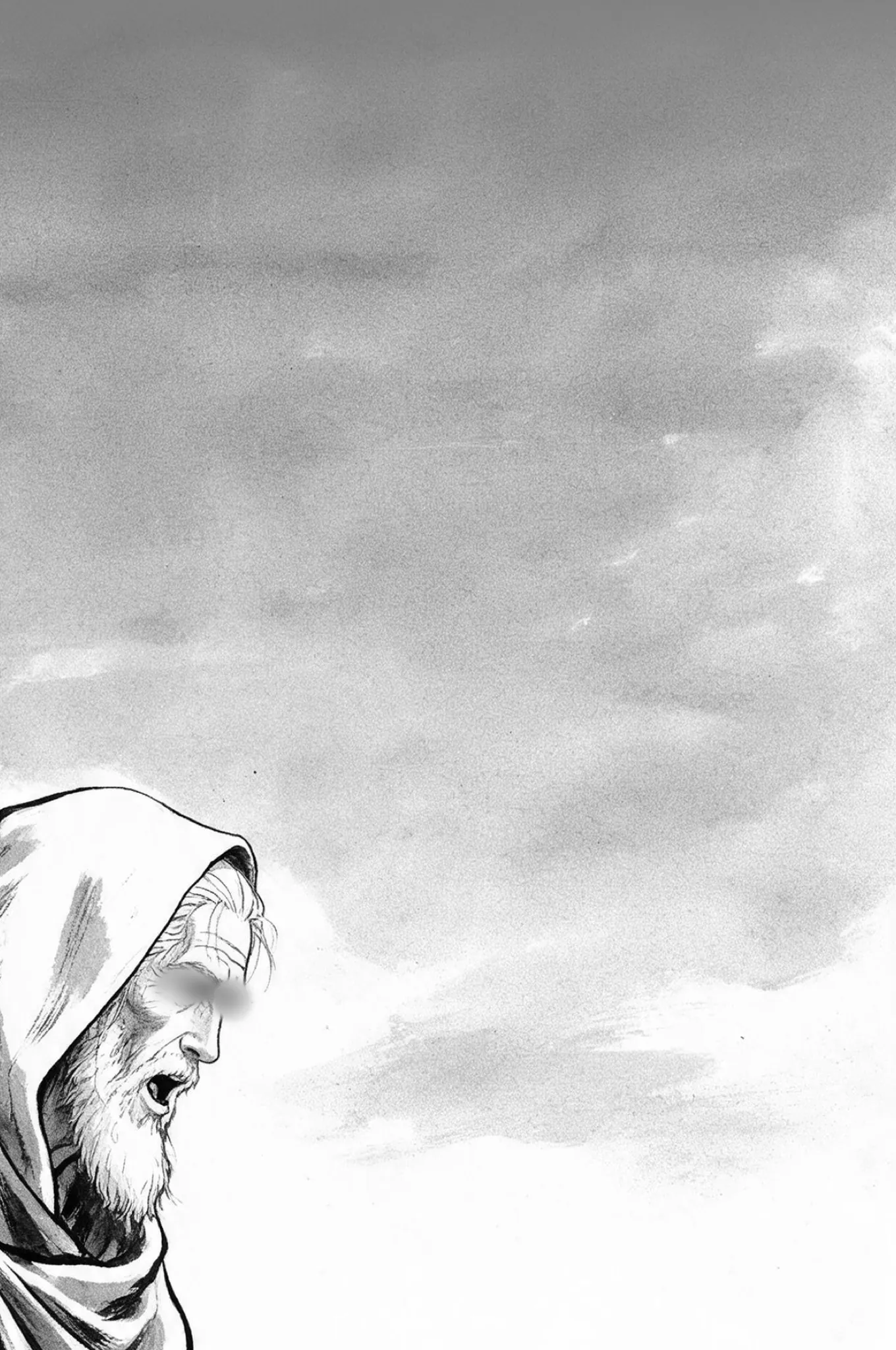
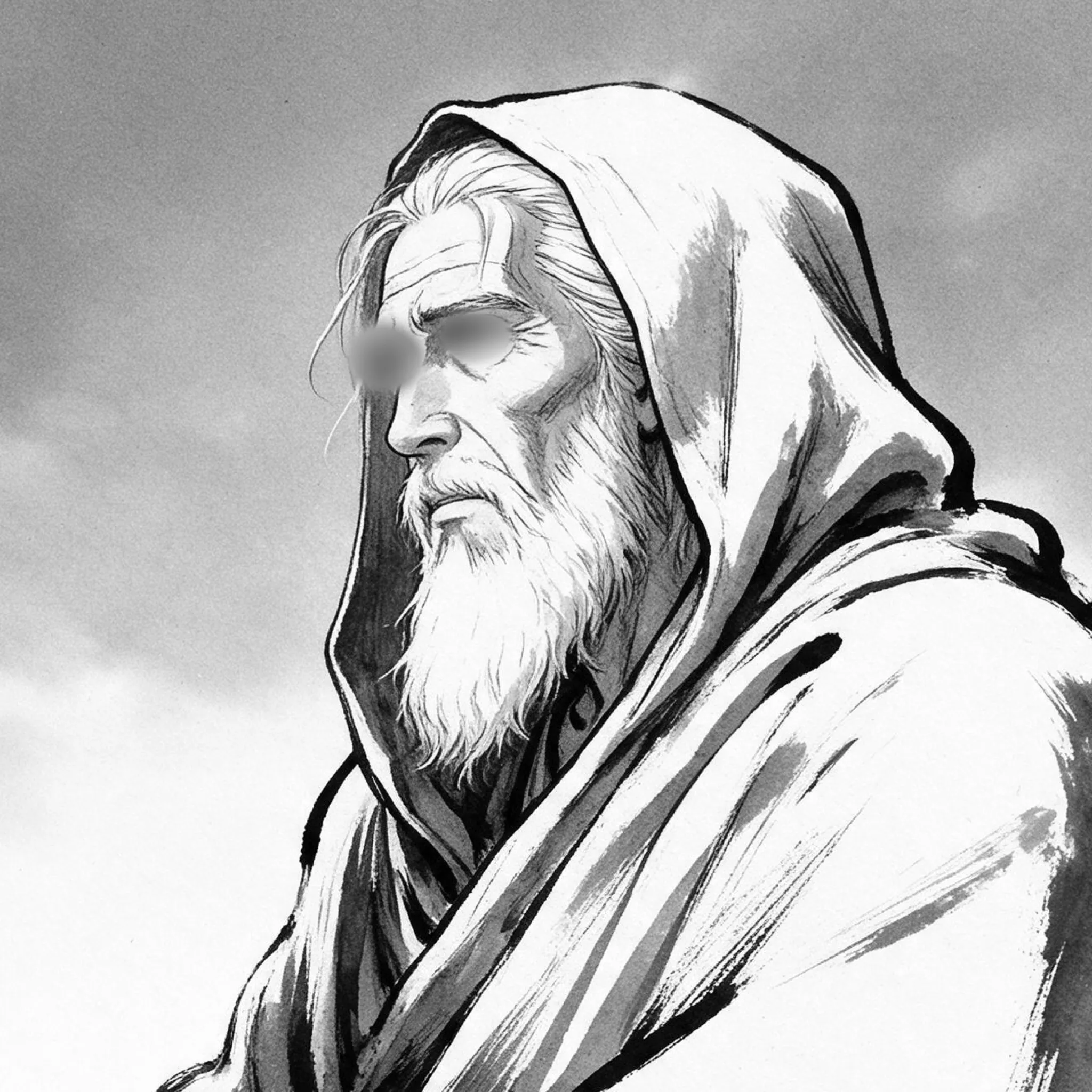
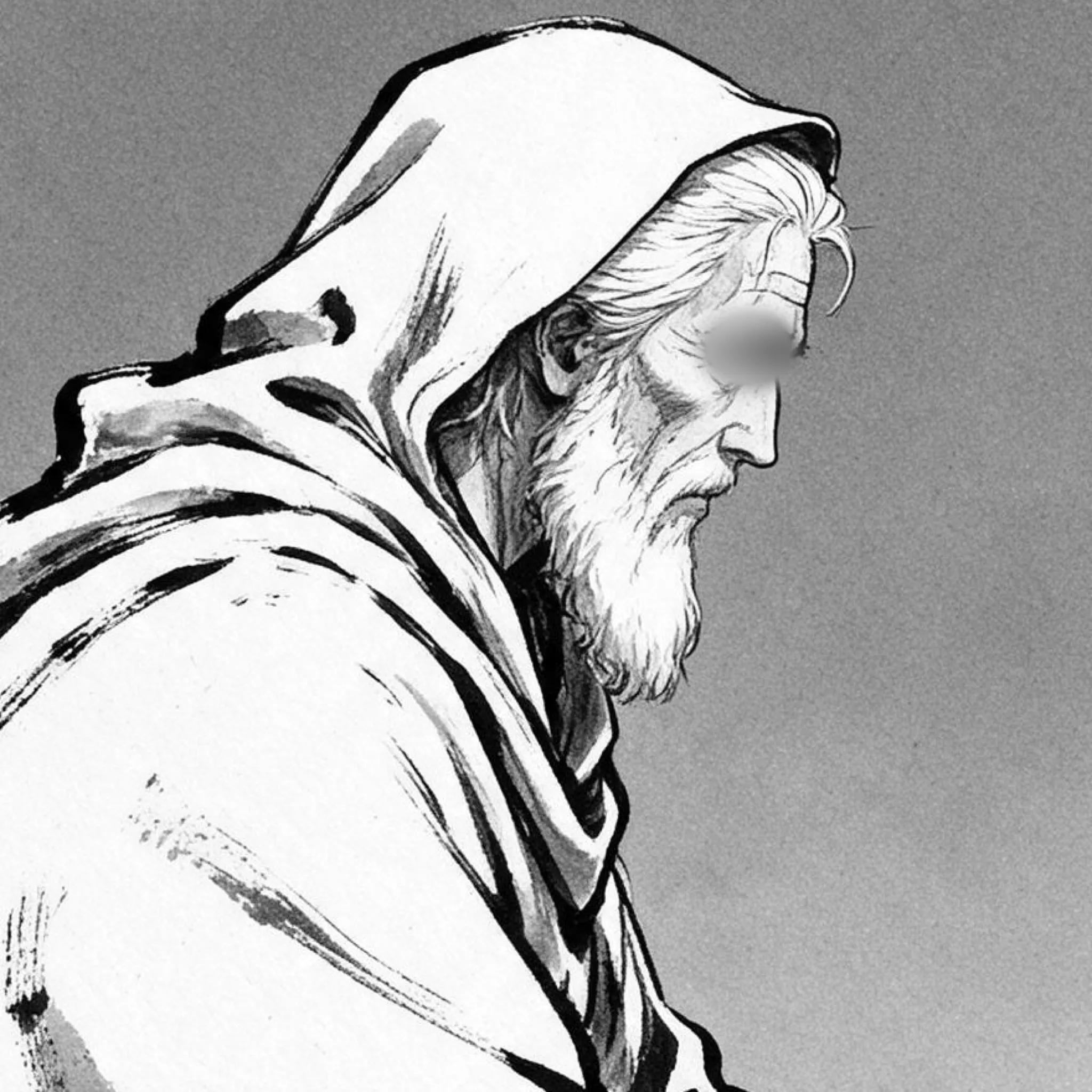
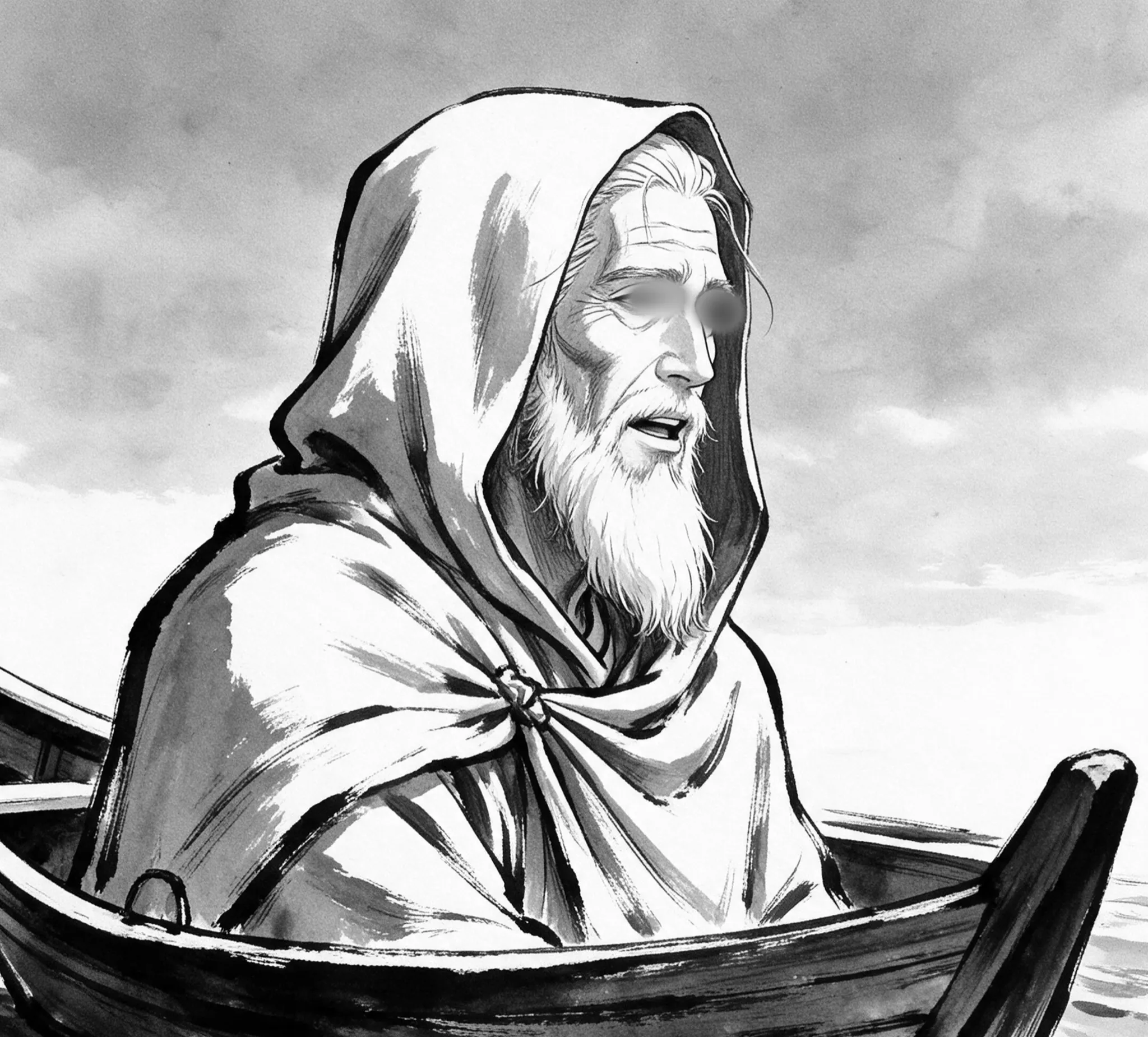
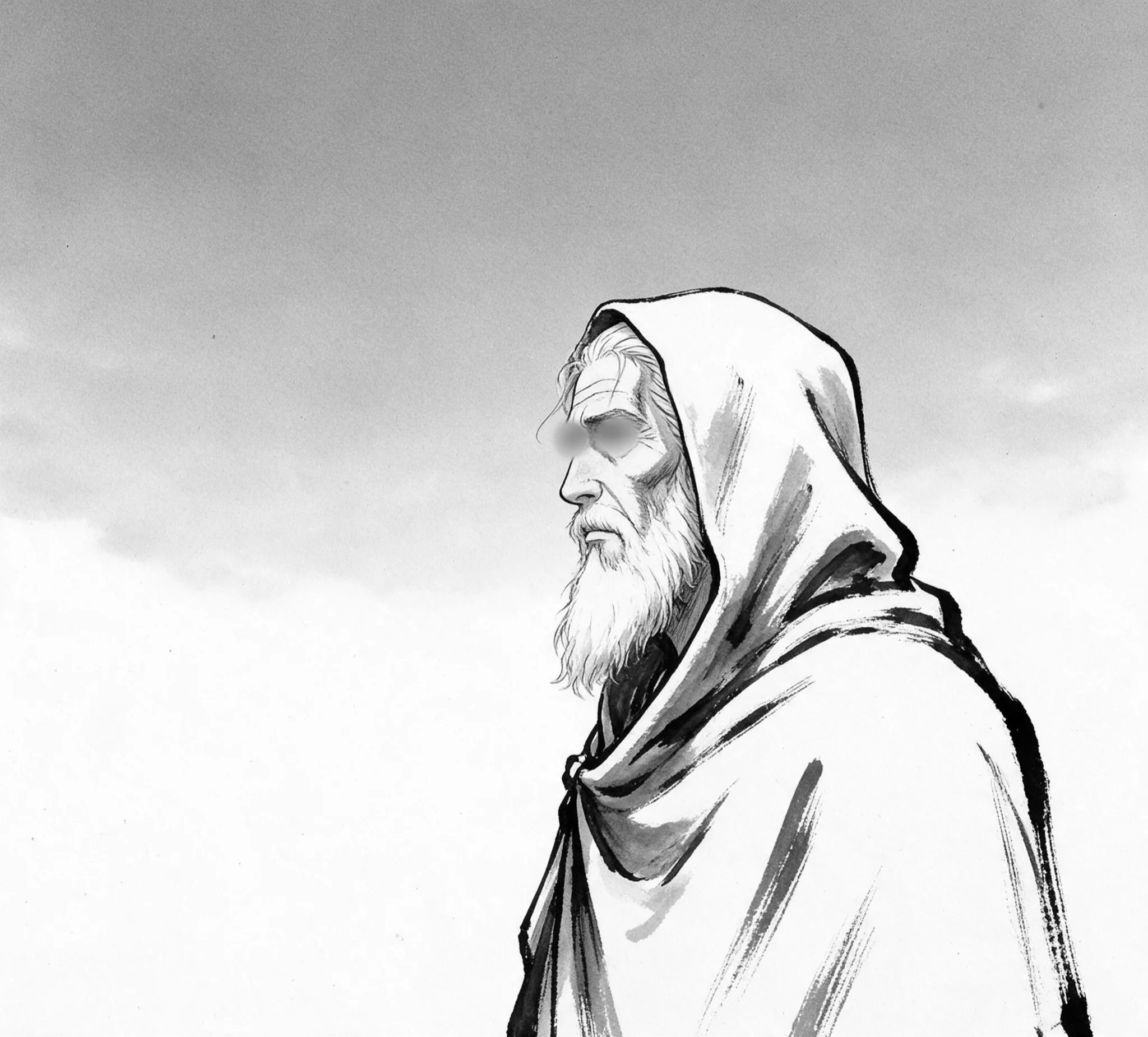
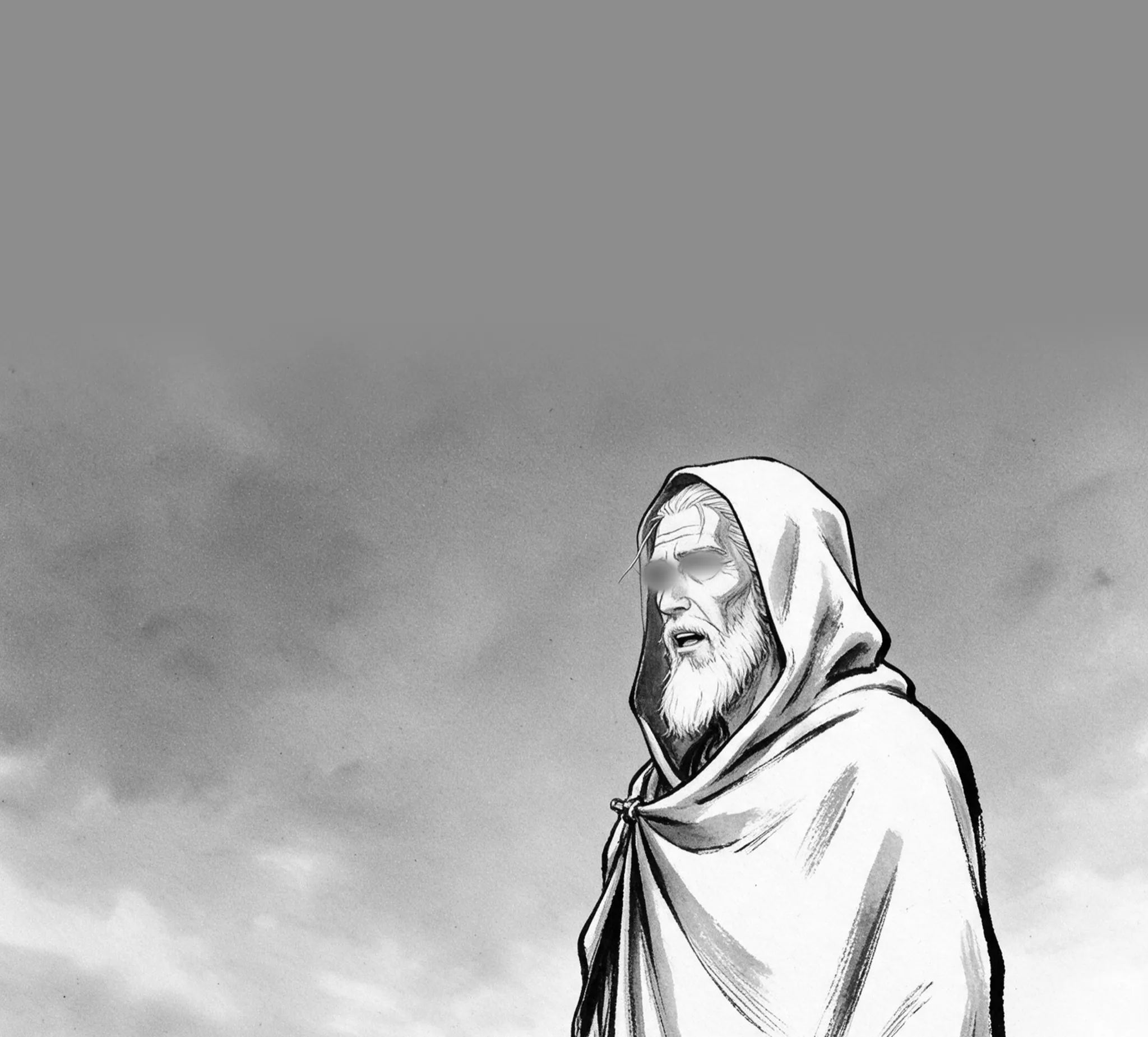
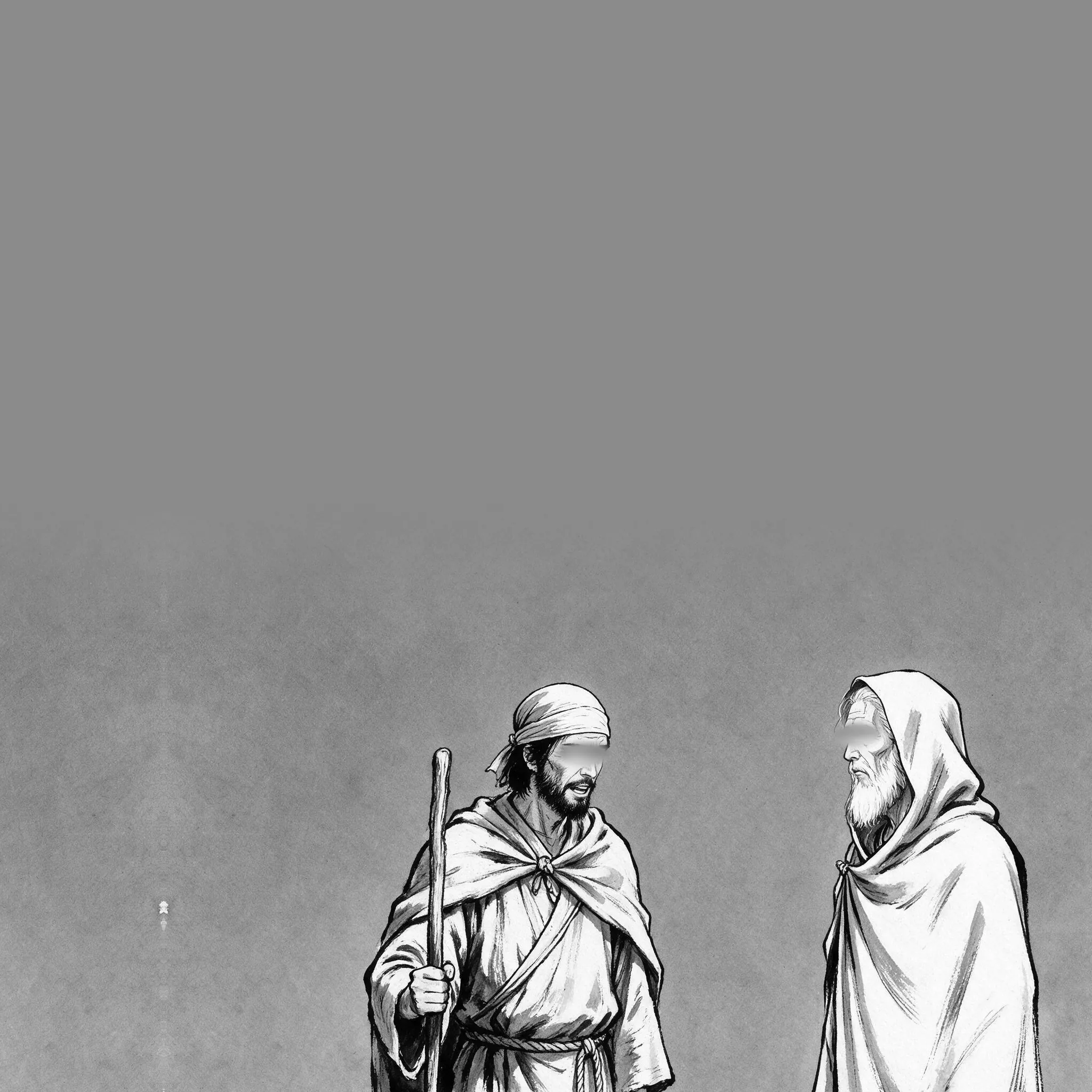
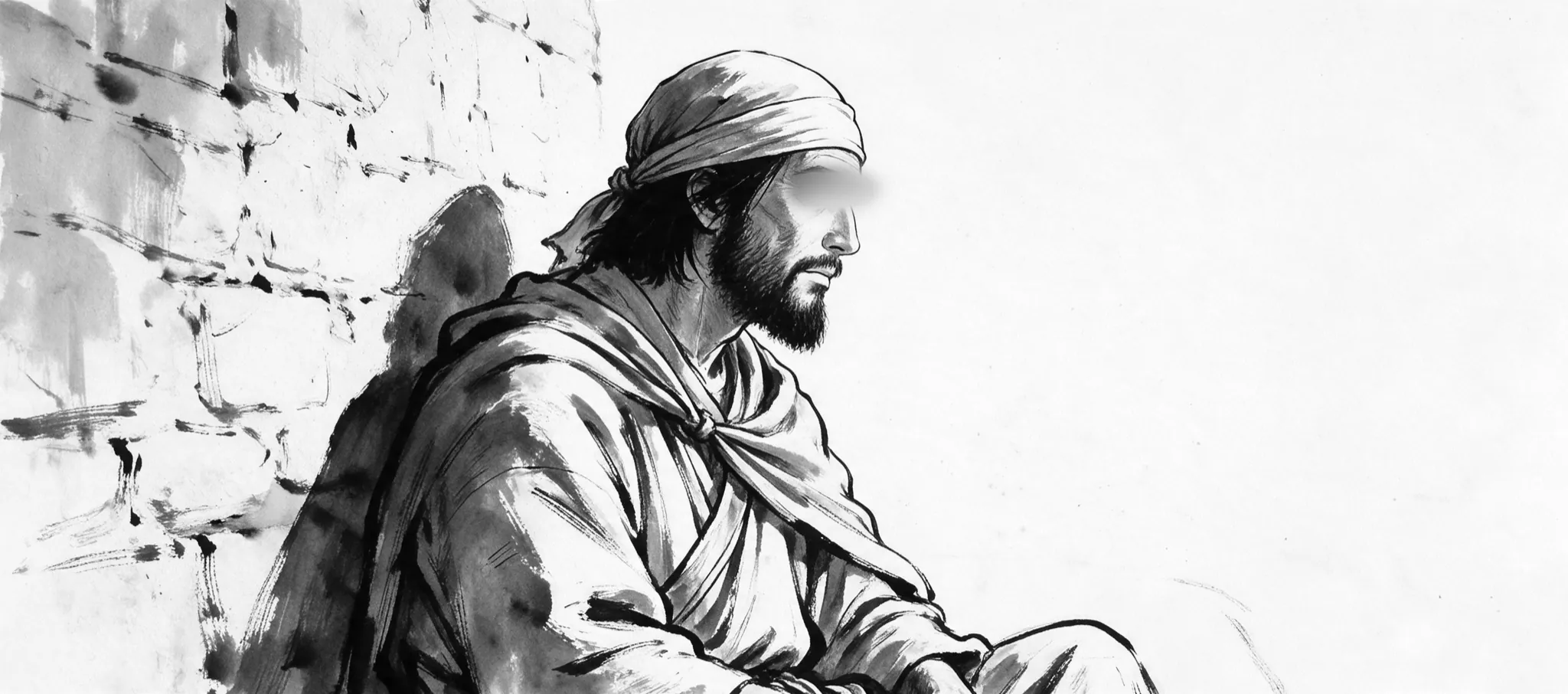
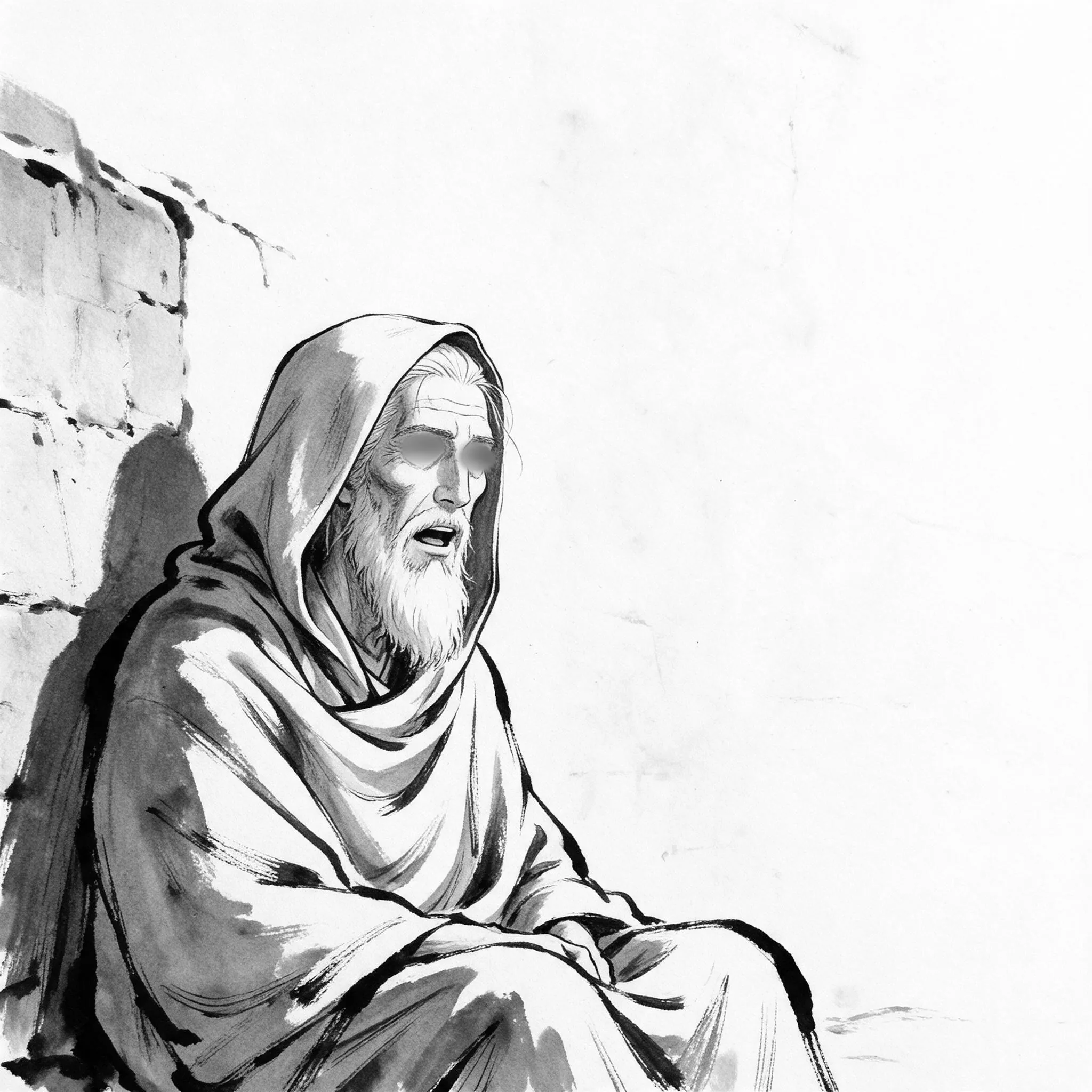
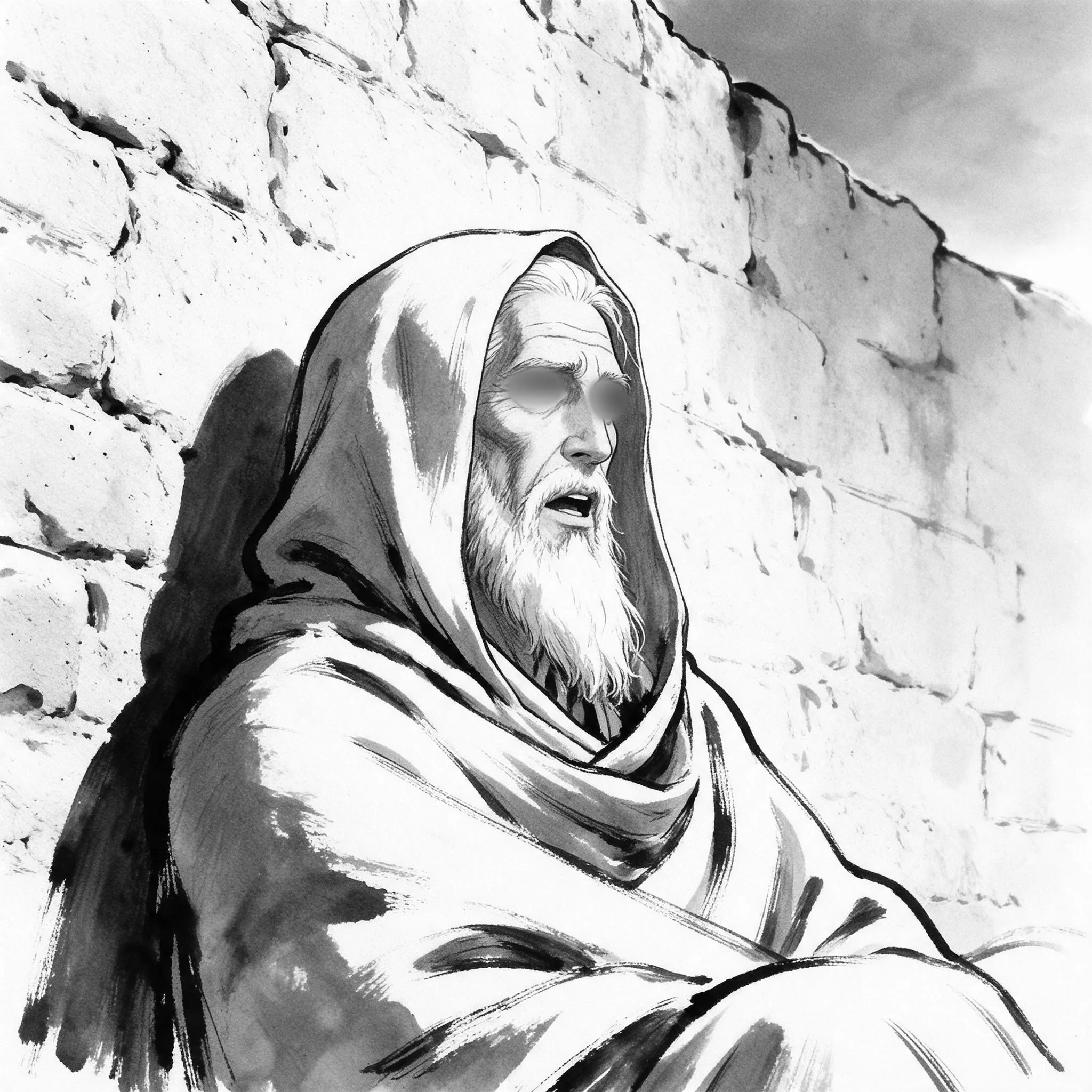
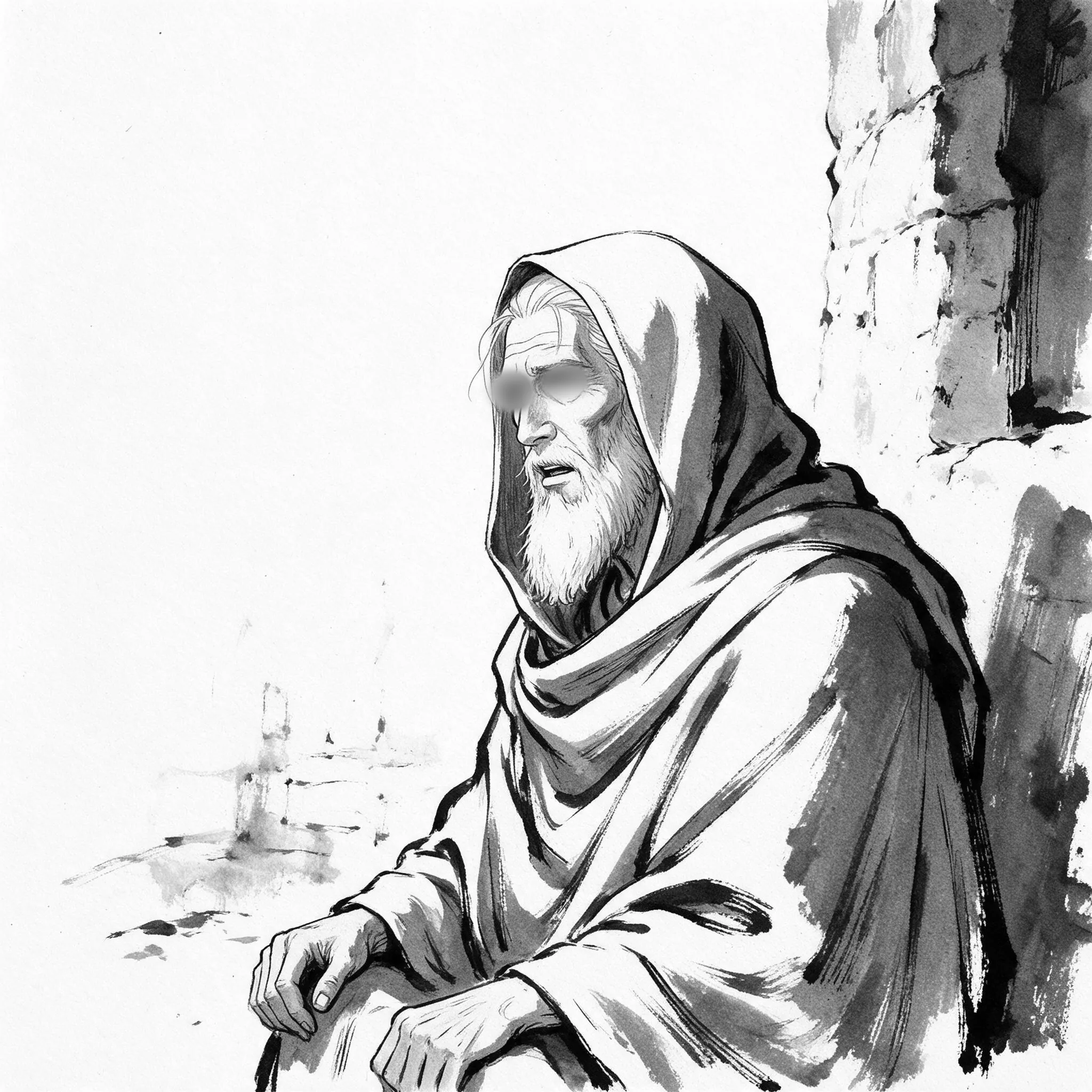
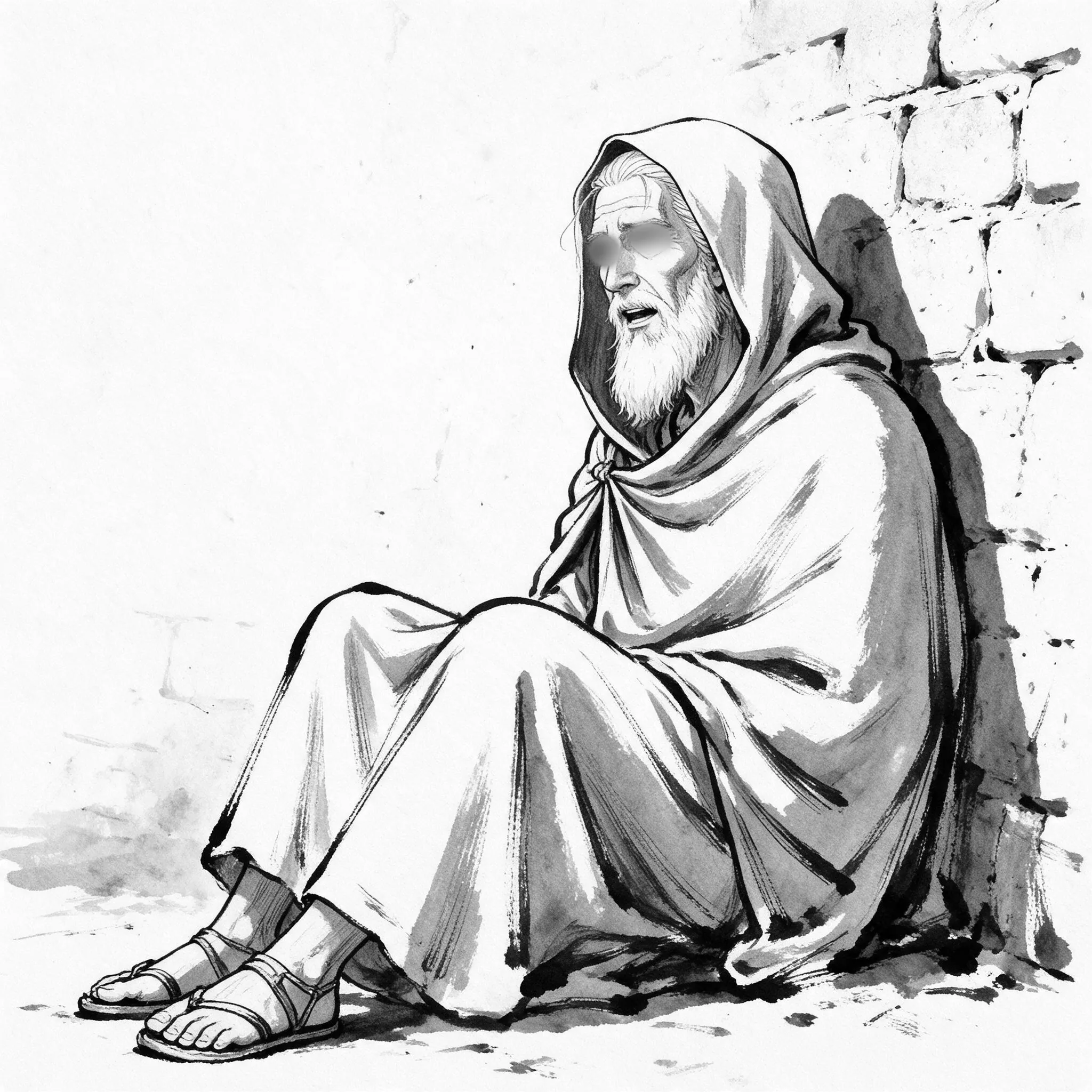
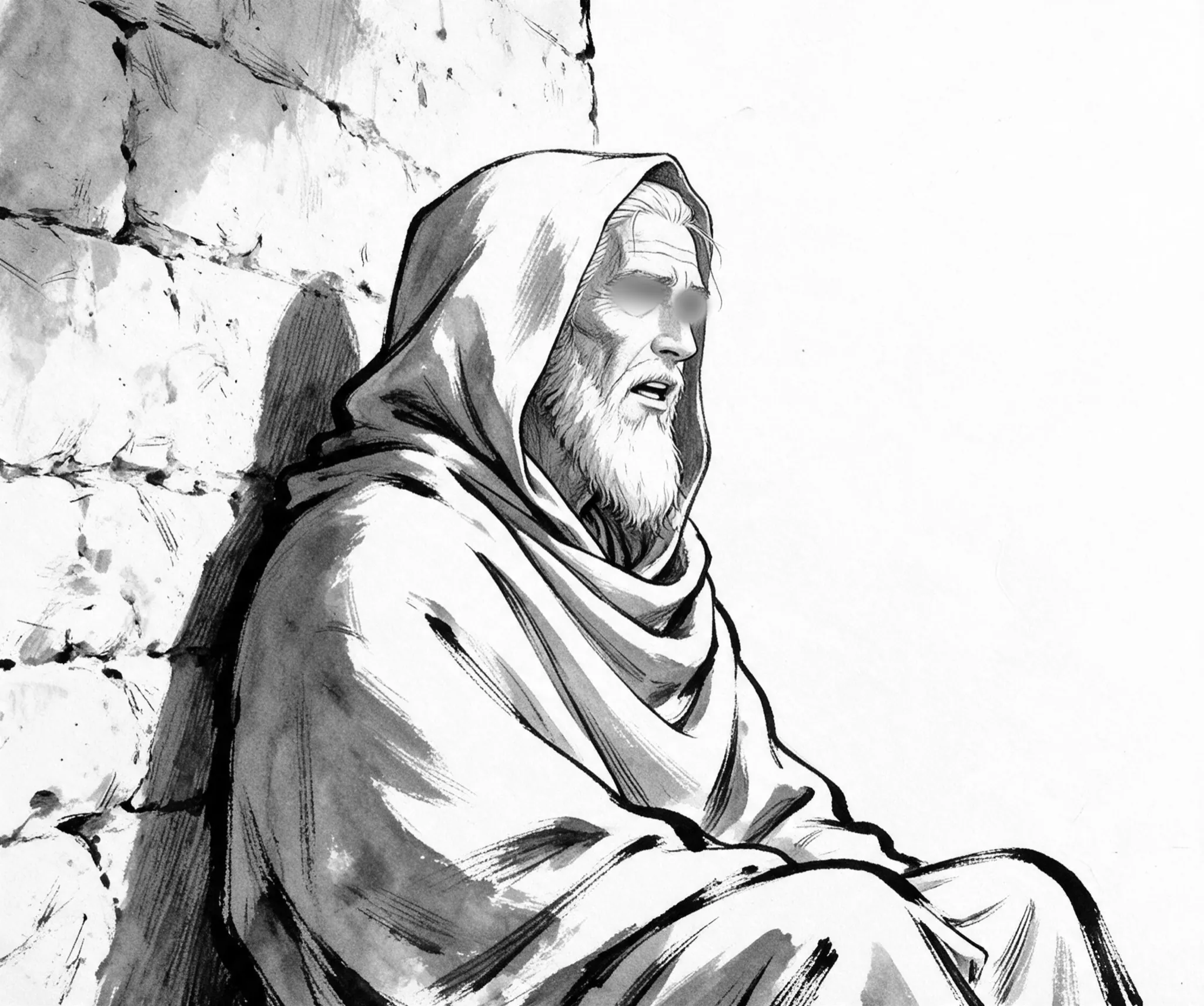
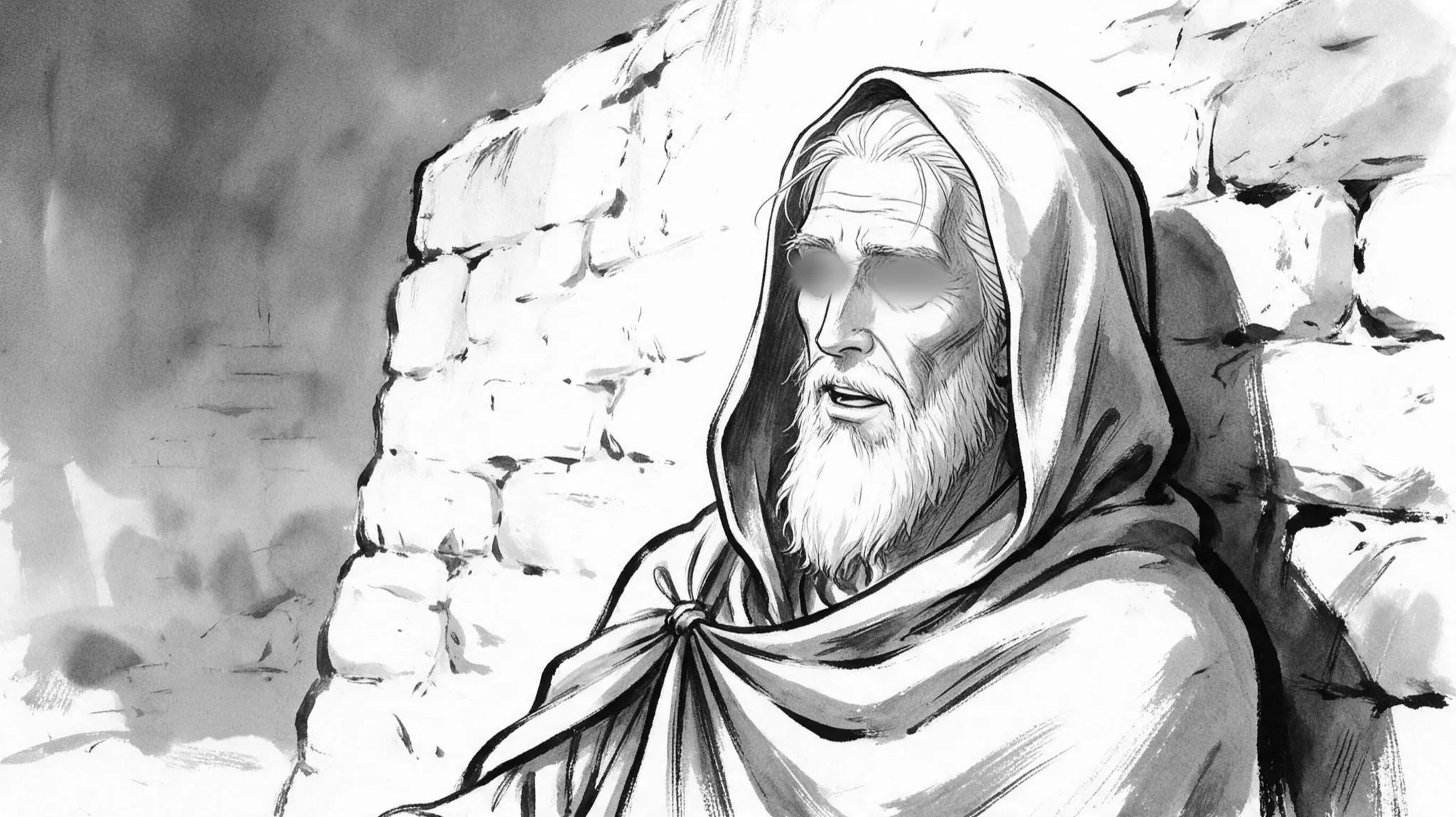
- Sahih al-Bukhari 122 and 3401 - the hadith gives the servant a name; this chapter names him nowhere, on its pages or here, and calls him only the servant, as 18:65 does (p353, p354). Ibn Kathir on 18:60-65, from Ubayy - they found him covered with a garment, so he is drawn wrapped in his cloak. Ibn Kathir on 18:82 takes his saying that he did not act of his own accord, with 18:65, as proof for those who hold he was a prophet; others differ. His eyes are smeared out of caution, as the prophets' are, and no caption says either way. Nobody bows to him
- Qur'an 18:66-70 - Musa asked to follow him, to be taught of the right guidance he had been taught; he said Musa could not have patience with him, for how could he be patient over what he did not encompass in knowledge; Musa promised patience, if Allah willed; he set the condition that Musa ask him about nothing until he himself spoke of it (p355 to p363). Ibn Kathir on 18:66-70 - the request is a student's courtesy. From 18:71 the verbs are dual, so the young man is not drawn after p355
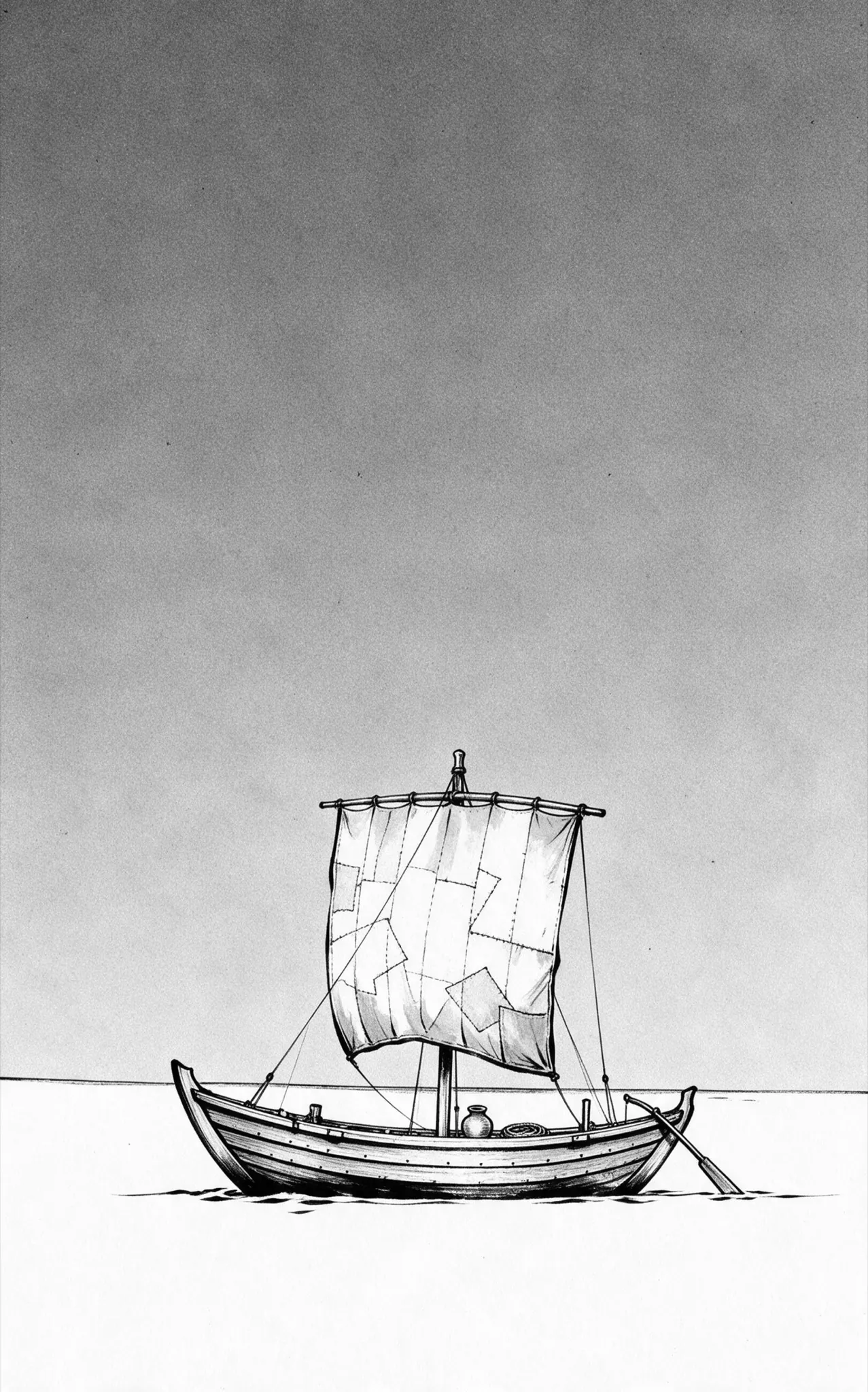
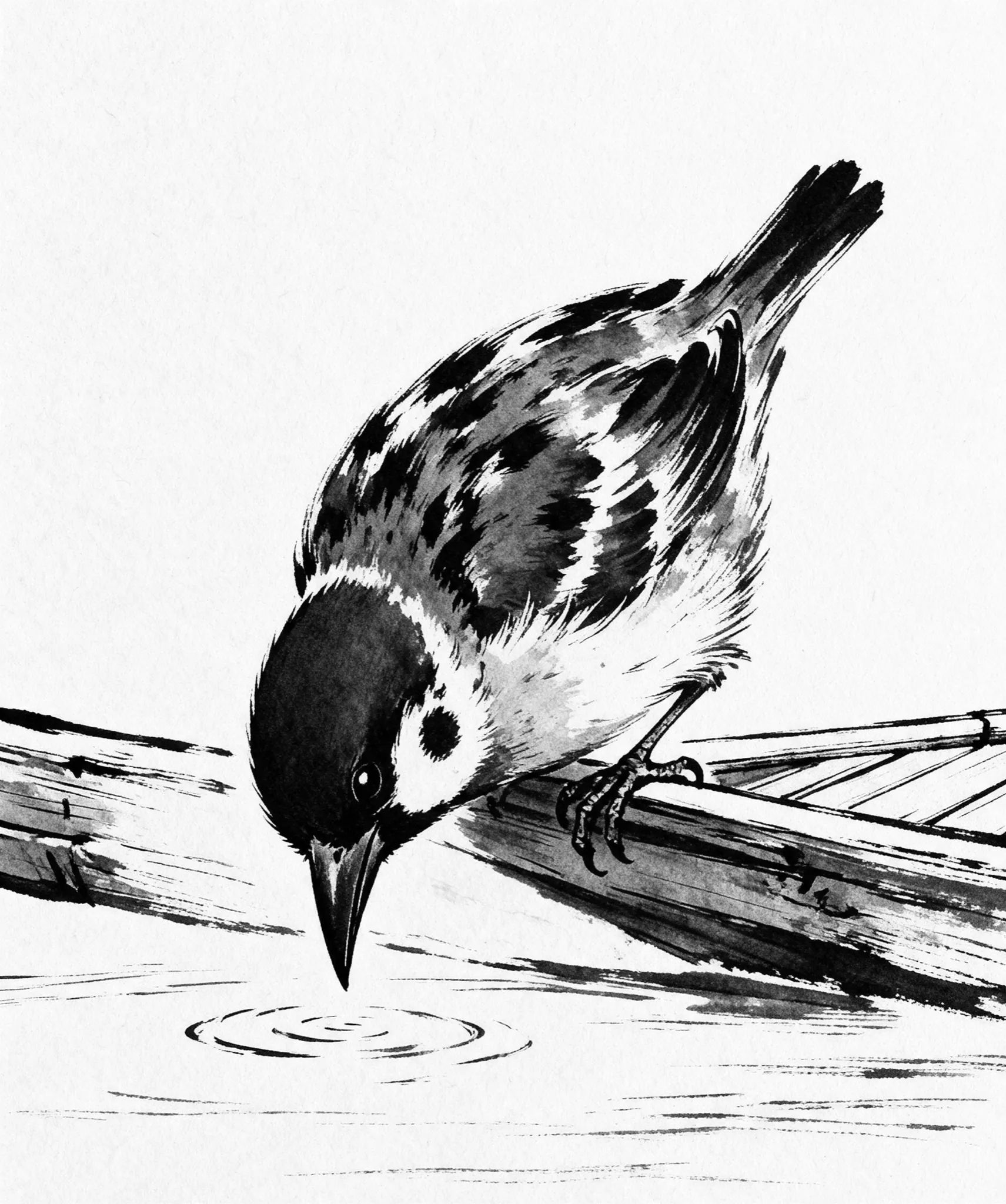
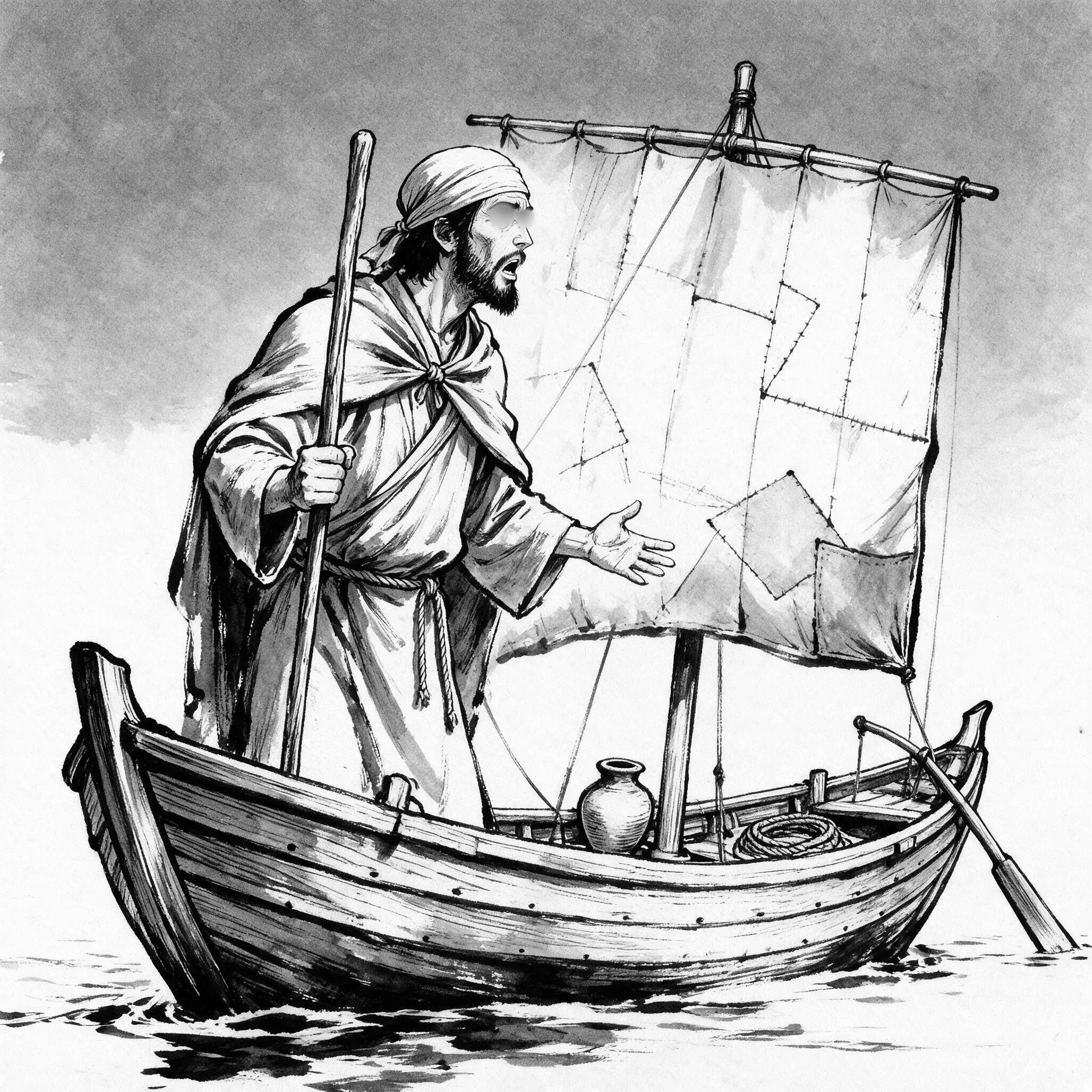
- Sahih al-Bukhari 3401 - the crew knew the servant and carried them without fare (p365); a sparrow alighted on the edge of the boat and dipped its beak into the sea, and the servant said that his knowledge and Musa's took from Allah's knowledge no more than the sparrow's beak took from the sea. The sparrow is drawn (p367); the saying is not lettered, and is given here in paraphrase
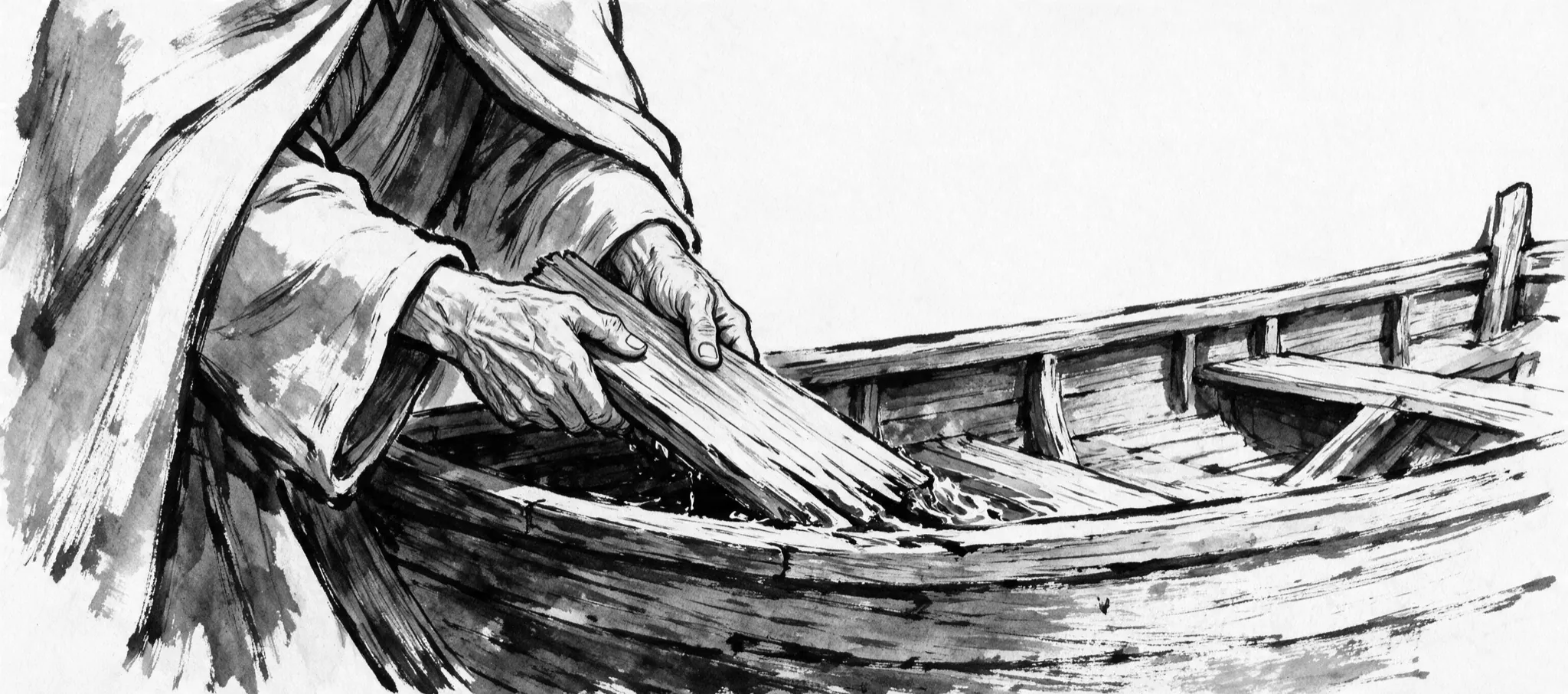
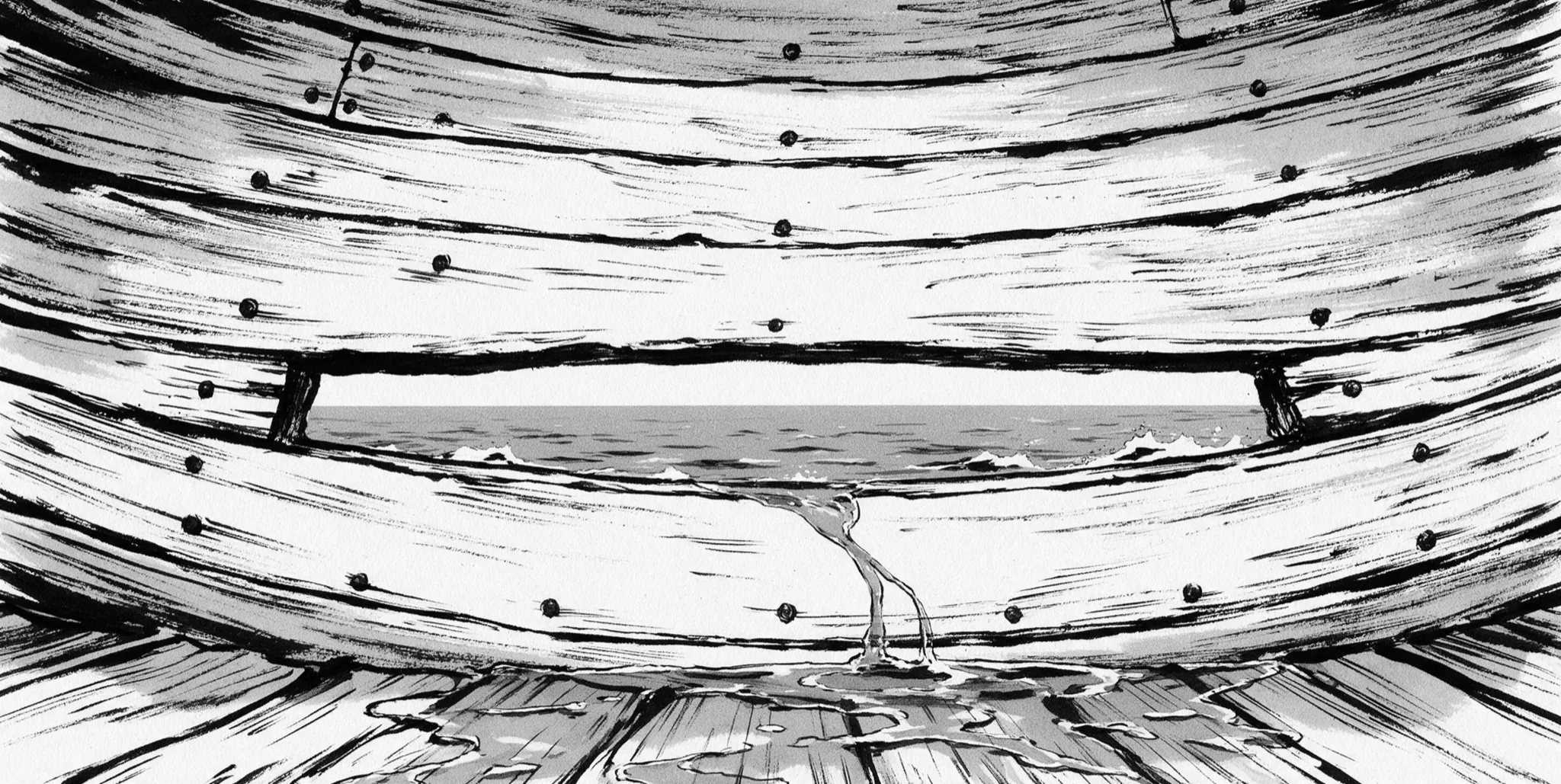
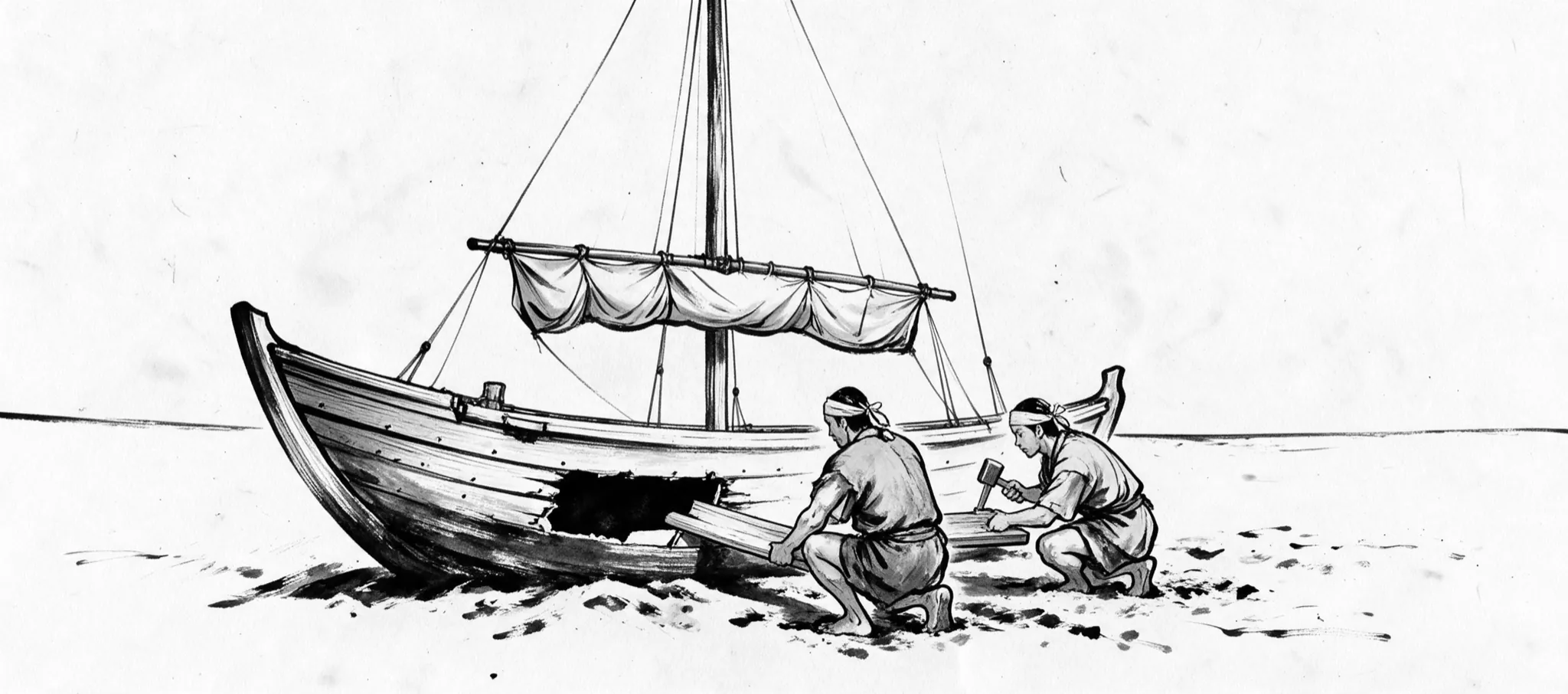
- Qur'an 18:71-73 - when they boarded the ship he holed it; Musa asked whether he had holed it to drown its people, a grave thing; he reminded him that he had said Musa would not have patience; Musa asked not to be blamed for forgetting (p364 to p373). Ibn Kathir on 18:71-73, from the hadith - he pulled out one plank: the hull is otherwise whole and the boat afloat
- Qur'an 18:74-76 - they met a boy, and the servant killed him; Musa said he had killed a pure soul for no soul, a deplorable thing; he was reminded again, and said that if he asked about anything after this he should be left behind (p374 to p382). The boy, the act and the body are never drawn: boys at play are seen far off, none singled out (p375), then p376 is a black panel with the narrator's plain report
- Qur'an 18:77 - they asked the people of a town for food and were refused; they found there a wall about to fall, and he set it straight; Musa said that had he wished he could have taken a wage for it (p383 to p387). The town is not named, and Ibn Sirin's naming of it in Ibn Kathir on 18:77-78 is not told. Ibn Kathir, from the hadith - he set it straight with his hand: his hands are drawn laid on the wall, with no light (p386)
- Qur'an 18:78-82 - the parting and the interpretation: the ship of poor men working at sea, which he damaged because a king behind them seized every good ship by force; the boy's believing parents, the fear that he would burden them with transgression and disbelief, and a better child in his place; the wall of two orphan boys, their treasure beneath it, their righteous father and their Lord's mercy; and that he did not do it of his own accord (p388 to p404). 'We feared' and 'we intended' are lettered as the ayat have them. The king is never drawn, only his men (p394); neither child of 18:80-81 is drawn, and the parents are seen from behind (p396); the treasure is never drawn, and the wall stands over bare ground (p400)
- Sahih al-Bukhari 4726 - the child given in place of the boy was better, and some narrators say it was a girl. Neither is drawn or named
- Sahih al-Bukhari 4725 (Ubayy ibn Ka'b, through Ibn Abbas) - the Prophet (peace be upon him) said he wished Musa had been more patient, so that Allah would have told them more of the two men's story. It stands here; the page does not bring his name onto it
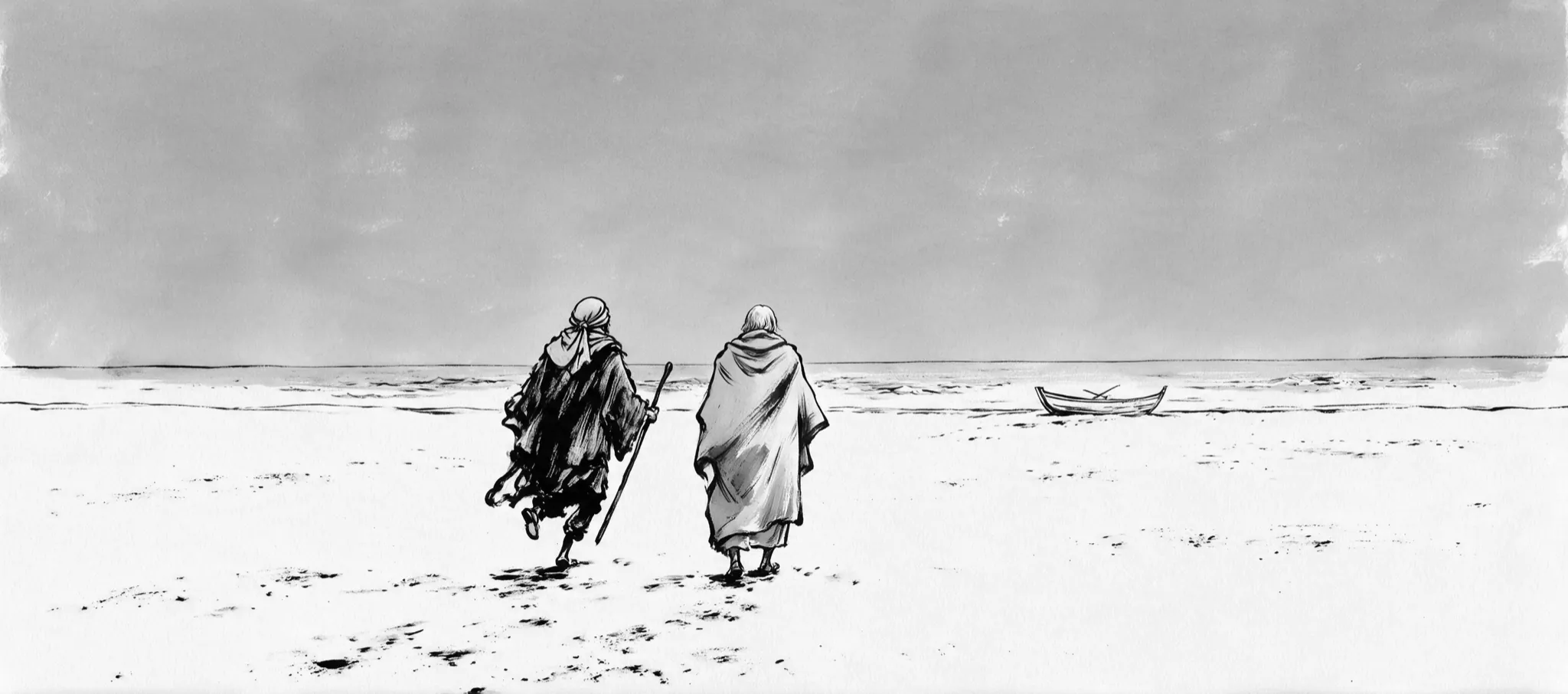
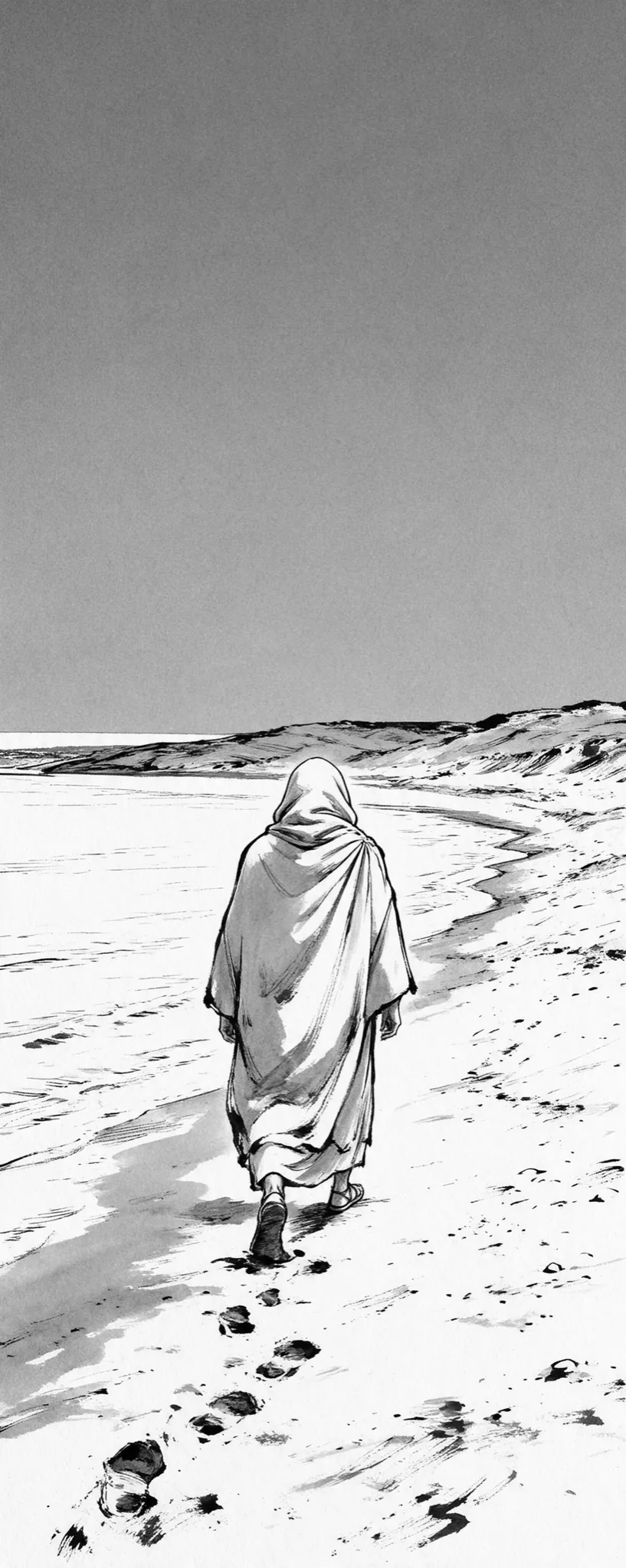
- What Acts VI to VIII stage inside the verses is the studio's own: the covered idols far off, Musa leaving the camp alone at dawn, the climb and the bare height, the mountain's collapse seen only from far, Musa never facing the levelled mountain, the Tablets in the crook of his arm, the fire pit and al-Samiri's closed hand, the crowd seated round the calf, the men pressing on Harun, the people stepping back from al-Samiri, the ash cast into the wind from the shore, the regret after the burning, Harun beside Musa as he takes up the Tablets, the basket, the young man not drawn after the meeting at the rock, the boatmen fitting the plank back, the boys at play seen far off, the parting at the foot of the wall in the grey of evening, the servant's age and white beard, and the servant walking away along the waterline
Play this chapter
Test what you know about this chapter.
Every story on this page is a chapter in DeenOD: Islamic Trivia & Games - free, no ads, every question source-cited.