Stories of the prophets
سليمان
Sulayman - The Kingdom
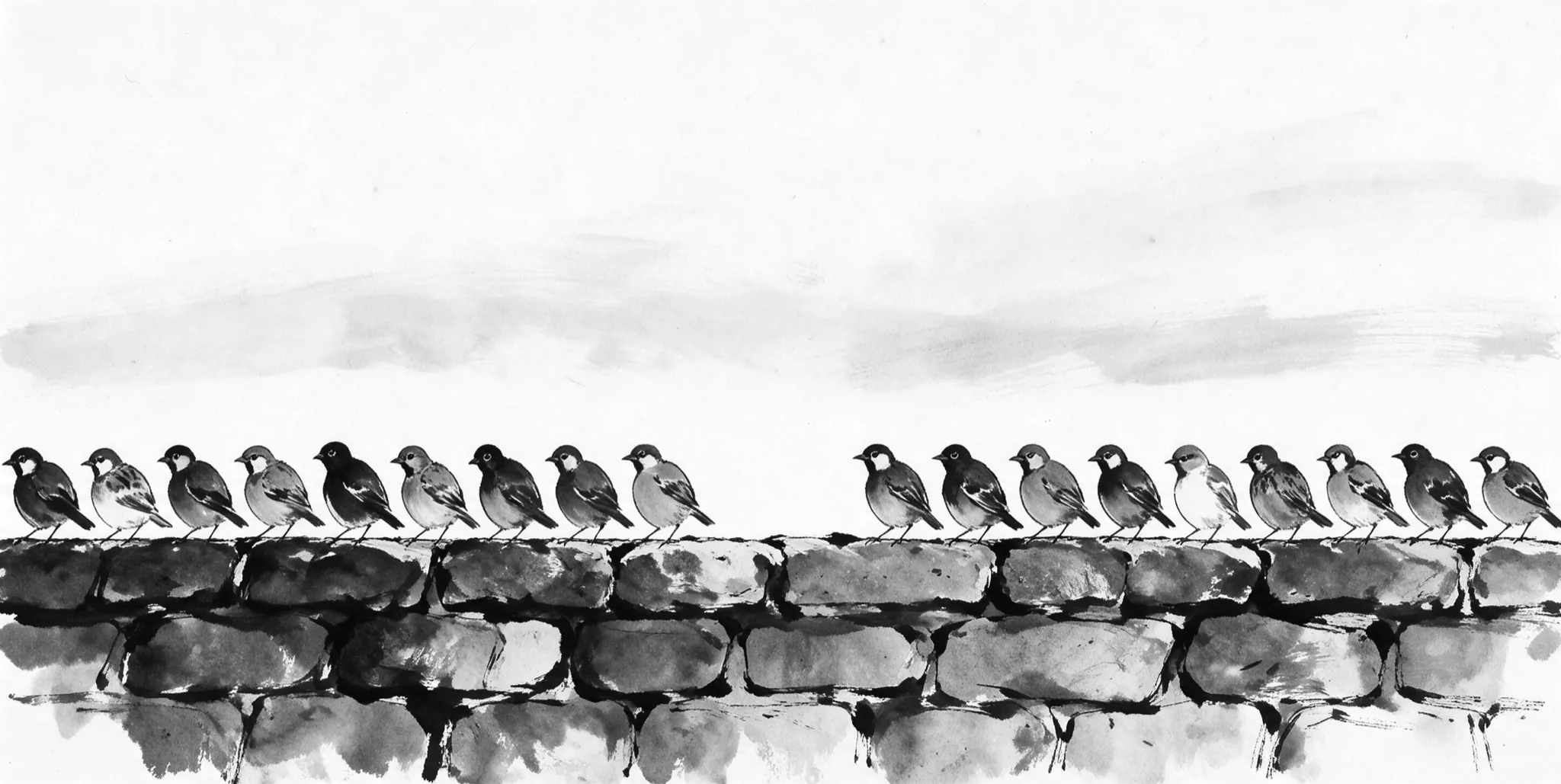
Taught the speech of birds and given a kingdom of wind and jinn, he called a queen's throne set before him a test of whether he would be grateful. His kingdom ended on a staff that a creature of the earth ate through.
October 26, 2026 · Sourced from the Qur'an
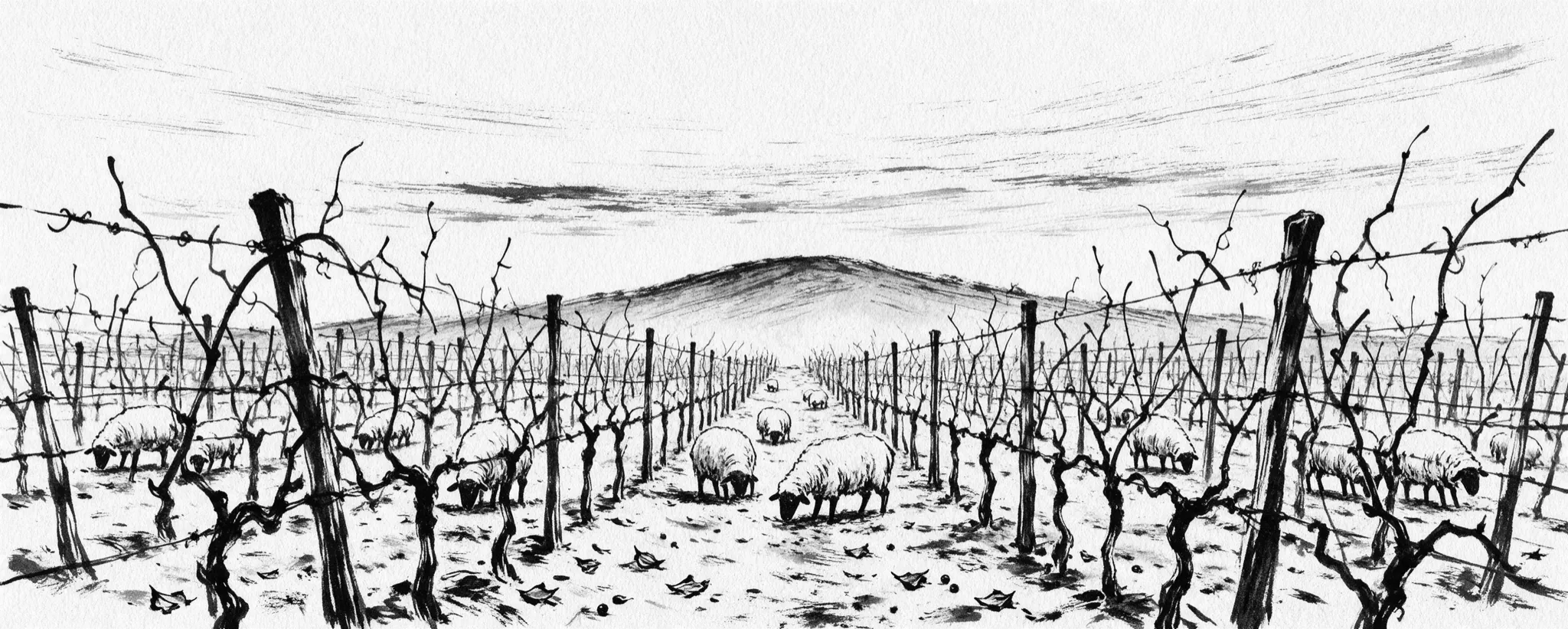
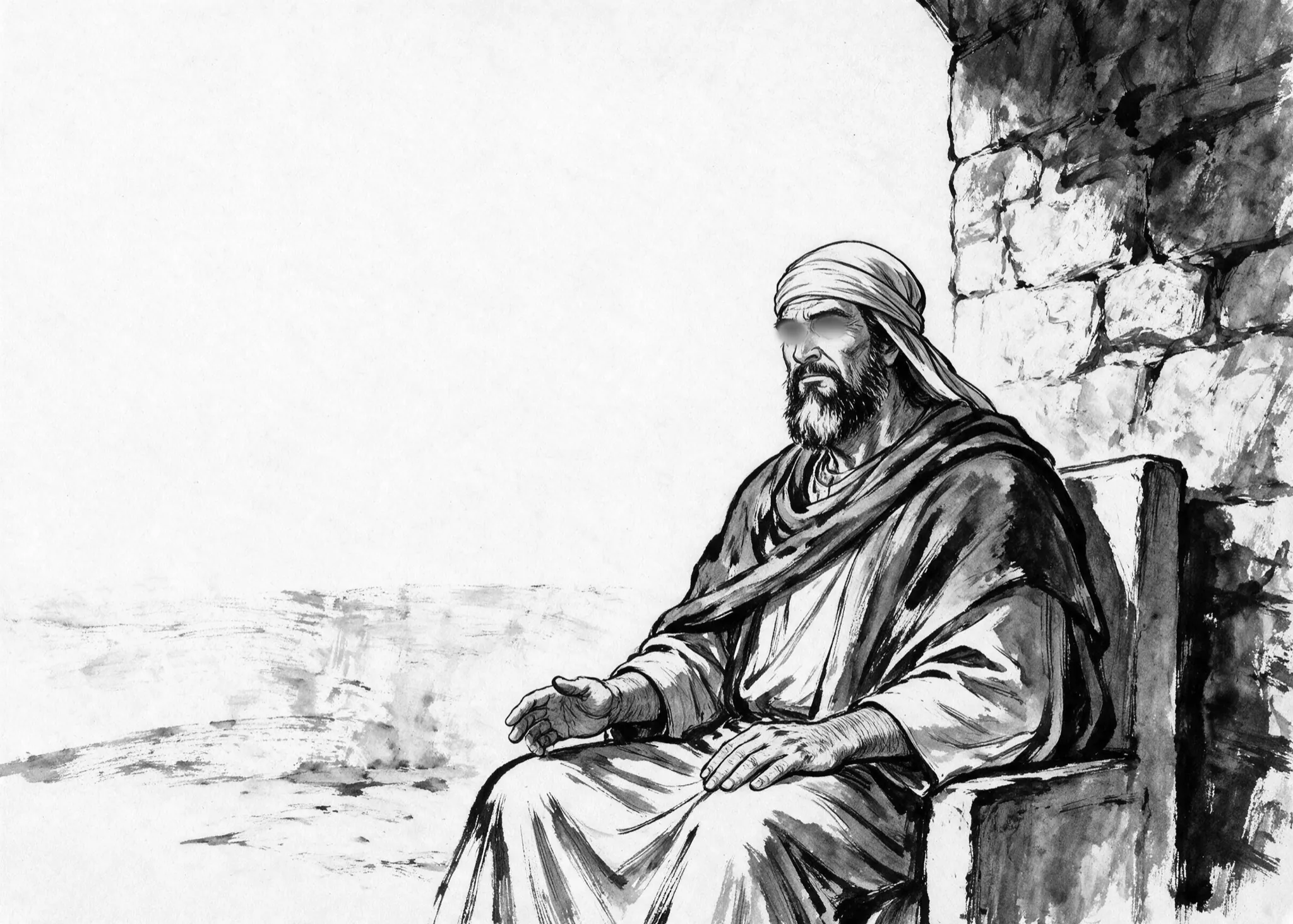
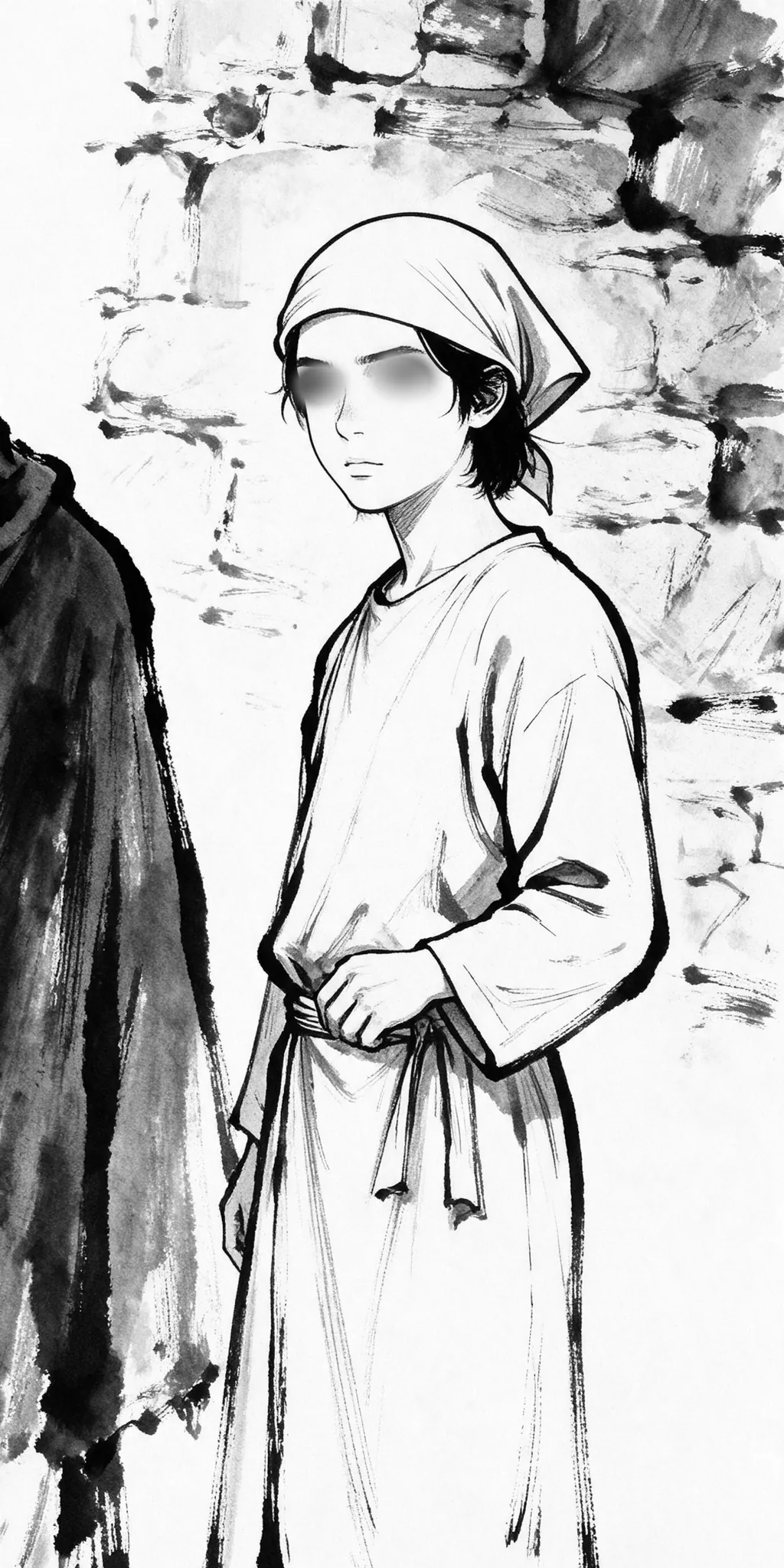
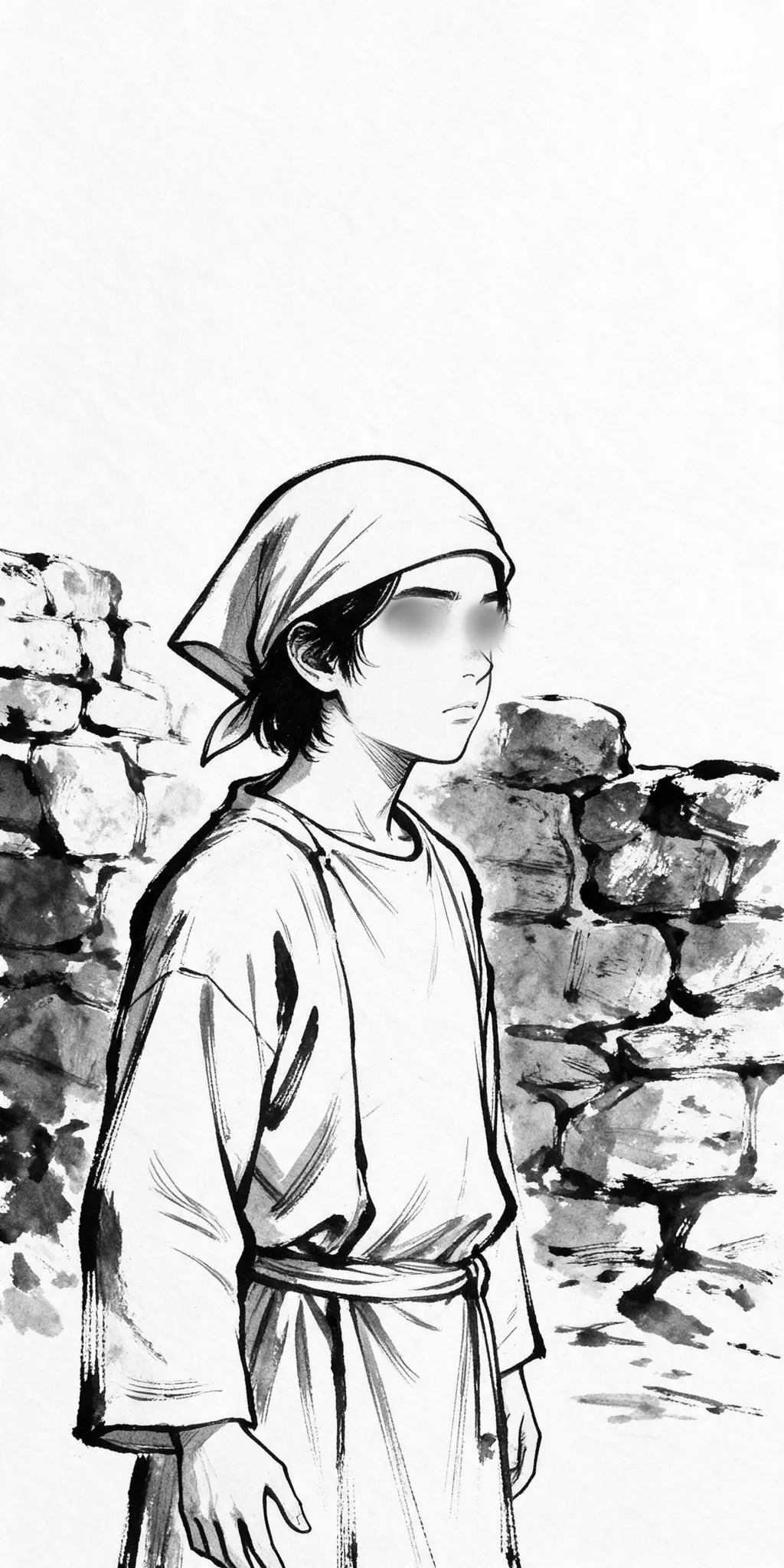
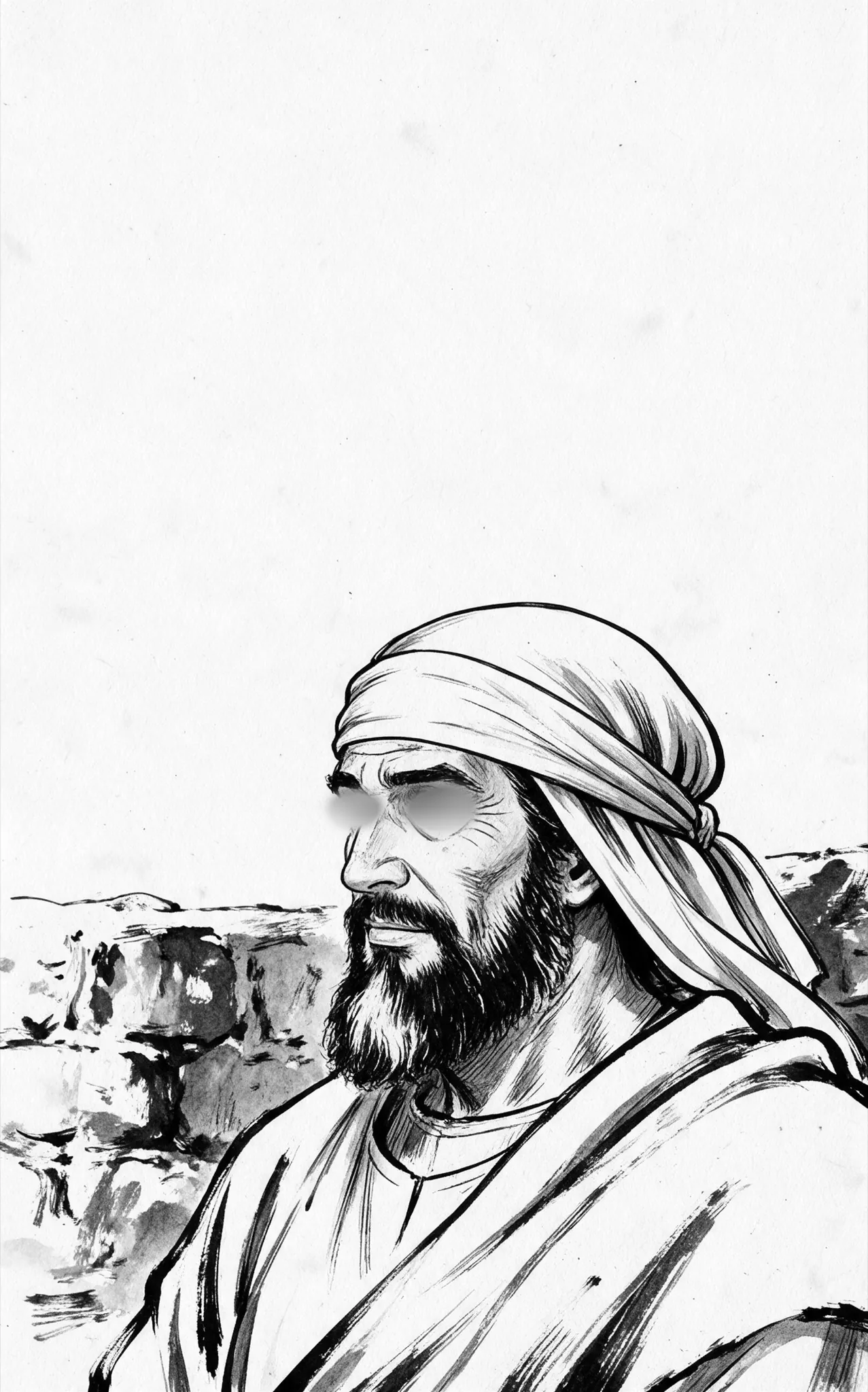
وَدَاوُۥدَ وَسُلَيْمَـٰنَ إِذْ يَحْكُمَانِ فِى ٱلْحَرْثِ إِذْ نَفَشَتْ فِيهِ غَنَمُ ٱلْقَوْمِ وَكُنَّا لِحُكْمِهِمْ شَـٰهِدِينَ فَفَهَّمْنَـٰهَا سُلَيْمَـٰنَ ۚ وَكُلًّا ءَاتَيْنَا حُكْمًا وَعِلْمًا ۚ وَسَخَّرْنَا مَعَ دَاوُۥدَ ٱلْجِبَالَ يُسَبِّحْنَ وَٱلطَّيْرَ ۚ وَكُنَّا فَـٰعِلِينَ
And [mention] David and Solomon, when they judged concerning the field - when the sheep of a people overran it [at night], and We were witness to their judgement. And We gave understanding of it [i.e., the case] to Solomon, and to each [of them] We gave judgement and knowledge. And We subjected the mountains to exalt [Us], along with David and [also] the birds. And We were doing [that].
Qur'an 21:78-79
Saheeh International
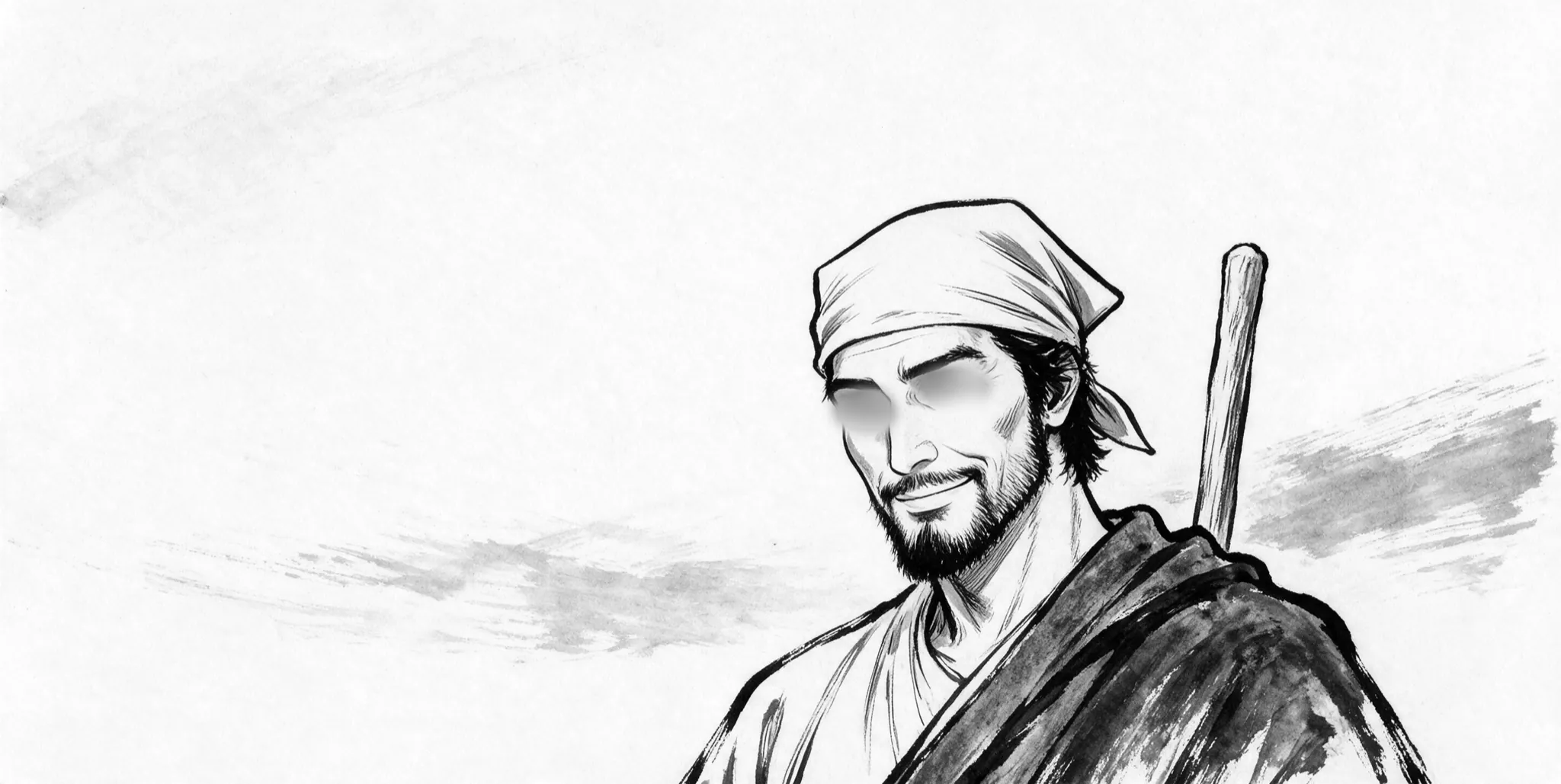
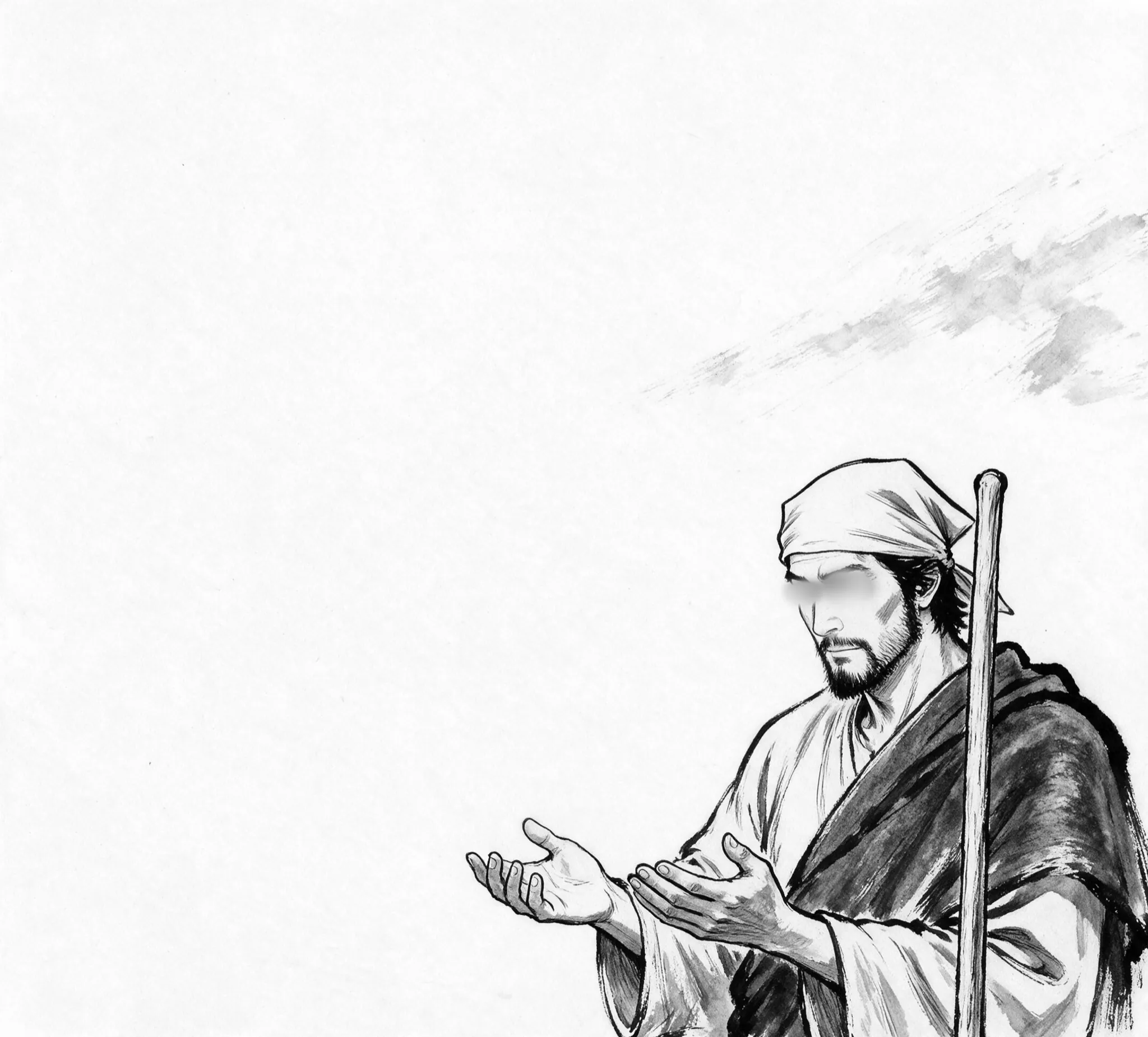
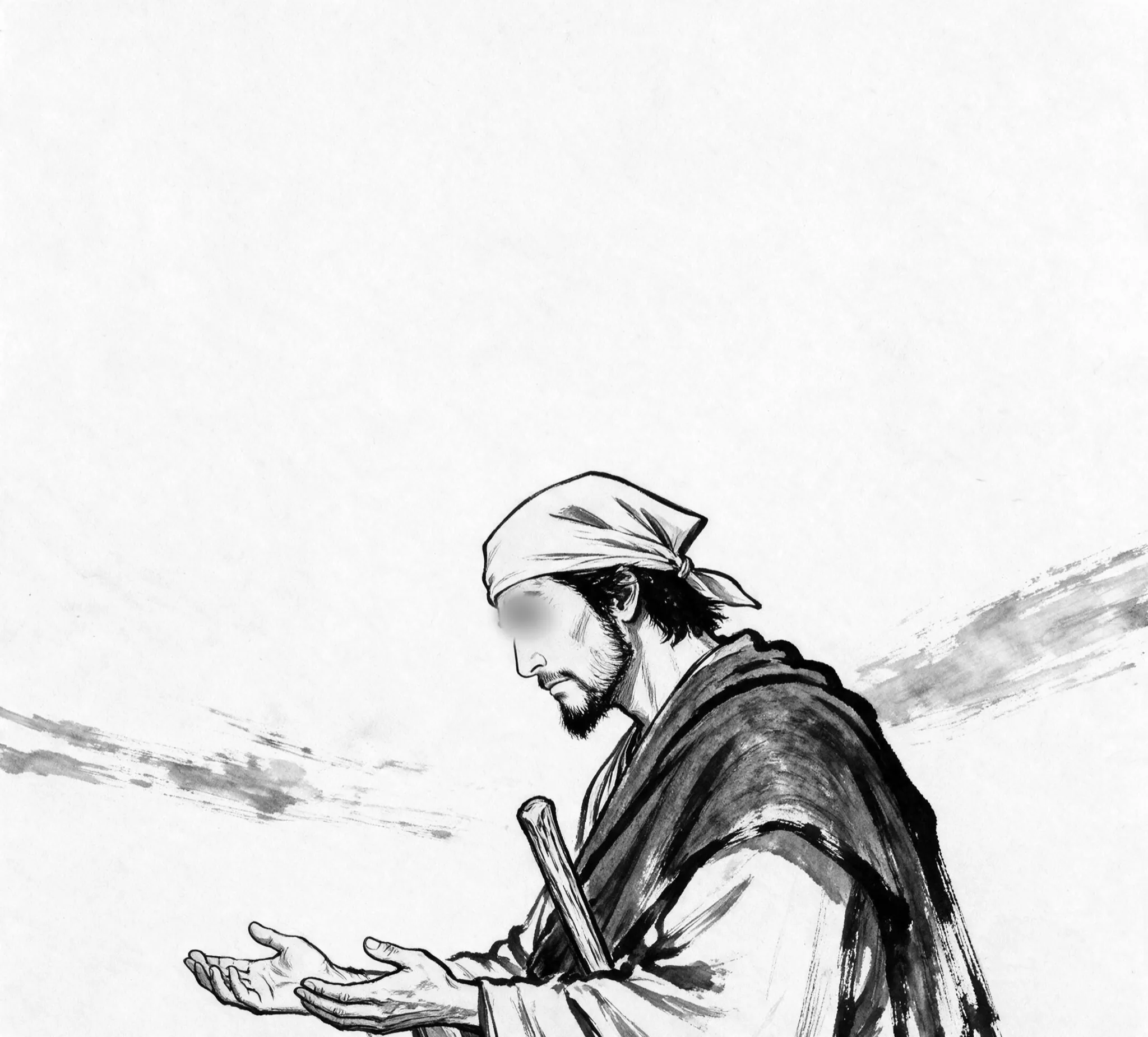
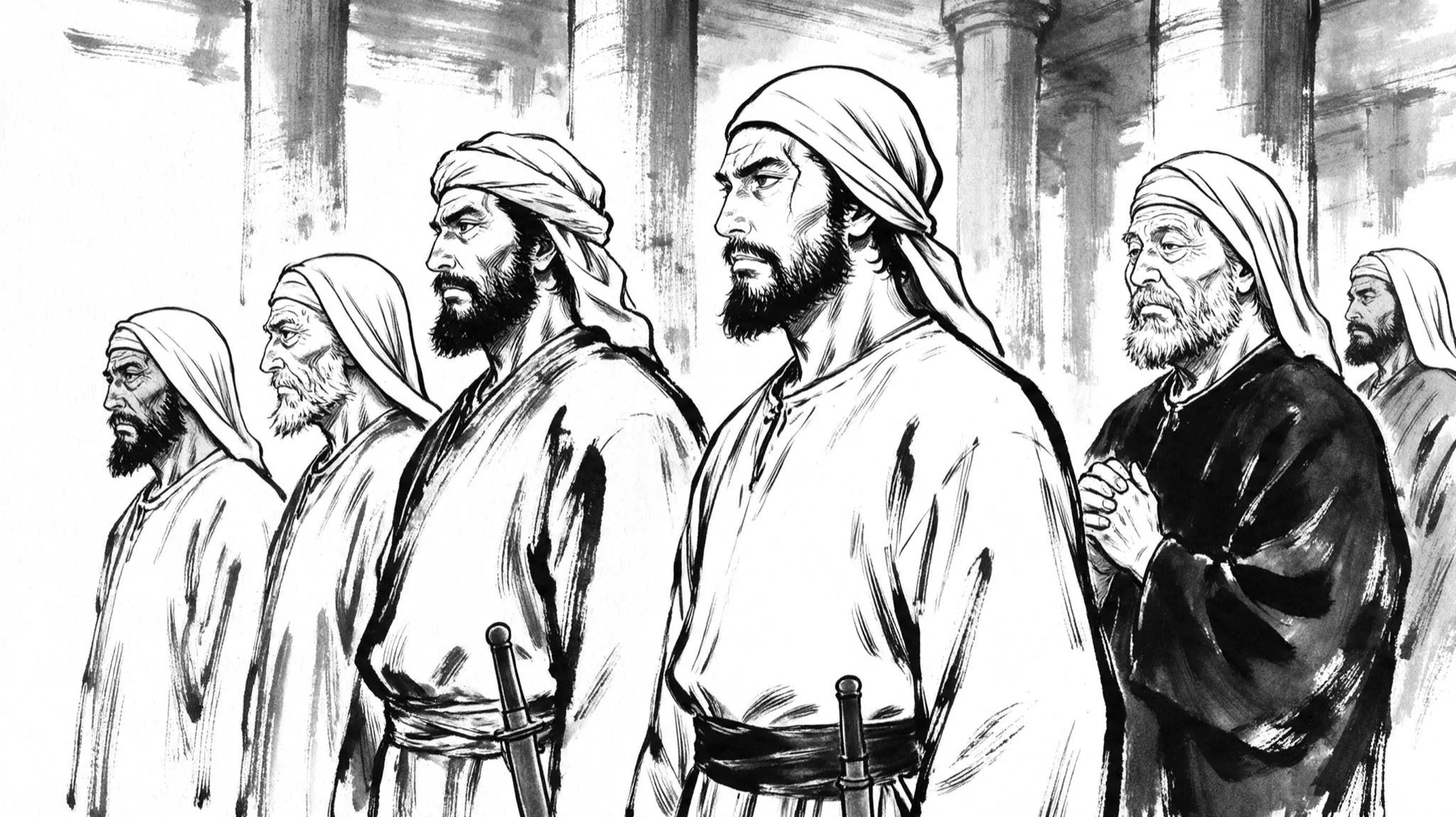
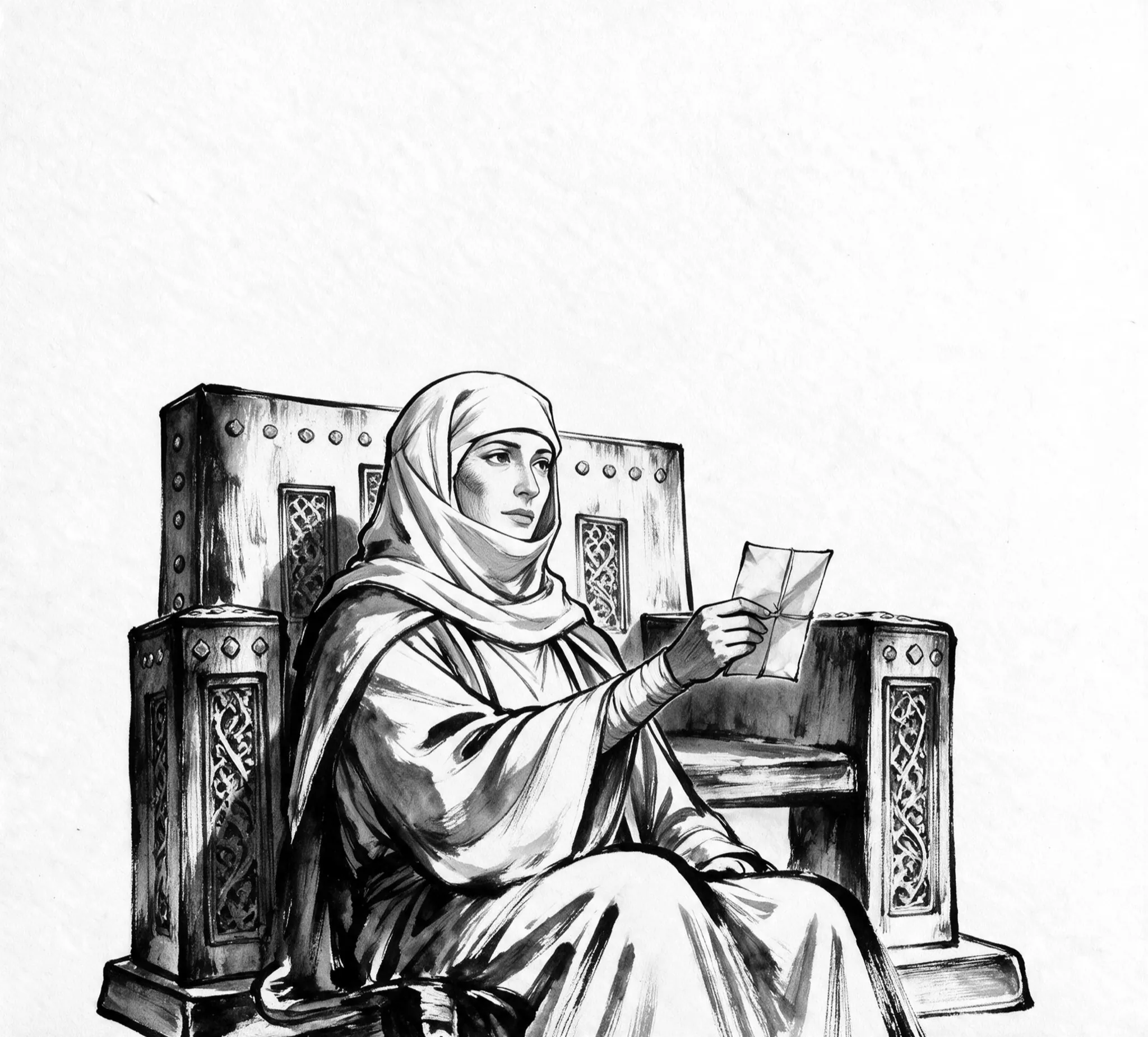
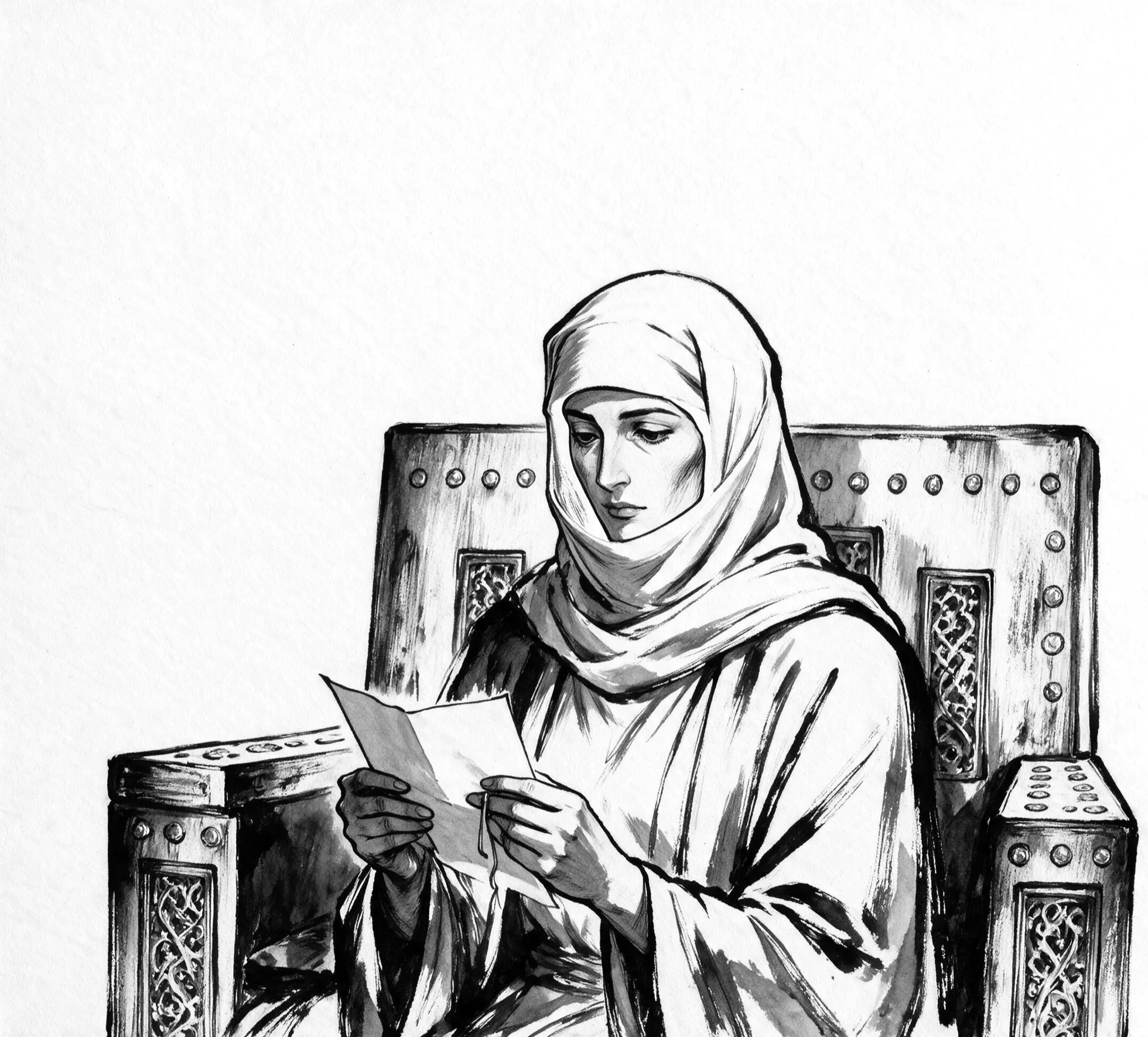
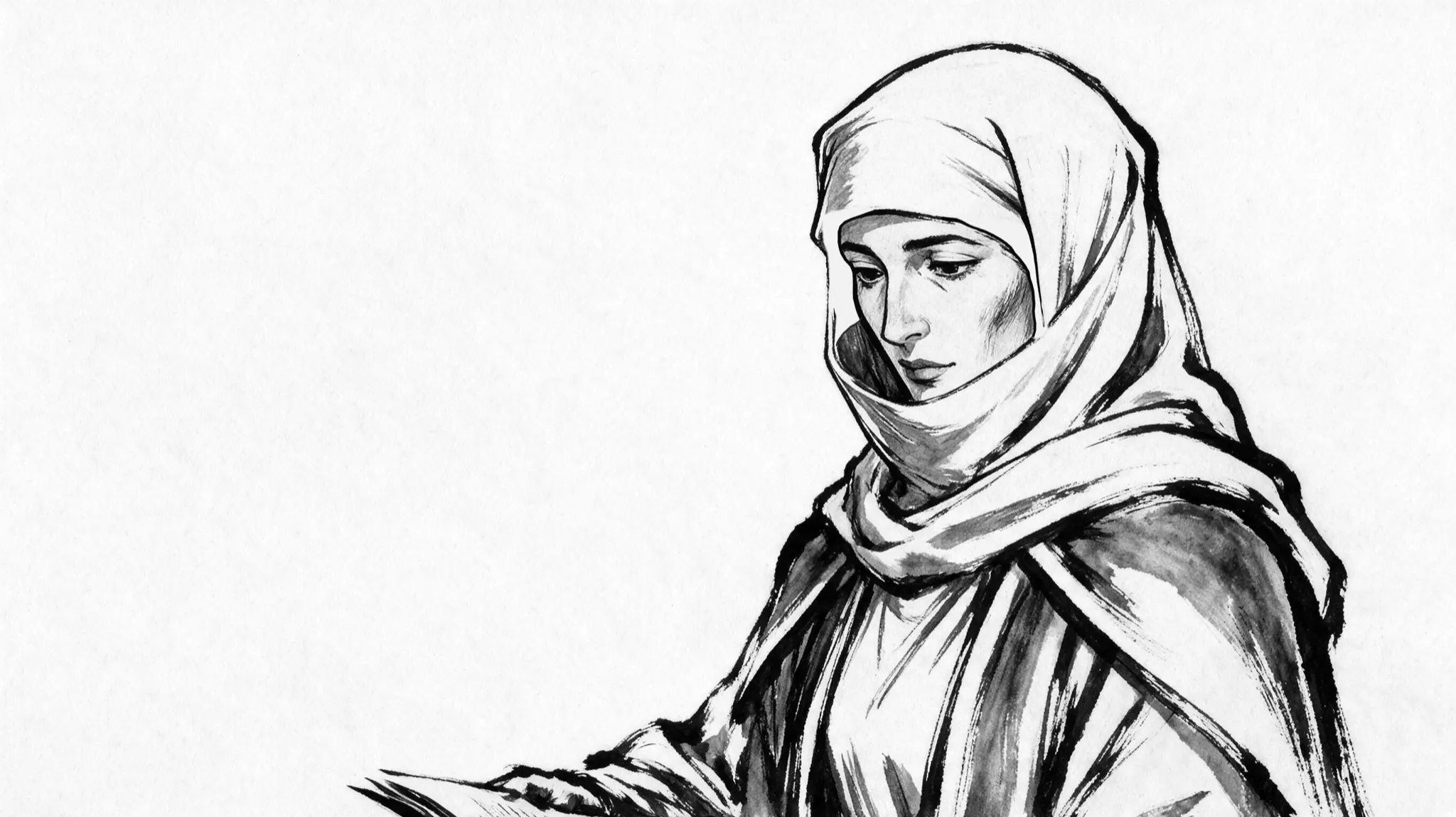
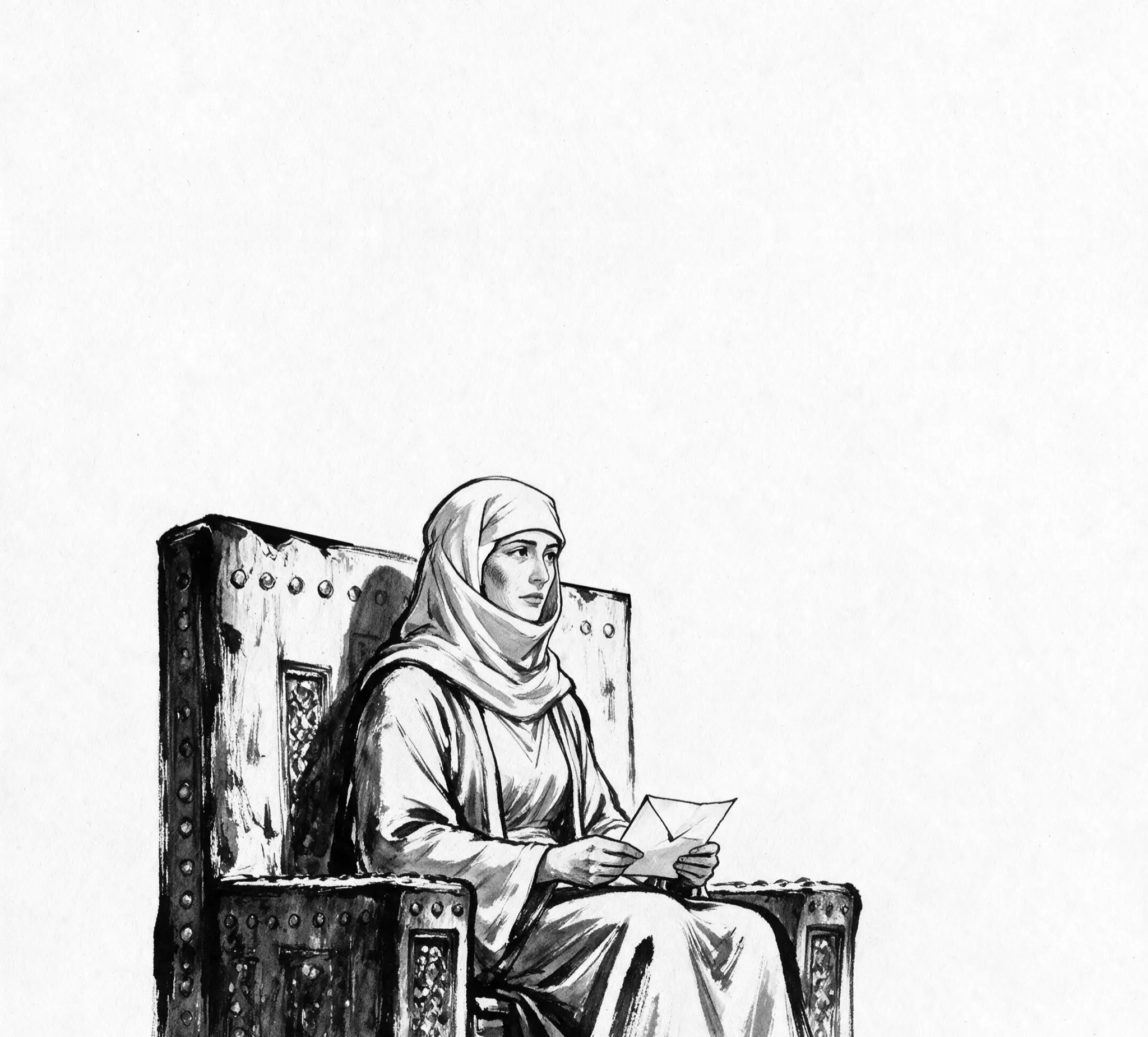
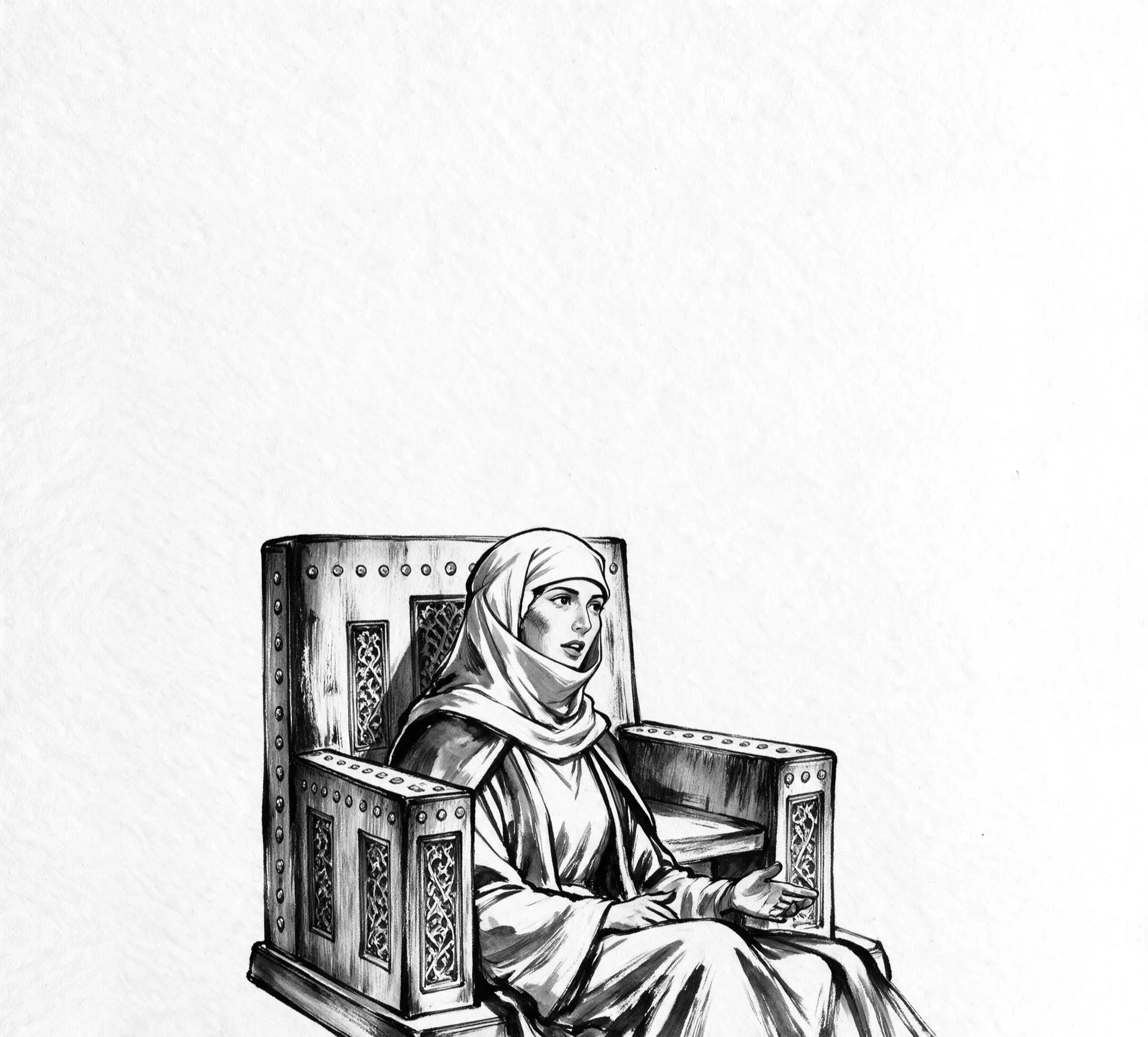
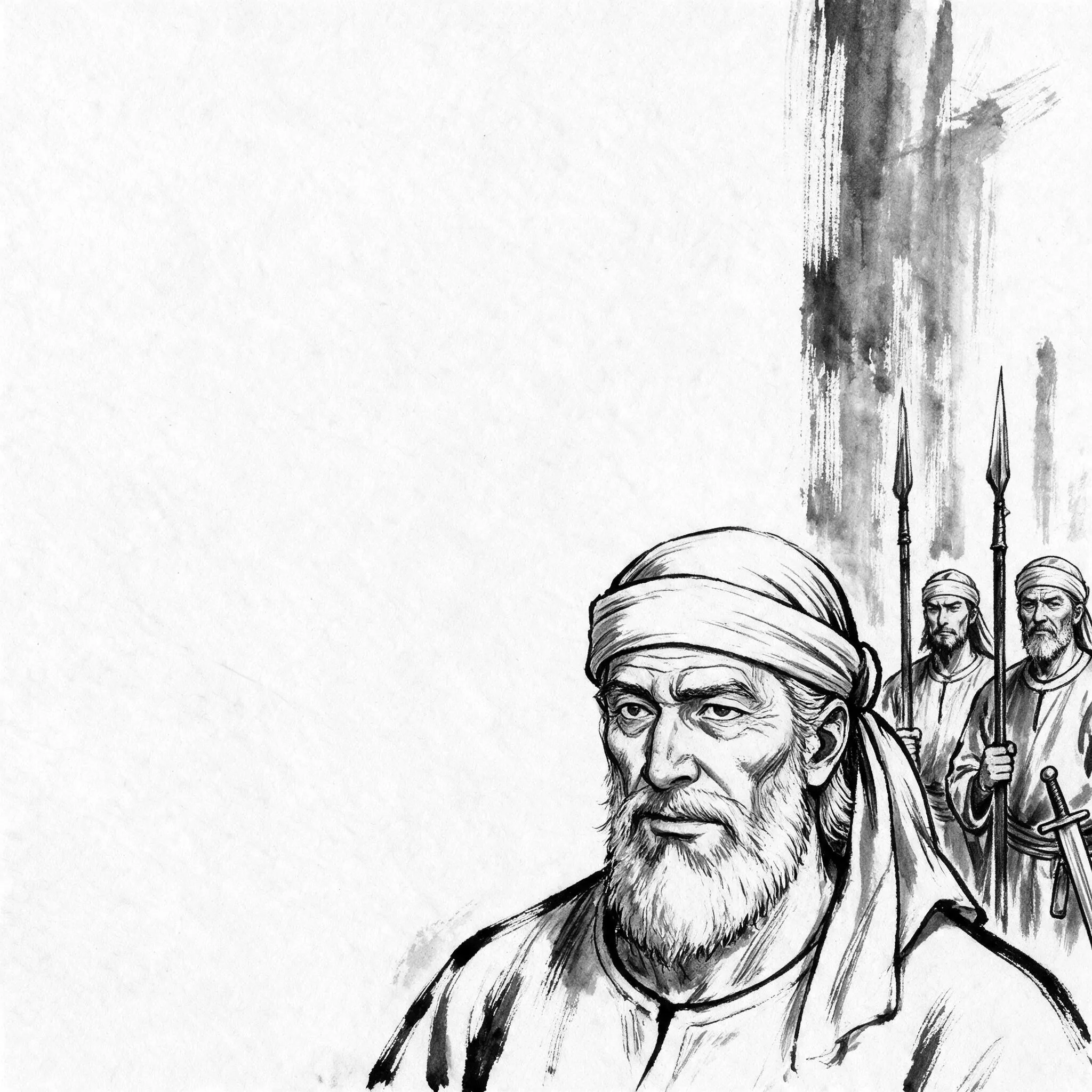
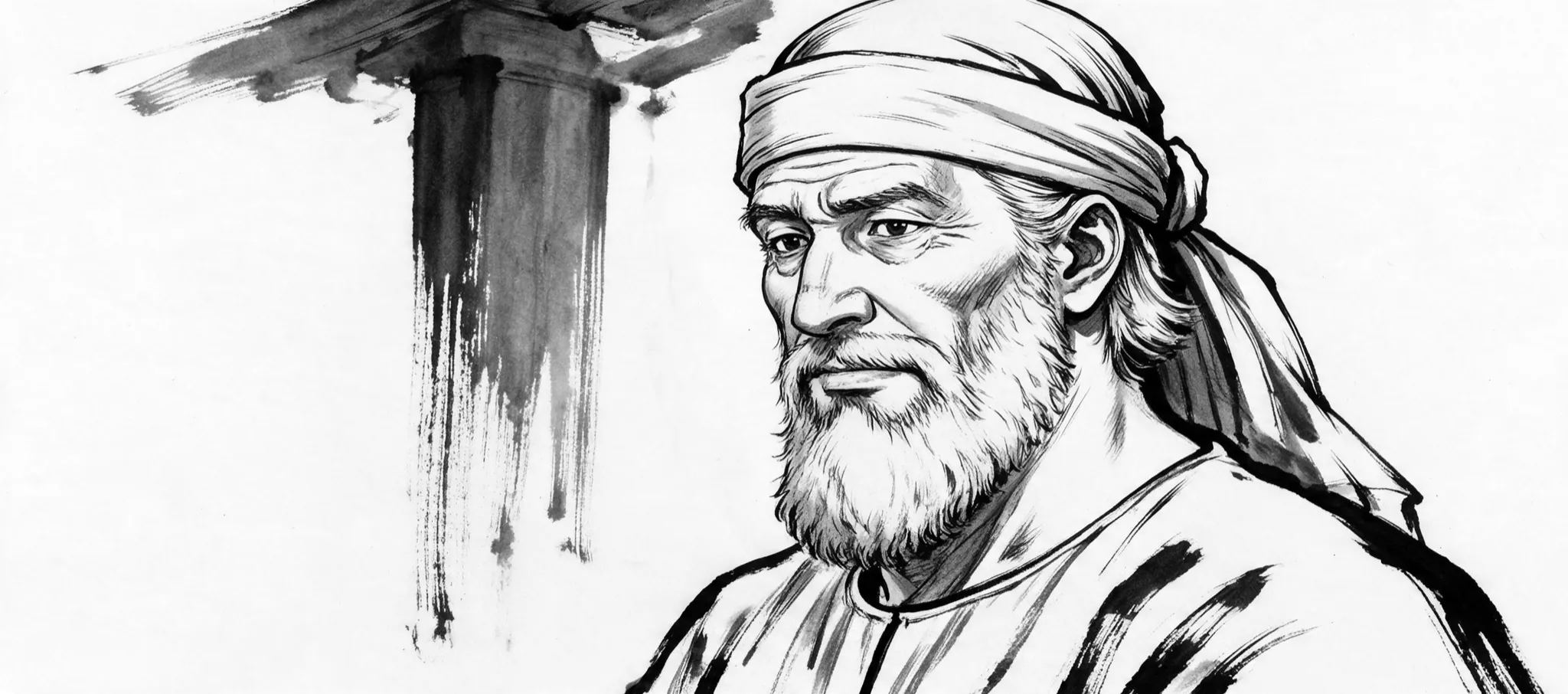
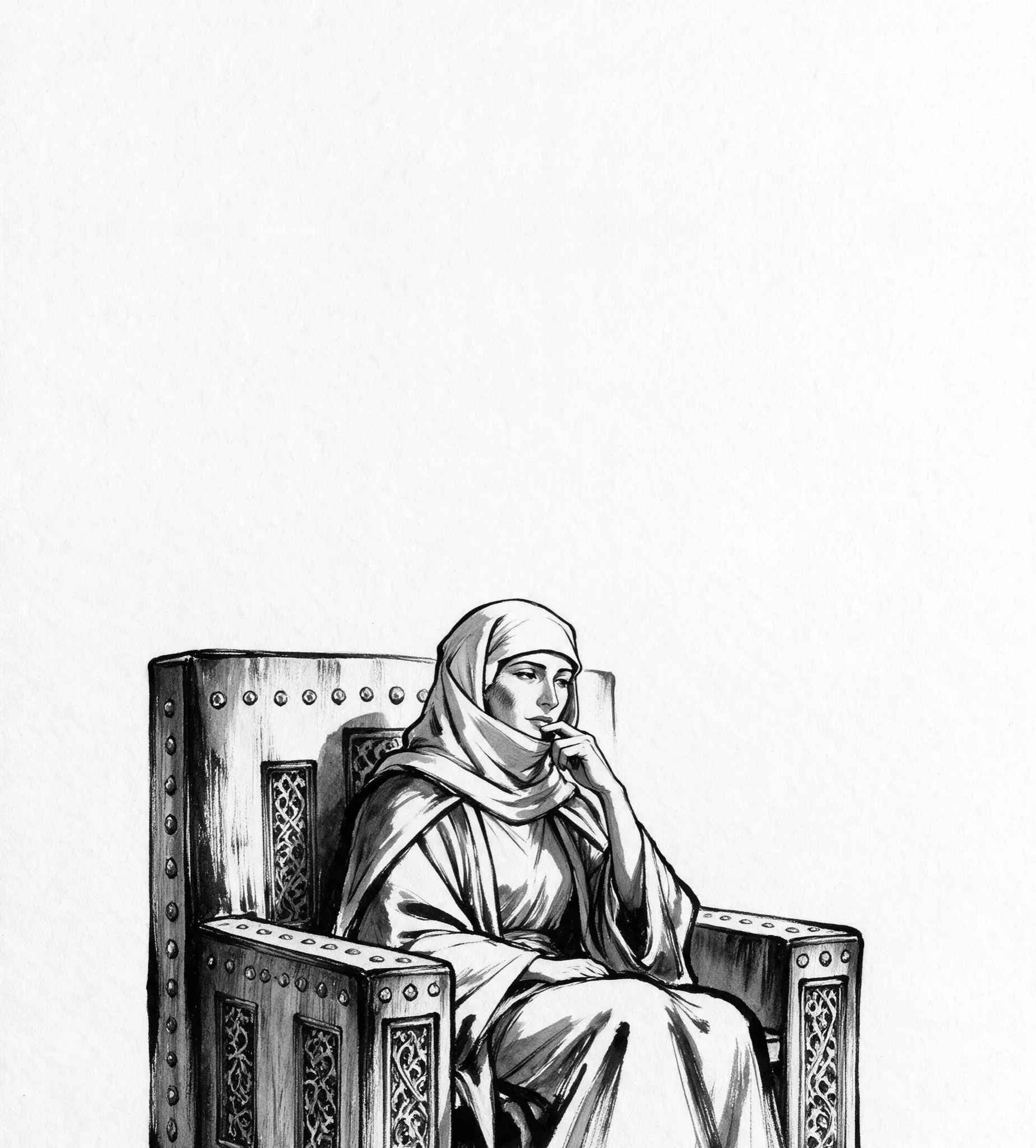
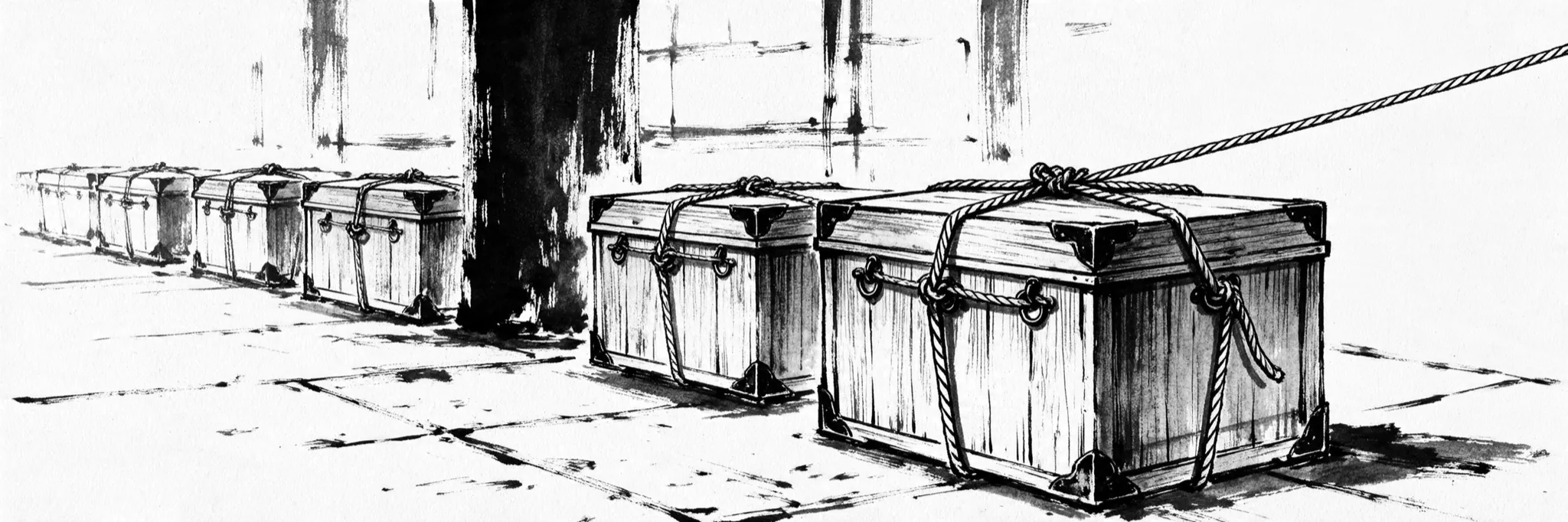
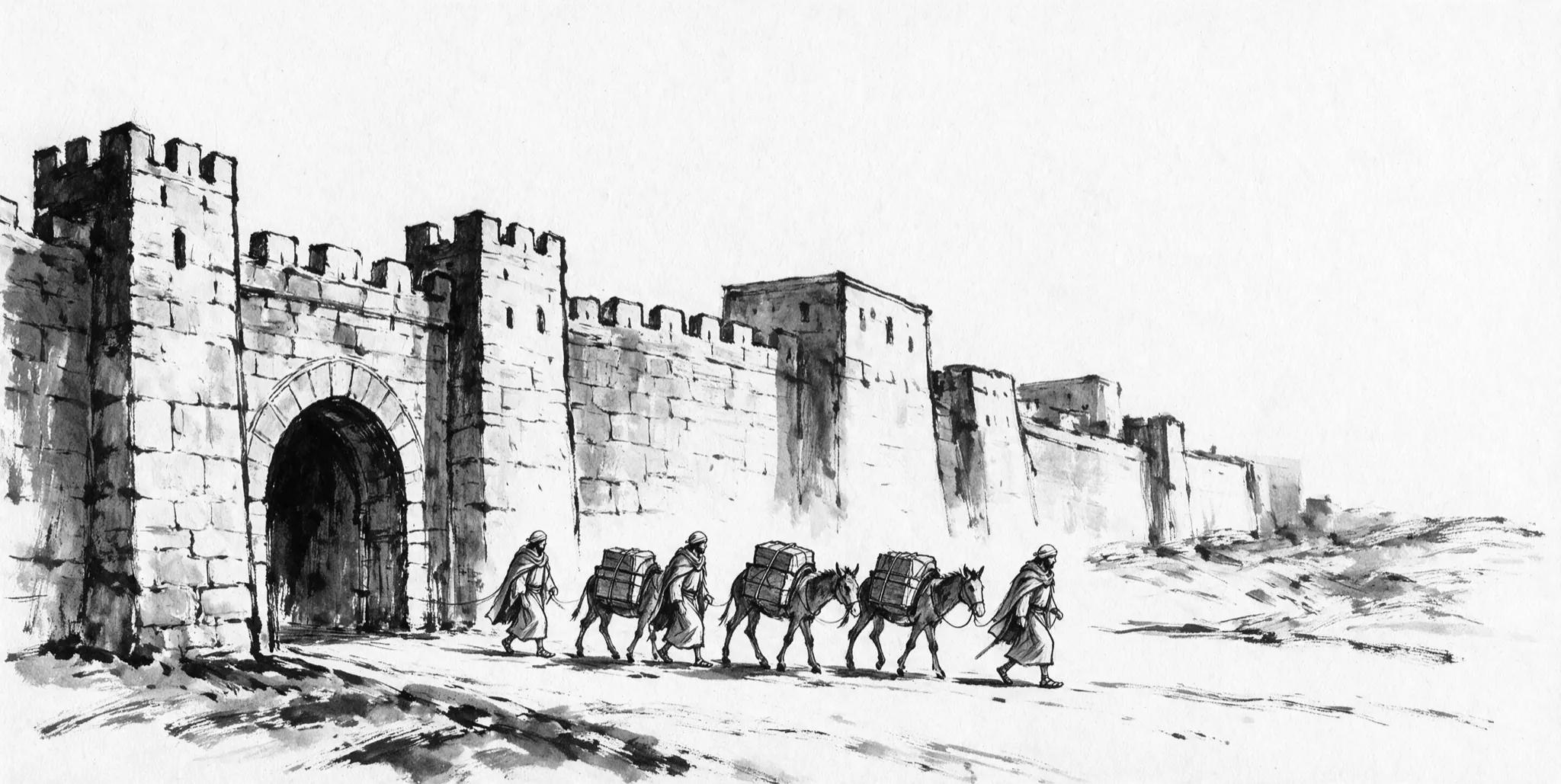
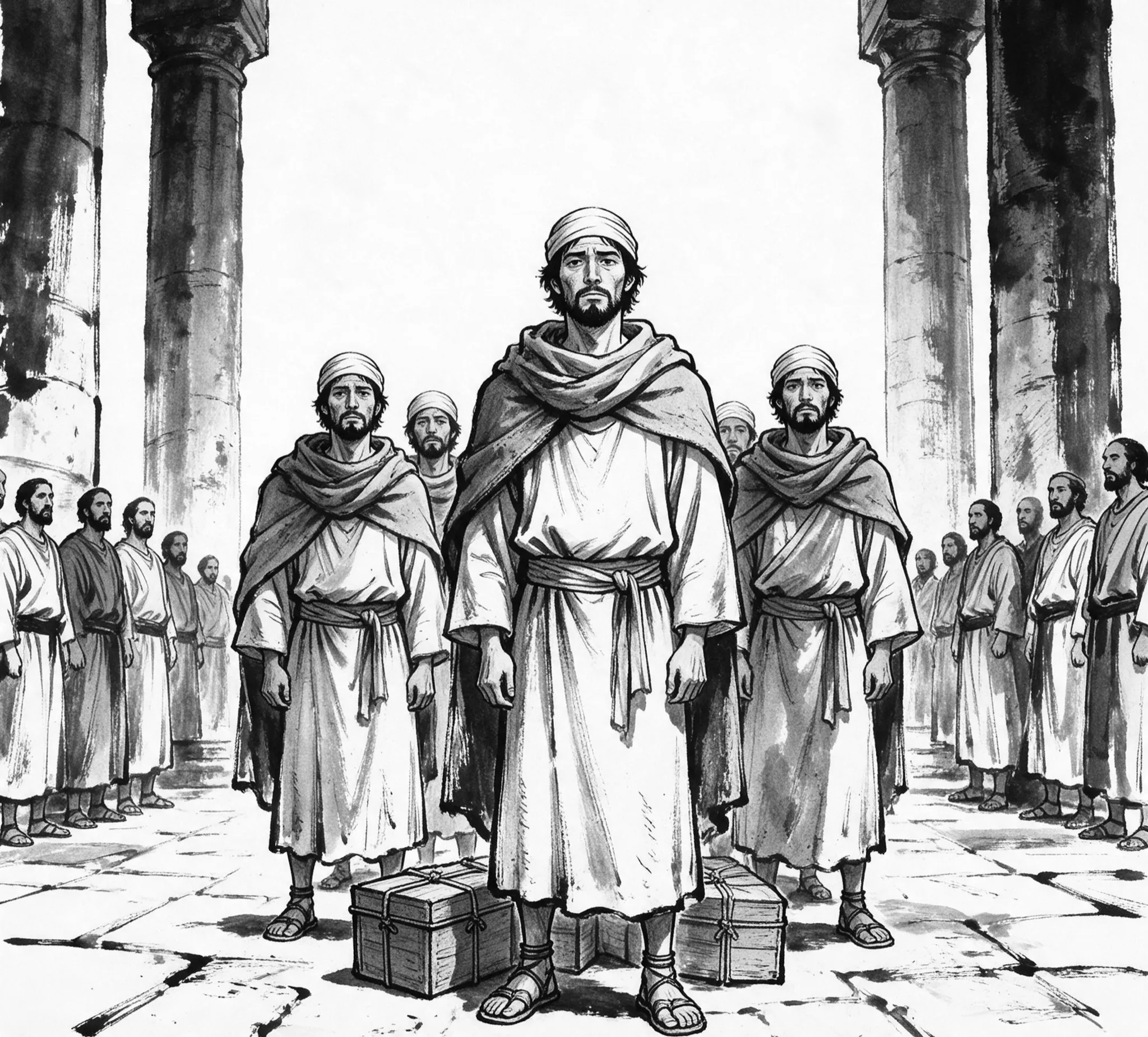
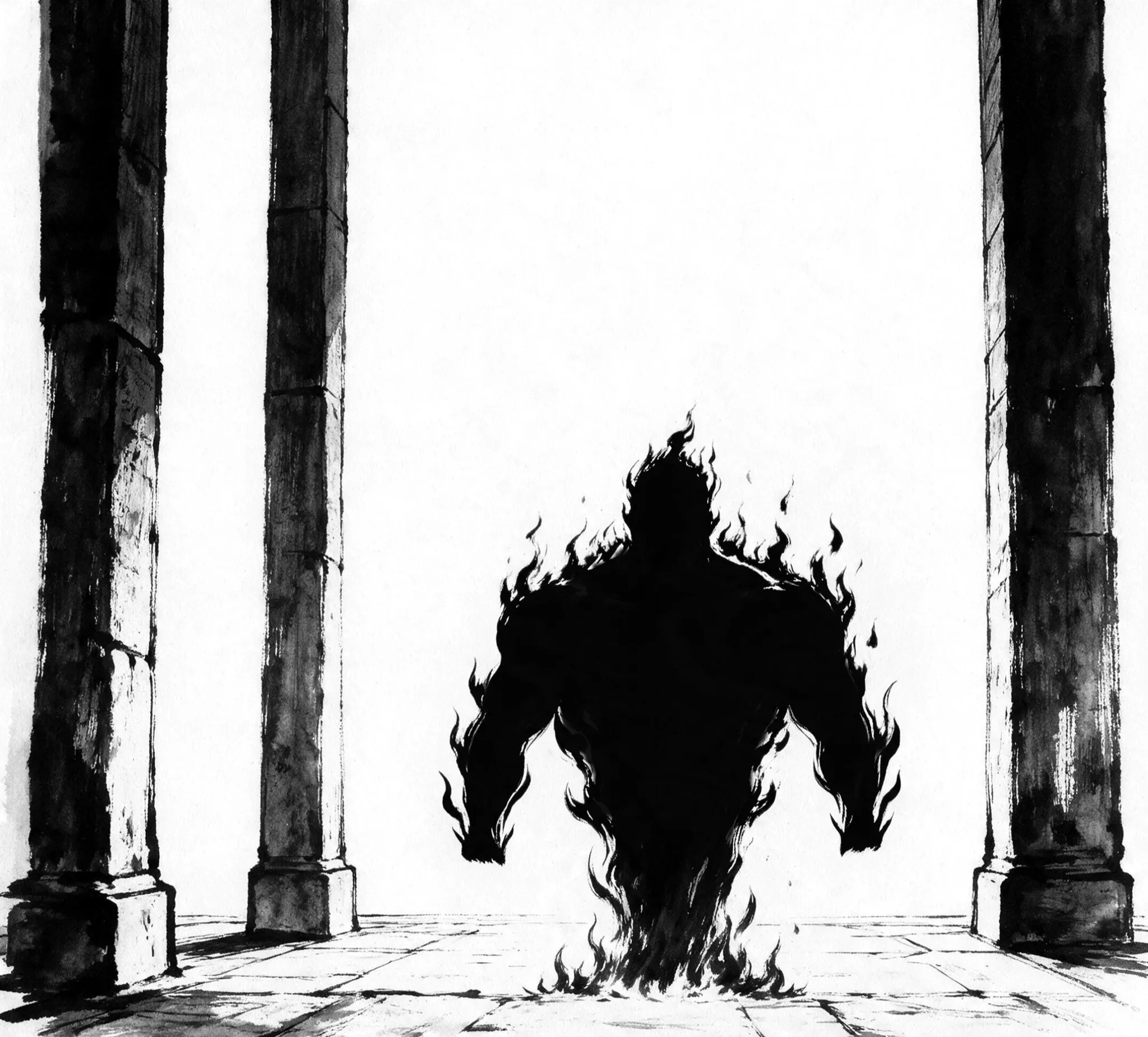
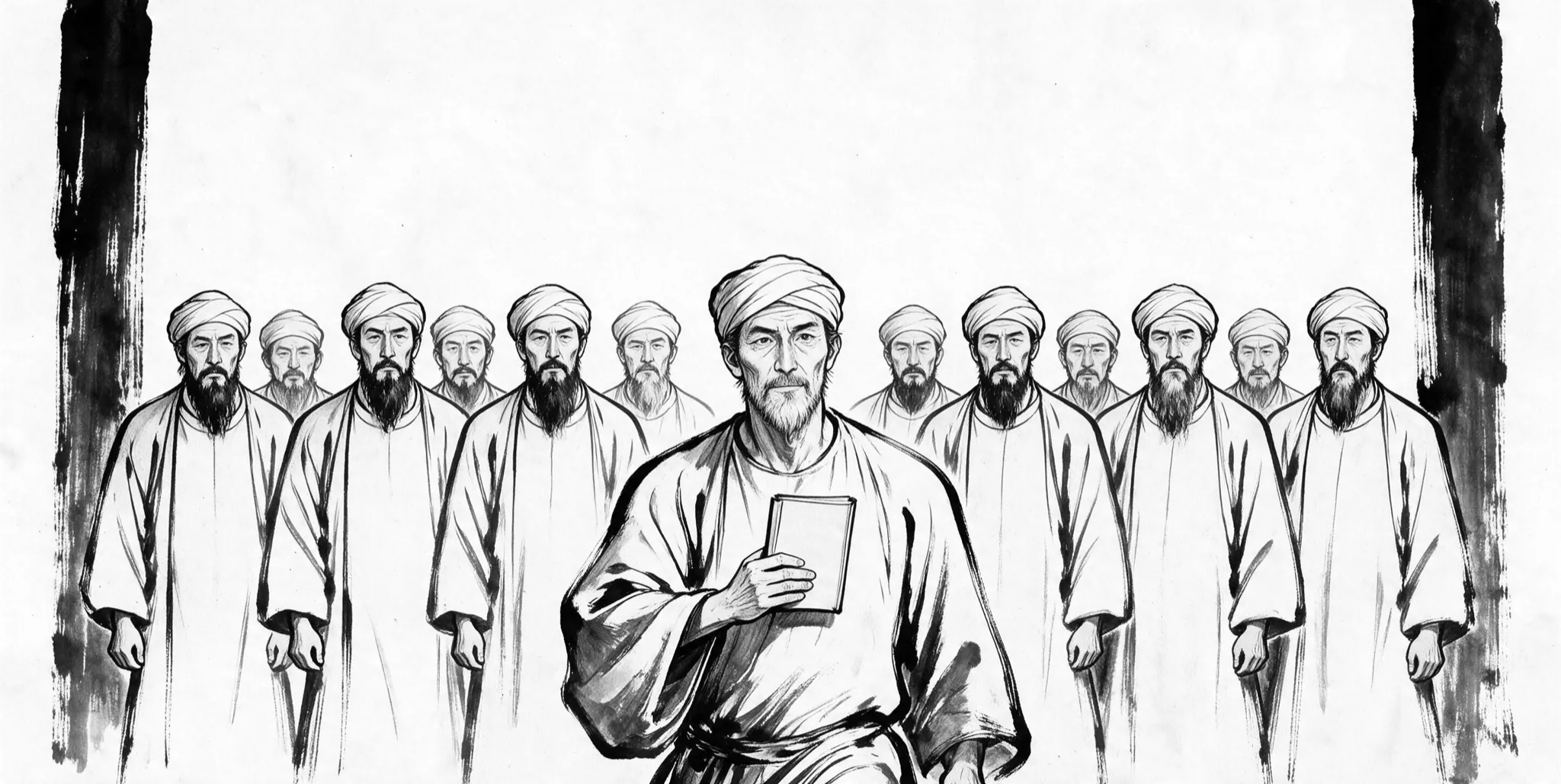
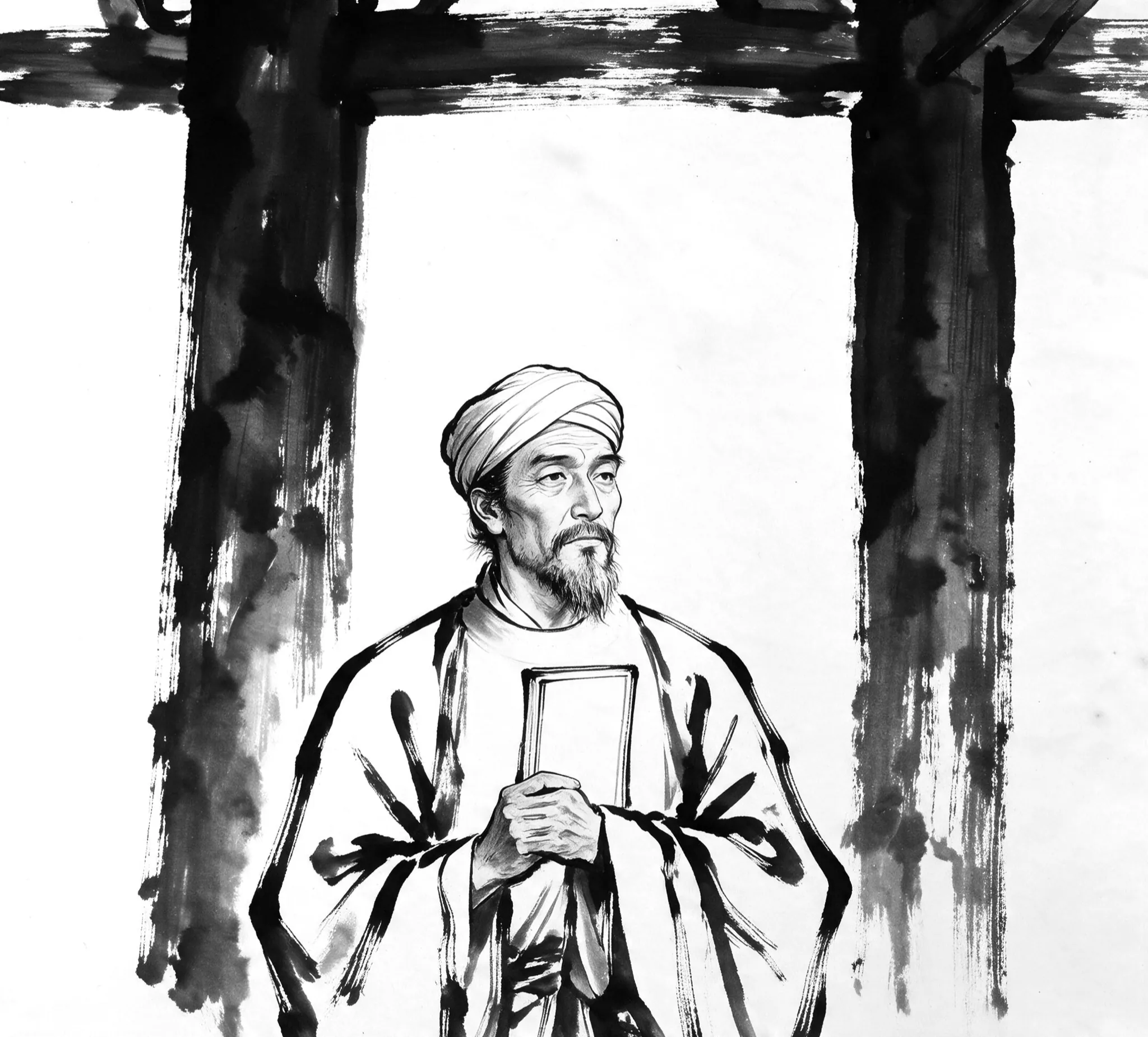
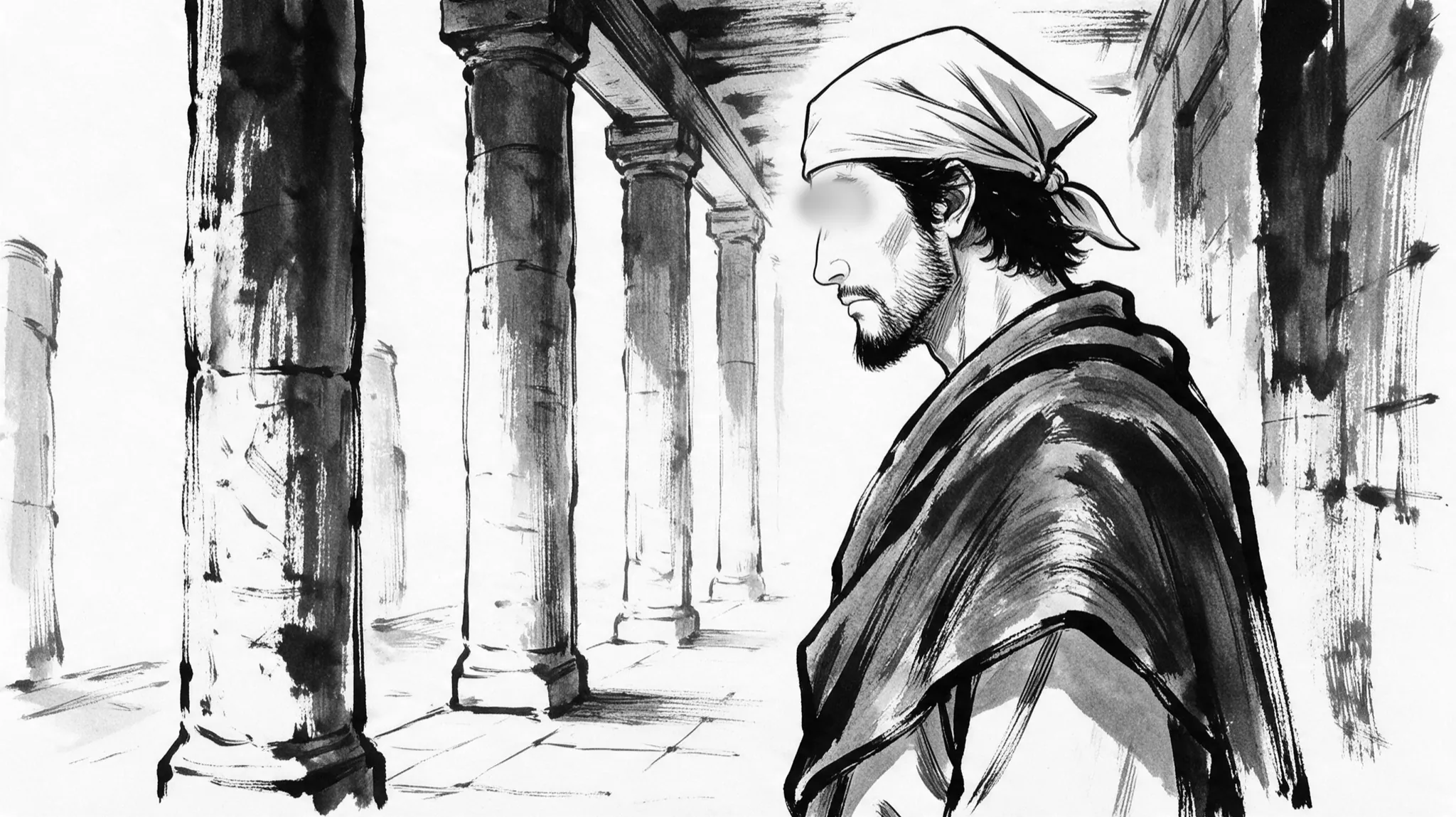
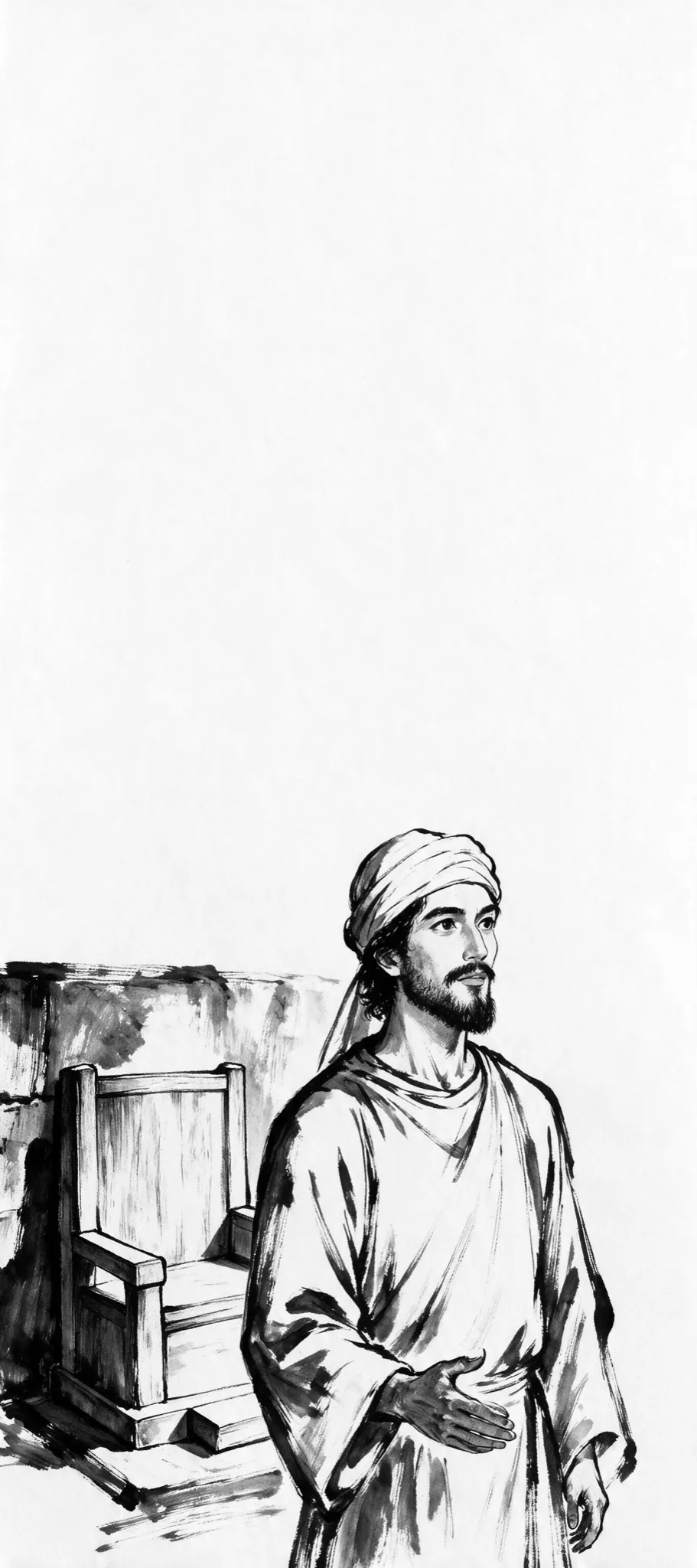
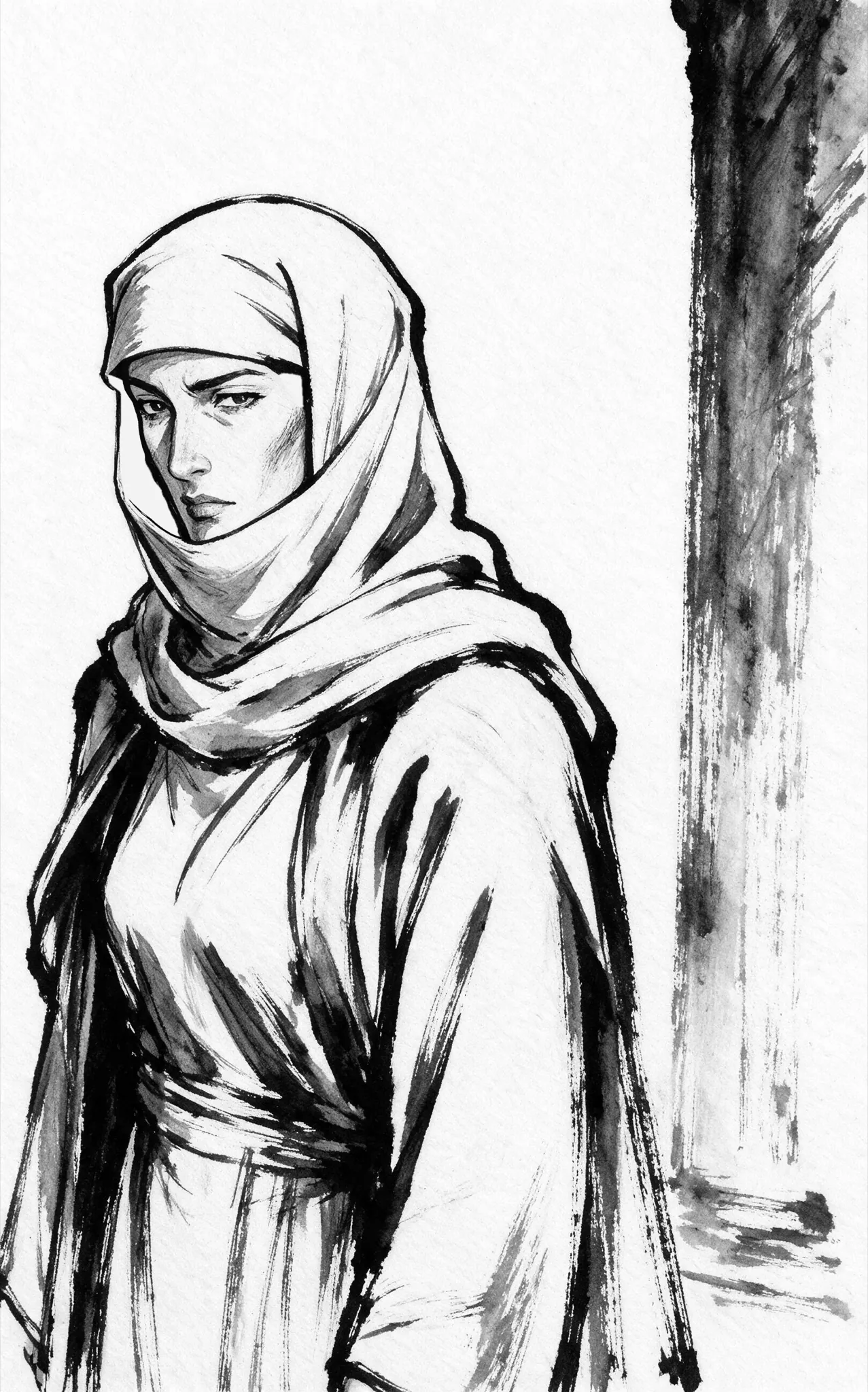
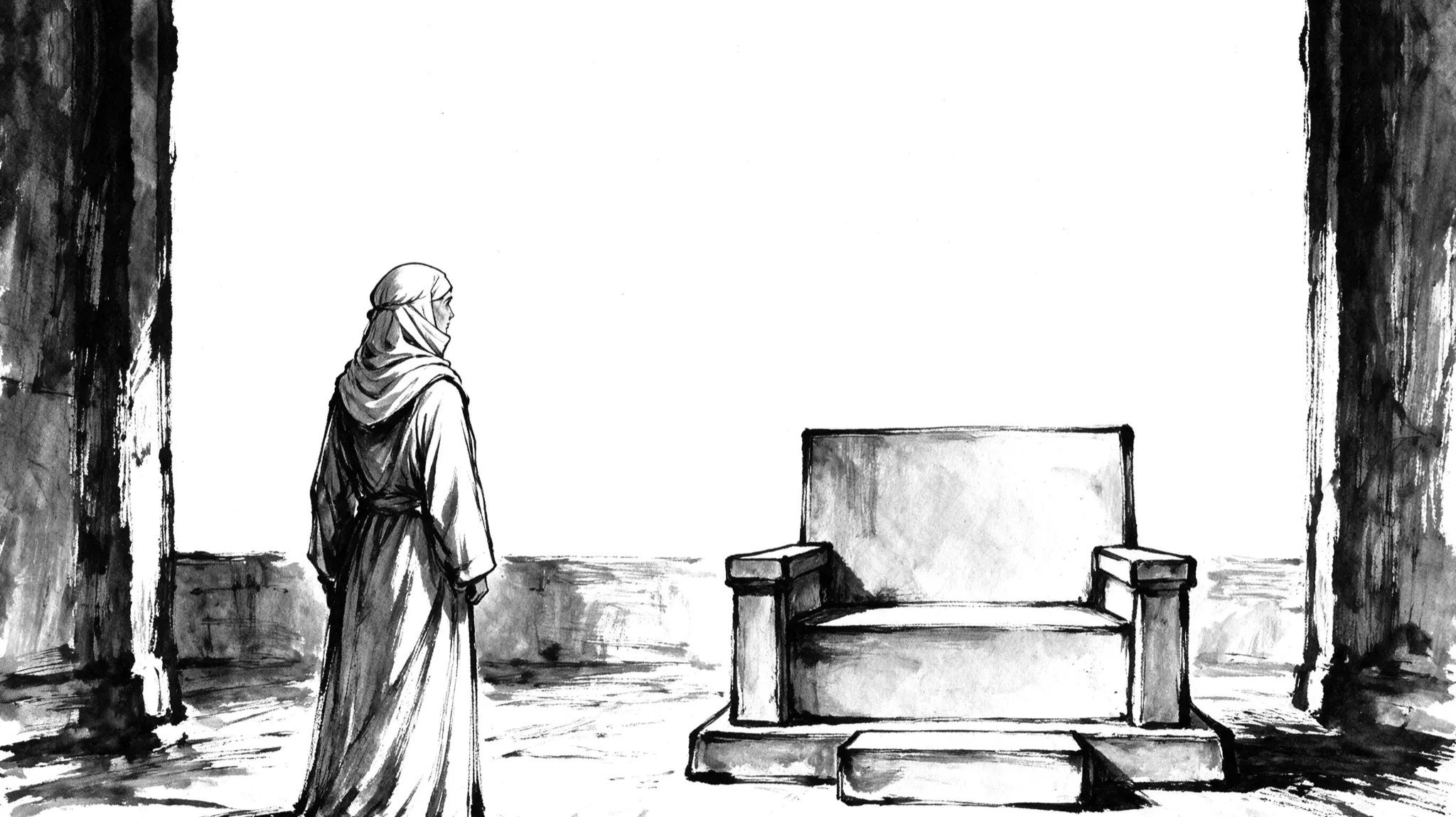
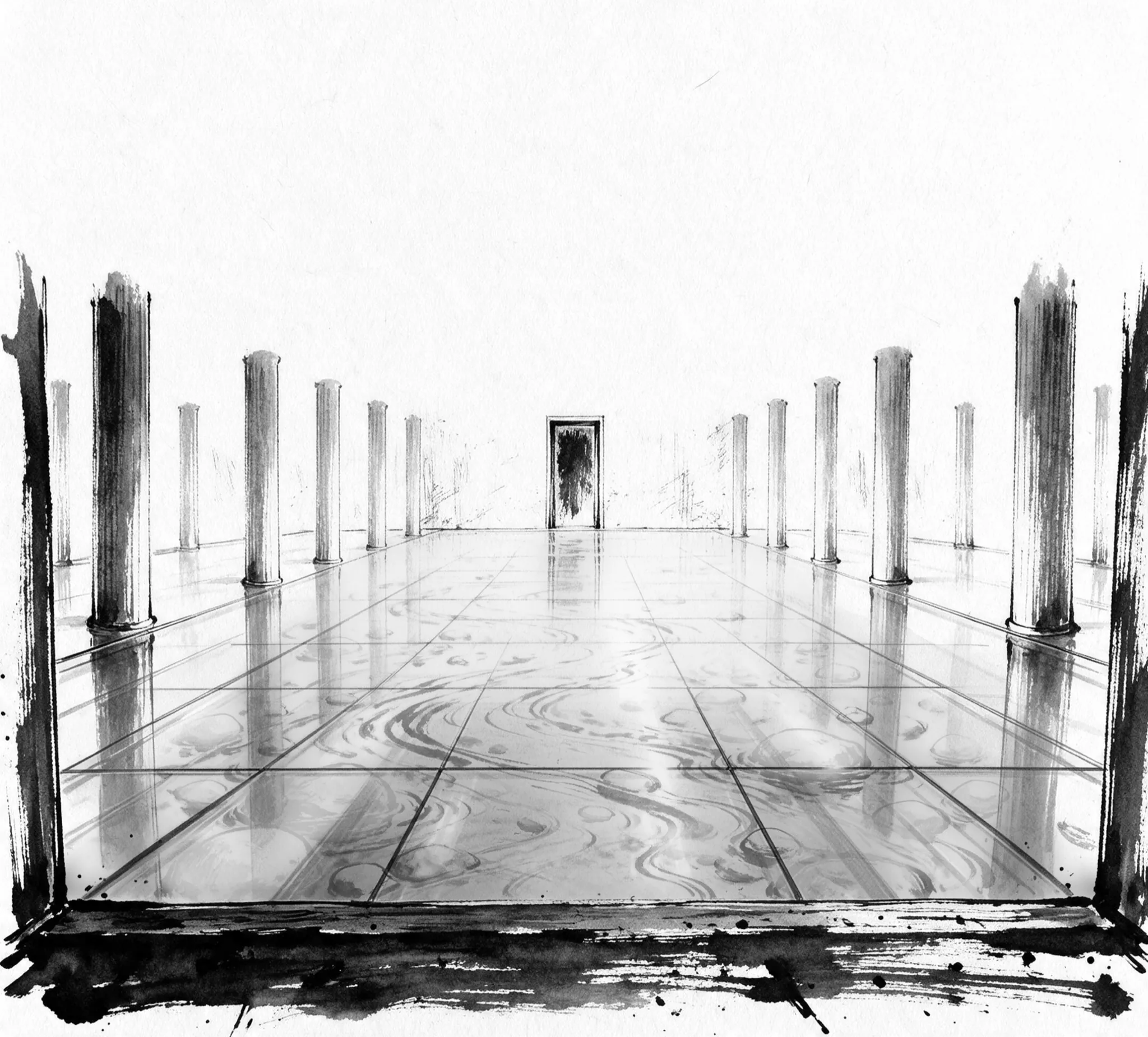
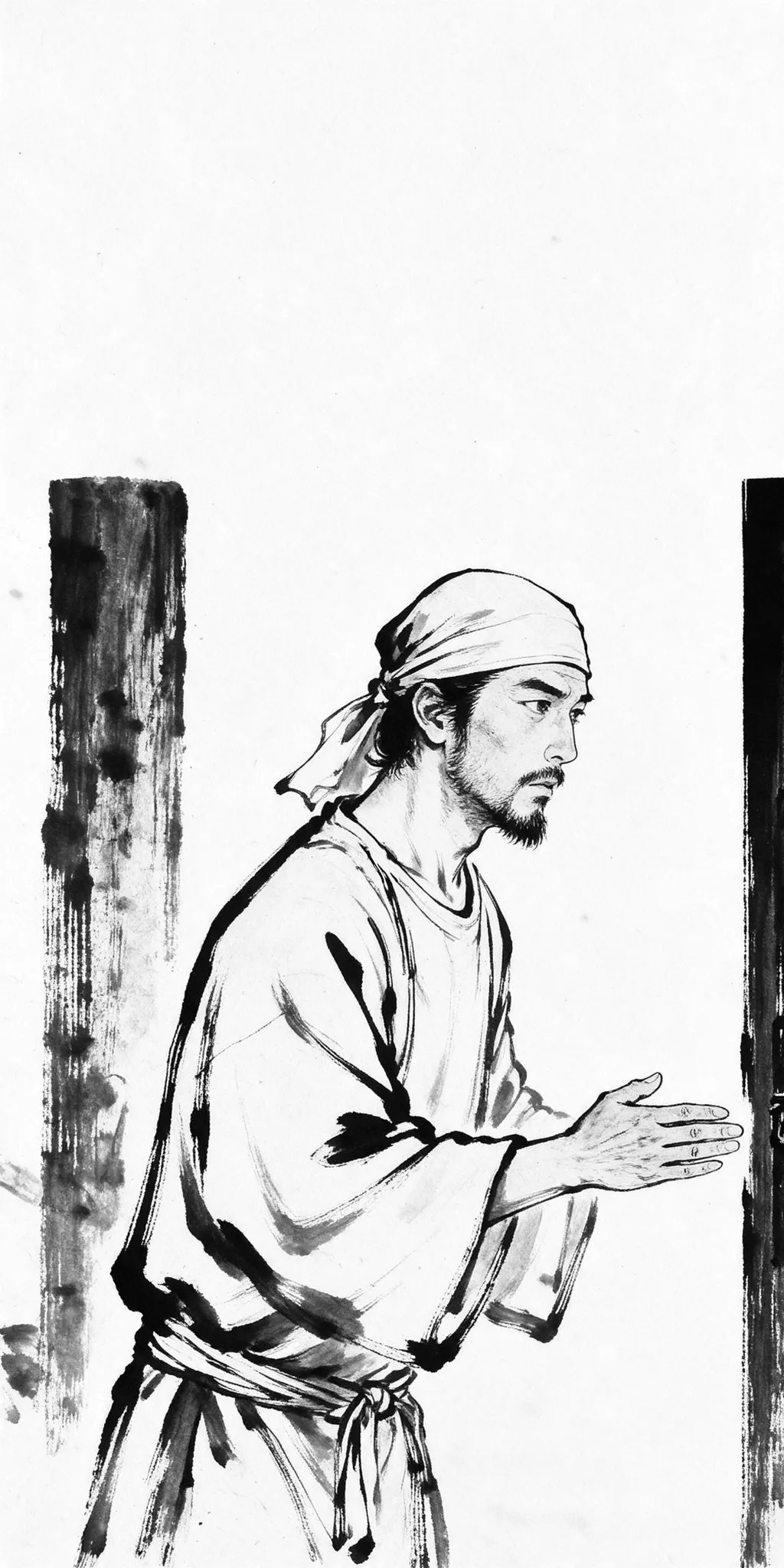
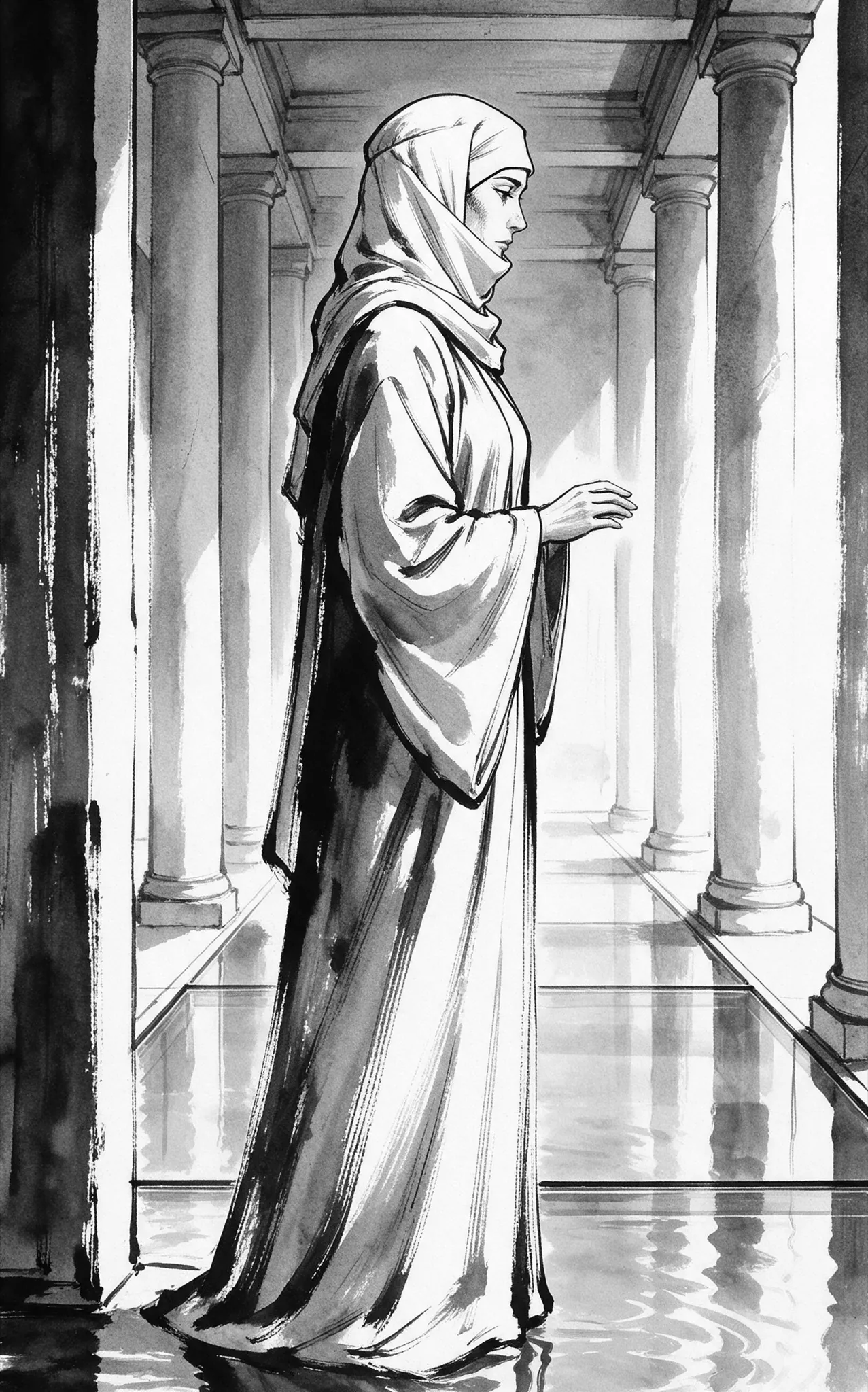
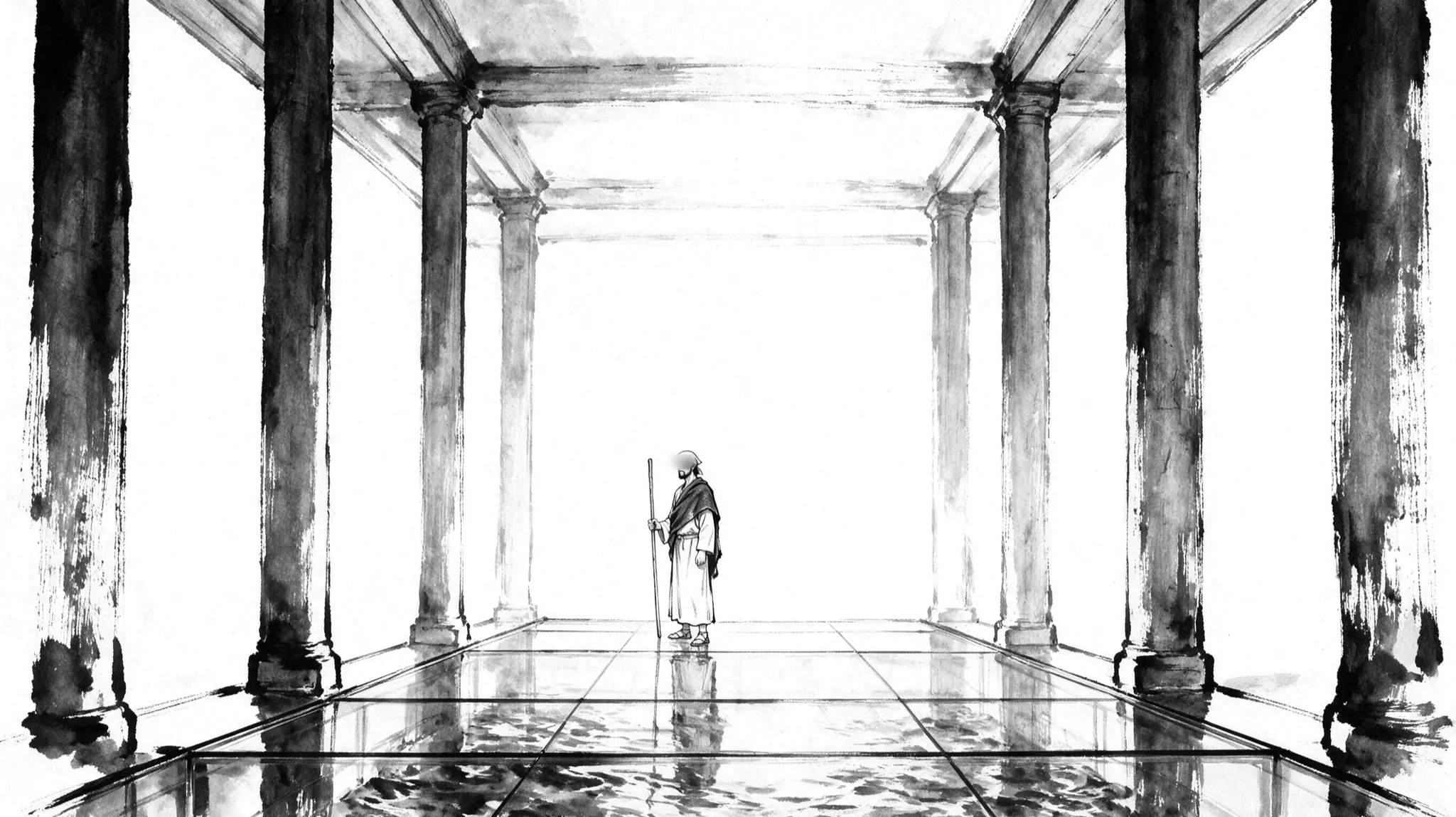
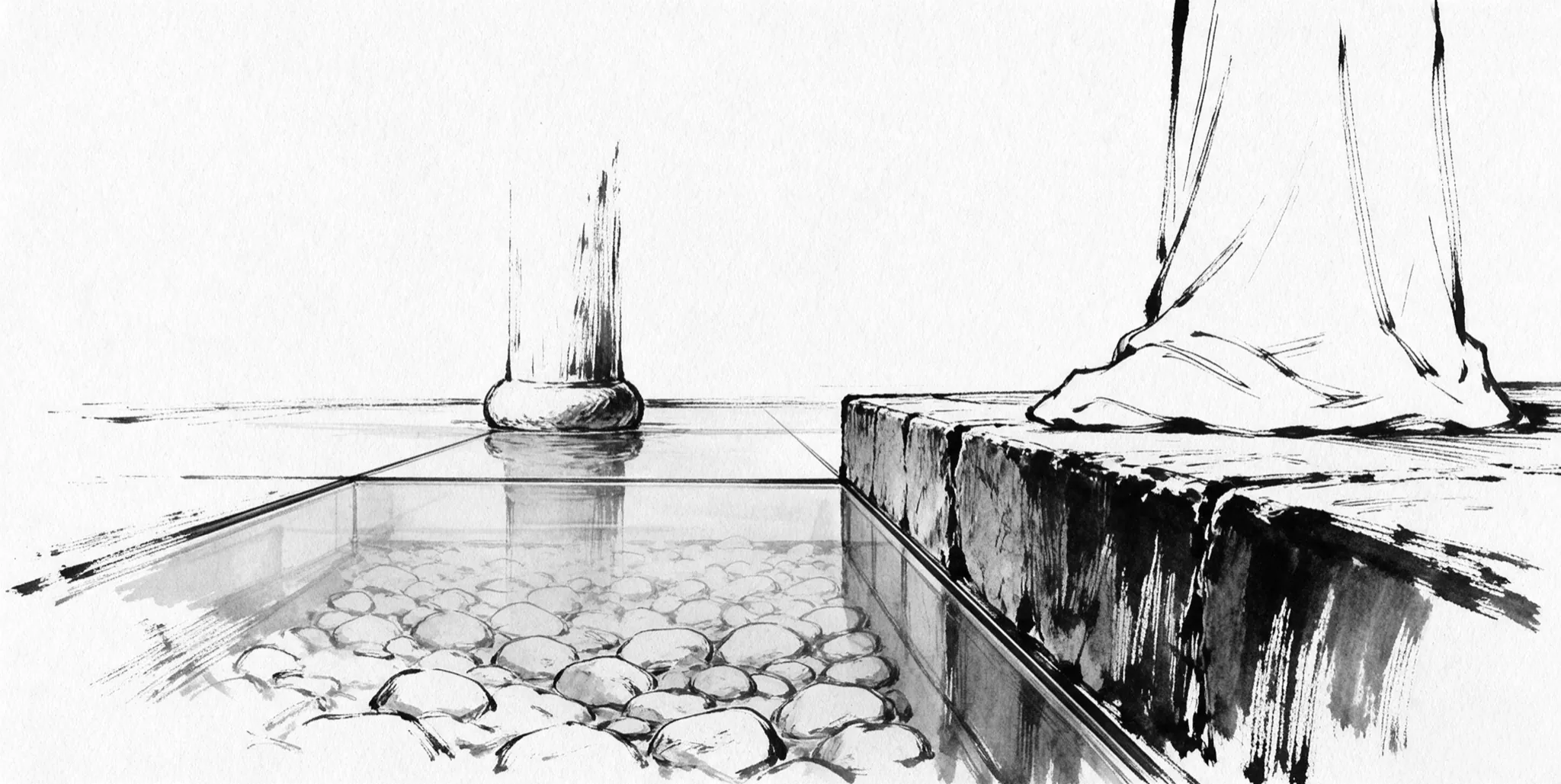
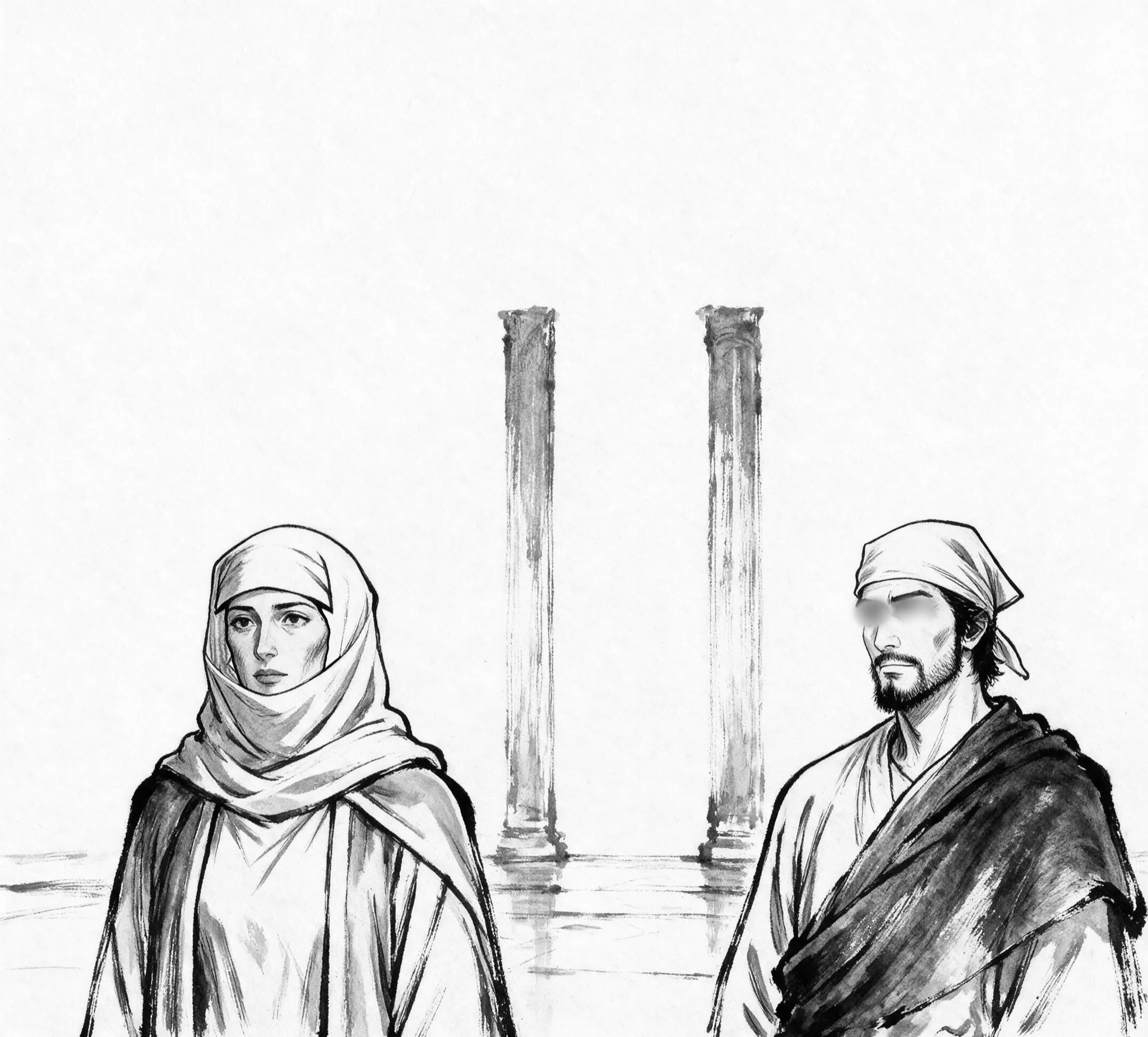
قِيلَ لَهَا ٱدْخُلِى ٱلصَّرْحَ ۖ فَلَمَّا رَأَتْهُ حَسِبَتْهُ لُجَّةً وَكَشَفَتْ عَن سَاقَيْهَا ۚ قَالَ إِنَّهُۥ صَرْحٌ مُّمَرَّدٌ مِّن قَوَارِيرَ ۗ قَالَتْ رَبِّ إِنِّى ظَلَمْتُ نَفْسِى وَأَسْلَمْتُ مَعَ سُلَيْمَـٰنَ لِلَّهِ رَبِّ ٱلْعَـٰلَمِينَ
She was told, "Enter the palace." But when she saw it, she thought it was a body of water and uncovered her shins [to wade through]. He said, "Indeed, it is a palace [whose floor is] made smooth with glass." She said, "My Lord, indeed I have wronged myself, and I submit with Solomon to Allāh, Lord of the worlds."
Qur'an 27:44
Saheeh International
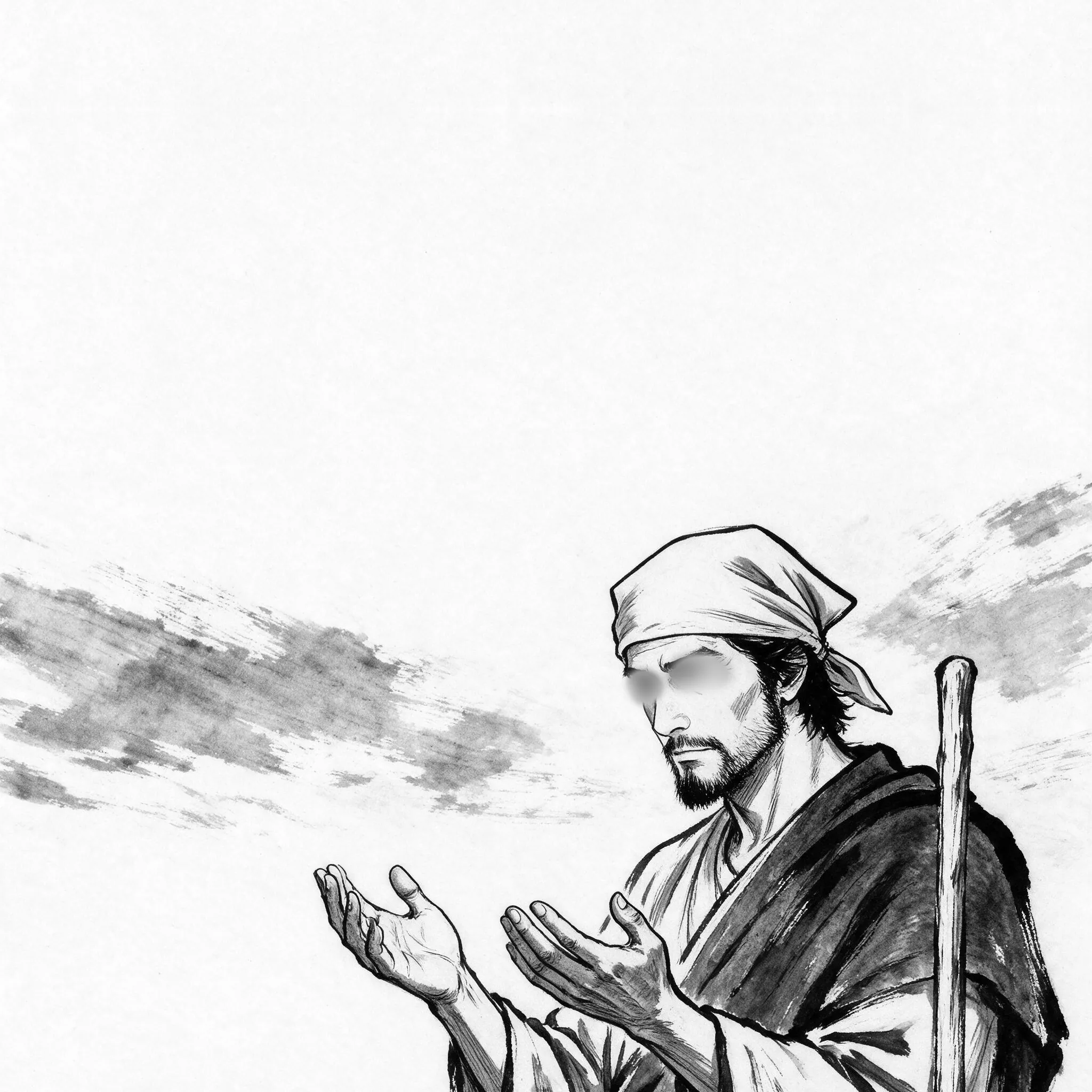
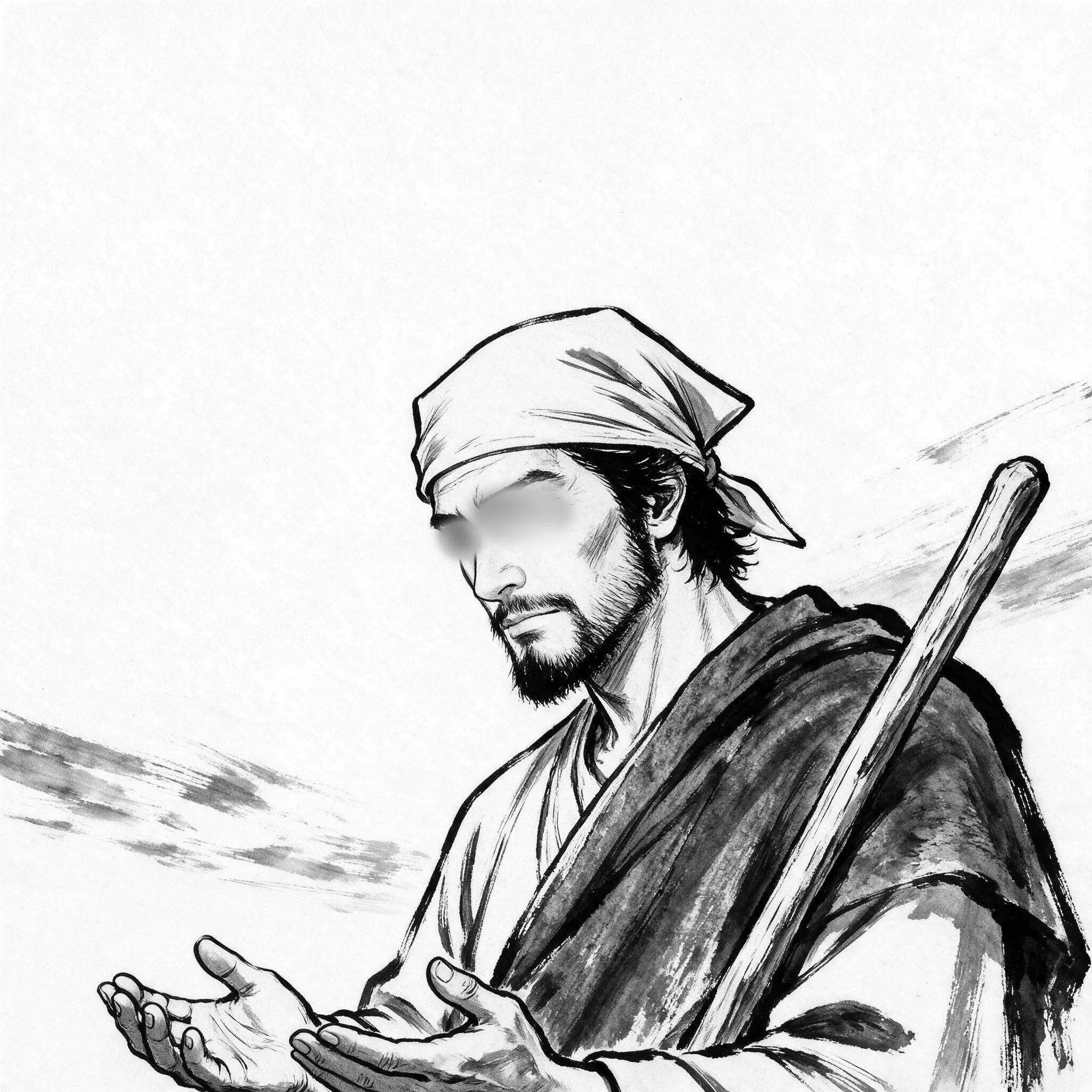
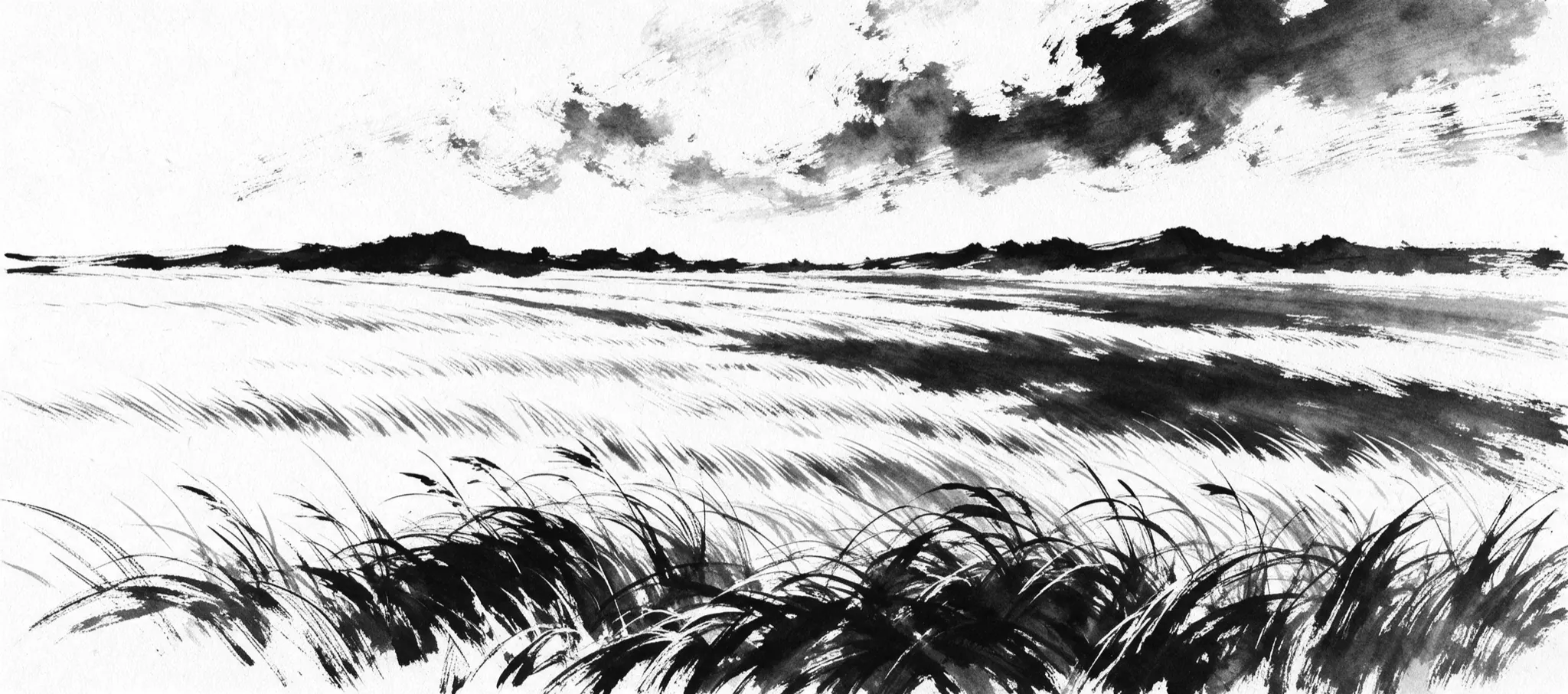
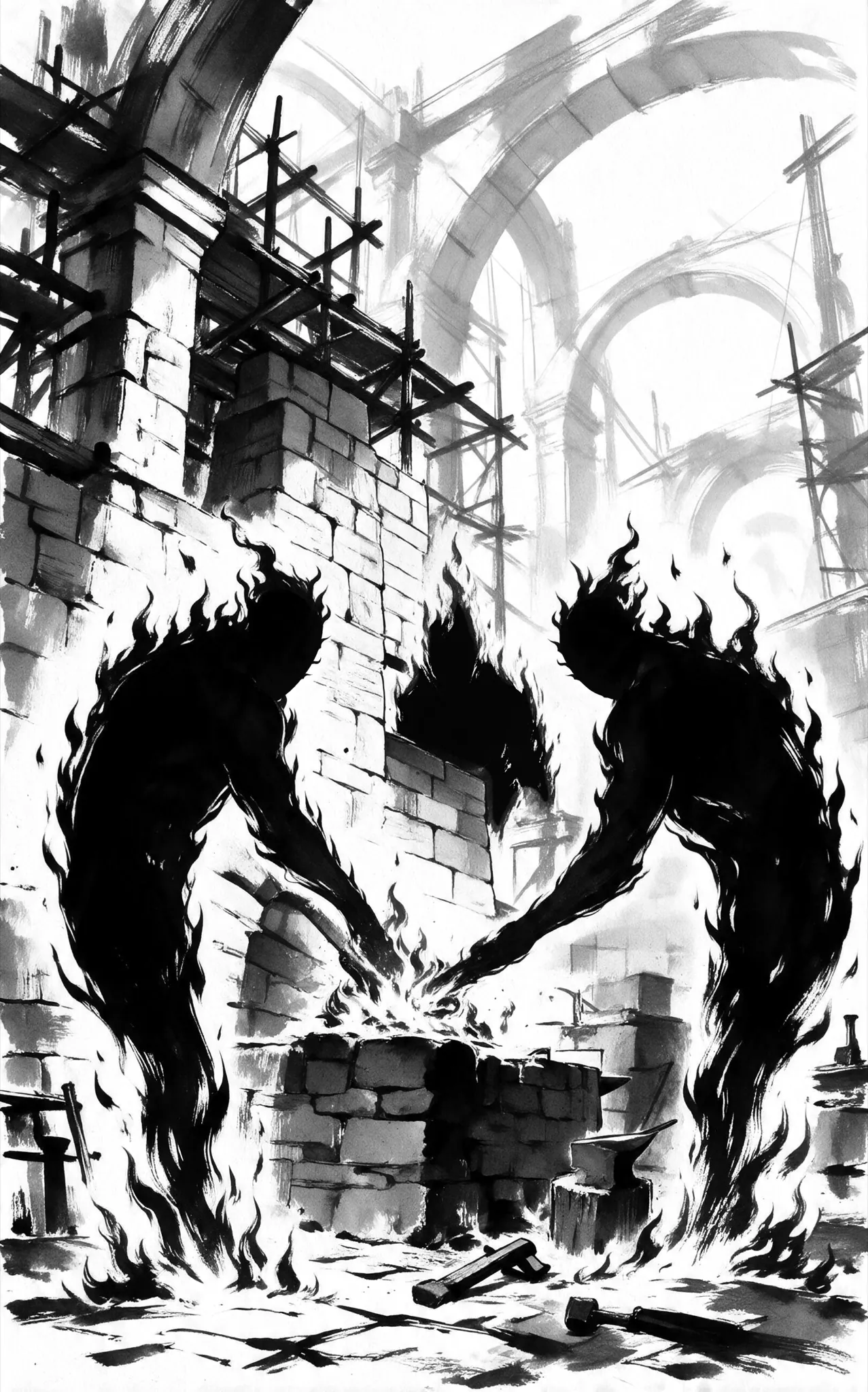
هَـٰذَا عَطَآؤُنَا فَٱمْنُنْ أَوْ أَمْسِكْ بِغَيْرِ حِسَابٍ وَإِنَّ لَهُۥ عِندَنَا لَزُلْفَىٰ وَحُسْنَ مَـَٔابٍ
[We said], "This is Our gift, so grant or withhold without account." And indeed, for him is nearness to Us and a good place of return.
Qur'an 38:39-40
Saheeh International
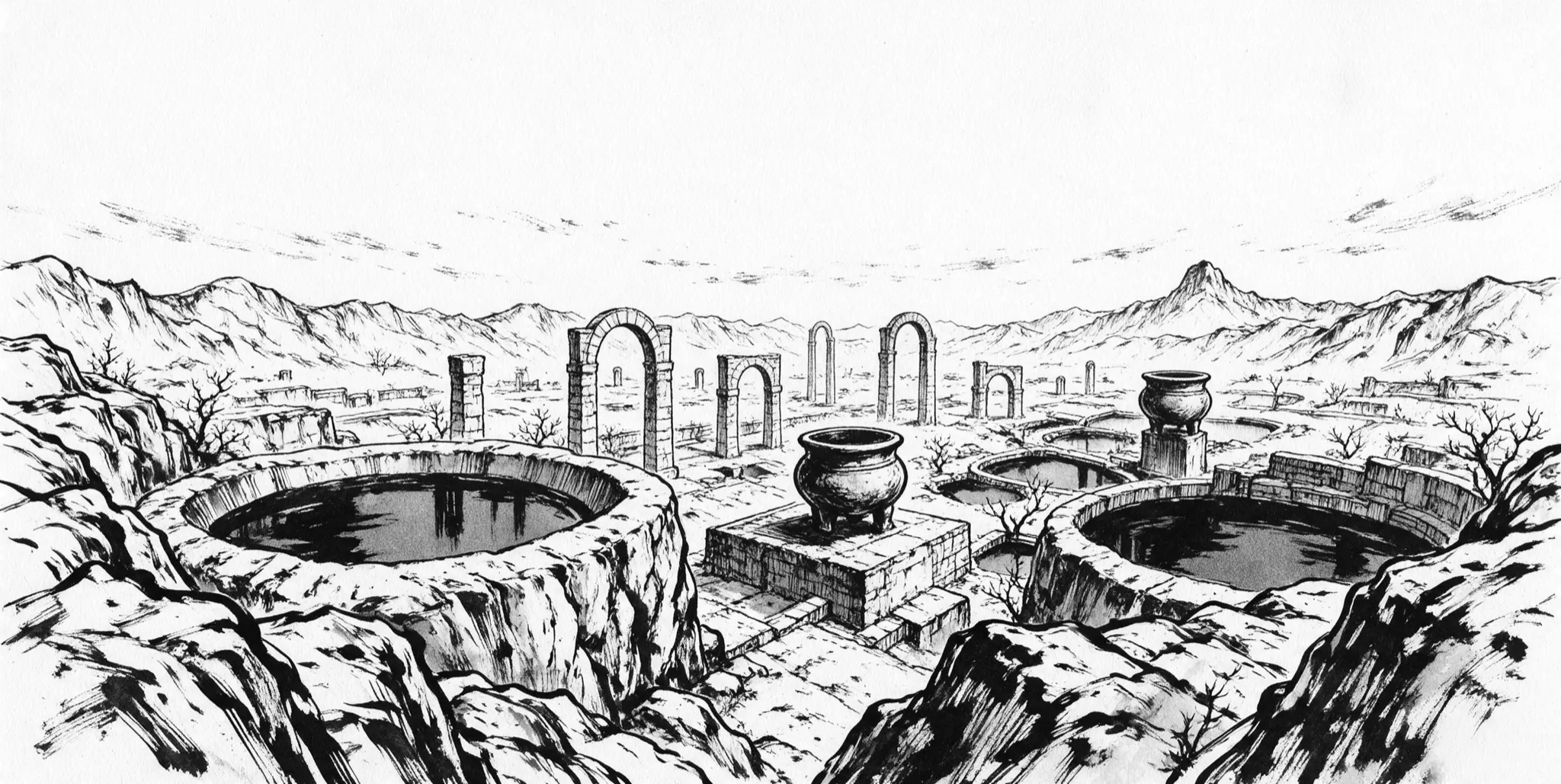
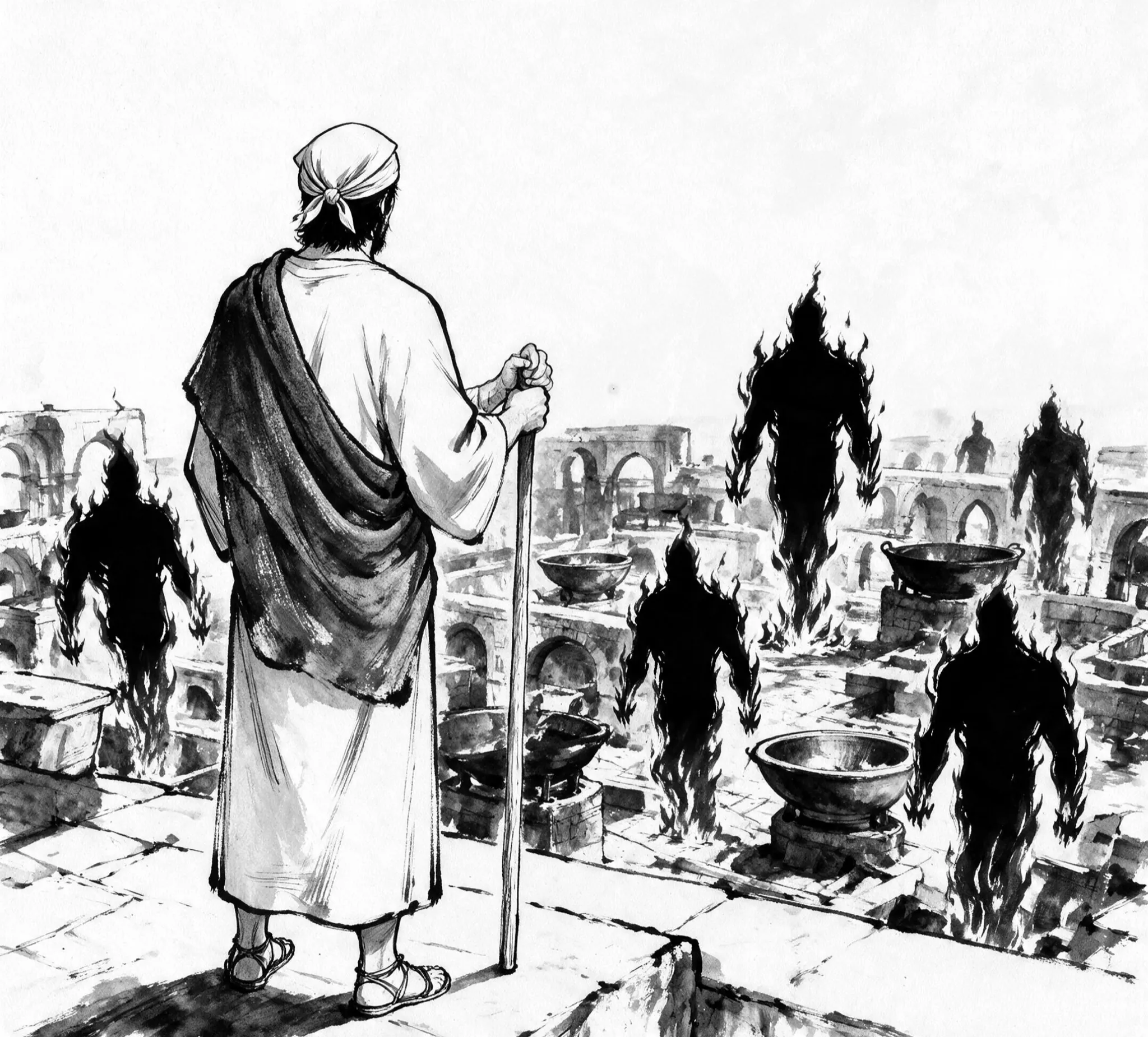
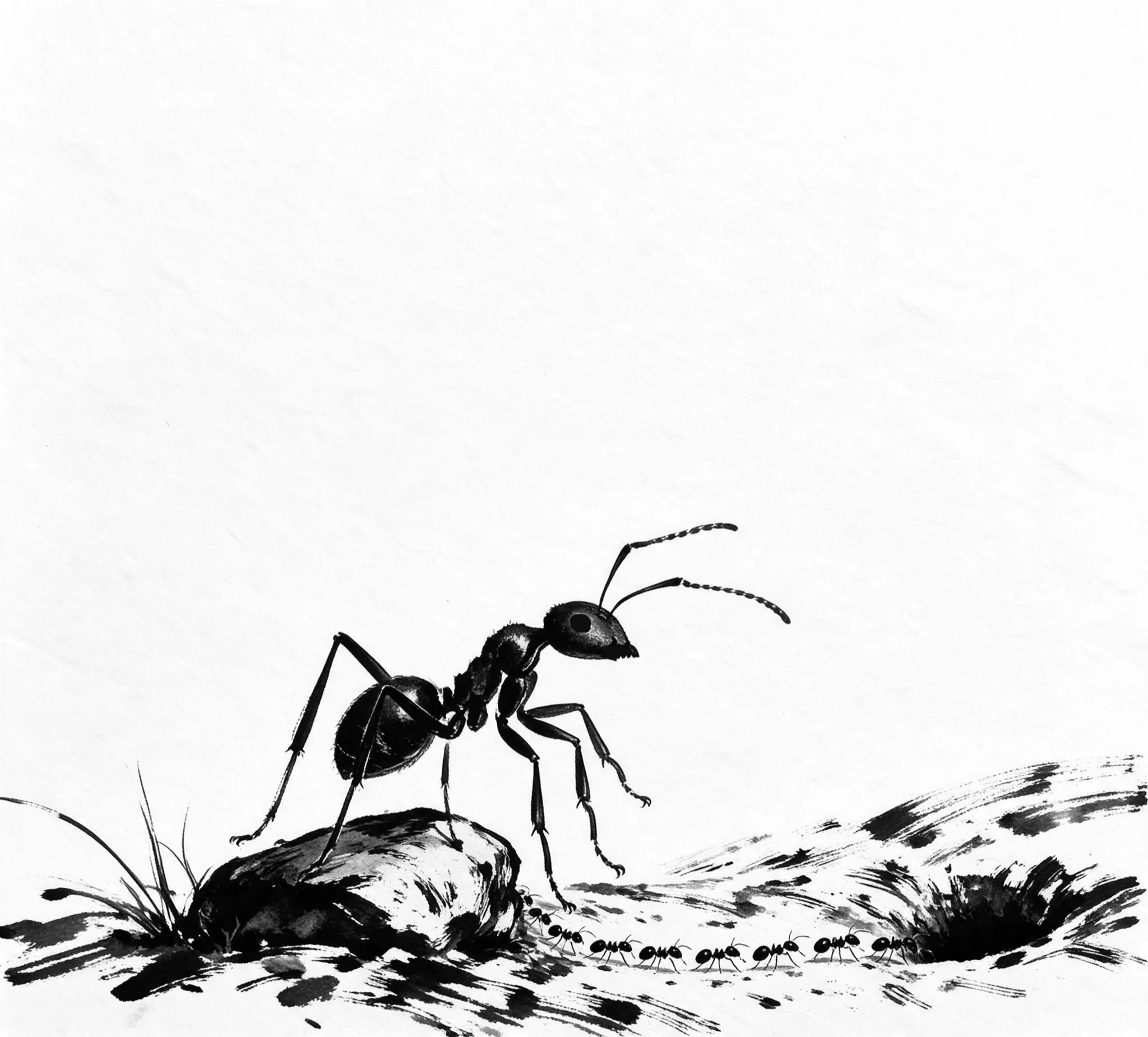
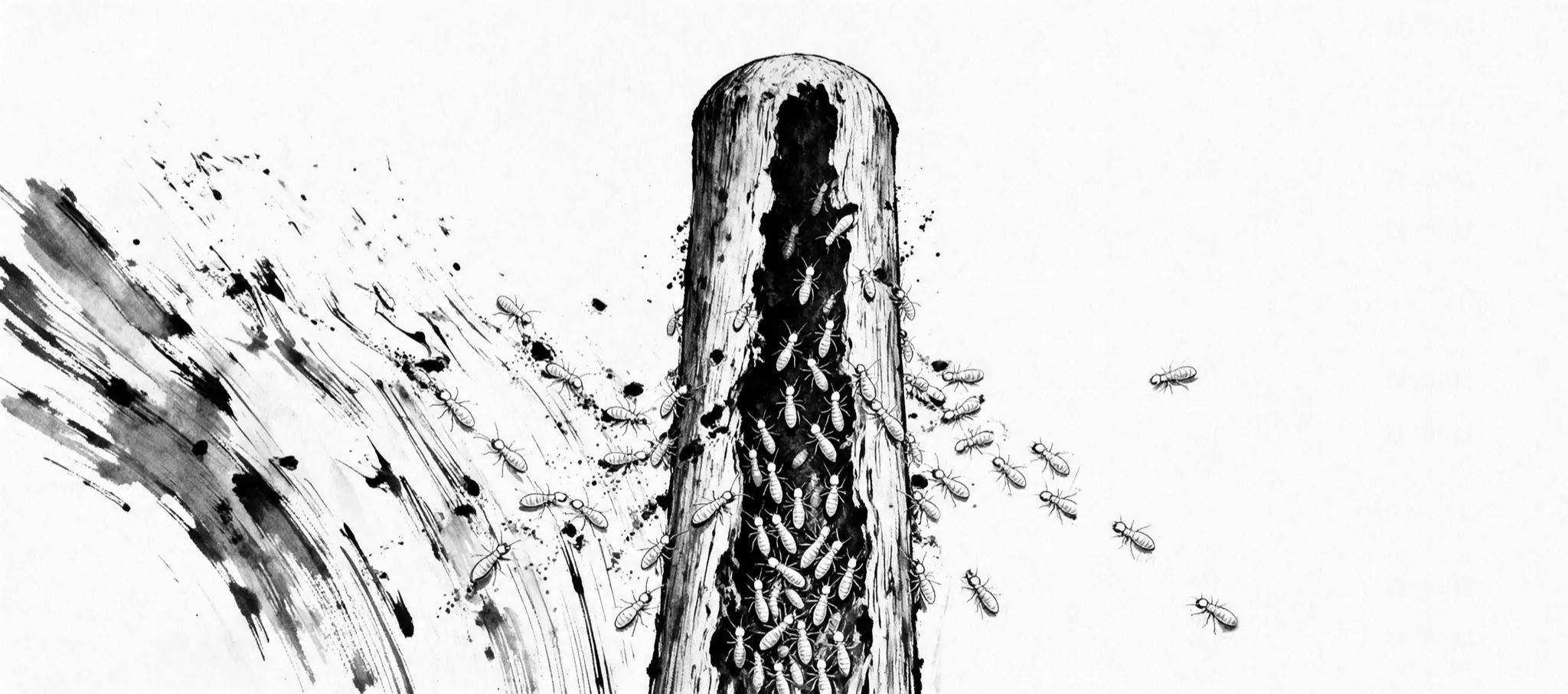
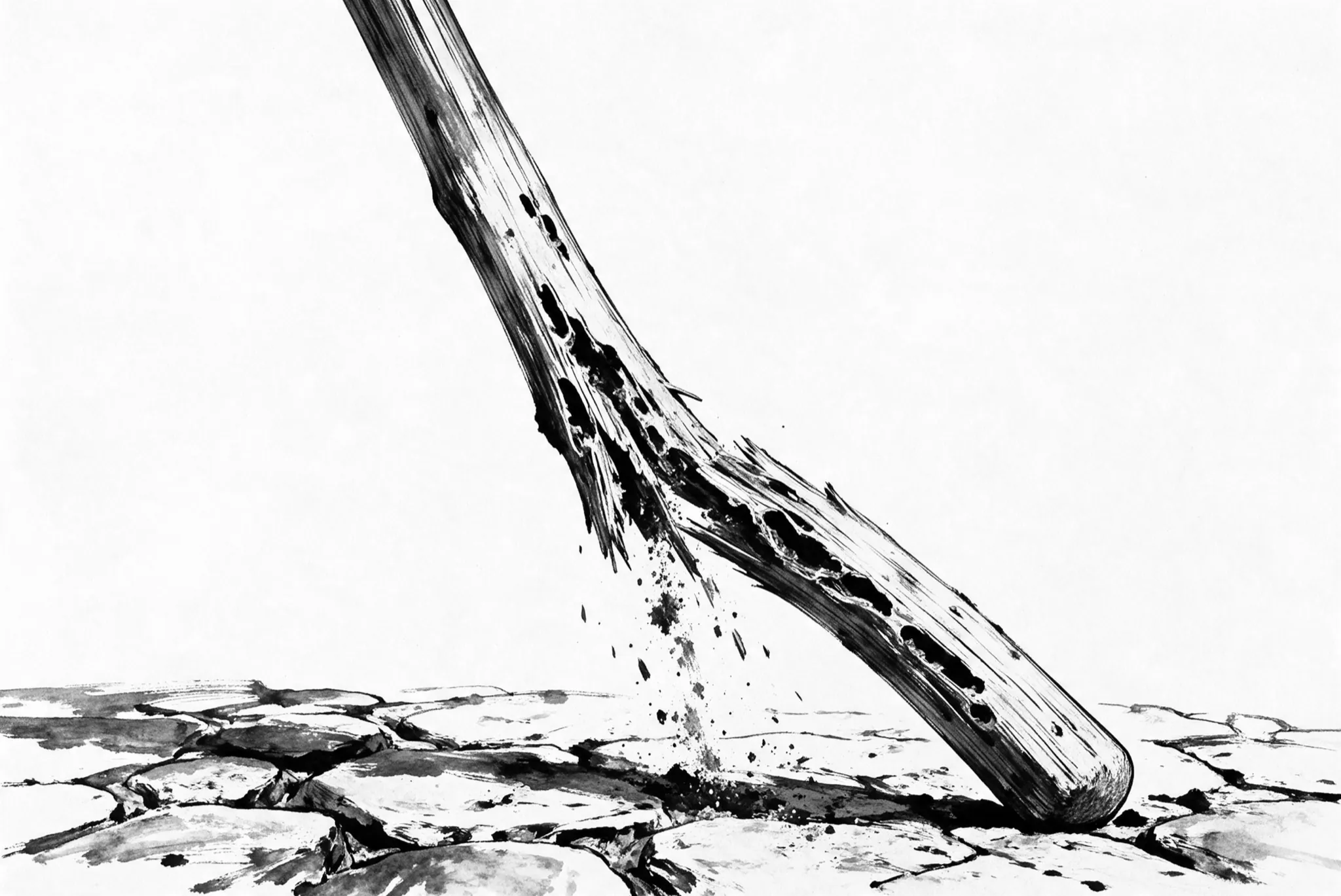
يَعْمَلُونَ لَهُۥ مَا يَشَآءُ مِن مَّحَـٰرِيبَ وَتَمَـٰثِيلَ وَجِفَانٍ كَٱلْجَوَابِ وَقُدُورٍ رَّاسِيَـٰتٍ ۚ ٱعْمَلُوٓا۟ ءَالَ دَاوُۥدَ شُكْرًا ۚ وَقَلِيلٌ مِّنْ عِبَادِىَ ٱلشَّكُورُ فَلَمَّا قَضَيْنَا عَلَيْهِ ٱلْمَوْتَ مَا دَلَّهُمْ عَلَىٰ مَوْتِهِۦٓ إِلَّا دَآبَّةُ ٱلْأَرْضِ تَأْكُلُ مِنسَأَتَهُۥ ۖ فَلَمَّا خَرَّ تَبَيَّنَتِ ٱلْجِنُّ أَن لَّوْ كَانُوا۟ يَعْلَمُونَ ٱلْغَيْبَ مَا لَبِثُوا۟ فِى ٱلْعَذَابِ ٱلْمُهِينِ
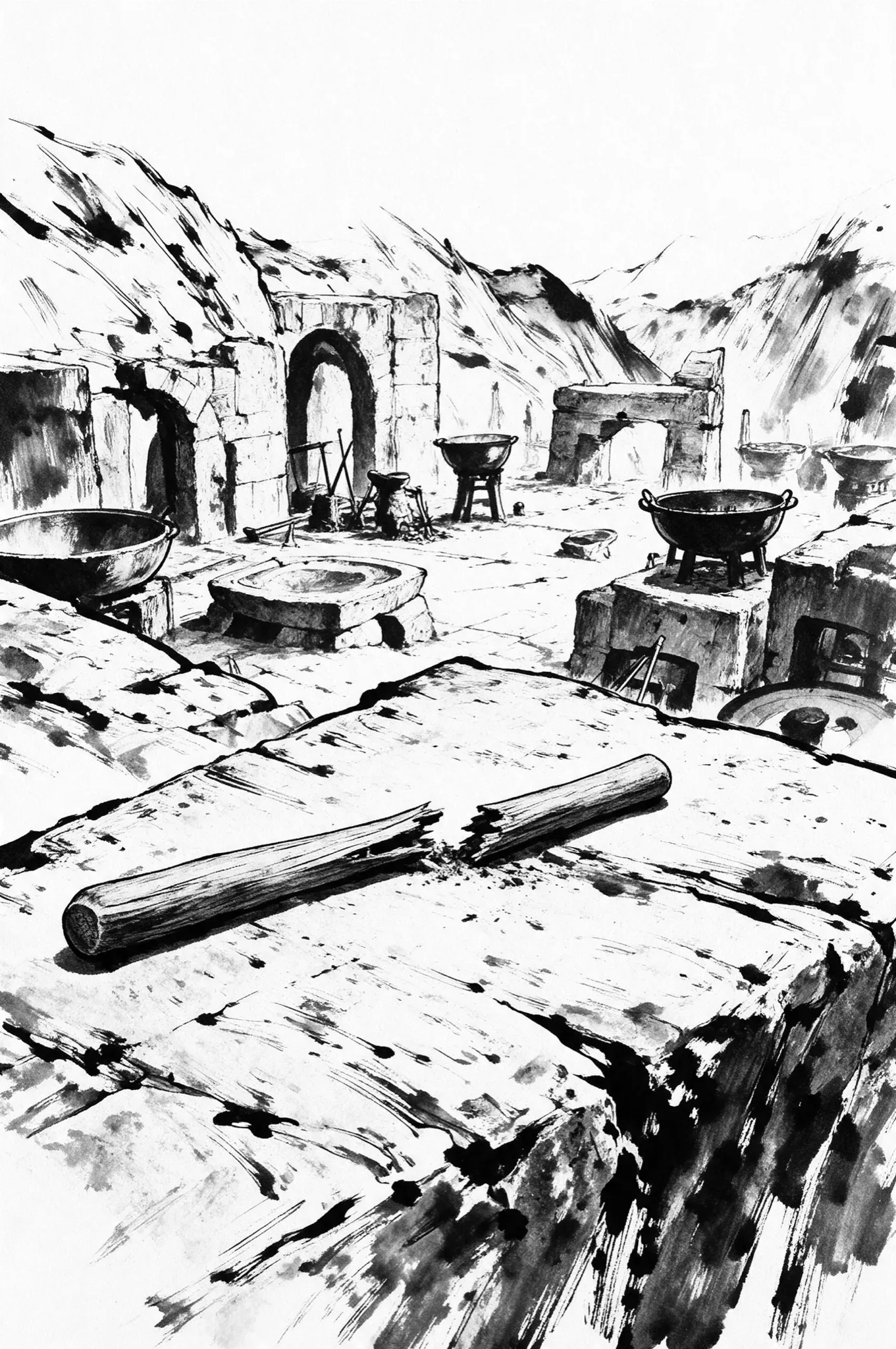
They made for him what he willed of elevated chambers, statues, bowls like reservoirs, and stationary kettles. [We said], "Work, O family of David, in gratitude." And few of My servants are grateful. And when We decreed for him [i.e., Solomon] death, nothing indicated to them [i.e., the jinn] his death except a creature of the earth eating his staff. But when he fell, it became clear to the jinn that if they had known the unseen, they would not have remained in humiliating punishment.
Qur'an 34:13-14
Saheeh International
Sources
- Qur'an 4:163; 6:84; 27:15; 38:30 - Dawud and Sulayman are prophets: 4:163 gives Dawud the Zabur, 6:84 names both among those Allah guided, 27:15 says Allah gave both of them knowledge, and 38:30 calls Sulayman an excellent servant, ever turning back (given to Dawud)
- Qur'an 21:78-79 - the pause page: Dawud and Sulayman judged concerning the field when the sheep of a people overran it by night, and Allah was witness to their judgment (21:78); He gave Sulayman the understanding of it and to each of them judgment and knowledge, and subjected the mountains and the birds to glorify along with Dawud (21:79). The page is recited whole
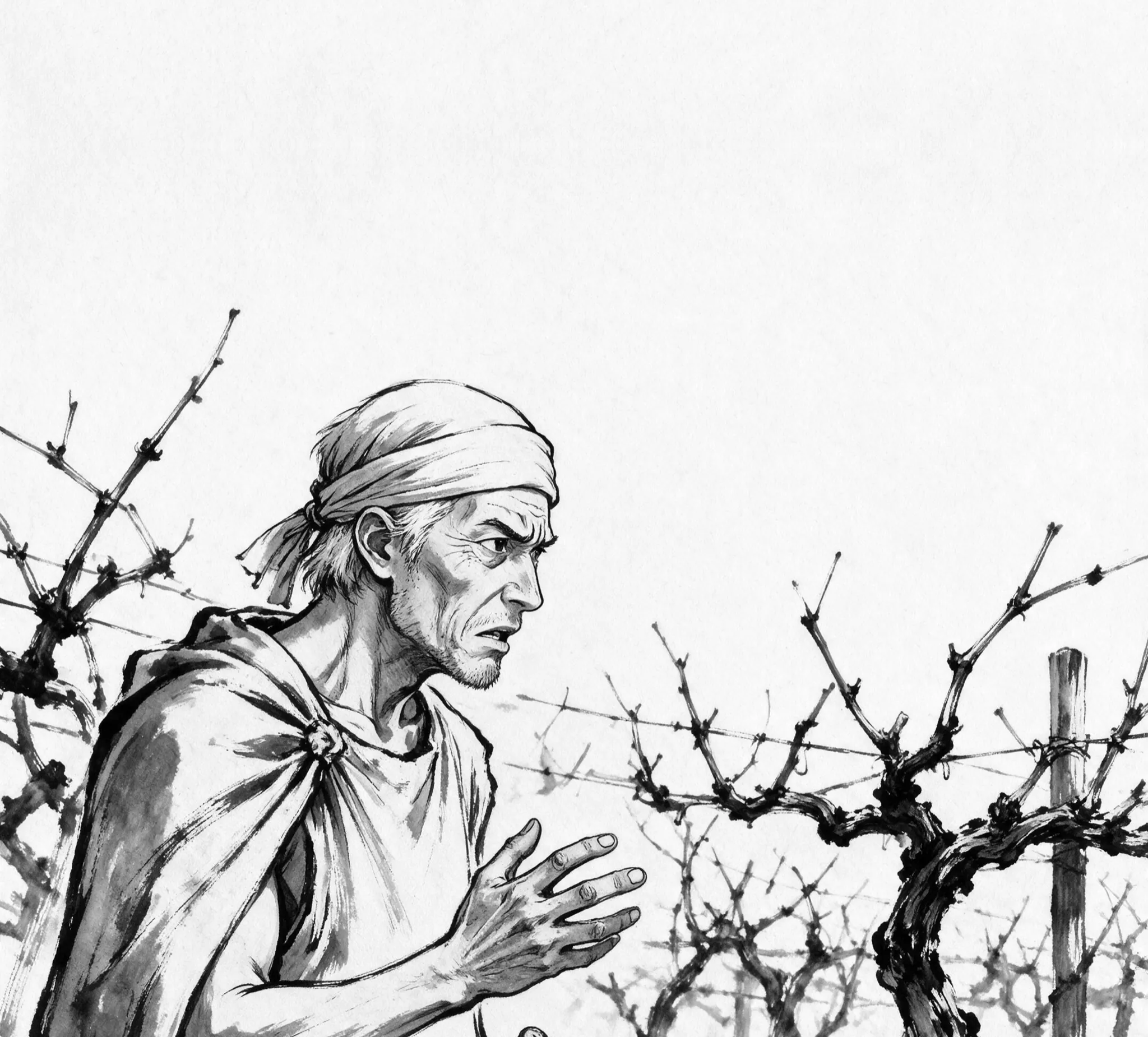
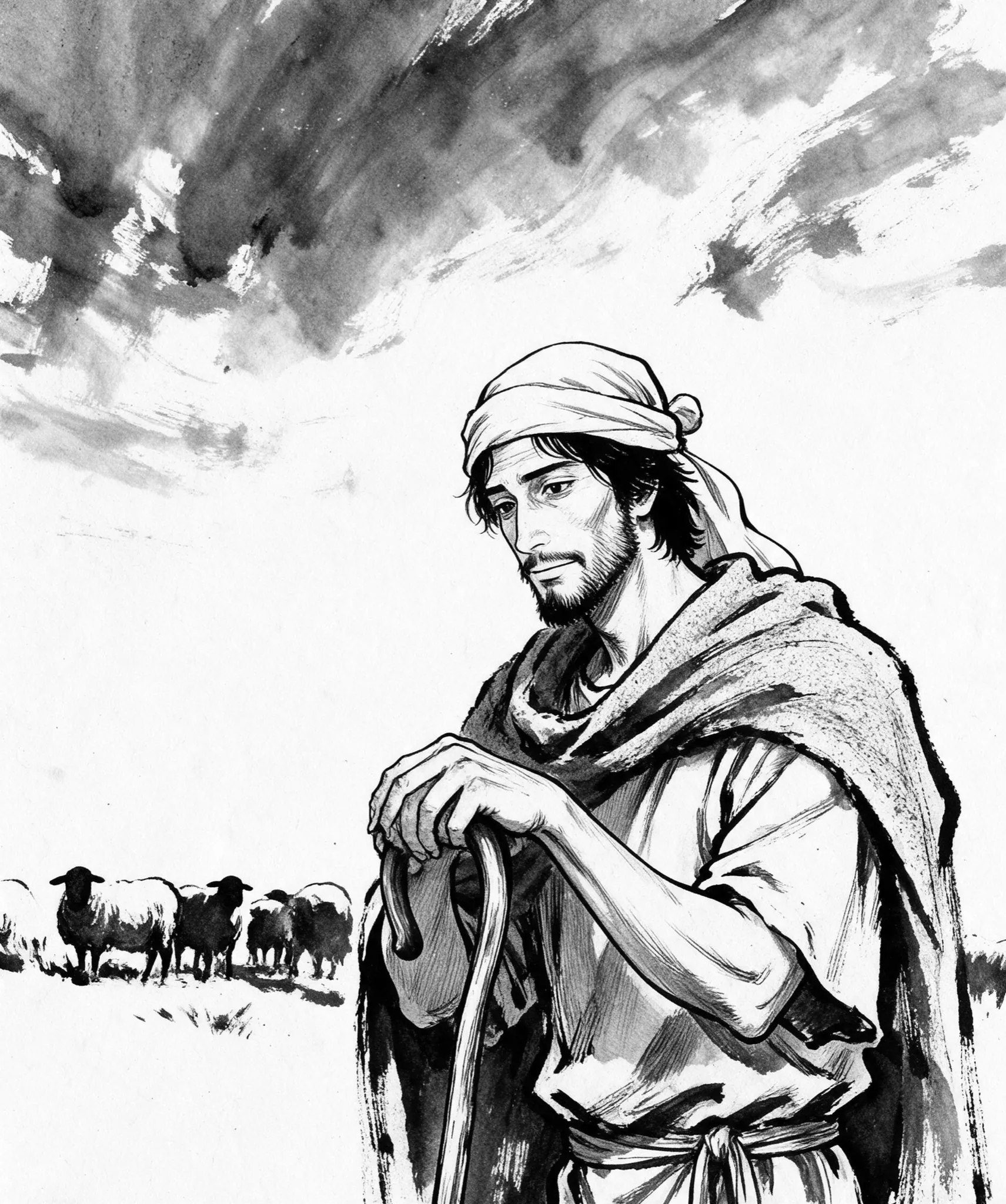
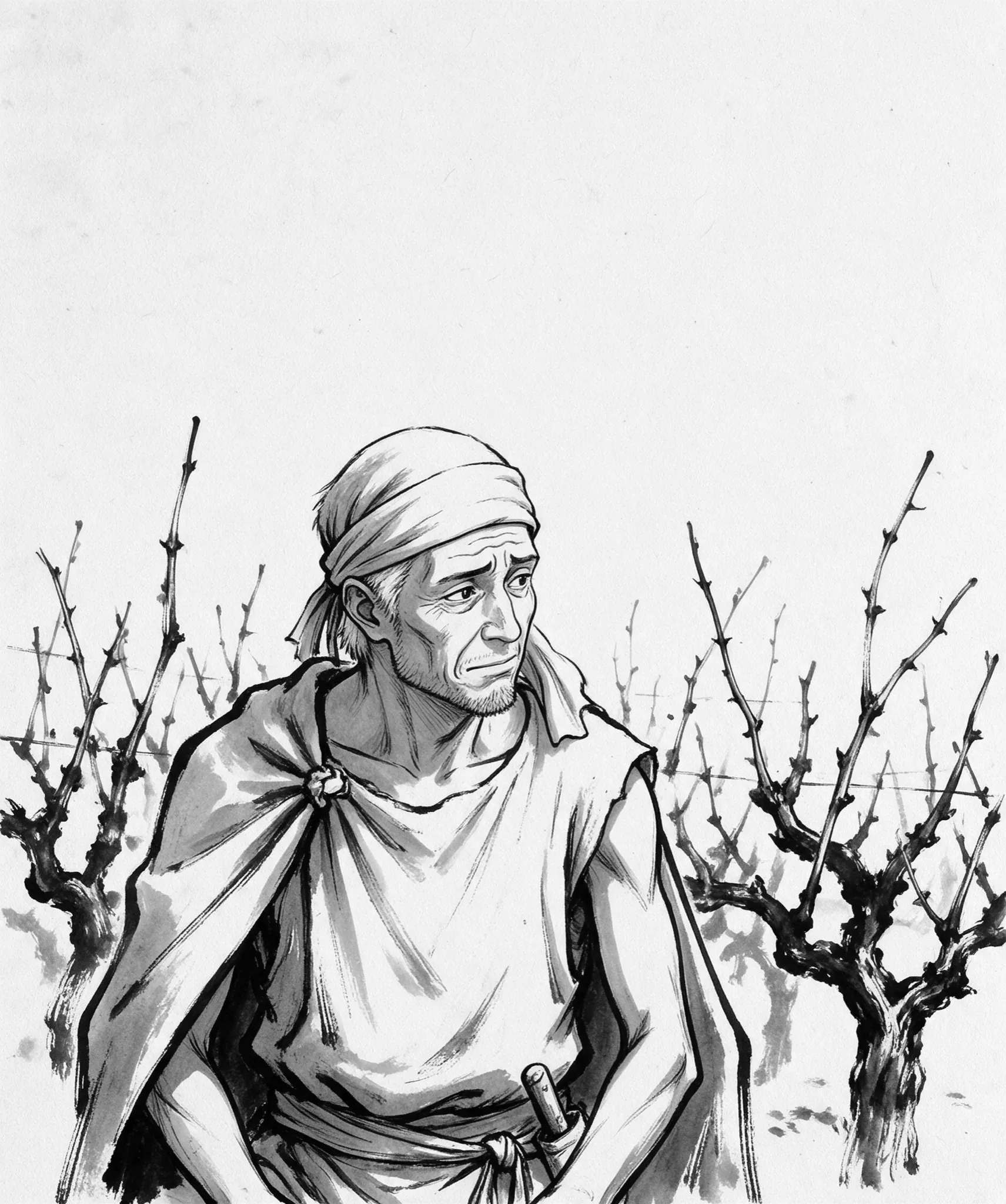
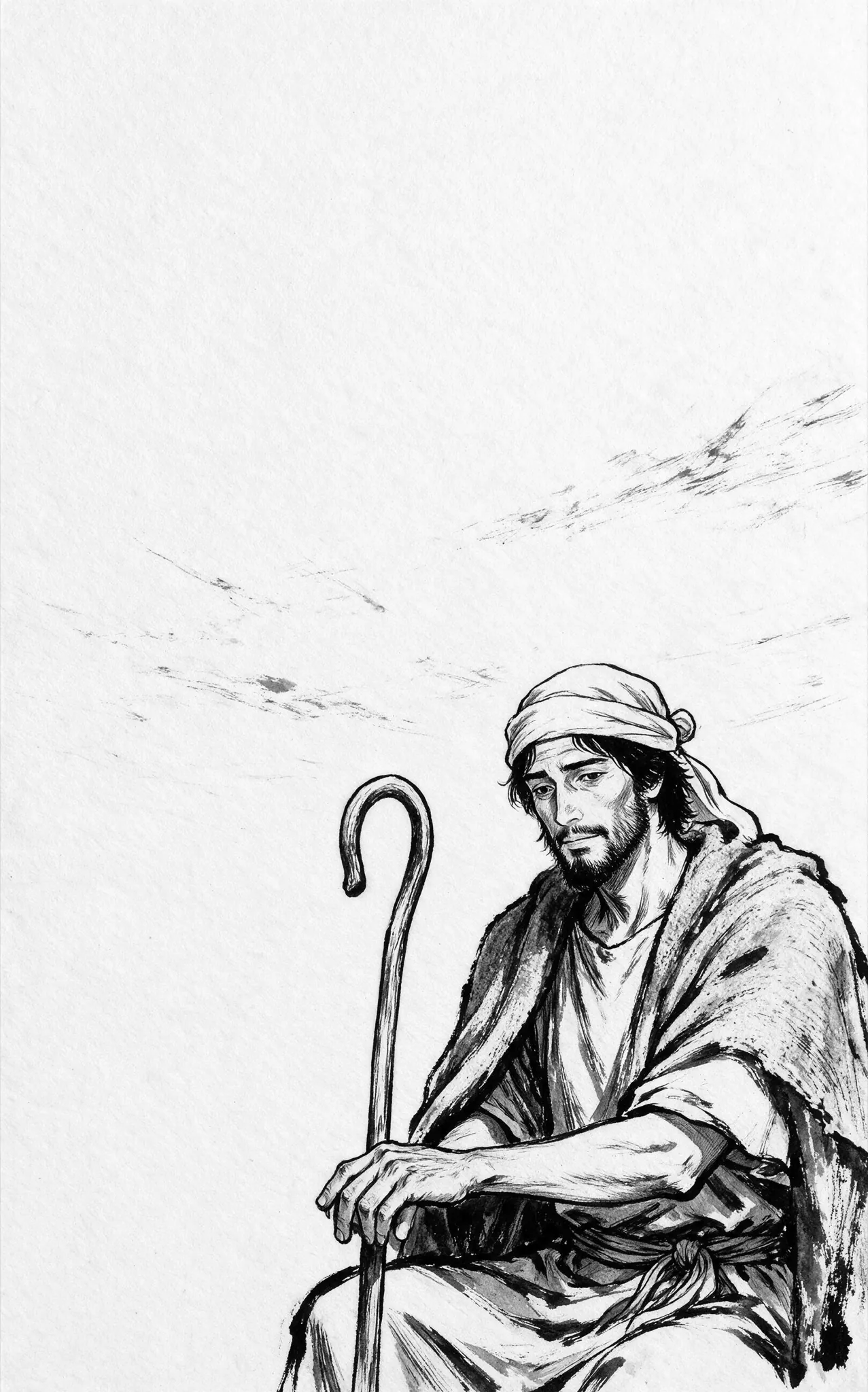
- Ibn Kathir on 21:78 (a report attributed to Ibn Mas'ud, through Abu Ishaq and Murrah) - the case in the commentators' account: the field was a vineyard hung with clusters, a people's sheep grazed it by night, Dawud ruled that the vineyard's owner take the sheep, and Sulayman judged another way, that the shepherd tend the vines until they grew back as they were while the owner used the sheep, and that each then take back his own. The story tells it in captions only, framed as the commentators' account and never as Qur'an or sahih hadith; the report's words between father and son are not scripture, so neither prophet has a line, and the page does not assert that Dawud took up his son's way. The Qur'an says harth (tilled land) and does not say what grew there; the vineyard is the report from Ibn Mas'ud, and the commentators also report a crop
- Not told: the hadith of the two mothers and the child, and the hadith of the judge who strives (two rewards if right, one if wrong), which Ibn Kathir gives with this ayah. Neither appears on any page, and the field case is told alone
- Not told: Dawud's own stories (Jalut, the two disputants, the Zabur) - they are not this chapter's line
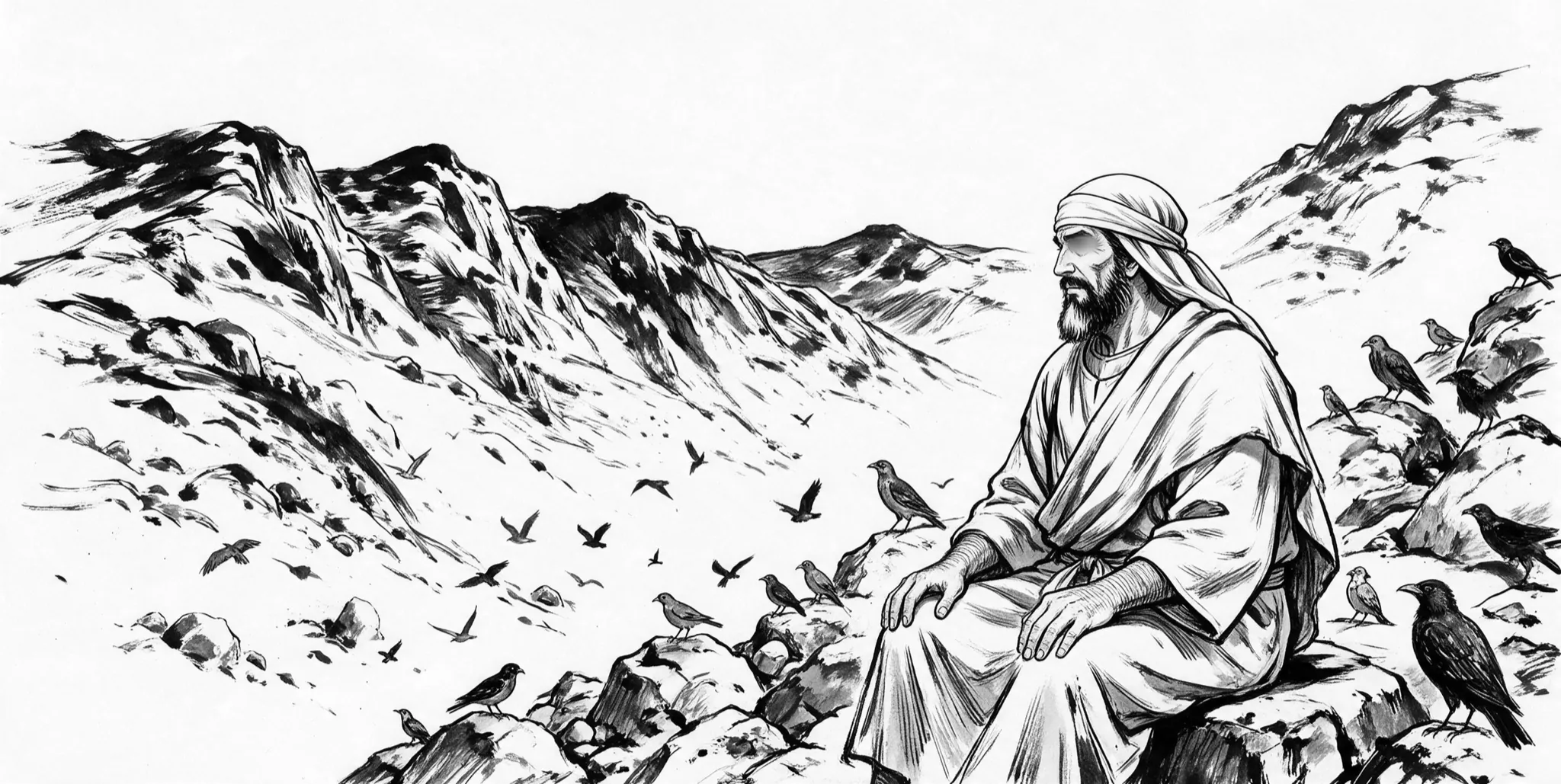
- Qur'an 21:79; 34:10-11; 21:80 - the mountains and the birds glorified along with Dawud (21:79; 34:10), and Allah taught him the making of coats of mail and made iron pliable for him (21:80; 34:10-11). The captions on p11 and p13 report these in the studio's words and never render 34:10-11's commands
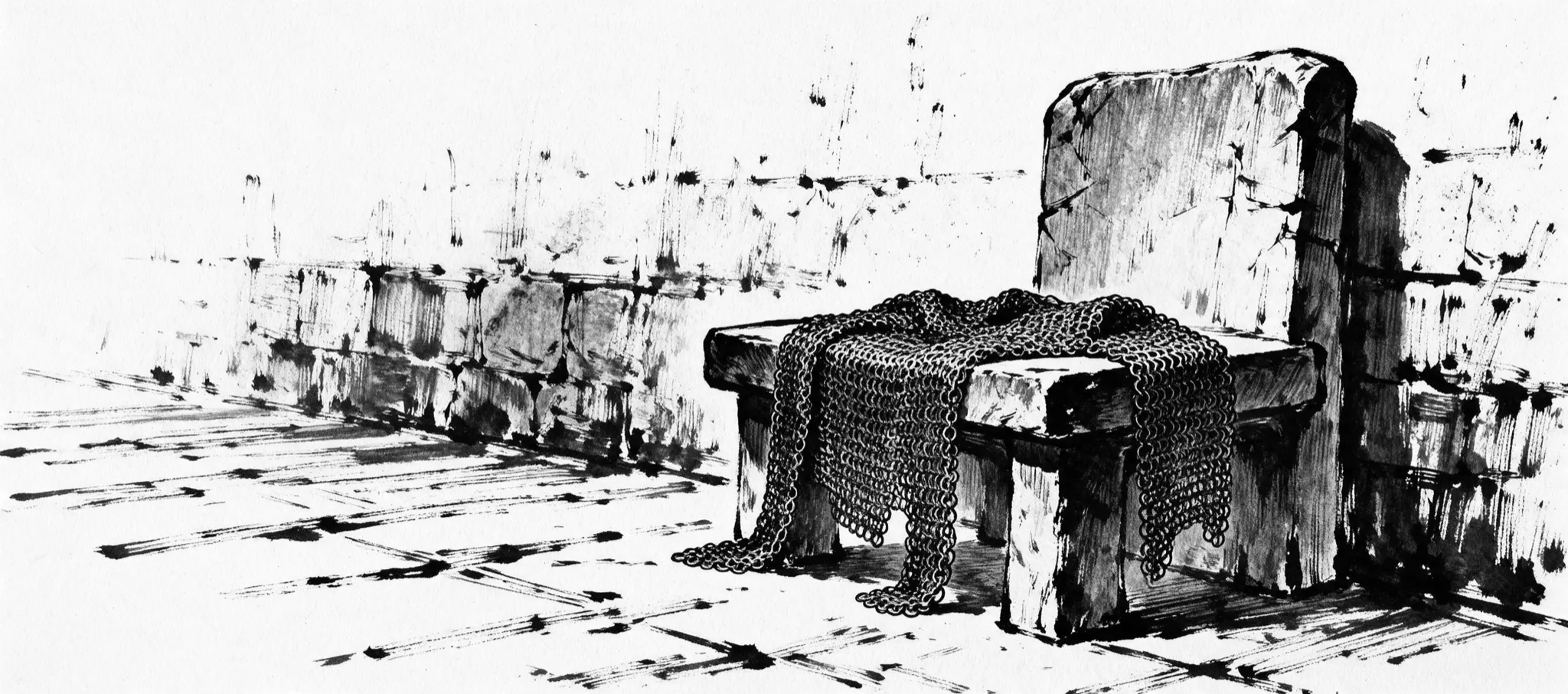
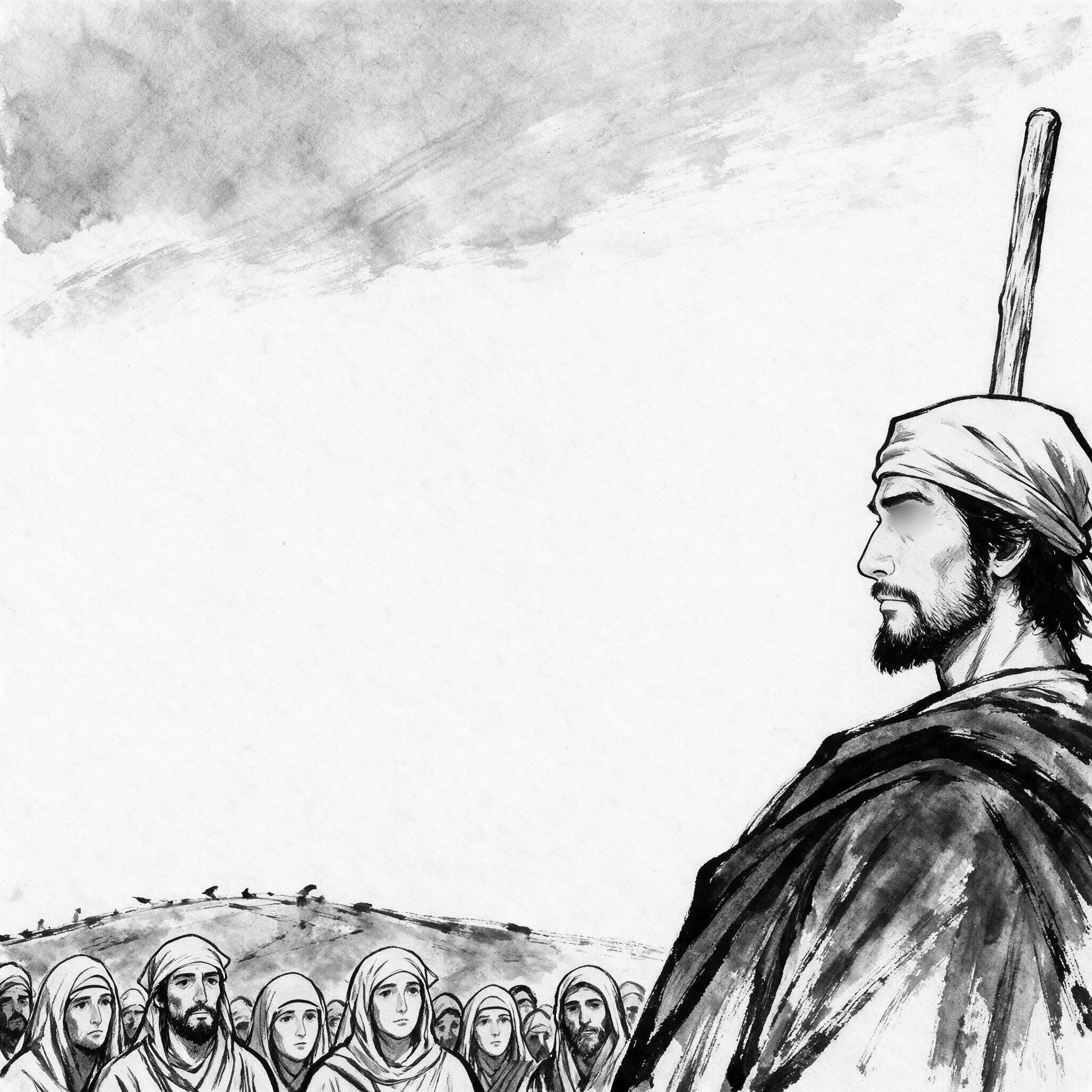
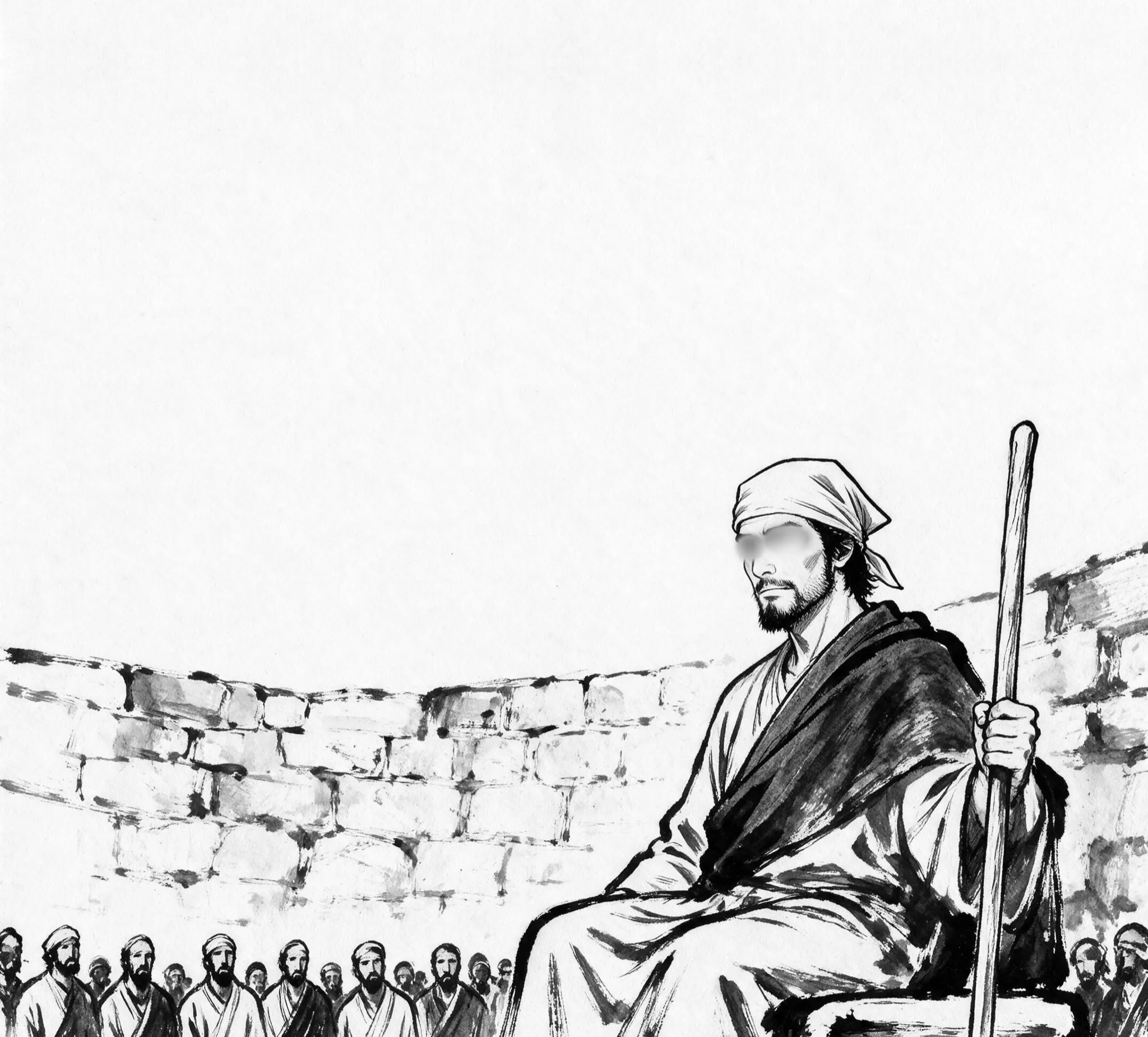
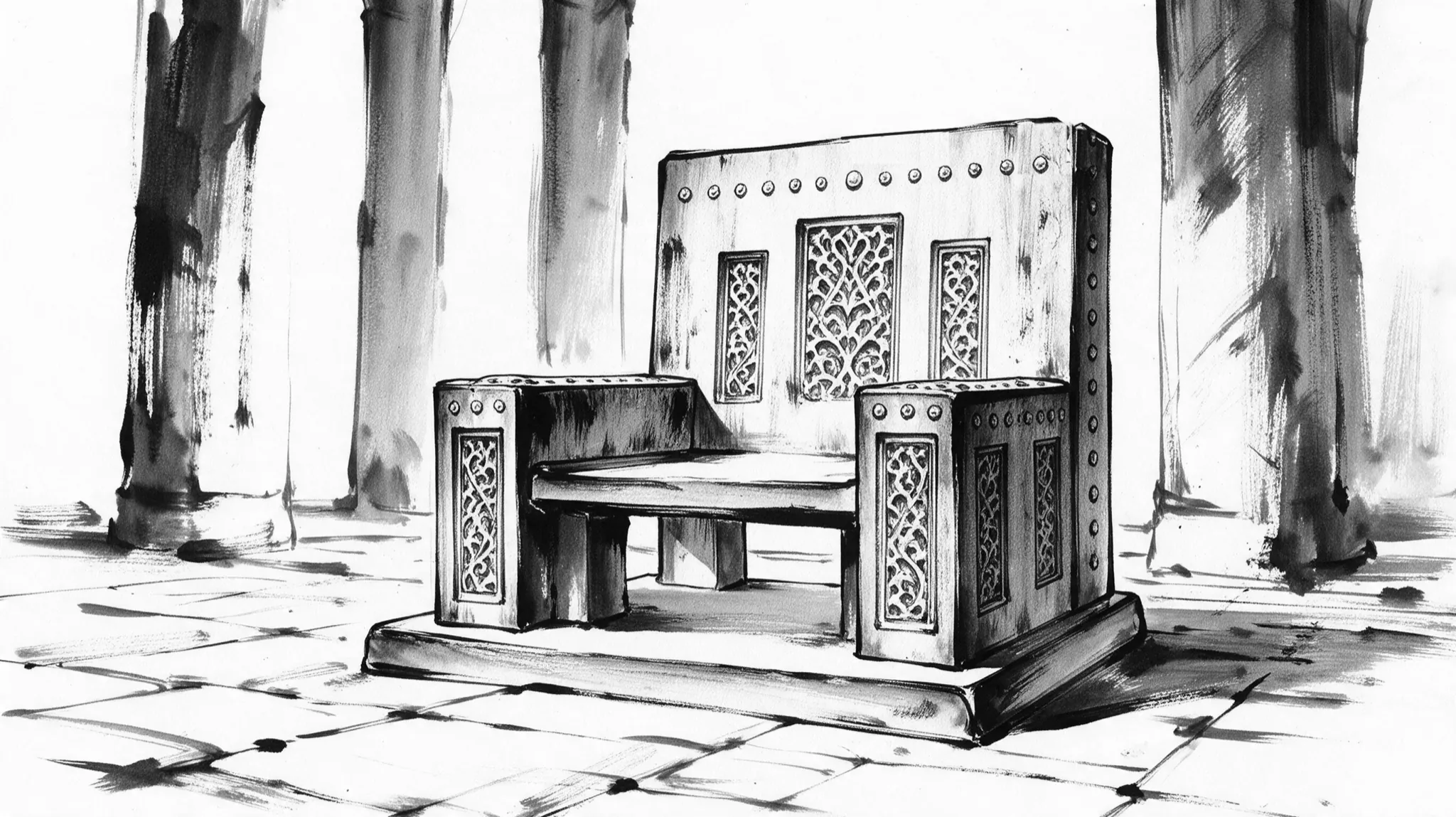
- Qur'an 27:16 - Sulayman inherited David, and said to the people what the three bubbles of p15 carry (27:16 from the vocative): 'O people, we have been taught the language of birds, and we have been given from all things. Indeed, this is evident bounty', as Saheeh International gives them. The caption on p14 says only that Dawud had passed and that Sulayman inherited from him, over the empty seat with the coat of mail on it: no page draws or captions how he died
- Qur'an throughout - in the verses this story tells, the Qur'an names only Dawud and Sulayman. No name from tradition is on any page of the story; the vinekeeper and the shepherd are unnamed, and the Qur'an does not name the people whose sheep they were
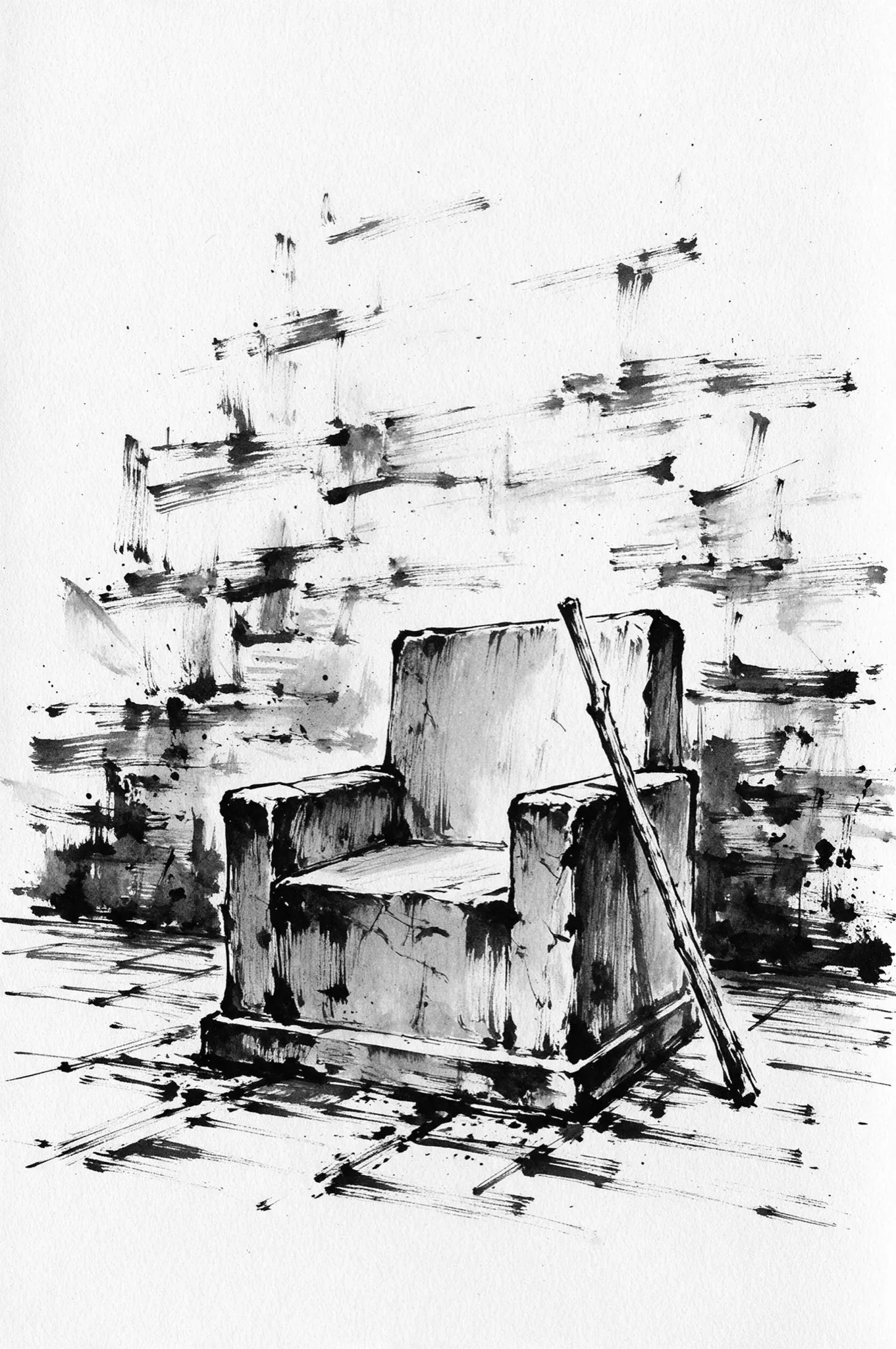
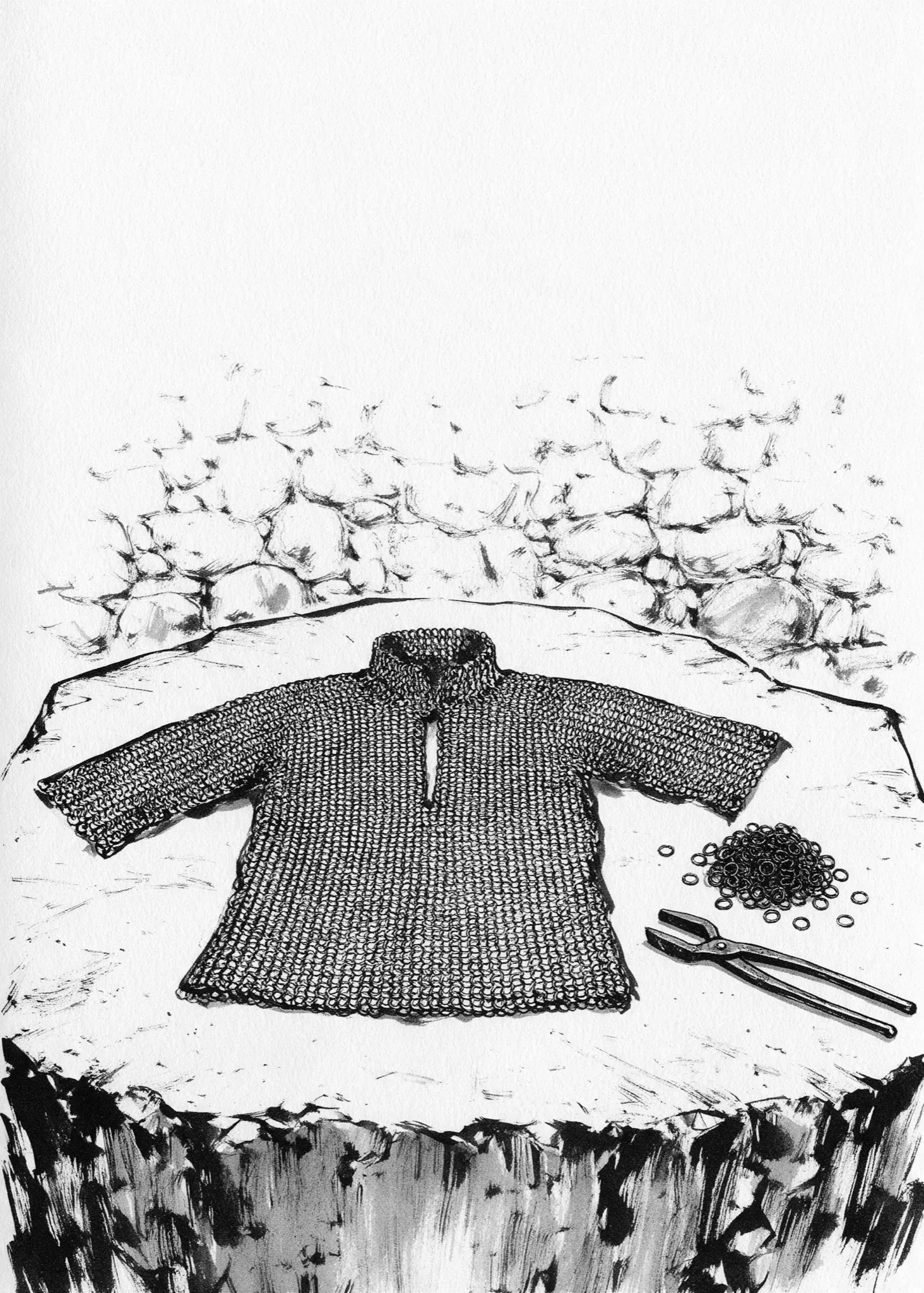
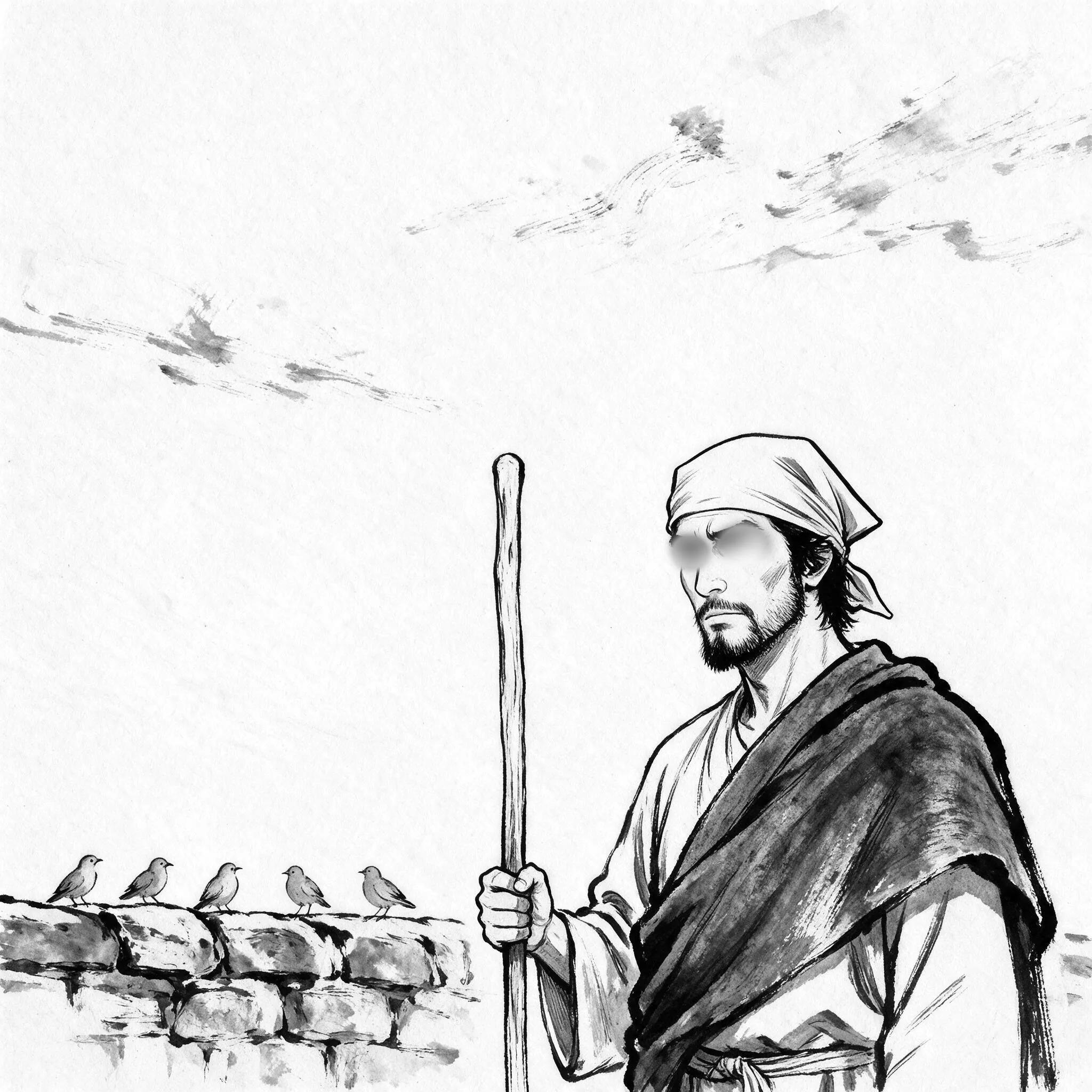
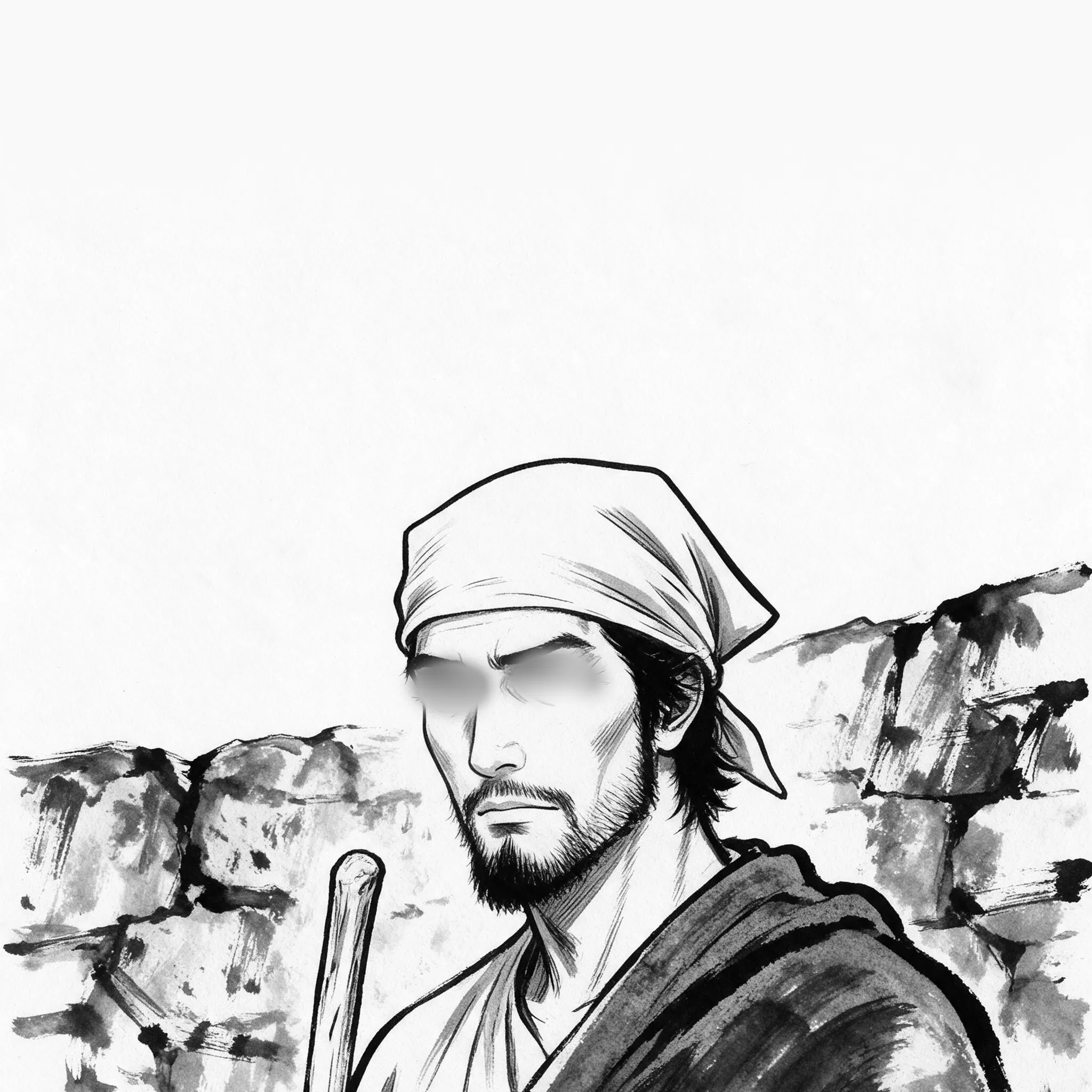
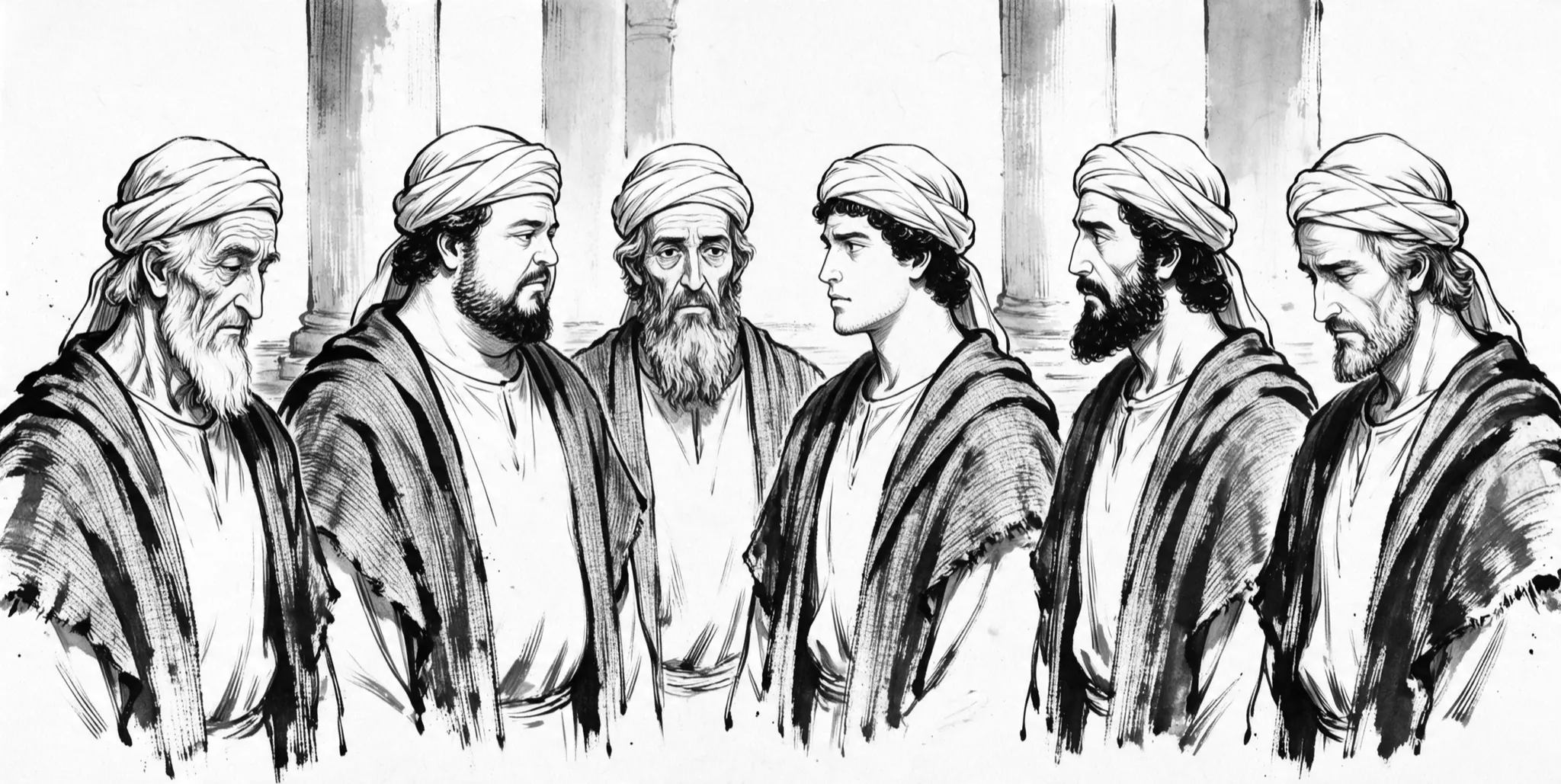
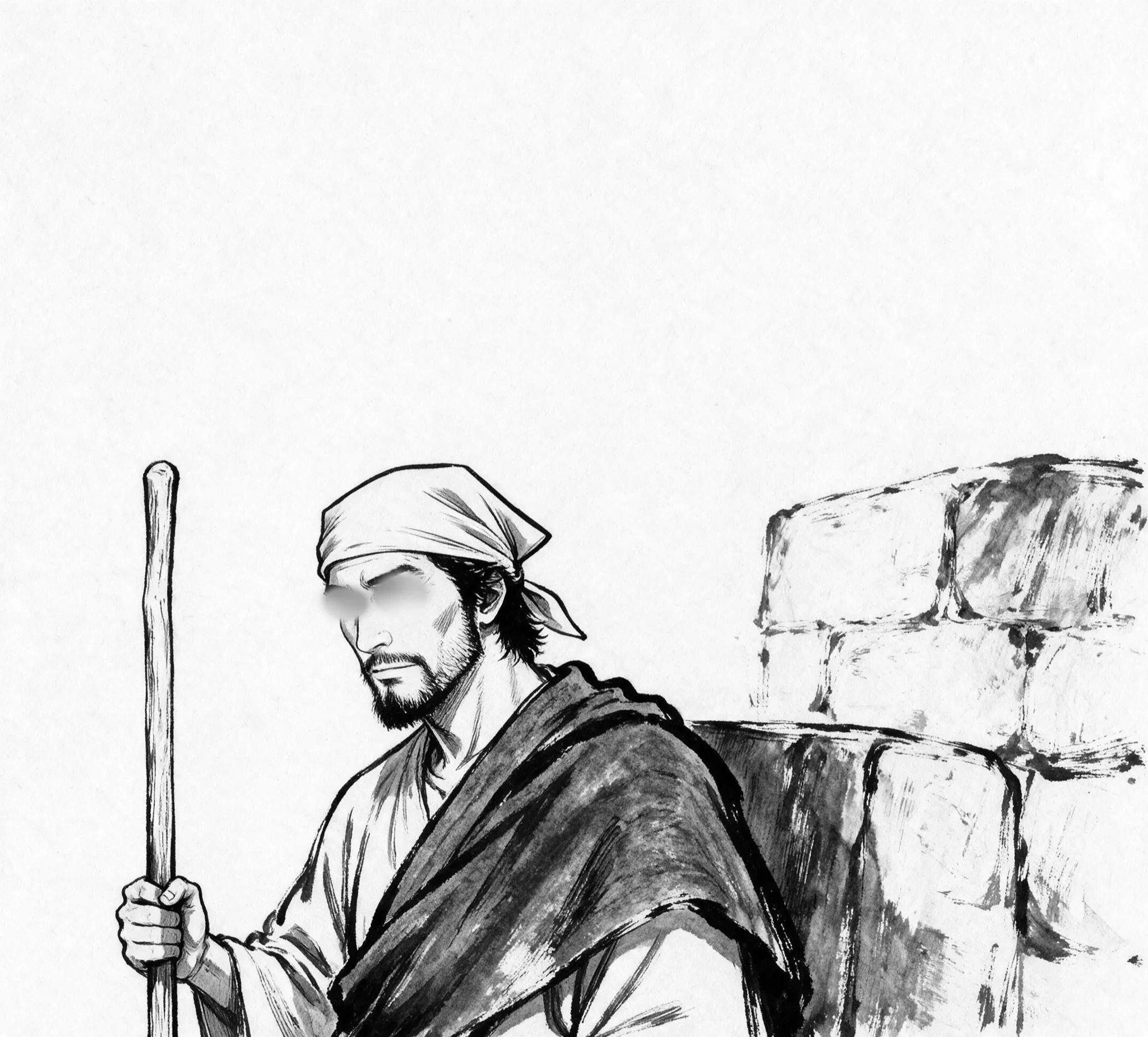
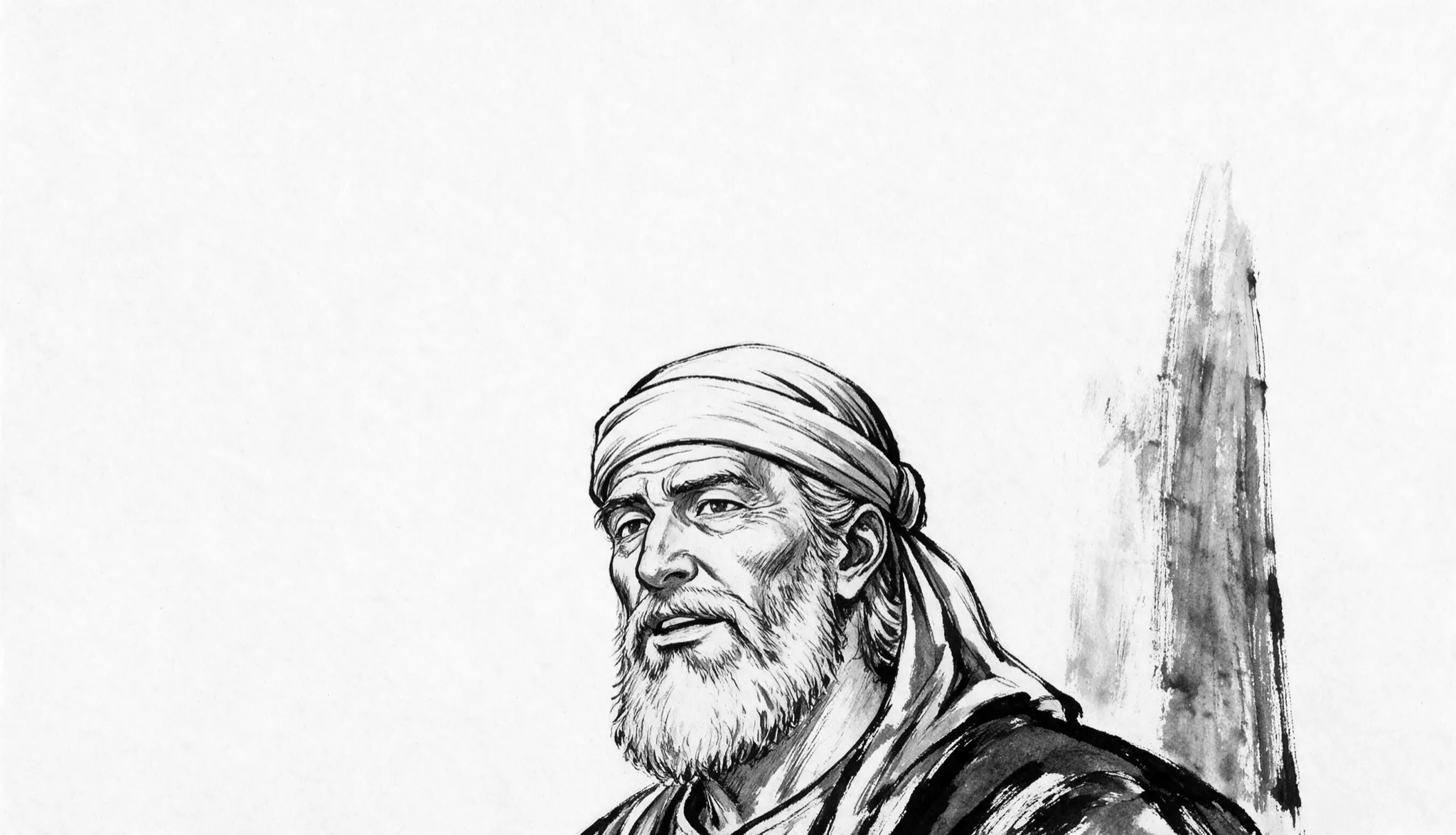
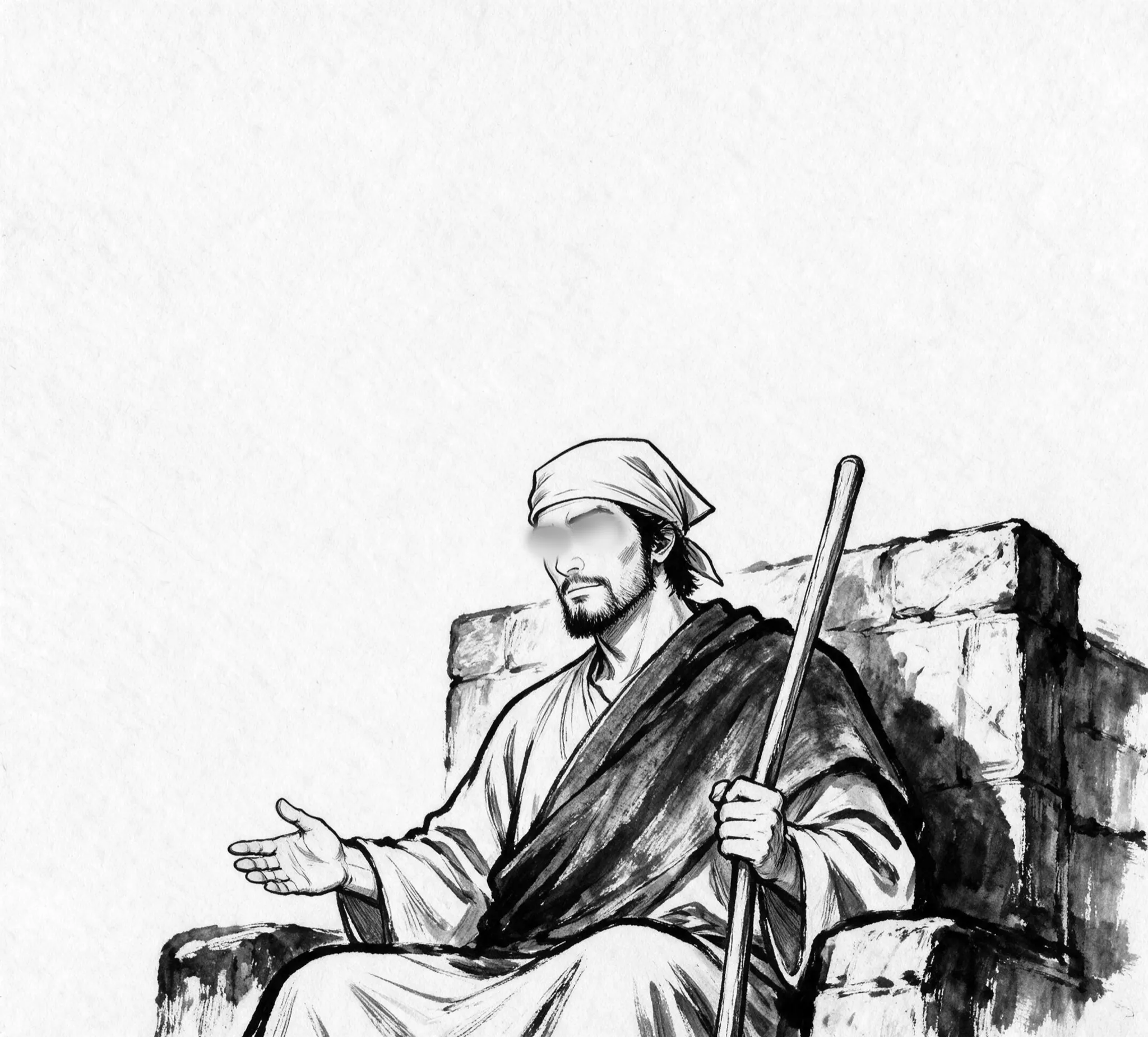
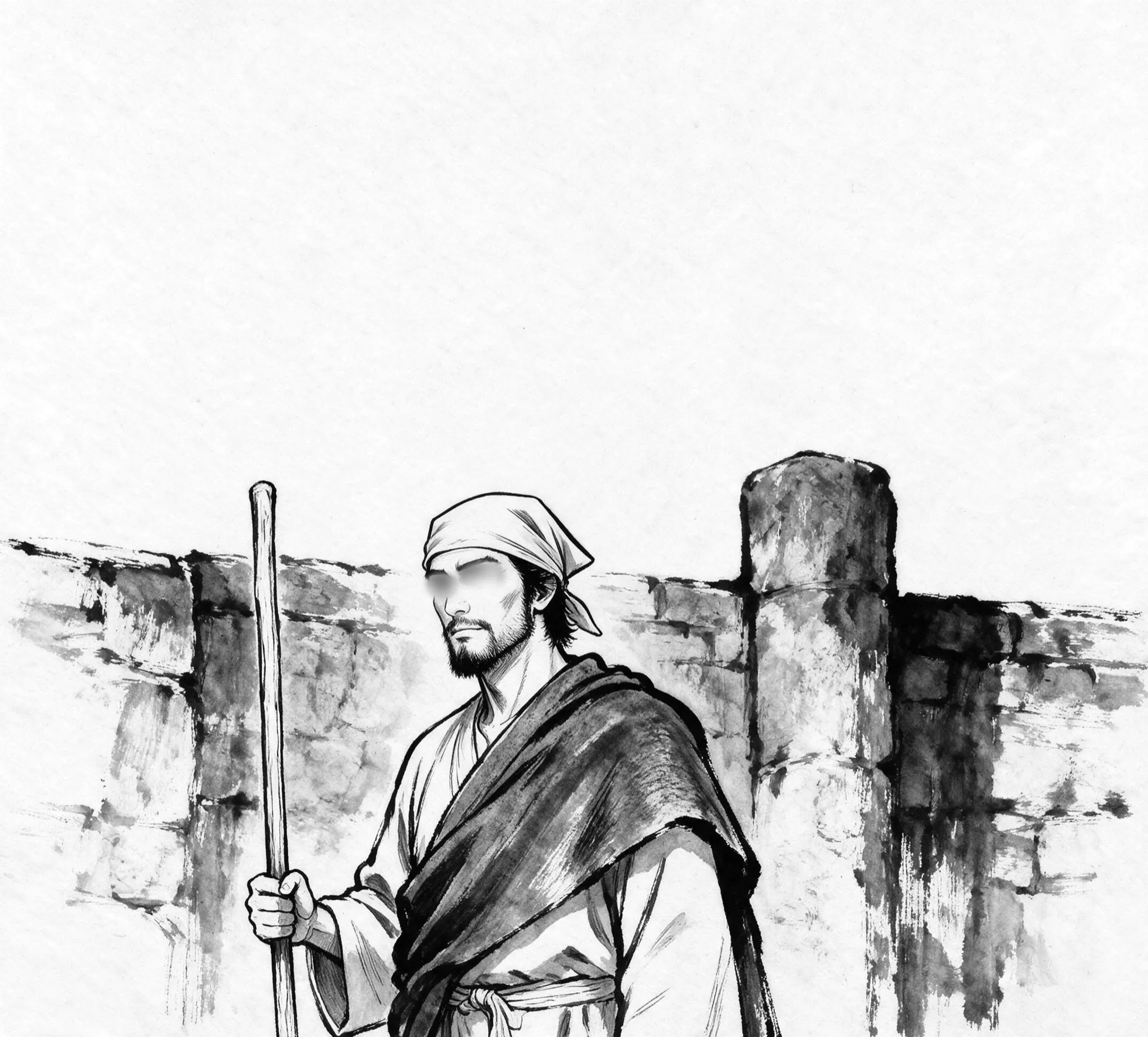
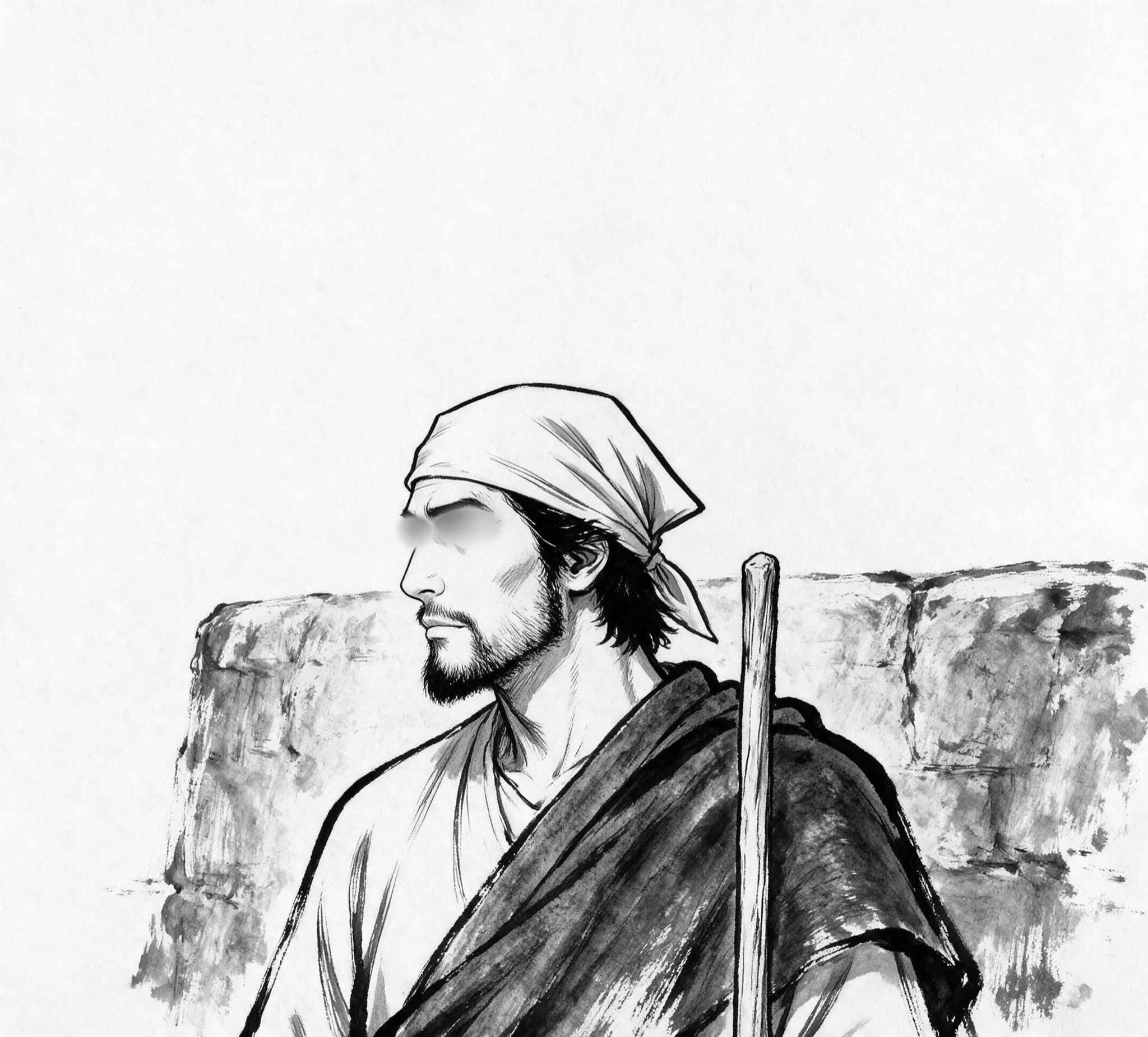
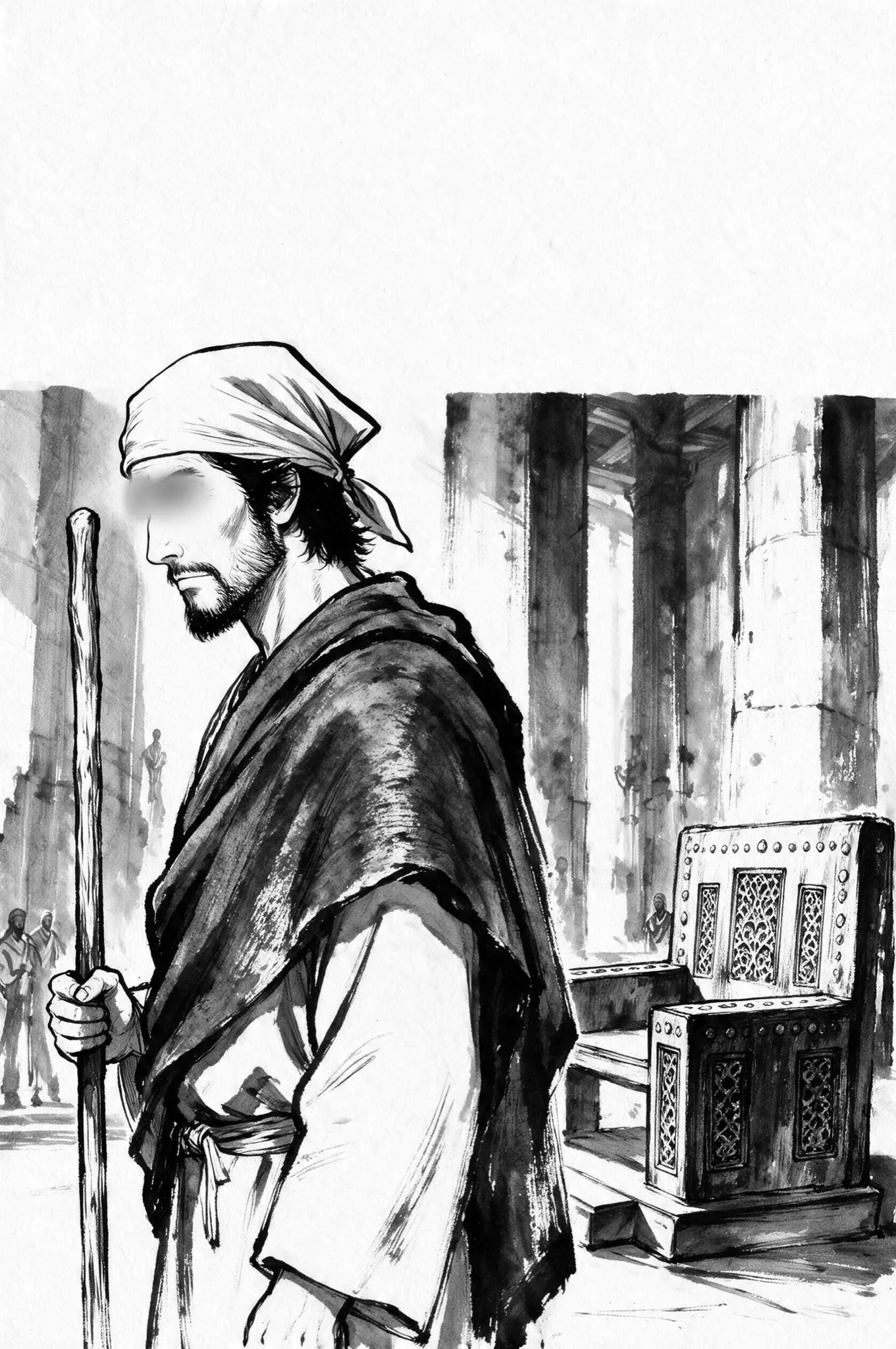
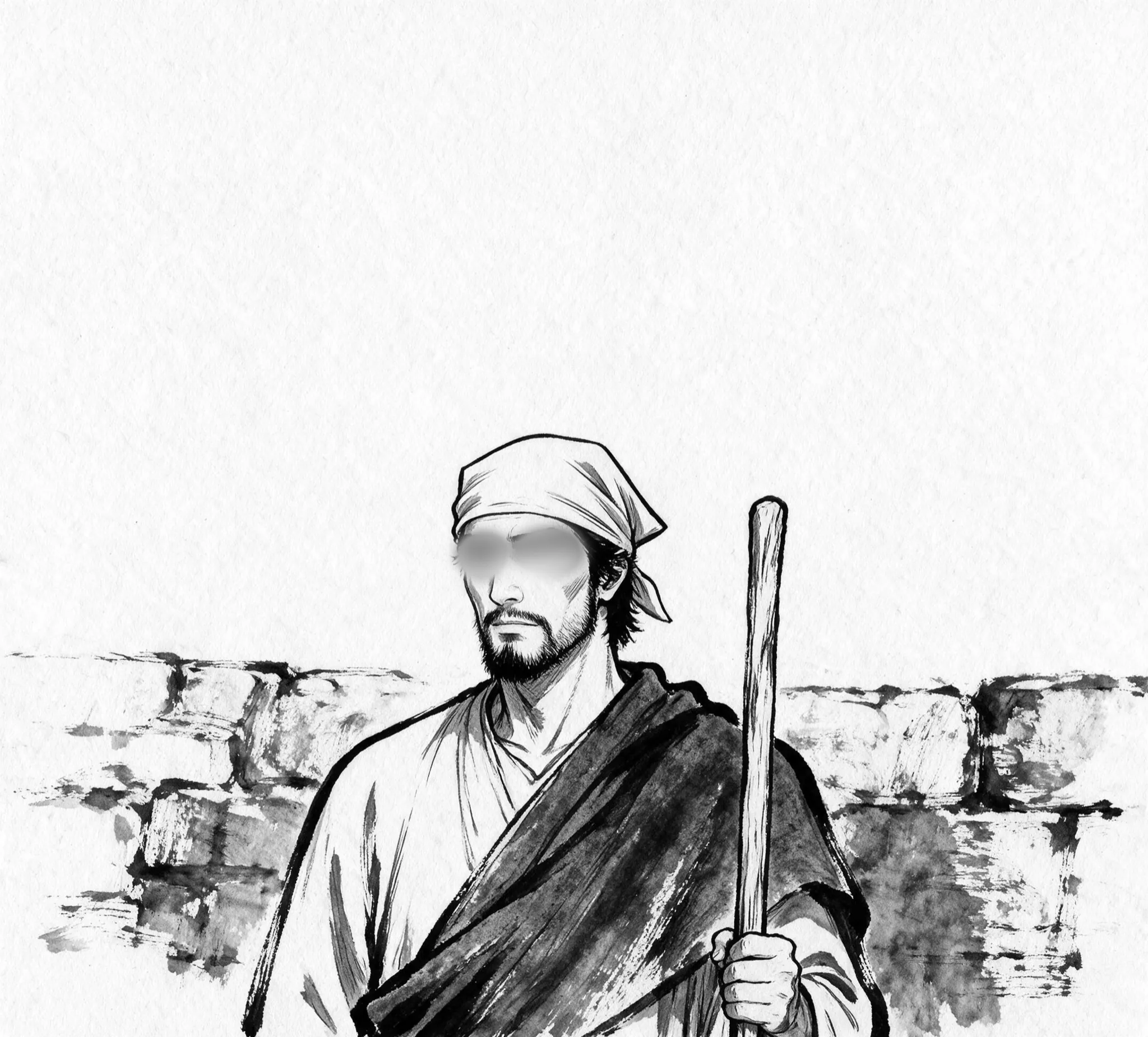
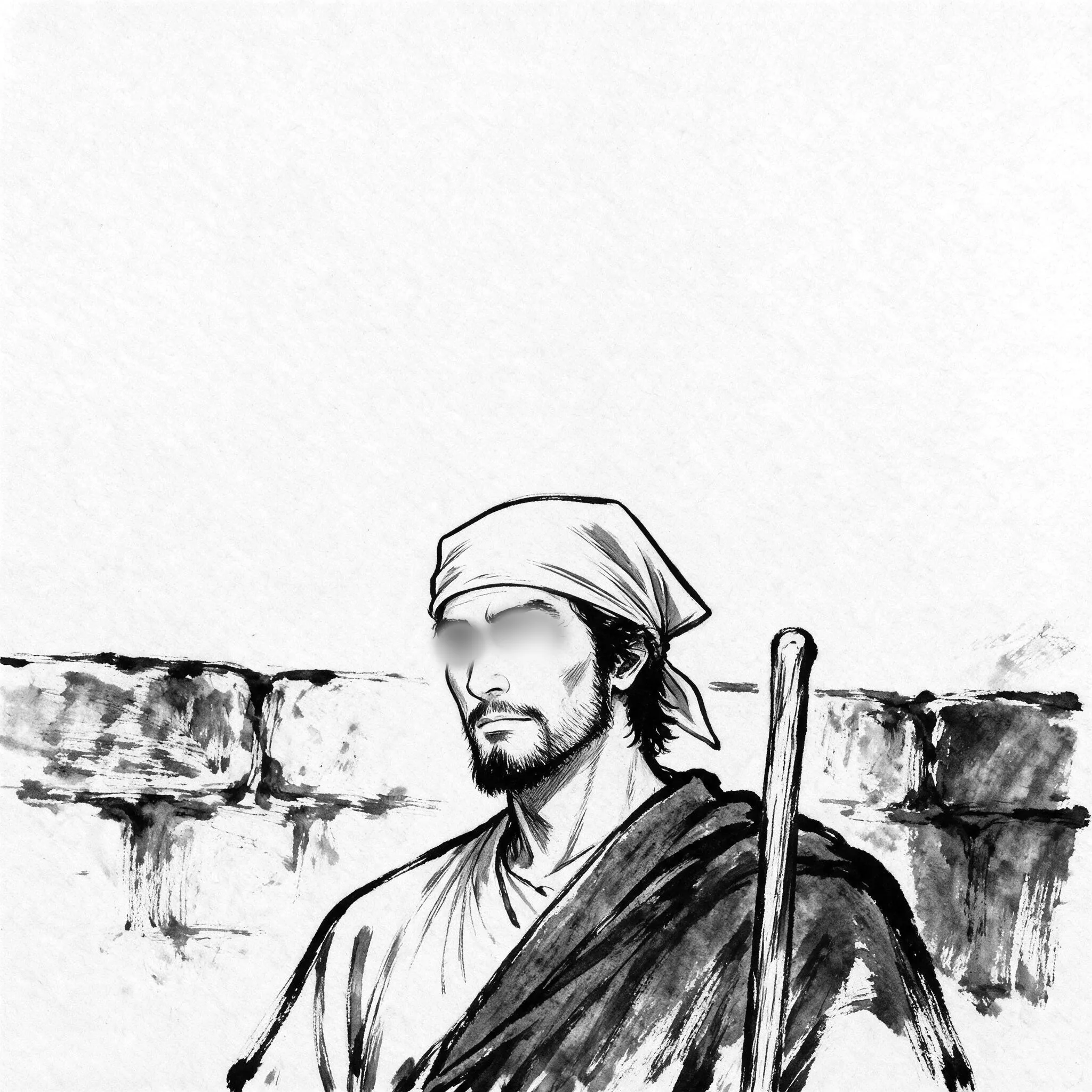
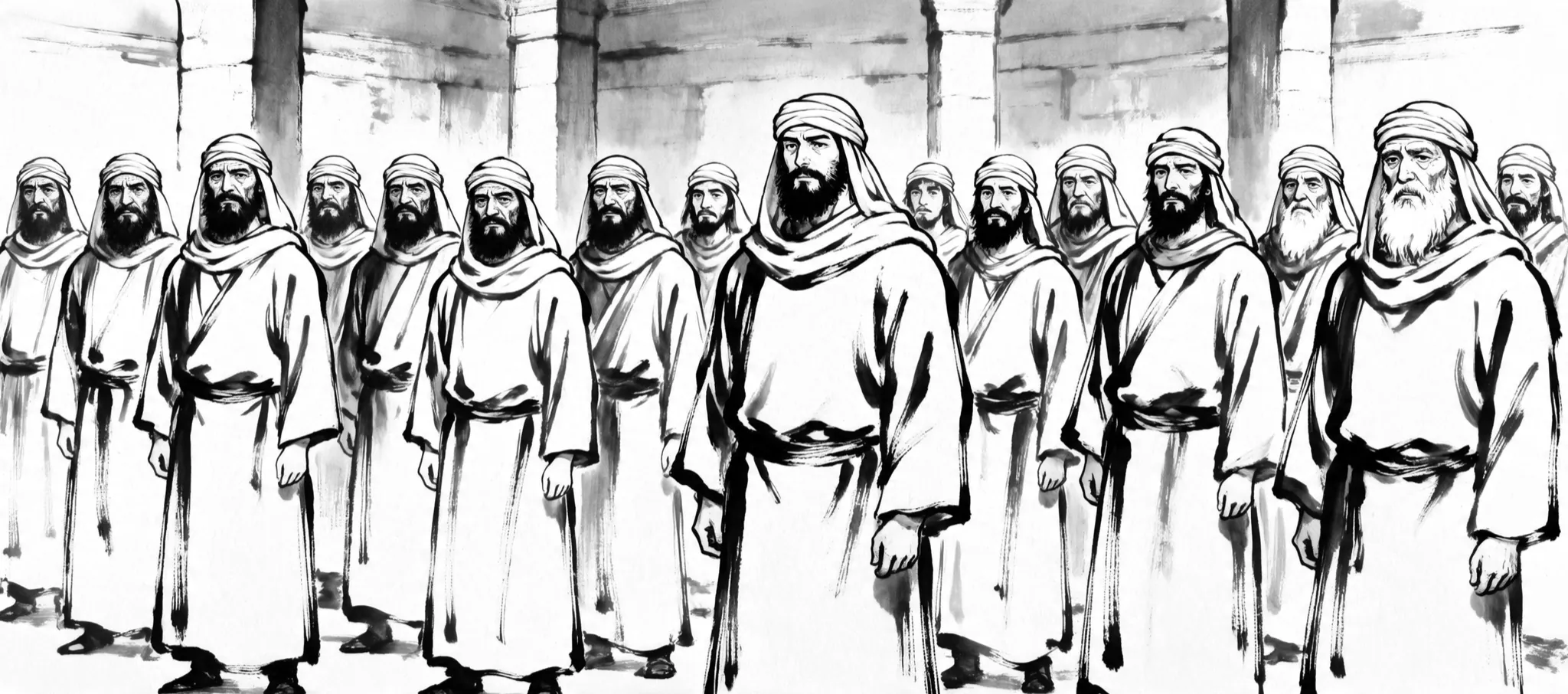
- What the story stages inside the verses is the studio's own: Sulayman as a youth of about fourteen standing beside his father at the hearing and as a man of about forty, Dawud as a man of about sixty, the vinekeeper's pruning knife and the shepherd's crook, the high seat of squared stone, the mountainside, the stone workbench, the empty seat with the coat of mail, and the people standing before Sulayman. The plain staff is Sulayman's identifier from the day he stands before the people to the end of the chapter and nothing more (of Sulayman the Qur'an mentions a staff only at 34:14); it is never carved, never a sceptre
- Recitation on the pause page: Maher al-Muaiqly, murattal, Hafs from Asim, streamed per ayah from everyayah.com
- Arabic text on the pause page: the Uthmani text, Hafs from Asim, as quran.com serves it
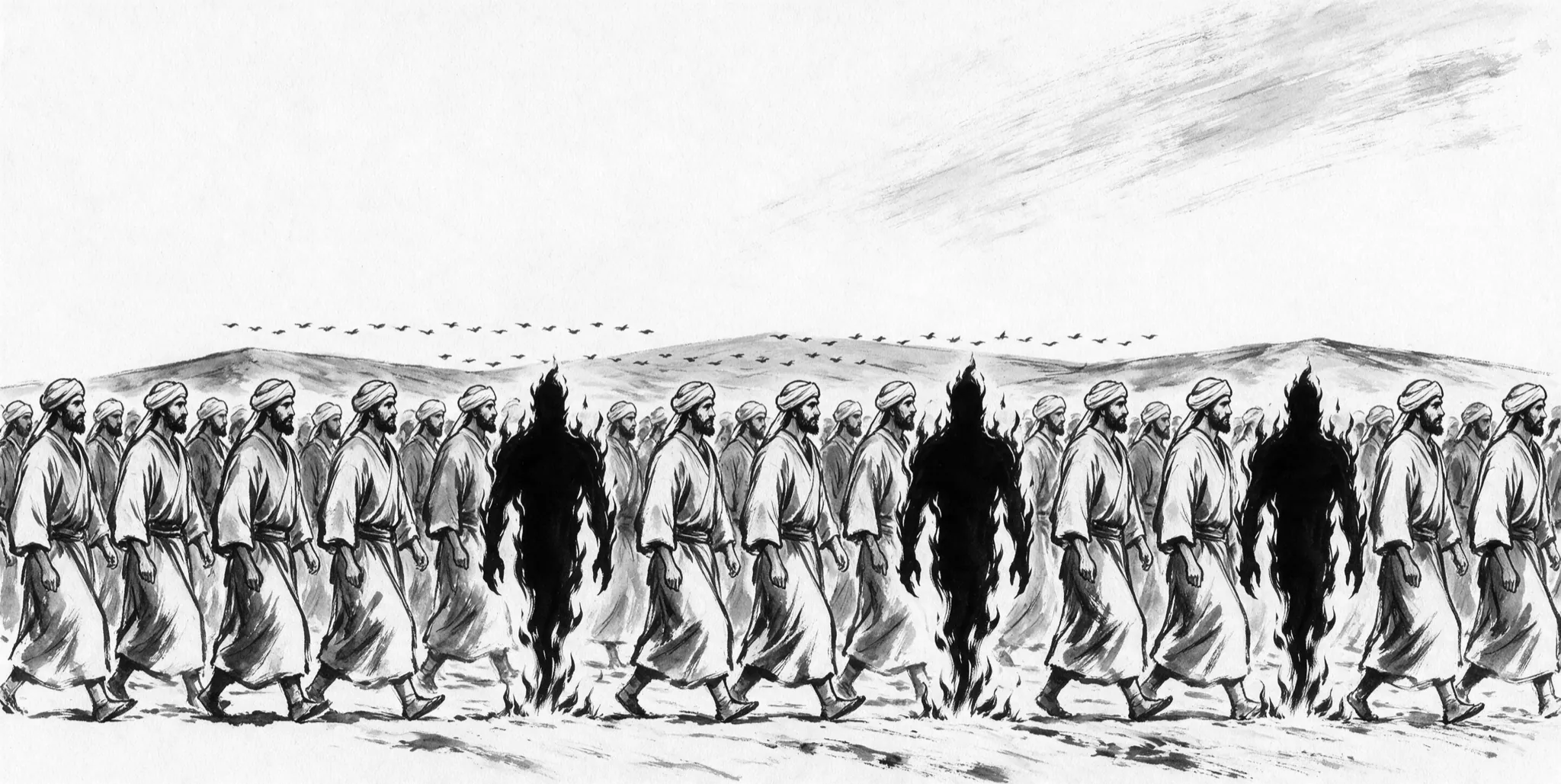
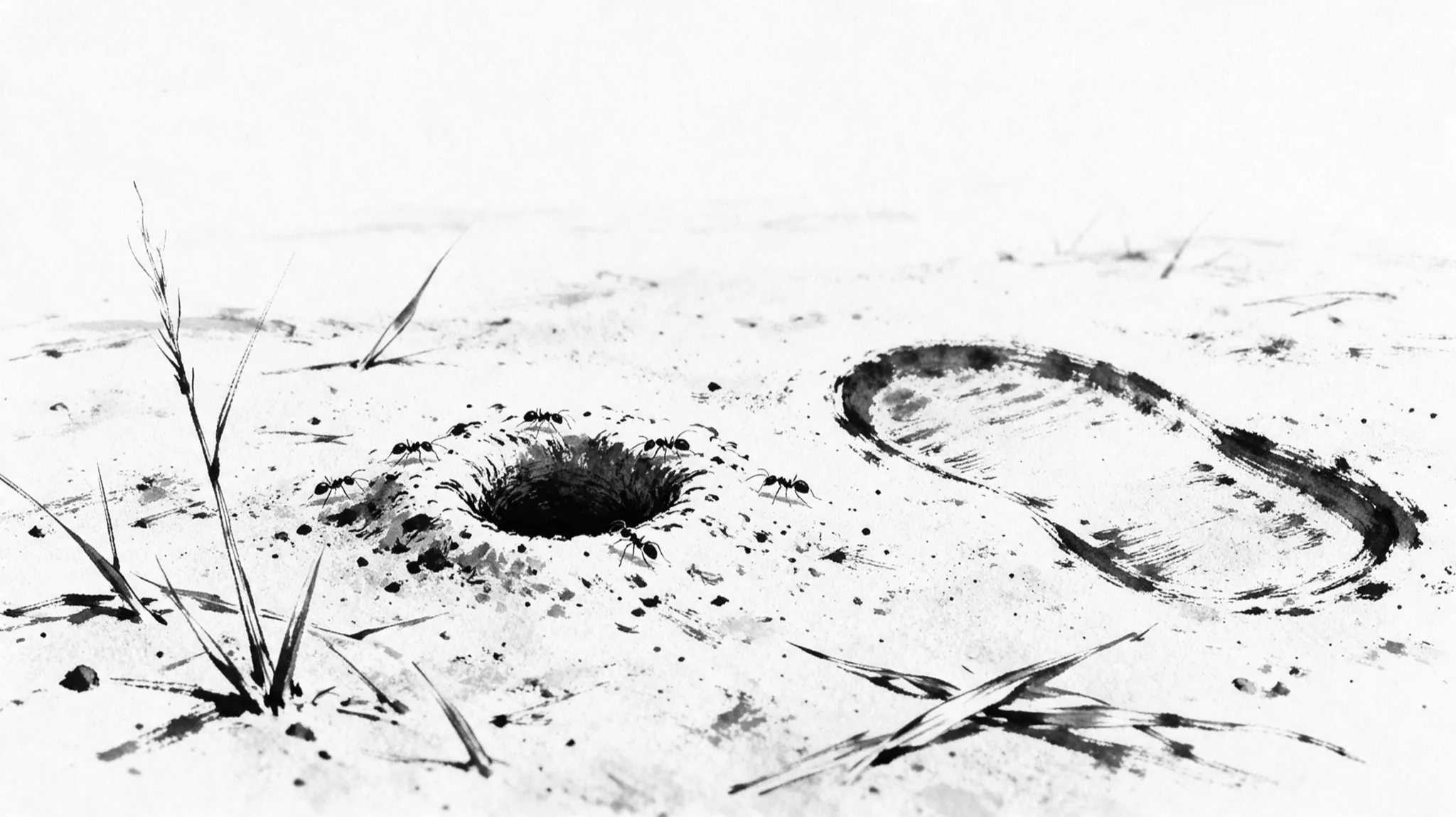
- Qur'an 27:17-19 - Sulayman's host of jinn, men and birds was gathered and marched in ordered ranks (27:17) until they came to the valley of the ants, where one ant warned the others into their dwellings lest Sulayman and his soldiers crush them unaware (27:18, her four bubbles on p18); he smiled, amused at her words, and prayed (27:19, his six bubbles on p20 and p21, said to Allah with his eyes past the frame). The captions on p17 and p19 report the host and the smile in the studio's words; no page says that the host halted or turned aside
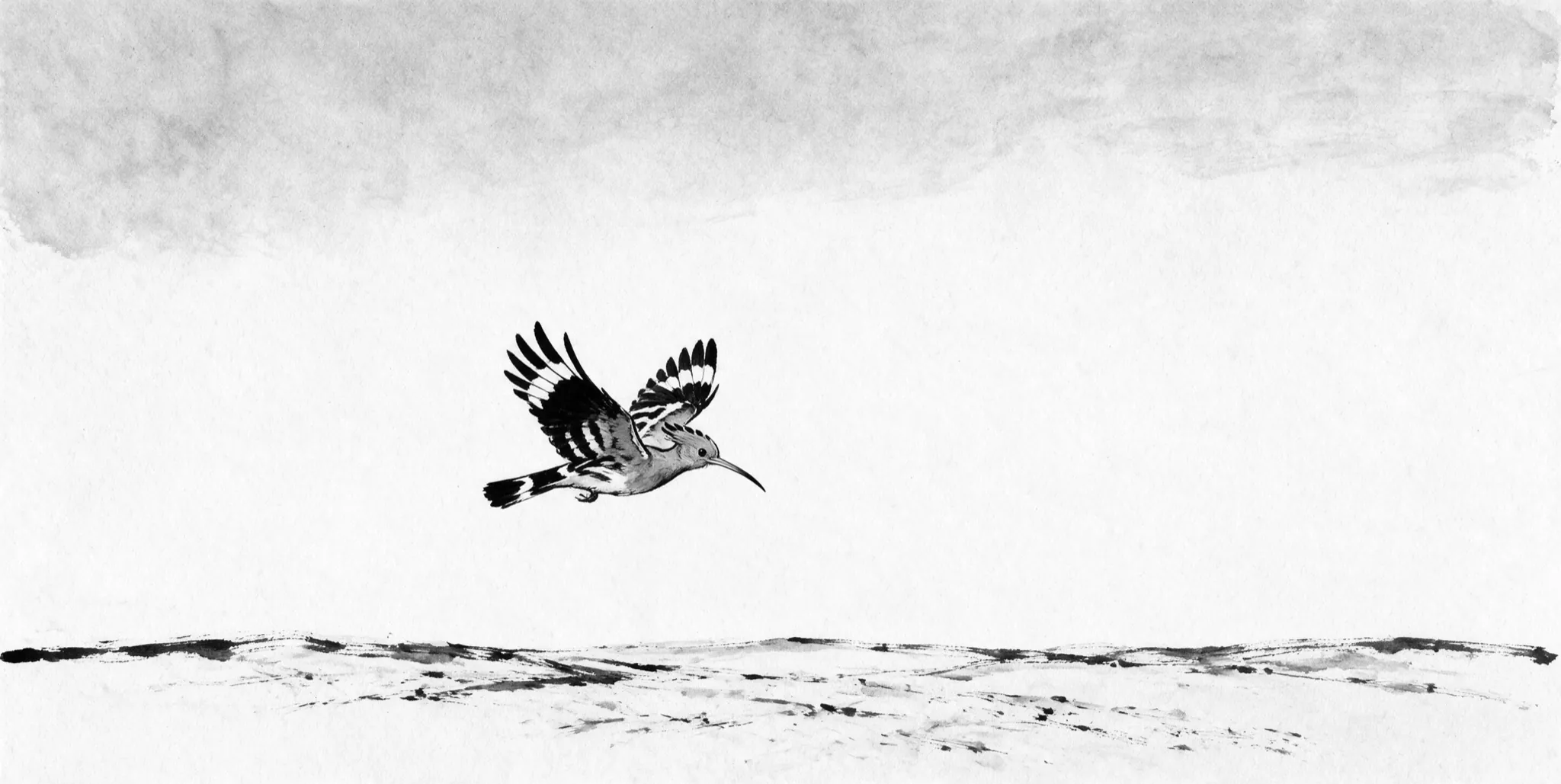
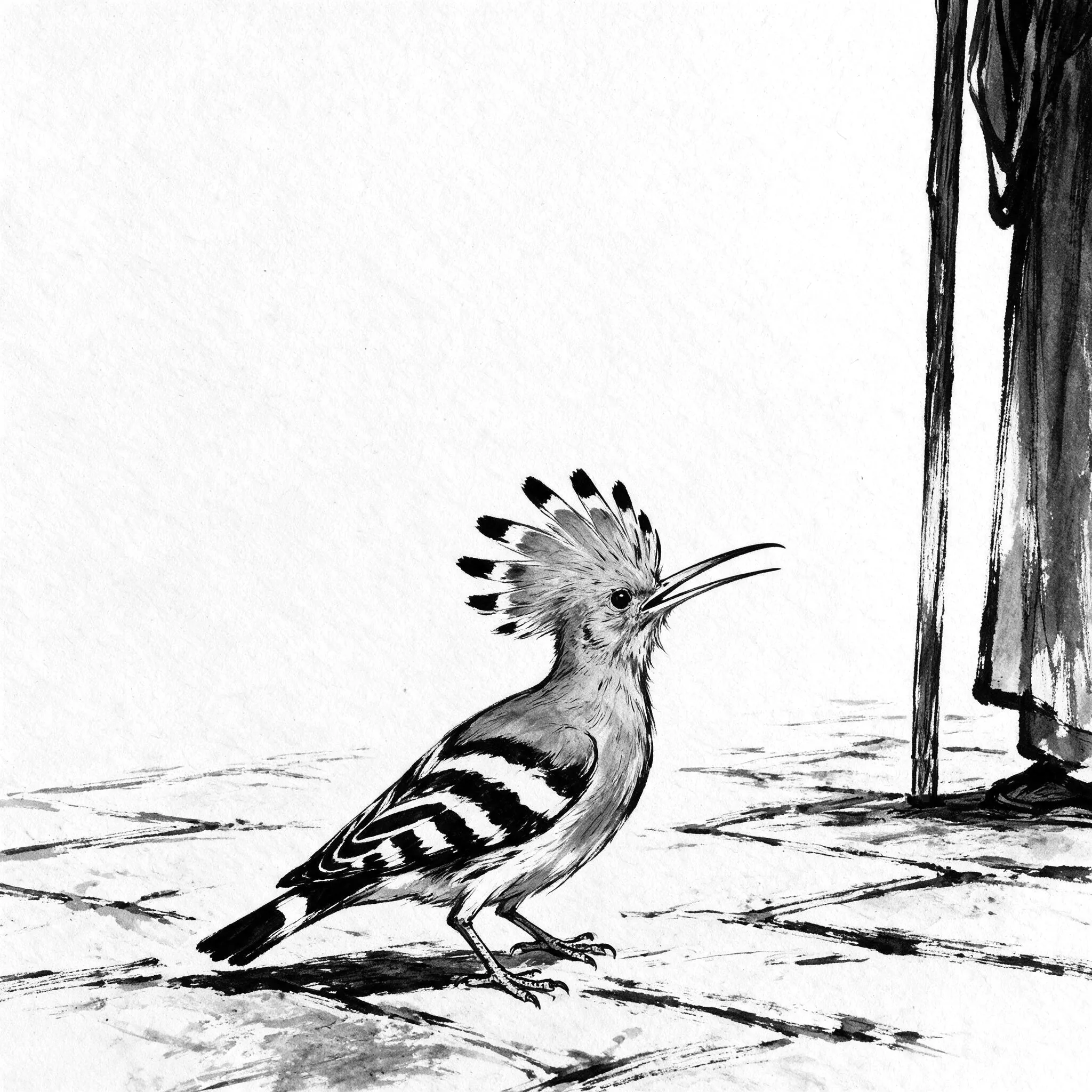
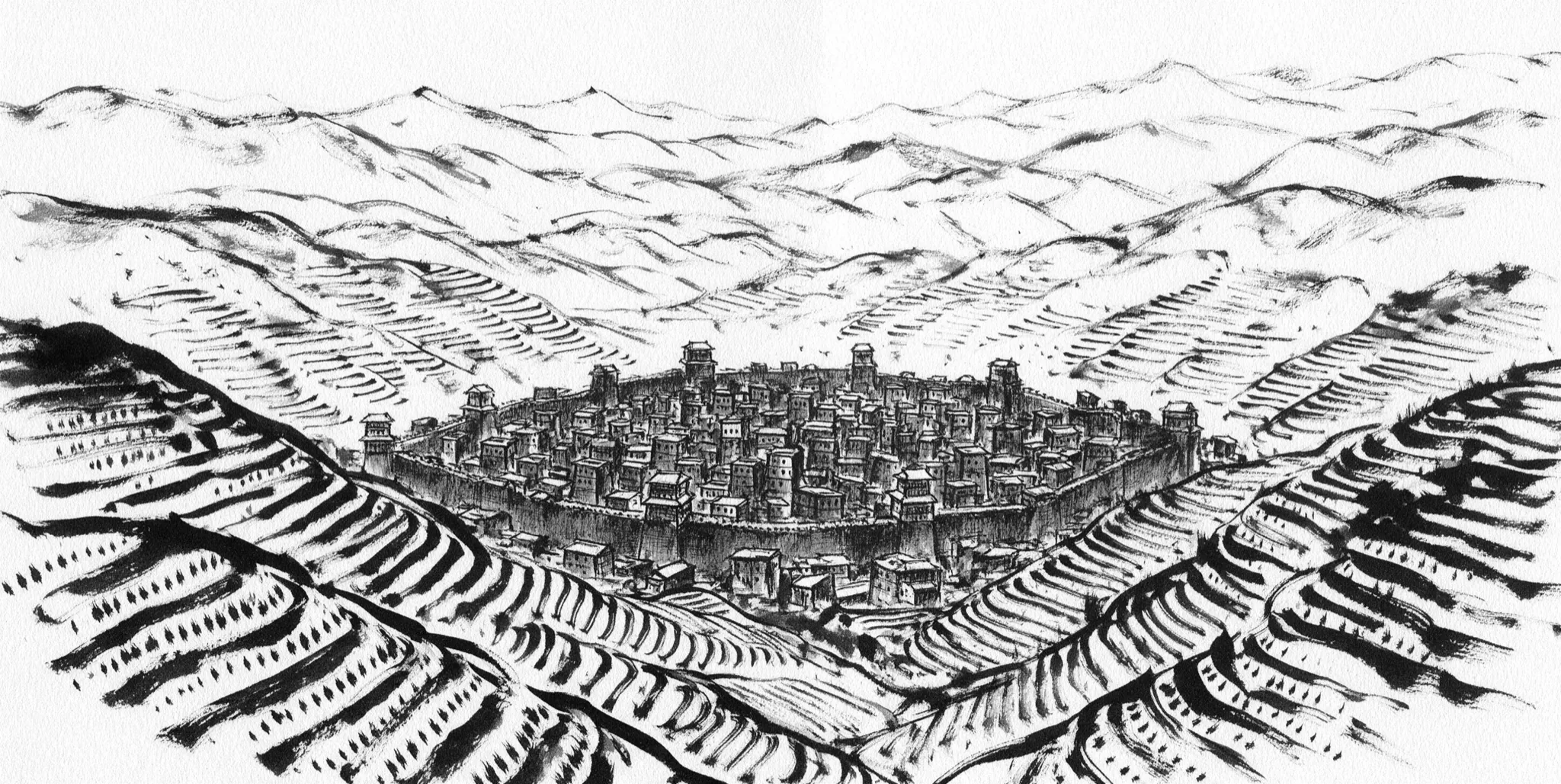
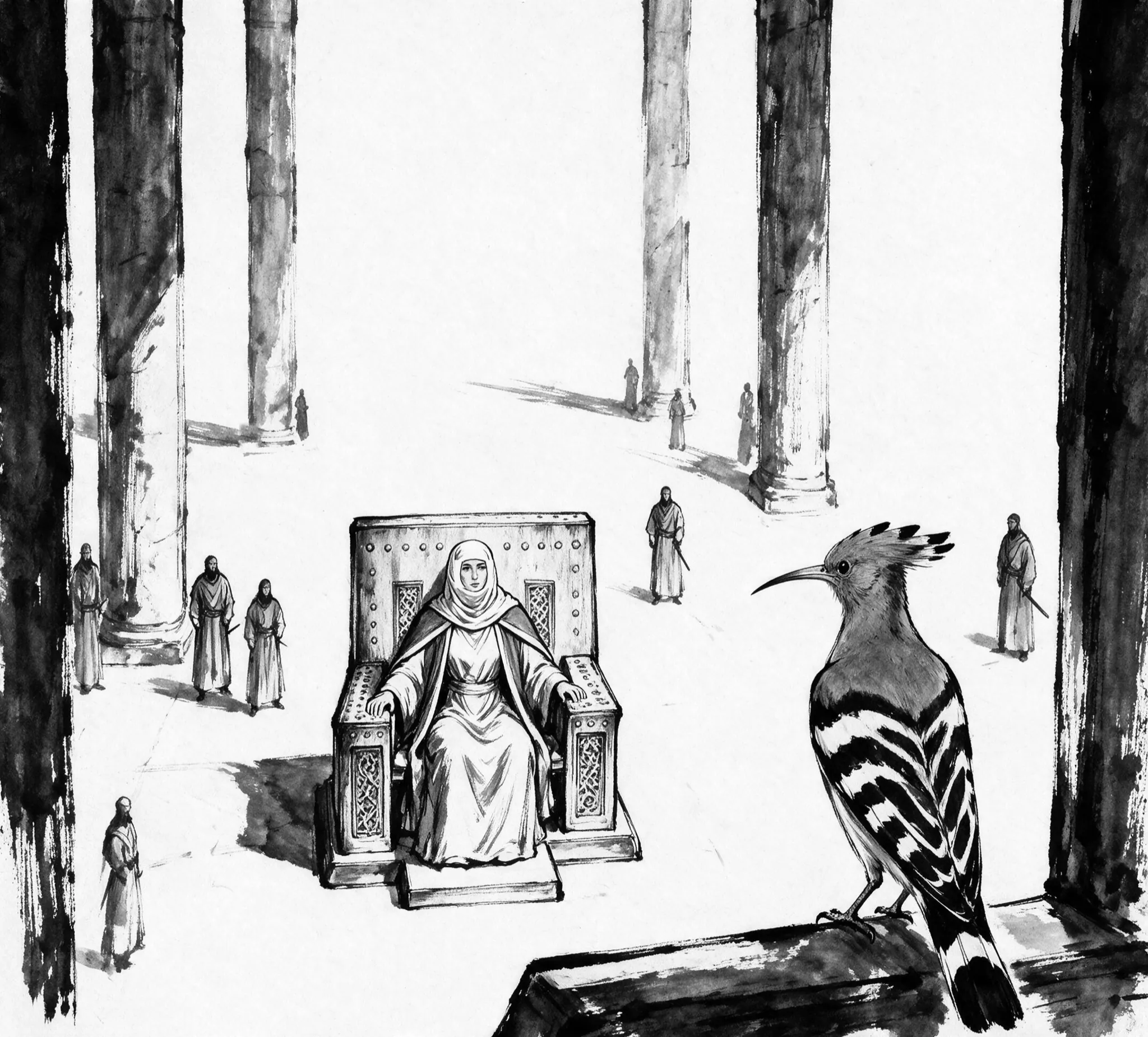
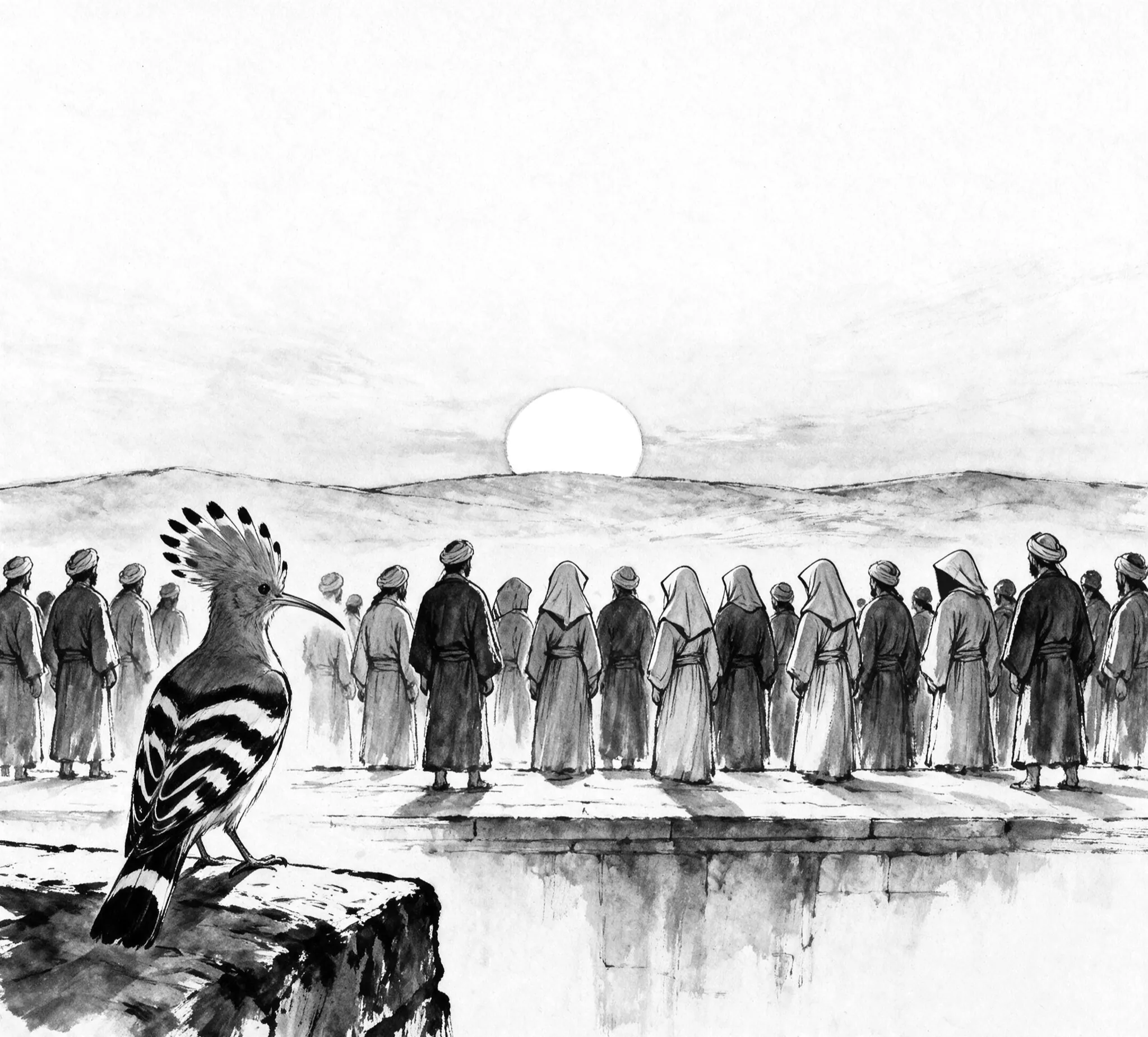
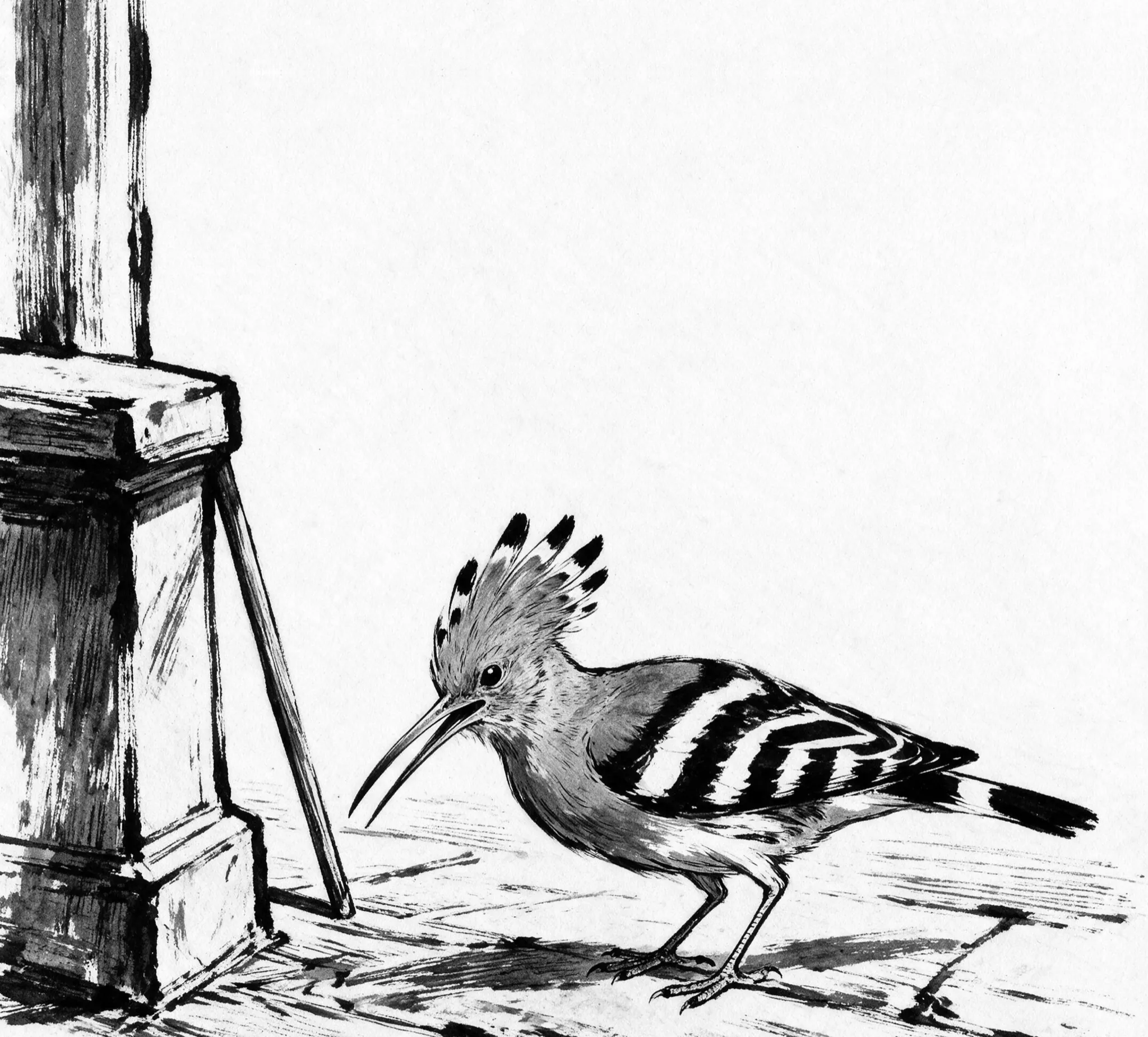
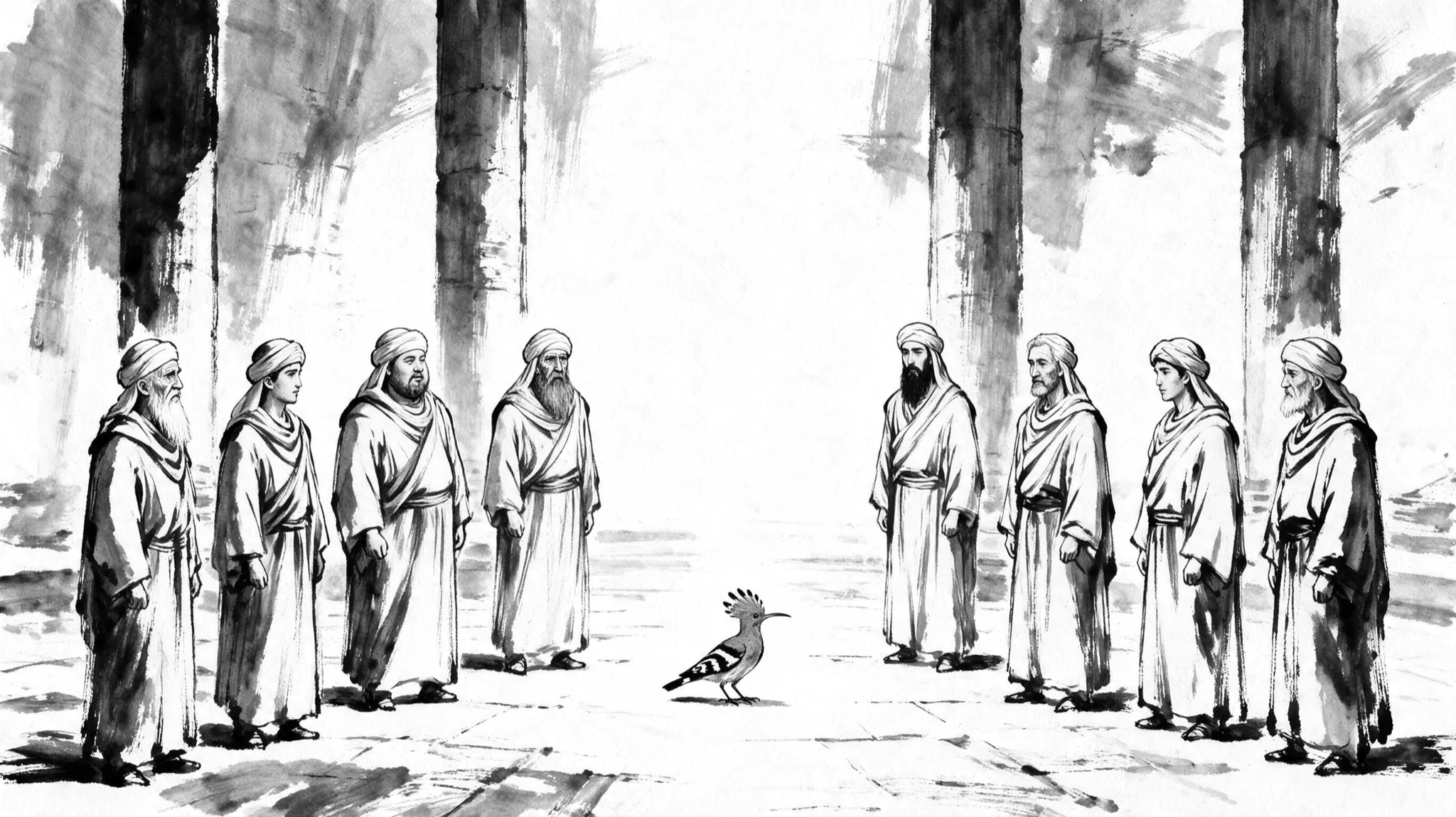
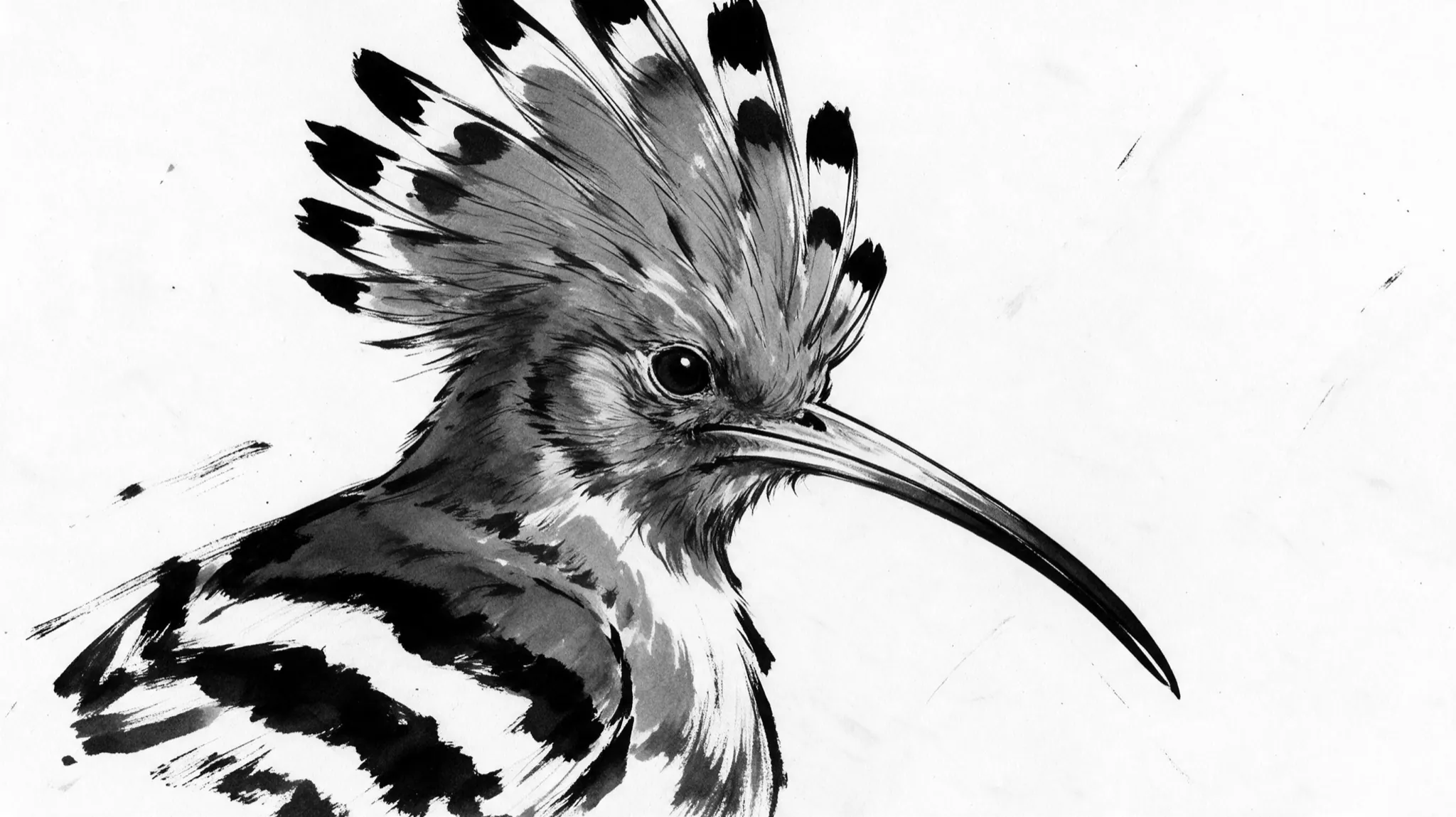
- Qur'an 27:20-24 - Sulayman inspected the birds and missed the hoopoe (27:20, p24) and swore to punish it severely or slaughter it unless it brought a clear excuse (27:21, p25); no punishment is ever drawn. It came back before long with certain news from Sheba (27:22, p28): a woman ruling them, given of all things, with a great throne (27:23, p30), and her people prostrating to the sun instead of Allah, their deeds made pleasing to them by Satan (27:24, p31 and p33). Panels p29 to p32 are the bird's remembered sight, screened grey; Satan is never drawn, and nobody on any page is drawn bowing to the sun
- Qur'an 27:25-26 - who speaks the creed that closes the report (that they do not prostrate to Allah, who brings forth what is hidden in the heavens and the earth, Lord of the Great Throne) is read more than one way: Ibn Kathir reads it as the hoopoe's own words and al-Tabari gives the same from Ibn Zayd and Ibn Ishaq, while al-Qurtubi gives al-Jurjani's reading of it as an aside from the hoopoe, from Sulayman or from Allah, and the two readings of its first word. The pages give it to no voice: the caption on p34 says only that the words turned from the sun to Allah, to whom alone prostration is due. A place of prostration (sajda) falls at 27:26 in the mushaf; no bubble and no pause page sets the ayah
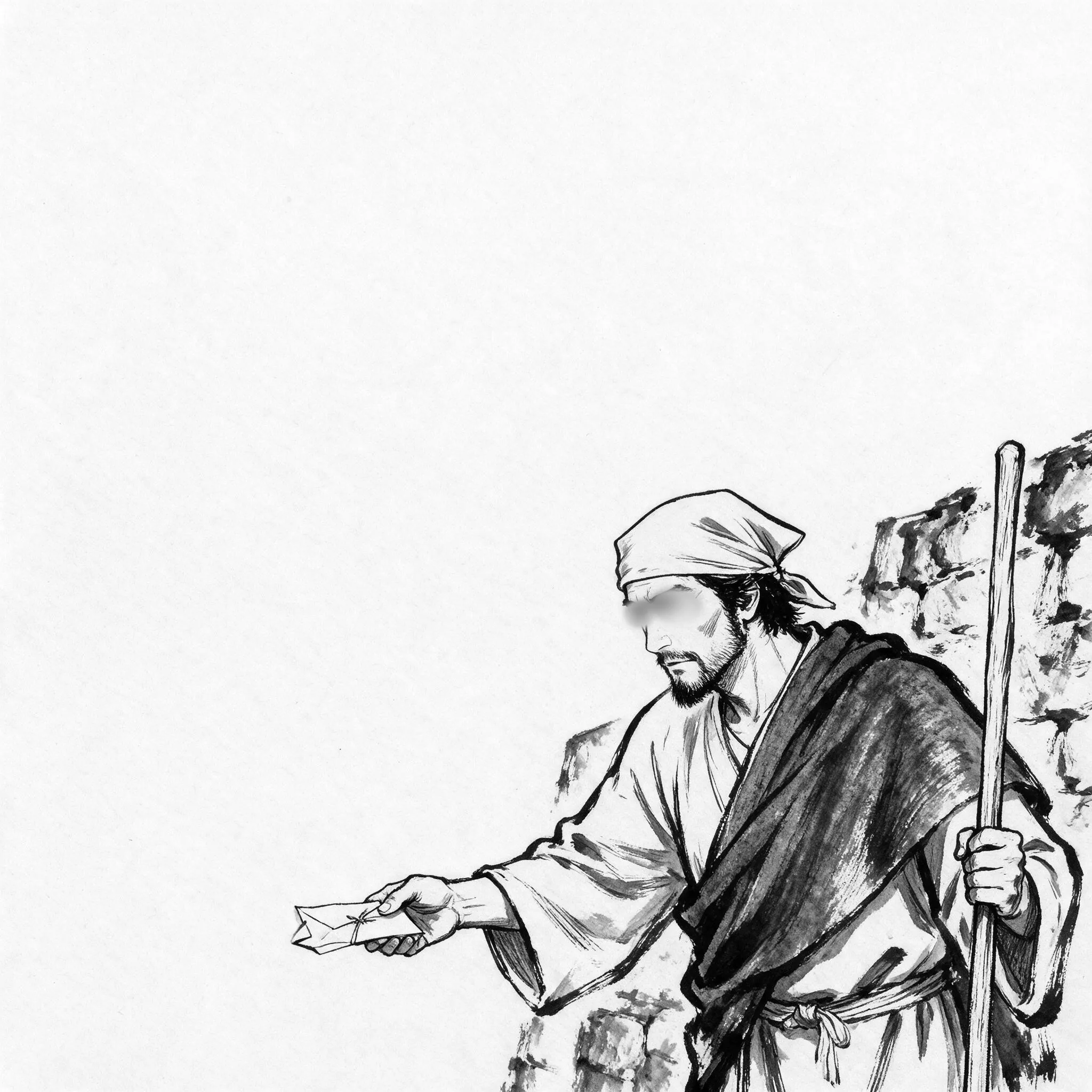
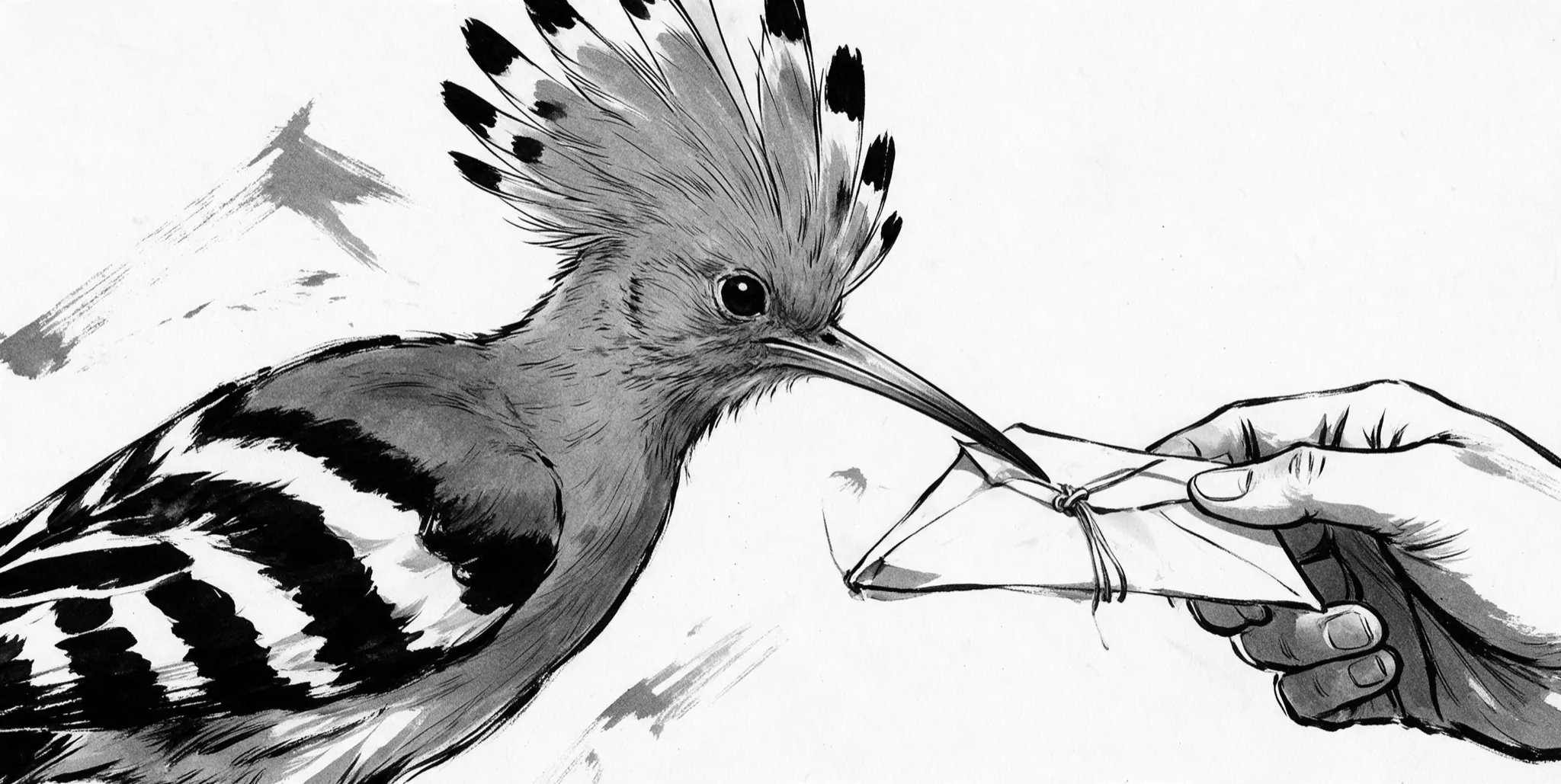
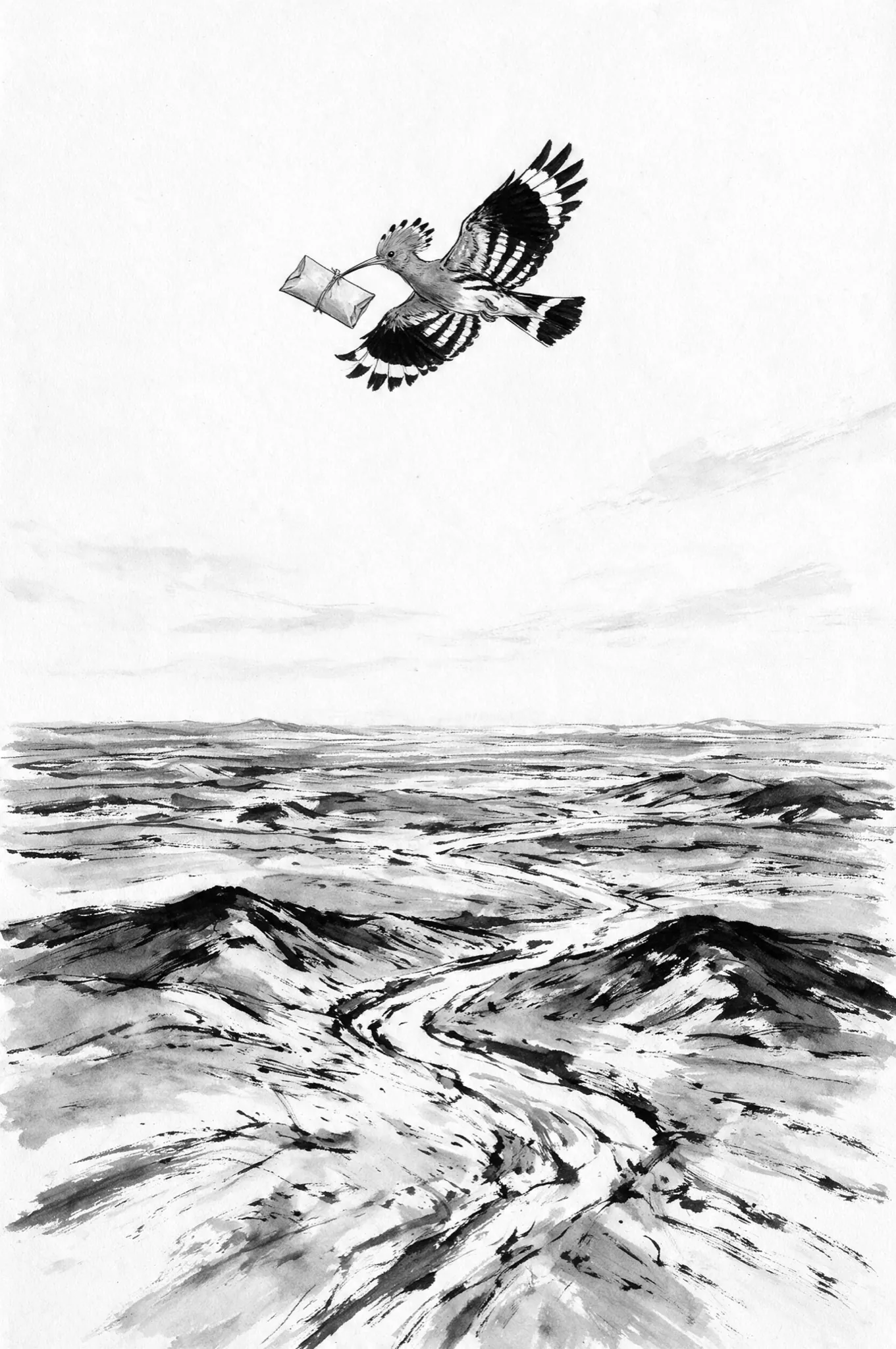
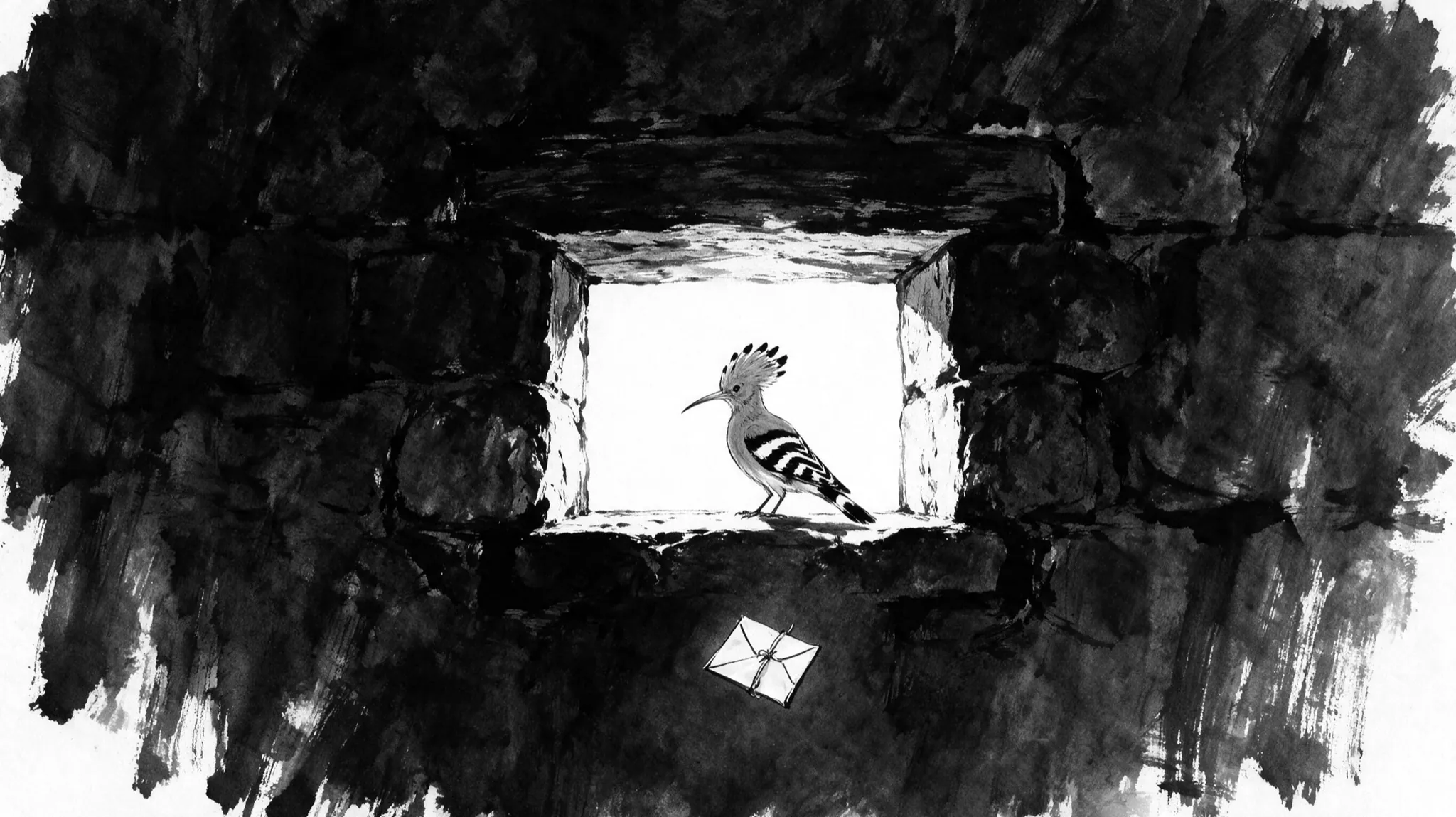
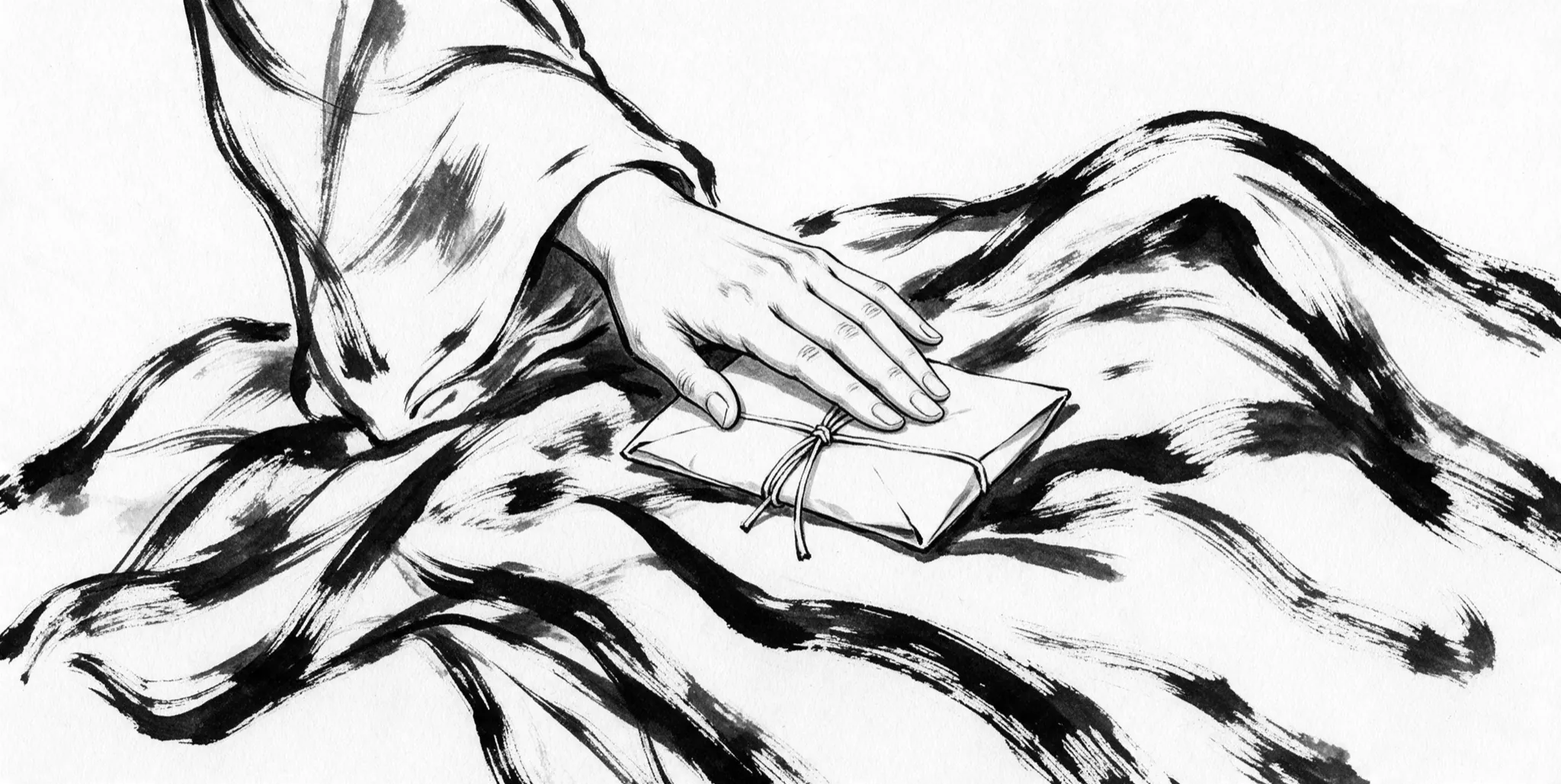
- Qur'an 27:27-28 - Sulayman would see whether the bird had spoken truly, and sent it with his letter, to deliver it to them, then draw back and see what they would return (his bubbles on p35 and p37). The letter is a plain folded sheet tied with a cord on every panel, with no writing, seal or mark on it
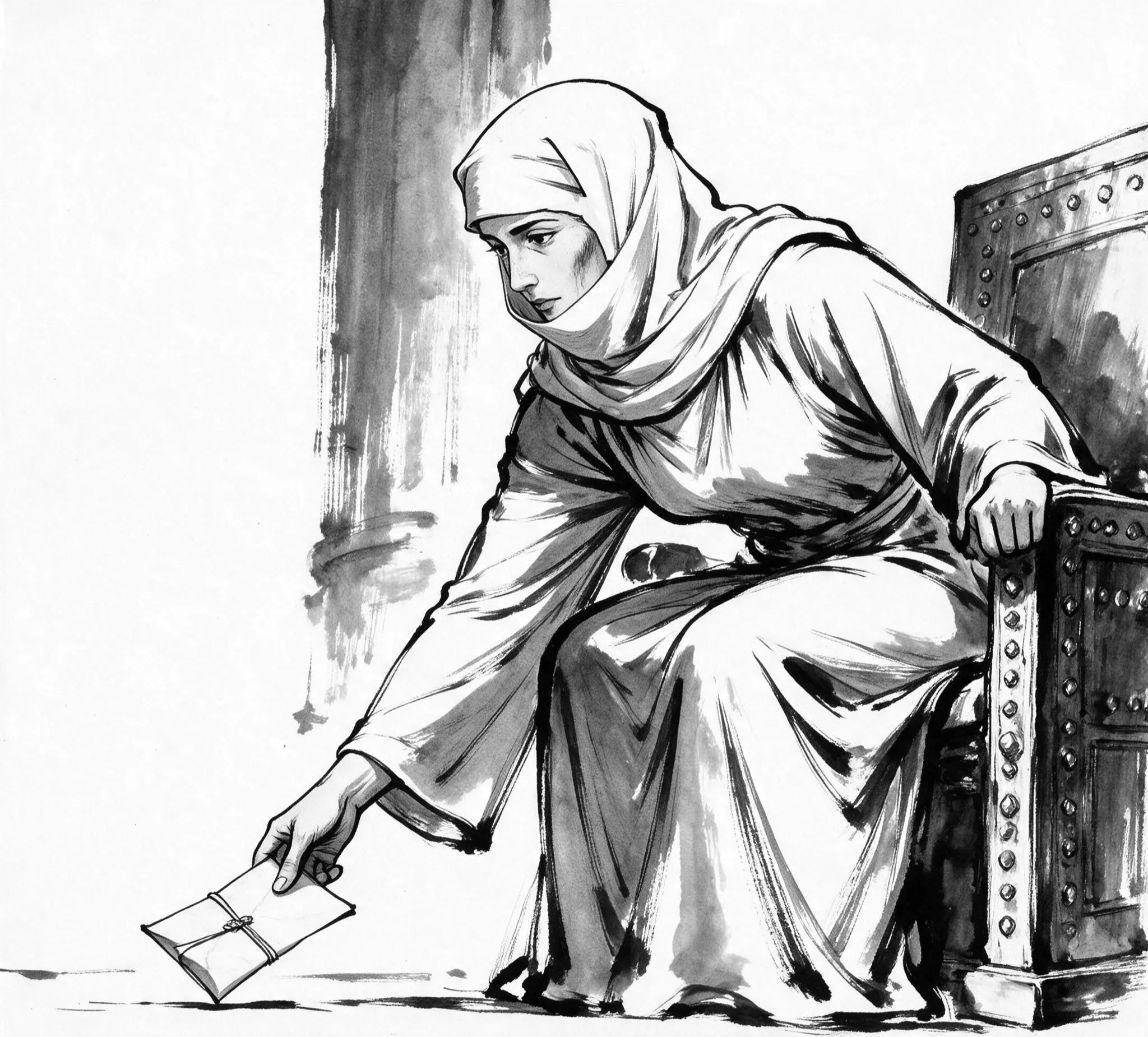
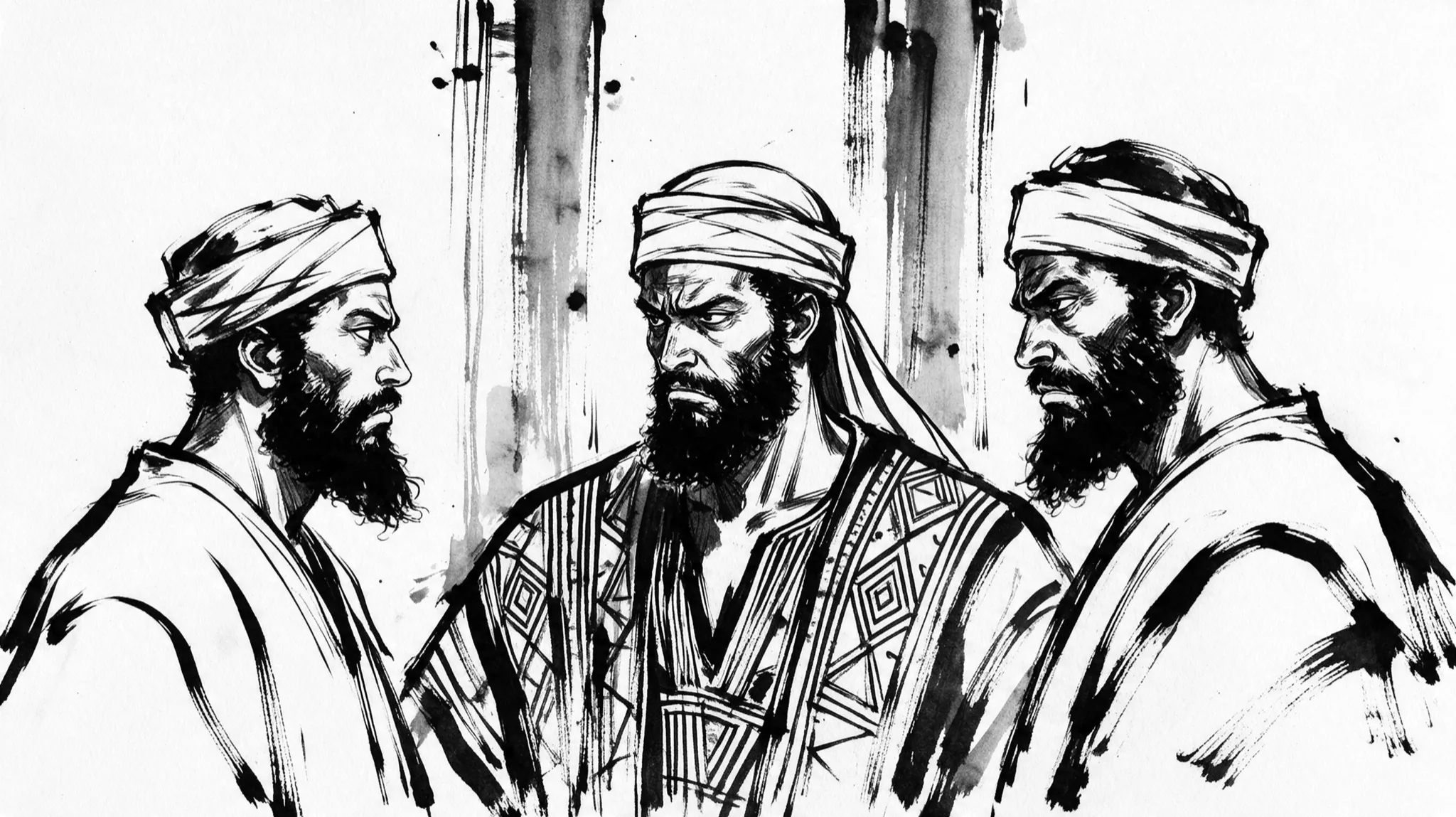
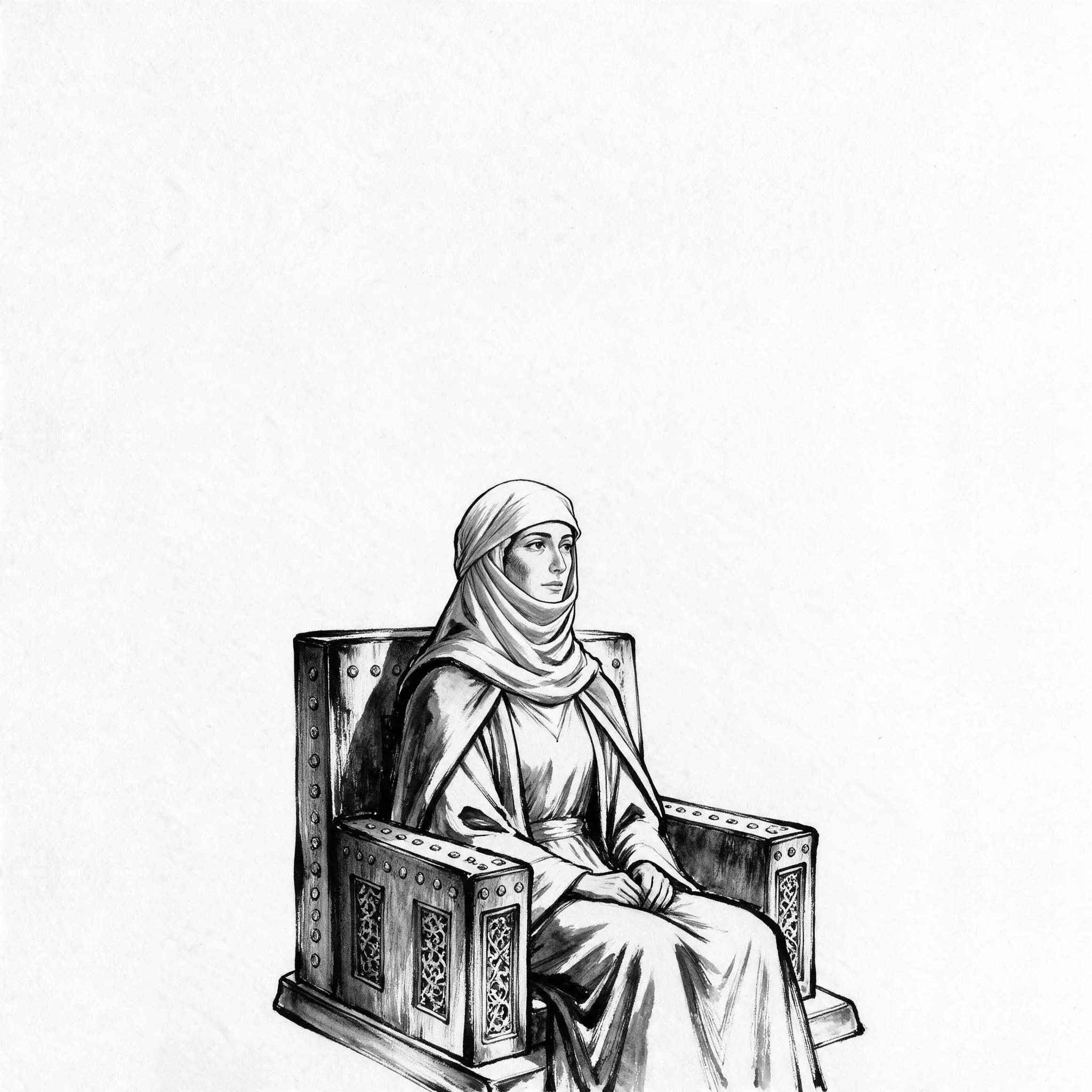
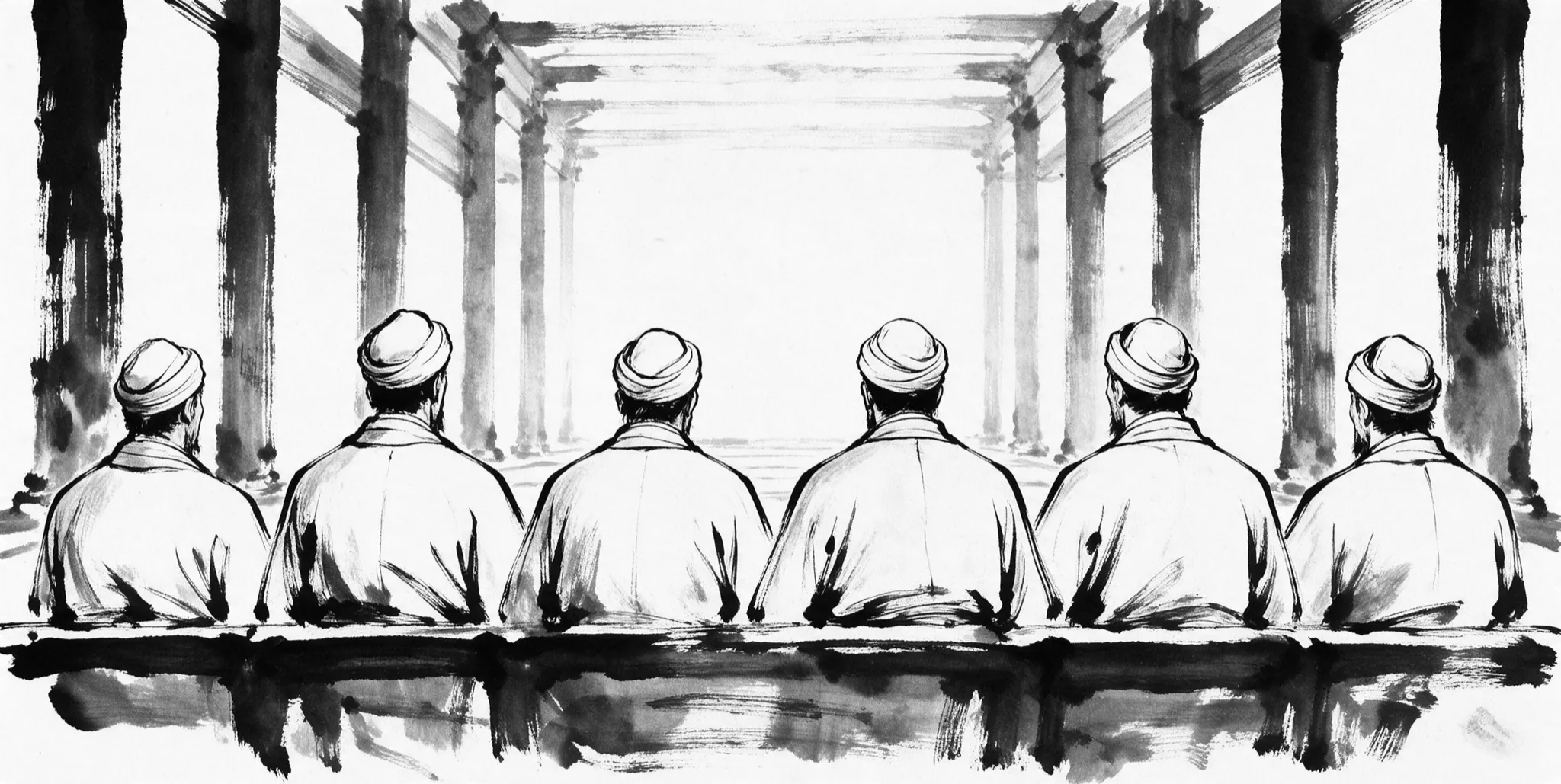
- Qur'an 27:29-35 - the queen told her chiefs that a noble letter had been delivered to her and read it out: it was from Solomon, in the name of Allah, the Entirely Merciful, the Especially Merciful, be not haughty with me but come to me in submission (27:29-31, p44 to p47); she asked their counsel (27:32, p49), heard that they were men of strength and might but the command was hers (27:33, p50 and p51), said that kings who enter a city ruin it and humble its honoured (27:34, p53), and said she would send a gift and see with what the envoys returned (27:35, p55). One elder answers for the chiefs where the Qur'an says 'they said' (studio staging)
- Qur'an 27:34, its last clause ('And thus do they do') - not told. Ibn Kathir gives Ibn Abbas's reading that Allah says it, after the queen's words have ended; the editions print it inside her quotation, so her bubbles on p53 stop before it in every language
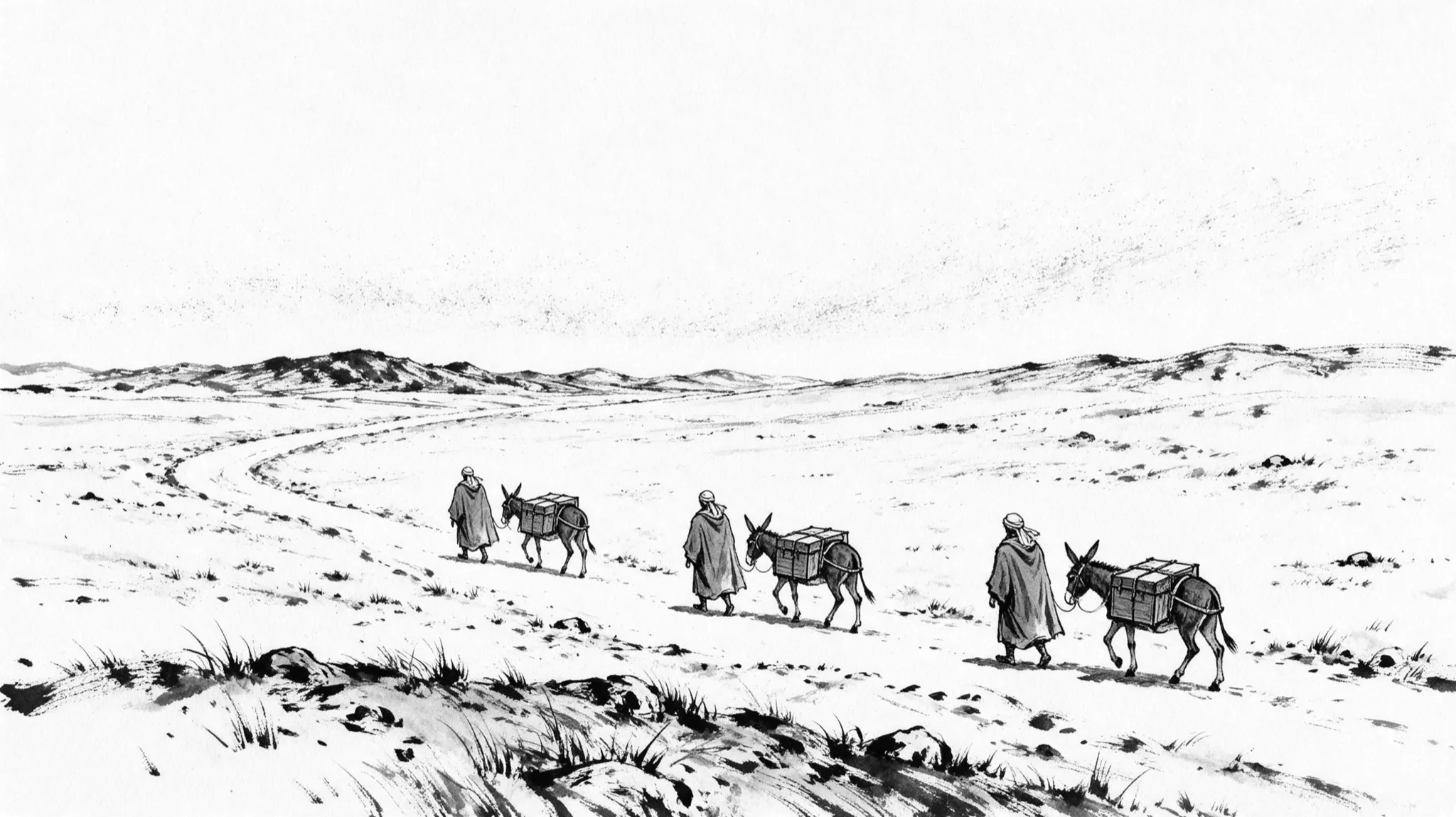
- Ibn Kathir on 27:35 - the gift as a test: 'Ibn Abbas and others said: She said to her people, if he accepts the gift, he is a king, so fight him; but if he does not accept it, he is a Prophet, so follow him.' The caption on p57 gives it as the commentators' account, never as the Qur'an's; the gift itself is never shown and the chests stay shut on every panel
- Qur'an 27:36-37 - Sulayman refused the gift: what Allah had given him was better than what He had given them, and it was they who rejoiced in their gift (27:36, p59 and p60); he sent the envoy back with word that he would come with soldiers they could not meet and expel them in humiliation (27:37, p61 and p63). No battle follows in the Qur'an and none is drawn; the envoys ride home with the chests unopened (p64)
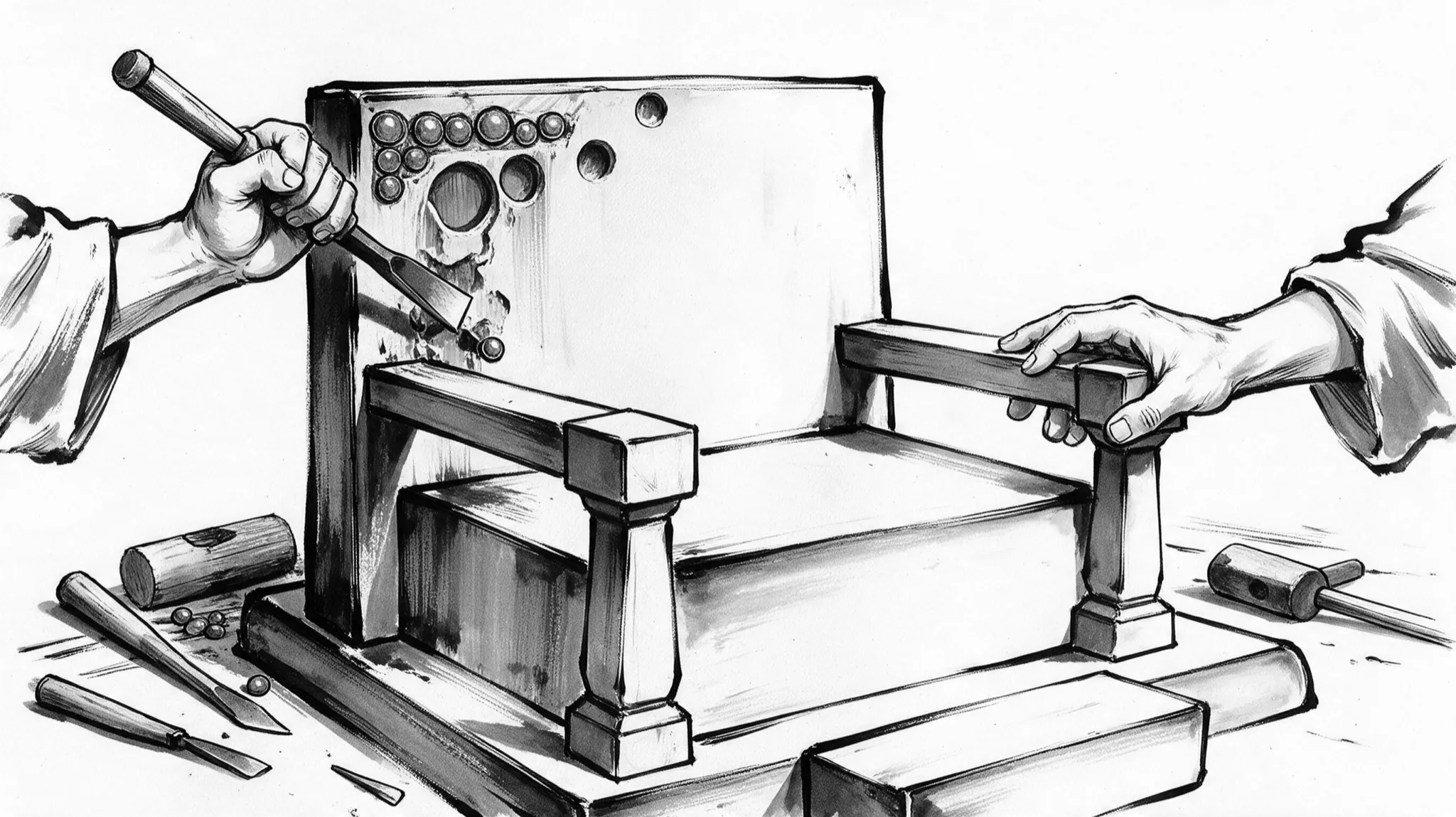
- Qur'an 27:38-40 - Sulayman asked his assembly which of them would bring her throne before they came to him in submission (27:38, p65); an ifrit of the jinn offered to bring it before he rose from his place (27:39, p67), and one who had knowledge of the Book offered to bring it before his glance returned to him (27:40, p69); when he saw it settled before him he called it the favour of his Lord, to test him whether he would be grateful or ungrateful (27:40, p71), and that whoever is grateful is grateful for his own good and whoever is ungrateful, his Lord is Free of need and Generous (27:40, p72 and p74). Mujahid's 'a giant jinn', which Ibn Kathir gives, is drawn as the ifrit's size; Abu Salih's 'as if he were a mountain' is not. The throne is simply there: no flash, ray, smoke or sparkle
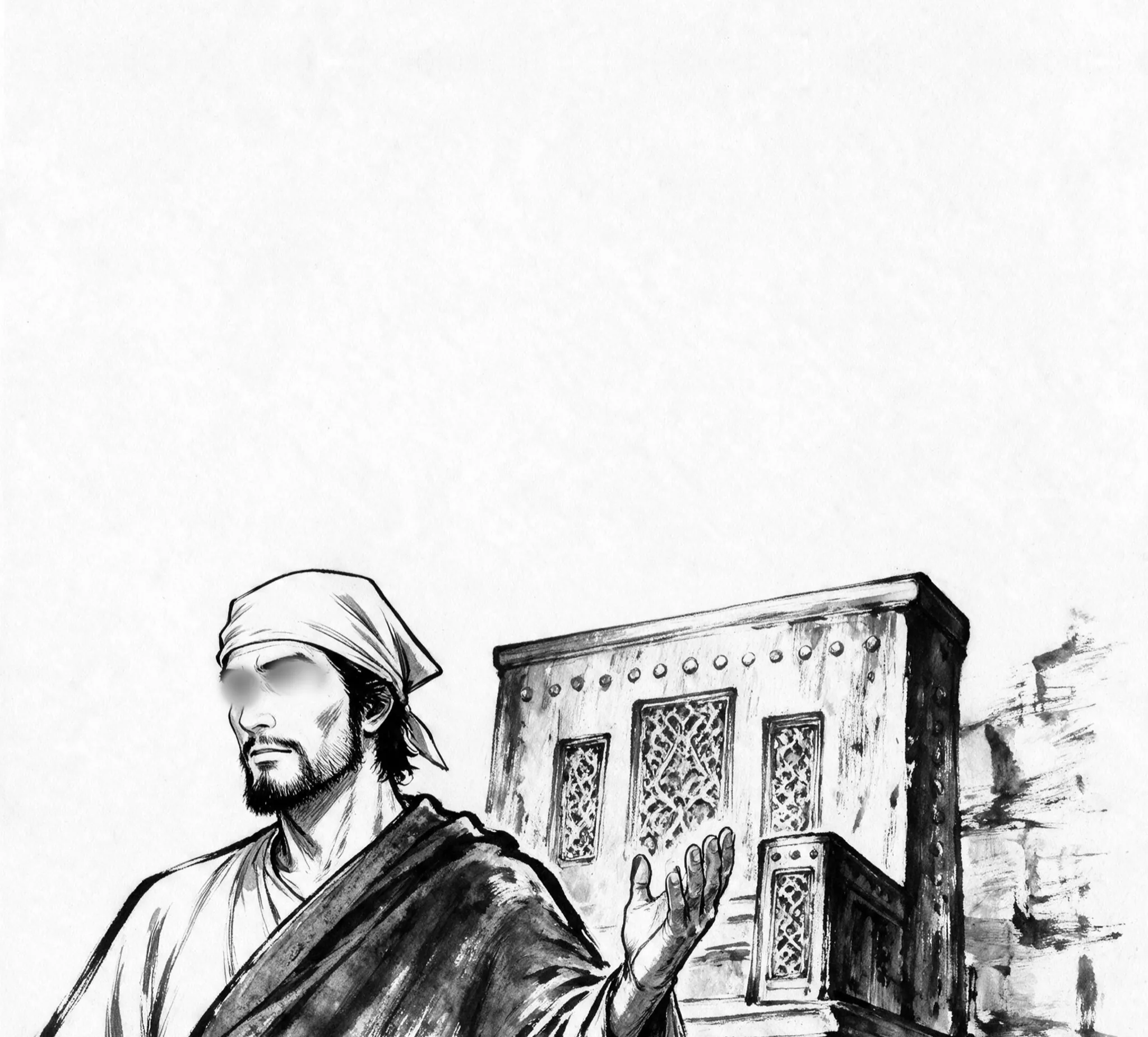
- On the one who had knowledge of the Book (27:40) - the Qur'an does not name him. Ibn Kathir gives Ibn Abbas (Asif, Sulayman's scribe), Muhammad bin Ishaq from Yazid bin Ruman (Asif bin Barkhiya, a truthful believer who knew the Greatest Name) and Qatadah (a believer among men named Asif); al-Qurtubi says most commentators hold him Asif bin Barkhiya of Bani Isra'il, and records others: Sulayman himself (a view he calls good, after al-Nahhas), Jibril (al-Nakha'i, also narrated from Ibn Abbas), an angel holding the Book of Decrees (Bahr), al-Khidr (Ibn Lahi'a), and other named men. On the pages he is an unnamed man of the court, the reading of most commentators, holding a closed book with nothing written on it, with no glow and no gesture of power
- The jinn - created of smokeless fire (55:15). On every panel they are faceless upright forms of flame, with no smoke, no face, no wings and no human hands; none of them is Iblis
- Qur'an 27:41-44 - Sulayman had her throne disguised to see whether she would be guided (27:41, p76 and p77); asked whether her throne was like this, she said it was as though it were (27:42, p79 and p80); what she worshipped besides Allah had kept her back (27:43, reported in the caption on p81); told to enter the palace, she took it for a pool, and he told her it was a palace made smooth with glass, and she said: My Lord, I have wronged myself, and I submit with Solomon to Allah, Lord of the worlds (27:44, p83 to p87). What 27:44 says she did when she took it for a pool is never drawn or captioned: her hem stays to the ground on every panel, and the ayah is heard whole on the pause page that follows her submission (p88). At her submission the two stand apart and both face past the frame; she submits to Allah, never to him
- Qur'an 27:42, its last sentence ('And we were given knowledge before her, and we have been Muslims') - not told. Ibn Kathir gives Mujahid's word that Sulayman says it, and Mujahid's and Sa'id bin Jubayr's reading of 27:43 as his words too, which Ibn Jarir also holds; al-Qurtubi reports that it has been read as hers, as his and as his people's. With the speaker disputed, no bubble carries it
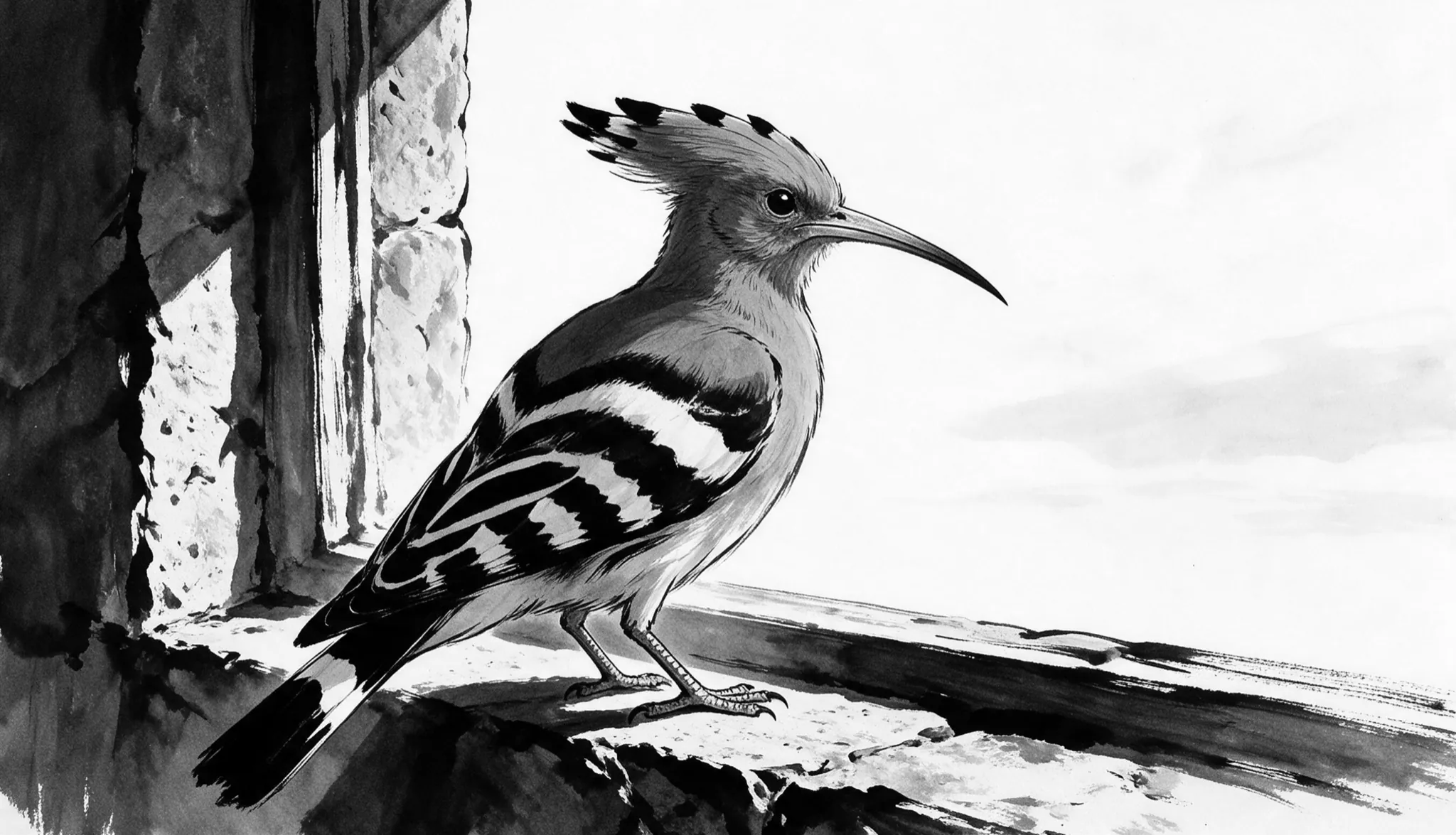
- From the commentators, drawn and never captioned as fact - the small high window the letter fell through and the bird standing aside on the sill (Ibn Kathir on 27:28, 'it was said'), and the palace of glass over flowing water (Ibn Kathir on 27:44)
- Qur'an 38:34-35 - 38:34 says that Allah tried Sulayman and placed a body on his seat, and that he turned back; what the body was, the Qur'an does not say, and the commentators differ; the story of the devil and the ring, which Ibn Kathir sets among the Isra'iliyyat, is not told. He prayed for forgiveness and for a kingdom such as would belong to no one after him (38:35, his four bubbles on p91 and p92, said to Allah). The black panel p90 says in the studio's words that the Qur'an does not say what the trial was, and the horses of 38:31-33 are not told
- Qur'an 38:36-38; 34:12; 21:81-82 - the wind made subject to him, the spring of molten copper, and jinn who worked for him by his Lord's leave. The captions on p94 to p96 and p98 report these in the studio's words and never render them; he is never drawn in the air and there is no carpet
- Qur'an 38:39-40 - the pause page: Allah's own words of the gift that answers the prayer, to grant or withhold without account, and nearness to Him and a good return, read and recited and nothing else. The captions before it say only that Allah gave and that the Qur'an tells what He said
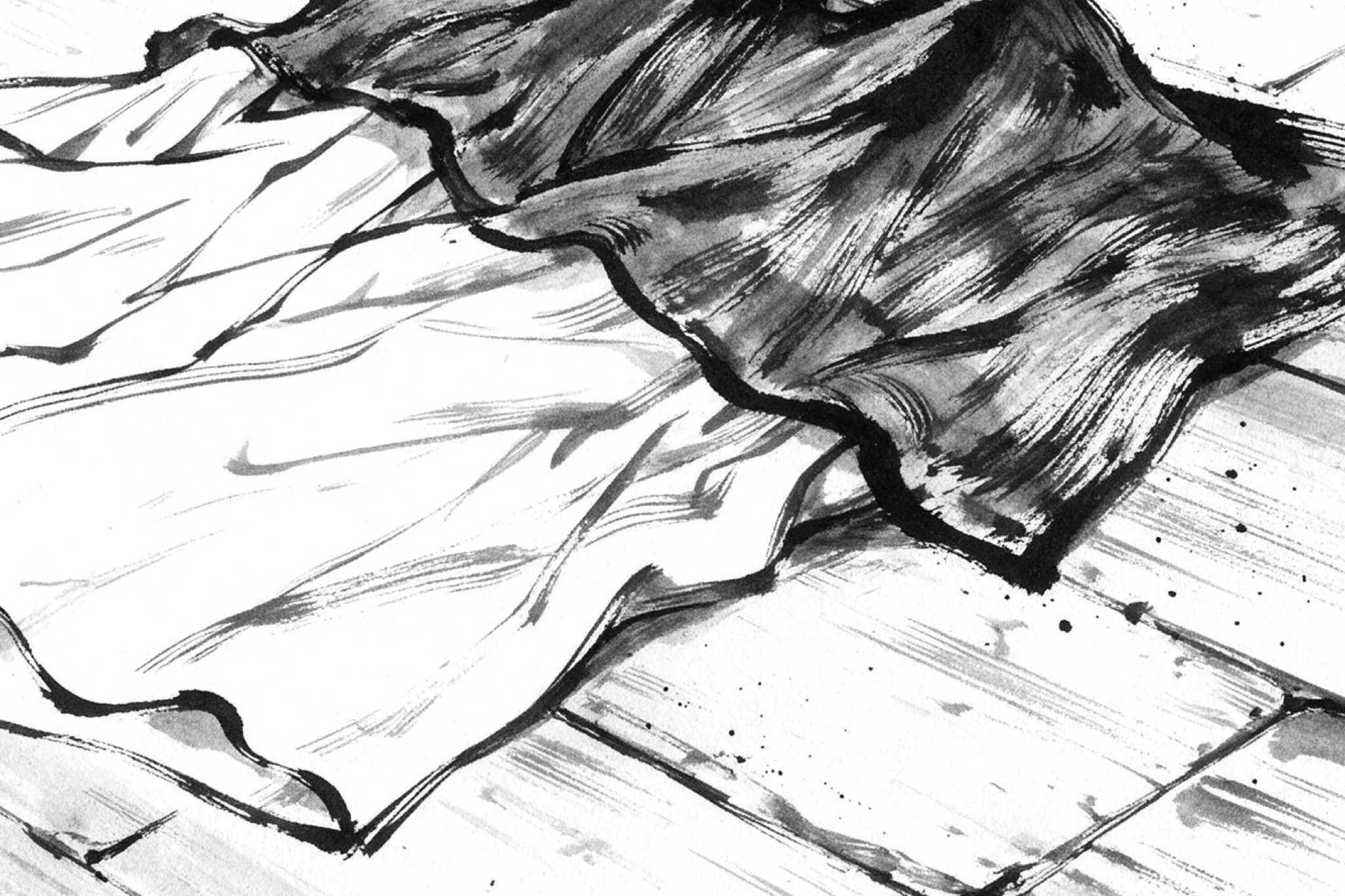
- Qur'an 34:13-14 - the pause page: what the jinn made for him (elevated chambers, statues, basins like reservoirs and fixed cauldrons), the call to work in gratitude, and his death, which nothing showed them but a creature of the earth eating his staff until he fell; Ibn Kathir glosses the creature as the termite, which p101 draws. Read and recited and nothing else; the statues it names are never drawn and no statue stands among the works on any panel. Panels p101 to p104 then show the staff giving way, the hem on the stone and the work stopped, with no word and his face never in frame
- Not told: Qur'an 2:102 (that Sulayman did not disbelieve, and the sorcery the devils taught), which belongs to another telling
- The queen - the Qur'an does not name her. Tradition names her Bilqis, which this codex records and no page shows; the Japanese and Indonesian editions' glosses of the name stay on their cards and out of every bubble
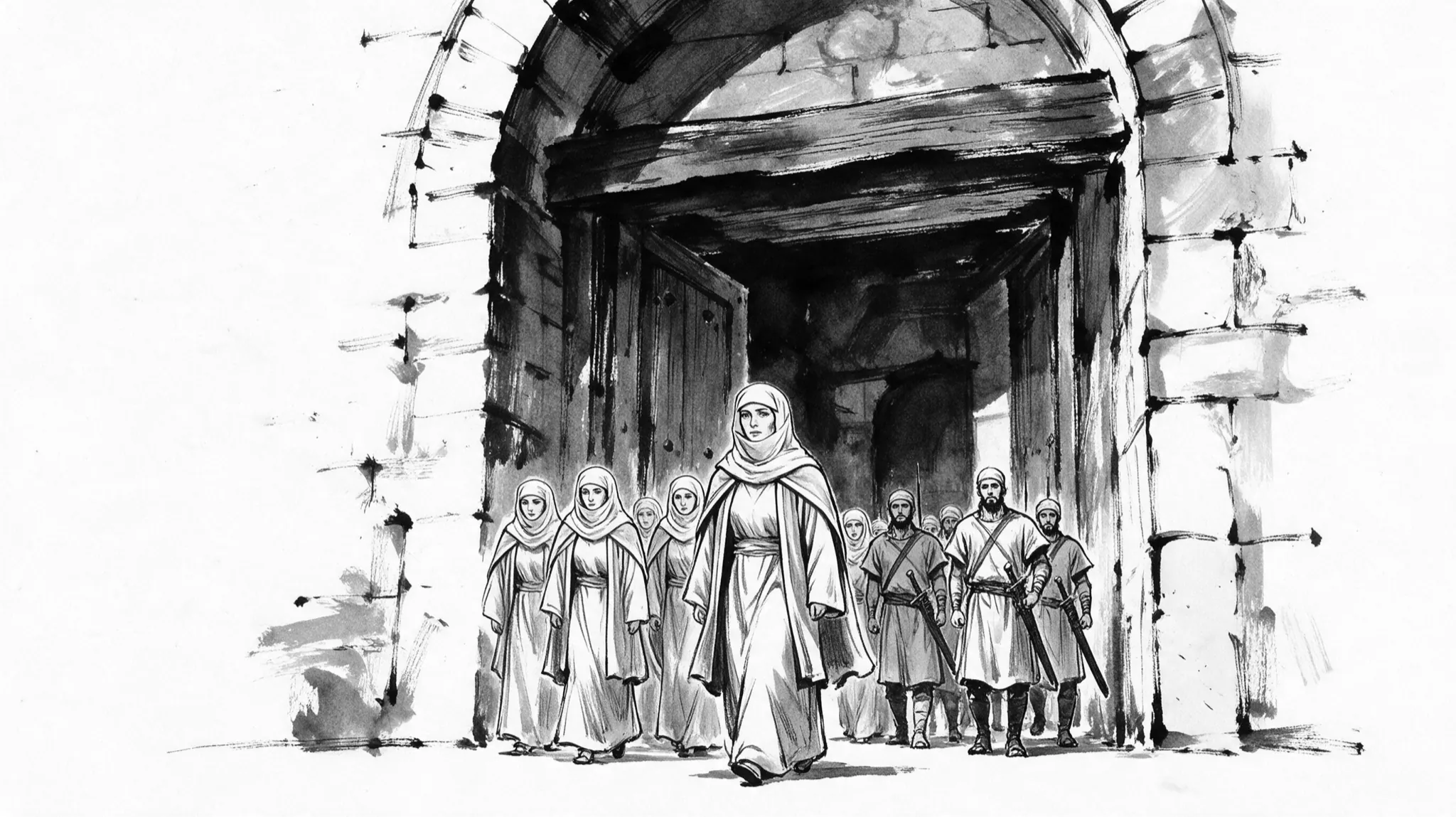
- What the story stages in Acts II to IV is the studio's own: the sandal print beside the whole ant hole, the hoopoe's report as a remembered sight from a high sill, one elder answering for the chiefs, the corded chests, a courtier who speaks where the Qur'an says only that it was said (27:42, 27:44), the hands at the throne's fittings, her women and guards at her arrival, the terrace above the works and the hem on the stone
Play this chapter
Test what you know about this chapter.
Every story on this page is a chapter in DeenOD: Islamic Trivia & Games - free, no ads, every question source-cited.