Stories of the prophets
يوسف
Yusuf - The Dream
A boy dreams of eleven stars, the sun and the moon. His brothers leave him at the bottom of a well, and his father holds on to patience for years, until a shirt brings his sight back.
October 26, 2026 · Sourced from the Qur'an
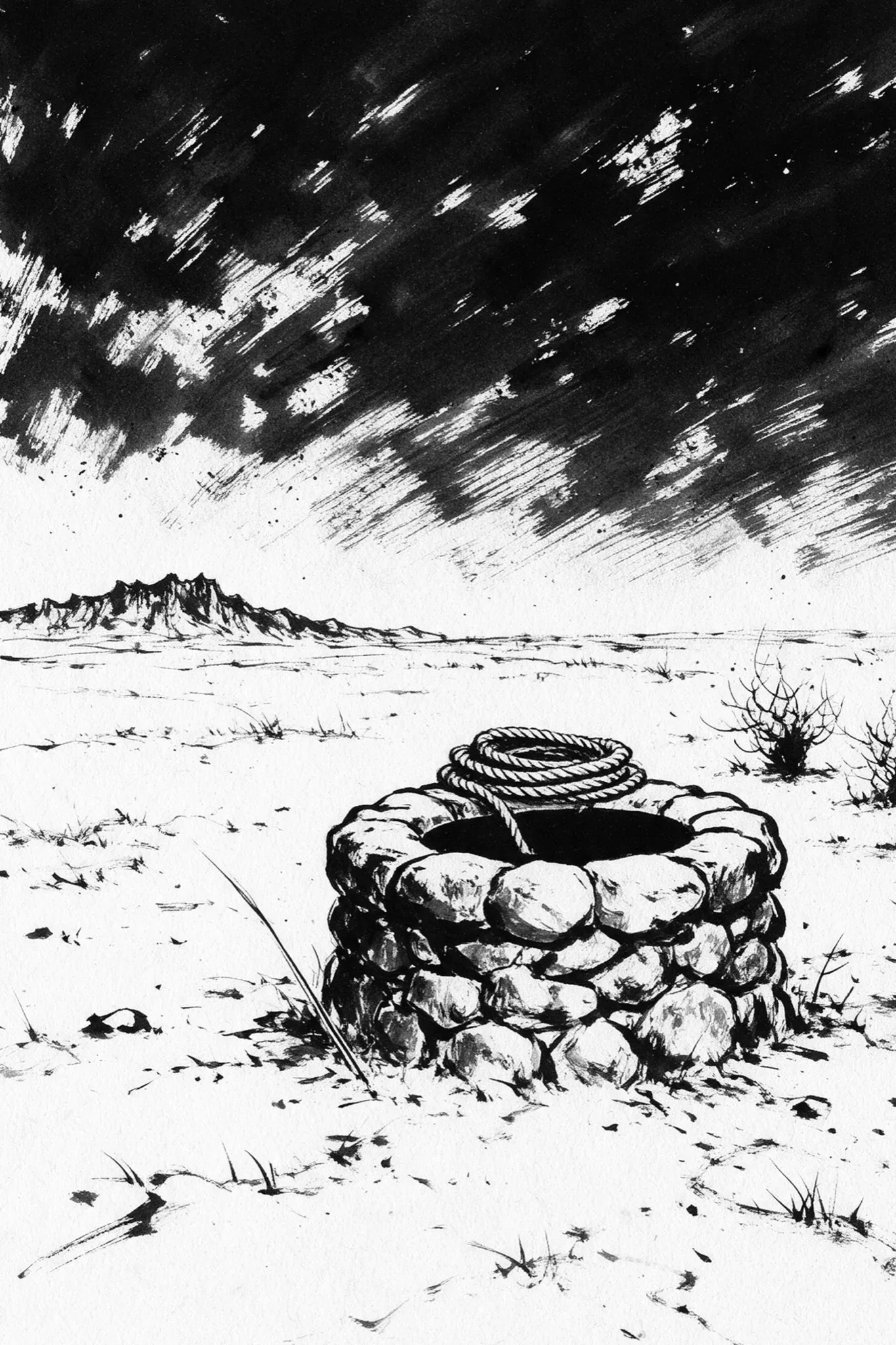
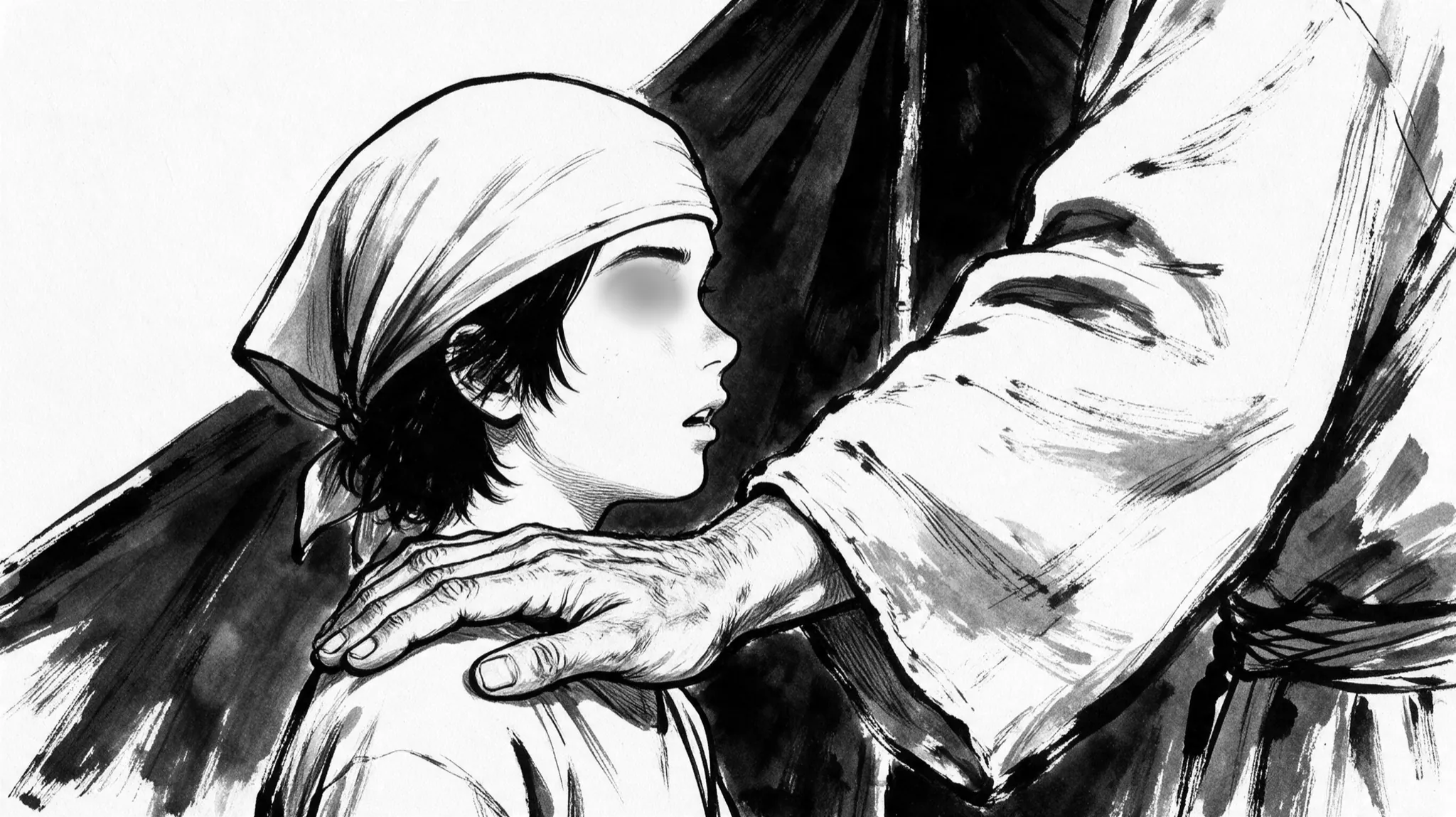
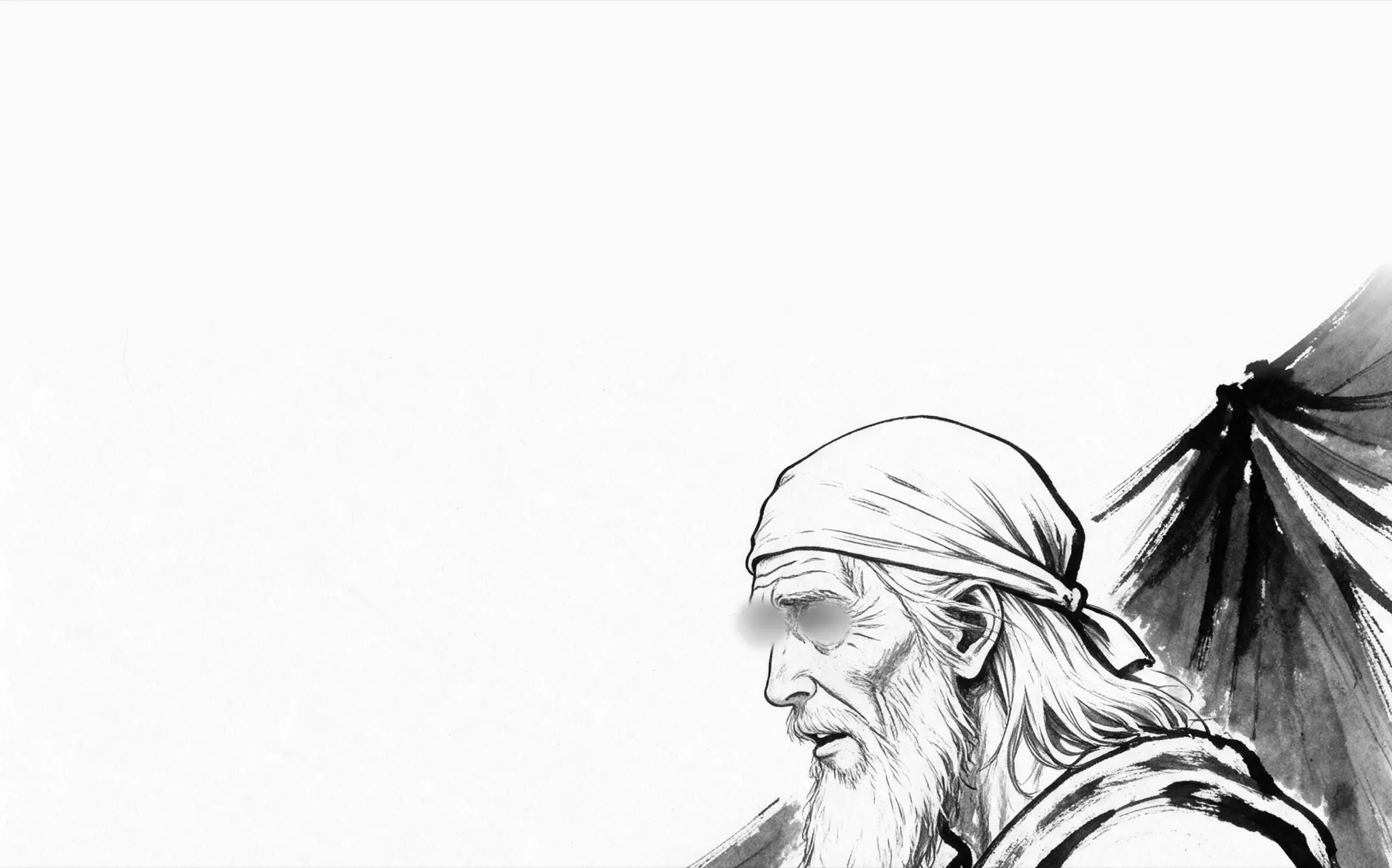
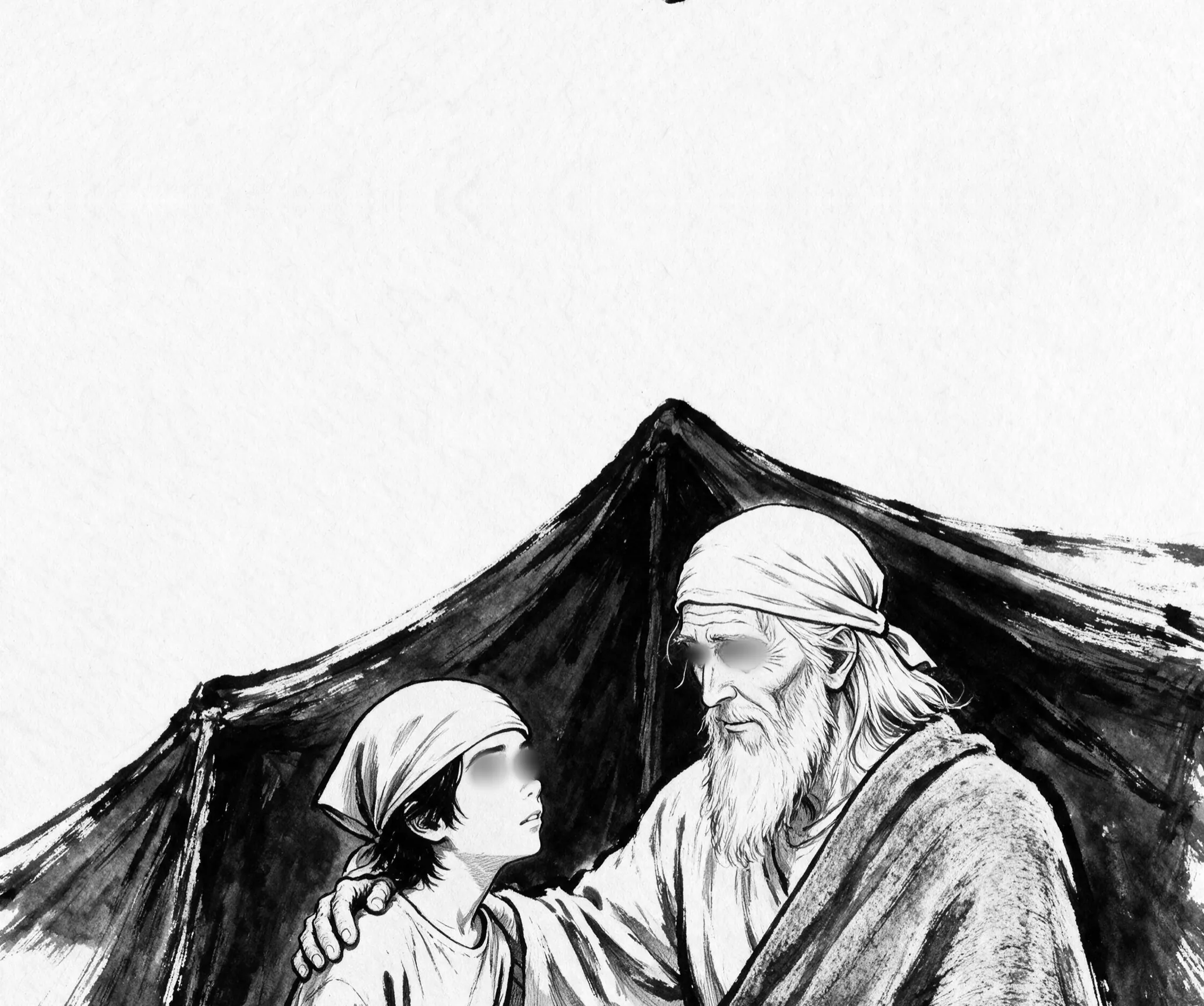
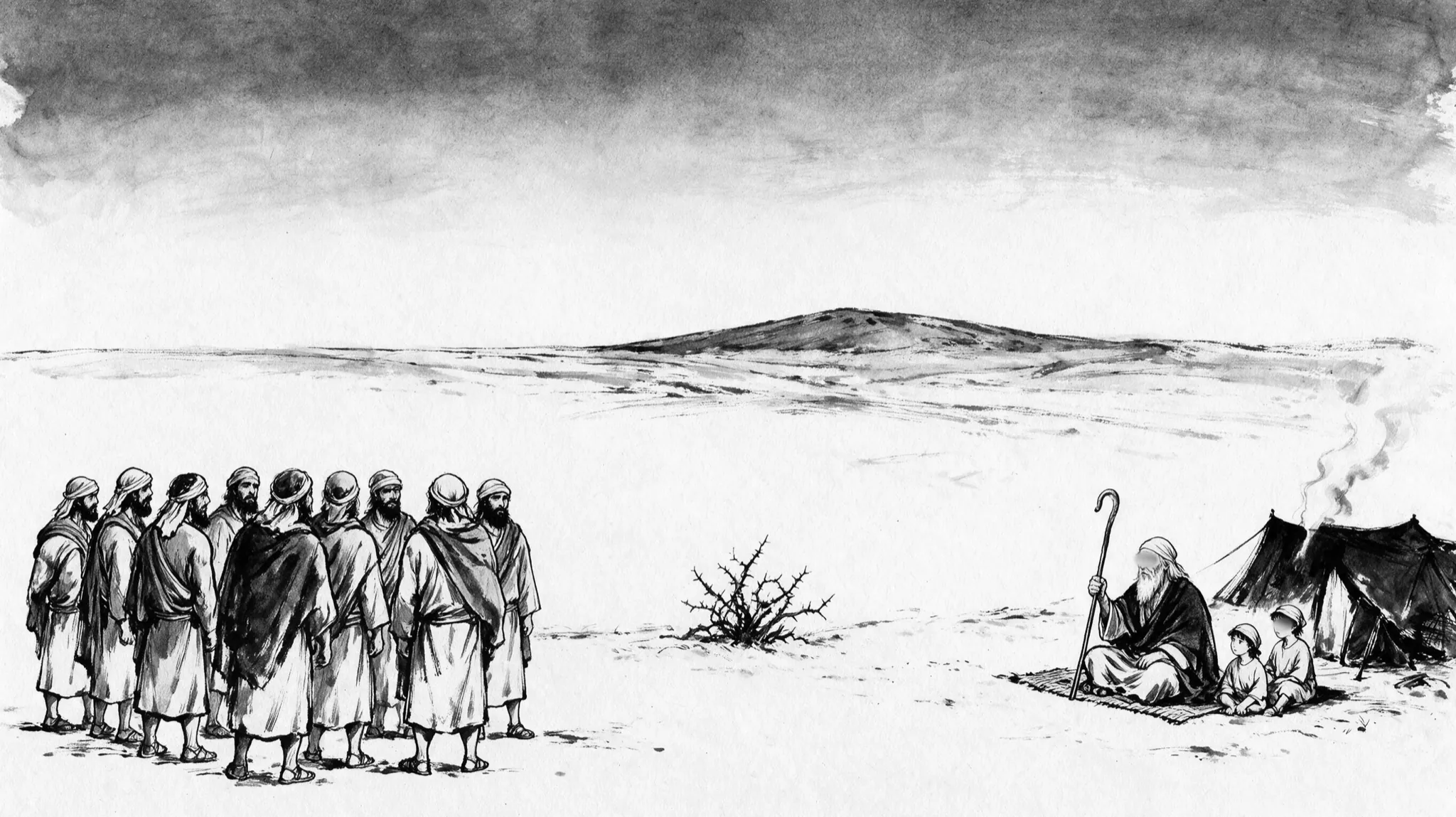
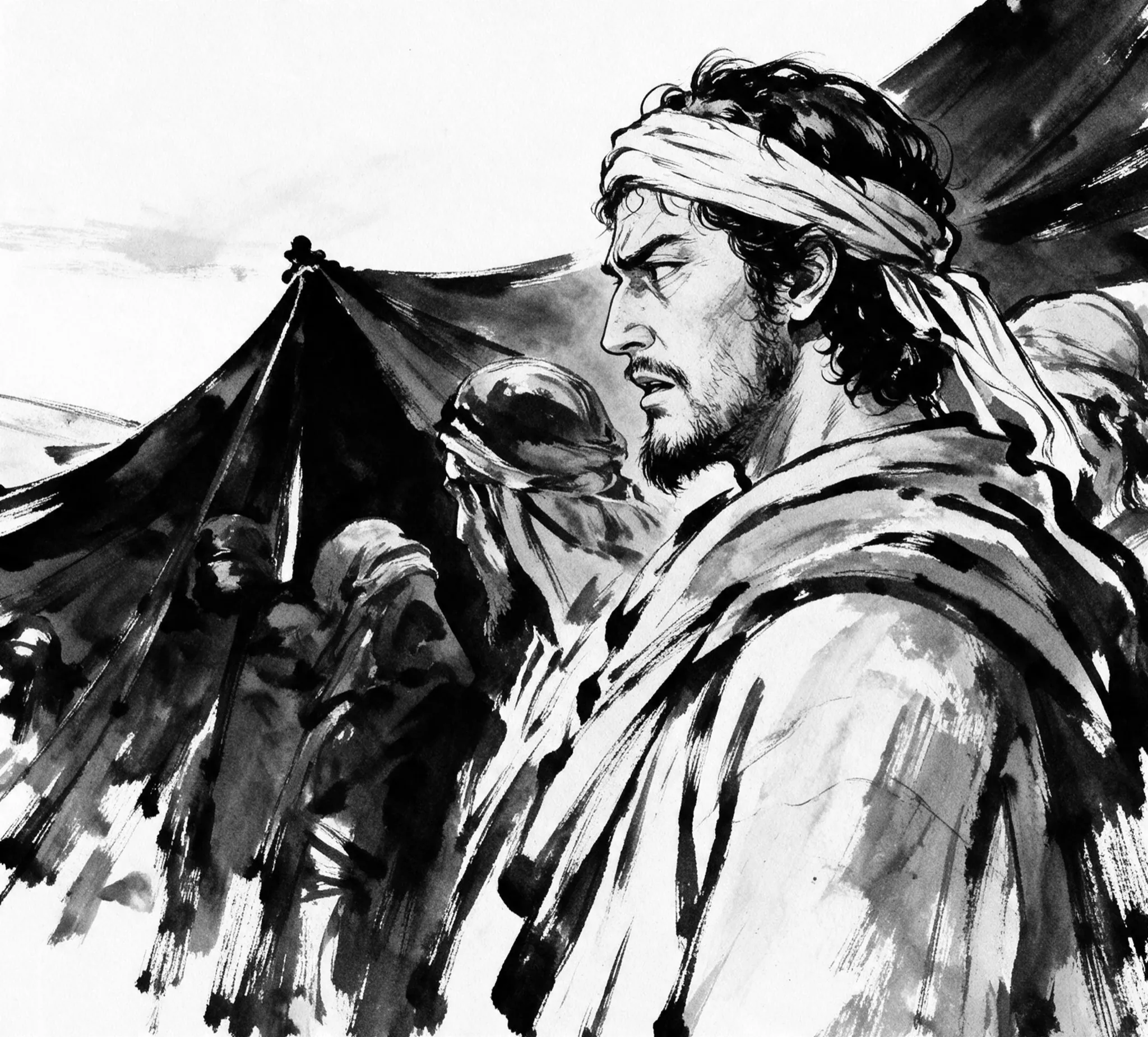
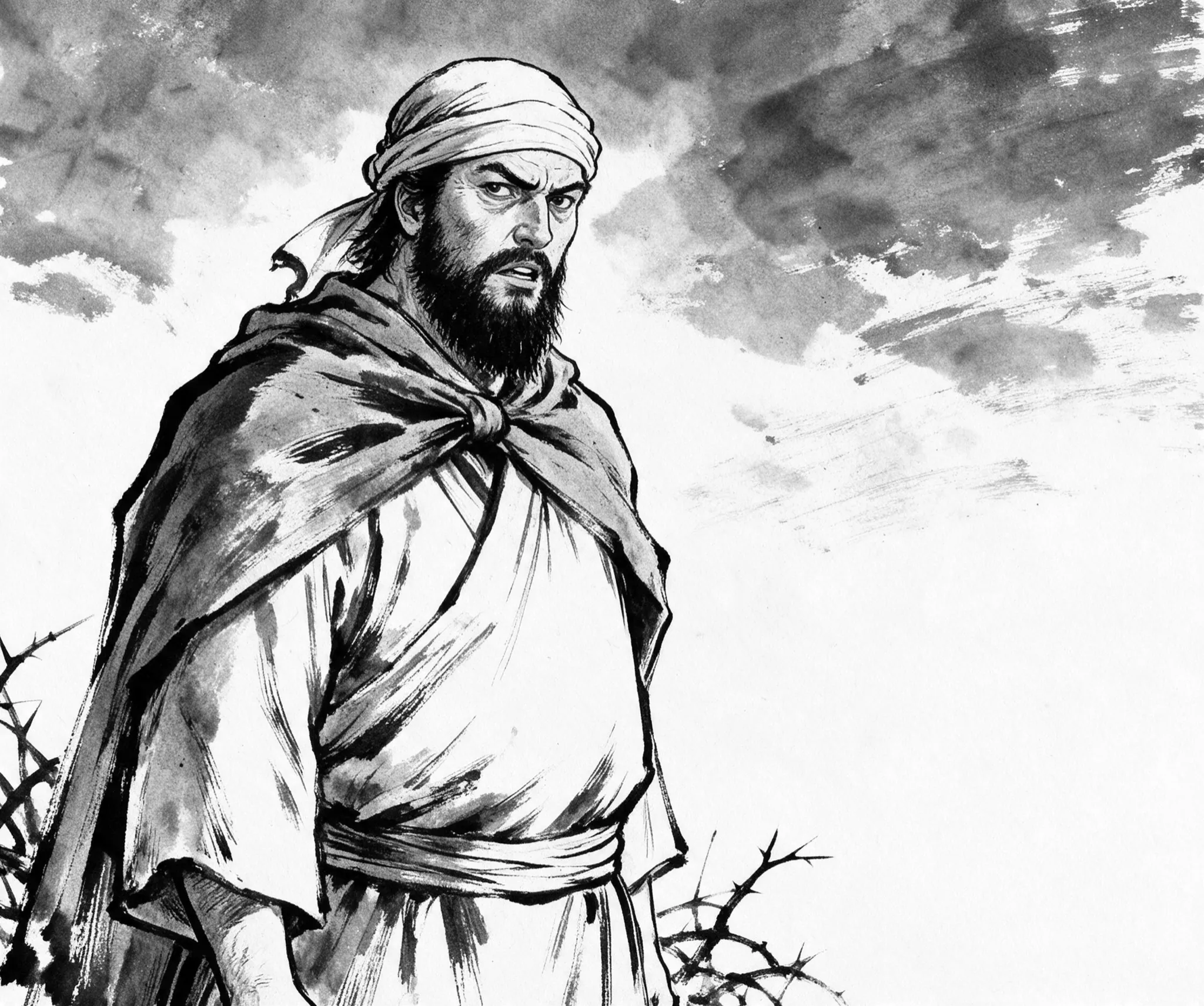
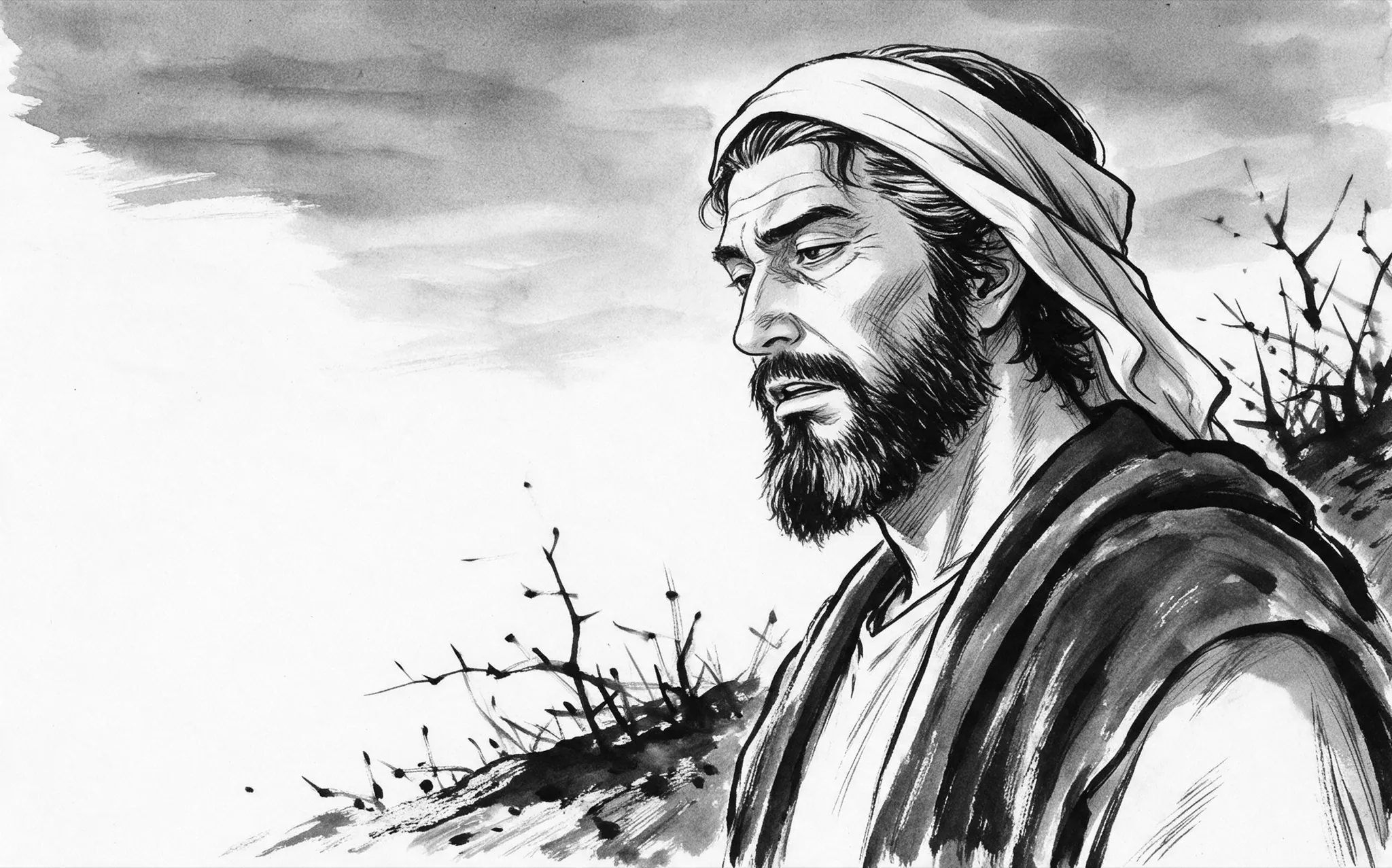
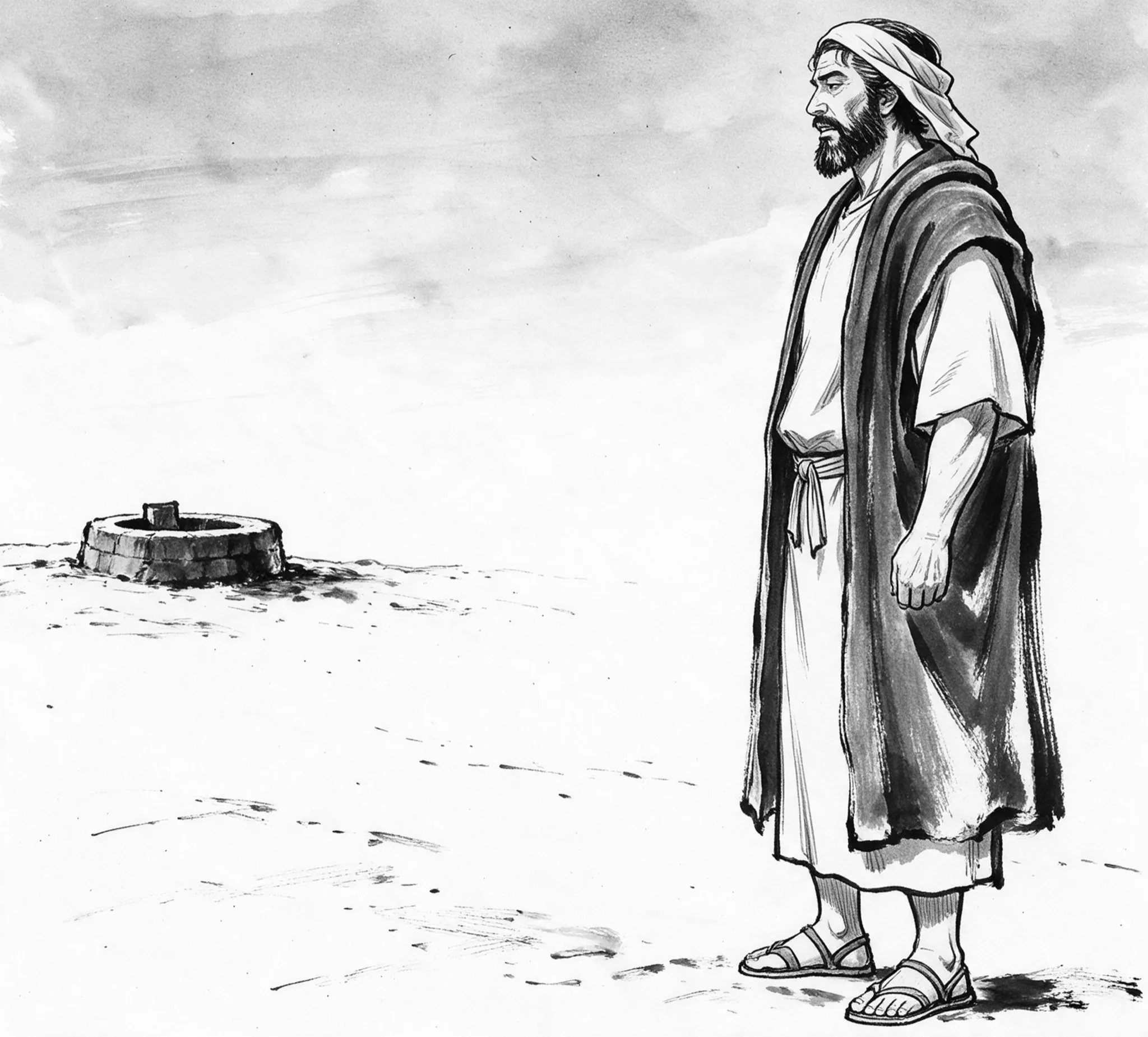
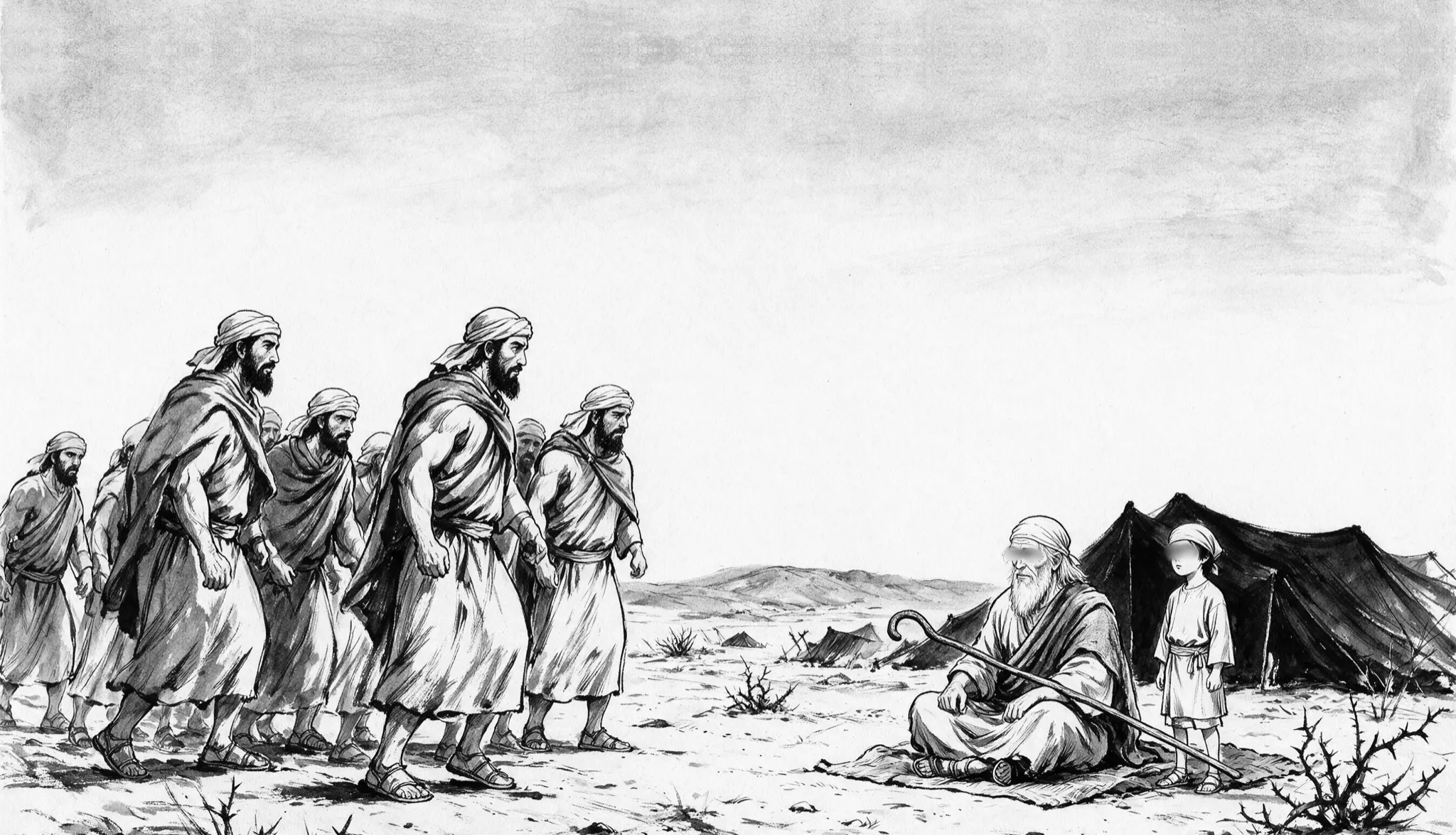
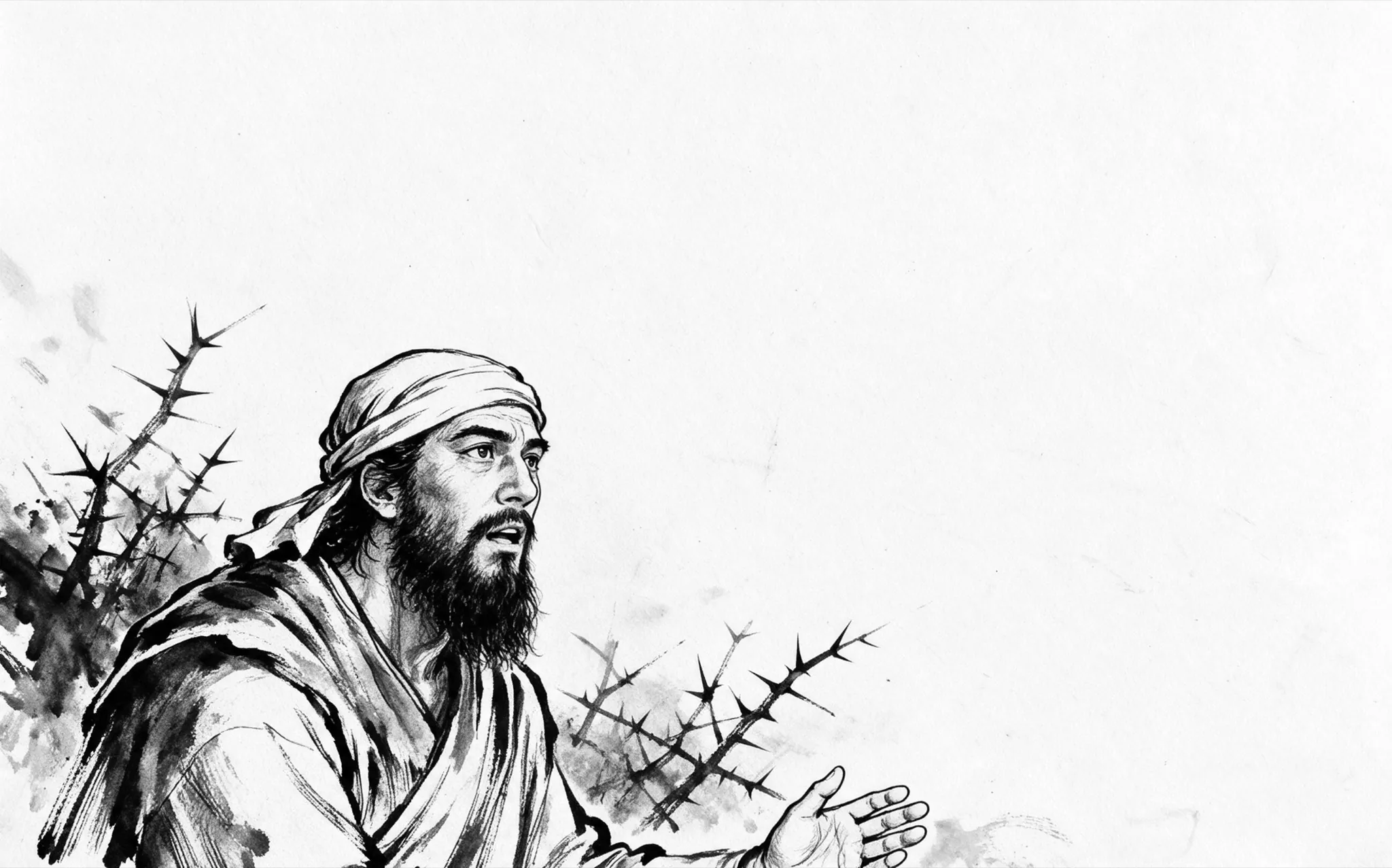
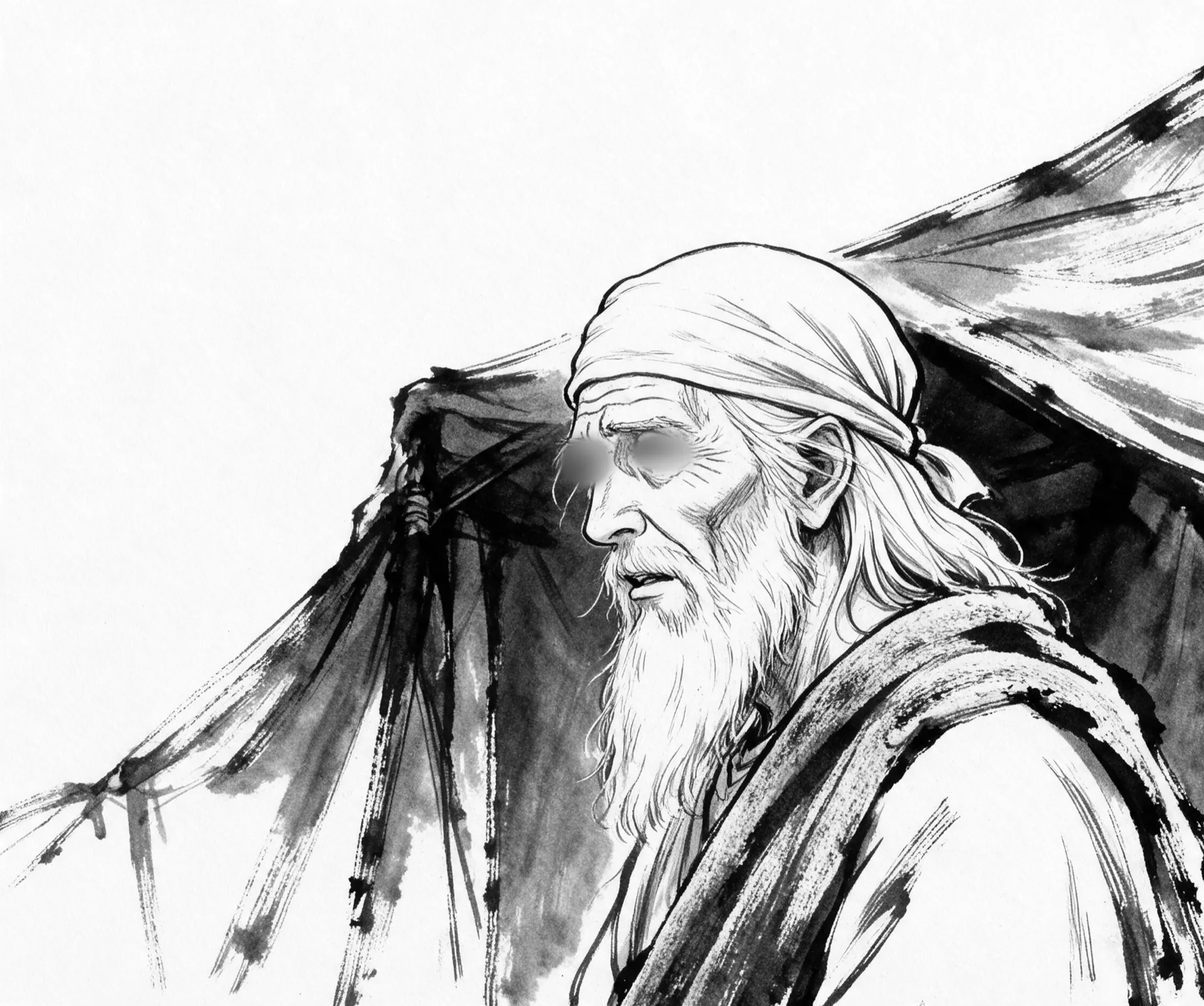
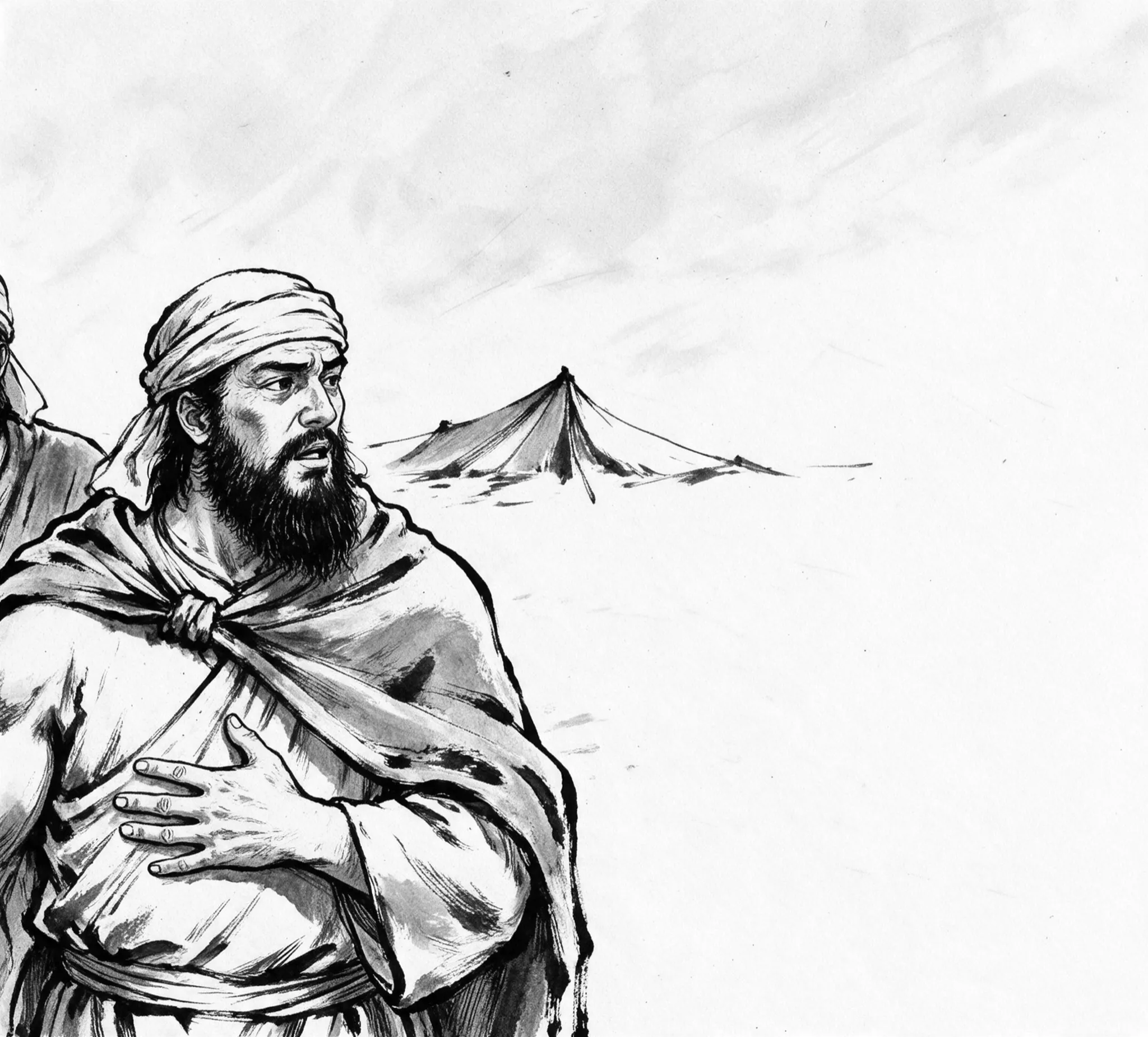
فَلَمَّا ذَهَبُوا۟ بِهِۦ وَأَجْمَعُوٓا۟ أَن يَجْعَلُوهُ فِى غَيَـٰبَتِ ٱلْجُبِّ ۚ وَأَوْحَيْنَآ إِلَيْهِ لَتُنَبِّئَنَّهُم بِأَمْرِهِمْ هَـٰذَا وَهُمْ لَا يَشْعُرُونَ
So when they took him [out] and agreed to put him into the bottom of the well... But We inspired to him, "You will surely inform them [someday] about this affair of theirs while they do not perceive [your identity]."
Qur'an 12:15
Saheeh International
وَلَقَدْ هَمَّتْ بِهِۦ ۖ وَهَمَّ بِهَا لَوْلَآ أَن رَّءَا بُرْهَـٰنَ رَبِّهِۦ ۚ كَذَٰلِكَ لِنَصْرِفَ عَنْهُ ٱلسُّوٓءَ وَٱلْفَحْشَآءَ ۚ إِنَّهُۥ مِنْ عِبَادِنَا ٱلْمُخْلَصِينَ
And she certainly determined [to seduce] him, and he would have inclined to her had he not seen the proof [i.e., sign] of his Lord. And thus [it was] that We should avert from him evil and immorality. Indeed, he was of Our chosen servants.
Qur'an 12:24
Saheeh International
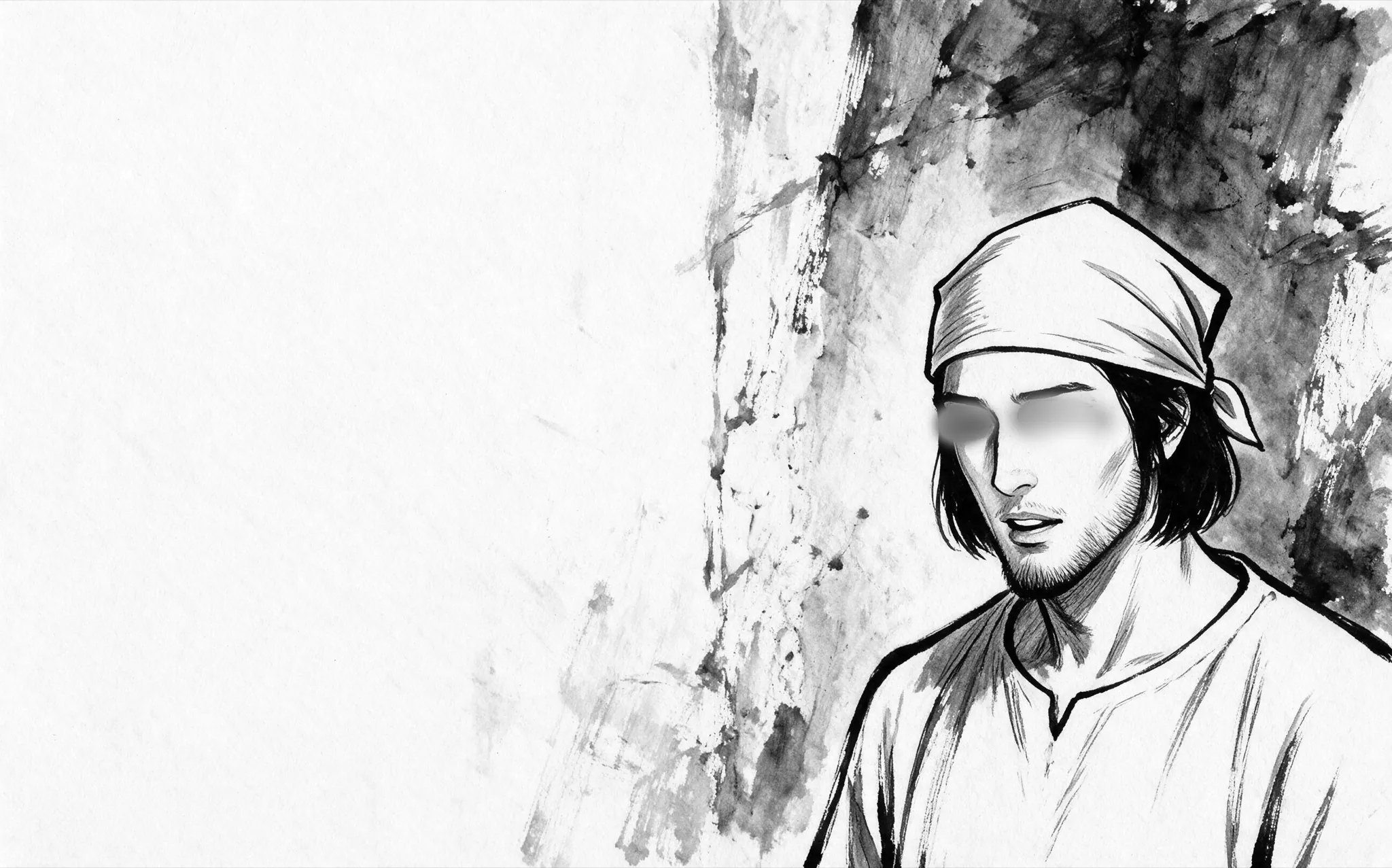
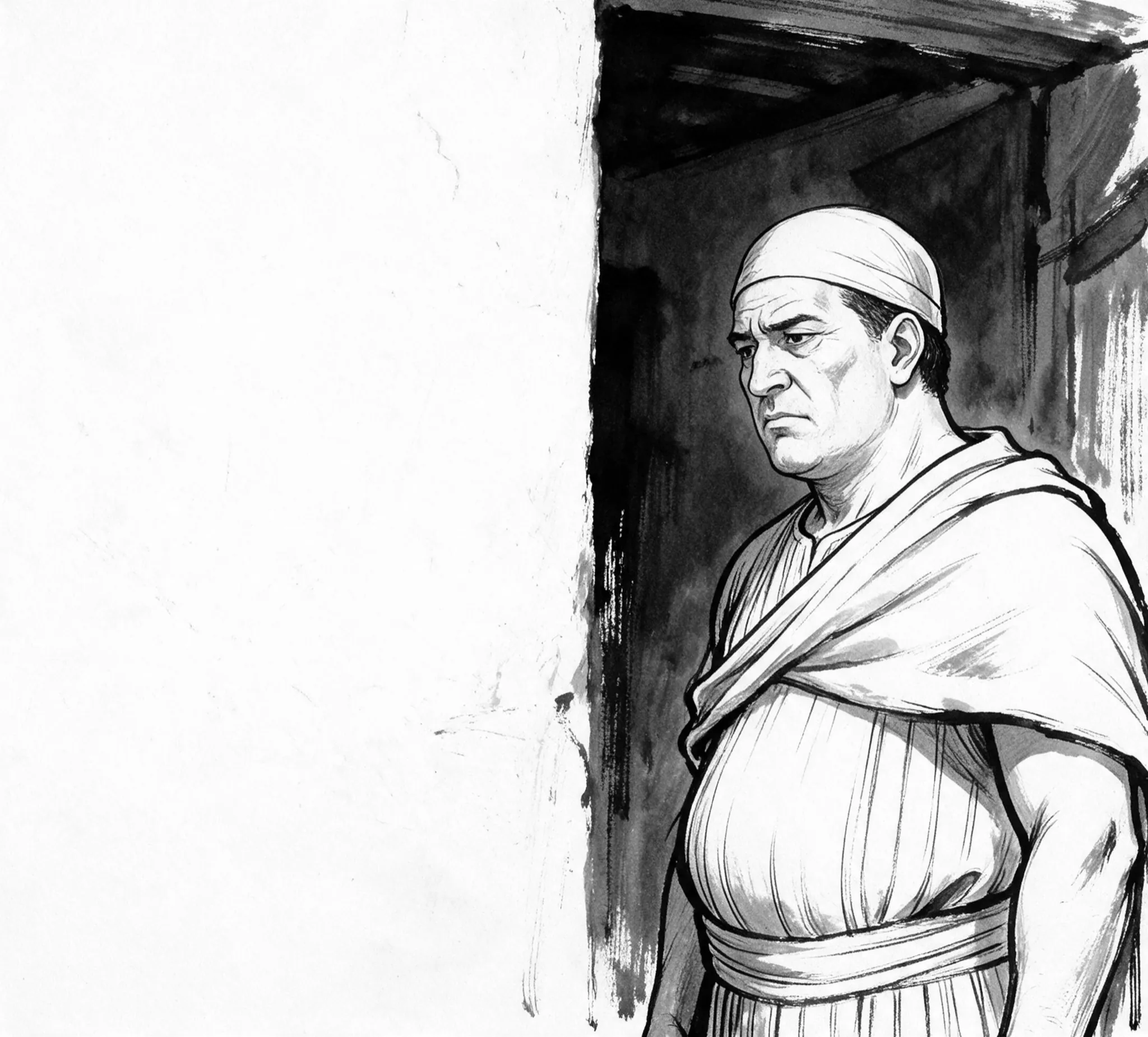
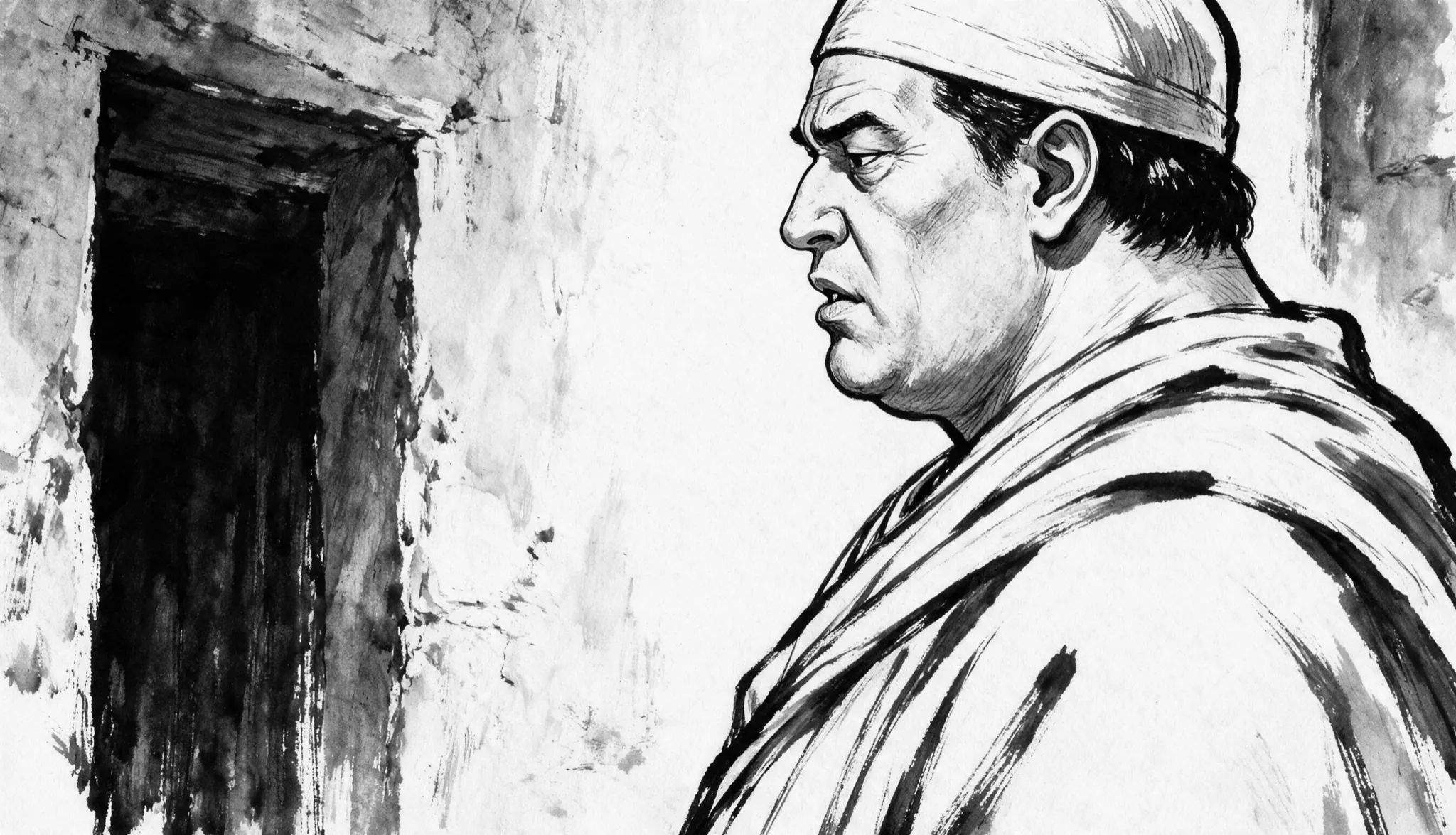
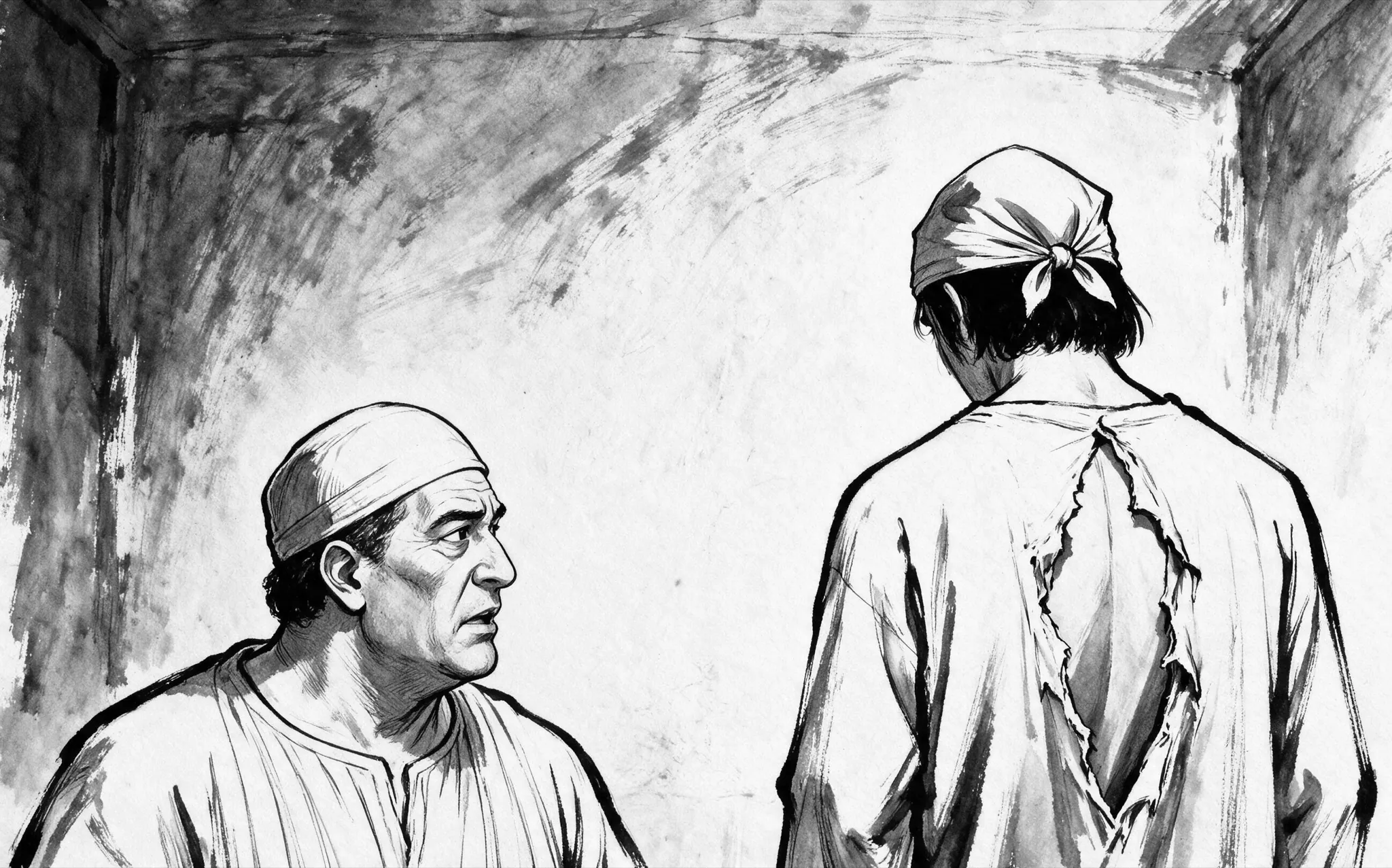
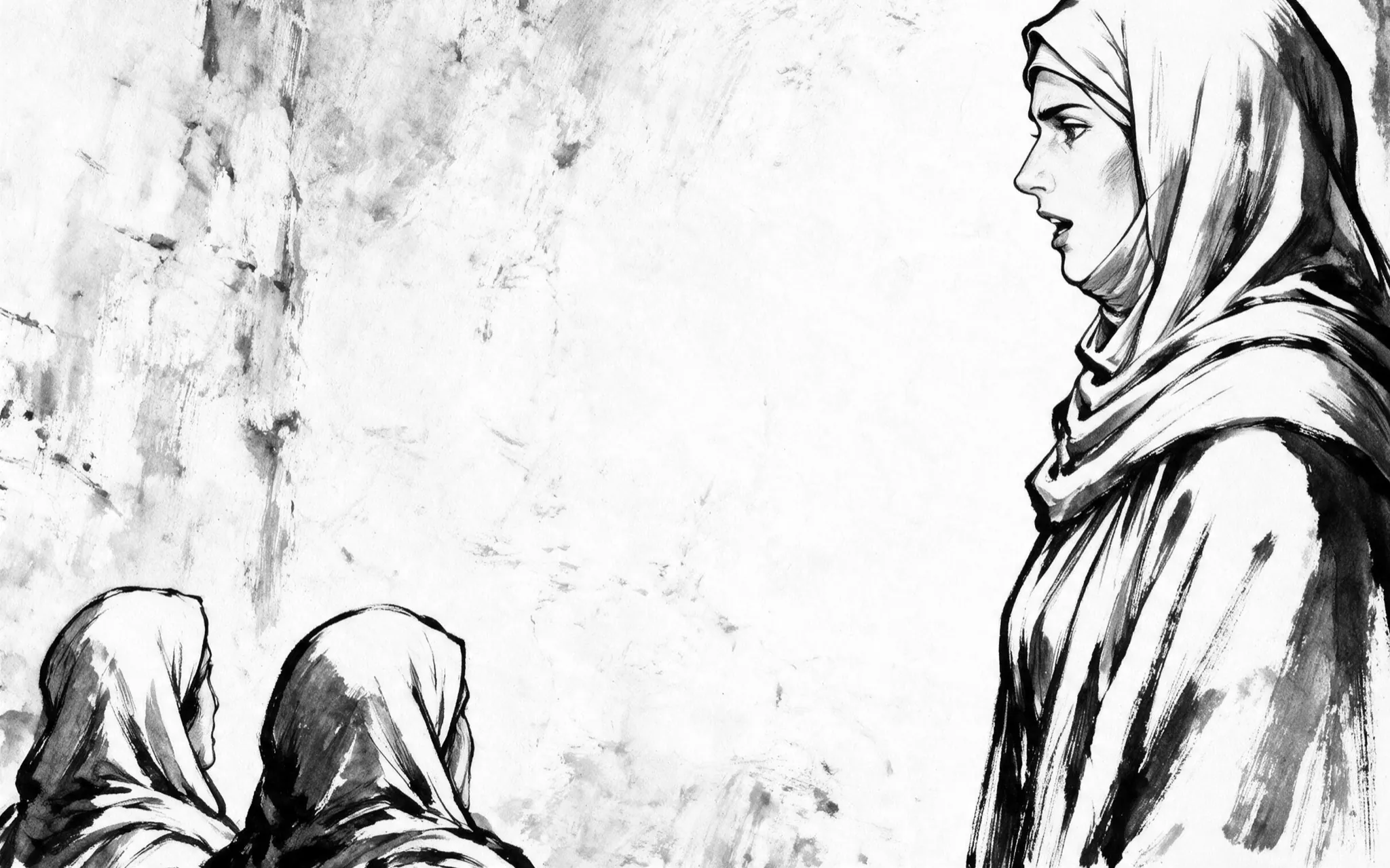
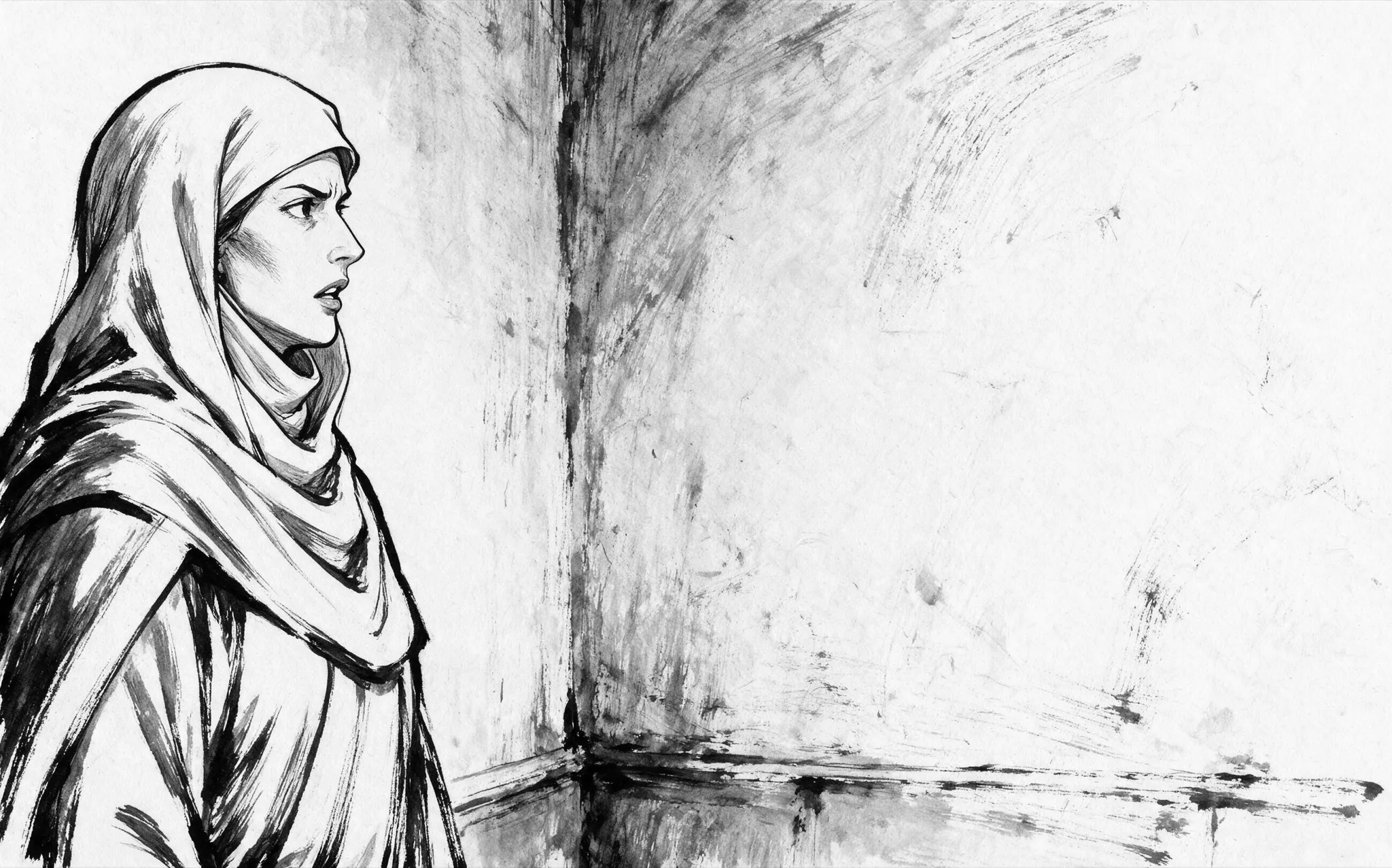
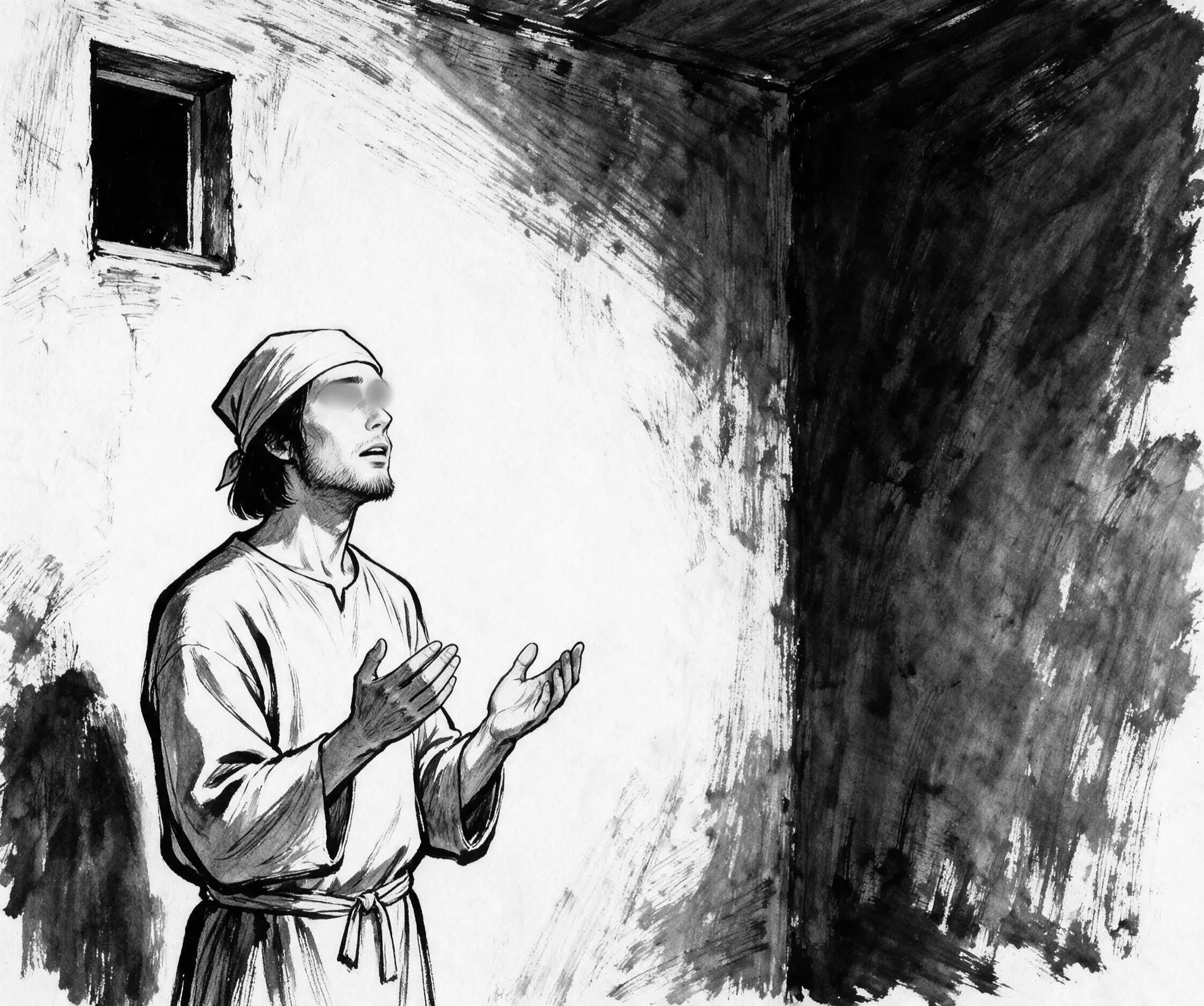
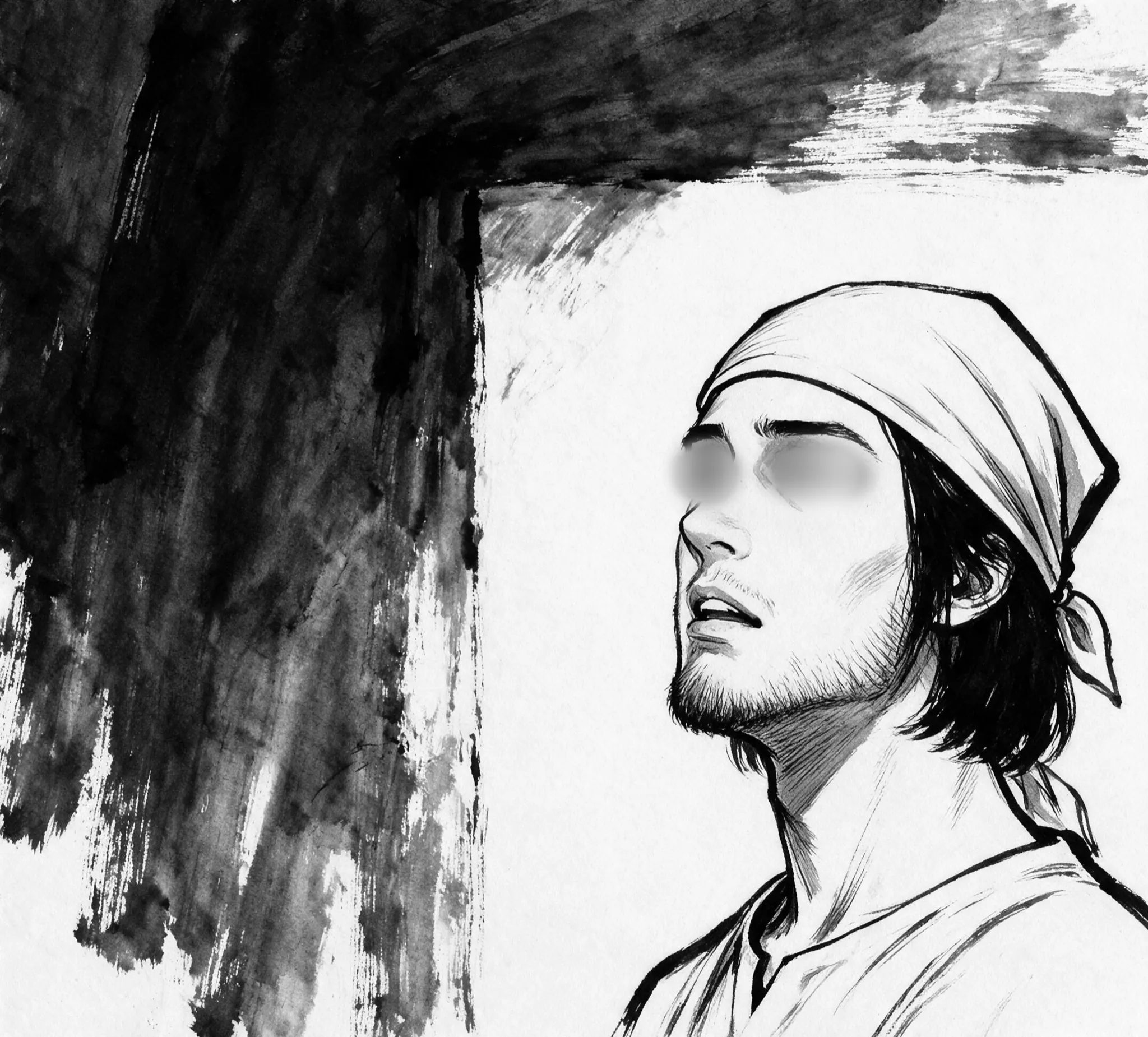
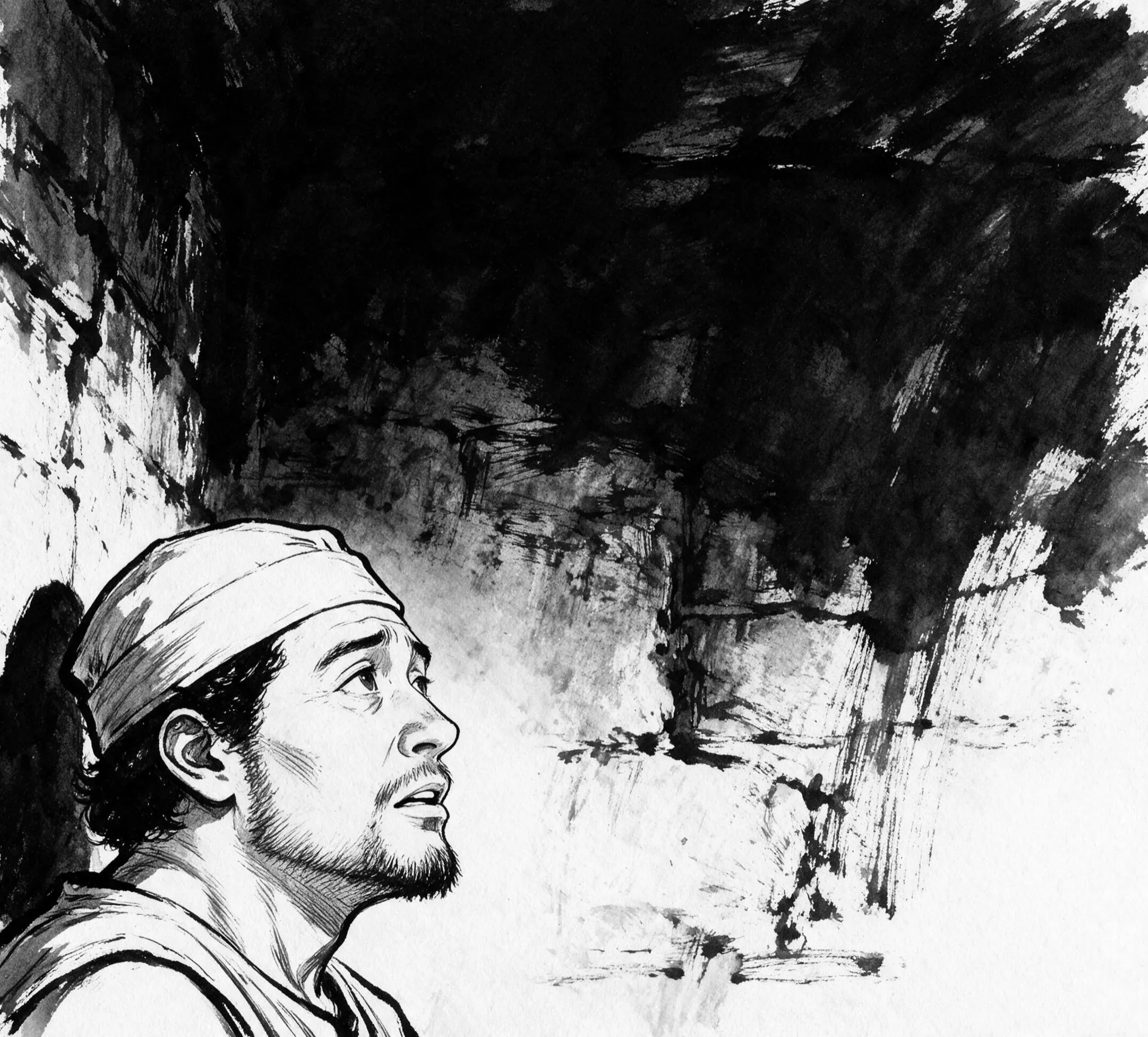
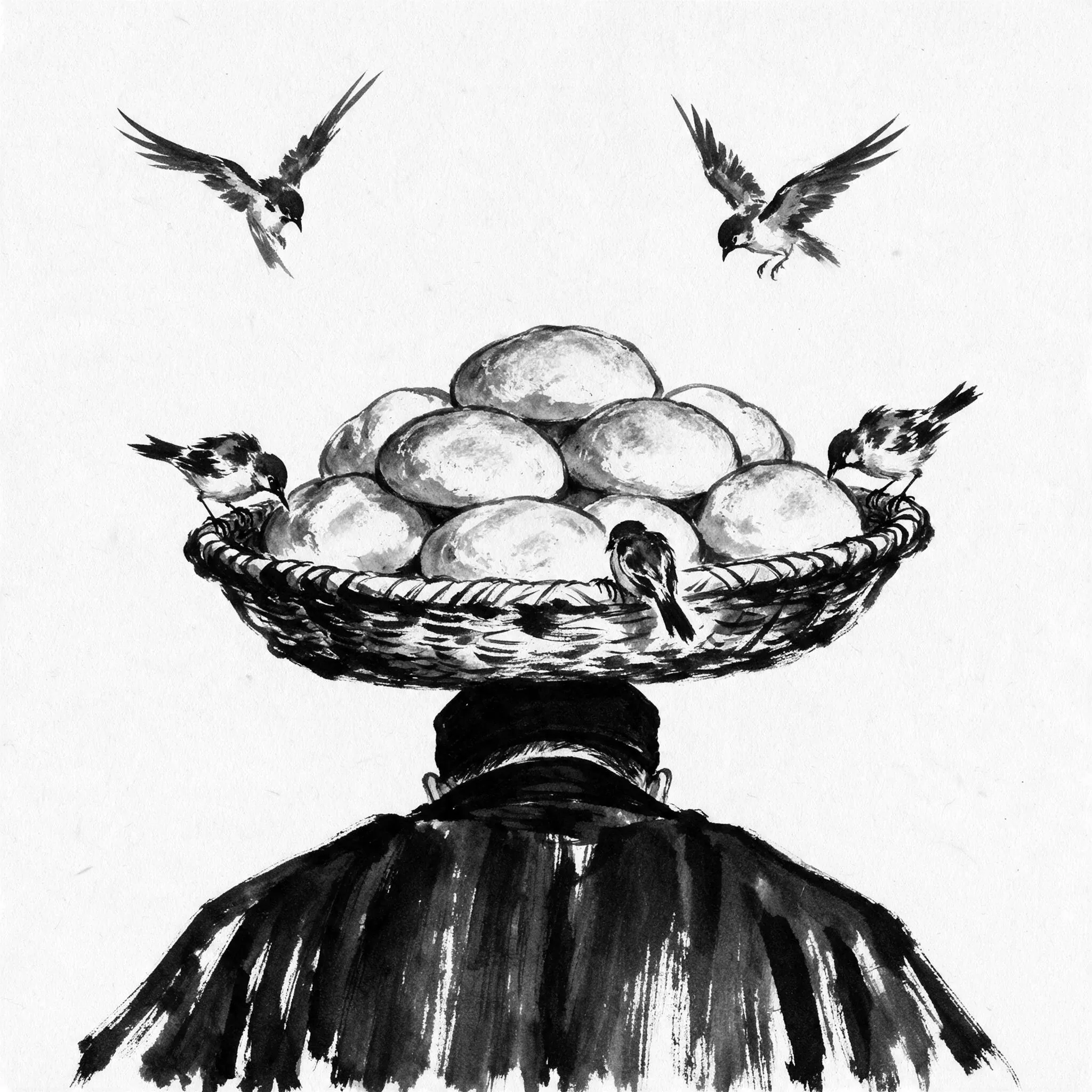
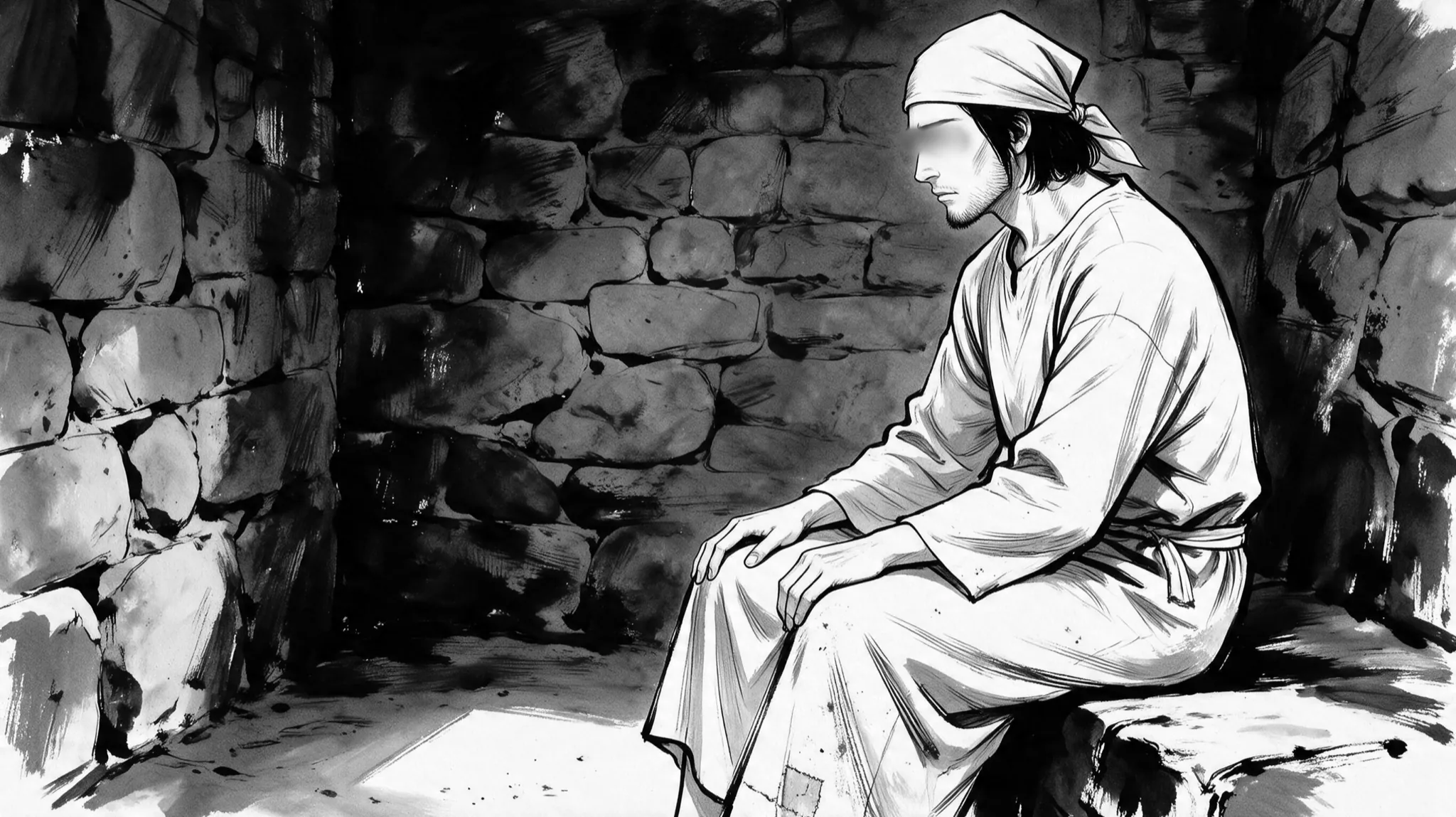
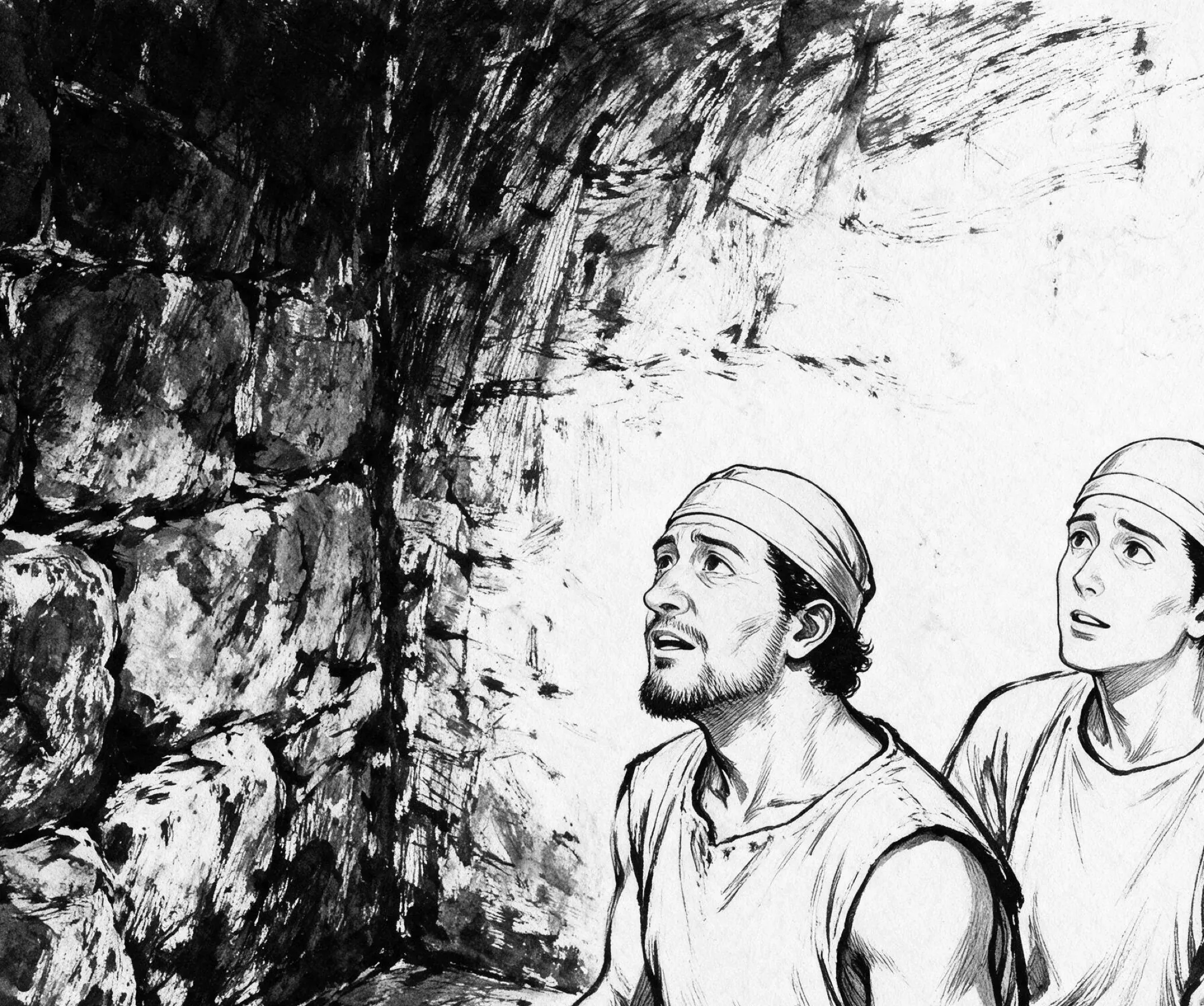
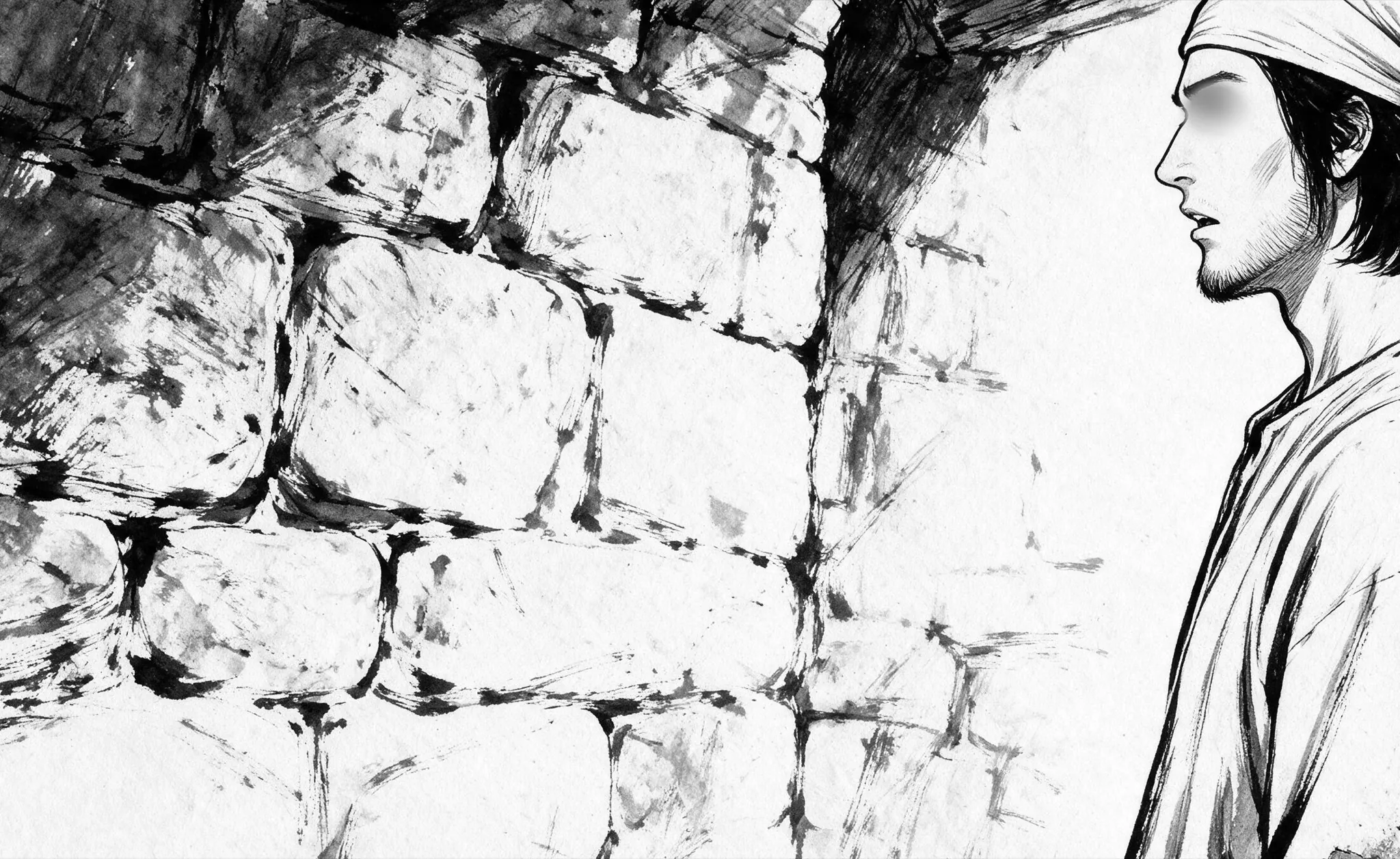
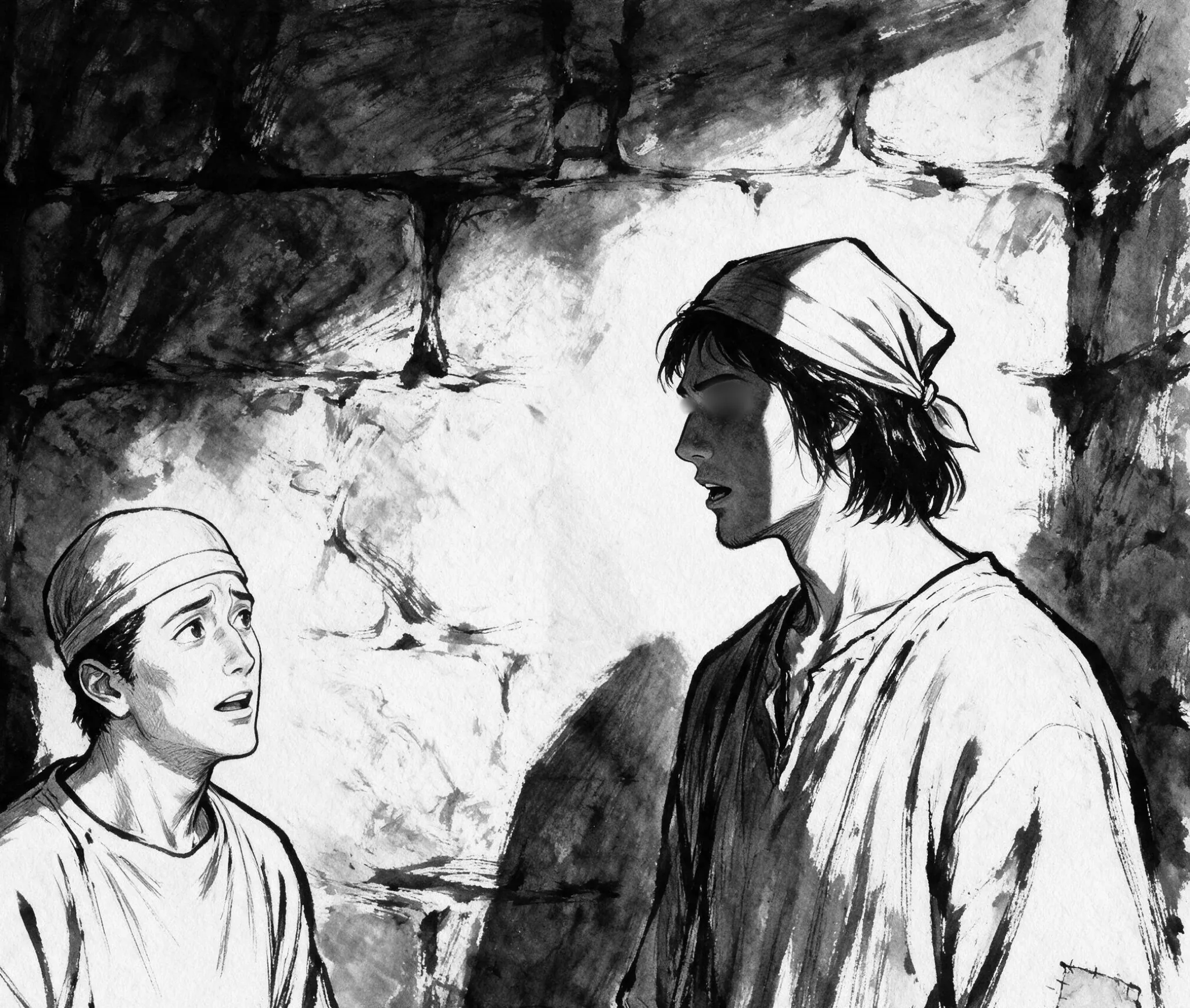
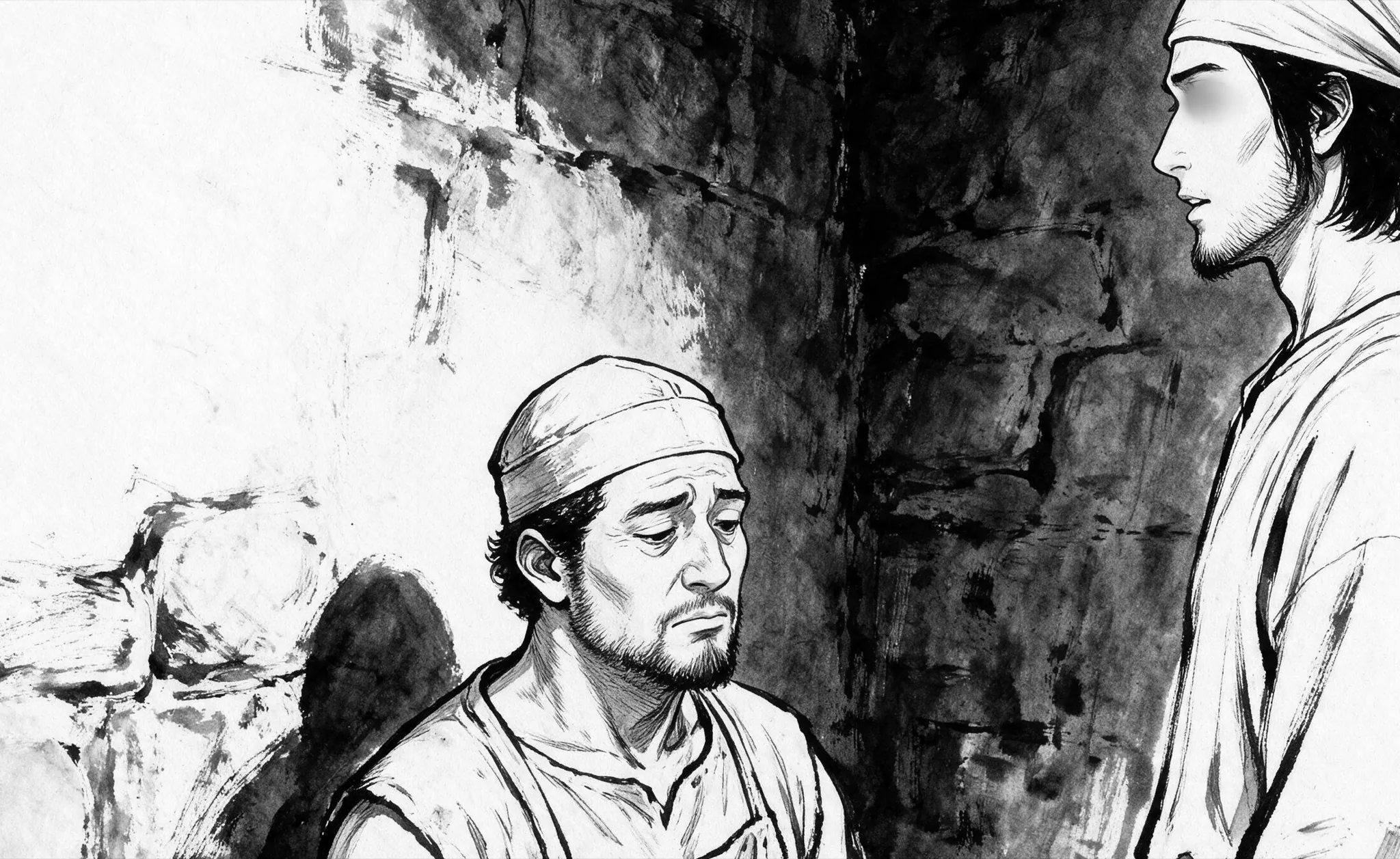
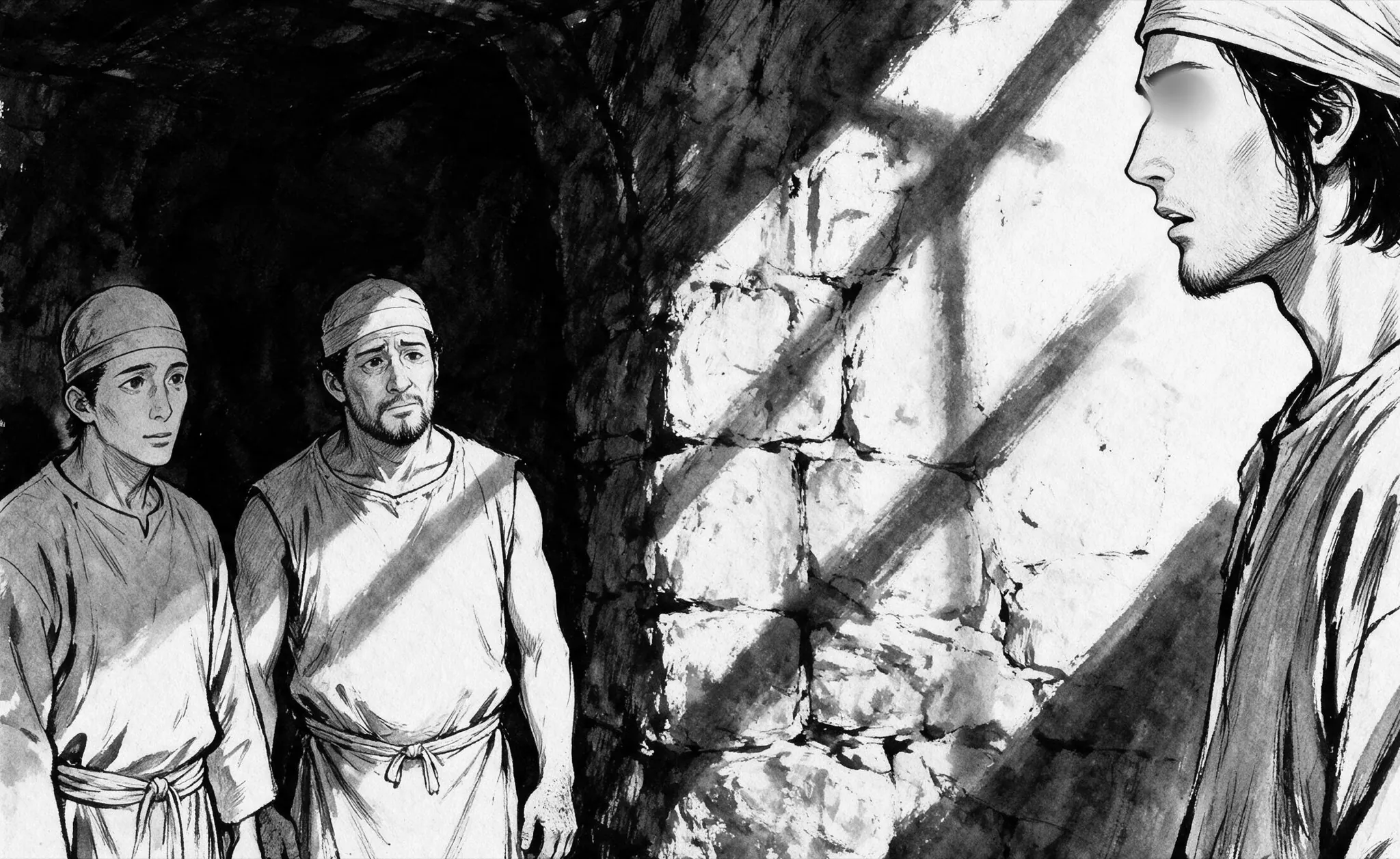
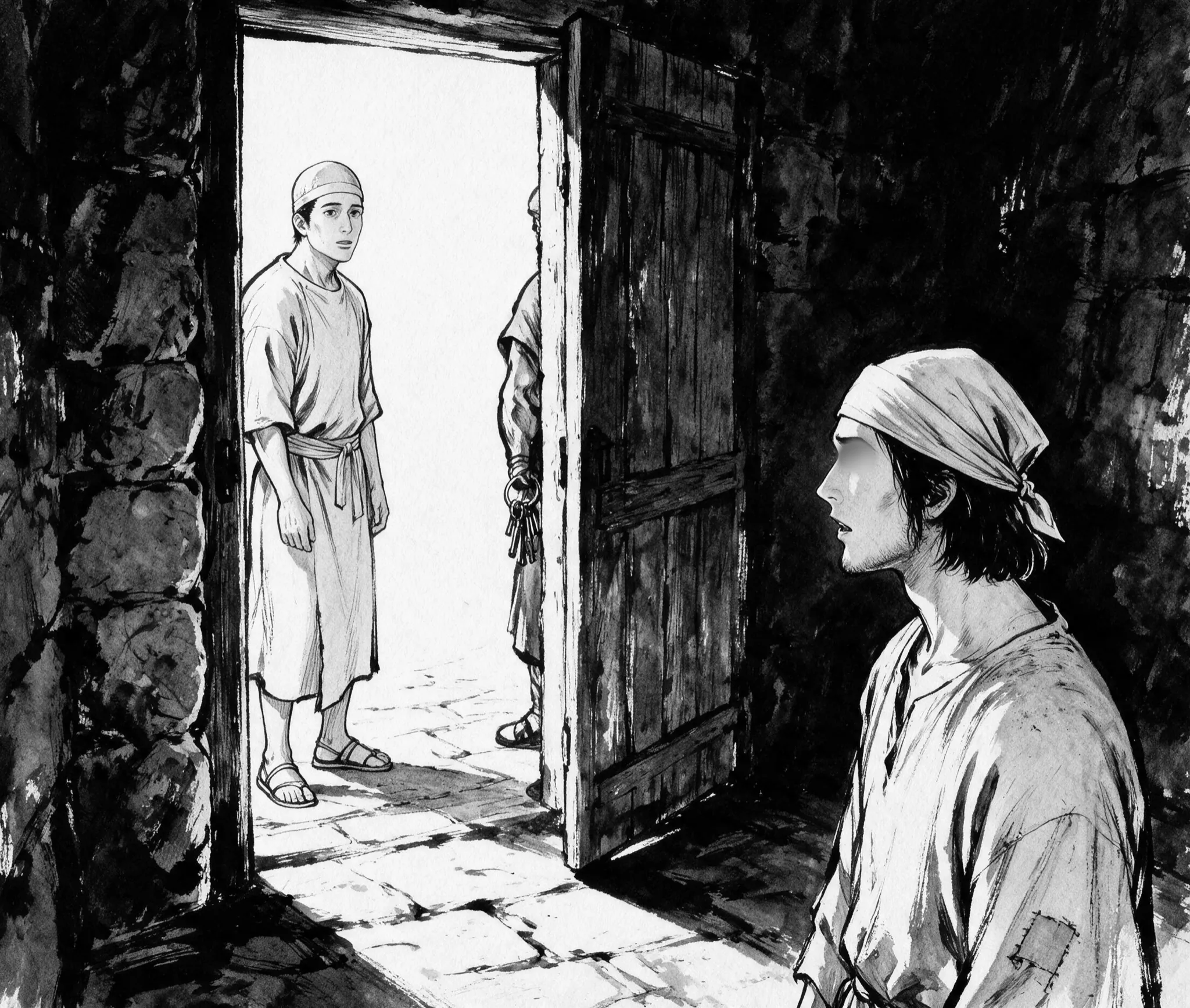
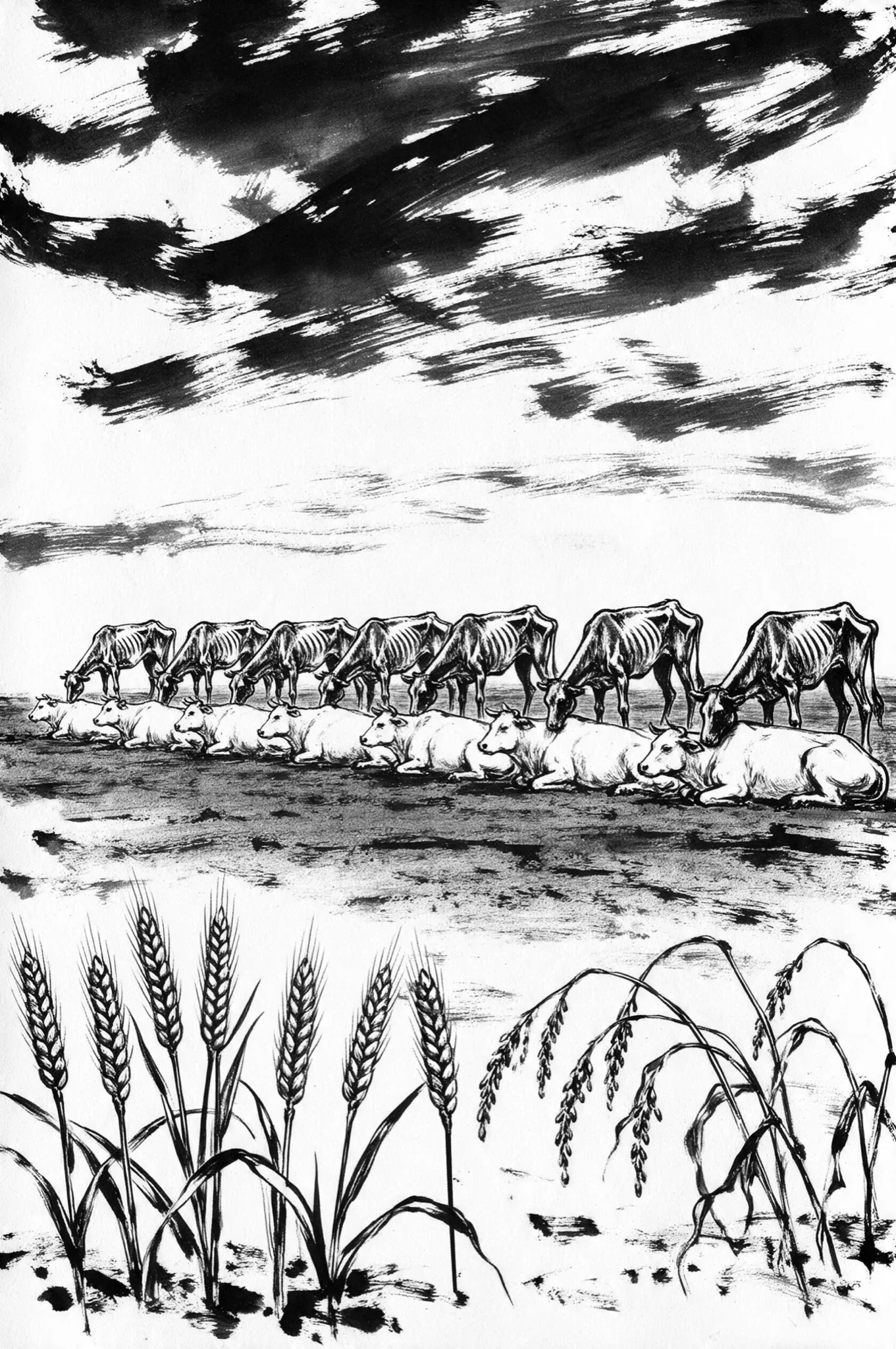
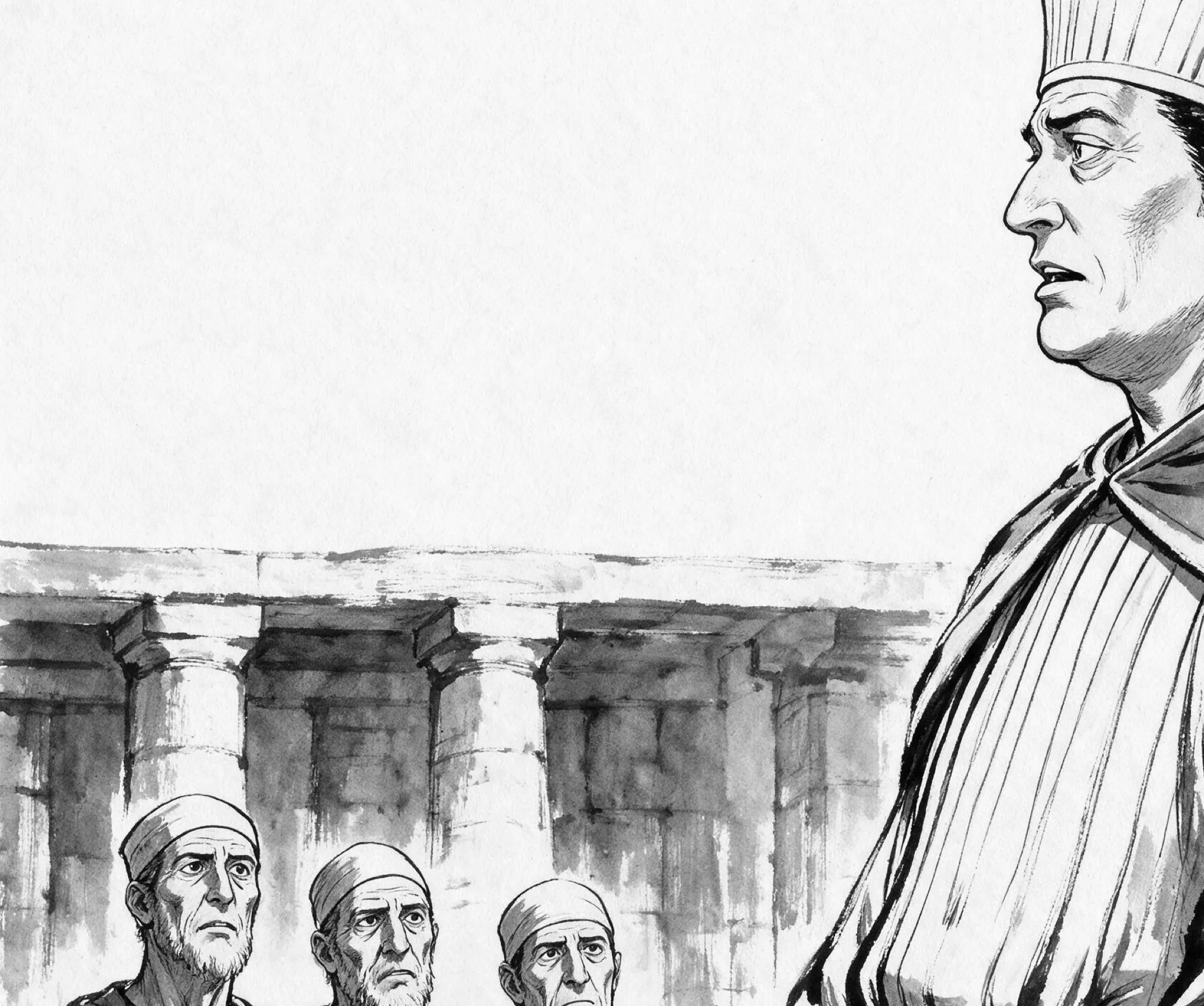
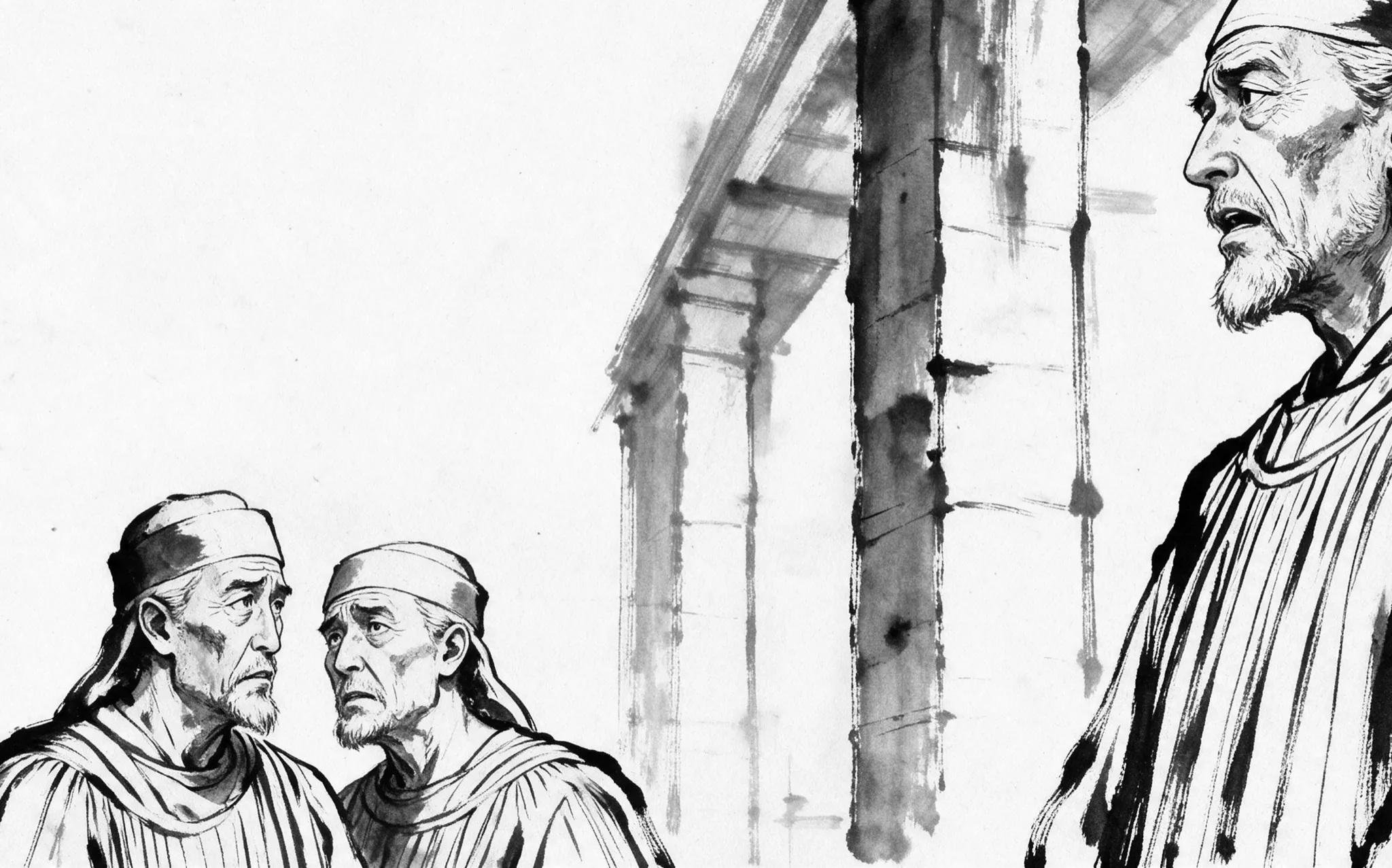
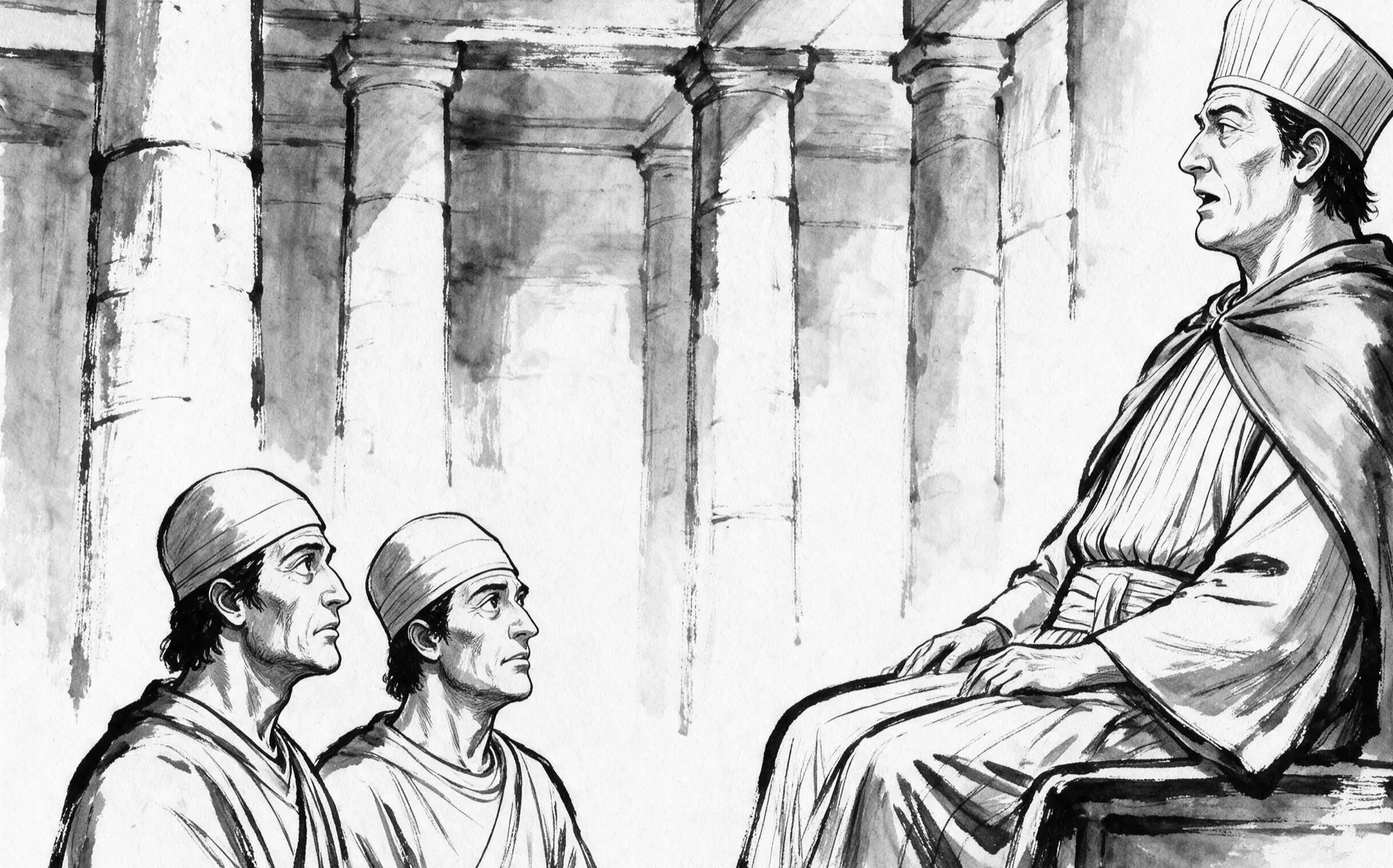
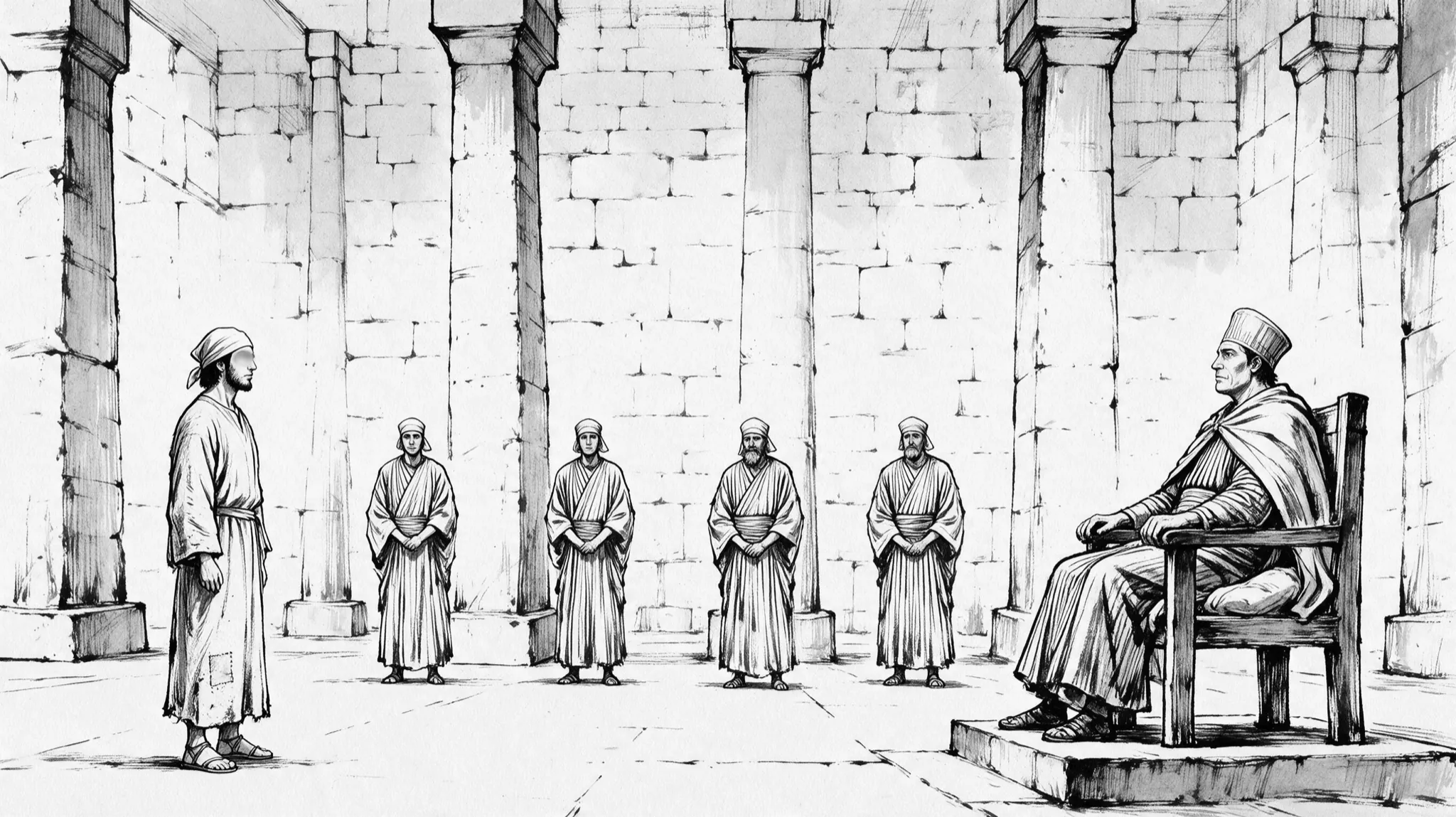

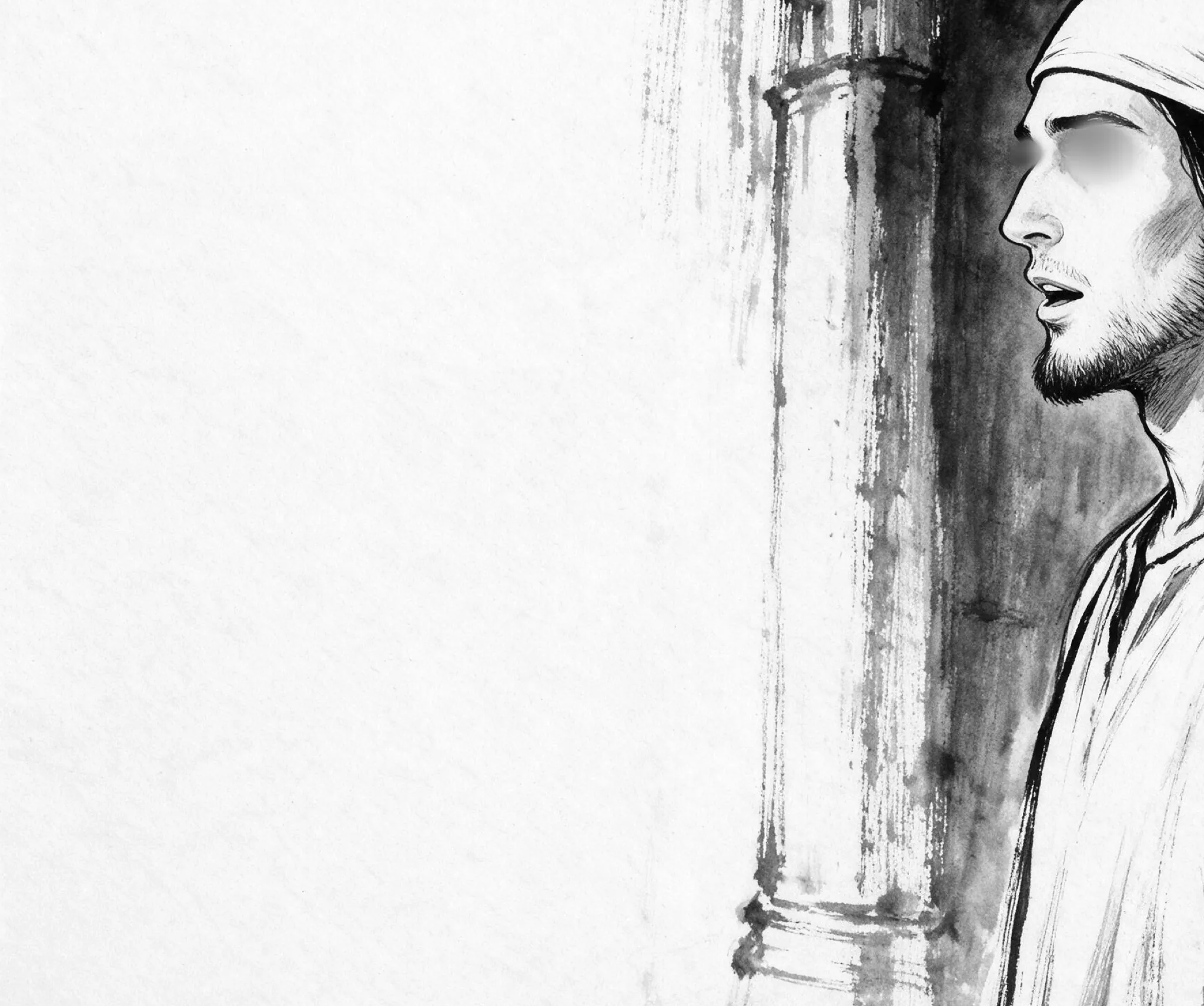
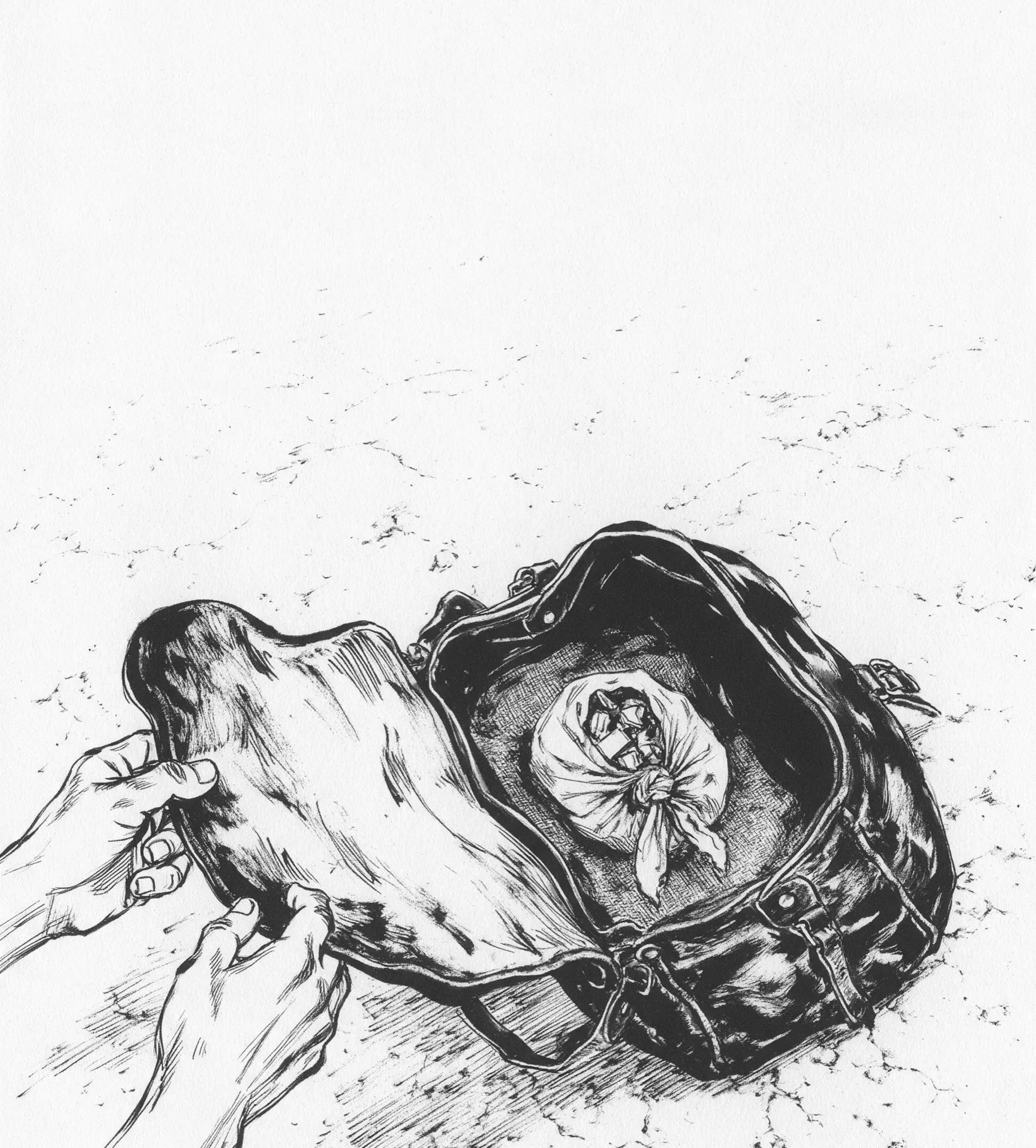
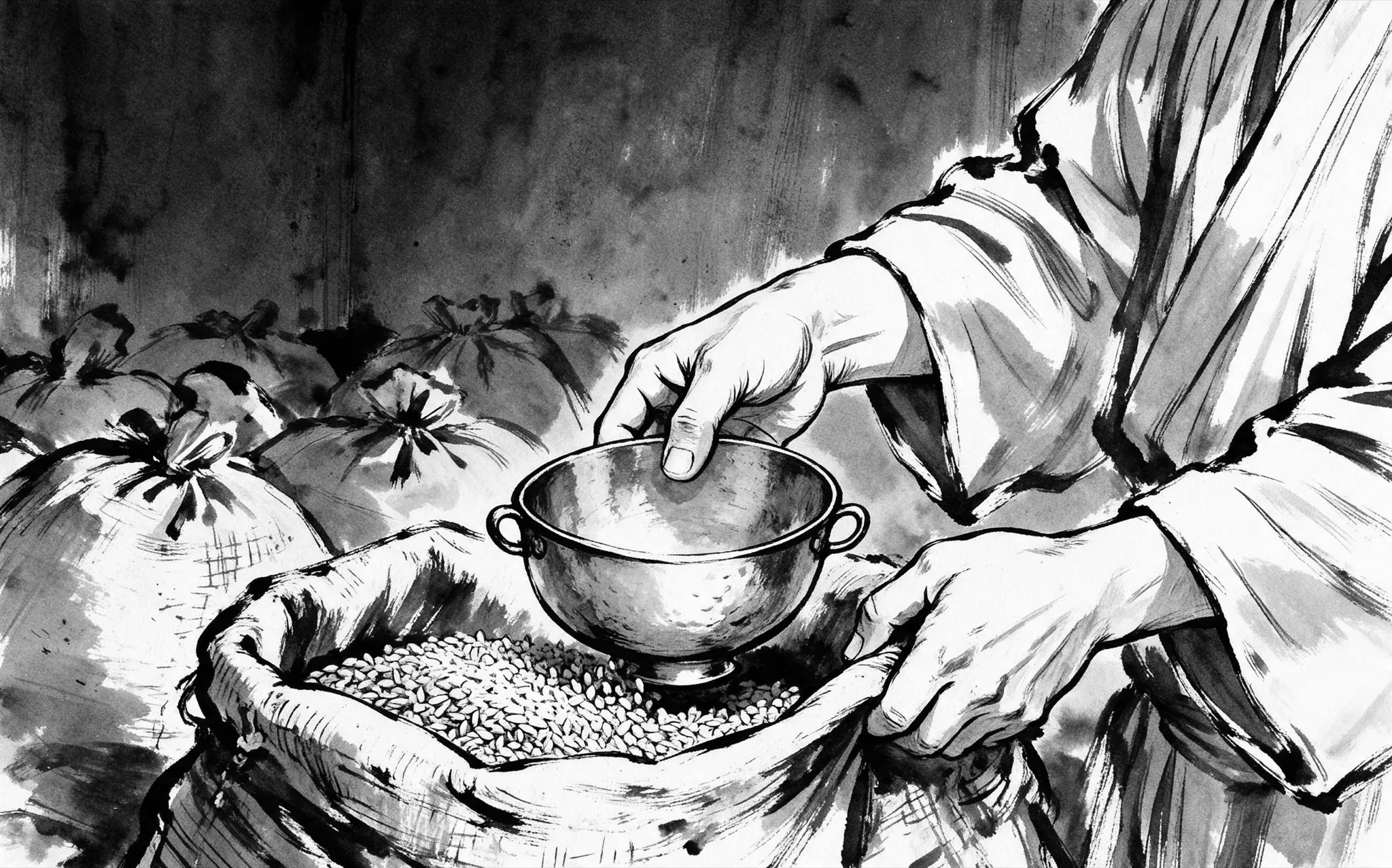
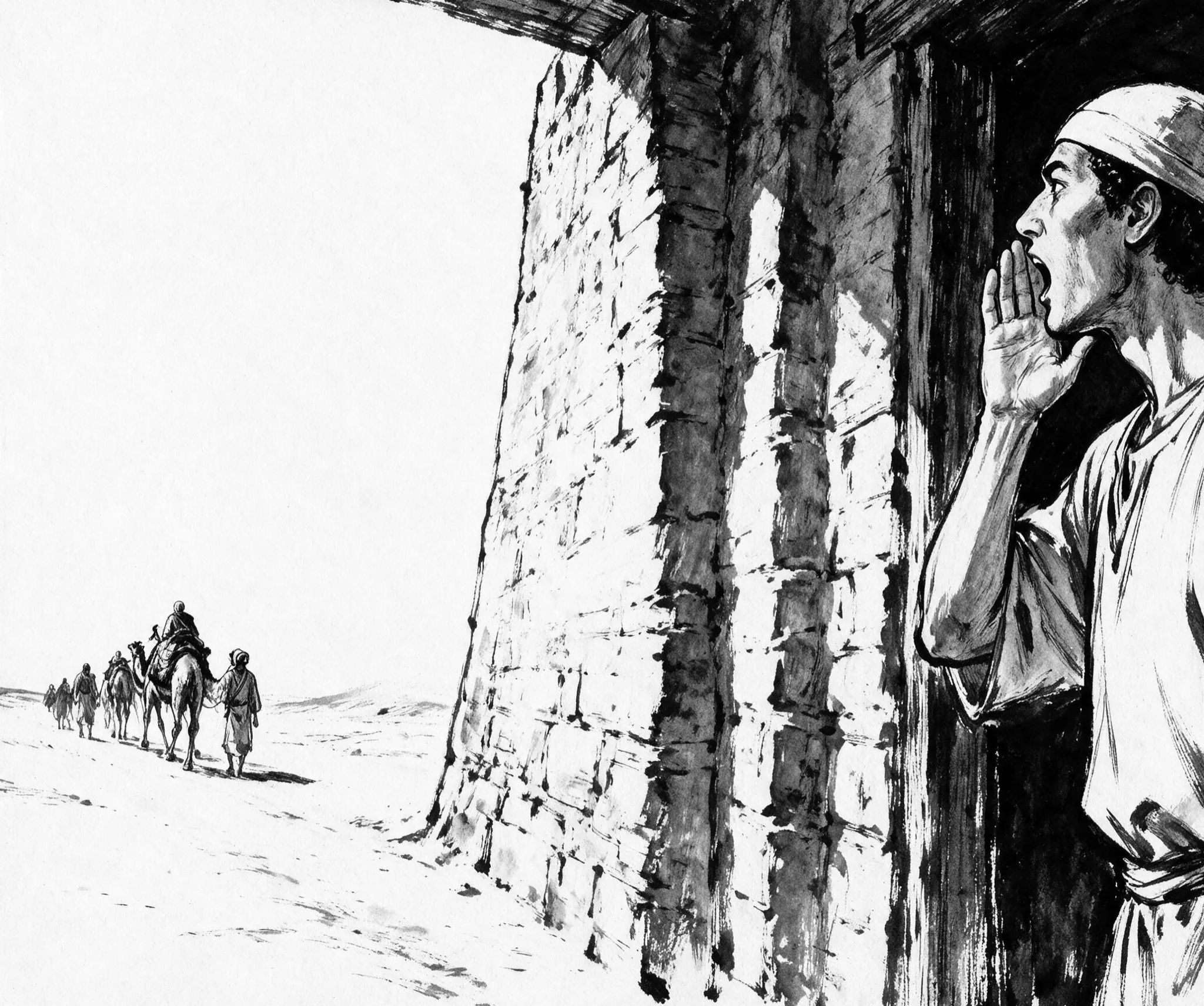
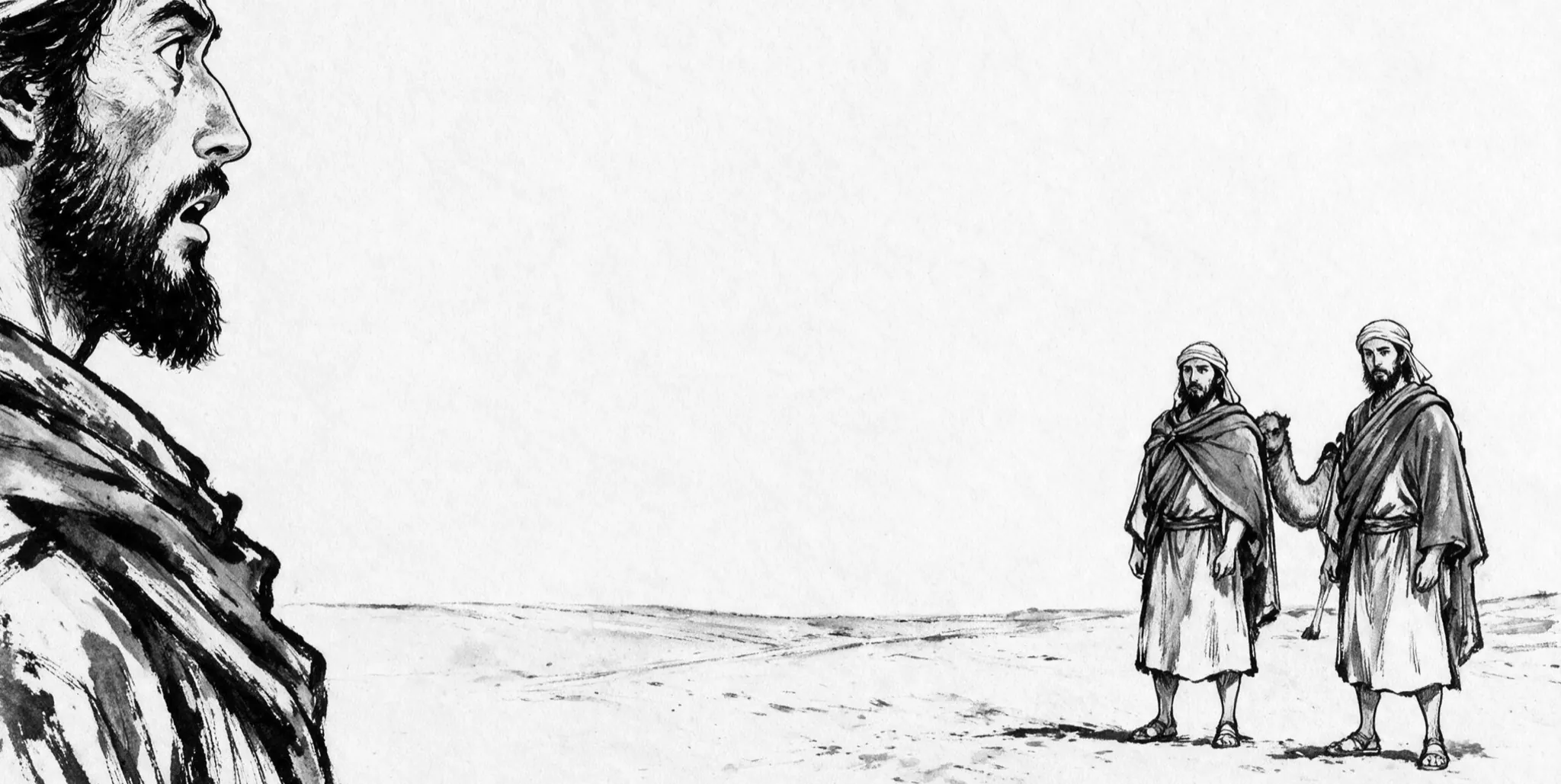
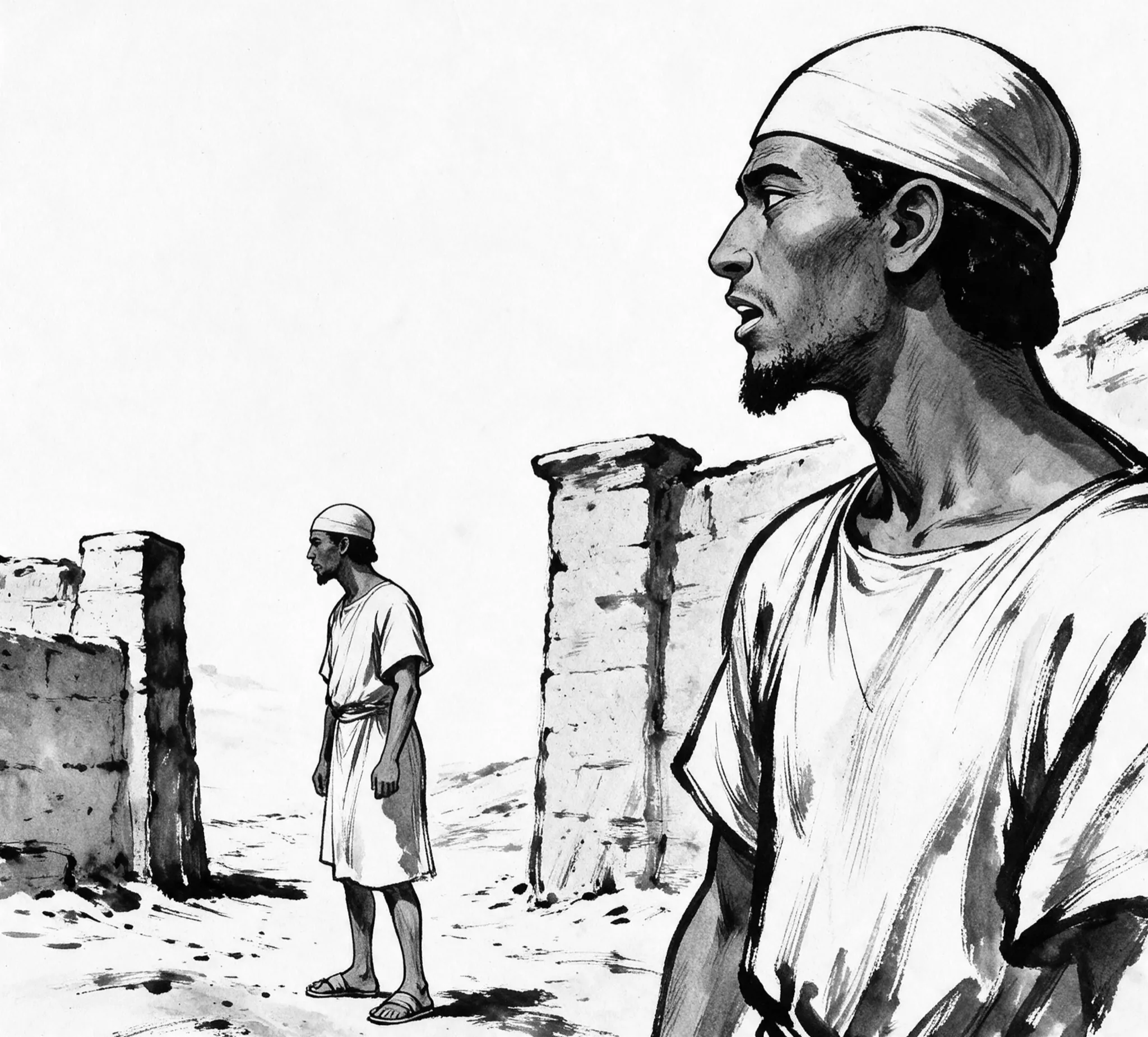
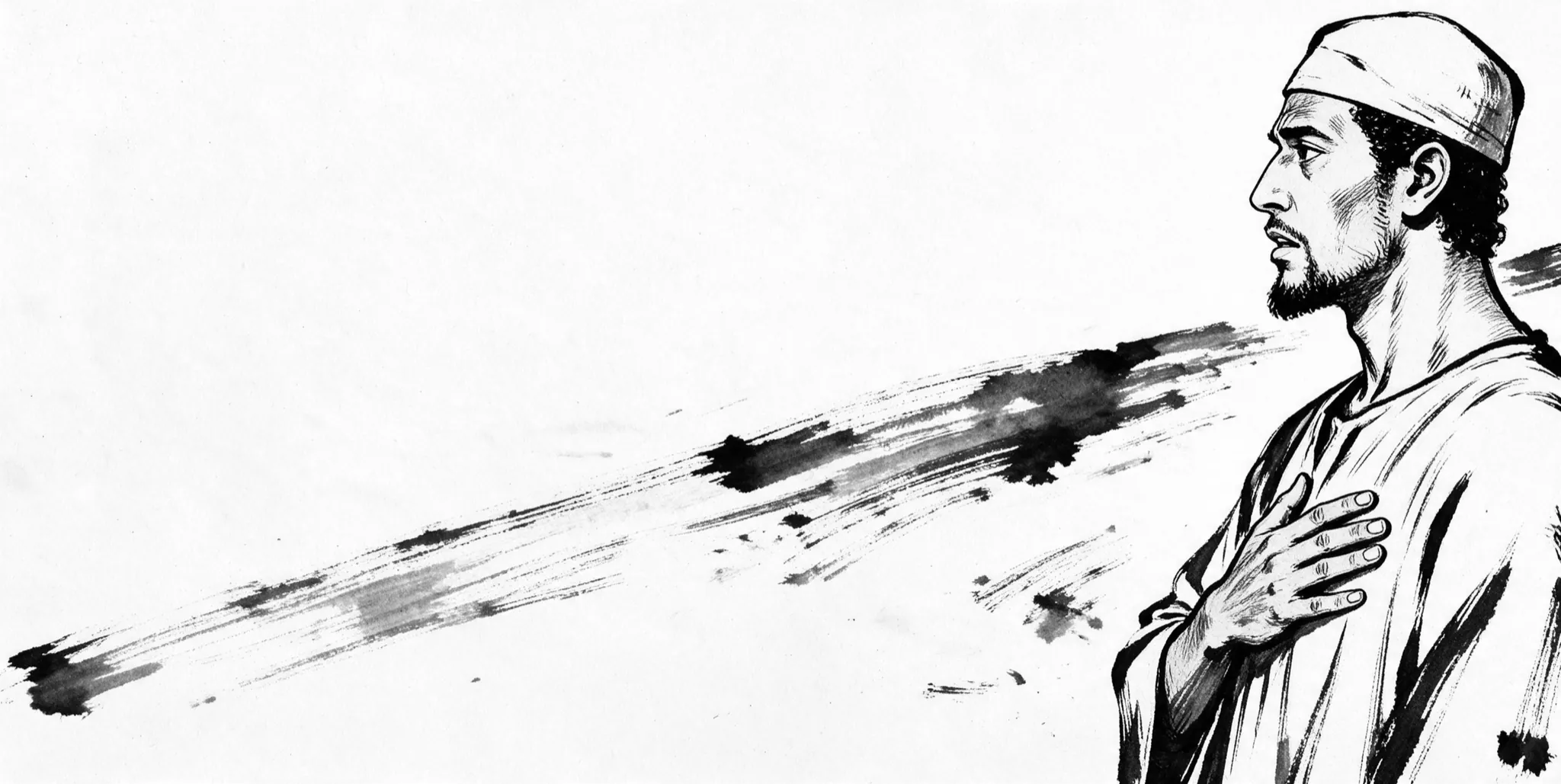
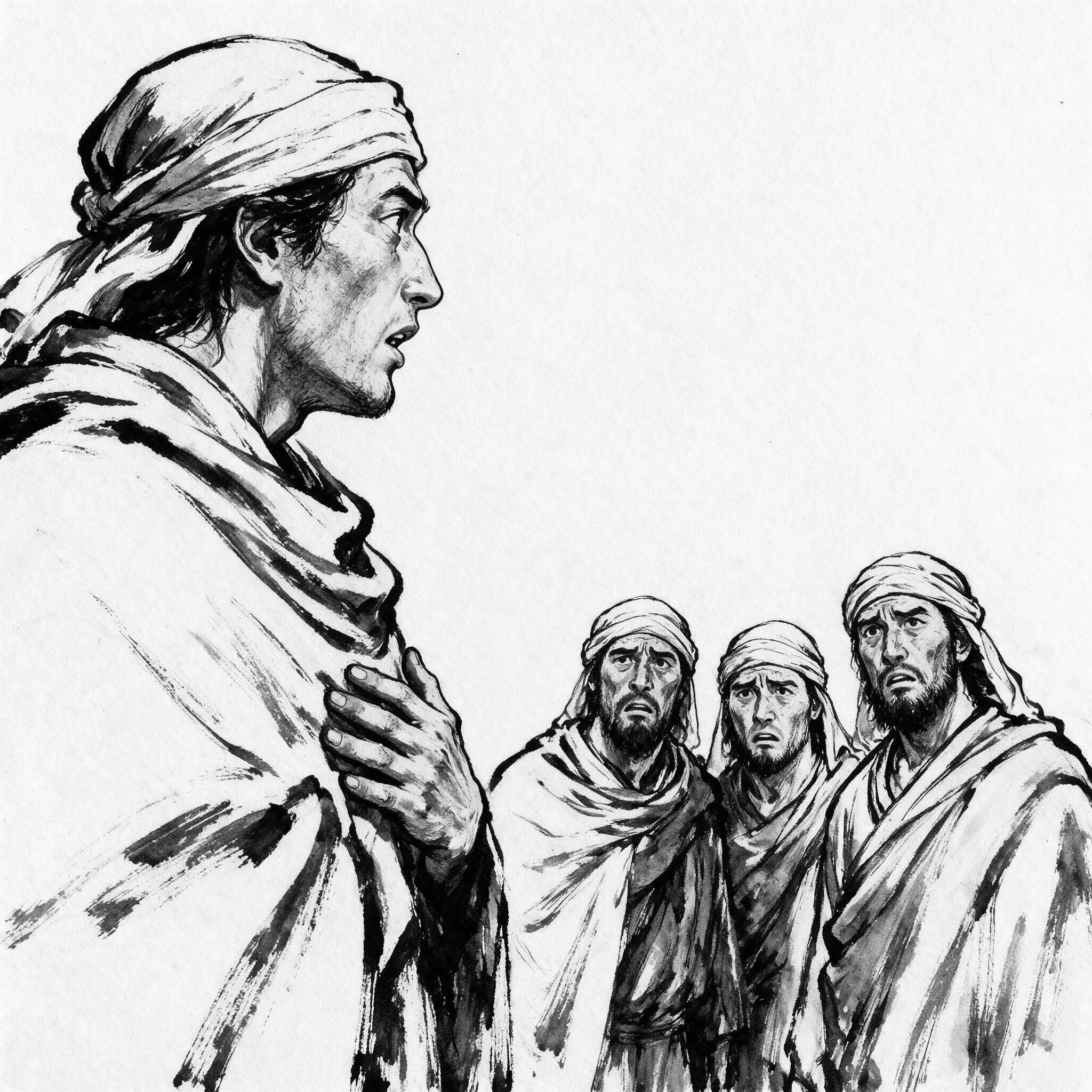
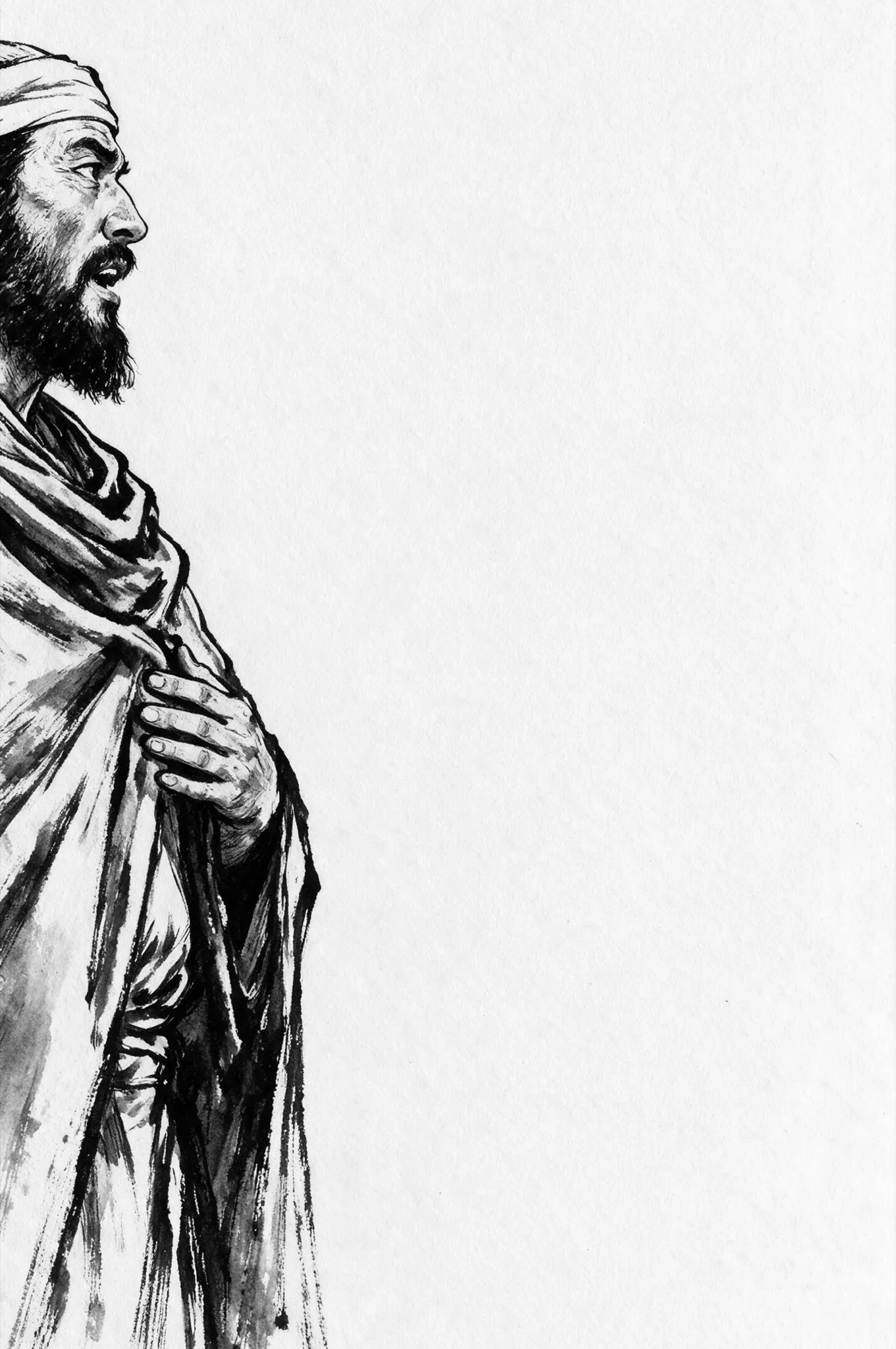
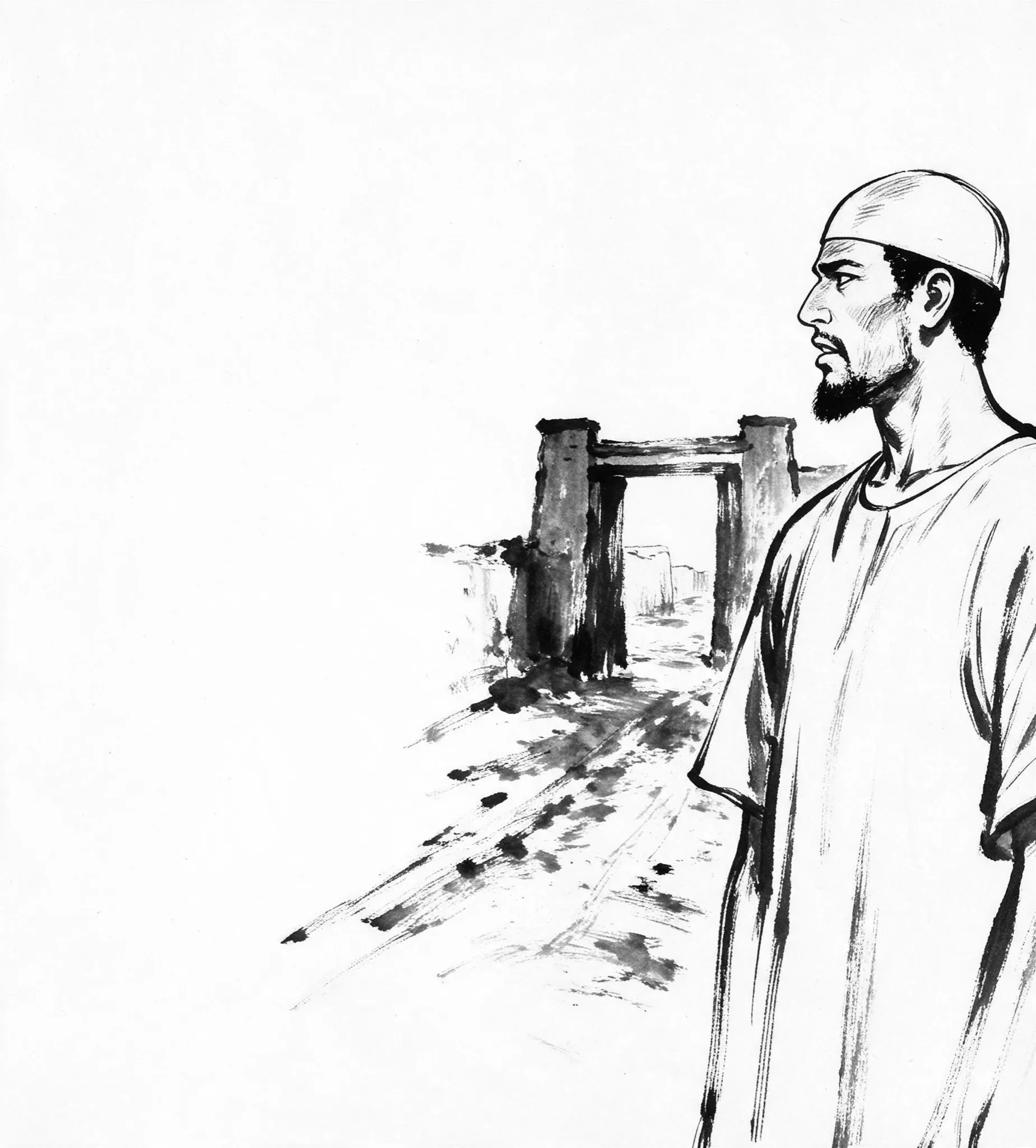
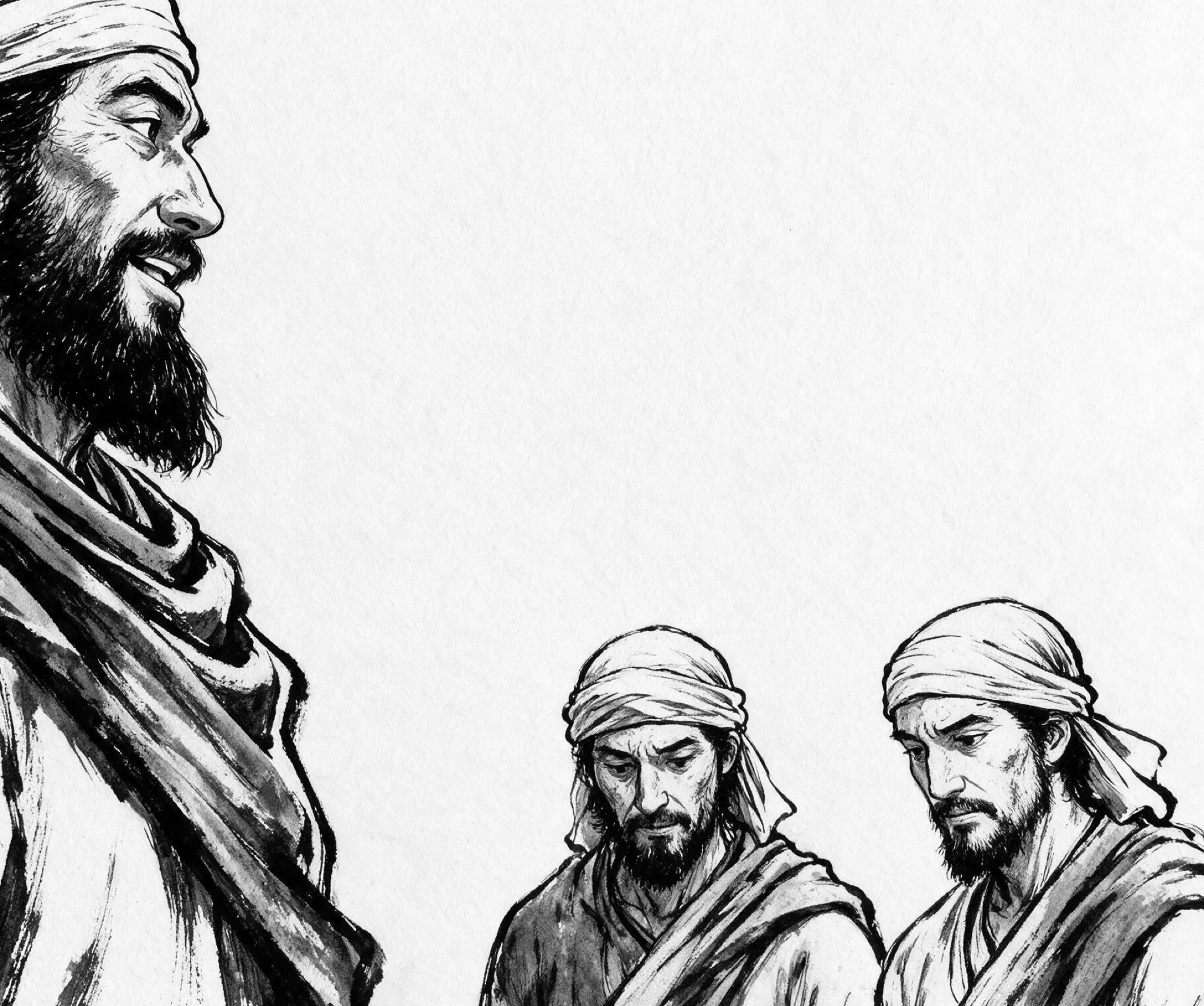
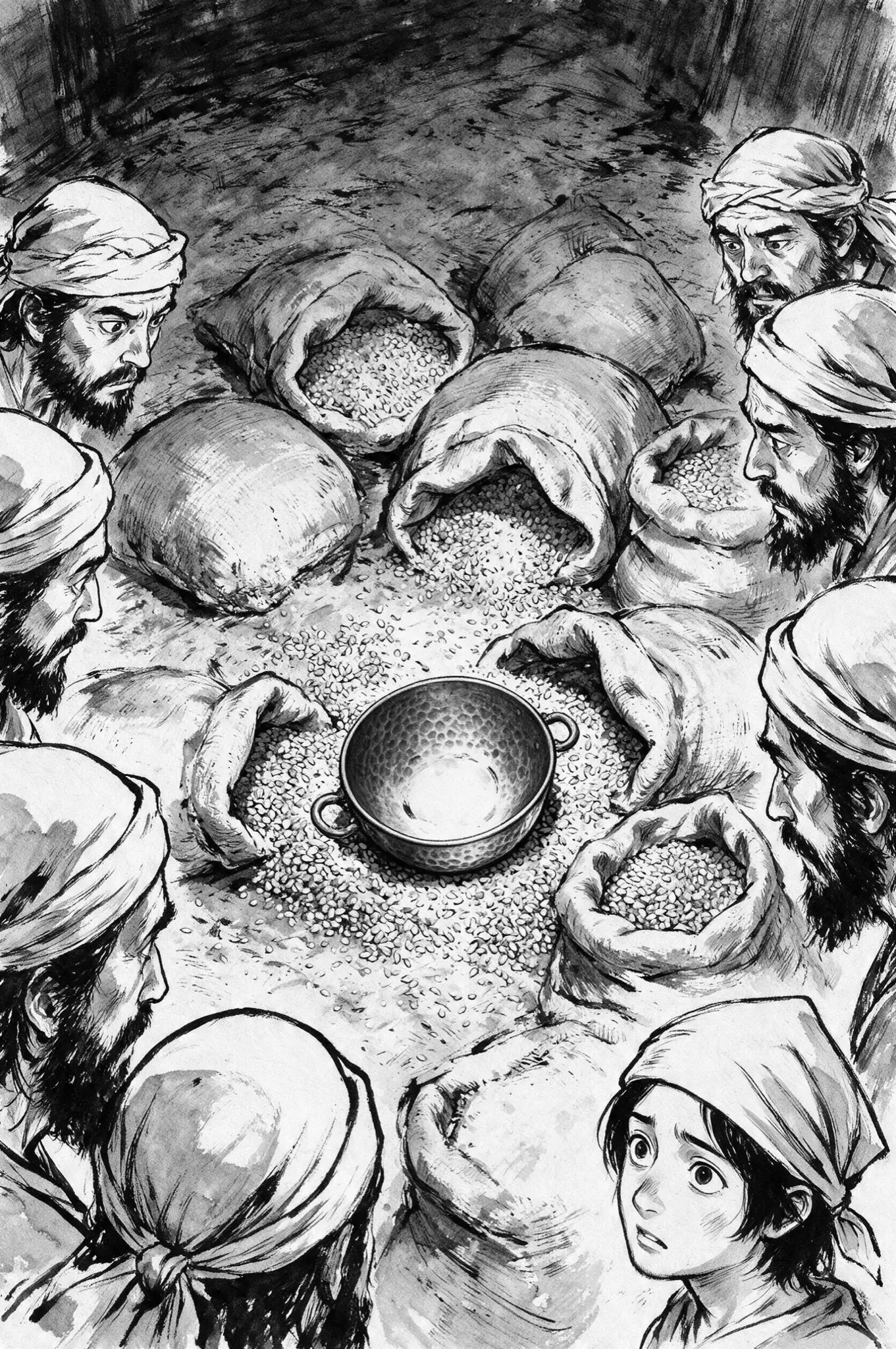
فَبَدَأَ بِأَوْعِيَتِهِمْ قَبْلَ وِعَآءِ أَخِيهِ ثُمَّ ٱسْتَخْرَجَهَا مِن وِعَآءِ أَخِيهِ ۚ كَذَٰلِكَ كِدْنَا لِيُوسُفَ ۖ مَا كَانَ لِيَأْخُذَ أَخَاهُ فِى دِينِ ٱلْمَلِكِ إِلَّآ أَن يَشَآءَ ٱللَّهُ ۚ نَرْفَعُ دَرَجَـٰتٍ مَّن نَّشَآءُ ۗ وَفَوْقَ كُلِّ ذِى عِلْمٍ عَلِيمٌ
So he began [the search] with their bags before the bag of his brother; then he extracted it from the bag of his brother. Thus did We plan for Joseph. He could not have taken his brother within the religion [i.e., law] of the king except that Allāh willed. We raise in degrees whom We will, but over every possessor of knowledge is one [more] knowing.
Qur'an 12:76
Saheeh International
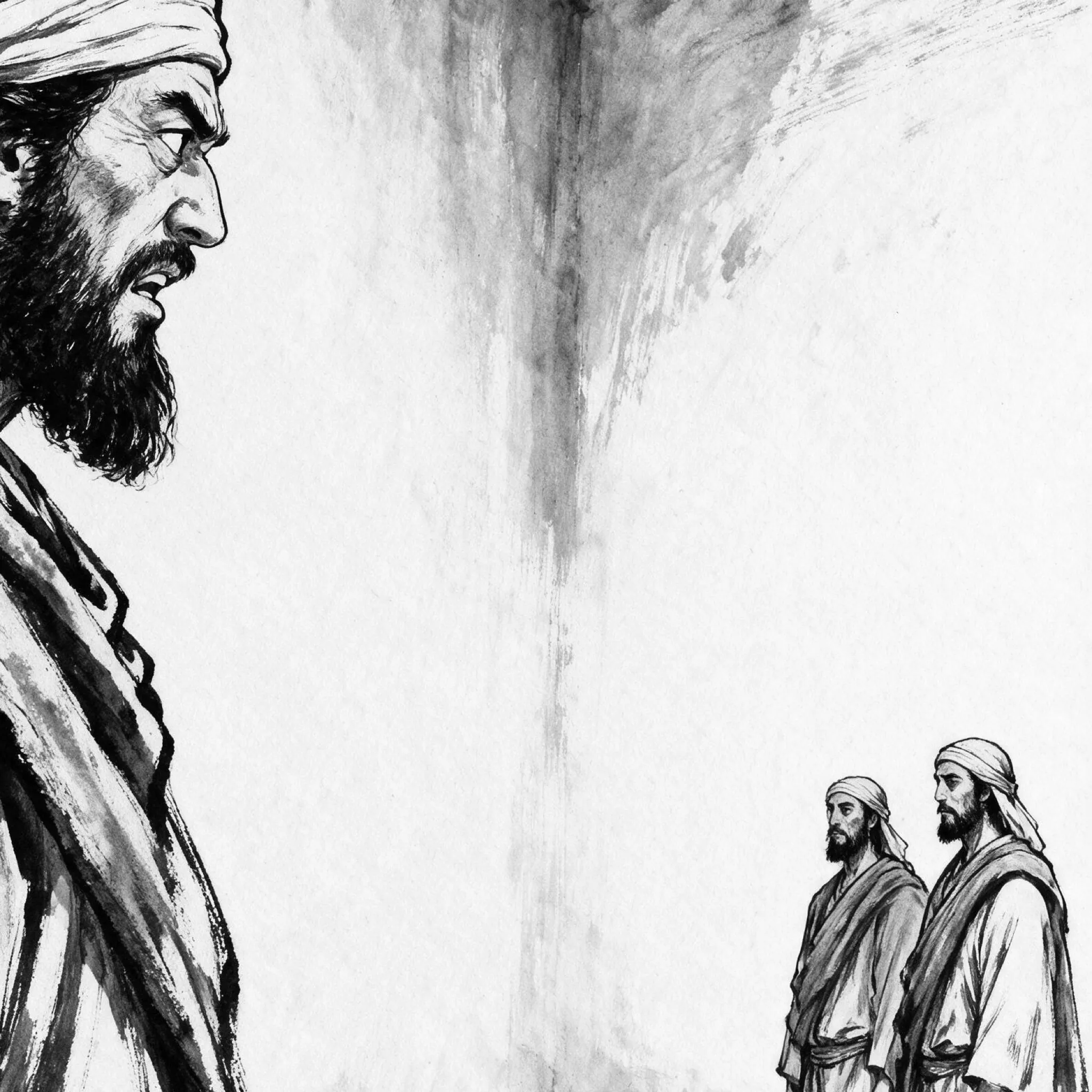
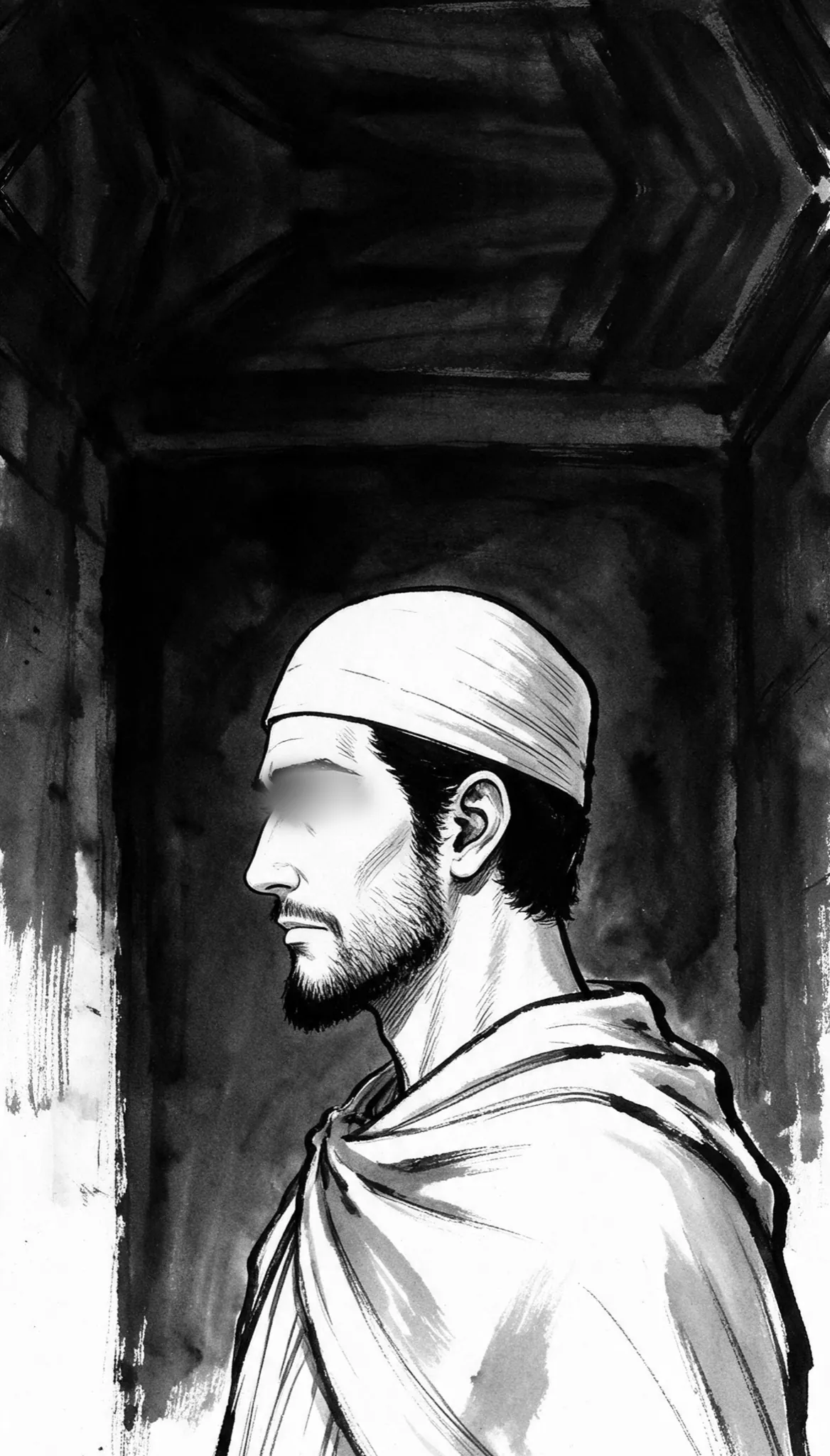
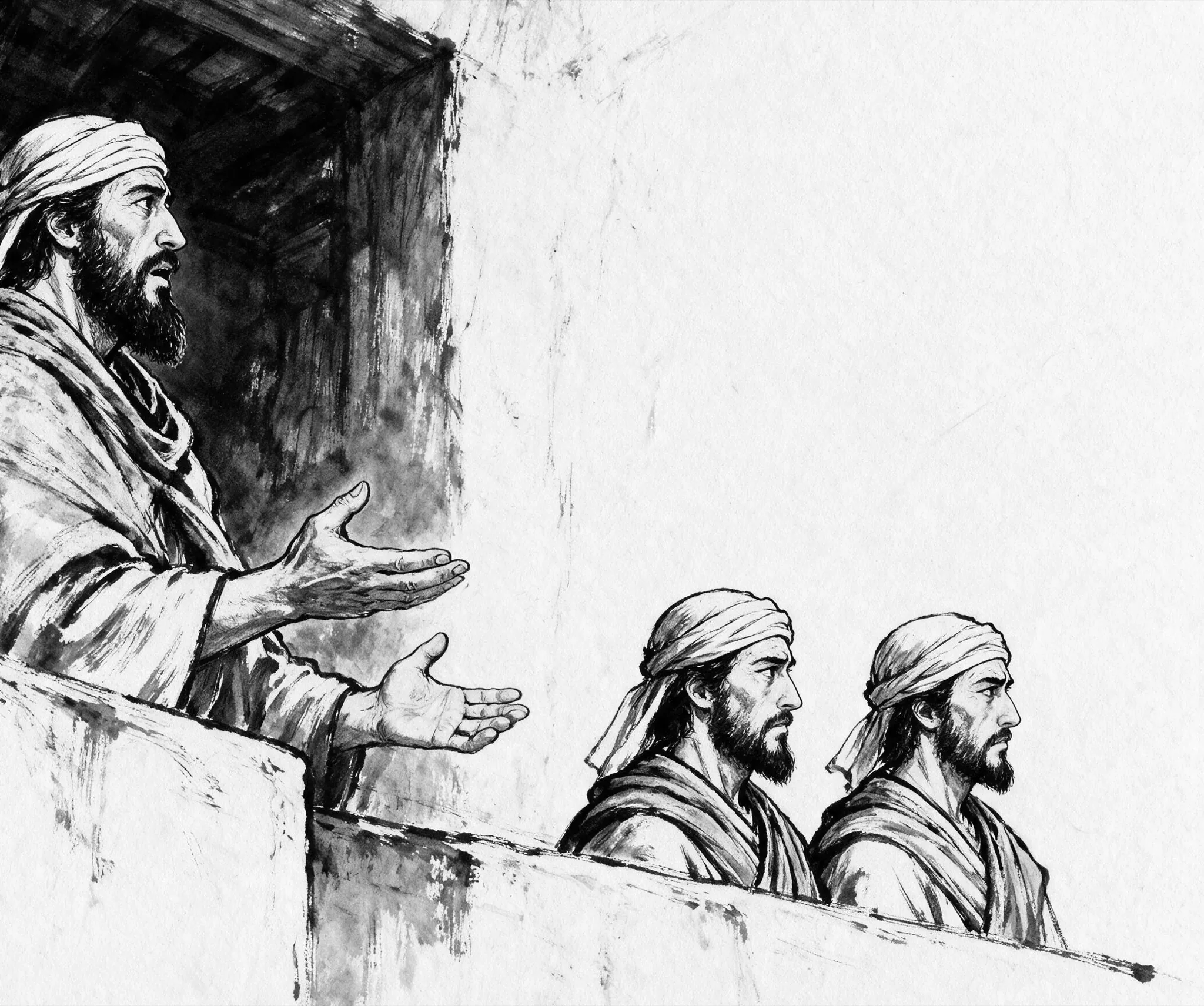
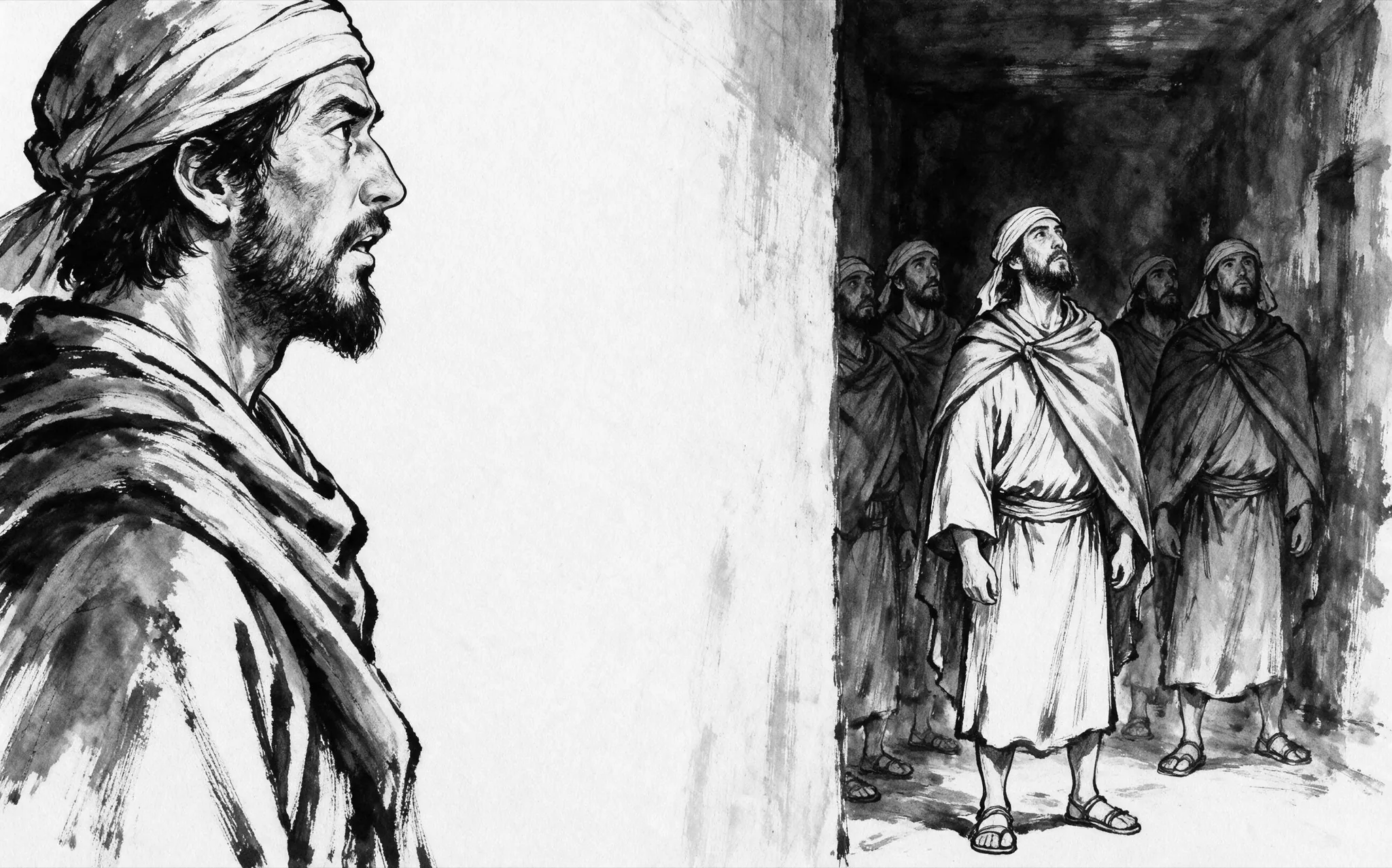
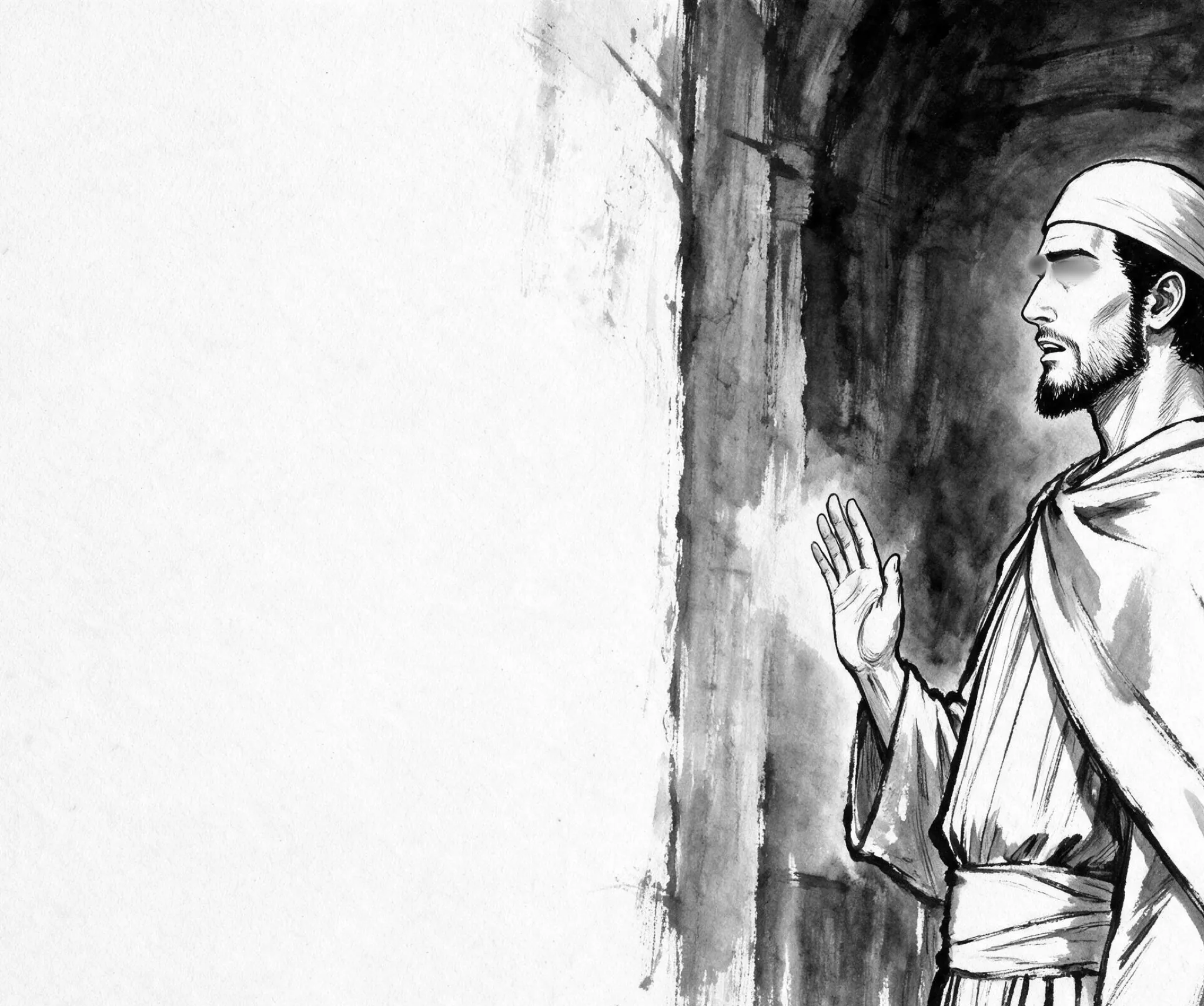
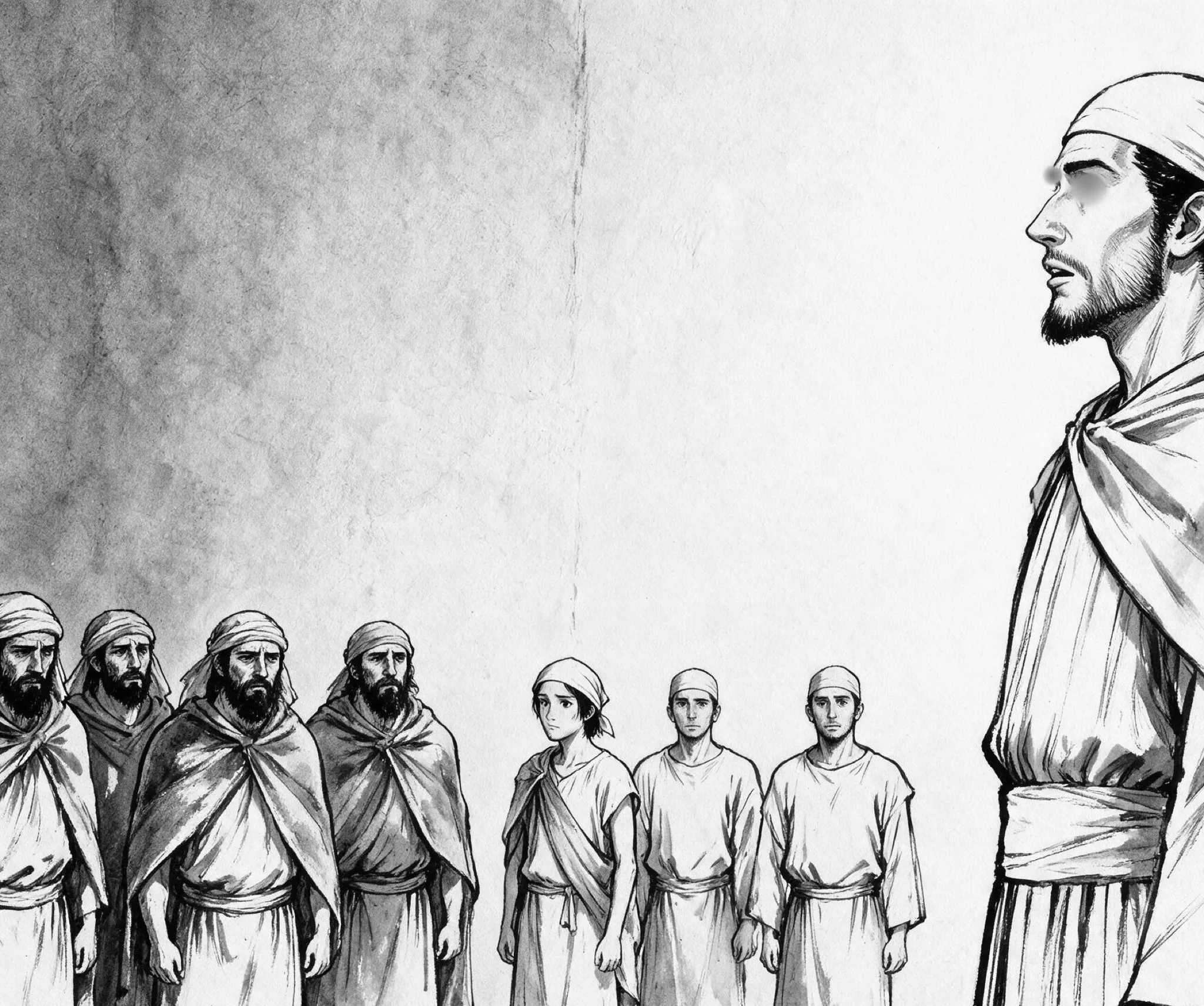
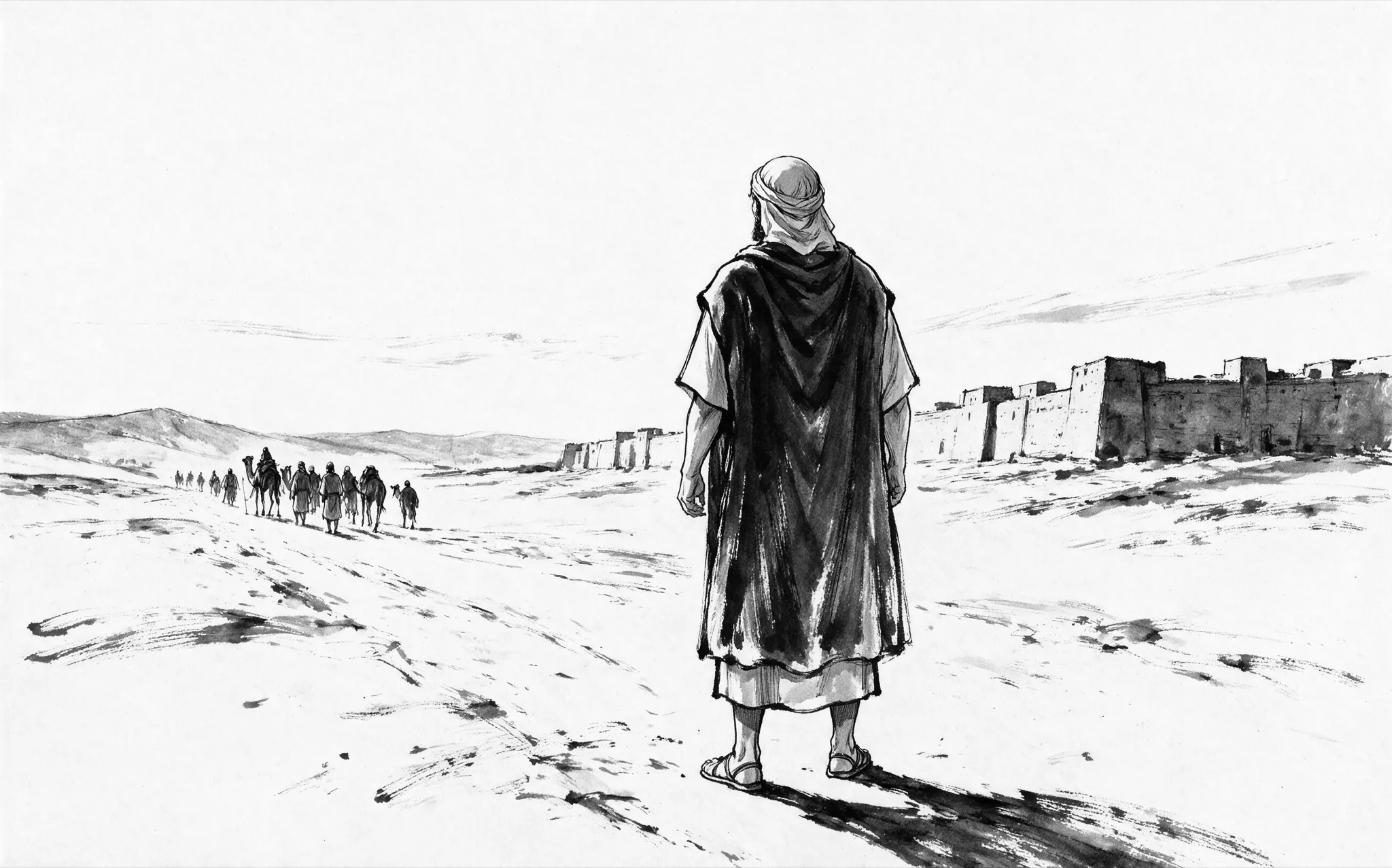
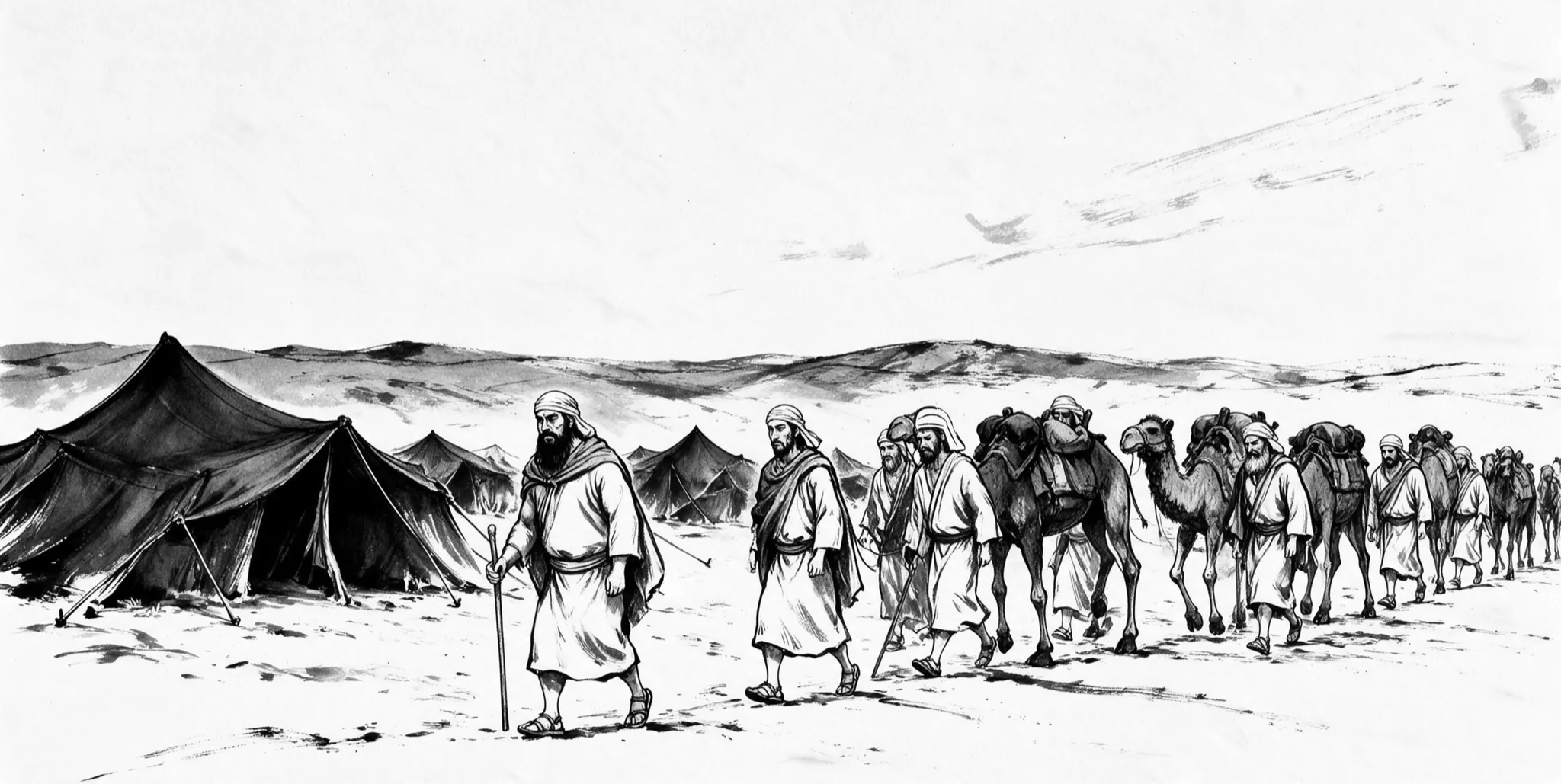
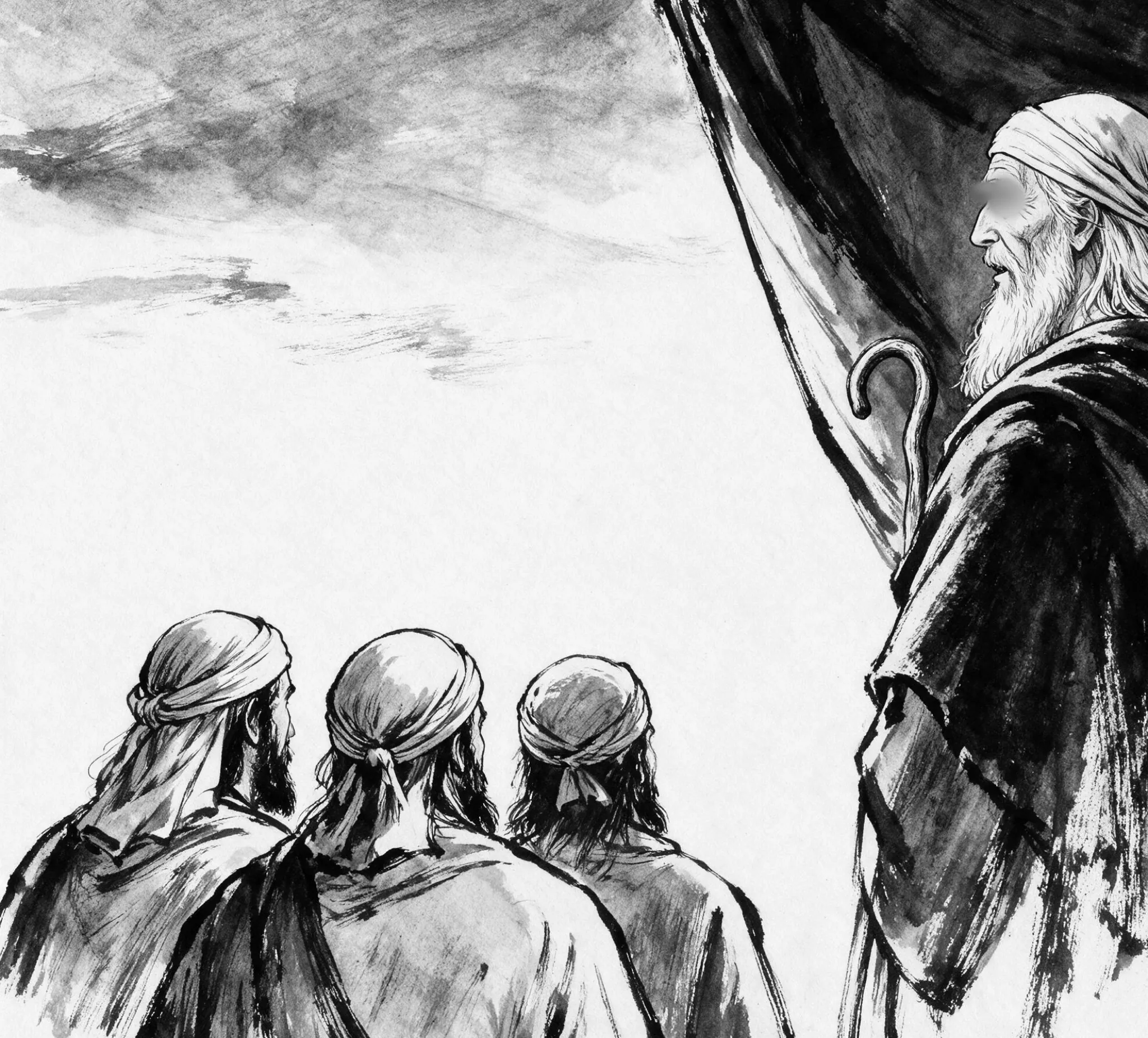
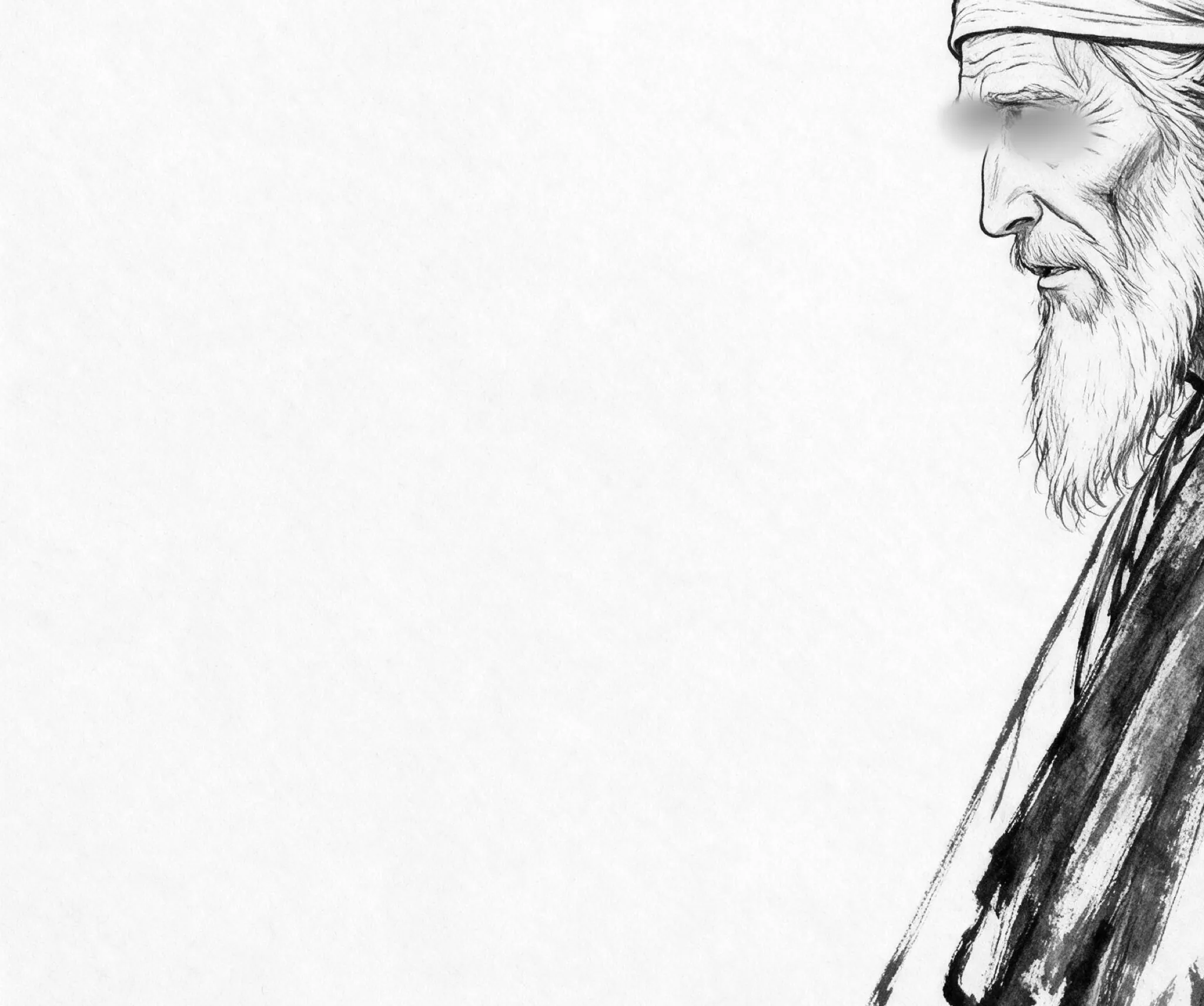
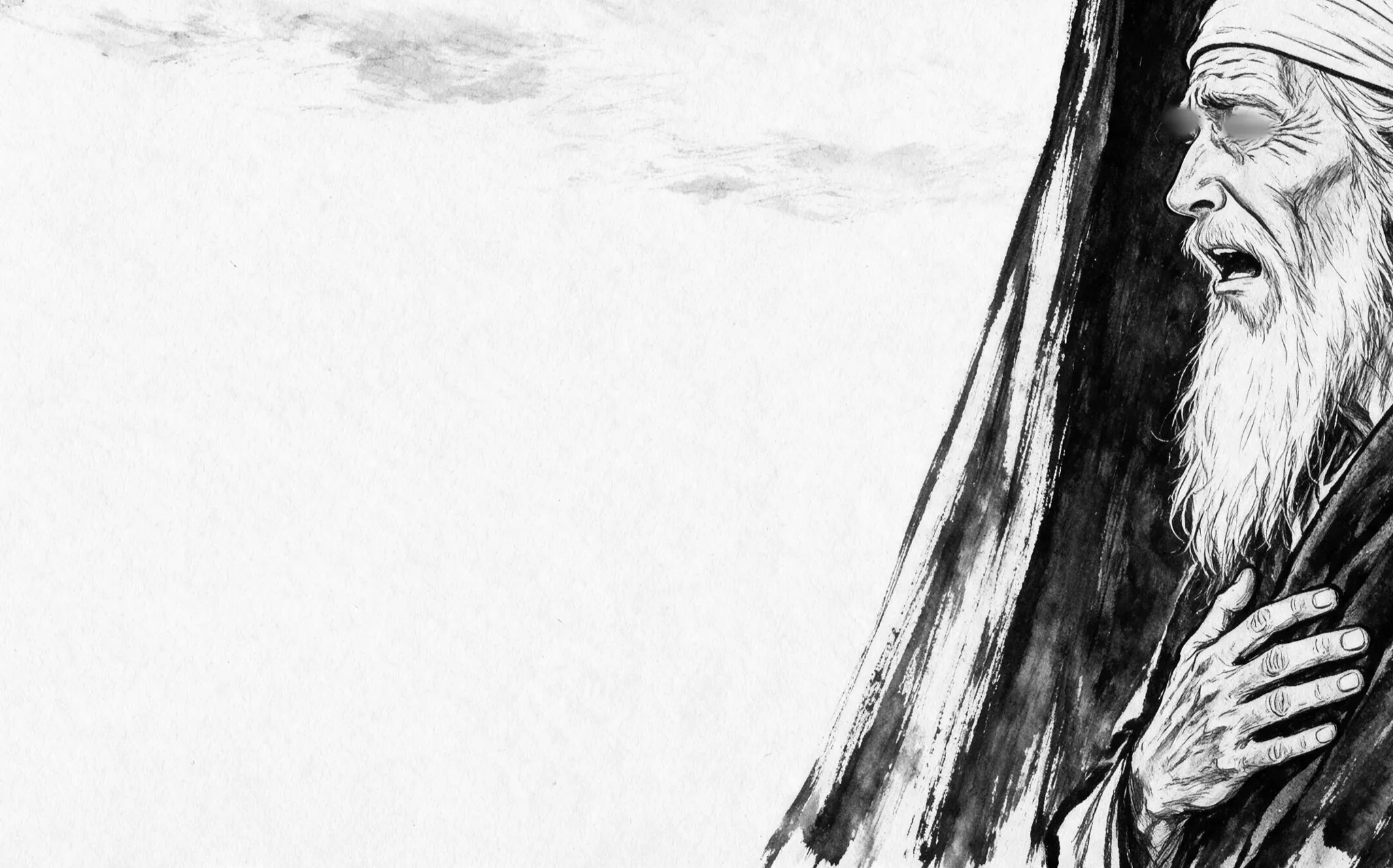
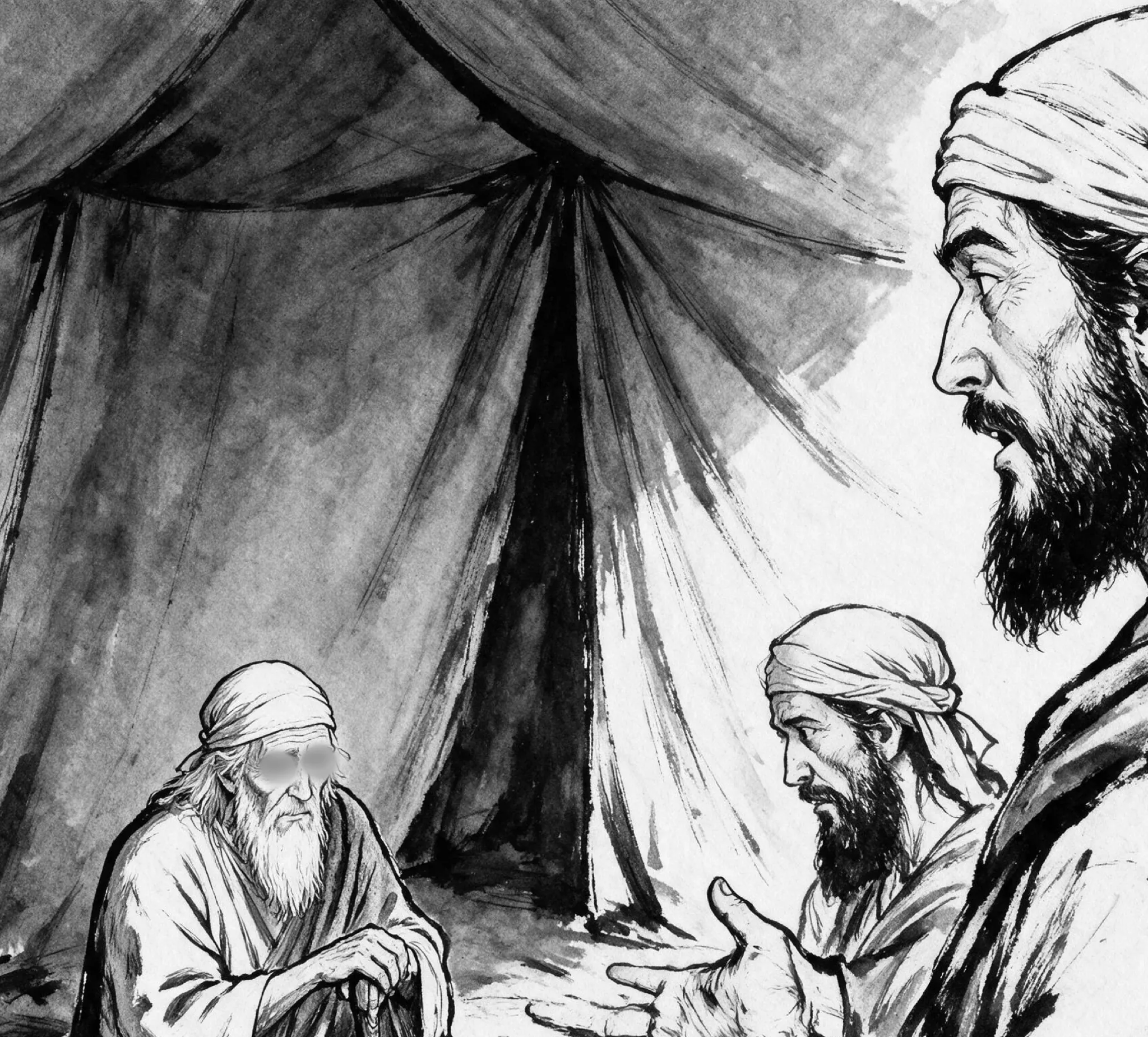
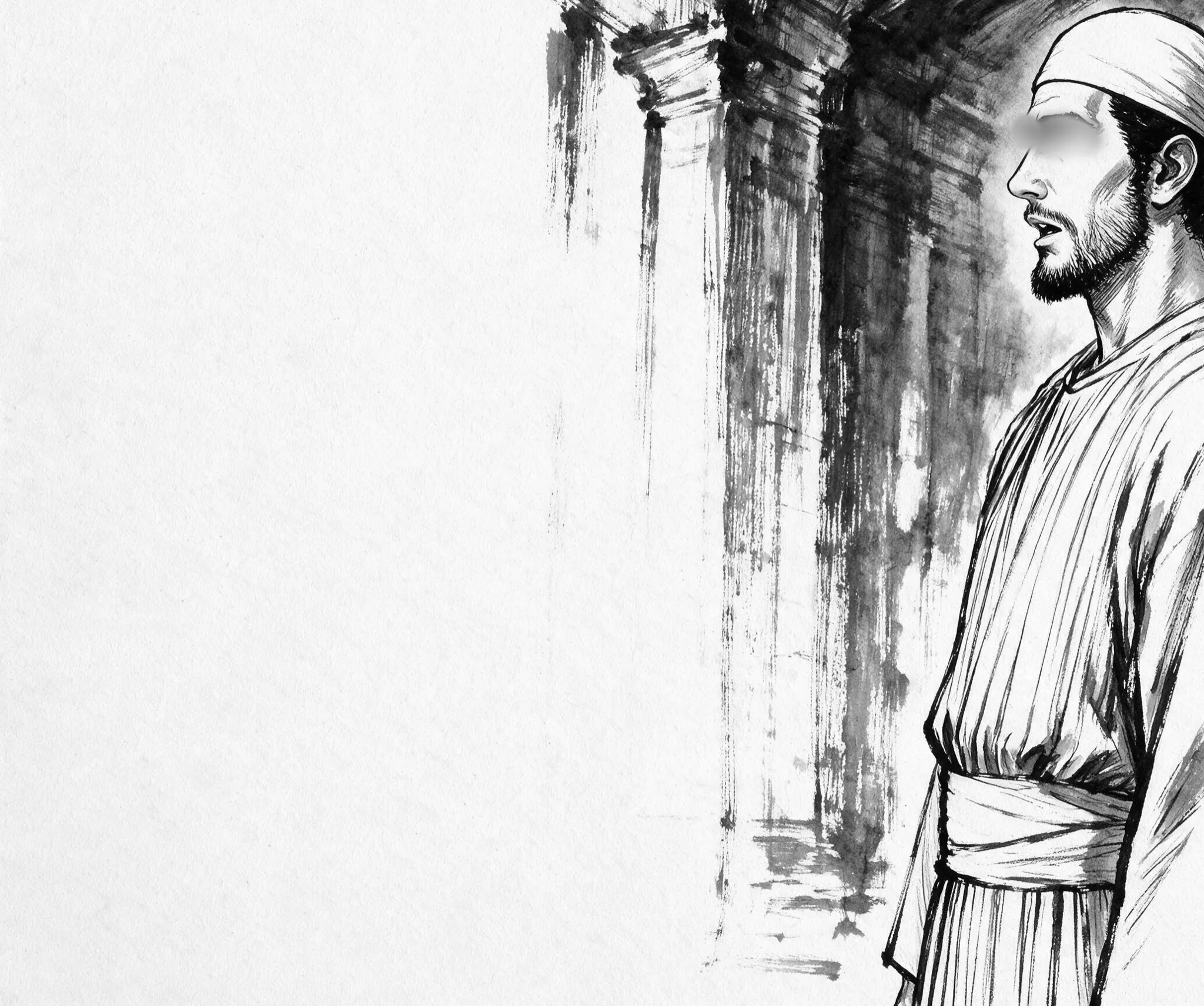
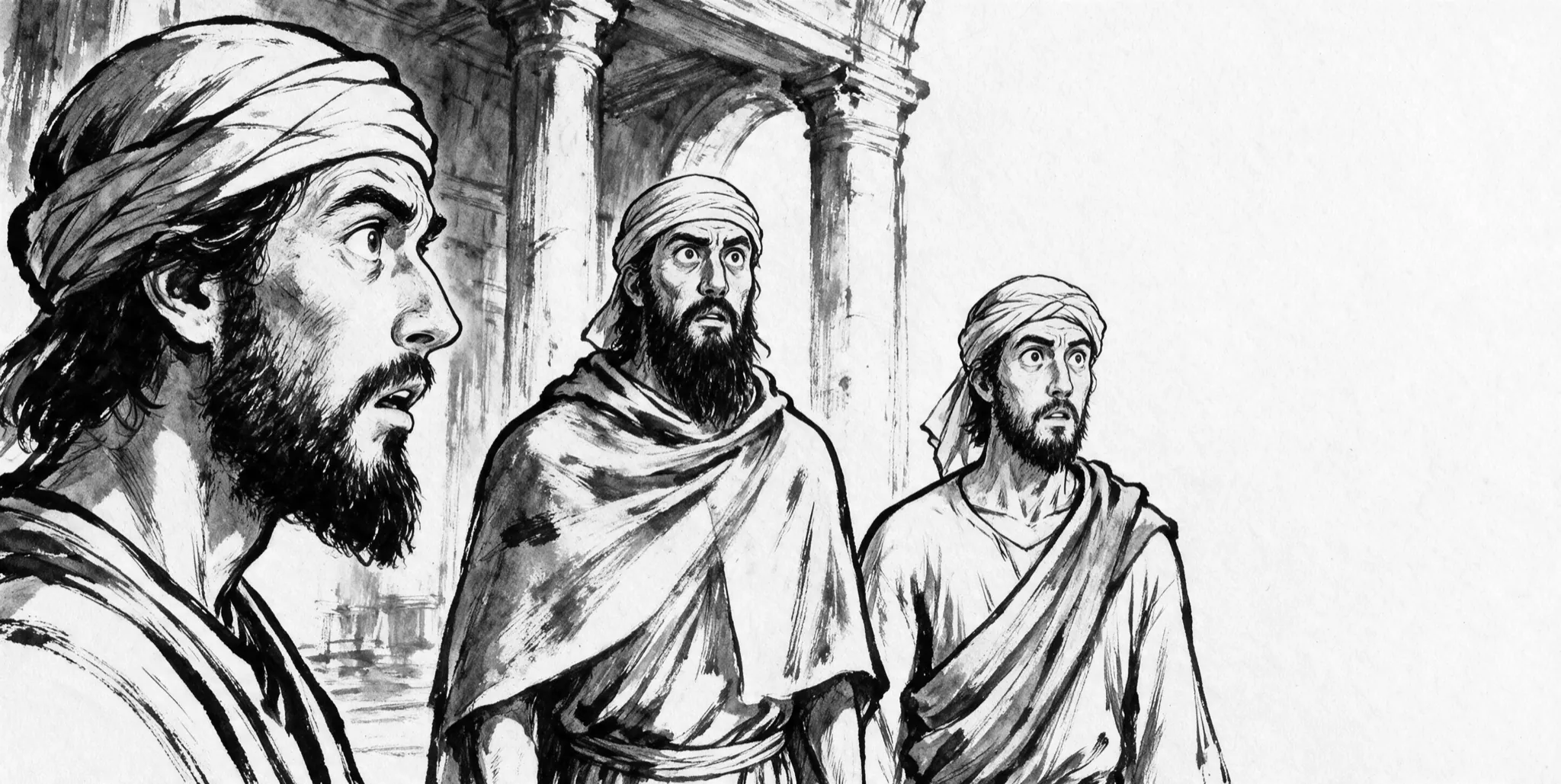
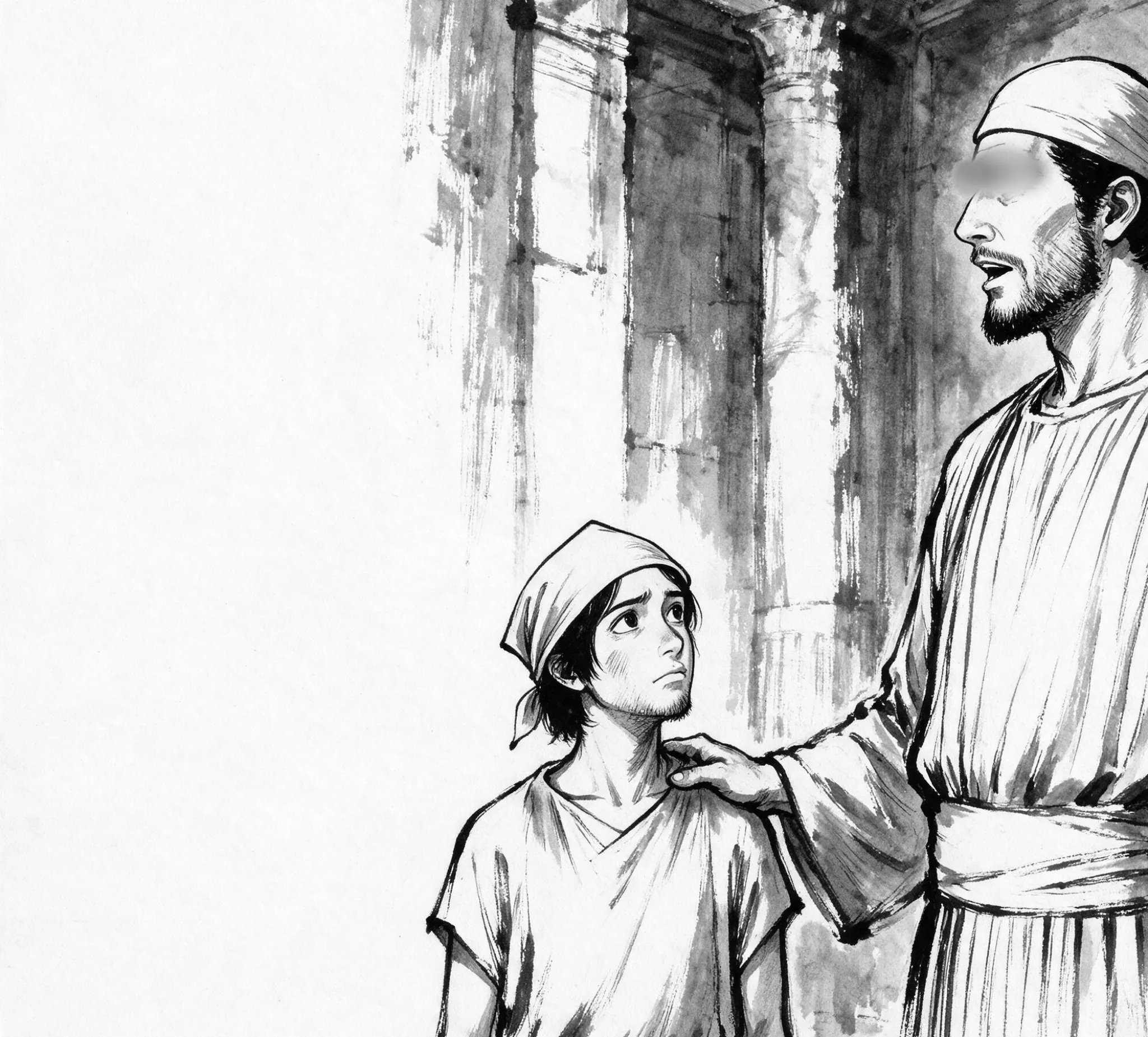
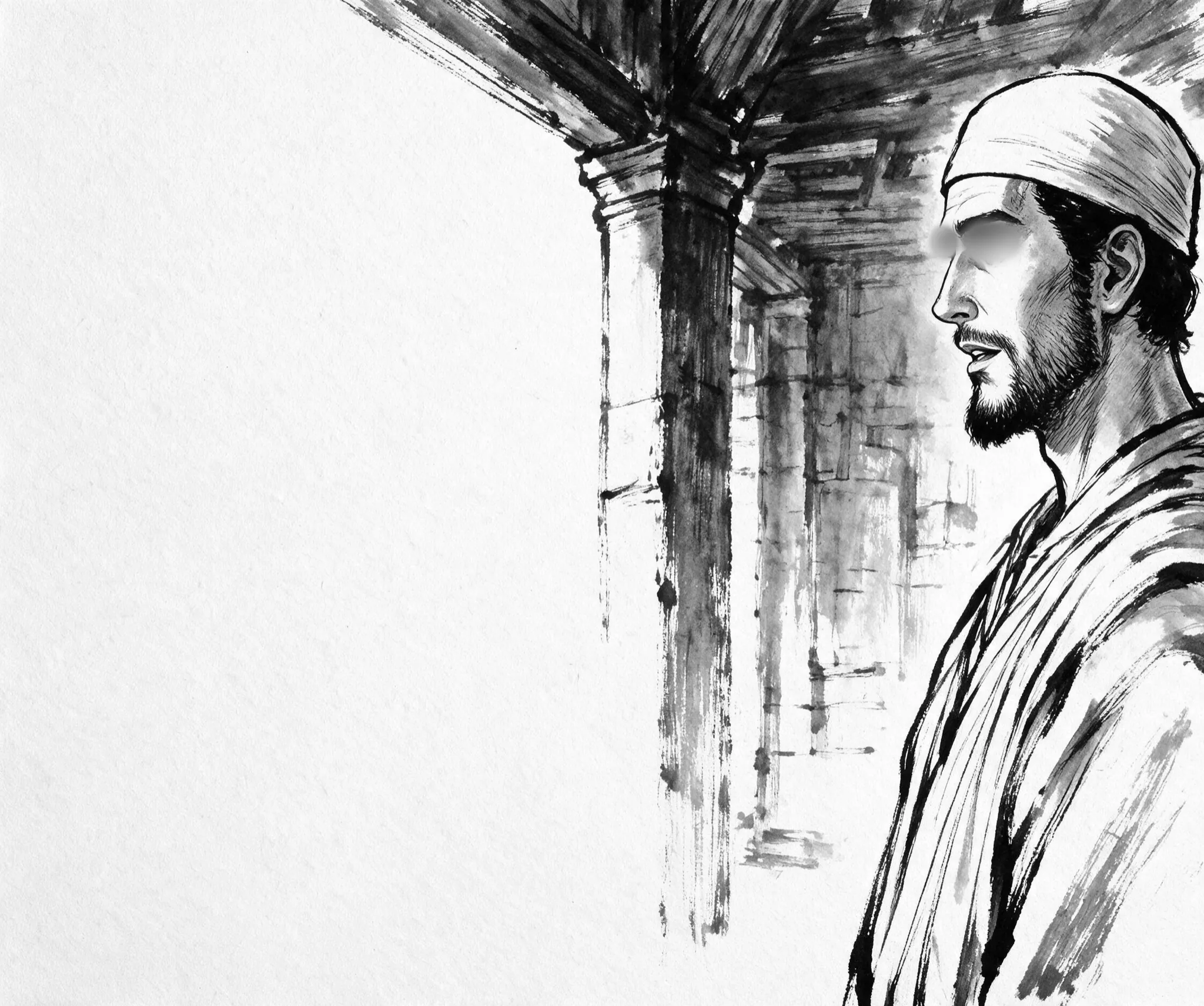
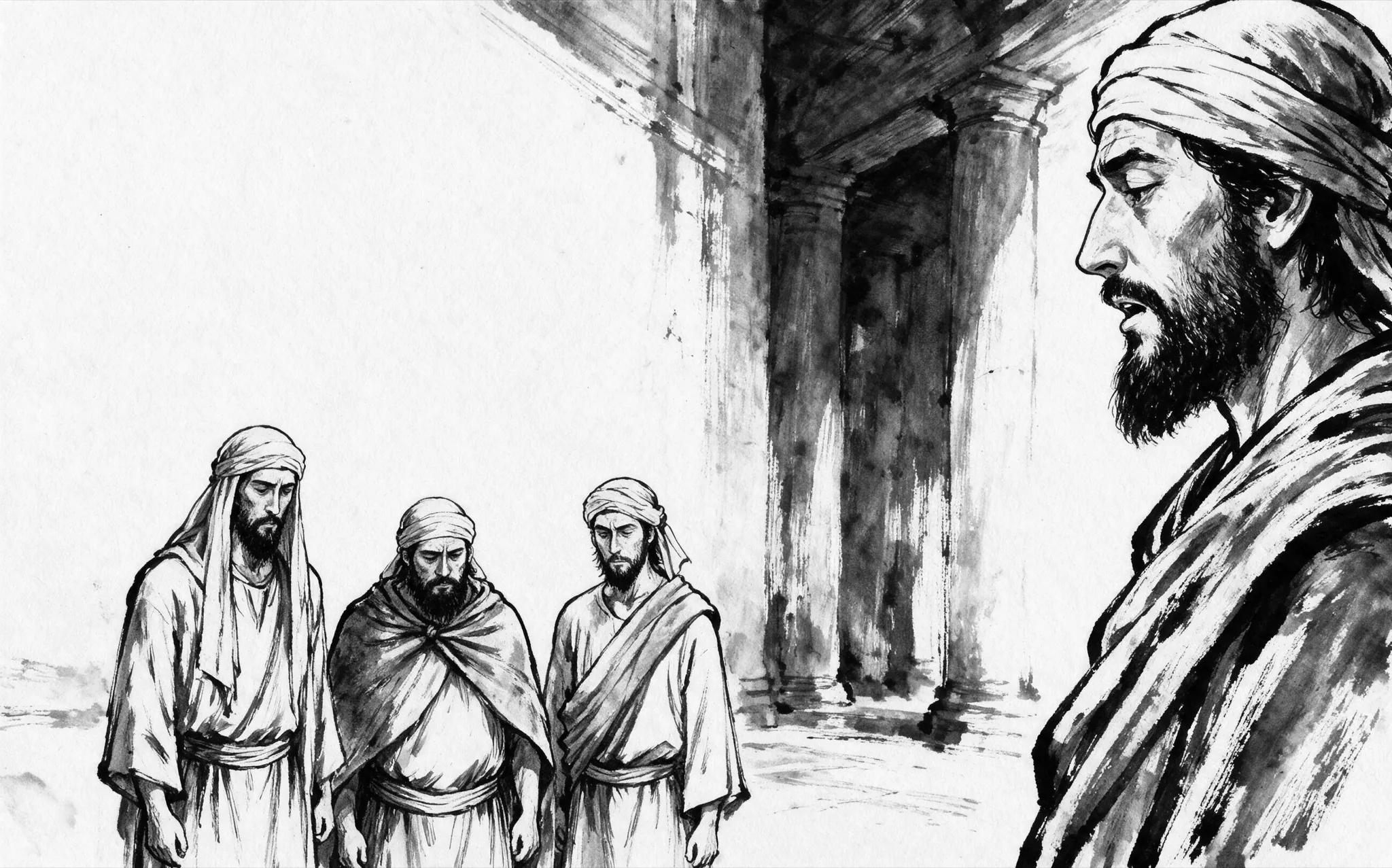
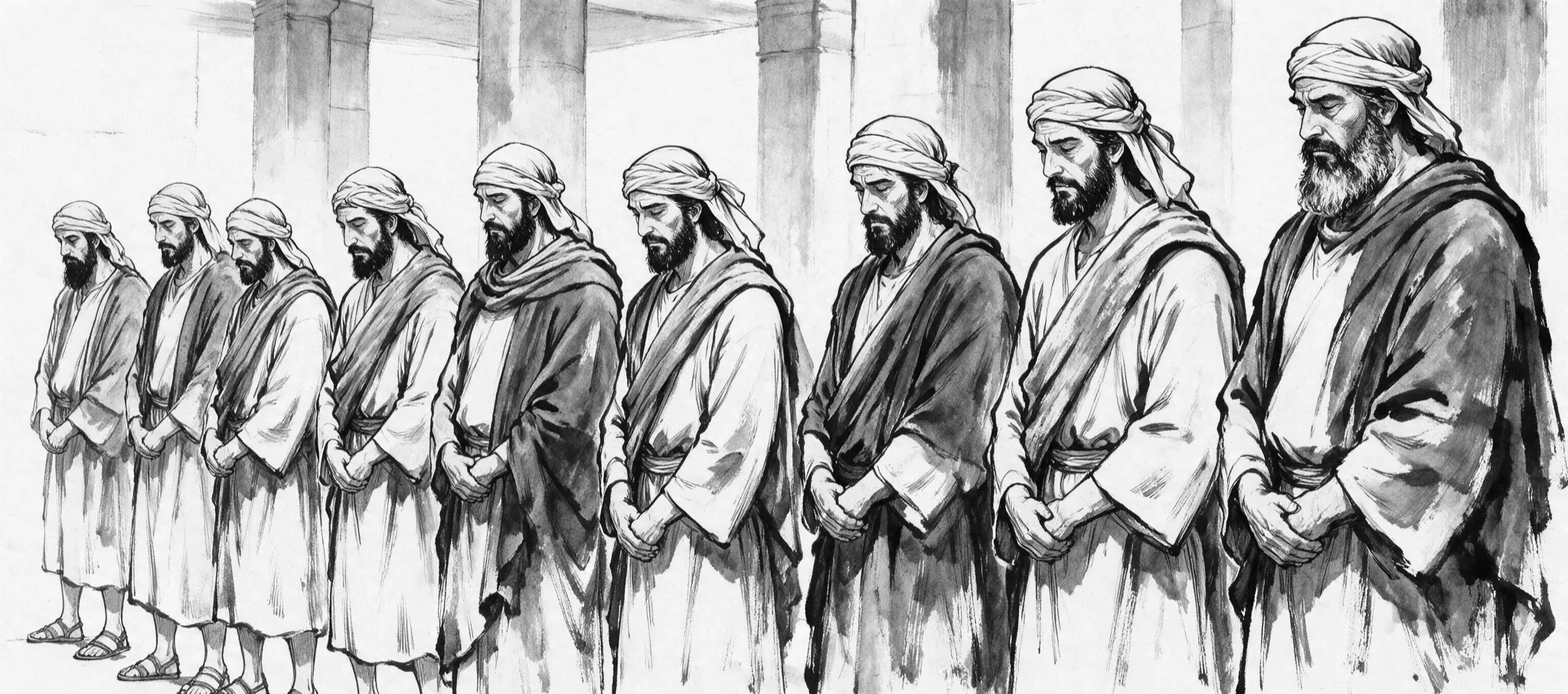
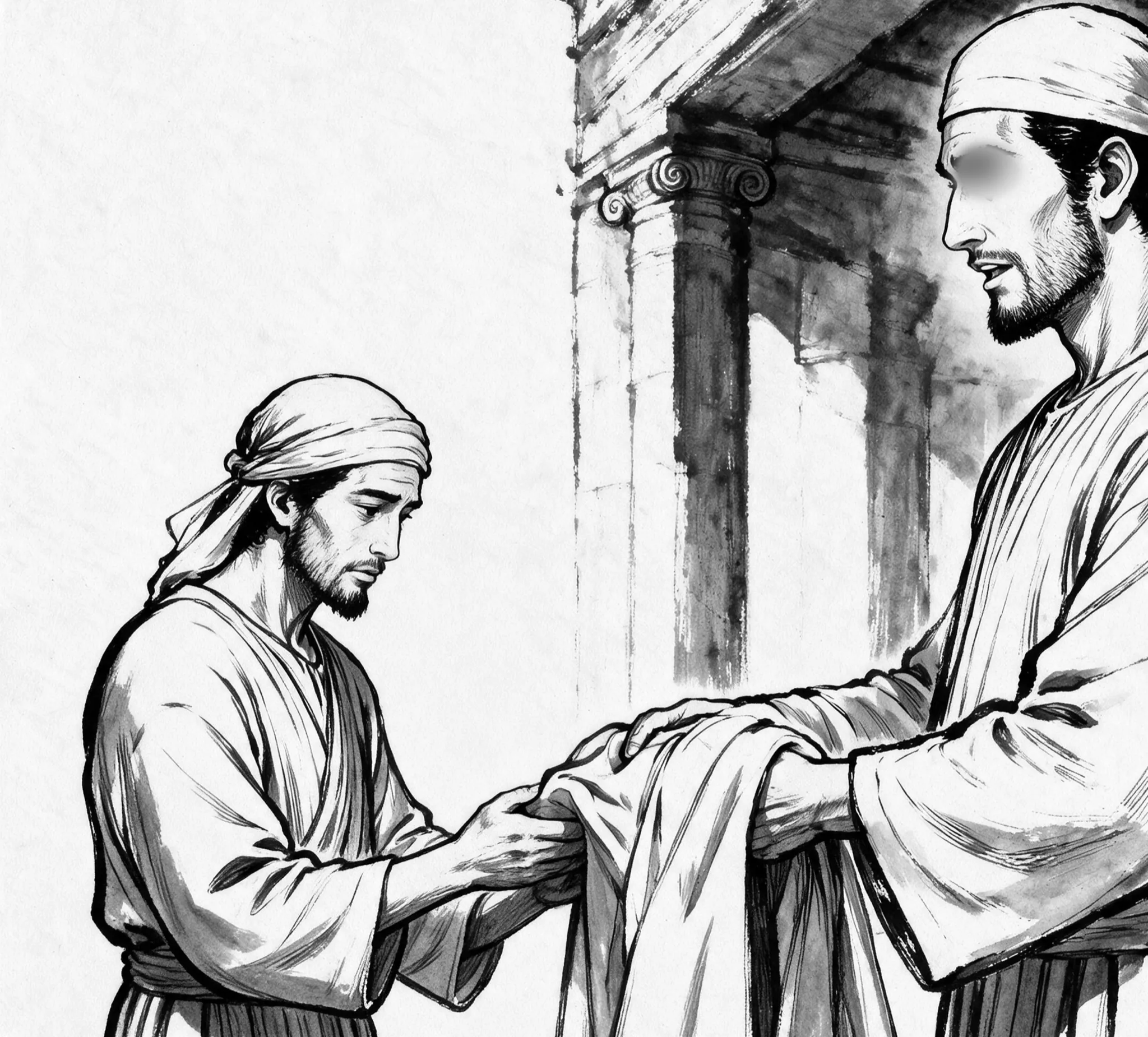
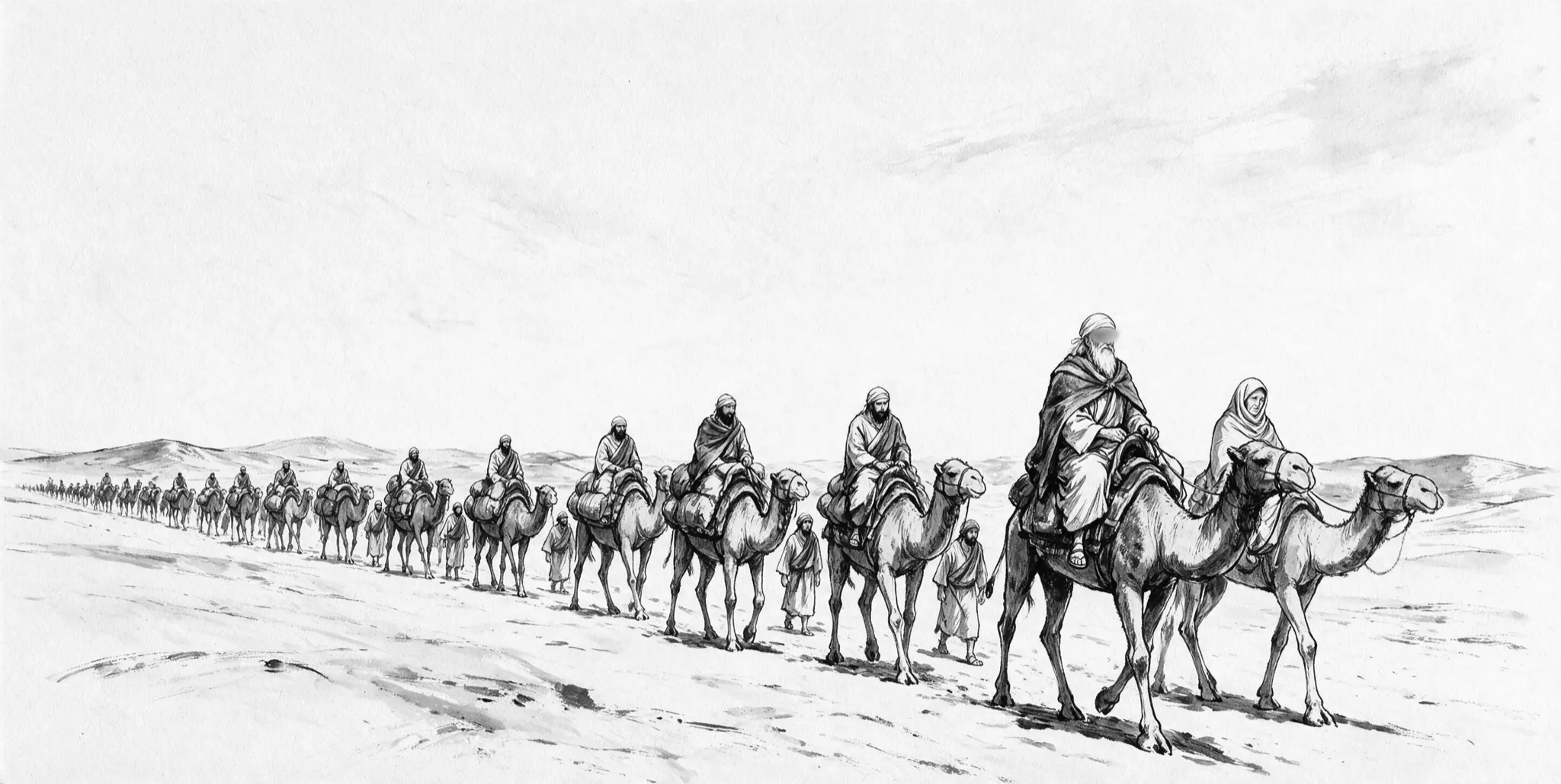
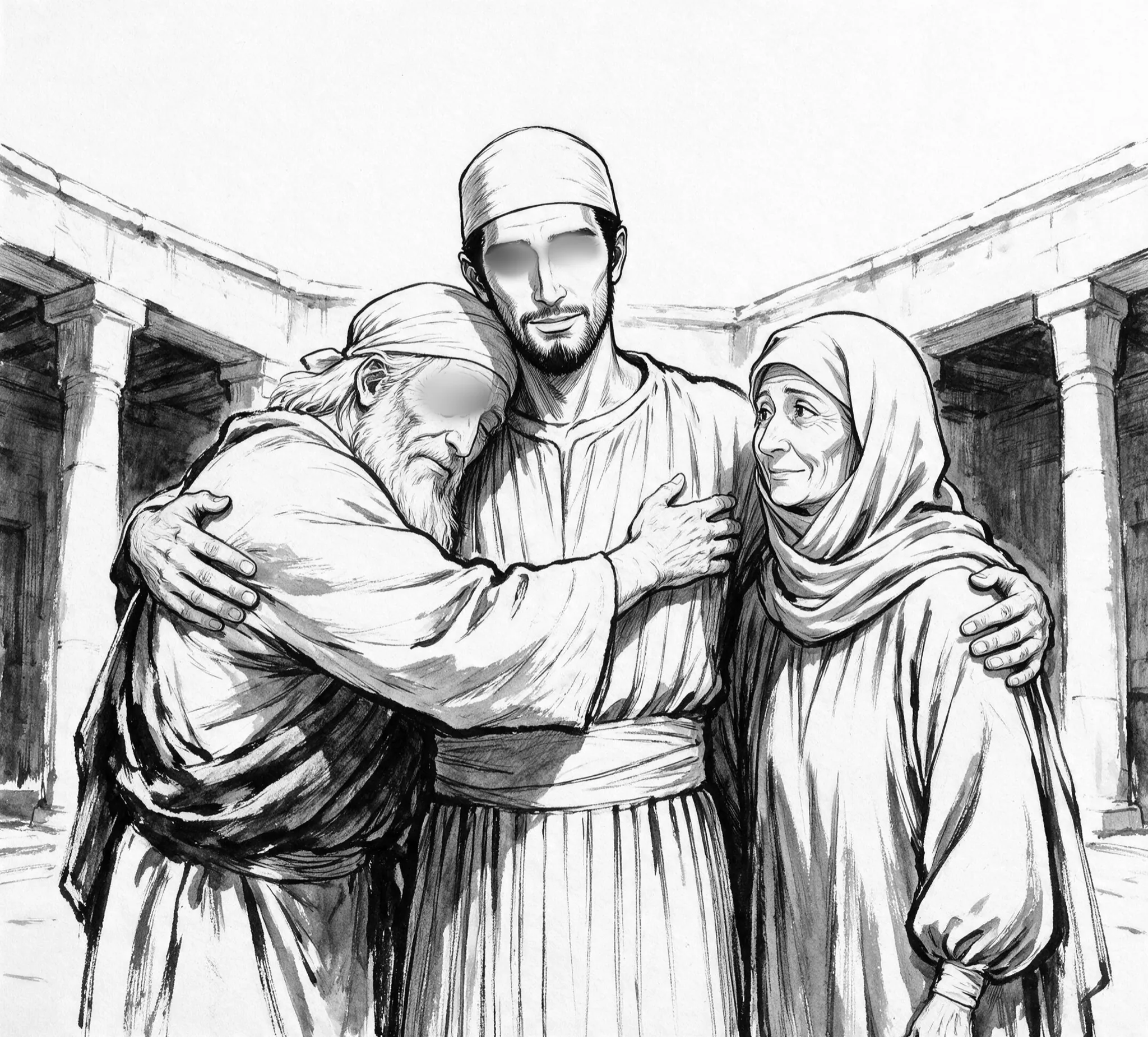
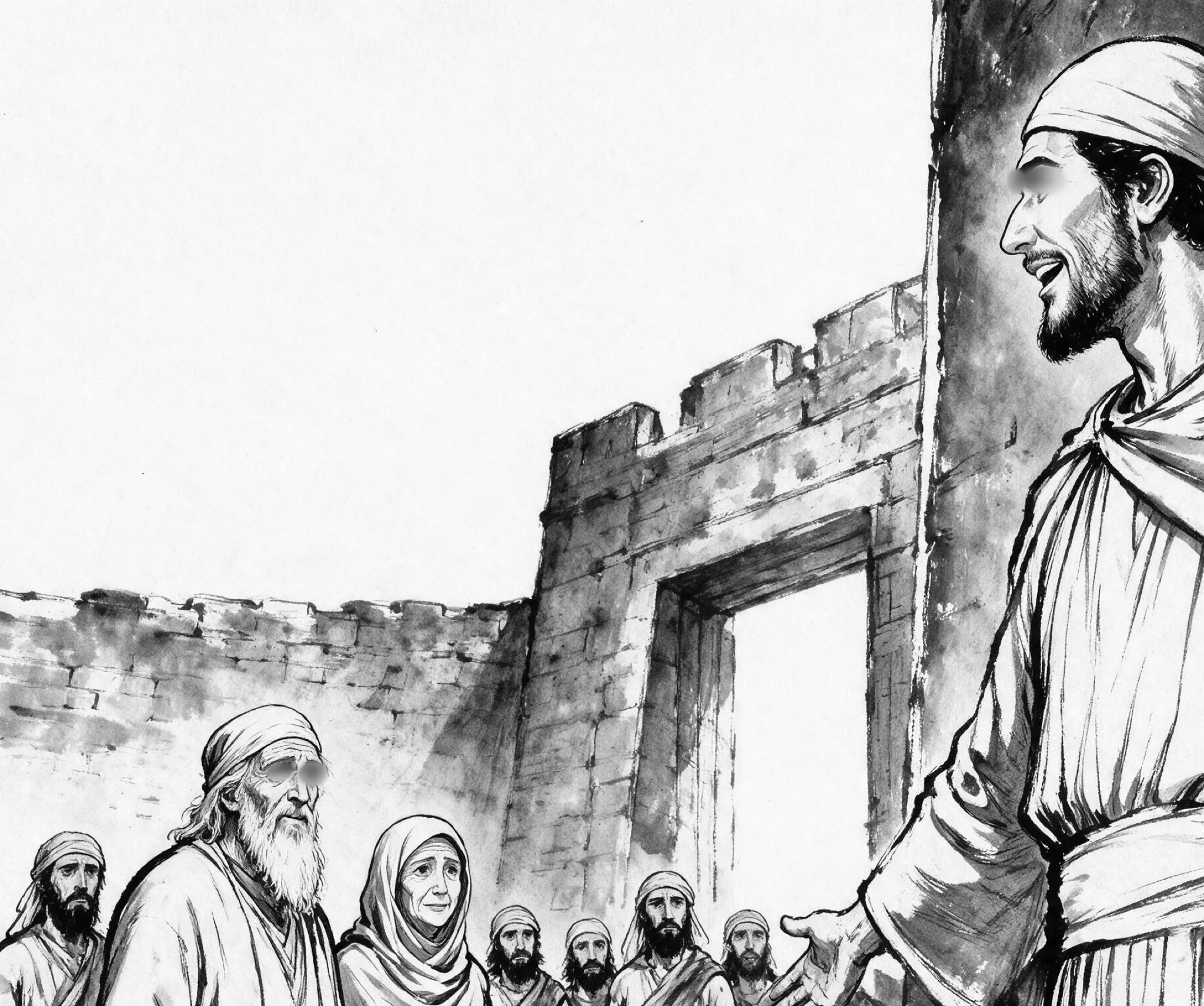
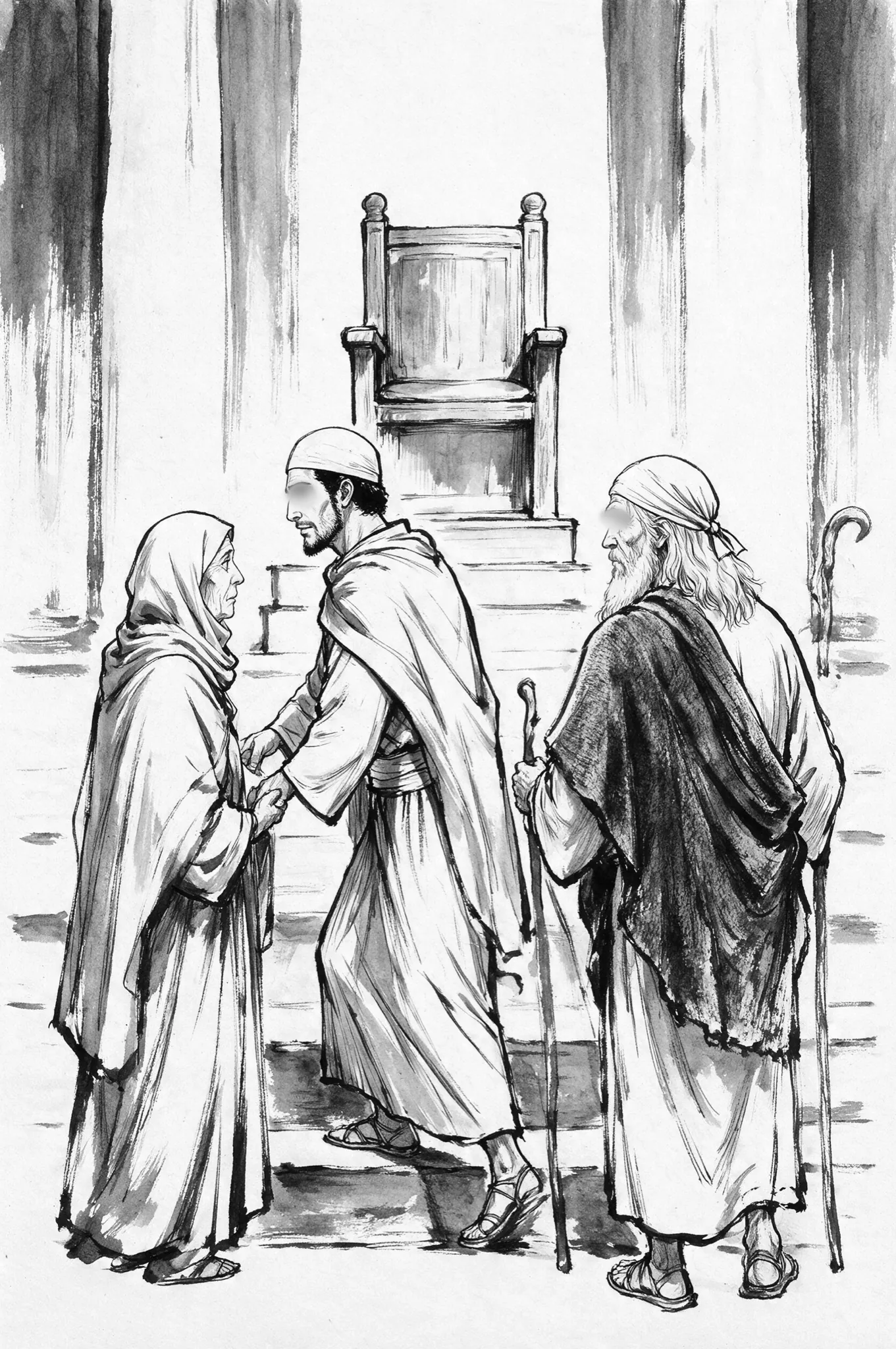
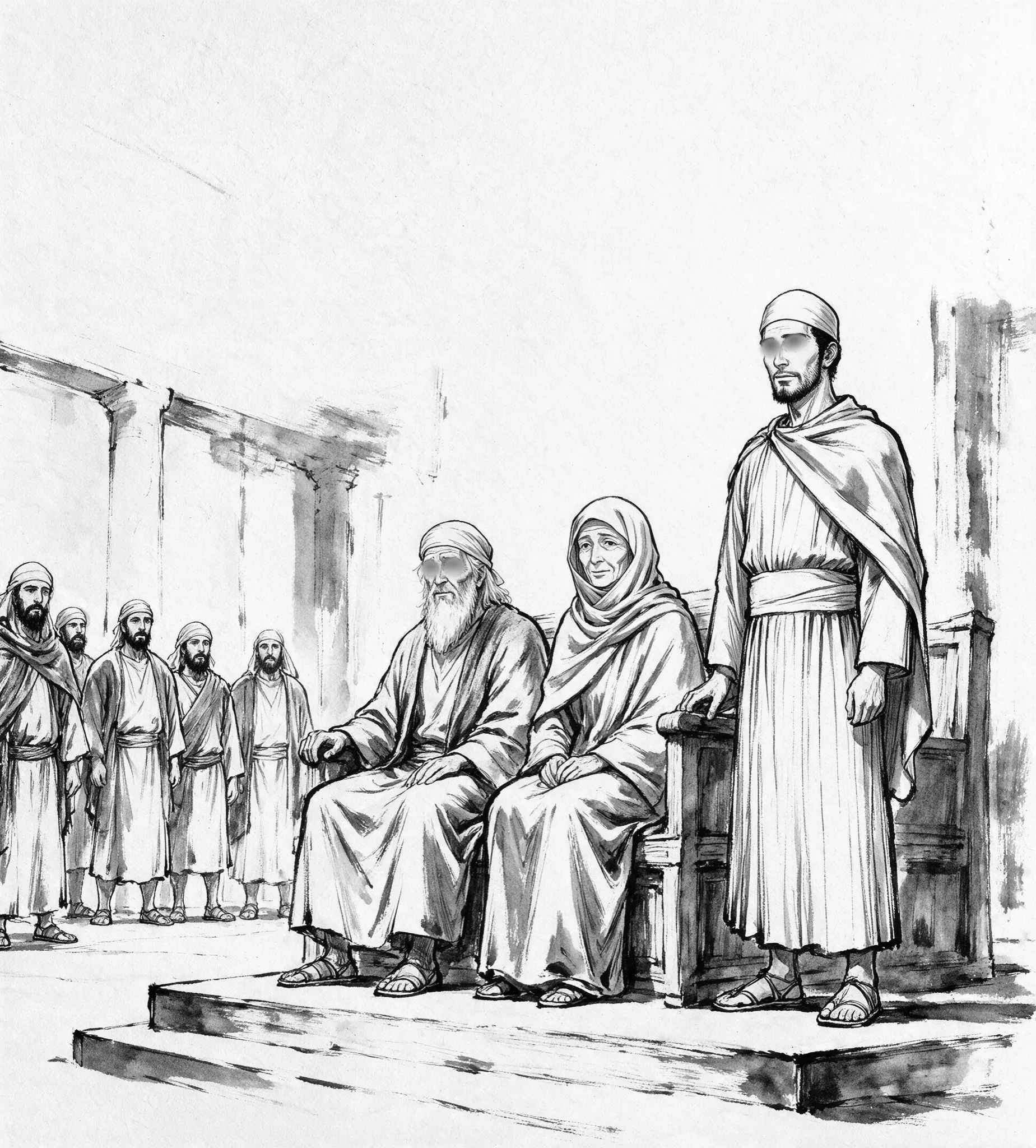
وَرَفَعَ أَبَوَيْهِ عَلَى ٱلْعَرْشِ وَخَرُّوا۟ لَهُۥ سُجَّدًا ۖ وَقَالَ يَـٰٓأَبَتِ هَـٰذَا تَأْوِيلُ رُءْيَـٰىَ مِن قَبْلُ قَدْ جَعَلَهَا رَبِّى حَقًّا ۖ وَقَدْ أَحْسَنَ بِىٓ إِذْ أَخْرَجَنِى مِنَ ٱلسِّجْنِ وَجَآءَ بِكُم مِّنَ ٱلْبَدْوِ مِنۢ بَعْدِ أَن نَّزَغَ ٱلشَّيْطَـٰنُ بَيْنِى وَبَيْنَ إِخْوَتِىٓ ۚ إِنَّ رَبِّى لَطِيفٌ لِّمَا يَشَآءُ ۚ إِنَّهُۥ هُوَ ٱلْعَلِيمُ ٱلْحَكِيمُ
And he raised his parents upon the throne, and they bowed to him in prostration. And he said, "O my father, this is the explanation of my vision of before. My Lord has made it reality. And He was certainly good to me when He took me out of prison and brought you [here] from bedouin life after Satan had induced [estrangement] between me and my brothers. Indeed, my Lord is Subtle in what He wills. Indeed, it is He who is the Knowing, the Wise.
Qur'an 12:100
Saheeh International
Sources
- Qur'an 6:84; 40:34 - Yusuf is a prophet: 6:84 names him among those Allah guided, with Ishaq, Ya'qub and others; 40:34 says he had come to the people of Egypt with clear proofs before them
- Qur'an 19:49; 6:89; 29:27 - Ya'qub is a prophet: Allah gave Ibrahim Ishaq and Ya'qub and made each a prophet (19:49) and placed prophethood and the Book in Ibrahim's line (29:27; 6:89 gives prophethood to those named before it); 6:84 names him among the guided; Ibn Kathir on 12:16-18 calls him 'Allah's Prophet Ya'qub'
- Qur'an 12:6; 12:38 - Yusuf is Ya'qub's son, of the line of Ishaq and Ibrahim: 12:6 speaks of Ibrahim and Ishaq as his fathers before him, and Yusuf says as much of himself in 12:38
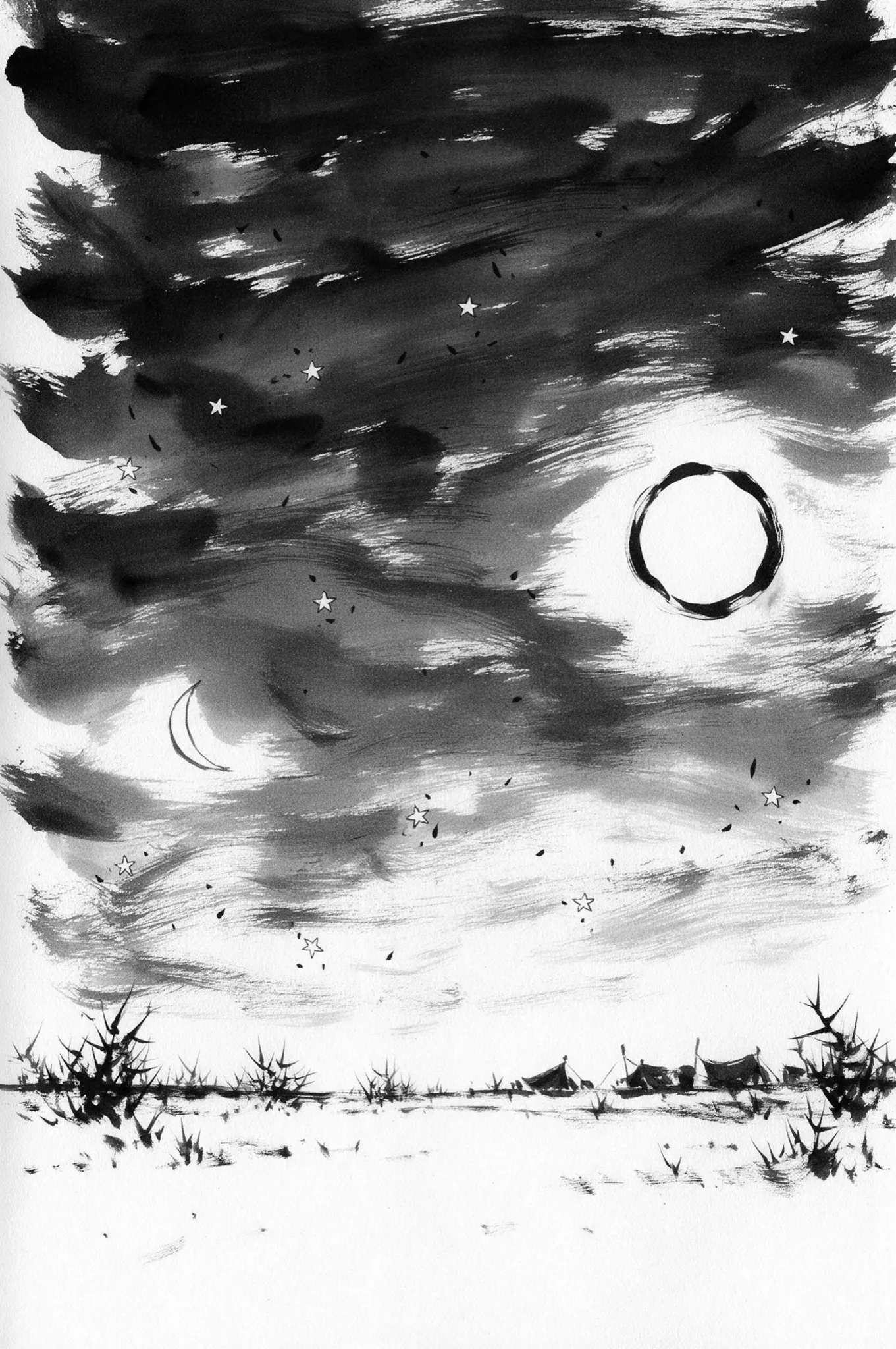
- Qur'an 12:4 - Yusuf tells his father the dream: eleven stars, the sun and the moon, 'I saw them prostrating to me'. The story tells the dream as sky alone: the stars, the sun and the moon in a still scatter and nobody under it; nobody bows and nothing in the sky tilts toward anyone. The commentators read the stars as his brothers and the sun and the moon as his father and mother; no caption says so. The Qur'an does not say how long the dream took to come true, and no page gives a number
- Qur'an 12:5; 12:6 - Ya'qub's reply: do not tell your vision to your brothers or they will plot against you (12:5), and 'thus will your Lord choose you and teach you the interpretation of narratives' (12:6, its first clause only). The sentence about Shaytan in 12:5 and the rest of 12:6 (the completing of His favour on Ya'qub's family as on Ibrahim and Ishaq) are not lettered. 12:6 is given to Ya'qub because it runs on from 12:5 with no new speaker
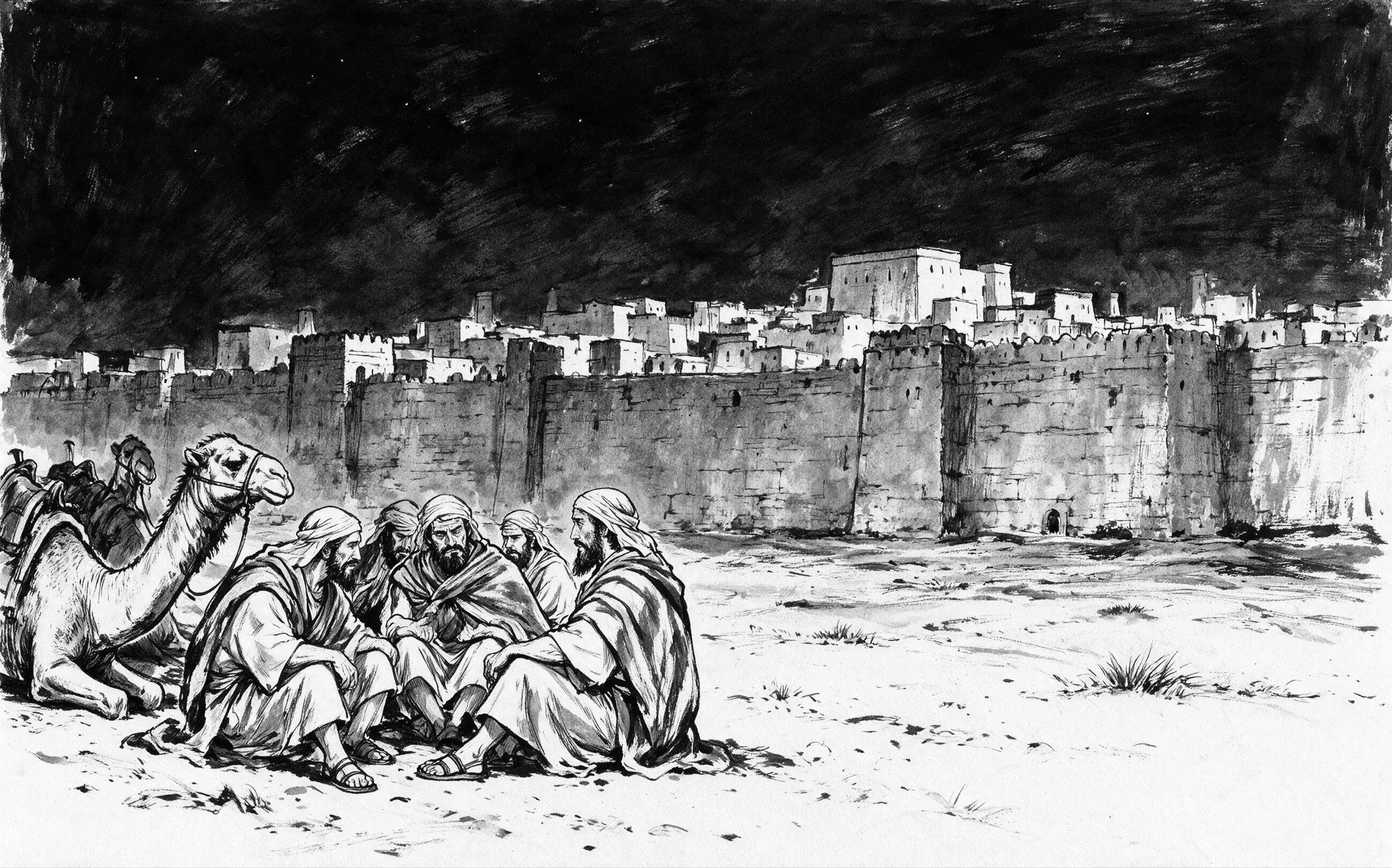
- Qur'an 12:8; 12:9; 12:10 - the brothers: Yusuf and his brother are dearer to our father though we are a group (12:8); kill Yusuf or cast him out (12:9); one of them: do not kill him, throw him into the bottom of the well and some travellers will pick him up (12:10). The Qur'an names none of the brothers and does not name 'his brother'; the story names no one and shows him only once, as a small far-off figure beside Yusuf, an age the Qur'an does not give. Their charge that their father is in clear error (12:8) is not lettered
- Ibn Kathir on 12:7-10 - who spoke 12:10 is disputed, and tradition gives the speaker three names, Rubil, Yahudha and Sham'un; these names are tradition's, not the Qur'an's. The story draws the speaker as the eldest so that one man can be followed through the story; that is the studio's staging (plausible dramatization), and no caption, bubble or label says it
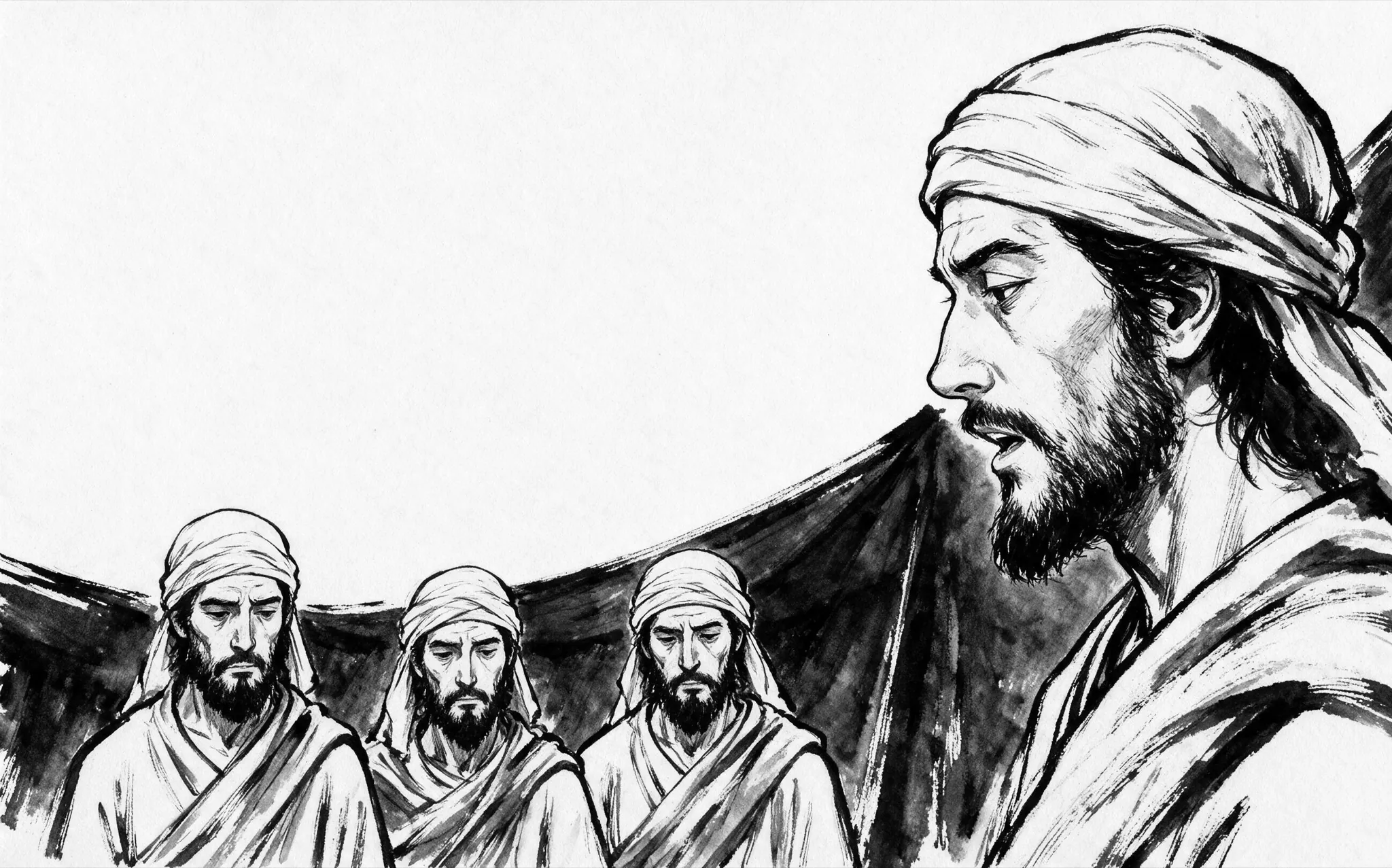
- Qur'an 2:136; 4:163 - al-Asbat are named among those to whom revelation came. Whether that means Yusuf's brothers is disputed. Here the brothers are drawn as men, with their eyes showing, and speak only the Qur'an's words
- Qur'an 12:11-14 - they ask their father why he does not trust them with Yusuf, to send him out with them to play, and promise to guard him (12:11-12); he is saddened that they would take him and fears a wolf would eat him while they are unaware (12:13); they answer that if a wolf ate him while they are a group they would be losers (12:14). The wolf is named in the verses and never drawn
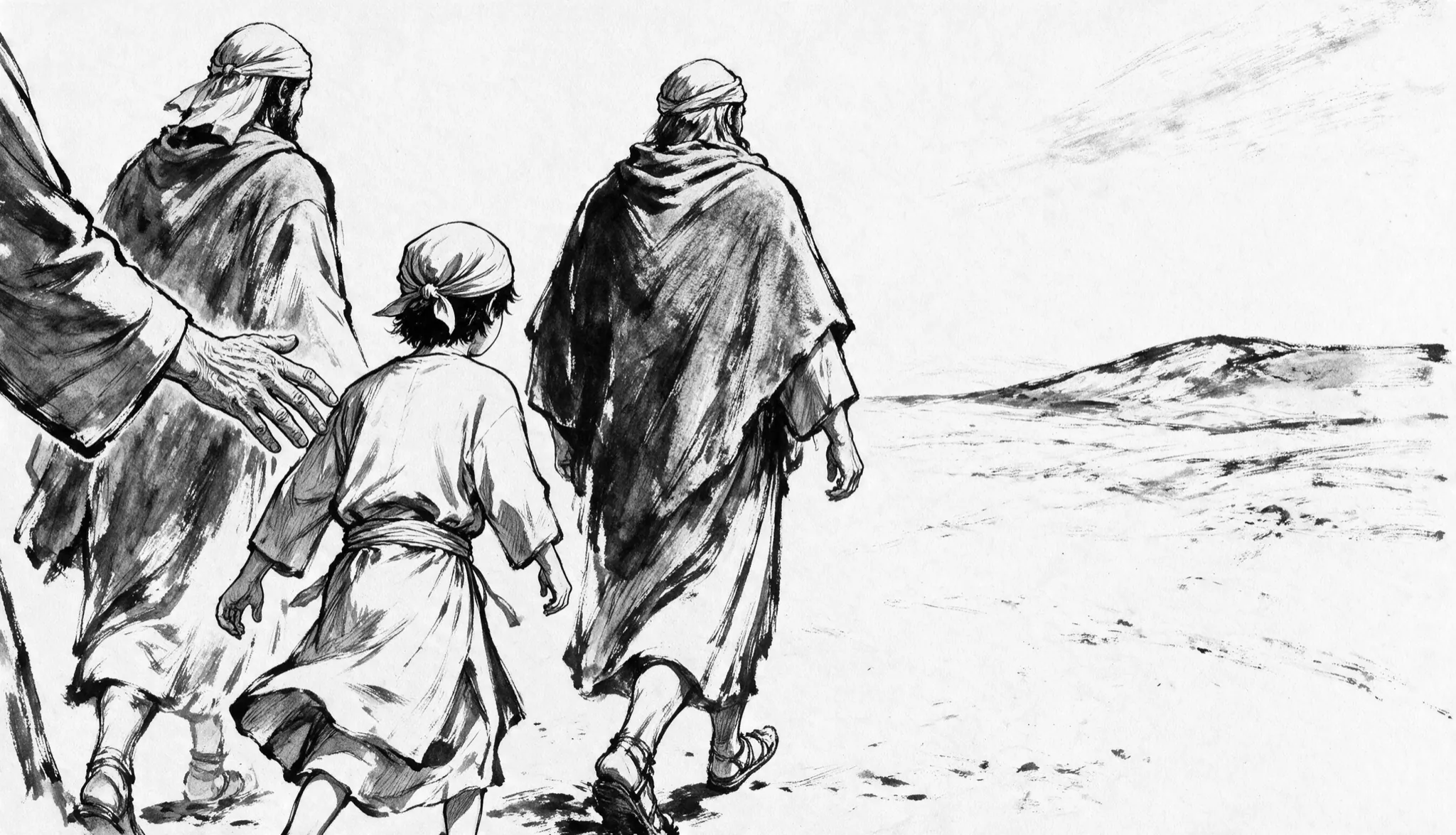
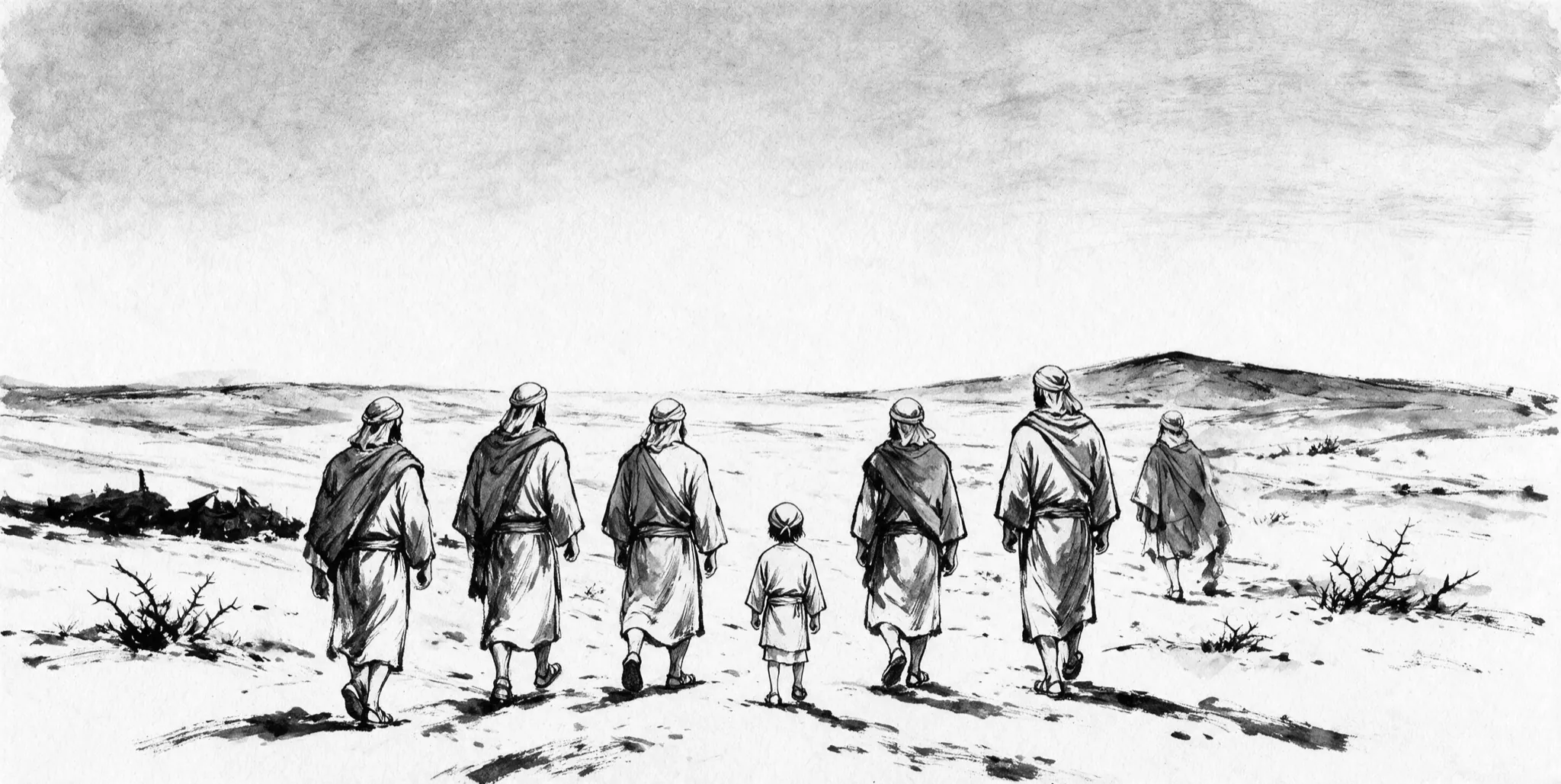
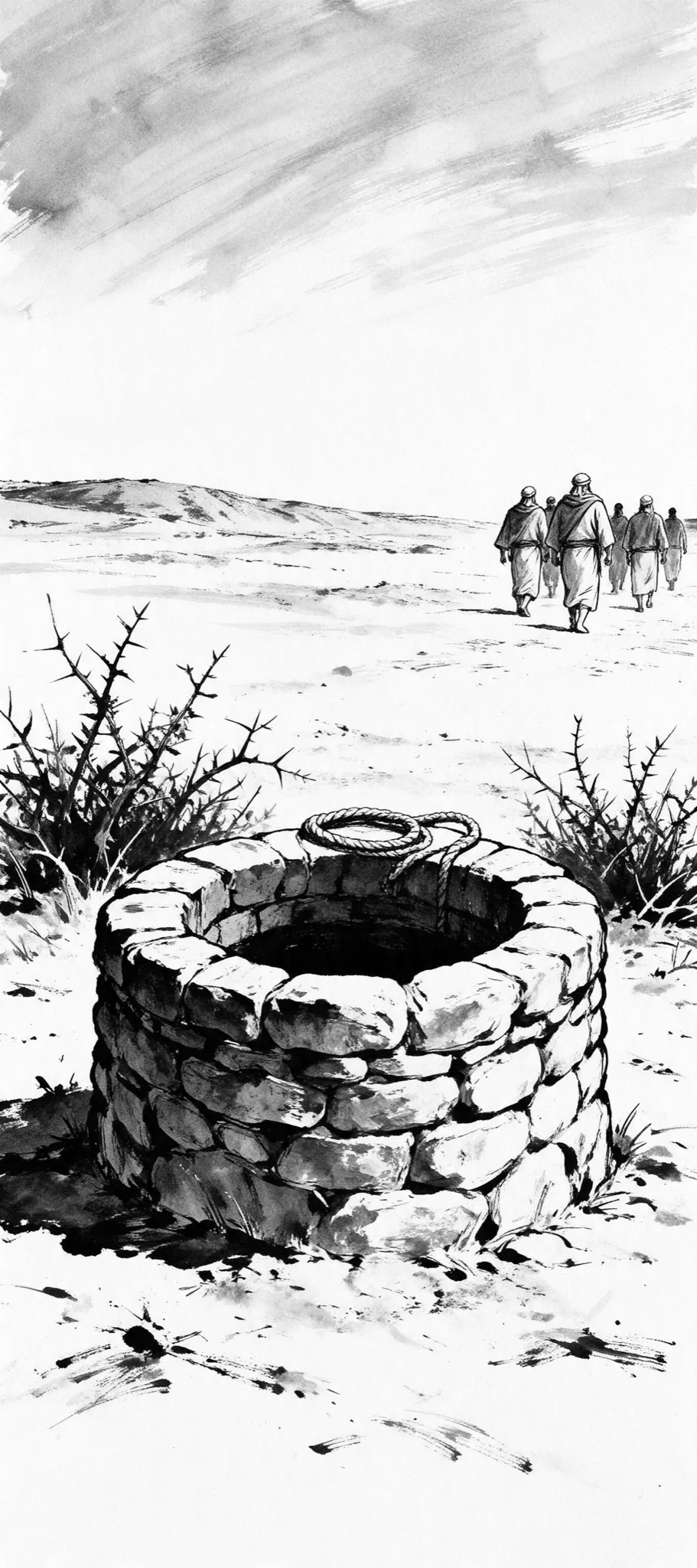
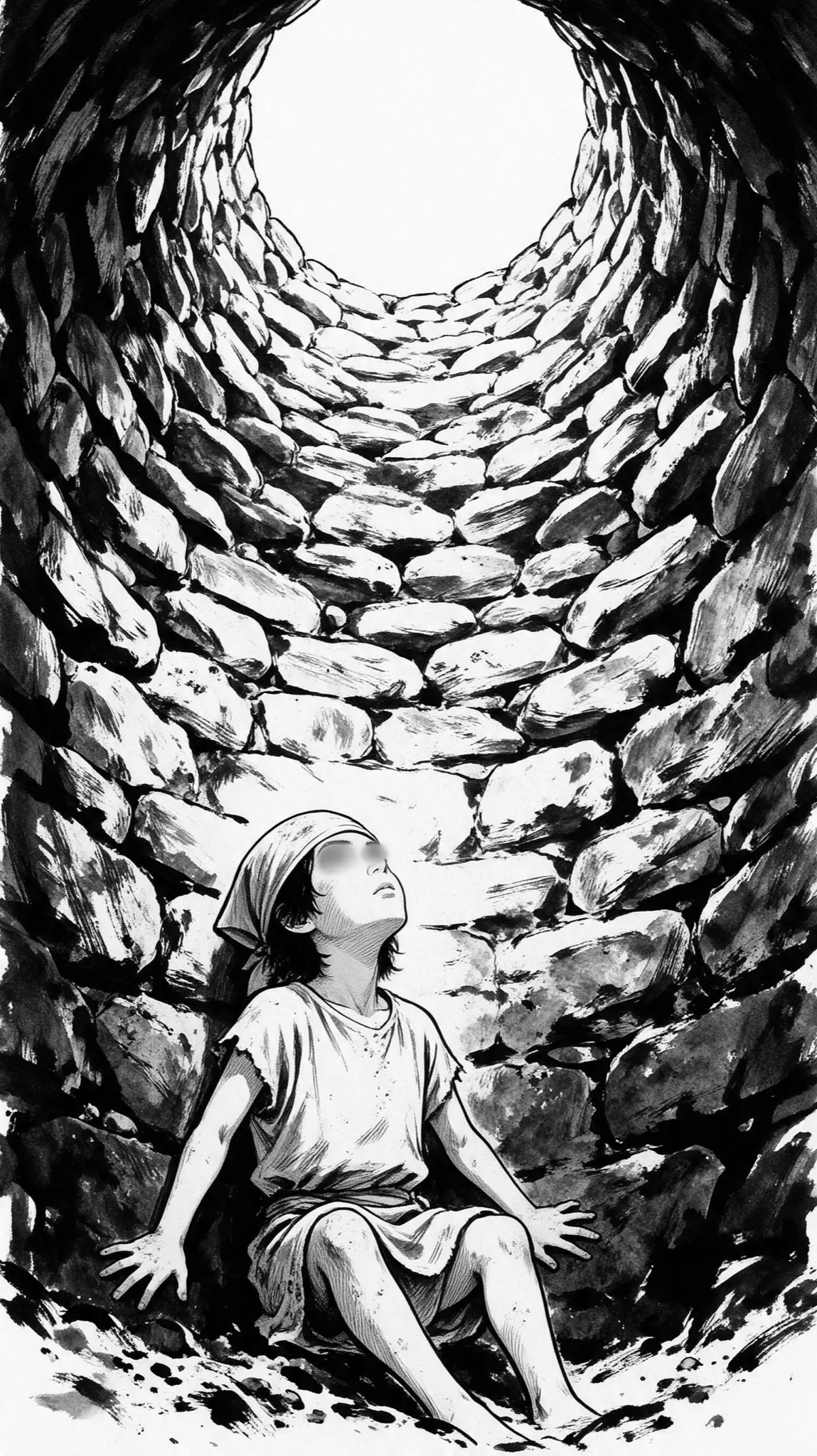
- Qur'an 12:15 - the pause page: they took him and agreed to put him into the bottom of the well, and Allah inspired him there that he would tell them of this affair while they did not perceive. Ibn Kathir on 12:15 reads the inspiration as comfort and the promise of a way out; the story says only that his Lord gave him a promise and nothing of what it was. How they put him in is not told or drawn: the story cuts from the well-head to the boy at the bottom
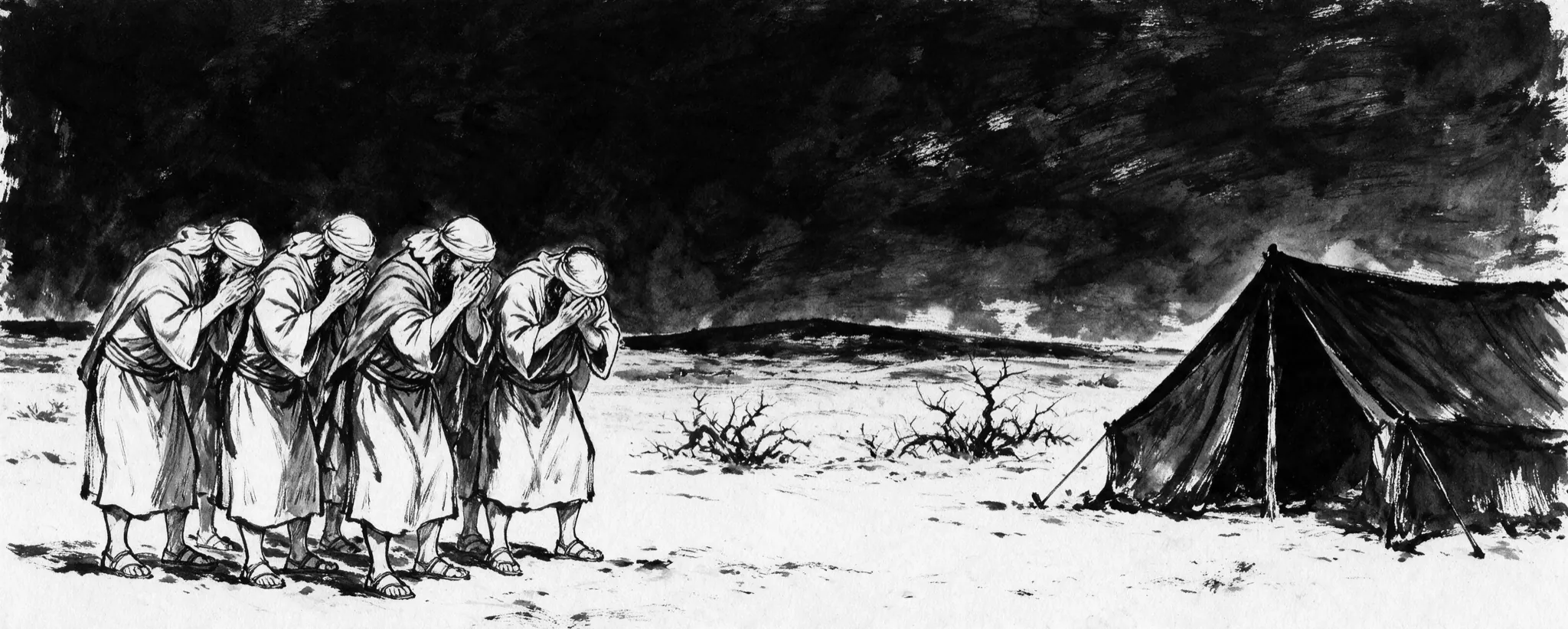
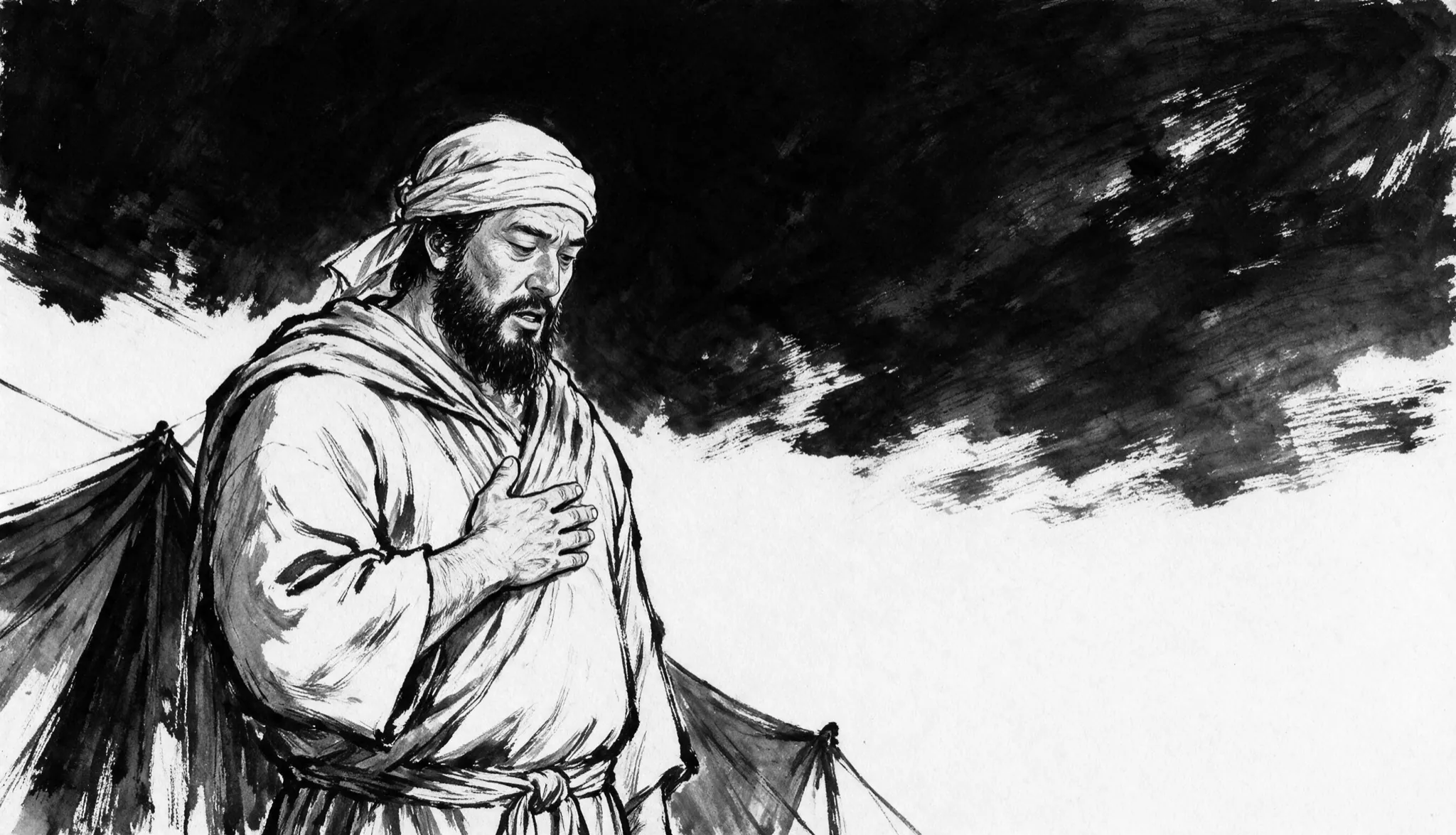
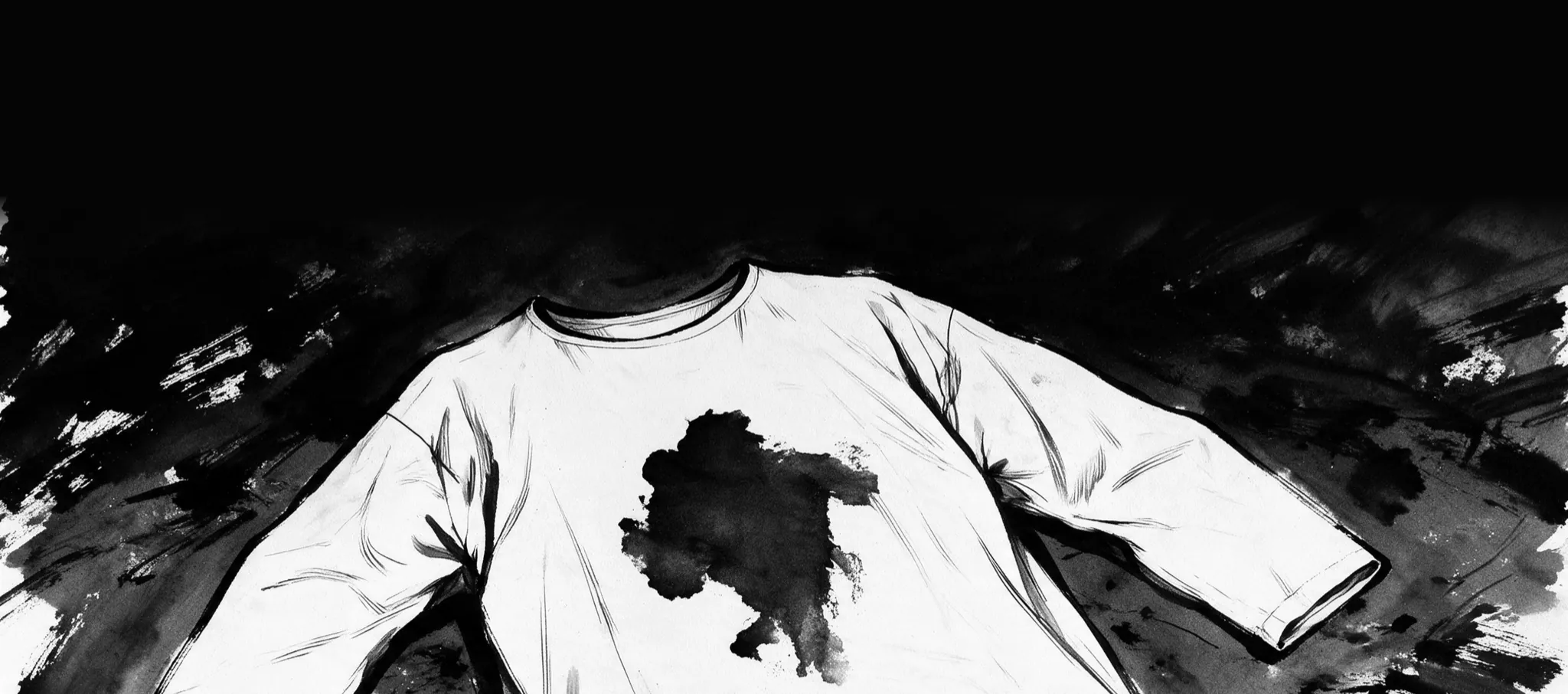
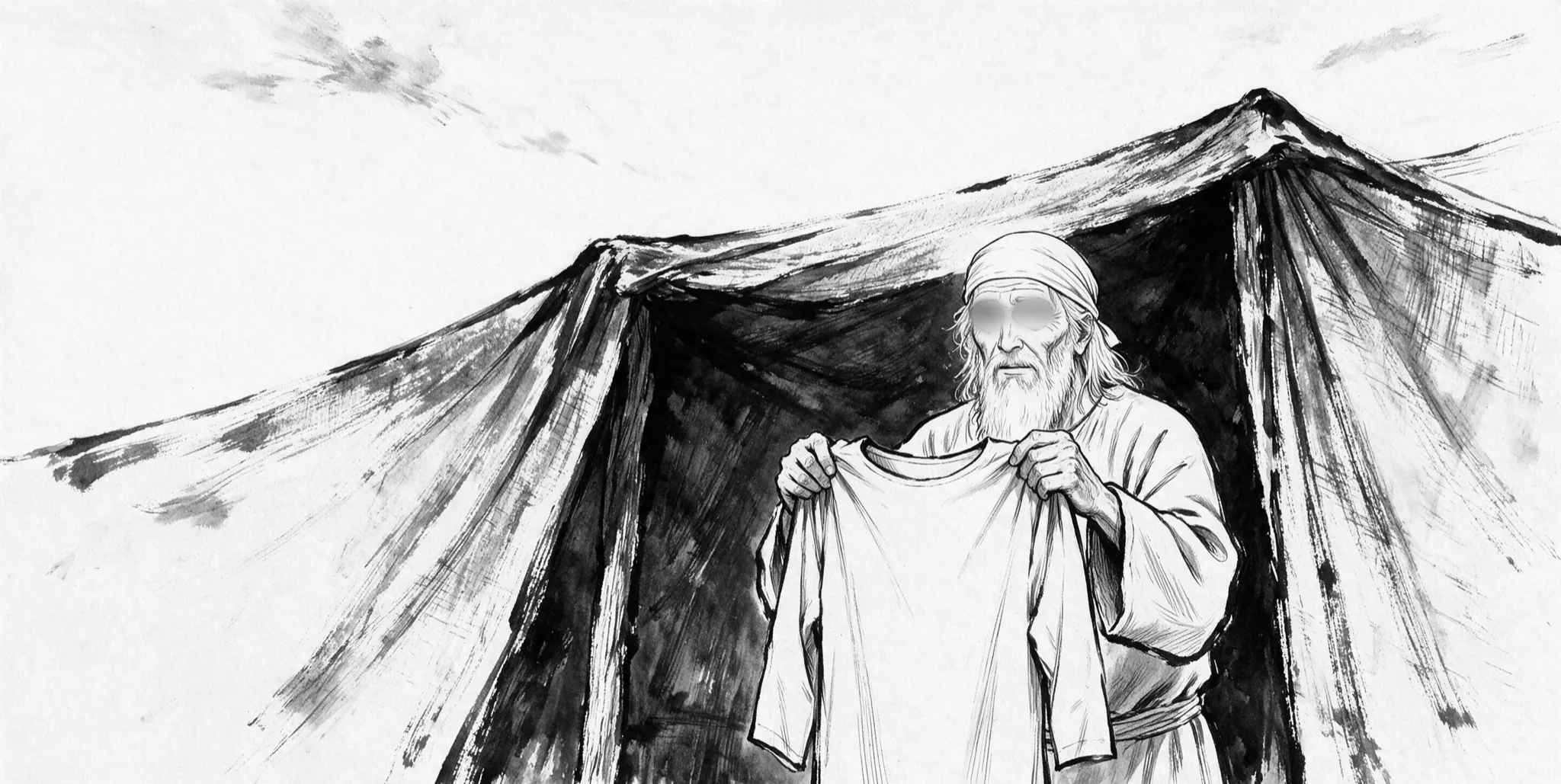
- Qur'an 12:16-18; Ibn Kathir on 12:16-18 - they came to their father at nightfall weeping and told him a wolf had eaten Yusuf; they brought his shirt with false blood on it; he answered that their souls had enticed them to something, that patience is most fitting and that Allah is the one whose help is sought. The commentators say they stained it with a slaughtered sheep's blood and forgot to tear it, so Ya'qub did not believe them: the shirt is drawn whole with one flat dark stain and the sheep is not drawn. That it was not torn is the commentators' addition and not the verse's; the narrator's line says it
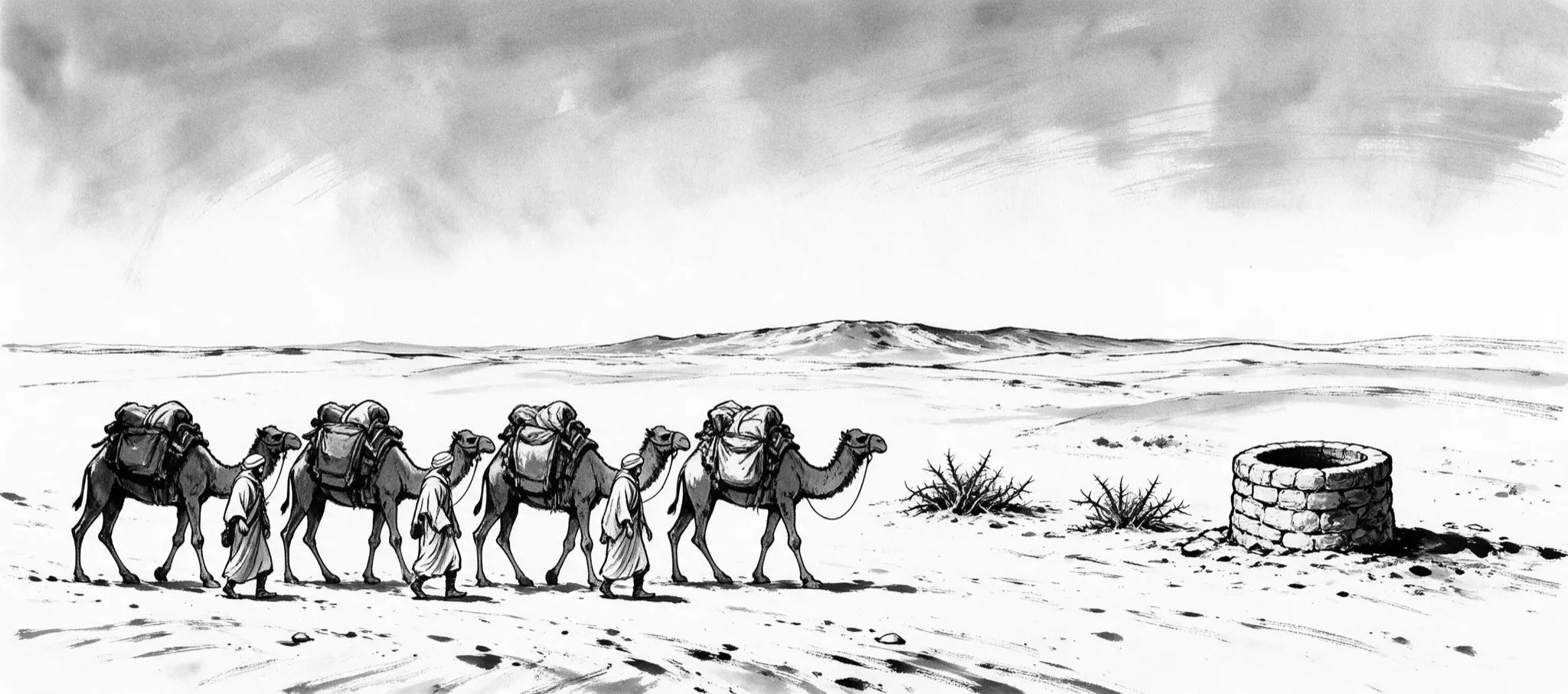
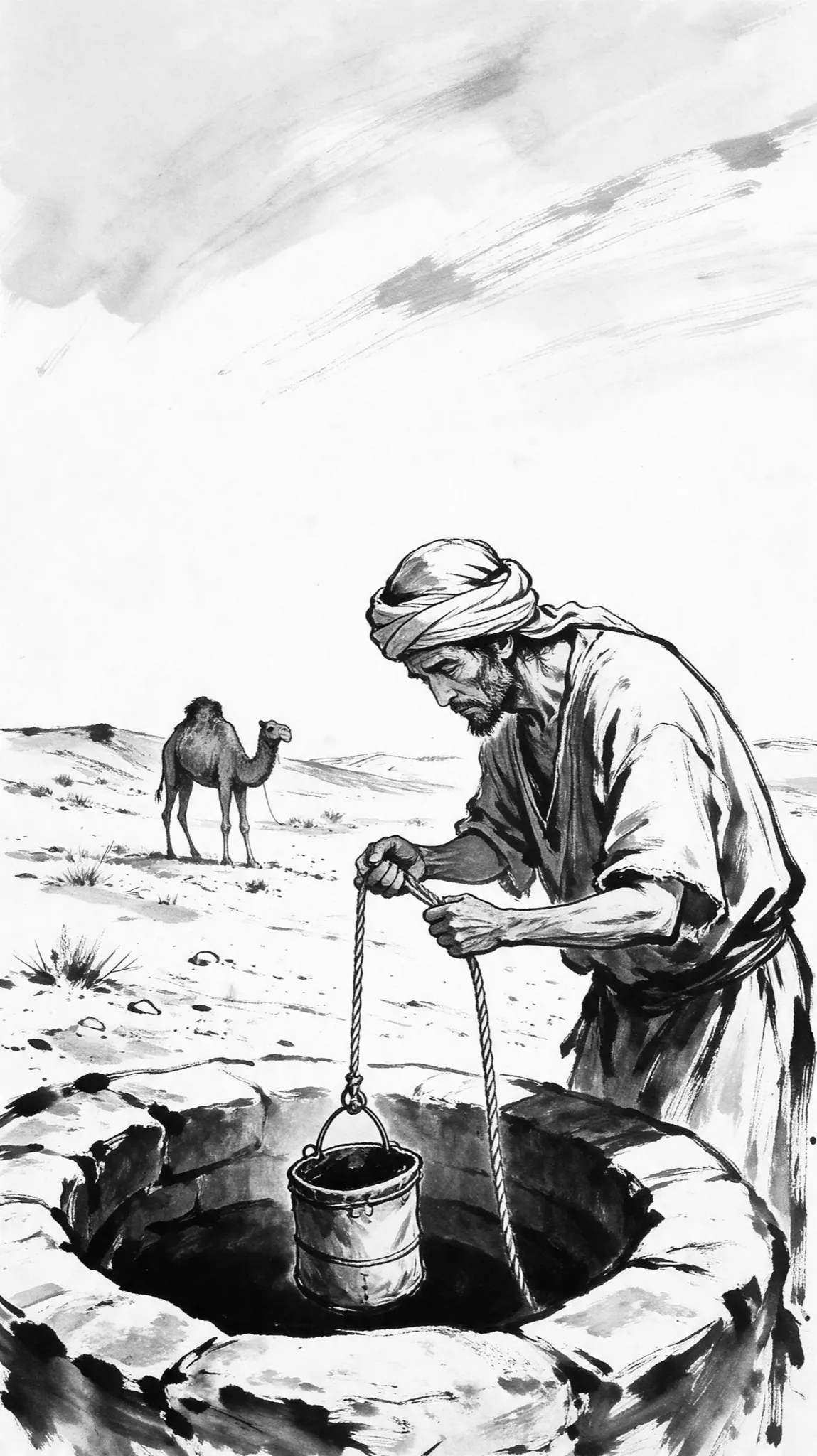
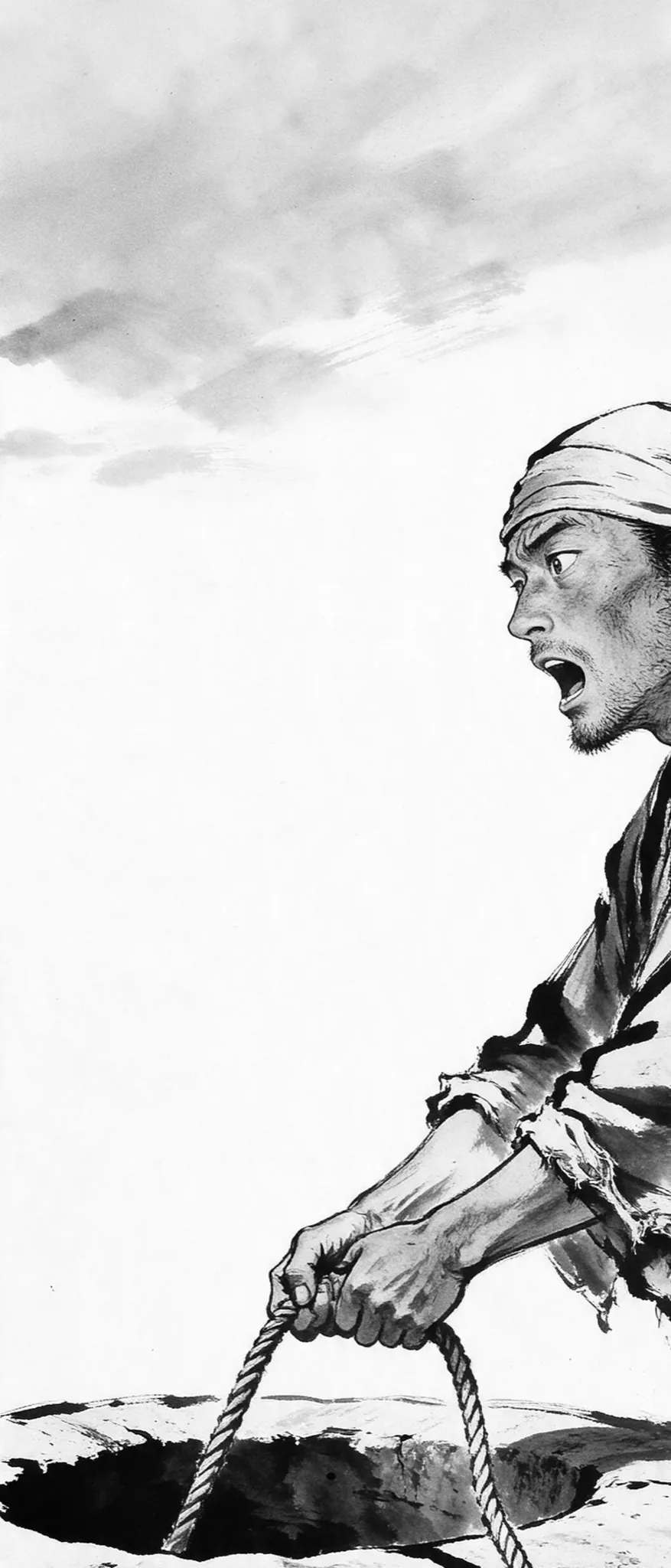
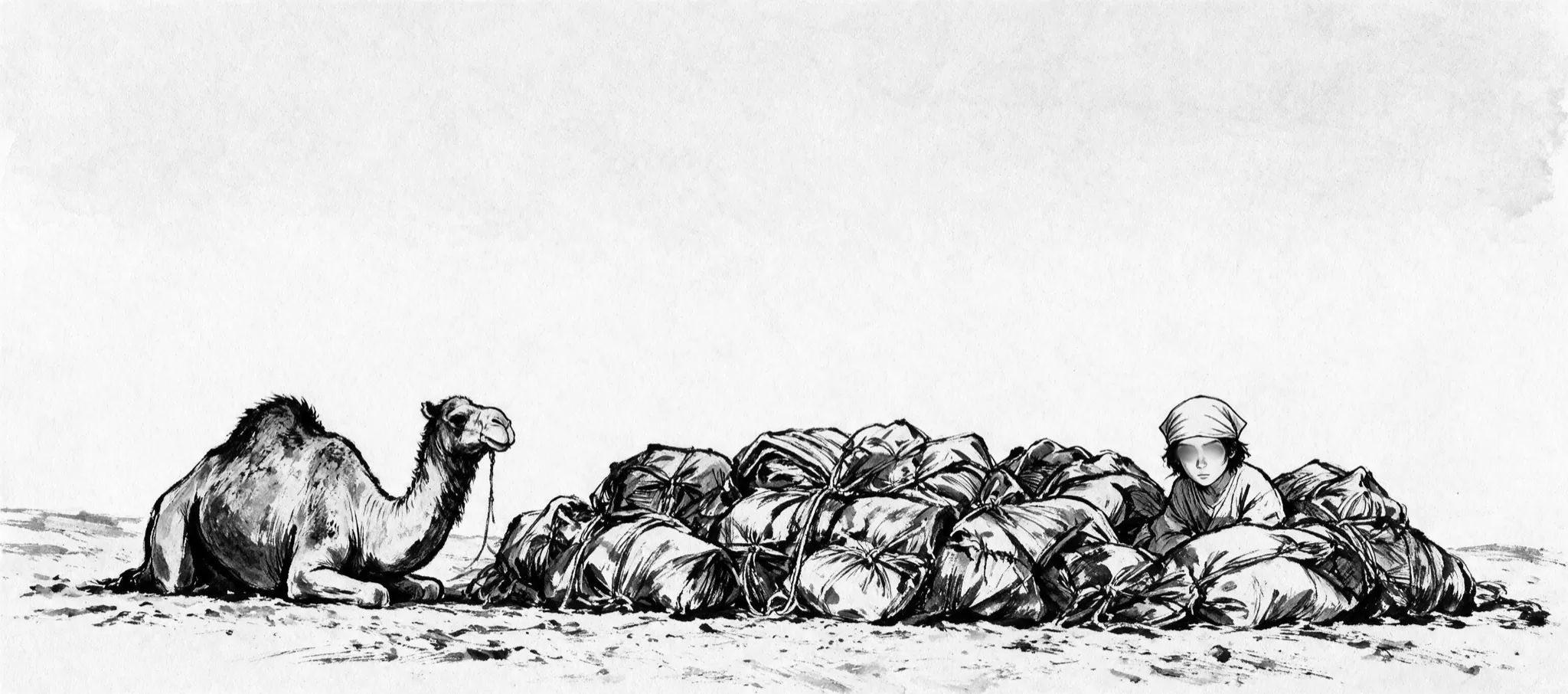
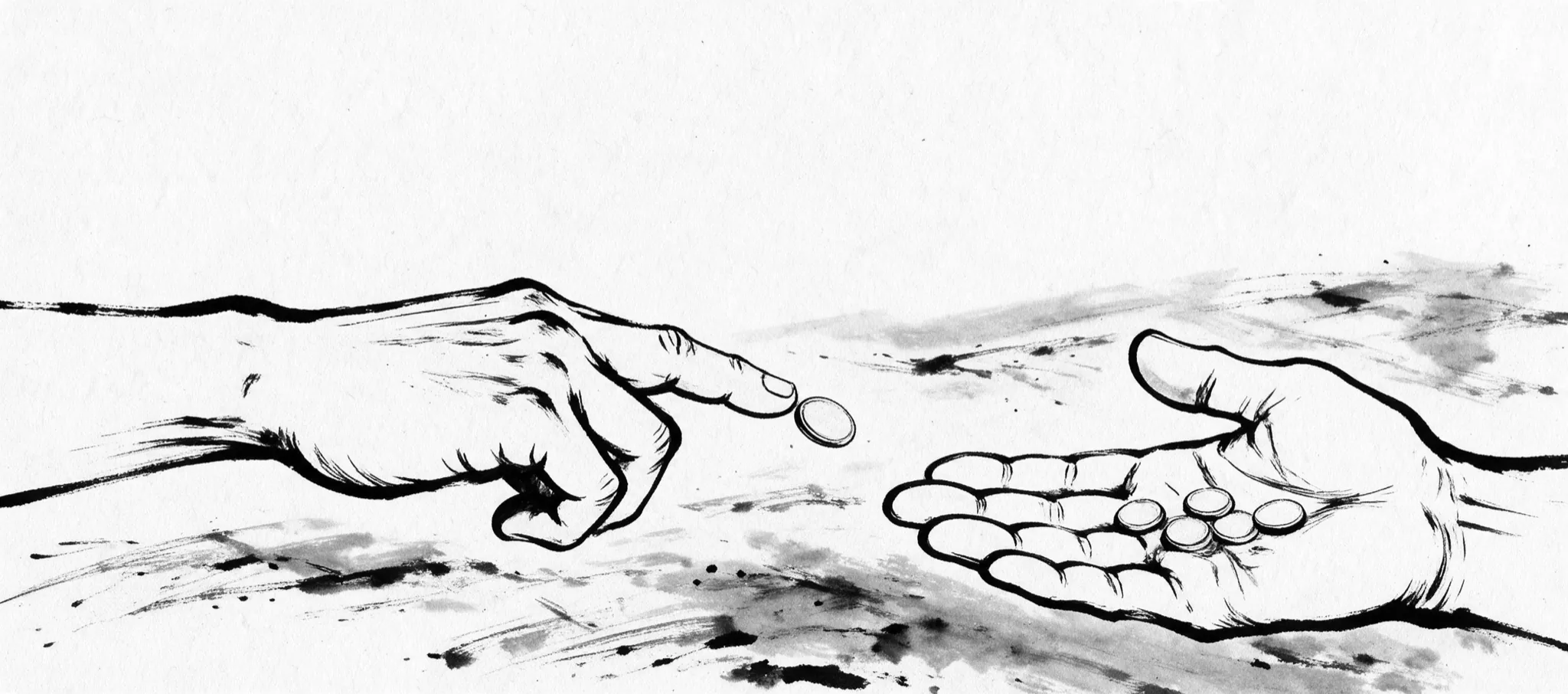
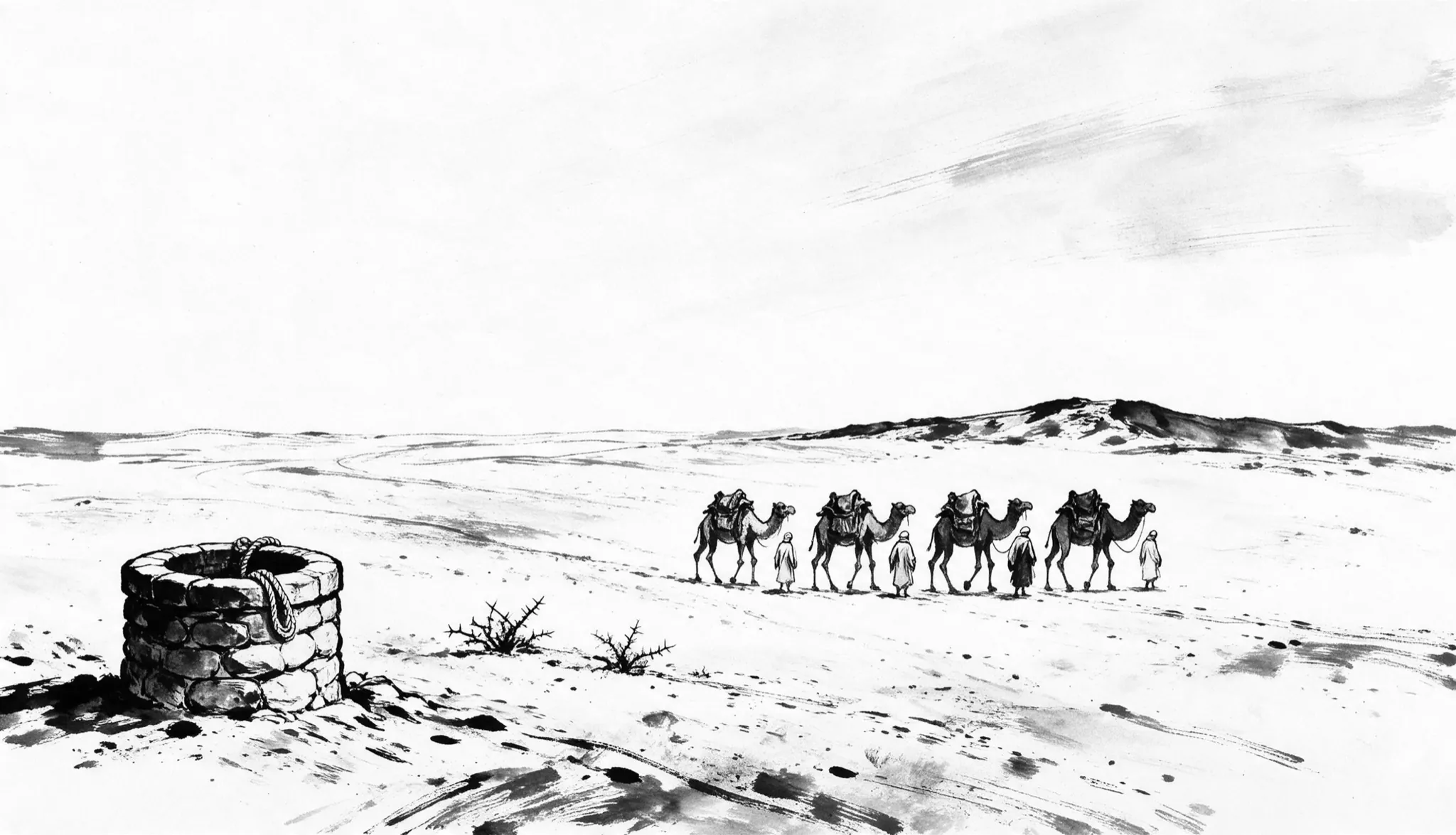
- Qur'an 12:19; 12:20 - a caravan came and sent its water-drawer; he let down his bucket and cried 'Good news! Here is a boy!'; they hid him as merchandise (12:19) and he was sold for a small price, a few dirhams (12:20)
- Ibn Kathir on 12:19-20 - who hid and sold him is disputed; the story shows nobody hiding or selling him: the boy is among the goods and only hands are seen at the coins. The verse gives a small price, a few dirhams (12:20); no page gives a number
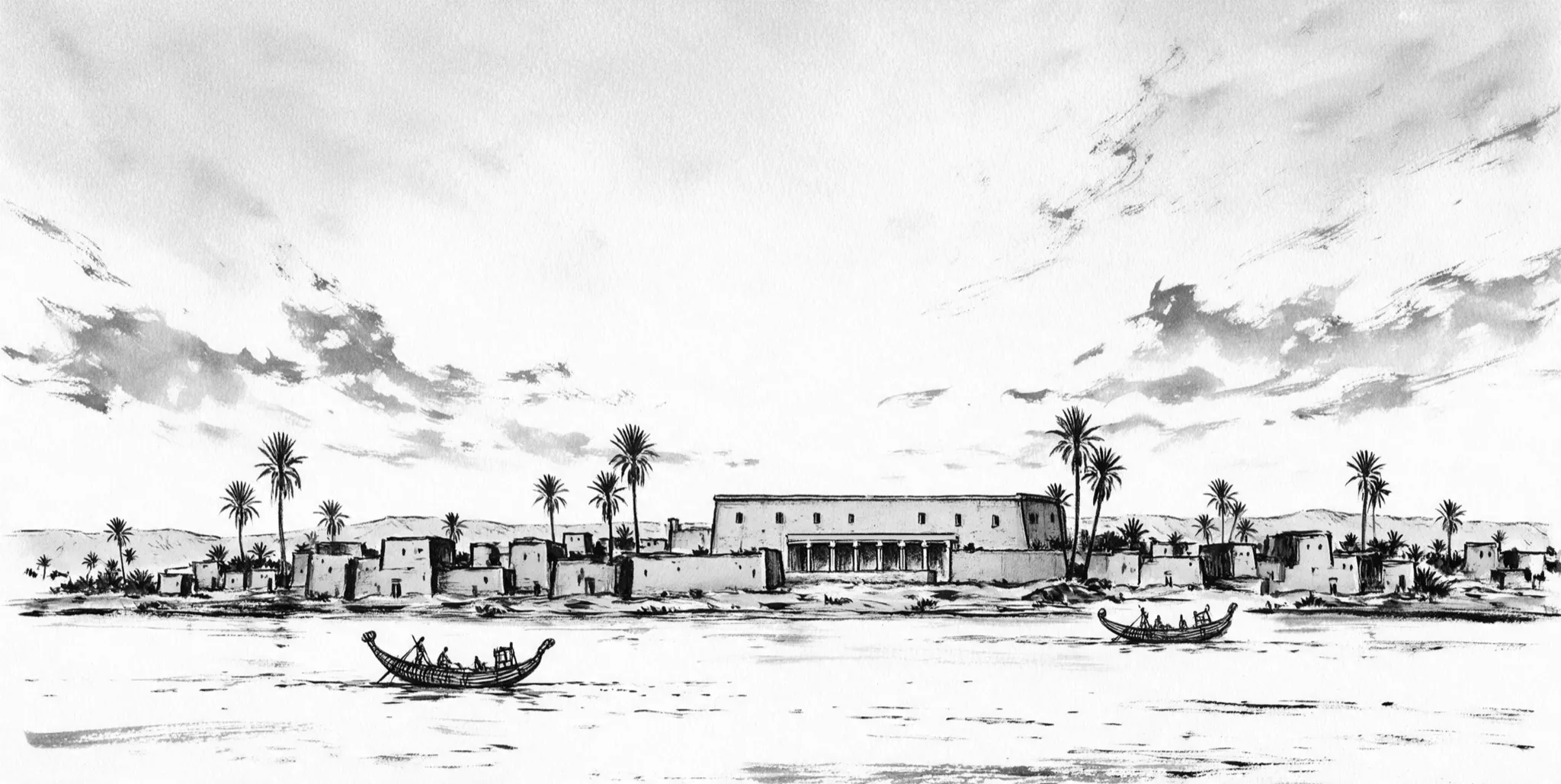
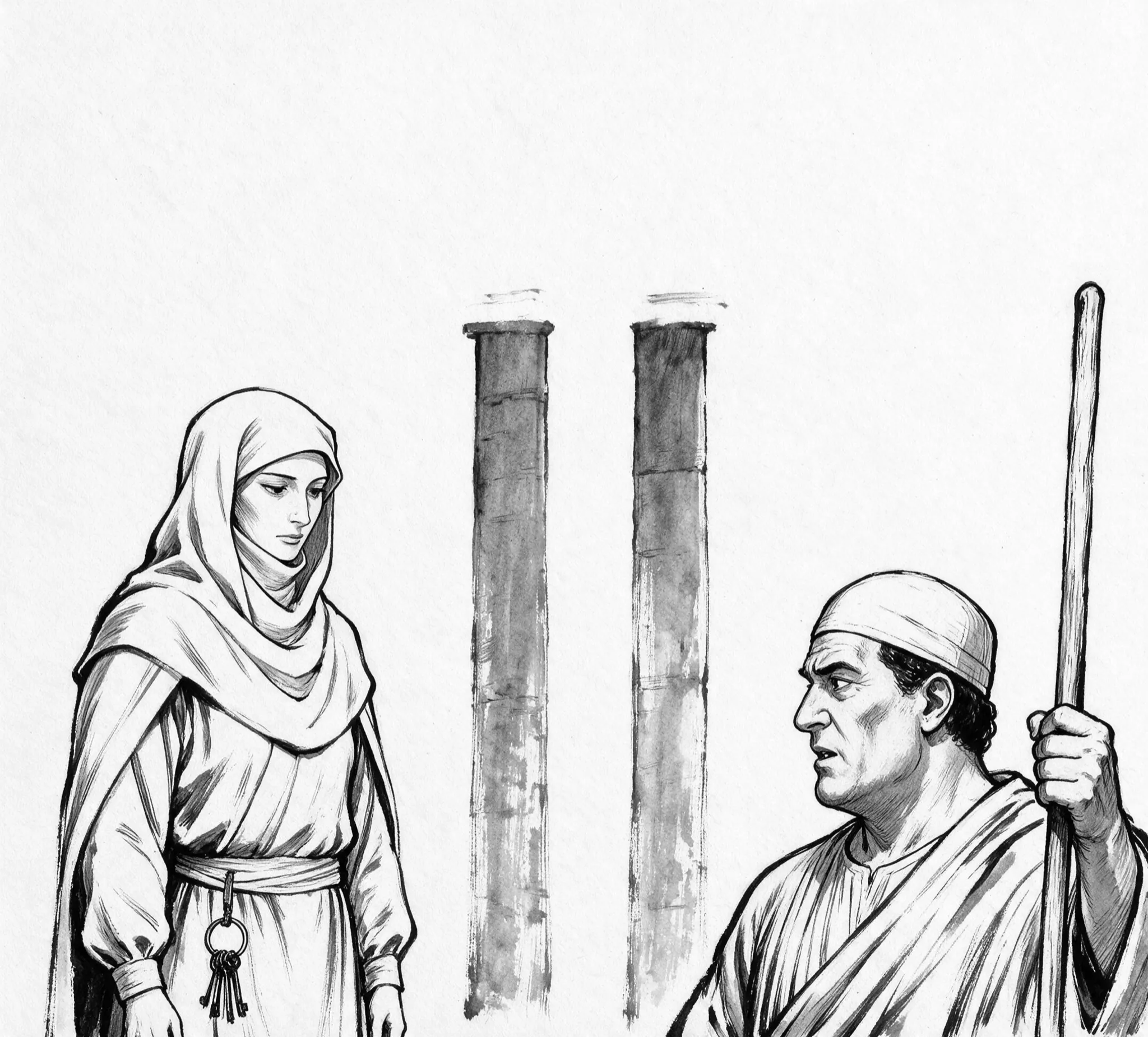
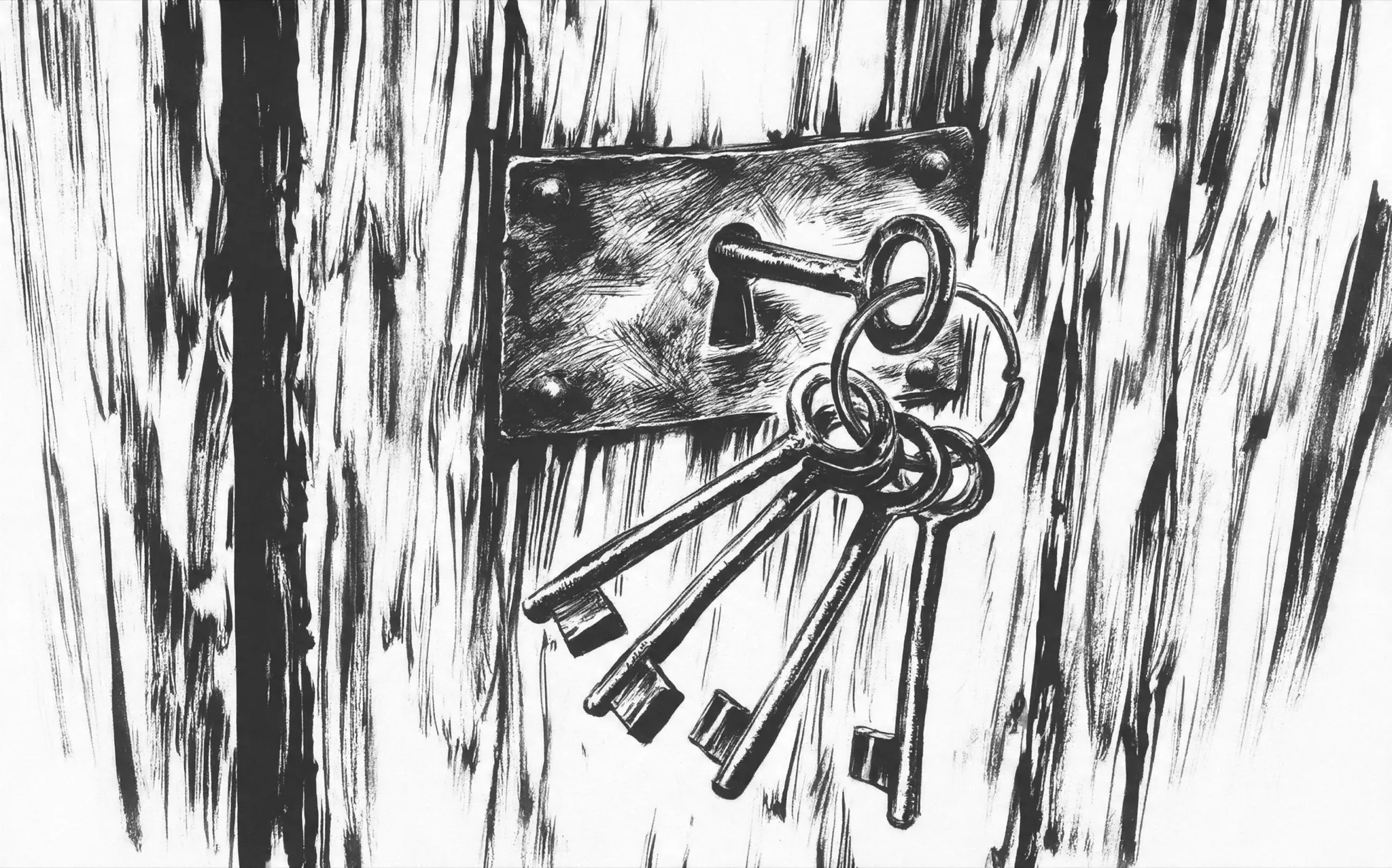
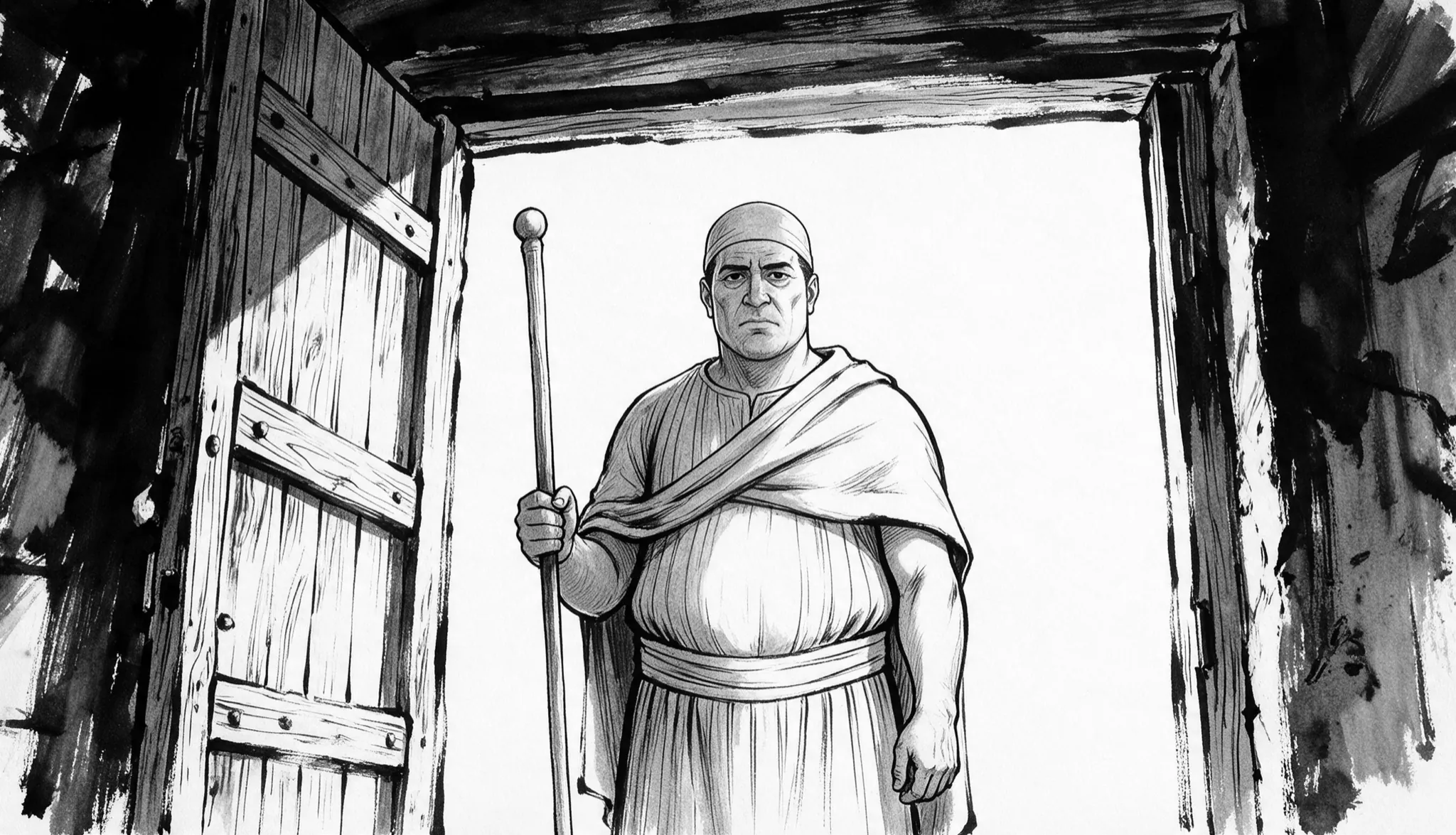
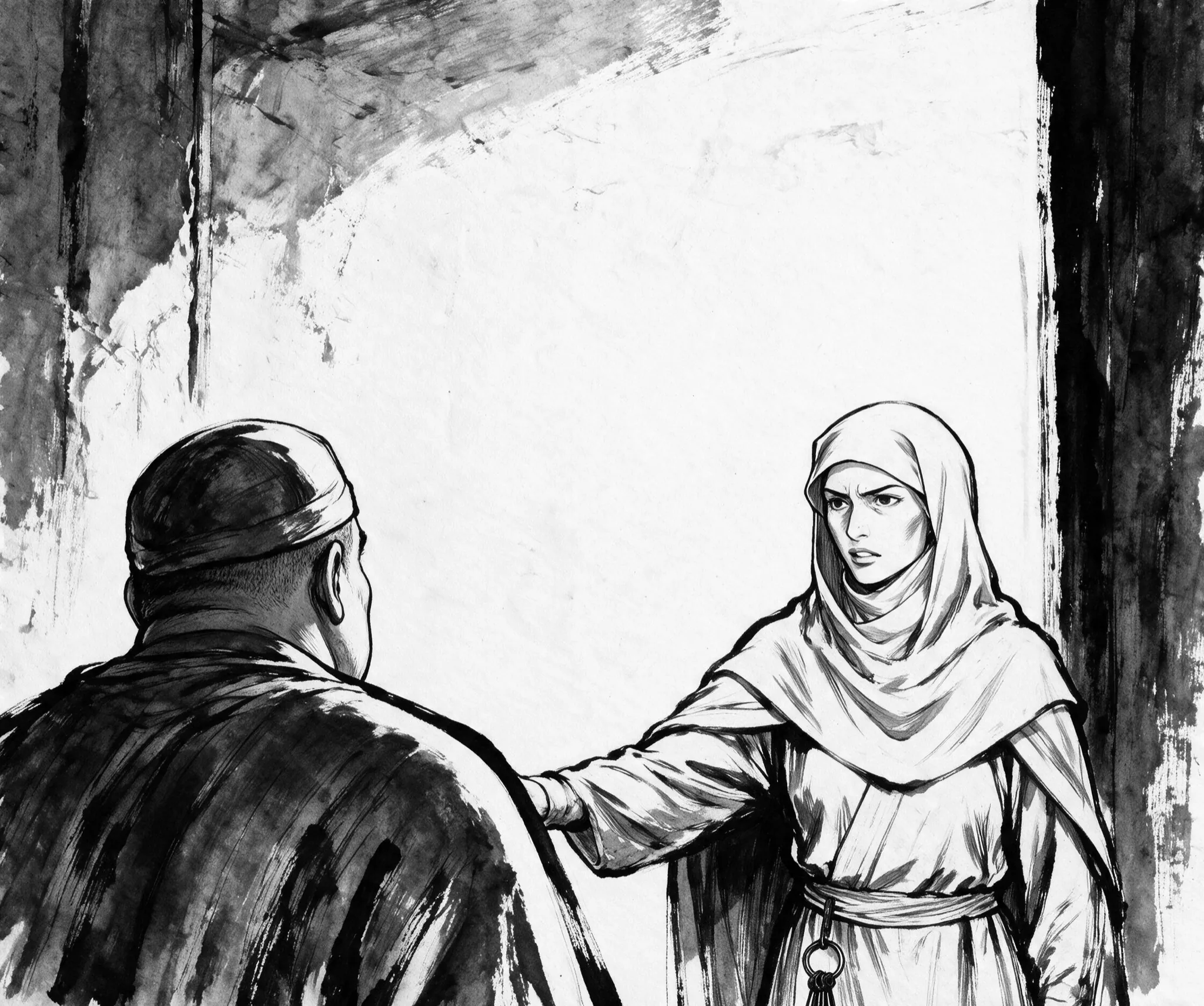
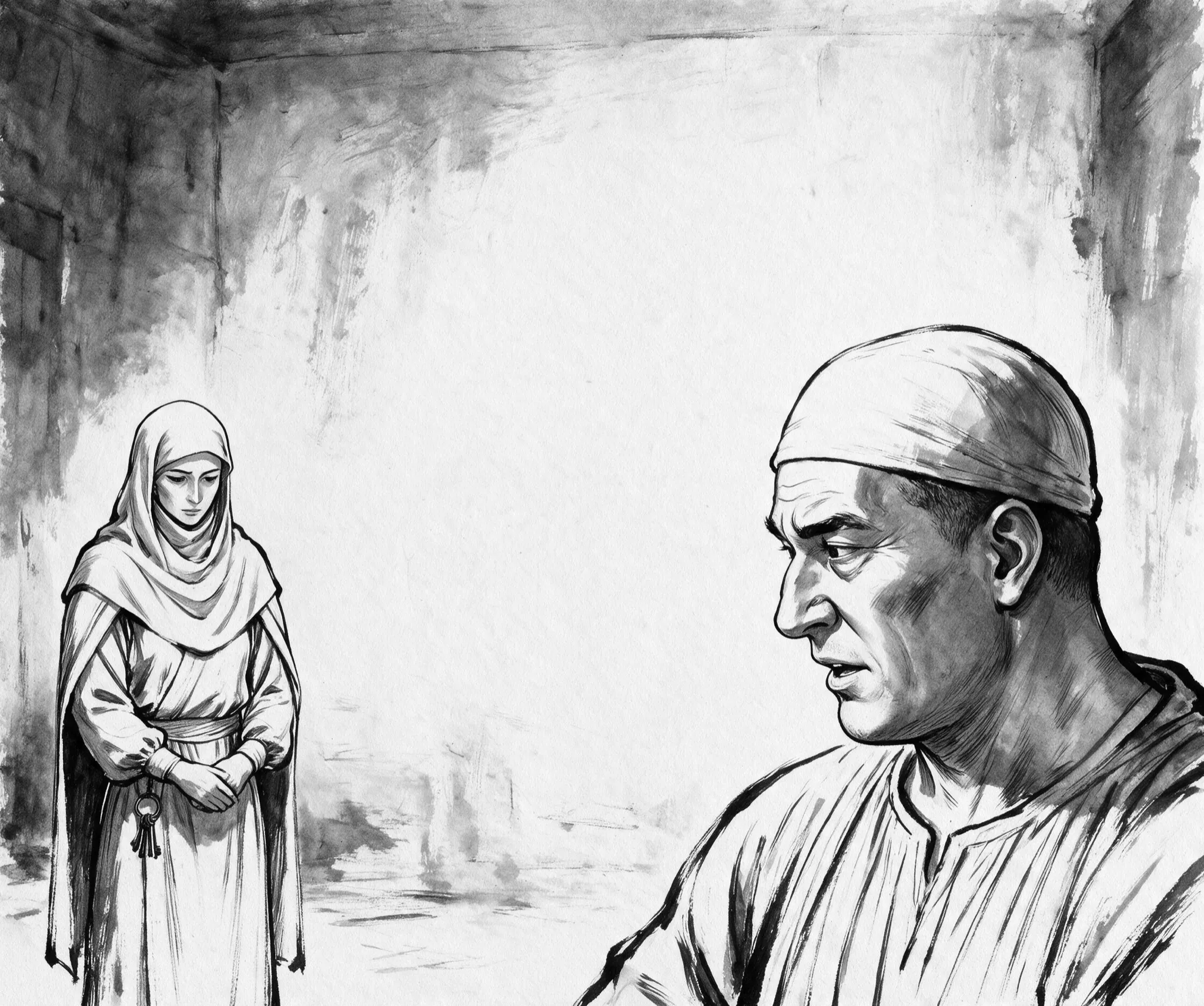
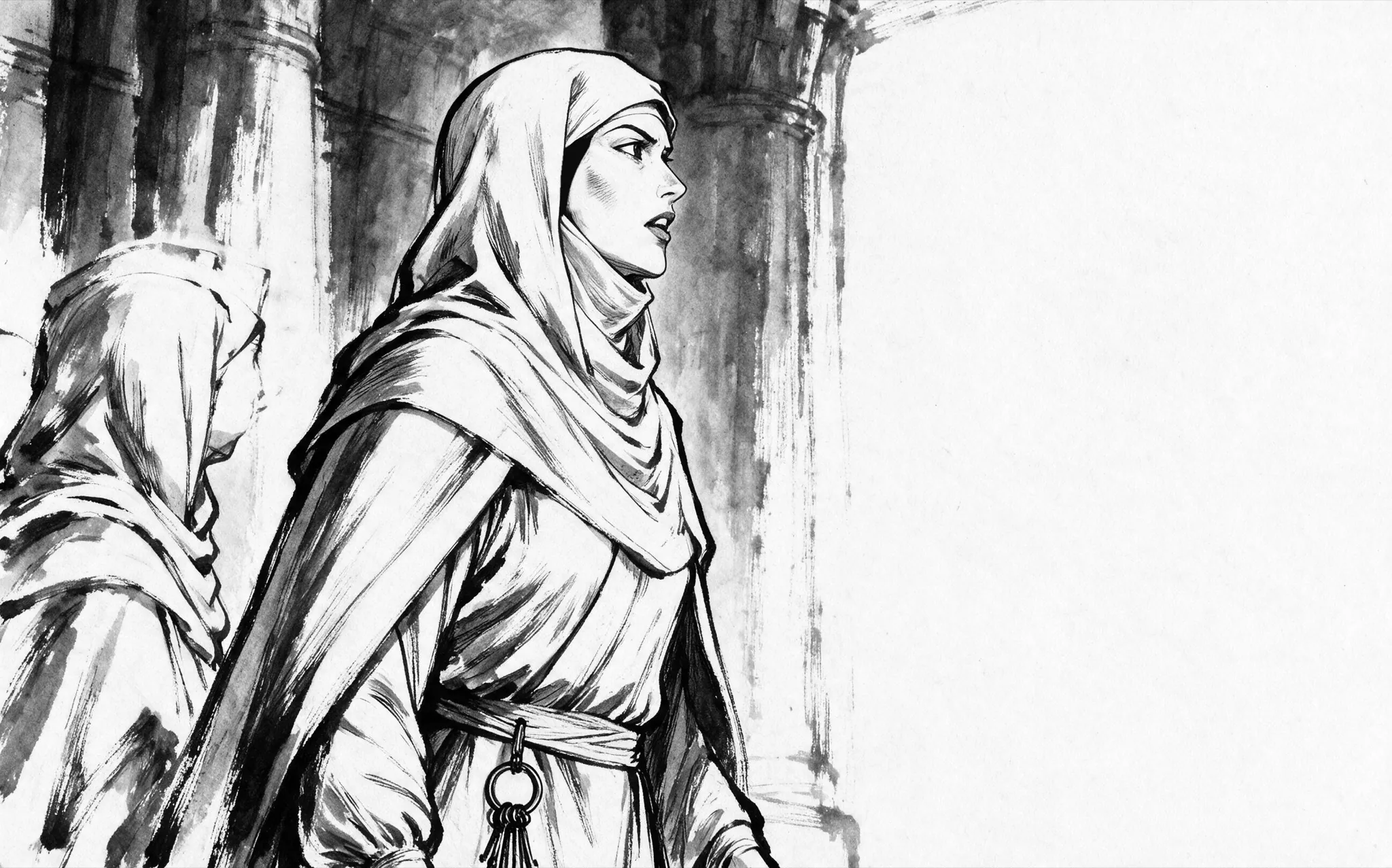
- Qur'an 12:21; Ibn Kathir on 12:21-22 - the man of Egypt who bought him asked his wife to make his stay an honoured one, hoping the boy would be of use to them or that they might adopt him as a son. The Qur'an calls him al-Aziz (12:30, 12:51) and gives him no personal name; Ibn Kathir reports that he was the minister of Egypt. The story calls him the master of the house and shows his staff of office
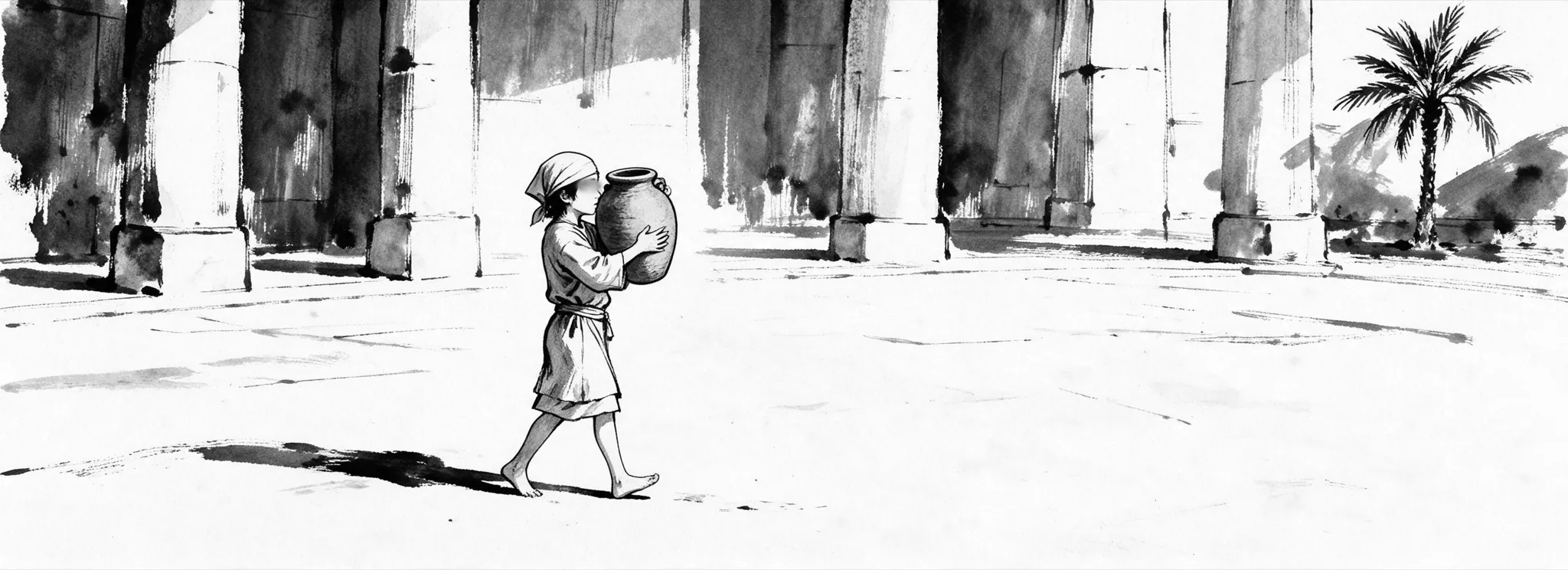
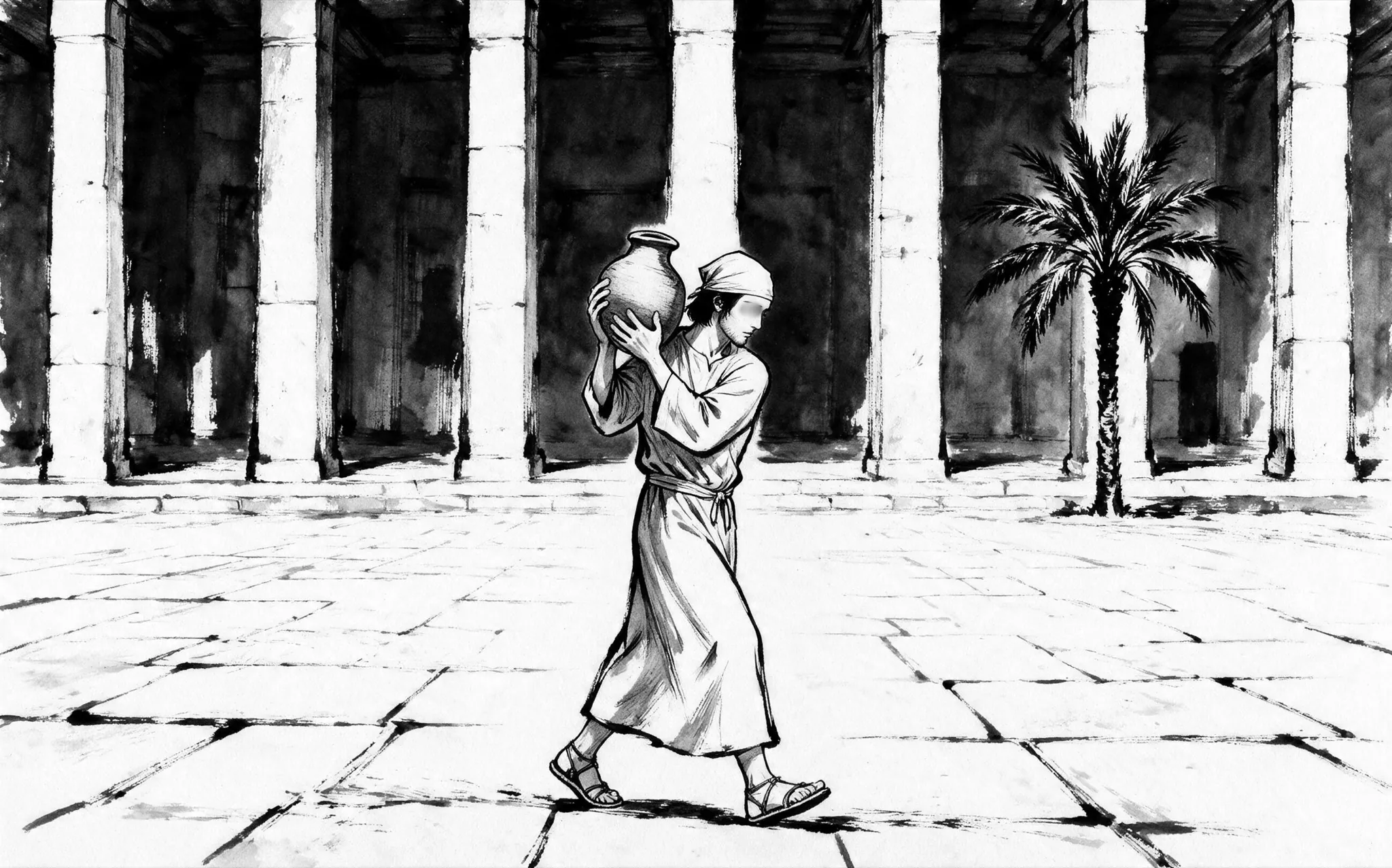
- Qur'an 12:21-22 - Allah established Yusuf in the land and taught him the interpretation of events, and when he reached maturity gave him judgement and knowledge. The narrator reports this as what happened; the years between are told by a boy and then a young man carrying the same jar across the same courtyard, an age the Qur'an does not give
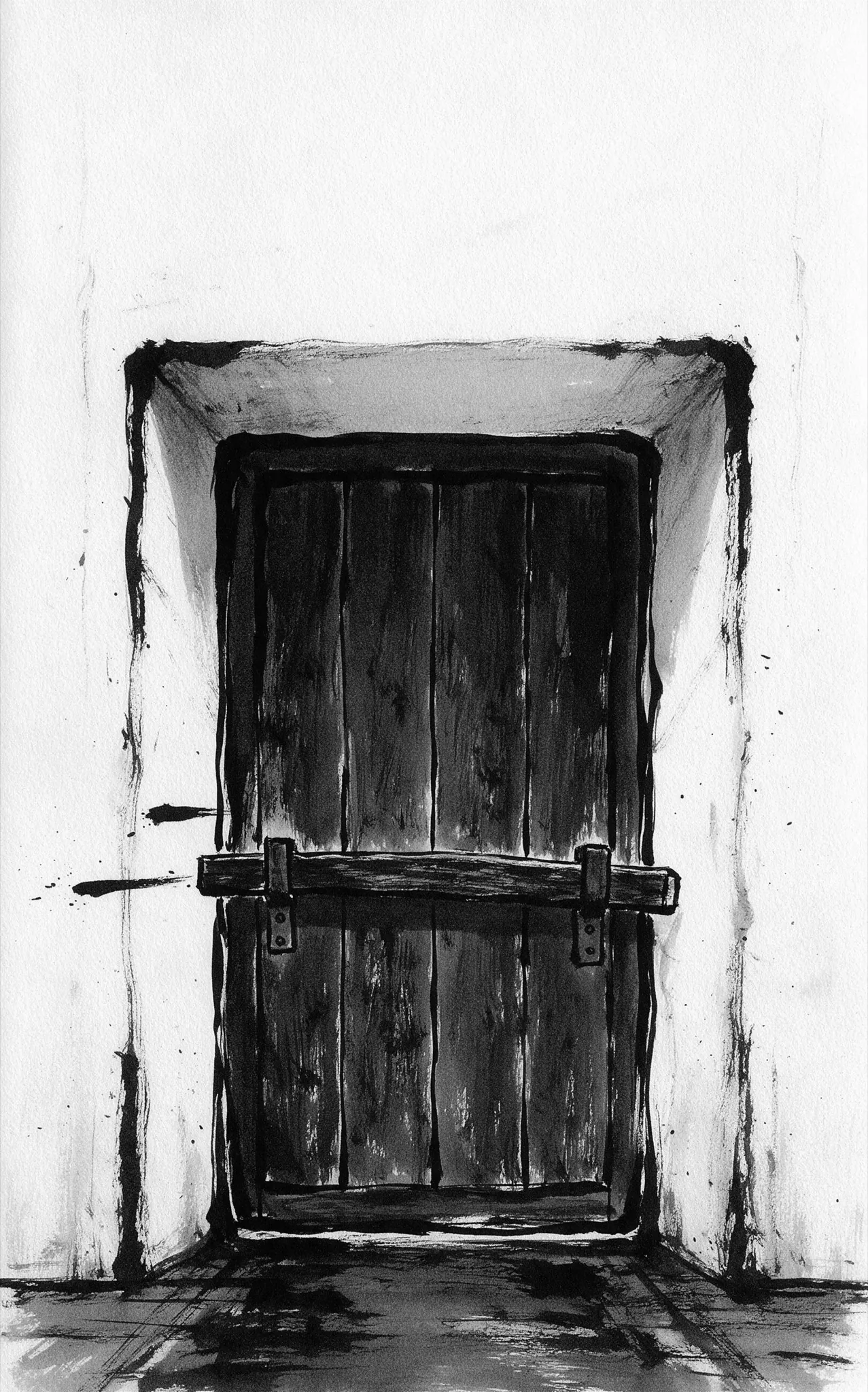
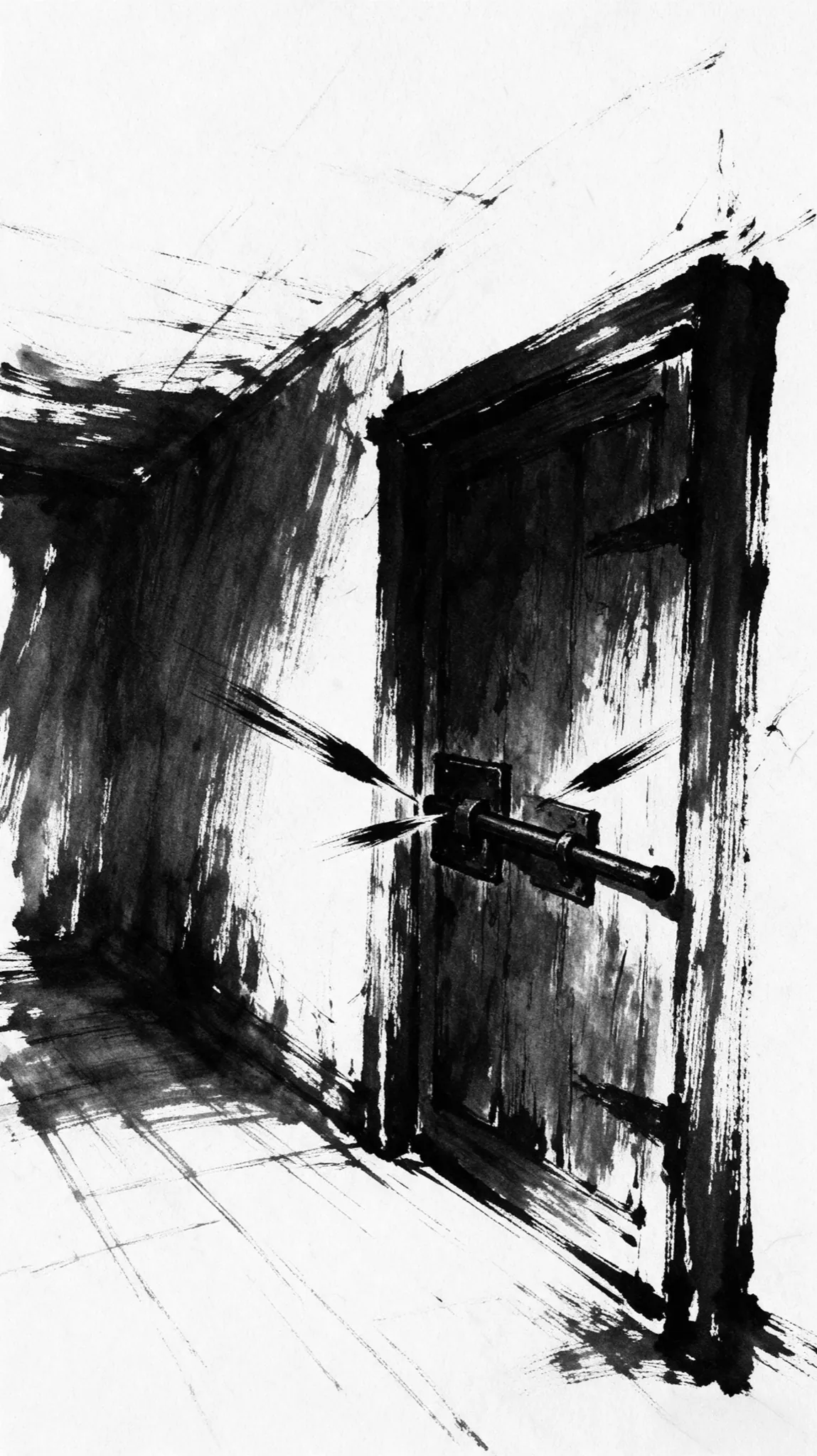
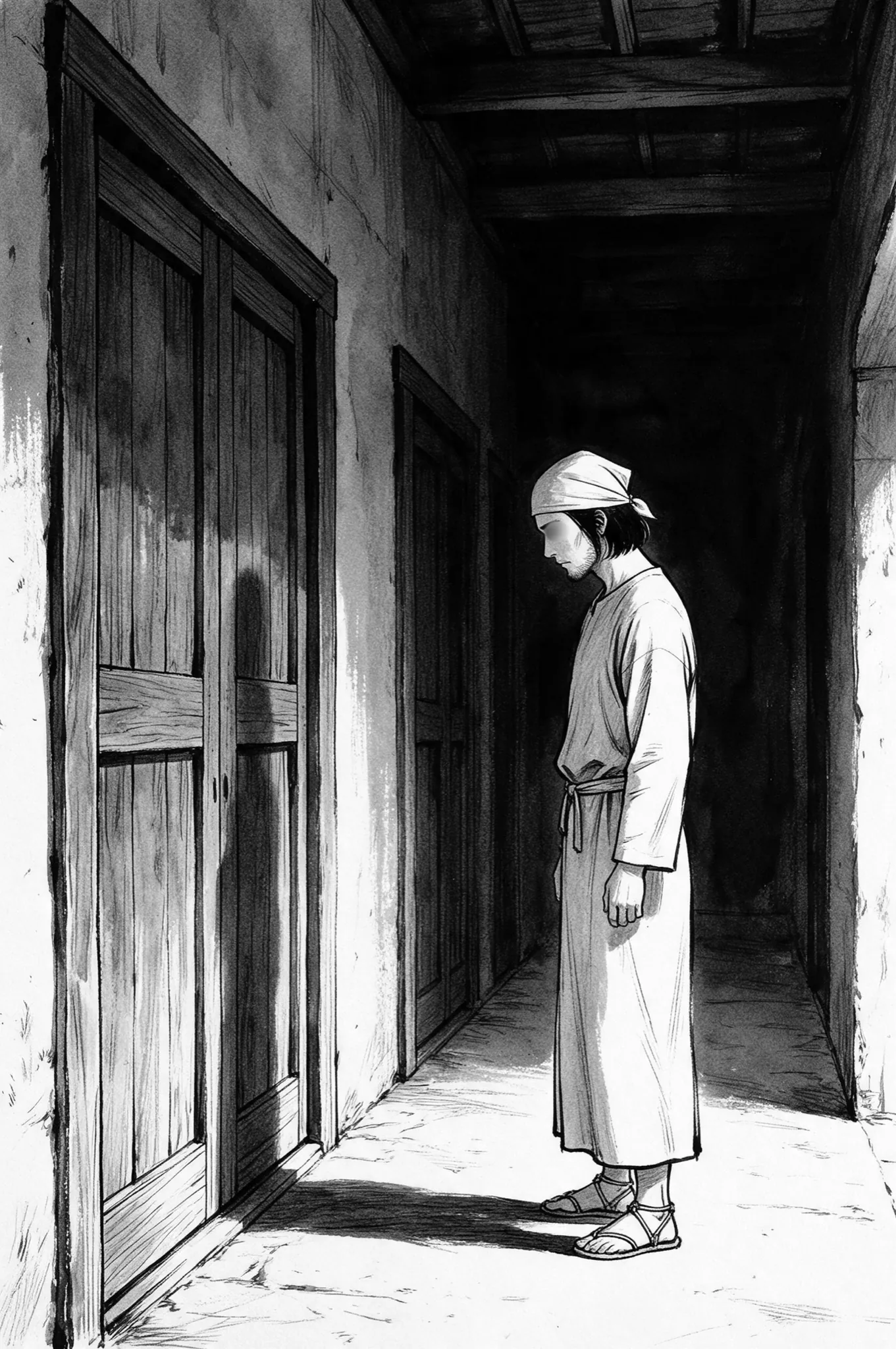
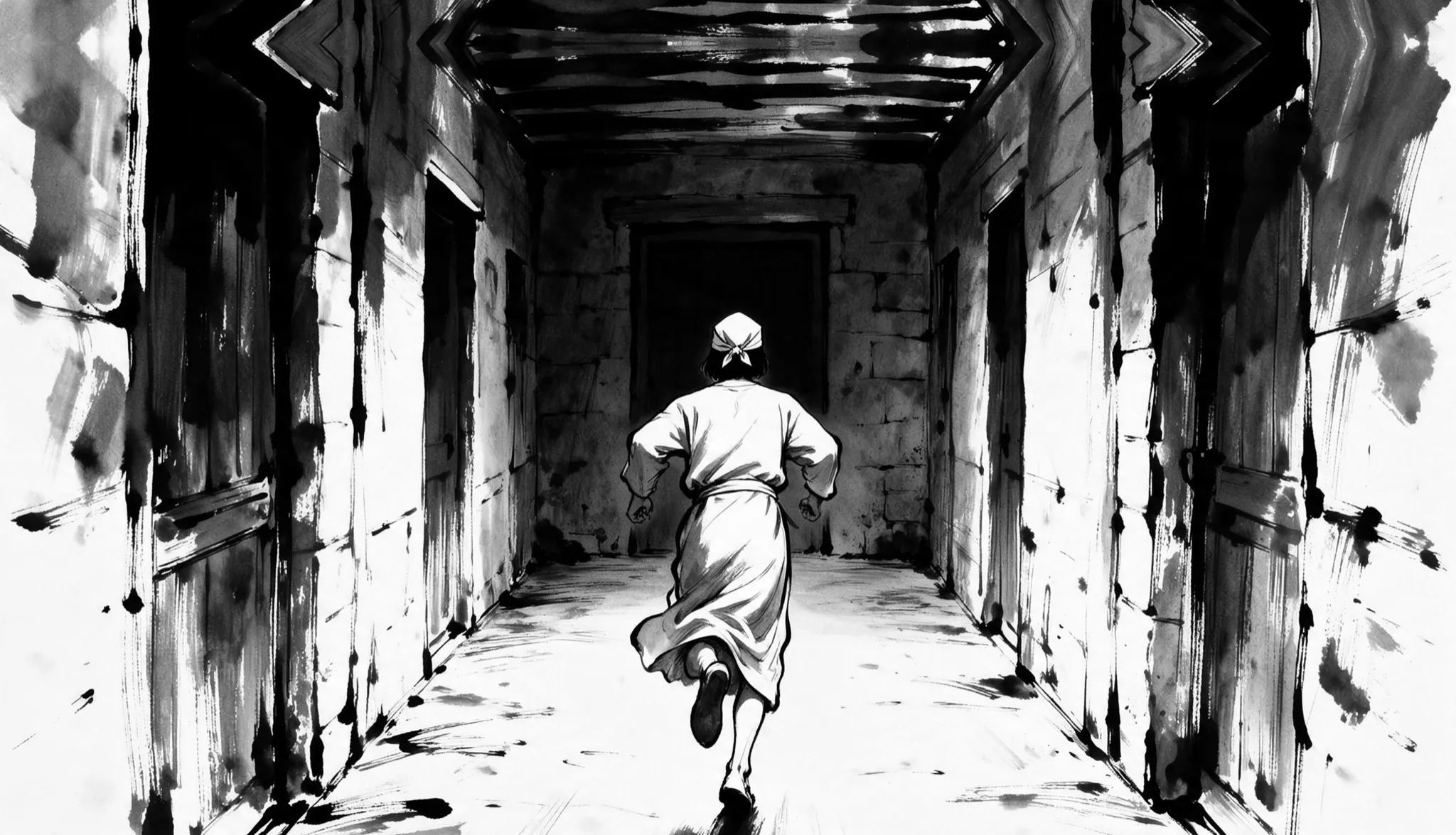
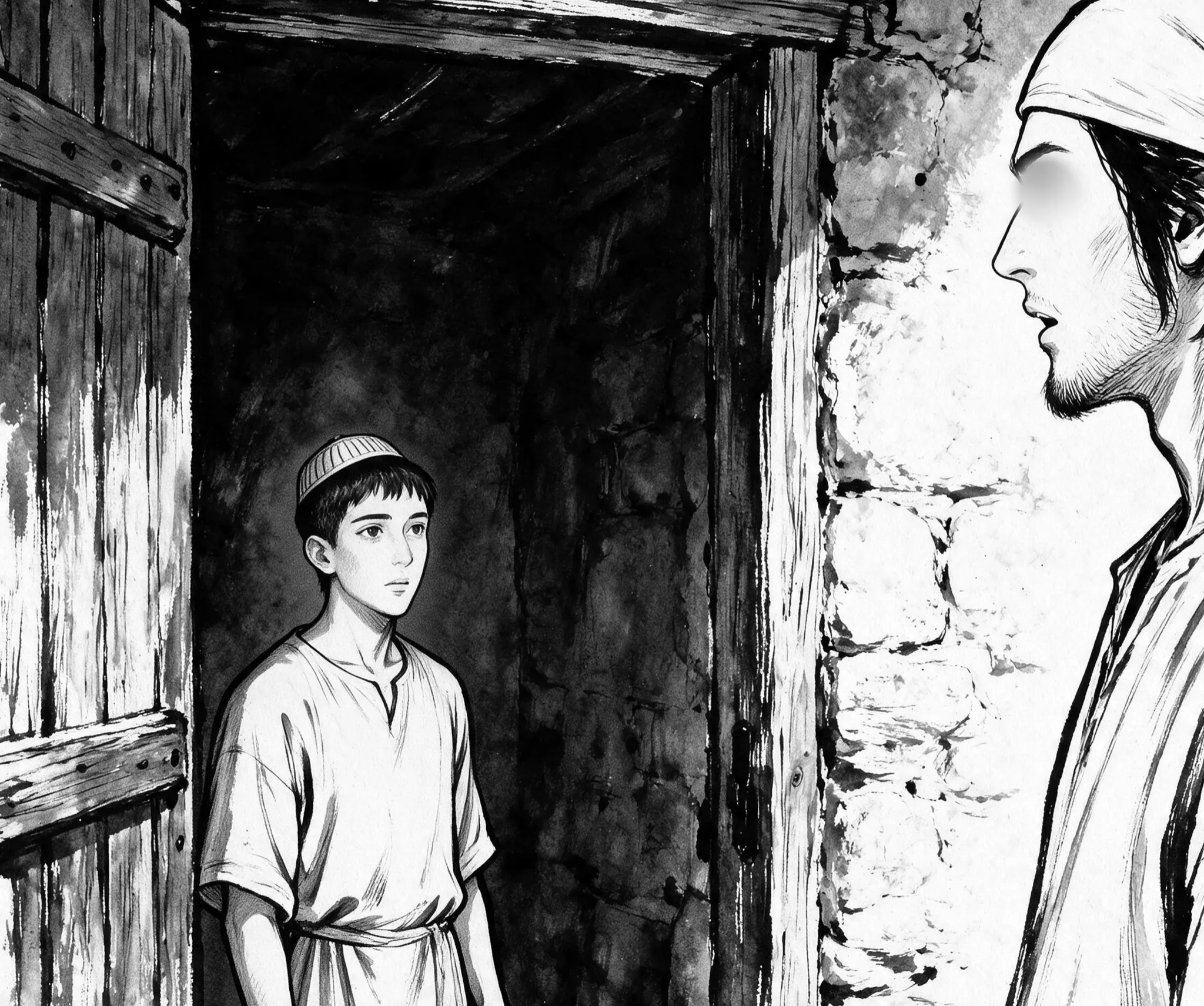
- Qur'an 12:23; Ibn Kathir on 12:23 - the woman in whose house he lived sought to seduce him and shut the doors; he refused, seeking refuge in Allah, and said that his master had treated him well and that wrongdoers do not succeed. Ibn Kathir reads his master as her husband. The Turkish and Urdu bubbles carry her husband in his words, as their editions do; the Spanish card adds it in brackets, which the bubble drops; and the Chinese 主 can be read as Lord. Each stands as its translator wrote it. Her words of invitation are in no bubble and she is not drawn: the page shows the doors shut, then him alone in the corridor with his own words
- Qur'an 12:24 - the pause page: the ayah tells that she was set on him; it uses the same word, hamma, of him, in a sentence that turns on the proof (burhan) of his Lord, which he saw; and it tells that evil and immorality were turned from him, and that he was of the chosen servants. How his hamma is read, and what the proof was, the commentators dispute; Ibn Kathir, citing Ibn Jarir al-Tabari, leaves the proof unspecified, as the ayah does. The story takes no side: nothing of the moment is told or drawn, and the Qur'an alone speaks on that page. Four editions (Japanese, Urdu, Chinese, Indonesian) render his hamma as a desire he had, where the others keep it inside the condition; each card stands as its translator wrote it
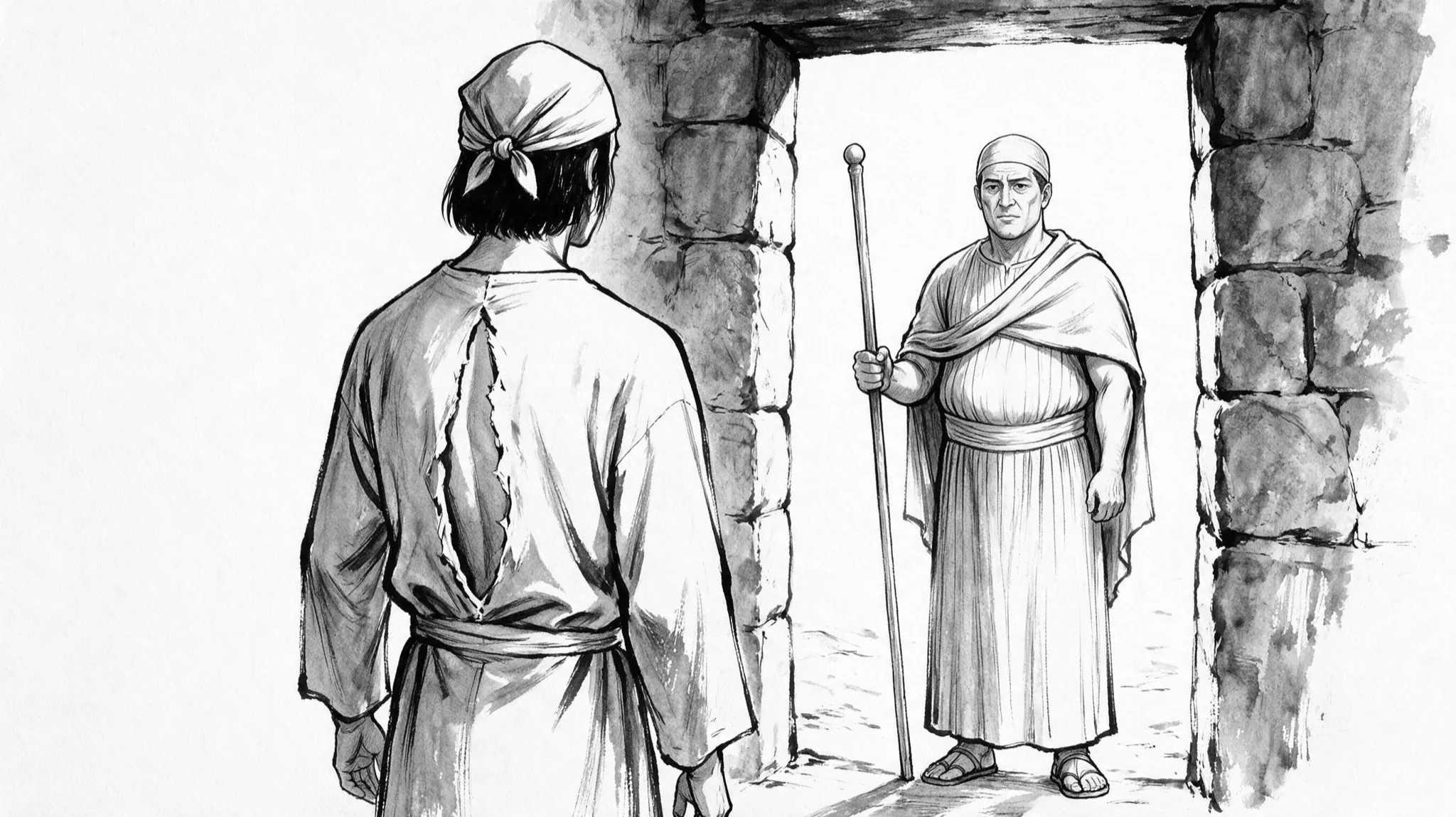
- Qur'an 12:25 - they raced to the door and she tore his shirt from behind; they found her husband at the door, and she told him that one who intended evil for his wife deserved nothing but prison or a painful punishment. The tearing is never drawn as it happens, only the rent, cloth over cloth
- Qur'an 12:26-27; Ibn Kathir on 12:25-29 - he answered that it was she who had sought him; a witness of her own family gave the test of the shirt, torn from the front or from the back. Who the witness was is disputed (a grown man of the household, or an infant in the cradle; Ibn Kathir gives both). The story does not draw the witness; the voice comes in from beyond the frame
- Qur'an 12:28-29 - when her husband saw the shirt torn from behind, he named it a plot of women, and a great one, told Yusuf to let the matter go and told his wife to ask forgiveness for her sin. Ibn Kathir on 12:25-29 gives these words to the husband, as the story does
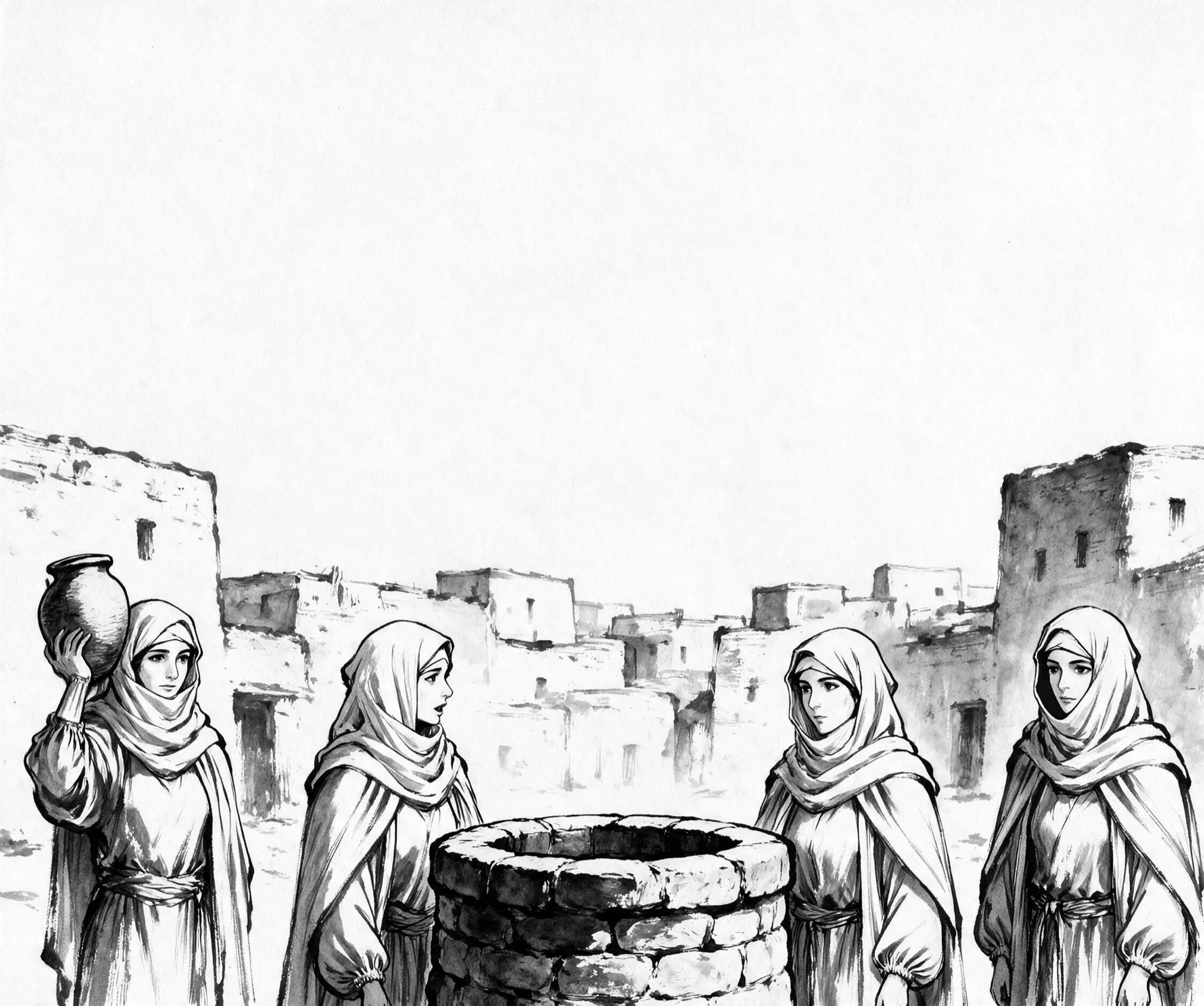
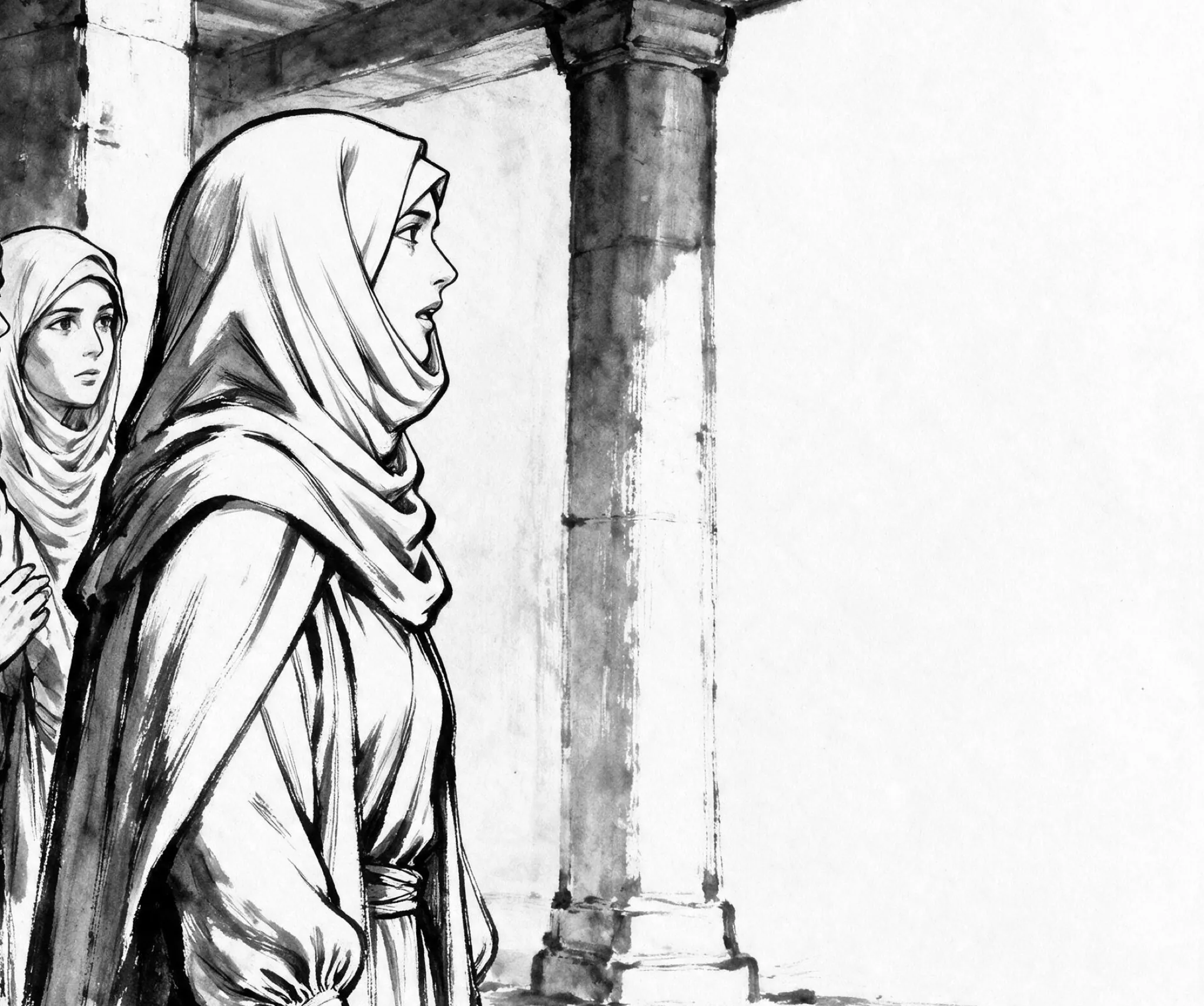
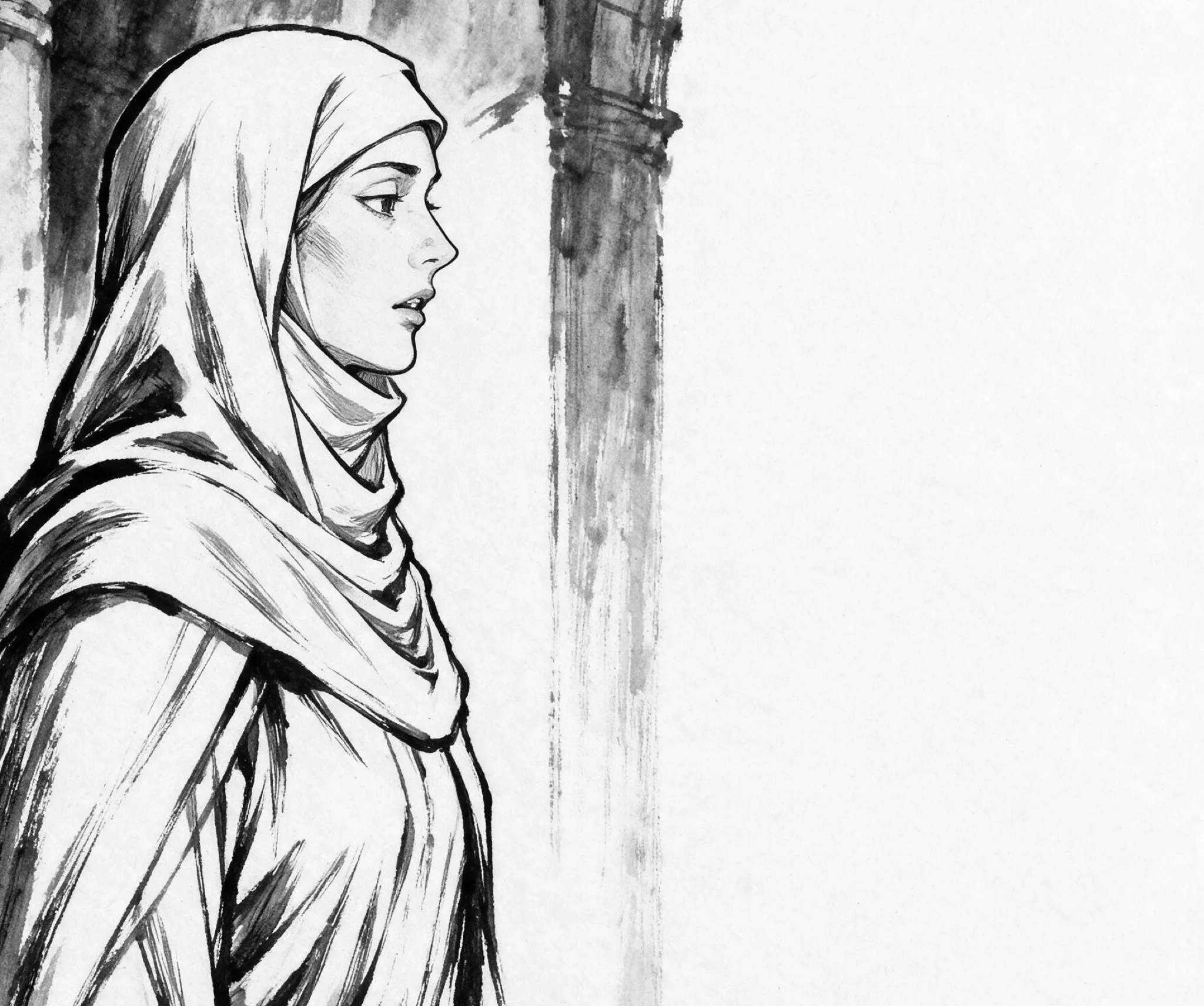
- Qur'an 12:30 - women in the city talked of the wife of al-Aziz seeking to seduce her servant, and said they saw her in clear error; only their last sentence is in a bubble
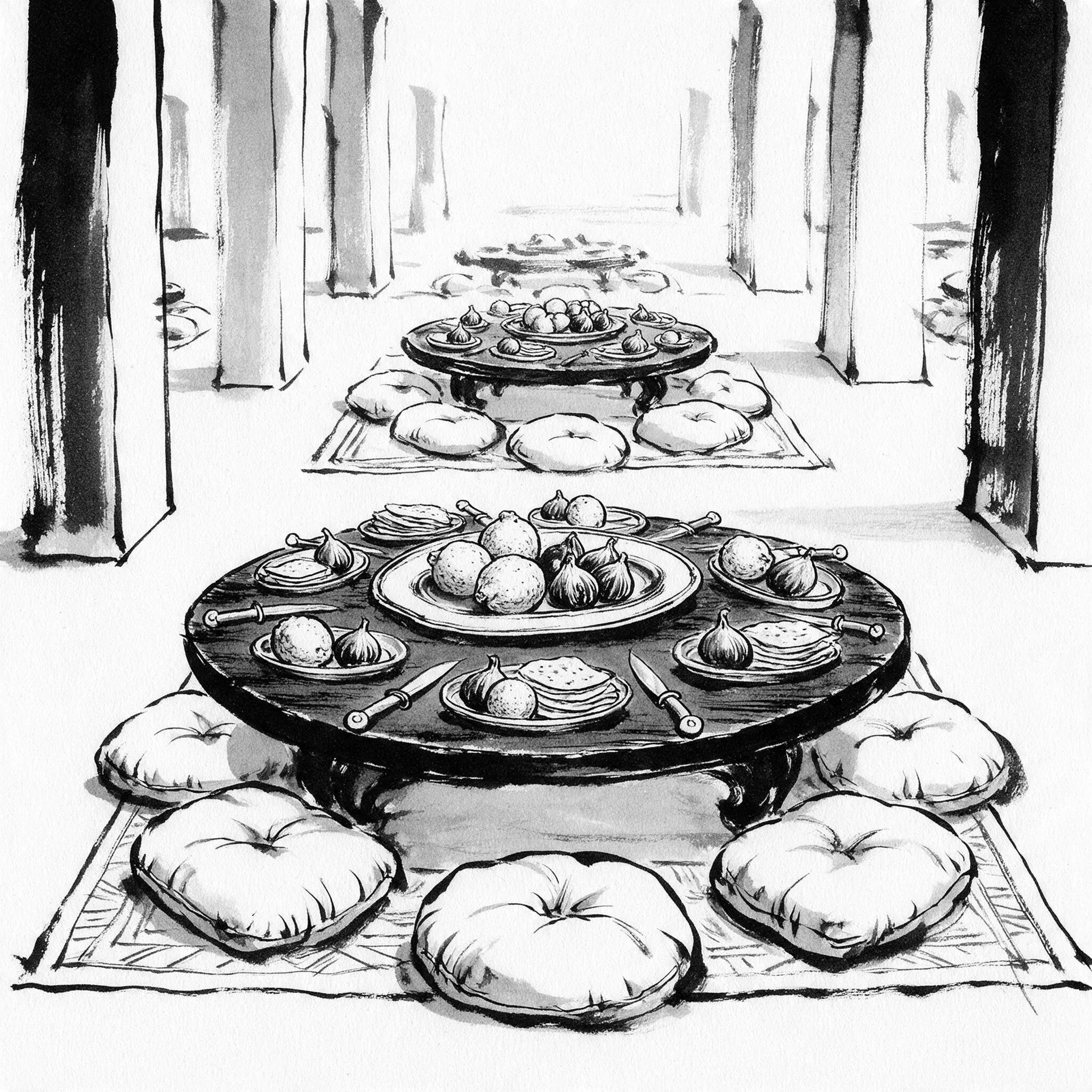
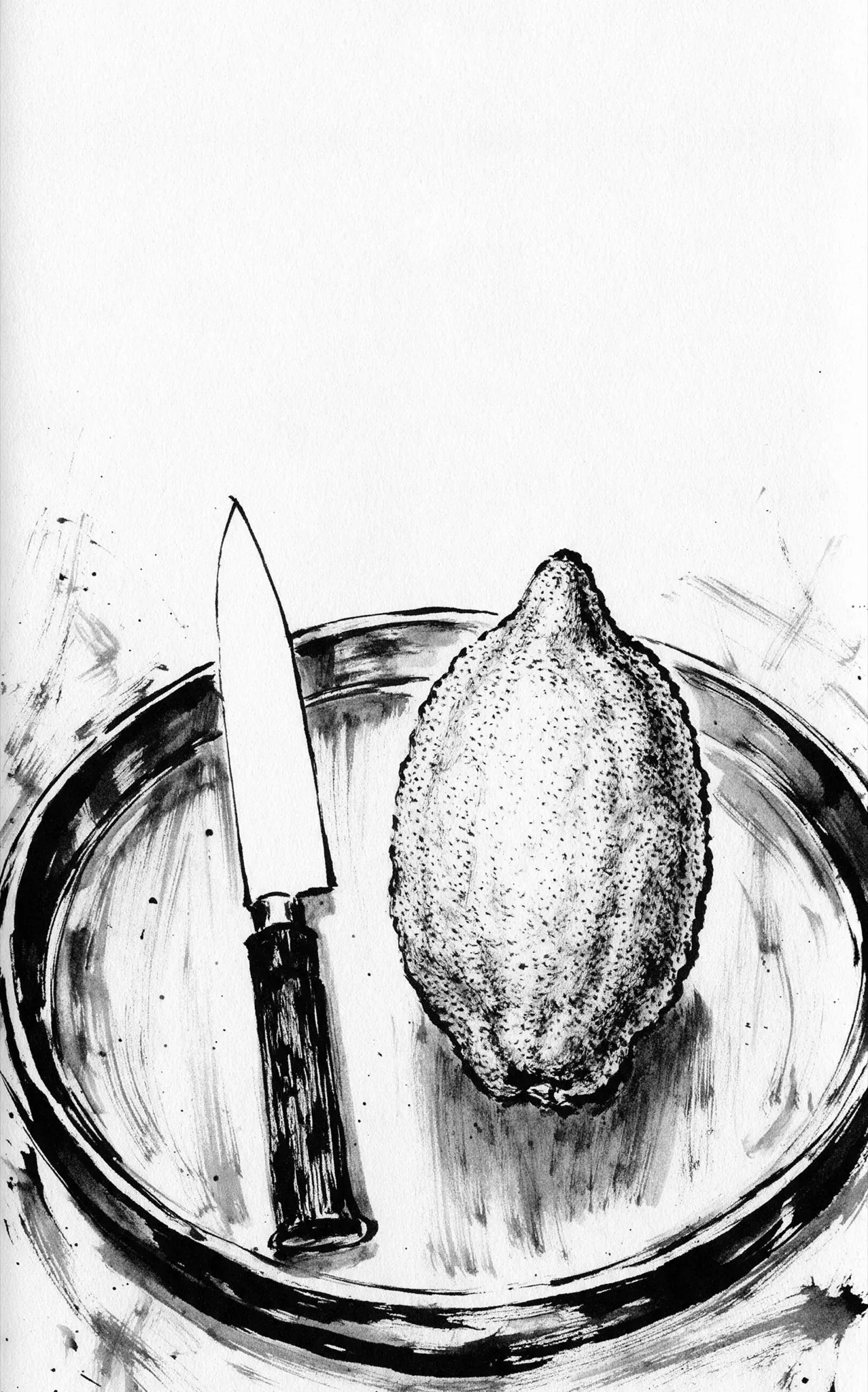
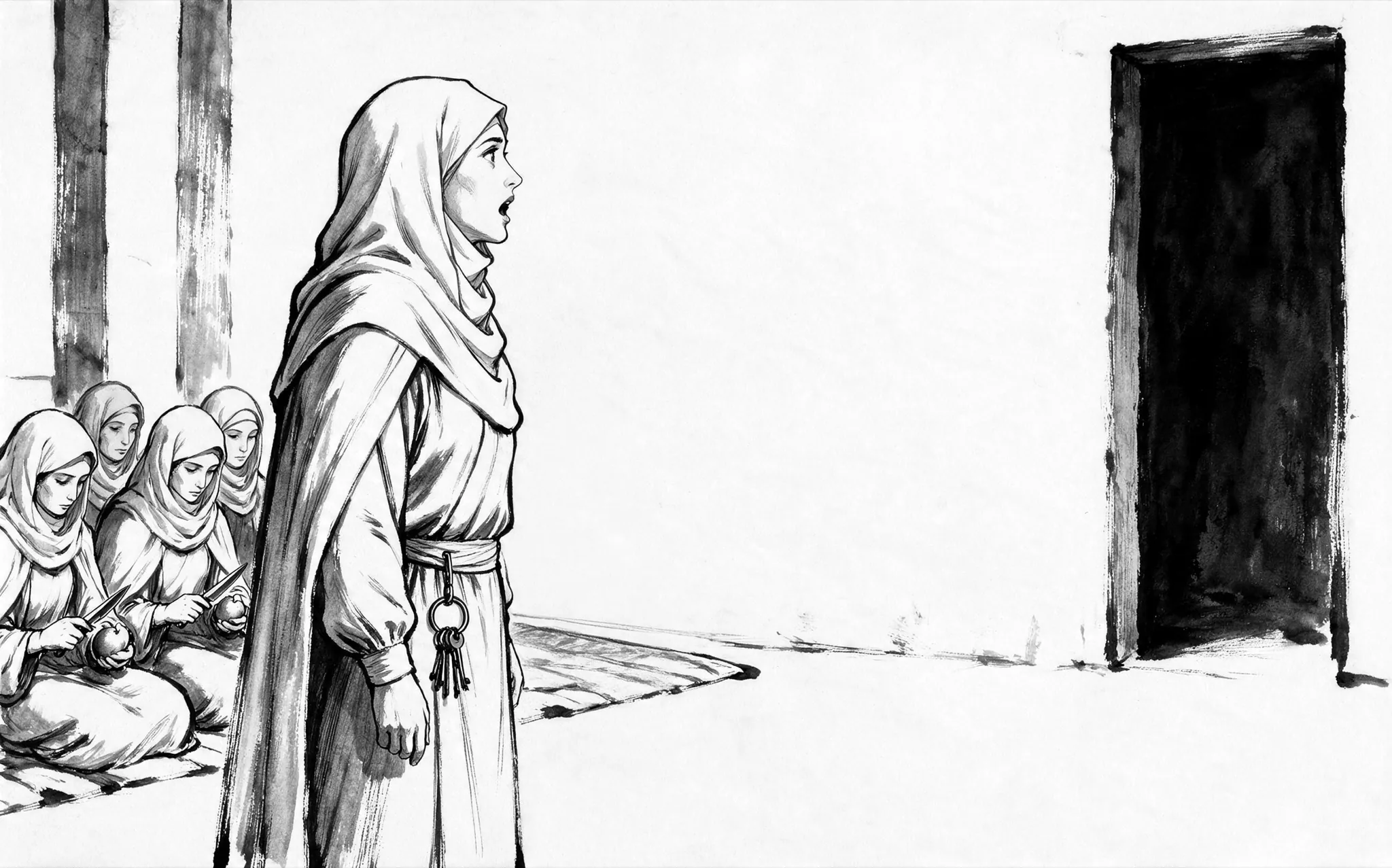
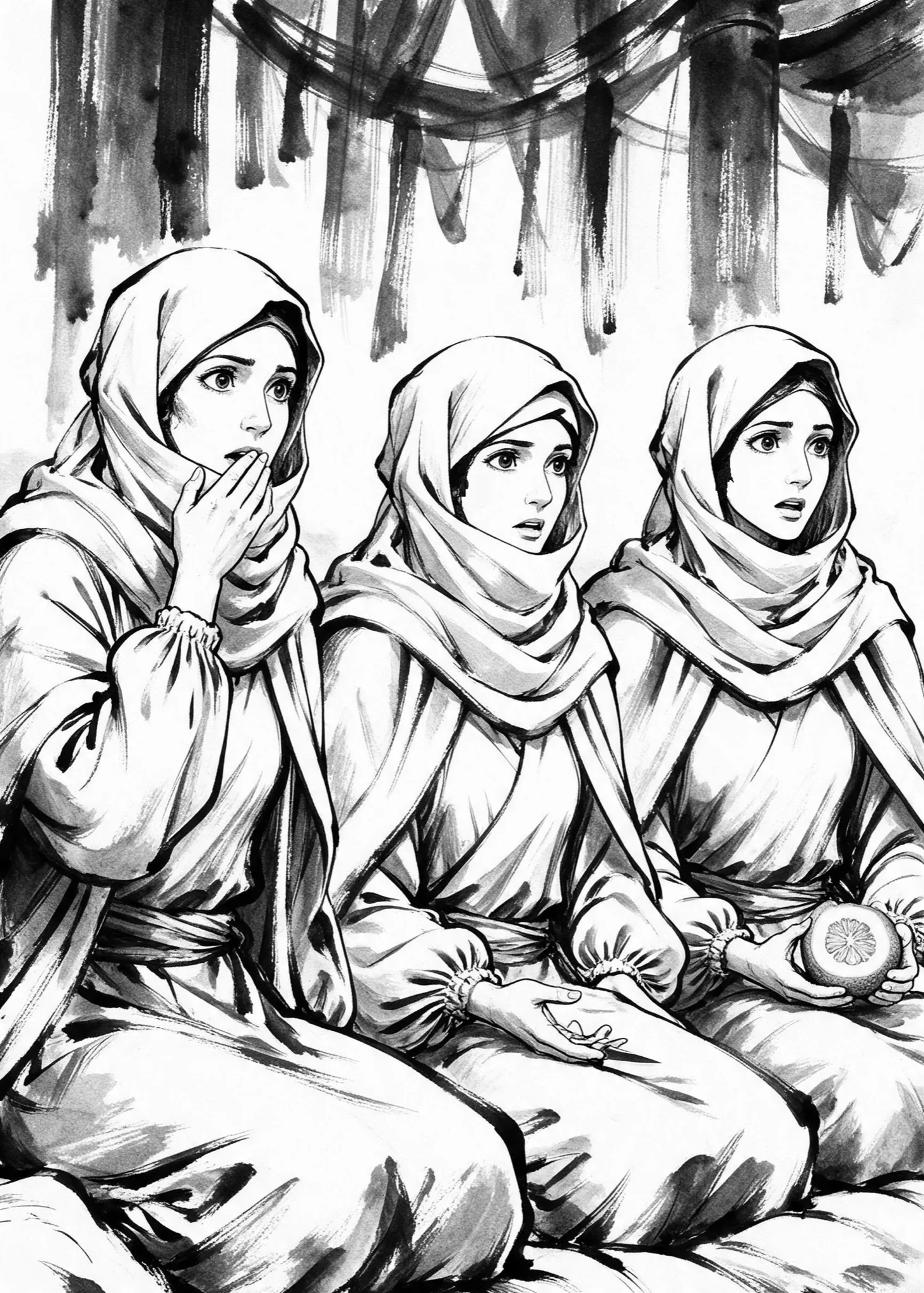
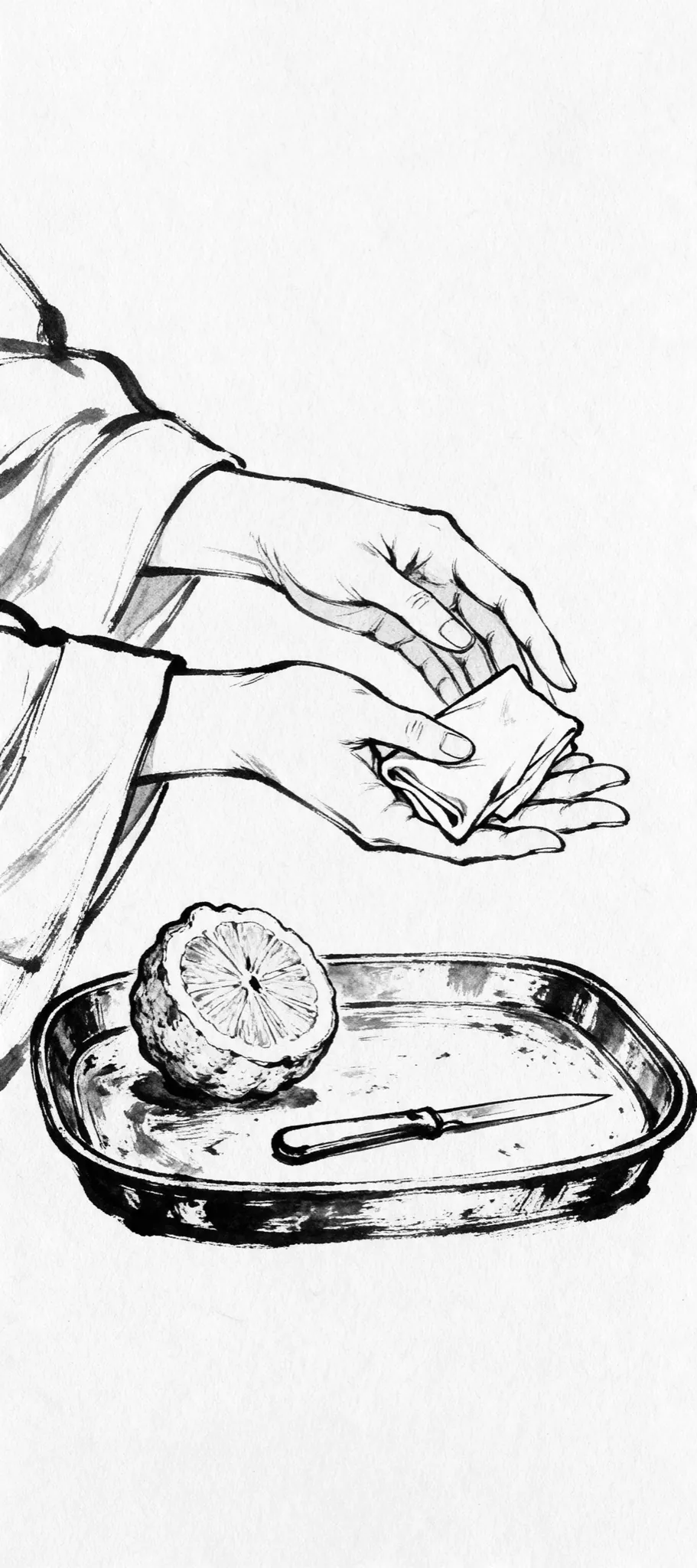
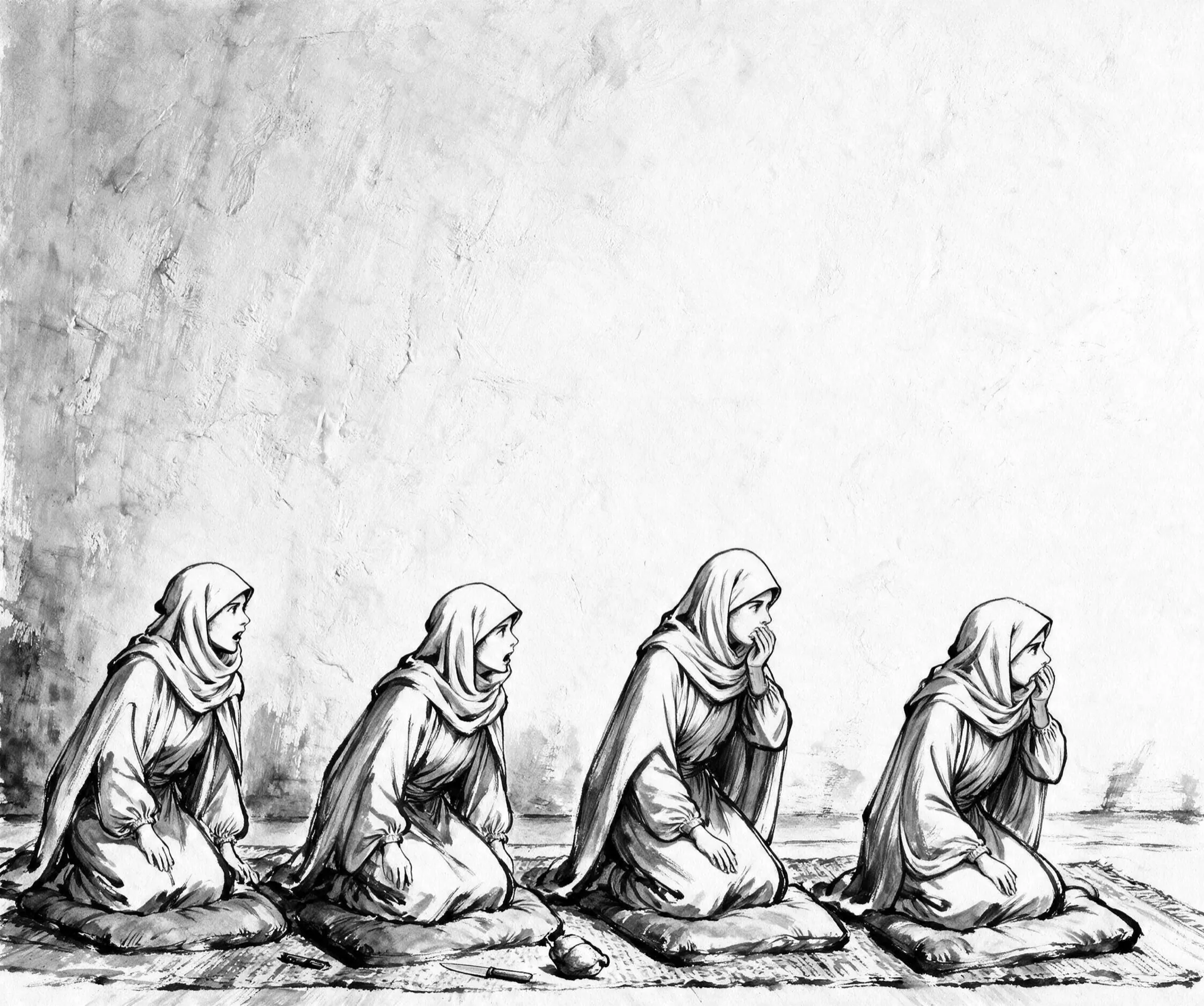
- Qur'an 12:31; Ibn Kathir on 12:30-34 - she heard of their talk, invited them, laid cushions for them, gave each of them a knife and told him to come out before them; when they saw him they marvelled at him, cut their hands, and said he was no human being but a noble angel. The commentators name food that needs a knife, such as citron; the story sets citrons and shows no blood. Yusuf is not drawn at the banquet, and no angel, wing or light is drawn at their words
- Qur'an 12:32 - she told the women that this was the one they had blamed her over, owned that she had sought him and that he had refused, and threatened that if he did not do as she ordered he would be imprisoned and humbled. The whole ayah is in the bubbles, across two panels
- Qur'an 12:33-35 - he told his Lord that prison was dearer to him than what they called him to, and asked Him to turn their plan from him lest he incline to them (12:33, whole in the bubbles); his Lord answered him and turned their plan away (12:34); and after they had seen the signs, they saw fit to imprison him for a time (12:35). The answer and the prison are the narrator's report
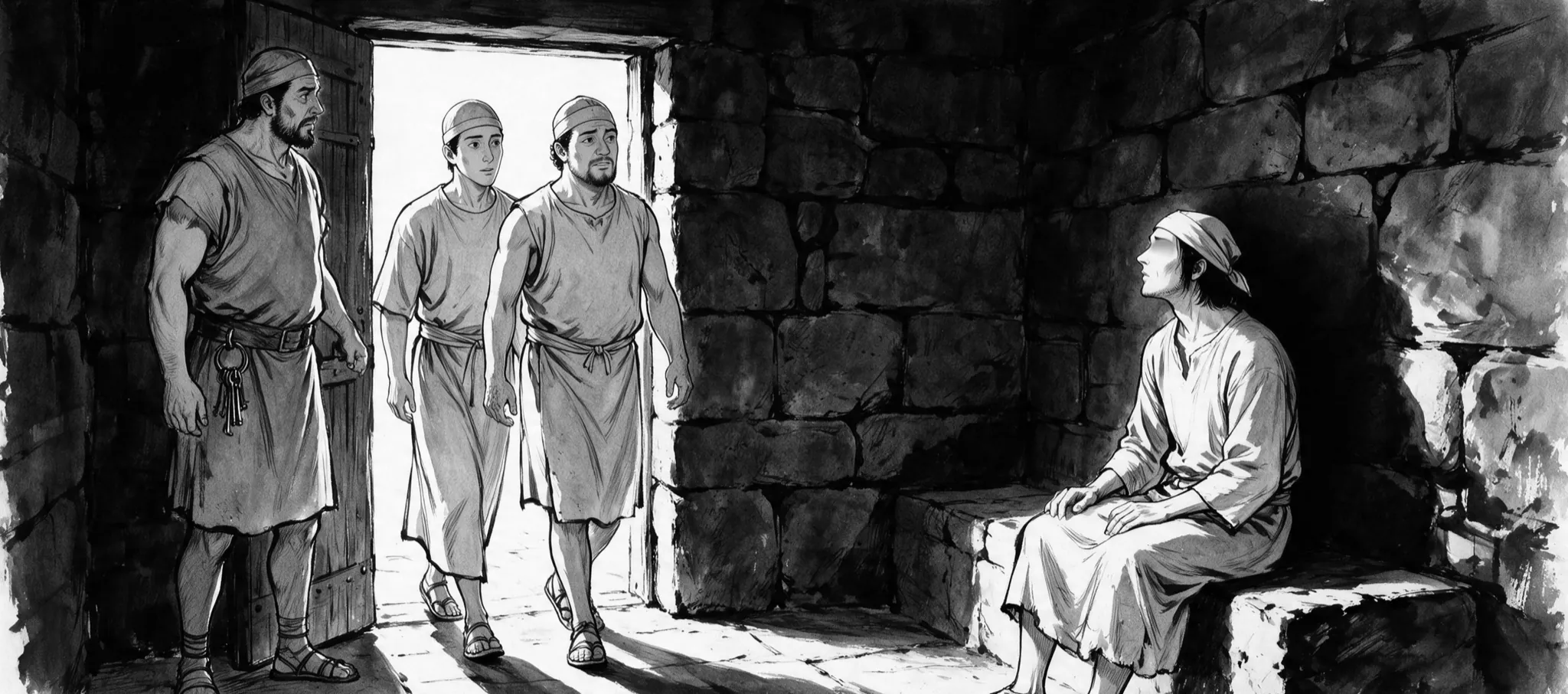
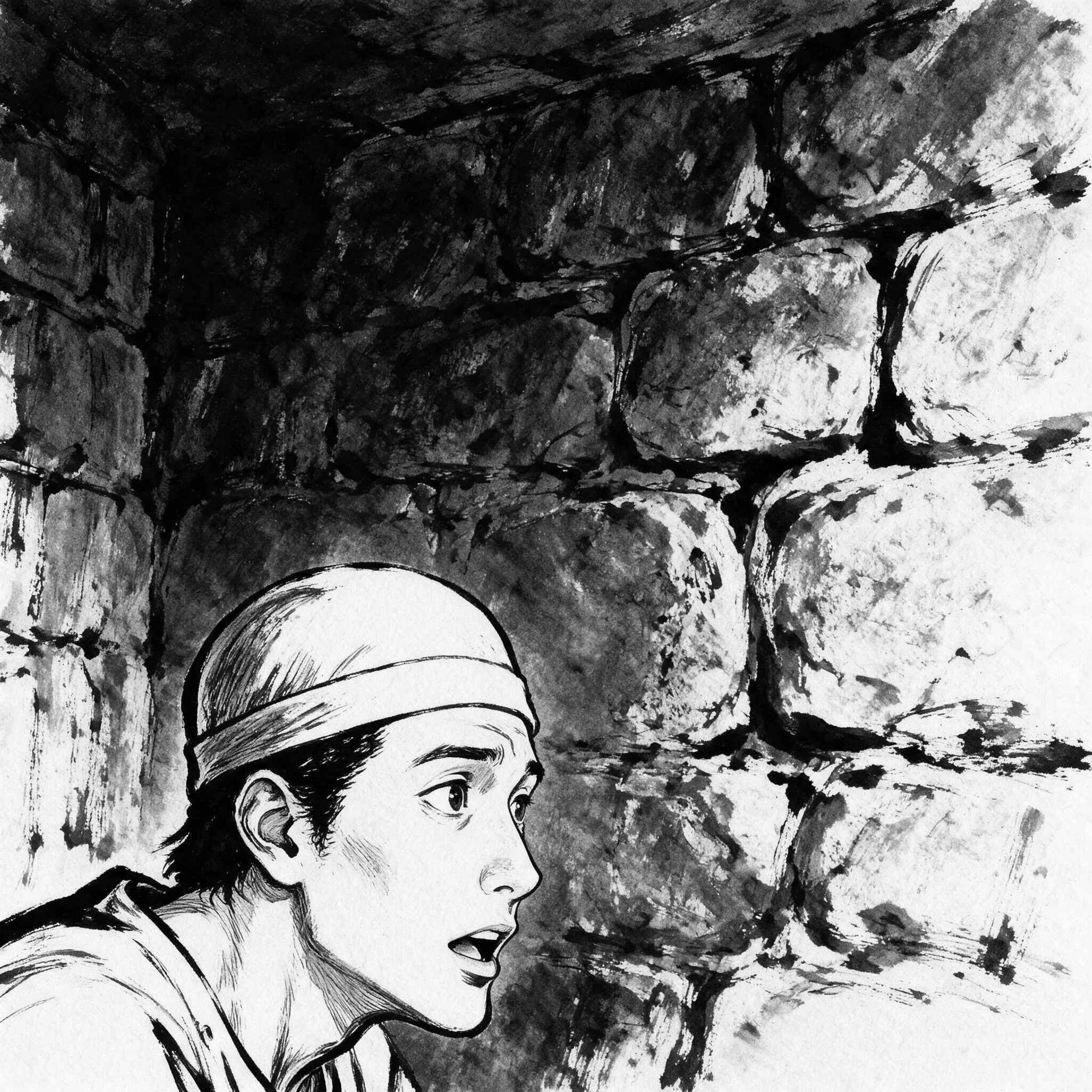
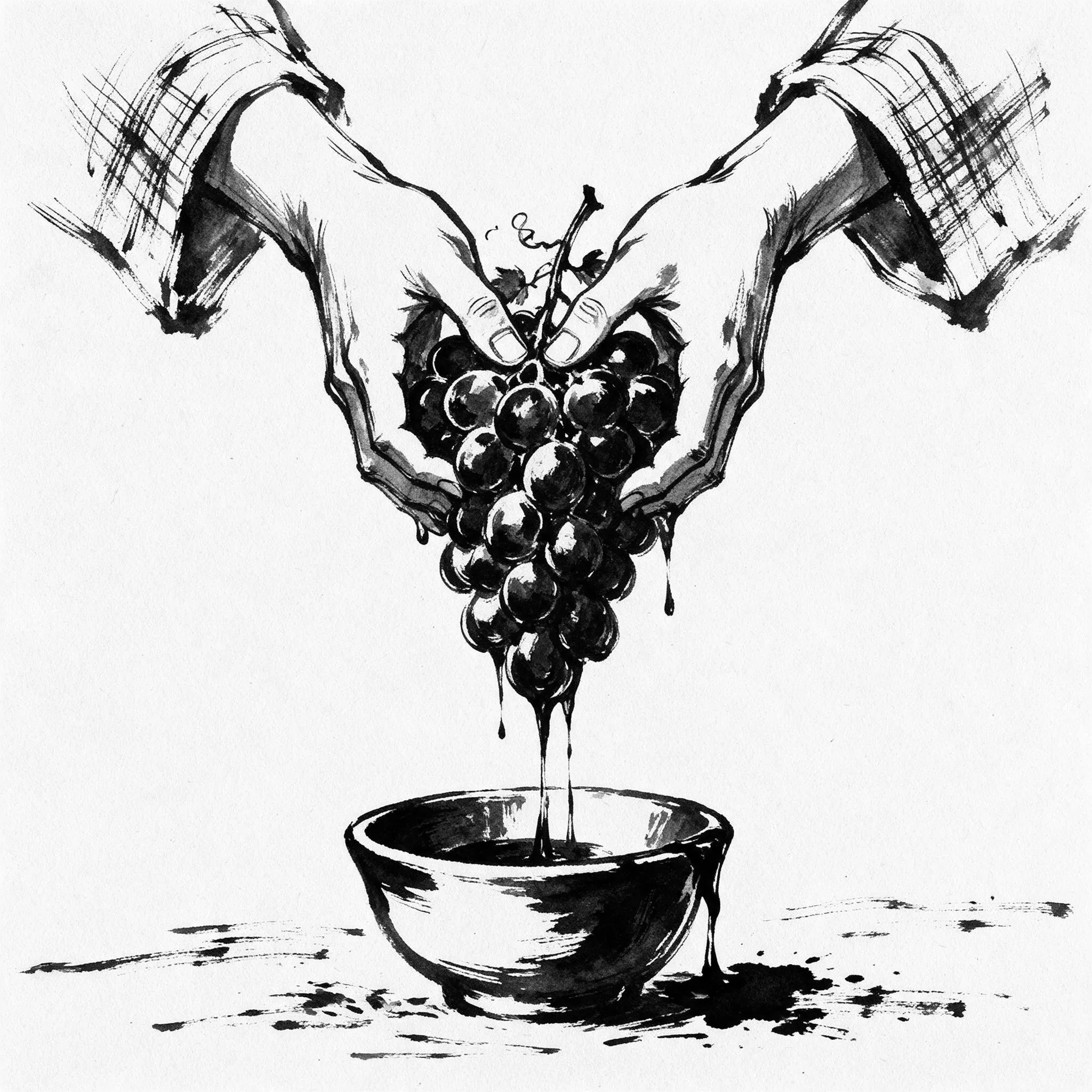
- Qur'an 12:36; Ibn Kathir on 12:36 - two young men entered the prison with him; one saw himself pressing wine, the other carrying bread on his head with birds eating from it, and they asked him to interpret, counting him among the doers of good. Ibn Kathir reports from Qatadah that they were the king's cupbearer and his baker; the Qur'an names neither, and neither does the story. The dreams are drawn as dreams: grapes pressed into a cup, nobody drinking
- Qur'an 12:37-38 - he told them he would tell them the interpretation before their food came, that this was of what his Lord had taught him, that he had left the religion of a people who do not believe in Allah and deny the Hereafter, and that he followed the religion of his fathers Ibrahim, Ishaq and Ya'qub. The promise about the food is the narrator's caption; the rest of 12:37 and the first sentence of 12:38 are lettered. The caption reads the promise as the meaning of their dreams; some commentators read it as his telling them of the food itself before it came
- Qur'an 12:39-40 - he asked his two companions whether many separate lords were better or Allah, the One, the Prevailing, and told them that judgement belongs to Allah alone, who commanded that none be worshipped but Him. No image of any god is drawn in the cell
- Qur'an 12:41 - the two readings: one would serve his master wine, the other would be crucified and the birds would eat from his head; the matter they asked about was decreed. Lettered whole across three panels; the crucifixion is in words only and never drawn
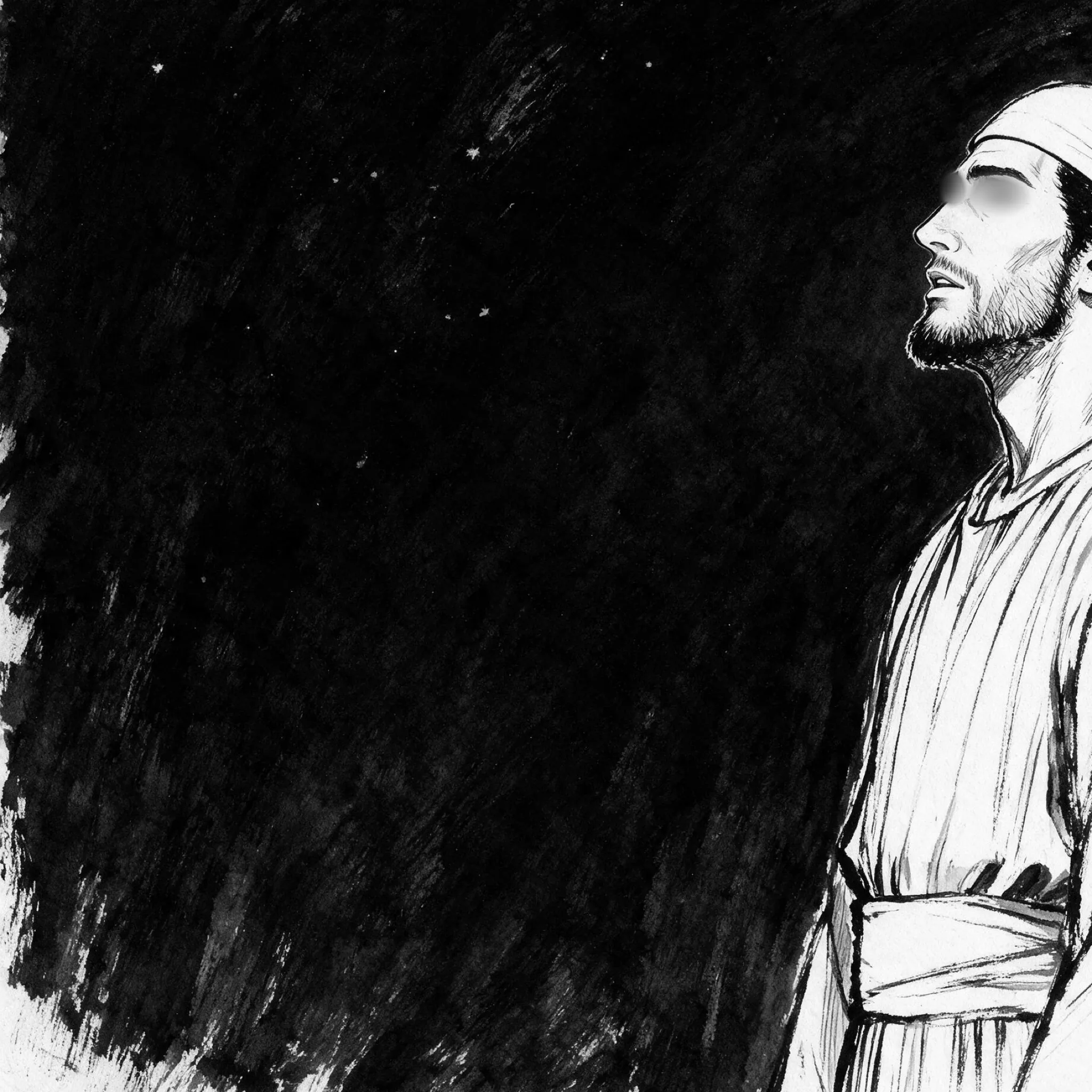
- Qur'an 12:42; Ibn Kathir on 12:42 - he asked the one he knew would be saved to mention him to his master; Shaytan made the man forget, and Yusuf stayed in prison some years. Ibn Kathir, with Mujahid and Ibn Ishaq, holds the freed man to be the one who forgot and calls it the correct meaning; the black page follows him, and the Russian edition carries the other reading in a parenthesis. How many years is disputed (three to nine, Mujahid and Qatadah; seven, Wahb ibn Munabbih), and the caption says only "some years"
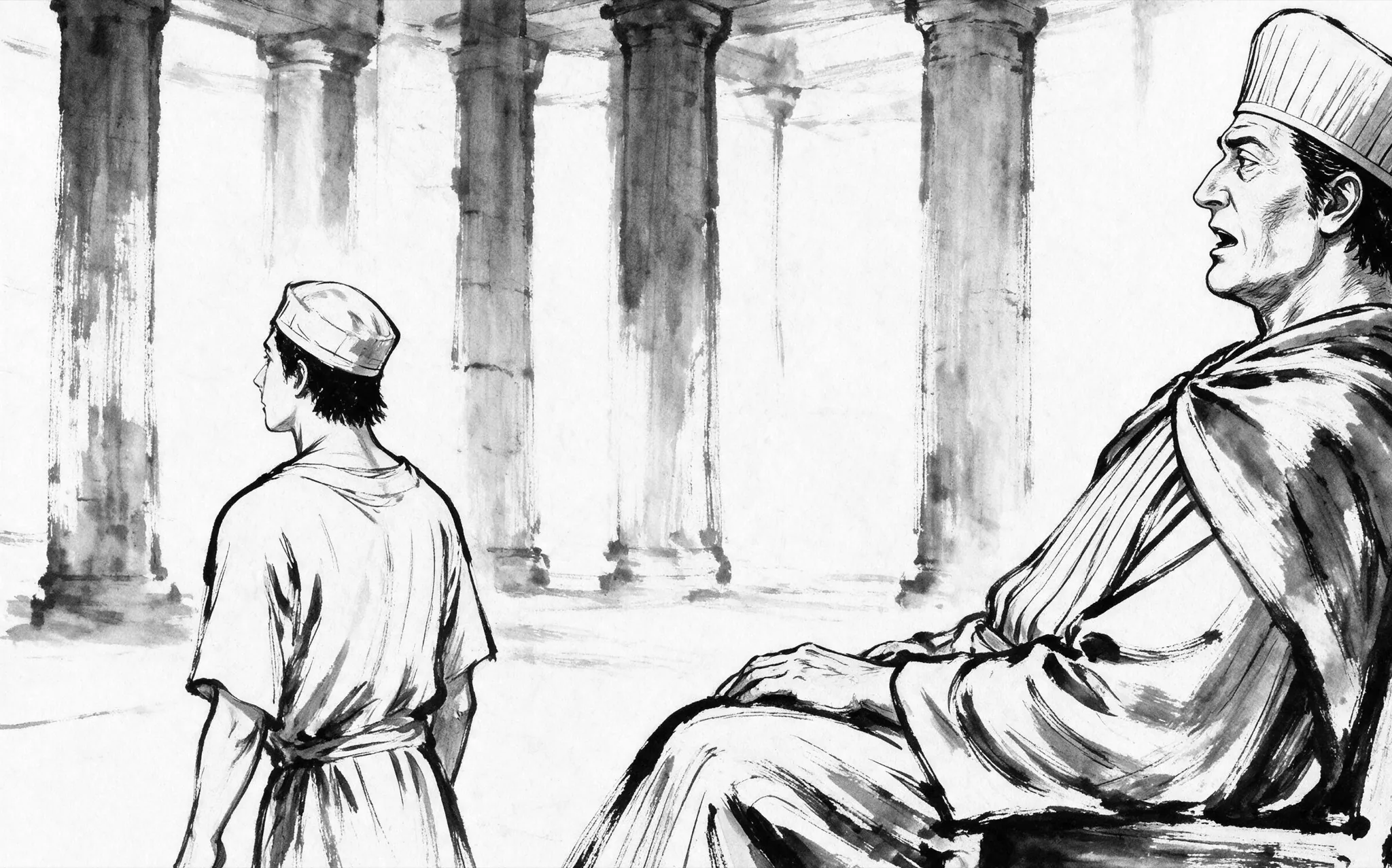
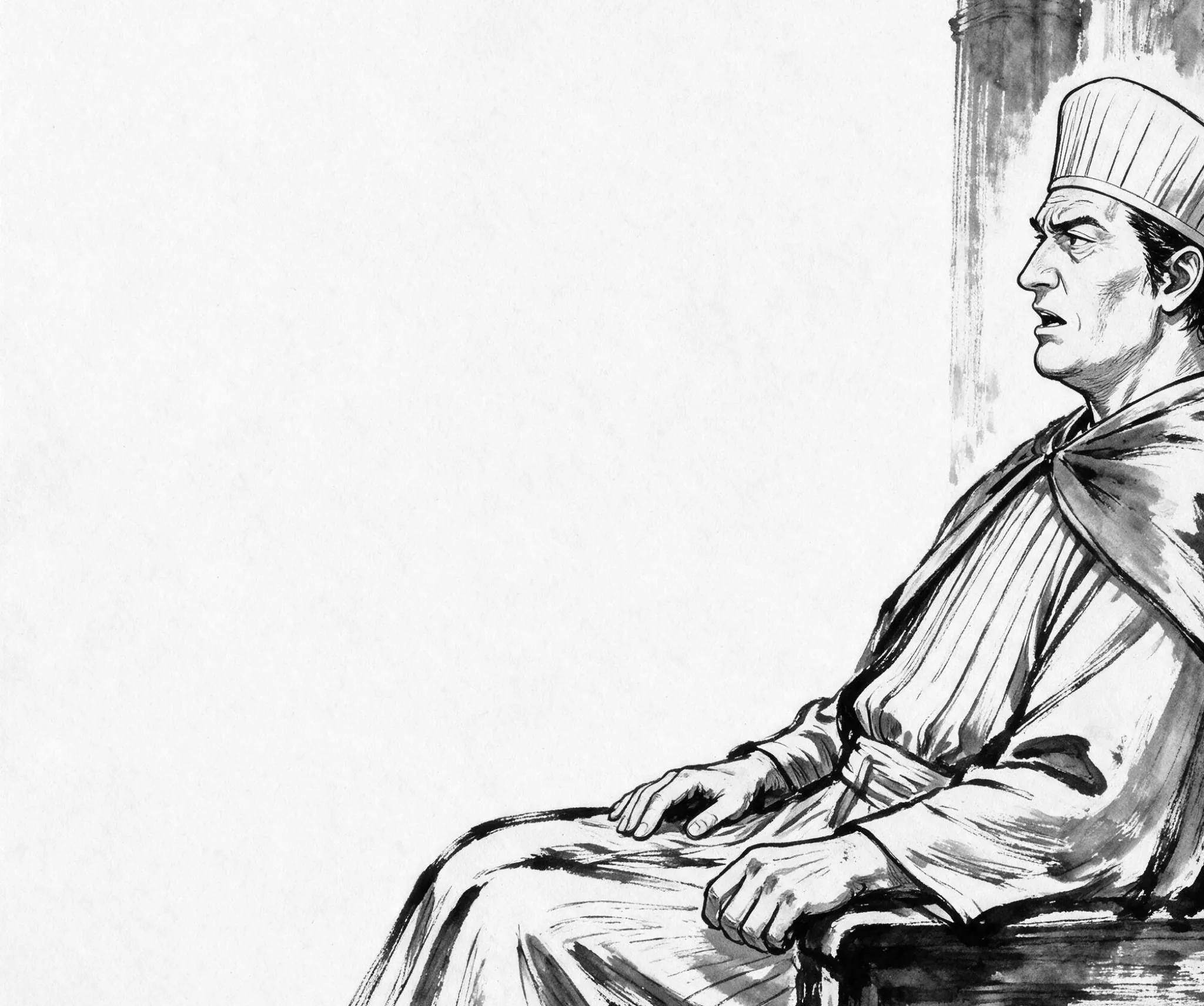
- Qur'an 12:43-44 - the king saw seven fat cows eaten by seven lean, seven green ears and others dry, and asked his council to explain his vision; they called it a jumble of dreams and said they had no knowledge of interpreting dreams. The dream is the act's one splash, with no figure; the Qur'an calls him the king and gives no name, and the story never calls him Pharaoh
- Qur'an 12:45-46 - the one of the two who had been saved remembered after a time, asked to be sent, and put the dream to Yusuf, calling him a man of truth. The cupbearer carries a cup at court and nobody drinks
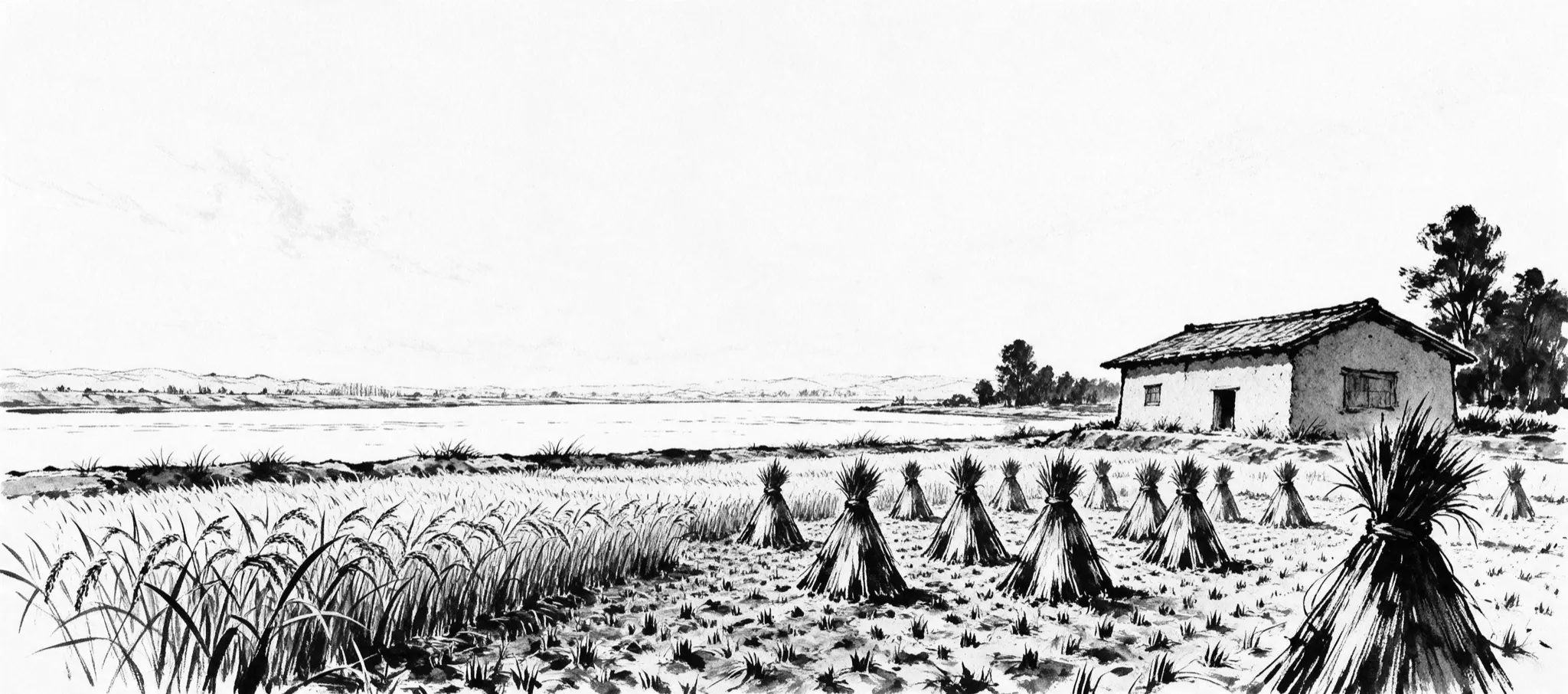
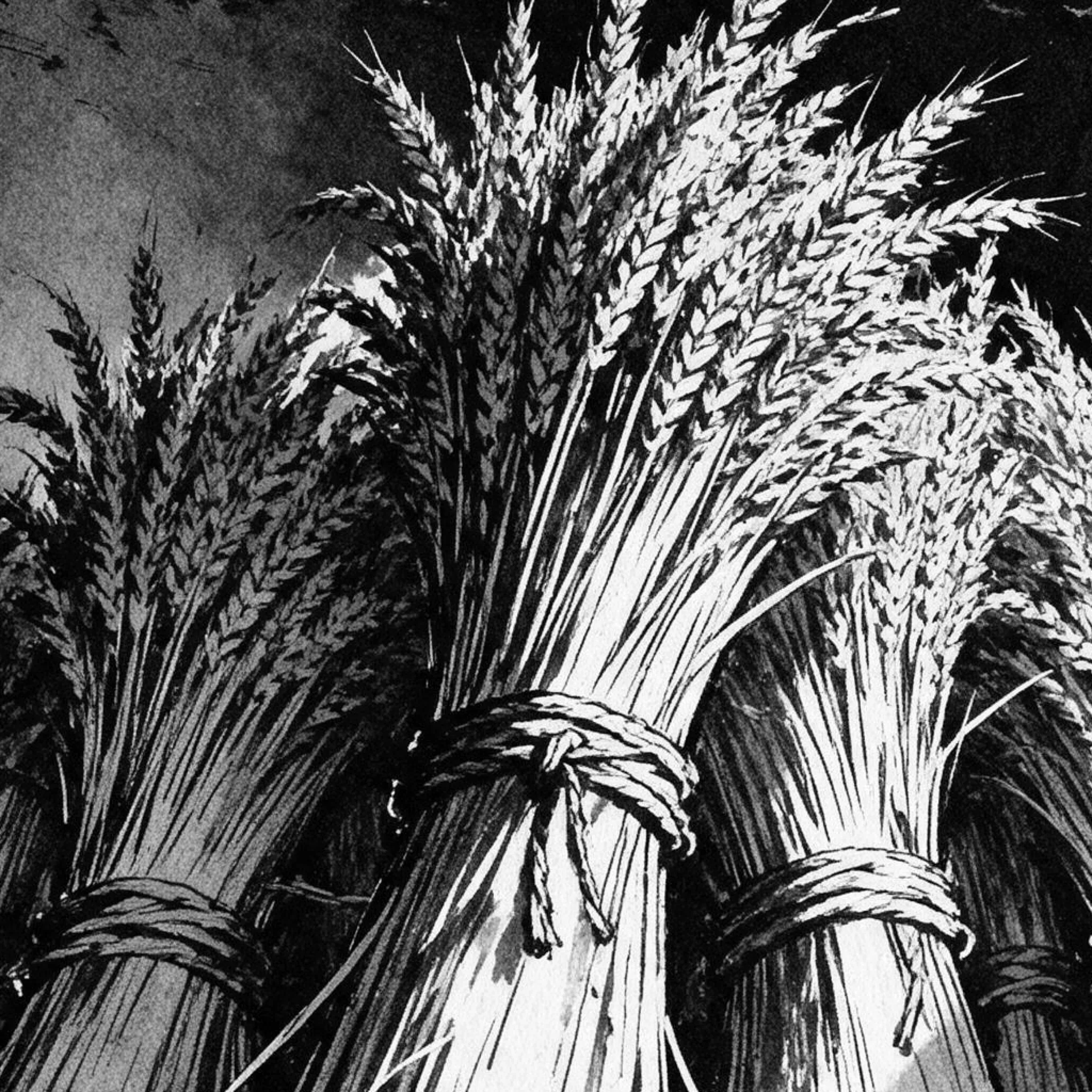
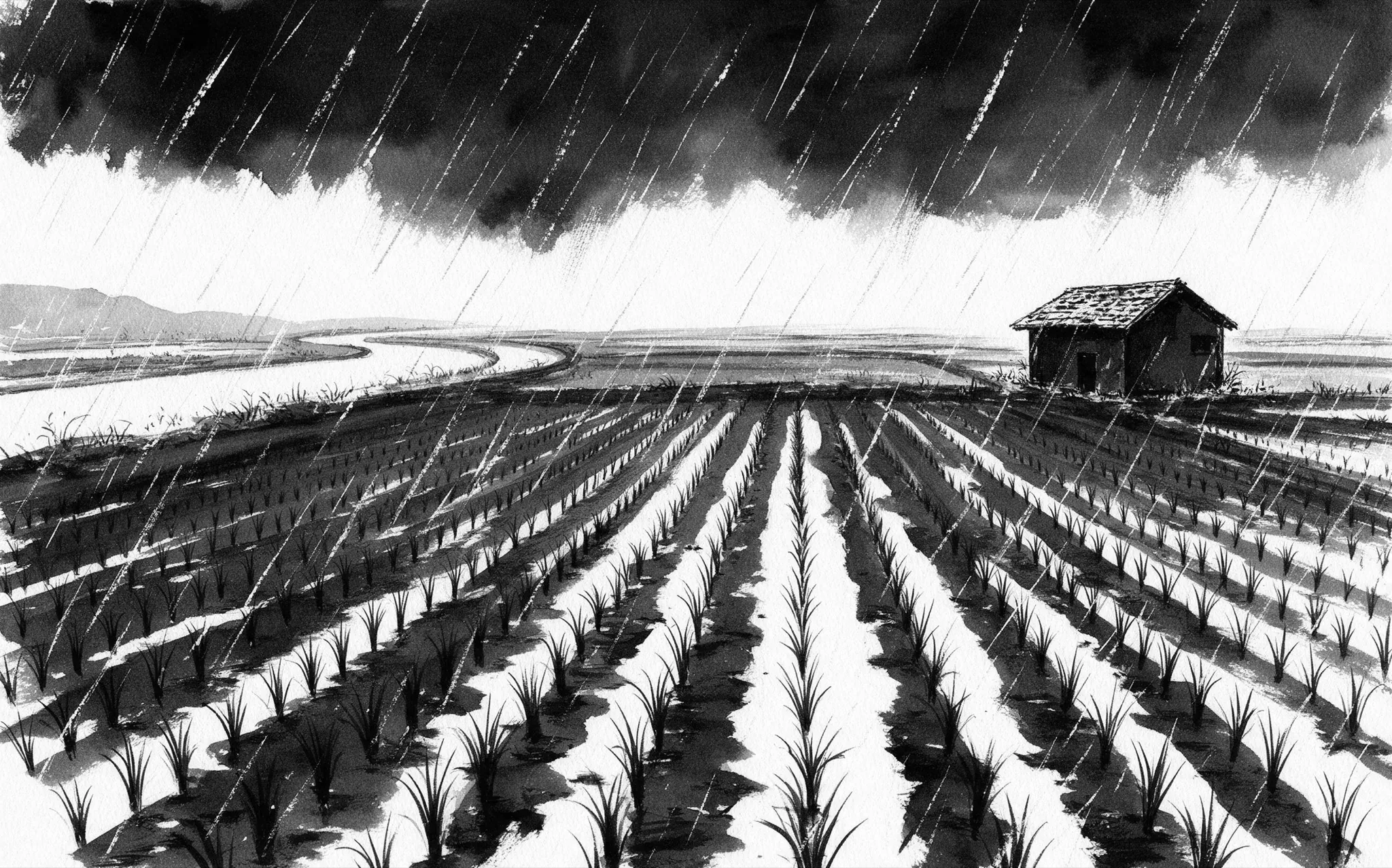
- Qur'an 12:47-49 - his reading: seven years of sowing, the harvest left in the ear but for a little to eat; seven hard years that eat what was laid up but for a little kept back; then a year of rain in which the people press. The fields are drawn as he names them
- Qur'an 12:50; Ibn Kathir on 12:50-53 - the king ordered him brought; Yusuf told the messenger to return to his master and ask about the women who cut their hands, for his Lord knew their plan. Ibn Kathir reads it as his refusal to leave until his innocence was declared
- Qur'an 12:51 - the king asked the women about their seeking to seduce Yusuf; they declared Allah's perfection and said they knew no evil of him; the wife of al-Aziz said the truth had come out, that it was she who had sought him, and that he was of the truthful. The Qur'an names her only by her husband's title, and so does the story
- Qur'an 12:52-53; Ibn Kathir on 12:50-53 - who speaks these two ayat is disputed: the wife (Ibn Kathir, who calls it stronger and more obvious, with al-Mawardi and Ibn Taymiyya) or Yusuf (the only view in Ibn Jarir al-Tabari and Ibn Abi Hatim). The story letters neither ayah and takes no side
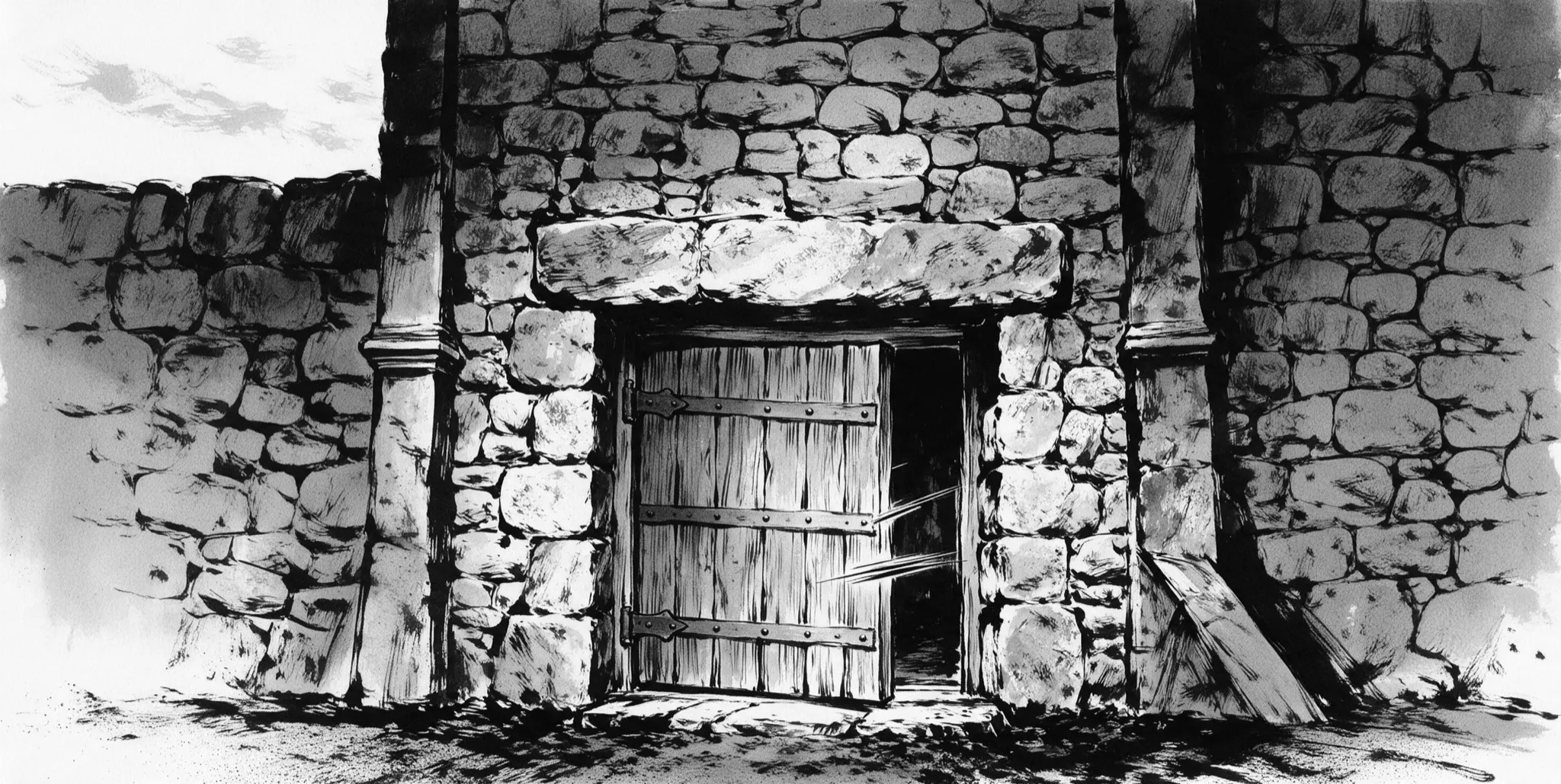
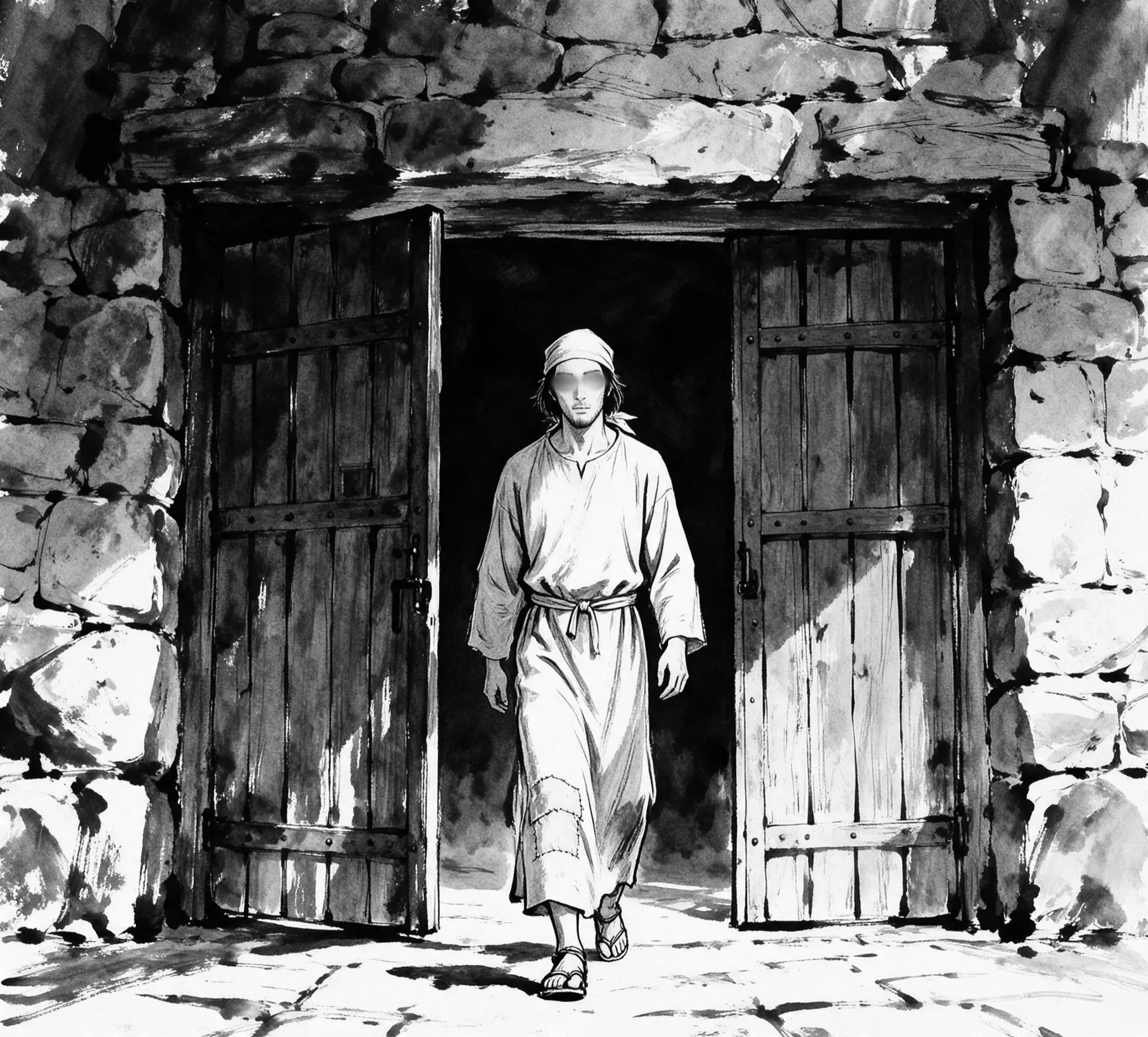
- Qur'an 12:54-55 - the king ordered him brought to take him for himself, and when he had spoken with him told him he was that day established and trusted with them; Yusuf asked to be set over the storehouses of the land, as a knowing guardian. He walks out of the prison gate into the day, the light on the ground and the walls, and nobody at court is drawn bowing
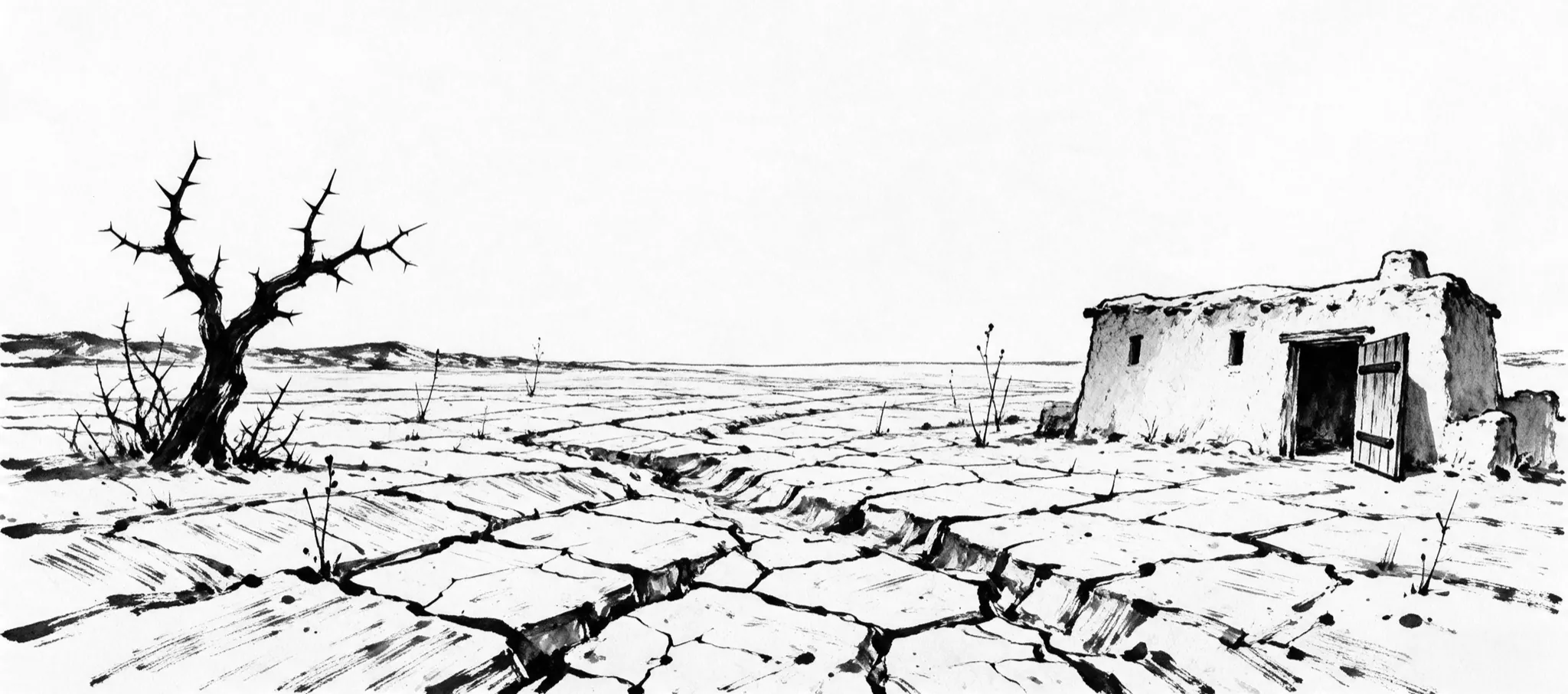
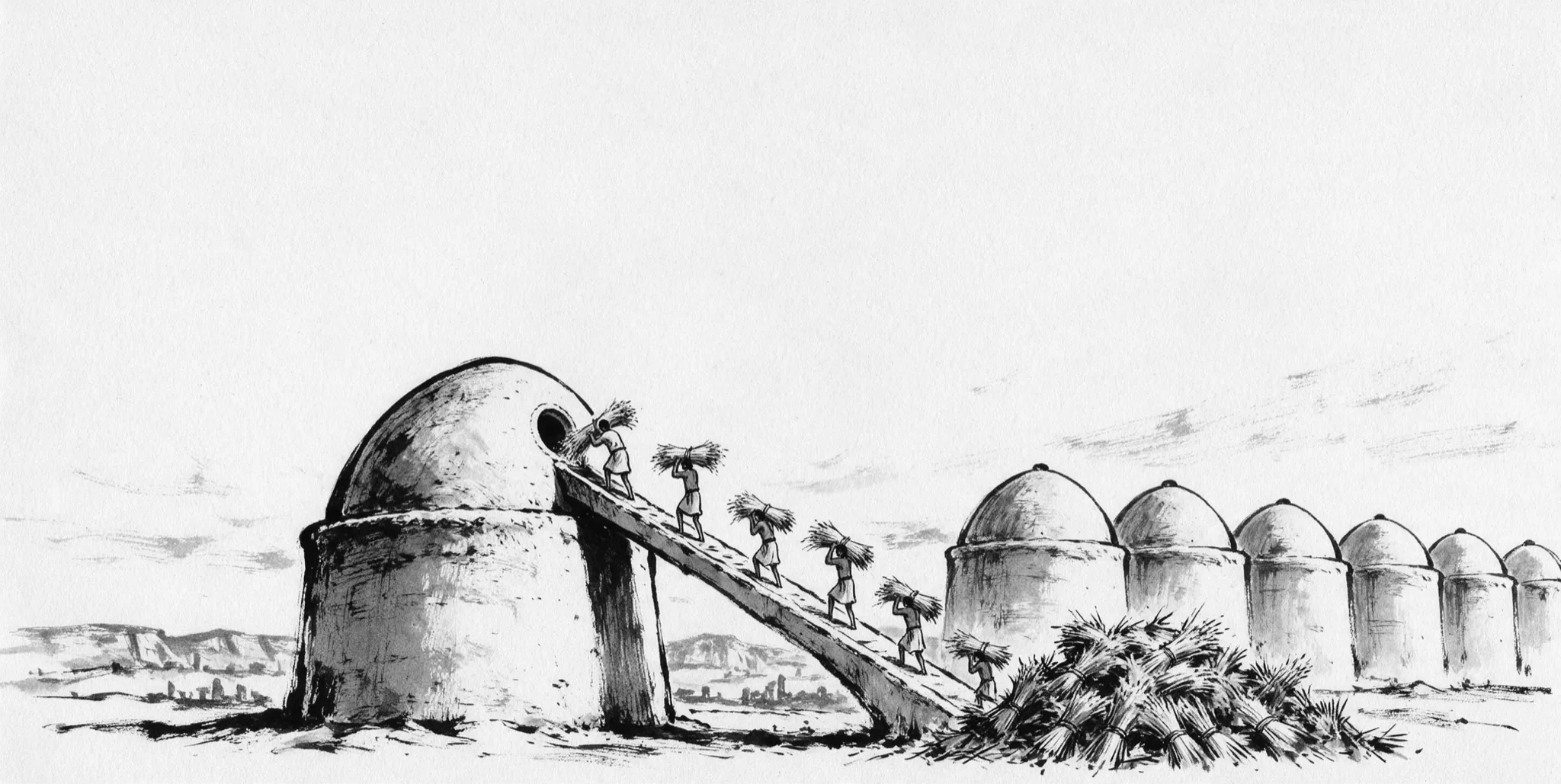
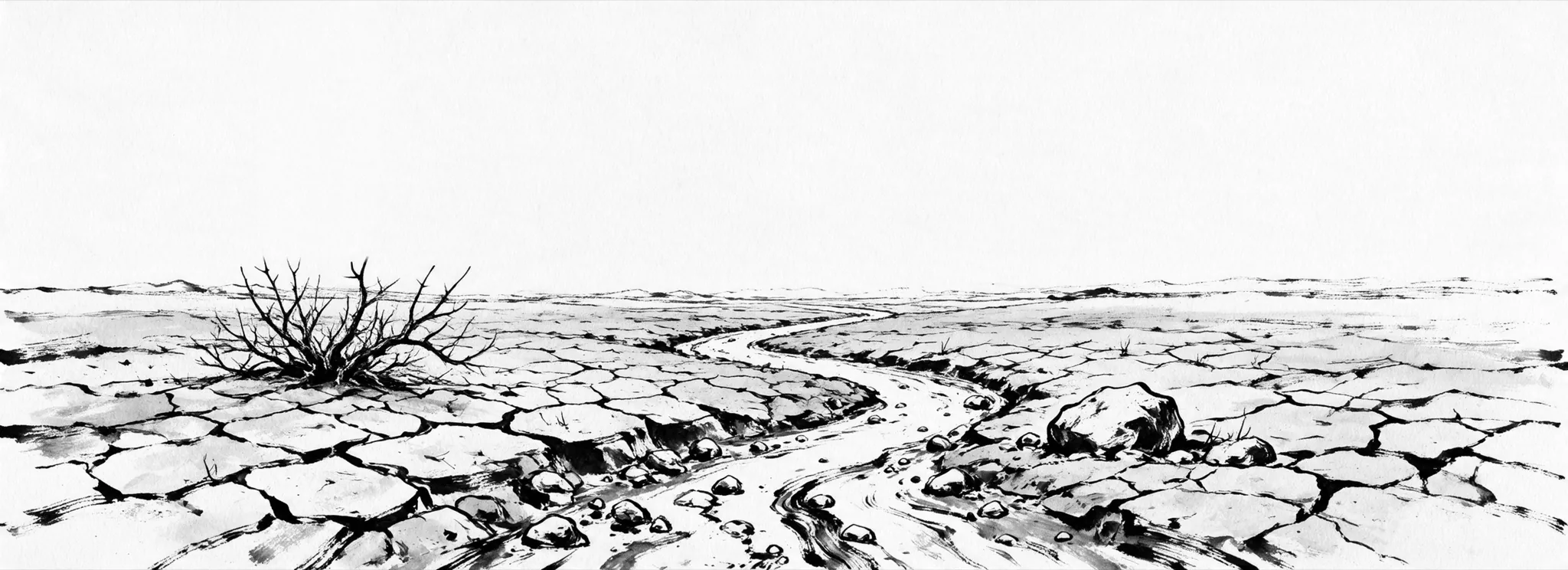
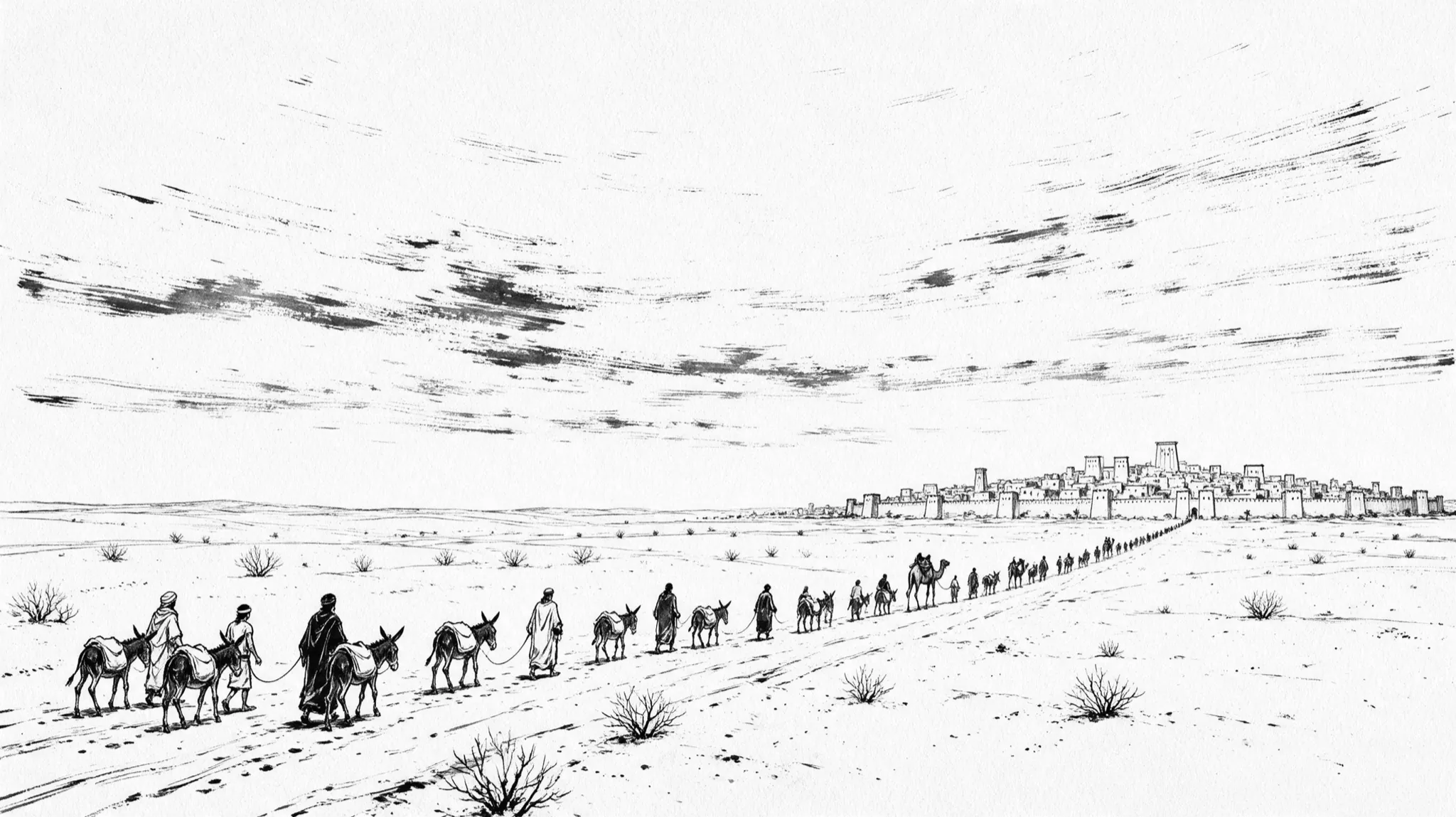
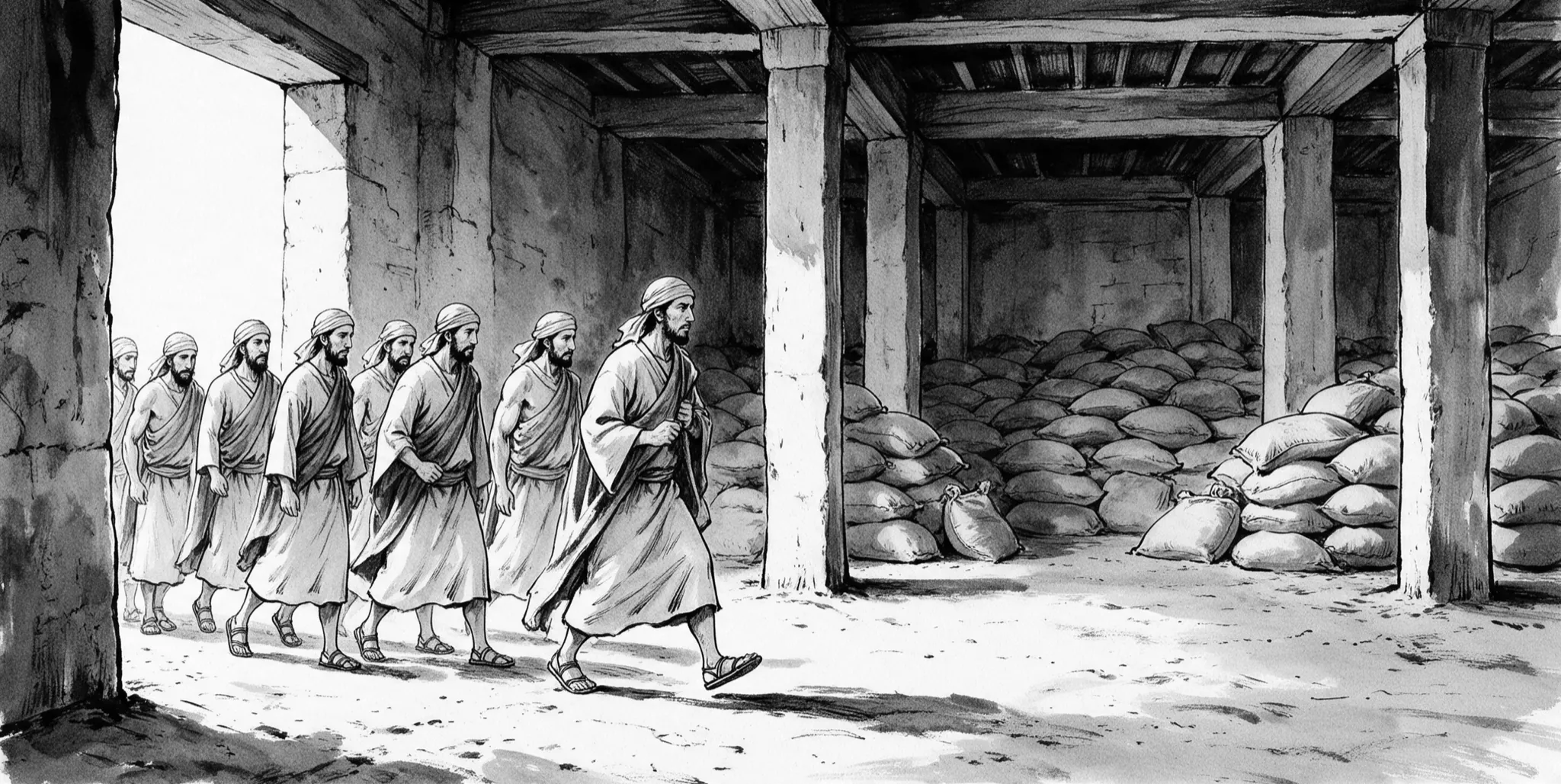
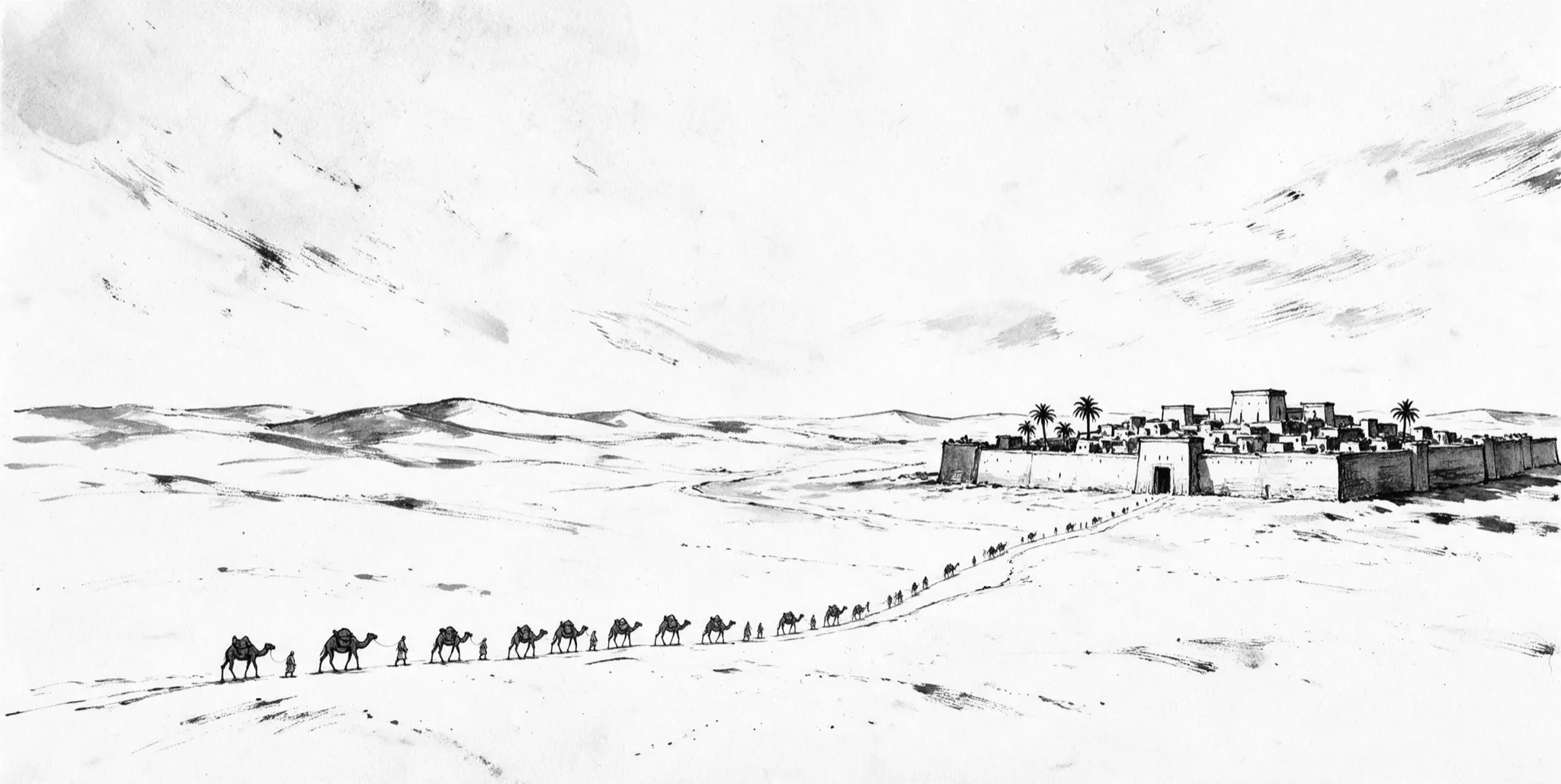
- Qur'an 12:47-49 and 12:56; Ibn Kathir on 12:58-62 - the seven years of plenty that Yusuf had foretold, stored in the ear, then the years of drought, which reached beyond Egypt to the land his family lived in. The story calls that land the open country and names no place outside Egypt
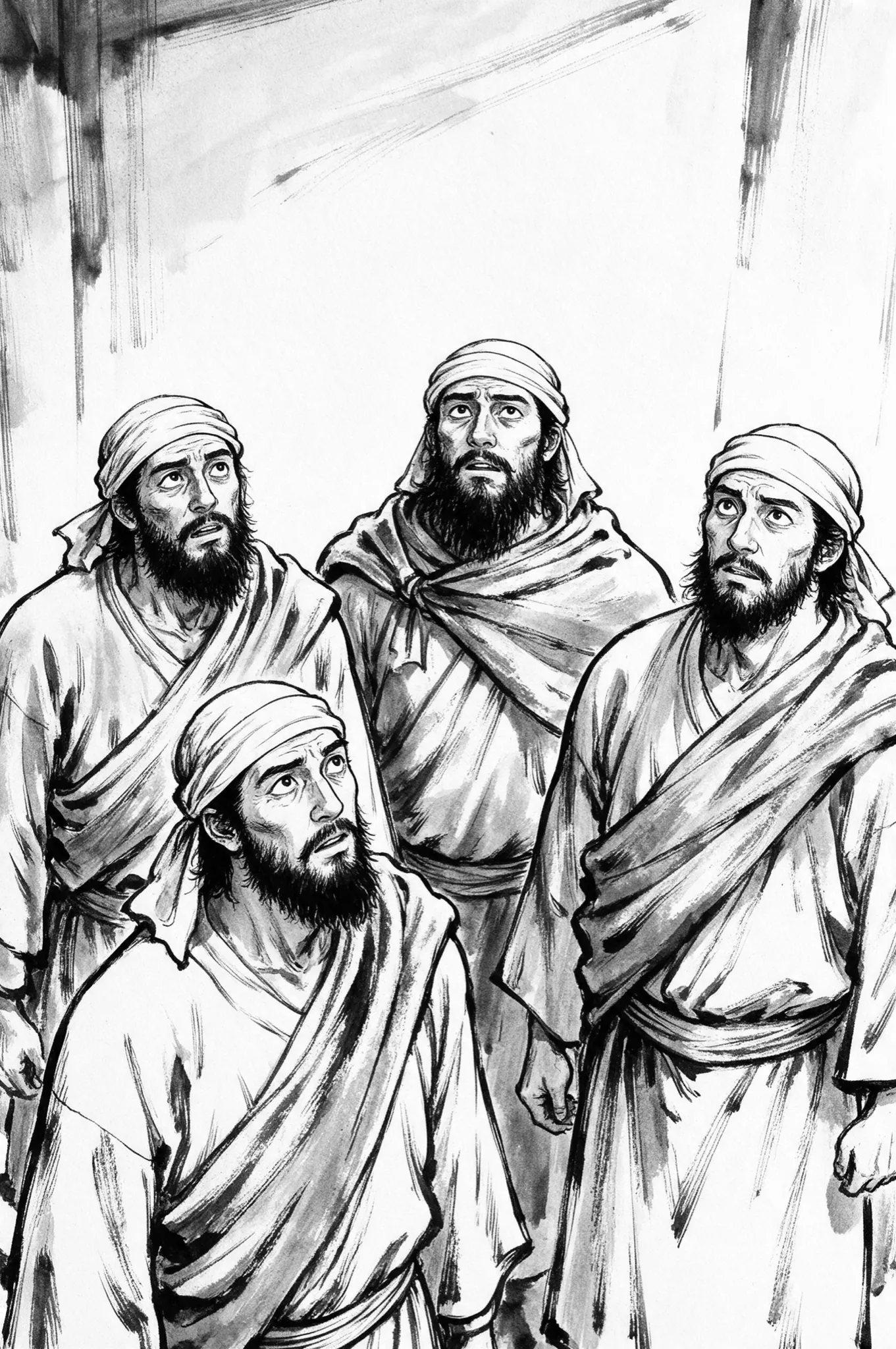
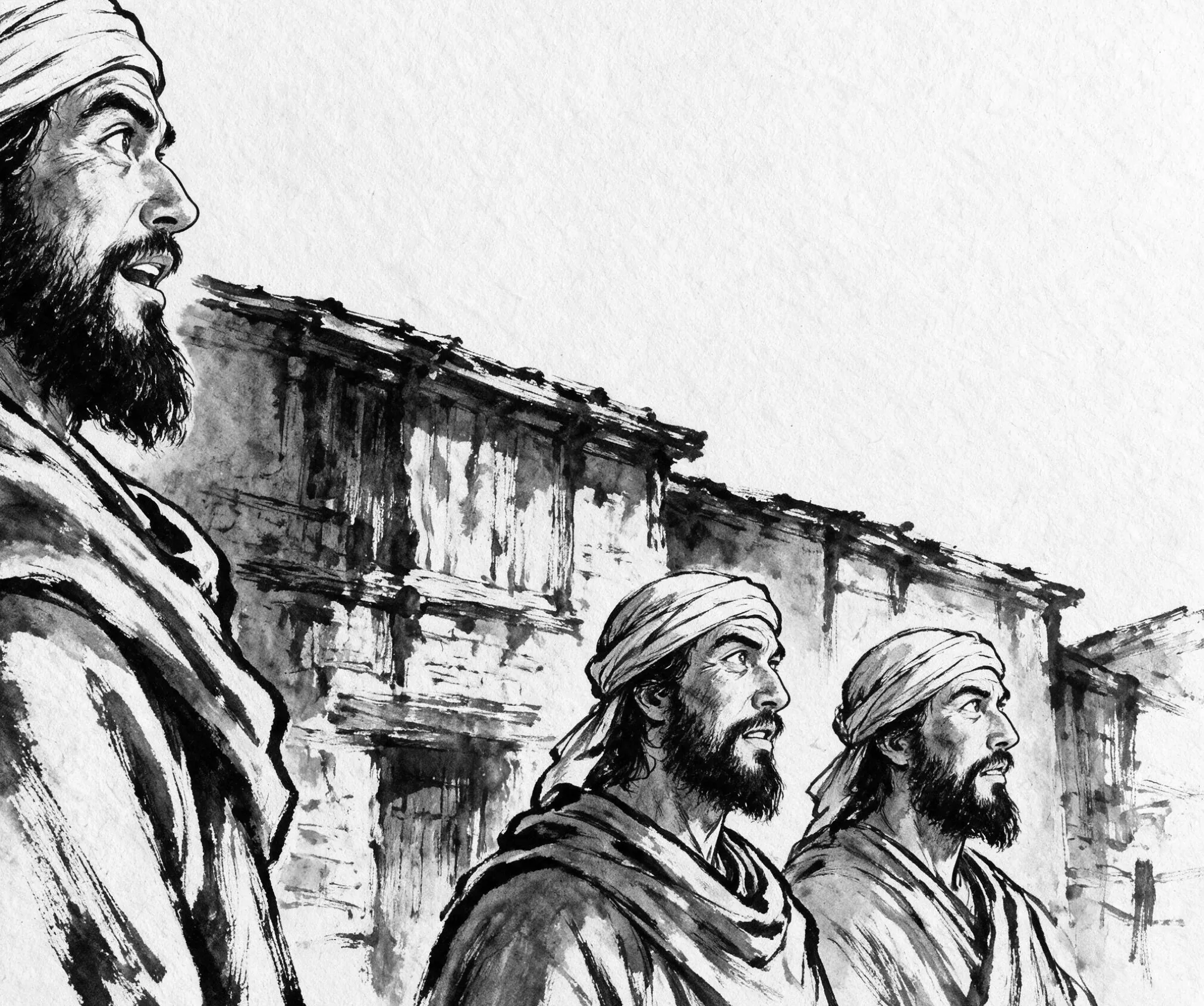
- Qur'an 12:58; Ibn Kathir on 12:58-62 - his brothers came and entered upon him; he knew them and they did not know him. Ibn Kathir reports that ten came, that their father kept the youngest at home, and that they never imagined their brother a minister
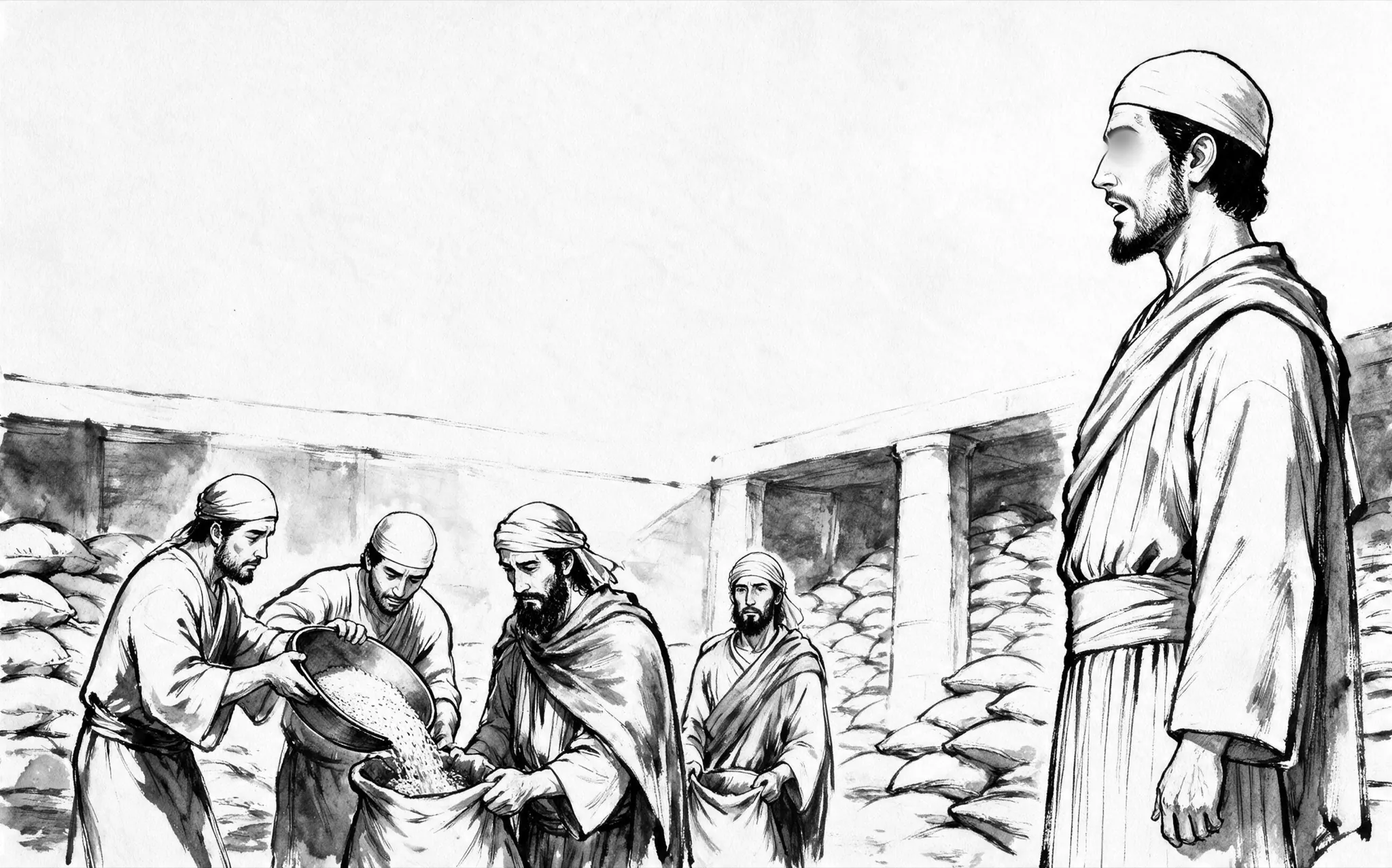
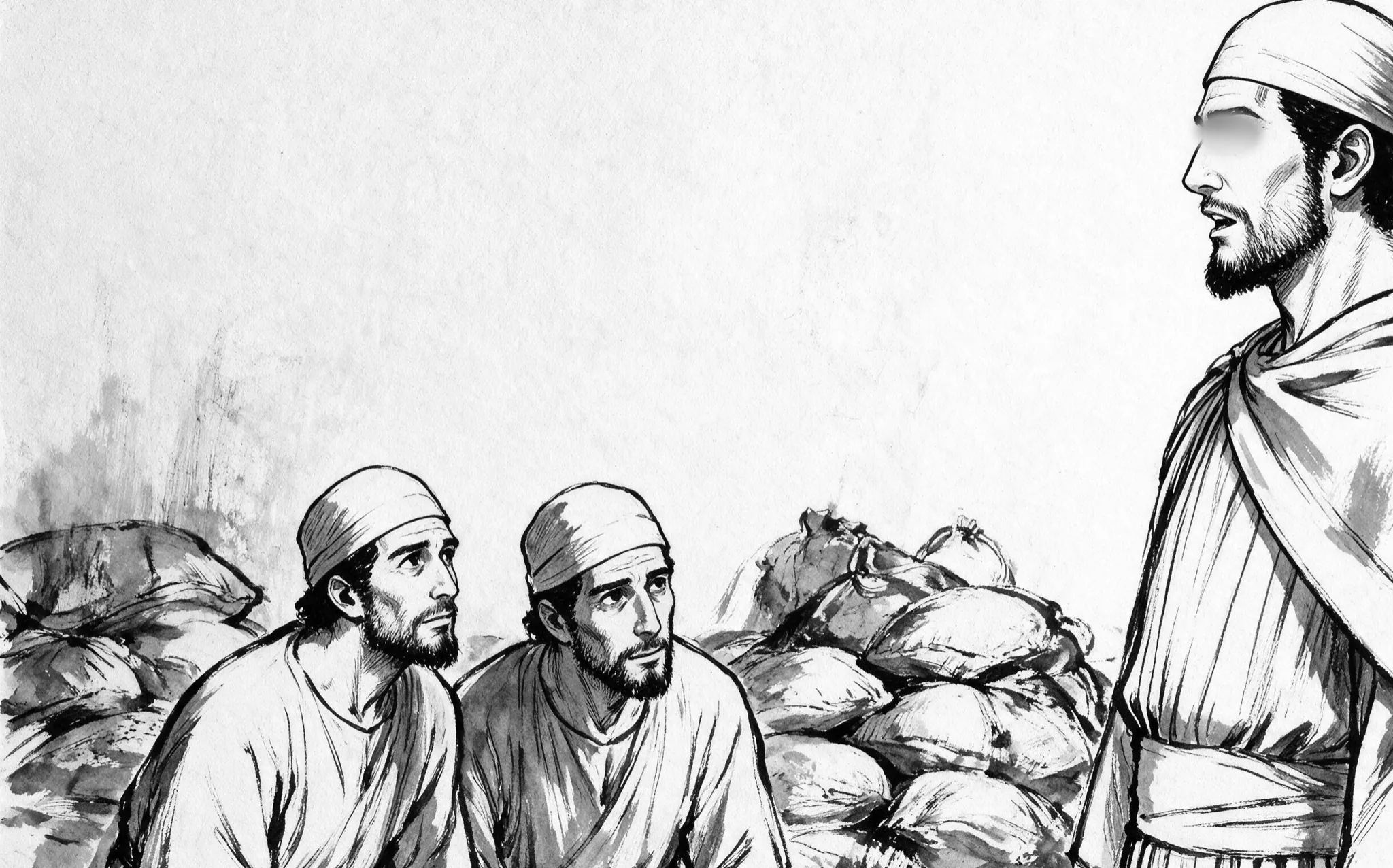
- Qur'an 12:59-62 - he had their loads made ready and asked them to bring a brother of theirs from their father, with no measure for them otherwise; they said they would try to persuade his father; he told his servants to put their goods back into their saddlebags. The goods are shown going back by the hands alone
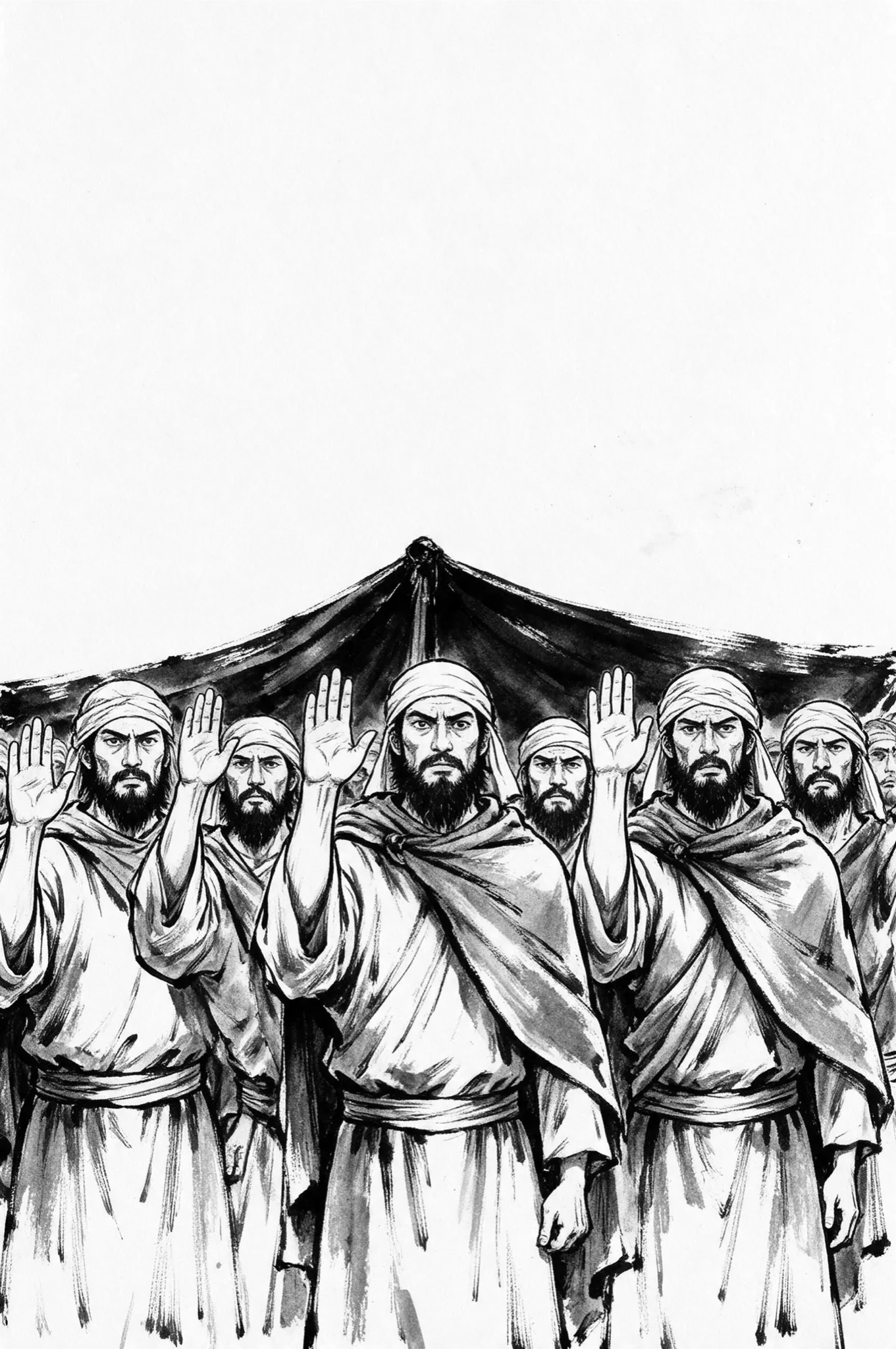
- Qur'an 12:63-66 - at home they told their father that measure was denied them and asked him to send their brother; he asked whether he should trust them with him as he had trusted them with his brother before, and said Allah is the best guardian; they found their goods returned; he would not send him until they gave him a pledge by Allah, and when they had given it he said, "Allāh, over what we say, is Entrusted." The pledge is shown as raised hands, with nothing bent
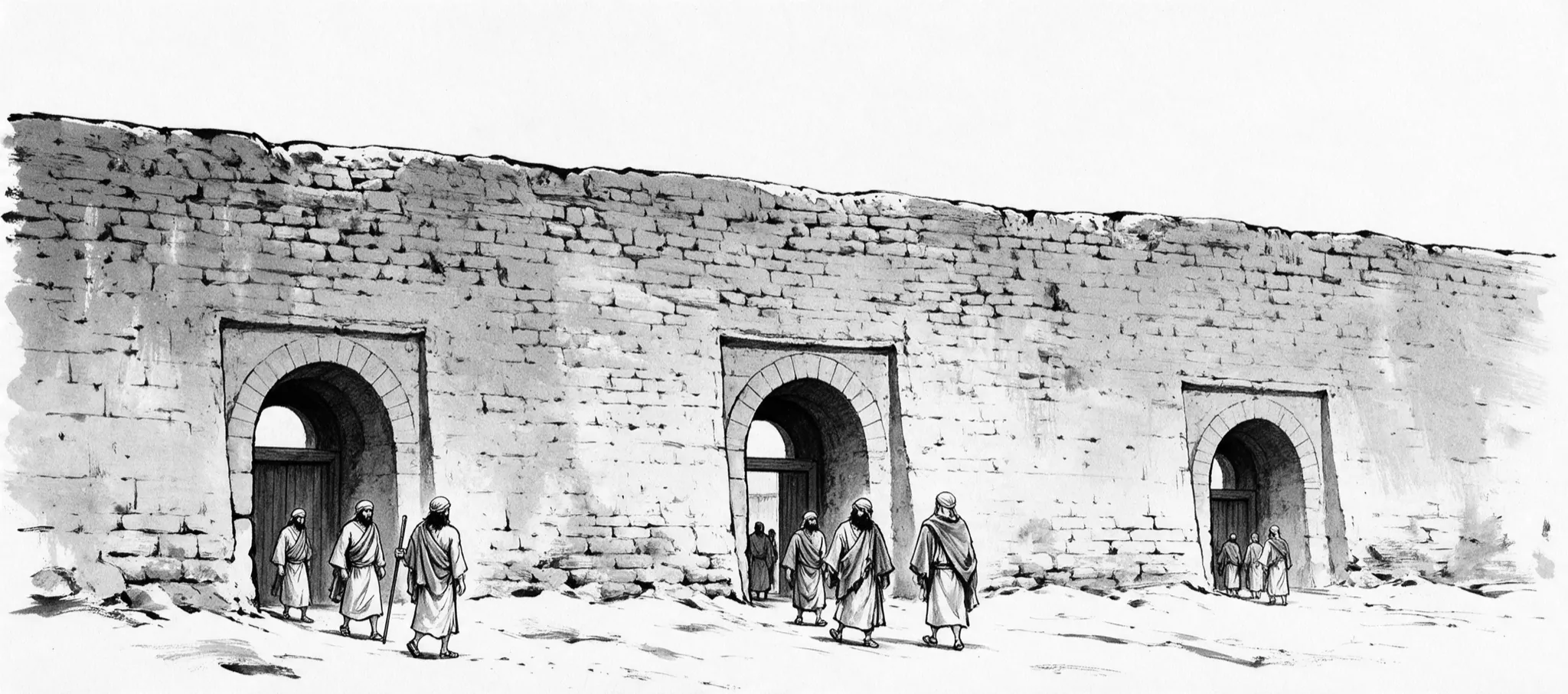
- Qur'an 12:67-68; Ibn Kathir on 12:67-68 - he told them not to enter by one gate but by different gates, and that judgement is Allah's alone. Ibn Kathir reports from the early commentators that he feared the evil eye on a family of handsome men; the story shows the separate gates and does not caption the reason
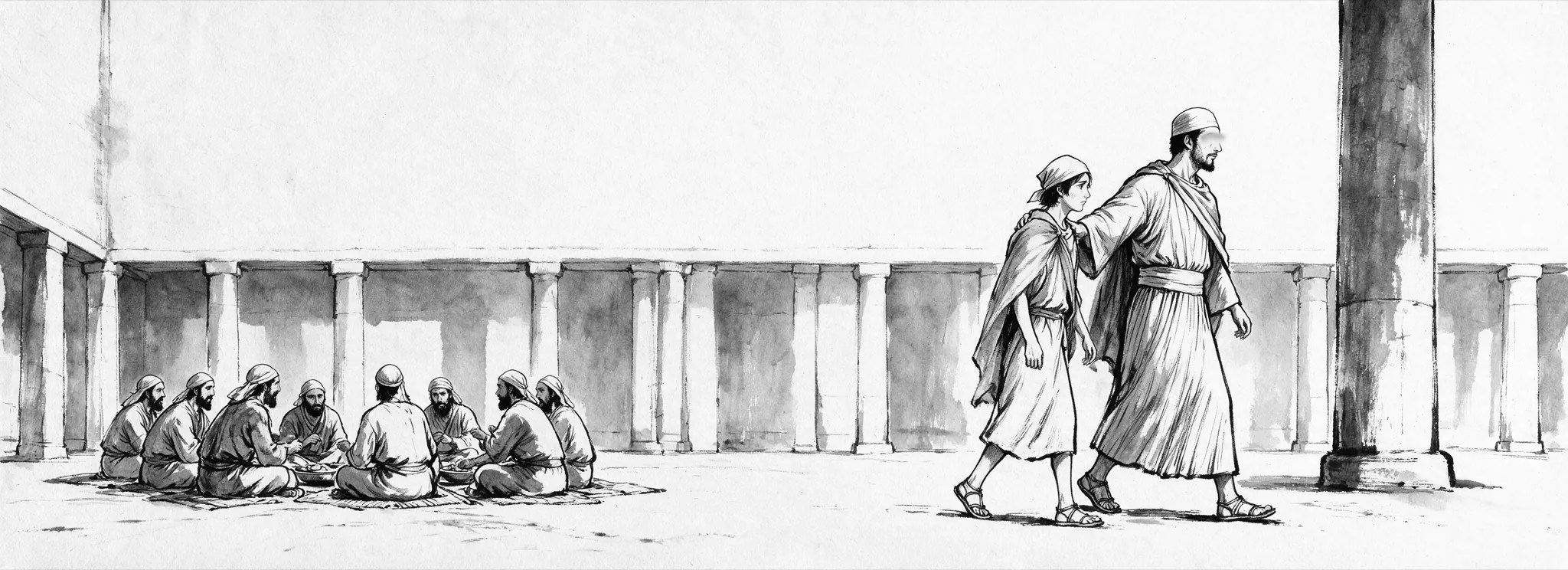
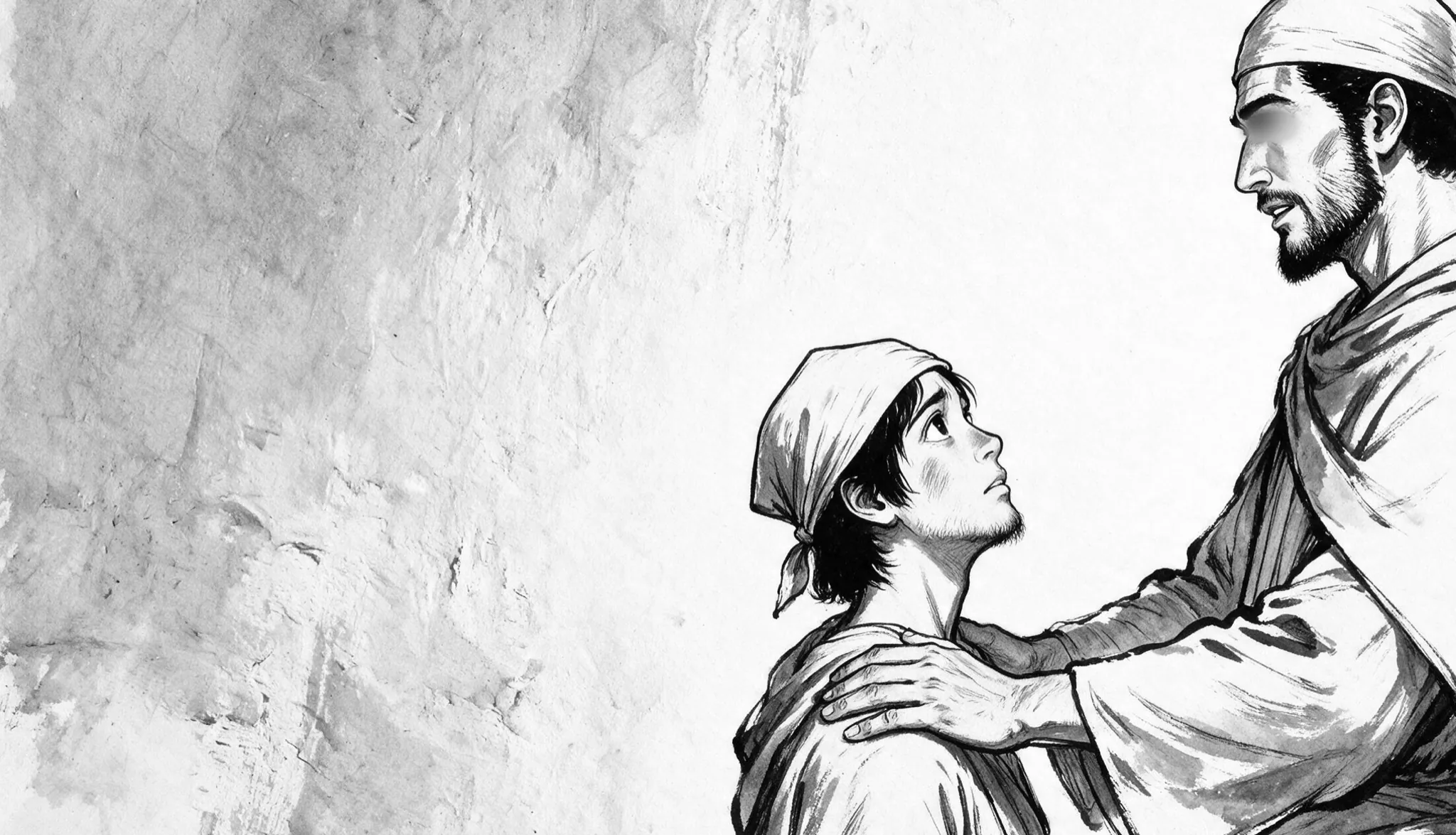
- Qur'an 12:69; Ibn Kathir on 12:69 - he took his brother to himself and told him that he was his brother and that he should not grieve over what they used to do. Ibn Kathir reports that he told him to keep it hidden. These are the only words in the act where he names himself to anyone
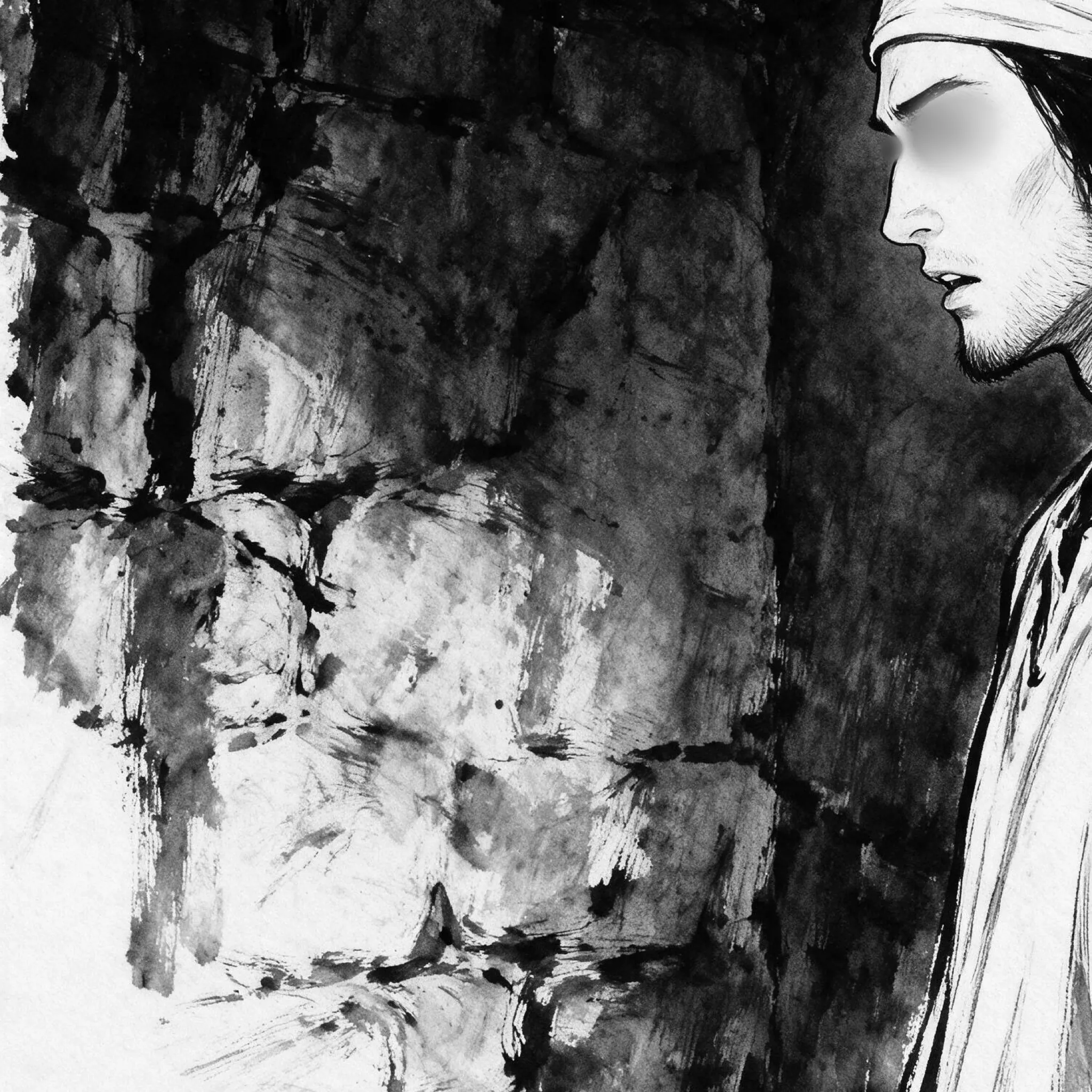
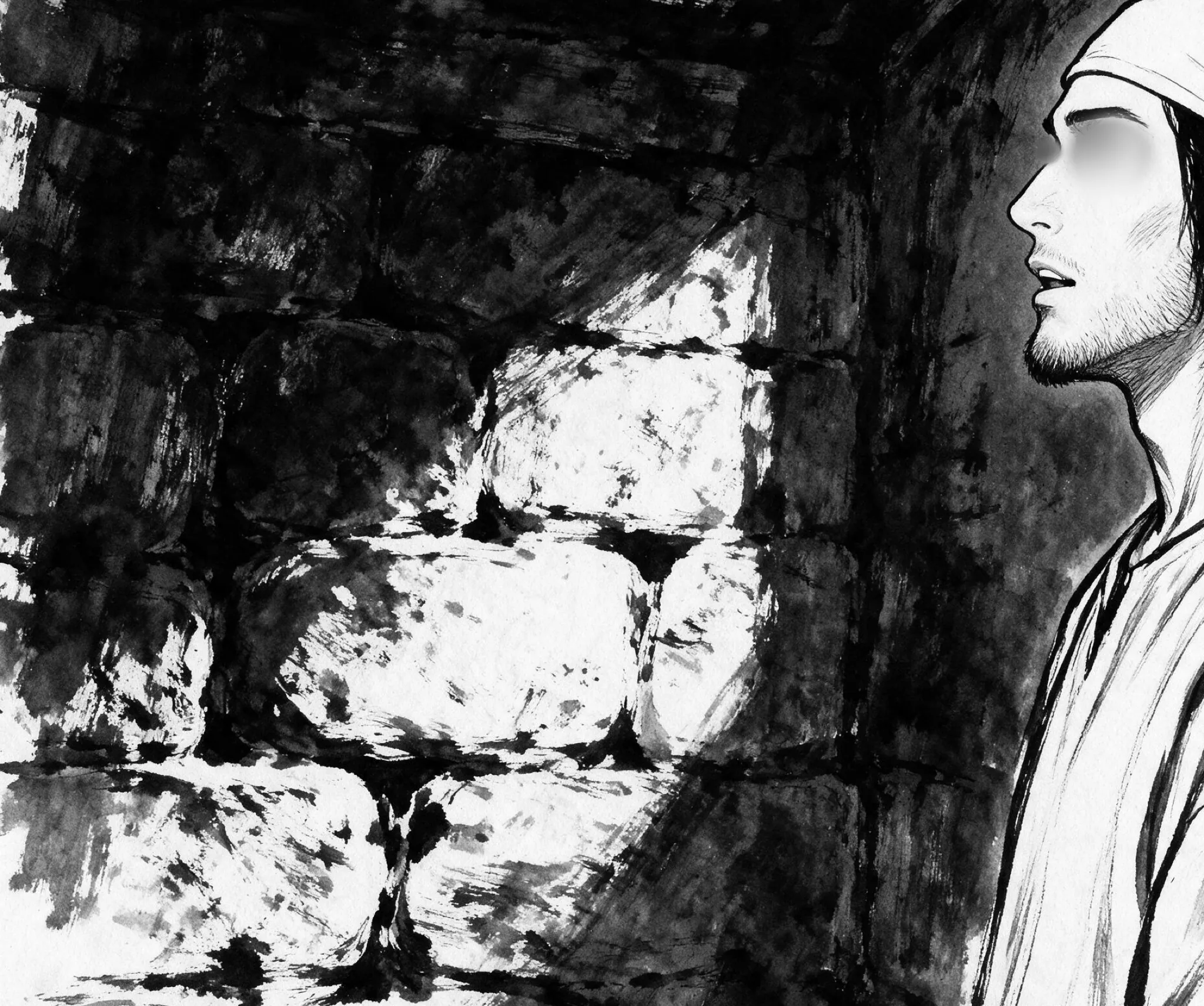
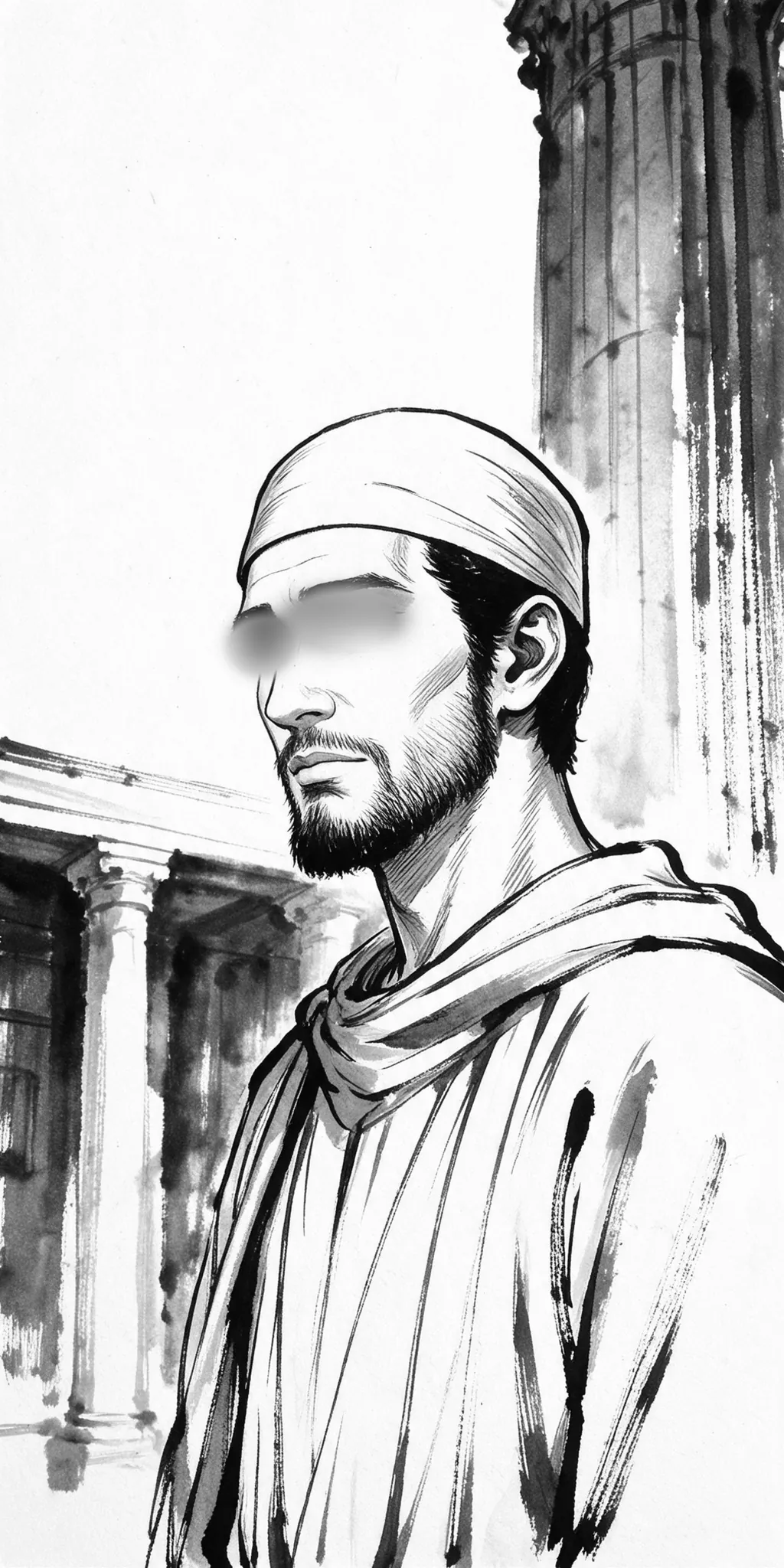
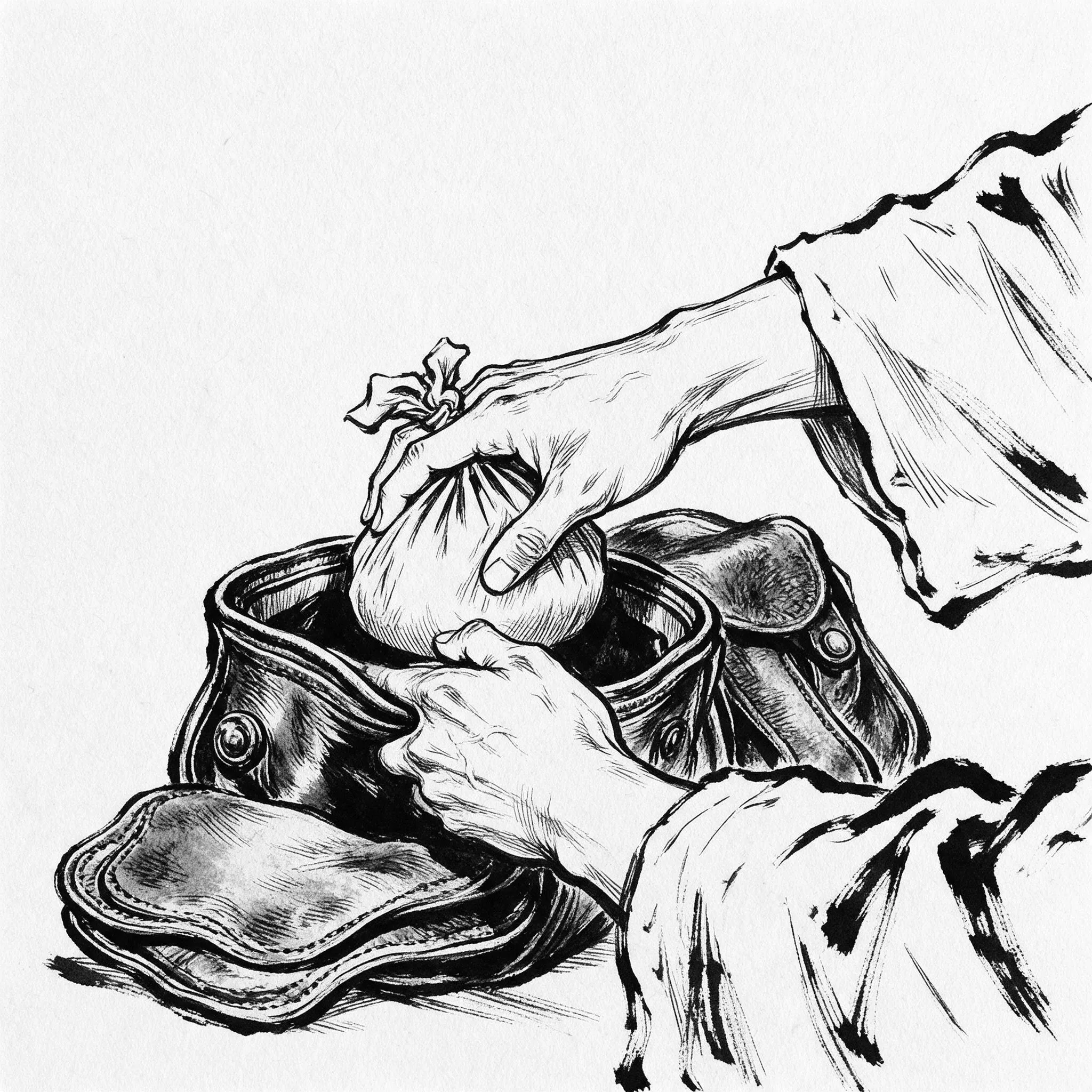
- Qur'an 12:70-75; Ibn Kathir on 12:70-76 - he put the drinking cup in his brother's bag; a herald called out after the caravan; the brothers asked what was missing; the men said the king's measure, and a camel's load for whoever brought it, and the herald gave his word for it; the brothers swore they had come to cause no corruption and were no thieves, and gave the ruling for the one in whose bag it was found. Ibn Kathir reports that most said the cup was silver and some said gold, and that the ruling they gave was the law of Ibrahim, the thief given over to the one robbed. The Chinese edition calls it a wine cup, the Urdu a glass and the Korean a golden cup; the Arabic names a drinking vessel and the king's measure, and the story draws it as a plain metal bowl with no drink
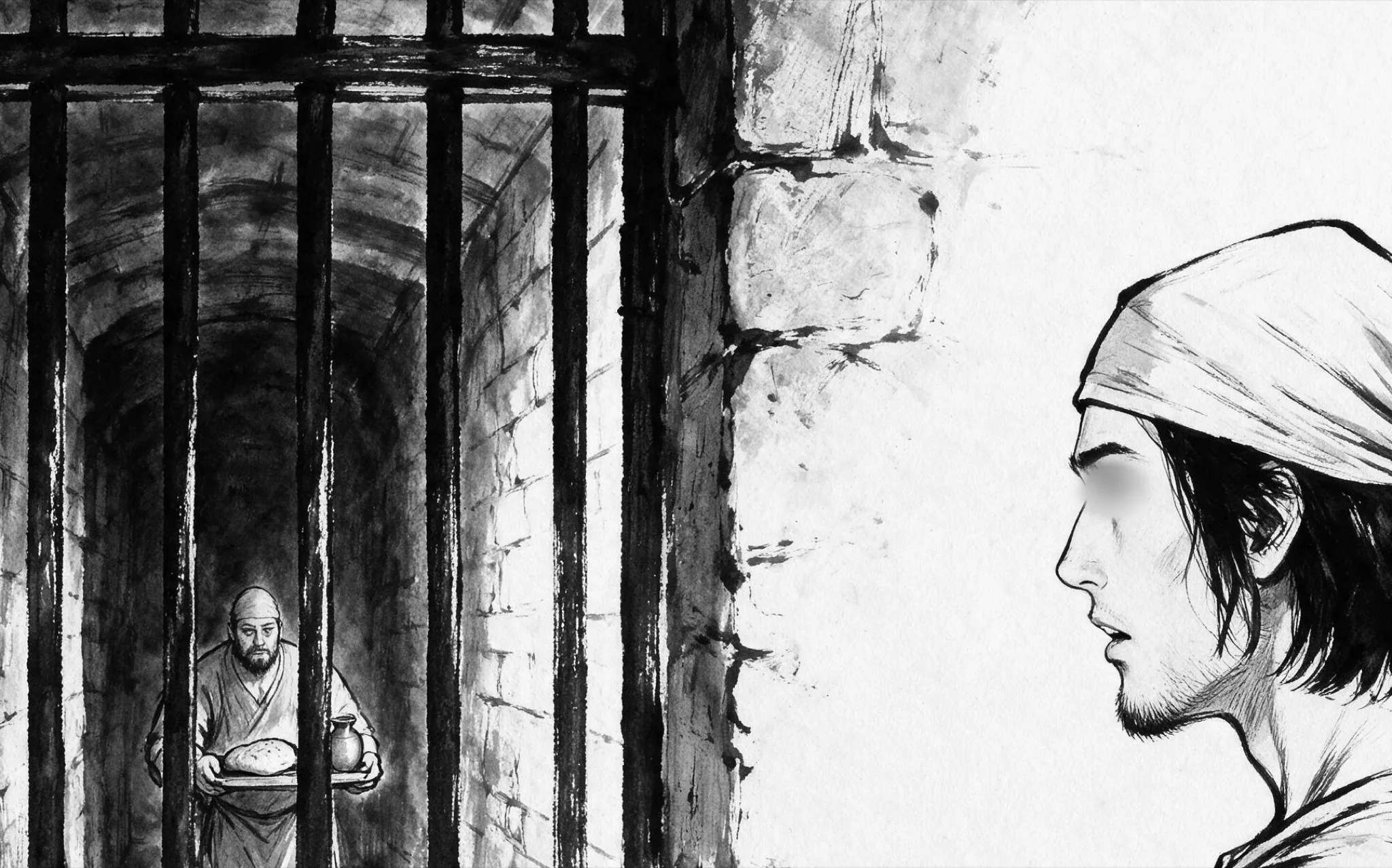
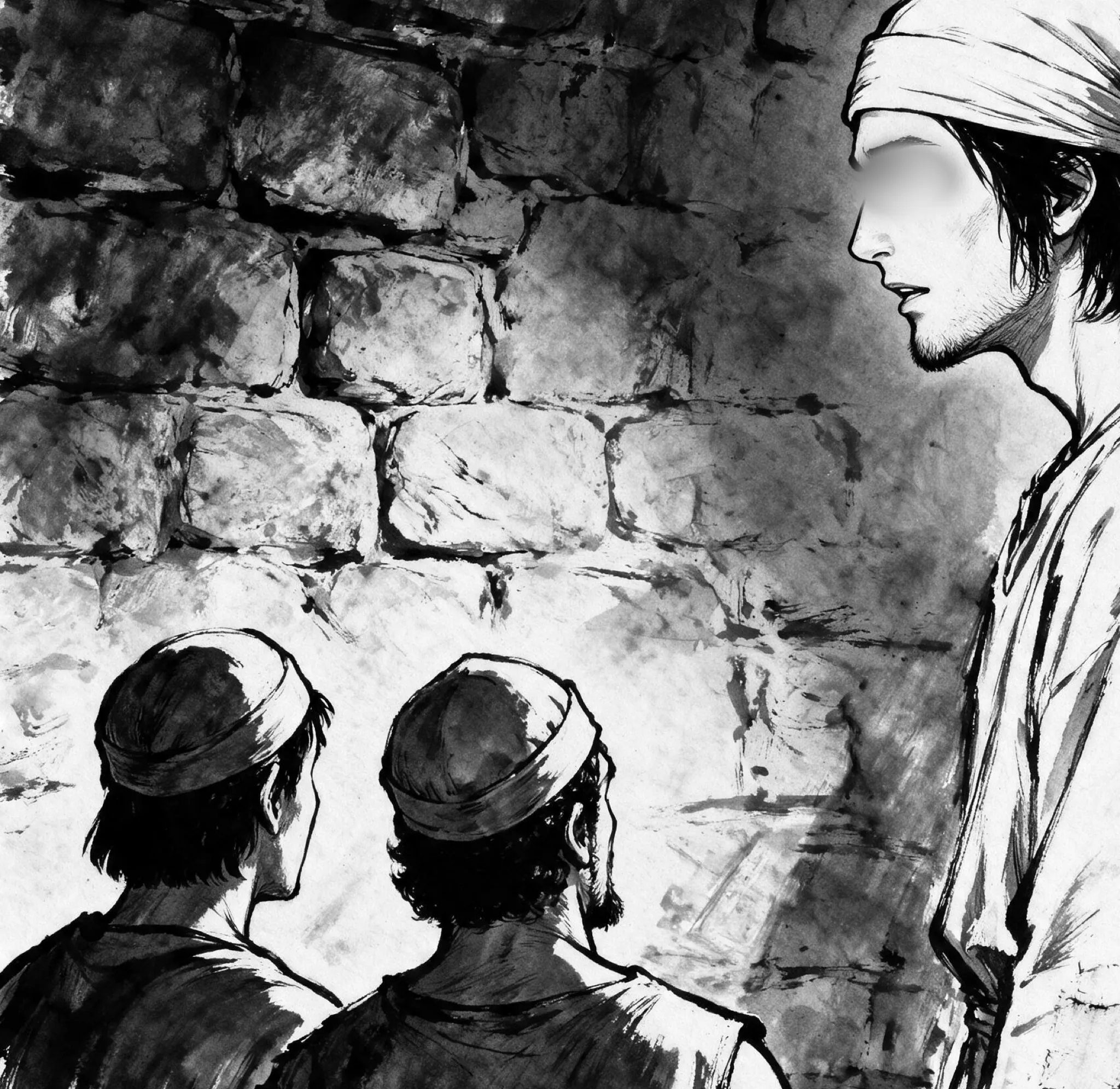
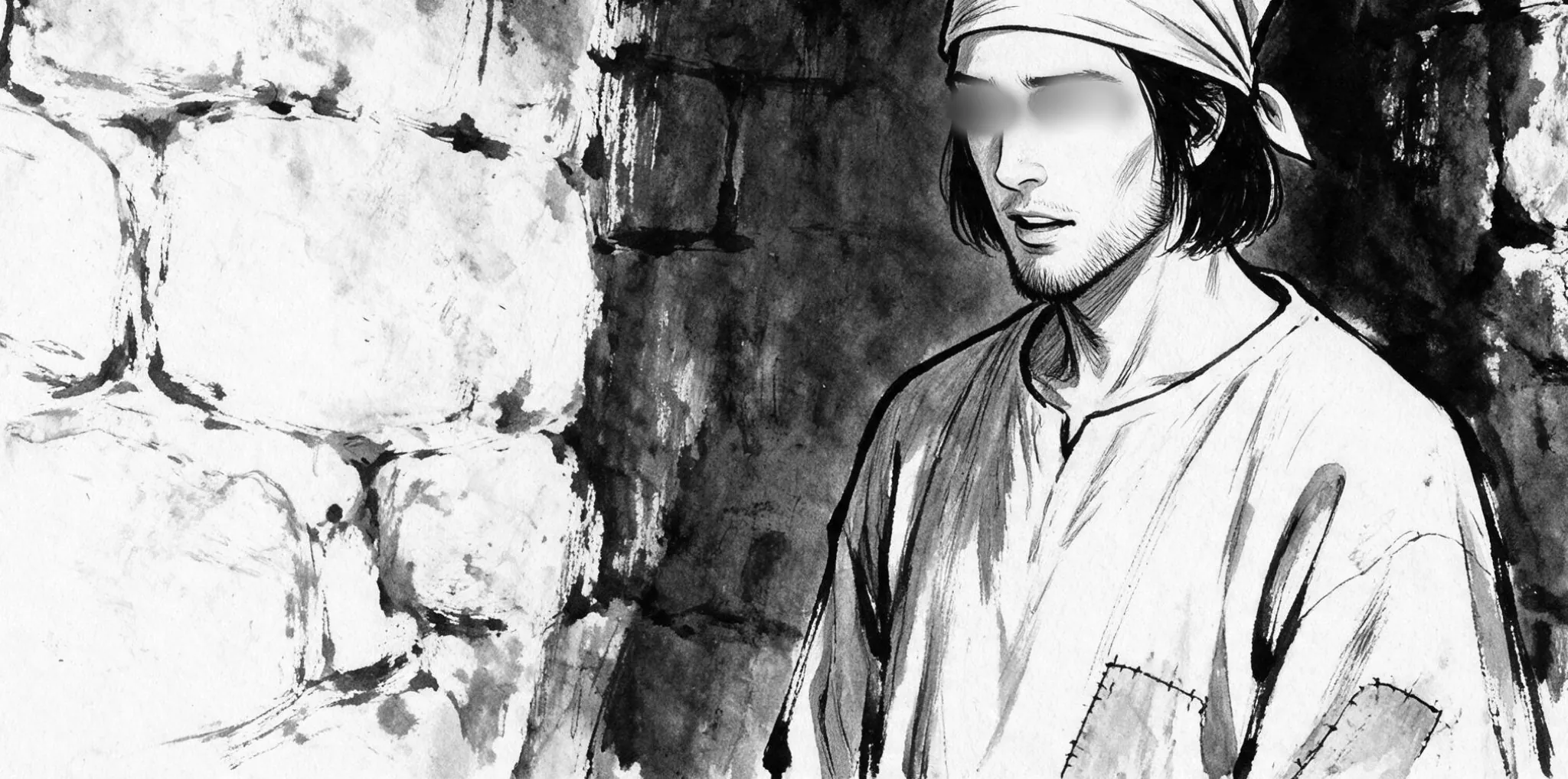
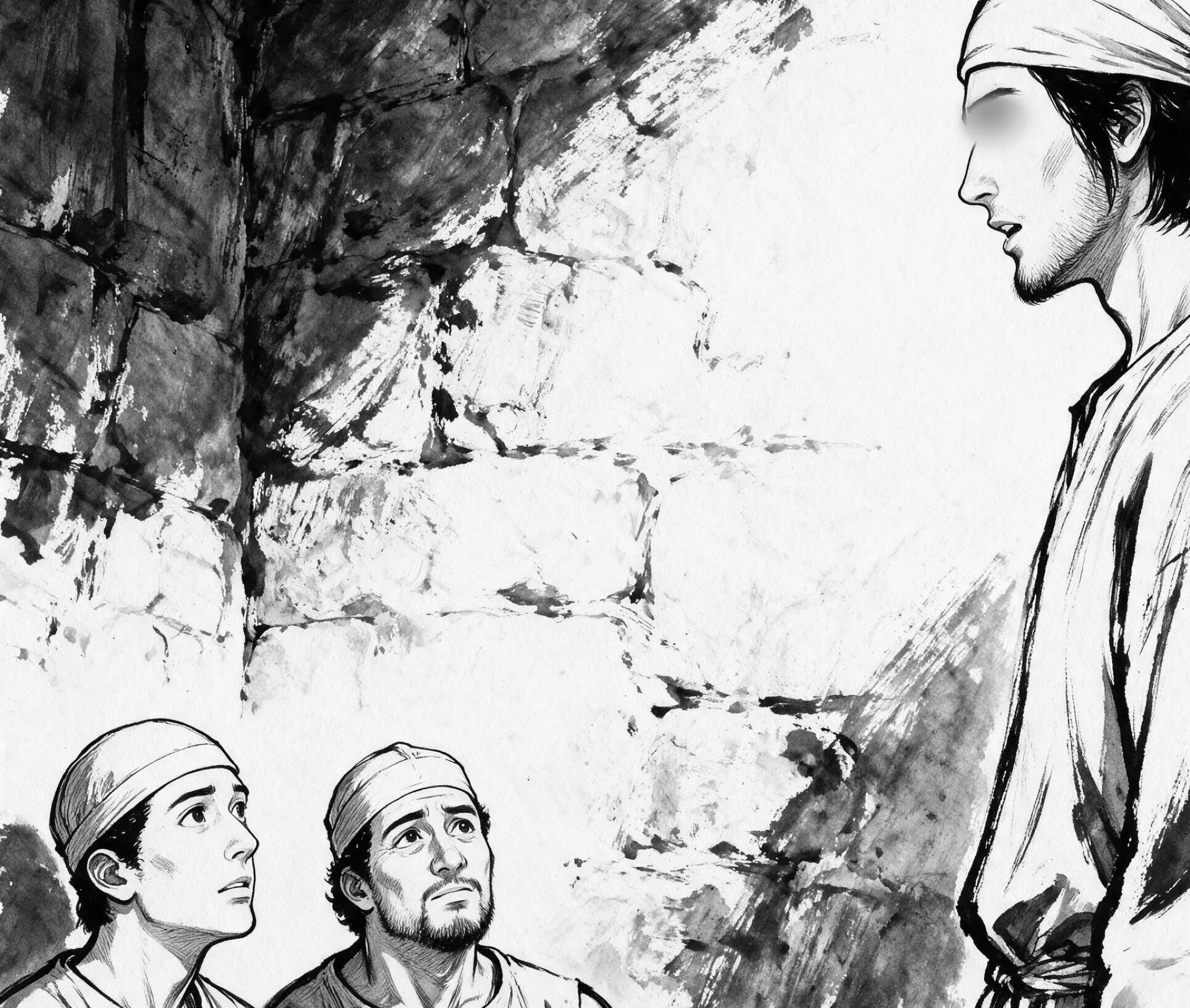
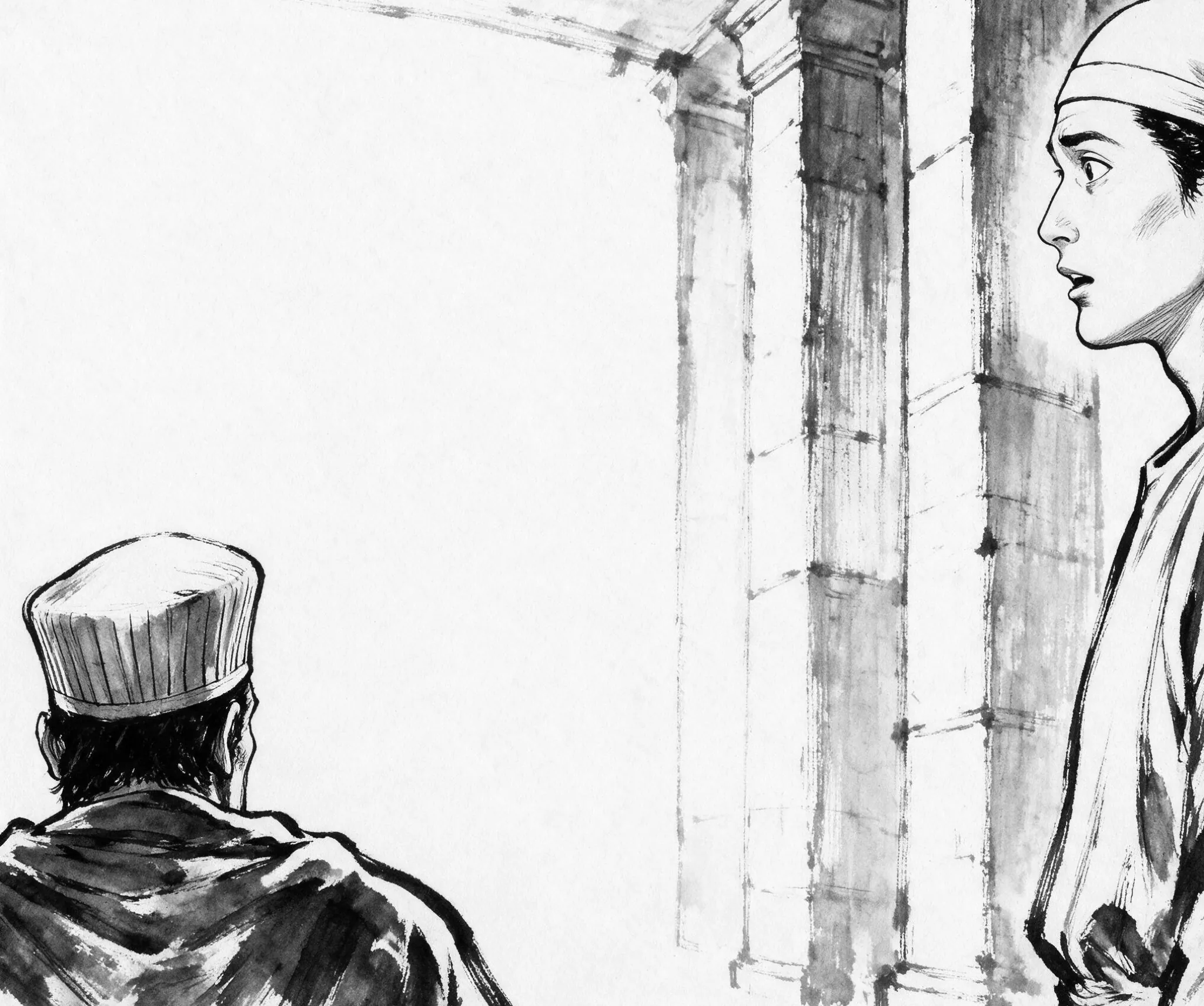
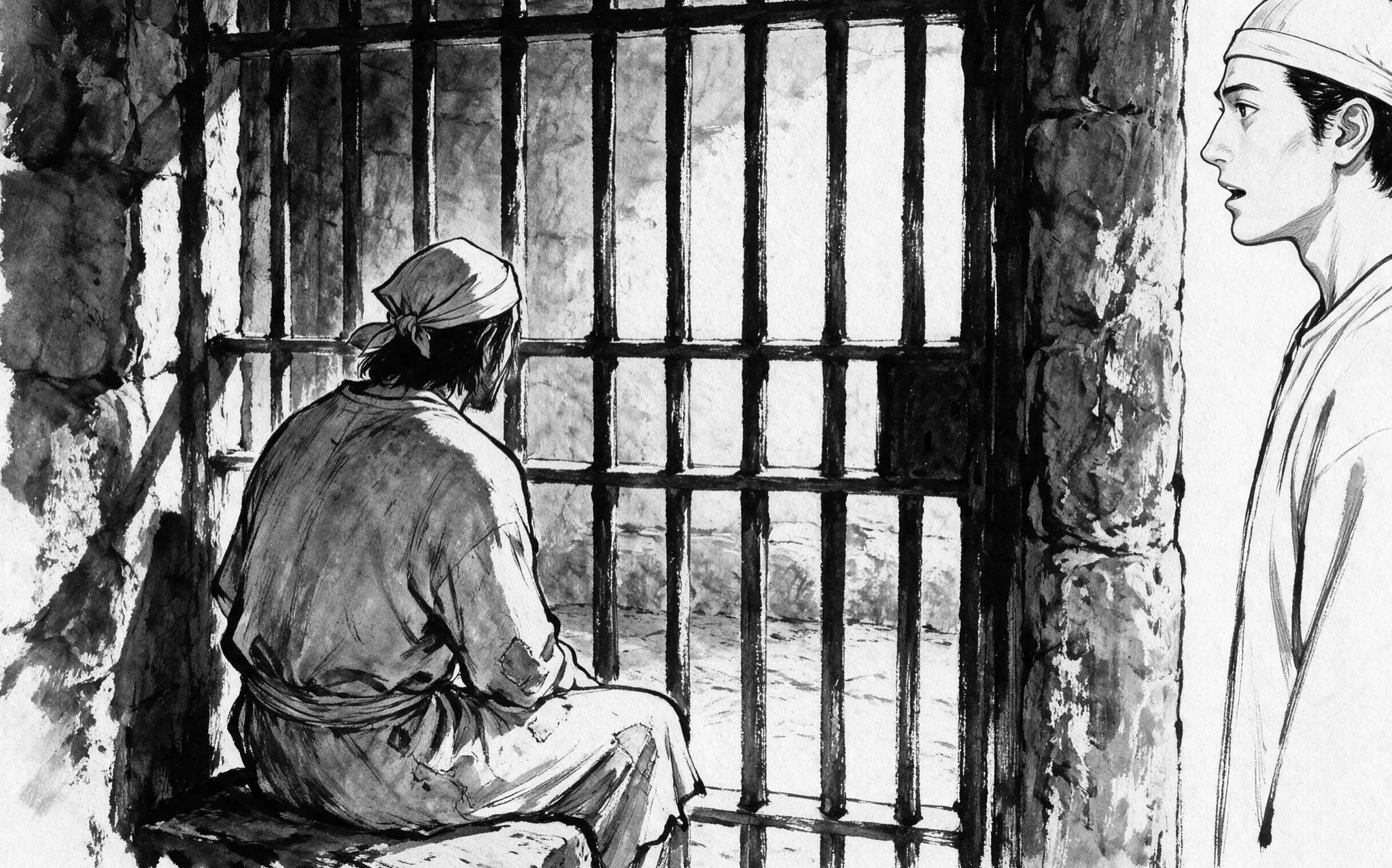
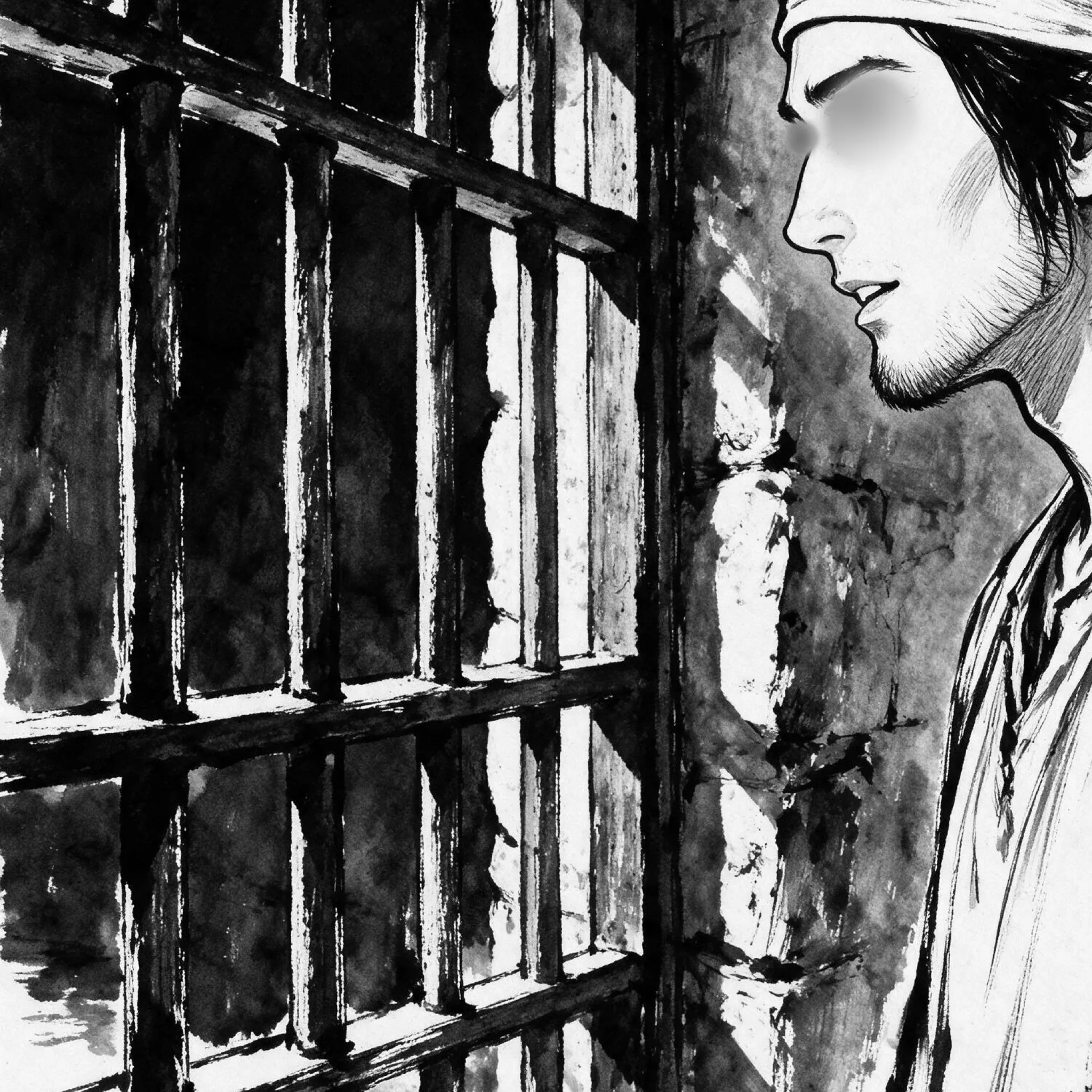
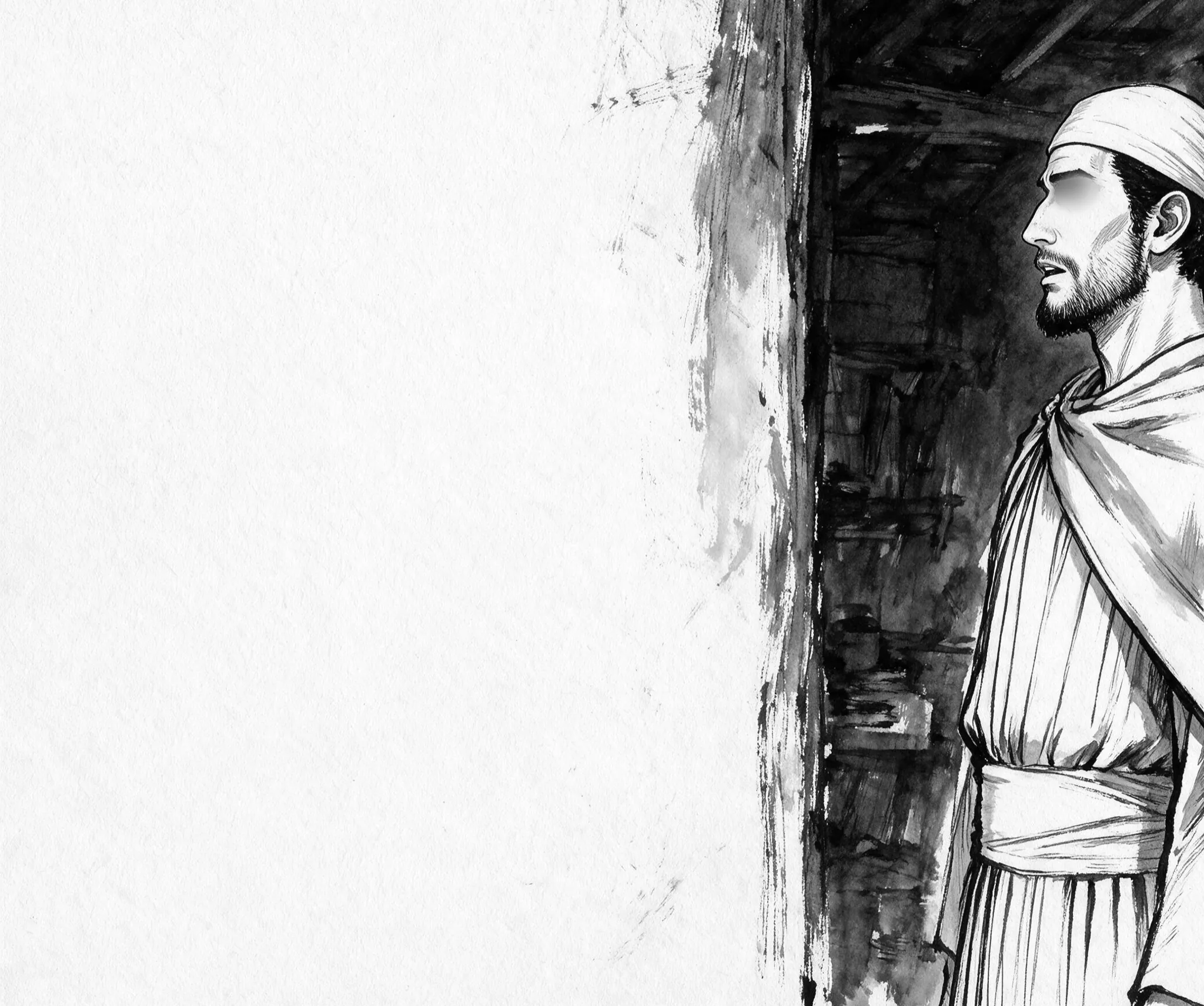
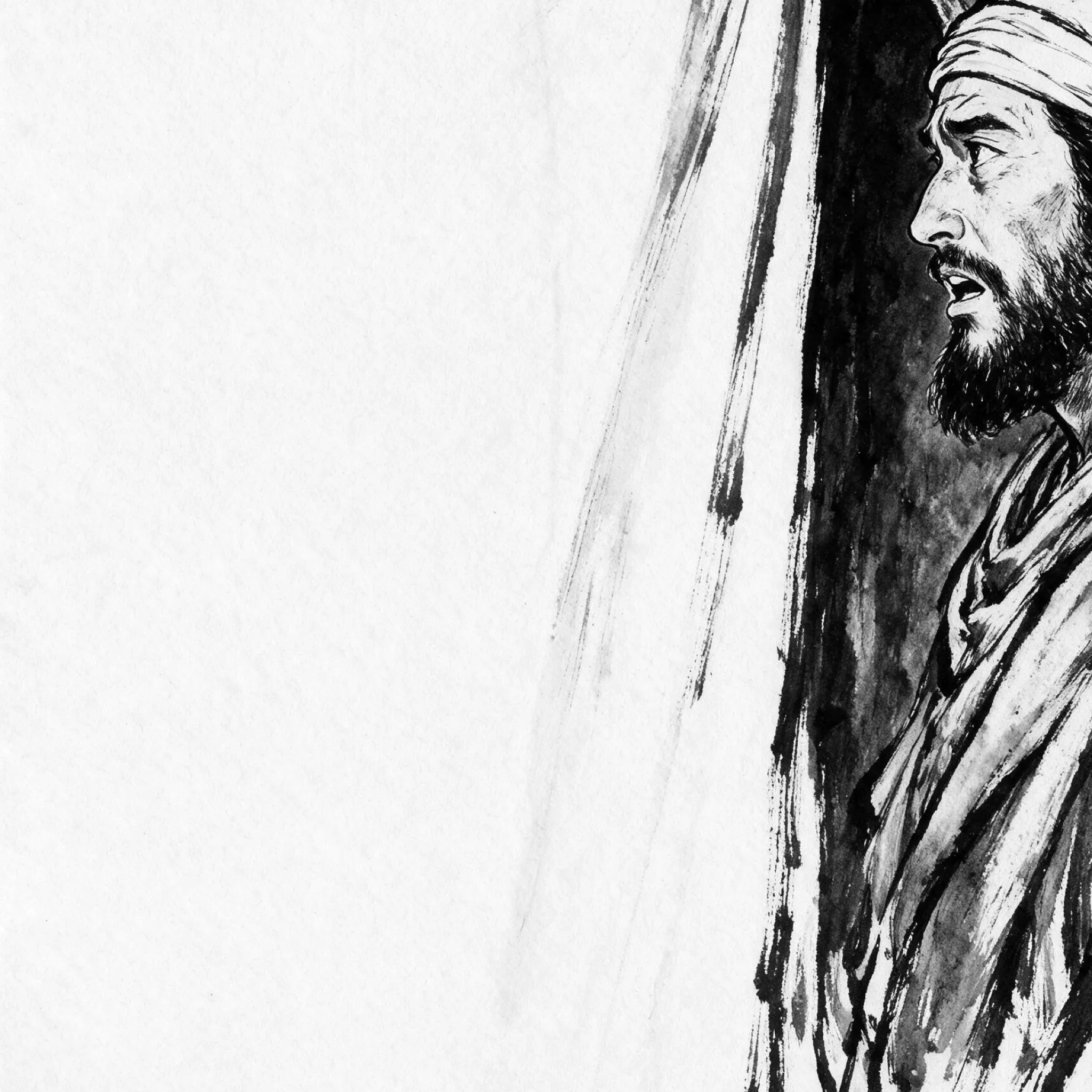
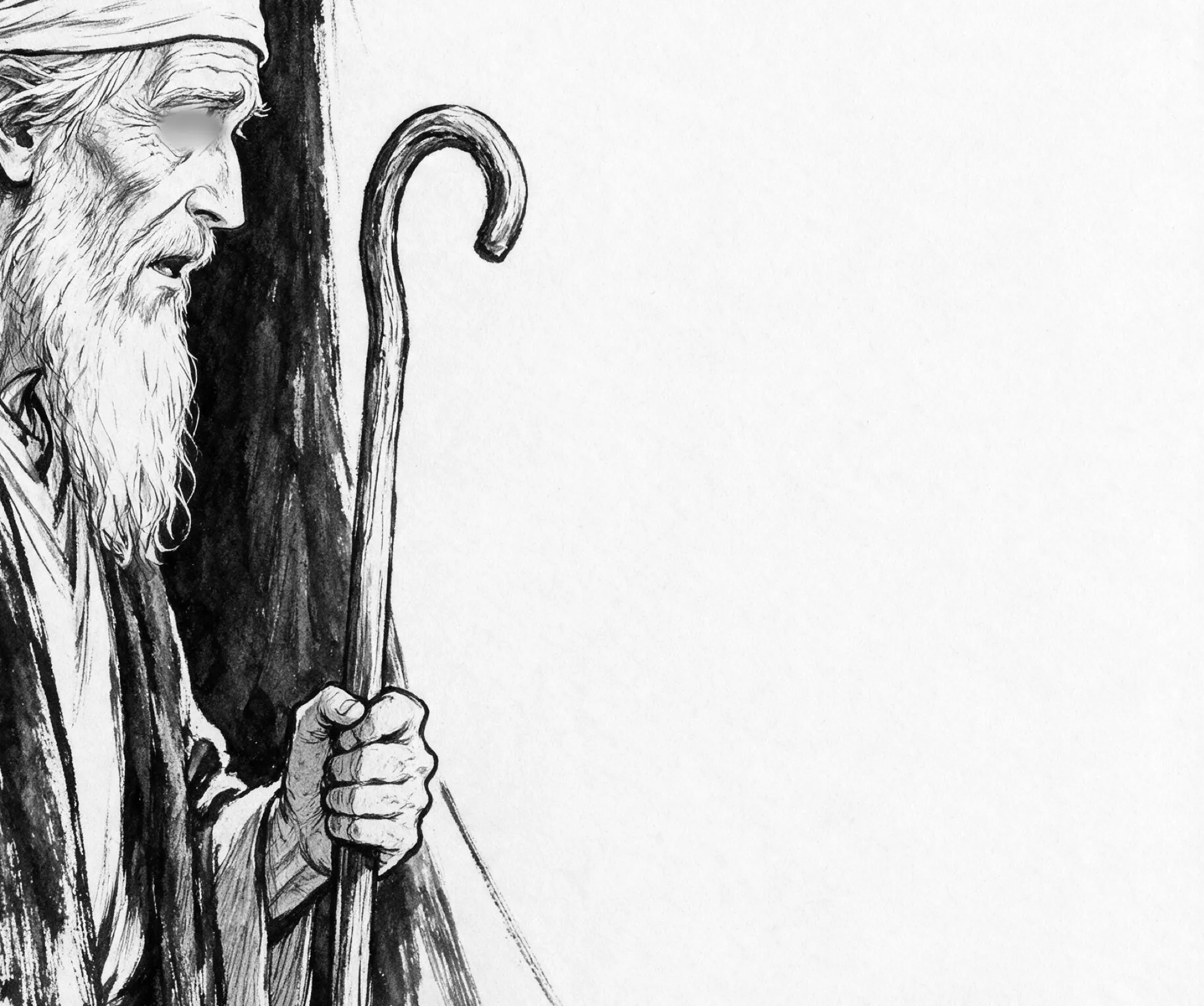
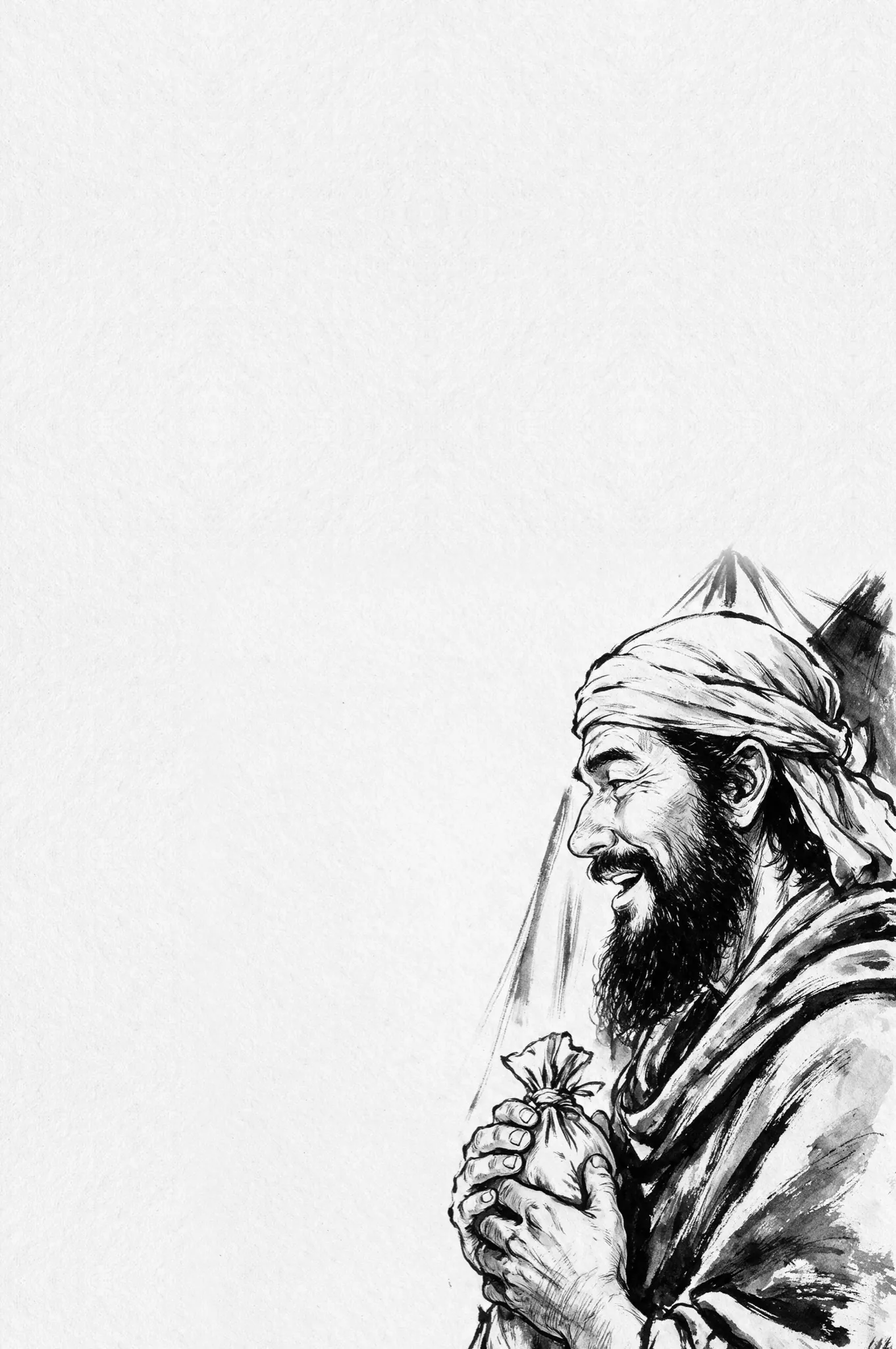
- Qur'an 12:76; Ibn Kathir on 12:73-76 - the pause page: he began with their bags before his brother's and drew the cup out, and the ayah says whose plan it was, that he could not have taken his brother under the king's law except as Allah willed, and that above every one of knowledge is one more knowing. Ibn Kathir reads the plan as one Allah approves for a benefit, made possible because the brothers had named the ruling themselves. The story says only that the cup came out of the bag and leaves the rest to the Qur'an
- Qur'an 12:77; Ibn Kathir on 12:77 - they said that if he stole, a brother of his had stolen before, and Yusuf kept it to himself and did not show it to them. Ibn Kathir reports that his reply was said within himself; it is not lettered. What the earlier charge referred to is not told. The Korean edition names Yusuf in their words; the ayah says only a brother of his
- Qur'an 12:78-79 - they pleaded that the youngest had an old father and asked him to take one of them in his place; he answered with the refuge of Allah, that they would take only him with whom their goods were found, or they would be wrongdoers. It is the same refuge he sought at the door in 12:23
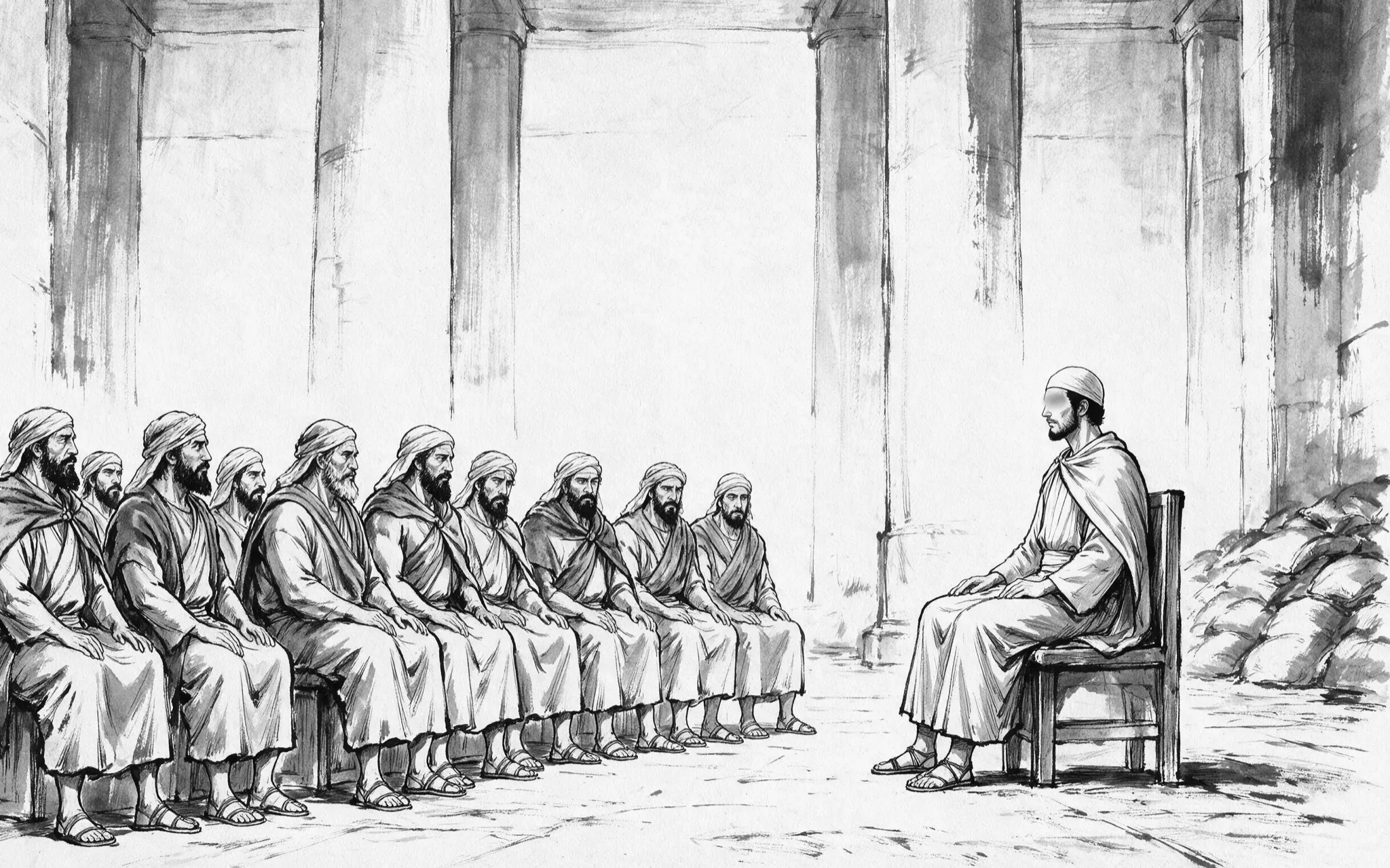
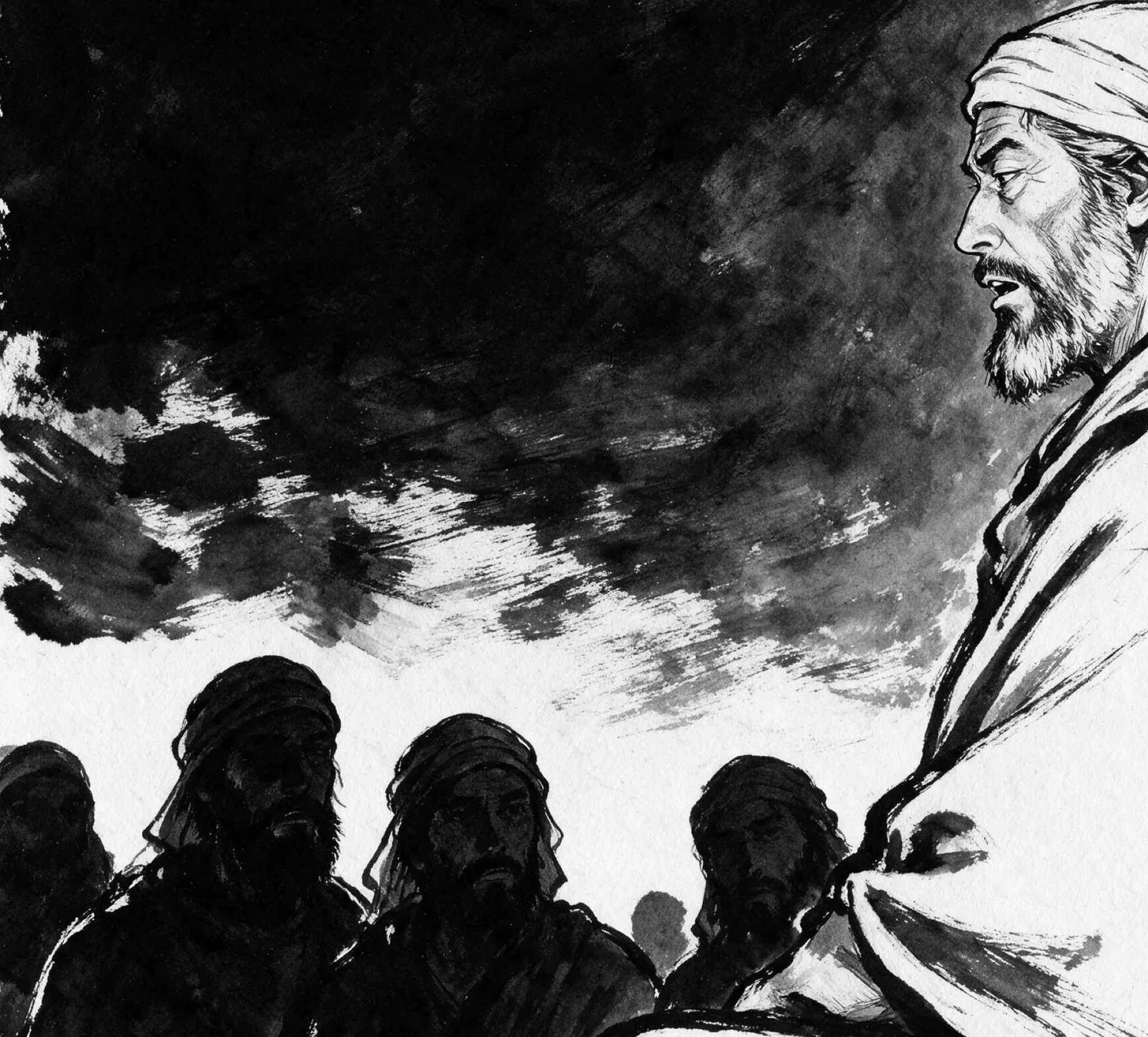
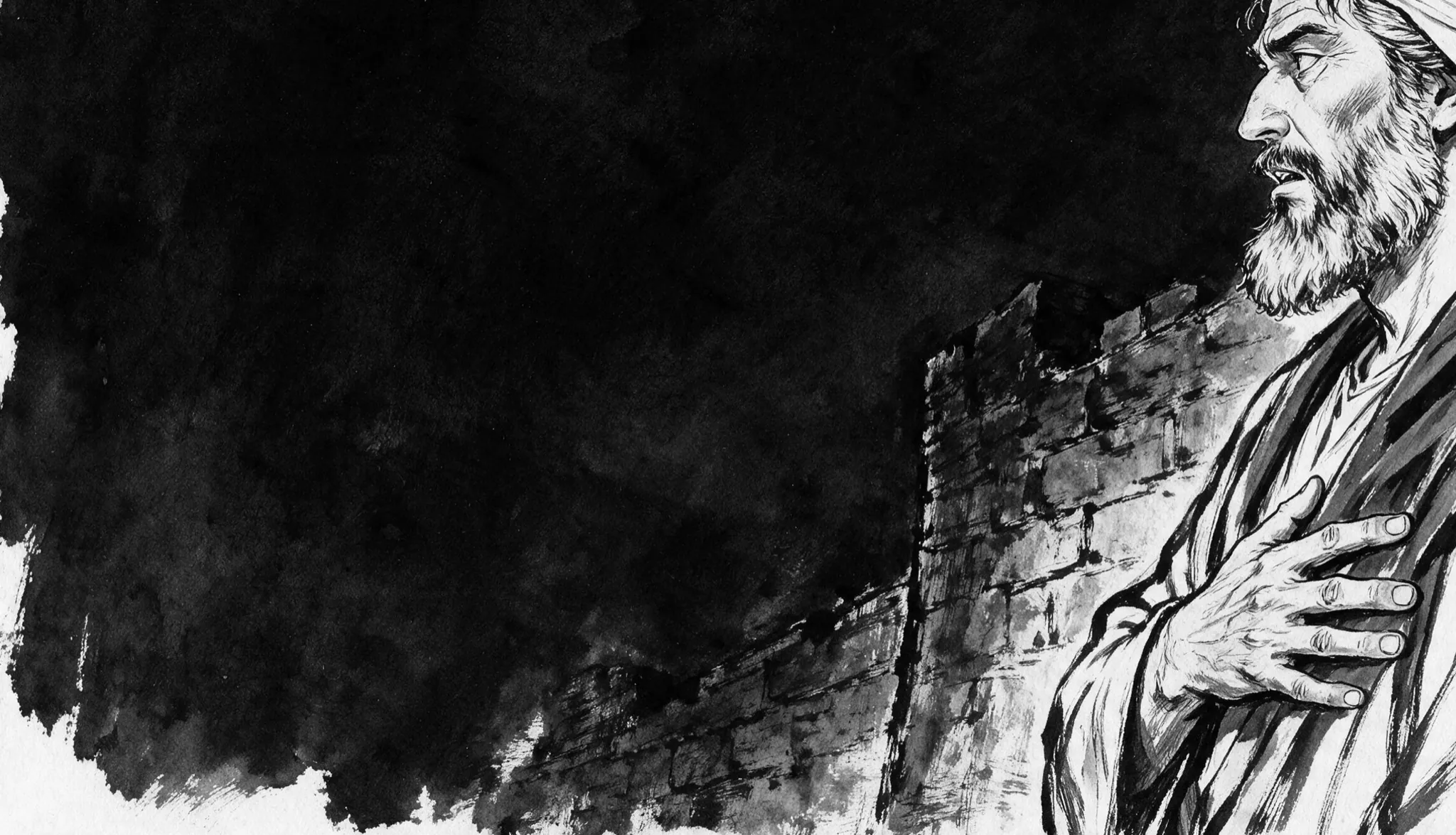
- Qur'an 12:80-81; Ibn Kathir on 12:80-86 - when they despaired of him they drew apart to confer; the eldest reminded them of their father's pledge and their failure over Yusuf before, said he would not leave the land until his father permitted him or Allah judged for him, and sent them home to tell their father that his son had stolen. Who the eldest was, the early commentators name differently; the story leaves him unnamed and draws him as the oldest of them, the same man who speaks against killing in Act 1
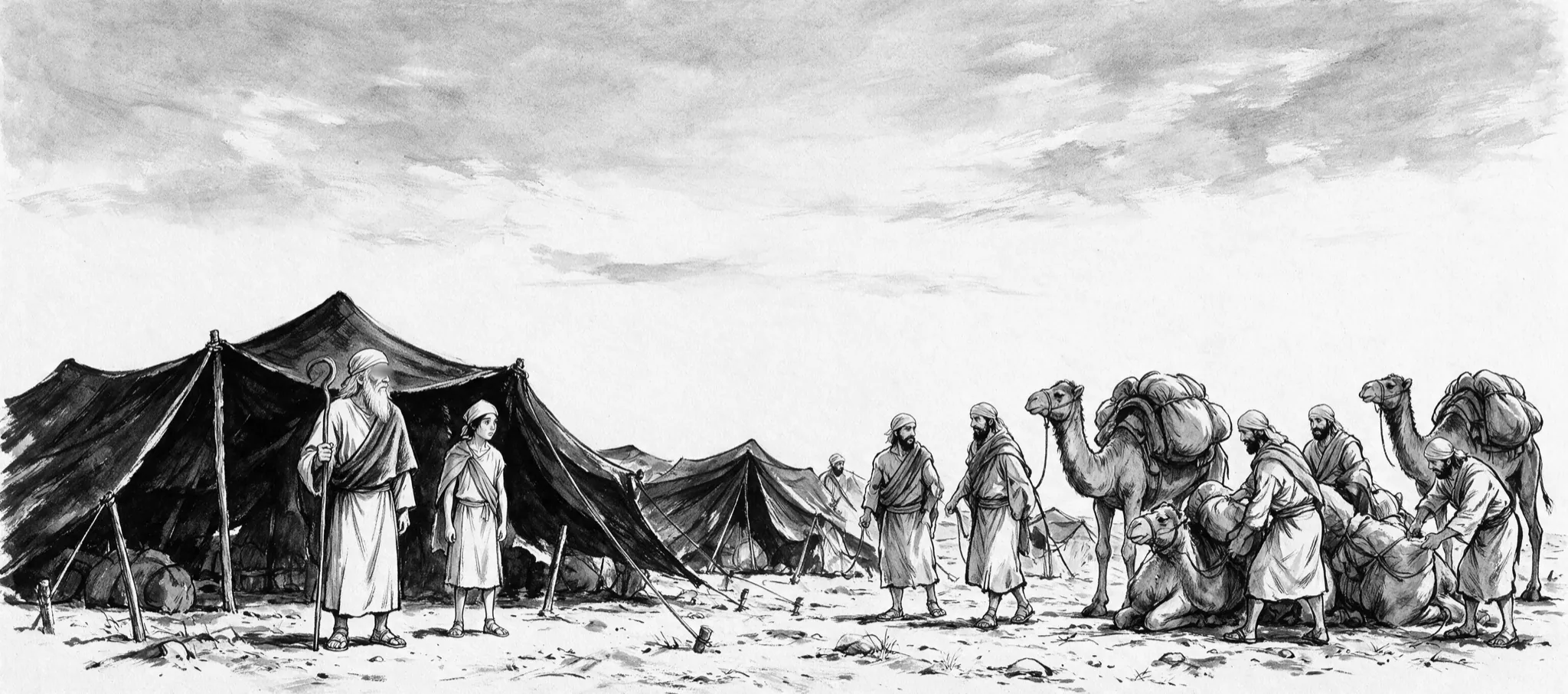
- Qur'an 12:83 - the sons came home without the youngest, and without the eldest, who had stayed in Egypt (12:80); Ya'qub answered with the words he had said over the first shirt (12:18), that their souls had enticed them to something and beautiful patience, and added that perhaps Allah would bring them all to him, He the Knowing, the Wise. The story shows nine walking in and names nobody
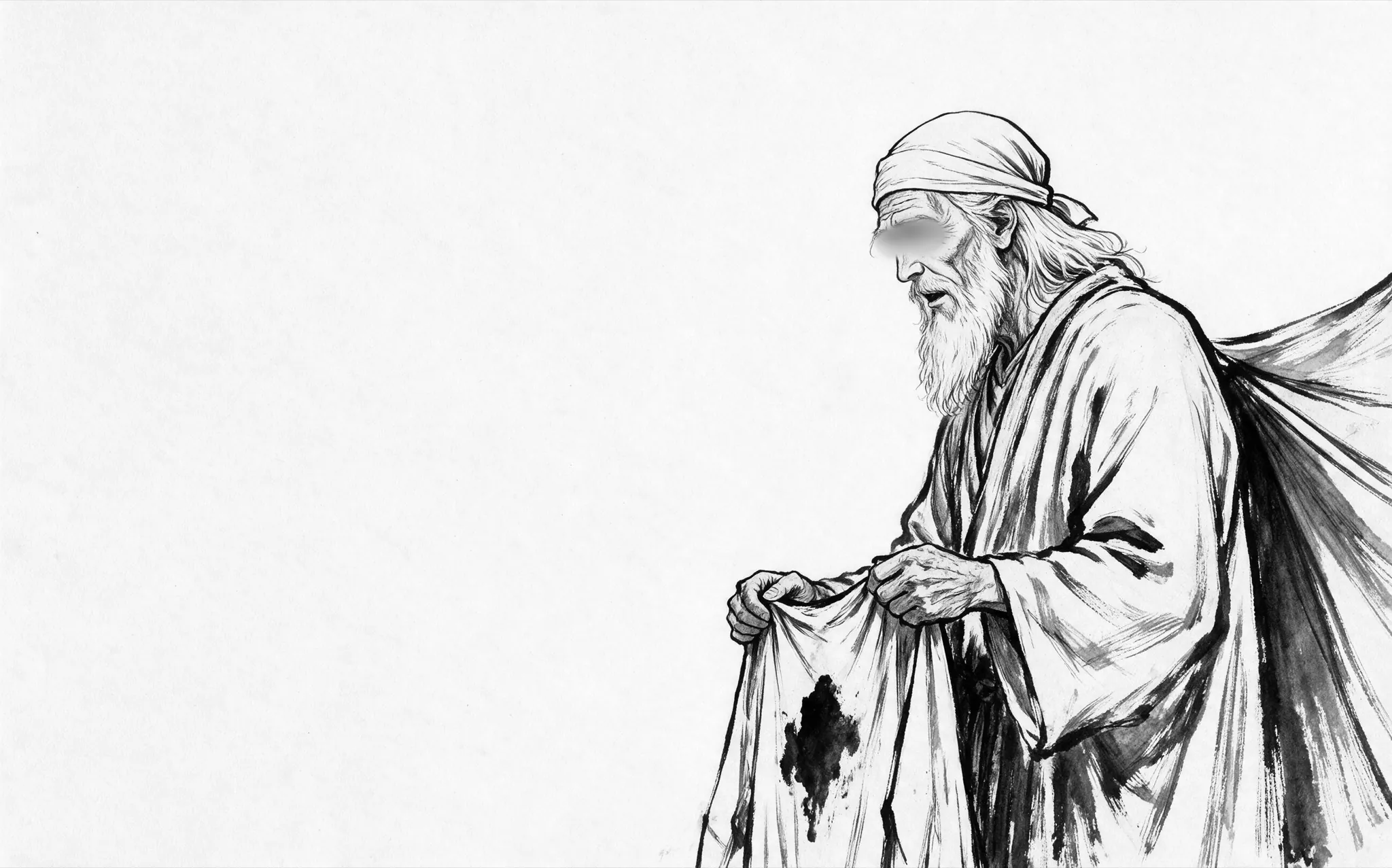
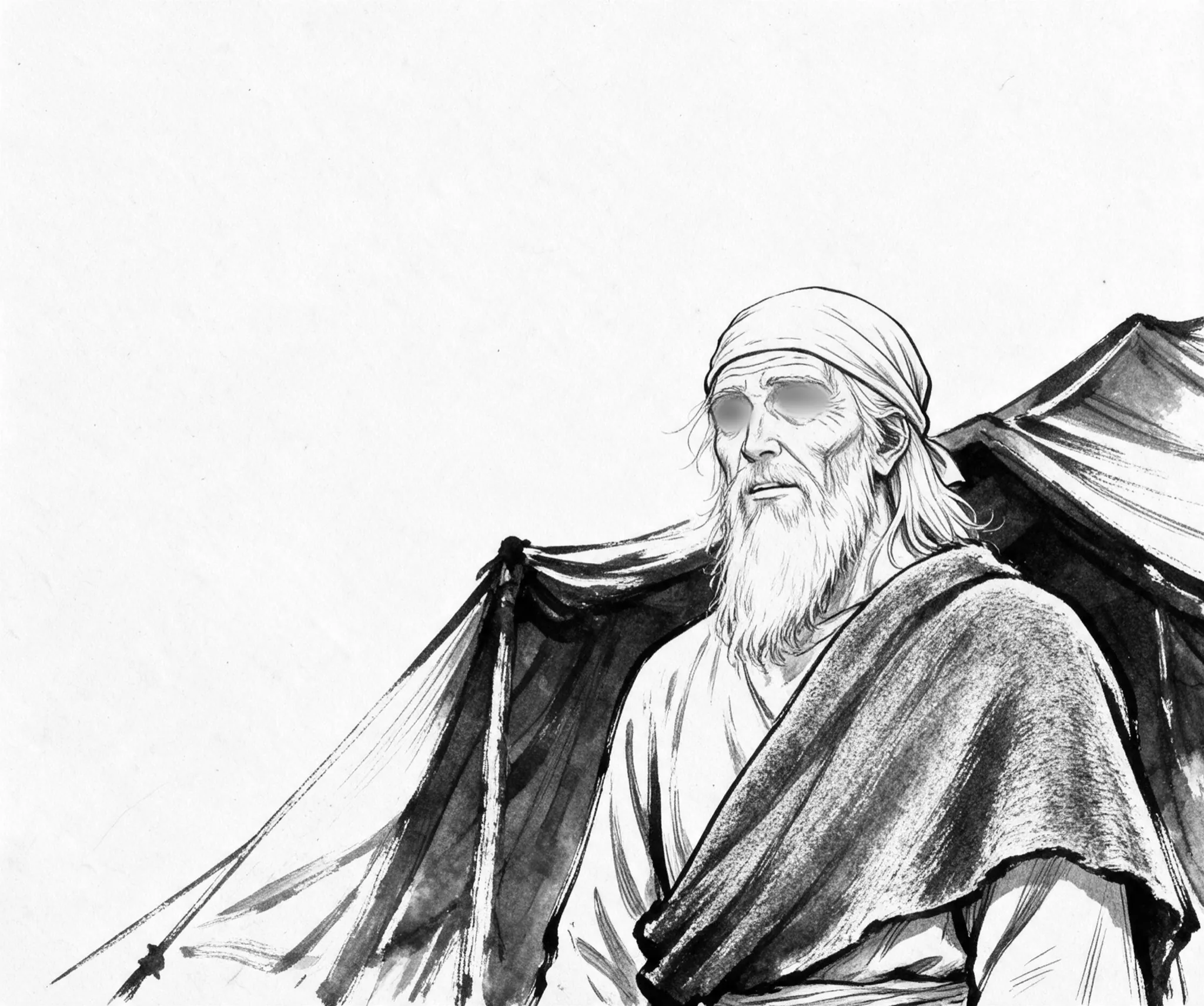
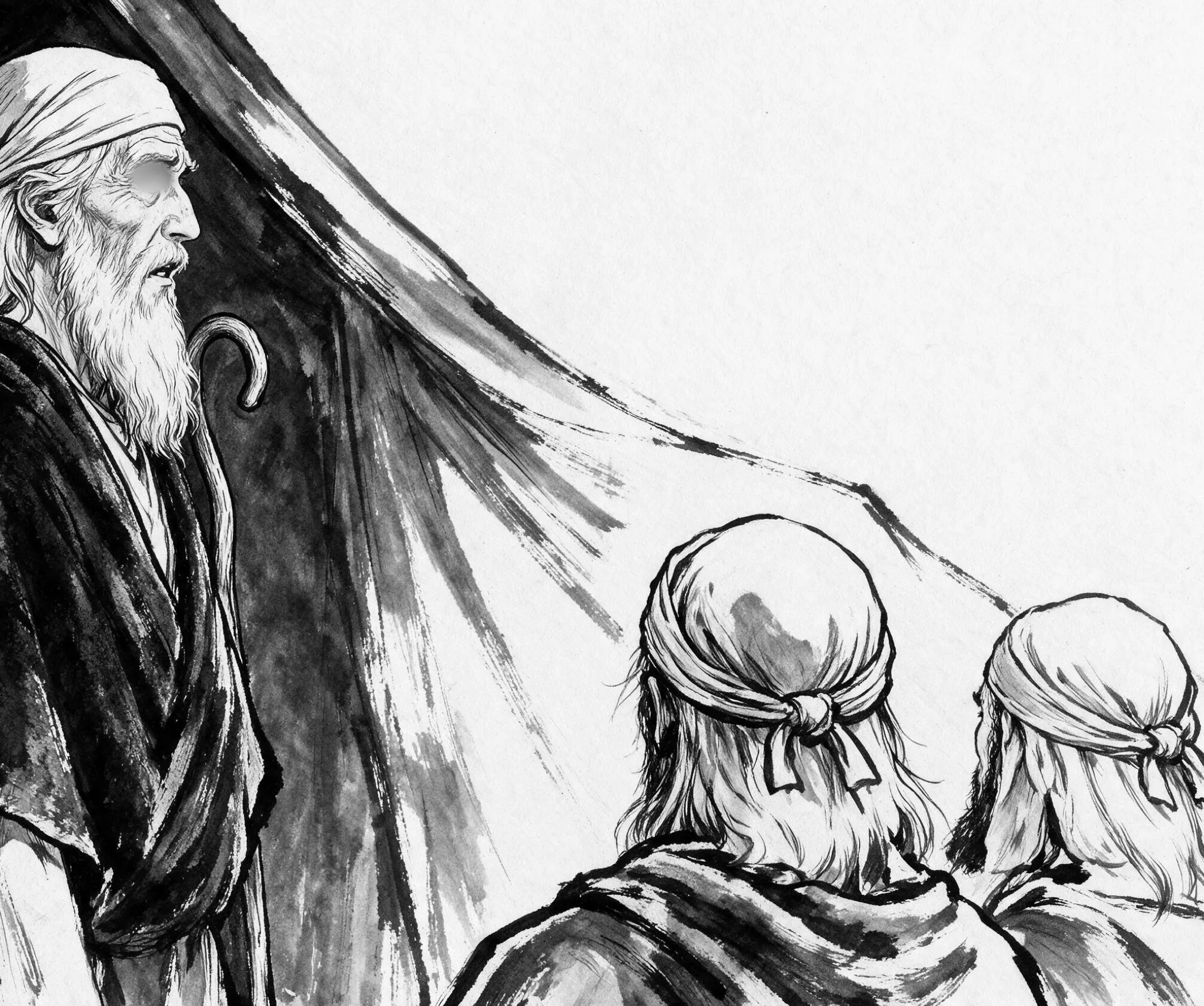
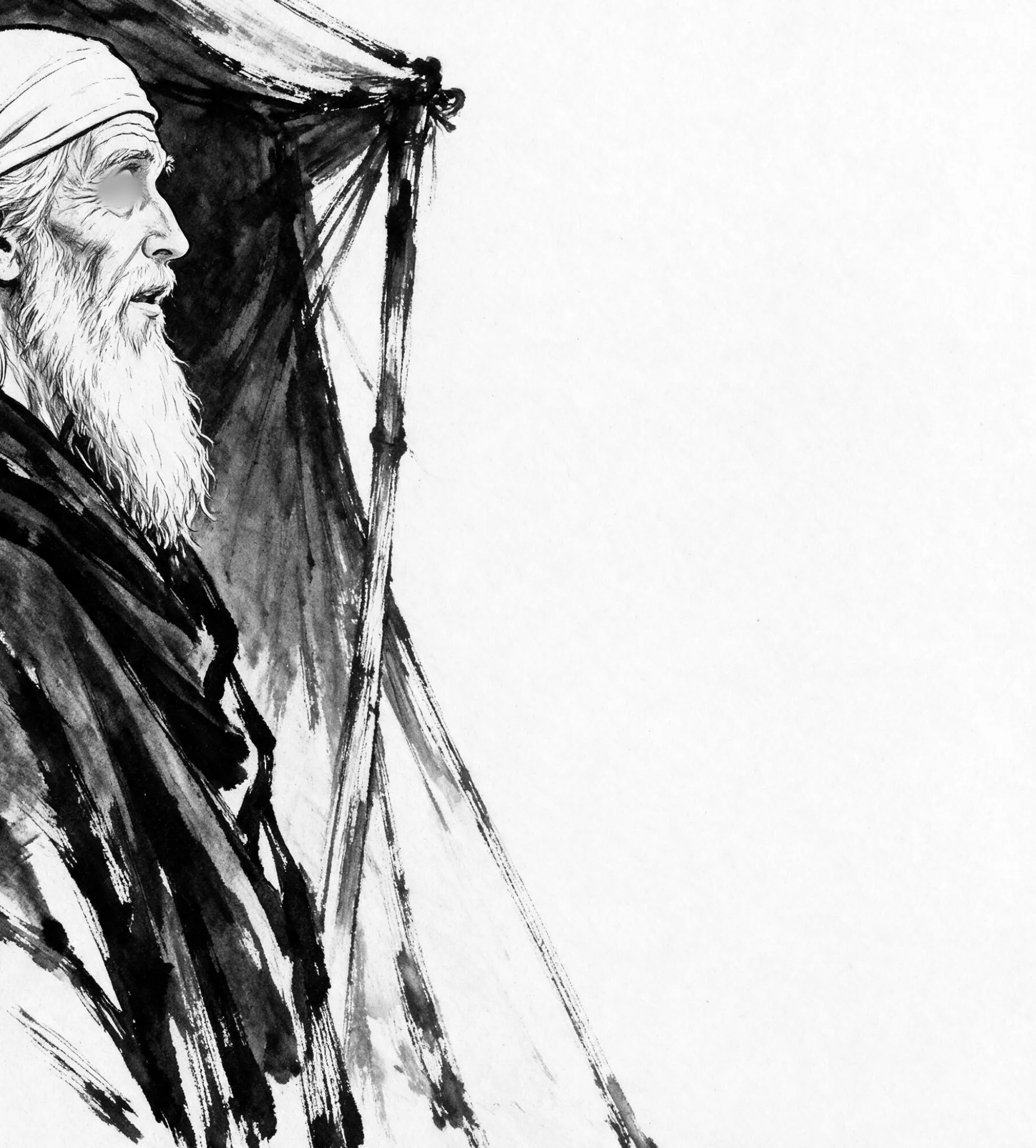
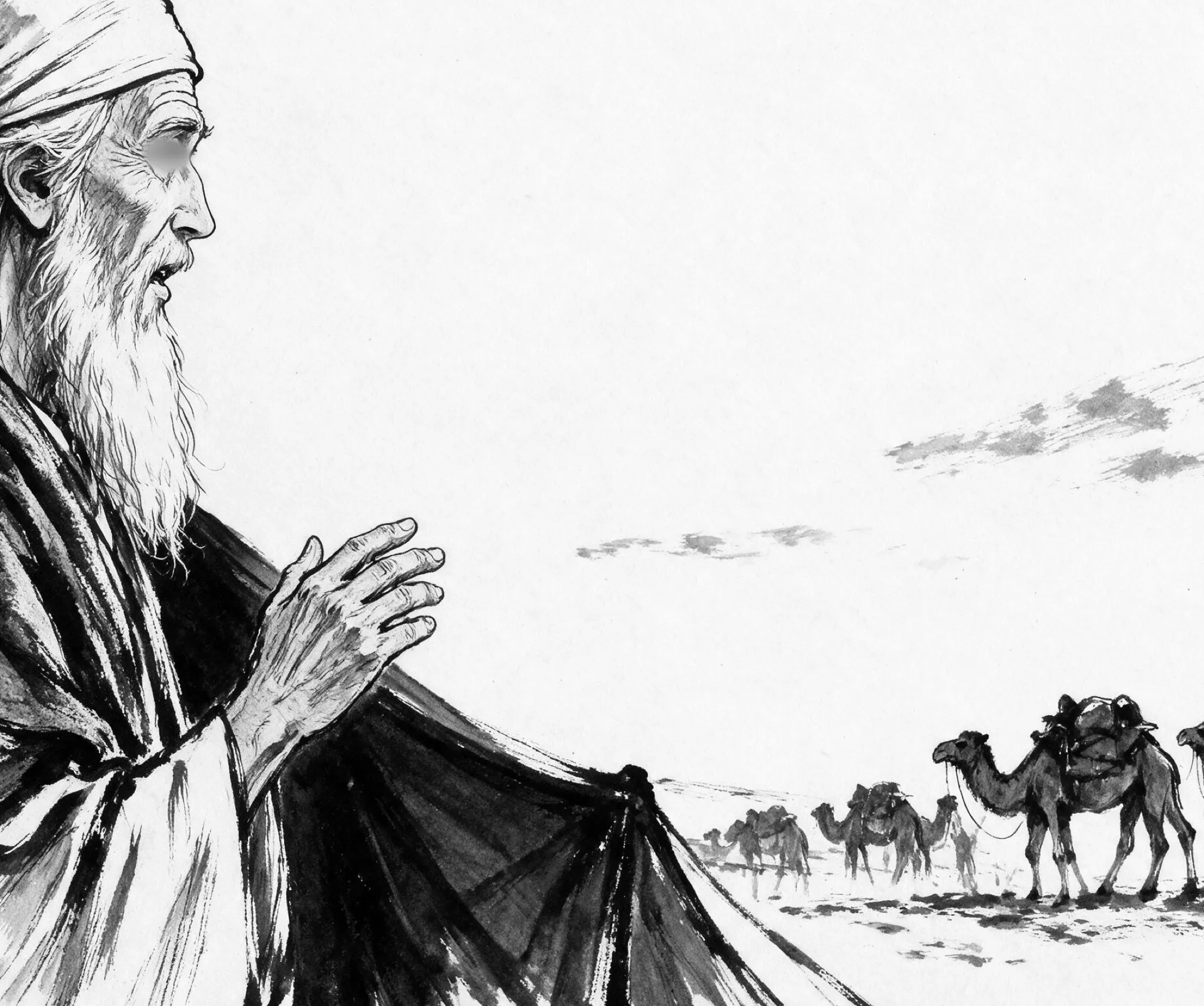
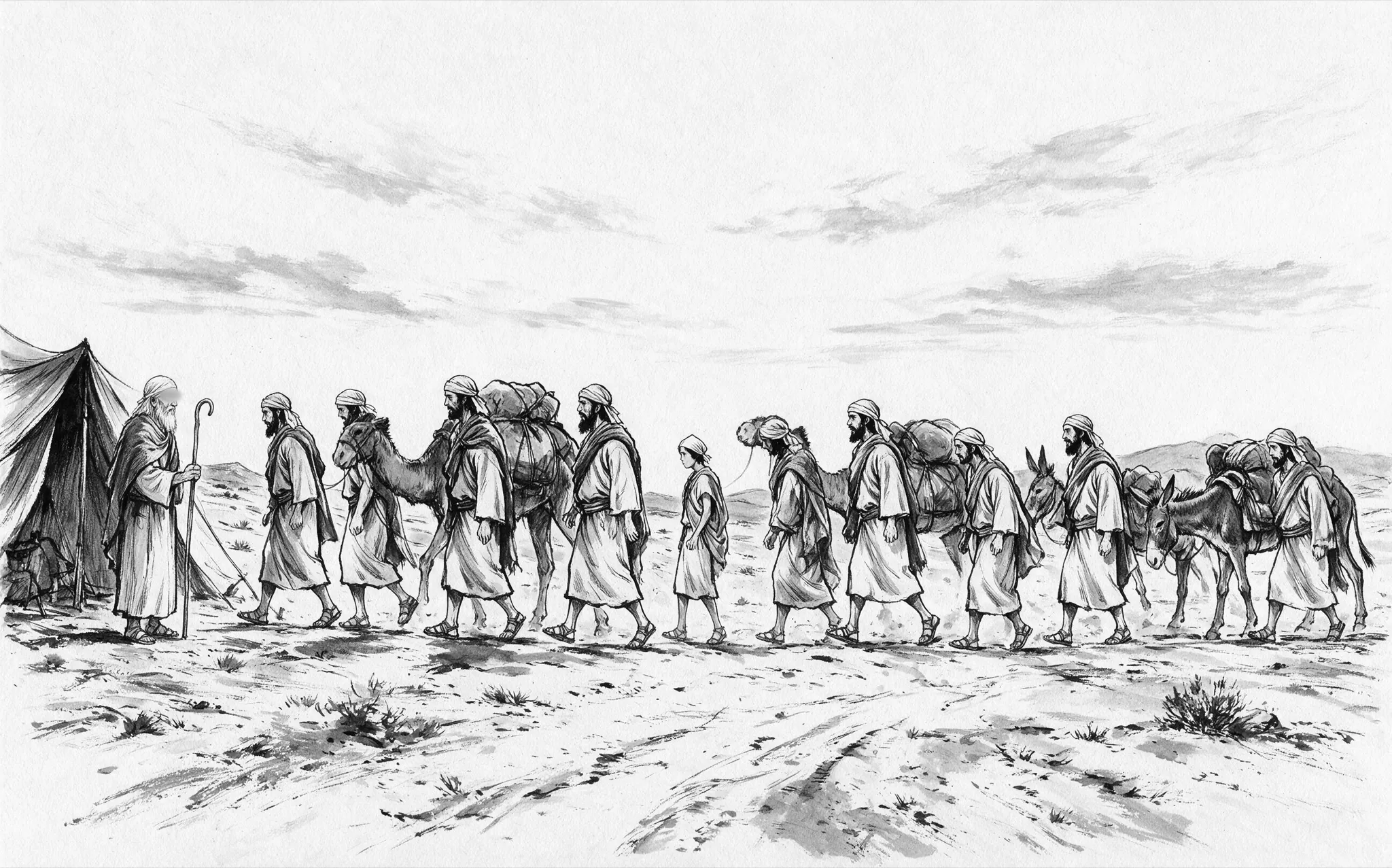
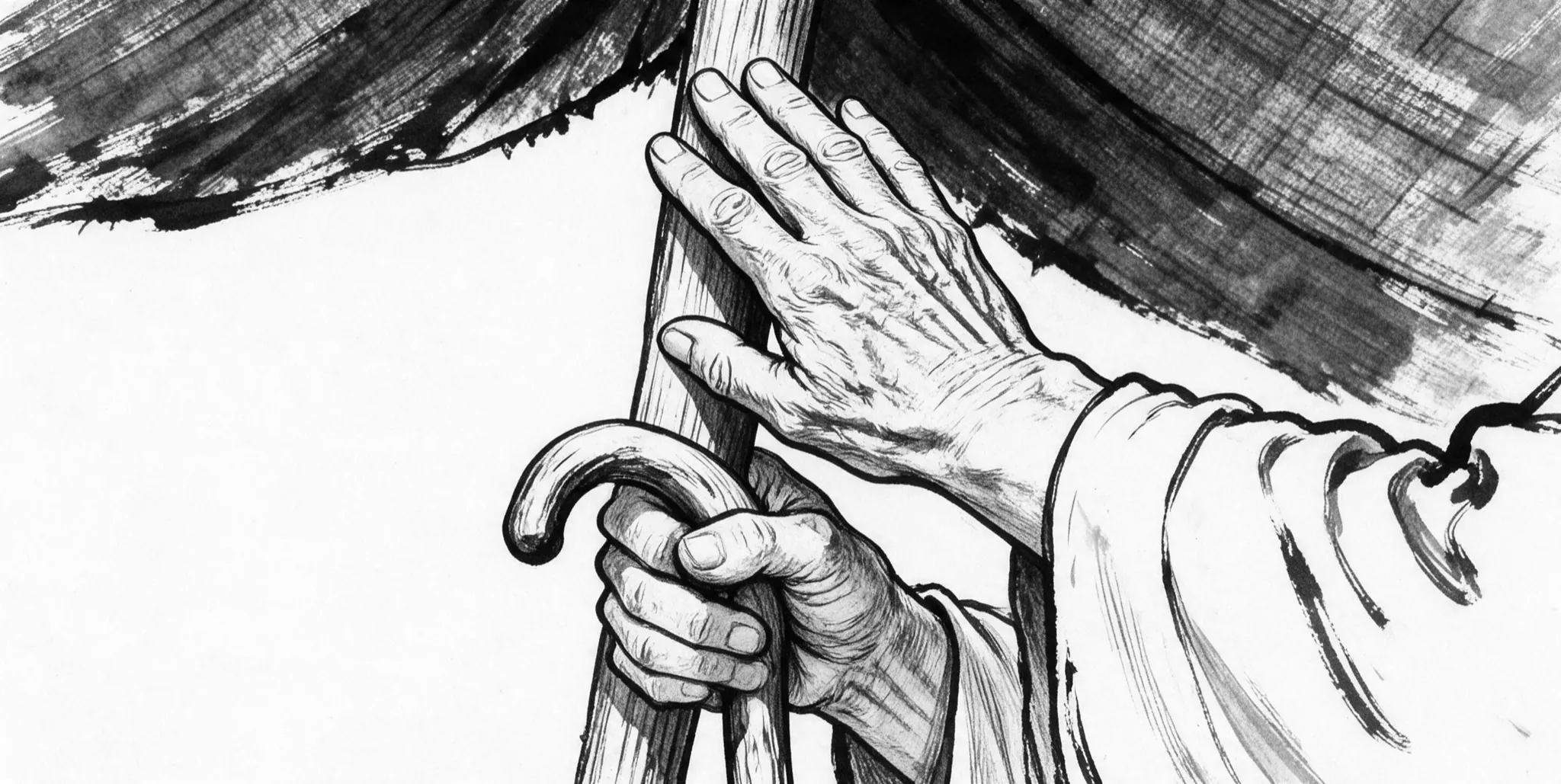
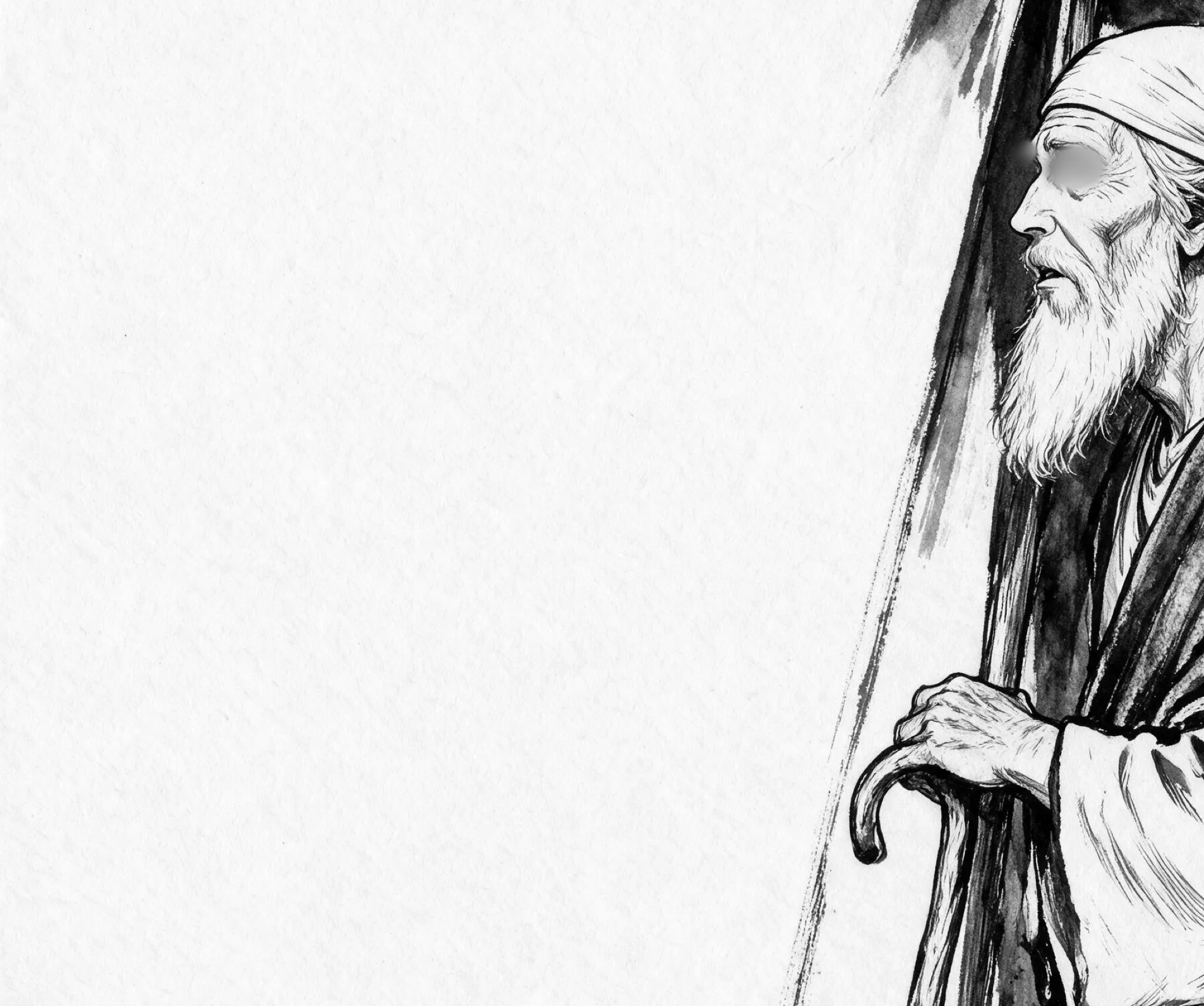
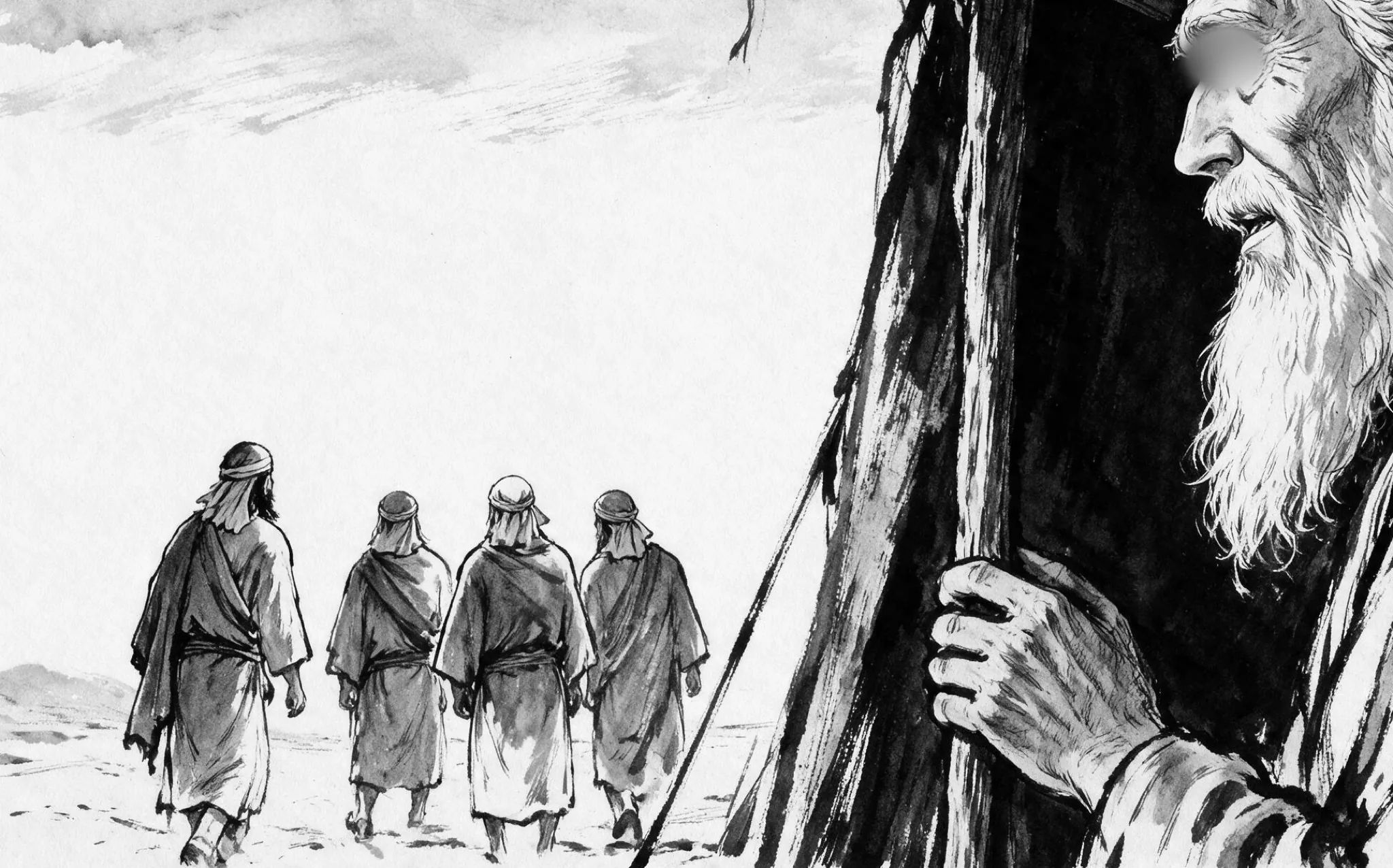
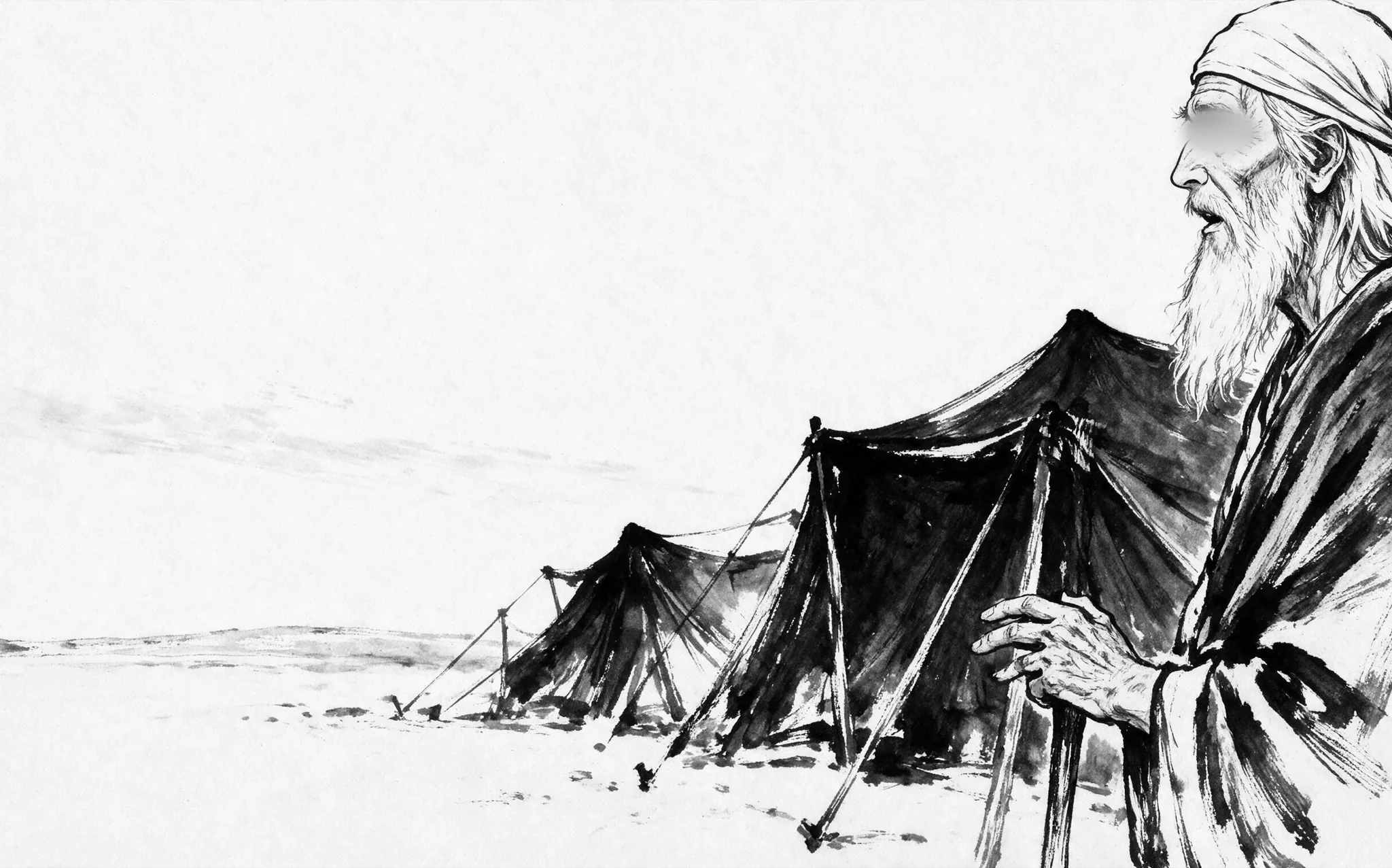
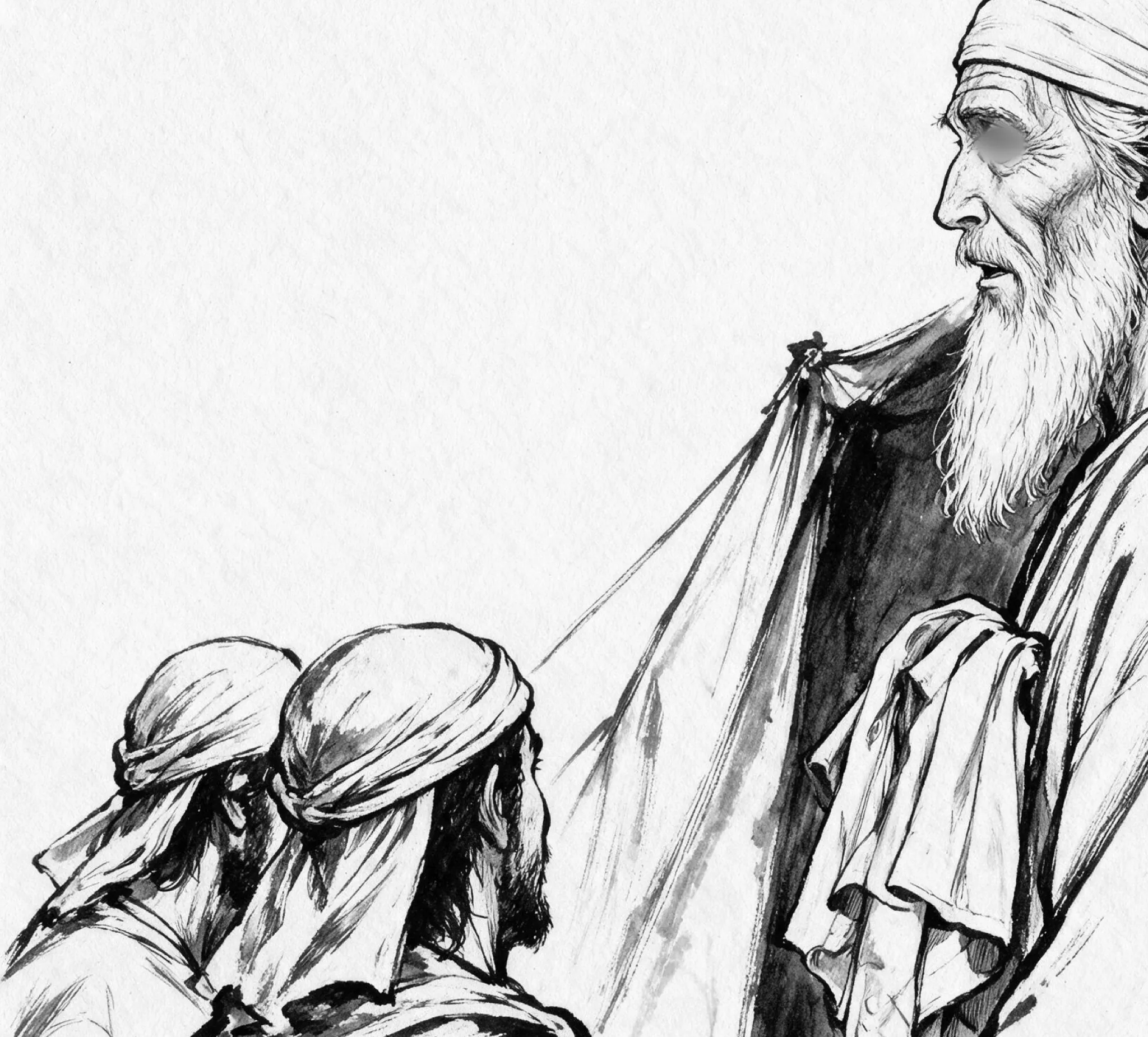
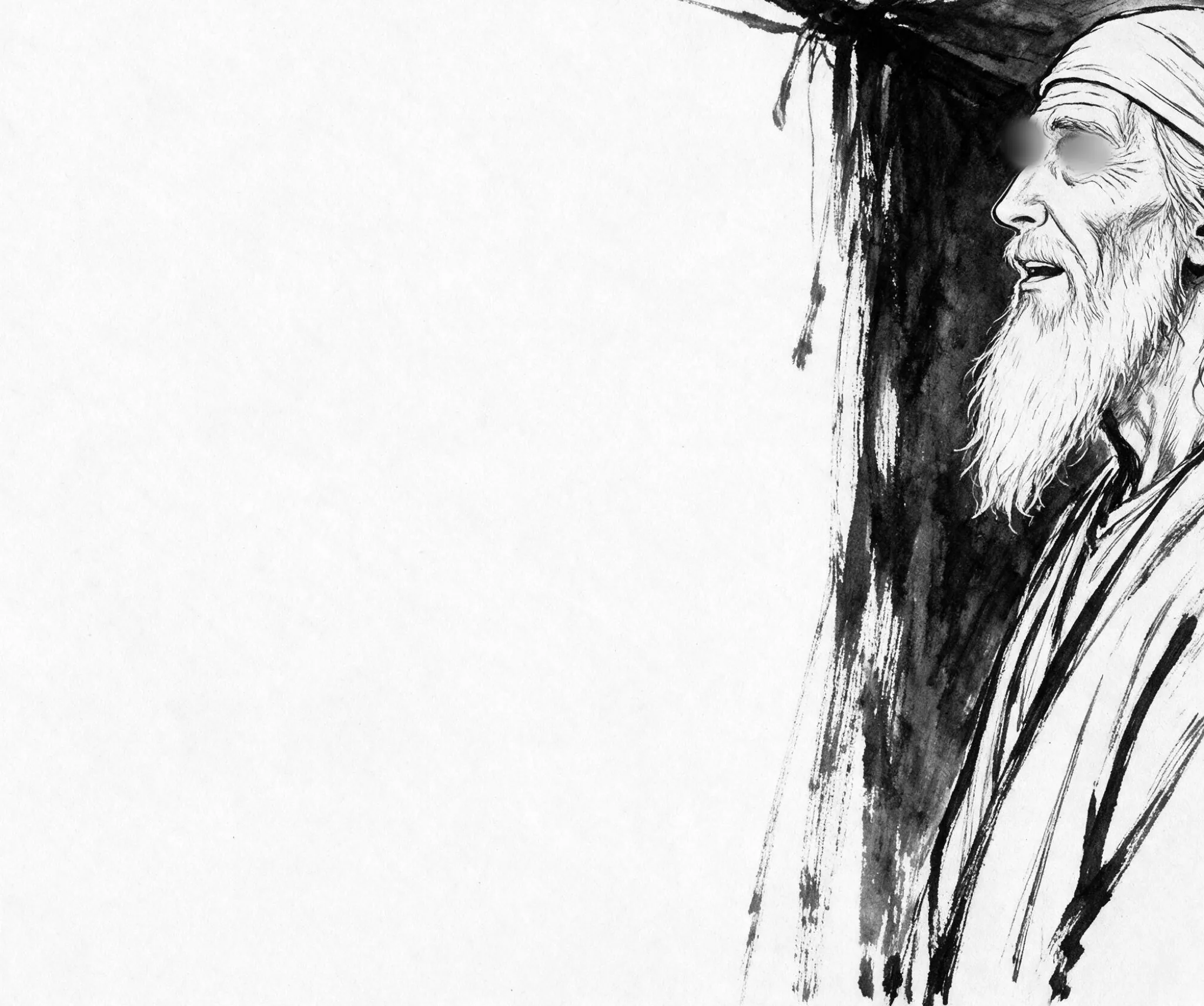
- Qur'an 12:84; Ibn Kathir on 12:80-86 and 12:93-95 - he turned away and grieved for Yusuf; his eyes went white from grief and he held it in. Ibn Kathir reports that he lost his sight from the sorrow he held in. The story tells the blindness in the narrator's words and by his hand on the tent pole and his staff, never by his eyes
- Qur'an 12:85-86 - his sons said he would waste away remembering Yusuf or perish; he answered that he complained of his grief only to Allah, and knew from Allah what they did not
- Qur'an 12:87 - he sent them to seek Yusuf and his brother and told them not to despair of relief from Allah; the first sentence is lettered
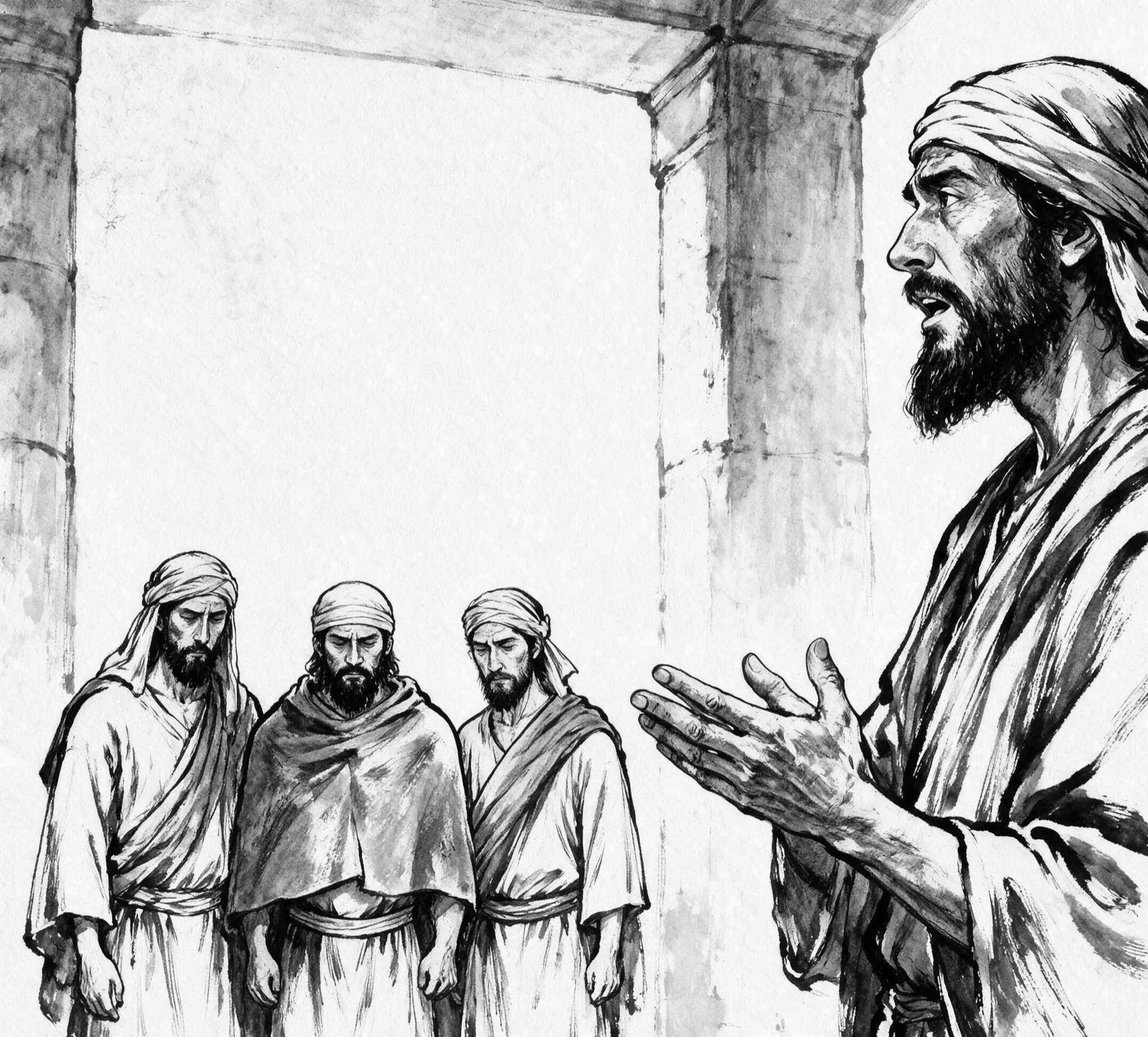
- Qur'an 12:88-89 - the brothers came before the 'Aziz in hardship with goods of little worth and asked for full measure and charity; he asked whether they knew what they had done with Yusuf and his brother when they were ignorant. The Qur'an gives him the title al-Aziz (12:78, 12:88) and the story draws them standing
- Qur'an 12:90-91 - they asked whether he was indeed Yusuf; he answered that he was Yusuf and this his brother, that Allah had favoured them, and that whoever fears Allah and is patient, Allah does not let the reward of the good-doers be lost; they owned that Allah had preferred him over them and that they had been sinners
- Qur'an 12:92 - he told them there was no blame upon them that day and asked Allah's forgiveness for them, He the most merciful of the merciful
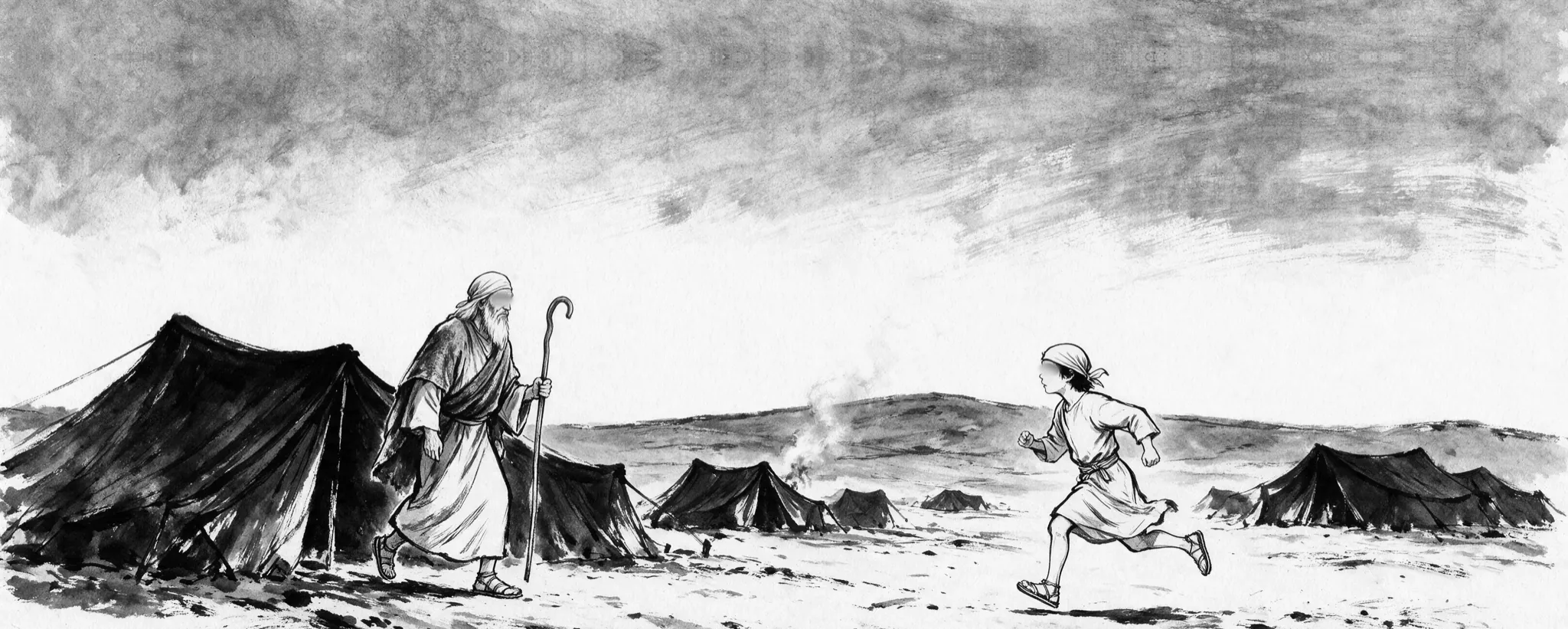
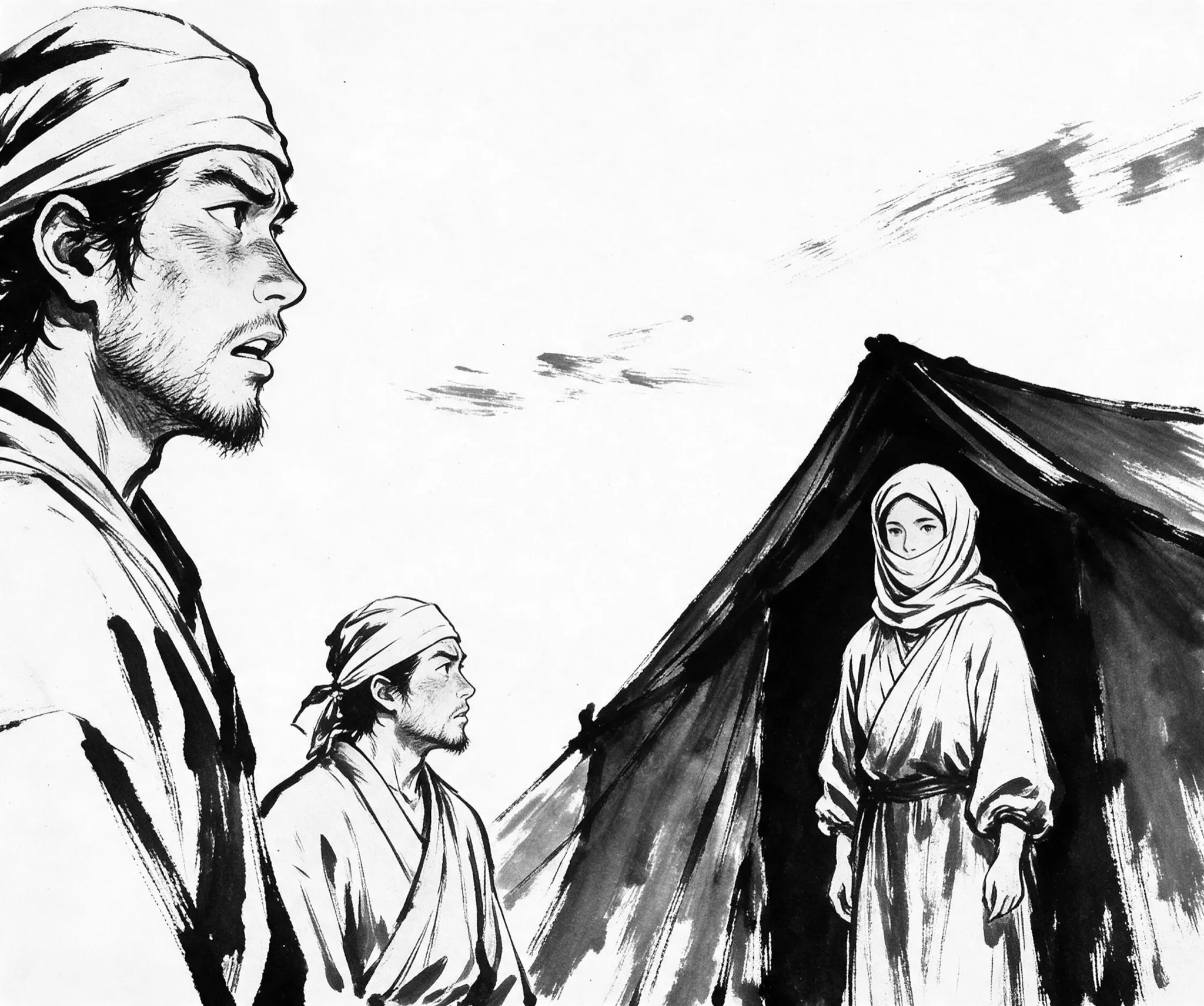
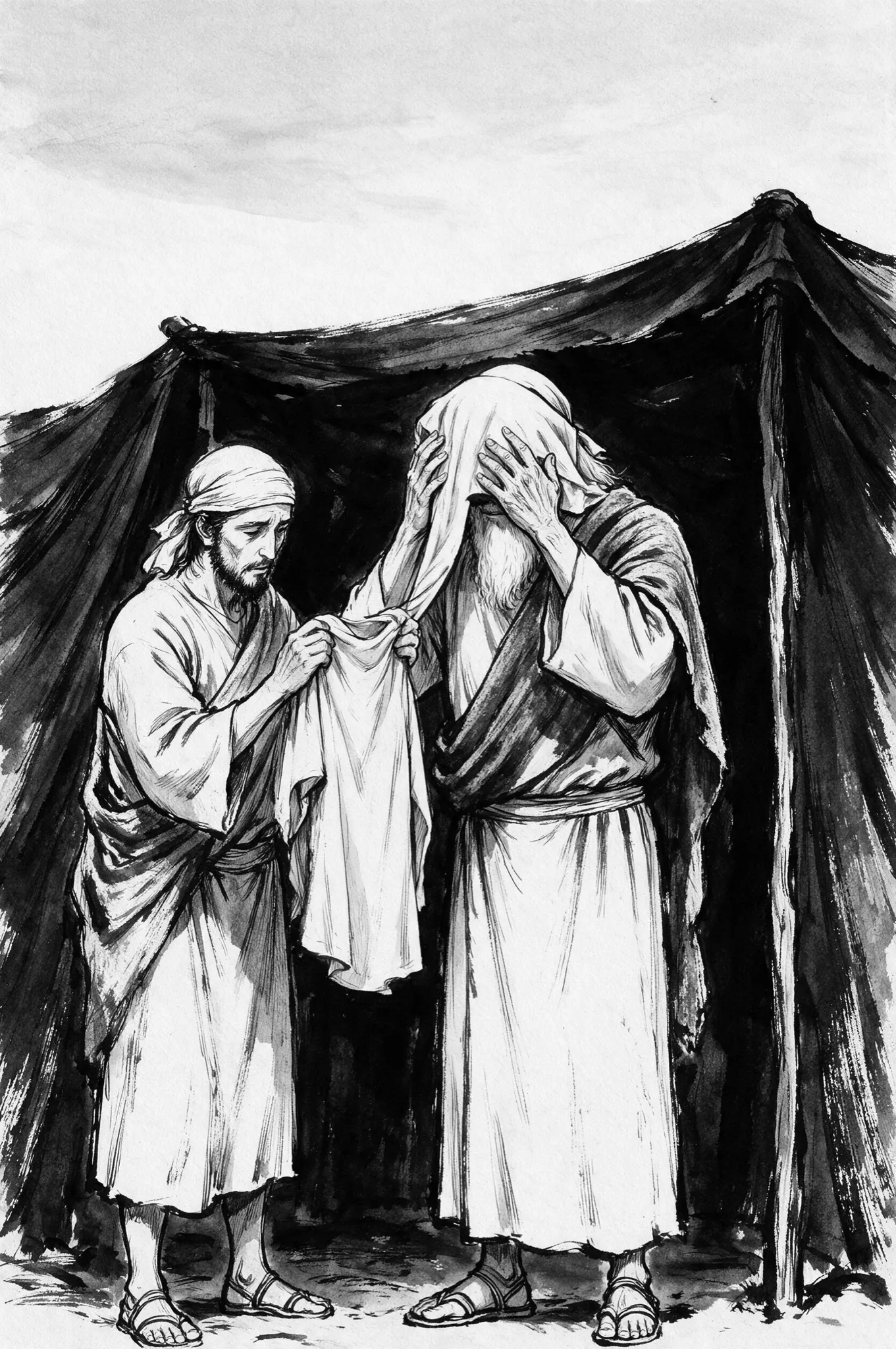
- Qur'an 12:93 - he sent his shirt to be cast over his father's face, that he would see, and asked them to bring all their family. The story draws one brother taking the shirt and bearing it to the tents, unnamed, with no caption or label tying him to the first shirt
- Qur'an 12:94-95; Ibn Kathir on 12:93-95 - as the caravan left Egypt their father said he found the smell of Yusuf, had they not thought him weakened in mind; those with him said he was in his old error. Ibn Kathir reports that it was the children who stayed with him who said it, and gives the distance at which he sensed it (Ibn Abbas); the story captions no distance
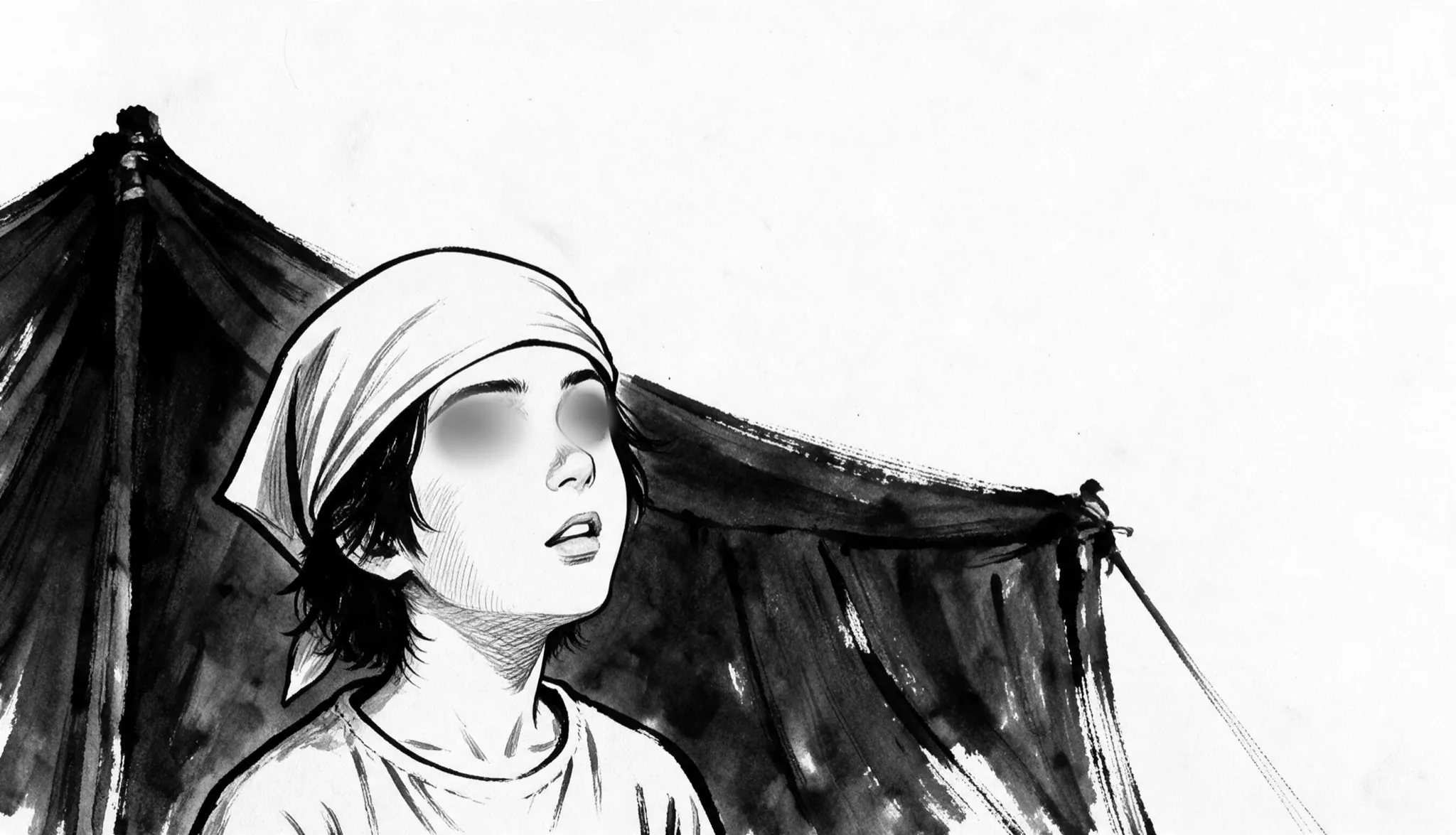
- Qur'an 12:96 - when the bearer of good news came he cast the shirt over his face and he could see again; he asked whether he had not told them that he knew from Allah what they did not. The story shows the shirt on his face and then lowered, with no light, ray or glow
- Qur'an 12:97-98 - his sons asked him to seek forgiveness for them, owning their sin; he said he would ask his Lord for them, He the Forgiving, the Merciful
- Qur'an 12:99 - when they came to Yusuf he took his parents to himself and bade them enter Egypt safe, if Allah willed. The story draws his father and an old covered woman at his side, and its captions say 'his parents', the ayah's own word; whether she was his mother or his mother's sister, the commentators differ
- Qur'an 12:100 - the pause page: he raised his parents to the seat and they fell down in prostration to him, and he said this was the interpretation of his dream, that his Lord had made it true, had been good to him, and had brought them after Shaytan sowed discord between him and his brothers. Ibn Kathir on 12:99-100 reports that the seat was his own raised seat, and that such prostration was a greeting of honour in earlier laws, and forbidden in the law of Islam. It is never drawn, and the Qur'an alone speaks on that page. The Turkish card adds in brackets that they prostrated to Allah, its translator's reading; it stands as written
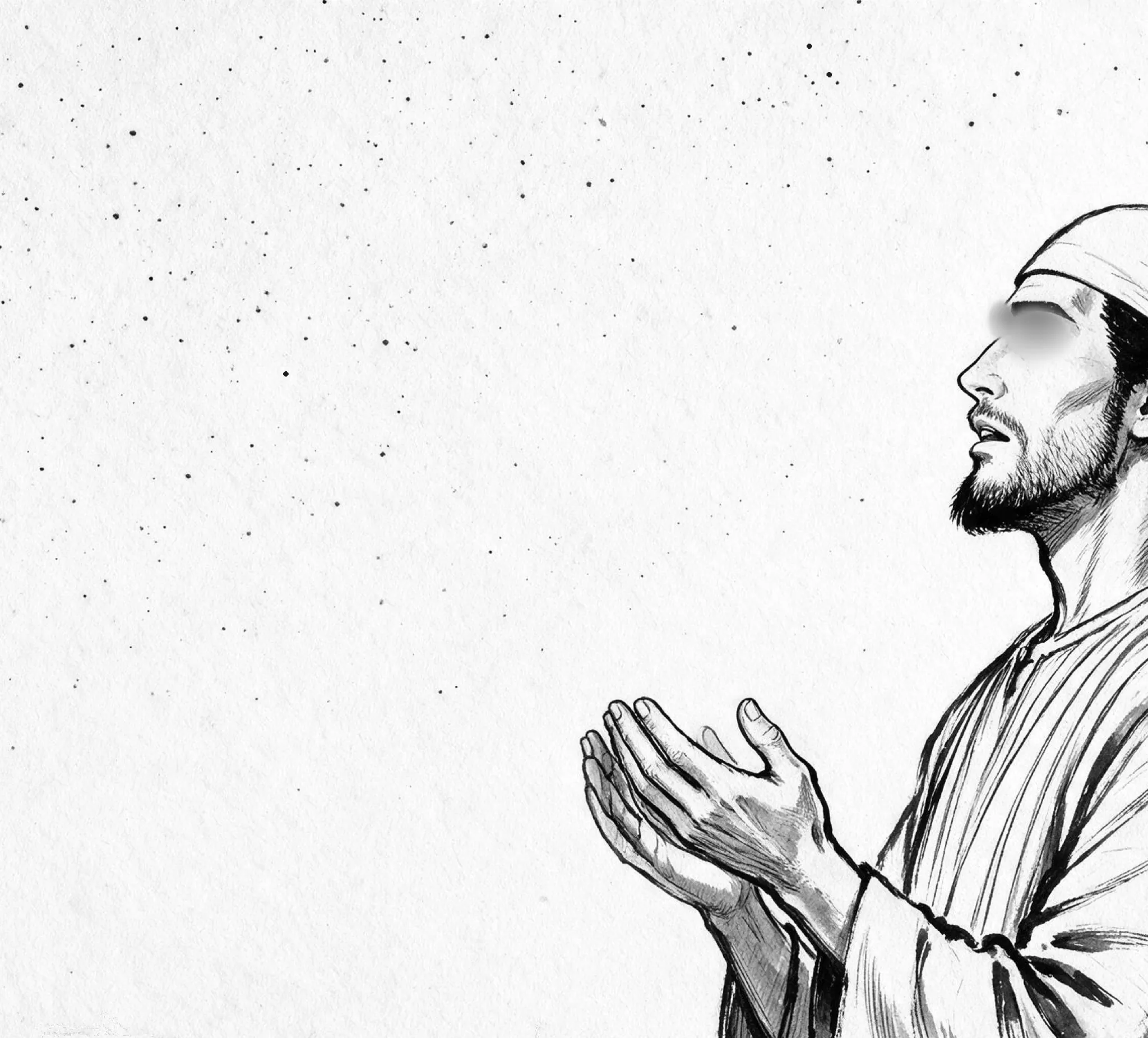
- Qur'an 12:101; Ibn Kathir on 12:101 - his prayer: his Lord had given him of sovereignty and taught him interpretation, the Creator of the heavens and earth, his protector in this world and the next; let him die a Muslim and join him with the righteous. Whether he said it near his death the commentators differ; the story shows him praying alive under an ordinary sky
- Qur'an 12:6, 12:38 - the closing line: Yusuf, of the line of Ya'qub, Ishaq and Ibrahim, in the narrator's words
- Qur'an throughout - the Qur'an names Yusuf, Ya'qub, Ibrahim, Ishaq and Shaytan; it does not name any of his brothers, the water-drawer, the travellers, the man who bought him, his wife, the witness, the women of the city, the two young men of the prison, the king or Yusuf's mother. It calls the man who bought him al-Aziz, a title, and the brothers address Yusuf by the same title once he holds office (12:78, 12:88). No name from tradition is in any caption, bubble or picture; the codex gives some, labelled as tradition's. The Spanish and Japanese editions name the youngest brother inside their own rendering of 12:76, and the pause page shows each card as its translator wrote it
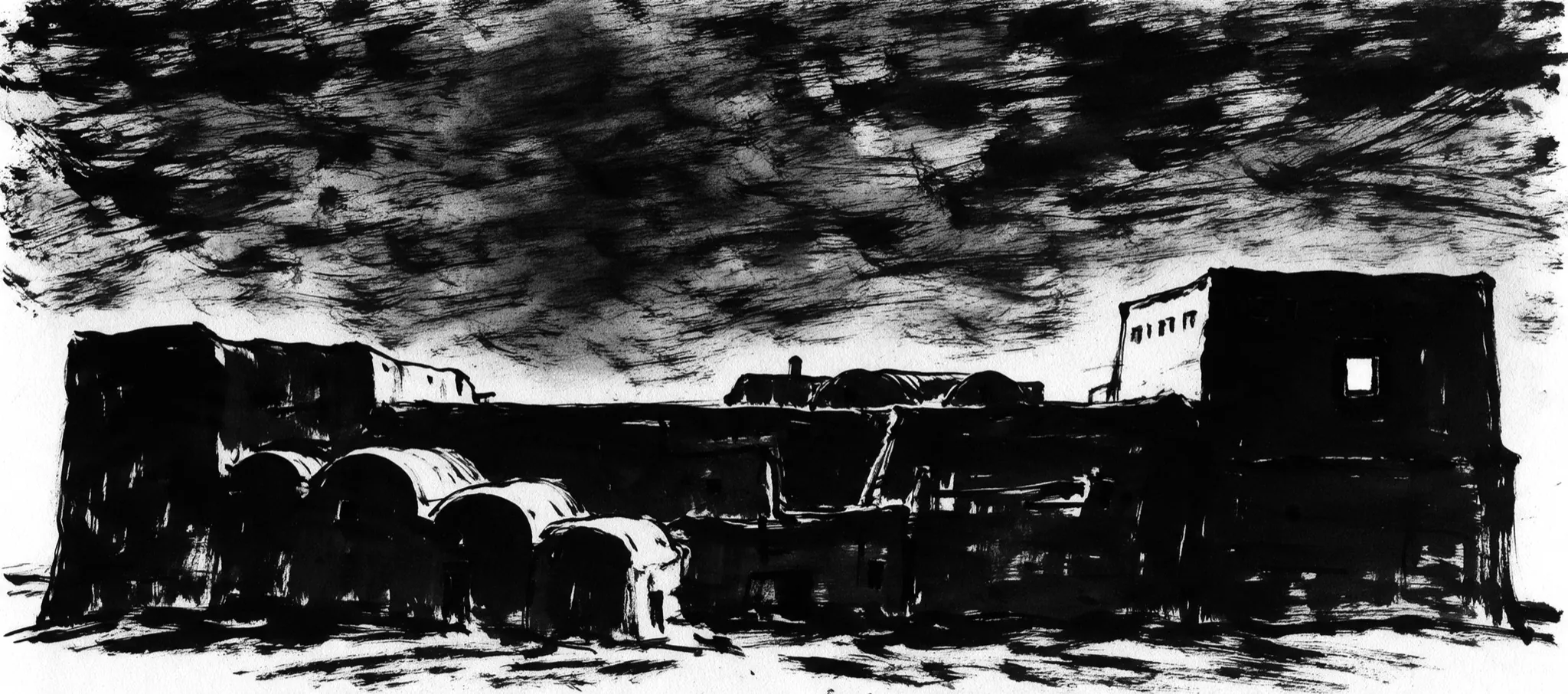
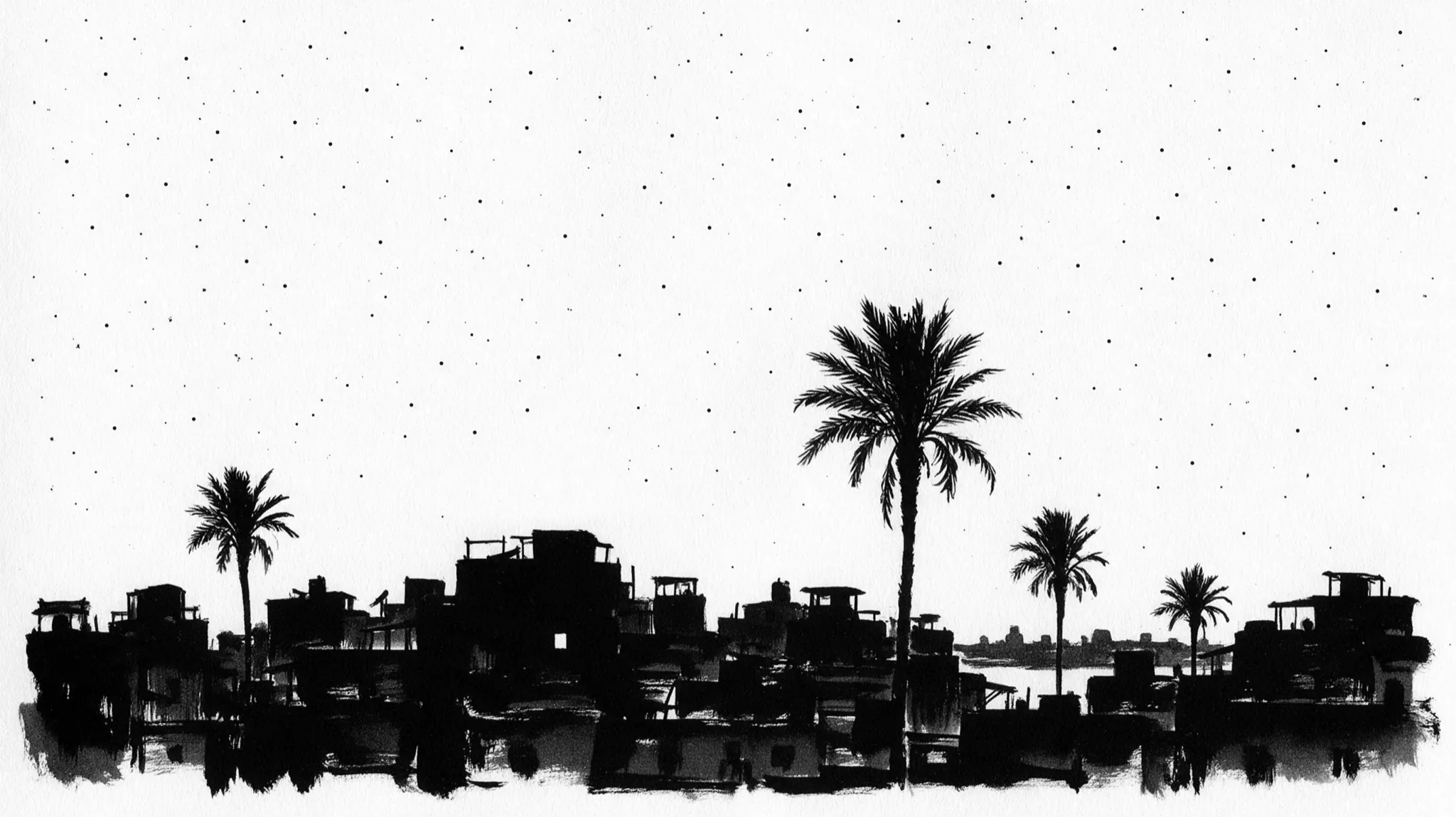
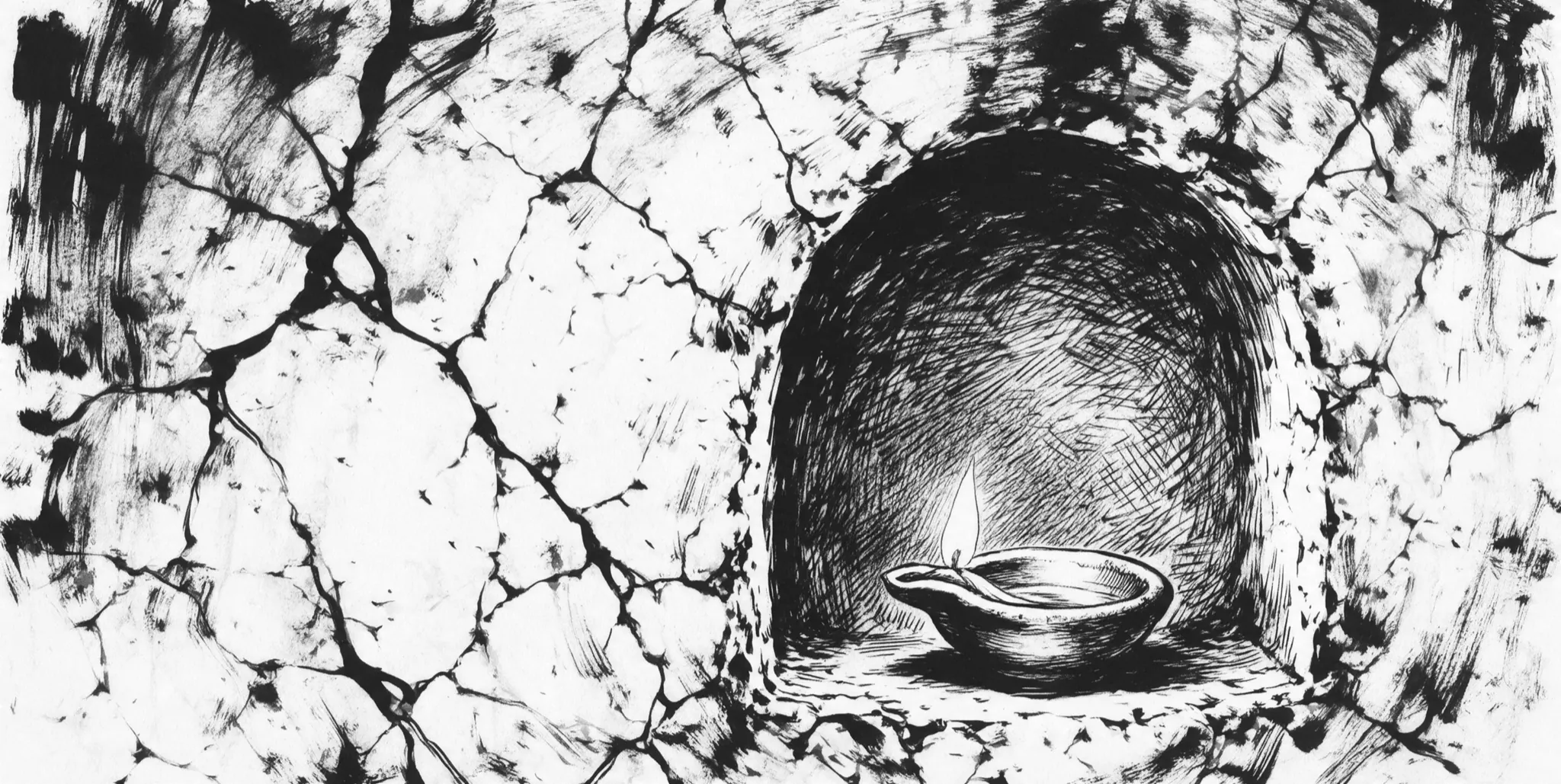
- What the story stages inside the verses is the studio's own: Yusuf's age, Ya'qub's age, his brother as a small child, the brothers drawn as ten men, the eldest and nine others (the count is tradition's; the Qur'an calls them only a clan, 12:8), the tents, the mat and the staff, the well-head and its rope, the caravan, the bales and the coins in a palm; the hours the narrator names (first light, morning); the father sitting far off with Yusuf and his brother; and Yusuf in an inner tunic once the shirt is gone. In Egypt: the river city, the columned house, the master's staff of office and the ring of keys; the water jar and the palm that mark the years; the bar, the bolt and the key of the shut doors; the well where the city's women talk, and the citrons at the banquet; the night room of his prayer; the prison's guard, its bread and jug, and the ledge under the high barred window; the king's hall of plain columns, his seat and his cap, and four elders as his council; the fields along the river sown, reaped, dry and under rain, and the storehouse of sheaves; four women at court, one answering for all; the domed granaries, the measuring floor and its bowl; the tents and the camels; the three gates in the wall; the meal on mats, the side room and the herald at the gate; the night camp outside the walls and the eldest looking back at dawn; the father seated low on a rug; the shirt folded over a forearm and carried by one brother; the household at the tent door; the parents riding at the head of the caravan, the welcome at the city gate, a carved seat on a dais of three steps, the roofs at night and a clay lamp in a niche
- Qur'an 12:1-3 - the surah's opening, addressed to the Prophet Muhammad (peace be upon him), is not told; the story begins at the dream (12:4)
- Recitation on the pause page: Mishary Rashid Alafasy, murattal, Hafs from Asim, streamed per ayah from everyayah.com
- Arabic text on the pause page: the Uthmani text, Hafs from Asim, as quran.com serves it
Play this chapter
Test what you know about this chapter.
Every story on this page is a chapter in DeenOD: Islamic Trivia & Games - free, no ads, every question source-cited.