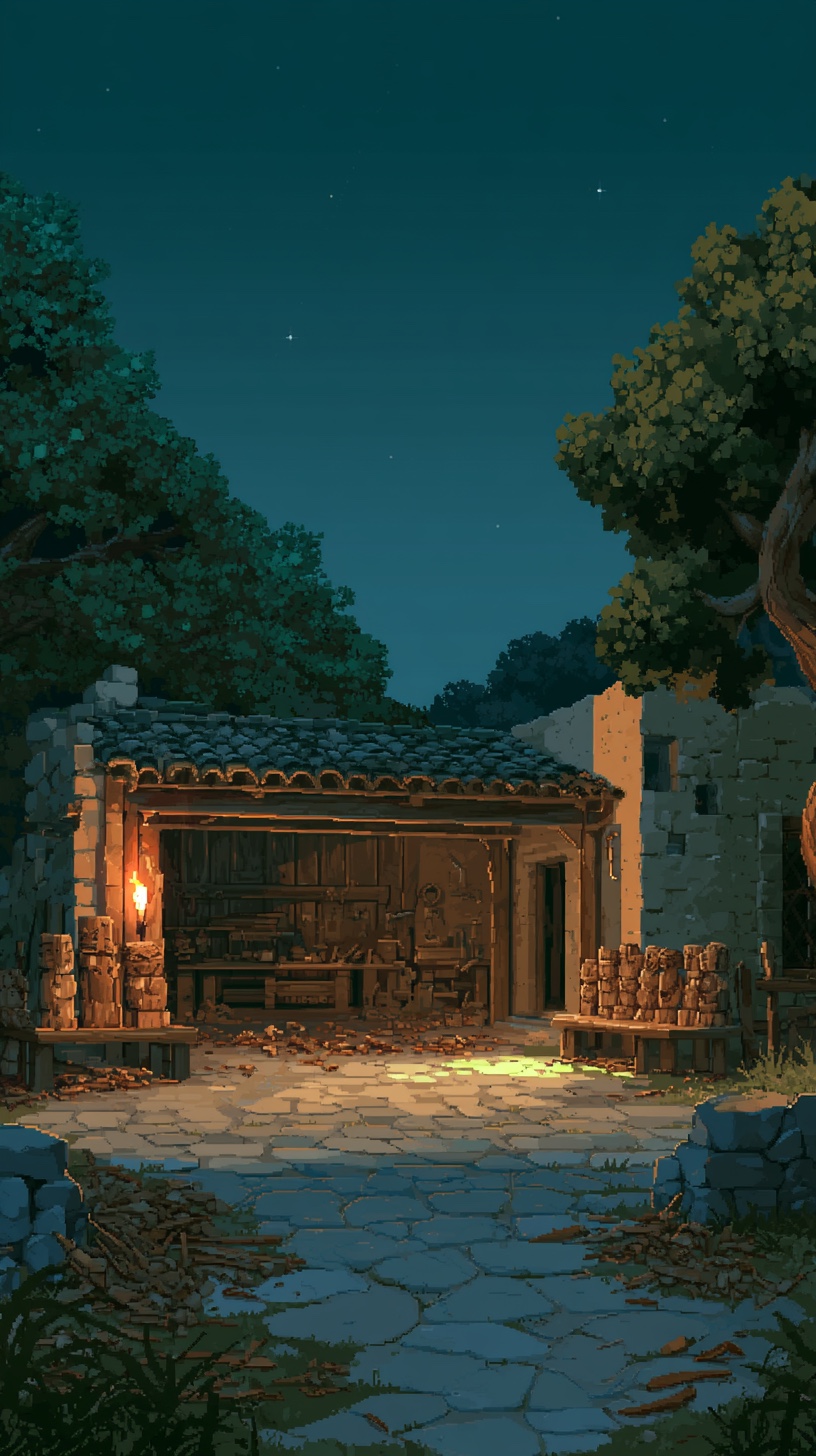
So picture a kid growing up in his father's workshop, and the family business is... making gods.
Azar carves idols and sells them in the market. And even young, something in Ibrahim isn't buying it. He watches his father work, watches customers bow to something his father finished carving an hour ago, and none of it makes sense to him - not for one second.
The argument
Knowing something and getting your people to see it, though, are two different problems. So Ibrahim stages it for them, in public.

Under the star, then under the moon, then under the risen sun - each in turn, he lets his people watch him weigh it as a god, and each in turn, they watch it set like everything before it. He isn't the one who's confused here. He's just walked his own people, one obvious step at a time, straight into the conclusion he already had - the stance the Qur'an calls hanif, bent toward the one God alone:
I have turned my face to the One who created the heavens and the earth, a hanif, and I am not of those who associate others with Allah.
Ibrahim - Qur'an 6:79, Surah al-An'am
The father
But he doesn't come in swinging - not even at his own father. He says it about as gently as it's possible to say it:
O my father, indeed there has come to me of knowledge that which has not come to you, so follow me; I will guide you to an even path.
Ibrahim to Azar - Qur'an 19:43, Surah Maryam
The idols fall
Festival day comes, the whole town clears out, and Ibrahim's left alone with a room full of gods.
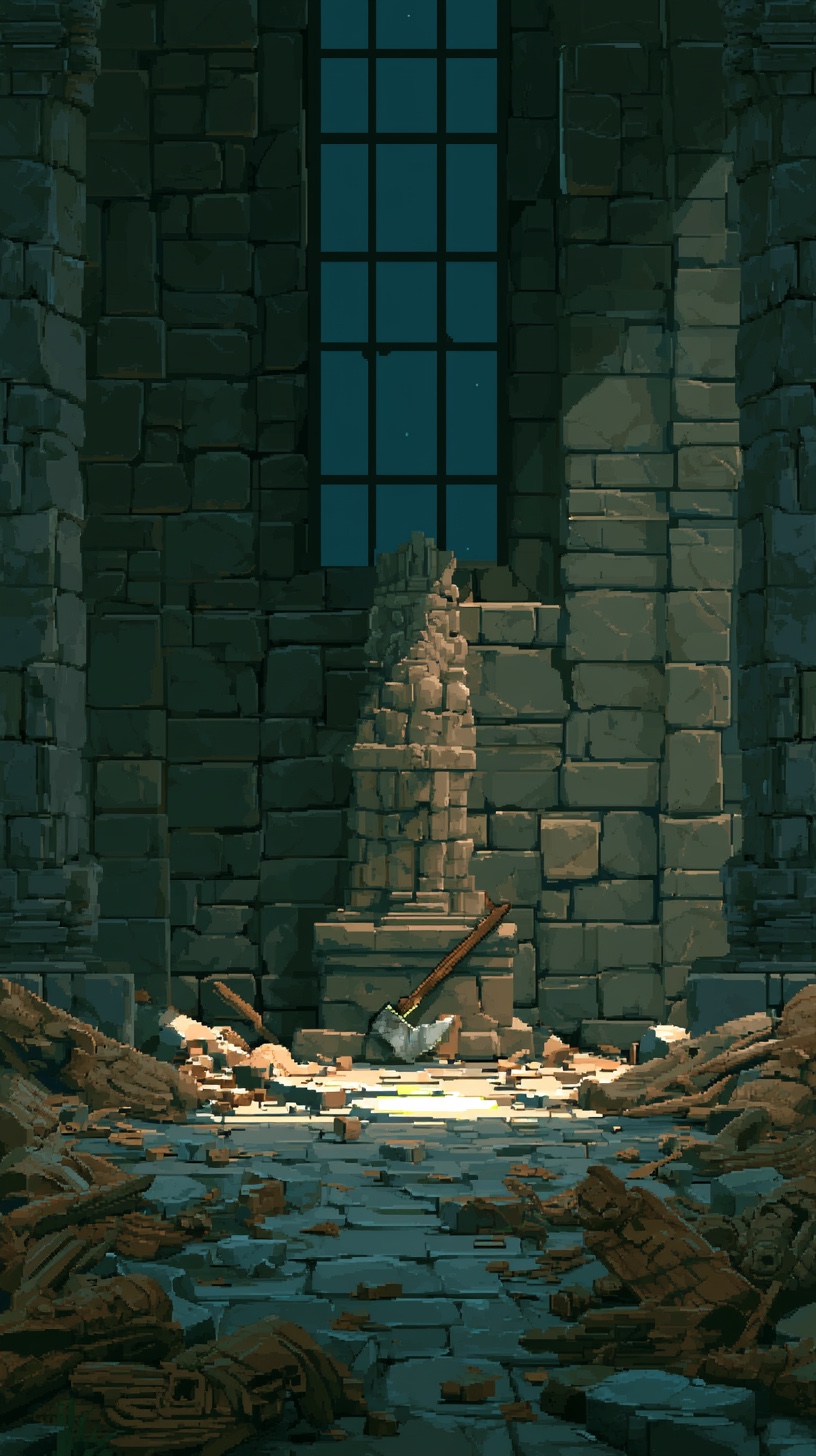
So he gets to work. Every idol in the place, smashed - except the biggest one. He leaves it standing, an axe resting right at its feet.
The confrontation
People get back, see the wreckage, and want to know who did it, immediately. Someone remembers a young man who'd been talking about their gods, so they drag him in front of everyone. Ibrahim just points at the one idol still standing:
He said, "Rather, this - the largest of them - did it, so ask them, if they should [be able to] speak."
Ibrahim - Qur'an 21:63, Surah al-Anbiya
The fire
Dead silence - because obviously it can't talk. And for one second, the Qur'an says it plainly: they actually turn on each other. They know he's right. But being right doesn't save you from an angry crowd. Build a fire, they say. So they do it:
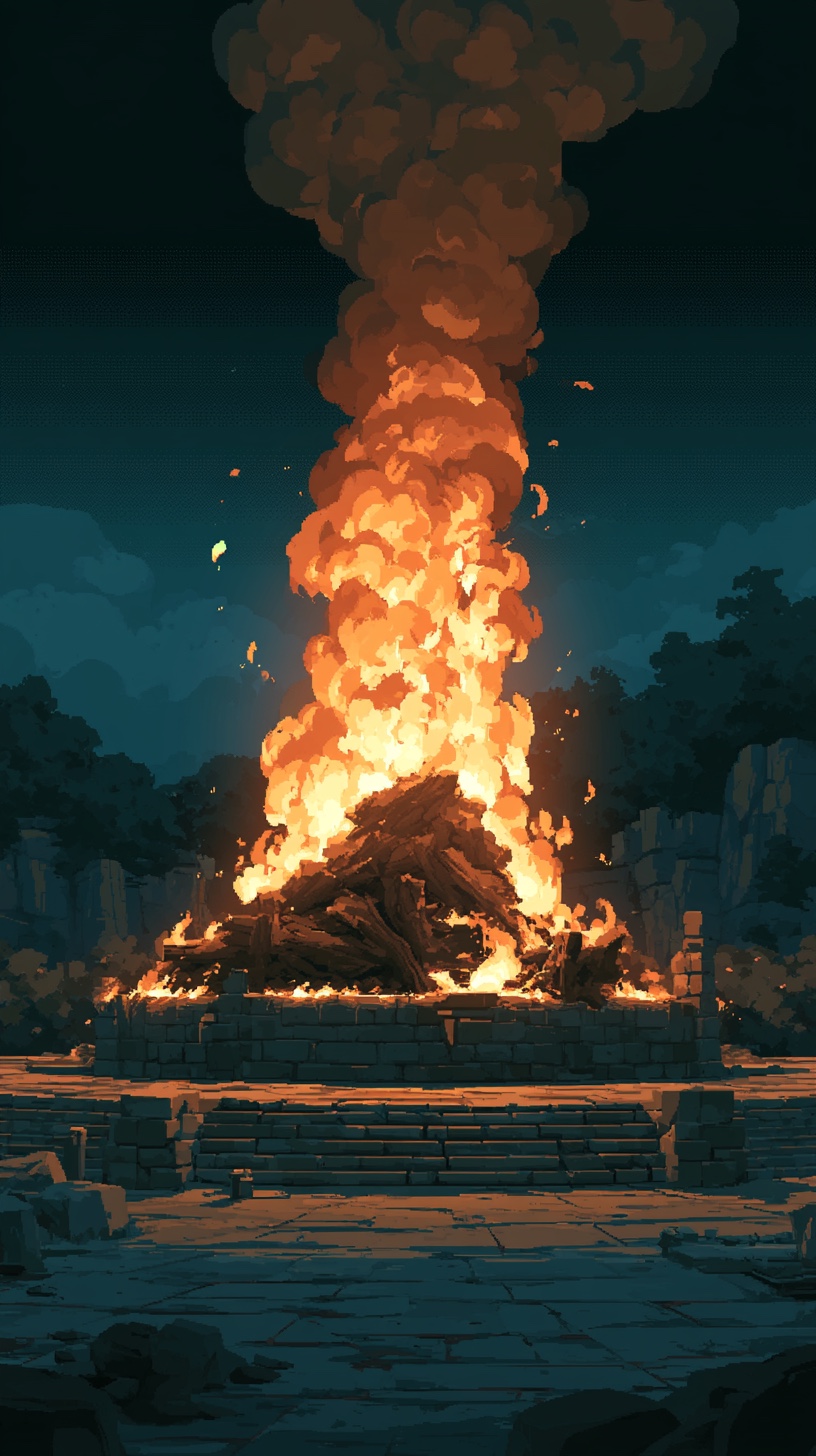
O fire, be coolness and safety upon Ibrahim.
Allah's command - Qur'an 21:69, Surah al-Anbiya
The king
He walks out. Not even his clothes are singed. Word of that gets around, and it reaches an actual king - a guy who thinks his throne makes him God's equal, who claims he can give life and take it. Ibrahim doesn't even push back on that one - fine, sure, technically. Then he says one thing:
So indeed, Allah brings up the sun from the east, so bring it up from the west.
Ibrahim - Qur'an 2:258, Surah al-Baqarah
Leaving
The king just stands there. Nothing to say. Ibrahim's beaten the idols and beaten the king, and neither one converts a single person. So he leaves - walks away from everything he's ever known, his home, his father, his whole city - and all he says is:
And he said, "Indeed, I am going to my Lord; He will guide me."
Ibrahim - Qur'an 37:99, Surah as-Saffat

One man walked out of a fire, and out of an entire civilization's worth of gods, and started something people are still reading about right now.
The lamp stays lit
That's Ibrahim: a kid who never believed his father's workshop, a young man who out-argued an entire town and a king, and a friend of Allah who was ready to lose everything rather than keep any of it.
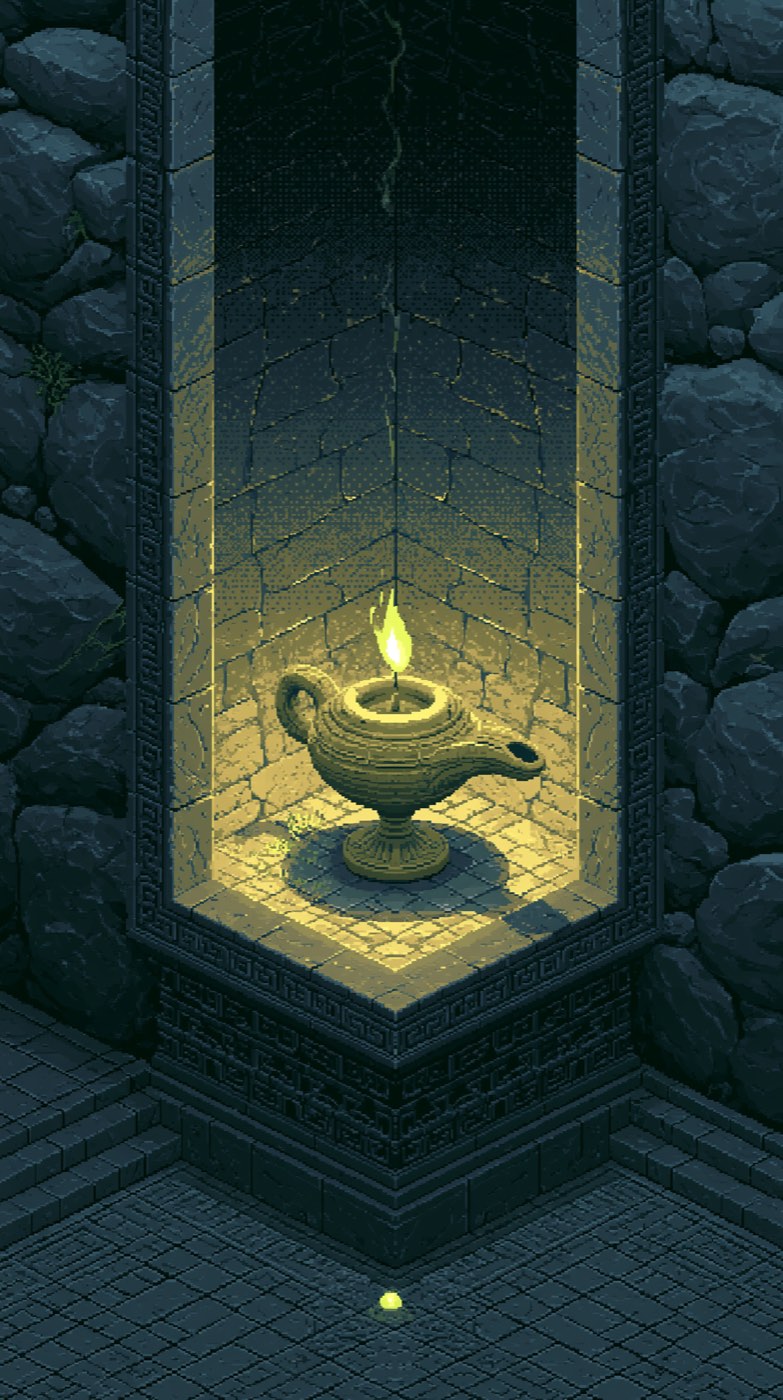
The lamp that rode out Nuh's flood is still burning. It just watched a man walk out of a fire instead.
Next up: a father torn apart by grief over one missing son, and a brother's jealousy that put him in a well.
Scene art is AI-generated and studio-curated. No depiction of prophets or angels, ever - the places and the objects carry the story. How we build.